
BY ASHWINI AWATARE
Contents:- 
What is Image Processing ? 
Steps followed in Image Processing . 
Purpose of Image Processing. 
Types of Image Processing . 
Applications of Image Processing . 
Applications in details . 
Advantage and Limitations . 
Resources .
What is Image Processing 
Image processing is a method to convert an image 
into digital form and perform some operations on it, in 
order to get an enhanced image or to extract some 
useful information from it. 
Usually Image Processing system includes treating 
images as two dimensional signals while applying 
already set signal processing methods to them.
Images as functions
Image Processing : 
An image defined in the "real world" is considered to be 
a function of two real variables say x , y. 
 Before going to processing an image, it is converted into 
a digital form. Digitization includes sampling of image 
and quantization of sampled values. 
 After converting the image into bit information, processing 
is performed. 
 This processing technique may be, 
*Image enhancement 
* Image reconstruction 
* Image compression
Image enhancement refers to accentuation, or 
sharpening, of image features such as boundaries. 
Image restoration is concerned with filtering the 
observed image to minimize the effect of 
degradations. 
Image compression is concerned with minimizing the 
number of bits required to represent an image. 
* Text compression - CCITT GROUP3 & GROUP4 
* Still image compression - JPEG 
* Video image compression -MPEG
Image processing basically includes 
the following three steps. 
 Importing the image with optical scanner or by digital 
photography. 
Analyzing and manipulating the image which includes 
data compression and image enhancement and 
spotting patterns that are not to human eyes like 
satellite photographs. 
 Output is the last stage in which result can be altered 
image or report that is based on image analysis.
Modern digital technology has made it possible to 
manipulate multi-dimensional signals with systems 
that range from simple digital circuits to advanced 
parallel computers. The goal of this manipulation can 
be divided into three categories: 
* Image Processing image in -> image out 
* Image Analysis image in -> measurements out 
* Image Understanding image in -> high-level 
description out 
Image processing is referred to processing of a 2D 
picture by a computer.
Purpose of Image processing 
The purpose of image processing is divided into 5 groups. 
They are: 
 Visualization - Observe the objects that are not visible. 
 Image sharpening and restoration - To create a better 
image. 
 Image retrieval - Seek for the image of interest. 
 Measurement of pattern – Measures various objects in 
an image. 
 Image Recognition – Distinguish the objects in an 
image.
Types of Image Processing 
 There are two types of the Image Processing 
1> Analog Image Processing 
Analog Image Processing refers to the 
alteration of image through electrical means. 
The most common example is the television 
image.
2>Digital Image Processing : 
In this case, digital computers are used to 
process the image. 
 The image will be converted to digital form using a 
scanner – digitizer and then process it. 
 It is defined as the subjecting numerical 
representations of objects to a series of operations in 
order to obtain a 
desired result
Applications : 
Computer Vision 
Agricultural Applications 
Face Detection 
Medical Imaging 
Microscope Image Processing 
Raster Operation 
Remote Sensing 
 Non-destructive Evaluation
Applications 
 Forensic Studies 
 Textiles 
 Material Science. 
 Military 
 Film industry 
 Document processing 
 Graphic arts 
 Printing Industry
Document Handling
Signature Verification
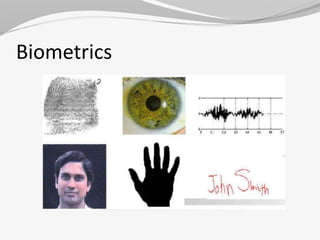
Biometrics
Fingerprint Verification / Identification
Fingerprint Identification Research at UNR 
Minutiae Matching 
Delaunay Triangulation
Object Recognition Research 
reference view 1 reference view 2 
novel view recognized
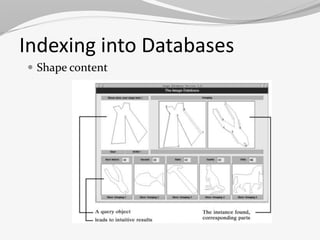
Indexing into Databases 
 Shape content
Interpretation of Aerial 
Photography 
Interpretation of aerial photography is a problem domain in both 
computer vision and registration.
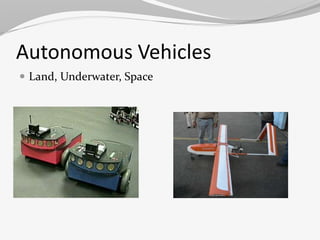
Autonomous Vehicles 
 Land, Underwater, Space
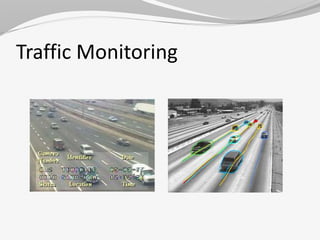
Traffic Monitoring
Face Detection
Face Recognition
Face Detection/Recognition Research at 
UNR
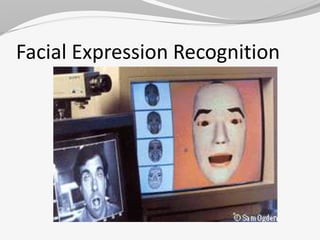
Facial Expression Recognition
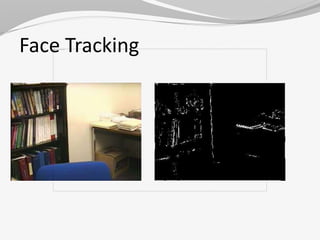
Face Tracking
Hand Gesture Recognition 
 Smart Human-Computer User Interfaces 
 Sign Language Recognition
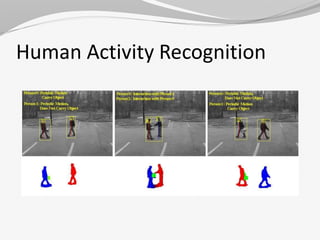
Human Activity Recognition
Medical Applications 
 skin cancer breast cancer
Morphing
Inserting Artificial Objects into a Scene
Advantage 
Advantages are as follows : 
 you can remove unwanted objects, adjust exposure, 
saturation, hue, levels, sharpness, and more. 
Easy to manipulate. 
 Compact storage.
Limitations :- 
Limitations are as follows: 
It's very costly depending on the system used, the 
number of detectors purchased. 
 Time consuming 
 Lack of qualified professional
THANK YOU

Image proccessing and its application

  • 1.
  • 2.
    Contents:- What isImage Processing ? Steps followed in Image Processing . Purpose of Image Processing. Types of Image Processing . Applications of Image Processing . Applications in details . Advantage and Limitations . Resources .
  • 3.
    What is ImageProcessing Image processing is a method to convert an image into digital form and perform some operations on it, in order to get an enhanced image or to extract some useful information from it. Usually Image Processing system includes treating images as two dimensional signals while applying already set signal processing methods to them.
  • 4.
  • 5.
    Image Processing : An image defined in the "real world" is considered to be a function of two real variables say x , y.  Before going to processing an image, it is converted into a digital form. Digitization includes sampling of image and quantization of sampled values.  After converting the image into bit information, processing is performed.  This processing technique may be, *Image enhancement * Image reconstruction * Image compression
  • 6.
    Image enhancement refersto accentuation, or sharpening, of image features such as boundaries. Image restoration is concerned with filtering the observed image to minimize the effect of degradations. Image compression is concerned with minimizing the number of bits required to represent an image. * Text compression - CCITT GROUP3 & GROUP4 * Still image compression - JPEG * Video image compression -MPEG
  • 7.
    Image processing basicallyincludes the following three steps.  Importing the image with optical scanner or by digital photography. Analyzing and manipulating the image which includes data compression and image enhancement and spotting patterns that are not to human eyes like satellite photographs.  Output is the last stage in which result can be altered image or report that is based on image analysis.
  • 8.
    Modern digital technologyhas made it possible to manipulate multi-dimensional signals with systems that range from simple digital circuits to advanced parallel computers. The goal of this manipulation can be divided into three categories: * Image Processing image in -> image out * Image Analysis image in -> measurements out * Image Understanding image in -> high-level description out Image processing is referred to processing of a 2D picture by a computer.
  • 10.
    Purpose of Imageprocessing The purpose of image processing is divided into 5 groups. They are:  Visualization - Observe the objects that are not visible.  Image sharpening and restoration - To create a better image.  Image retrieval - Seek for the image of interest.  Measurement of pattern – Measures various objects in an image.  Image Recognition – Distinguish the objects in an image.
  • 11.
    Types of ImageProcessing  There are two types of the Image Processing 1> Analog Image Processing Analog Image Processing refers to the alteration of image through electrical means. The most common example is the television image.
  • 12.
    2>Digital Image Processing: In this case, digital computers are used to process the image.  The image will be converted to digital form using a scanner – digitizer and then process it.  It is defined as the subjecting numerical representations of objects to a series of operations in order to obtain a desired result
  • 13.
    Applications : ComputerVision Agricultural Applications Face Detection Medical Imaging Microscope Image Processing Raster Operation Remote Sensing  Non-destructive Evaluation
  • 14.
    Applications  ForensicStudies  Textiles  Material Science.  Military  Film industry  Document processing  Graphic arts  Printing Industry
  • 15.
  • 16.
  • 17.
  • 18.
  • 19.
    Fingerprint Identification Researchat UNR Minutiae Matching Delaunay Triangulation
  • 20.
    Object Recognition Research reference view 1 reference view 2 novel view recognized
  • 21.
    Indexing into Databases  Shape content
  • 22.
    Interpretation of Aerial Photography Interpretation of aerial photography is a problem domain in both computer vision and registration.
  • 23.
    Autonomous Vehicles Land, Underwater, Space
  • 24.
  • 25.
  • 26.
  • 27.
  • 28.
  • 29.
  • 30.
    Hand Gesture Recognition  Smart Human-Computer User Interfaces  Sign Language Recognition
  • 31.
  • 32.
    Medical Applications skin cancer breast cancer
  • 33.
  • 34.
  • 35.
    Advantage Advantages areas follows :  you can remove unwanted objects, adjust exposure, saturation, hue, levels, sharpness, and more. Easy to manipulate.  Compact storage.
  • 36.
    Limitations :- Limitationsare as follows: It's very costly depending on the system used, the number of detectors purchased.  Time consuming  Lack of qualified professional
  • 37.