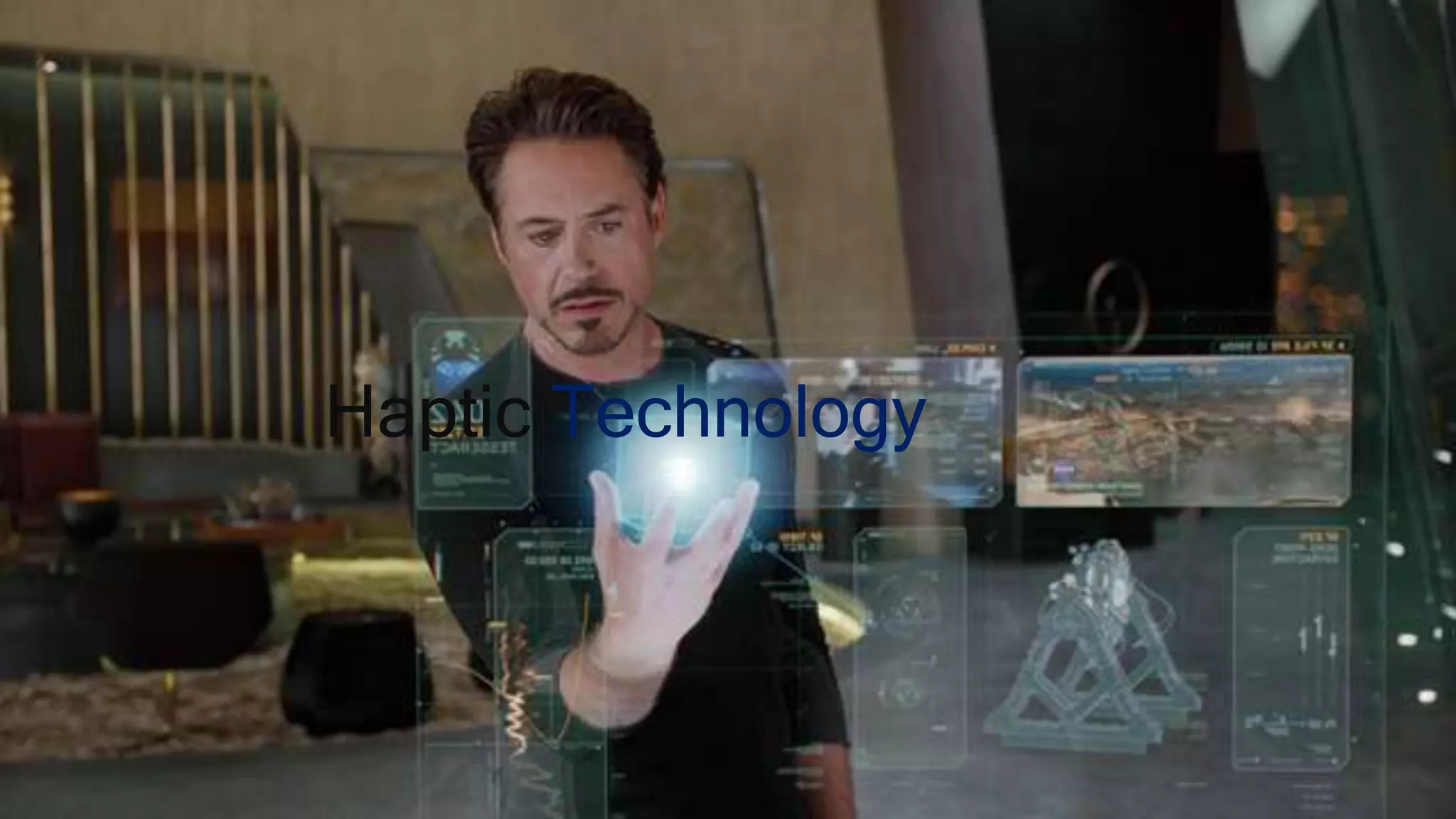
Haptic Technology
 Haptics , is the technology of adding the
sensation of touch and feeling
to computers.
 When virtual objects are touched, they
seem real and tangible.
 Haptic senses links to the brain's sensing
position and movement of the body by
means of sensory nerves within the
muscles and joints.
INTRODUCTION
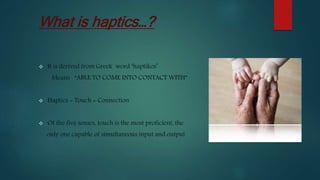
 It is derived from Greek word ‘haptikos’
Means “ABLE TO COME INTO CONTACT WITH”
 Haptics = Touch = Connection
 Of the five senses, touch is the most proficient, the
only one capable of simultaneous input and output
What is haptics…?
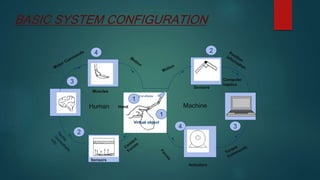
4
3
2
4 3
2
1
1
End effector
Hand
Actuators
Muscles
Sensors
Virtual object
MachineHuman
Computer
haptics
Sensors
BASIC SYSTEM CONFIGURATION
Creation of virtual environment
 Virtual Reality
allows user to interact with a computer-simulated environment
 Users interact with a Virtual Reality either through input devices or through
multimodal devices
 Simulated environment can be either similar or different from reality
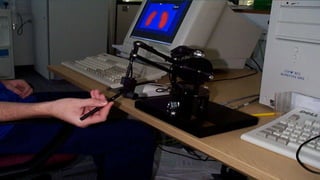
CYBER GRASP SYSTEMPHANTOM INTERFACE
Haptic devices
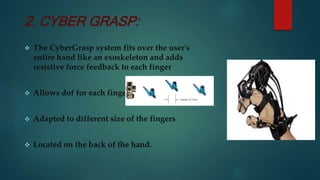
2. CYBER GRASP:
 The CyberGrasp system fits over the user's
entire hand like an exoskeleton and adds
resistive force feedback to each finger
 Allows dof for each finger
 Adapted to different size of the fingers
 Located on the back of the hand.
APPLICATIONS OF HAPTICS
MEDICAL APPLICATIONS:
 sense of touch is crucial for medical training
 various haptic interfaces for medical simulation may prove especially useful for
training
MILITARY APPLICATIONS:
 For certain applications, for example where terrain or texture information
needs to be conveyed, haptics may be the most efficient communication
channel.
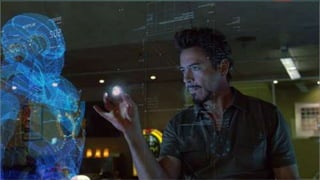
HOLOGRAPHIC INTERACTION
 The feedback allows the user to interact with a hologram and
receive tactile response as if the holographic object
were real
 Ultrasound waves to create a phenomenon called acoustic
radiation pressure which provides tactile feedback as users
interact with the holographic object.
 High cost involved
 Large weight and size of haptic devices (especially wearable
ones)
 Haptic interfaces can only exert forces with limited
magnitude and not equally well in all directions
 Haptic-rendering algorithms operate in discrete time
whereas users operate in continuous time
LIMITATIONS:
1.Holographic Interaction:
The feedback allows the user to interact with a hologram and
actually receive tactile response using acoustic radiation pressure
2.Medical Application
Use of a central workstation from which surgeons would perform operations in various
locations; with machine setup and patient preparation performed by local nursing
staff
3. Textile Industry
User could study and feel the texture and quality of materail during the sale of cloth
through internet
FUTURE VISION:
 Continued implementation of tactile devices to aid people with disabilities
will advance further
 Currently limited to consumers
 Future generations of mobile devices and game console accessories will
implement more haptic feedback
CONCLUSION:
Haptic technology
Haptic technology

Haptic technology

  • 1.
  • 2.
     Haptics ,is the technology of adding the sensation of touch and feeling to computers.  When virtual objects are touched, they seem real and tangible.  Haptic senses links to the brain's sensing position and movement of the body by means of sensory nerves within the muscles and joints. INTRODUCTION
  • 3.
     It isderived from Greek word ‘haptikos’ Means “ABLE TO COME INTO CONTACT WITH”  Haptics = Touch = Connection  Of the five senses, touch is the most proficient, the only one capable of simultaneous input and output What is haptics…?
  • 4.
    4 3 2 4 3 2 1 1 End effector Hand Actuators Muscles Sensors Virtualobject MachineHuman Computer haptics Sensors BASIC SYSTEM CONFIGURATION
  • 5.
    Creation of virtualenvironment  Virtual Reality allows user to interact with a computer-simulated environment  Users interact with a Virtual Reality either through input devices or through multimodal devices  Simulated environment can be either similar or different from reality
  • 6.
    CYBER GRASP SYSTEMPHANTOMINTERFACE Haptic devices
  • 7.
    2. CYBER GRASP: The CyberGrasp system fits over the user's entire hand like an exoskeleton and adds resistive force feedback to each finger  Allows dof for each finger  Adapted to different size of the fingers  Located on the back of the hand.
  • 8.
  • 9.
    MEDICAL APPLICATIONS:  senseof touch is crucial for medical training  various haptic interfaces for medical simulation may prove especially useful for training MILITARY APPLICATIONS:  For certain applications, for example where terrain or texture information needs to be conveyed, haptics may be the most efficient communication channel.
  • 10.
    HOLOGRAPHIC INTERACTION  Thefeedback allows the user to interact with a hologram and receive tactile response as if the holographic object were real  Ultrasound waves to create a phenomenon called acoustic radiation pressure which provides tactile feedback as users interact with the holographic object.
  • 11.
     High costinvolved  Large weight and size of haptic devices (especially wearable ones)  Haptic interfaces can only exert forces with limited magnitude and not equally well in all directions  Haptic-rendering algorithms operate in discrete time whereas users operate in continuous time LIMITATIONS:
  • 12.
    1.Holographic Interaction: The feedbackallows the user to interact with a hologram and actually receive tactile response using acoustic radiation pressure 2.Medical Application Use of a central workstation from which surgeons would perform operations in various locations; with machine setup and patient preparation performed by local nursing staff 3. Textile Industry User could study and feel the texture and quality of materail during the sale of cloth through internet FUTURE VISION:
  • 13.
     Continued implementationof tactile devices to aid people with disabilities will advance further  Currently limited to consumers  Future generations of mobile devices and game console accessories will implement more haptic feedback CONCLUSION: