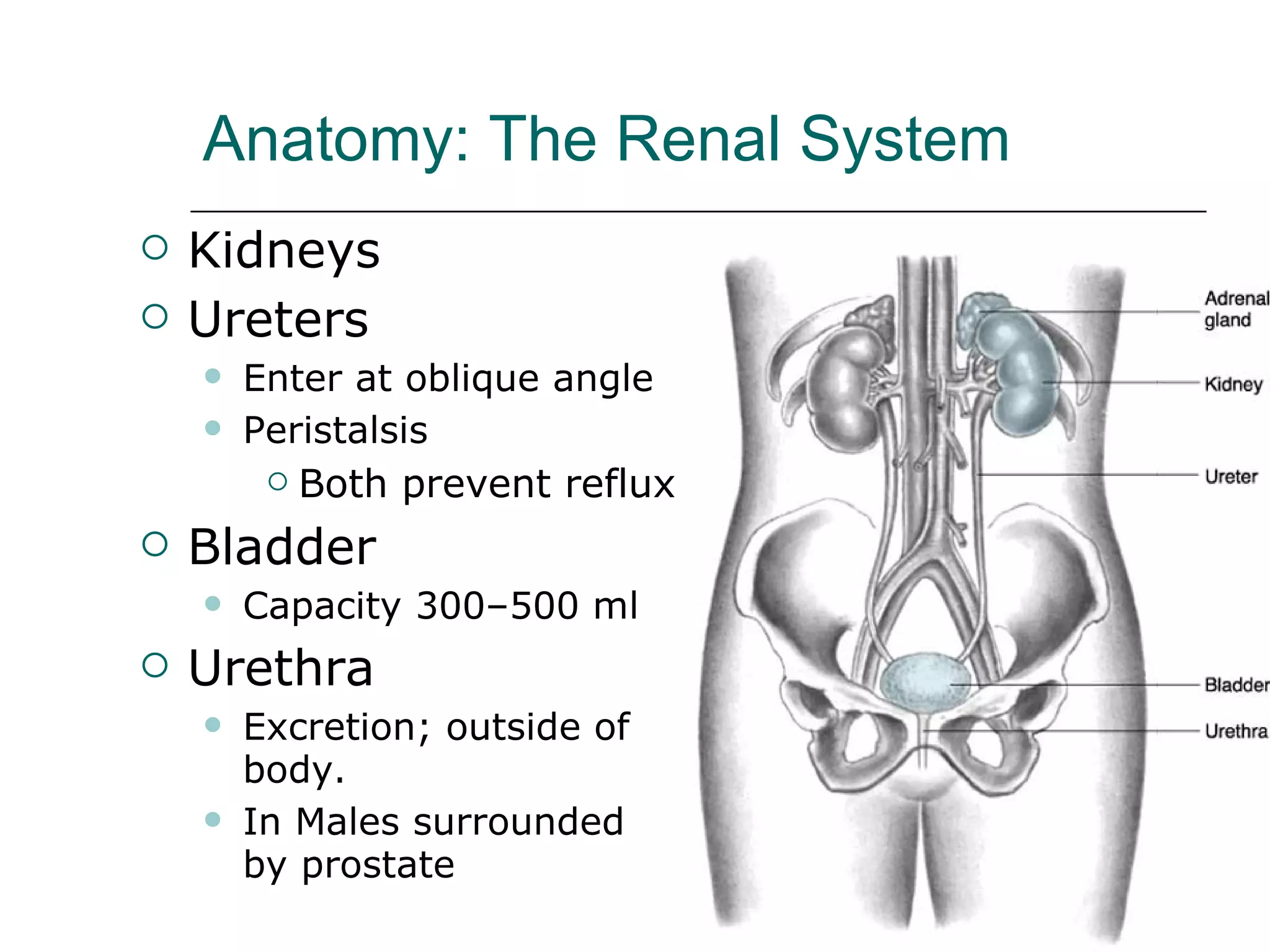
Anatomy: The Renal System Kidneys Ureters Enter at oblique angle Peristalsis Both prevent reflux Bladder Capacity 300–500 ml Urethra Excretion; outside of body. In Males surrounded  by prostate
Functions of the Renal System Elimination of Metabolic Wastes Regulation of RBC Production Regulation of Vitamin D & Calcium Regulation of Blood Pressure  Regulation of Electrolyte, Acid-Base & Fluid Balances
Elimination of Waste Products Urea Nitrogen   By-product of the protein metabolism. Measured clinically via serum BUN  Some amounts normally found in blood; Not a reliable indicator of renal function alone. Creatinine A by-product of muscle metabolism. Normally, almost completely excreted A more reliable as an indicator of renal function than BUN.
RBC Production   Erythropoietin is a hormone that prompts bone marrow to produce RBC’s therefore more HgB to carry oxygen to cells.  Secreted in response to decreased amount of oxygen delivered to kidneys (i.e. anemia or hypoxia).
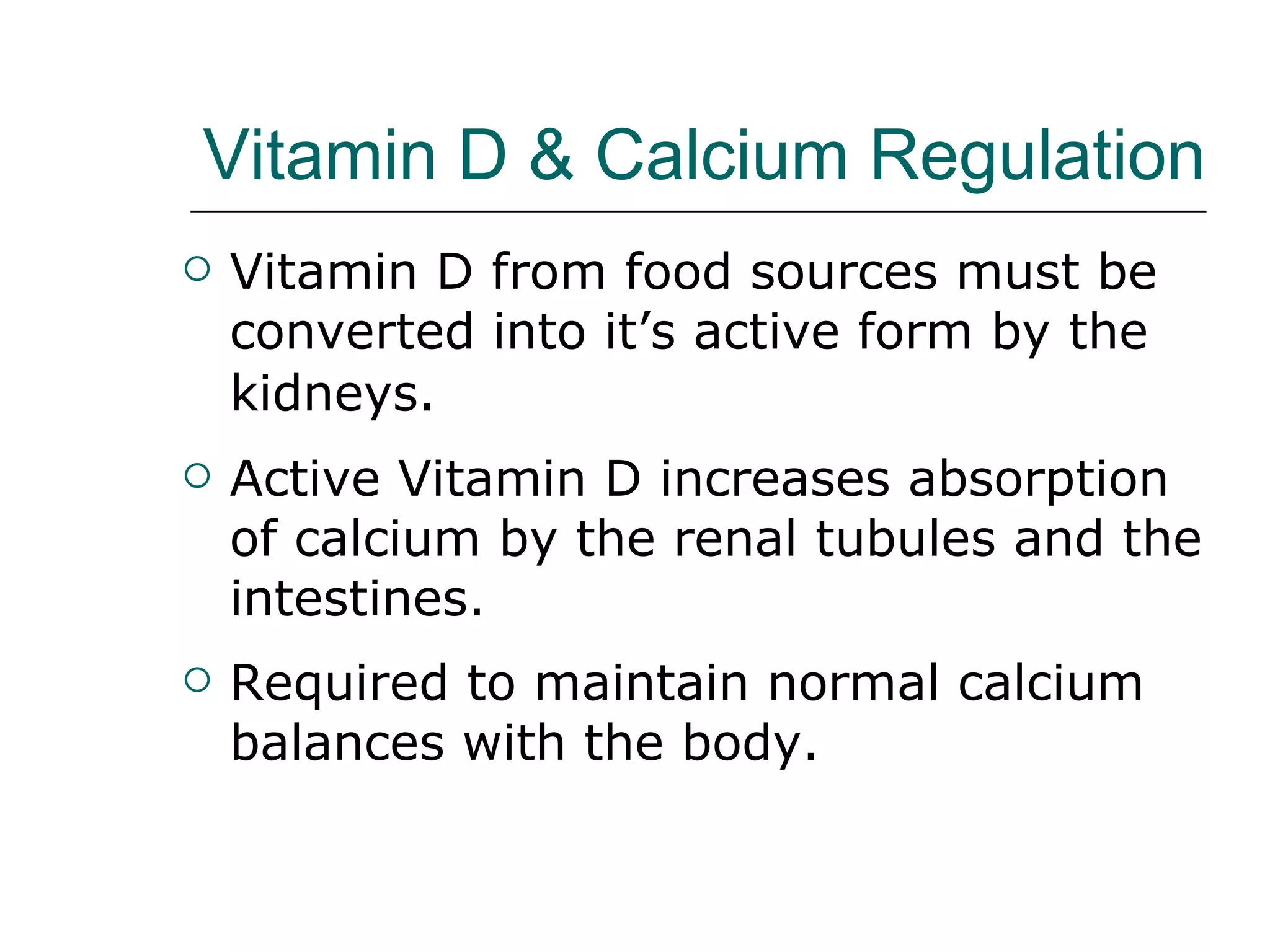
Vitamin D & Calcium Regulation   Vitamin D from food sources must be converted into it’s active form by the kidneys.   Active Vitamin D increases absorption of calcium by the renal tubules and the intestines. Required to maintain normal calcium balances with the body.
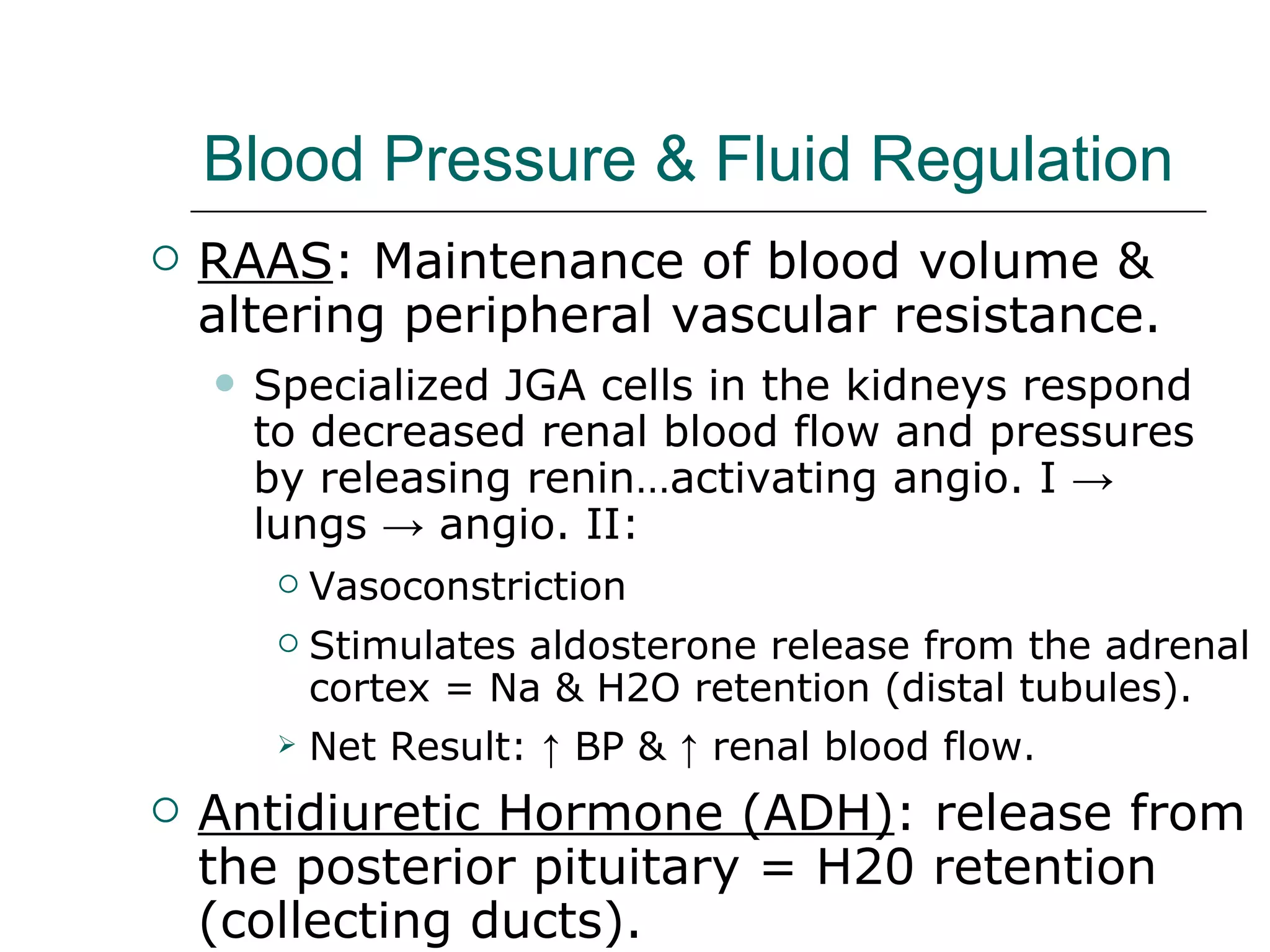
Blood Pressure & Fluid Regulation RAAS : Maintenance of blood volume & altering peripheral vascular resistance. Specialized JGA cells in the kidneys respond  to decreased renal blood flow and pressures by releasing renin…activating angio. I  ->  lungs -> angio. II:  Vasoconstriction Stimulates aldosterone release from the adrenal cortex = Na & H2O retention (distal tubules). Net Result: ↑ BP & ↑ renal blood flow . Antidiuretic Hormone (ADH) : release from the posterior pituitary = H20 retention (collecting ducts).
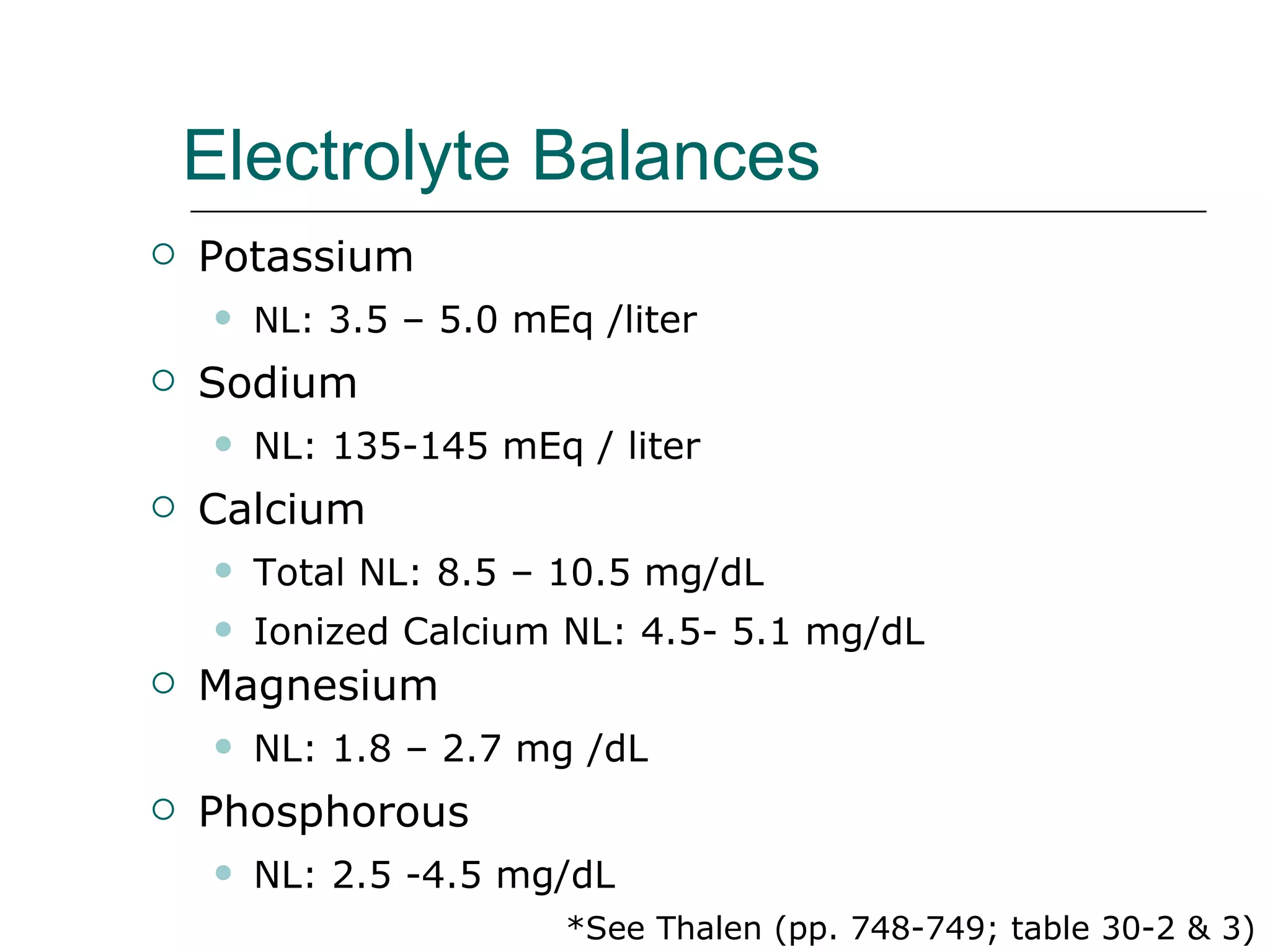
Electrolyte Balances Potassium  NL:  3.5 – 5.0 mEq /liter Sodium  NL: 135-145 mEq / liter Calcium  Total NL: 8.5 – 10.5 mg/dL Ionized Calcium NL: 4.5- 5.1 mg/dL Magnesium  NL: 1.8 – 2.7 mg /dL Phosphorous NL: 2.5 -4.5 mg/dL  *See Thalen (pp. 748-749; table 30-2 & 3)
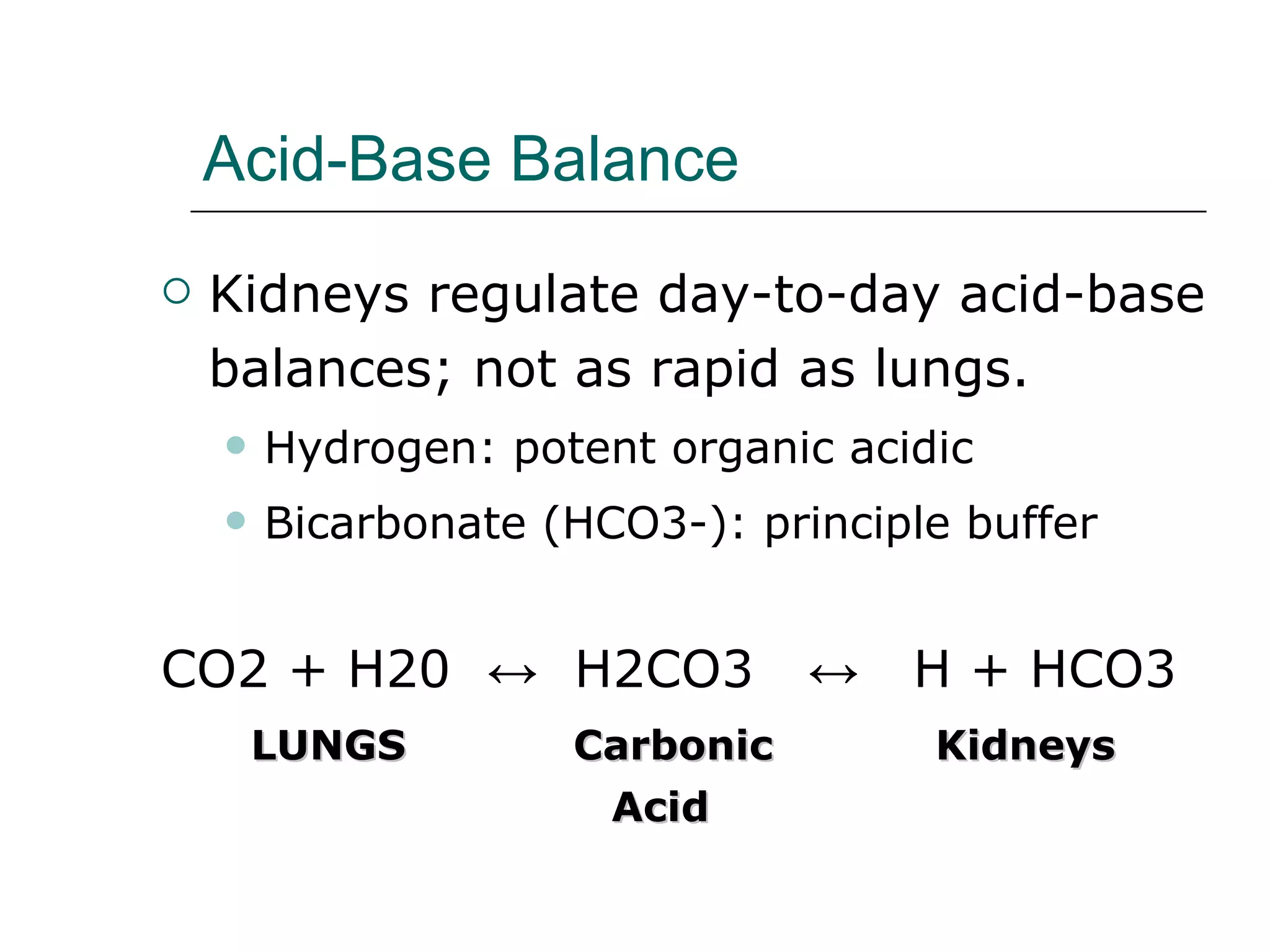
Acid-Base Balance Kidneys regulate day-to-day acid-base balances; not as rapid as lungs. Hydrogen: potent organic acidic Bicarbonate (HCO3-): principle buffer CO2 + H20  ↔  H2CO3  ↔  H + HCO3 LUNGS  Carbonic   Kidneys   Acid
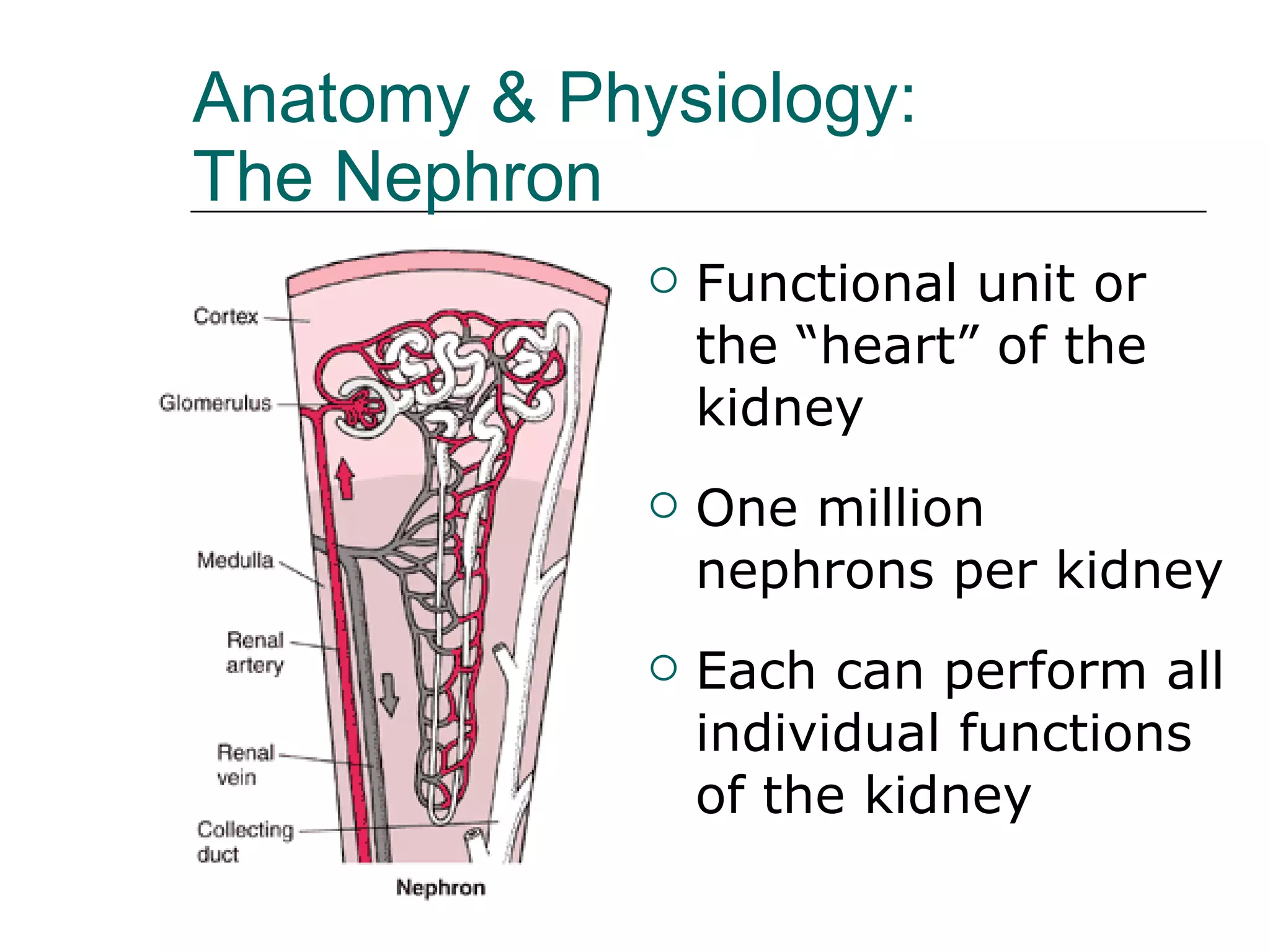
Anatomy & Physiology:  The Nephron Functional unit or the “heart” of the kidney One million nephrons per kidney Each can perform all individual functions of the kidney
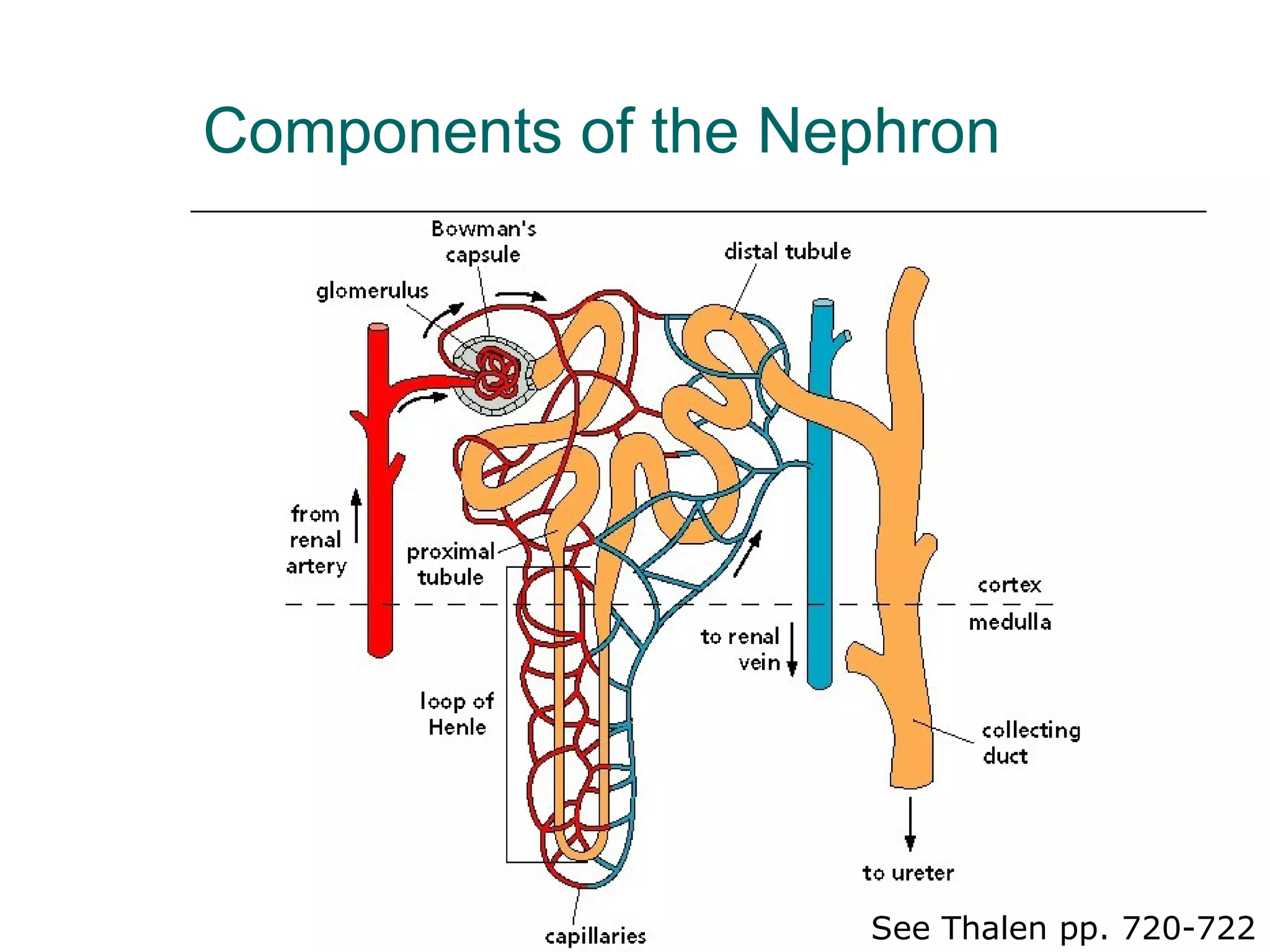
Components of the Nephron See Thalen pp. 720-722
A Closer Look: Urine Formation   Excretion of waste products and retention of essential electrolytes and water . Three processes involved:  Glomerular Filtration Glomeruli filter blood as it follows through the kidneys; creating filtrate. Glomerular blood flow and pressures Tubular Reabsorption The movement of substances from the filtrate (renal tubules) into plasma (capillaries). Tubular Secretion The movement of substances from plasma into renal tubules to be excreted.
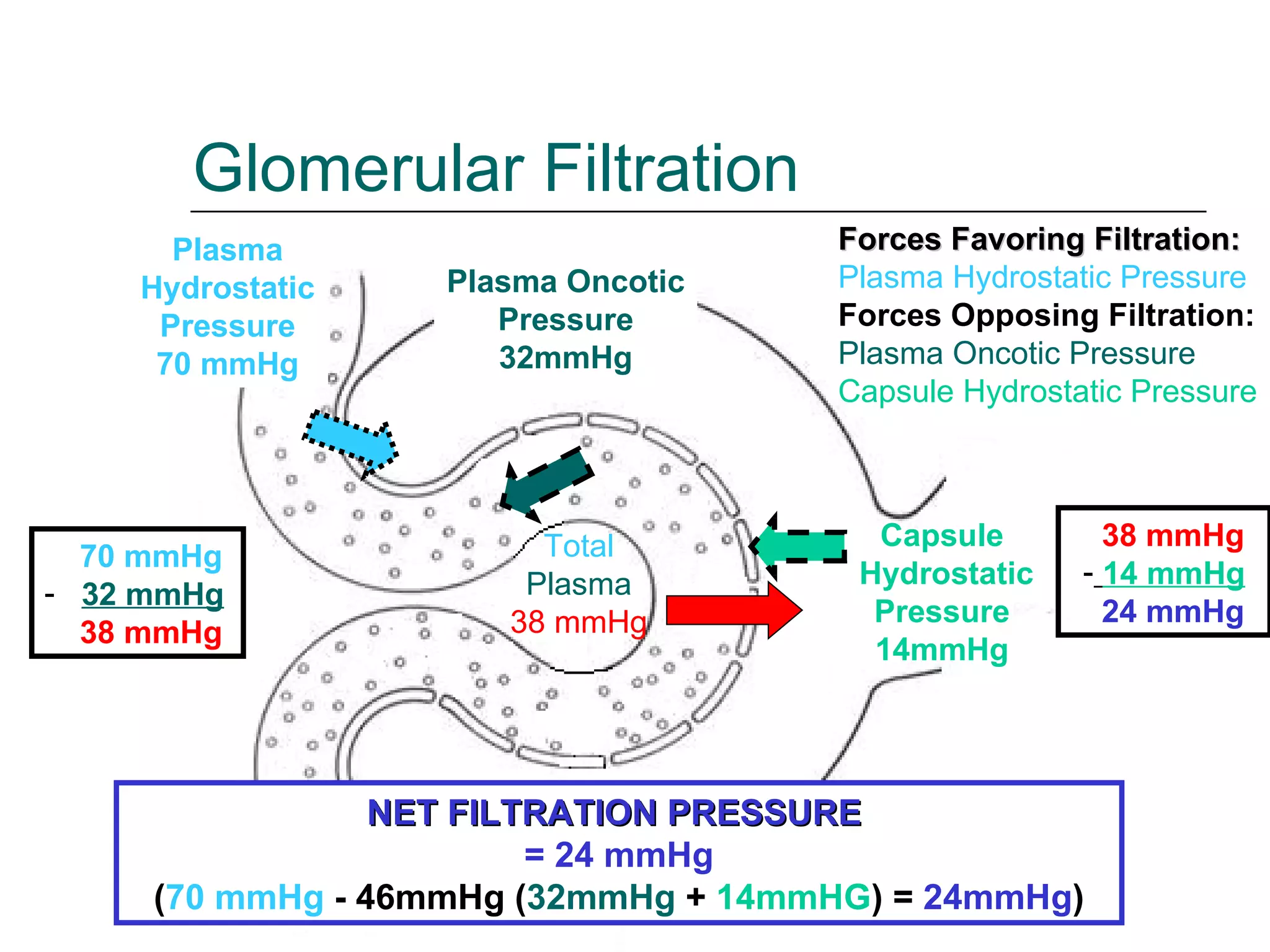
Factors Affecting Glomerular Filtration Glomerular Blood Flow: Plasma Hydrostatic Pressure Pushing pressure: result of arterial blood pressure; Favors filtration Plasma Oncotic / Osmotic Pressures   Pulling pressure: result of plasma proteins (i.e. albumin); Opposes filtration Pressure within the Bowman Capsule: Capsular Hydrostatic Pressures Pushing pressures from within the capsule; Opposes filtration
Glomerular Filtration Capsule Hydrostatic  Pressure 14mmHg Plasma Hydrostatic Pressure 70 mmHg Plasma Oncotic Pressure 32mmHg 70 mmHg 32 mmHg   38 mmHg Total Plasma 38 mmHg 38 mmHg 14 mmHg 24 mmHg Forces Favoring Filtration: Plasma Hydrostatic Pressure Forces Opposing Filtration: Plasma Oncotic Pressure Capsule Hydrostatic Pressure   NET FILTRATION PRESSURE  = 24 mmHg ( 70 mmHg  -  46mmHg  ( 32mmHg  +  14mmHG ) =  24mmHg )
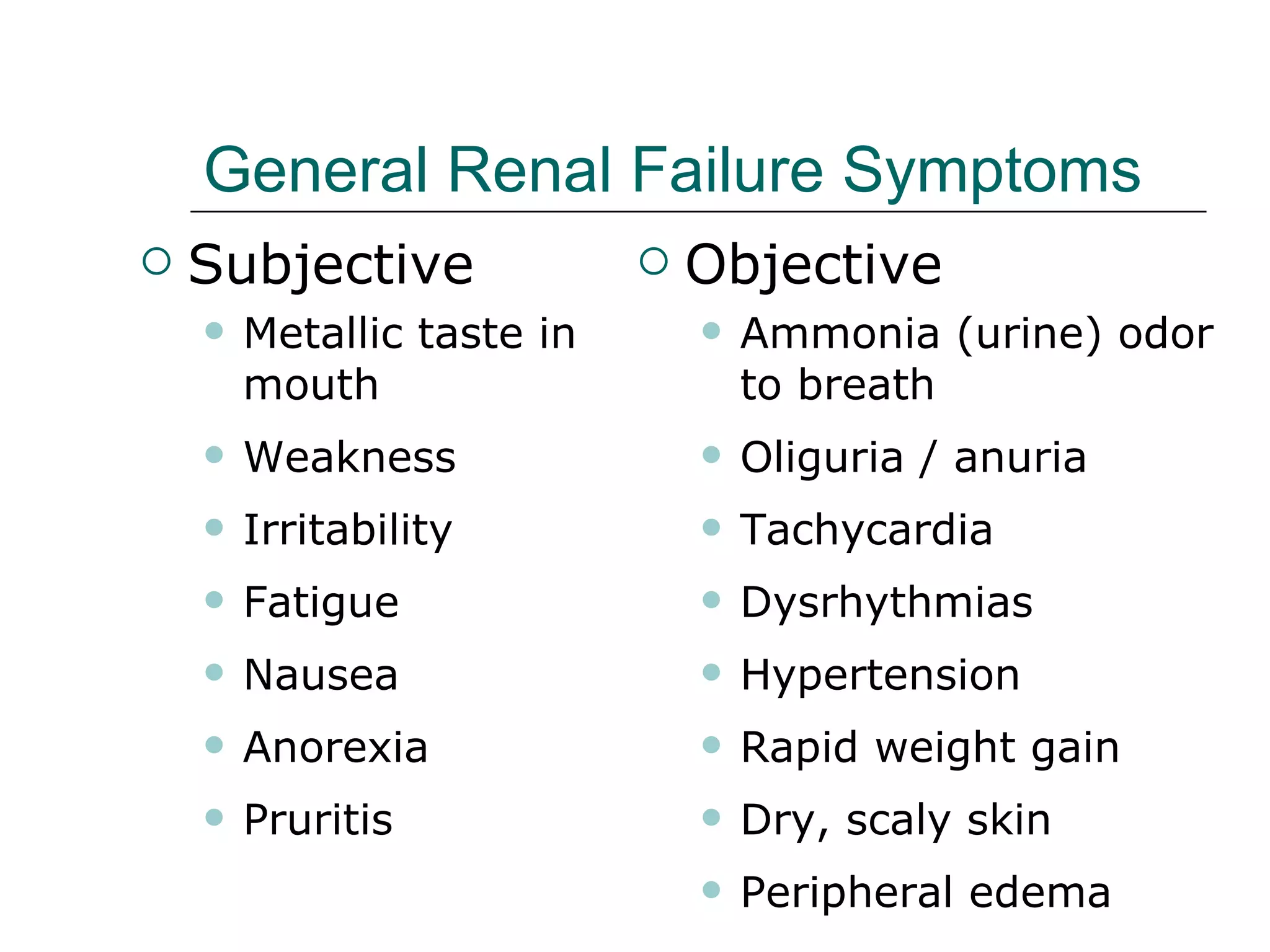
General Renal Failure Symptoms Subjective  Metallic taste in mouth Weakness Irritability Fatigue Nausea Anorexia Pruritis  Objective Ammonia (urine) odor to breath Oliguria / anuria Tachycardia  Dysrhythmias Hypertension  Rapid weight gain Dry, scaly skin Peripheral edema
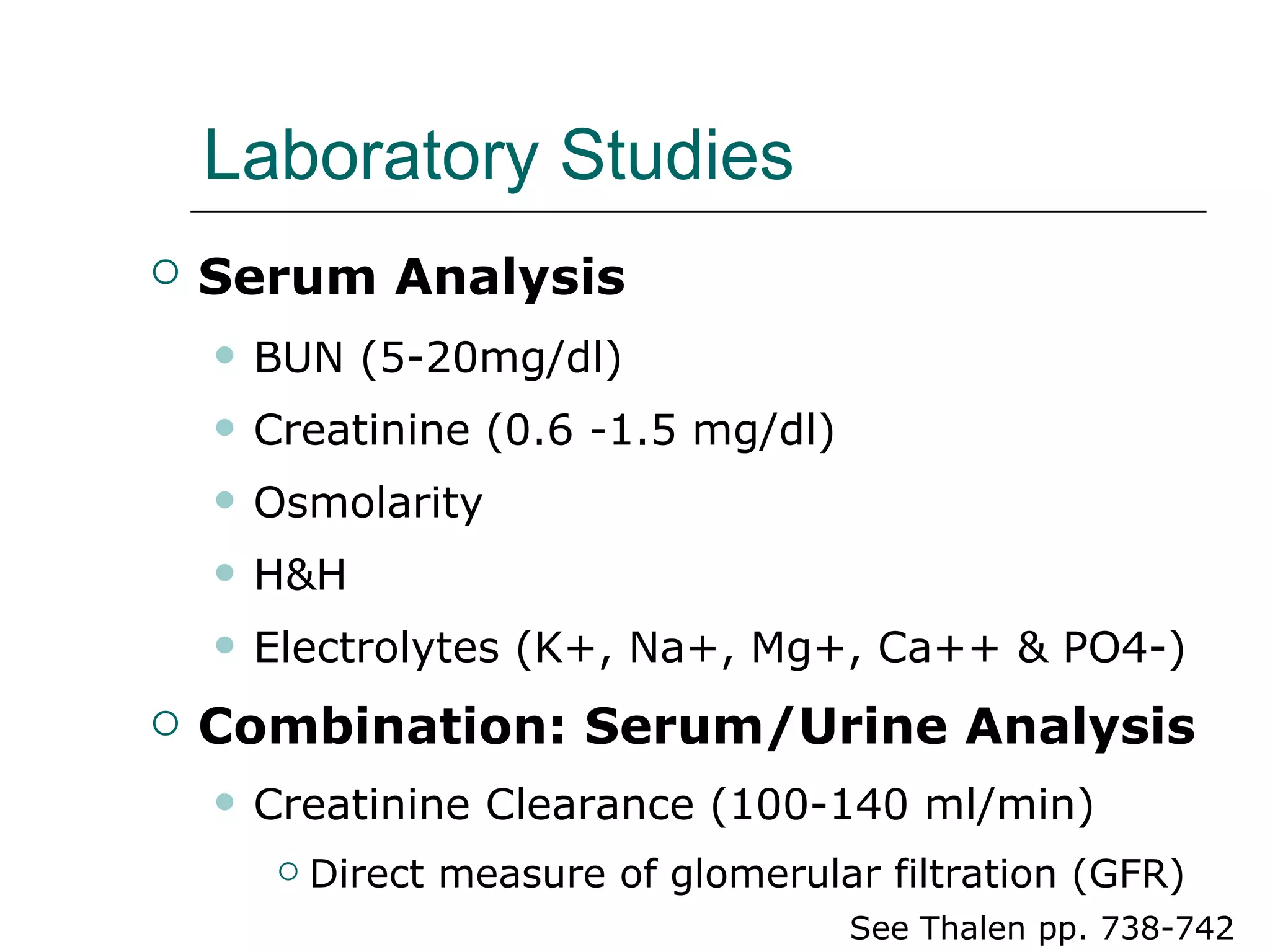
Laboratory Studies Serum Analysis   BUN (5-20mg/dl) Creatinine (0.6 -1.5 mg/dl) Osmolarity  H&H Electrolytes (K+, Na+, Mg+, Ca++ & PO4-) Combination: Serum/Urine Analysis   Creatinine Clearance (100-140 ml/min) Direct measure of glomerular filtration (GFR) See Thalen pp. 738-742
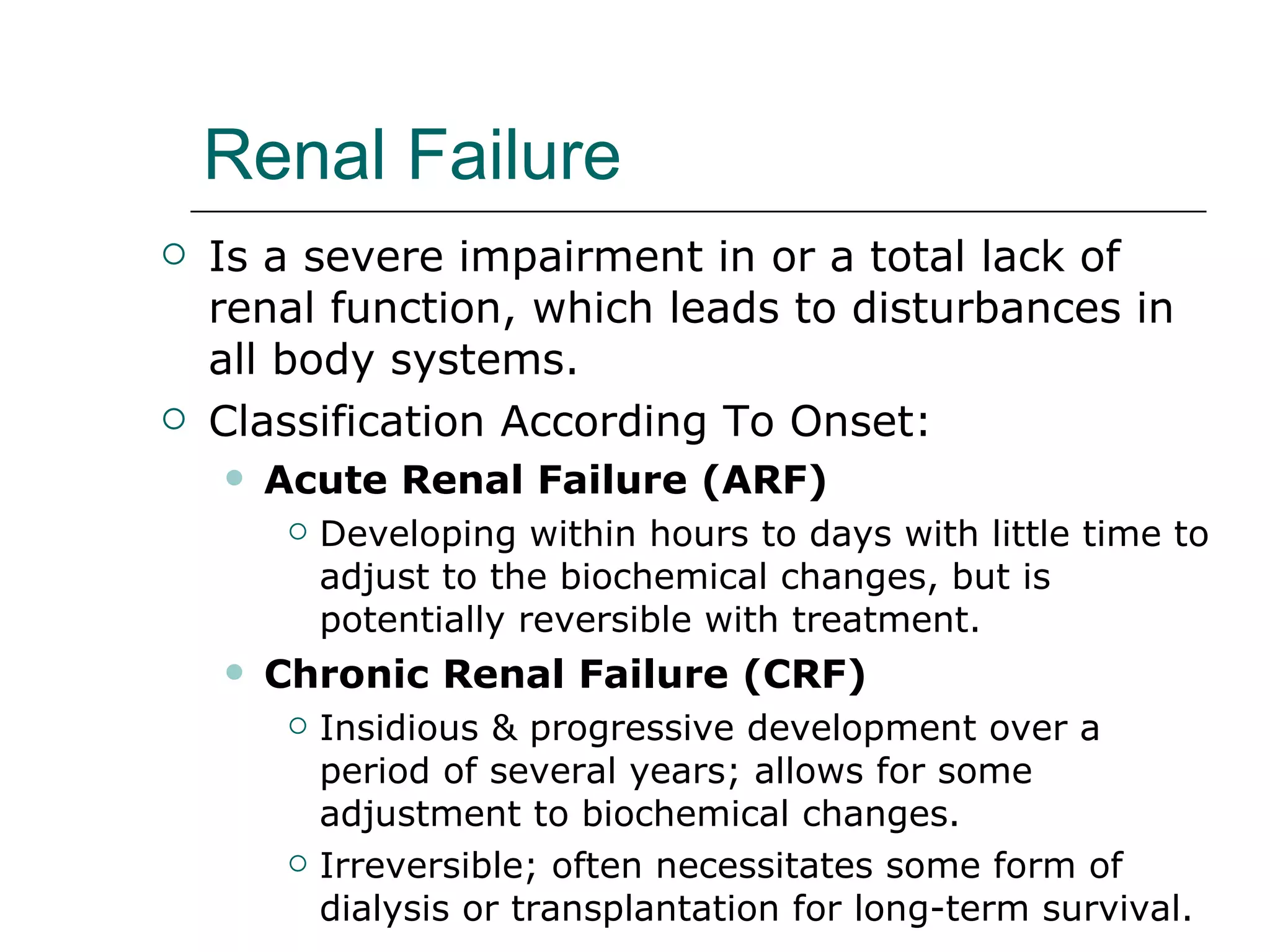
Renal Failure Is a severe impairment in or a total lack of renal function, which leads to disturbances in all body systems. Classification According To Onset:  Acute Renal Failure (ARF) Developing within hours to days with little time to adjust to the biochemical changes, but is potentially reversible with treatment.  Chronic Renal Failure (CRF) Insidious & progressive development over a period of several years; allows for some adjustment to biochemical changes. Irreversible; often necessitates some form of dialysis or transplantation for long-term survival.
Acute Renal Failure (ARF) Sudden loss of kidney function over a period of hour or days. Characterized by:  A rapid decrease in GFR  Retention of metabolic waste A progressive ↑ in BUN & Creatinine levels. Associated with: Classic finding of Oliguria (UO < 400ml/day); but may have normal to increase UO.  Fluid, electrolyte and acid-base imbalances Usually reversible with prompt treatment
ARF: The Clinical Course Involves Four Distinct Phases:   Onset (Initiation) Phase Oliguric Phase Diuresis Phase Recovery Phase
Chronic Renal Failure A progressive and irreversible loss of renal function over a period of months to years The kidneys can loss up to 80% of all nephrons with relatively few overt changes  in functioning of the body.  Nephrons are destroyed and replace with scar tissue; remaining nephrons become hypertrophied and eventually fail to function. Resulting in alterations in all of body’s systems.
Precipitating / Risk Factors of CRF   Environmental Or  Occupational Factors Systemic Disorders Diabetes Mellitus* Hypertension* Chronic glomerulonephritis or Pyelonephritis Frequent obstructions of the urinary tract Sickle cell anemia Systemic lupus erythematous Increased Age  >  60 years-old Race African-Americans,  Native Americans & Asian Americans at greater risk Gender Men at slightly greater  risk than women Positive Family History i.e. Polycystic kidney Disease  Smoking
Stages of CRF Stage 1 Reduced Renal Reserve Characterized by a loss of 40-75% of nephron function. Usually asymptomatic; remaining function nephrons able to rid the body of metabolic wastes.
Stages of CRF Cont.,   Stage 2 Renal Insufficiency Characterized by a 75-90% loss of nephron function. Clinical Manifestations: ↑  Serum Creatinine and ↑BUN  Kidneys loose ability to concentrate urine Client may report polyuria and nocturia. Anemia develops
Stages of CRF Cont.,   Stage 3 End-Stage Renal Disease (ESRD) Final Stage: Characterized by < 90% loss of nephron function  or  < 10% of functioning nephrons remain !!  Clinical Manifestations:   ↑  Serum Creatinine & ↑ BUN  Electrolyte Imbalances Uremia Affecting All Body Systems Requires life-long dialysis or renal transplant to prolong life !!
Renal Failure: Complications   Seizures  Coma  Heart Failure Pericardial & Pulmonary Effusions GI Ulcerations & Bleeding Renal Osteodystrophy Secondary Hyperparathyroidism
Renal Failure:  Conservative Management   Fluid Imbalances Volume Excess Fluid Restriction   24 hour UO + 500-600ml Daily weights & I&O’s are essential !! Also, treatment for hyponatremia Diuretics Loop: i.e. Furosemide (Lasix) Osmotic: i.e. Mannitol (Osmitrol) Both promotes diuresis and increases renal blood flow.
Renal Failure:  Conservative Management Cont.,   Acid-Base Imbalances   ( ↓pH & ↓HCO3ˉ)  Metabolic Acidosis I.V. Sodium Bicarbonate Hypertensive Management ACE Inhibitors Angiotensin II Receptor Blockers (ARB’s) Calcium Channel Blockers Anemia RBC transfusions  Epogen: Stimulates RBC production  Ferrous sulfate and folic acid supplements
Nursing Diagnoses: Renal Failure Fluid volume excess related to inability of kidneys to produce urine. Altered renal perfusion related to damaged nephrons secondary to acute or chronic renal failure. Nutrition Altered: less than body requirements related to renal failure or dietary restrictions. Skin Integrity, high-risk for impairment related to poor cellular nutrition.
Nursing Diagnoses:  Renal Failure Cont., Infection, high-risk for impairment related to lowered resistance  Potential for infection related to suppressed immune responses associated with azotemia. Anxiety, related to unknown outcomes of disease processes of renal failure Potential for altered family processes related to health crisis in family member. Knowledge deficit related to renal failure and/or its treatments
Renal Failure: Nursing Education   Explain:   Renal Failure (and its etiology) Dietary Restrictions / Supplements  Fluid Restriction  Medications (side effects too) Signs & Symptoms: Worsening renal function; signs and symptoms of infection & hyperkalemia  When to Notify Physician:   i.e. Rapid weight gains ( > 2 lbs /day) or recurrent nausea / vomiting
Renal Failure: Nursing Education Cont.,   Demonstrate how to check daily weights and to assess for edema. Stress the Importance of: Keeping follow-up appointments Importance of good hygiene Maintaining an activity-rest balance Maintaining a normal weight Smoking Cessation  Avoiding OTC medications i.e. NSAIDs
Renal Dialysis   Process of movement of fluid and particles from one fluid compartment to another across a semipermeable membrane.   Removes excess fluid and metabolic waste products from the body when the kidneys are unable to do so. Can be done in-home, in-hospital or in-center The need for dialysis maybe acute or chronic in nature.
General Principles of Dialysis   Diffusion Toxins and waste products are moved from an area higher concentration in the client’s blood to an area of lower concentration the dialysate solution.  Osmosis  Excess water is moved from a higher concentration in the client’s blood to a lower concentration in the dialysate solution.
General Principles of Dialysis Cont.,   Ultrafiltration Removal of excess water by creating a pressure gradient between the positive hydrostatic pressure of the client’s blood and the negative hydrostatic pressure (suctioning force) applied to the dialysate solution.  More efficient water removal than osmosis
Indications For Acute Dialysis   Hyperkalemia  Fluid Overload  Impending pulmonary edema  Pericarditis  Drug overdose or poisoning  Acidosis Severe mental confusion
Indications For Chronic Dialysis   End-Stage Renal Disease (ESRD) Hyperkalemia  Nausea / Vomiting  Anorexia  Mental confusion  Increasing lethargy  Fluid overload despite medical therapies Pericardial friction rub indicates an urgent need for dialysis
Mnemonic “ AEIOU ” A cid-base Imbalances  E lectrolyte Disturbances  I ntoxication  O verload, Fluid  U remic Symptoms
Hemodialysis  Most common method of dialysis Maybe used for short-term therapy (days to weeks) in acutely ill or life-long therapy as in ESRD.  Life-Long Therapy  3 times a week for 3-4 hours each session Prevents death, but does not cure renal disease  Dialysis machine removes “dirty” blood, cleanses it and then returns it to the body.
The Process of Hemodialysis   Blood is removed from the arterial end and pumped through the dialysis machine (extracorporeal circuit) to the dialyzer at 200- 400 ml/min (rapid flow).  Heparin added to blood to prevent clotting with in the dialysis machine.  The dialyzer receives arterial blood flow along one side of the semipermeable membrane, with the dialysis solution flowing along the other side, usually in the opposite (countercurrent) direction. Osmosis, Diffusion & Ultrafiltration Occur The filtered blood then is returned through venous access to the client.
Vascular Access   Short-Term Devices  Venous Catheters  Arteriovenous (A-V) Shunts  Long-Term Devices  Arteriovenous (A-V) Fistulas  Arteriovenous (A-V) Grafts
Hemodialysis:  Nursing Considerations   Strict aseptic technique during dialysis Universal precautions  Continuous monitoring of vital signs Watch for hypotension from rapid fluid shifts!! Monitor Laboratory Results  i.e. CBC, BUN, Creatinine & PTT levels  Observe for signs & symptoms of  Bleeding  Infection  Monitor Fluid balance  Daily weights and  I & O’s
Hemodialysis:  Nursing Considerations Cont.,   Chronic Access Devices  Assessment  Auscultate for bruit & palpate for thrill  Neurovascular Checks Monitor for s/sx of infection No blood pressure or venipuncture to the extremity with A-V access.  Education Care of device  No constrictive clothing, avoid sleeping on arm with access Signs and symptoms of infection
Hemodialysis: Pharmacologic Considerations   Some medications are removed during hemodialysis. Caution with medication administration prior to dialysis Daily Medications usually administered after dialysis or at night  Medication doses often need to be adjusted with the initiation of dialysis  Protein bound medications or some drug metabolites are not removed Tend to remain in system longer; prone to toxicity.
Complications of Hemodialysis   Hypotension  Dysrhythmias Chest Pain Muscle Cramping  Exsanguination  Air embolism  Sleep Disorders  Hyperlipidemia  (esp. triglycerides)
Complications of Hemodialysis Cont., Dialysis Disequilibrium Syndrome Acute disorder occurring during or shortly after hemodialysis procedure.  Results from the faster removal of urea from plasma than brain & cerebrospinal fluid causing water from plasma to be shifted into the brain= cerebral edema.  S/Sx: HA, N/V, muscle cramps, restlessness, decreased level of consciousness and seizures
Complications of Hemodialysis Cont., Dialysis Encephalopathy  Occurs in clients on chronic hemodialysis Results from aluminum toxicity i.e. aluminum containing antacids or dialysate bath  S/Sx: dementia, muscle uncoordination, speech disturbances, personality changes and later seizures
Peritoneal Dialysis   Indications for peritoneal dialysis:  Acute or Chronic Renal failure Young Children & Older Adults  Severe Cardiovascular Disease  Diabetes Mellitus Client with bleeding disorders and can not tolerate systemic use of heparin. Principles of Peritoneal Dialysis  Osmosis, Diffusion & Ultrafiltration  Ultrafiltration: pressure gradient established by high dextrose content of dialysate solution.
Peritoneal Dialysis Cont.,   Contraindications  Recent abdominal surgery Previous abdominal surgery resulting in scaring and adhesions Significant pulmonary disease Peritonitis Client that requires rapid fluid removal .
Peritoneal Dialysis Cont., The peritoneum, a serous membrane that covers the abdominal organs  functions as the semipermeable membrane to the capillaries below.  A catheter is inserted into the abdomen for access. (i.e. Tenckhoff catheter) Exchanges : Dialysate instilled (over 5-10 min) at body temperature into the peritoneal cavity; left in (dwell time) usually is between 1- 8 hours. Fluid later drained over 10-30 min by gravity
Peritoneal Dialysis Cont.,   Peritoneal drainage  should be clear or straw-colored. Fluid maybe blood-tinged or pink the first treatment after new catheter insertion Turn client side-to-side to facilitate drainage  Dialysate composition, amount of dialysate used & dwell time as per MD.
Main Types of Peritoneal Dialysis   Continuous Ambulatory Peritoneal Dialysis (CAPD)  Continuous Cycling Peritoneal Dialysis (CCPD)
Continuous Ambulatory Peritoneal Dialysis (CAPD)   Completed in the home; As per MD’s orders  Exchanges preformed 4-5 times a day, 7 days  a week; dwell time from 4-8 hours.  Advantages More consistent, less electrolyte imbalances Frees client physically & mentally from dialysis centers   Disadvantages  More opportunity for infection  Must be able to complete exchanges at more frequent intervals; less freedom for work and  social engagements outside the home.
Continuous Cycling Peritoneal Dialysis (CCPD) Completed in the home; As per MD’s orders Peritoneal automated cycler machine 4-5 exchanges completed during sleep, with one prolonged dwell time during the day . Advantages:  Free from exchanges during the day allowing work and social activities outside the home. Reduced risk of infection in comparison to CAPD Frees client from attending dialysis centers Disadvantages:  Prolonged daytime dwell time Requires a peritoneal cycler machine  Less night-time mobility
Peritoneal Dialysis   Nursing Considerations Teaching Self-Care Stress the importance of proper hand washing Explain and Demonstrate   Basic aseptic technique PD procedure Tenckhoff catheter exit site care  Daily Weights   A home health care consult is necessary!!
Complications: Peritoneal Dialysis   Peritonitis  Bleeding  Abdominal Wall Hernias Hyperlipidemia  (esp. triglycerides) Anorexia  Low-Back Pain  Catheter Malfunction  Leakage  Occlusion
Dialysis: Dietary Considerations “High” Protein Diet (1.0-1.5 g/kg/day) Dietary Restrictions  Sodium, Potassium & Phosphate Likely to continue; may be less severe  Use of phosphate binders likely to continue Fluid Restrictions 24 Hour UO + 500-600 ml Dietary Supplements  Calcium Active Vitamin D  i.e. calcitrol (Rocaltrol)
Long-Term Dialysis:  Psychosocial Considerations Client’s and their significant others constantly vulnerable to medical, social and emotional crisis. In-center and in-hospital dialysis schedule according to the convenience of others.  May affect work, schooling or leisure activities In-home dialysis may increase a client’s dependence. Sick Role  Often leads to caregiver strain  Family roles and responsibilities change  Creating tension, feelings of guilt or inadequacy
Long-Term Dialysis:  Psychosocial Considerations Cont.,  Financial burdens of treatment, medications and transportation Changes in sexual function i.e. decreasing libido and impotence  Body image disturbances  Fear, depression and anger are common and permissible Suicide rates increased in dialysis clients  Some act-out depression with non-compliance Fear is common related to medications, infection and contracting HBV and/or HIV
Kidney Transplantation  The treatment of choice of ESRD The average cost of maintaining a successful kidney transplant is 1/3 the cost of dialysis. Medicare will cover 80% of the cost of transplant surgery As of October 1, 2005 there are 63,301 individuals wait-listed to receive a kidney transplant   (www.unos.org). Lack of donors is a major problem!!   Two main types of human donors  Living (related or non-related)  Cadaver
Kidney Transplantation Cont.,  Regulatory Agencies:  United Network for Organ Sharing (UNOS) Regional Support Agencies:  Gift of Life Program Coalition on Donation (Southern NJ) Legislation:  Uniform Anatomical Gift Act (1968) End Stage Renal Disease Act (1972) The National Organ Transplant Act (1984) Organ Donation Leave Act (1999)
Preoperative Considerations  Informed Consent  Dialyzed within 24 hours of procedure to ensure best metabolic state as possible.  Donor Compatibility  ABO (blood type) &  cross-match antigens and  HLA (human leukocyte antigens).   Lower urinary tract studies to ensure proper functioning prior to transplant.  Screening for infection; must be infection free to proceed.
Preoperative Considerations Cont.,  Psychosocial Considerations:  Some welcome transplant as freedom  Some anxious about the procedure, possible rejection or the need to return to dialysis or dietary restrictions.
Intraoperative Considerations  The donor kidney is placed in the iliac fossa, anterior to iliac crest. The native kidney  is usually left in for hormones unless cancer or prone to chronic infection.
Postoperative Considerations  Standard Postoperative Care Monitor  Vital Signs Daily Weight and I&O’s  Strict aspesis with invasive lines and catheters Provide Pain Control  Prevent Infection  Early Ambulation  Pulmonary Toileting  Incisional Care Administer medications as ordered Advance diet with return of bowel sounds; encourage protein for healing
Postoperative Considerations Cont.,  Immunosuppressive Therapy  The survival of the kidney depends on blocking the body’s immune response. Neoral (cyclosporine) Prograf (tracrolimus) CellCept (mycophenolate) Rapamune (Sirolimus)  Doses gradually decreased over a period over several weeks, but will need to be on immunosuppressants for life !! Complications: nephrotoxicity, decreased platelets and leukocytes and malignancies.
Postoperative Considerations Cont., Immunosuppressive Therapy Cont.,  Corticosteroids   i.e. Oral: Prednisone / I.V. Solu-Medrol  Doses gradually decreased, but require a life-long maintenance dose !!  Many Long-Term Adverse Effects:  Glucose Intolerance; Monitor Closely !!  Weight Gain GI Ulcerations  Osteoporosis  Increased Susceptibility to Infections Dietary Considerations:  Glucose Intolerance: No concentrated sweets Weight Gain: Reduced caloric intake
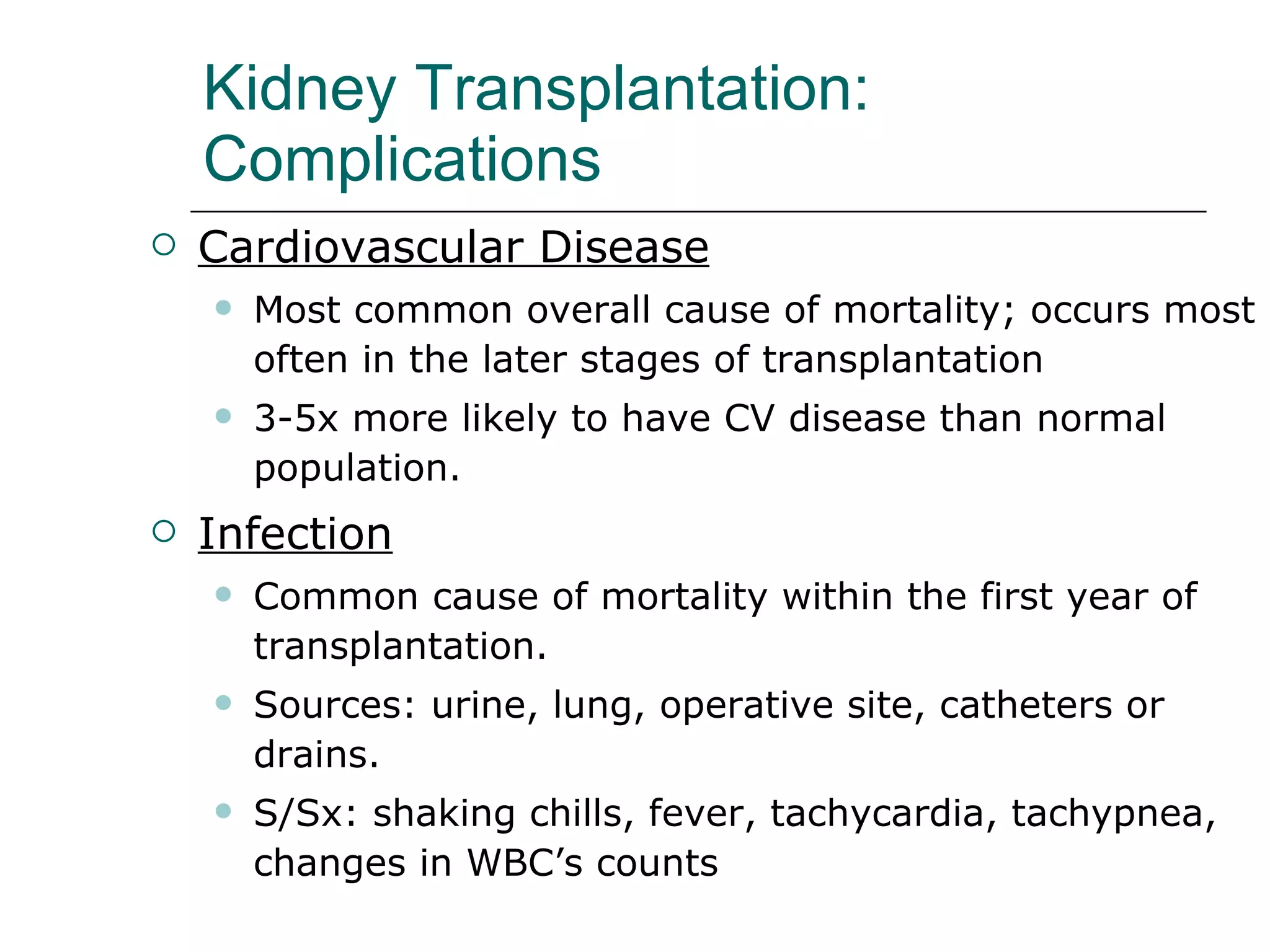
Kidney Transplantation:  Complications  Cardiovascular Disease Most common overall cause of mortality; occurs most often in the later stages of transplantation  3-5x more likely to have CV disease than normal population.  Infection Common cause of mortality within the first year of transplantation.  Sources: urine, lung, operative site, catheters or drains. S/Sx: shaking chills, fever, tachycardia, tachypnea, changes in WBC’s counts
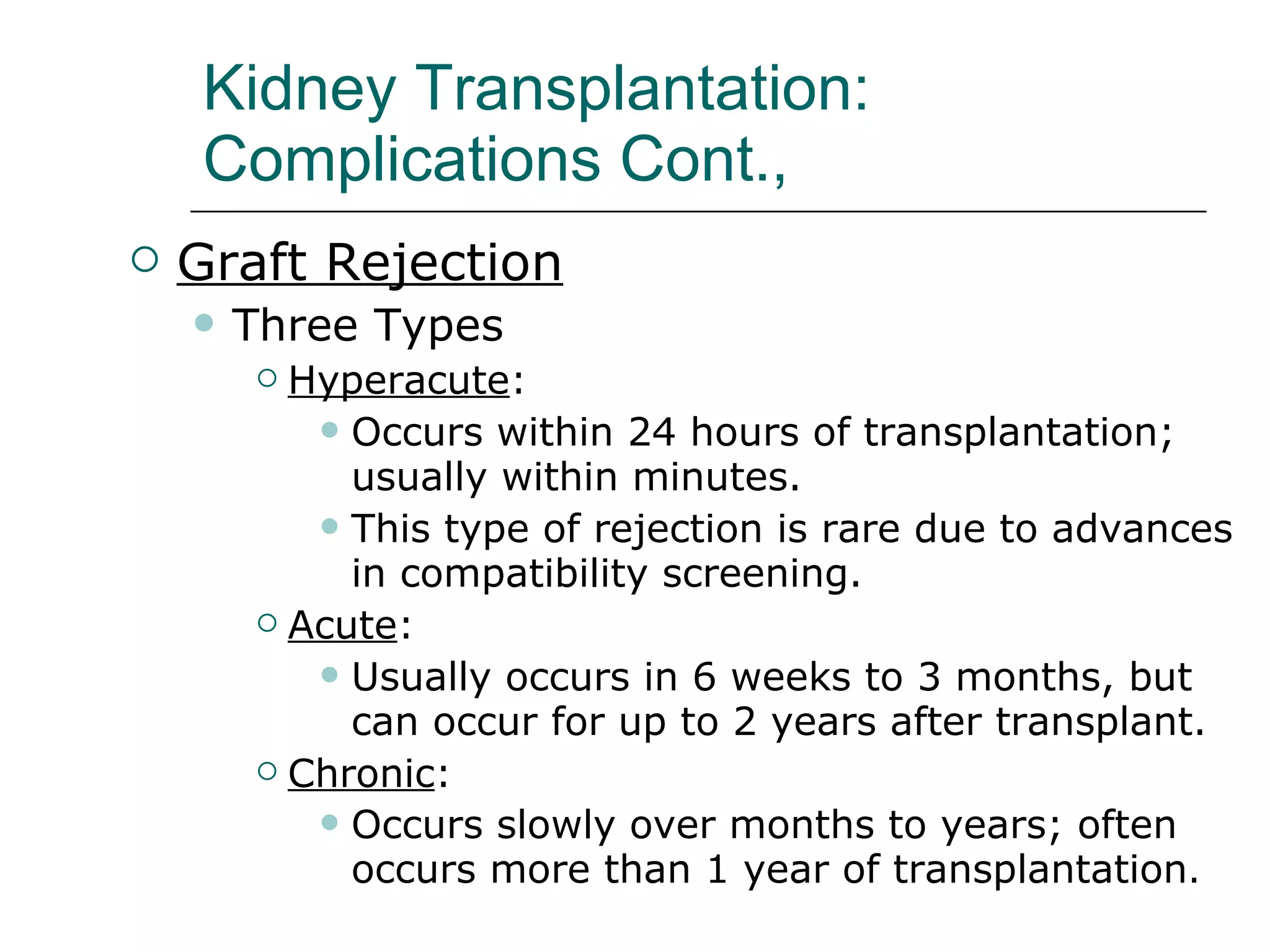
Kidney Transplantation:  Complications Cont.,  Graft Rejection   Three Types Hyperacute :  Occurs within 24 hours of transplantation; usually within minutes.  This type of rejection is rare due to advances in compatibility screening. Acute :  Usually occurs in 6 weeks to 3 months, but can occur for up to 2 years after transplant.  Chronic :  Occurs slowly over months to years; often occurs more than 1 year of transplantation .
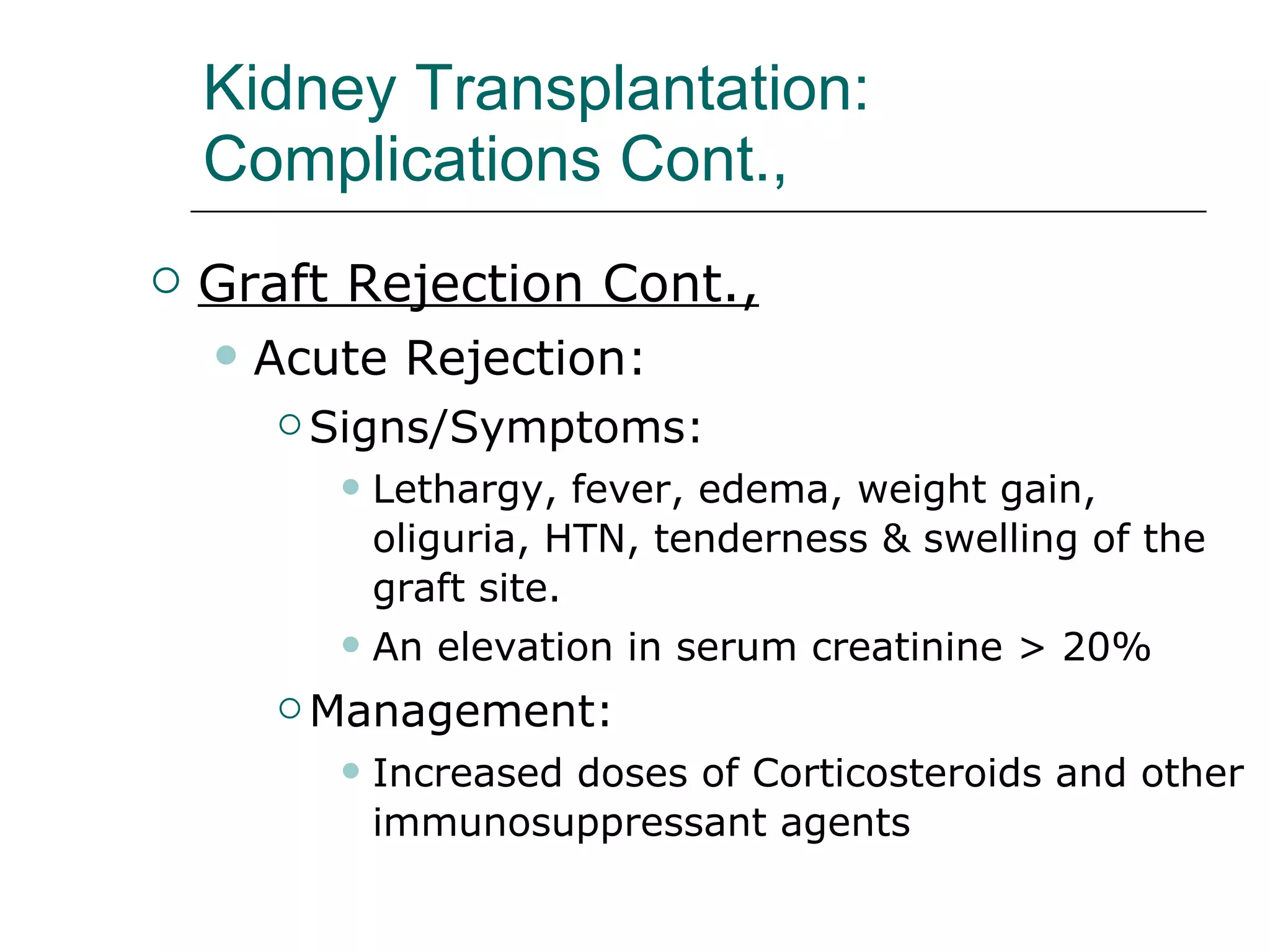
Kidney Transplantation:  Complications Cont.,  Graft Rejection Cont., Acute Rejection:  Signs/Symptoms:  Lethargy, fever, edema, weight gain, oliguria, HTN, tenderness & swelling of the graft site. An elevation in serum creatinine > 20% Management:  Increased doses of Corticosteroids and other immunosuppressant agents
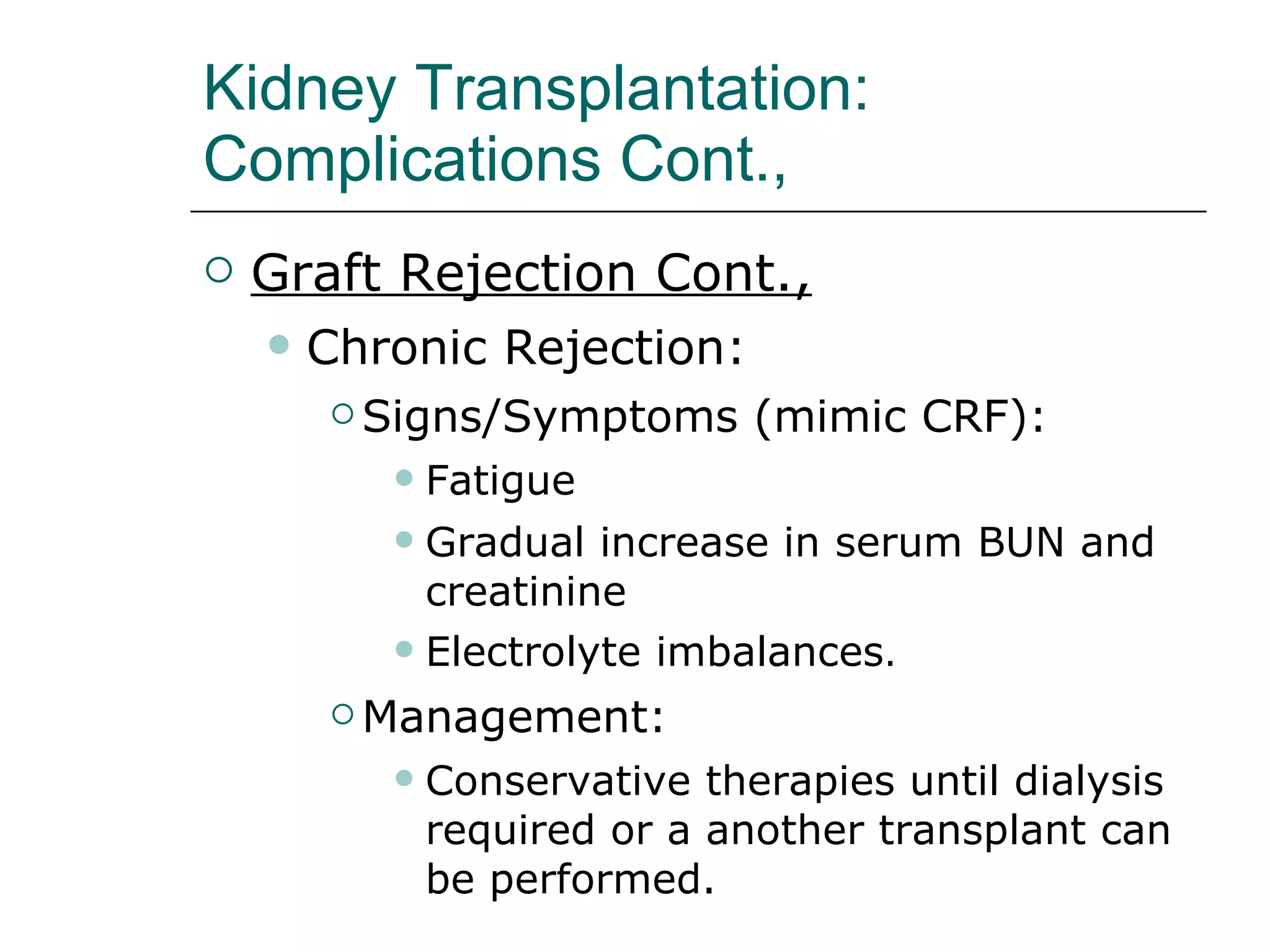
Kidney Transplantation:  Complications Cont., Graft Rejection Cont., Chronic Rejection:  Signs/Symptoms (mimic CRF):  Fatigue Gradual increase in serum BUN and creatinine Electrolyte imbalances .  Management:  Conservative therapies until dialysis required or a another transplant can be performed.
Kidney Transplantation:  Nursing Considerations Cont.,  Promoting Organ Donation:  Stress to client the importance of sharing wishes to be an organ donor with significant others.  Provide information to the client and/or significant others; clarify any misconceptions. Provide support and understanding the client and / or significant other during the decision making process. Lead by example; become an organ donor.

Group 3

  • 1.
    Anatomy: The RenalSystem Kidneys Ureters Enter at oblique angle Peristalsis Both prevent reflux Bladder Capacity 300–500 ml Urethra Excretion; outside of body. In Males surrounded by prostate
  • 2.
    Functions of theRenal System Elimination of Metabolic Wastes Regulation of RBC Production Regulation of Vitamin D & Calcium Regulation of Blood Pressure Regulation of Electrolyte, Acid-Base & Fluid Balances
  • 3.
    Elimination of WasteProducts Urea Nitrogen By-product of the protein metabolism. Measured clinically via serum BUN Some amounts normally found in blood; Not a reliable indicator of renal function alone. Creatinine A by-product of muscle metabolism. Normally, almost completely excreted A more reliable as an indicator of renal function than BUN.
  • 4.
    RBC Production Erythropoietin is a hormone that prompts bone marrow to produce RBC’s therefore more HgB to carry oxygen to cells. Secreted in response to decreased amount of oxygen delivered to kidneys (i.e. anemia or hypoxia).
  • 5.
    Vitamin D &Calcium Regulation Vitamin D from food sources must be converted into it’s active form by the kidneys. Active Vitamin D increases absorption of calcium by the renal tubules and the intestines. Required to maintain normal calcium balances with the body.
  • 6.
    Blood Pressure &Fluid Regulation RAAS : Maintenance of blood volume & altering peripheral vascular resistance. Specialized JGA cells in the kidneys respond to decreased renal blood flow and pressures by releasing renin…activating angio. I -> lungs -> angio. II: Vasoconstriction Stimulates aldosterone release from the adrenal cortex = Na & H2O retention (distal tubules). Net Result: ↑ BP & ↑ renal blood flow . Antidiuretic Hormone (ADH) : release from the posterior pituitary = H20 retention (collecting ducts).
  • 7.
    Electrolyte Balances Potassium NL: 3.5 – 5.0 mEq /liter Sodium NL: 135-145 mEq / liter Calcium Total NL: 8.5 – 10.5 mg/dL Ionized Calcium NL: 4.5- 5.1 mg/dL Magnesium NL: 1.8 – 2.7 mg /dL Phosphorous NL: 2.5 -4.5 mg/dL *See Thalen (pp. 748-749; table 30-2 & 3)
  • 8.
    Acid-Base Balance Kidneysregulate day-to-day acid-base balances; not as rapid as lungs. Hydrogen: potent organic acidic Bicarbonate (HCO3-): principle buffer CO2 + H20 ↔ H2CO3 ↔ H + HCO3 LUNGS Carbonic Kidneys Acid
  • 9.
    Anatomy & Physiology: The Nephron Functional unit or the “heart” of the kidney One million nephrons per kidney Each can perform all individual functions of the kidney
  • 10.
    Components of theNephron See Thalen pp. 720-722
  • 11.
    A Closer Look:Urine Formation Excretion of waste products and retention of essential electrolytes and water . Three processes involved: Glomerular Filtration Glomeruli filter blood as it follows through the kidneys; creating filtrate. Glomerular blood flow and pressures Tubular Reabsorption The movement of substances from the filtrate (renal tubules) into plasma (capillaries). Tubular Secretion The movement of substances from plasma into renal tubules to be excreted.
  • 12.
    Factors Affecting GlomerularFiltration Glomerular Blood Flow: Plasma Hydrostatic Pressure Pushing pressure: result of arterial blood pressure; Favors filtration Plasma Oncotic / Osmotic Pressures Pulling pressure: result of plasma proteins (i.e. albumin); Opposes filtration Pressure within the Bowman Capsule: Capsular Hydrostatic Pressures Pushing pressures from within the capsule; Opposes filtration
  • 13.
    Glomerular Filtration CapsuleHydrostatic Pressure 14mmHg Plasma Hydrostatic Pressure 70 mmHg Plasma Oncotic Pressure 32mmHg 70 mmHg 32 mmHg 38 mmHg Total Plasma 38 mmHg 38 mmHg 14 mmHg 24 mmHg Forces Favoring Filtration: Plasma Hydrostatic Pressure Forces Opposing Filtration: Plasma Oncotic Pressure Capsule Hydrostatic Pressure NET FILTRATION PRESSURE = 24 mmHg ( 70 mmHg - 46mmHg ( 32mmHg + 14mmHG ) = 24mmHg )
  • 14.
    General Renal FailureSymptoms Subjective Metallic taste in mouth Weakness Irritability Fatigue Nausea Anorexia Pruritis Objective Ammonia (urine) odor to breath Oliguria / anuria Tachycardia Dysrhythmias Hypertension Rapid weight gain Dry, scaly skin Peripheral edema
  • 15.
    Laboratory Studies SerumAnalysis BUN (5-20mg/dl) Creatinine (0.6 -1.5 mg/dl) Osmolarity H&H Electrolytes (K+, Na+, Mg+, Ca++ & PO4-) Combination: Serum/Urine Analysis Creatinine Clearance (100-140 ml/min) Direct measure of glomerular filtration (GFR) See Thalen pp. 738-742
  • 16.
    Renal Failure Isa severe impairment in or a total lack of renal function, which leads to disturbances in all body systems. Classification According To Onset: Acute Renal Failure (ARF) Developing within hours to days with little time to adjust to the biochemical changes, but is potentially reversible with treatment. Chronic Renal Failure (CRF) Insidious & progressive development over a period of several years; allows for some adjustment to biochemical changes. Irreversible; often necessitates some form of dialysis or transplantation for long-term survival.
  • 17.
    Acute Renal Failure(ARF) Sudden loss of kidney function over a period of hour or days. Characterized by: A rapid decrease in GFR Retention of metabolic waste A progressive ↑ in BUN & Creatinine levels. Associated with: Classic finding of Oliguria (UO < 400ml/day); but may have normal to increase UO. Fluid, electrolyte and acid-base imbalances Usually reversible with prompt treatment
  • 18.
    ARF: The ClinicalCourse Involves Four Distinct Phases: Onset (Initiation) Phase Oliguric Phase Diuresis Phase Recovery Phase
  • 19.
    Chronic Renal FailureA progressive and irreversible loss of renal function over a period of months to years The kidneys can loss up to 80% of all nephrons with relatively few overt changes in functioning of the body. Nephrons are destroyed and replace with scar tissue; remaining nephrons become hypertrophied and eventually fail to function. Resulting in alterations in all of body’s systems.
  • 20.
    Precipitating / RiskFactors of CRF Environmental Or Occupational Factors Systemic Disorders Diabetes Mellitus* Hypertension* Chronic glomerulonephritis or Pyelonephritis Frequent obstructions of the urinary tract Sickle cell anemia Systemic lupus erythematous Increased Age > 60 years-old Race African-Americans, Native Americans & Asian Americans at greater risk Gender Men at slightly greater risk than women Positive Family History i.e. Polycystic kidney Disease Smoking
  • 21.
    Stages of CRFStage 1 Reduced Renal Reserve Characterized by a loss of 40-75% of nephron function. Usually asymptomatic; remaining function nephrons able to rid the body of metabolic wastes.
  • 22.
    Stages of CRFCont., Stage 2 Renal Insufficiency Characterized by a 75-90% loss of nephron function. Clinical Manifestations: ↑ Serum Creatinine and ↑BUN Kidneys loose ability to concentrate urine Client may report polyuria and nocturia. Anemia develops
  • 23.
    Stages of CRFCont., Stage 3 End-Stage Renal Disease (ESRD) Final Stage: Characterized by < 90% loss of nephron function or < 10% of functioning nephrons remain !! Clinical Manifestations: ↑ Serum Creatinine & ↑ BUN Electrolyte Imbalances Uremia Affecting All Body Systems Requires life-long dialysis or renal transplant to prolong life !!
  • 24.
    Renal Failure: Complications Seizures Coma Heart Failure Pericardial & Pulmonary Effusions GI Ulcerations & Bleeding Renal Osteodystrophy Secondary Hyperparathyroidism
  • 25.
    Renal Failure: Conservative Management Fluid Imbalances Volume Excess Fluid Restriction 24 hour UO + 500-600ml Daily weights & I&O’s are essential !! Also, treatment for hyponatremia Diuretics Loop: i.e. Furosemide (Lasix) Osmotic: i.e. Mannitol (Osmitrol) Both promotes diuresis and increases renal blood flow.
  • 26.
    Renal Failure: Conservative Management Cont., Acid-Base Imbalances ( ↓pH & ↓HCO3ˉ) Metabolic Acidosis I.V. Sodium Bicarbonate Hypertensive Management ACE Inhibitors Angiotensin II Receptor Blockers (ARB’s) Calcium Channel Blockers Anemia RBC transfusions Epogen: Stimulates RBC production Ferrous sulfate and folic acid supplements
  • 27.
    Nursing Diagnoses: RenalFailure Fluid volume excess related to inability of kidneys to produce urine. Altered renal perfusion related to damaged nephrons secondary to acute or chronic renal failure. Nutrition Altered: less than body requirements related to renal failure or dietary restrictions. Skin Integrity, high-risk for impairment related to poor cellular nutrition.
  • 28.
    Nursing Diagnoses: Renal Failure Cont., Infection, high-risk for impairment related to lowered resistance Potential for infection related to suppressed immune responses associated with azotemia. Anxiety, related to unknown outcomes of disease processes of renal failure Potential for altered family processes related to health crisis in family member. Knowledge deficit related to renal failure and/or its treatments
  • 29.
    Renal Failure: NursingEducation Explain: Renal Failure (and its etiology) Dietary Restrictions / Supplements Fluid Restriction Medications (side effects too) Signs & Symptoms: Worsening renal function; signs and symptoms of infection & hyperkalemia When to Notify Physician: i.e. Rapid weight gains ( > 2 lbs /day) or recurrent nausea / vomiting
  • 30.
    Renal Failure: NursingEducation Cont., Demonstrate how to check daily weights and to assess for edema. Stress the Importance of: Keeping follow-up appointments Importance of good hygiene Maintaining an activity-rest balance Maintaining a normal weight Smoking Cessation Avoiding OTC medications i.e. NSAIDs
  • 31.
    Renal Dialysis Process of movement of fluid and particles from one fluid compartment to another across a semipermeable membrane. Removes excess fluid and metabolic waste products from the body when the kidneys are unable to do so. Can be done in-home, in-hospital or in-center The need for dialysis maybe acute or chronic in nature.
  • 32.
    General Principles ofDialysis Diffusion Toxins and waste products are moved from an area higher concentration in the client’s blood to an area of lower concentration the dialysate solution. Osmosis Excess water is moved from a higher concentration in the client’s blood to a lower concentration in the dialysate solution.
  • 33.
    General Principles ofDialysis Cont., Ultrafiltration Removal of excess water by creating a pressure gradient between the positive hydrostatic pressure of the client’s blood and the negative hydrostatic pressure (suctioning force) applied to the dialysate solution. More efficient water removal than osmosis
  • 34.
    Indications For AcuteDialysis Hyperkalemia Fluid Overload Impending pulmonary edema Pericarditis Drug overdose or poisoning Acidosis Severe mental confusion
  • 35.
    Indications For ChronicDialysis End-Stage Renal Disease (ESRD) Hyperkalemia Nausea / Vomiting Anorexia Mental confusion Increasing lethargy Fluid overload despite medical therapies Pericardial friction rub indicates an urgent need for dialysis
  • 36.
    Mnemonic “ AEIOU” A cid-base Imbalances E lectrolyte Disturbances I ntoxication O verload, Fluid U remic Symptoms
  • 37.
    Hemodialysis Mostcommon method of dialysis Maybe used for short-term therapy (days to weeks) in acutely ill or life-long therapy as in ESRD. Life-Long Therapy 3 times a week for 3-4 hours each session Prevents death, but does not cure renal disease Dialysis machine removes “dirty” blood, cleanses it and then returns it to the body.
  • 38.
    The Process ofHemodialysis Blood is removed from the arterial end and pumped through the dialysis machine (extracorporeal circuit) to the dialyzer at 200- 400 ml/min (rapid flow). Heparin added to blood to prevent clotting with in the dialysis machine. The dialyzer receives arterial blood flow along one side of the semipermeable membrane, with the dialysis solution flowing along the other side, usually in the opposite (countercurrent) direction. Osmosis, Diffusion & Ultrafiltration Occur The filtered blood then is returned through venous access to the client.
  • 39.
    Vascular Access Short-Term Devices Venous Catheters Arteriovenous (A-V) Shunts Long-Term Devices Arteriovenous (A-V) Fistulas Arteriovenous (A-V) Grafts
  • 40.
    Hemodialysis: NursingConsiderations Strict aseptic technique during dialysis Universal precautions Continuous monitoring of vital signs Watch for hypotension from rapid fluid shifts!! Monitor Laboratory Results i.e. CBC, BUN, Creatinine & PTT levels Observe for signs & symptoms of Bleeding Infection Monitor Fluid balance Daily weights and I & O’s
  • 41.
    Hemodialysis: NursingConsiderations Cont., Chronic Access Devices Assessment Auscultate for bruit & palpate for thrill Neurovascular Checks Monitor for s/sx of infection No blood pressure or venipuncture to the extremity with A-V access. Education Care of device No constrictive clothing, avoid sleeping on arm with access Signs and symptoms of infection
  • 42.
    Hemodialysis: Pharmacologic Considerations Some medications are removed during hemodialysis. Caution with medication administration prior to dialysis Daily Medications usually administered after dialysis or at night Medication doses often need to be adjusted with the initiation of dialysis Protein bound medications or some drug metabolites are not removed Tend to remain in system longer; prone to toxicity.
  • 43.
    Complications of Hemodialysis Hypotension Dysrhythmias Chest Pain Muscle Cramping Exsanguination Air embolism Sleep Disorders Hyperlipidemia (esp. triglycerides)
  • 44.
    Complications of HemodialysisCont., Dialysis Disequilibrium Syndrome Acute disorder occurring during or shortly after hemodialysis procedure. Results from the faster removal of urea from plasma than brain & cerebrospinal fluid causing water from plasma to be shifted into the brain= cerebral edema. S/Sx: HA, N/V, muscle cramps, restlessness, decreased level of consciousness and seizures
  • 45.
    Complications of HemodialysisCont., Dialysis Encephalopathy Occurs in clients on chronic hemodialysis Results from aluminum toxicity i.e. aluminum containing antacids or dialysate bath S/Sx: dementia, muscle uncoordination, speech disturbances, personality changes and later seizures
  • 46.
    Peritoneal Dialysis Indications for peritoneal dialysis: Acute or Chronic Renal failure Young Children & Older Adults Severe Cardiovascular Disease Diabetes Mellitus Client with bleeding disorders and can not tolerate systemic use of heparin. Principles of Peritoneal Dialysis Osmosis, Diffusion & Ultrafiltration Ultrafiltration: pressure gradient established by high dextrose content of dialysate solution.
  • 47.
    Peritoneal Dialysis Cont., Contraindications Recent abdominal surgery Previous abdominal surgery resulting in scaring and adhesions Significant pulmonary disease Peritonitis Client that requires rapid fluid removal .
  • 48.
    Peritoneal Dialysis Cont.,The peritoneum, a serous membrane that covers the abdominal organs functions as the semipermeable membrane to the capillaries below. A catheter is inserted into the abdomen for access. (i.e. Tenckhoff catheter) Exchanges : Dialysate instilled (over 5-10 min) at body temperature into the peritoneal cavity; left in (dwell time) usually is between 1- 8 hours. Fluid later drained over 10-30 min by gravity
  • 49.
    Peritoneal Dialysis Cont., Peritoneal drainage should be clear or straw-colored. Fluid maybe blood-tinged or pink the first treatment after new catheter insertion Turn client side-to-side to facilitate drainage Dialysate composition, amount of dialysate used & dwell time as per MD.
  • 50.
    Main Types ofPeritoneal Dialysis Continuous Ambulatory Peritoneal Dialysis (CAPD) Continuous Cycling Peritoneal Dialysis (CCPD)
  • 51.
    Continuous Ambulatory PeritonealDialysis (CAPD) Completed in the home; As per MD’s orders Exchanges preformed 4-5 times a day, 7 days a week; dwell time from 4-8 hours. Advantages More consistent, less electrolyte imbalances Frees client physically & mentally from dialysis centers Disadvantages More opportunity for infection Must be able to complete exchanges at more frequent intervals; less freedom for work and social engagements outside the home.
  • 52.
    Continuous Cycling PeritonealDialysis (CCPD) Completed in the home; As per MD’s orders Peritoneal automated cycler machine 4-5 exchanges completed during sleep, with one prolonged dwell time during the day . Advantages: Free from exchanges during the day allowing work and social activities outside the home. Reduced risk of infection in comparison to CAPD Frees client from attending dialysis centers Disadvantages: Prolonged daytime dwell time Requires a peritoneal cycler machine Less night-time mobility
  • 53.
    Peritoneal Dialysis Nursing Considerations Teaching Self-Care Stress the importance of proper hand washing Explain and Demonstrate Basic aseptic technique PD procedure Tenckhoff catheter exit site care Daily Weights A home health care consult is necessary!!
  • 54.
    Complications: Peritoneal Dialysis Peritonitis Bleeding Abdominal Wall Hernias Hyperlipidemia (esp. triglycerides) Anorexia Low-Back Pain Catheter Malfunction Leakage Occlusion
  • 55.
    Dialysis: Dietary Considerations“High” Protein Diet (1.0-1.5 g/kg/day) Dietary Restrictions Sodium, Potassium & Phosphate Likely to continue; may be less severe Use of phosphate binders likely to continue Fluid Restrictions 24 Hour UO + 500-600 ml Dietary Supplements Calcium Active Vitamin D i.e. calcitrol (Rocaltrol)
  • 56.
    Long-Term Dialysis: Psychosocial Considerations Client’s and their significant others constantly vulnerable to medical, social and emotional crisis. In-center and in-hospital dialysis schedule according to the convenience of others. May affect work, schooling or leisure activities In-home dialysis may increase a client’s dependence. Sick Role Often leads to caregiver strain Family roles and responsibilities change Creating tension, feelings of guilt or inadequacy
  • 57.
    Long-Term Dialysis: Psychosocial Considerations Cont., Financial burdens of treatment, medications and transportation Changes in sexual function i.e. decreasing libido and impotence Body image disturbances Fear, depression and anger are common and permissible Suicide rates increased in dialysis clients Some act-out depression with non-compliance Fear is common related to medications, infection and contracting HBV and/or HIV
  • 58.
    Kidney Transplantation The treatment of choice of ESRD The average cost of maintaining a successful kidney transplant is 1/3 the cost of dialysis. Medicare will cover 80% of the cost of transplant surgery As of October 1, 2005 there are 63,301 individuals wait-listed to receive a kidney transplant (www.unos.org). Lack of donors is a major problem!! Two main types of human donors Living (related or non-related) Cadaver
  • 59.
    Kidney Transplantation Cont., Regulatory Agencies: United Network for Organ Sharing (UNOS) Regional Support Agencies: Gift of Life Program Coalition on Donation (Southern NJ) Legislation: Uniform Anatomical Gift Act (1968) End Stage Renal Disease Act (1972) The National Organ Transplant Act (1984) Organ Donation Leave Act (1999)
  • 60.
    Preoperative Considerations Informed Consent Dialyzed within 24 hours of procedure to ensure best metabolic state as possible. Donor Compatibility ABO (blood type) & cross-match antigens and HLA (human leukocyte antigens). Lower urinary tract studies to ensure proper functioning prior to transplant. Screening for infection; must be infection free to proceed.
  • 61.
    Preoperative Considerations Cont., Psychosocial Considerations: Some welcome transplant as freedom Some anxious about the procedure, possible rejection or the need to return to dialysis or dietary restrictions.
  • 62.
    Intraoperative Considerations The donor kidney is placed in the iliac fossa, anterior to iliac crest. The native kidney is usually left in for hormones unless cancer or prone to chronic infection.
  • 63.
    Postoperative Considerations Standard Postoperative Care Monitor Vital Signs Daily Weight and I&O’s Strict aspesis with invasive lines and catheters Provide Pain Control Prevent Infection Early Ambulation Pulmonary Toileting Incisional Care Administer medications as ordered Advance diet with return of bowel sounds; encourage protein for healing
  • 64.
    Postoperative Considerations Cont., Immunosuppressive Therapy The survival of the kidney depends on blocking the body’s immune response. Neoral (cyclosporine) Prograf (tracrolimus) CellCept (mycophenolate) Rapamune (Sirolimus) Doses gradually decreased over a period over several weeks, but will need to be on immunosuppressants for life !! Complications: nephrotoxicity, decreased platelets and leukocytes and malignancies.
  • 65.
    Postoperative Considerations Cont.,Immunosuppressive Therapy Cont., Corticosteroids i.e. Oral: Prednisone / I.V. Solu-Medrol Doses gradually decreased, but require a life-long maintenance dose !! Many Long-Term Adverse Effects: Glucose Intolerance; Monitor Closely !! Weight Gain GI Ulcerations Osteoporosis Increased Susceptibility to Infections Dietary Considerations: Glucose Intolerance: No concentrated sweets Weight Gain: Reduced caloric intake
  • 66.
    Kidney Transplantation: Complications Cardiovascular Disease Most common overall cause of mortality; occurs most often in the later stages of transplantation 3-5x more likely to have CV disease than normal population. Infection Common cause of mortality within the first year of transplantation. Sources: urine, lung, operative site, catheters or drains. S/Sx: shaking chills, fever, tachycardia, tachypnea, changes in WBC’s counts
  • 67.
    Kidney Transplantation: Complications Cont., Graft Rejection Three Types Hyperacute : Occurs within 24 hours of transplantation; usually within minutes. This type of rejection is rare due to advances in compatibility screening. Acute : Usually occurs in 6 weeks to 3 months, but can occur for up to 2 years after transplant. Chronic : Occurs slowly over months to years; often occurs more than 1 year of transplantation .
  • 68.
    Kidney Transplantation: Complications Cont., Graft Rejection Cont., Acute Rejection: Signs/Symptoms: Lethargy, fever, edema, weight gain, oliguria, HTN, tenderness & swelling of the graft site. An elevation in serum creatinine > 20% Management: Increased doses of Corticosteroids and other immunosuppressant agents
  • 69.
    Kidney Transplantation: Complications Cont., Graft Rejection Cont., Chronic Rejection: Signs/Symptoms (mimic CRF): Fatigue Gradual increase in serum BUN and creatinine Electrolyte imbalances . Management: Conservative therapies until dialysis required or a another transplant can be performed.
  • 70.
    Kidney Transplantation: Nursing Considerations Cont., Promoting Organ Donation: Stress to client the importance of sharing wishes to be an organ donor with significant others. Provide information to the client and/or significant others; clarify any misconceptions. Provide support and understanding the client and / or significant other during the decision making process. Lead by example; become an organ donor.