DR. MAHESWARI JAIKUMAR
maheswarijaikumar2103@gmail.com
DEFINITION
• Field trip is an educational
procedure by which the learners
obtain first hand information by
observing places, objects,
phenomena and processes in
their natural setting.
PURPOSES
• To provide real life situations
for first hand information.
• To supplement class room
instructions.
• To serve as a pre view of a
lesson and gather instructional
material.
• To verify previous information,
class discussion & to conclude
individual experience.
• To create situational teaching
for cultivating observation,
keenness and discovery.
• To serve as a means to develop
positive attitudes, values and
specific skills.
GUIDELINES FOR
USING FIELD TRIP
AS A TEACHING
METHOLOGY
• The field trip must be planned to
meet specific educational
objectives rather than mearly a
picnic activity.
• Plan field trip with a specific
checklist (permission, transport,
booking boarding, parental
notification, safety & emergency
arrangements).
• Plan a schedule & route plan
for the field trip. Identify
leaders & sub leaders.
• Assign responsibilities to
individuals and make them
understand their role.
• Have list of all candidates,
contact numbers of people to
be contacted in case of
emergency & special needs.
• Submit report on field visit and
analyse.
• POINTS TO BE
CONSIDERED
BEFORE A
FIELD TRIP
DEVELOP A PLAN FOR
LEARNING FROM FIELD
TRIPS
• What will be learned?
• What teaching method will be
used?
IDENTIFY POTENTIAL
FIELD TRIPS
• Look for the places that match
learning, its relevance,
affordability & feasibility.
• Places of visit could be sewage
treatment plant, pollution
control board.
CONTACT WITH THE
ADMINISTRATIVE AUTHORITY
• Obtain written permission from
relevant authorities. ( Fee
charges, guide for visits & state
visit objectives).
• Fix the visit dates well in
advance & include it in the time
table.
ARRANGE
TRANSPORTATION
• Arrange bus or van or cars
according to the number of
students.
• Fix and communicate the time for
departure from the college or the
start point & communicate the
same to the students.
PLANNING & ORGANIZING
TAKE ESSENTIALS
REQUIRED FOR FIELD TRIP
• The student should have diary,
pen to record the observations
made in the field trip.
• Other resources like,
camera,money, clothing are to
be planned.
TO A NATURAL SETTING
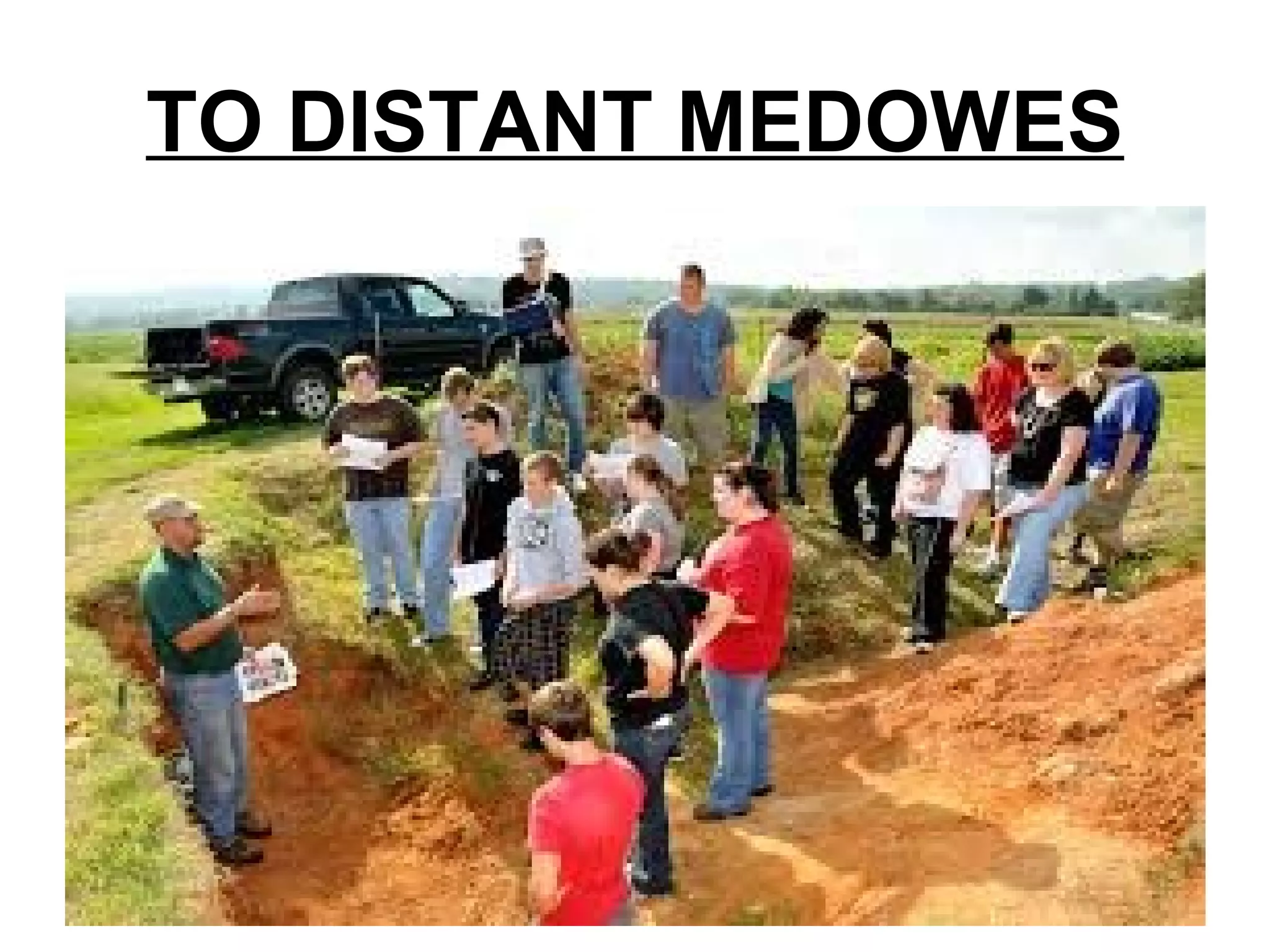
TO DISTANT MEDOWES
FISHING OUT
TO AN INDUSTRY
TO A FOREST
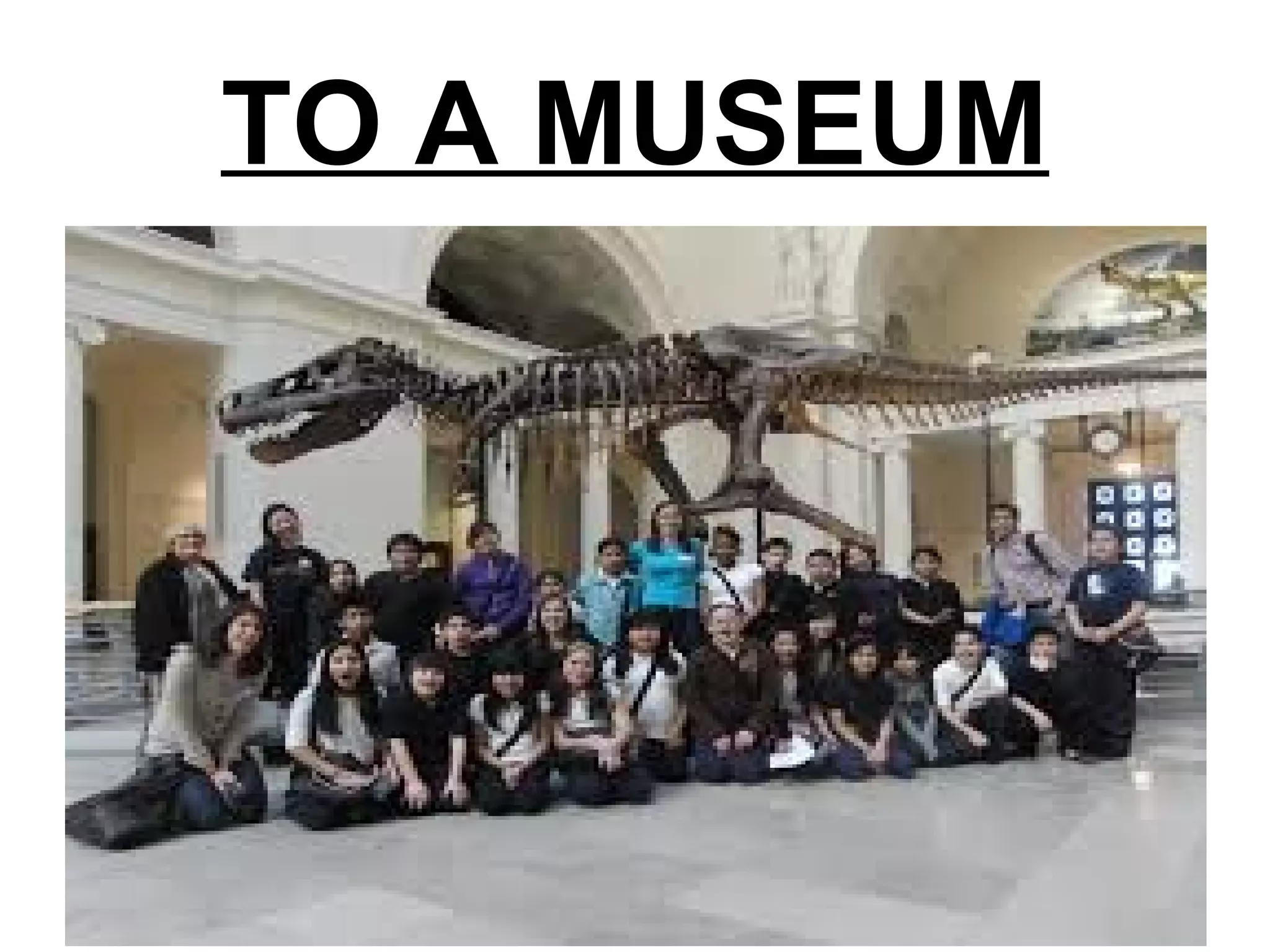
TO A MUSEUM
TO THE WOODS
TO A FARM
TO A ZOO
ADVANTAGES
• Field trip enriches the
classroom learning.
• Fiel trips provide an
opportunity to the learners to
get first hand information from
natural settings.
• The monotony
and boredom
of classroom
teaching is
eliminated
through field
trips.
Fiel trip gives
natural
stimulation and
motivates the
learner to be
more interactive
and creative.
• Field trips help learners learn
things very quickly and
remember them for longer of
time.
• It provides an opportunity to
solve the individual's problems
by interacting with a group in a
natural seting.
DISADVANTAGES
• If the field trip is not planned
well with specific learning
objectives it will result in
wastage of teaching learning
resources.
• Field trips are expensive.
• Safety and security of the
students is a real concern.
• If the sought permission is not
got, the scheduled plan of the
curriculum suffers.
THANK YOU

Field Trip

  • 1.
  • 3.
    DEFINITION • Field tripis an educational procedure by which the learners obtain first hand information by observing places, objects, phenomena and processes in their natural setting.
  • 4.
    PURPOSES • To providereal life situations for first hand information. • To supplement class room instructions.
  • 5.
    • To serveas a pre view of a lesson and gather instructional material. • To verify previous information, class discussion & to conclude individual experience.
  • 6.
    • To createsituational teaching for cultivating observation, keenness and discovery. • To serve as a means to develop positive attitudes, values and specific skills.
  • 7.
    GUIDELINES FOR USING FIELDTRIP AS A TEACHING METHOLOGY
  • 8.
    • The fieldtrip must be planned to meet specific educational objectives rather than mearly a picnic activity. • Plan field trip with a specific checklist (permission, transport, booking boarding, parental notification, safety & emergency arrangements).
  • 9.
    • Plan aschedule & route plan for the field trip. Identify leaders & sub leaders. • Assign responsibilities to individuals and make them understand their role.
  • 10.
    • Have listof all candidates, contact numbers of people to be contacted in case of emergency & special needs. • Submit report on field visit and analyse.
  • 11.
    • POINTS TOBE CONSIDERED BEFORE A FIELD TRIP
  • 12.
    DEVELOP A PLANFOR LEARNING FROM FIELD TRIPS • What will be learned? • What teaching method will be used?
  • 13.
    IDENTIFY POTENTIAL FIELD TRIPS •Look for the places that match learning, its relevance, affordability & feasibility. • Places of visit could be sewage treatment plant, pollution control board.
  • 14.
    CONTACT WITH THE ADMINISTRATIVEAUTHORITY • Obtain written permission from relevant authorities. ( Fee charges, guide for visits & state visit objectives). • Fix the visit dates well in advance & include it in the time table.
  • 15.
    ARRANGE TRANSPORTATION • Arrange busor van or cars according to the number of students. • Fix and communicate the time for departure from the college or the start point & communicate the same to the students.
  • 16.
  • 17.
    TAKE ESSENTIALS REQUIRED FORFIELD TRIP • The student should have diary, pen to record the observations made in the field trip. • Other resources like, camera,money, clothing are to be planned.
  • 18.
    TO A NATURALSETTING
  • 19.
  • 20.
  • 21.
  • 22.
  • 23.
  • 24.
  • 25.
  • 26.
  • 27.
    ADVANTAGES • Field tripenriches the classroom learning. • Fiel trips provide an opportunity to the learners to get first hand information from natural settings.
  • 28.
    • The monotony andboredom of classroom teaching is eliminated through field trips.
  • 30.
    Fiel trip gives natural stimulationand motivates the learner to be more interactive and creative.
  • 31.
    • Field tripshelp learners learn things very quickly and remember them for longer of time. • It provides an opportunity to solve the individual's problems by interacting with a group in a natural seting.
  • 32.
    DISADVANTAGES • If thefield trip is not planned well with specific learning objectives it will result in wastage of teaching learning resources. • Field trips are expensive.
  • 33.
    • Safety andsecurity of the students is a real concern. • If the sought permission is not got, the scheduled plan of the curriculum suffers.
  • 34.