Project-Based Inquiry (PBI) Global and
the OECD’s Learning Framework 2030:
Drawing Connections
The New Literacies Collaborative
Dr. Hiller A. Spires
Marie Himes
Erin Lyjak
Agenda
• Overview of PBI Global (12:00-12:20 p.m.)
• Process, Design Features, & Evolution
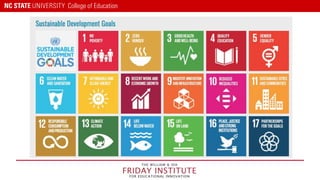
• UN Sustainable Development Goals (SDGs) 2030
• Research & Publications
• PBI Global Student Summit
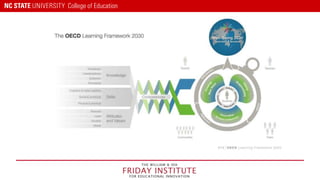
• The OECD Learning Framework 2030 (12:20-12:30 p.m.)
• Learning Compass
• Connections to PBI Global
• Cross Talk (12:30-1:00 pm)
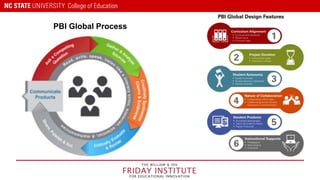
PBI Global Process
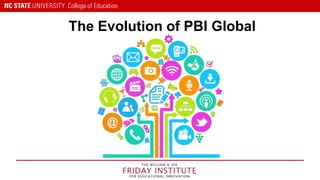
The Evolution of PBI Global
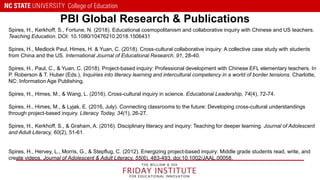
PBI Global Research & Publications
Spires, H., Kerkhoff, S., Fortune, N. (2018). Educational cosmopolitanism and collaborative inquiry with Chinese and US teachers.
Teaching Education. DOI: 10.1080/10476210.2018.1506431
Spires, H., Medlock Paul, Himes, H. & Yuan, C. (2018). Cross-cultural collaborative inquiry: A collective case study with students
from China and the US. International Journal of Educational Research, 91, 28-40.
Spires, H., Paul, C., & Yuan, C. (2018). Project-based inquiry: Professional development with Chinese EFL elementary teachers. In
P. Roberson & T. Huber (Eds.), Inquiries into literacy learning and intercultural competency in a world of border tensions. Charlotte,
NC: Information Age Publishing.
Spires, H., Himes, M., & Wang, L. (2016). Cross-cultural inquiry in science. Educational Leadership, 74(4), 72-74.
Spires, H., Himes, M., & Lyjak, E. (2016, July). Connecting classrooms to the future: Developing cross-cultural understandings
through project-based inquiry. Literacy Today, 34(1), 26-27.
Spires, H., Kerkhoff, S., & Graham, A. (2016). Disciplinary literacy and inquiry: Teaching for deeper learning. Journal of Adolescent
and Adult Literacy, 60(2), 51-61.
Spires, H., Hervey, L., Morris, G., & Stepflug, C. (2012). Energizing project-based inquiry: Middle grade students read, write, and
create videos. Journal of Adolescent & Adult Literacy, 55(6), 483-493. doi:10.1002/JAAL.00058.
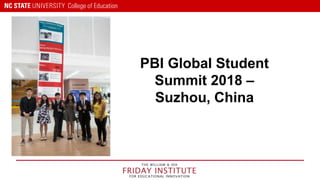
PBI Global Student
Summit 2018 –
Suzhou, China
How Might The OECD Learning Framework
2030 Inform And Connect To PBI Global?
Direct Connections:
• Parent, Teacher, Peers, Communities with Student at Center
• Focus on Individual & Societal Well Being through SDGs
• Competencies: the mobilization of knowledge, skills, attitudes & values to
meet complex demands
Aspirational Connections:
• Competencies to transform society & shape our future: Creating new value,
reconciling tensions & dilemmas, taking responsibility
Cross Talk (13 minutes)
• Critique the framework with your table group
1. What aspects of the Framework resonate with you? (2 min)
2. What aspects of the Framework are missing? (2 min)
3. How might the Framework inform or connect to your work? (7 min)
• Share a brief summary of your table group’s critique on Padlet
• https://padlet.com/mphimes/NLCCrossTalk2018
Cross Talk, cont. (12 minutes)
Two Rounds of Speed Dating
• Find someone who is not a member of your table group
• Discuss your response to question 3
• How might the Framework inform or connect to your work?
• Be prepared to share how your partner’s work intersects with the
OECD Learning Framework 2030
Questions?
Contact:
Hiller A. Spires
haspires@ncsu.edu

FI Cross Talk - NLC Team

  • 1.
    Project-Based Inquiry (PBI)Global and the OECD’s Learning Framework 2030: Drawing Connections The New Literacies Collaborative Dr. Hiller A. Spires Marie Himes Erin Lyjak
  • 2.
    Agenda • Overview ofPBI Global (12:00-12:20 p.m.) • Process, Design Features, & Evolution • UN Sustainable Development Goals (SDGs) 2030 • Research & Publications • PBI Global Student Summit • The OECD Learning Framework 2030 (12:20-12:30 p.m.) • Learning Compass • Connections to PBI Global • Cross Talk (12:30-1:00 pm)
  • 3.
  • 4.
    The Evolution ofPBI Global
  • 6.
    PBI Global Research& Publications Spires, H., Kerkhoff, S., Fortune, N. (2018). Educational cosmopolitanism and collaborative inquiry with Chinese and US teachers. Teaching Education. DOI: 10.1080/10476210.2018.1506431 Spires, H., Medlock Paul, Himes, H. & Yuan, C. (2018). Cross-cultural collaborative inquiry: A collective case study with students from China and the US. International Journal of Educational Research, 91, 28-40. Spires, H., Paul, C., & Yuan, C. (2018). Project-based inquiry: Professional development with Chinese EFL elementary teachers. In P. Roberson & T. Huber (Eds.), Inquiries into literacy learning and intercultural competency in a world of border tensions. Charlotte, NC: Information Age Publishing. Spires, H., Himes, M., & Wang, L. (2016). Cross-cultural inquiry in science. Educational Leadership, 74(4), 72-74. Spires, H., Himes, M., & Lyjak, E. (2016, July). Connecting classrooms to the future: Developing cross-cultural understandings through project-based inquiry. Literacy Today, 34(1), 26-27. Spires, H., Kerkhoff, S., & Graham, A. (2016). Disciplinary literacy and inquiry: Teaching for deeper learning. Journal of Adolescent and Adult Literacy, 60(2), 51-61. Spires, H., Hervey, L., Morris, G., & Stepflug, C. (2012). Energizing project-based inquiry: Middle grade students read, write, and create videos. Journal of Adolescent & Adult Literacy, 55(6), 483-493. doi:10.1002/JAAL.00058.
  • 7.
    PBI Global Student Summit2018 – Suzhou, China
  • 9.
    How Might TheOECD Learning Framework 2030 Inform And Connect To PBI Global? Direct Connections: • Parent, Teacher, Peers, Communities with Student at Center • Focus on Individual & Societal Well Being through SDGs • Competencies: the mobilization of knowledge, skills, attitudes & values to meet complex demands Aspirational Connections: • Competencies to transform society & shape our future: Creating new value, reconciling tensions & dilemmas, taking responsibility
  • 10.
    Cross Talk (13minutes) • Critique the framework with your table group 1. What aspects of the Framework resonate with you? (2 min) 2. What aspects of the Framework are missing? (2 min) 3. How might the Framework inform or connect to your work? (7 min) • Share a brief summary of your table group’s critique on Padlet • https://padlet.com/mphimes/NLCCrossTalk2018
  • 11.
    Cross Talk, cont.(12 minutes) Two Rounds of Speed Dating • Find someone who is not a member of your table group • Discuss your response to question 3 • How might the Framework inform or connect to your work? • Be prepared to share how your partner’s work intersects with the OECD Learning Framework 2030
  • 12.

Editor's Notes

  • #4 Maybe show China Summit video
  • #5  Future: Look at student learning outcomes Possible group question 1: how might we design an experimental study to evaluate student learning outcomes? Possible group question 2: What can we learn from the OECD Framework that can apply to PBI Global?
  • #8 https://www.youtube.com/watch?v=-FARk-5zSYQ&t=1s