Enchanted Objects
Enchanted
Objects
David Rose, a technologist, talks about "enchanted
objects"—everyday items that are made smart through
technology. He connects these modern smart devices to
magical items we see in fairy tales, like a magic mirror
or a genie’s lamp. He categorizes these objects based
on what they do, like how magical items work in
stories.
Enchanted
Objects
• In story: for Effortless Mobility invented flying
carpets, and even teleportation.
• In reality: Through technology, we have invented
cars and railways, bicycles, and aeroplanes.
• In story : enchanted paintbrushes and magic flutes.
• In reality: from charcoal to paint to computer
graphics, or from drums to violins and electronic
Synthesizer.
So, technology has always been associated with magic.
Arthur C. Clarke has claimed that “any sufficiently
advanced technology is indistinguishable from
magic,”
Enchanted
Objects
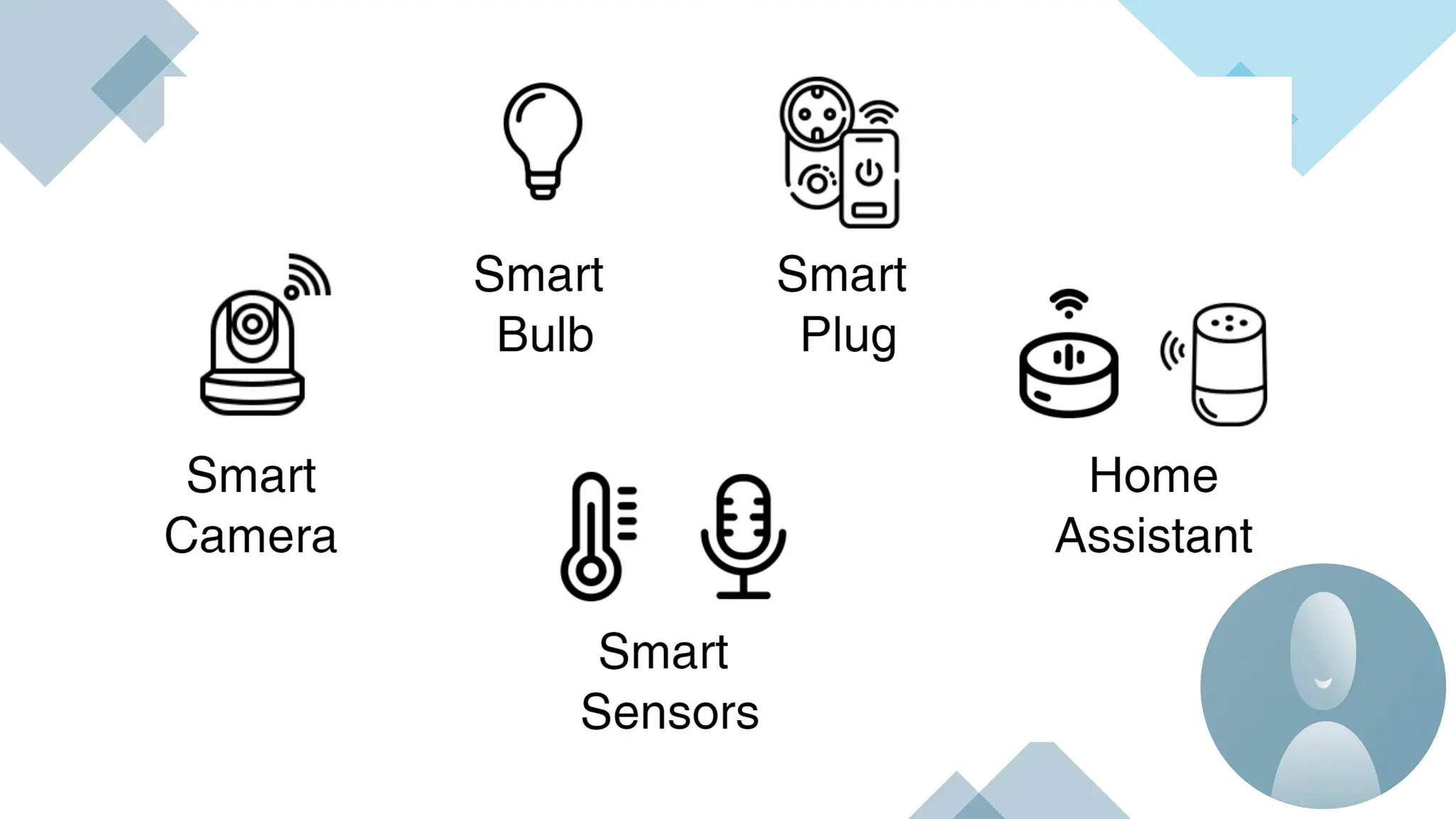
Enchanted objects refer to everyday objects that have
been augmented with technology to become "smart" or
interactive. The term "enchanted" suggests that these
objects retain their familiar, everyday appearance but
are enhanced with capabilities that make them more
functional or responsive to user needs.
Examples of Enchanted Objects in IoT:
• Connected Lamps: Lamps that adjust lighting
based on the time of day, user preference, or voice
commands.
• Smart Umbrellas: Umbrellas that notify users if
they need to take them based on weather forecasts.
Characteristics of Enchanted objects
• Familiar Form: The object looks and feels like a traditional item (e.g., a mirror,
clock, or lamp) but has additional functionalities embedded within it.
• Connectivity: These objects are connected to the internet or other networks,
allowing them to share data, receive updates, or be controlled remotely.
• Embedded Intelligence: They often have sensors, processors, or software that
allow them to respond intelligently to user interactions or environmental
changes.
• User-Centric Design: The enhancements are designed to make the object more
useful, convenient, or engaging for the user without overwhelming them with
technology.
Thank You!
@omega.teched
LIKE,SHARE & SUBSCRIBE

Enchanted objects in Internet of Things.

  • 1.
  • 2.
    Enchanted Objects David Rose, atechnologist, talks about "enchanted objects"—everyday items that are made smart through technology. He connects these modern smart devices to magical items we see in fairy tales, like a magic mirror or a genie’s lamp. He categorizes these objects based on what they do, like how magical items work in stories.
  • 3.
    Enchanted Objects • In story:for Effortless Mobility invented flying carpets, and even teleportation. • In reality: Through technology, we have invented cars and railways, bicycles, and aeroplanes. • In story : enchanted paintbrushes and magic flutes. • In reality: from charcoal to paint to computer graphics, or from drums to violins and electronic Synthesizer. So, technology has always been associated with magic. Arthur C. Clarke has claimed that “any sufficiently advanced technology is indistinguishable from magic,”
  • 4.
    Enchanted Objects Enchanted objects referto everyday objects that have been augmented with technology to become "smart" or interactive. The term "enchanted" suggests that these objects retain their familiar, everyday appearance but are enhanced with capabilities that make them more functional or responsive to user needs. Examples of Enchanted Objects in IoT: • Connected Lamps: Lamps that adjust lighting based on the time of day, user preference, or voice commands. • Smart Umbrellas: Umbrellas that notify users if they need to take them based on weather forecasts.
  • 6.
    Characteristics of Enchantedobjects • Familiar Form: The object looks and feels like a traditional item (e.g., a mirror, clock, or lamp) but has additional functionalities embedded within it. • Connectivity: These objects are connected to the internet or other networks, allowing them to share data, receive updates, or be controlled remotely. • Embedded Intelligence: They often have sensors, processors, or software that allow them to respond intelligently to user interactions or environmental changes. • User-Centric Design: The enhancements are designed to make the object more useful, convenient, or engaging for the user without overwhelming them with technology.
  • 7.