Download to read offline


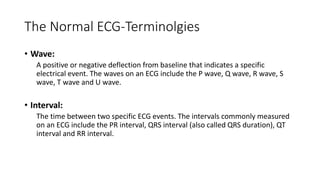

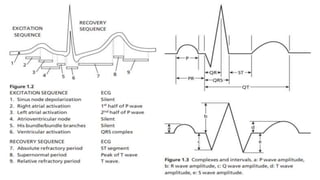





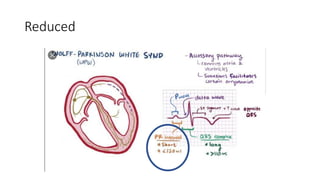


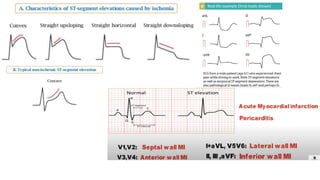
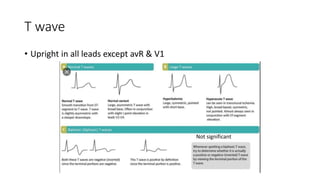


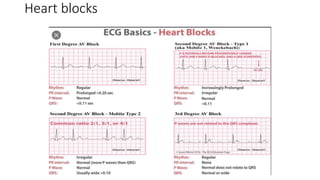


1) An ECG provides a picture of the electrical activity of the heart by recording the electric waves through electrodes. It can help identify cardiac abnormalities. 2) Key aspects of an ECG include waves, intervals, segments and complexes which indicate different electrical events in the heart. A normal ECG is analyzed based on rhythm, rate, axis, P wave, PR interval, QRS complex, and ST segments. 3) Abnormal findings on an ECG can help diagnose conditions like myocardial infarction, arrhythmias, ventricular hypertrophy, and conduction blocks. Proper placement of electrodes and a systematic approach is used to accurately interpret ECGs.


