Downloaded 569 times

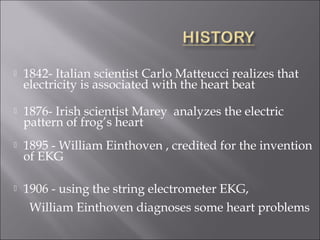
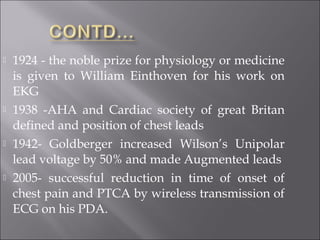
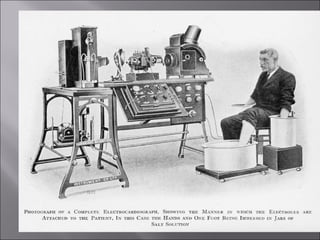
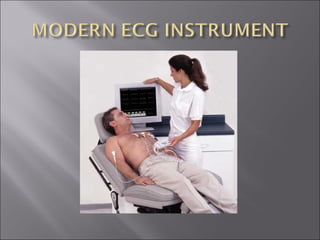
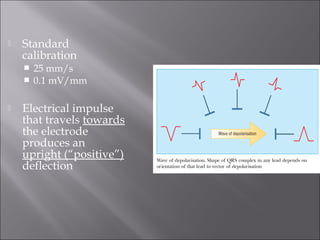
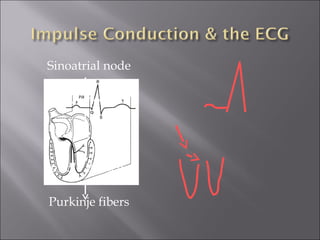
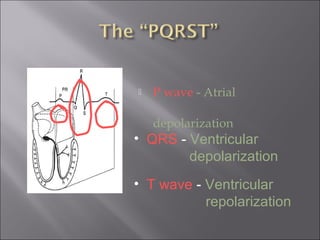

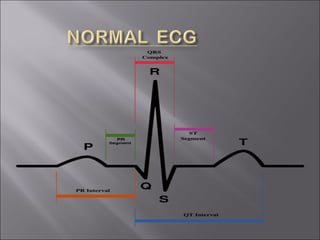
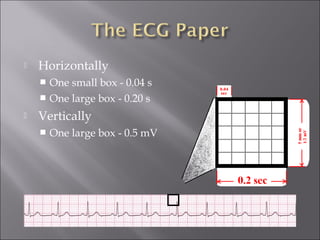
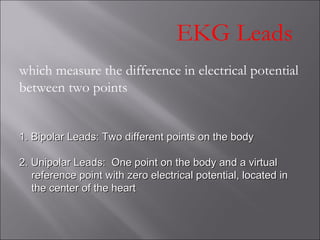
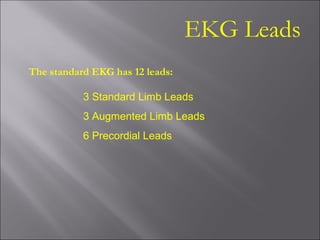
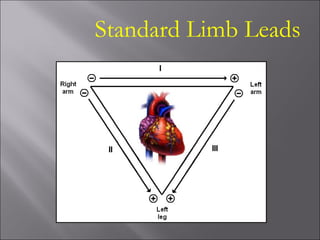
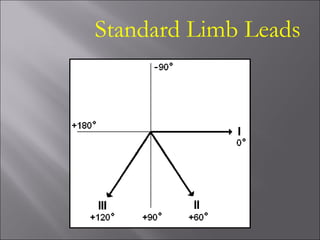
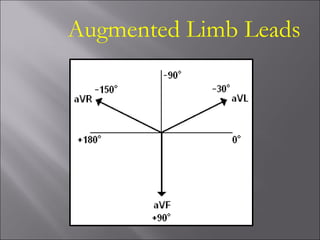
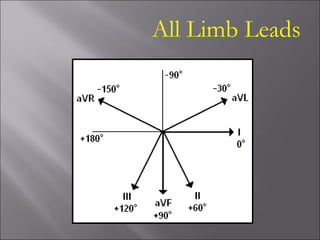
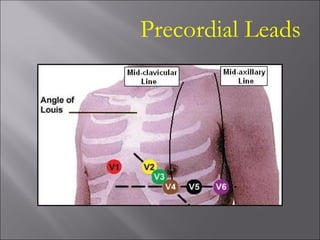
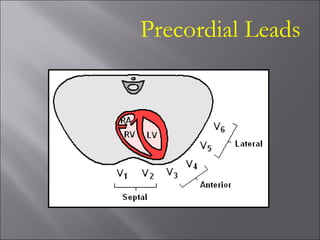

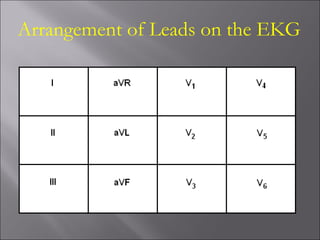
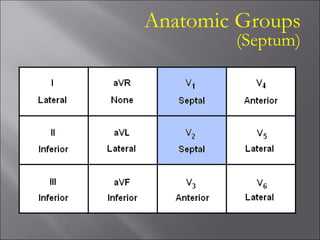
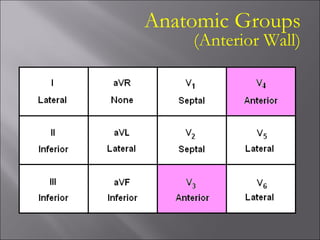
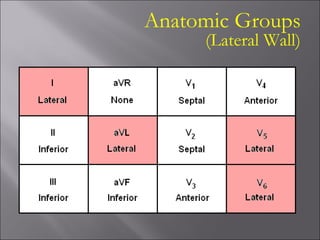
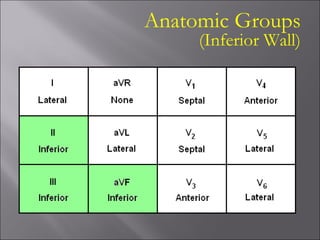
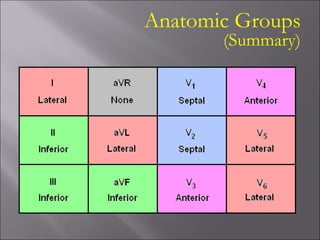
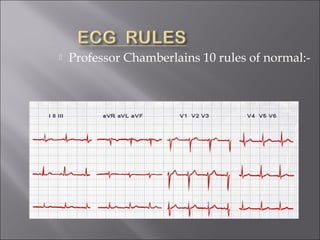
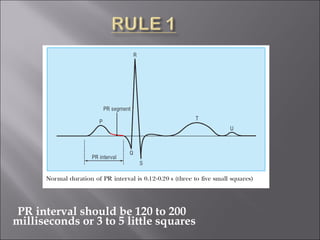
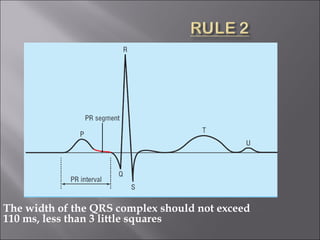
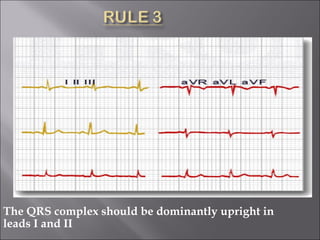
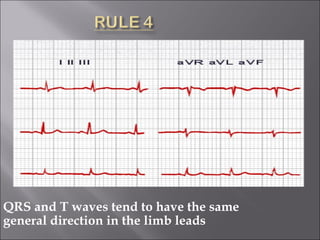
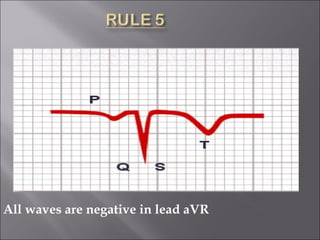
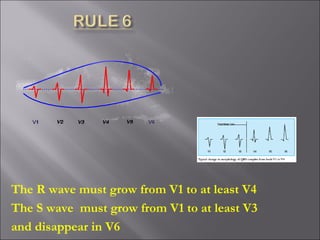
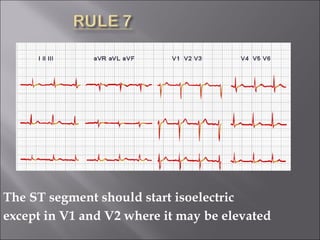
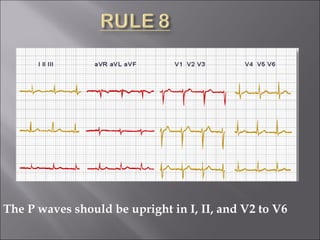
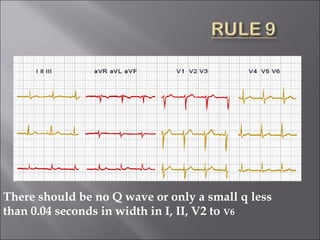
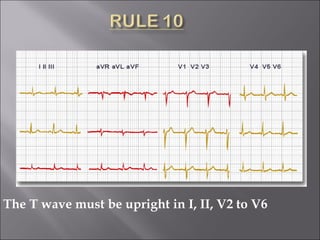
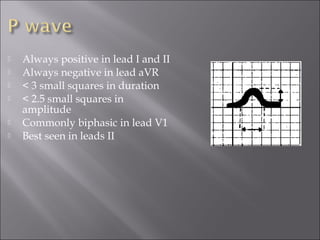
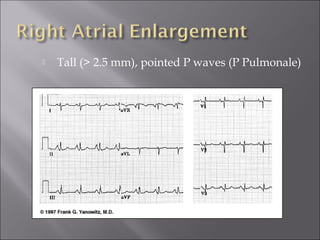
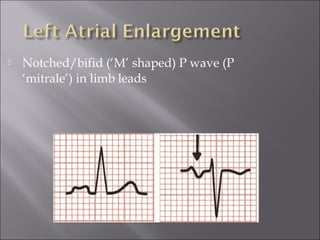
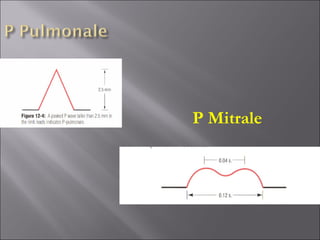
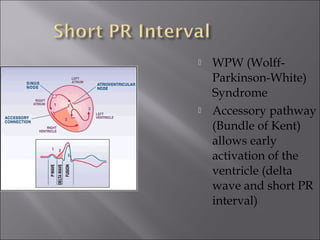
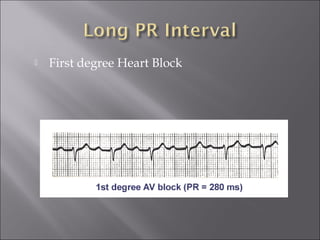
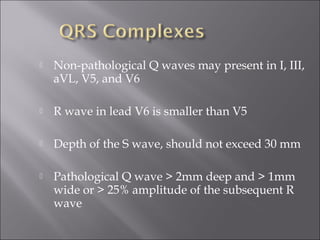
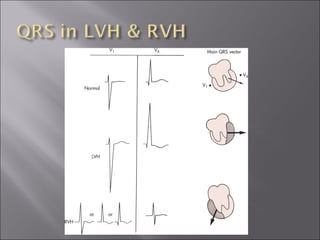
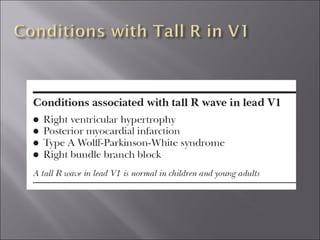
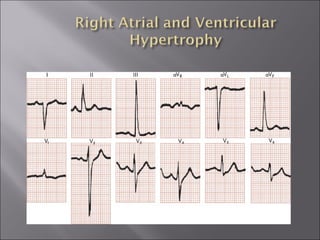
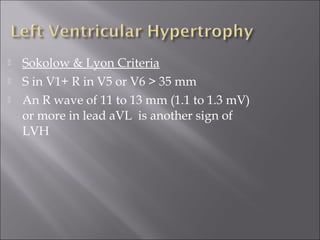
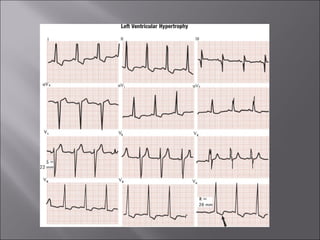


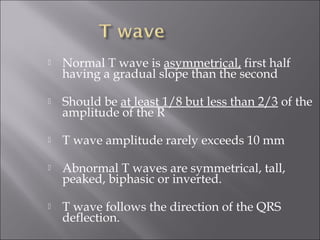
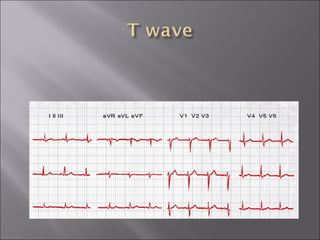
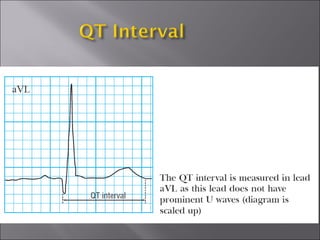
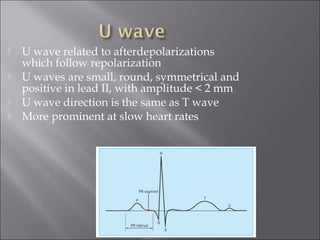
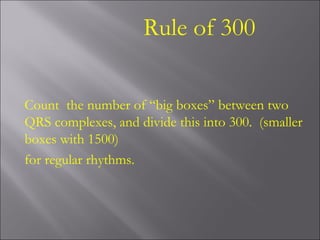
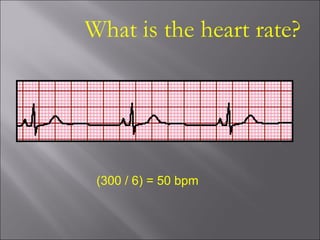
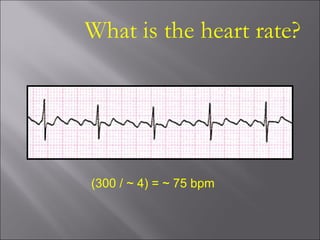
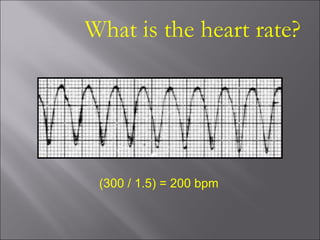
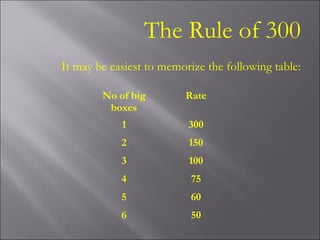
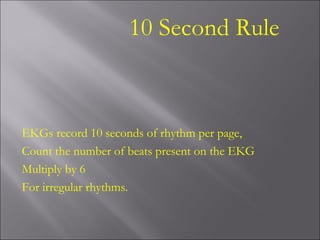
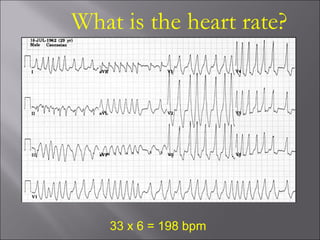
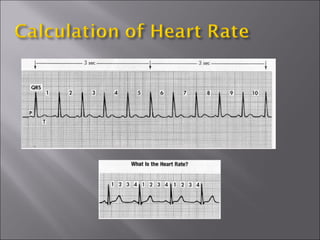
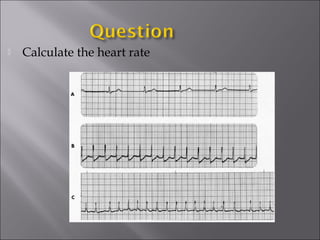
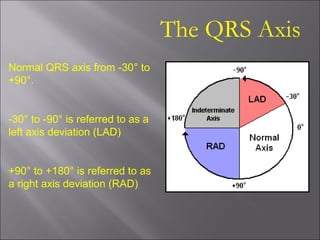
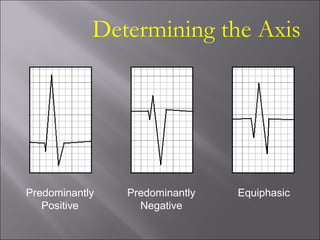
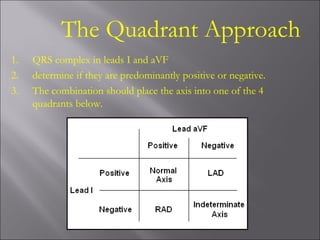
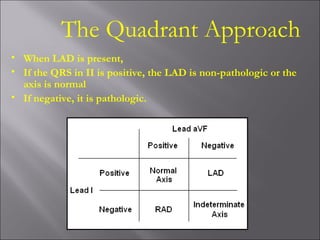
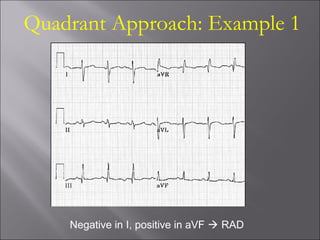
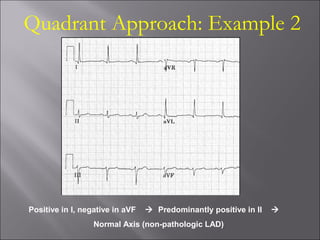
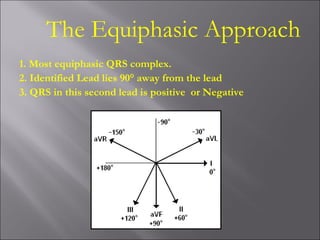
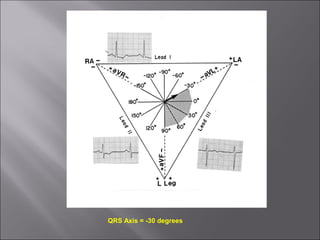
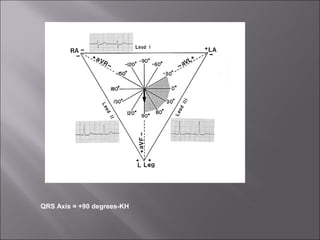
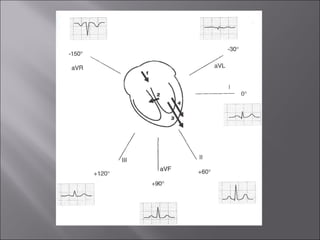
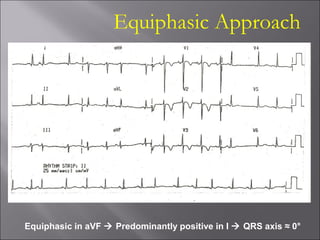

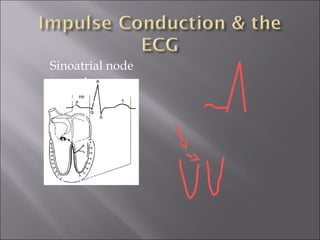
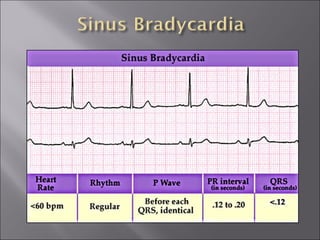
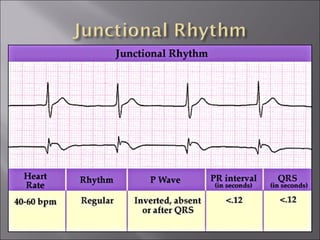
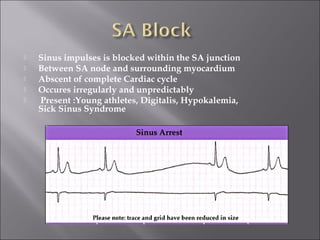

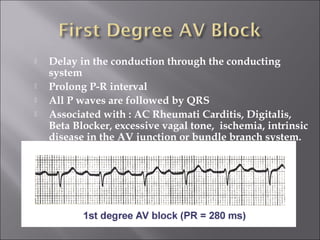
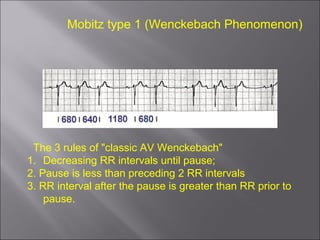
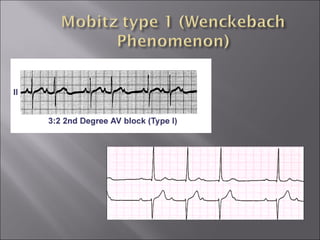
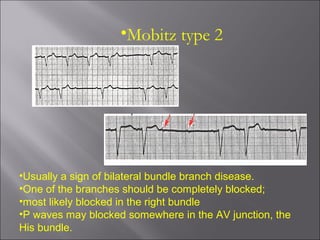
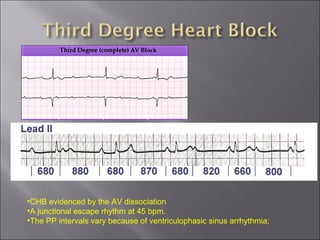
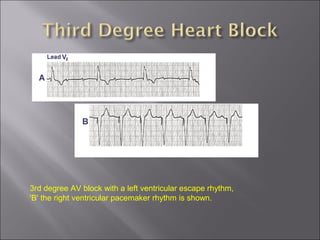
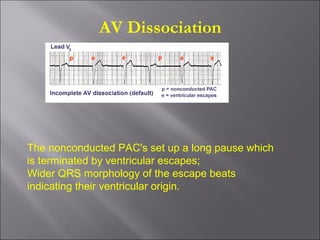
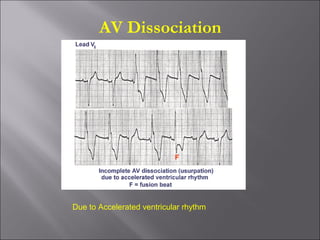

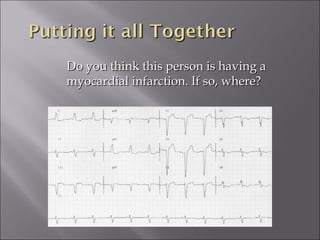
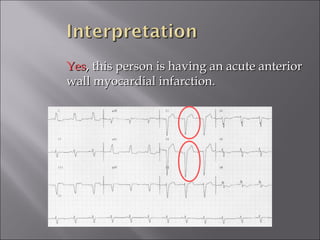
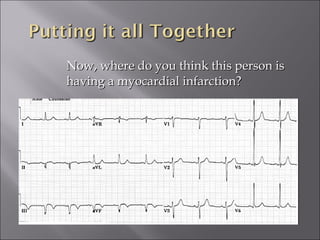
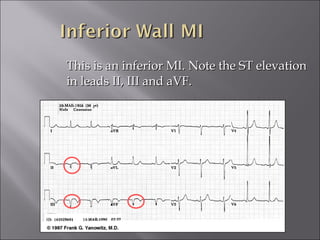
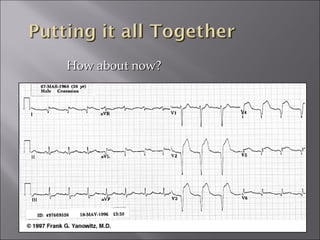
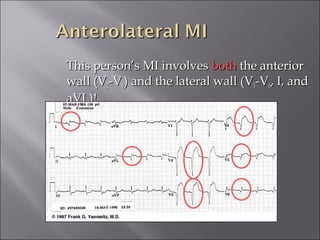
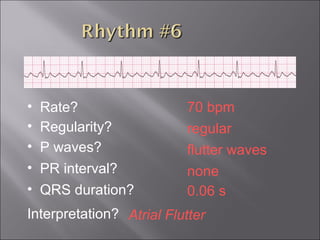
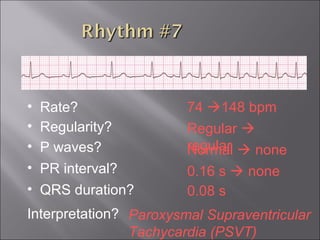
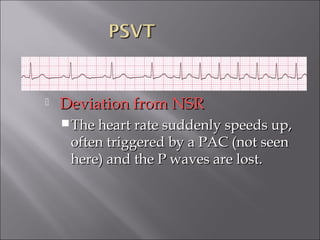
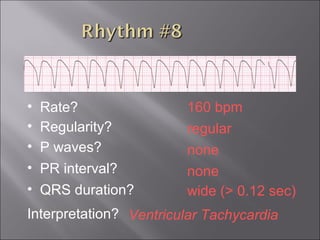
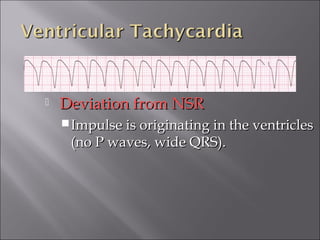
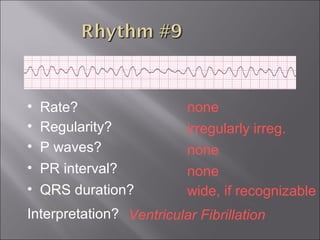
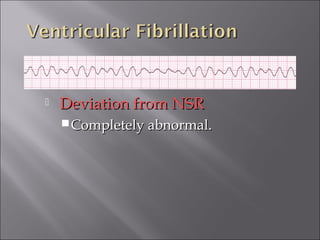

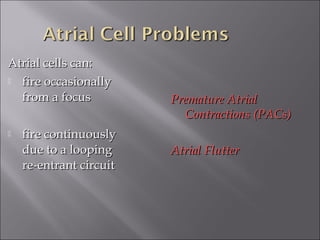

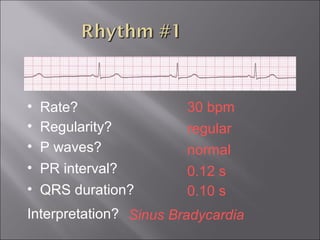
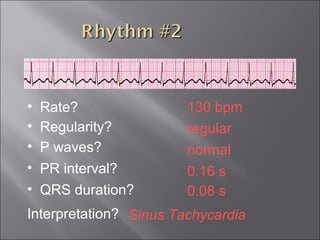
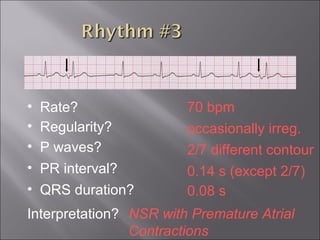
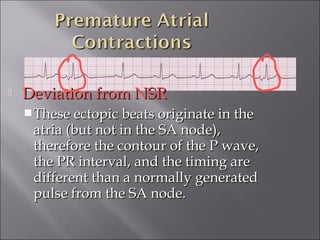
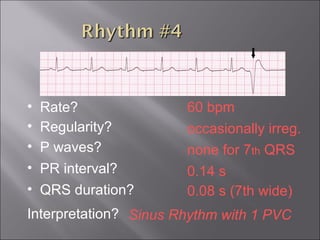
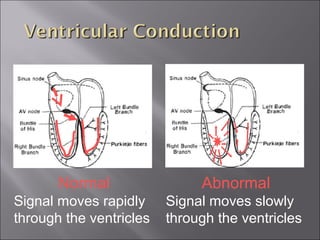

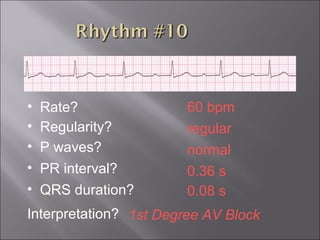
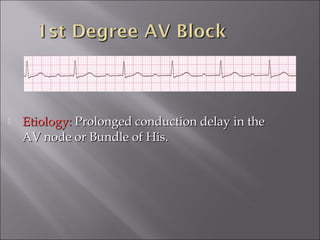
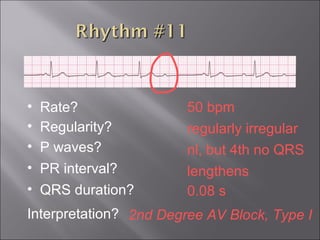
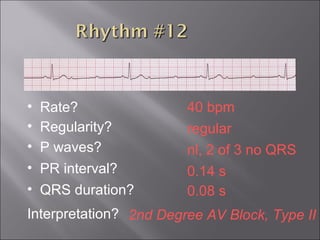
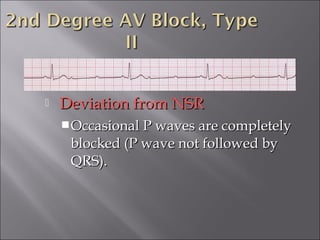
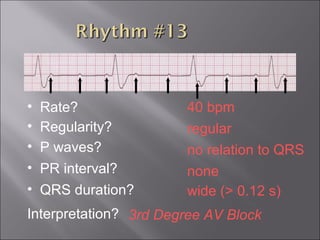
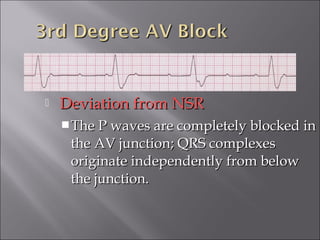
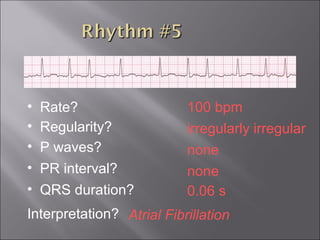
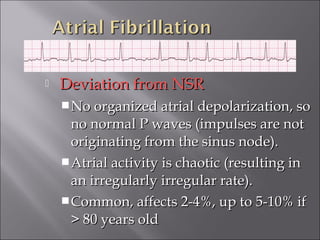
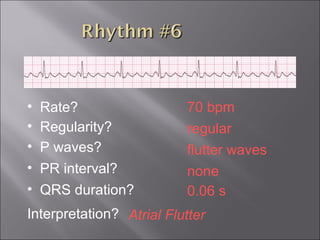
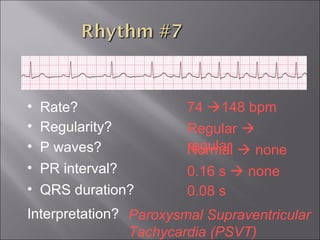
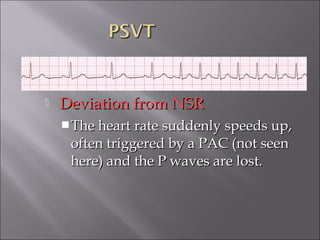
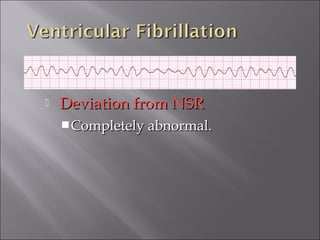
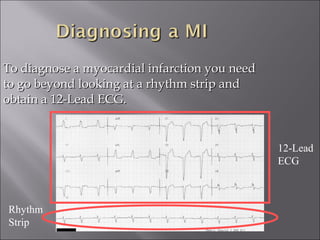
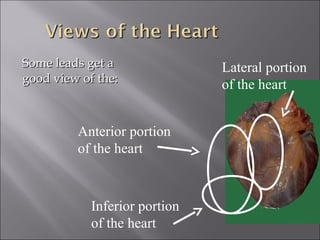
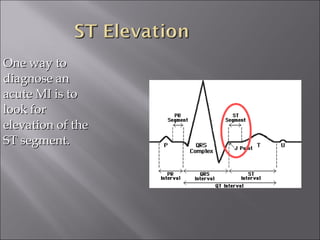
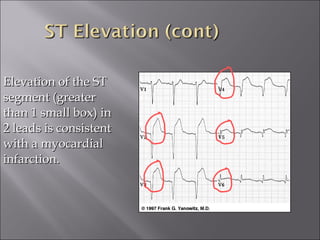
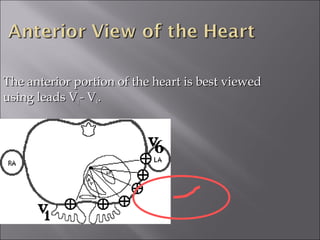
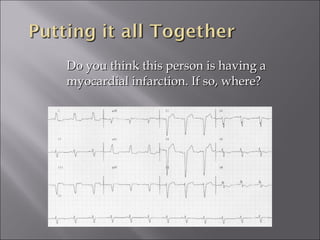
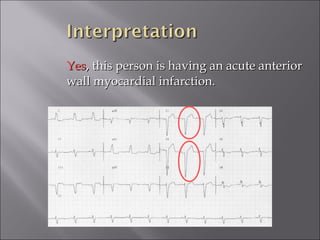
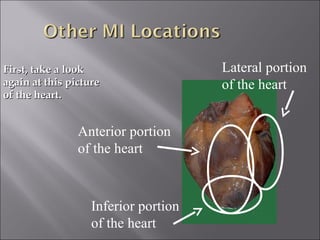
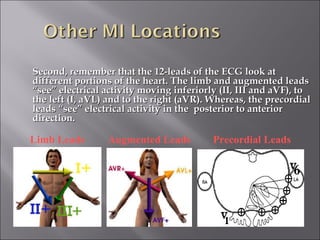

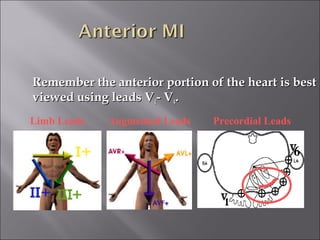
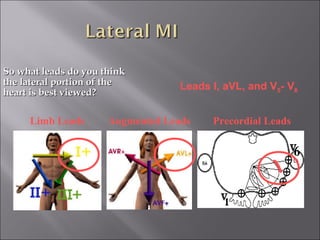
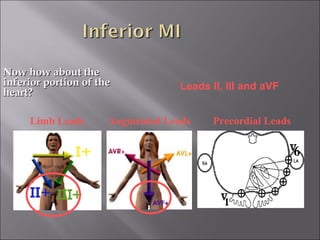
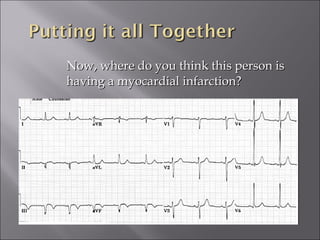
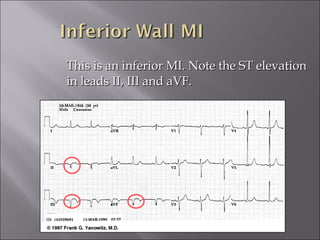
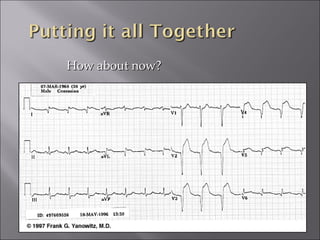
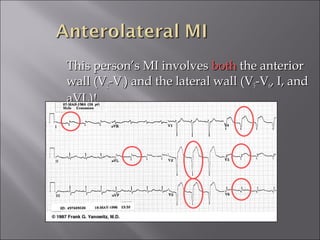

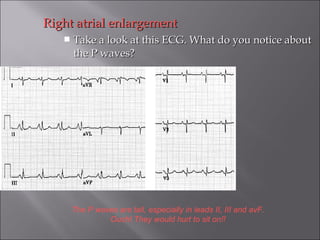
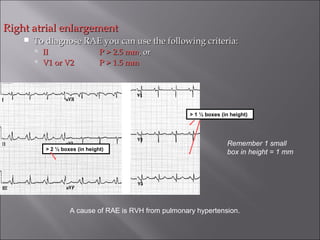
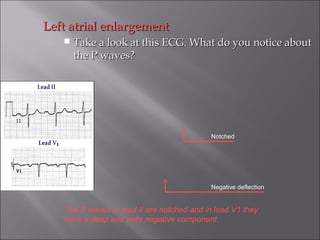
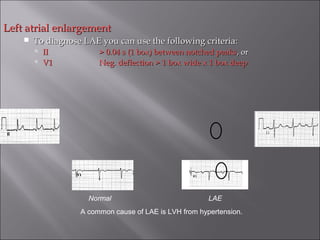

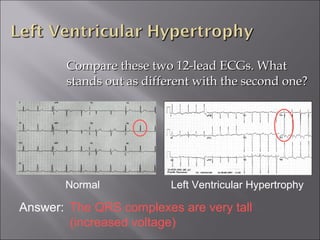
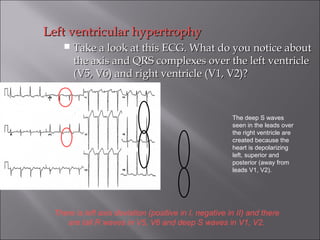
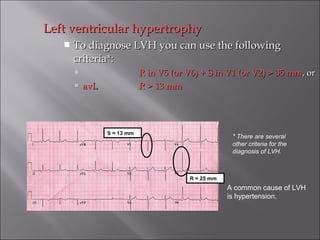


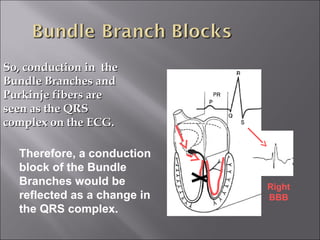
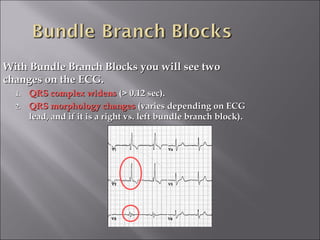
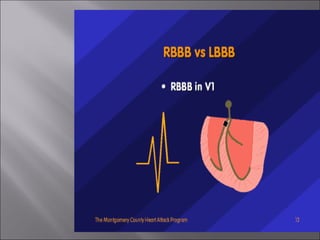

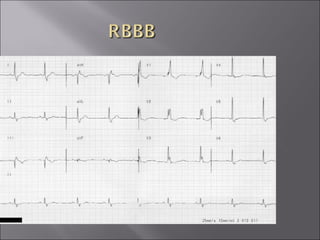
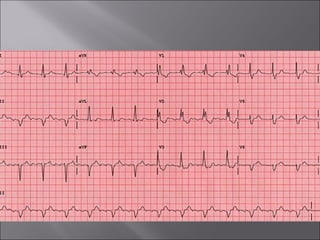
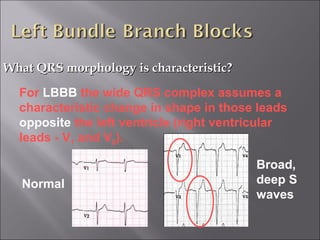
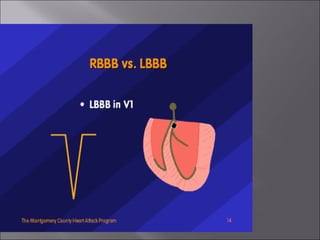
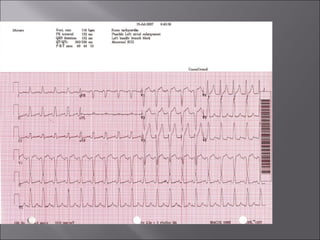
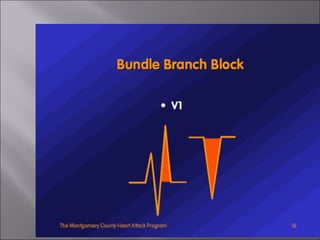

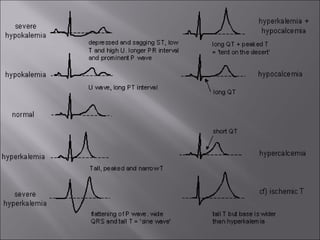
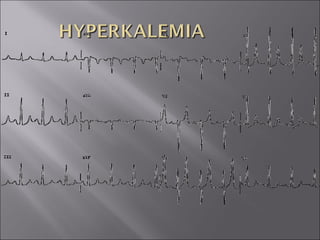
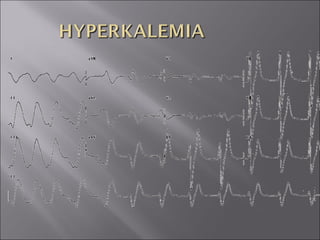
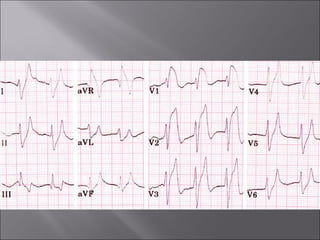
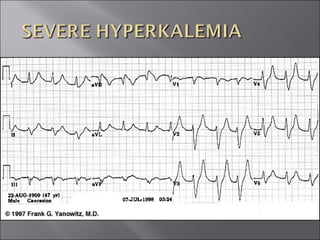
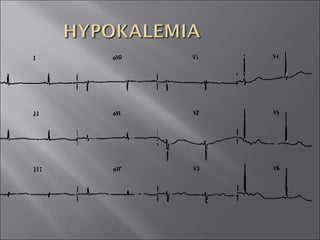
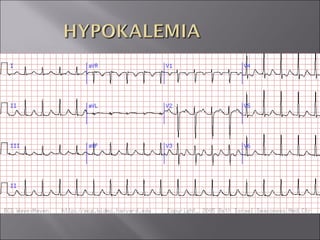
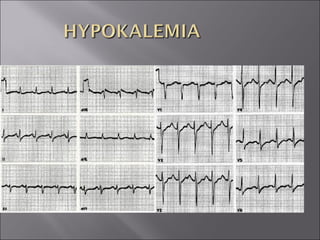
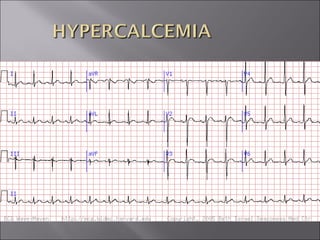
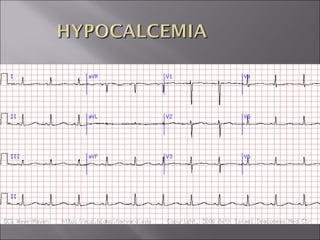
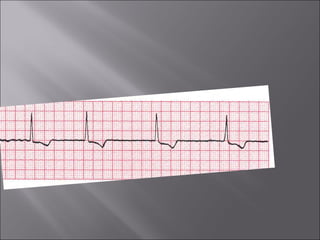
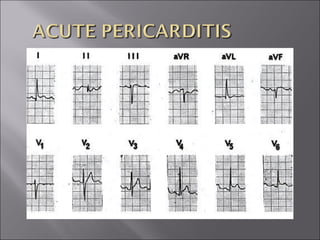
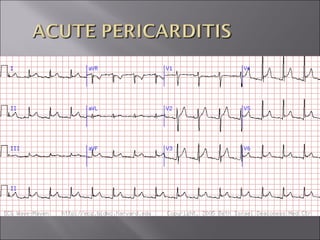
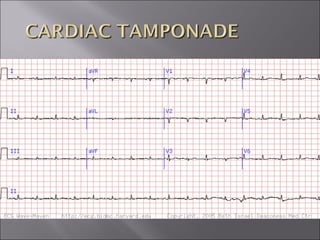
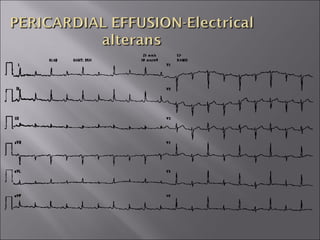
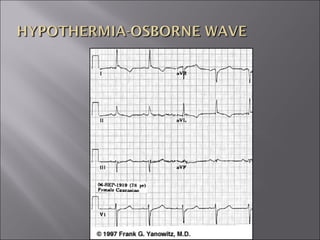
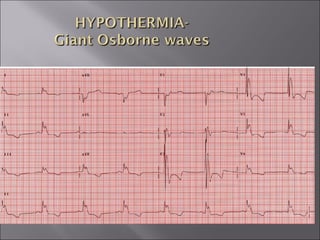

This document provides a history of the electrocardiogram (EKG/ECG) and describes how it is used to evaluate cardiac electrical activity and identify various cardiac conditions. Some key points: - The EKG was developed in the late 19th/early 20th century, with scientists like Matteucci, Marey, and Einthoven contributing to its invention and clinical use. - An EKG records the heart's electrical activity through electrodes on the skin and can be used to detect arrhythmias, ischemia, infarction, and other conditions. - It analyzes the P wave, QRS complex, ST segment, and T wave to evaluate conduction and identify abnormalities.


