DIGESTION
 
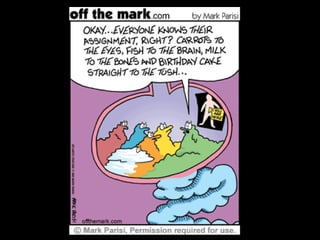
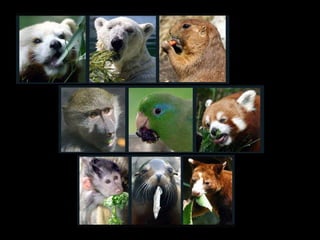
What does the previous slide suggest?
Digestion leads to the breakdown of the important substances needed by the body to grow and develop….. Protein Carbohydrates Fats Nucleic acids
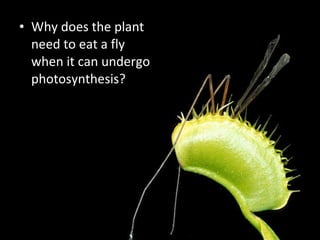
Why does the plant need to eat a fly when it can undergo photosynthesis?
Plant nutrition Plant are producers, they are ________. Animals are _______, they are heterotrophic. Heterotrophs are opportunistic feeders
 
Digestion as an evolutionary evidence Compartmentalization Mode of feeding Mutualistic relationship Also presence of fats, why?
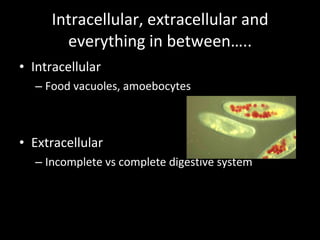
Intracellular, extracellular and everything in between….. Intracellular Food vacuoles, amoebocytes Extracellular Incomplete vs complete digestive system
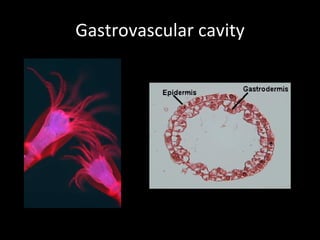
Incomplete digestive system bridges….. Differs from complete because…… E.g. gastrovascular cavity of cnidarians Gastrodermis- with specialized digestive cells HYDROLYSIS OF MACROMOLECULES IS INTRACELLULAR
Gastrovascular cavity
Complete Specialized compartment Exit and entrance are different Extracellular hydrolysis of food Complexity varies
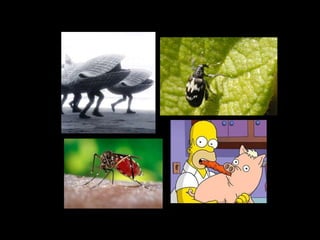
Modes of Feeding Suspension feeders Substrate feeders Fluid feeders Bulk feeders
 
Symbiosis is nice….. Evolution of symbiotic relationship with other organisms in processing food … . why is this needed?
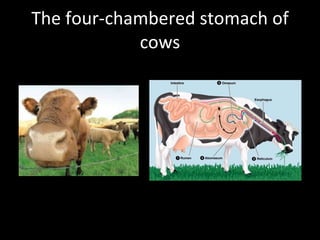
The four-chambered stomach of cows
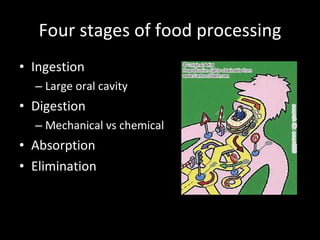
Four stages of food processing Ingestion Large oral cavity Digestion Mechanical vs chemical Absorption Elimination
 
The oral cavity or in short the mouth What is the mouth for? Why do we need to produce saliva? What is an enzyme and how does it help in the digestion of food?
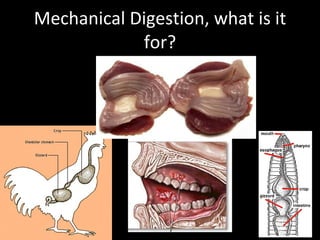
Mechanical Digestion, what is it for?
Pharynx Crossroad of food and air Where bolus enters the esophagus Epiglottis- flap that covers the entrance of air when swallowing
Epiglottis in action
The esophagus Presence of striated and smooth muscle Moves the bolus from pharynx to the stomach peristalsis Presence of goblet cells
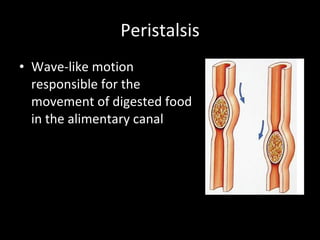
Peristalsis Wave-like motion responsible for the movement of digested food in the alimentary canal
 
The stomach Storage and digestion of food Sphincters- regulate movement of bolus and chyme Which one has a larger stomach, a carnivore or an herbivore? (pound-for-pound)
Still on stomach….. Chief cells vs parietal cells Pepsinogen and HCl follows a positive feedback mechanism
Ouch, my stomach hurts…. Rapid mitotic activity Activation of pepsin Goblet cells
Ouch, my heart burns!!!! Heart burn is not caused by the devil or your evil exes burning your heart, it is the result of the loosening of the valves
Small intestine Main organ of digestion and absorption Why is it the longest? Divided into the duodenum, jejunum, ileum
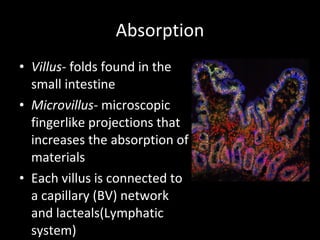
Absorption Villus - folds found in the small intestine Microvillus - microscopic fingerlike projections that increases the absorption of materials Each villus is connected to a capillary (BV) network and lacteals(Lymphatic system)
RECITATION ON THE DIGESTION OF THE FOUR MACROMOLECULES Protein Carbohydrates Fats Nucleic acids
Hormones that regulate digestion Gastrin-stimulated by gastric juices Inhibited by low pH stimulates secretion of gastric juice Enterogastrones- group of enzymes found in the duodenum Cholecystokinin (CCK)- stimulated by fats and amino acids Stimulates gall bladder to release bile Secretin- stimulated by the acidic chyme Stimulates pancreas to release bicarbonates If chyme is rich in fats, it stimulates the duodenum to release other enzymes to slow down digestion in the stomach
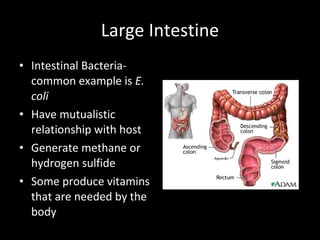
Large Intestine Also called the colon Cecum – small pouch that has different fxns Appendix- small cecum found in man Rectum- portion of the large intestine that temporarily stores feces Main fxn of colon is to reabsorb water Feces- waste that was formed after digestion Compactness depends on water that was reabsorbed
Large Intestine Intestinal Bacteria- common example is  E. coli Have mutualistic relationship with host Generate methane or hydrogen sulfide Some produce vitamins that are needed by the body
Nutrition Nutritionally adequate diet composed of: fuel (chemical energy) organic raw materials (carbon skeletons) essential nutrients (substances the animal cannot make)
Balancing the fuel Homeostatic mechanism balances the animal’s fuel ATPs that were produced are budgeted depending on the energy requirements Fats have the highest amount of ATP Glucose conversion is an example of homeostatic mechanism
Caloric Imbalance Undernourishment Calorie deficiency Overnourishment Excessive calorie intake- results to obesity Malnourishment Deficient in any essential nutrients
Essential Nutrients Essential Amino Acids Essential Fatty Acids Vitamins Minerals
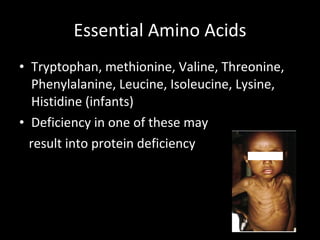
Essential Amino Acids Tryptophan, methionine, Valine, Threonine, Phenylalanine, Leucine, Isoleucine, Lysine, Histidine (infants) Deficiency in one of these may result into protein deficiency
Essential Fatty Acids Essential Fatty Acids belong to the unsaturated fatty acid groups An example is linoleic acid Deficiencies are rare
Vitamins Organic molecules that are required relatively in small amount Two types: Water-soluble B vits, C Fat-soluble A, D, E, K
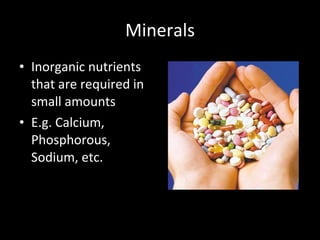
Minerals Inorganic nutrients that are required in small amounts E.g. Calcium, Phosphorous, Sodium, etc.
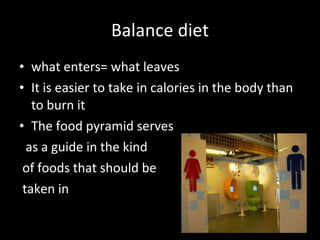
Balance diet what enters= what leaves It is easier to take in calories in the body than to burn it The food pyramid serves as a guide in the kind of foods that should be taken in

Digestio nnew

  • 1.
  • 2.
  • 3.
    What does theprevious slide suggest?
  • 4.
    Digestion leads tothe breakdown of the important substances needed by the body to grow and develop….. Protein Carbohydrates Fats Nucleic acids
  • 5.
    Why does theplant need to eat a fly when it can undergo photosynthesis?
  • 6.
    Plant nutrition Plantare producers, they are ________. Animals are _______, they are heterotrophic. Heterotrophs are opportunistic feeders
  • 7.
  • 8.
    Digestion as anevolutionary evidence Compartmentalization Mode of feeding Mutualistic relationship Also presence of fats, why?
  • 9.
    Intracellular, extracellular andeverything in between….. Intracellular Food vacuoles, amoebocytes Extracellular Incomplete vs complete digestive system
  • 10.
    Incomplete digestive systembridges….. Differs from complete because…… E.g. gastrovascular cavity of cnidarians Gastrodermis- with specialized digestive cells HYDROLYSIS OF MACROMOLECULES IS INTRACELLULAR
  • 11.
  • 12.
    Complete Specialized compartmentExit and entrance are different Extracellular hydrolysis of food Complexity varies
  • 13.
    Modes of FeedingSuspension feeders Substrate feeders Fluid feeders Bulk feeders
  • 14.
  • 15.
    Symbiosis is nice…..Evolution of symbiotic relationship with other organisms in processing food … . why is this needed?
  • 16.
  • 17.
    Four stages offood processing Ingestion Large oral cavity Digestion Mechanical vs chemical Absorption Elimination
  • 18.
  • 19.
    The oral cavityor in short the mouth What is the mouth for? Why do we need to produce saliva? What is an enzyme and how does it help in the digestion of food?
  • 20.
  • 21.
    Pharynx Crossroad offood and air Where bolus enters the esophagus Epiglottis- flap that covers the entrance of air when swallowing
  • 22.
  • 23.
    The esophagus Presenceof striated and smooth muscle Moves the bolus from pharynx to the stomach peristalsis Presence of goblet cells
  • 24.
    Peristalsis Wave-like motionresponsible for the movement of digested food in the alimentary canal
  • 25.
  • 26.
    The stomach Storageand digestion of food Sphincters- regulate movement of bolus and chyme Which one has a larger stomach, a carnivore or an herbivore? (pound-for-pound)
  • 27.
    Still on stomach…..Chief cells vs parietal cells Pepsinogen and HCl follows a positive feedback mechanism
  • 28.
    Ouch, my stomachhurts…. Rapid mitotic activity Activation of pepsin Goblet cells
  • 29.
    Ouch, my heartburns!!!! Heart burn is not caused by the devil or your evil exes burning your heart, it is the result of the loosening of the valves
  • 30.
    Small intestine Mainorgan of digestion and absorption Why is it the longest? Divided into the duodenum, jejunum, ileum
  • 31.
    Absorption Villus -folds found in the small intestine Microvillus - microscopic fingerlike projections that increases the absorption of materials Each villus is connected to a capillary (BV) network and lacteals(Lymphatic system)
  • 32.
    RECITATION ON THEDIGESTION OF THE FOUR MACROMOLECULES Protein Carbohydrates Fats Nucleic acids
  • 33.
    Hormones that regulatedigestion Gastrin-stimulated by gastric juices Inhibited by low pH stimulates secretion of gastric juice Enterogastrones- group of enzymes found in the duodenum Cholecystokinin (CCK)- stimulated by fats and amino acids Stimulates gall bladder to release bile Secretin- stimulated by the acidic chyme Stimulates pancreas to release bicarbonates If chyme is rich in fats, it stimulates the duodenum to release other enzymes to slow down digestion in the stomach
  • 34.
    Large Intestine Alsocalled the colon Cecum – small pouch that has different fxns Appendix- small cecum found in man Rectum- portion of the large intestine that temporarily stores feces Main fxn of colon is to reabsorb water Feces- waste that was formed after digestion Compactness depends on water that was reabsorbed
  • 35.
    Large Intestine IntestinalBacteria- common example is E. coli Have mutualistic relationship with host Generate methane or hydrogen sulfide Some produce vitamins that are needed by the body
  • 36.
    Nutrition Nutritionally adequatediet composed of: fuel (chemical energy) organic raw materials (carbon skeletons) essential nutrients (substances the animal cannot make)
  • 37.
    Balancing the fuelHomeostatic mechanism balances the animal’s fuel ATPs that were produced are budgeted depending on the energy requirements Fats have the highest amount of ATP Glucose conversion is an example of homeostatic mechanism
  • 38.
    Caloric Imbalance UndernourishmentCalorie deficiency Overnourishment Excessive calorie intake- results to obesity Malnourishment Deficient in any essential nutrients
  • 39.
    Essential Nutrients EssentialAmino Acids Essential Fatty Acids Vitamins Minerals
  • 40.
    Essential Amino AcidsTryptophan, methionine, Valine, Threonine, Phenylalanine, Leucine, Isoleucine, Lysine, Histidine (infants) Deficiency in one of these may result into protein deficiency
  • 41.
    Essential Fatty AcidsEssential Fatty Acids belong to the unsaturated fatty acid groups An example is linoleic acid Deficiencies are rare
  • 42.
    Vitamins Organic moleculesthat are required relatively in small amount Two types: Water-soluble B vits, C Fat-soluble A, D, E, K
  • 43.
    Minerals Inorganic nutrientsthat are required in small amounts E.g. Calcium, Phosphorous, Sodium, etc.
  • 44.
    Balance diet whatenters= what leaves It is easier to take in calories in the body than to burn it The food pyramid serves as a guide in the kind of foods that should be taken in