Option H: Further Human PhysiologyIB Biology
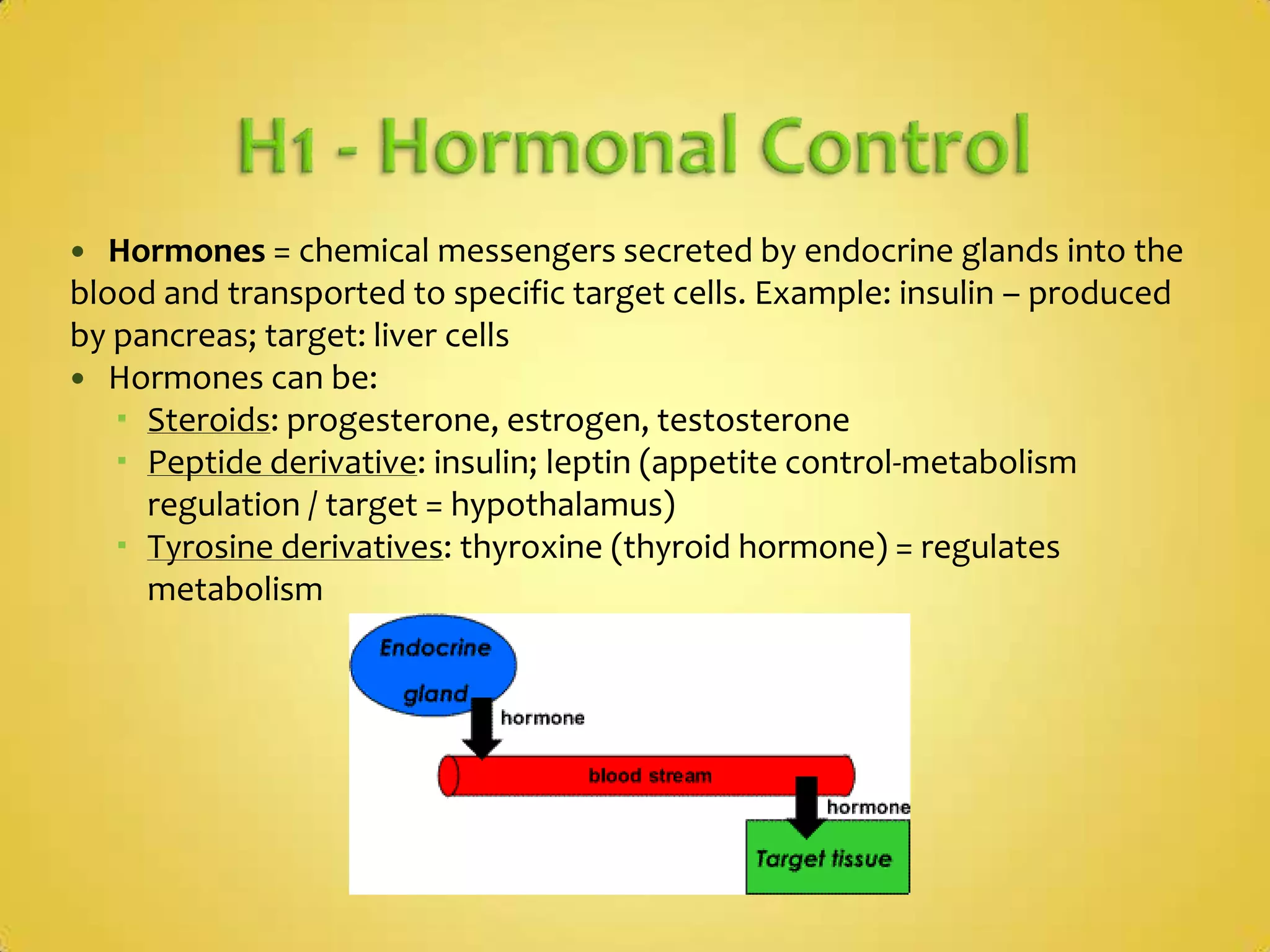
H1 - Hormonal ControlHormones = chemical messengers secreted by endocrine glands into the blood and transported to specific target cells. Example: insulin – produced by pancreas; target: liver cells Hormones can be:Steroids: progesterone, estrogen, testosterone Peptide derivative: insulin; leptin (appetite control-metabolism regulation / target = hypothalamus)Tyrosine derivatives: thyroxine (thyroid hormone) = regulates metabolism
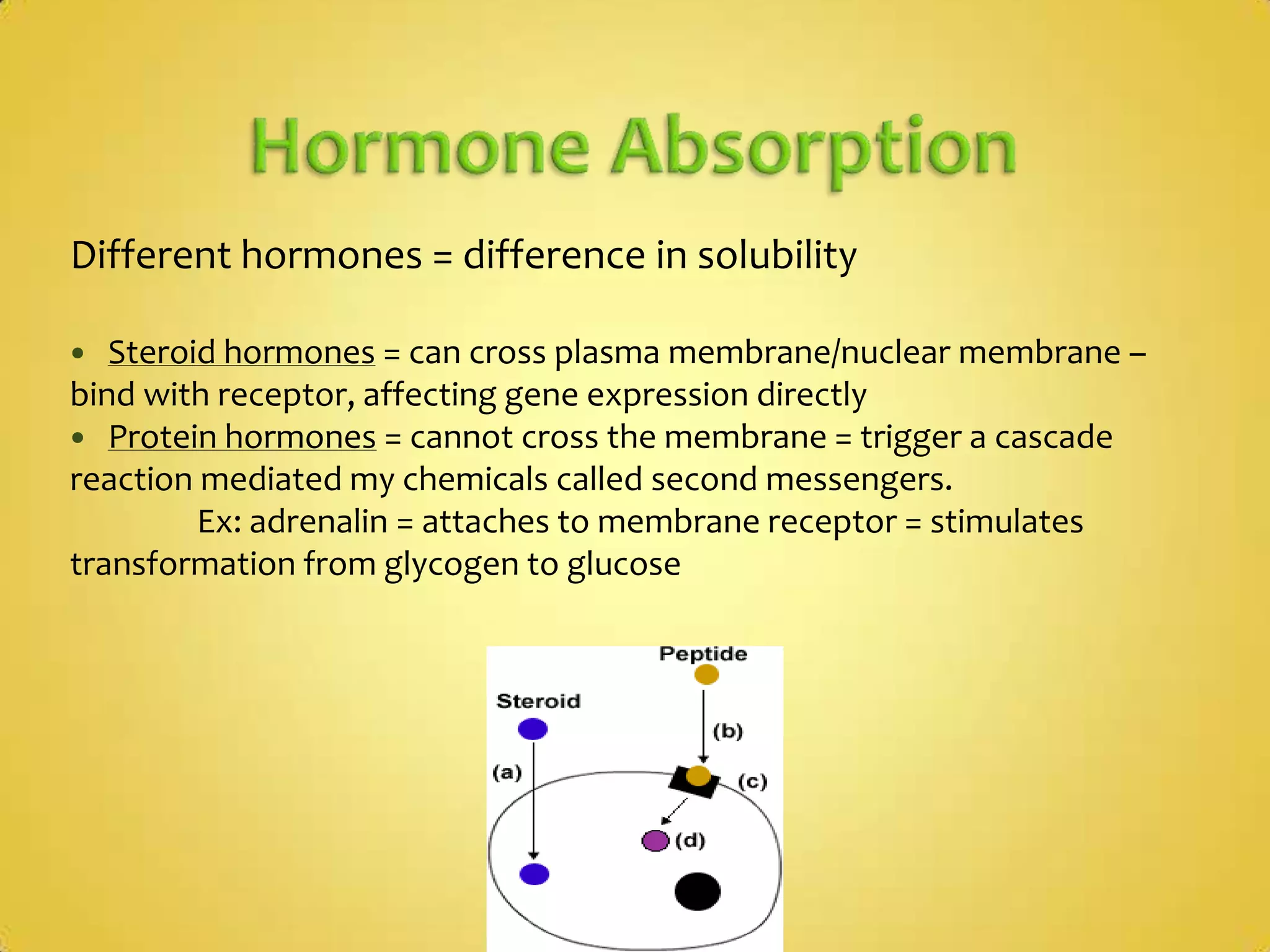
Hormone AbsorptionDifferent hormones = difference in solubilitySteroid hormones = can cross plasma membrane/nuclear membrane – bind with receptor, affecting gene expression directlyProtein hormones = cannot cross the membrane = trigger a cascade reaction mediated my chemicals called second messengers. 	Ex: adrenalin = attaches to membrane receptor = stimulates transformation from glycogen to glucose
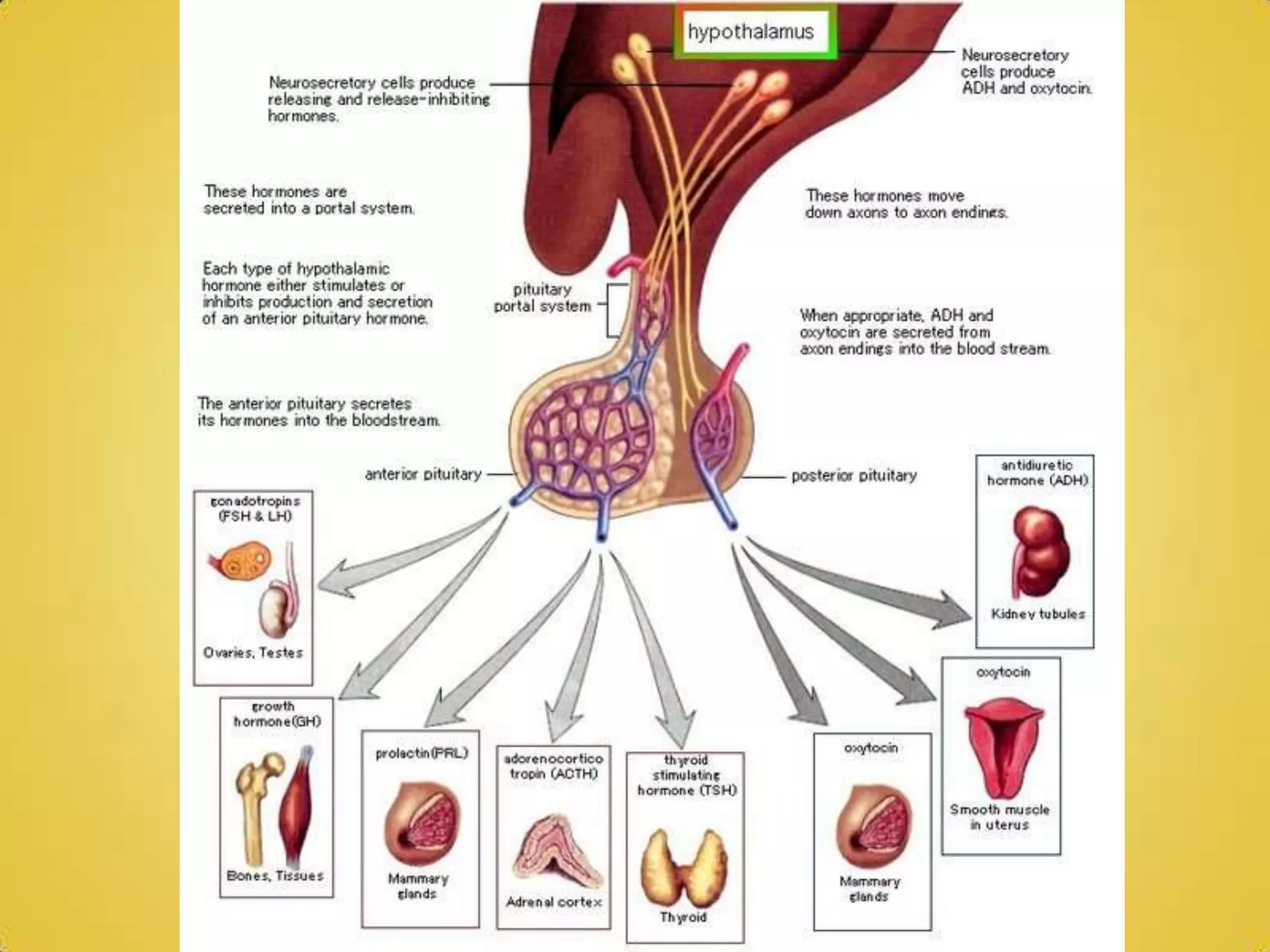
Hypothalamus/Pituitary - Hypothalamus:Links nervous and endocrine systems(Pituitary: double lobed gland below hypothalamus) Hypothalamus controls each lobe differently:Hypothalamus neurons produce hormones that are transported and stored in vesicles in the axon located in the posterior pituitary. Nerve impulses cause the release of the vesicles into blood stream. Hypothalamus also produces GnRH (gonadotropin releasing hormone) = transported to anterior pituitary by portal vein = GnRH stimulates production of FSH (follicle stimulating hormone) and LH (luteinizing hormone) by anterior pituitary (target tissue)
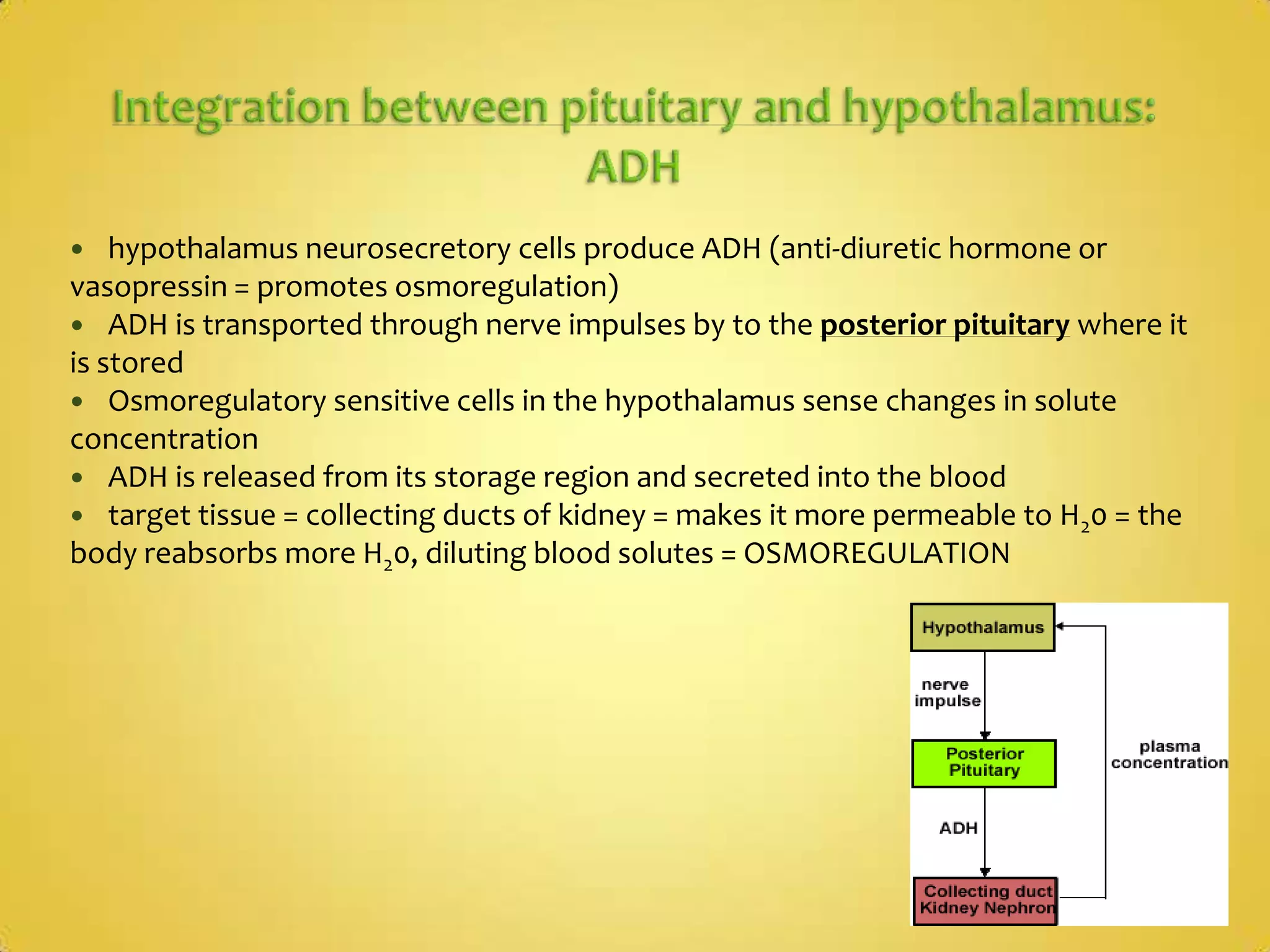
Integration between pituitary and hypothalamus:ADHhypothalamus neurosecretory cells produce ADH (anti-diuretic hormone or vasopressin = promotes osmoregulation) ADH is transported through nerve impulses by to the posterior pituitary where it is stored Osmoregulatory sensitive cells in the hypothalamus sense changes in solute concentrationADH is released from its storage region and secreted into the bloodtarget tissue = collecting ducts of kidney = makes it more permeable to H20 = the body reabsorbs more H20, diluting blood solutes = OSMOREGULATION
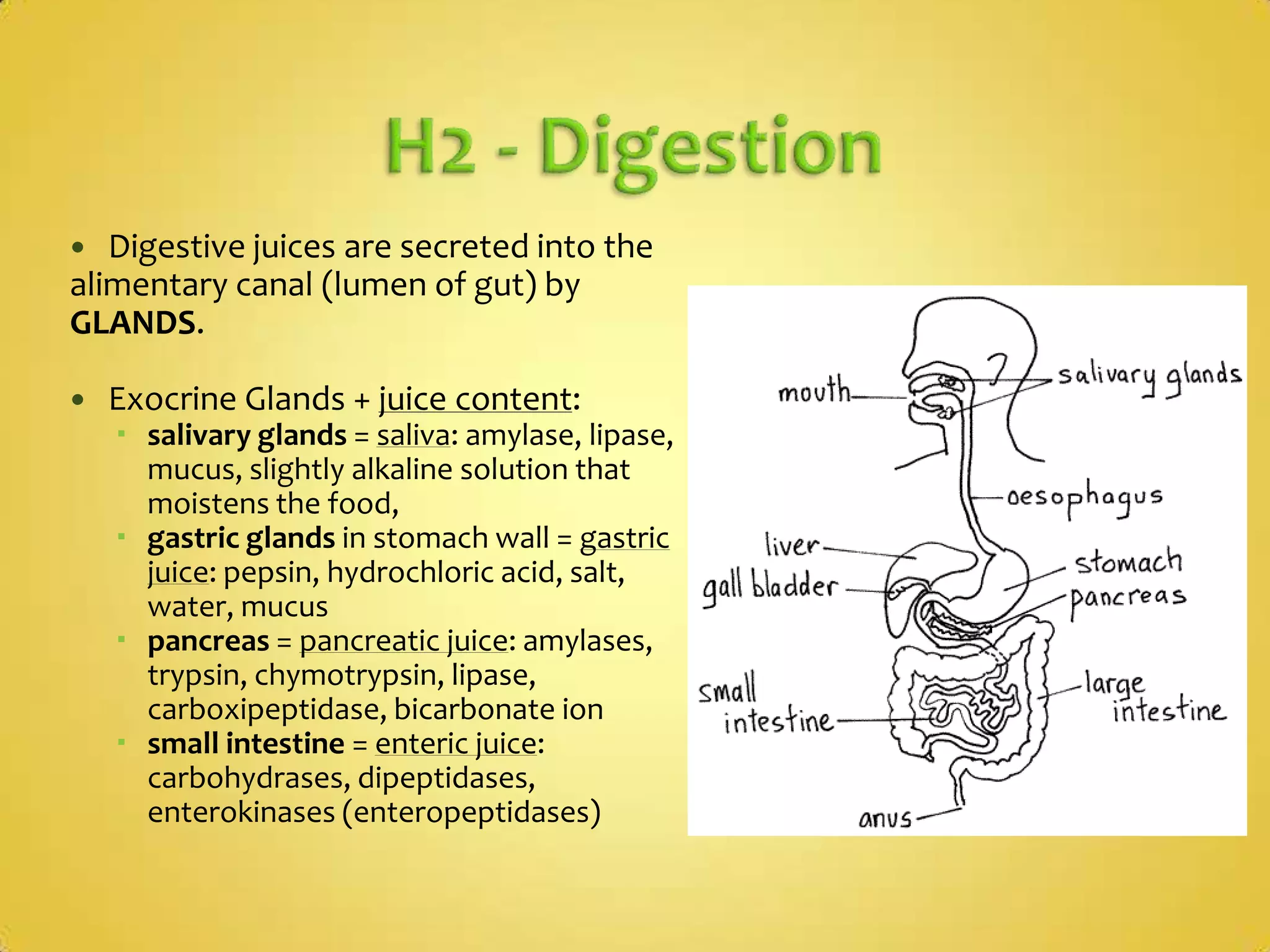
H2 - DigestionDigestive juices are secreted into the alimentary canal (lumen of gut) by GLANDS. Exocrine Glands + juice content: salivary glands = saliva: amylase, lipase, mucus, slightly alkaline solution that moistens the food, gastric glands in stomach wall = gastric juice: pepsin, hydrochloric acid, salt, water, mucuspancreas = pancreatic juice: amylases, trypsin, chymotrypsin, lipase, carboxipeptidase, bicarbonate ionsmall intestine = enteric juice: carbohydrases, dipeptidases, enterokinases (enteropeptidases)
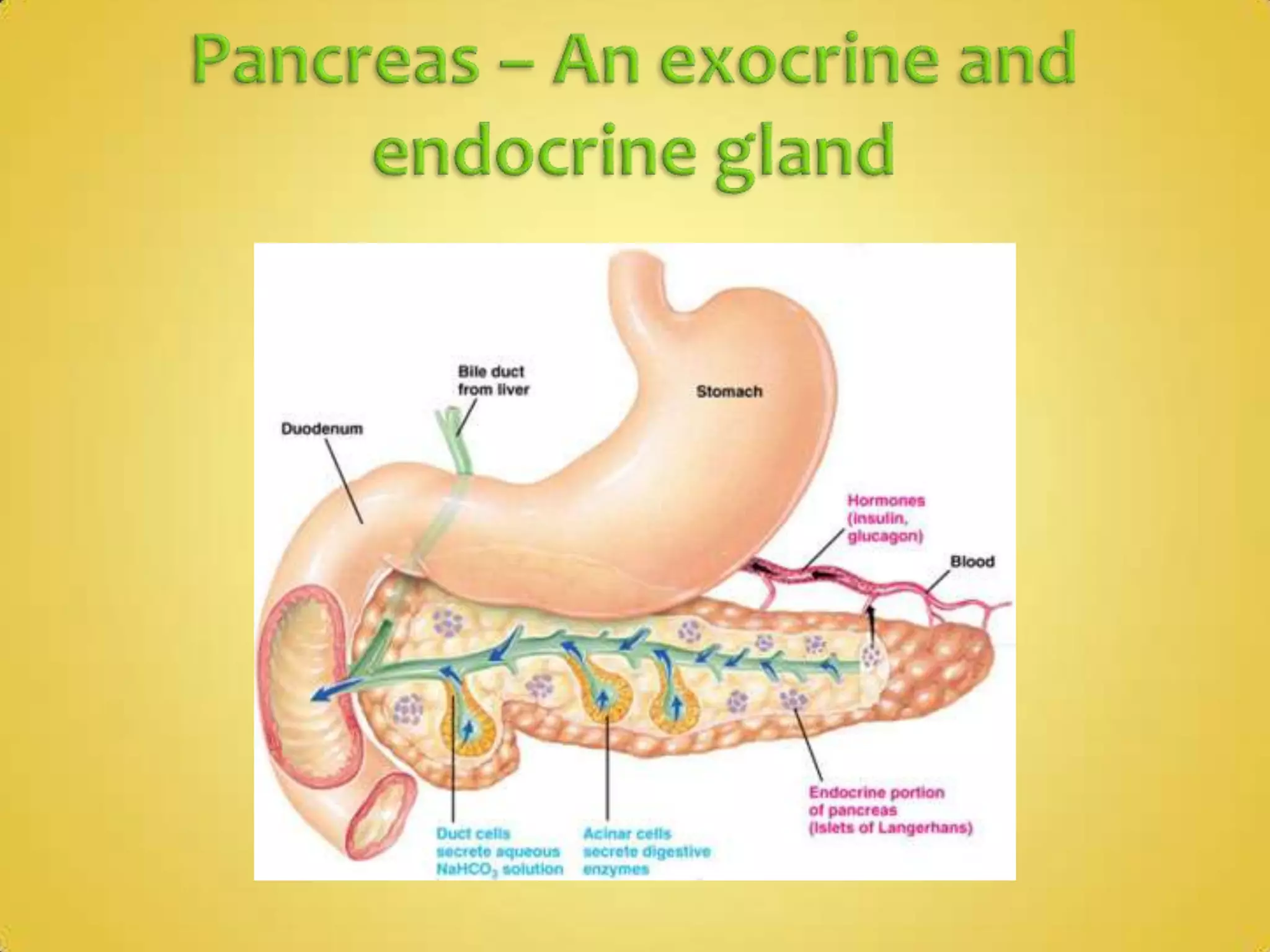
Pancreas – An exocrine and endocrine gland
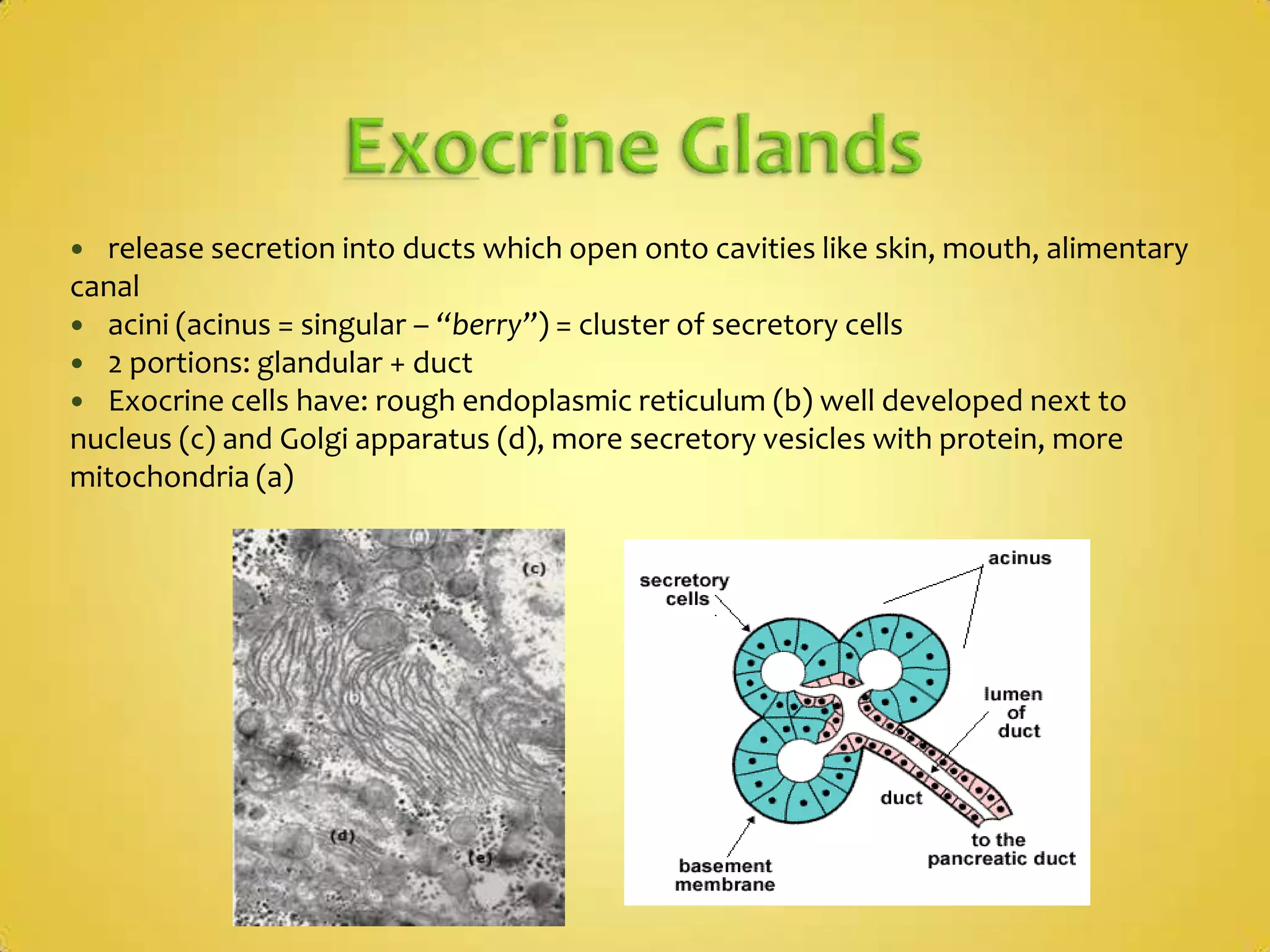
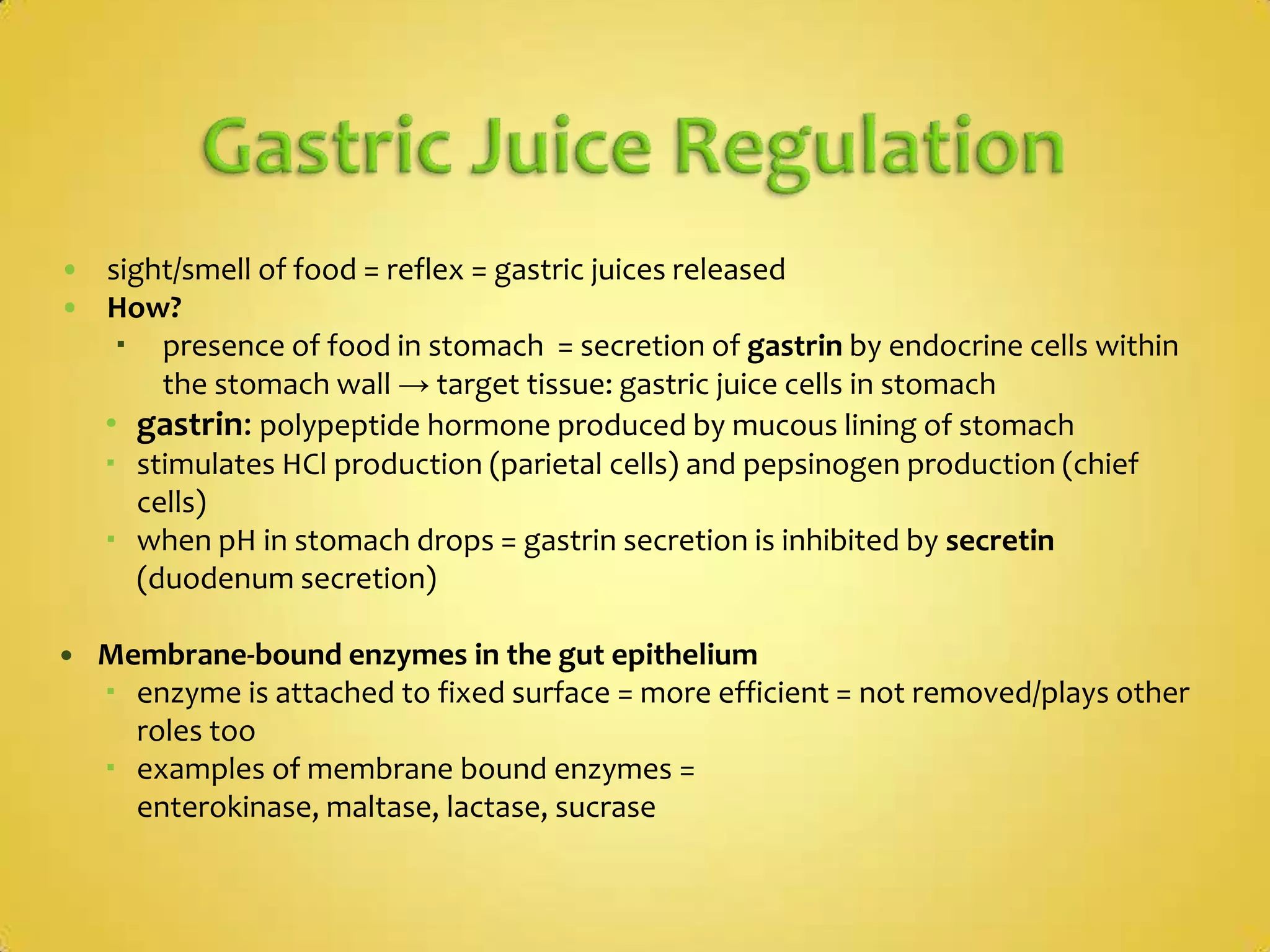
Exocrine Glandsrelease secretion into ducts which open onto cavities like skin, mouth, alimentary canalacini (acinus = singular – “berry”) = cluster of secretory cells2 portions: glandular + duct Exocrine cells have: rough endoplasmic reticulum (b) well developed next to nucleus (c) and Golgi apparatus (d), more secretory vesicles with protein, more mitochondria (a)
Gastric Juice Regulationsight/smell of food = reflex = gastric juices released
How?presence of food in stomach  = secretion of gastrin by endocrine cells within the stomach wall -> target tissue: gastric juice cells in stomachgastrin: polypeptide hormone produced by mucous lining of stomachstimulates HCl production (parietal cells) and pepsinogen production (chief cells)when pH in stomach drops = gastrin secretion is inhibited by secretin (duodenum secretion)Membrane-bound enzymes in the gut epitheliumenzyme is attached to fixed surface = more efficient = not removed/plays other roles tooexamples of membrane bound enzymes = enterokinase, maltase, lactase, sucrase
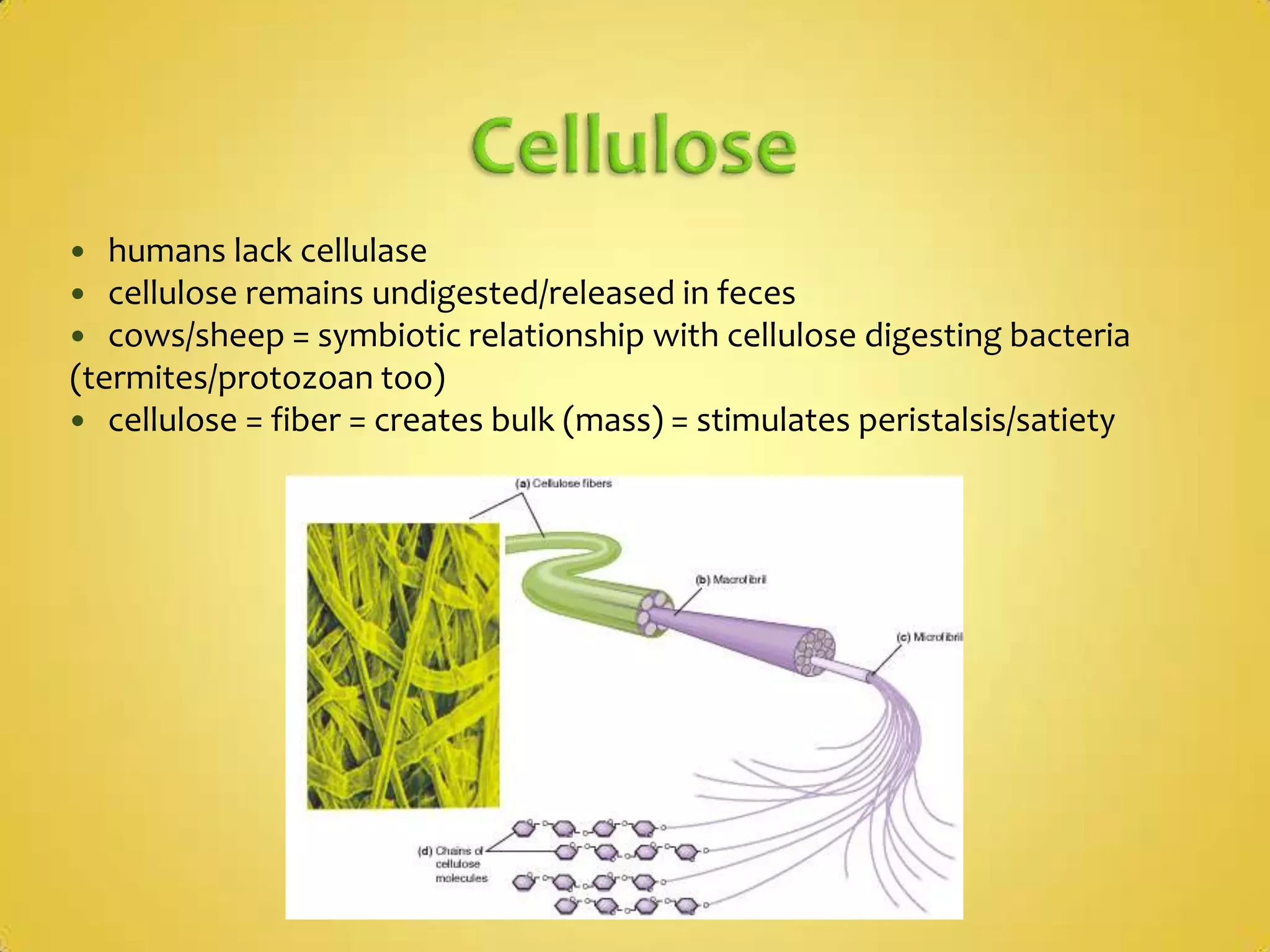
Cellulosehumans lack cellulasecellulose remains undigested/released in fecescows/sheep = symbiotic relationship with cellulose digesting bacteria  (termites/protozoan too)cellulose = fiber = creates bulk (mass) = stimulates peristalsis/satiety
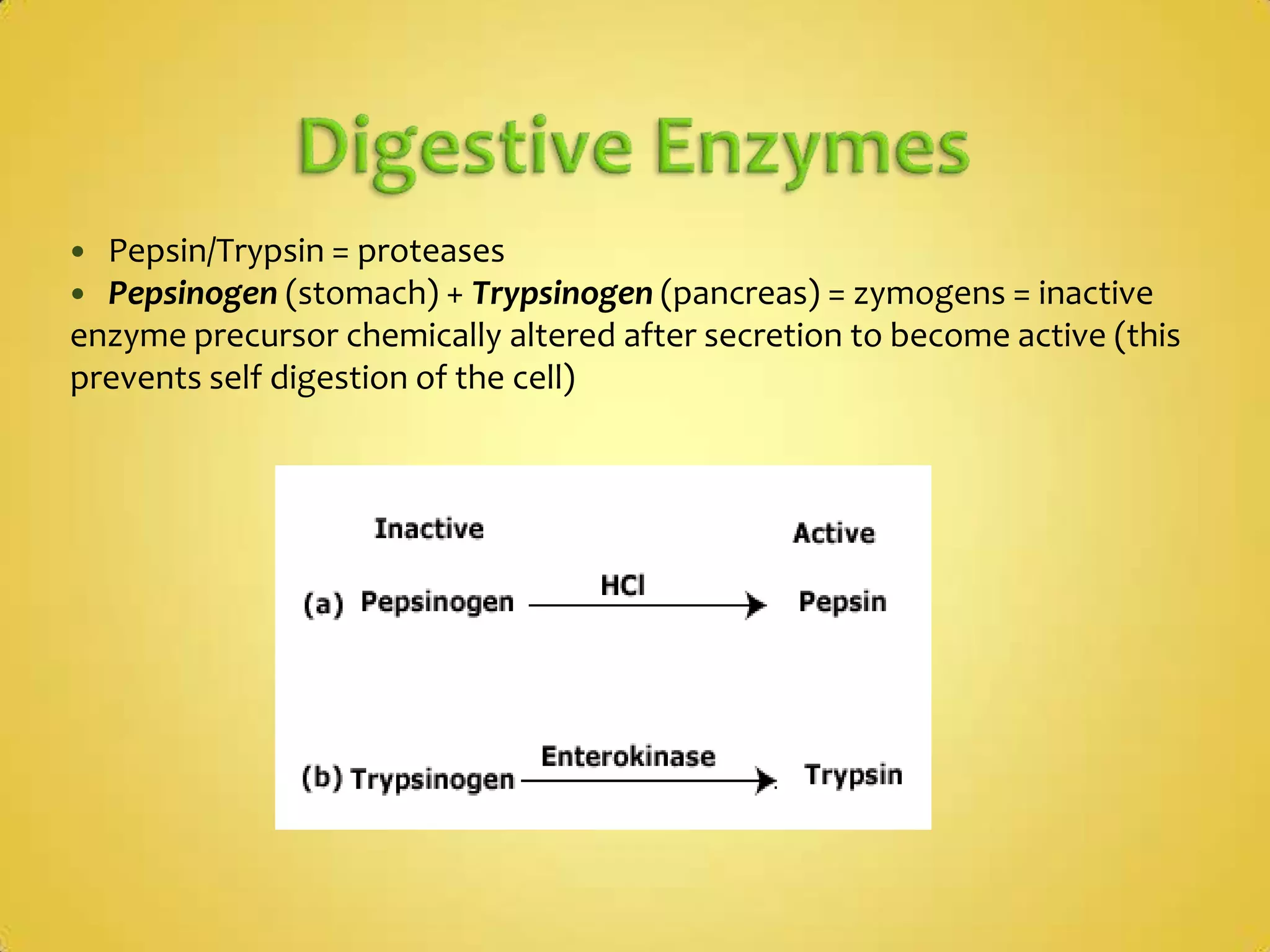
Digestive EnzymesPepsin/Trypsin = proteasesPepsinogen (stomach) + Trypsinogen (pancreas) = zymogens = inactive enzyme precursor chemically altered after secretion to become active (this prevents self digestion of the cell)
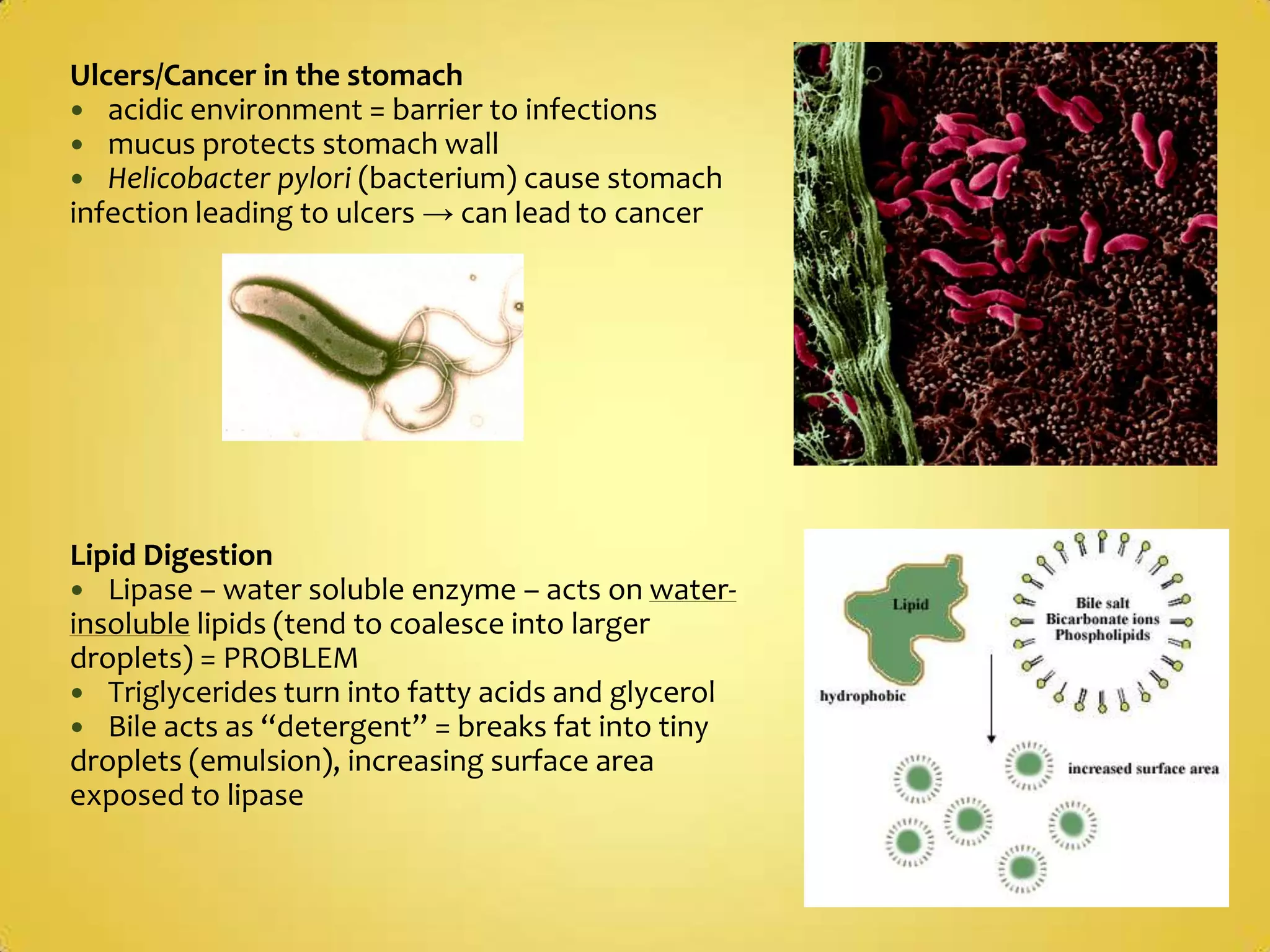
Ulcers/Cancer in the stomachacidic environment = barrier to infectionsmucus protects stomach wallHelicobacter pylori (bacterium) cause stomach infection leading to ulcers -> can lead to cancerLipid DigestionLipase – water soluble enzyme – acts on water-insoluble lipids (tend to coalesce into larger droplets) = PROBLEMTriglycerides turn into fatty acids and glycerolBile acts as “detergent” = breaks fat into tiny droplets (emulsion), increasing surface area exposed to lipase
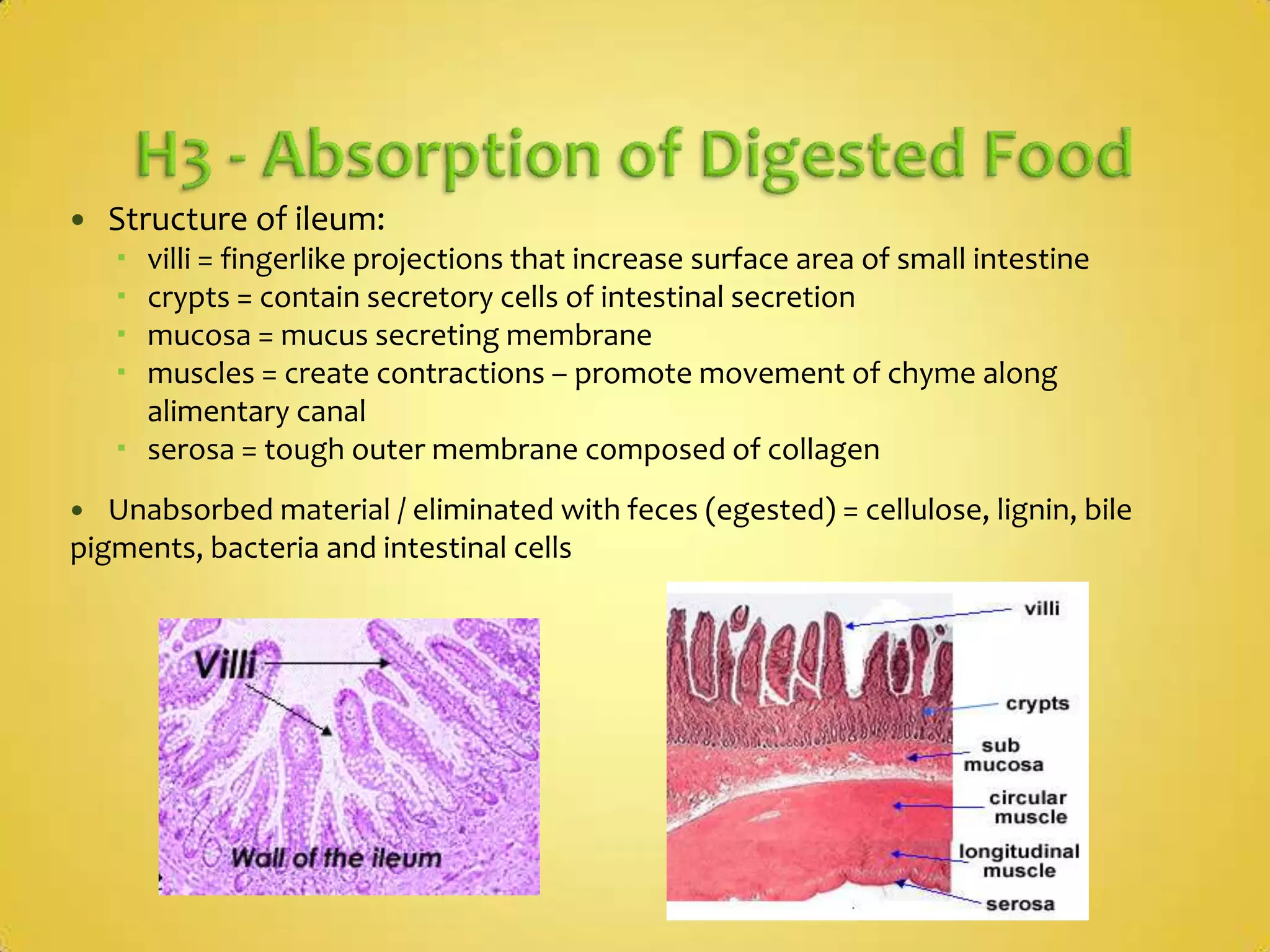
H3 - Absorption of Digested FoodStructure of ileum:villi = fingerlike projections that increase surface area of small intestinecrypts = contain secretory cells of intestinal secretionmucosa = mucus secreting membranemuscles = create contractions – promote movement of chyme along alimentary canalserosa = tough outer membrane composed of collagenUnabsorbed material / eliminated with feces (egested) = cellulose, lignin, bile pigments, bacteria and intestinal cells
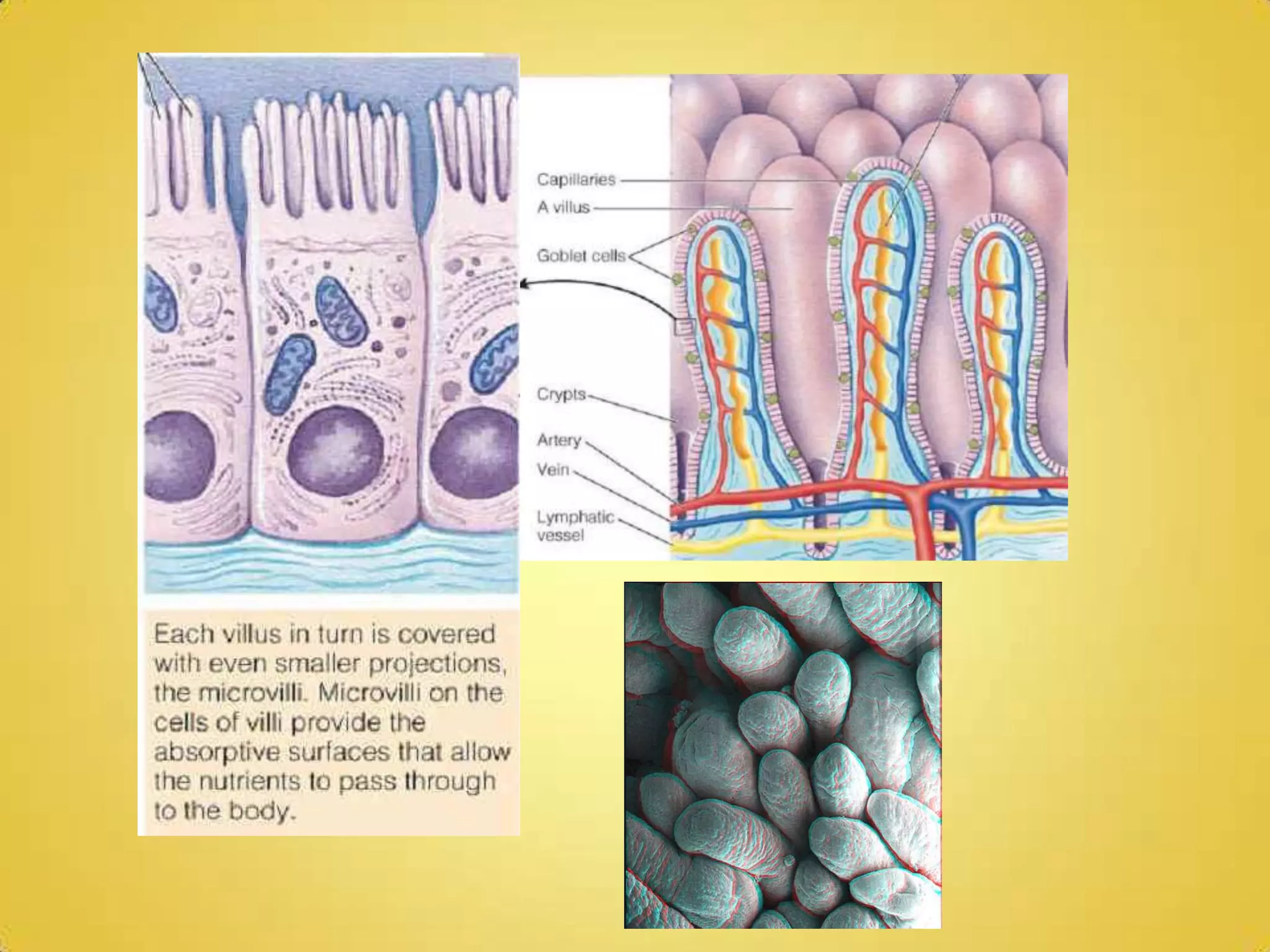
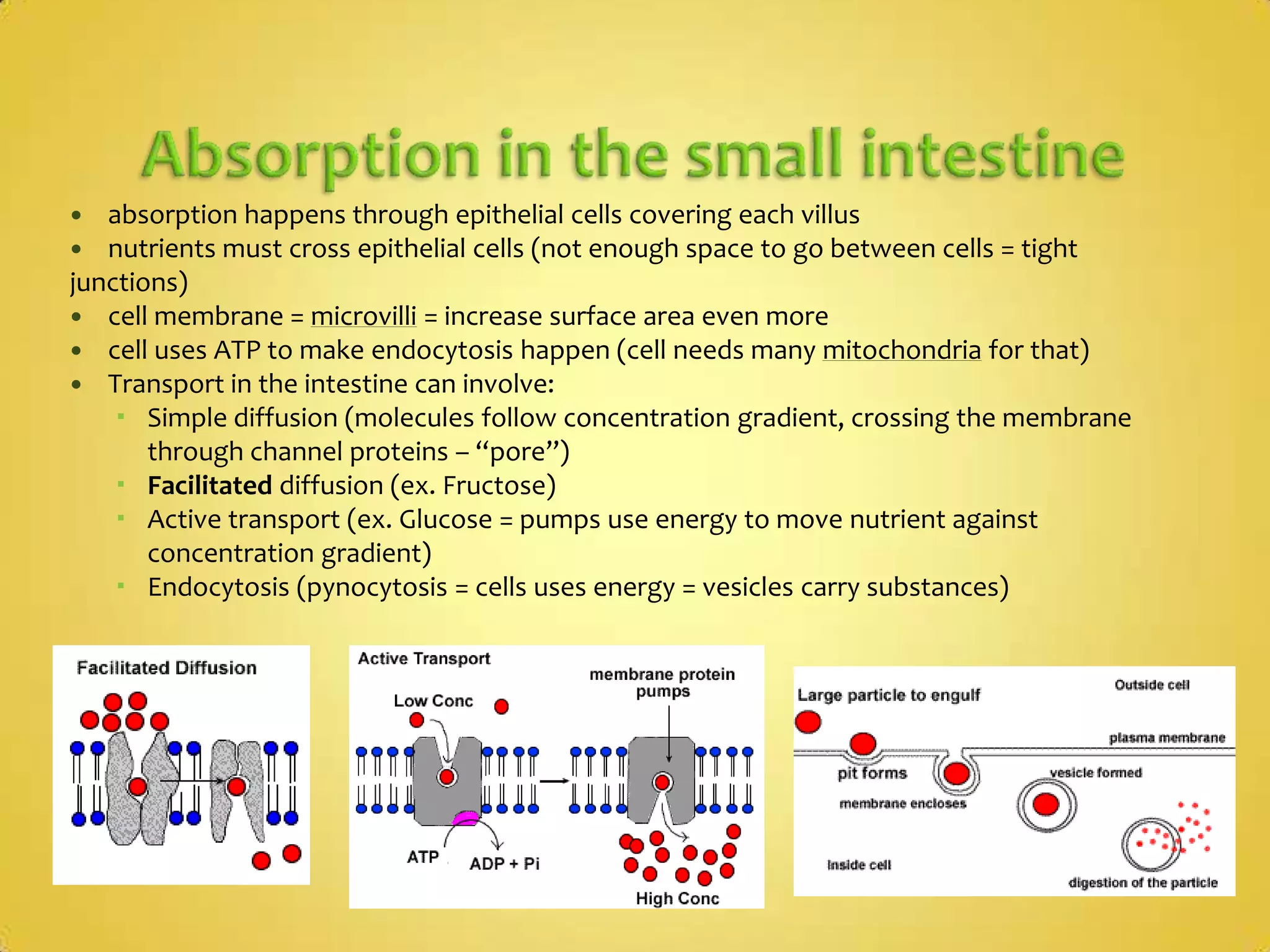
Absorption in the small intestineabsorption happens through epithelial cells covering each villusnutrients must cross epithelial cells (not enough space to go between cells = tight junctions)cell membrane = microvilli = increase surface area even morecell uses ATP to make endocytosis happen (cell needs many mitochondria for that)Transport in the intestine can involve:Simple diffusion (molecules follow concentration gradient, crossing the membrane through channel proteins – “pore”)Facilitated diffusion (ex. Fructose)Active transport (ex. Glucose = pumps use energy to move nutrient against concentration gradient)Endocytosis (pynocytosis = cells uses energy = vesicles carry substances)

IB Option H Further Human Physiology PPT

  • 1.
    Option H: FurtherHuman PhysiologyIB Biology
  • 2.
    H1 - HormonalControlHormones = chemical messengers secreted by endocrine glands into the blood and transported to specific target cells. Example: insulin – produced by pancreas; target: liver cells Hormones can be:Steroids: progesterone, estrogen, testosterone Peptide derivative: insulin; leptin (appetite control-metabolism regulation / target = hypothalamus)Tyrosine derivatives: thyroxine (thyroid hormone) = regulates metabolism
  • 3.
    Hormone AbsorptionDifferent hormones= difference in solubilitySteroid hormones = can cross plasma membrane/nuclear membrane – bind with receptor, affecting gene expression directlyProtein hormones = cannot cross the membrane = trigger a cascade reaction mediated my chemicals called second messengers. Ex: adrenalin = attaches to membrane receptor = stimulates transformation from glycogen to glucose
  • 4.
    Hypothalamus/Pituitary - Hypothalamus:Linksnervous and endocrine systems(Pituitary: double lobed gland below hypothalamus) Hypothalamus controls each lobe differently:Hypothalamus neurons produce hormones that are transported and stored in vesicles in the axon located in the posterior pituitary. Nerve impulses cause the release of the vesicles into blood stream. Hypothalamus also produces GnRH (gonadotropin releasing hormone) = transported to anterior pituitary by portal vein = GnRH stimulates production of FSH (follicle stimulating hormone) and LH (luteinizing hormone) by anterior pituitary (target tissue)
  • 6.
    Integration between pituitaryand hypothalamus:ADHhypothalamus neurosecretory cells produce ADH (anti-diuretic hormone or vasopressin = promotes osmoregulation) ADH is transported through nerve impulses by to the posterior pituitary where it is stored Osmoregulatory sensitive cells in the hypothalamus sense changes in solute concentrationADH is released from its storage region and secreted into the bloodtarget tissue = collecting ducts of kidney = makes it more permeable to H20 = the body reabsorbs more H20, diluting blood solutes = OSMOREGULATION
  • 7.
    H2 - DigestionDigestivejuices are secreted into the alimentary canal (lumen of gut) by GLANDS. Exocrine Glands + juice content: salivary glands = saliva: amylase, lipase, mucus, slightly alkaline solution that moistens the food, gastric glands in stomach wall = gastric juice: pepsin, hydrochloric acid, salt, water, mucuspancreas = pancreatic juice: amylases, trypsin, chymotrypsin, lipase, carboxipeptidase, bicarbonate ionsmall intestine = enteric juice: carbohydrases, dipeptidases, enterokinases (enteropeptidases)
  • 8.
    Pancreas – Anexocrine and endocrine gland
  • 9.
    Exocrine Glandsrelease secretioninto ducts which open onto cavities like skin, mouth, alimentary canalacini (acinus = singular – “berry”) = cluster of secretory cells2 portions: glandular + duct Exocrine cells have: rough endoplasmic reticulum (b) well developed next to nucleus (c) and Golgi apparatus (d), more secretory vesicles with protein, more mitochondria (a)
  • 10.
    Gastric Juice Regulationsight/smellof food = reflex = gastric juices released
  • 11.
    How?presence of foodin stomach = secretion of gastrin by endocrine cells within the stomach wall -> target tissue: gastric juice cells in stomachgastrin: polypeptide hormone produced by mucous lining of stomachstimulates HCl production (parietal cells) and pepsinogen production (chief cells)when pH in stomach drops = gastrin secretion is inhibited by secretin (duodenum secretion)Membrane-bound enzymes in the gut epitheliumenzyme is attached to fixed surface = more efficient = not removed/plays other roles tooexamples of membrane bound enzymes = enterokinase, maltase, lactase, sucrase
  • 12.
    Cellulosehumans lack cellulasecelluloseremains undigested/released in fecescows/sheep = symbiotic relationship with cellulose digesting bacteria (termites/protozoan too)cellulose = fiber = creates bulk (mass) = stimulates peristalsis/satiety
  • 13.
    Digestive EnzymesPepsin/Trypsin =proteasesPepsinogen (stomach) + Trypsinogen (pancreas) = zymogens = inactive enzyme precursor chemically altered after secretion to become active (this prevents self digestion of the cell)
  • 14.
    Ulcers/Cancer in thestomachacidic environment = barrier to infectionsmucus protects stomach wallHelicobacter pylori (bacterium) cause stomach infection leading to ulcers -> can lead to cancerLipid DigestionLipase – water soluble enzyme – acts on water-insoluble lipids (tend to coalesce into larger droplets) = PROBLEMTriglycerides turn into fatty acids and glycerolBile acts as “detergent” = breaks fat into tiny droplets (emulsion), increasing surface area exposed to lipase
  • 15.
    H3 - Absorptionof Digested FoodStructure of ileum:villi = fingerlike projections that increase surface area of small intestinecrypts = contain secretory cells of intestinal secretionmucosa = mucus secreting membranemuscles = create contractions – promote movement of chyme along alimentary canalserosa = tough outer membrane composed of collagenUnabsorbed material / eliminated with feces (egested) = cellulose, lignin, bile pigments, bacteria and intestinal cells
  • 17.
    Absorption in thesmall intestineabsorption happens through epithelial cells covering each villusnutrients must cross epithelial cells (not enough space to go between cells = tight junctions)cell membrane = microvilli = increase surface area even morecell uses ATP to make endocytosis happen (cell needs many mitochondria for that)Transport in the intestine can involve:Simple diffusion (molecules follow concentration gradient, crossing the membrane through channel proteins – “pore”)Facilitated diffusion (ex. Fructose)Active transport (ex. Glucose = pumps use energy to move nutrient against concentration gradient)Endocytosis (pynocytosis = cells uses energy = vesicles carry substances)
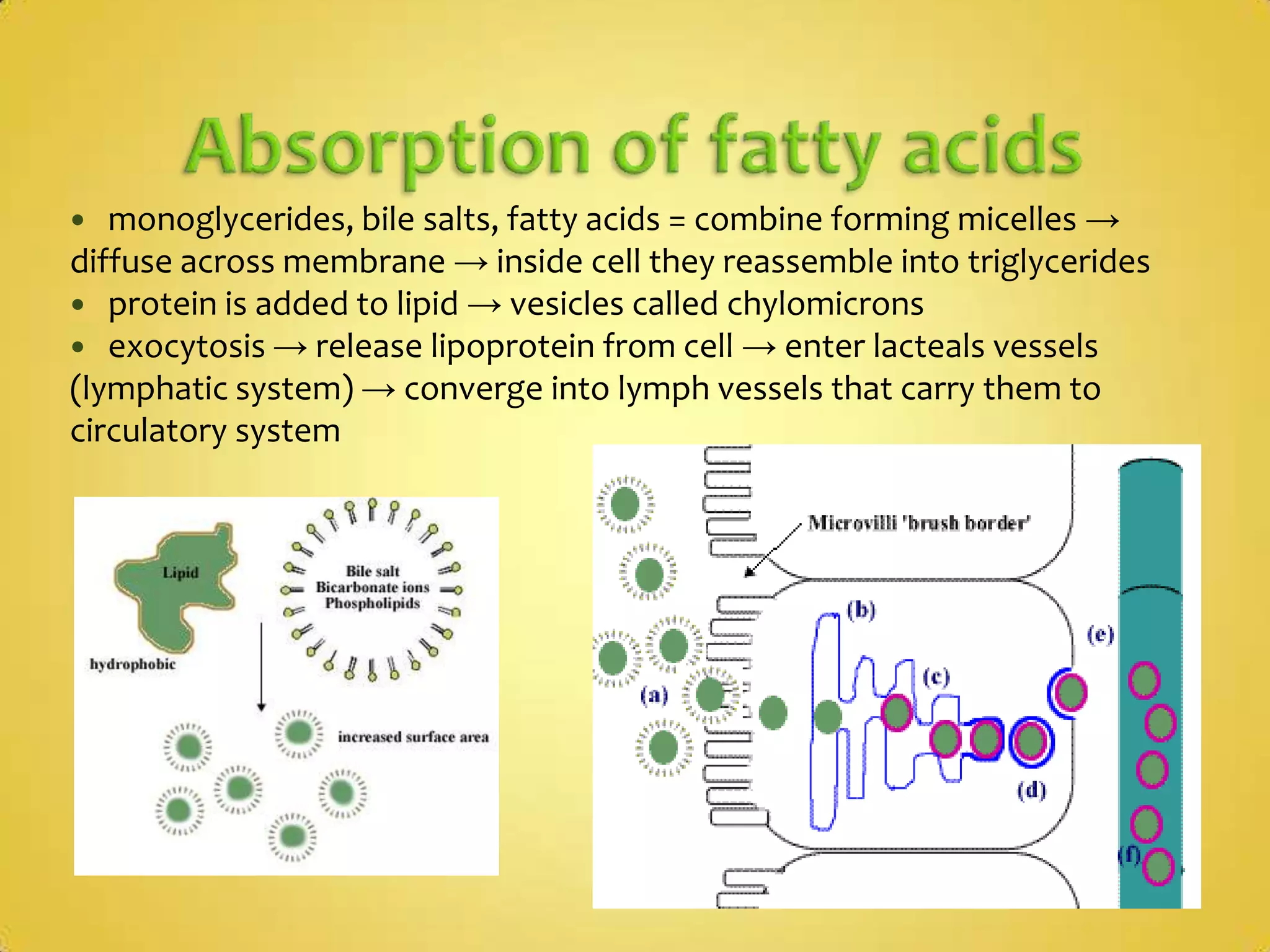
  • 18.
    Absorption of fattyacidsmonoglycerides, bile salts, fatty acids = combine forming micelles -> diffuse across membrane -> inside cell they reassemble into triglycerides protein is added to lipid -> vesicles called chylomicronsexocytosis -> release lipoprotein from cell -> enter lacteals vessels (lymphatic system) -> converge into lymph vessels that carry them to circulatory system