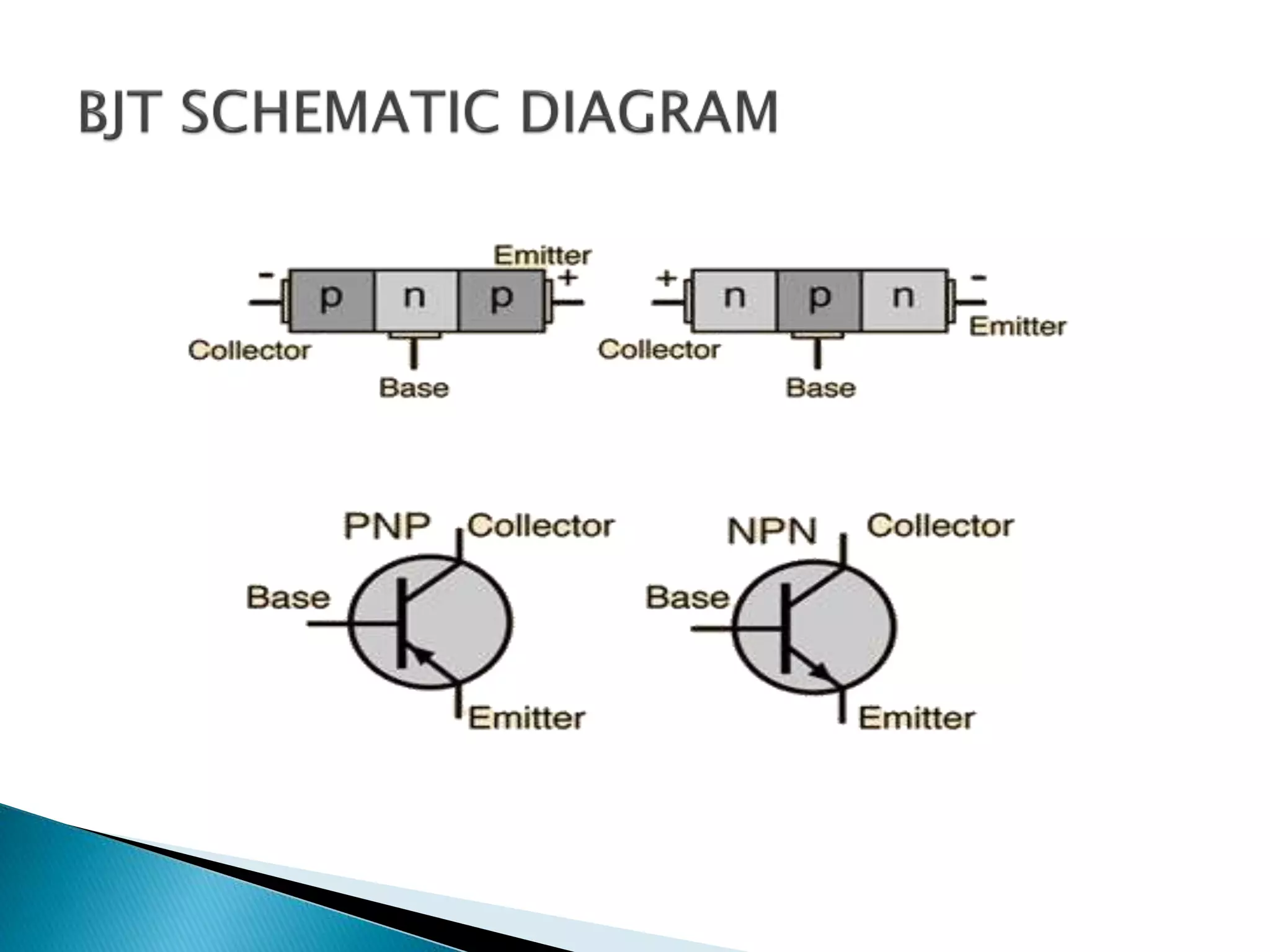
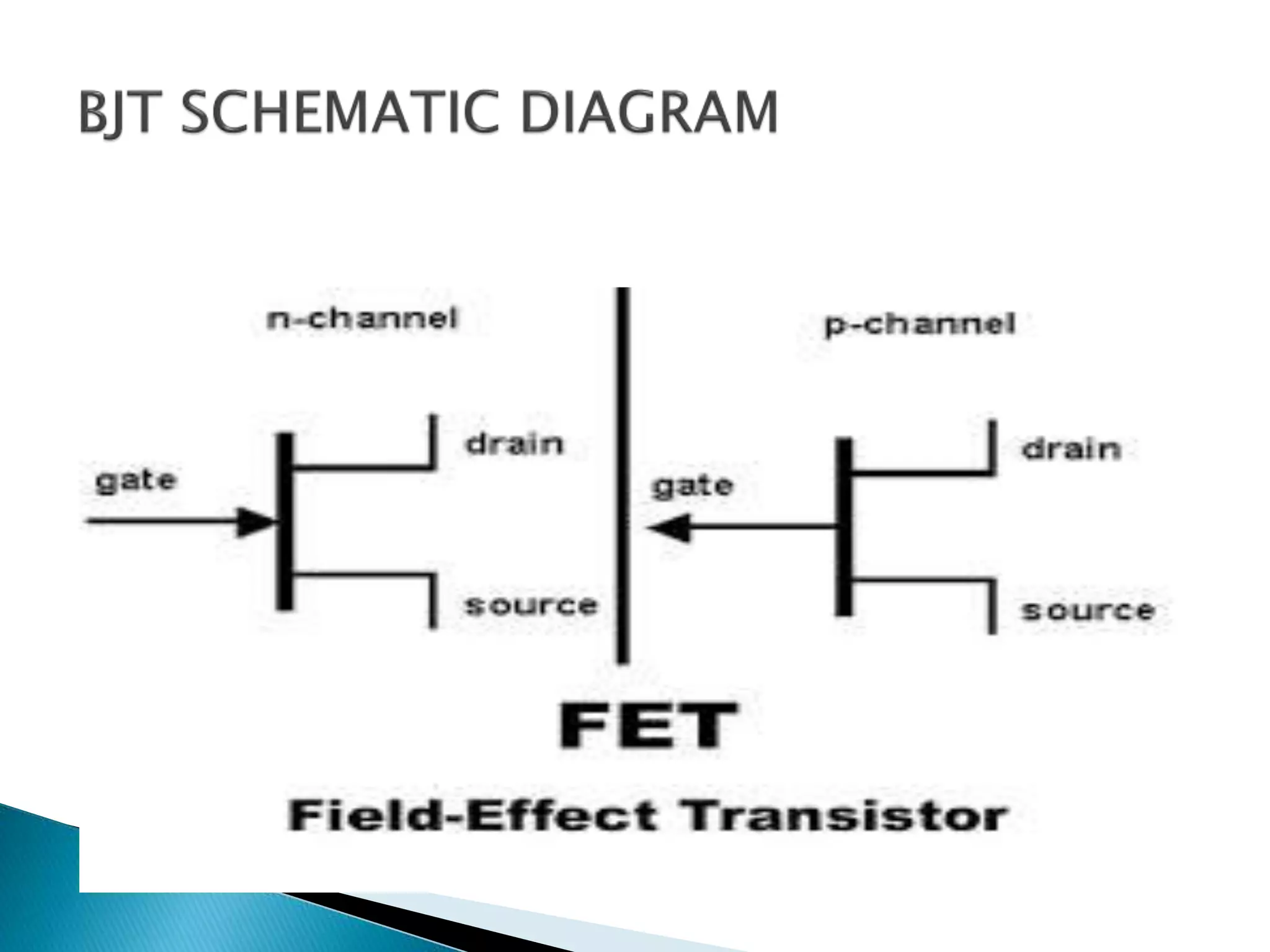
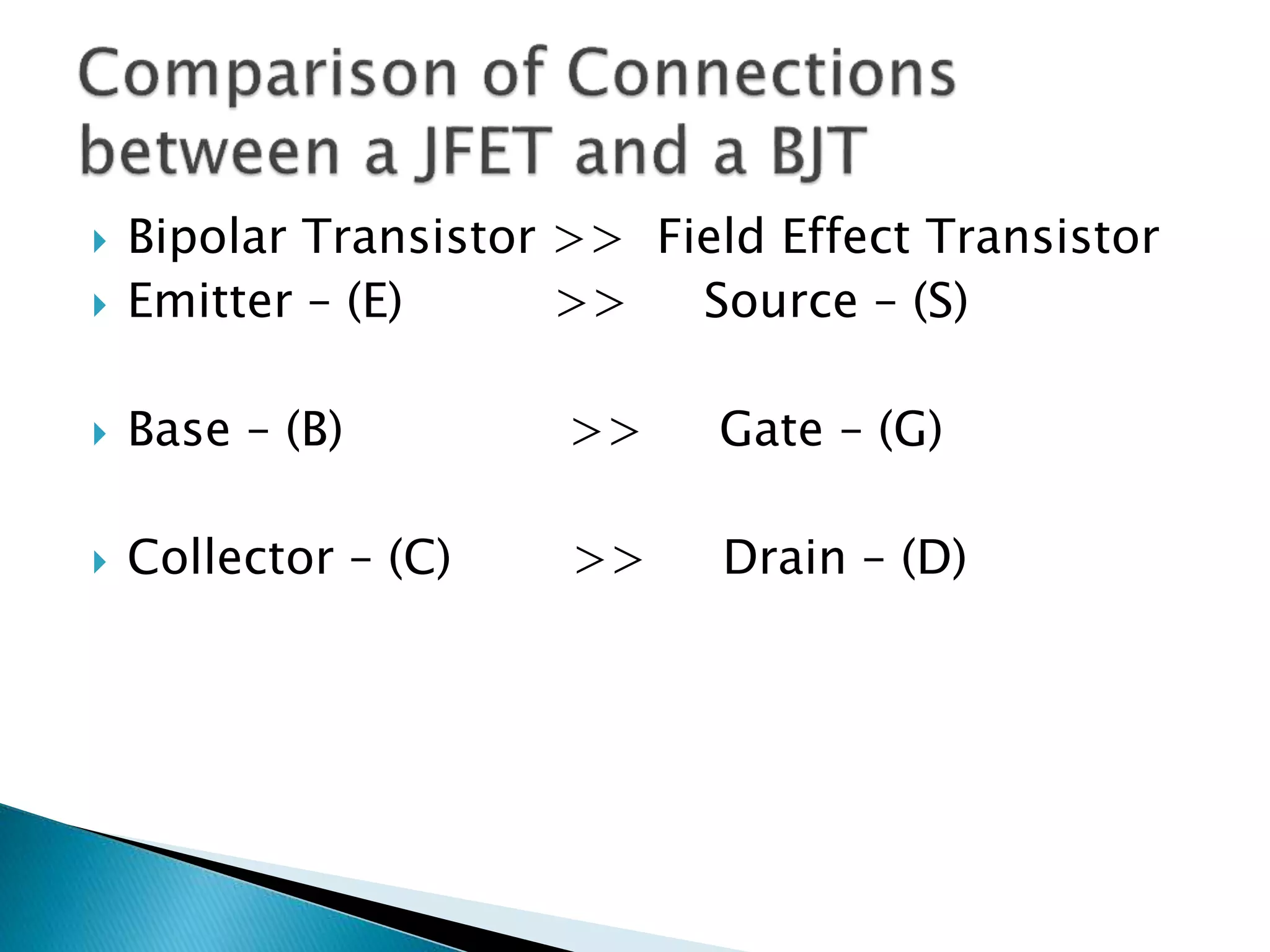
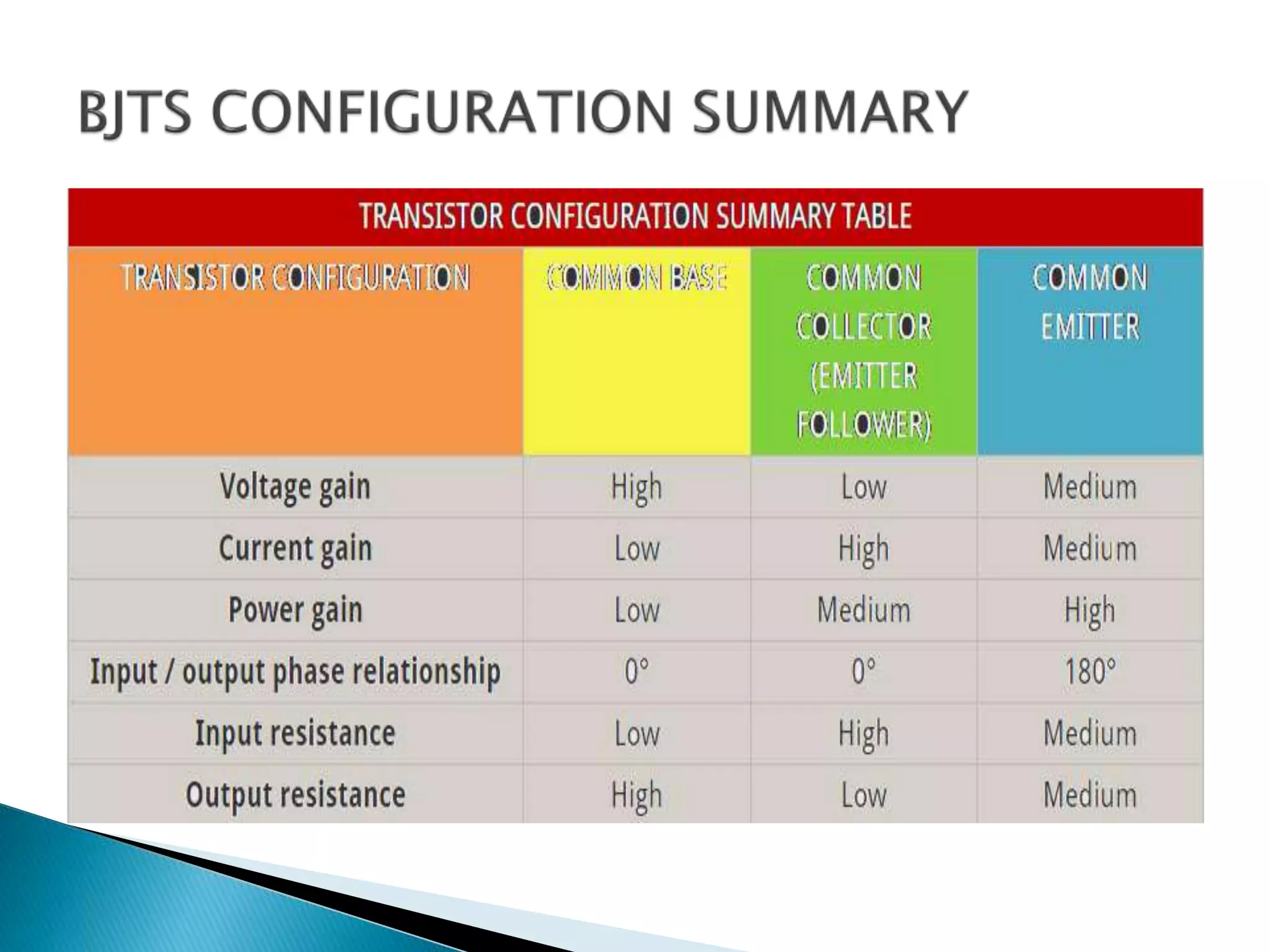
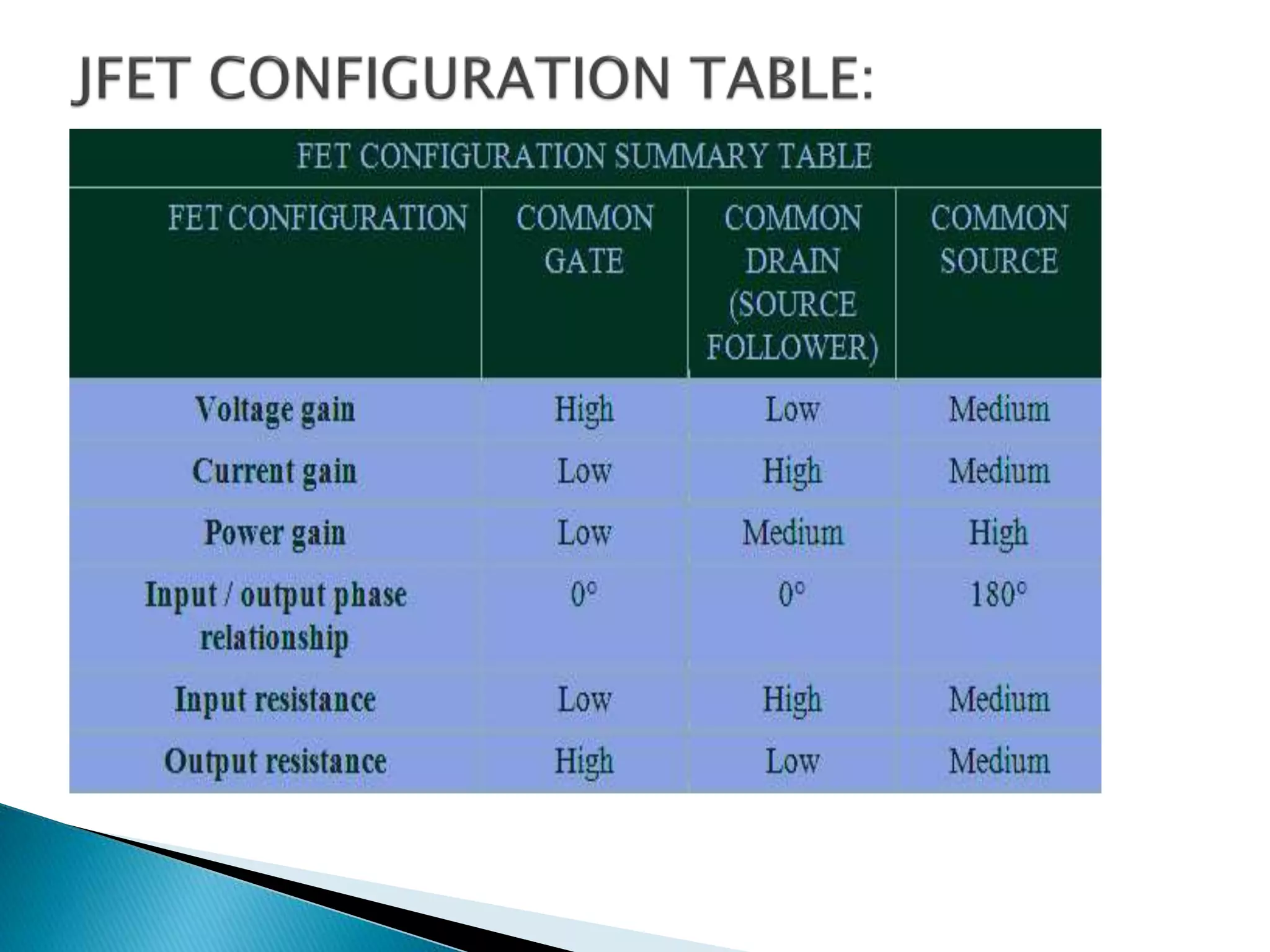
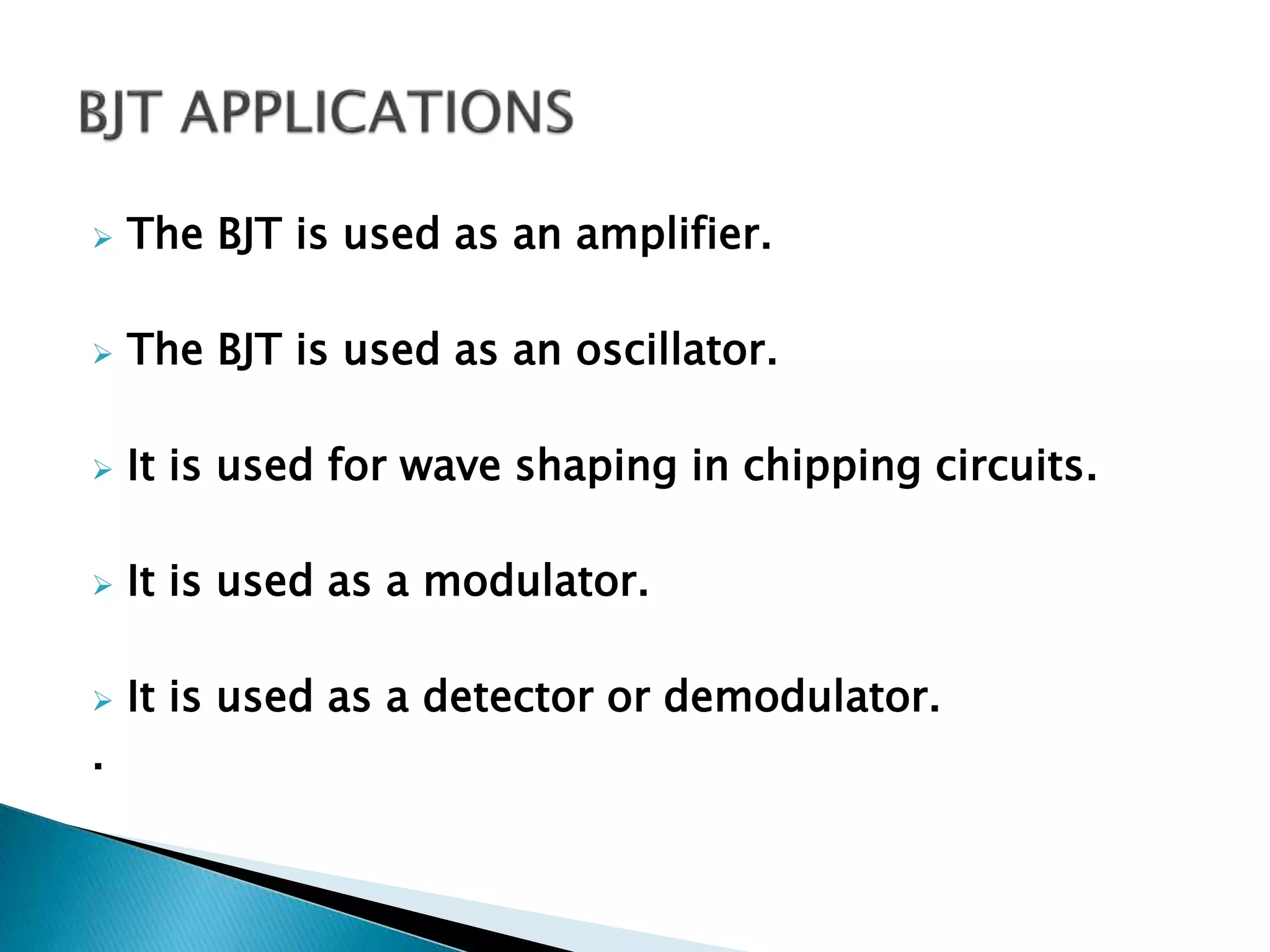
Bipolar junction transistors (BJTs) are current-controlled, operate with both majority and minority charge carriers, and consist of three terminals: emitter, base, and collector. Field effect transistors (FETs) are voltage-controlled, use only majority charge carriers, and have terminals: source, drain, and gate. FETs typically have higher input impedance and are often preferred for their low heat generation in applications, while BJTs are favored for low current applications and certain amplification roles.