GROUP 2
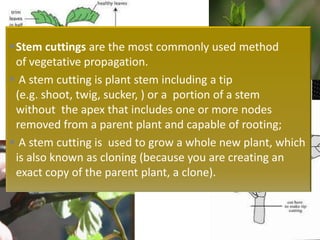
Stem cuttings are the most commonly used method
 of vegetative propagation.
 A stem cutting is plant stem including a tip
 (e.g. shoot, twig, sucker, ) or a portion of a stem
 without the apex that includes one or more nodes
 removed from a parent plant and capable of rooting;
 A stem cutting is used to grow a whole new plant, which
 is also known as cloning (because you are creating an
 exact copy of the parent plant, a clone).
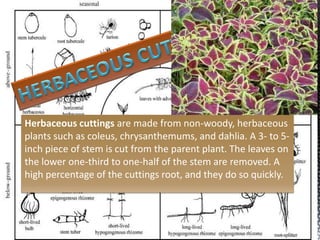
Herbaceous cuttings are made from non-woody, herbaceous
plants such as coleus, chrysanthemums, and dahlia. A 3- to 5-
inch piece of stem is cut from the parent plant. The leaves on
the lower one-third to one-half of the stem are removed. A
high percentage of the cuttings root, and they do so quickly.
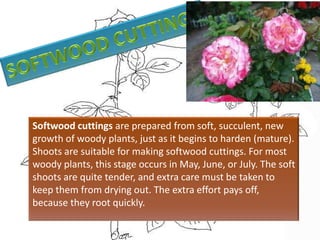
Softwood cuttings are prepared from soft, succulent, new
growth of woody plants, just as it begins to harden (mature).
Shoots are suitable for making softwood cuttings. For most
woody plants, this stage occurs in May, June, or July. The soft
shoots are quite tender, and extra care must be taken to
keep them from drying out. The extra effort pays off,
because they root quickly.
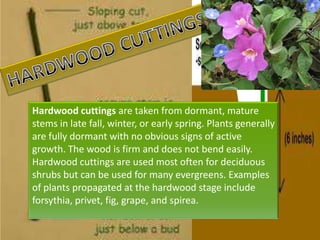
Hardwood cuttings are taken from dormant, mature
stems in late fall, winter, or early spring. Plants generally
are fully dormant with no obvious signs of active
growth. The wood is firm and does not bend easily.
Hardwood cuttings are used most often for deciduous
shrubs but can be used for many evergreens. Examples
of plants propagated at the hardwood stage include
forsythia, privet, fig, grape, and spirea.
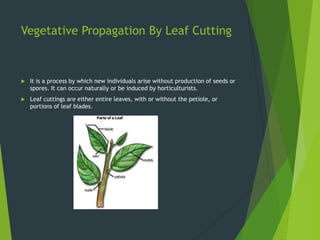
Vegetative Propagation By Leaf Cutting


   It is a process by which new individuals arise without production of seeds or
    spores. It can occur naturally or be induced by horticulturists.
   Leaf cuttings are either entire leaves, with or without the petiole, or
    portions of leaf blades.
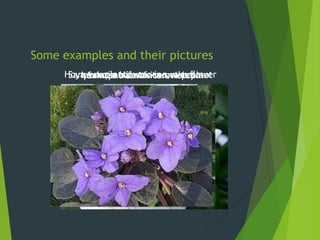
Some examples and their pictures
     Hoya-waxplant, waxvine,violet
           Saintpaulia-African waxflower
      Sansevieria trifasciata-snake plant
         Ipomoea batatas-sweet potato
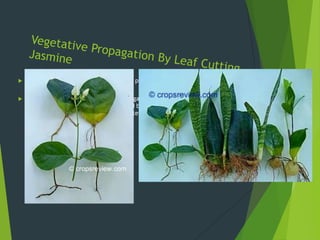
   The jasmine or sampaguita is a popular plant because of the pleasing
    fragrance that its flowers emit.
   The process of regeneration of plant organs from leaf cuttings always starts
    with the development of roots followed by the shoot. Then, finally, the
    certainty: small sampaguita plants started growing.
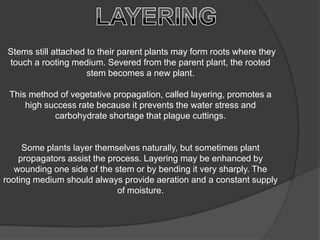
Stems still attached to their parent plants may form roots where they
 touch a rooting medium. Severed from the parent plant, the rooted
                      stem becomes a new plant.

 This method of vegetative propagation, called layering, promotes a
     high success rate because it prevents the water stress and
            carbohydrate shortage that plague cuttings.


     Some plants layer themselves naturally, but sometimes plant
    propagators assist the process. Layering may be enhanced by
   wounding one side of the stem or by bending it very sharply. The
rooting medium should always provide aeration and a constant supply
                             of moisture.
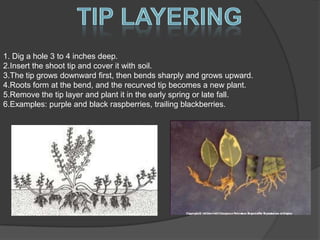
1. Dig a hole 3 to 4 inches deep.
2.Insert the shoot tip and cover it with soil.
3.The tip grows downward first, then bends sharply and grows upward.
4.Roots form at the bend, and the recurved tip becomes a new plant.
5.Remove the tip layer and plant it in the early spring or late fall.
6.Examples: purple and black raspberries, trailing blackberries.
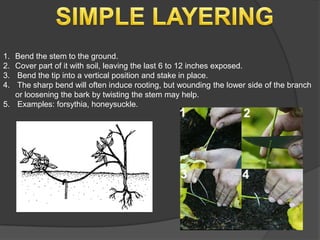
1. Bend the stem to the ground.
2. Cover part of it with soil, leaving the last 6 to 12 inches exposed.
3. Bend the tip into a vertical position and stake in place.
4. The sharp bend will often induce rooting, but wounding the lower side of the branch
   or loosening the bark by twisting the stem may help.
5. Examples: forsythia, honeysuckle.
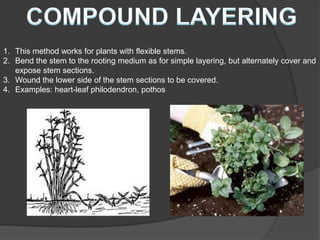
1. This method works for plants with flexible stems.
2. Bend the stem to the rooting medium as for simple layering, but alternately cover and
   expose stem sections.
3. Wound the lower side of the stem sections to be covered.
4. Examples: heart-leaf philodendron, pothos
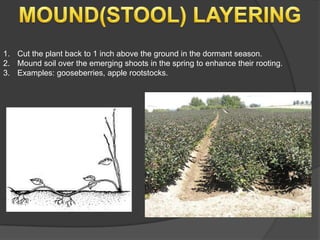
1. Cut the plant back to 1 inch above the ground in the dormant season.
2. Mound soil over the emerging shoots in the spring to enhance their rooting.
3. Examples: gooseberries, apple rootstocks.
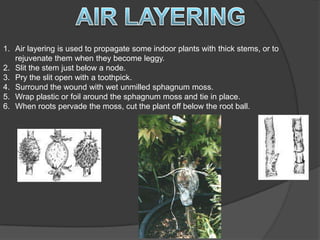
1. Air layering is used to propagate some indoor plants with thick stems, or to
   rejuvenate them when they become leggy.
2. Slit the stem just below a node.
3. Pry the slit open with a toothpick.
4. Surround the wound with wet unmilled sphagnum moss.
5. Wrap plastic or foil around the sphagnum moss and tie in place.
6. When roots pervade the moss, cut the plant off below the root ball.
SUMMARY
   Stem cuttings are the most commonly used method of vegetative propagation.
   A stem cutting is used to grow a whole new plant, which is also known as cloning
   Herbaceous cuttings are made from non-woody, herbaceous plants such as coleus,
    chrysanthemums, and dahlia.
   Softwood cuttings are prepared from soft, succulent, new growth of woody plants, just as it
    begins to harden
   Hardwood cuttings are taken from dormant, mature stems in late fall, winter, or early spring.
   Stems still attached to their parent plants may form roots where they touch a rooting
    medium. Severed from the parent plant, the rooted stem becomes a new plant. This method
    of vegetative propagation, called layering
   TYPES OF LAYERING
       TIP LAYERING
       SIMPLE LAYERING
       COMPOUND LAYERING
       MOUND(STOOL) LAYERING
       AIR LAYERING
QUESTIONS
Fill in the blanks
   A stem cutting is used to grow a
    whole new _____, which is also
    known as ______.
   Herbaceous cuttings are made from
    ________, _________ plants
   In softwood cutting the soft shoots are
    quite ______, and extra care must be
    taken to keep them from ______ out.
   In Hardwood cuttings the wood is
    _____and does not ______easily.
    Hardwood cuttings are used most
    often for deciduous ______but can be
    used for many evergreens.
Define layering ?
 Stems still attached to their parent
 plants may form roots where they
 touch a rooting medium. Severed
 from the parent plant, the rooted stem
 becomes a new plant.
Match the following
1.   TIP LAYERING      a) is used to propagate some
                          indoor plants with thick
2.   SIMPLE LAYERING      stems.
3.   COMPOUND          b) Mound soil over the
                          emerging shoots to
     LAYERING             enhance their rooting.
4.   MOUND             c) This method works for
     LAYERING             plants with flexible stems.
                       d) Examples: forsythia,
5.   AIR LAYERING         honeysuckle.
                       e) The tip grows downward
                          first, then bends sharply
                          and grows upward.
Cutting (1)

Cutting (1)

  • 1.
  • 2.
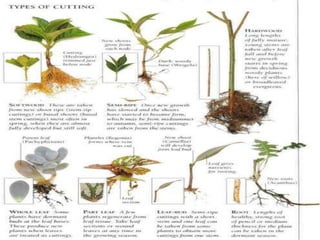
    Stem cuttings arethe most commonly used method of vegetative propagation.  A stem cutting is plant stem including a tip (e.g. shoot, twig, sucker, ) or a portion of a stem without the apex that includes one or more nodes removed from a parent plant and capable of rooting;  A stem cutting is used to grow a whole new plant, which is also known as cloning (because you are creating an exact copy of the parent plant, a clone).
  • 3.
    Herbaceous cuttings aremade from non-woody, herbaceous plants such as coleus, chrysanthemums, and dahlia. A 3- to 5- inch piece of stem is cut from the parent plant. The leaves on the lower one-third to one-half of the stem are removed. A high percentage of the cuttings root, and they do so quickly.
  • 4.
    Softwood cuttings areprepared from soft, succulent, new growth of woody plants, just as it begins to harden (mature). Shoots are suitable for making softwood cuttings. For most woody plants, this stage occurs in May, June, or July. The soft shoots are quite tender, and extra care must be taken to keep them from drying out. The extra effort pays off, because they root quickly.
  • 5.
    Hardwood cuttings aretaken from dormant, mature stems in late fall, winter, or early spring. Plants generally are fully dormant with no obvious signs of active growth. The wood is firm and does not bend easily. Hardwood cuttings are used most often for deciduous shrubs but can be used for many evergreens. Examples of plants propagated at the hardwood stage include forsythia, privet, fig, grape, and spirea.
  • 7.
    Vegetative Propagation ByLeaf Cutting  It is a process by which new individuals arise without production of seeds or spores. It can occur naturally or be induced by horticulturists.  Leaf cuttings are either entire leaves, with or without the petiole, or portions of leaf blades.
  • 8.
    Some examples andtheir pictures Hoya-waxplant, waxvine,violet Saintpaulia-African waxflower Sansevieria trifasciata-snake plant Ipomoea batatas-sweet potato
  • 9.
    The jasmine or sampaguita is a popular plant because of the pleasing fragrance that its flowers emit.  The process of regeneration of plant organs from leaf cuttings always starts with the development of roots followed by the shoot. Then, finally, the certainty: small sampaguita plants started growing.
  • 10.
    Stems still attachedto their parent plants may form roots where they touch a rooting medium. Severed from the parent plant, the rooted stem becomes a new plant. This method of vegetative propagation, called layering, promotes a high success rate because it prevents the water stress and carbohydrate shortage that plague cuttings. Some plants layer themselves naturally, but sometimes plant propagators assist the process. Layering may be enhanced by wounding one side of the stem or by bending it very sharply. The rooting medium should always provide aeration and a constant supply of moisture.
  • 11.
    1. Dig ahole 3 to 4 inches deep. 2.Insert the shoot tip and cover it with soil. 3.The tip grows downward first, then bends sharply and grows upward. 4.Roots form at the bend, and the recurved tip becomes a new plant. 5.Remove the tip layer and plant it in the early spring or late fall. 6.Examples: purple and black raspberries, trailing blackberries.
  • 12.
    1. Bend thestem to the ground. 2. Cover part of it with soil, leaving the last 6 to 12 inches exposed. 3. Bend the tip into a vertical position and stake in place. 4. The sharp bend will often induce rooting, but wounding the lower side of the branch or loosening the bark by twisting the stem may help. 5. Examples: forsythia, honeysuckle.
  • 13.
    1. This methodworks for plants with flexible stems. 2. Bend the stem to the rooting medium as for simple layering, but alternately cover and expose stem sections. 3. Wound the lower side of the stem sections to be covered. 4. Examples: heart-leaf philodendron, pothos
  • 14.
    1. Cut theplant back to 1 inch above the ground in the dormant season. 2. Mound soil over the emerging shoots in the spring to enhance their rooting. 3. Examples: gooseberries, apple rootstocks.
  • 15.
    1. Air layeringis used to propagate some indoor plants with thick stems, or to rejuvenate them when they become leggy. 2. Slit the stem just below a node. 3. Pry the slit open with a toothpick. 4. Surround the wound with wet unmilled sphagnum moss. 5. Wrap plastic or foil around the sphagnum moss and tie in place. 6. When roots pervade the moss, cut the plant off below the root ball.
  • 17.
    SUMMARY  Stem cuttings are the most commonly used method of vegetative propagation.  A stem cutting is used to grow a whole new plant, which is also known as cloning  Herbaceous cuttings are made from non-woody, herbaceous plants such as coleus, chrysanthemums, and dahlia.  Softwood cuttings are prepared from soft, succulent, new growth of woody plants, just as it begins to harden  Hardwood cuttings are taken from dormant, mature stems in late fall, winter, or early spring.  Stems still attached to their parent plants may form roots where they touch a rooting medium. Severed from the parent plant, the rooted stem becomes a new plant. This method of vegetative propagation, called layering  TYPES OF LAYERING  TIP LAYERING  SIMPLE LAYERING  COMPOUND LAYERING  MOUND(STOOL) LAYERING  AIR LAYERING
  • 18.
  • 19.
    Fill in theblanks  A stem cutting is used to grow a whole new _____, which is also known as ______.  Herbaceous cuttings are made from ________, _________ plants  In softwood cutting the soft shoots are quite ______, and extra care must be taken to keep them from ______ out.
  • 20.
    In Hardwood cuttings the wood is _____and does not ______easily. Hardwood cuttings are used most often for deciduous ______but can be used for many evergreens.
  • 21.
    Define layering ? Stems still attached to their parent plants may form roots where they touch a rooting medium. Severed from the parent plant, the rooted stem becomes a new plant.
  • 22.
    Match the following 1. TIP LAYERING a) is used to propagate some indoor plants with thick 2. SIMPLE LAYERING stems. 3. COMPOUND b) Mound soil over the emerging shoots to LAYERING enhance their rooting. 4. MOUND c) This method works for LAYERING plants with flexible stems. d) Examples: forsythia, 5. AIR LAYERING honeysuckle. e) The tip grows downward first, then bends sharply and grows upward.