Downloaded 118 times
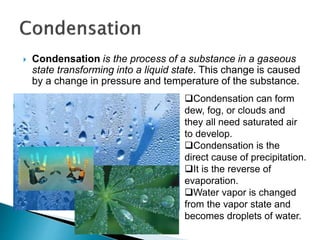
![ The necessary condition:
cooling of air to below its dew point until it is saturated
[individual / combined changes in air volume, pressure,
temperature / R.H.]
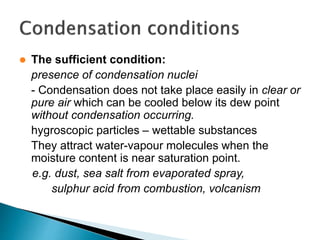
The sufficient condition:
presence of condensation nuclei
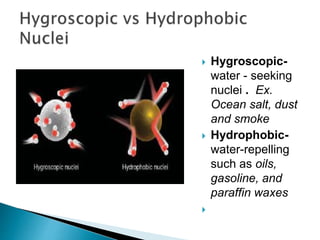
[hygroscopic particles – wettable substances]](https://image.slidesharecdn.com/condensation2018-180406054829/85/Condensation-2018-3-320.jpg)
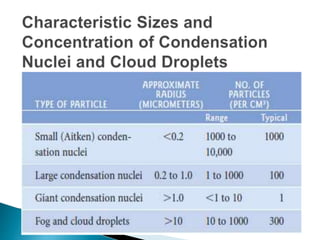
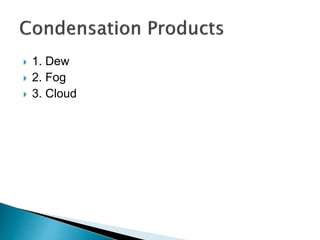
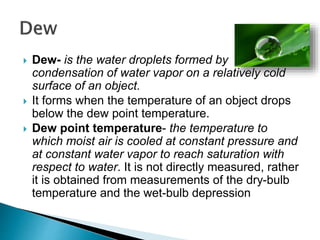
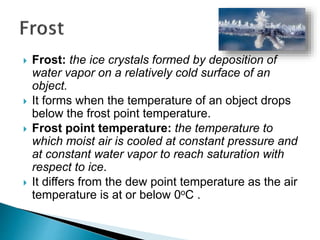
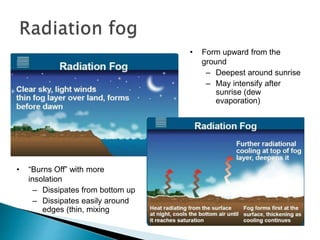
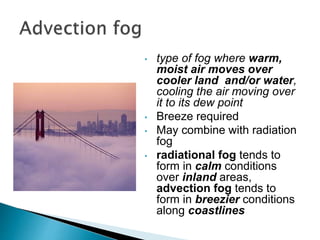
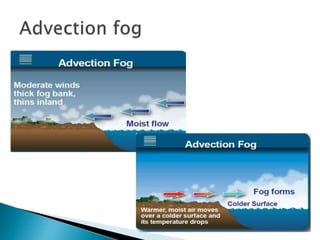
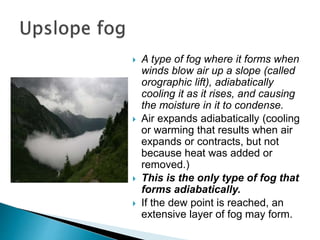
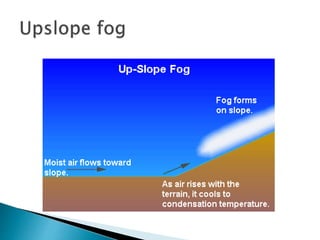
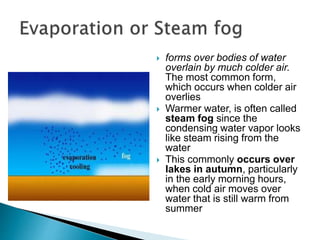
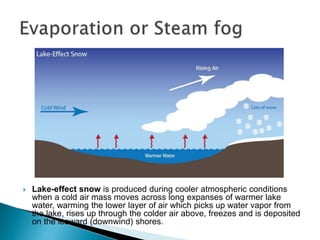
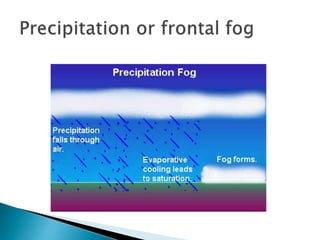
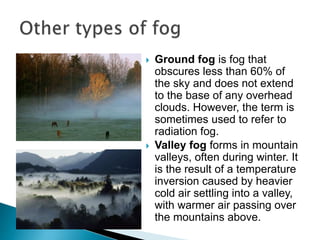
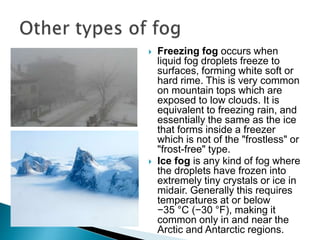
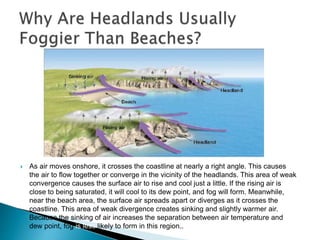
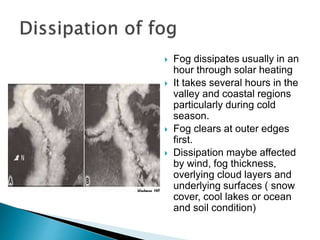
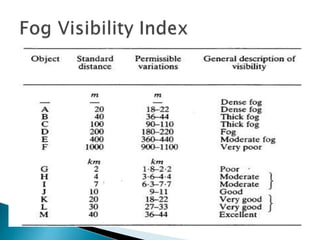

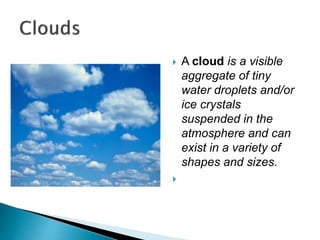
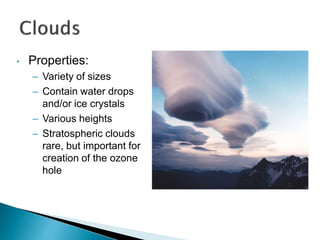
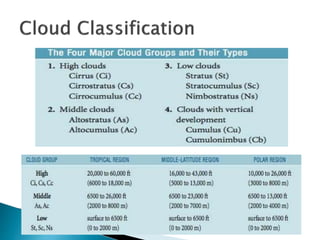
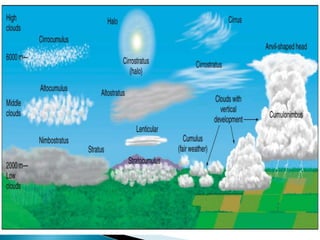
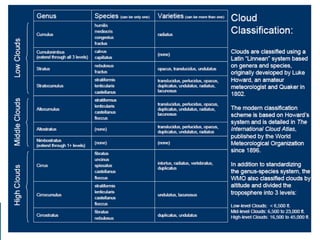
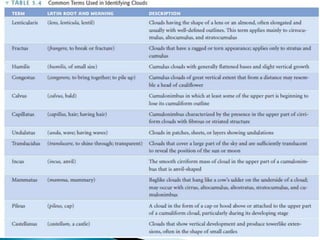
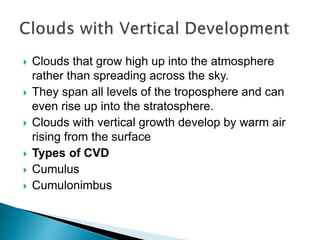
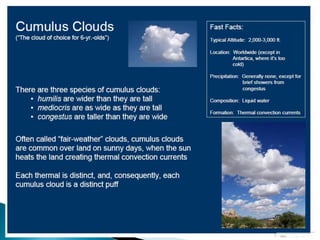
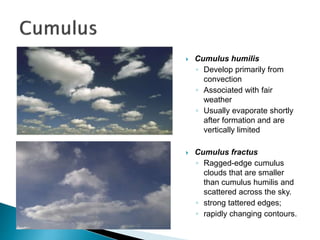
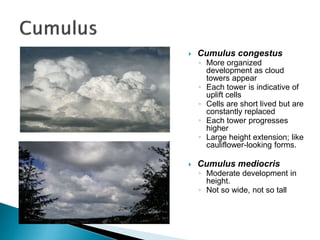
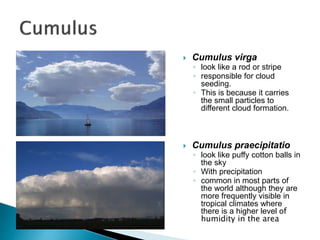
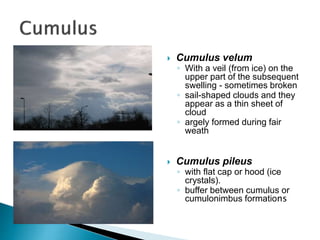
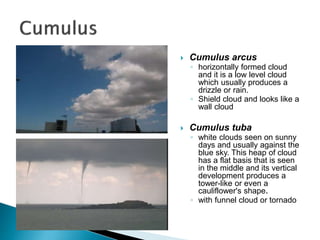
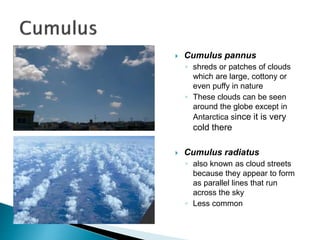
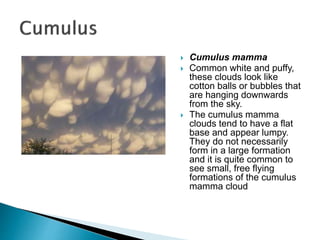
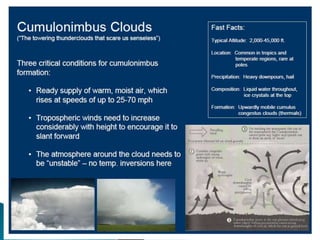
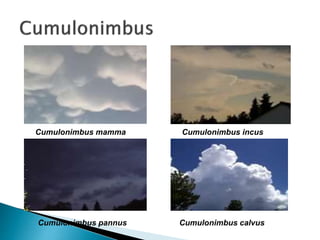
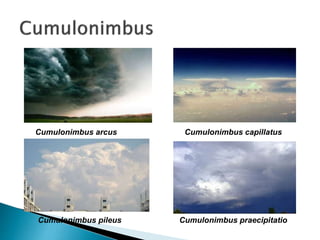
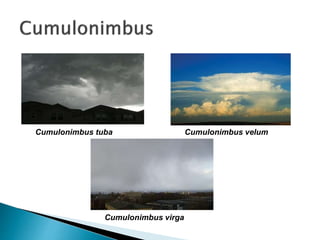
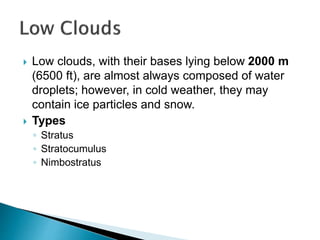
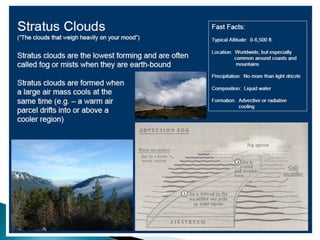
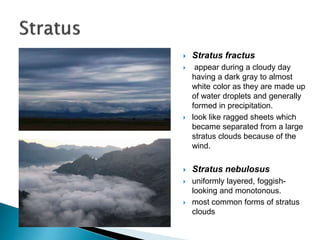
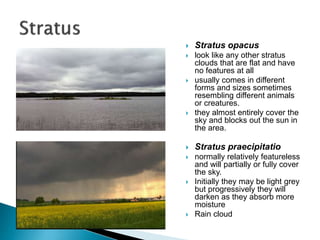
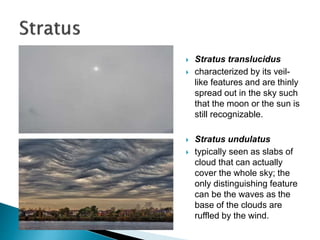
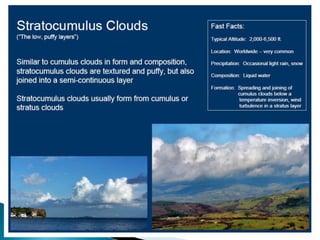
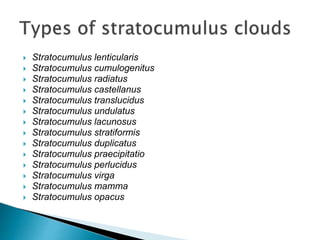
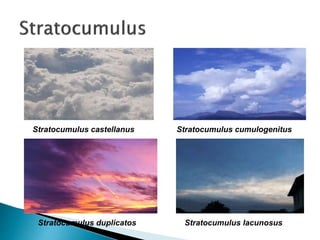
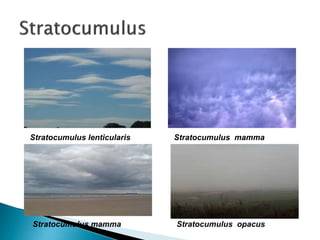
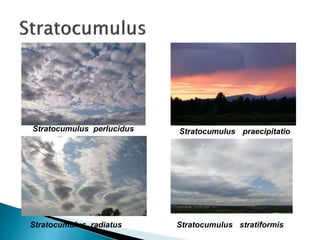
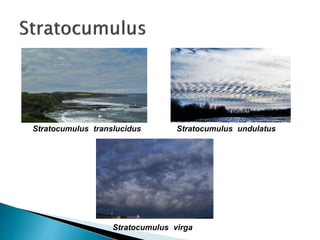
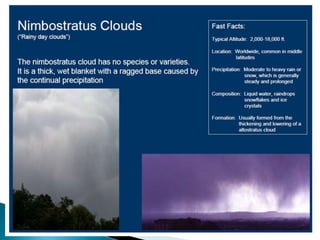
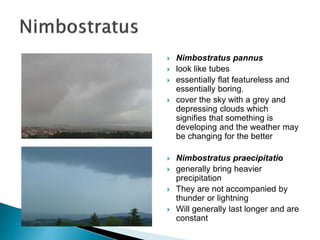
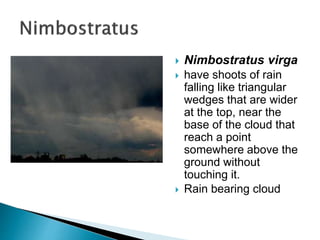
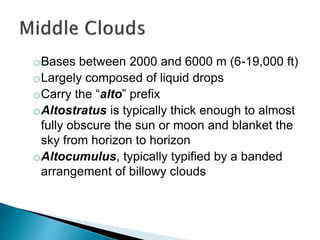
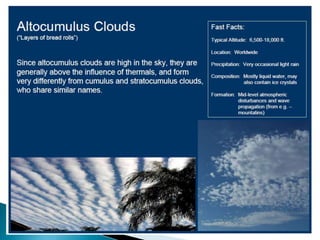
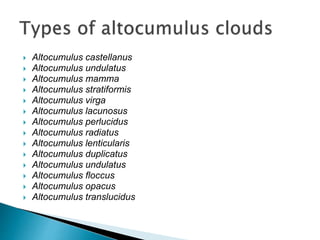
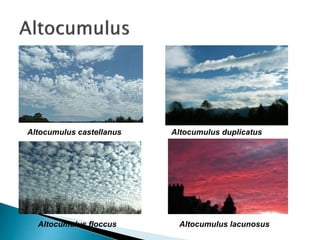
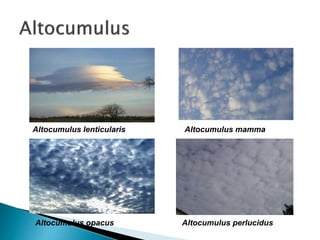
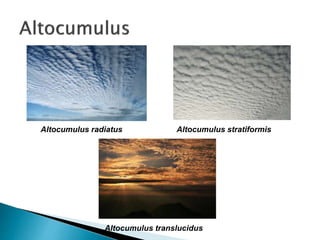
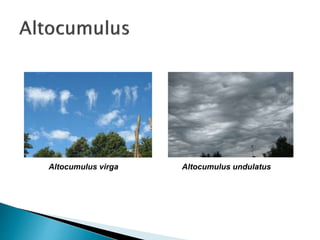
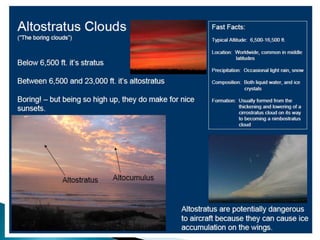
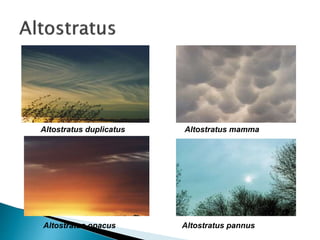
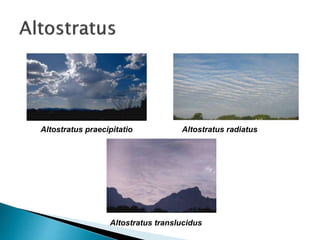
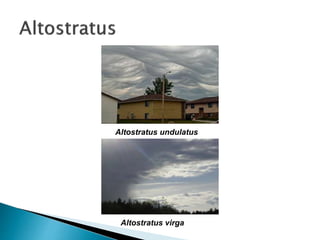
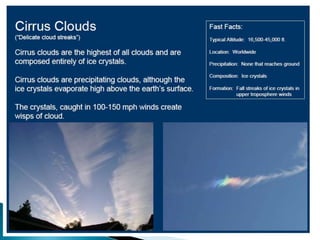
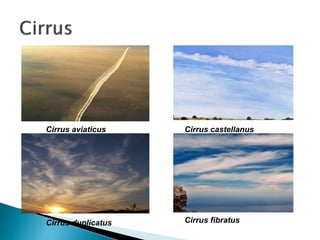
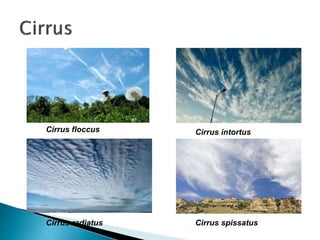
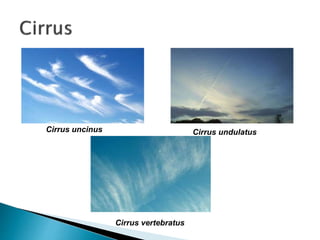
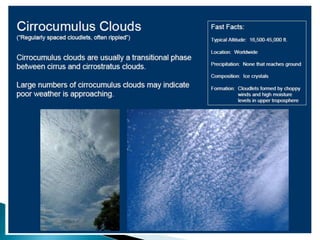
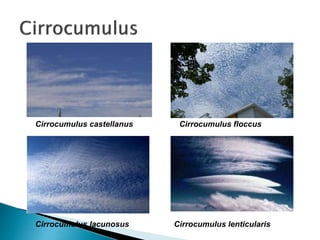
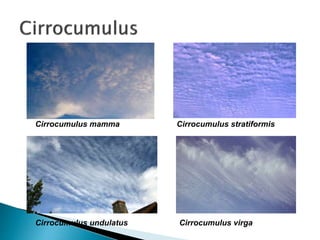
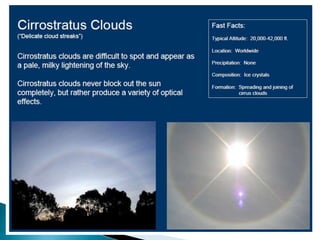
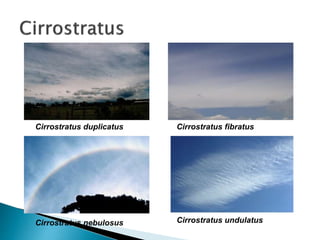
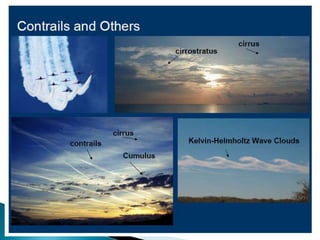
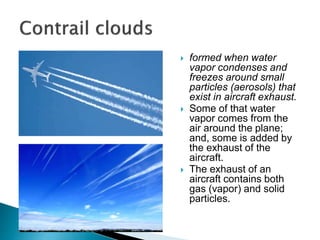
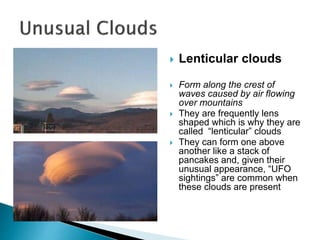
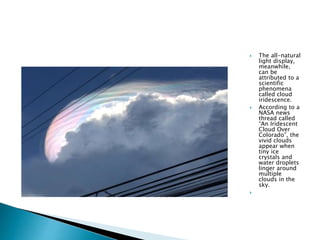
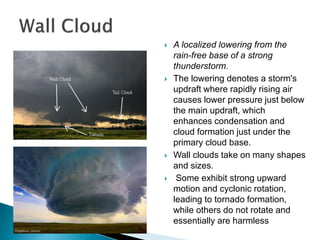
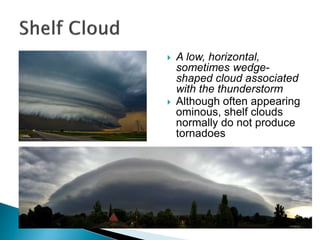
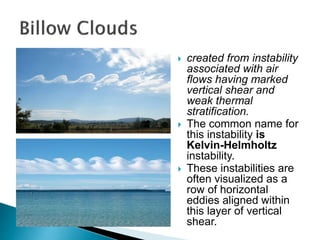
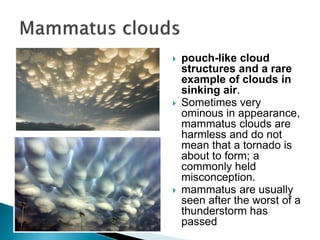
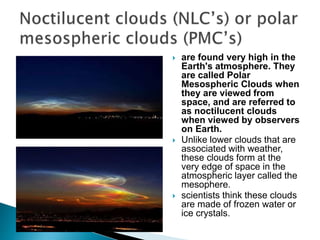
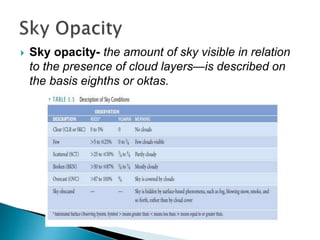
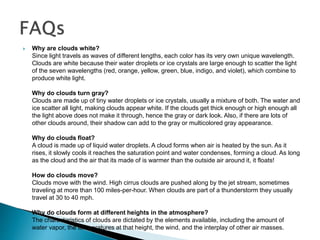

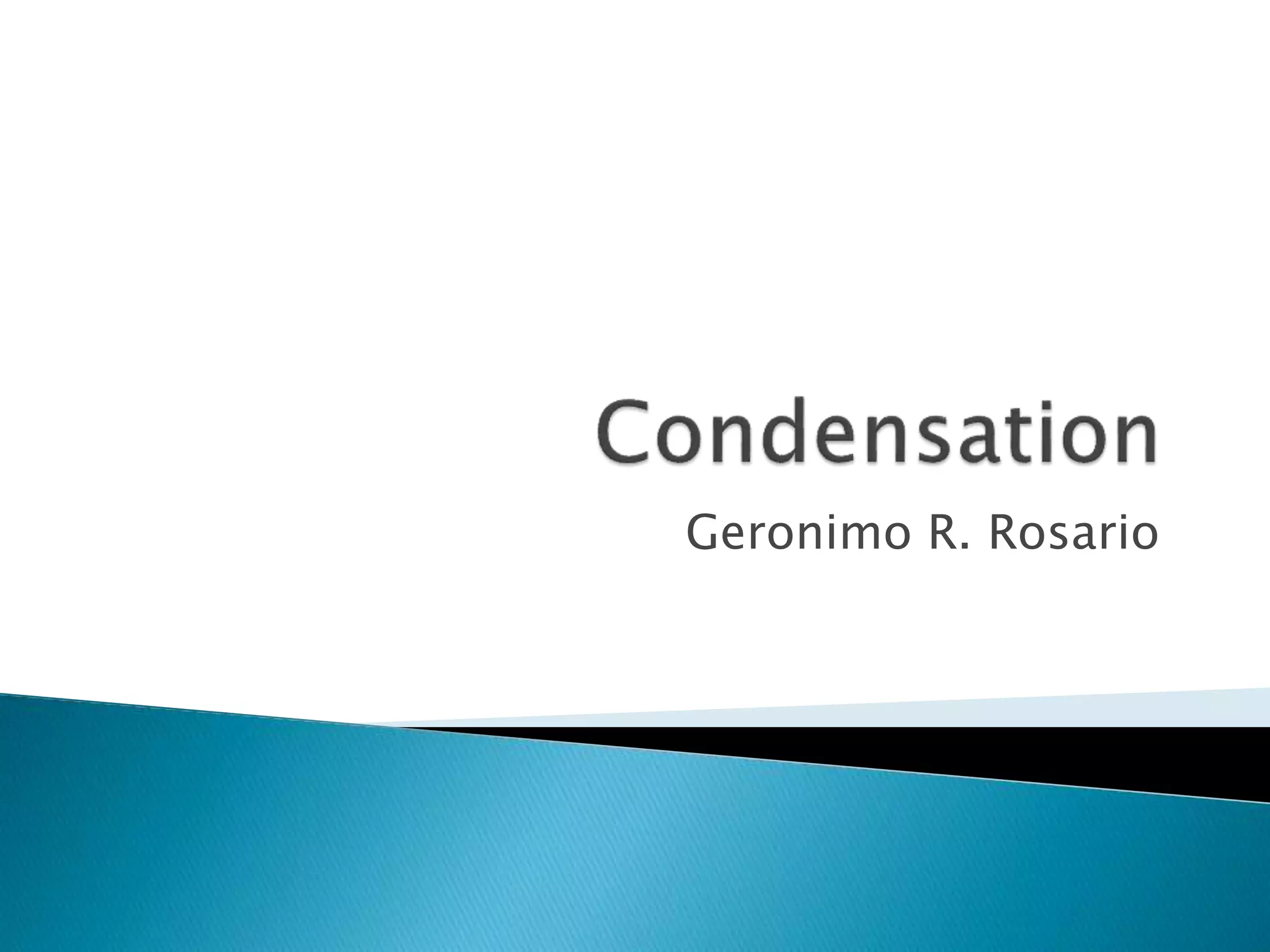
This document discusses condensation and the various cloud and fog formations that result from condensation in the atmosphere. It begins by defining condensation as the process where a gas transforms into a liquid due to changes in pressure and temperature. It then discusses the key factors needed for condensation to occur, including cooling air to below its dew point and the presence of condensation nuclei. The document goes on to describe different types of clouds and fogs that form via condensation, including stratus, cumulus, and nimbostratus clouds, and radiation, advection, upslope and freezing fogs. Key characteristics and formation mechanisms are provided for each cloud and fog type.


![Polymer [ बहुलक ] Chemistry Notes PDF - Irfanullah Mehar - JJ Sir Chemistry.pdf](https://cdn.slidesharecdn.com/ss_thumbnails/polymerchemistrynotespdf-irfanullahmehar-jjsirchemistry-260210172118-3f9b37f7-thumbnail.jpg?width=640&height=640&fit=bounds)


