Lupus
Allan D. Corpuz, MD, FPCP, DPRA
Section of Rheumatology
Department of Medicine
Philippine GENERAL HOSPITAL
Objectives
•  Recognize the clinical manifestations of SLE
•  Order the important diagnostic tests
•  Enumerate the treatment modalities
•  Know when and where to refer
•  Counsel patients with the disease
What is SLE: Systemic
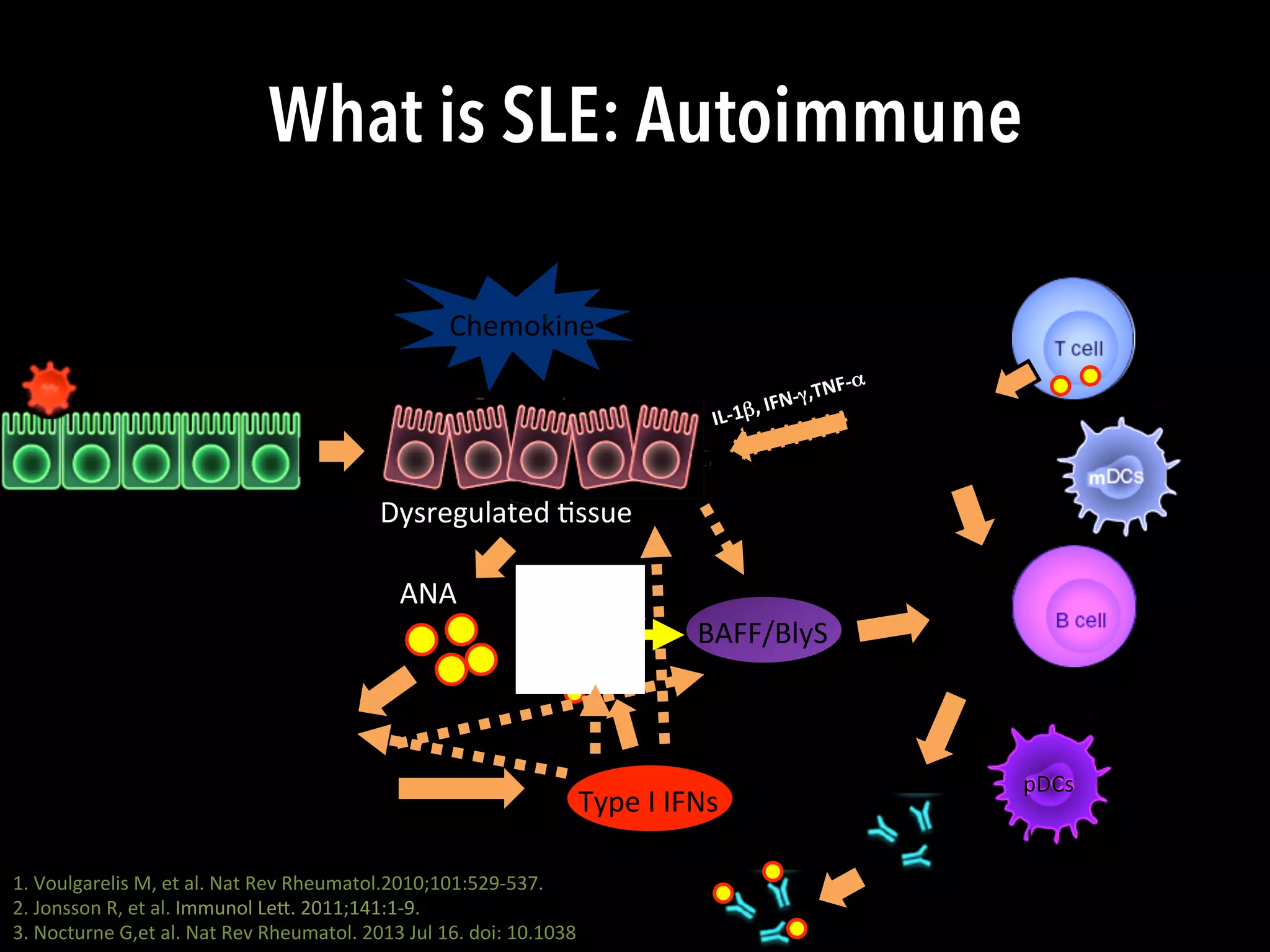
What is SLE: Autoimmune
pDCs	
  
Res(ng	
  epithelium	
   Dysregulated	
  (ssue	
  
Chemokine	
  
BAFF/BlyS	
  
ANA	
  
Type	
  I	
  IFNs	
  
virus	
  
AutoAb	
  
IC	
  
1.	
  Voulgarelis	
  M,	
  et	
  al.	
  Nat	
  Rev	
  Rheumatol.2010;101:529-­‐537.	
  
2.	
  Jonsson	
  R,	
  et	
  al.	
  Immunol	
  LeQ.	
  2011;141:1-­‐9.	
  
3.	
  Nocturne	
  G,et	
  al.	
  Nat	
  Rev	
  Rheumatol.	
  2013	
  Jul	
  16.	
  doi:	
  10.1038	
  
IL-­‐1β,	
  IFN-­‐γ,TNF-­‐α
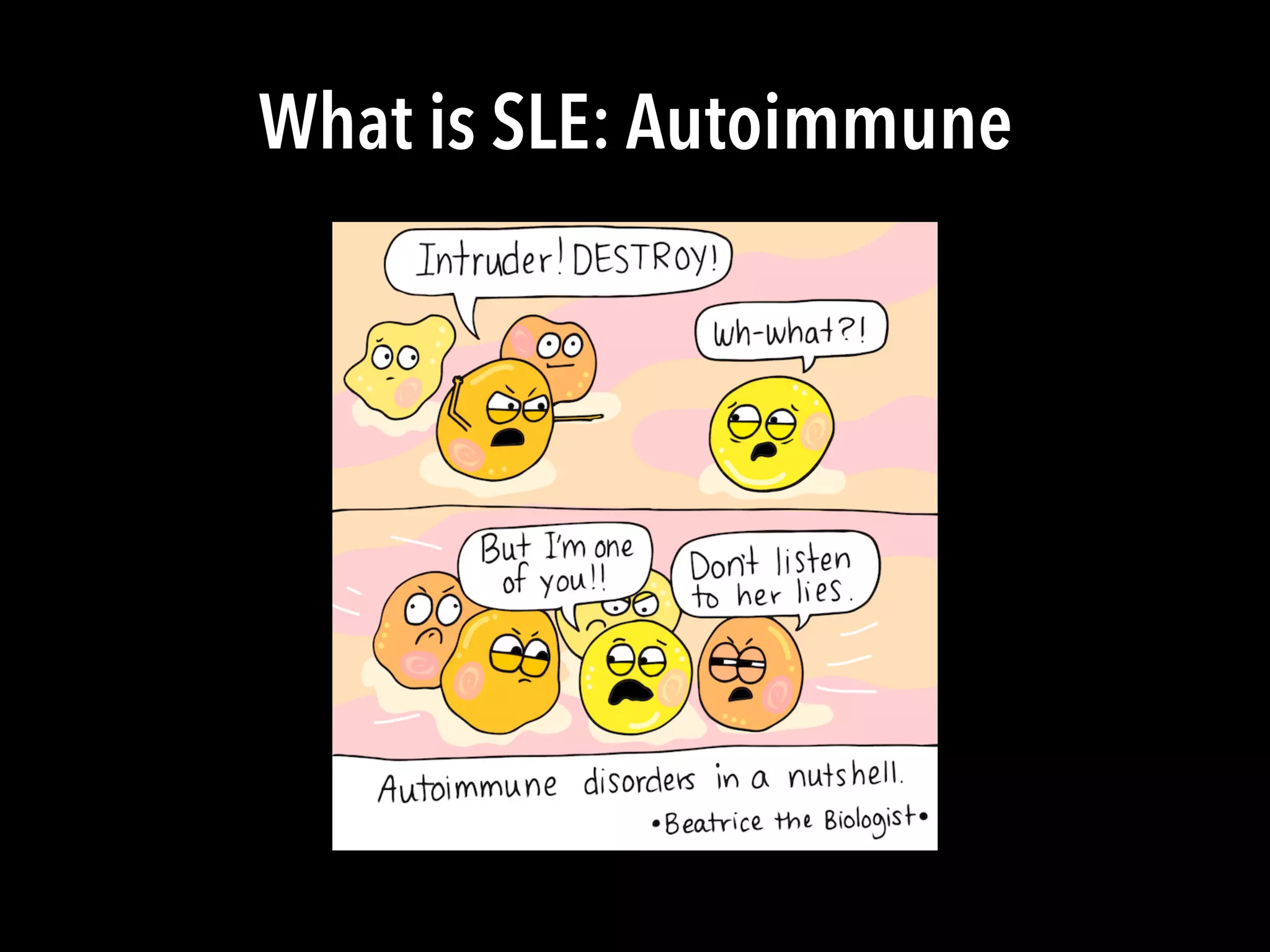
What is SLE: Autoimmune
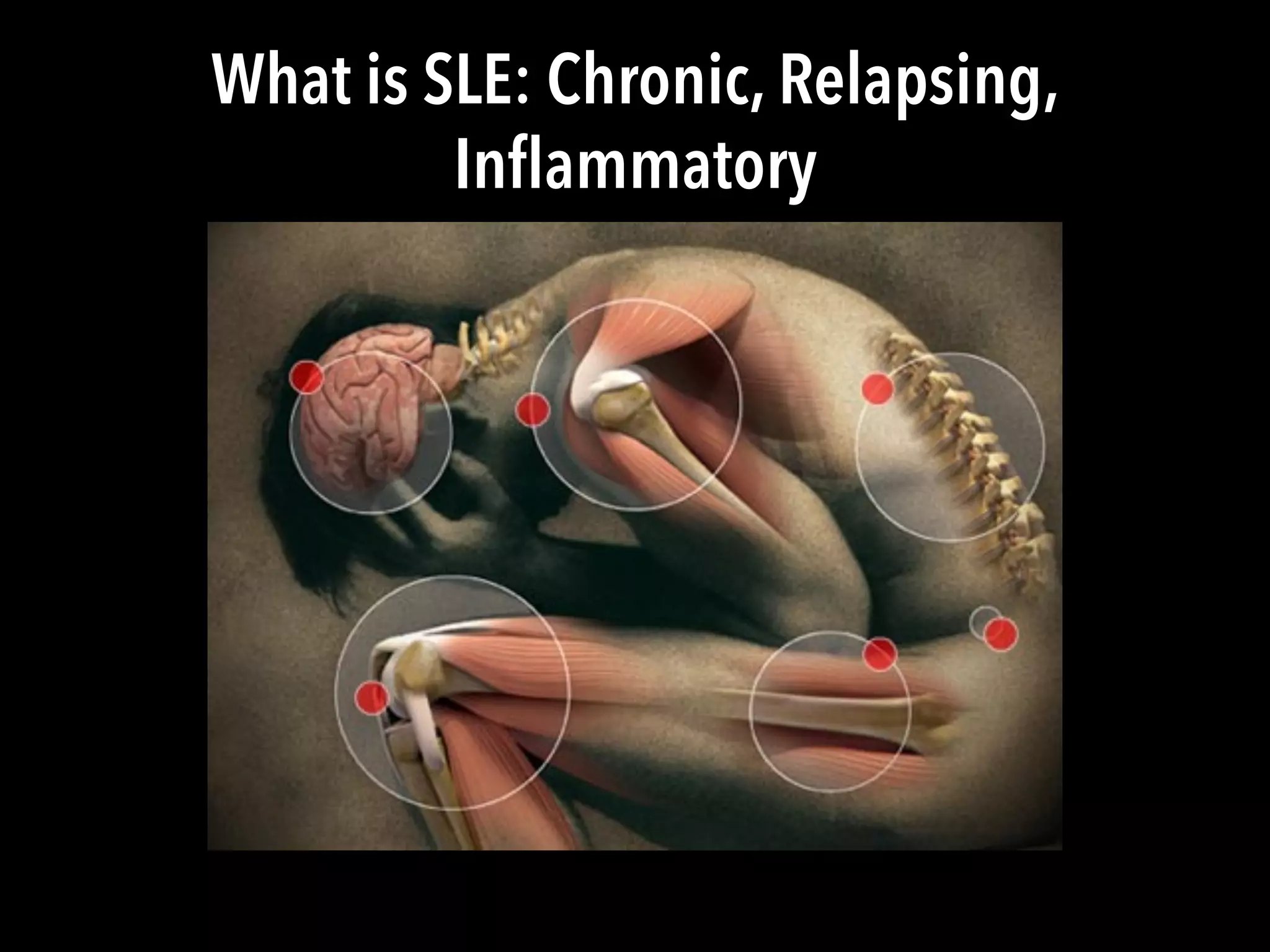
What is SLE: Chronic, Relapsing,
Inflammatory
What is SLE: Primarily Female
9
1
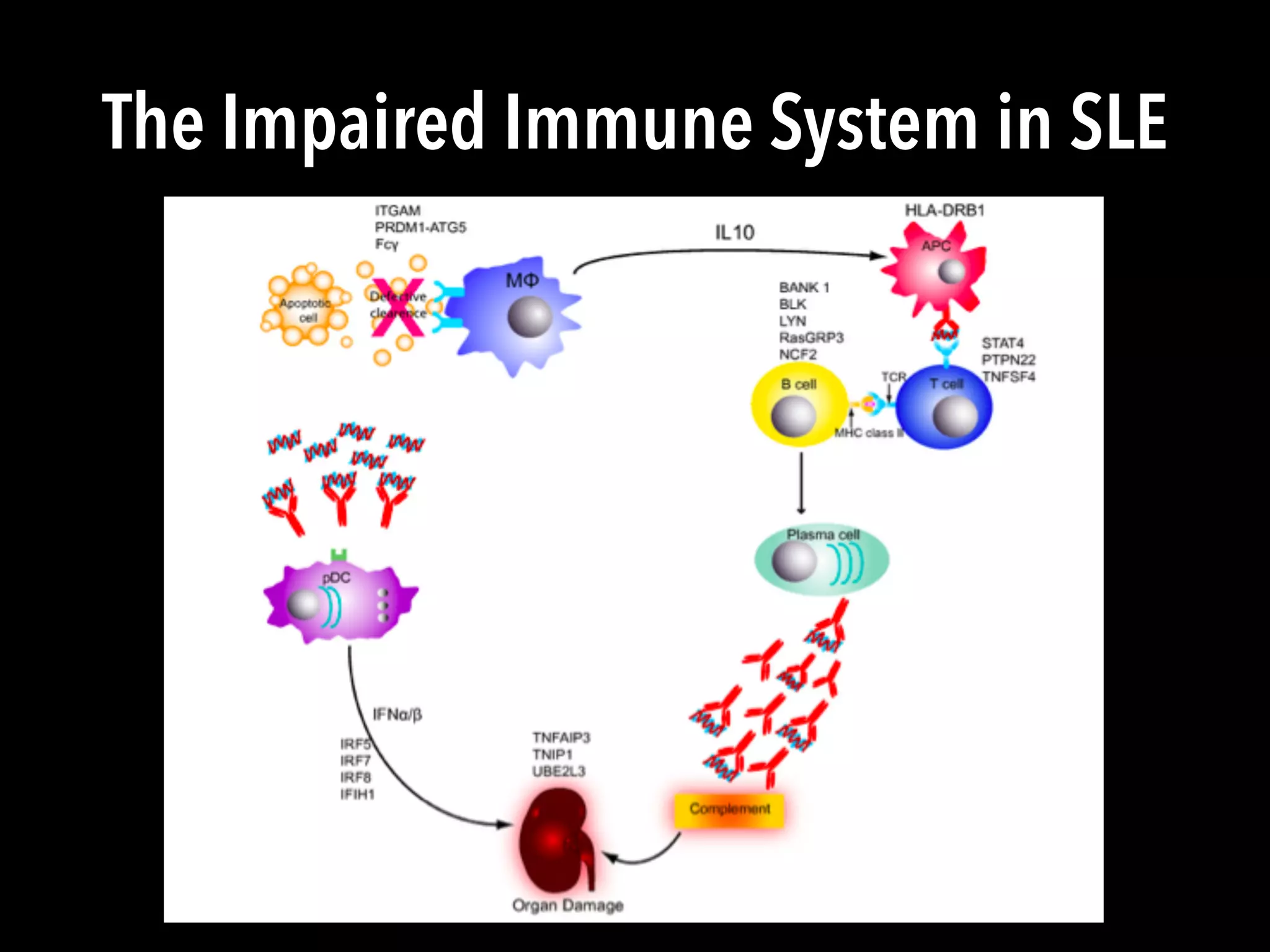
The Impaired Immune System in SLE
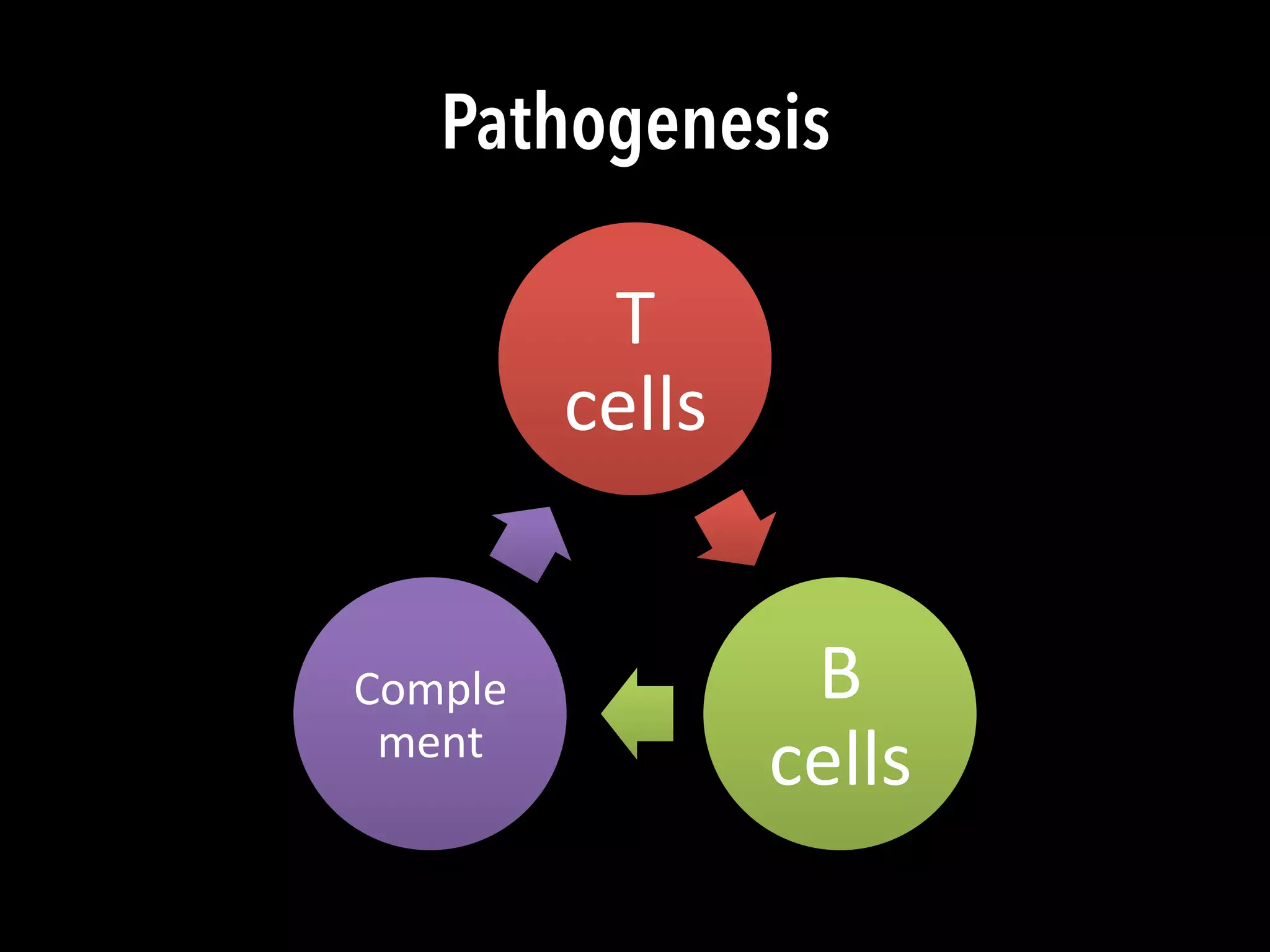
Pathogenesis
T	
  
cells	
  
B	
  
cells	
  
Comple
ment	
  
Pathogenesis: Panoramic View
APOPTOSIS:
Programmed
Cell Death
But some things don’t go
as programmed…
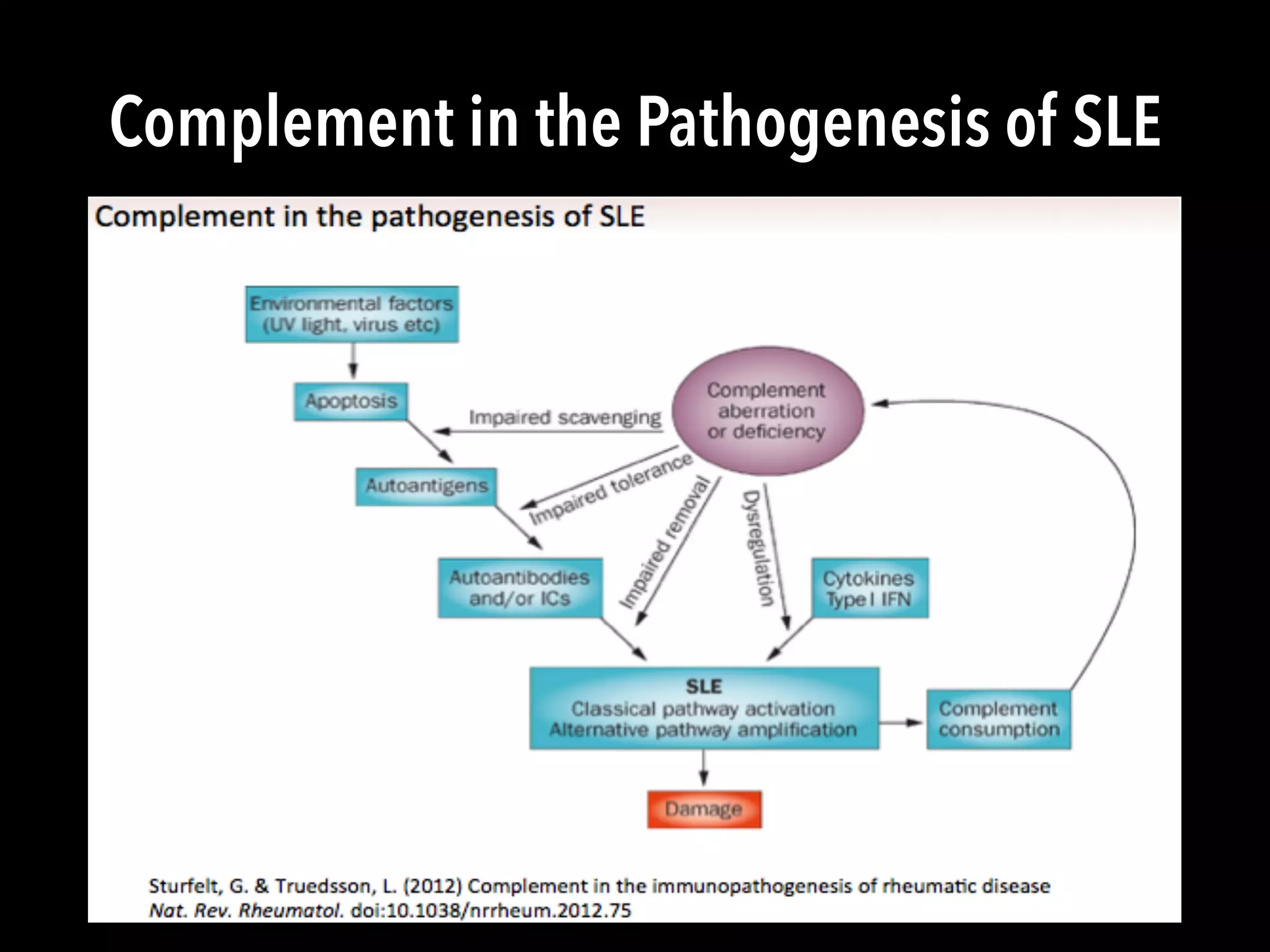
Complement in the Pathogenesis of SLE
What it is NOT
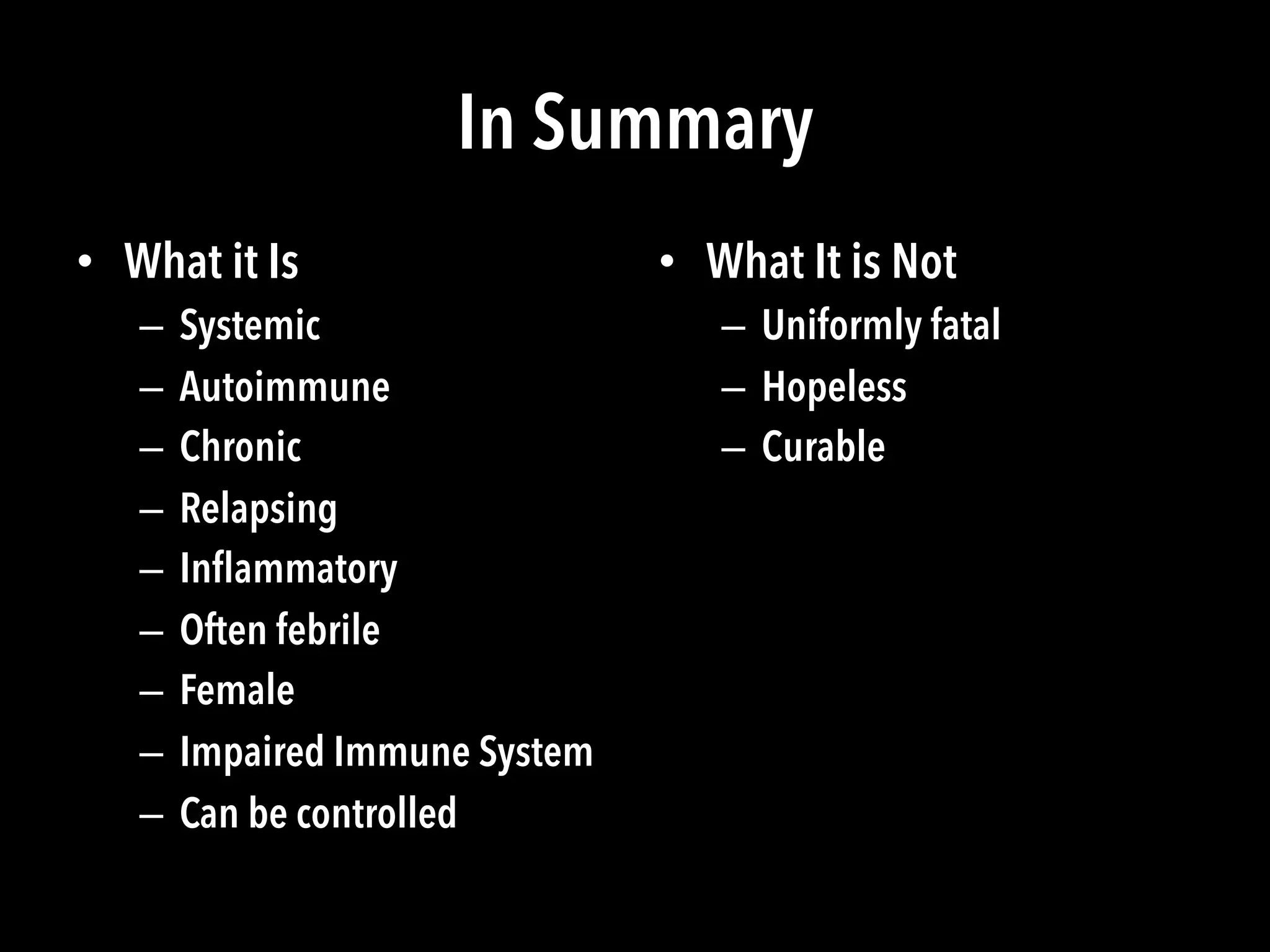
In Summary
•  What it Is
–  Systemic
–  Autoimmune
–  Chronic
–  Relapsing
–  Inflammatory
–  Often febrile
–  Female
–  Impaired Immune System
–  Can be controlled
•  What It is Not
–  Uniformly fatal
–  Hopeless
–  Curable
DIAGNOSIS
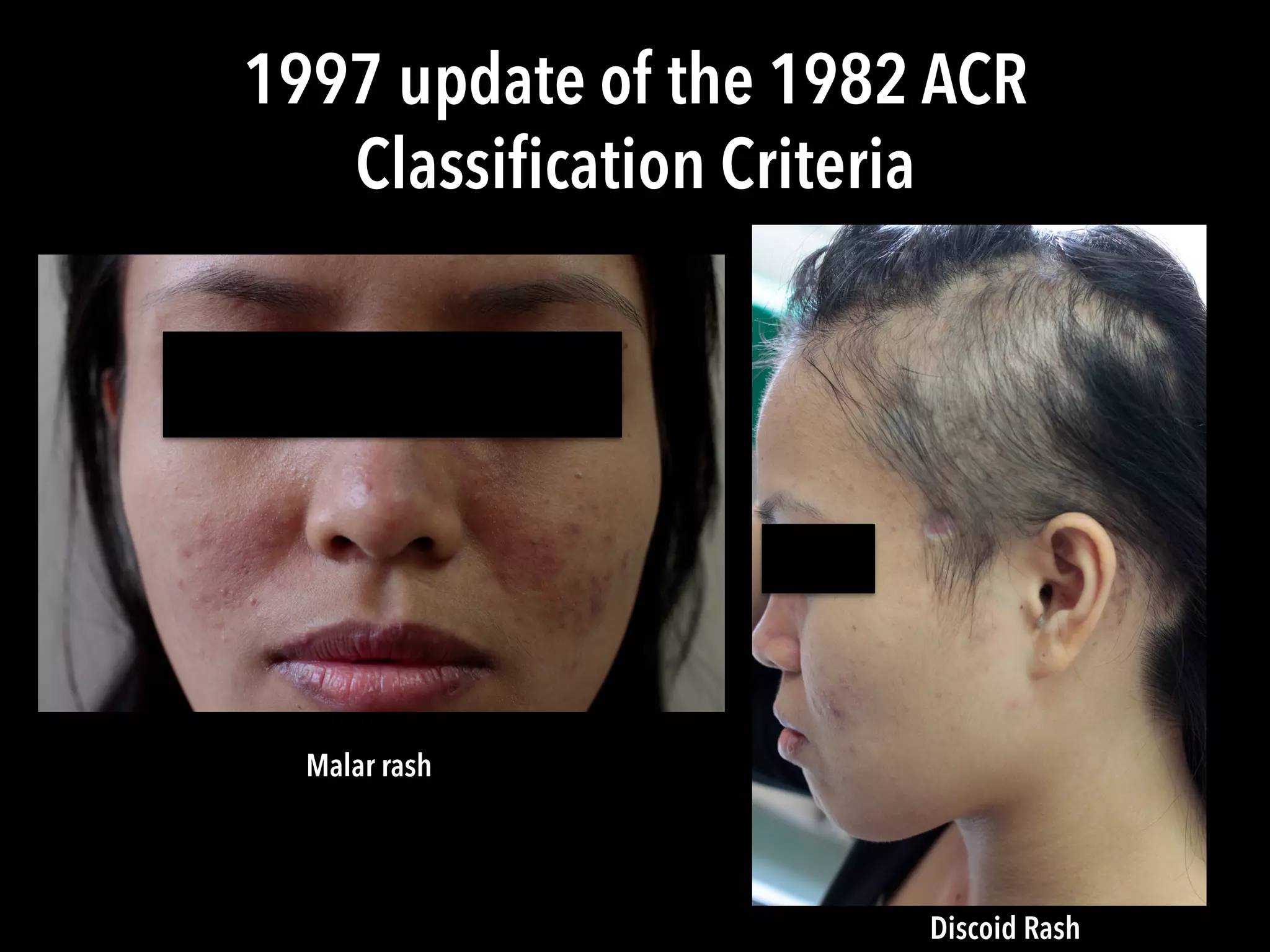
1997 update of the 1982 ACR
Classification Criteria
Malar rash
Discoid Rash
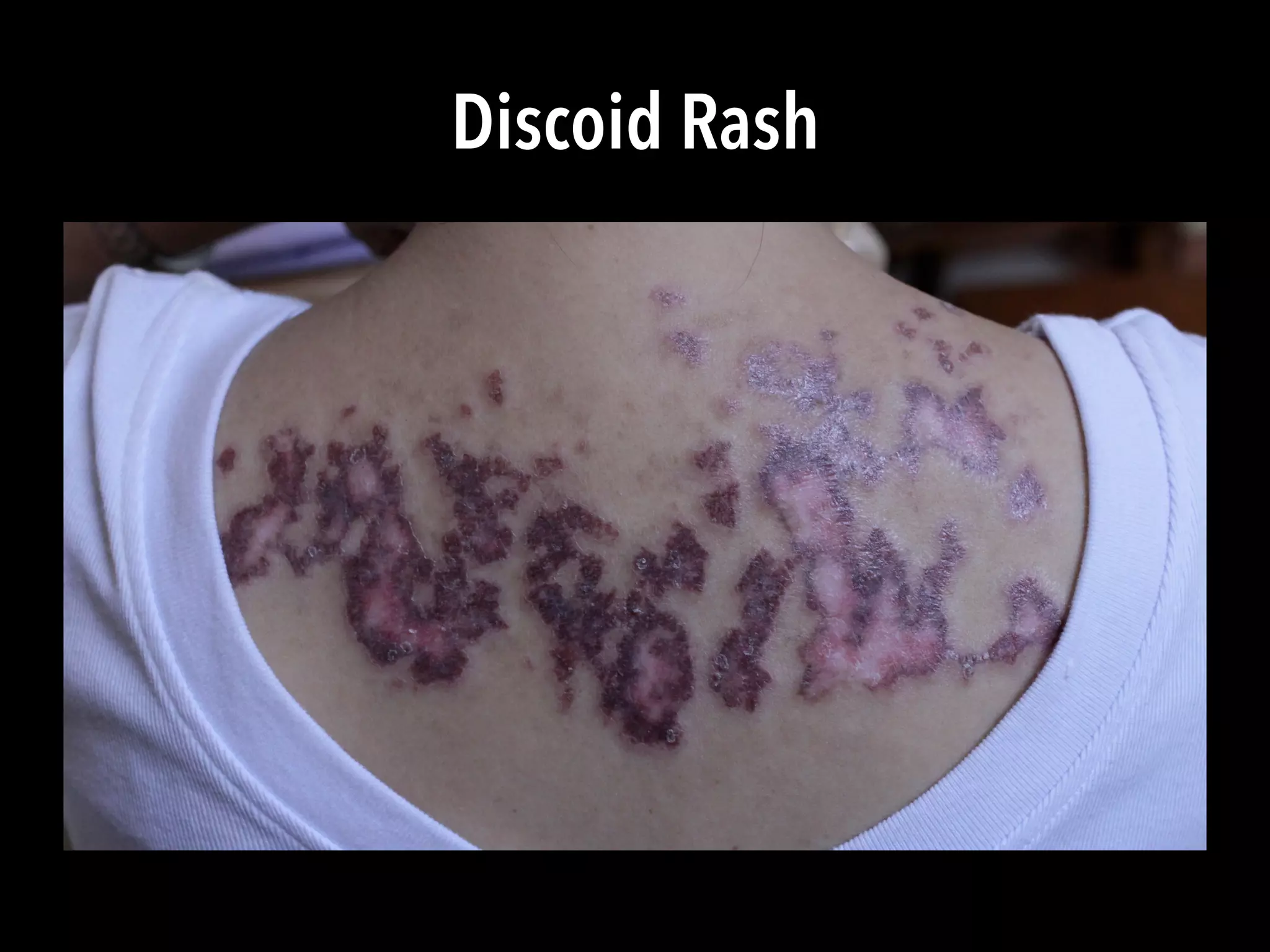
Discoid Rash
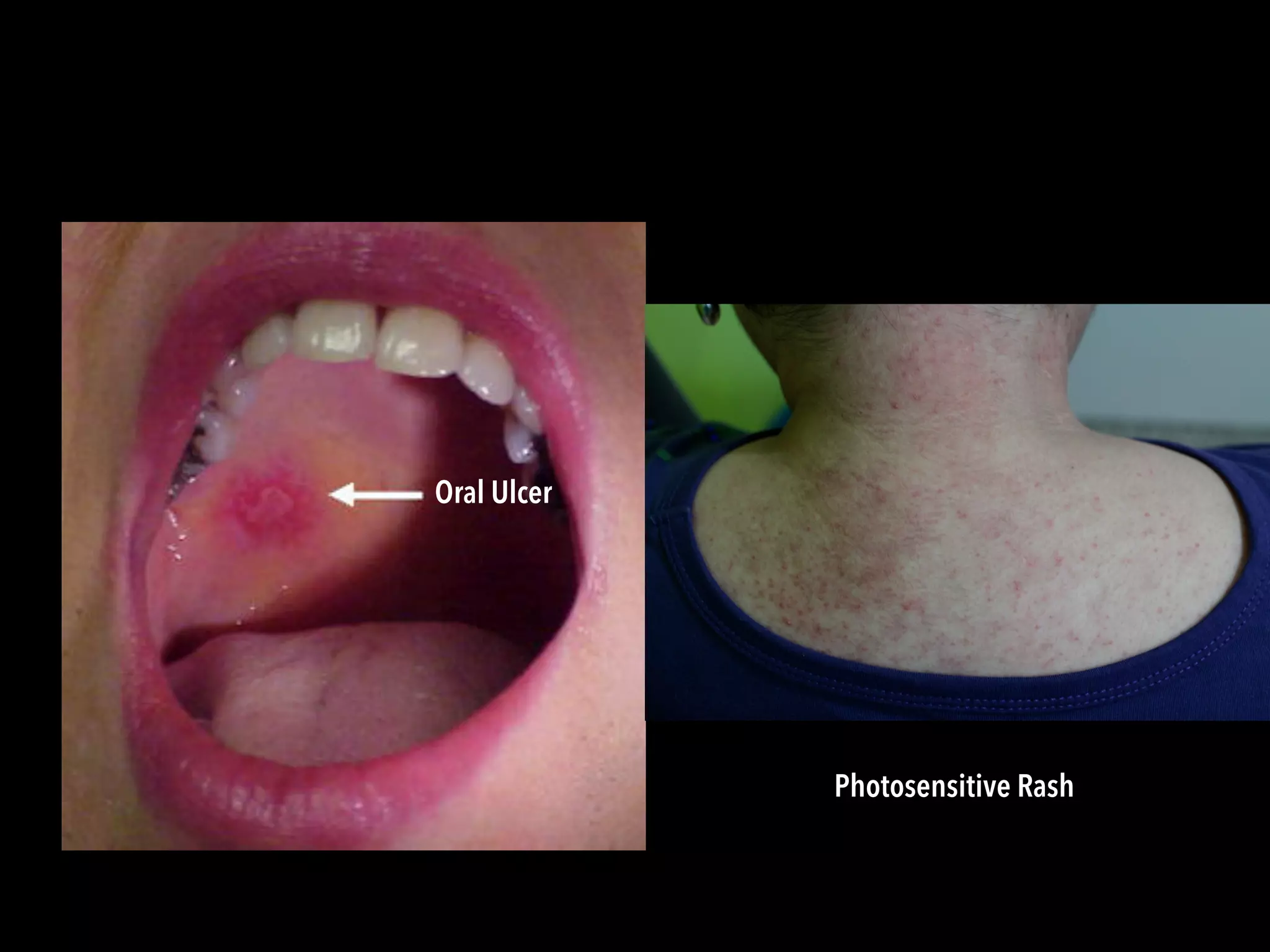
Oral Ulcer
Photosensitive Rash
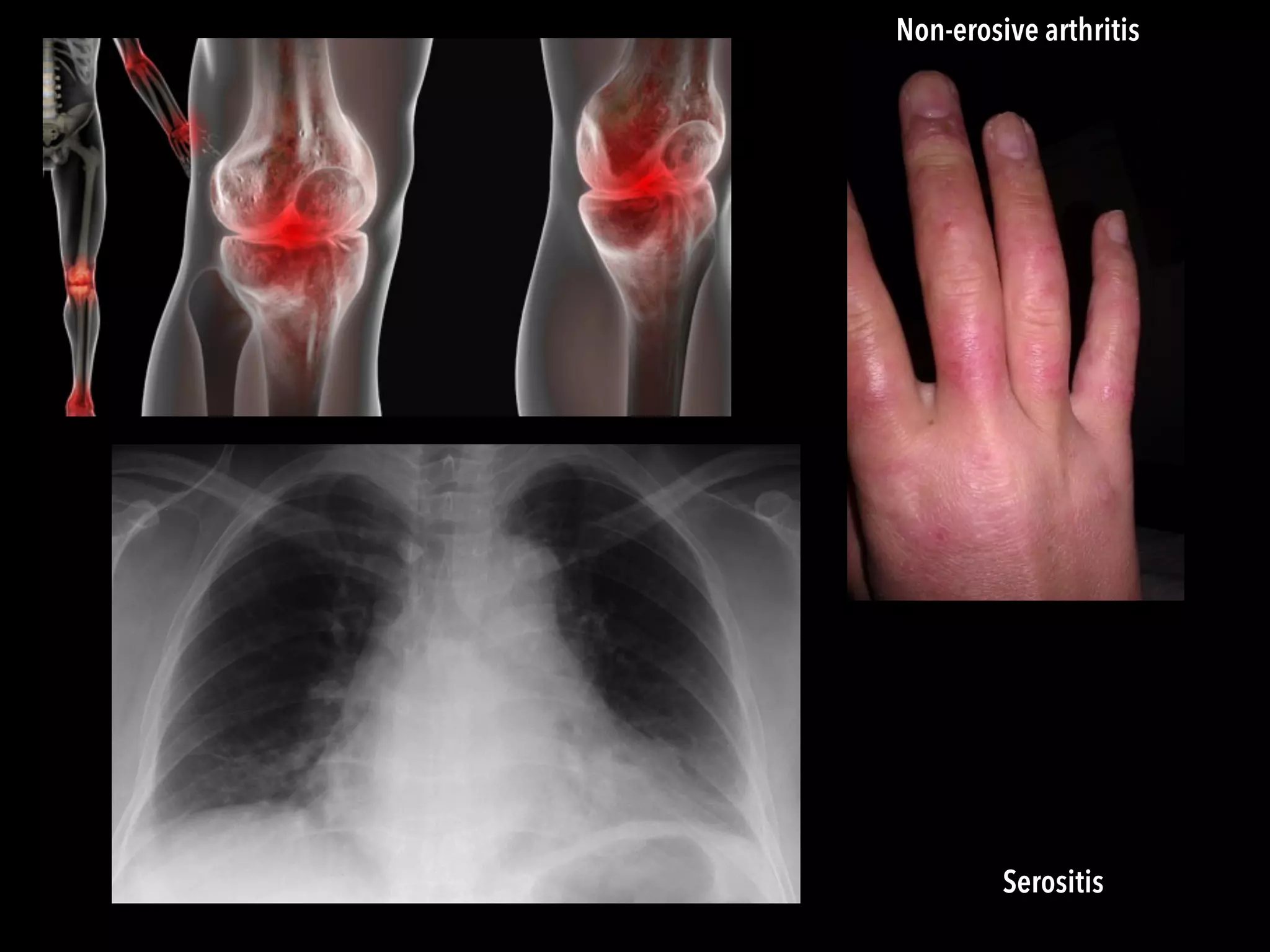
Serositis
Non-erosive arthritis
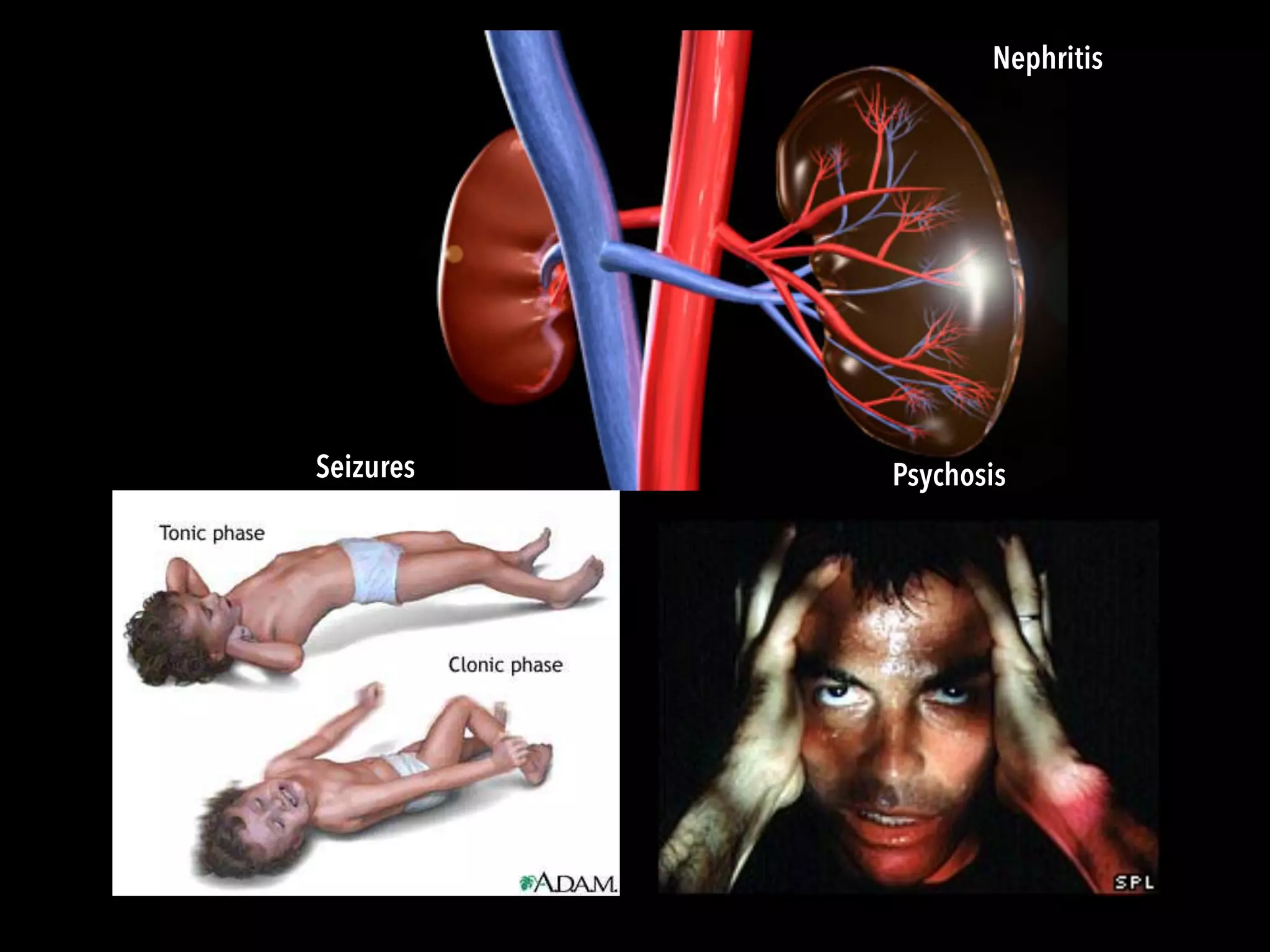
Nephritis
Seizures Psychosis
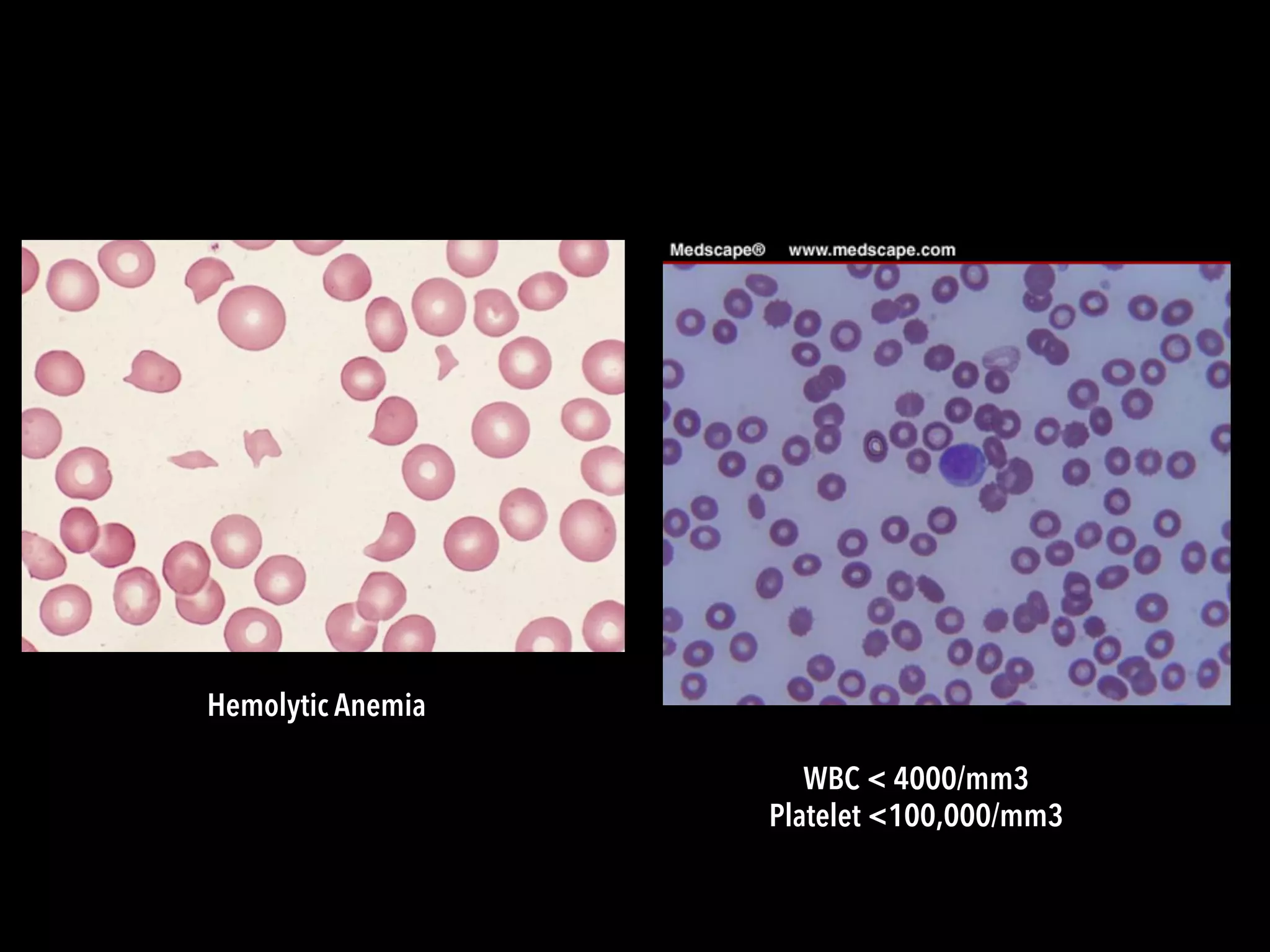
WBC < 4000/mm3
Platelet <100,000/mm3
Hemolytic Anemia
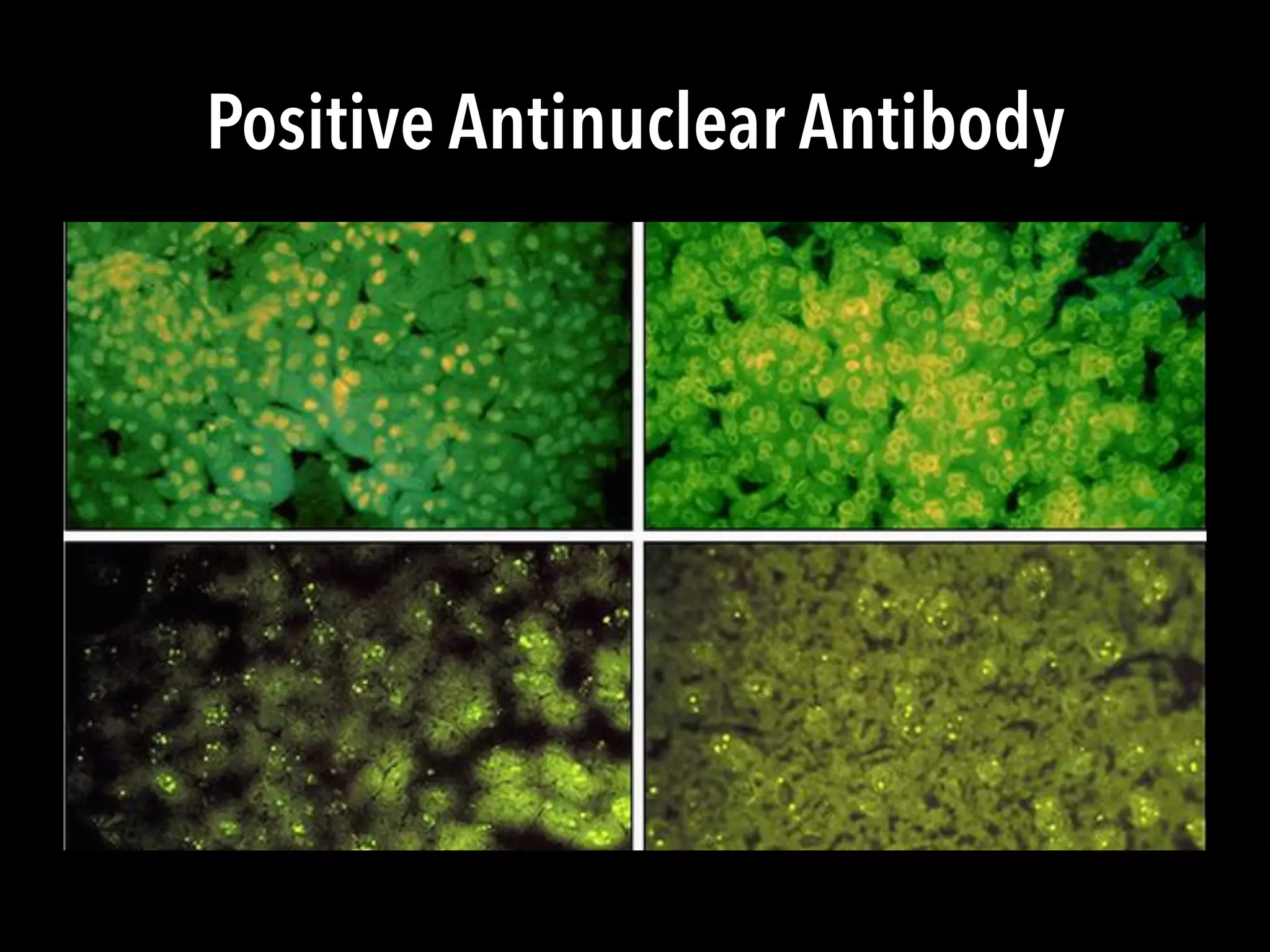
Positive Antinuclear Antibody
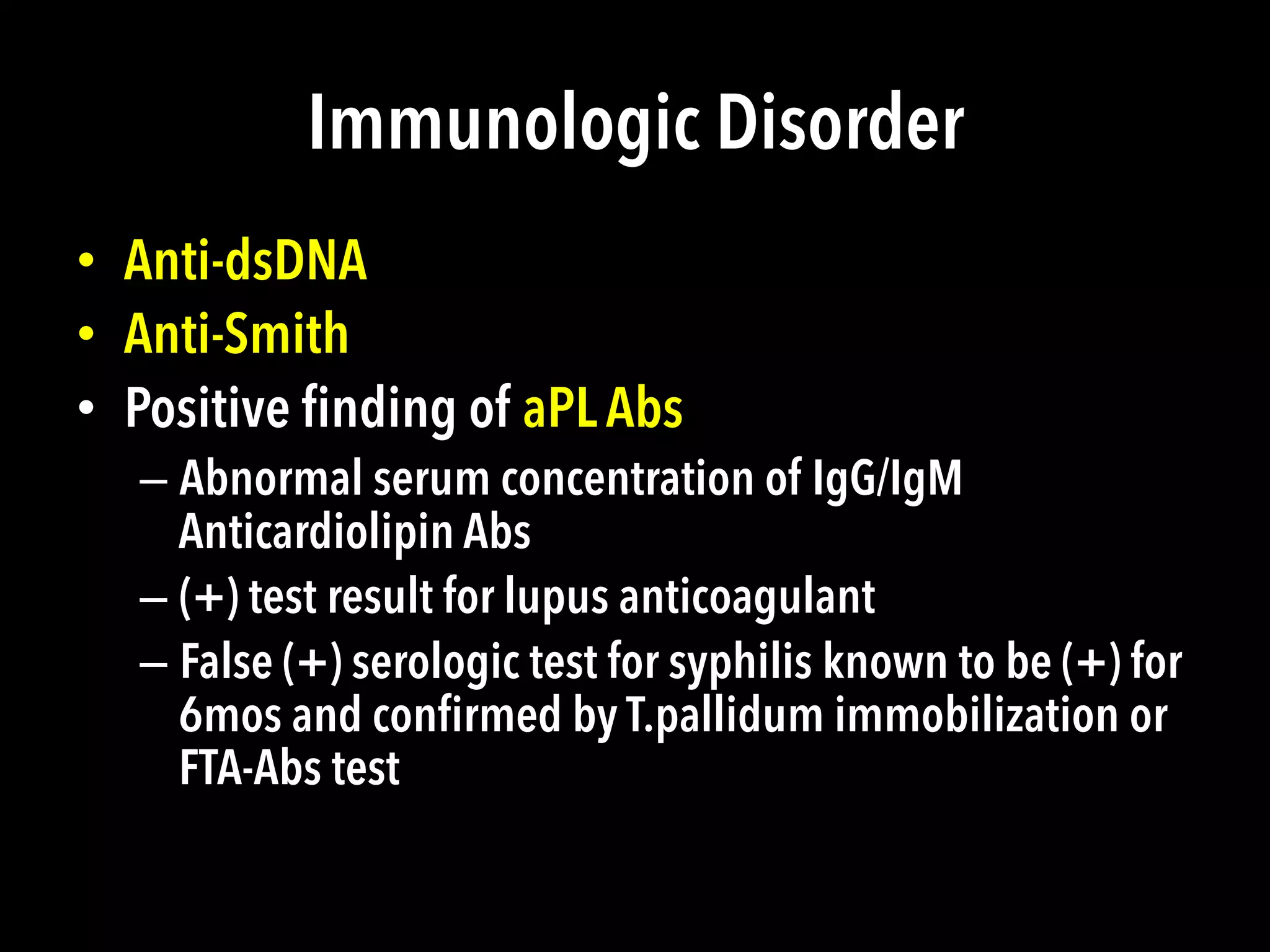
Immunologic Disorder
•  Anti-dsDNA
•  Anti-Smith
•  Positive finding of aPL Abs
– Abnormal serum concentration of IgG/IgM
Anticardiolipin Abs
– (+) test result for lupus anticoagulant
– False (+) serologic test for syphilis known to be (+) for
6mos and confirmed by T.pallidum immobilization or
FTA-Abs test
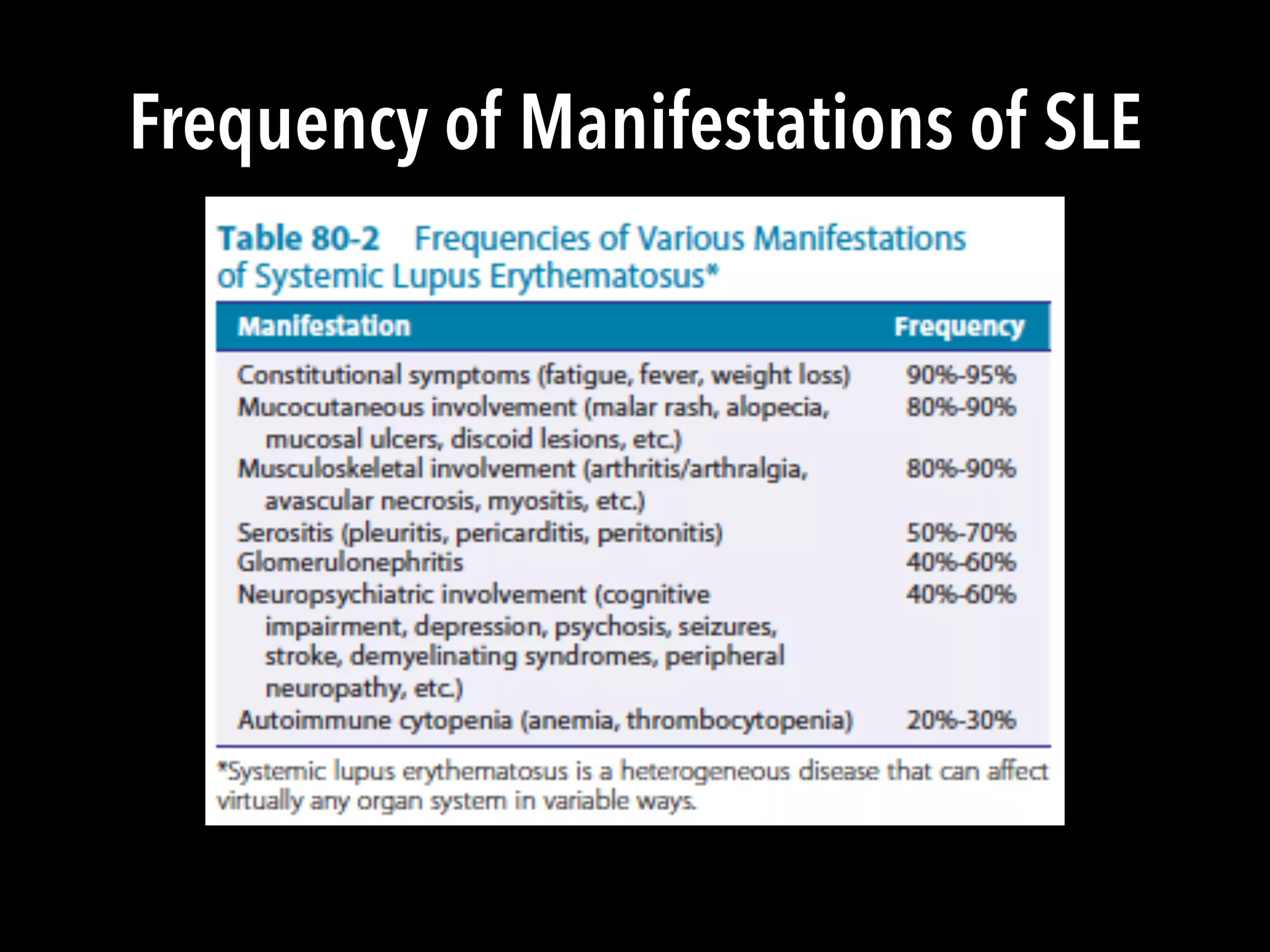
Frequency of Manifestations of SLE
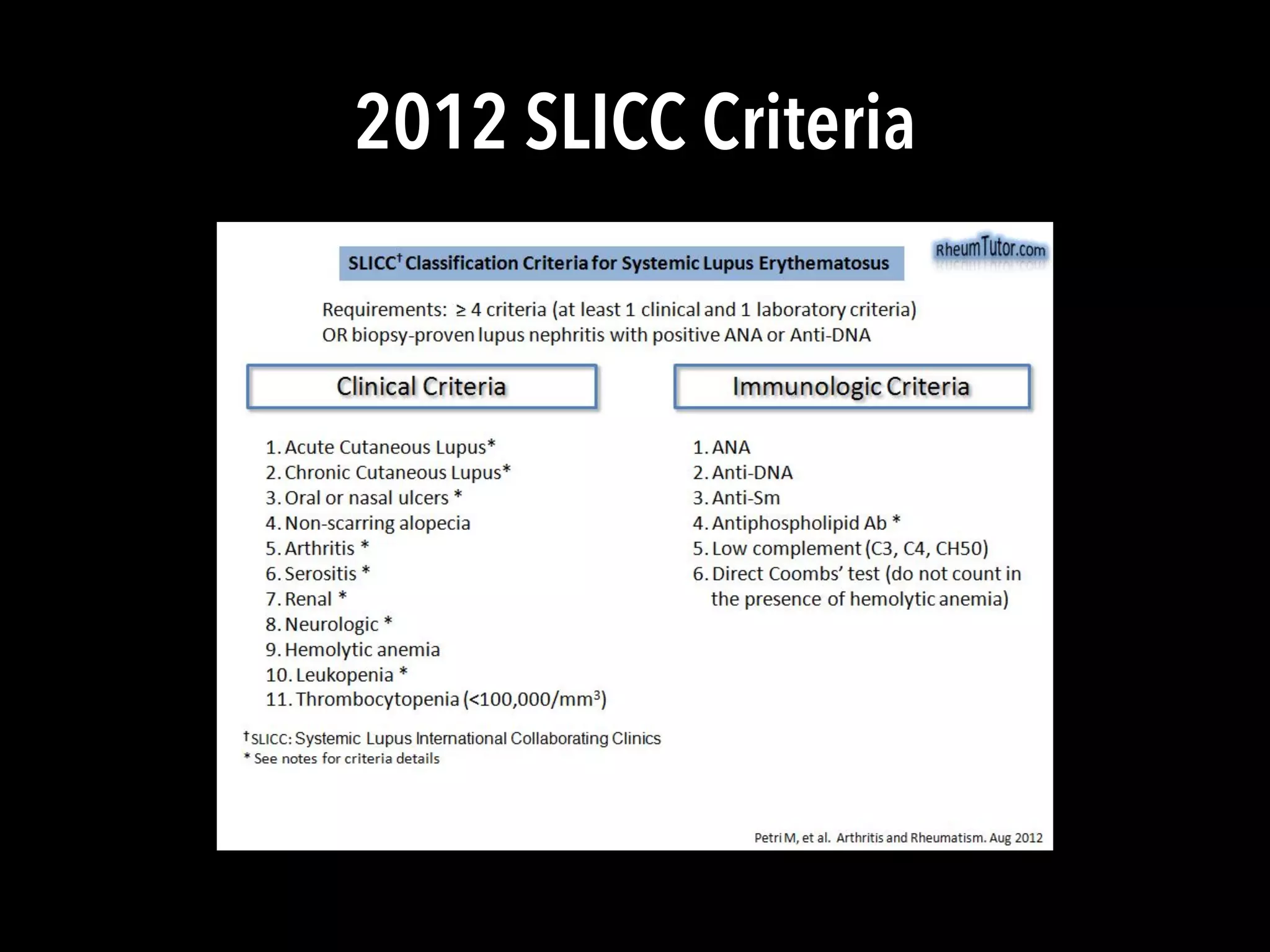
2012 SLICC Criteria
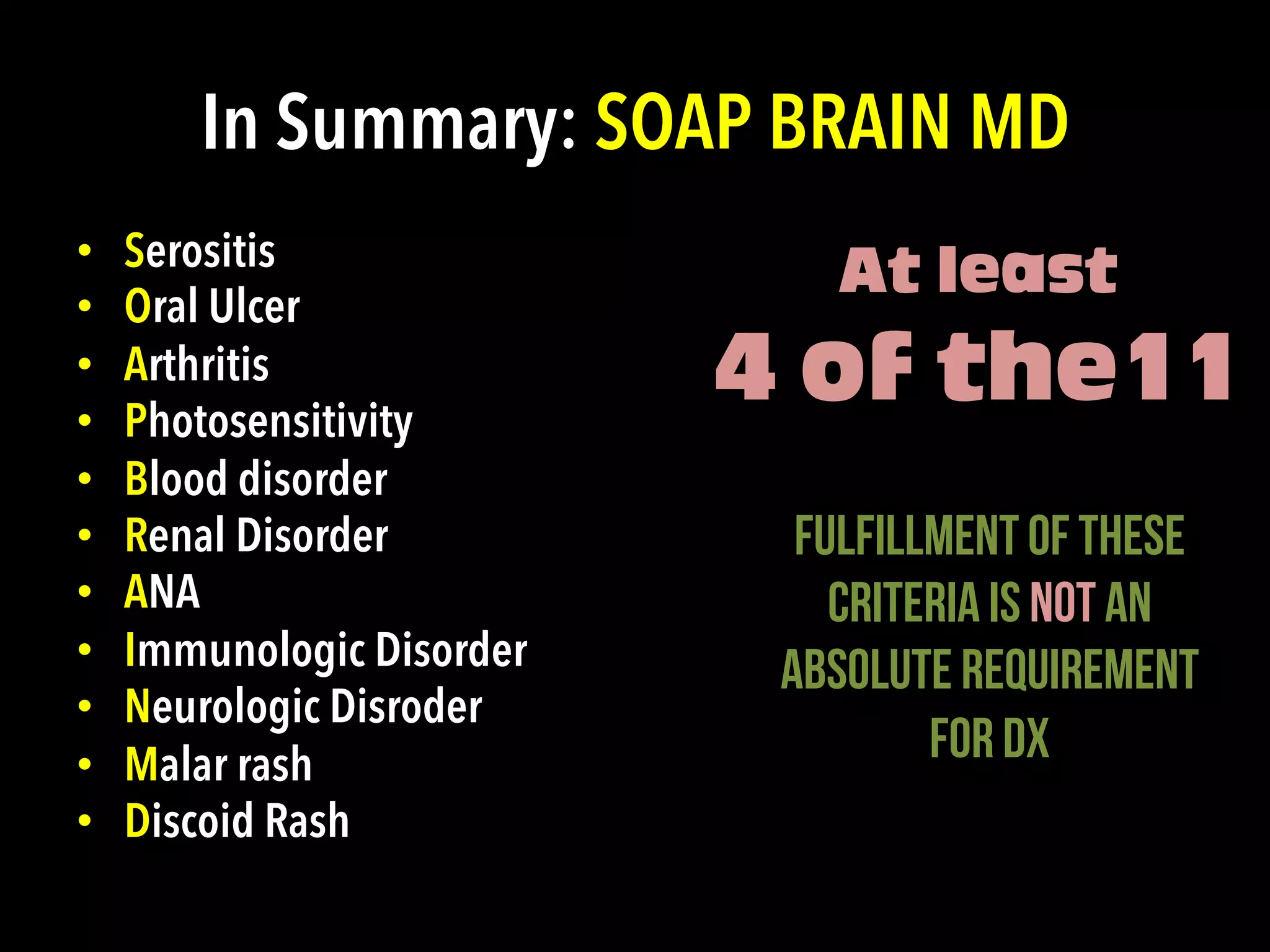
In Summary: SOAP BRAIN MD
•  Serositis
•  Oral Ulcer
•  Arthritis
•  Photosensitivity
•  Blood disorder
•  Renal Disorder
•  ANA
•  Immunologic Disorder
•  Neurologic Disroder
•  Malar rash
•  Discoid Rash
At least
4 of the11
Fulfillment of these
criteria is NOT an
absolute requirement
for Dx
	
  
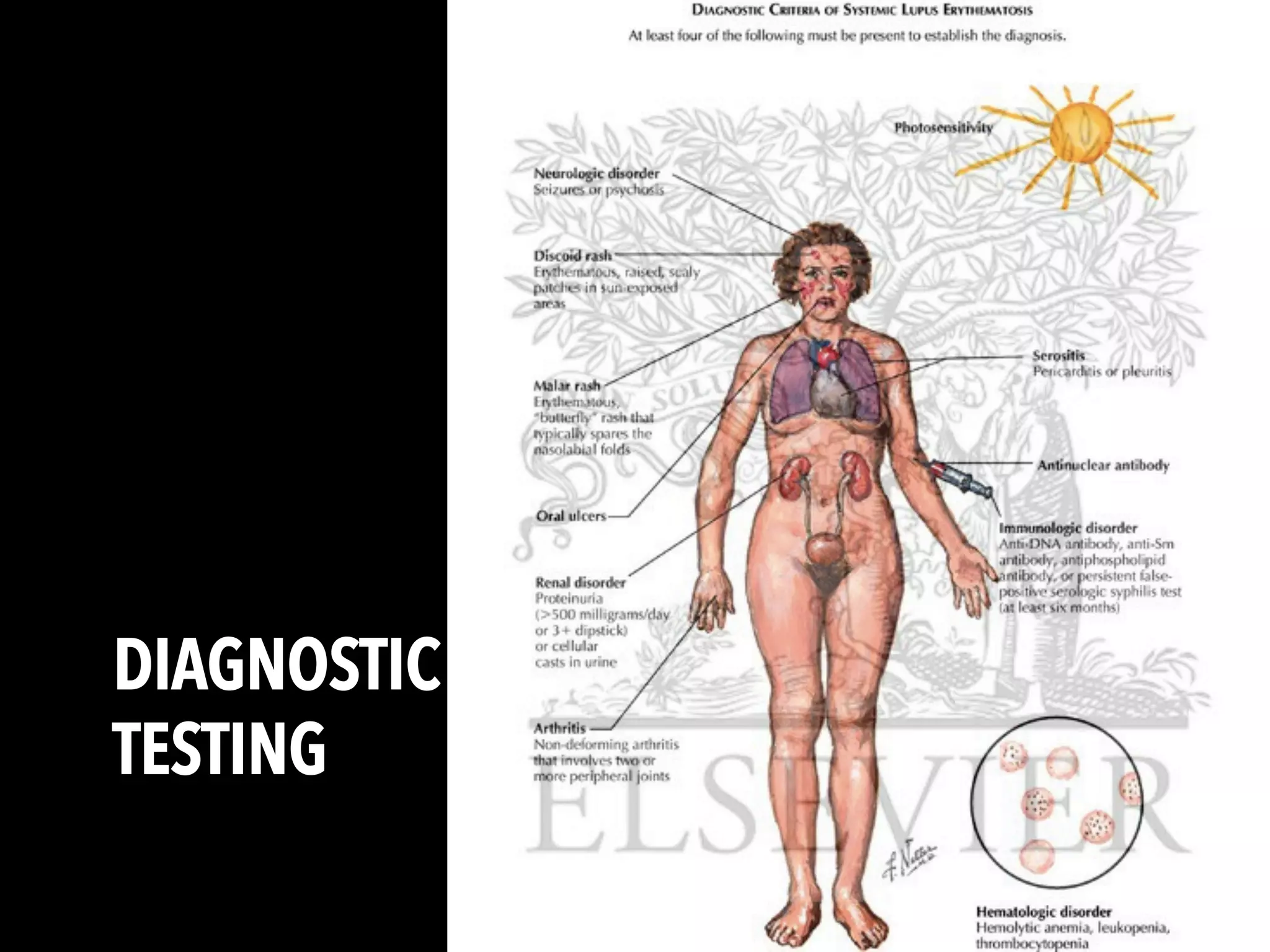
DIAGNOSTIC
TESTING
• Noclinical manifestation or lab testcan serve as
a definitivediagnostic test
•  SLE is diagnosed based on a constellation of
characteristic signs and symptoms and lab
findingsin the appropriate clinical
context
Serologic Tests790 PART 7 | DIAGNOSTIC TESTS AND PROCEDURES IN RHEUMATIC DISEASES
Because of the character
ies among the ANA dis
lated to play a role in
antibodies, for instance
inflammation in SLE ne
tion, direct binding to
and/or intracellular pen
toxicity.6
Similarly, rib
anti-Ro/SSA, anti-La/S
cated in the pathogenes
tions by penetrating liv
antigens in the skin an
anti-Scl-70 (topoisome
levels of interferon (IFN
ous scleroderma and
anti-Ro/SSA-positive se
demonstrated to induc
adhesion molecule (ICA
However, autoantibo
account for disease path
activity by anti-Ro/SS
appears restricted to pa
tomatic individuals,12
an
I may be required for
antibodies.13
This may
among or effects of the
novel conformations or
cally sensitive conforma
thetase (HisRS), the targ
Jo-1–specific antibody, h
an apoptope (epitope e
SSA may be specific to
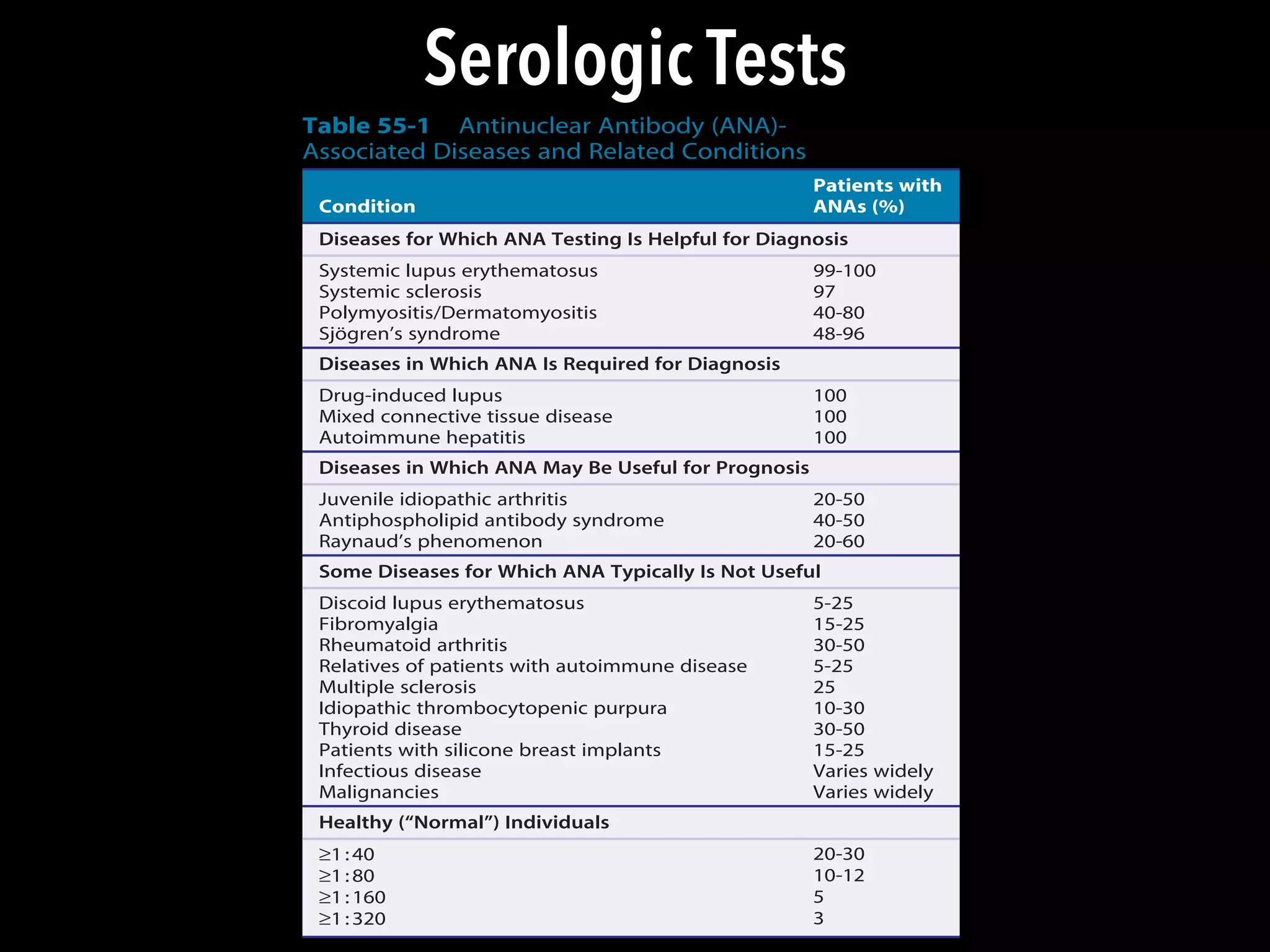
Table 55-1 Antinuclear Antibody (ANA)-
Associated Diseases and Related Conditions
Condition
Patients with
ANAs (%)
Diseases for Which ANA Testing Is Helpful for Diagnosis
Systemic lupus erythematosus 99-100
Systemic sclerosis 97
Polymyositis/Dermatomyositis 40-80
Sjögren’s syndrome 48-96
Diseases in Which ANA Is Required for Diagnosis
Drug-induced lupus 100
Mixed connective tissue disease 100
Autoimmune hepatitis 100
Diseases in Which ANA May Be Useful for Prognosis
Juvenile idiopathic arthritis 20-50
Antiphospholipid antibody syndrome 40-50
Raynaud’s phenomenon 20-60
Some Diseases for Which ANA Typically Is Not Useful
Discoid lupus erythematosus 5-25
Fibromyalgia 15-25
Rheumatoid arthritis 30-50
Relatives of patients with autoimmune disease 5-25
Multiple sclerosis 25
Idiopathic thrombocytopenic purpura 10-30
Thyroid disease 30-50
Patients with silicone breast implants 15-25
Infectious disease Varies widely
Malignancies Varies widely
Healthy (“Normal”) Individuals
≥1:40 20-30
≥1:80 10-12
≥1:160 5
≥1:320 3
Antinuclear Antibodies
•  Anti-nuclear (or anticytoplasmic) Abs bind to cells fixed on a
slide
•  Addition of a secondary Ab (with an attached fluorescent
dye)
•  Dilution at 1:40 and 1:160 buffered solution
•  The titer is a measure of the amount of ANA in the blood
(higher titer – more autoABs)
•  Standardization: 30% of normal individuals will have a
positive test at 1:40 (sensitive)
•  At 1:160, only 5% of normal individuals will have a positive
test (specific)
False Positives
•  32% in normal individuals (>1:40)
•  13% (>1:80)
•  3% (>1:320)
•  Relatively constant over time
Tan	
  EM,	
  Feltkamp	
  TE,	
  Smolen	
  JS,	
  et	
  al.	
  Range	
  of	
  an(nuclear	
  an(bodies	
  in	
  
"healthy"	
  individuals.	
  Arthri(s	
  Rheum	
  1997;	
  40:1601.	
  
False Negatives
•  From technical and physical nuances
•  Method of substrate fixation, the solubility of the
antigen (eg, Ro, La, PCNA, and Ku), and the
localization of the antigen outside the nucleus (ie,
Jo-1 and single stranded DNA)
•  There is rarely any need to request testing for
antibodies to DNA, Sm, RNP, Ro/SSa, or La/SSb
unless the ANA is known to be positive
•  Elderly (<1:80 titer)
Tan	
  EM,	
  Feltkamp	
  TE,	
  Smolen	
  JS,	
  et	
  al.	
  Range	
  of	
  an(nuclear	
  an(bodies	
  in	
  
"healthy"	
  individuals.	
  Arthri(s	
  Rheum	
  1997;	
  40:1601.	
  
IF (1:160) vs ELIA
•  ELIA: recombinant technology (using kits); faster,
no training needed
•  Agreement: 87-95%
•  Sensitivity: 69-98%
•  Specificity: 81-98%
•  Still with high # of false +
Jaskowski	
  TD,	
  Schroder	
  C,	
  Mar(ns	
  TB,	
  Mouritsen	
  CL,	
  Litwin	
  CM,	
  Hill	
  HR:	
  
Screening	
  for	
  an(nuclear	
  an(bodies	
  by	
  enzyme	
  immu-­‐	
  noassay.	
  Am	
  J	
  Clin	
  
Pathol	
  1996,	
  105:468-­‐473.	
  
Bizzaro	
  N,	
  Tozzoli	
  R,	
  Tonu^	
  E,	
  Piazza	
  A,	
  Manoni	
  F,	
  Ghirardello	
  A,	
  Basse^	
  D,	
  Villalta	
  D,	
  Pradella	
  M,	
  Rizzo^	
  P:	
  
Variability	
  between	
  methods	
  to	
  determine	
  ANA,	
  an;-­‐dsDNA	
  and	
  an;-­‐ENA	
  
auto	
  an;bodies:	
  a	
  collabora;ve	
  study	
  with	
  the	
  biomedical	
  
industry.	
  J	
  Immunol	
  Methods	
  1998,	
  219:99-­‐107.	
  
Interpretation
A negative or low titer ANA-IF in the
setting of low clinical suspicion of
rheumatic disease usually indicates the
absence of significant ANAs and
argues against the diagnosisof one of
the ANA diseases
When to treat
Although the ANA-IF pattern and titer may provide
insight into the specific auto-Ag(s) targeted,
as well as the potential likelihood of CTD,
such correlations should ONLY guide,
NOT absolutely determine, clinical
decisions
Some specific ANAs possess diagnostic significance
and would need follow-up with specialized assays
BUT ONLY IN THE SETTING OF STRONG
CLINICAL SUSPICION because:
1. the PPV of an ANA in the absence of other clinical
signs of CTD is low, in part because it may
precede clinical disease by many years
2. because of the relatively high incidence of ANA in
normal individuals
If specific testing is negativein the setting of
high clinical suspicion, repeat testing at a later
date may be warranted, because titers of such
autoantibodies can fluctuateover time,
irrespective of disease course.
General Guidelines
•  -ANA testing is not helpful in confirming a
diagnosis of rheumatoid arthritis or osteoarthritis
therefore should not be used in such conditions.
•  - ANA testing is not recommended to evaluate
fatigue, back pain or other musculoskeletal pain
unless accompanied by one or more of the clinical
features in favor of a CTD.
•  - ANA testing should usually be ordered only once.
•  - Positive ANA tests do not need to be repeated.
•  - Negative tests need to be repeated only if there is a
strong suspicion of an evolving CTD or a change in
the patient's illness suggesting the diagnosis should
be revised.
•  - A positive ANA test is important only in conjunction
with clinical evaluation and in the absence of
symptoms and signs of a CTD; a positive ANA test
only confounds the diagnosis.A positive ANA test can
also be seen in healthy individuals, particularly the
elderly or in a wide range of diseases other than CTD,
where it has no diagnostic or prognostic value.
Kavanaugh	
  A,	
  Tomar	
  R,	
  Reveille	
  J,	
  Solomon	
  DH,	
  Homburger	
  HA:	
  
Guidelines	
  for	
  Clinical	
  Use	
  of	
  the	
  An;nuclear	
  An;body	
  Test	
  and	
  Tests	
  for	
  Specific	
  Auto	
  an;bodies	
  to	
  Nuclear	
  An;gens.	
  
Arch	
  Pathol	
  Lab	
  Med	
  2000,	
  124:71-­‐81.	
  
Guidelines	
  and	
  Protocols	
  Advisory	
  CommiOee.	
  BCGuide-­‐	
  lines.ca	
  2007.	
  
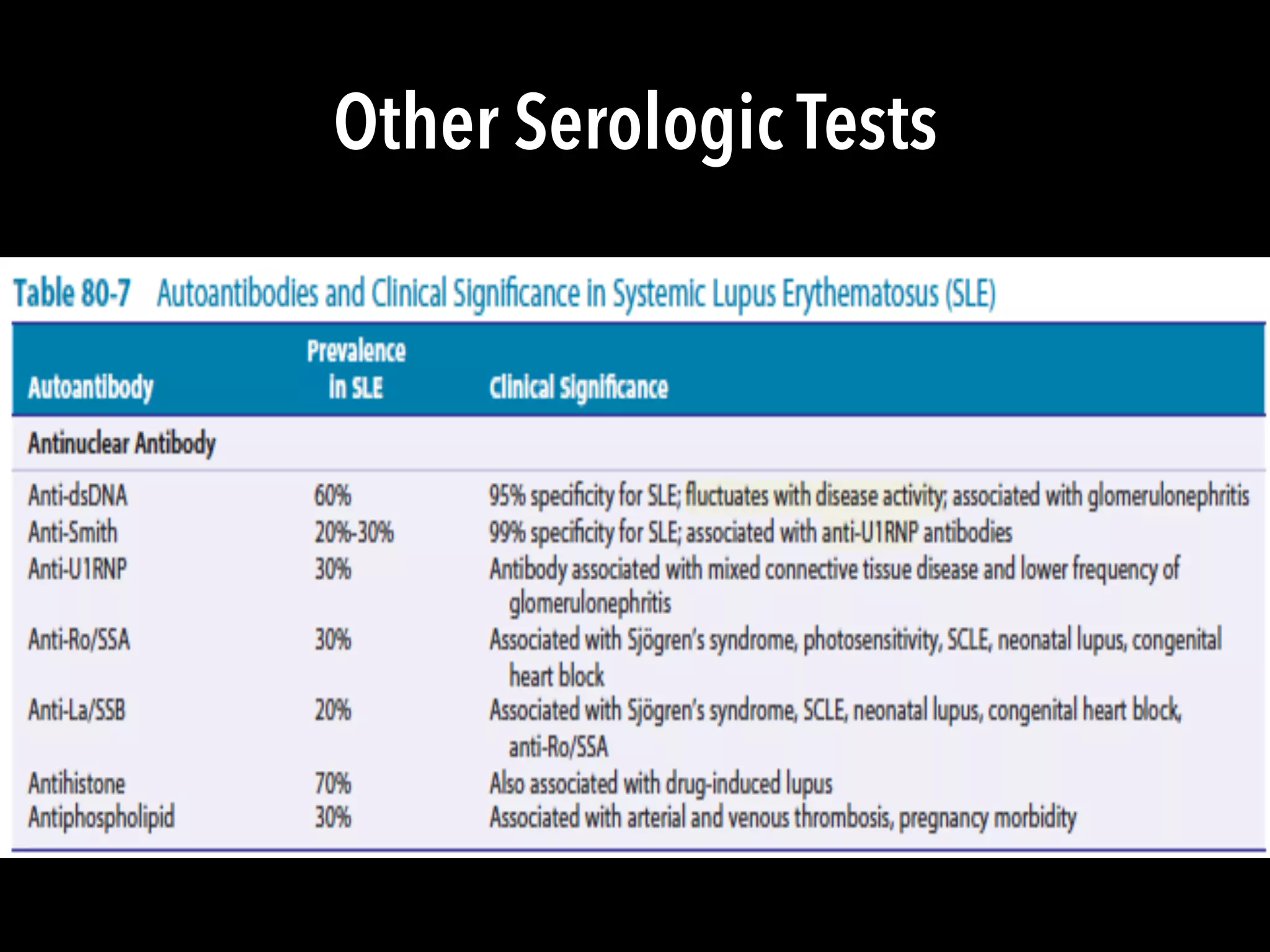
Other Serologic Tests
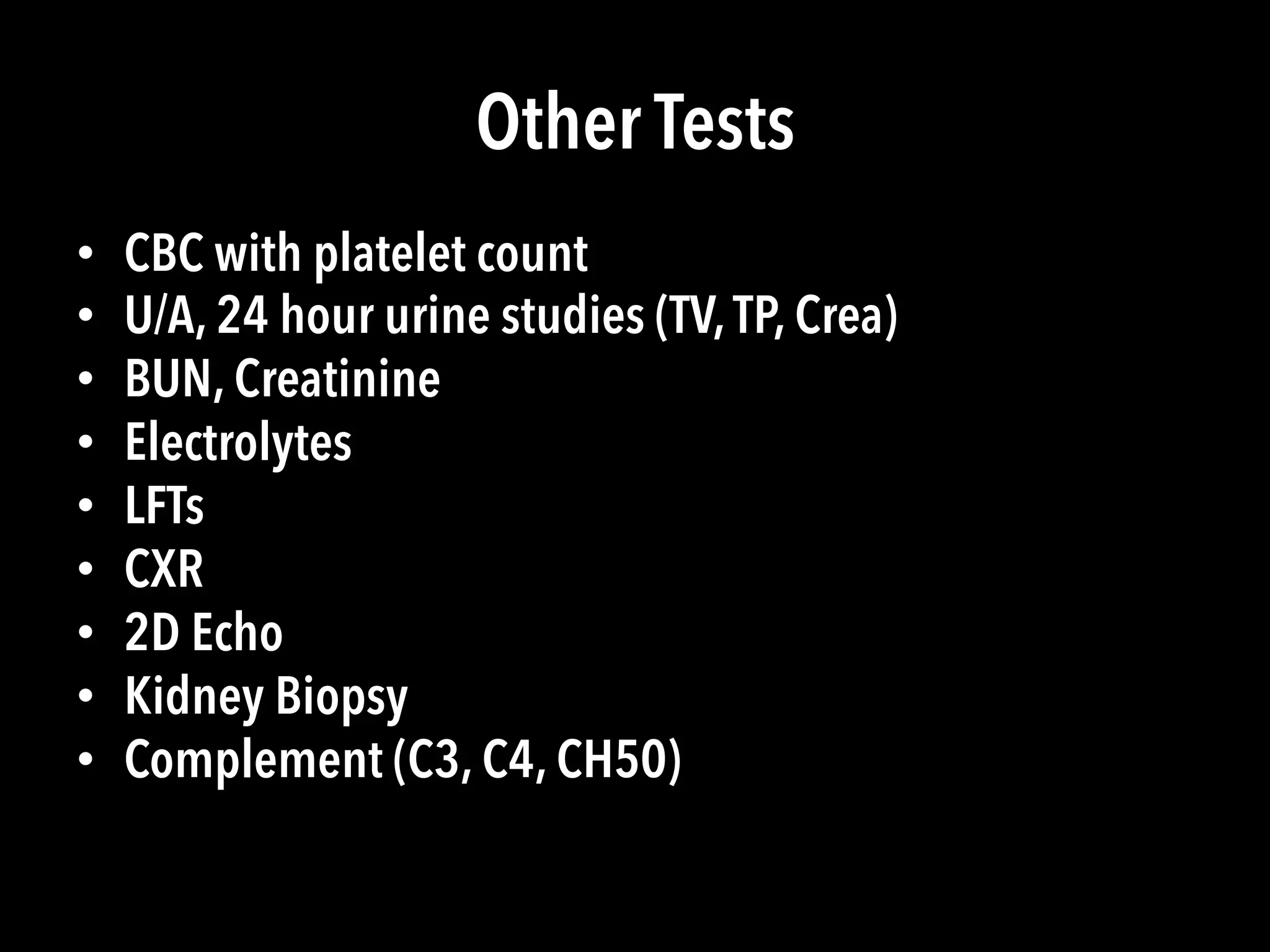
Other Tests
•  CBC with platelet count
•  U/A, 24 hour urine studies (TV,TP, Crea)
•  BUN, Creatinine
•  Electrolytes
•  LFTs
•  CXR
•  2D Echo
•  Kidney Biopsy
•  Complement (C3, C4, CH50)
IMPACT on LIFE
•  Chronically fatigued: vicious cycle
•  Inability to finish school and find jobs
•  Inability to sustain jobs
•  Depression and Anxiety
•  Family Support
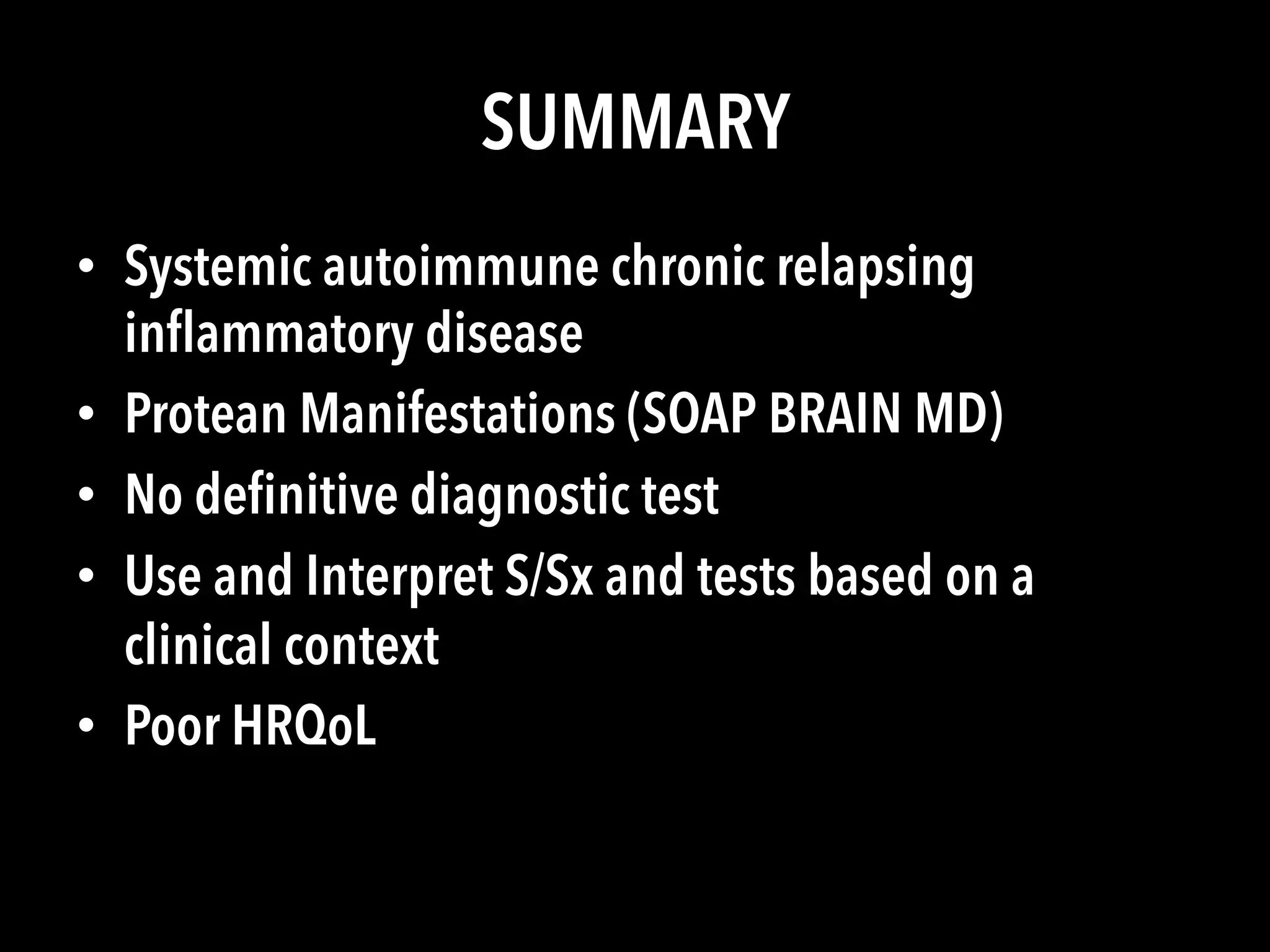
SUMMARY
•  Systemic autoimmune chronic relapsing
inflammatory disease
•  Protean Manifestations (SOAP BRAIN MD)
•  No definitive diagnostic test
•  Use and Interpret S/Sx and tests based on a
clinical context
•  Poor HRQoL

Basics of SLE

  • 1.
    Lupus Allan D. Corpuz,MD, FPCP, DPRA Section of Rheumatology Department of Medicine Philippine GENERAL HOSPITAL
  • 2.
    Objectives •  Recognize theclinical manifestations of SLE •  Order the important diagnostic tests •  Enumerate the treatment modalities •  Know when and where to refer •  Counsel patients with the disease
  • 3.
    What is SLE:Systemic
  • 4.
    What is SLE:Autoimmune pDCs   Res(ng  epithelium   Dysregulated  (ssue   Chemokine   BAFF/BlyS   ANA   Type  I  IFNs   virus   AutoAb   IC   1.  Voulgarelis  M,  et  al.  Nat  Rev  Rheumatol.2010;101:529-­‐537.   2.  Jonsson  R,  et  al.  Immunol  LeQ.  2011;141:1-­‐9.   3.  Nocturne  G,et  al.  Nat  Rev  Rheumatol.  2013  Jul  16.  doi:  10.1038   IL-­‐1β,  IFN-­‐γ,TNF-­‐α
  • 5.
    What is SLE:Autoimmune
  • 6.
    What is SLE:Autoimmune
  • 7.
    What is SLE:Chronic, Relapsing, Inflammatory
  • 8.
    What is SLE:Primarily Female 9 1
  • 9.
    The Impaired ImmuneSystem in SLE
  • 10.
    Pathogenesis T   cells   B   cells   Comple ment  
  • 11.
  • 12.
  • 13.
    But some thingsdon’t go as programmed…
  • 14.
    Complement in thePathogenesis of SLE
  • 15.
  • 16.
    In Summary •  Whatit Is –  Systemic –  Autoimmune –  Chronic –  Relapsing –  Inflammatory –  Often febrile –  Female –  Impaired Immune System –  Can be controlled •  What It is Not –  Uniformly fatal –  Hopeless –  Curable
  • 17.
  • 18.
    1997 update ofthe 1982 ACR Classification Criteria Malar rash Discoid Rash
  • 19.
  • 20.
  • 21.
  • 22.
  • 23.
    WBC < 4000/mm3 Platelet<100,000/mm3 Hemolytic Anemia
  • 24.
  • 25.
    Immunologic Disorder •  Anti-dsDNA • Anti-Smith •  Positive finding of aPL Abs – Abnormal serum concentration of IgG/IgM Anticardiolipin Abs – (+) test result for lupus anticoagulant – False (+) serologic test for syphilis known to be (+) for 6mos and confirmed by T.pallidum immobilization or FTA-Abs test
  • 26.
  • 27.
  • 28.
    In Summary: SOAPBRAIN MD •  Serositis •  Oral Ulcer •  Arthritis •  Photosensitivity •  Blood disorder •  Renal Disorder •  ANA •  Immunologic Disorder •  Neurologic Disroder •  Malar rash •  Discoid Rash At least 4 of the11 Fulfillment of these criteria is NOT an absolute requirement for Dx  
  • 29.
  • 30.
    • Noclinical manifestation orlab testcan serve as a definitivediagnostic test •  SLE is diagnosed based on a constellation of characteristic signs and symptoms and lab findingsin the appropriate clinical context
  • 31.
    Serologic Tests790 PART7 | DIAGNOSTIC TESTS AND PROCEDURES IN RHEUMATIC DISEASES Because of the character ies among the ANA dis lated to play a role in antibodies, for instance inflammation in SLE ne tion, direct binding to and/or intracellular pen toxicity.6 Similarly, rib anti-Ro/SSA, anti-La/S cated in the pathogenes tions by penetrating liv antigens in the skin an anti-Scl-70 (topoisome levels of interferon (IFN ous scleroderma and anti-Ro/SSA-positive se demonstrated to induc adhesion molecule (ICA However, autoantibo account for disease path activity by anti-Ro/SS appears restricted to pa tomatic individuals,12 an I may be required for antibodies.13 This may among or effects of the novel conformations or cally sensitive conforma thetase (HisRS), the targ Jo-1–specific antibody, h an apoptope (epitope e SSA may be specific to Table 55-1 Antinuclear Antibody (ANA)- Associated Diseases and Related Conditions Condition Patients with ANAs (%) Diseases for Which ANA Testing Is Helpful for Diagnosis Systemic lupus erythematosus 99-100 Systemic sclerosis 97 Polymyositis/Dermatomyositis 40-80 Sjögren’s syndrome 48-96 Diseases in Which ANA Is Required for Diagnosis Drug-induced lupus 100 Mixed connective tissue disease 100 Autoimmune hepatitis 100 Diseases in Which ANA May Be Useful for Prognosis Juvenile idiopathic arthritis 20-50 Antiphospholipid antibody syndrome 40-50 Raynaud’s phenomenon 20-60 Some Diseases for Which ANA Typically Is Not Useful Discoid lupus erythematosus 5-25 Fibromyalgia 15-25 Rheumatoid arthritis 30-50 Relatives of patients with autoimmune disease 5-25 Multiple sclerosis 25 Idiopathic thrombocytopenic purpura 10-30 Thyroid disease 30-50 Patients with silicone breast implants 15-25 Infectious disease Varies widely Malignancies Varies widely Healthy (“Normal”) Individuals ≥1:40 20-30 ≥1:80 10-12 ≥1:160 5 ≥1:320 3
  • 32.
    Antinuclear Antibodies •  Anti-nuclear(or anticytoplasmic) Abs bind to cells fixed on a slide •  Addition of a secondary Ab (with an attached fluorescent dye) •  Dilution at 1:40 and 1:160 buffered solution •  The titer is a measure of the amount of ANA in the blood (higher titer – more autoABs) •  Standardization: 30% of normal individuals will have a positive test at 1:40 (sensitive) •  At 1:160, only 5% of normal individuals will have a positive test (specific)
  • 33.
    False Positives •  32%in normal individuals (>1:40) •  13% (>1:80) •  3% (>1:320) •  Relatively constant over time Tan  EM,  Feltkamp  TE,  Smolen  JS,  et  al.  Range  of  an(nuclear  an(bodies  in   "healthy"  individuals.  Arthri(s  Rheum  1997;  40:1601.  
  • 34.
    False Negatives •  Fromtechnical and physical nuances •  Method of substrate fixation, the solubility of the antigen (eg, Ro, La, PCNA, and Ku), and the localization of the antigen outside the nucleus (ie, Jo-1 and single stranded DNA) •  There is rarely any need to request testing for antibodies to DNA, Sm, RNP, Ro/SSa, or La/SSb unless the ANA is known to be positive •  Elderly (<1:80 titer) Tan  EM,  Feltkamp  TE,  Smolen  JS,  et  al.  Range  of  an(nuclear  an(bodies  in   "healthy"  individuals.  Arthri(s  Rheum  1997;  40:1601.  
  • 35.
    IF (1:160) vsELIA •  ELIA: recombinant technology (using kits); faster, no training needed •  Agreement: 87-95% •  Sensitivity: 69-98% •  Specificity: 81-98% •  Still with high # of false + Jaskowski  TD,  Schroder  C,  Mar(ns  TB,  Mouritsen  CL,  Litwin  CM,  Hill  HR:   Screening  for  an(nuclear  an(bodies  by  enzyme  immu-­‐  noassay.  Am  J  Clin   Pathol  1996,  105:468-­‐473.   Bizzaro  N,  Tozzoli  R,  Tonu^  E,  Piazza  A,  Manoni  F,  Ghirardello  A,  Basse^  D,  Villalta  D,  Pradella  M,  Rizzo^  P:   Variability  between  methods  to  determine  ANA,  an;-­‐dsDNA  and  an;-­‐ENA   auto  an;bodies:  a  collabora;ve  study  with  the  biomedical   industry.  J  Immunol  Methods  1998,  219:99-­‐107.  
  • 36.
    Interpretation A negative orlow titer ANA-IF in the setting of low clinical suspicion of rheumatic disease usually indicates the absence of significant ANAs and argues against the diagnosisof one of the ANA diseases
  • 37.
    When to treat Althoughthe ANA-IF pattern and titer may provide insight into the specific auto-Ag(s) targeted, as well as the potential likelihood of CTD, such correlations should ONLY guide, NOT absolutely determine, clinical decisions
  • 38.
    Some specific ANAspossess diagnostic significance and would need follow-up with specialized assays BUT ONLY IN THE SETTING OF STRONG CLINICAL SUSPICION because: 1. the PPV of an ANA in the absence of other clinical signs of CTD is low, in part because it may precede clinical disease by many years 2. because of the relatively high incidence of ANA in normal individuals
  • 39.
    If specific testingis negativein the setting of high clinical suspicion, repeat testing at a later date may be warranted, because titers of such autoantibodies can fluctuateover time, irrespective of disease course.
  • 40.
    General Guidelines •  -ANAtesting is not helpful in confirming a diagnosis of rheumatoid arthritis or osteoarthritis therefore should not be used in such conditions. •  - ANA testing is not recommended to evaluate fatigue, back pain or other musculoskeletal pain unless accompanied by one or more of the clinical features in favor of a CTD. •  - ANA testing should usually be ordered only once. •  - Positive ANA tests do not need to be repeated.
  • 41.
    •  - Negativetests need to be repeated only if there is a strong suspicion of an evolving CTD or a change in the patient's illness suggesting the diagnosis should be revised. •  - A positive ANA test is important only in conjunction with clinical evaluation and in the absence of symptoms and signs of a CTD; a positive ANA test only confounds the diagnosis.A positive ANA test can also be seen in healthy individuals, particularly the elderly or in a wide range of diseases other than CTD, where it has no diagnostic or prognostic value. Kavanaugh  A,  Tomar  R,  Reveille  J,  Solomon  DH,  Homburger  HA:   Guidelines  for  Clinical  Use  of  the  An;nuclear  An;body  Test  and  Tests  for  Specific  Auto  an;bodies  to  Nuclear  An;gens.   Arch  Pathol  Lab  Med  2000,  124:71-­‐81.   Guidelines  and  Protocols  Advisory  CommiOee.  BCGuide-­‐  lines.ca  2007.  
  • 42.
  • 43.
    Other Tests •  CBCwith platelet count •  U/A, 24 hour urine studies (TV,TP, Crea) •  BUN, Creatinine •  Electrolytes •  LFTs •  CXR •  2D Echo •  Kidney Biopsy •  Complement (C3, C4, CH50)
  • 44.
    IMPACT on LIFE • Chronically fatigued: vicious cycle •  Inability to finish school and find jobs •  Inability to sustain jobs •  Depression and Anxiety •  Family Support
  • 45.
    SUMMARY •  Systemic autoimmunechronic relapsing inflammatory disease •  Protean Manifestations (SOAP BRAIN MD) •  No definitive diagnostic test •  Use and Interpret S/Sx and tests based on a clinical context •  Poor HRQoL