George F Luger
ARTIFICIAL INTELLIGENCE 6th edition
Structures and Strategies for Complex Problem Solving
Knowledge Representation
Luger: Artificial Intelligence, 6th edition. © Pearson Education Limited, 2009
7.0 Issues in Knowledge Representation
7.1 A Brief History of AI
Representational Systems
7.2 Conceptual Graphs: A Network
Language
7.3 Alternatives to Explicit Representation
7.4 Agent Based and Distributed Problem
Solving
7.5 Epilogue and References
7.6 Exercises
1
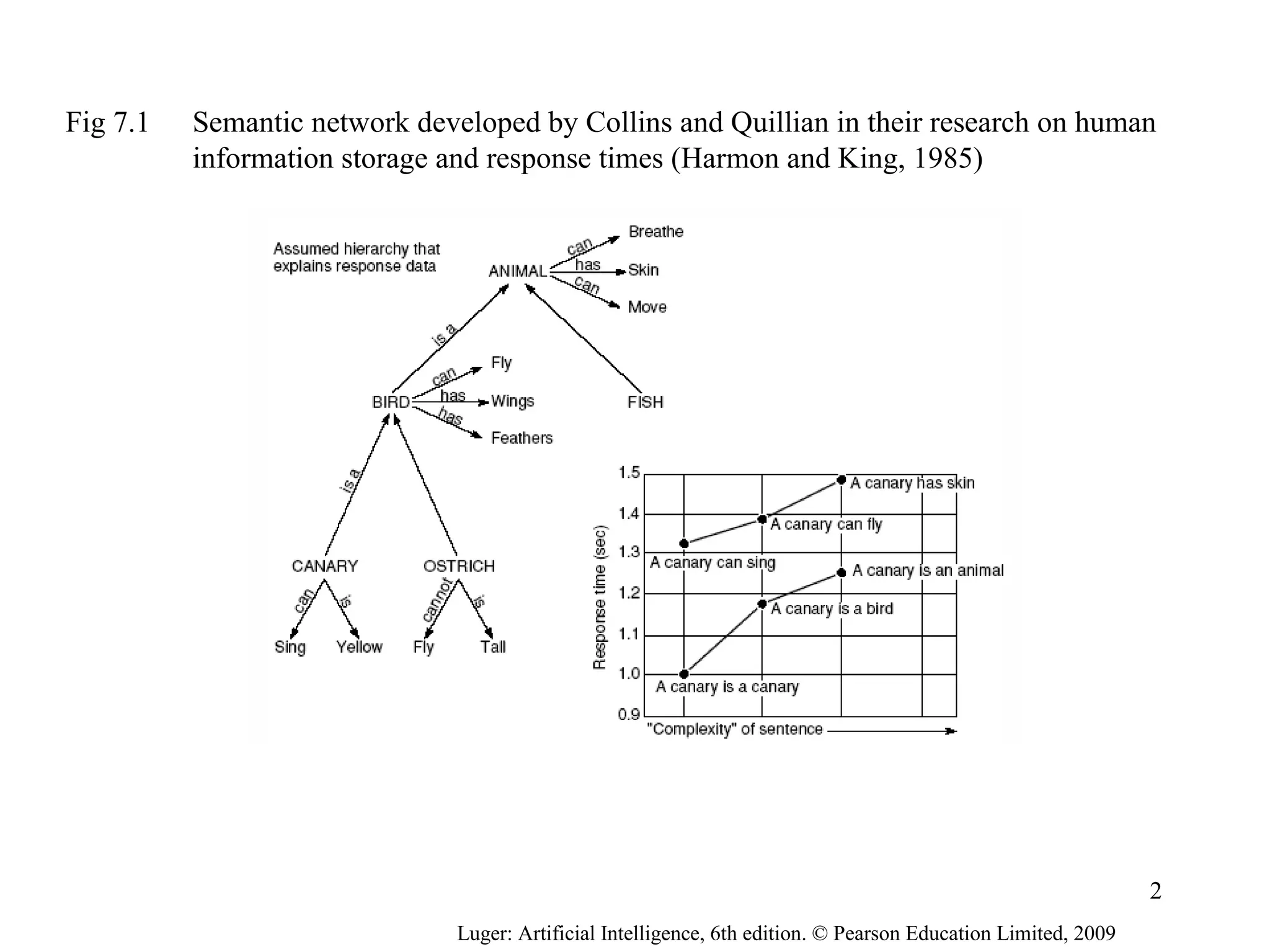
Fig 7.1 Semantic network developed by Collins and Quillian in their research on human
information storage and response times (Harmon and King, 1985)
Luger: Artificial Intelligence, 6th edition. © Pearson Education Limited, 2009
2
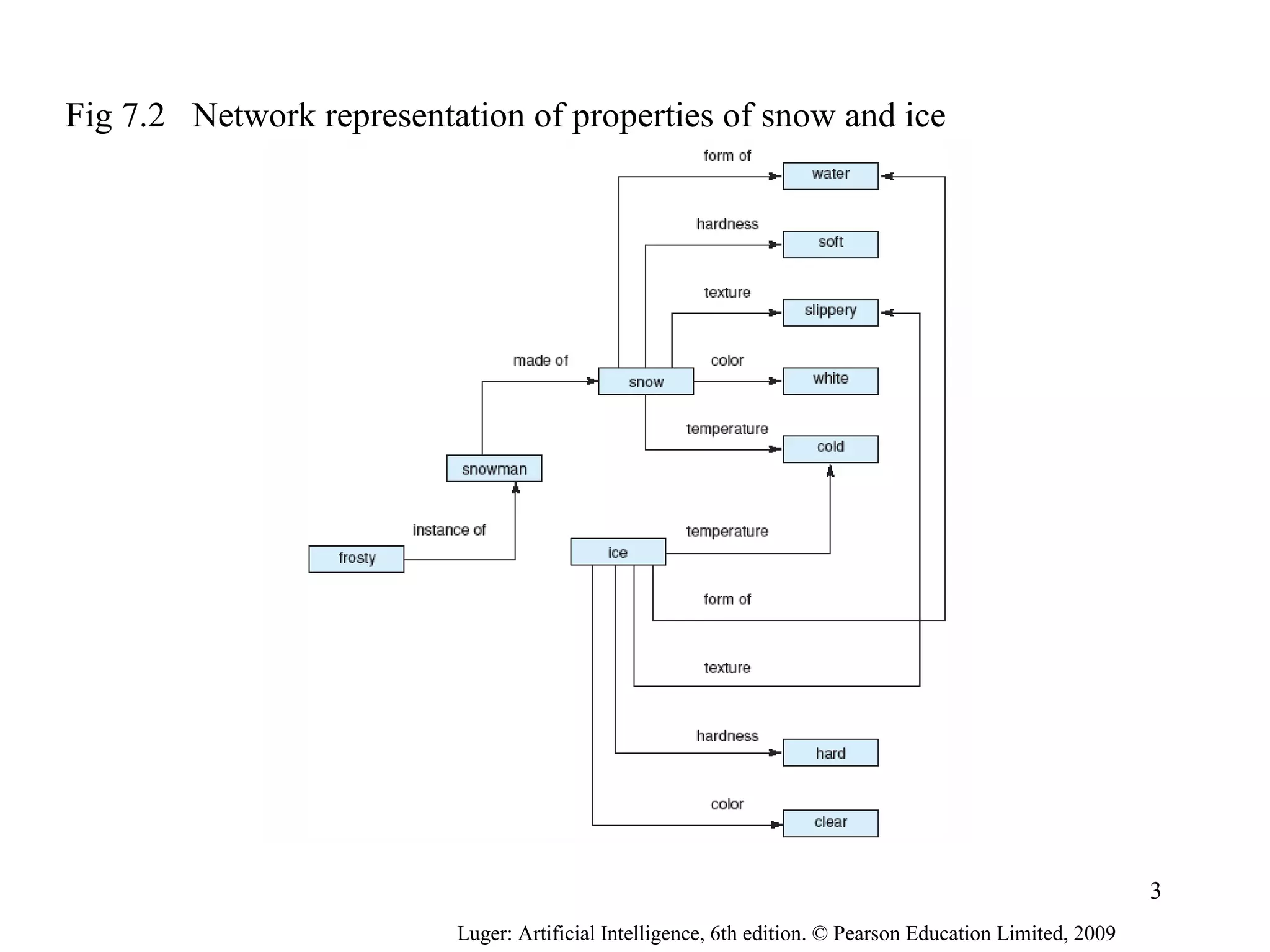
Fig 7.2 Network representation of properties of snow and ice
Luger: Artificial Intelligence, 6th edition. © Pearson Education Limited, 2009
3
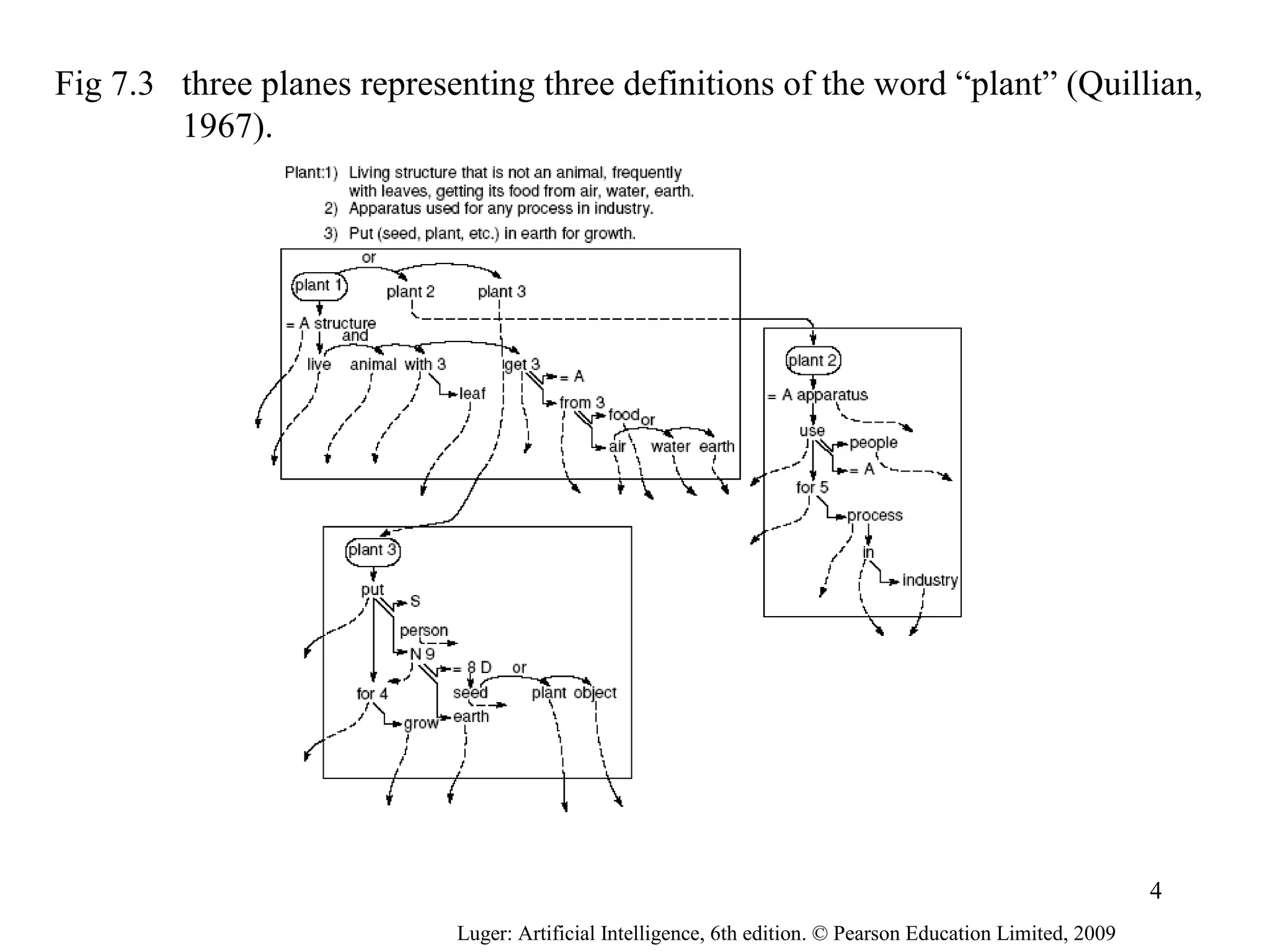
Fig 7.3 three planes representing three definitions of the word “plant” (Quillian,
1967).
Luger: Artificial Intelligence, 6th edition. © Pearson Education Limited, 2009
4
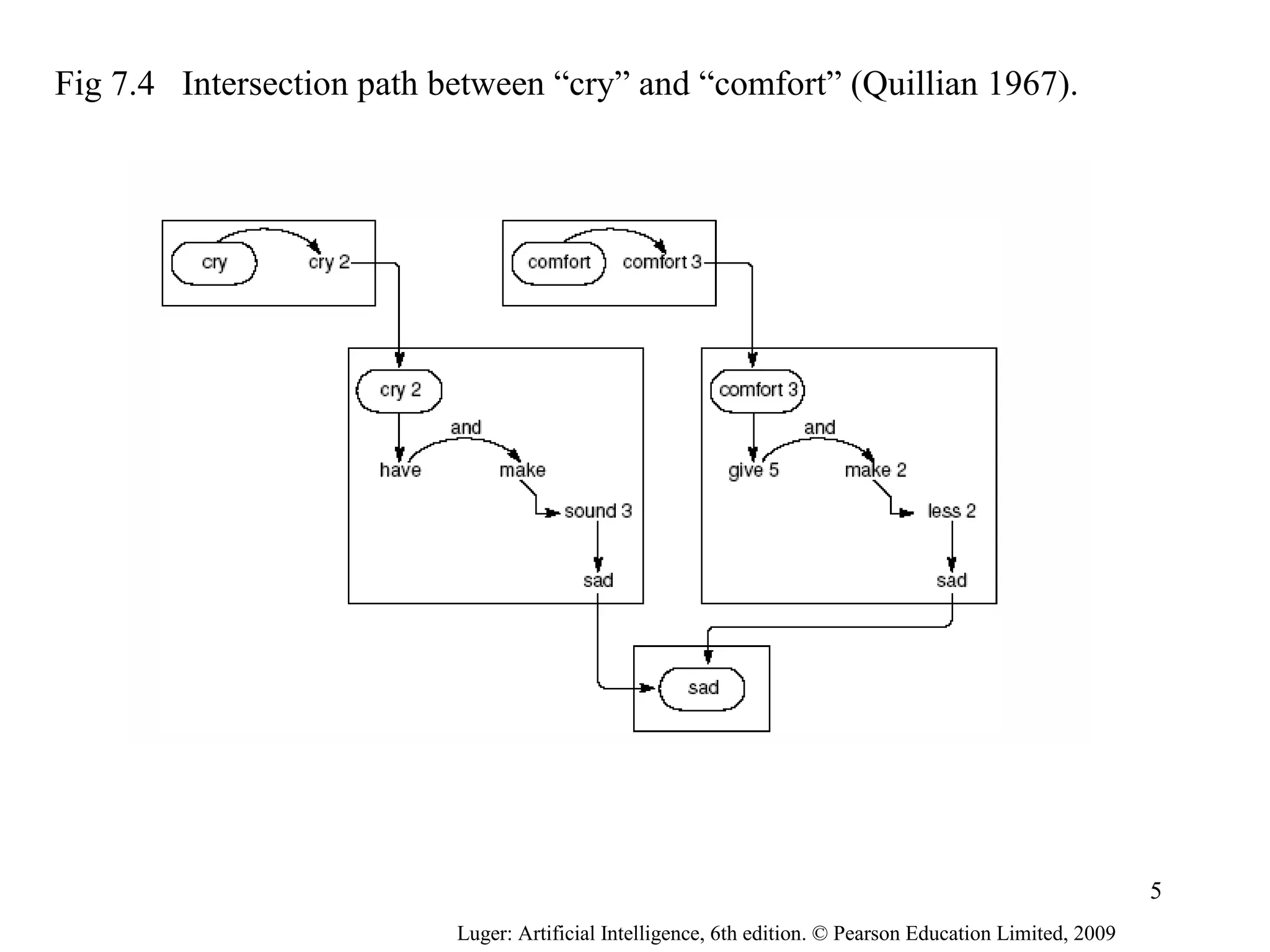
Fig 7.4 Intersection path between “cry” and “comfort” (Quillian 1967).
Luger: Artificial Intelligence, 6th edition. © Pearson Education Limited, 2009
5
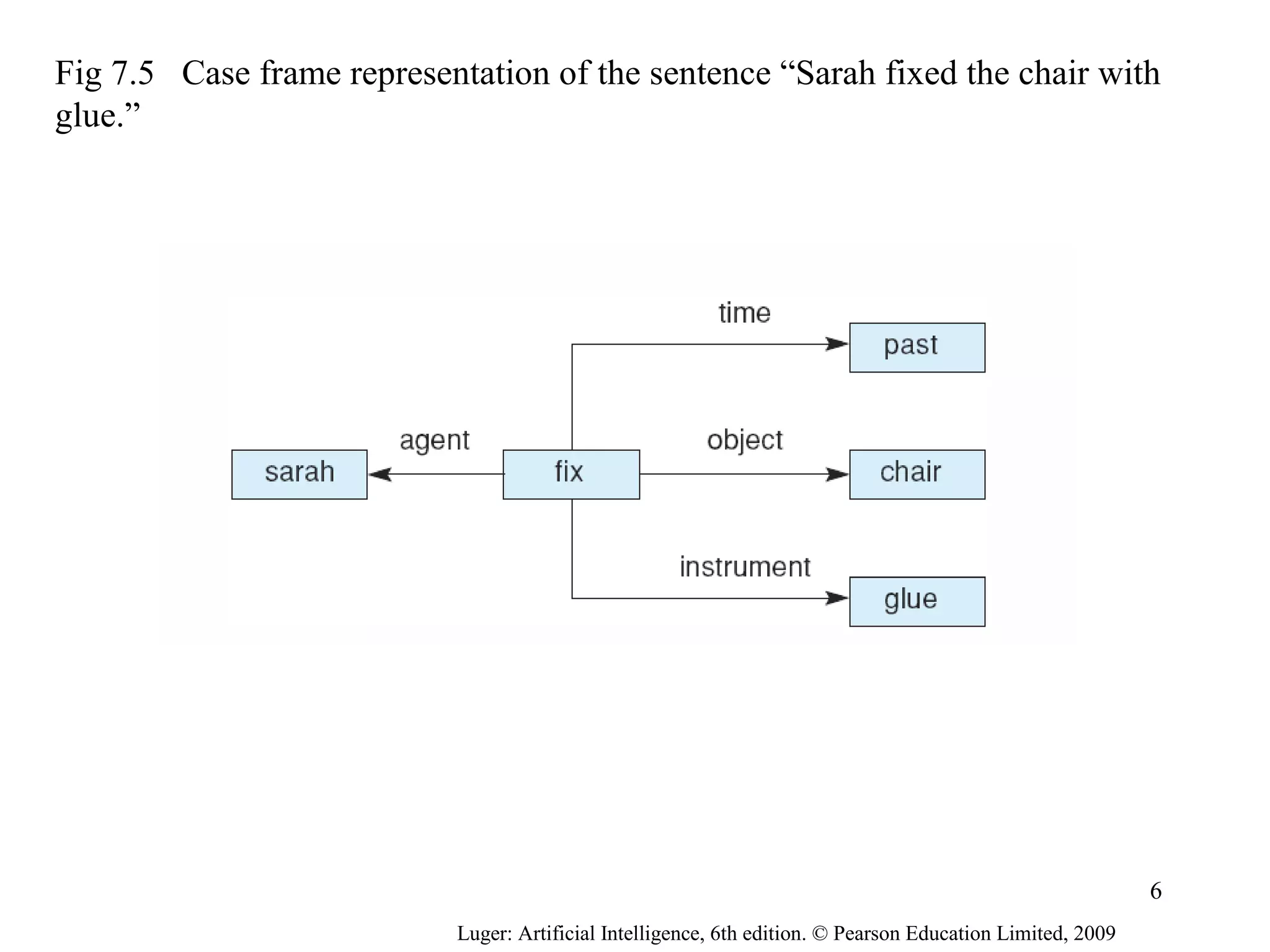
Fig 7.5 Case frame representation of the sentence “Sarah fixed the chair with
glue.”
Luger: Artificial Intelligence, 6th edition. © Pearson Education Limited, 2009
6
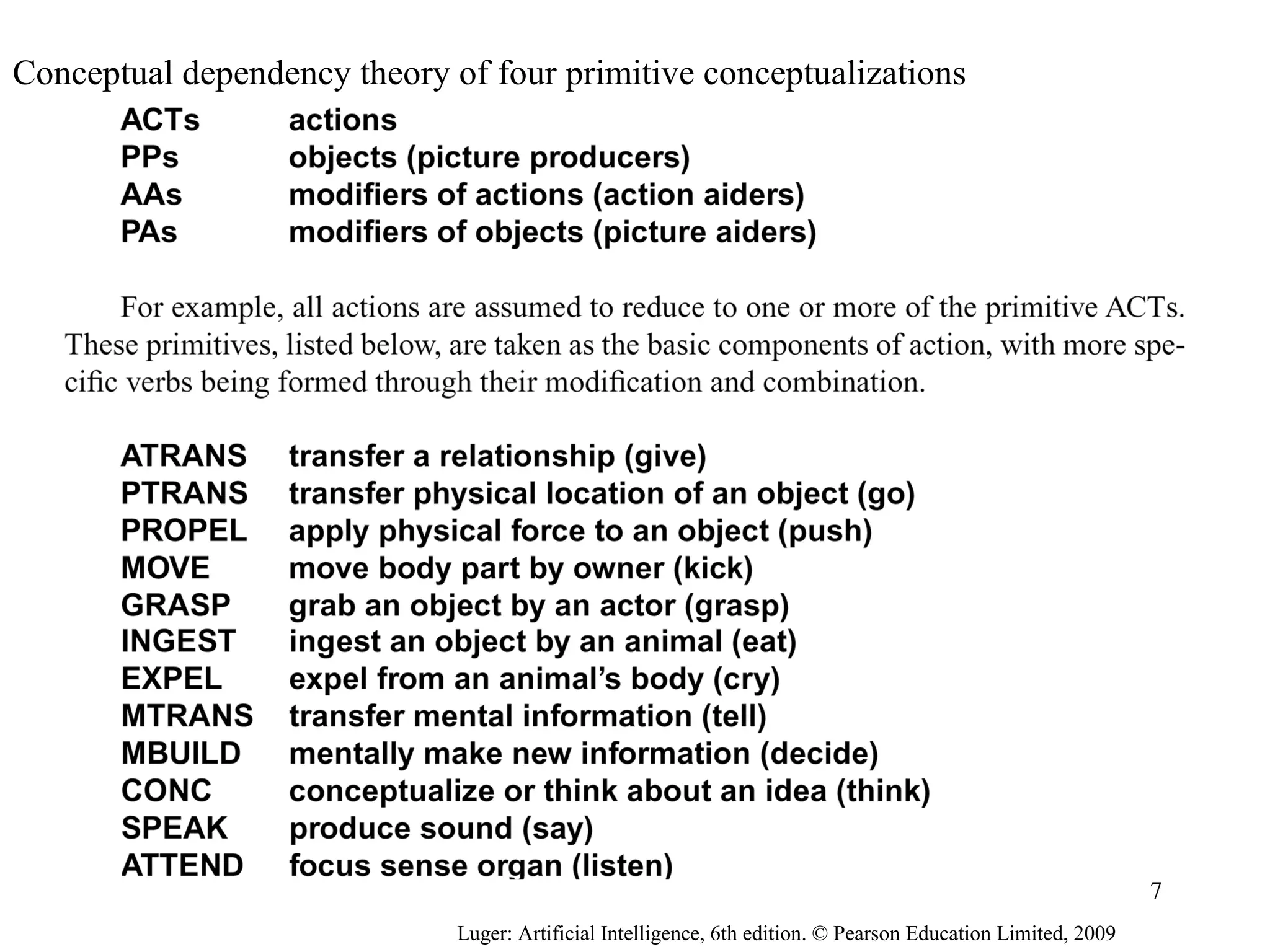
Conceptual dependency theory of four primitive conceptualizations
Luger: Artificial Intelligence, 6th edition. © Pearson Education Limited, 2009
7
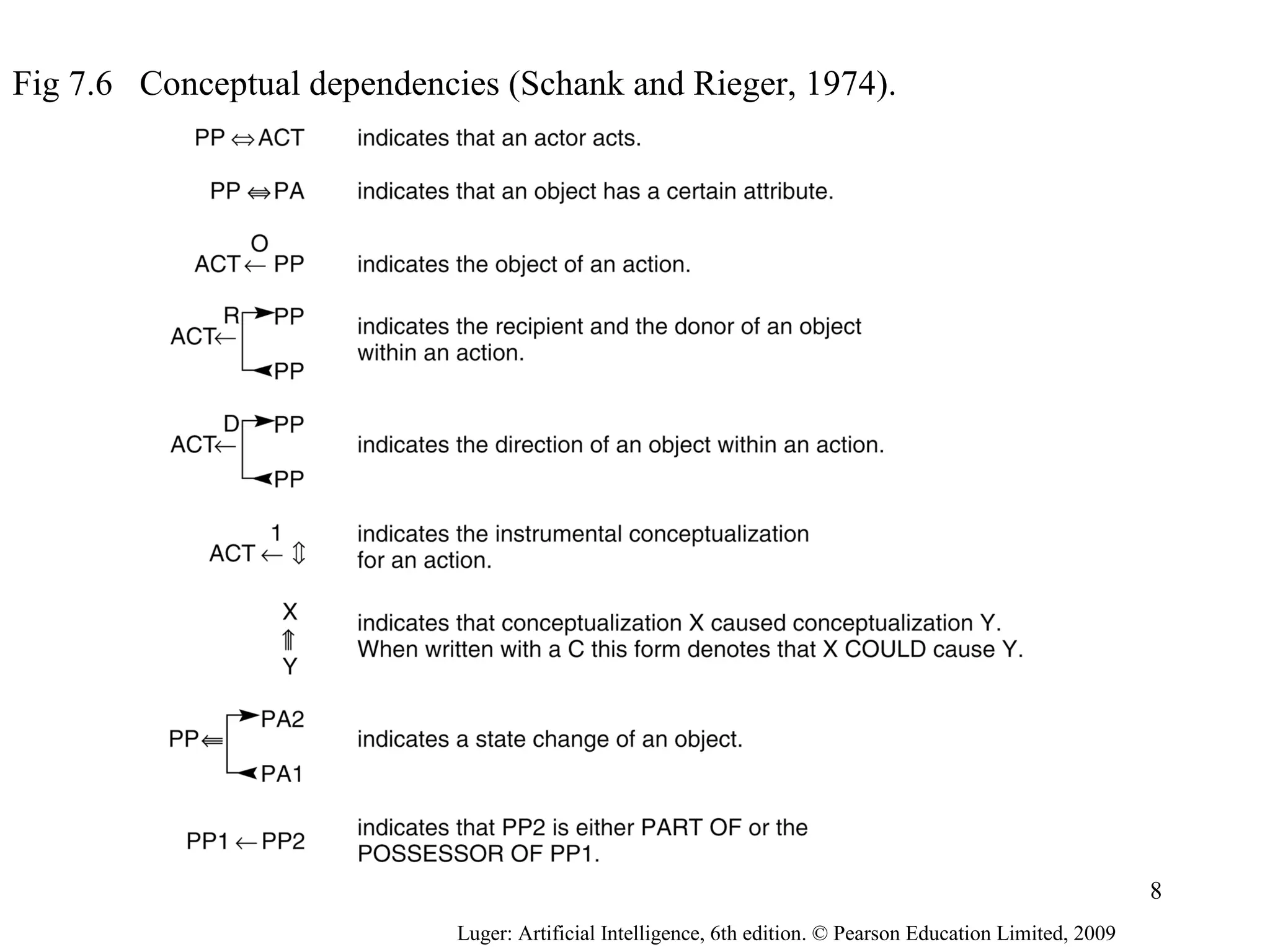
Fig 7.6 Conceptual dependencies (Schank and Rieger, 1974).
Luger: Artificial Intelligence, 6th edition. © Pearson Education Limited, 2009
8
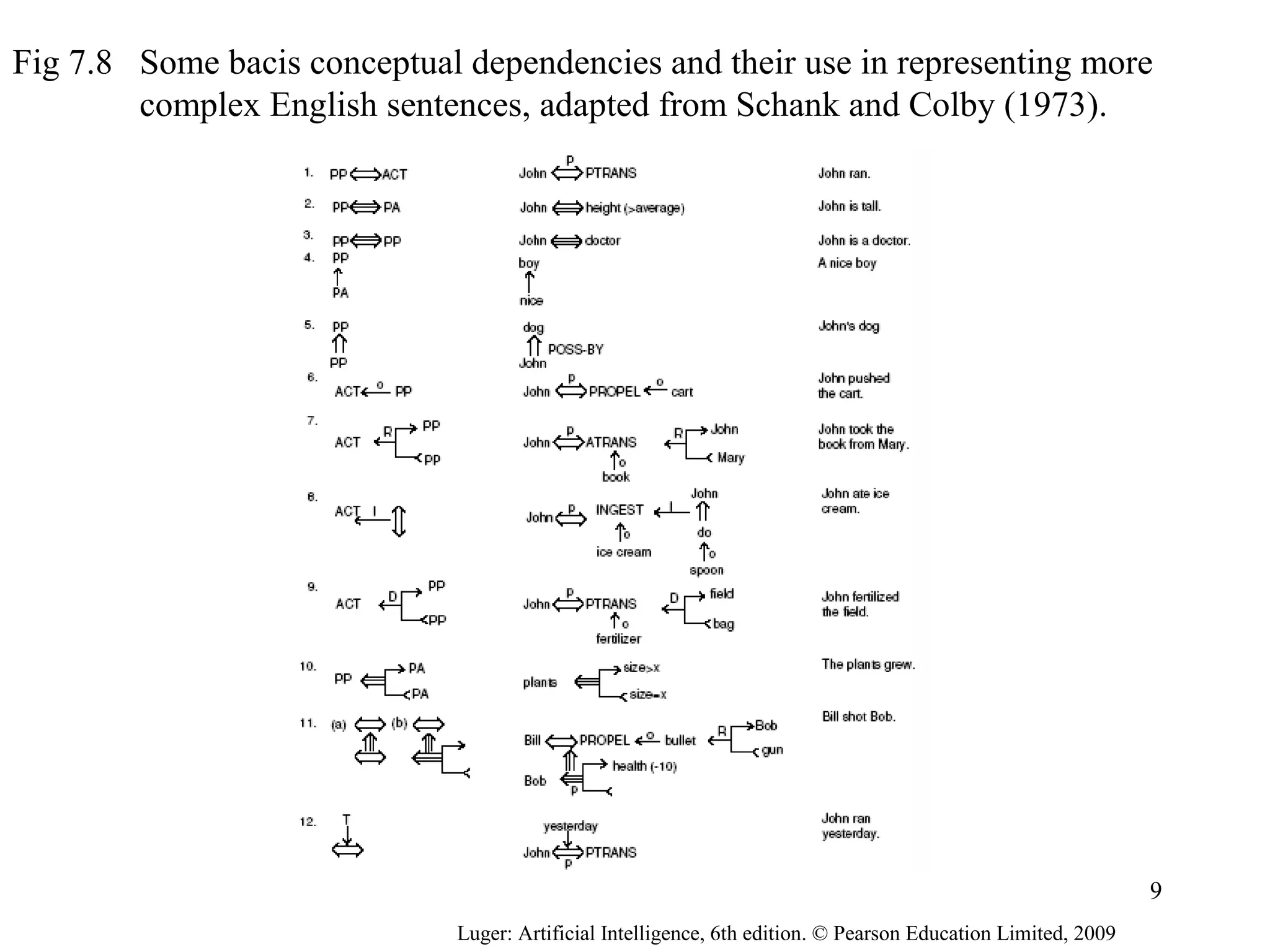
Fig 7.8 Some bacis conceptual dependencies and their use in representing more
complex English sentences, adapted from Schank and Colby (1973).
Luger: Artificial Intelligence, 6th edition. © Pearson Education Limited, 2009
9
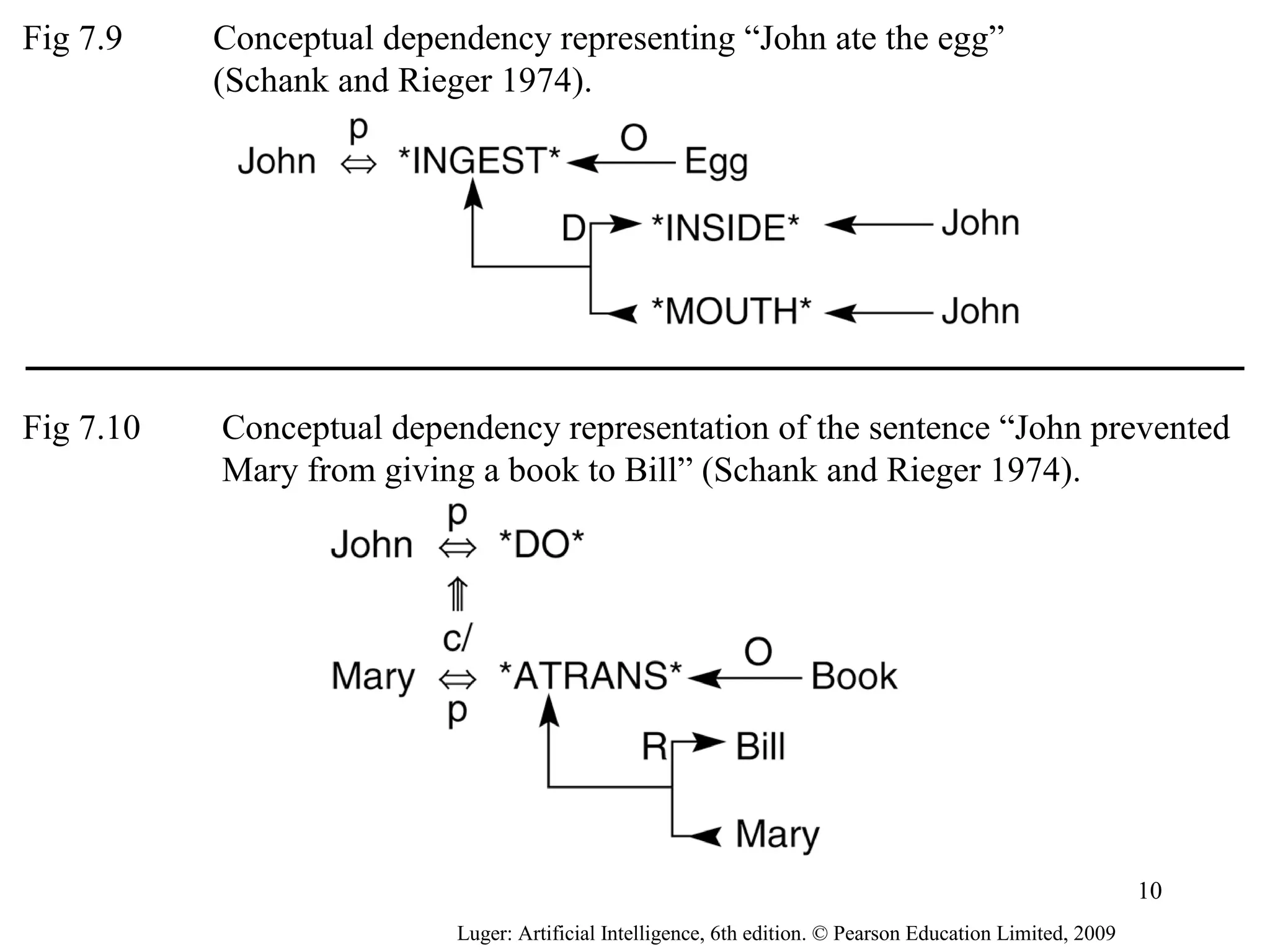
Fig 7.9 Conceptual dependency representing “John ate the egg”
(Schank and Rieger 1974).
Fig 7.10 Conceptual dependency representation of the sentence “John prevented
Mary from giving a book to Bill” (Schank and Rieger 1974).
Luger: Artificial Intelligence, 6th edition. © Pearson Education Limited, 2009
10
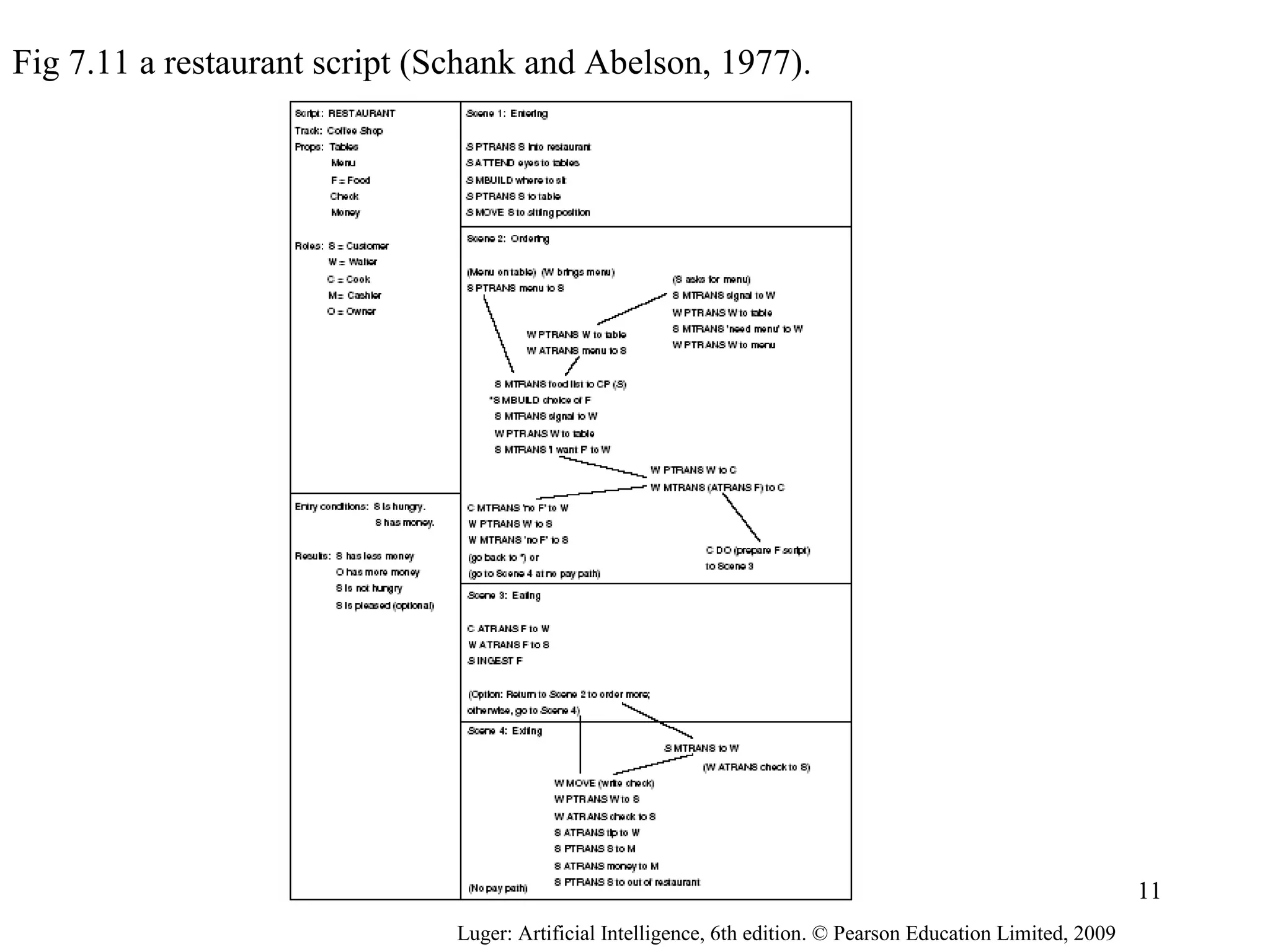
Fig 7.11 a restaurant script (Schank and Abelson, 1977).
Luger: Artificial Intelligence, 6th edition. © Pearson Education Limited, 2009
11
A frame includes:
Luger: Artificial Intelligence, 6th edition. © Pearson Education Limited, 2009
12
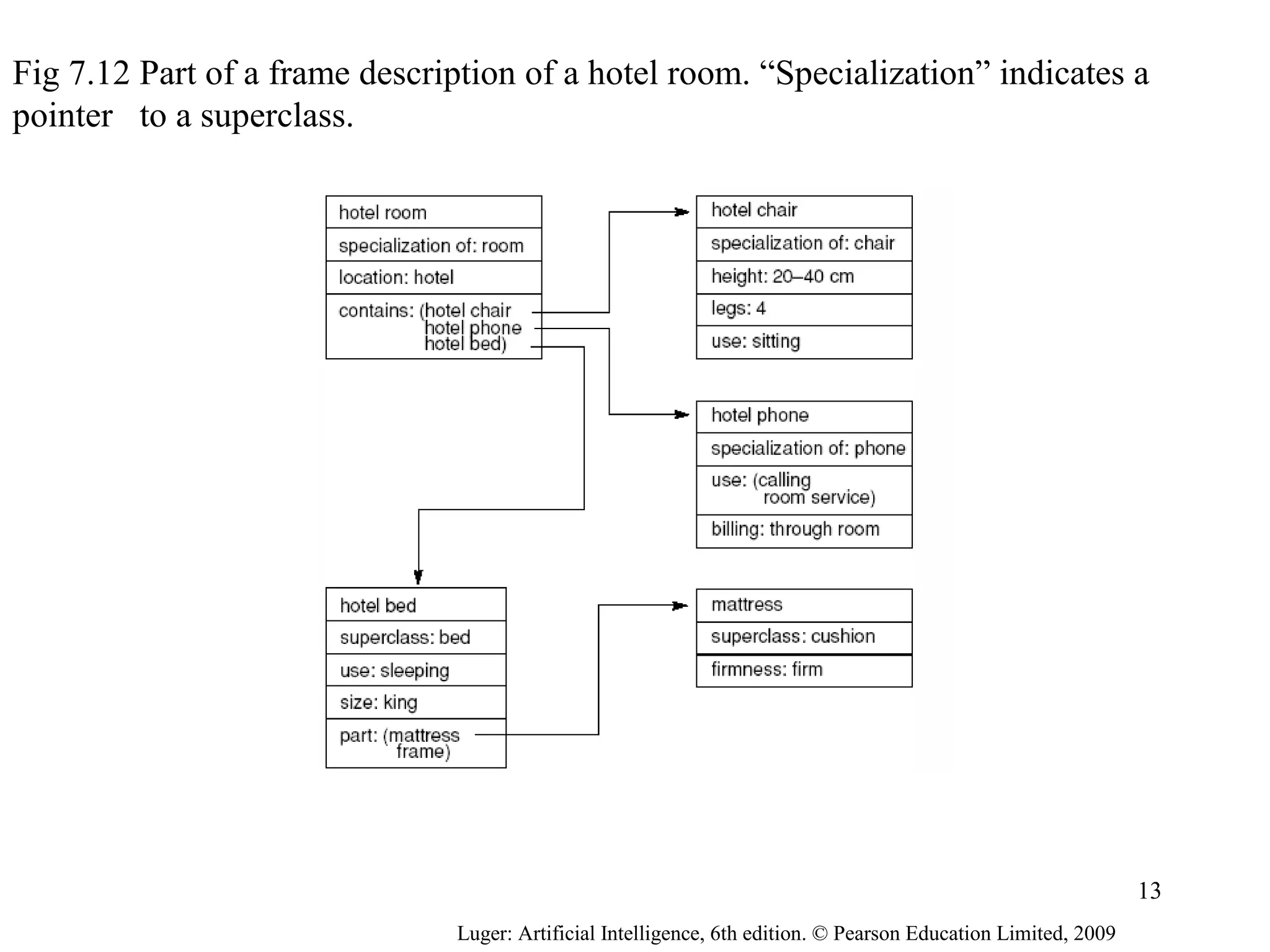
Fig 7.12 Part of a frame description of a hotel room. “Specialization” indicates a
pointer to a superclass.
Luger: Artificial Intelligence, 6th edition. © Pearson Education Limited, 2009
13
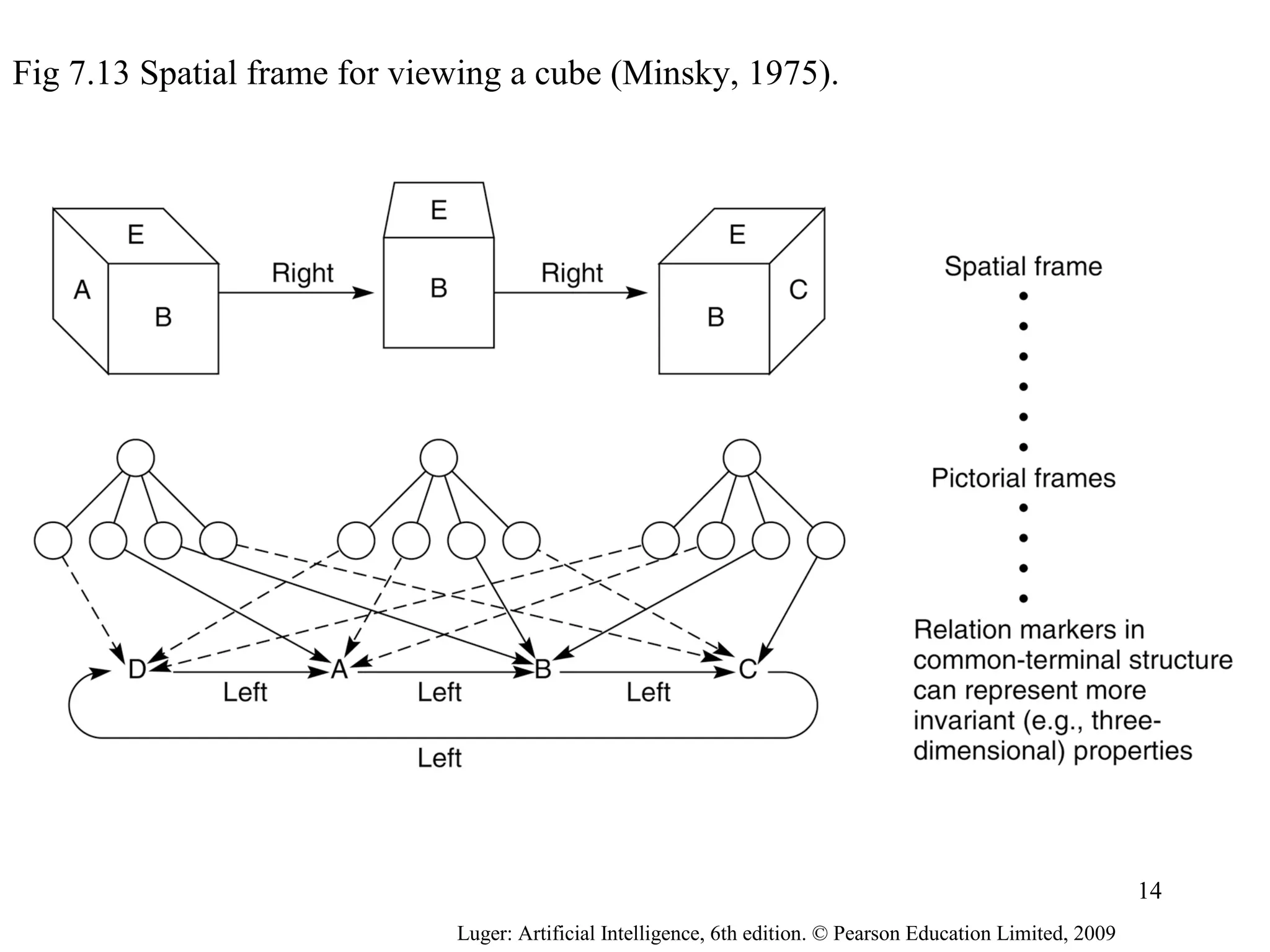
Fig 7.13 Spatial frame for viewing a cube (Minsky, 1975).
Luger: Artificial Intelligence, 6th edition. © Pearson Education Limited, 2009
14
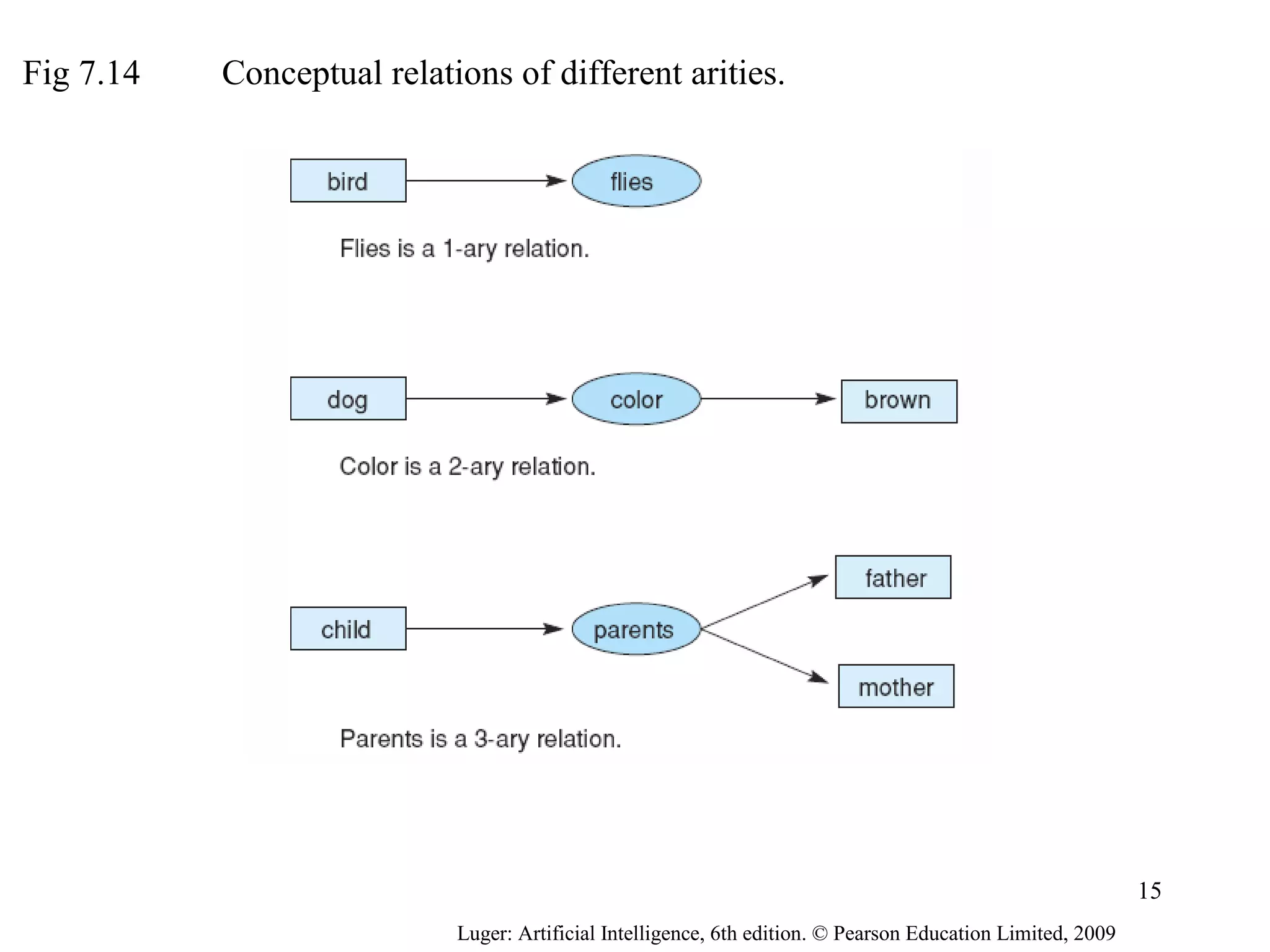
Fig 7.14 Conceptual relations of different arities.
Luger: Artificial Intelligence, 6th edition. © Pearson Education Limited, 2009
15
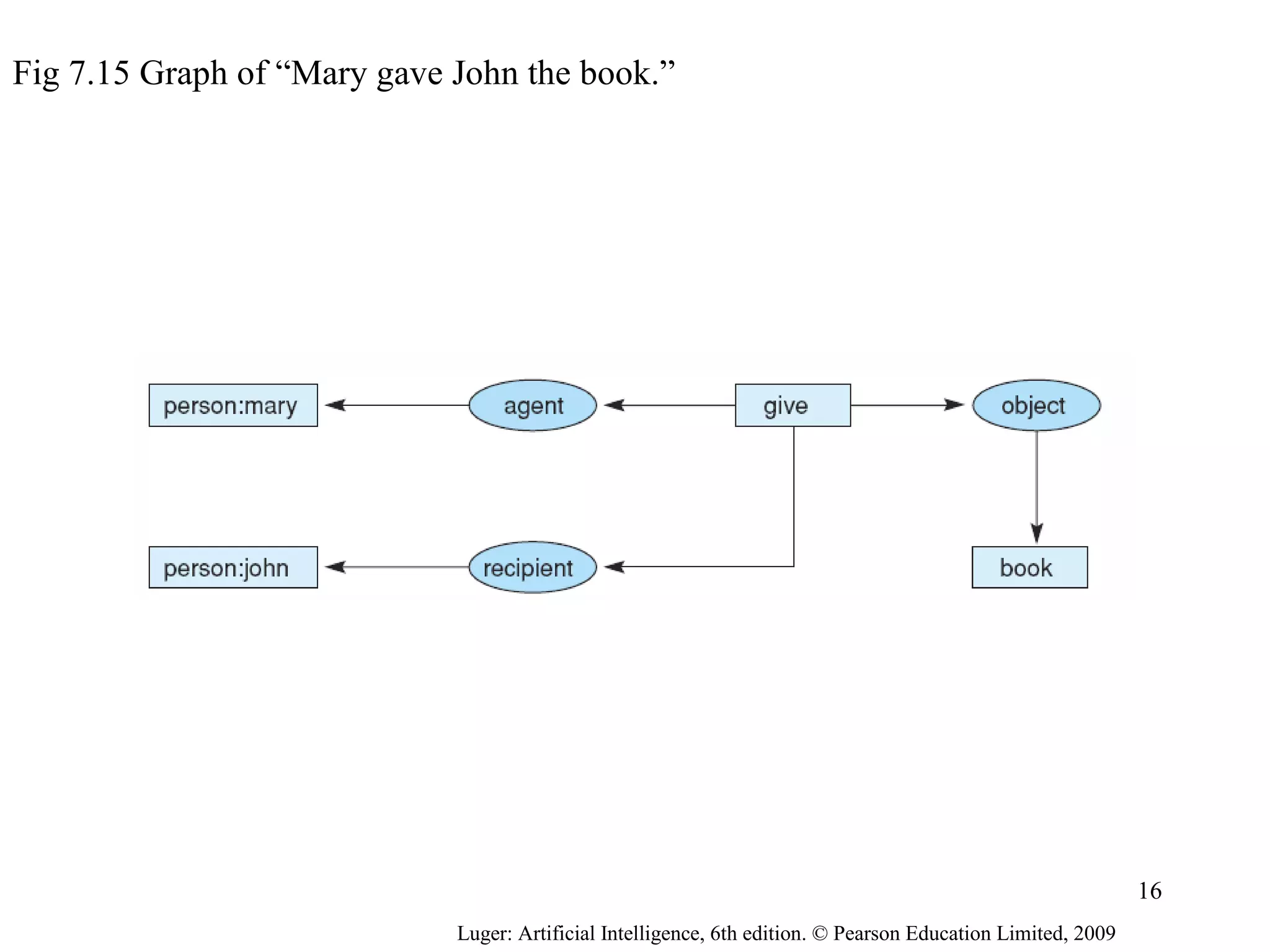
Fig 7.15 Graph of “Mary gave John the book.”
Luger: Artificial Intelligence, 6th edition. © Pearson Education Limited, 2009
16
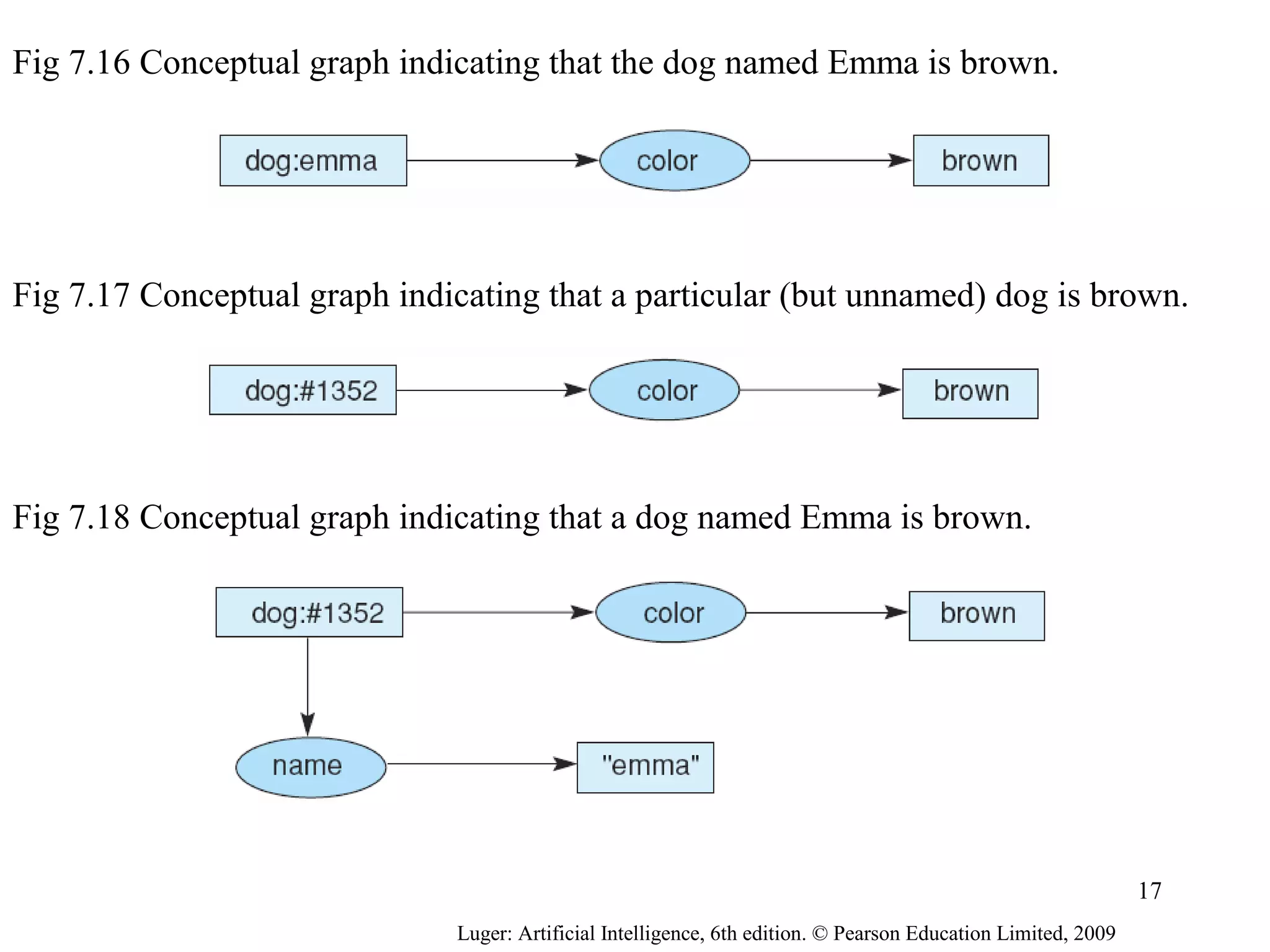
Fig 7.16 Conceptual graph indicating that the dog named Emma is brown.
Fig 7.17 Conceptual graph indicating that a particular (but unnamed) dog is brown.
Fig 7.18 Conceptual graph indicating that a dog named Emma is brown.
Luger: Artificial Intelligence, 6th edition. © Pearson Education Limited, 2009
17
Fig 7.19 Conceptual graph of a person with three names.
Luger: Artificial Intelligence, 6th edition. © Pearson Education Limited, 2009
18
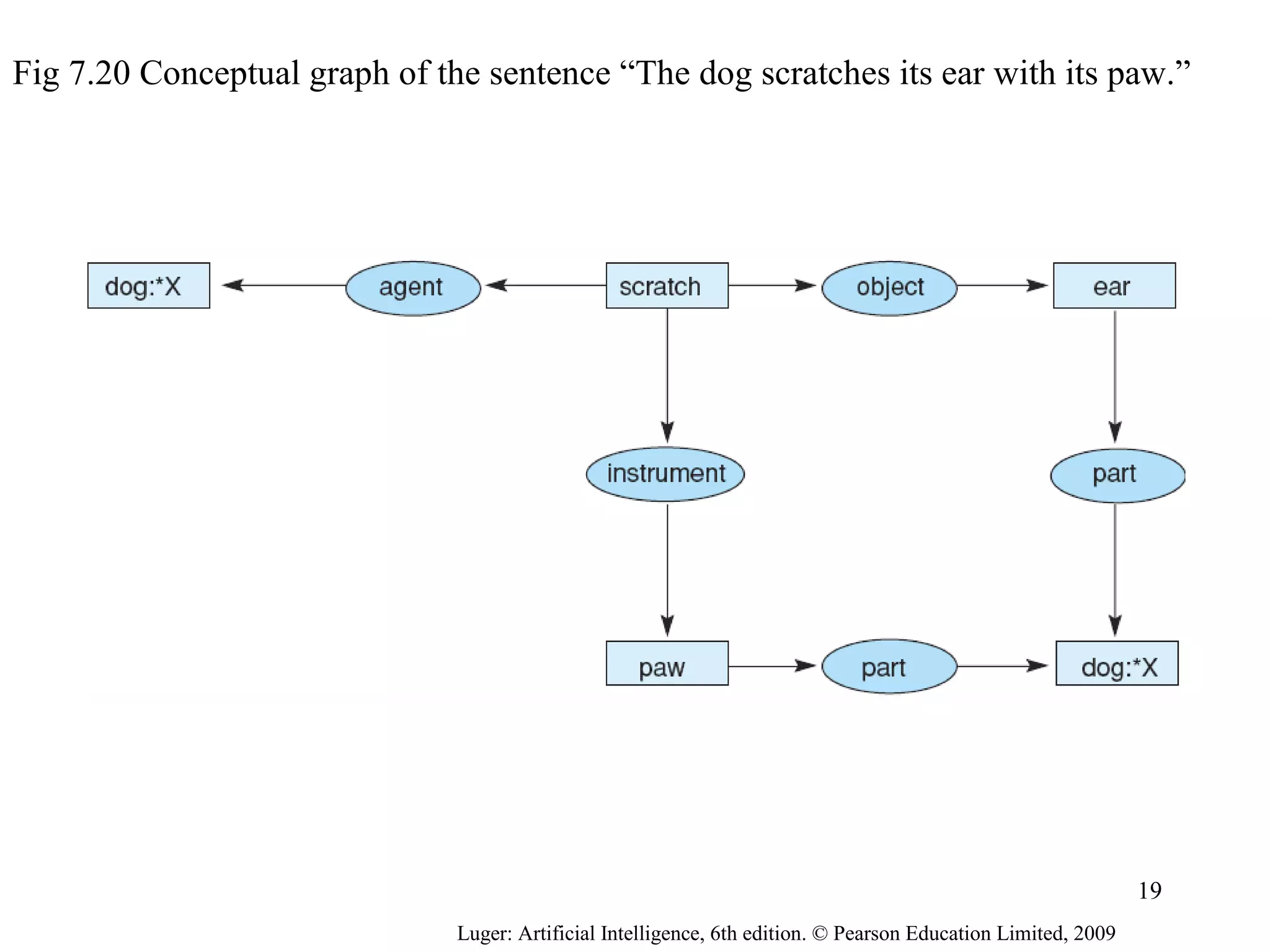
Fig 7.20 Conceptual graph of the sentence “The dog scratches its ear with its paw.”
Luger: Artificial Intelligence, 6th edition. © Pearson Education Limited, 2009
19
Fig 7.21 A type lattice illustrating subtypes, supertypes, the universal type, and the
absurd type. Arcs represent the relationship.
Luger: Artificial Intelligence, 6th edition. © Pearson Education Limited, 2009
20
Fig 7.22 Examples of restrict, join, and simplify operations.
Luger: Artificial Intelligence, 6th edition. © Pearson Education Limited, 2009
21
Fig 7.23 Inheritance in conceptual graphs.
Luger: Artificial Intelligence, 6th edition. © Pearson Education Limited, 2009
22
Fig 7.24 Conceptual graph of the statement “Tom believes that Jane likes pizza,”
showing the use of a propositional concept.
Luger: Artificial Intelligence, 6th edition. © Pearson Education Limited, 2009
23
Fig 7.25 Conceptual graph of the proposition “There are no pink dogs.”
Luger: Artificial Intelligence, 6th edition. © Pearson Education Limited, 2009
24
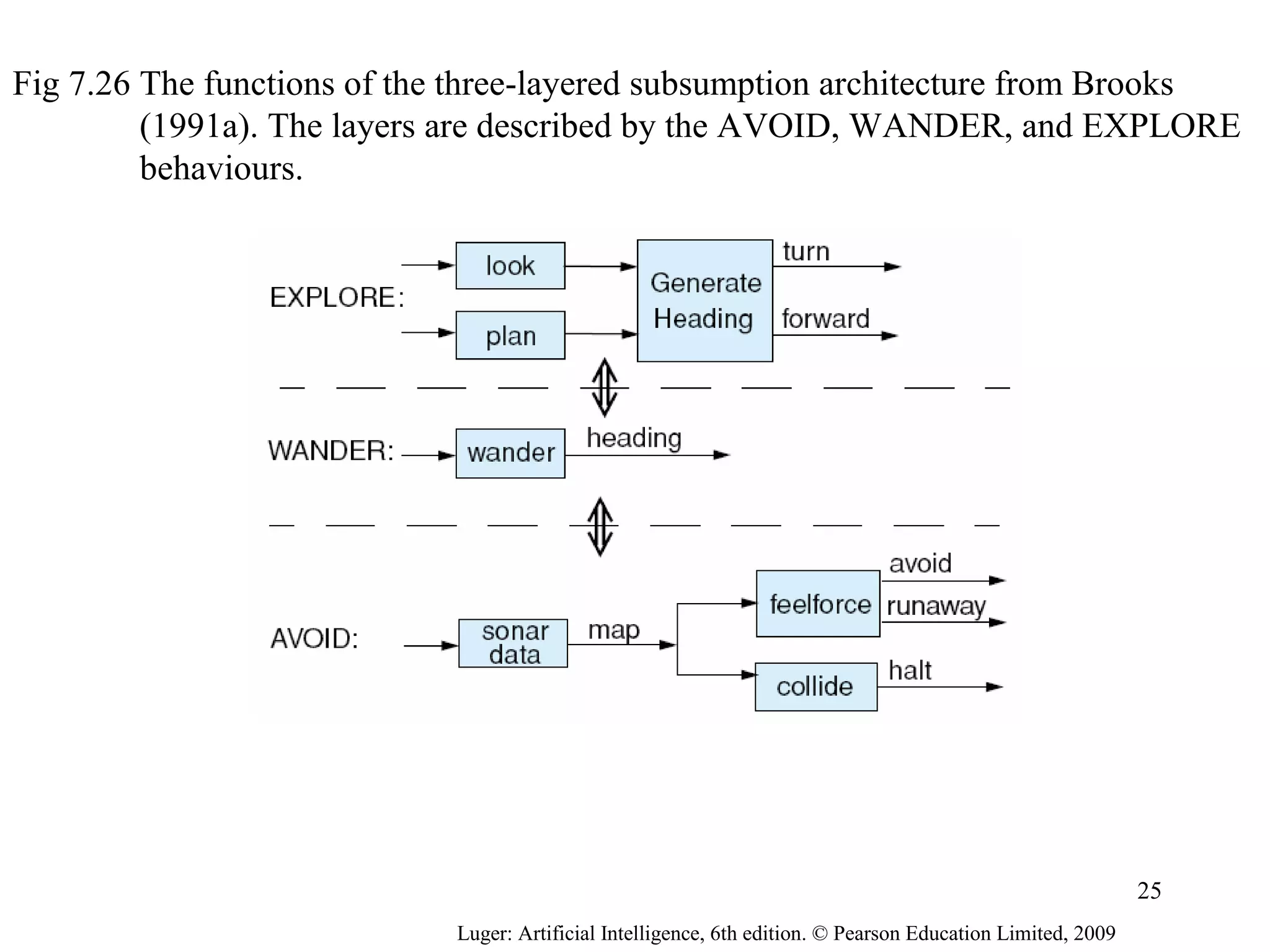
Fig 7.26 The functions of the three-layered subsumption architecture from Brooks
(1991a). The layers are described by the AVOID, WANDER, and EXPLORE
behaviours.
Luger: Artificial Intelligence, 6th edition. © Pearson Education Limited, 2009
25
Fig 7.27 A possible state of the copycat workspace. Several examples of bonds and
links between the letters are shown; adapted from Mitchell (1993).
Luger: Artificial Intelligence, 6th edition. © Pearson Education Limited, 2009
26
Fig 7.28 A small part of copycat’s slipnet with nodes, links, and label nodes shown;
adapted from Mitchell (1993).
Luger: Artificial Intelligence, 6th edition. © Pearson Education Limited, 2009
27
Fig 7.29 Two conceptual graphs to be translated into English.
Luger: Artificial Intelligence, 6th edition. © Pearson Education Limited, 2009
28
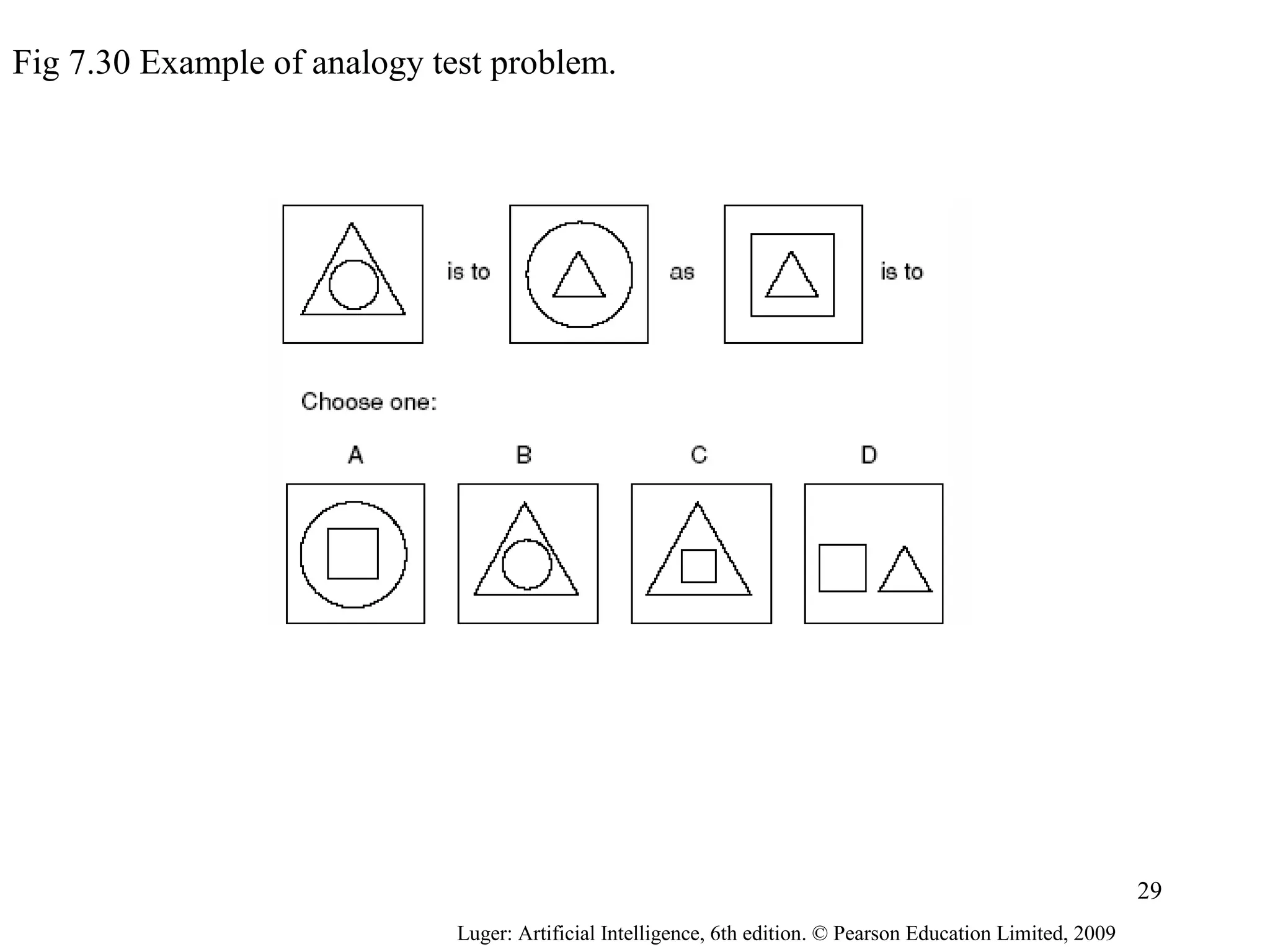
Fig 7.30 Example of analogy test problem.
Luger: Artificial Intelligence, 6th edition. © Pearson Education Limited, 2009
29

Artificial Intelligence

  • 1.
    George F Luger ARTIFICIALINTELLIGENCE 6th edition Structures and Strategies for Complex Problem Solving Knowledge Representation Luger: Artificial Intelligence, 6th edition. © Pearson Education Limited, 2009 7.0 Issues in Knowledge Representation 7.1 A Brief History of AI Representational Systems 7.2 Conceptual Graphs: A Network Language 7.3 Alternatives to Explicit Representation 7.4 Agent Based and Distributed Problem Solving 7.5 Epilogue and References 7.6 Exercises 1
  • 2.
    Fig 7.1 Semanticnetwork developed by Collins and Quillian in their research on human information storage and response times (Harmon and King, 1985) Luger: Artificial Intelligence, 6th edition. © Pearson Education Limited, 2009 2
  • 3.
    Fig 7.2 Networkrepresentation of properties of snow and ice Luger: Artificial Intelligence, 6th edition. © Pearson Education Limited, 2009 3
  • 4.
    Fig 7.3 threeplanes representing three definitions of the word “plant” (Quillian, 1967). Luger: Artificial Intelligence, 6th edition. © Pearson Education Limited, 2009 4
  • 5.
    Fig 7.4 Intersectionpath between “cry” and “comfort” (Quillian 1967). Luger: Artificial Intelligence, 6th edition. © Pearson Education Limited, 2009 5
  • 6.
    Fig 7.5 Caseframe representation of the sentence “Sarah fixed the chair with glue.” Luger: Artificial Intelligence, 6th edition. © Pearson Education Limited, 2009 6
  • 7.
    Conceptual dependency theoryof four primitive conceptualizations Luger: Artificial Intelligence, 6th edition. © Pearson Education Limited, 2009 7
  • 8.
    Fig 7.6 Conceptualdependencies (Schank and Rieger, 1974). Luger: Artificial Intelligence, 6th edition. © Pearson Education Limited, 2009 8
  • 9.
    Fig 7.8 Somebacis conceptual dependencies and their use in representing more complex English sentences, adapted from Schank and Colby (1973). Luger: Artificial Intelligence, 6th edition. © Pearson Education Limited, 2009 9
  • 10.
    Fig 7.9 Conceptualdependency representing “John ate the egg” (Schank and Rieger 1974). Fig 7.10 Conceptual dependency representation of the sentence “John prevented Mary from giving a book to Bill” (Schank and Rieger 1974). Luger: Artificial Intelligence, 6th edition. © Pearson Education Limited, 2009 10
  • 11.
    Fig 7.11 arestaurant script (Schank and Abelson, 1977). Luger: Artificial Intelligence, 6th edition. © Pearson Education Limited, 2009 11
  • 12.
    A frame includes: Luger:Artificial Intelligence, 6th edition. © Pearson Education Limited, 2009 12
  • 13.
    Fig 7.12 Partof a frame description of a hotel room. “Specialization” indicates a pointer to a superclass. Luger: Artificial Intelligence, 6th edition. © Pearson Education Limited, 2009 13
  • 14.
    Fig 7.13 Spatialframe for viewing a cube (Minsky, 1975). Luger: Artificial Intelligence, 6th edition. © Pearson Education Limited, 2009 14
  • 15.
    Fig 7.14 Conceptualrelations of different arities. Luger: Artificial Intelligence, 6th edition. © Pearson Education Limited, 2009 15
  • 16.
    Fig 7.15 Graphof “Mary gave John the book.” Luger: Artificial Intelligence, 6th edition. © Pearson Education Limited, 2009 16
  • 17.
    Fig 7.16 Conceptualgraph indicating that the dog named Emma is brown. Fig 7.17 Conceptual graph indicating that a particular (but unnamed) dog is brown. Fig 7.18 Conceptual graph indicating that a dog named Emma is brown. Luger: Artificial Intelligence, 6th edition. © Pearson Education Limited, 2009 17
  • 18.
    Fig 7.19 Conceptualgraph of a person with three names. Luger: Artificial Intelligence, 6th edition. © Pearson Education Limited, 2009 18
  • 19.
    Fig 7.20 Conceptualgraph of the sentence “The dog scratches its ear with its paw.” Luger: Artificial Intelligence, 6th edition. © Pearson Education Limited, 2009 19
  • 20.
    Fig 7.21 Atype lattice illustrating subtypes, supertypes, the universal type, and the absurd type. Arcs represent the relationship. Luger: Artificial Intelligence, 6th edition. © Pearson Education Limited, 2009 20
  • 21.
    Fig 7.22 Examplesof restrict, join, and simplify operations. Luger: Artificial Intelligence, 6th edition. © Pearson Education Limited, 2009 21
  • 22.
    Fig 7.23 Inheritancein conceptual graphs. Luger: Artificial Intelligence, 6th edition. © Pearson Education Limited, 2009 22
  • 23.
    Fig 7.24 Conceptualgraph of the statement “Tom believes that Jane likes pizza,” showing the use of a propositional concept. Luger: Artificial Intelligence, 6th edition. © Pearson Education Limited, 2009 23
  • 24.
    Fig 7.25 Conceptualgraph of the proposition “There are no pink dogs.” Luger: Artificial Intelligence, 6th edition. © Pearson Education Limited, 2009 24
  • 25.
    Fig 7.26 Thefunctions of the three-layered subsumption architecture from Brooks (1991a). The layers are described by the AVOID, WANDER, and EXPLORE behaviours. Luger: Artificial Intelligence, 6th edition. © Pearson Education Limited, 2009 25
  • 26.
    Fig 7.27 Apossible state of the copycat workspace. Several examples of bonds and links between the letters are shown; adapted from Mitchell (1993). Luger: Artificial Intelligence, 6th edition. © Pearson Education Limited, 2009 26
  • 27.
    Fig 7.28 Asmall part of copycat’s slipnet with nodes, links, and label nodes shown; adapted from Mitchell (1993). Luger: Artificial Intelligence, 6th edition. © Pearson Education Limited, 2009 27
  • 28.
    Fig 7.29 Twoconceptual graphs to be translated into English. Luger: Artificial Intelligence, 6th edition. © Pearson Education Limited, 2009 28
  • 29.
    Fig 7.30 Exampleof analogy test problem. Luger: Artificial Intelligence, 6th edition. © Pearson Education Limited, 2009 29