Downloaded 21 times
- 1 / 19

- 2 / 19
- 3 / 19
- 4 / 19
- 5 / 19
- 6 / 19
- 7 / 19
- 8 / 19
- 9 / 19
- 10 / 19
- 11 / 19
- 12 / 19
- 13 / 19
- 14 / 19
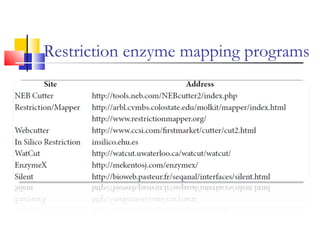
- 15 / 19
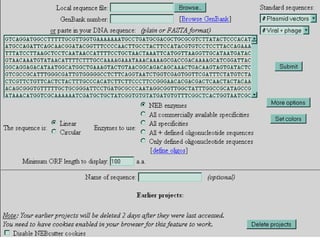
- 16 / 19
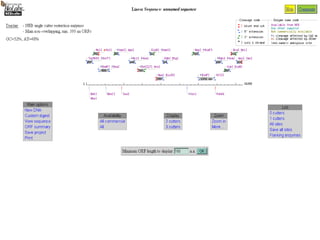
- 17 / 19
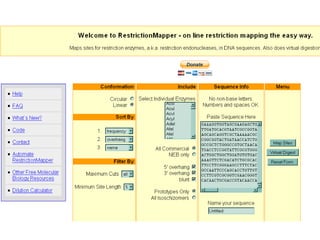
- 18 / 19
- 19 / 19

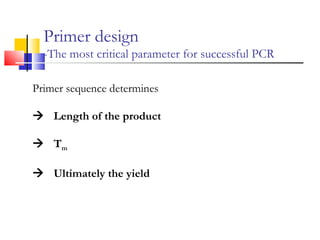
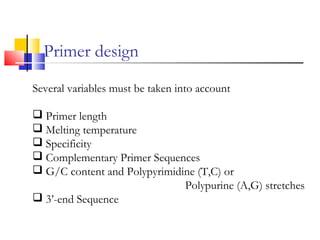
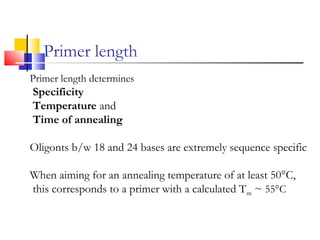
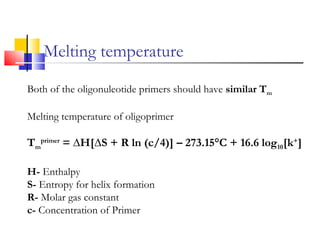
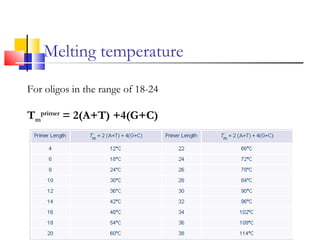
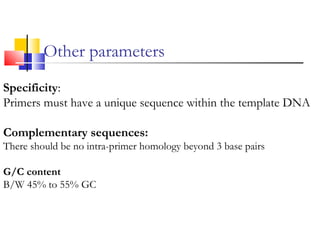
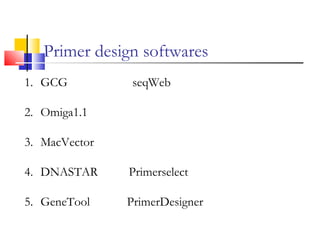
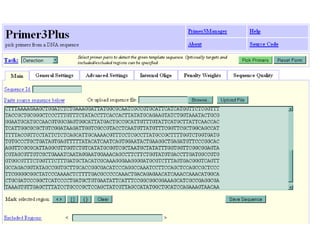
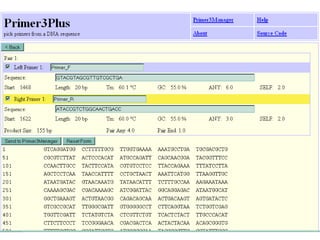
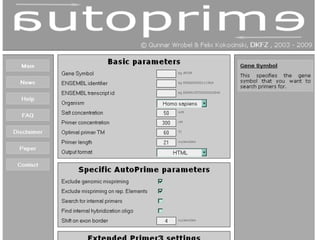
Primer design is a critical step in PCR that determines the length, yield, and melting temperature (Tm) of the amplified product. Several variables must be considered when designing primers, including length, Tm, specificity, complementary sequences, GC content, and 3' end sequence. Primer length affects specificity, annealing temperature, and time. Primers between 18-24 bases that have a Tm near 55°C are optimal. Tm can be estimated using formulas considering primer length and GC content. Primer design software tools can help optimize primers while considering these important parameters.


