Downloaded 517 times


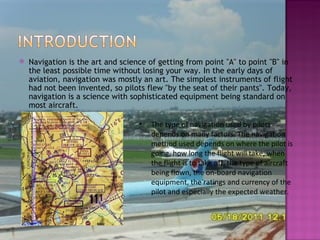
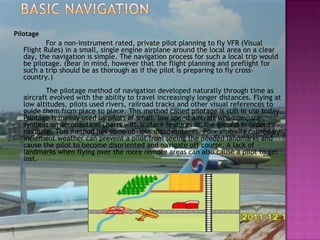
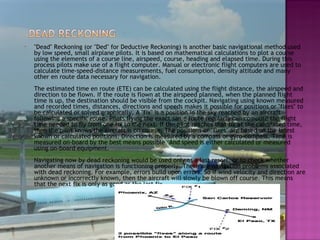




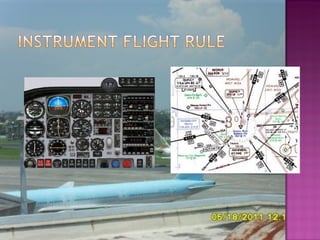
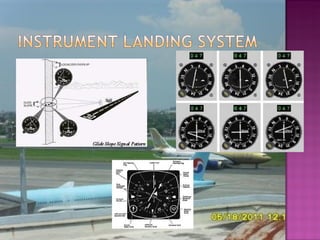
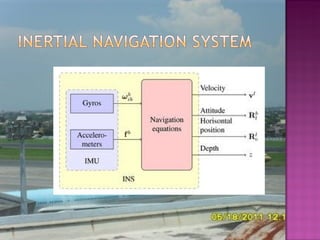



Early pilots navigated visually by looking for landmarks but as flying occurred at night and in poor weather, new navigation technologies were developed. In the 1920s, navigation aids helped pilots determine attitude and position even when the ground was not visible. In 1929, Sperry introduced the artificial horizon and other mechanical aids emerged in the 1930s. Today, aircraft are tracked by radar but GPS now allows pilots to determine their precise position without assistance from air traffic control. This has led to debates around who should control navigation - pilots using GPS or air traffic controllers.


