




A Technical Introduction to
The Internet of Things
Jonathan Brewer

Network Startup Resource Center

jon@nsrc.org
These materials are licensed under the Creative Commons
Attribution-NonCommercial 4.0 International license
(http://creativecommons.org/licenses/by-nc/4.0/)
Kevin Ashton, RFID Journal, June 2009
We need to empower computers with their own means
of gathering information, so they can see, hear and
smell the world for themselves, in all its random glory.
The Internet of Things is Small
• Small Microprocessors
• Small Sensors
• Small amounts of memory
• Small messages
• Small antennas
• Small wireless transactions
The Internet of Things is Big
Your microwave oven, washer, dryer,
dishwasher, coffee maker, refrigerator,
VCR, television, video game console,
stereo receiver, CD player, DVD player,
remote controls, garage door
openers, sprinkler systems, phones,
answering machines.
The Cliché of the Connected Fridge
• It knows what you put in
• And what you take out
• It will tell you when you run low
• It can order more food for you
• Your fridge knows how healthy you are
The Reality of the Connected Fridge
• Commercial & Industrial Refrigerators
• Every shop, warehouse, & commercial kitchen
• Critical to the safety of the food system
• Governments are starting to regulate them
• IoT “connected fridge” will save time & money
Heating Houses & Buildings
• Major use of Electricity & Gas
• Very uneconomic & unscientific use
• Can we do this better with IoT?
The Common Thermostat
• Requires daily human intervention
• Relies on limited data
• Works sometimes, approximately
• Nest IoT thermostat learns behaviour
• Acquired by Google for a billion dollars
Utilities: Smart Metering is IoT
• Mechanical meters have no power
• Frequently have no sunlight
• Hard for humans to read & maintain
• New batteries & wireless solve problems
Utilities: IoT for Infrastructure
• Not just for automated meter reading
• Transformers last 20+ years
• Take them out too early, you lose money
• Leave them in too long, they fail in place
• Monitor their temperature & voltages with IoT!
Retail & Food: IoT for Safety & Compliance
• Traps are under shelves, behind counters, in the dark
• UK law says clear traps within 24 hours
• Supermarket employees spent a lot of time checking
• Neul (Huawei) & Rentokil designed an IoT mousetrap
• Saves hours of employee time every day
City Maintenance: IoT Saves Time & Money
• Smart trash cans in Milton Keynes
• City employees used to check them every day
• Now sensors alert the city to full trash cans
• Saves time, diesel fuel, people hours
City Maintenance: IoT Saves Time & Money
• Streetlights are on light sensors or timers
• They only turn on at night
• Check, at night, to see if they’re working
• Or wait for a report from the public
• Inexpensive IoT sensor solves this problem!
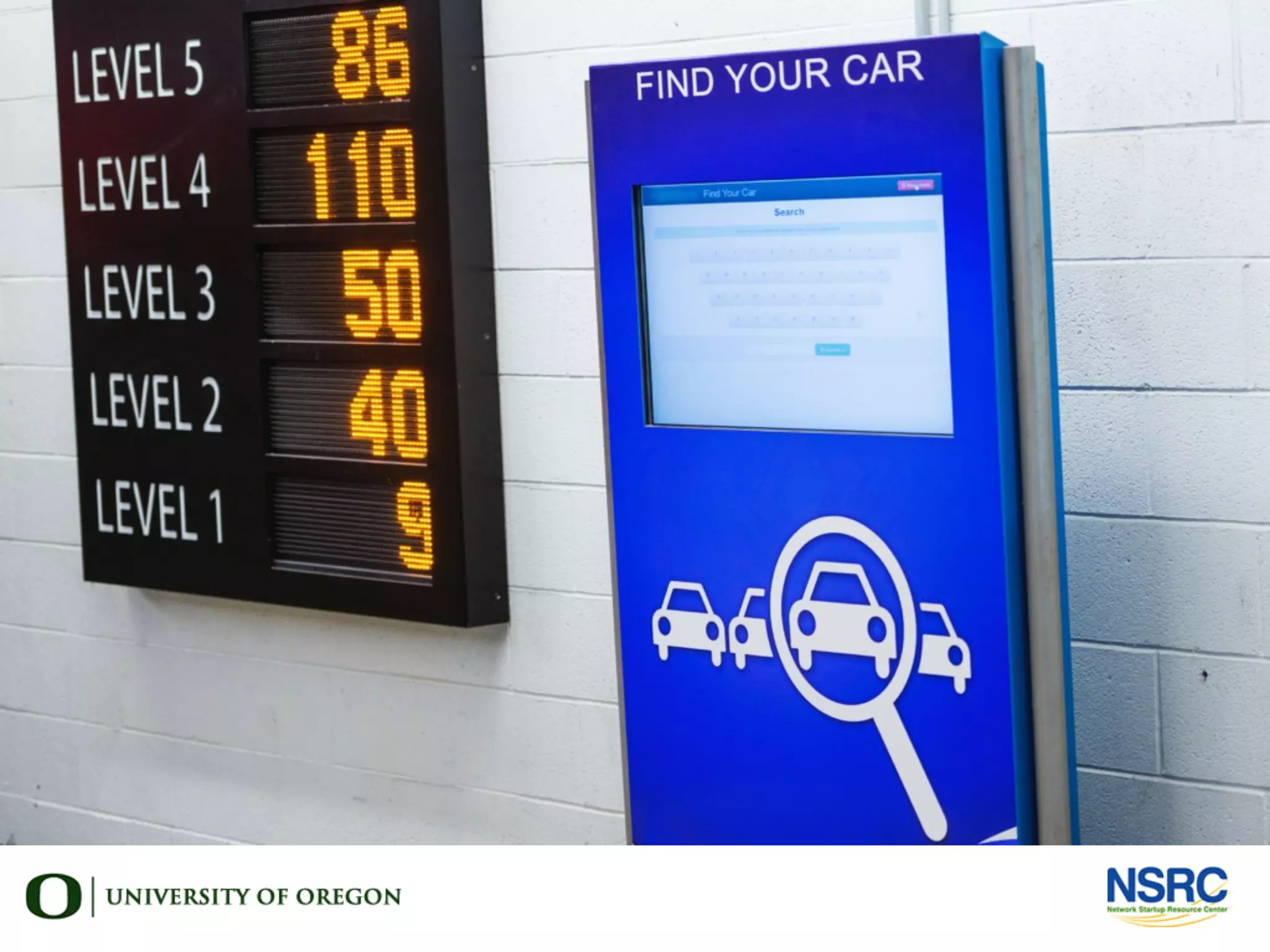
IoT for Traffic Management
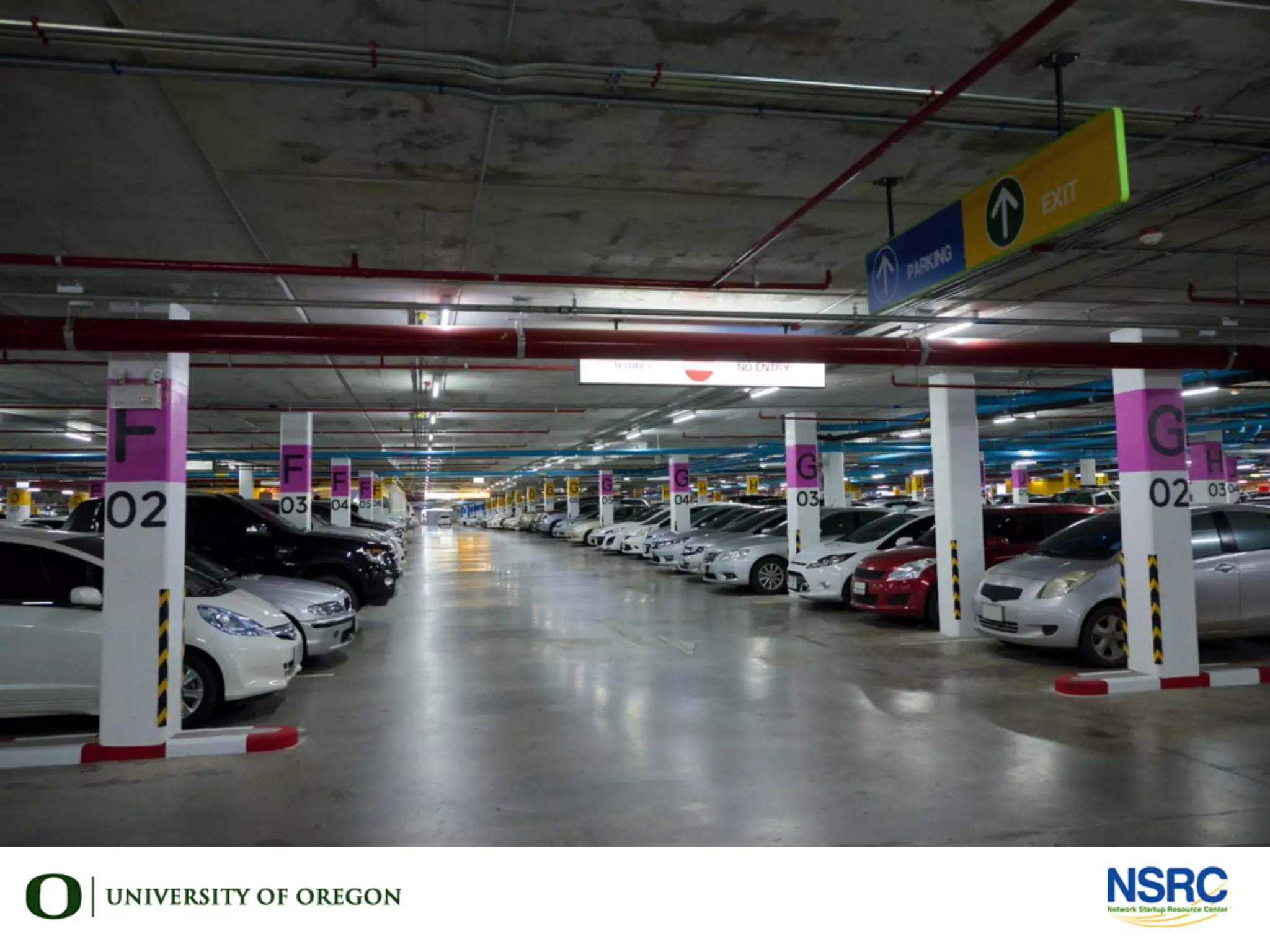
• What does parking have to do with traffic?
• Better parking information, less driving around
• less driving around = less traffic!
• Garages can display number of free parks
• IoT light sensors can help
IoT for Shipping Containers
• What’s in that container?
• Timber? Milk Powder? Coffee? Electronics?
• Can it get hot? Damp? Can it be shaken?
• IoT Sensors can record conditions
• Assurance for customers of proper shipping
IoT for Tracking Containers
• Where’s your container?
• Tracking used to be thousands of dollars
• GSM tracking now < $100
• Satellite tracking < $500
• If tracked, use for sensor telemetry too
IoT for Maritime Safety
• Maritime lights are like streetlights
• Except they’re much harder to check!
• IoT can provide assurance lights are working
• Weather data, tide height, tsunami warning
IoT for Pivot Irrigators
• The pivot irrigator enables modern agriculture
• & has helped deplete aquifers around the world
• New irrigators sense dry areas as they roll over
• & vary nozzle size to deliver more or less water
IoT for Drip Irrigation
• Soil types and drainage varies across fields
• How do you adjust on a granular level?
• New moisture sensors will enable high detail
• Water savings can come at the drip level
IoT for Greenhouses
• Water delivery: where, when, and how much
• Heating and ventilation with precision
• IoT drops the cost of industrial systems
• Opens fine control for developing markets
IoT for Water Tanks
• Water Storage is important for farms
• Checking tanks a manual process: hours per week
• Fail to check tanks, livestock can die
• < $100 for tank monitor w/ solar + 3g
• < $200 for tank monitor w/ solar + satellite
IoT for Water Tanks
• Water tanks help where supply intermittent
• NextDrop in India texts when water will be on
• IoT meters can tell users when they’ll run out
• Connected meters can tell cities about supply
• What neighbourhoods need water today?
IoT for Water Delivery
• Water runs out!
• Trucks deliver more
• Where and when should the trucks go?
• Connected meters = less time & fuel
• Connected meters = no running out
• This works for anything in a tank (fuel, feed, etc.)
IoT for Weather & Public Safety
• IoT is inexpensive flood monitoring
• Project NOAH in Philippines = 1,000+ IoT stations
• Know before the floods come
• Know before mudslides & bridge outages
• IoT can save money & save lives
Sensing & Actuating
The Internet of Things
Jonathan Brewer

Network Startup Resource Center

jon@nsrc.org
These materials are licensed under the Creative Commons
Attribution-NonCommercial 4.0 International license
(http://creativecommons.org/licenses/by-nc/4.0/)
Analogue and Digital Sensors
• RS232, RS485, I2C, SPI, CAN, USB
• Accuracy typically varies with price
• Some need warm-up, others need calibration
• Power requirements vary widely
• Wrong data can be worse than no data at all!
Accelerometer
Air Quality Sensor
Alcohol Sensor
Barometric Pressure
Camera
Collision Sensor
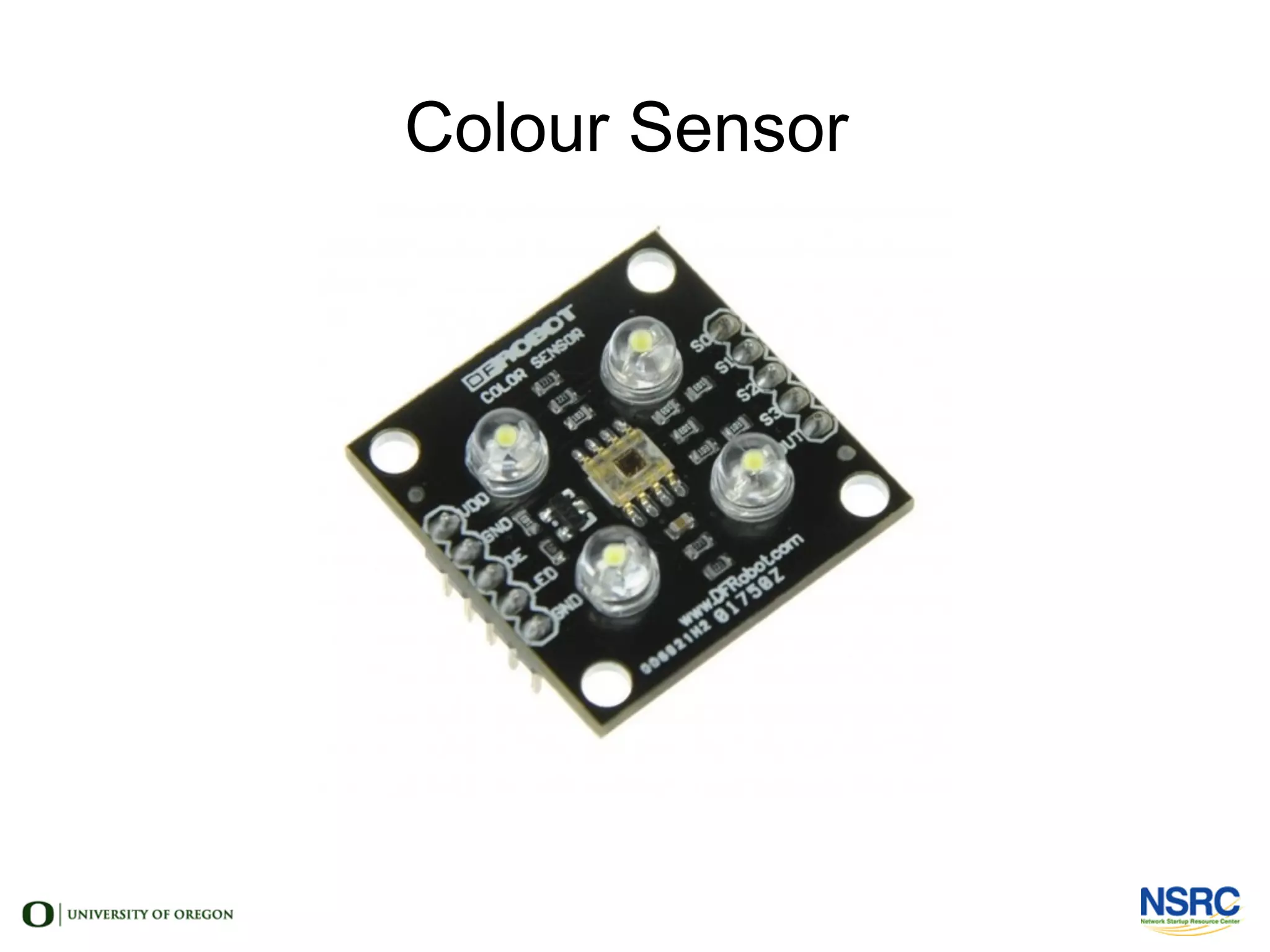
Colour Sensor
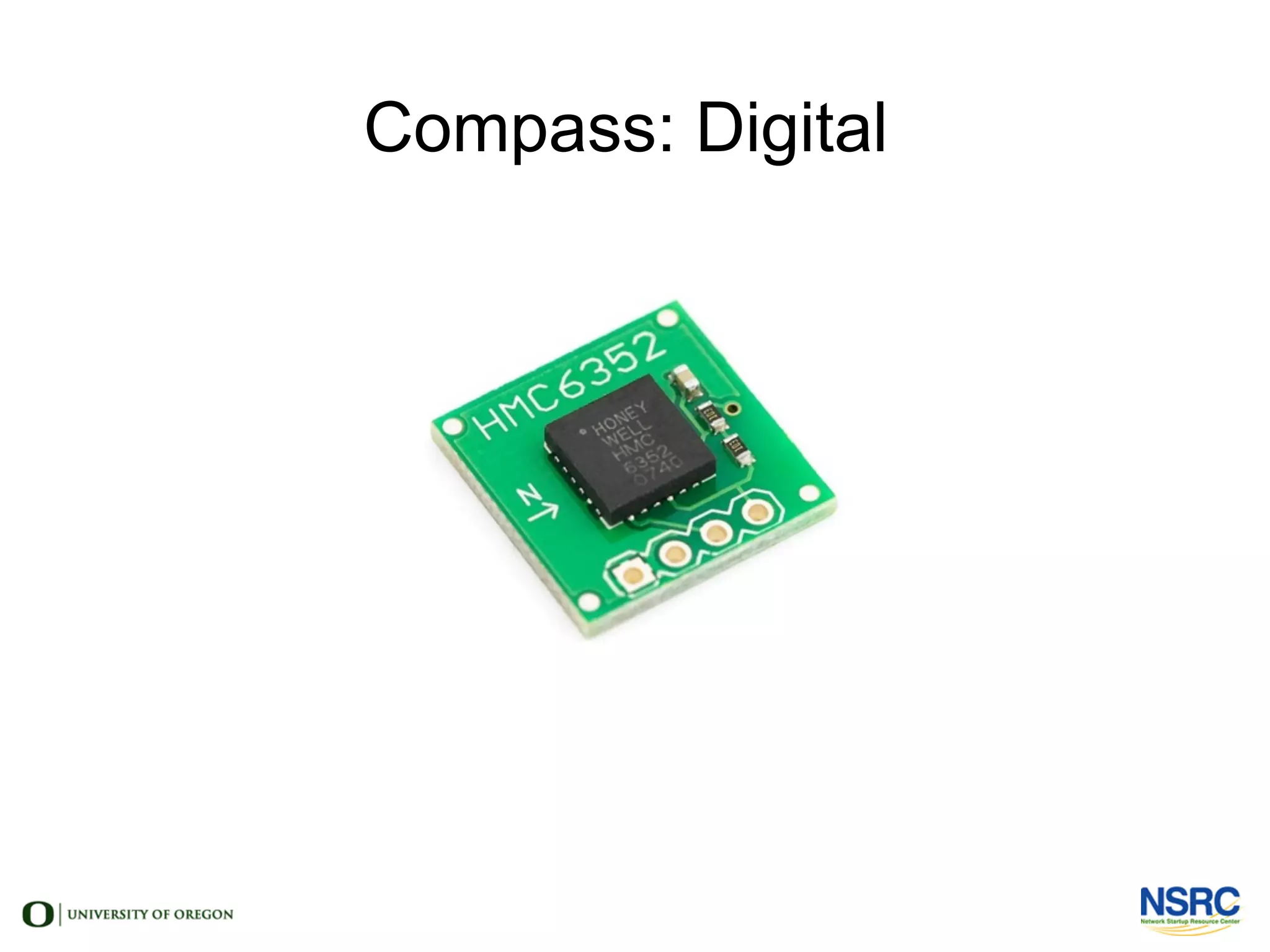
Compass: Digital
Formaldehyde Sensor
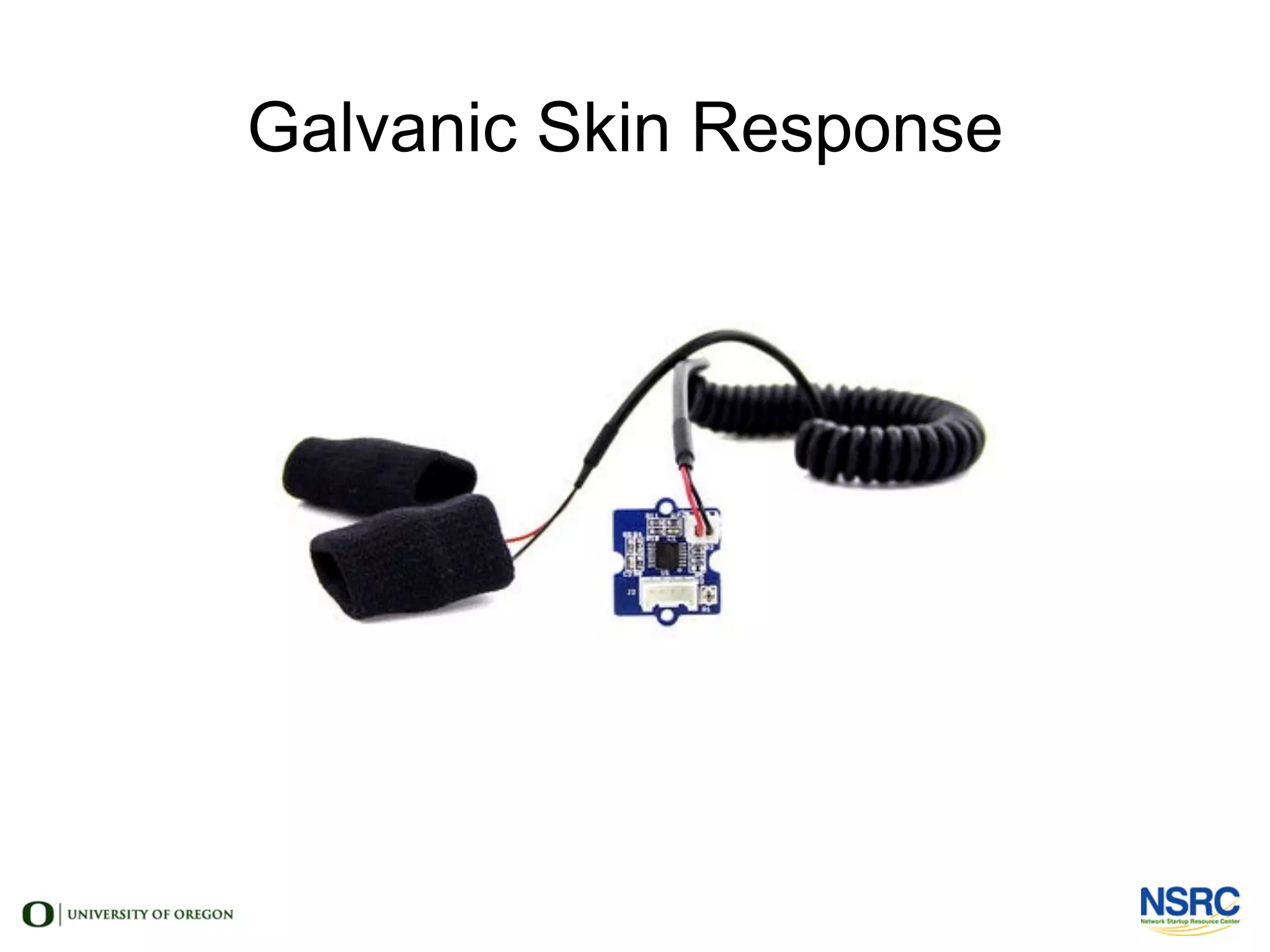
Galvanic Skin Response
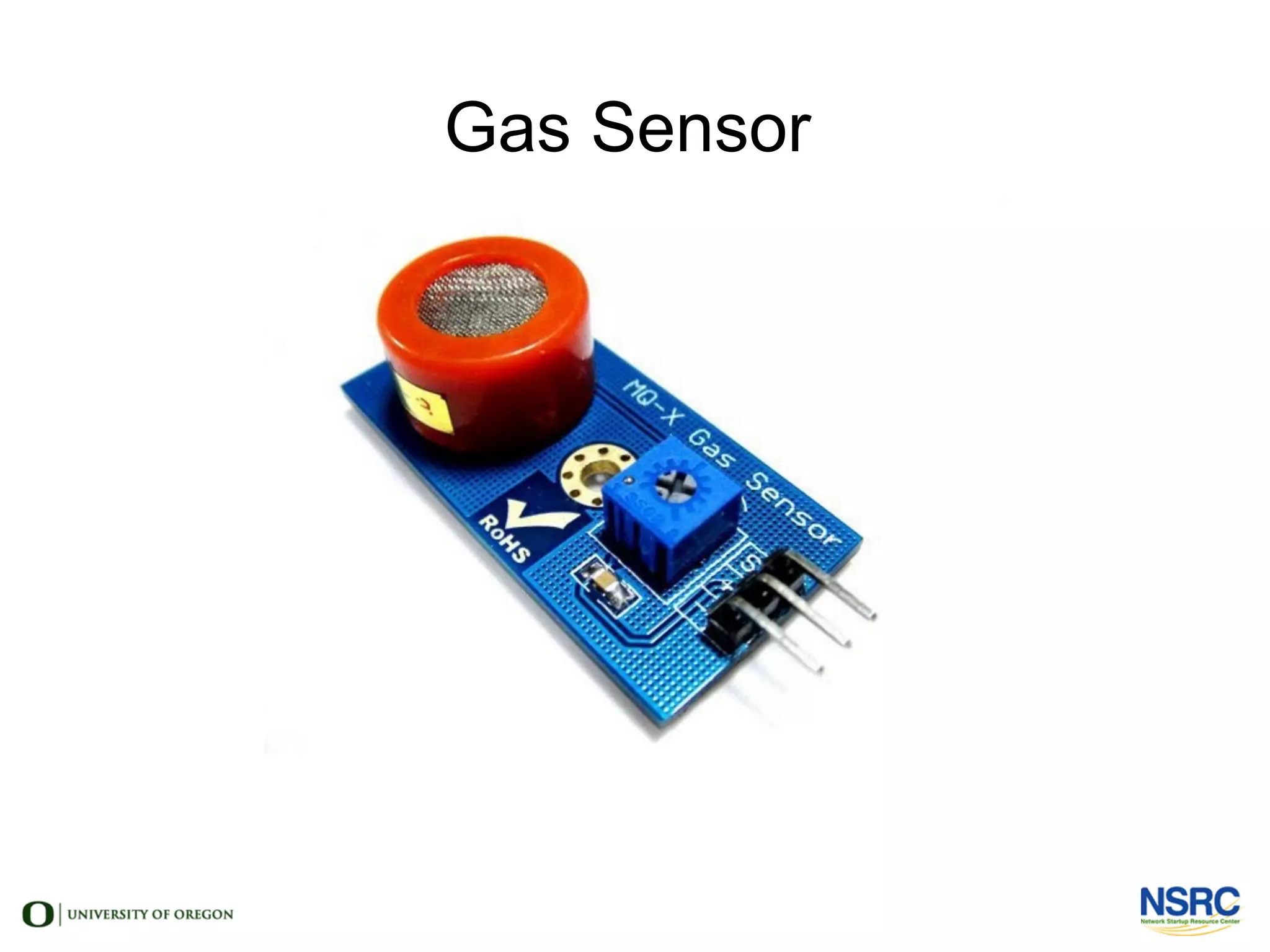
Gas Sensor
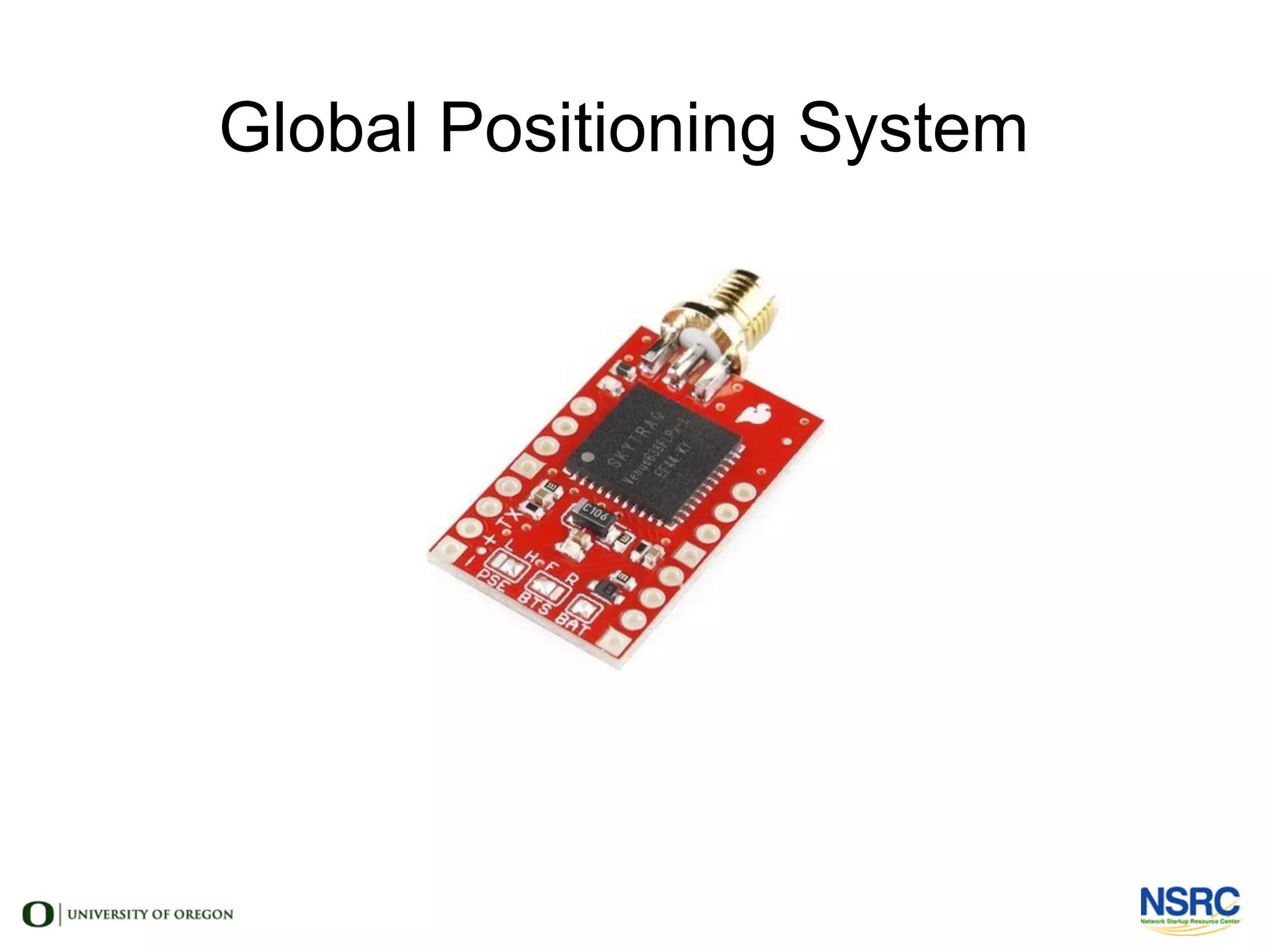
Global Positioning System
Electrical Current Sensor
Flow Sensor
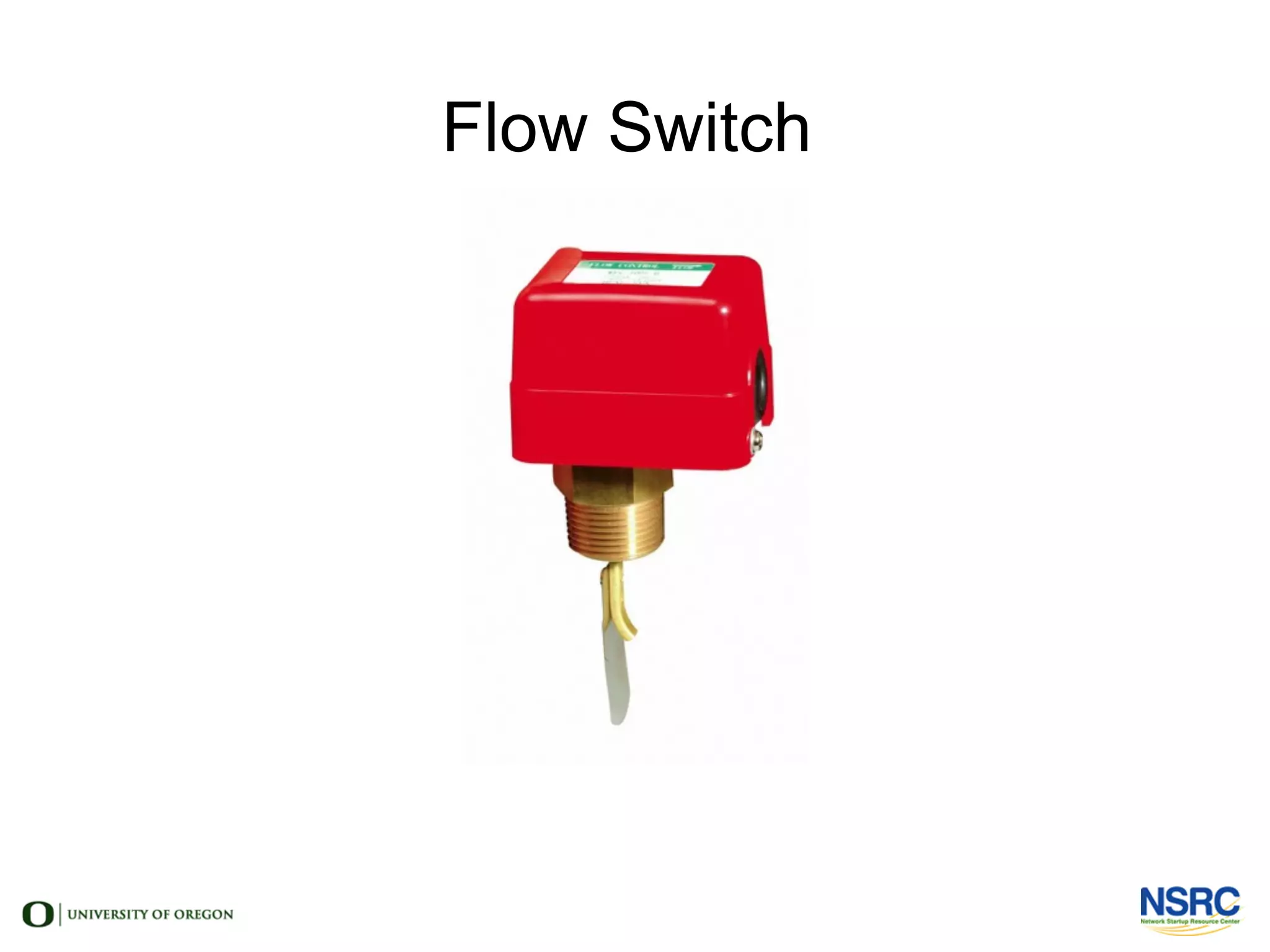
Flow Switch
Force Sensitive Resistor
Gyroscope
Hall Sensor
Humidity Sensor
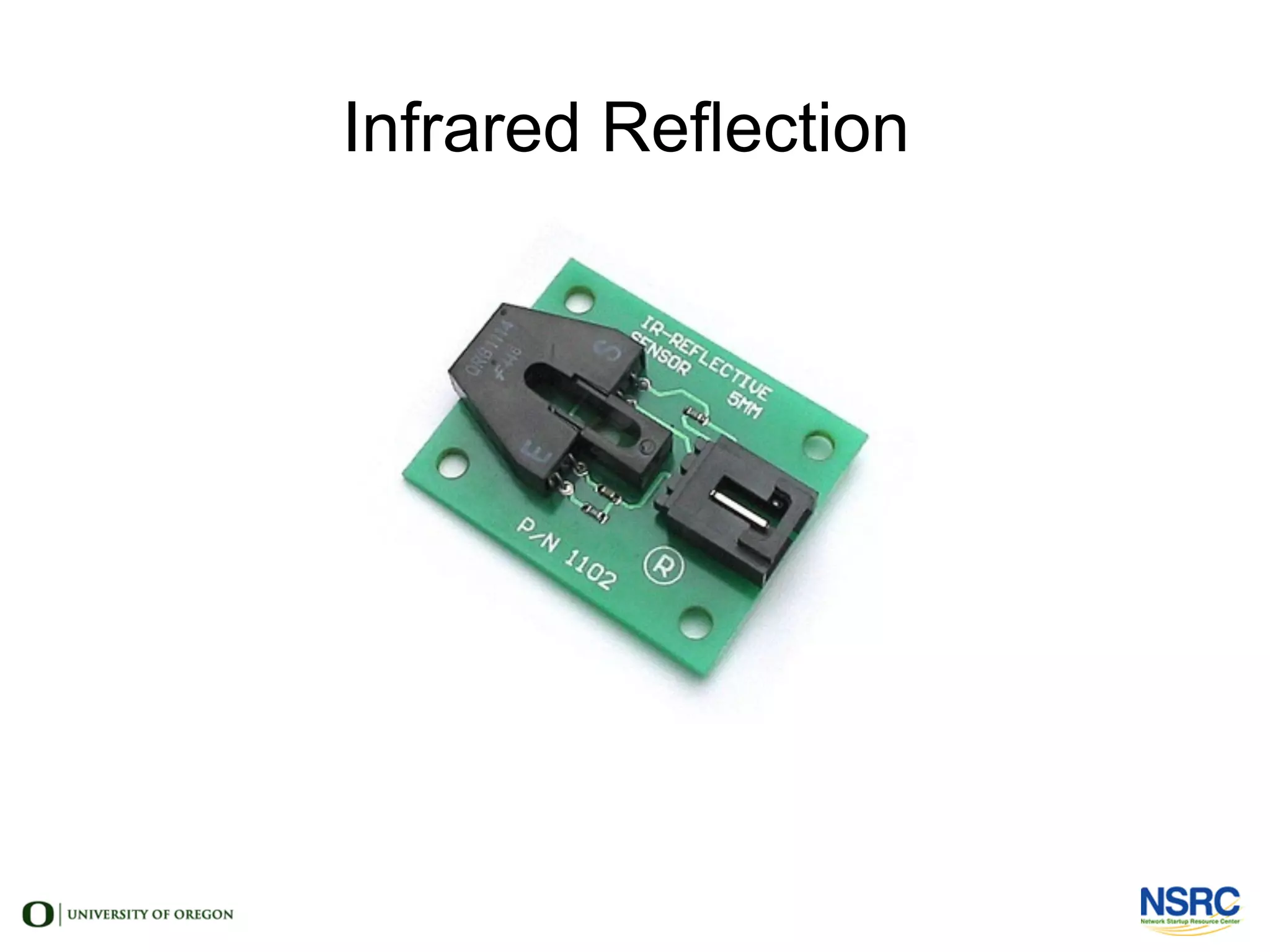
Infrared Reflection
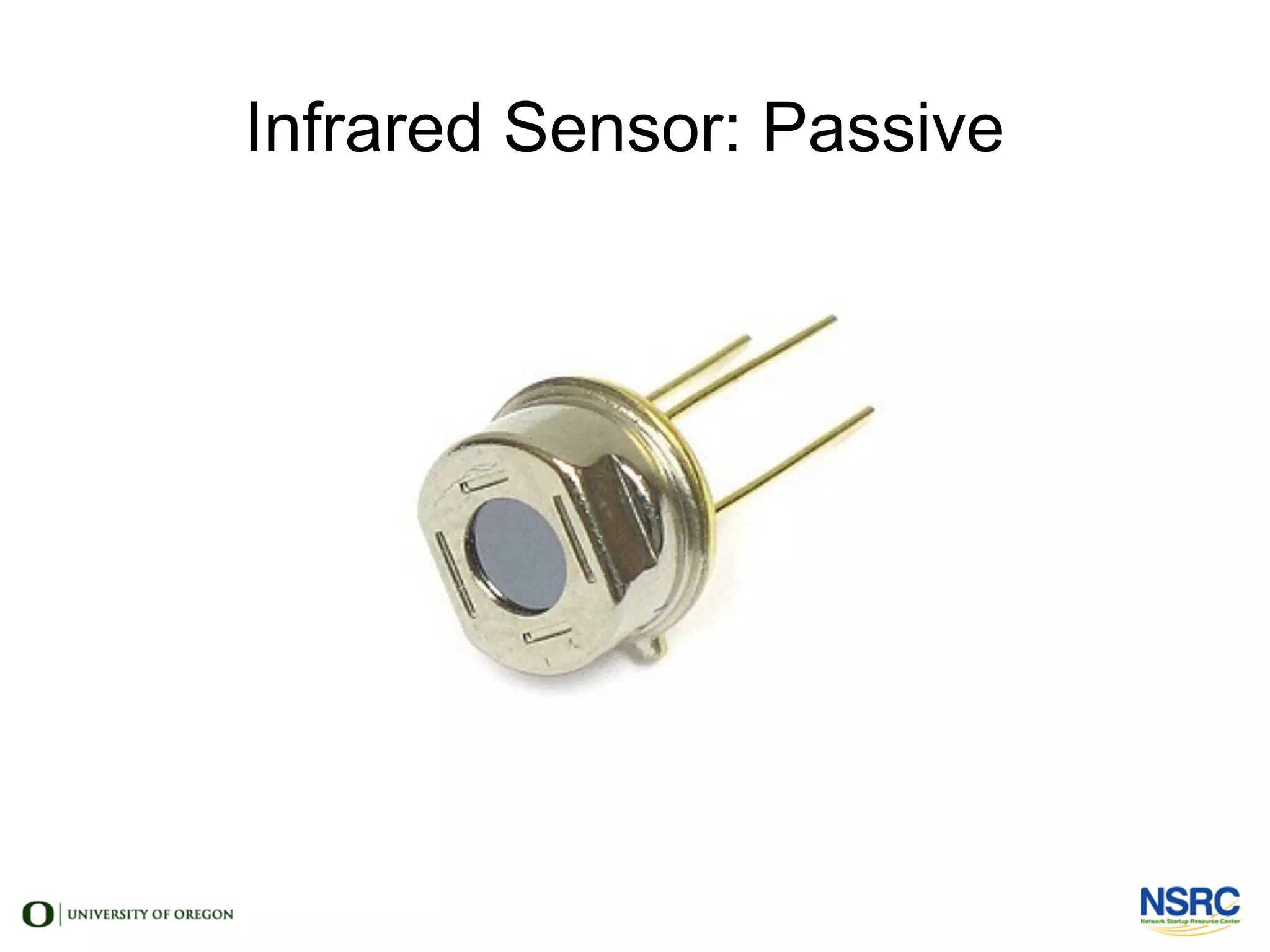
Infrared Sensor: Passive
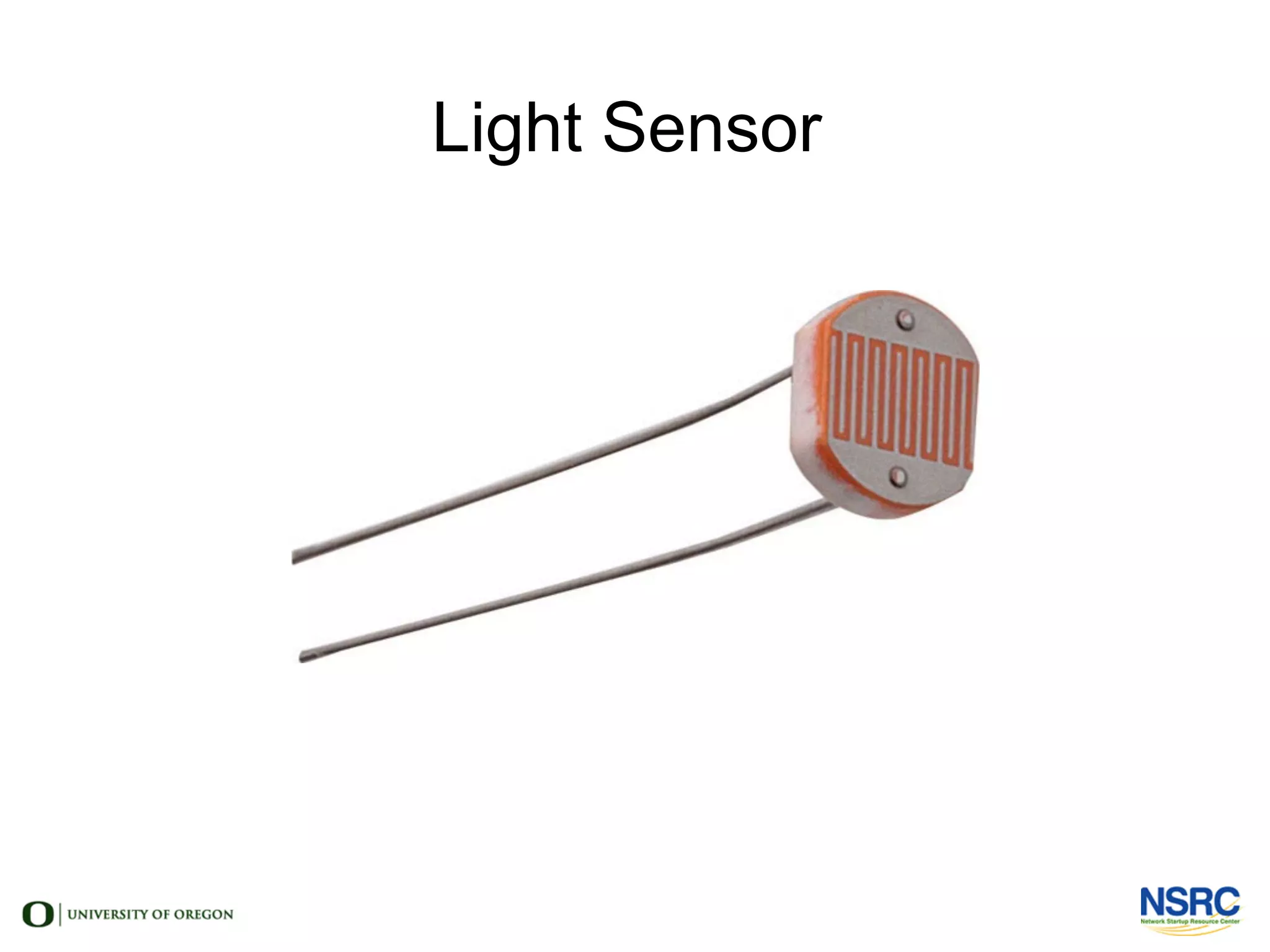
Light Sensor
Load Sensor
Loudness Sensor
Microphone
Moisture Sensor
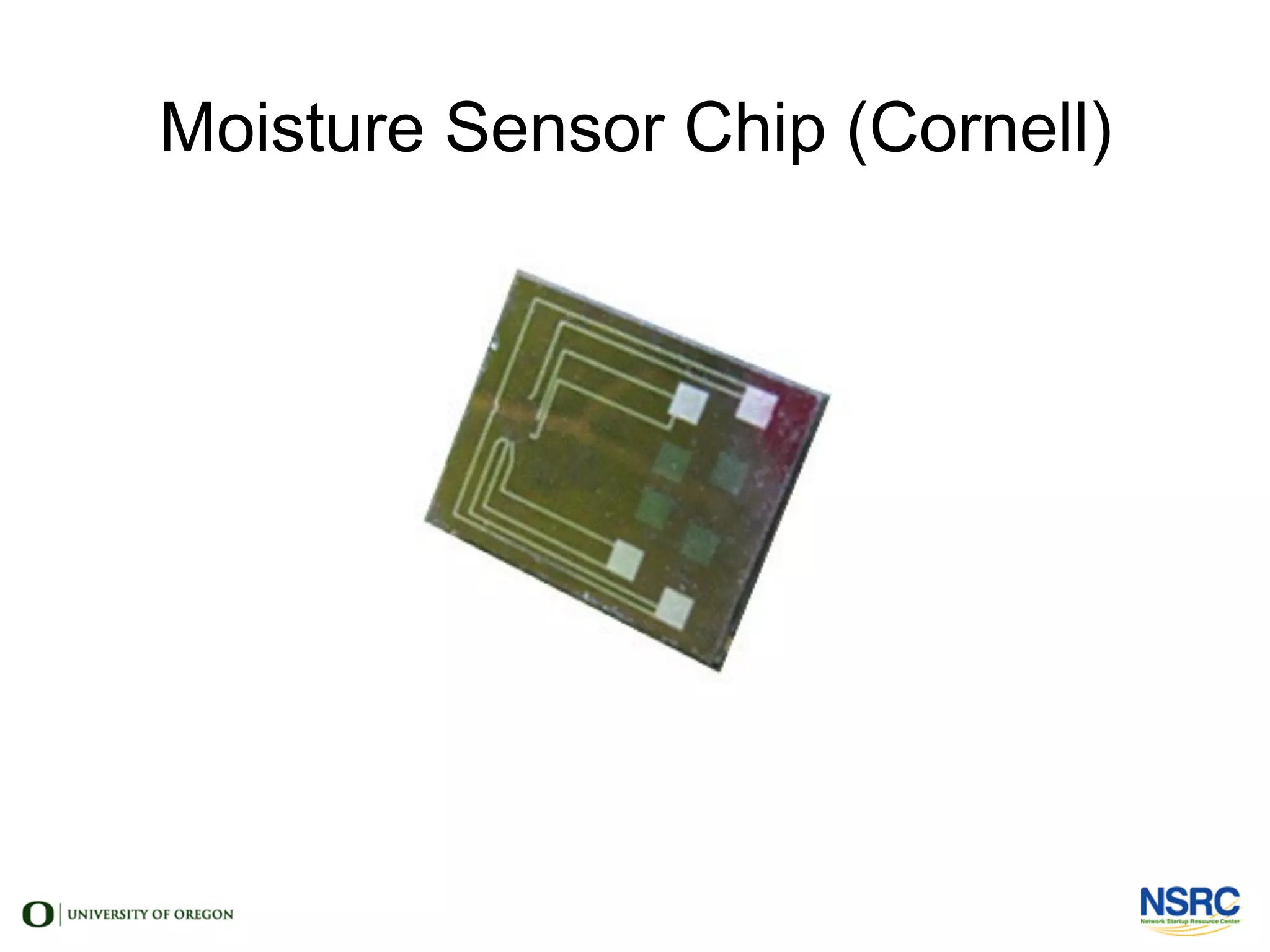
Moisture Sensor Chip (Cornell)
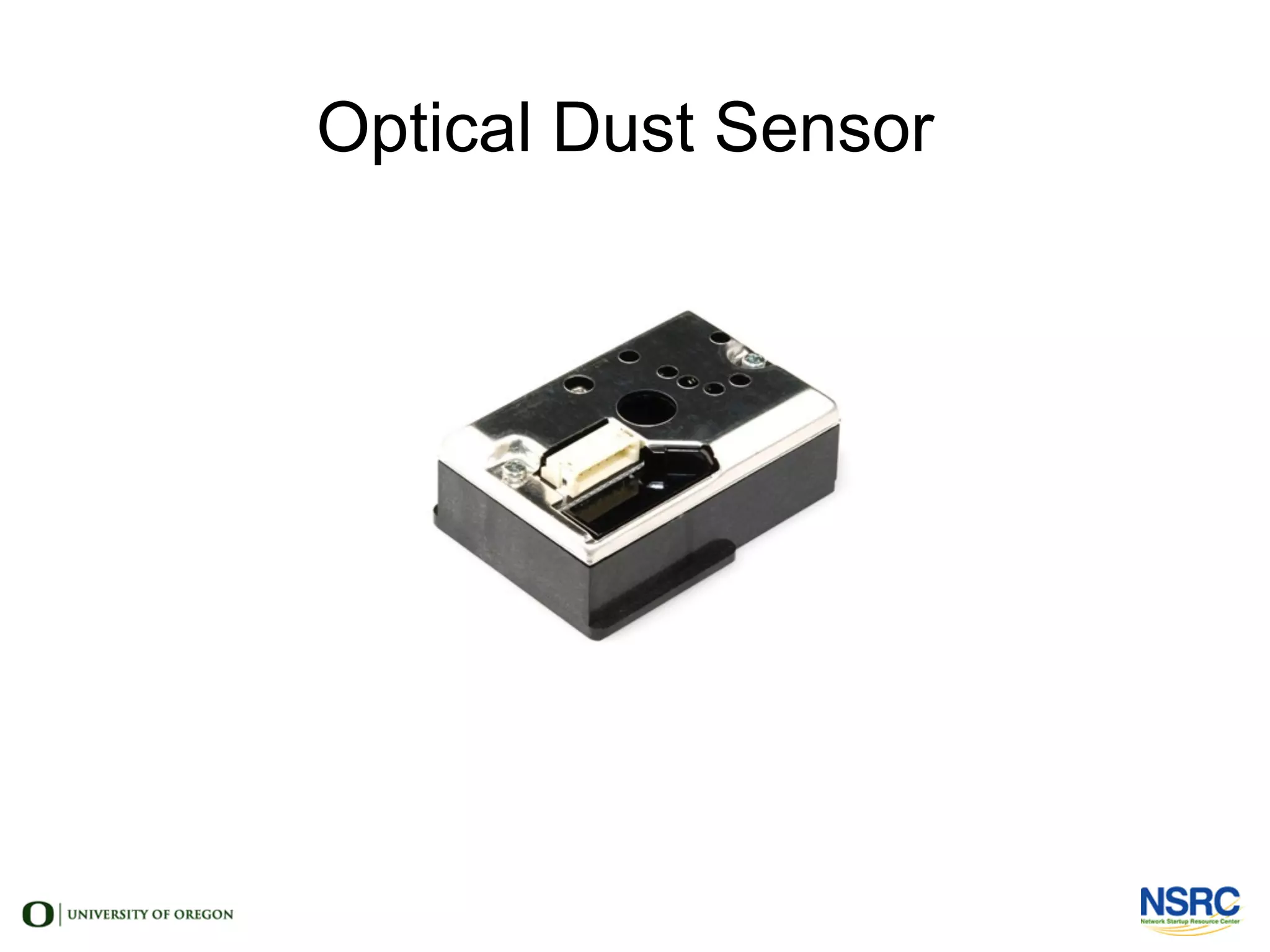
Optical Dust Sensor
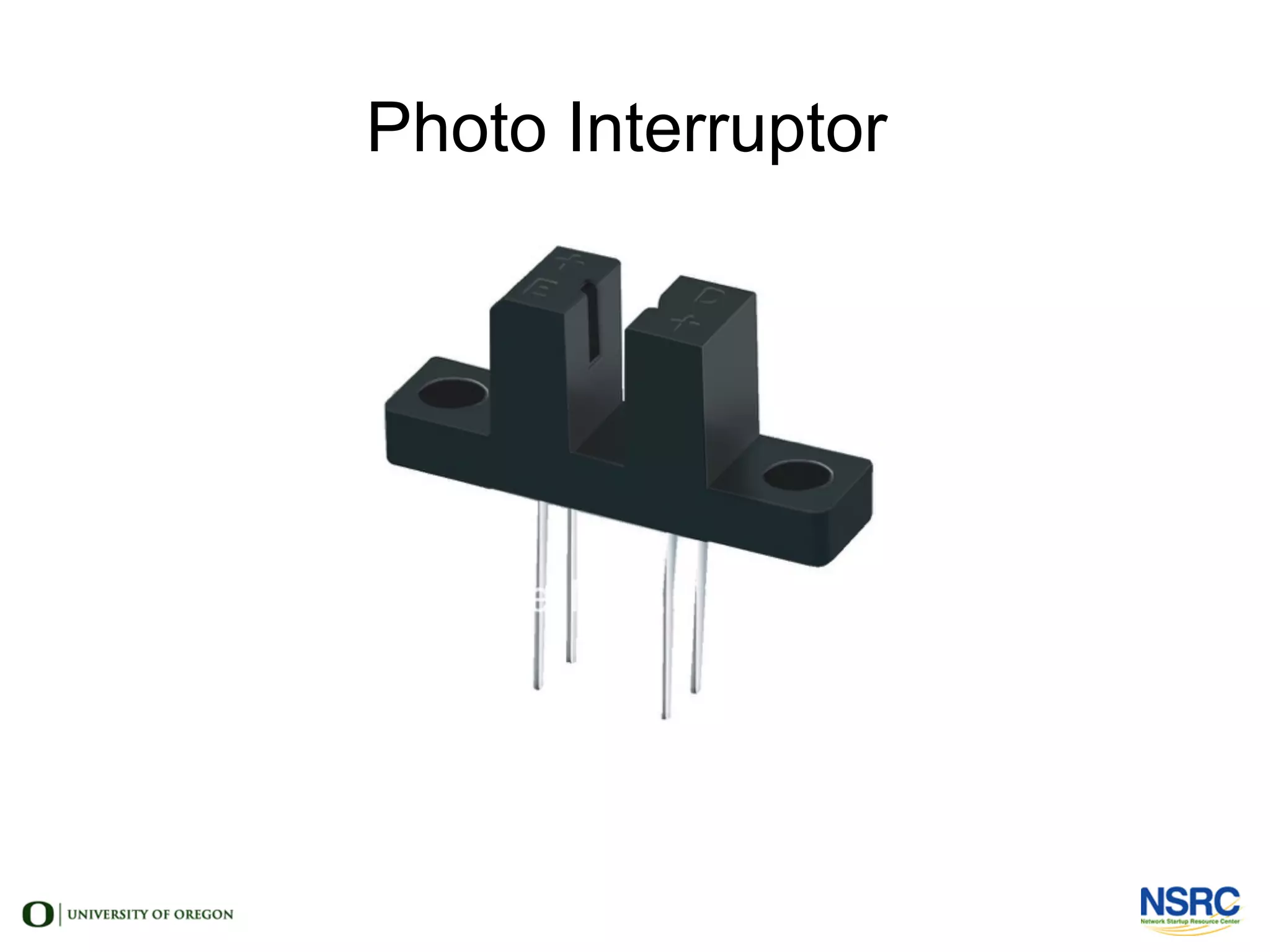
Photo Interruptor
Pressure Sensor (MEMS)
Real Time Clock
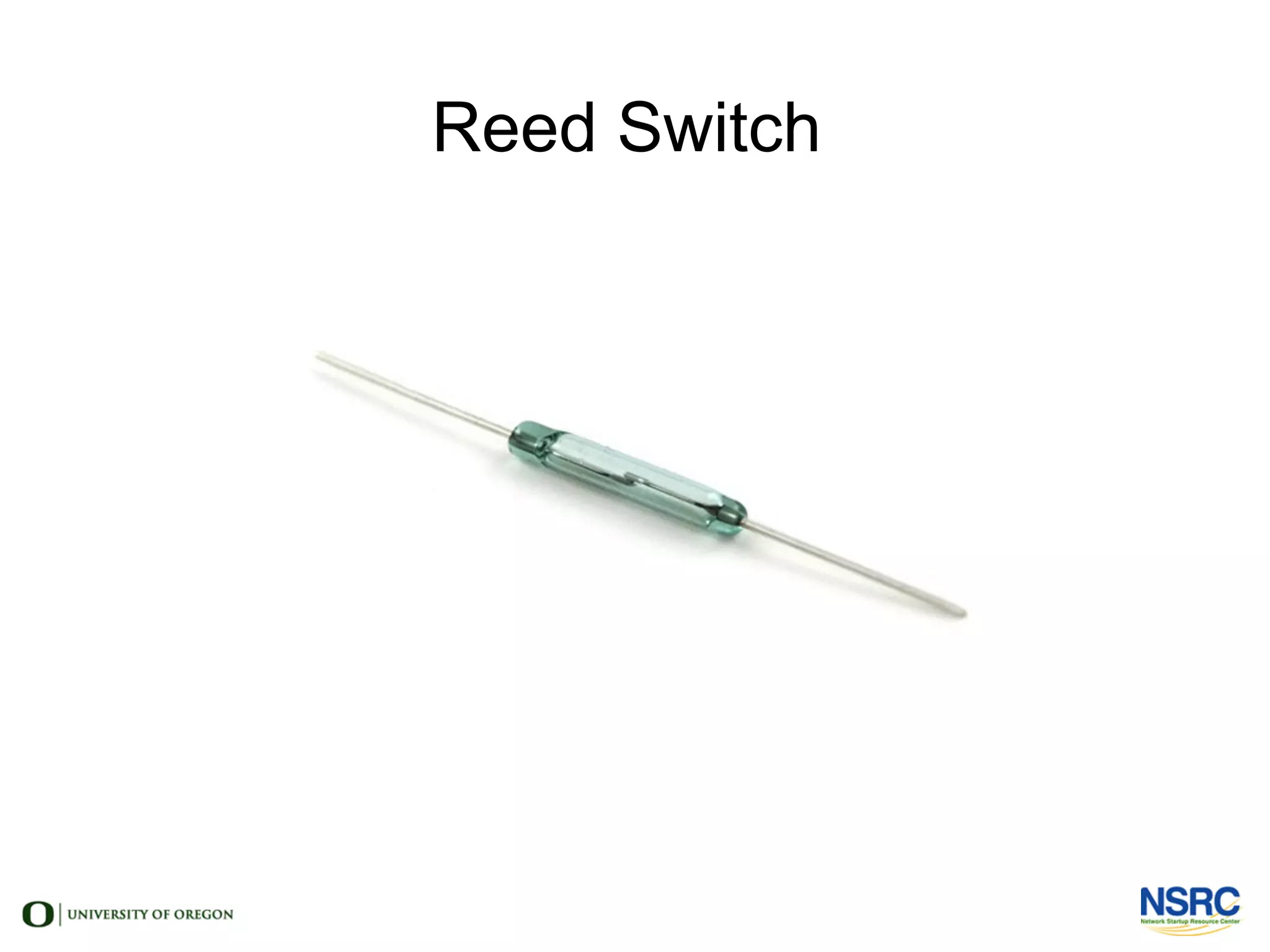
Reed Switch
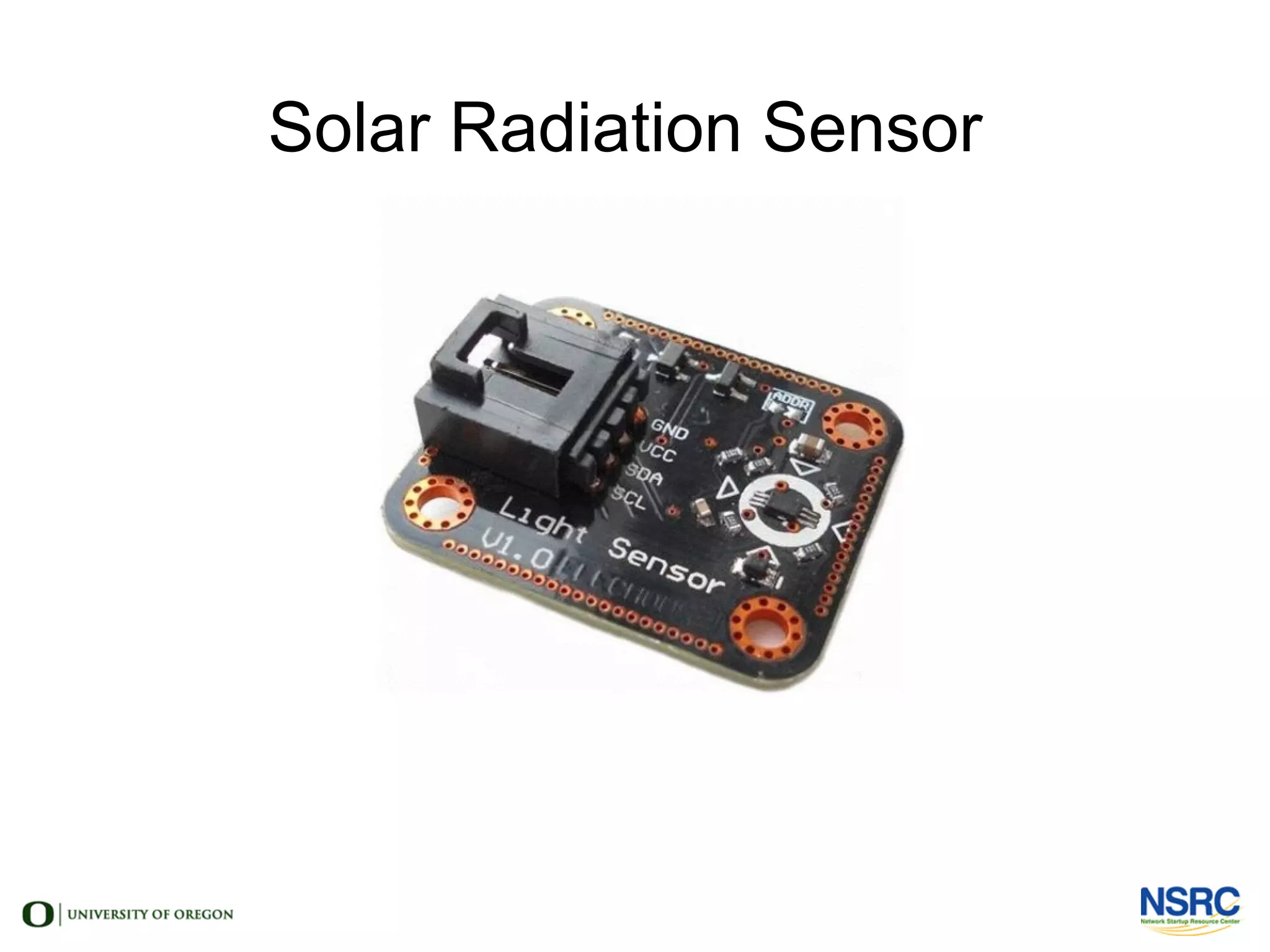
Solar Radiation Sensor
Temperature Sensor
Thermistor
Touch Sensor: Capacitive
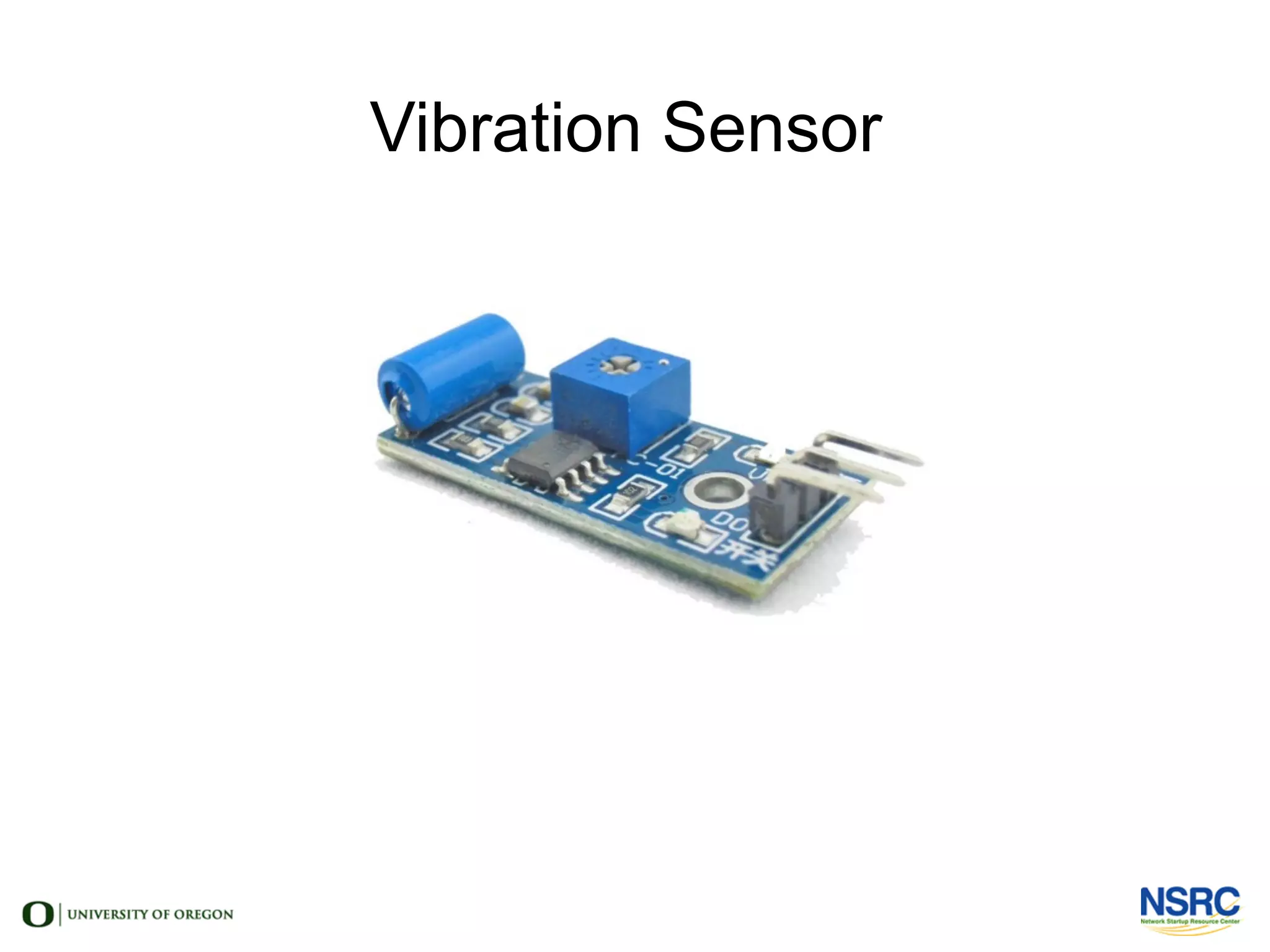
Vibration Sensor
Ultrasonic Range Finder
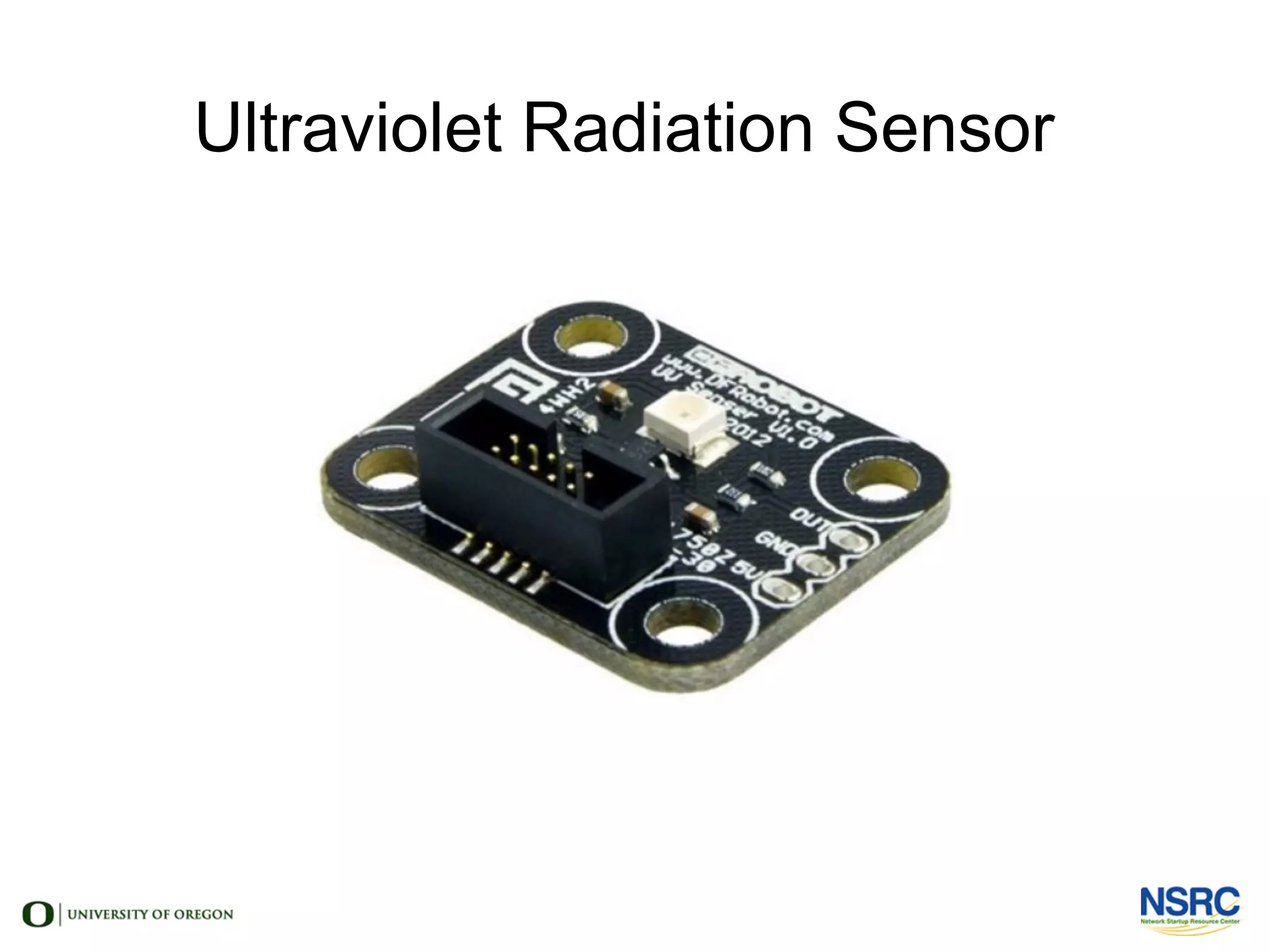
Ultraviolet Radiation Sensor
Actuating the Internet of Things
• Consider Power Use: Both Voltage & Amperage
• Interfaces
• Accuracy and Cost
• Availability
• Documentation, Support, & Community Involvement
Buzzer
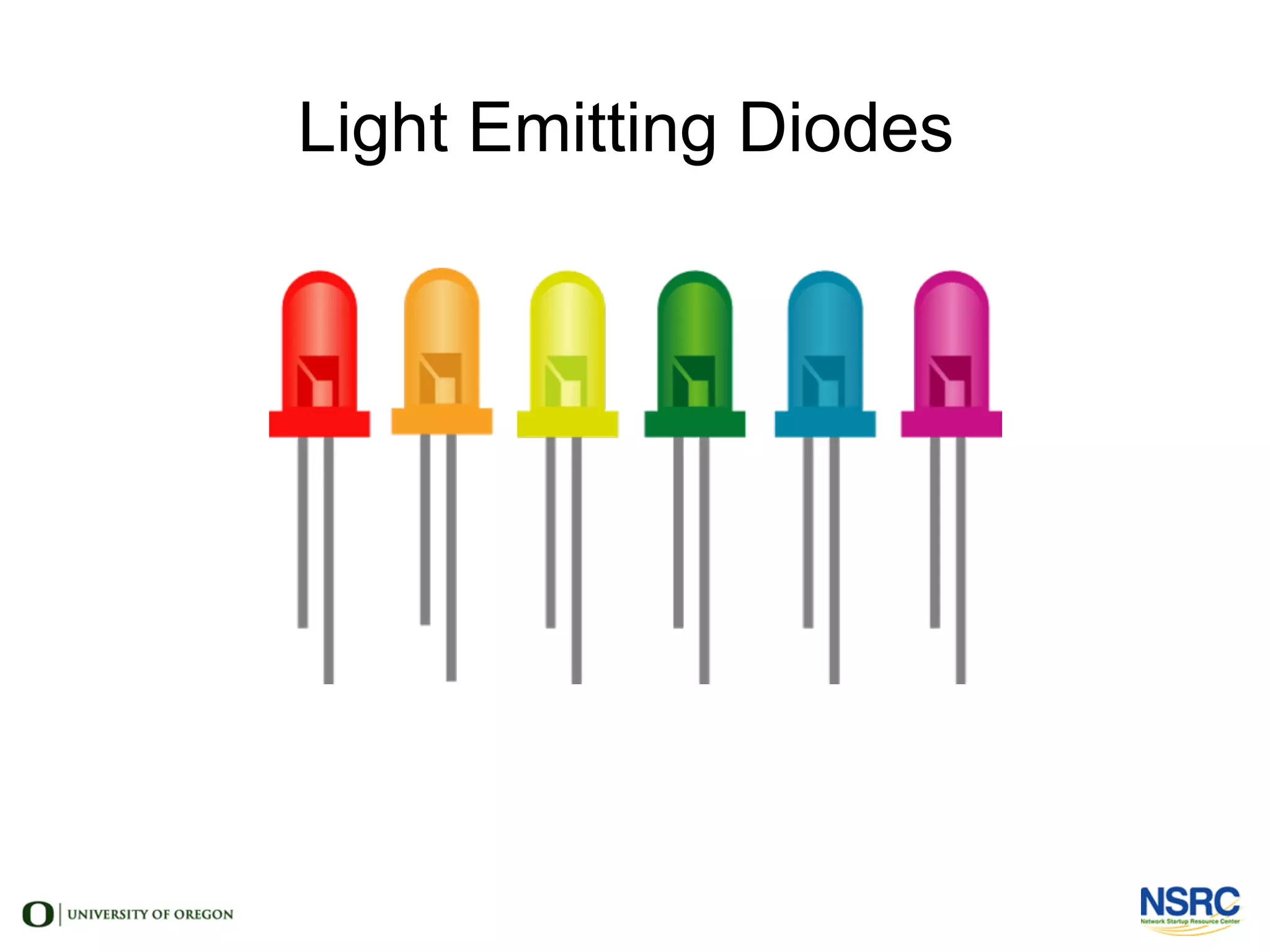
Light Emitting Diodes
Relay
Servo
Solenoid
Transistor
Energy System Considerations
• Amount of Power Required
• Stationary or Mobile Application
• Robustness
• Physical Size
• Level of Human Interaction Required
• Technological Maturity
Generating
Electricity
Ambient Backscatter
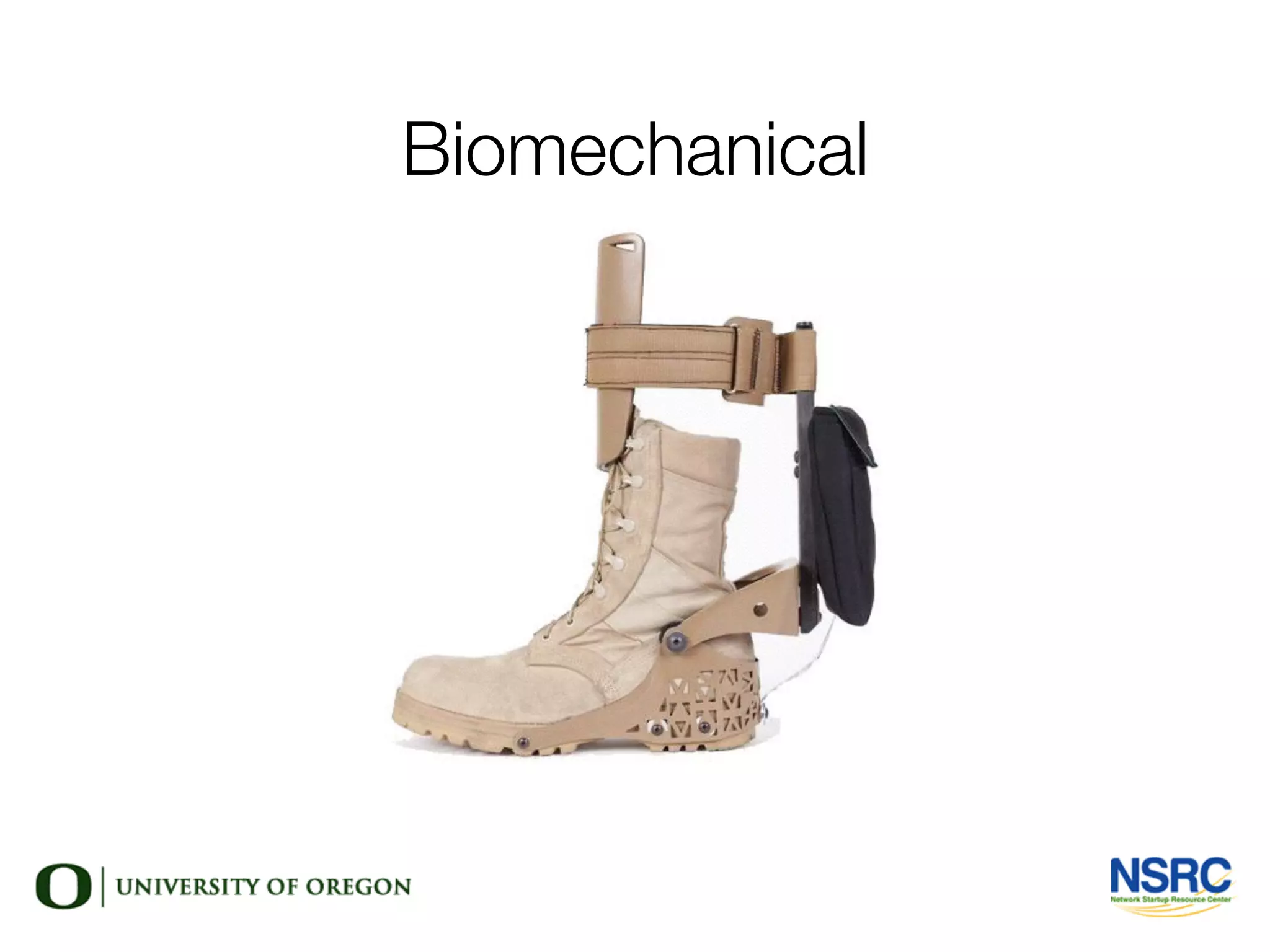
Biomechanical
Biomechanical
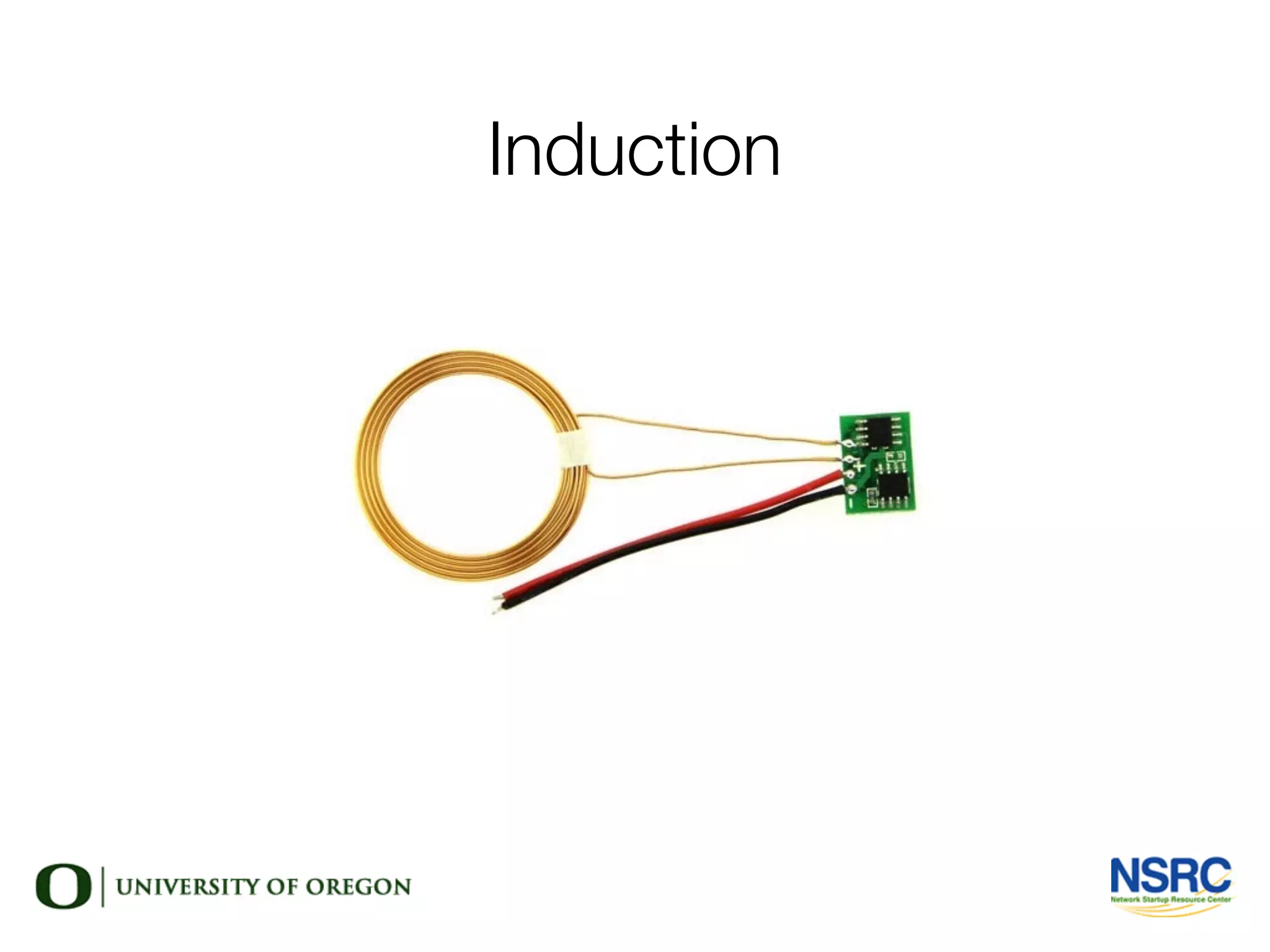
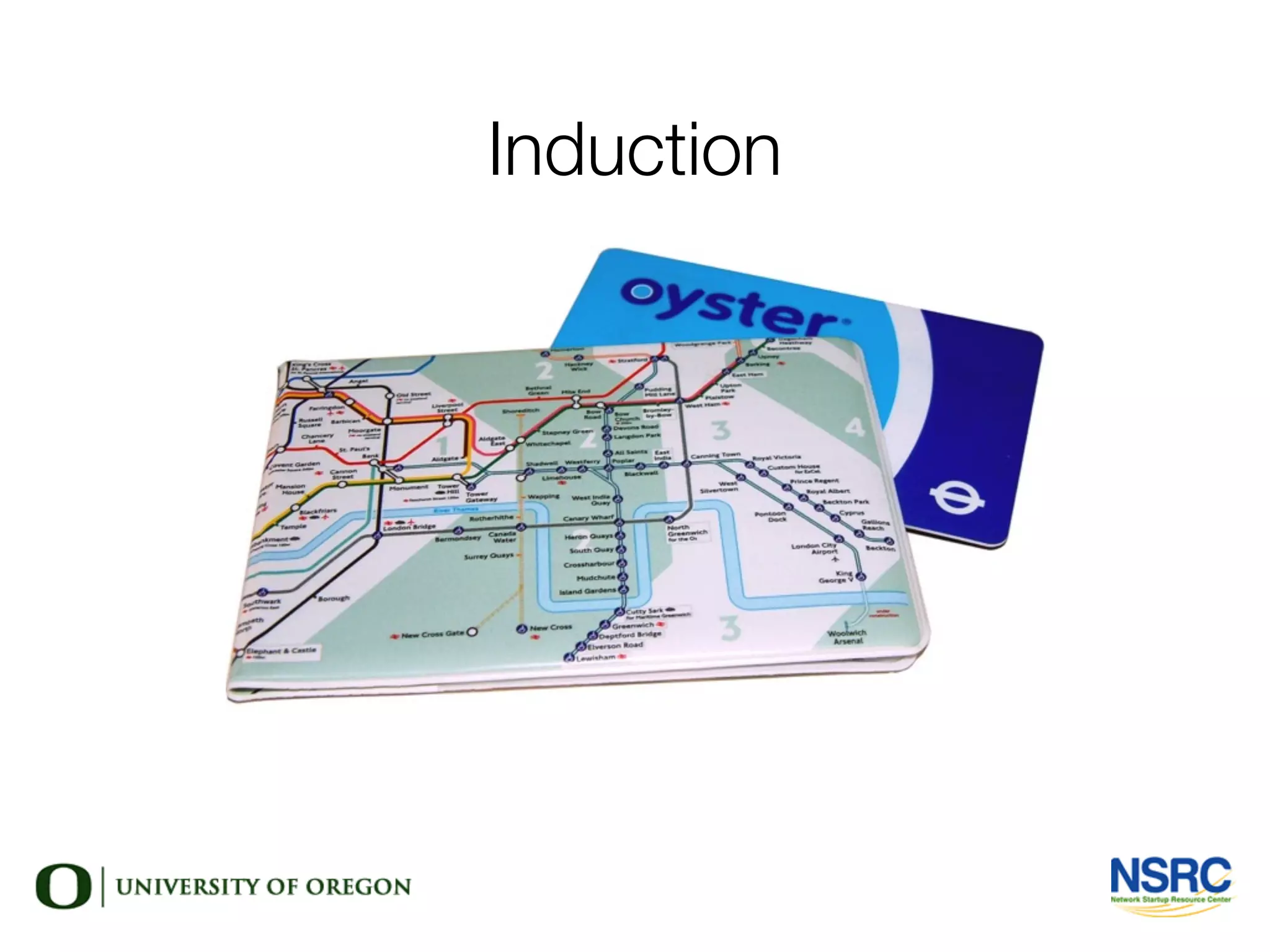
Induction
Induction
Electro-Magnetic
Electro-Magnetic
Micro-Hydro (Electro-Magnetic)
Piezoelectric
Thermoelectric
Thermoelectric
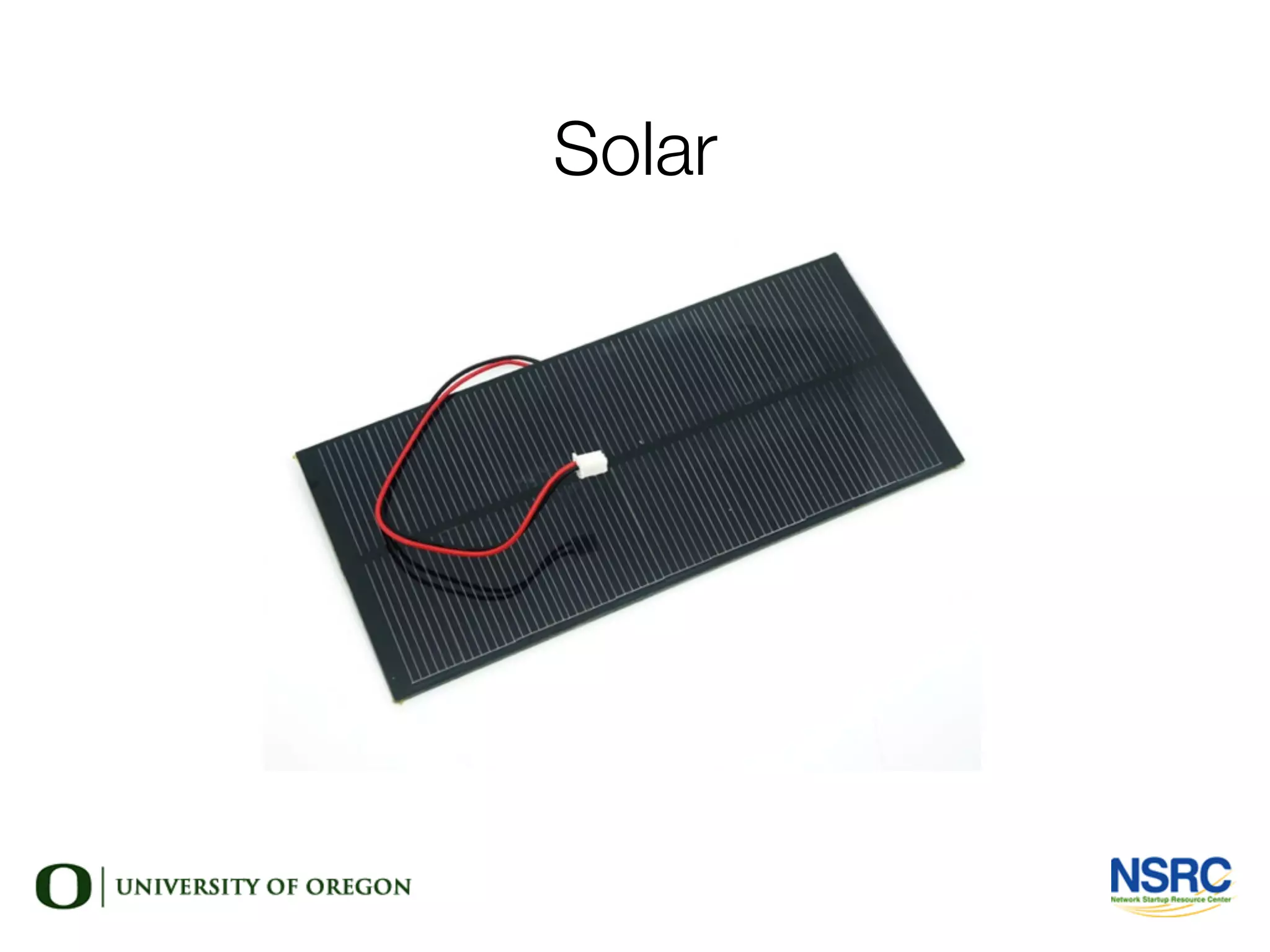
Solar
Solar
Storing
Electricity
Power Storage Considerations
• One-Use or Renewable
• Capacity of Storage
• Lifetime / Charge Cycles
• Current Required
• Physical Size
• Environmental Impact
Alkaline Battery
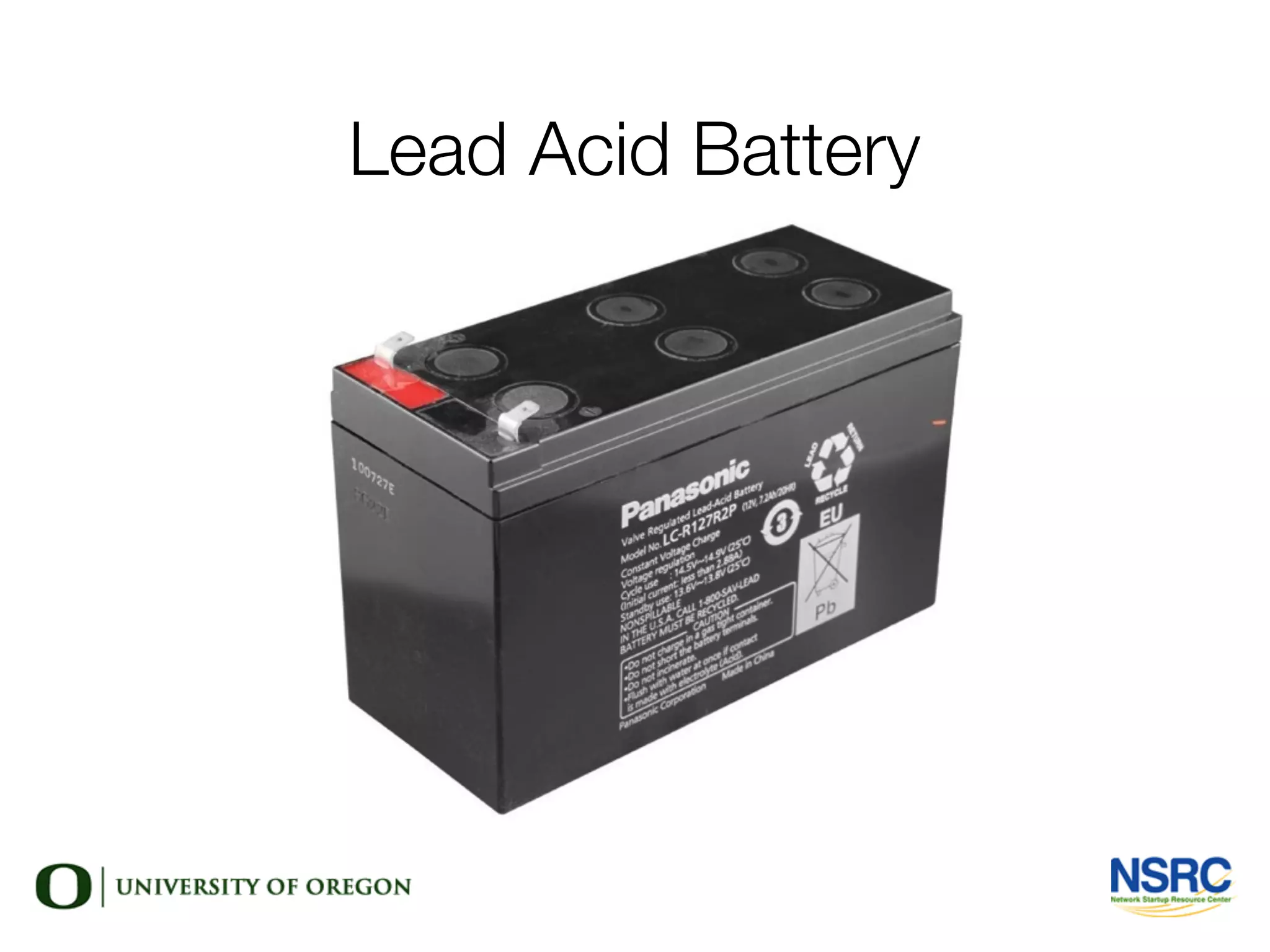
Lead Acid Battery
Lithium Battery
Lithium Ion Battery
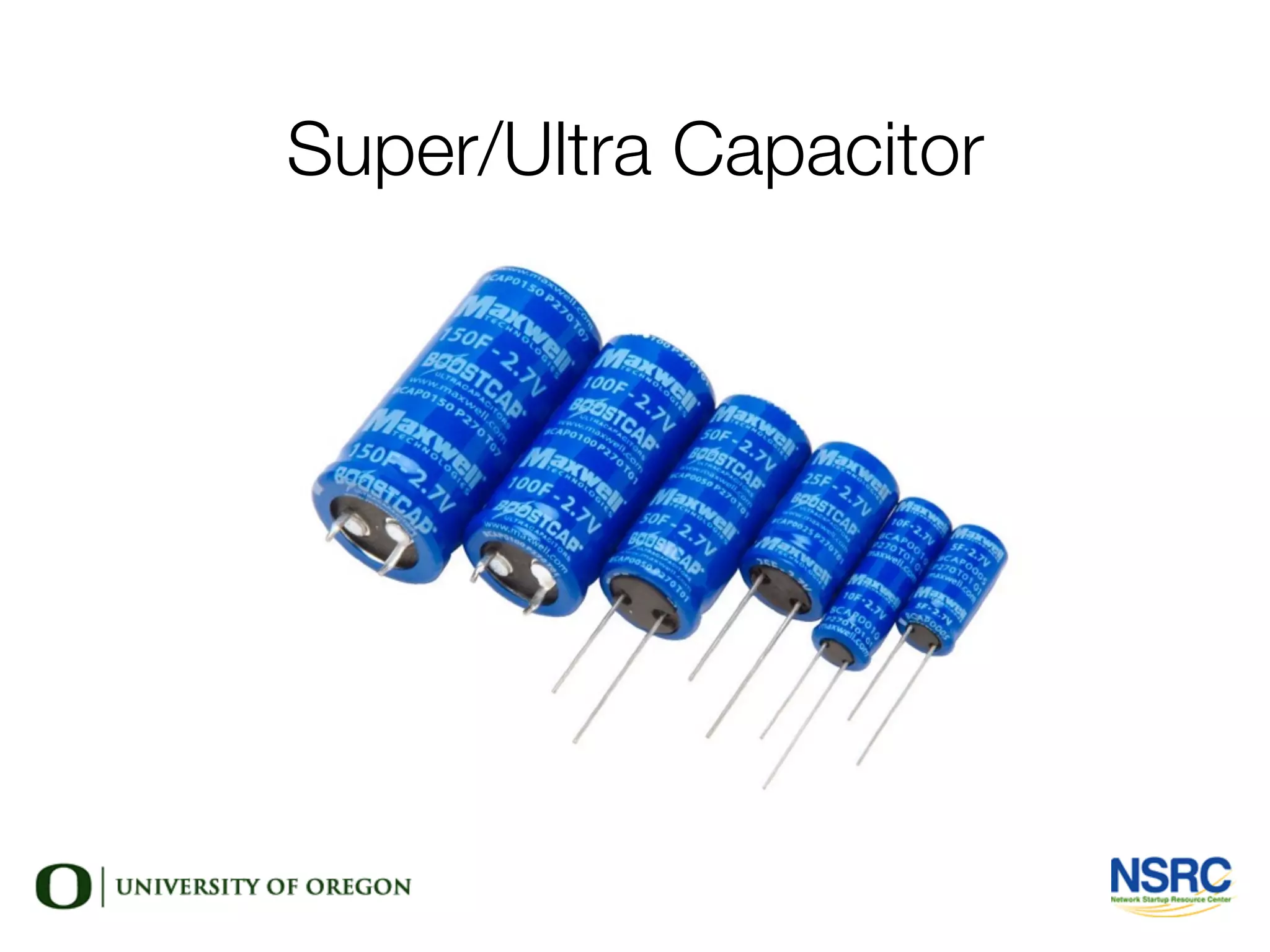
Super/Ultra Capacitor
Radio Frequency Protocols of
The Internet of Things
Jonathan Brewer

Network Startup Resource Center

jon@nsrc.org
These materials are licensed under the Creative Commons
Attribution-NonCommercial 4.0 International license
(http://creativecommons.org/licenses/by-nc/4.0/)
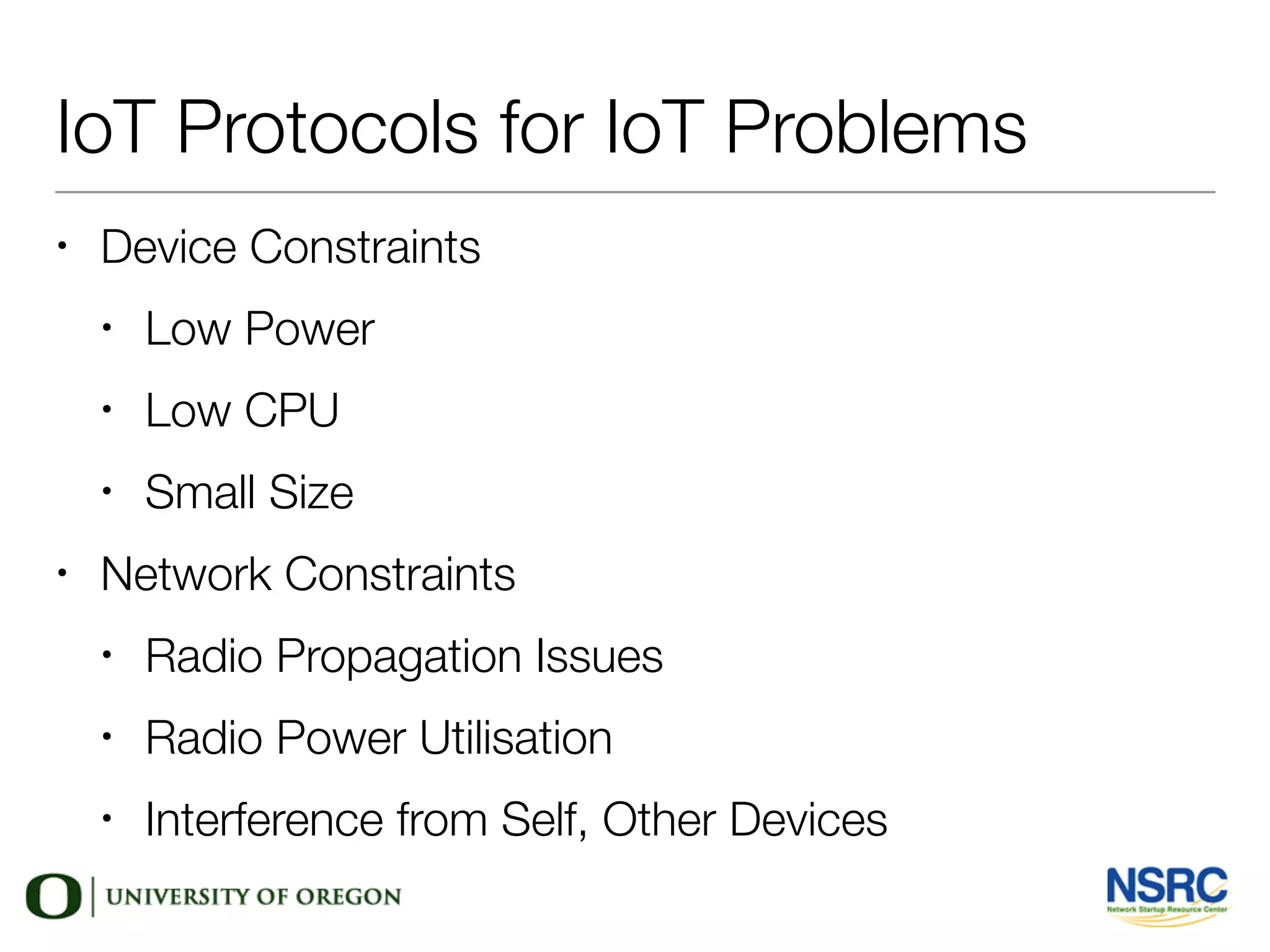
IoT Protocols for IoT Problems
• Device Constraints
• Low Power
• Low CPU
• Small Size
• Network Constraints
• Radio Propagation Issues
• Radio Power Utilisation
• Interference from Self, Other Devices
Radio Protocols: Wi-Fi
• 802.11b/g/n is pervasive and low cost
• Microprocessor + WiFi module at US $7 each.
• Default protocol for “connected devices”
• Where power is available, Wi-Fi works, but…
• Wi-Fi doesn’t solve many IoT problems
Radio Protocols: 802.15.n
• Includes Zigbee, Bluetooth, BLE
• 868 MHz, 915 MHz, 2.4GHz
• 20kbps – 1mbps depending on spectrum available
• Star, tree, mesh topologies
• Low power consumption
• Low cost - at least in 2.4GHz band
• 128-bit encryption keys
• Several network simulators available
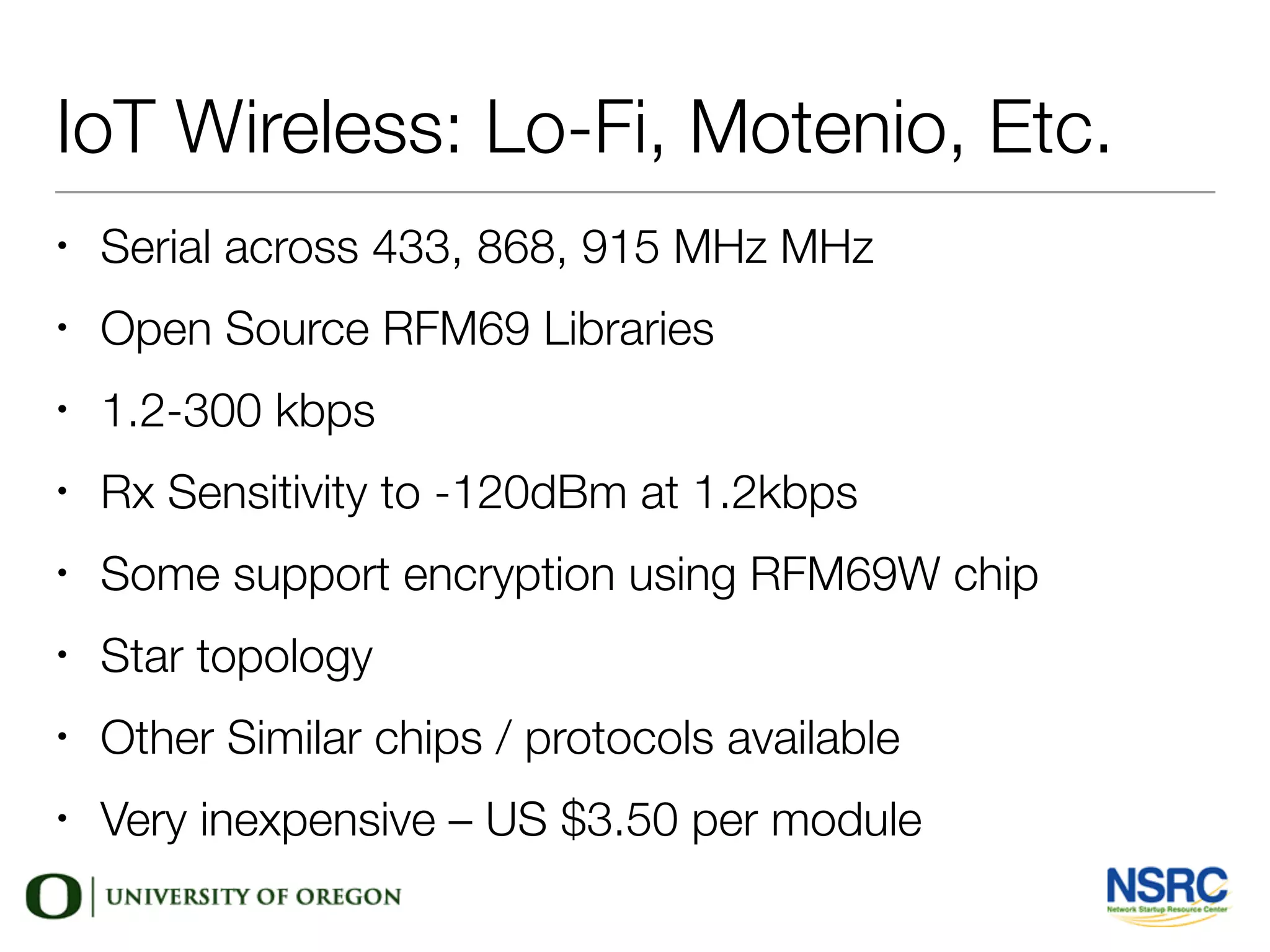
IoT Wireless: Lo-Fi, Motenio, Etc.
• Serial across 433, 868, 915 MHz MHz
• Open Source RFM69 Libraries
• 1.2-300 kbps
• Rx Sensitivity to -120dBm at 1.2kbps
• Some support encryption using RFM69W chip
• Star topology
• Other Similar chips / protocols available
• Very inexpensive – US $3.50 per module
Radio Protocols: Dash7
• RFID standard for Wireless Sensor Networking
• BLAST: bursty, light, asynchronous, stealth, transitive
• 433 MHz ISM (industrial, scientific, medical) band
• Open Source Protocol Stack
• Shared key AES encryption
• Data transfer 10-200kbps
• 1-10km range
• Low cost hardware
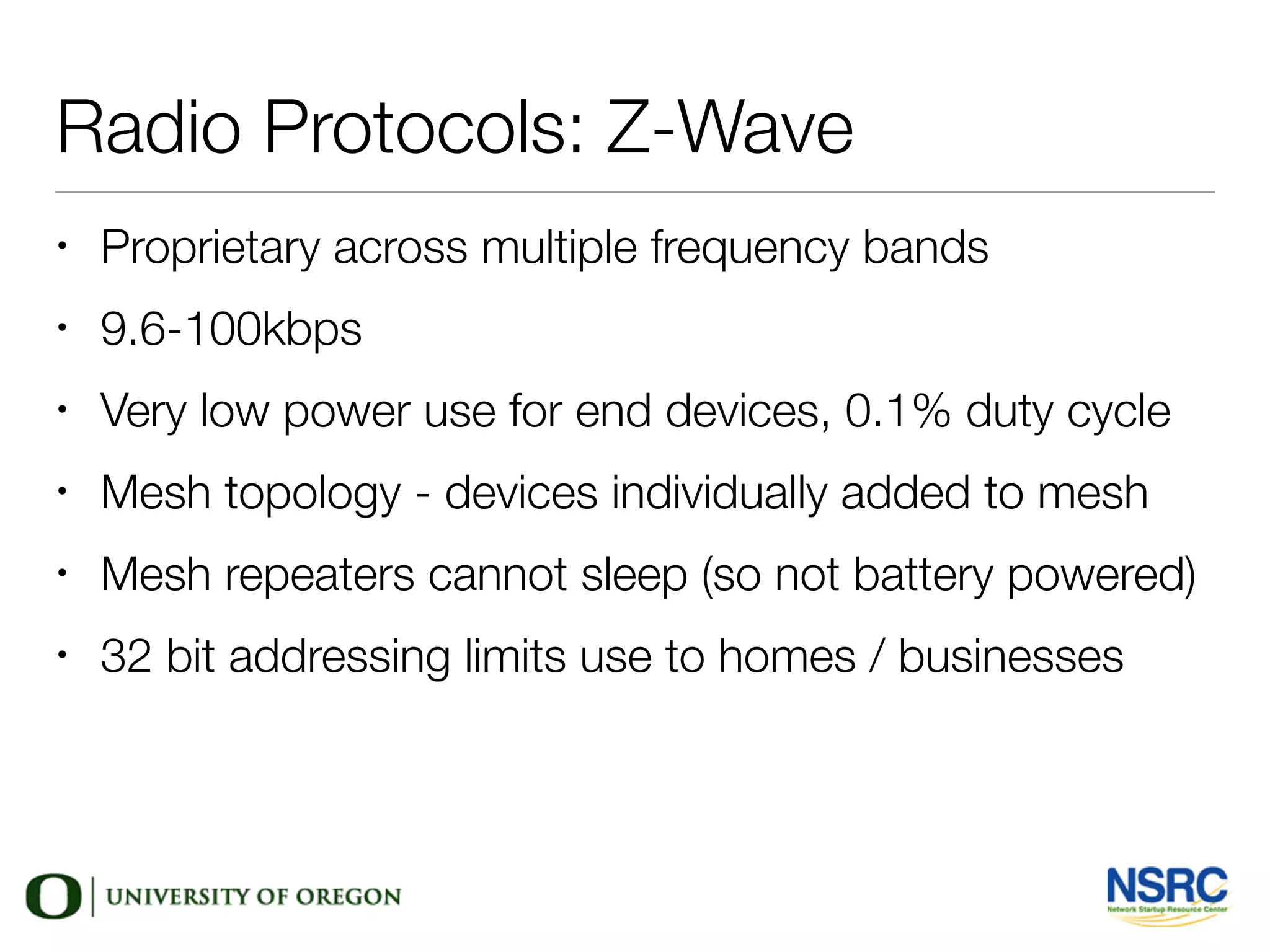
Radio Protocols: Z-Wave
• Proprietary across multiple frequency bands
• 9.6-100kbps
• Very low power use for end devices, 0.1% duty cycle
• Mesh topology - devices individually added to mesh
• Mesh repeaters cannot sleep (so not battery powered)
• 32 bit addressing limits use to homes / businesses
Radio Protocols: SigFox
• Proprietary at 868MHz & 915MHz in the US
• Low power consumption
• SigFox owns/operates the Receiver network
• European, USA, and AU/NZ Networks.
• Up to 140 12-byte messages a day
• 10-1000 bits per second
• Encryption?
• Target pricing US $1/device/year
Radio Protocols: LoRa
• Low Power Wide Area Network
• Designed for wireless, battery operated devices
• Supports bi-directional comms, mobility, localisation
• Star or star of stars topology (not mesh or p2p)
• 0.3-50kbps via adaptive data rate scheme
• Multiple levels of encryption (Net/App/Device)
• Supports time slot scheduling of device transmission
Radio Protocols: Weightless / nbIoT
• Open Standard at Multiple Frequency Bands
• Standards for TVWS & now Narrowband 868MHz
• Integrates w/ Cellular as nbIoT using re-farmed GSM
• Low power consumption - nodes can sleep for days
• From bits per second to megabits per second
• Intelligent scheduling at the tower end
• Public Key Encryption
• Supports itinerant nodes
Radio Protocols LTE-MTC / LTE IoT
• MTC = “Machine Type Communications”
• Cat-M1 version to be included in 3GPP Release 13
• Uses existing LTE base stations w/ software upgrade
• Six 230 KHz channels per 1.4 MHz carrier
• Data transmissions can be repeated at intervals
• Endpoints tell towers how often they want to talk
• extended discontinuous repetition cycle (DRX)
Software Protocols & Platforms
The Internet of Things
Jonathan Brewer

Network Startup Resource Center

jon@nsrc.org
These materials are licensed under the Creative Commons
Attribution-NonCommercial 4.0 International license
(http://creativecommons.org/licenses/by-nc/4.0/)
Network Protocols: 6LoWPAN
• IPv6 (globally addressable sensors) for
• Low Power
• Wireless
• Personal Area Networks
• Header compression
• Can have a smaller address space
• Allows for ad-hoc and mesh topologies
• Operates over 802.15.4
Network Protocols: LoRaWAN
• Centralised Controller & Device Management
• Handling of Radio Frequencies
• Routing of Traffic between Devices & Apps
• Network to Itinerant / Nomadic Device Comms
• Multiple levels of encryption (Net/App/Device)
Network Protocols: Websockets
• Full-Duplex comms over a single TCP socket
• Can be used by any client or server
• Uses TCP ports 80 / 443
• Supports TLS Encryption
• IETF Standard RFC 6455 in 2011
Network Protocols: MQTT
• Message Queue Telemetry Transport
• Publish-Subscribe Messaging Protocol
• Lightweight & Suitable for IoT Devices
• ISO/IEC Standard
• Very Popular / Useful for Wireless Sensor Networks
Email: jon@brewer.nz
Skype/Twitter: @kiwibrew
Thank You!

A Technical Introduction to The Internet of Things

  • 1.
    A Technical Introductionto The Internet of Things Jonathan Brewer Network Startup Resource Center jon@nsrc.org These materials are licensed under the Creative Commons Attribution-NonCommercial 4.0 International license (http://creativecommons.org/licenses/by-nc/4.0/)
  • 2.
    Kevin Ashton, RFIDJournal, June 2009 We need to empower computers with their own means of gathering information, so they can see, hear and smell the world for themselves, in all its random glory.
  • 4.
    The Internet ofThings is Small • Small Microprocessors • Small Sensors • Small amounts of memory • Small messages • Small antennas • Small wireless transactions
  • 6.
    The Internet ofThings is Big Your microwave oven, washer, dryer, dishwasher, coffee maker, refrigerator, VCR, television, video game console, stereo receiver, CD player, DVD player, remote controls, garage door openers, sprinkler systems, phones, answering machines.
  • 8.
    The Cliché ofthe Connected Fridge • It knows what you put in • And what you take out • It will tell you when you run low • It can order more food for you • Your fridge knows how healthy you are
  • 10.
    The Reality ofthe Connected Fridge • Commercial & Industrial Refrigerators • Every shop, warehouse, & commercial kitchen • Critical to the safety of the food system • Governments are starting to regulate them • IoT “connected fridge” will save time & money
  • 12.
    Heating Houses &Buildings • Major use of Electricity & Gas • Very uneconomic & unscientific use • Can we do this better with IoT?
  • 14.
    The Common Thermostat •Requires daily human intervention • Relies on limited data • Works sometimes, approximately • Nest IoT thermostat learns behaviour • Acquired by Google for a billion dollars
  • 16.
    Utilities: Smart Meteringis IoT • Mechanical meters have no power • Frequently have no sunlight • Hard for humans to read & maintain • New batteries & wireless solve problems
  • 18.
    Utilities: IoT forInfrastructure • Not just for automated meter reading • Transformers last 20+ years • Take them out too early, you lose money • Leave them in too long, they fail in place • Monitor their temperature & voltages with IoT!
  • 21.
    Retail & Food:IoT for Safety & Compliance • Traps are under shelves, behind counters, in the dark • UK law says clear traps within 24 hours • Supermarket employees spent a lot of time checking • Neul (Huawei) & Rentokil designed an IoT mousetrap • Saves hours of employee time every day
  • 23.
    City Maintenance: IoTSaves Time & Money • Smart trash cans in Milton Keynes • City employees used to check them every day • Now sensors alert the city to full trash cans • Saves time, diesel fuel, people hours
  • 25.
    City Maintenance: IoTSaves Time & Money • Streetlights are on light sensors or timers • They only turn on at night • Check, at night, to see if they’re working • Or wait for a report from the public • Inexpensive IoT sensor solves this problem!
  • 27.
    IoT for TrafficManagement • What does parking have to do with traffic? • Better parking information, less driving around • less driving around = less traffic! • Garages can display number of free parks • IoT light sensors can help
  • 30.
    IoT for ShippingContainers • What’s in that container? • Timber? Milk Powder? Coffee? Electronics? • Can it get hot? Damp? Can it be shaken? • IoT Sensors can record conditions • Assurance for customers of proper shipping
  • 33.
    IoT for TrackingContainers • Where’s your container? • Tracking used to be thousands of dollars • GSM tracking now < $100 • Satellite tracking < $500 • If tracked, use for sensor telemetry too
  • 35.
    IoT for MaritimeSafety • Maritime lights are like streetlights • Except they’re much harder to check! • IoT can provide assurance lights are working • Weather data, tide height, tsunami warning
  • 37.
    IoT for PivotIrrigators • The pivot irrigator enables modern agriculture • & has helped deplete aquifers around the world • New irrigators sense dry areas as they roll over • & vary nozzle size to deliver more or less water
  • 39.
    IoT for DripIrrigation • Soil types and drainage varies across fields • How do you adjust on a granular level? • New moisture sensors will enable high detail • Water savings can come at the drip level
  • 41.
    IoT for Greenhouses •Water delivery: where, when, and how much • Heating and ventilation with precision • IoT drops the cost of industrial systems • Opens fine control for developing markets
  • 43.
    IoT for WaterTanks • Water Storage is important for farms • Checking tanks a manual process: hours per week • Fail to check tanks, livestock can die • < $100 for tank monitor w/ solar + 3g • < $200 for tank monitor w/ solar + satellite
  • 45.
    IoT for WaterTanks • Water tanks help where supply intermittent • NextDrop in India texts when water will be on • IoT meters can tell users when they’ll run out • Connected meters can tell cities about supply • What neighbourhoods need water today?
  • 47.
    IoT for WaterDelivery • Water runs out! • Trucks deliver more • Where and when should the trucks go? • Connected meters = less time & fuel • Connected meters = no running out • This works for anything in a tank (fuel, feed, etc.)
  • 49.
    IoT for Weather& Public Safety • IoT is inexpensive flood monitoring • Project NOAH in Philippines = 1,000+ IoT stations • Know before the floods come • Know before mudslides & bridge outages • IoT can save money & save lives
  • 51.
    Sensing & Actuating TheInternet of Things Jonathan Brewer Network Startup Resource Center jon@nsrc.org These materials are licensed under the Creative Commons Attribution-NonCommercial 4.0 International license (http://creativecommons.org/licenses/by-nc/4.0/)
  • 52.
    Analogue and DigitalSensors • RS232, RS485, I2C, SPI, CAN, USB • Accuracy typically varies with price • Some need warm-up, others need calibration • Power requirements vary widely • Wrong data can be worse than no data at all!
  • 53.
  • 54.
  • 55.
  • 56.
  • 57.
  • 58.
  • 59.
  • 60.
  • 61.
  • 62.
  • 63.
  • 64.
  • 65.
  • 66.
  • 67.
  • 68.
  • 69.
  • 70.
  • 71.
  • 72.
  • 73.
  • 74.
  • 75.
  • 76.
  • 77.
  • 78.
  • 79.
  • 80.
  • 81.
  • 82.
  • 83.
  • 84.
  • 85.
  • 86.
  • 87.
  • 88.
  • 89.
  • 90.
  • 91.
  • 92.
    Actuating the Internetof Things • Consider Power Use: Both Voltage & Amperage • Interfaces • Accuracy and Cost • Availability • Documentation, Support, & Community Involvement
  • 93.
  • 94.
  • 95.
  • 96.
  • 97.
  • 98.
  • 99.
    Energy System Considerations •Amount of Power Required • Stationary or Mobile Application • Robustness • Physical Size • Level of Human Interaction Required • Technological Maturity
  • 100.
  • 101.
  • 102.
  • 103.
  • 104.
  • 105.
  • 106.
  • 107.
  • 108.
  • 109.
  • 110.
  • 111.
  • 112.
  • 113.
  • 114.
  • 115.
    Power Storage Considerations •One-Use or Renewable • Capacity of Storage • Lifetime / Charge Cycles • Current Required • Physical Size • Environmental Impact
  • 116.
  • 117.
  • 118.
  • 119.
  • 120.
  • 121.
    Radio Frequency Protocolsof The Internet of Things Jonathan Brewer Network Startup Resource Center jon@nsrc.org These materials are licensed under the Creative Commons Attribution-NonCommercial 4.0 International license (http://creativecommons.org/licenses/by-nc/4.0/)
  • 122.
    IoT Protocols forIoT Problems • Device Constraints • Low Power • Low CPU • Small Size • Network Constraints • Radio Propagation Issues • Radio Power Utilisation • Interference from Self, Other Devices
  • 123.
    Radio Protocols: Wi-Fi •802.11b/g/n is pervasive and low cost • Microprocessor + WiFi module at US $7 each. • Default protocol for “connected devices” • Where power is available, Wi-Fi works, but… • Wi-Fi doesn’t solve many IoT problems
  • 124.
    Radio Protocols: 802.15.n •Includes Zigbee, Bluetooth, BLE • 868 MHz, 915 MHz, 2.4GHz • 20kbps – 1mbps depending on spectrum available • Star, tree, mesh topologies • Low power consumption • Low cost - at least in 2.4GHz band • 128-bit encryption keys • Several network simulators available
  • 125.
    IoT Wireless: Lo-Fi,Motenio, Etc. • Serial across 433, 868, 915 MHz MHz • Open Source RFM69 Libraries • 1.2-300 kbps • Rx Sensitivity to -120dBm at 1.2kbps • Some support encryption using RFM69W chip • Star topology • Other Similar chips / protocols available • Very inexpensive – US $3.50 per module
  • 126.
    Radio Protocols: Dash7 •RFID standard for Wireless Sensor Networking • BLAST: bursty, light, asynchronous, stealth, transitive • 433 MHz ISM (industrial, scientific, medical) band • Open Source Protocol Stack • Shared key AES encryption • Data transfer 10-200kbps • 1-10km range • Low cost hardware
  • 127.
    Radio Protocols: Z-Wave •Proprietary across multiple frequency bands • 9.6-100kbps • Very low power use for end devices, 0.1% duty cycle • Mesh topology - devices individually added to mesh • Mesh repeaters cannot sleep (so not battery powered) • 32 bit addressing limits use to homes / businesses
  • 128.
    Radio Protocols: SigFox •Proprietary at 868MHz & 915MHz in the US • Low power consumption • SigFox owns/operates the Receiver network • European, USA, and AU/NZ Networks. • Up to 140 12-byte messages a day • 10-1000 bits per second • Encryption? • Target pricing US $1/device/year
  • 129.
    Radio Protocols: LoRa •Low Power Wide Area Network • Designed for wireless, battery operated devices • Supports bi-directional comms, mobility, localisation • Star or star of stars topology (not mesh or p2p) • 0.3-50kbps via adaptive data rate scheme • Multiple levels of encryption (Net/App/Device) • Supports time slot scheduling of device transmission
  • 130.
    Radio Protocols: Weightless/ nbIoT • Open Standard at Multiple Frequency Bands • Standards for TVWS & now Narrowband 868MHz • Integrates w/ Cellular as nbIoT using re-farmed GSM • Low power consumption - nodes can sleep for days • From bits per second to megabits per second • Intelligent scheduling at the tower end • Public Key Encryption • Supports itinerant nodes
  • 131.
    Radio Protocols LTE-MTC/ LTE IoT • MTC = “Machine Type Communications” • Cat-M1 version to be included in 3GPP Release 13 • Uses existing LTE base stations w/ software upgrade • Six 230 KHz channels per 1.4 MHz carrier • Data transmissions can be repeated at intervals • Endpoints tell towers how often they want to talk • extended discontinuous repetition cycle (DRX)
  • 132.
    Software Protocols &Platforms The Internet of Things Jonathan Brewer Network Startup Resource Center jon@nsrc.org These materials are licensed under the Creative Commons Attribution-NonCommercial 4.0 International license (http://creativecommons.org/licenses/by-nc/4.0/)
  • 133.
    Network Protocols: 6LoWPAN •IPv6 (globally addressable sensors) for • Low Power • Wireless • Personal Area Networks • Header compression • Can have a smaller address space • Allows for ad-hoc and mesh topologies • Operates over 802.15.4
  • 134.
    Network Protocols: LoRaWAN •Centralised Controller & Device Management • Handling of Radio Frequencies • Routing of Traffic between Devices & Apps • Network to Itinerant / Nomadic Device Comms • Multiple levels of encryption (Net/App/Device)
  • 135.
    Network Protocols: Websockets •Full-Duplex comms over a single TCP socket • Can be used by any client or server • Uses TCP ports 80 / 443 • Supports TLS Encryption • IETF Standard RFC 6455 in 2011
  • 136.
    Network Protocols: MQTT •Message Queue Telemetry Transport • Publish-Subscribe Messaging Protocol • Lightweight & Suitable for IoT Devices • ISO/IEC Standard • Very Popular / Useful for Wireless Sensor Networks
  • 147.