Welcome
A Seminar on the Basis of the
Construction of Bored Cast-in-Situ Piles
 Subham Kundu (CE - 33)
 Subhankar Karmakar (CE - 34)
 Supriya Chowdhury (CE - 35)
IMPS College of Engineering and Technology, Malda.
 Content:
 INTRODUCTION
 TERMINOLOGY
 PILE CLASSIFICATION
 GENERAL DESCRIPTION OF WORK
 WORKMANSHIP
 PILE COMPRESSION LOAD TEST BY KENTLEDGE SYSTEM
 EXECUTION OF CONSTRUCTION WORKS AT SITE
 PICTURES
 PILE CUT OFF, EXCAVATION AND CLEAN-UP
 THE EQUIPMENTS OF PILING
 VERTICAL PILE LOAD TEST (INITAIL AND ROUTINE)
 (COMPRESSION TEST OF CONCRETE) CUBE TEST
 THE SLUMP TEST OF CONCRETE
 FINENESS MODULUS TEST FOR COARSE AGGREGATE
 REQUIREMENTS OF DRILLING MUD (BENTONITE)
 CONCLUTION
 REFERENCES
 Content:
Introduction:
Classification based on the function
Classification based on material and composition
Terminology:
 Bored Cast In-situ Pile
 Cut-off Level
 Diameter of Piles
 Factor of Safety
 Initial Load Test
 Initial Test Pile
 Load Bearing Pile
 Pile Spacing
 Routine Test Pile
 Safe Load
 Ultimate Load Capacity
 Working Load
 Working Pile
 Negative Skin Friction or Drag down Force
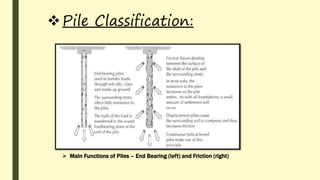
Pile Classification:
 Main Functions of Piles – End Bearing (left) and Friction (right)
General Description Of Work:
 Location
 Piling Work
 Materials
 Dewatering
 Back Filling
 Power and Water
 Period of Completion
Workmanship:
 Control of Piling Installation
 Use of Drilling Mud
 Cleaning of Borehole
 Tremie Concreting
 Defective Pile
 Recording of Data
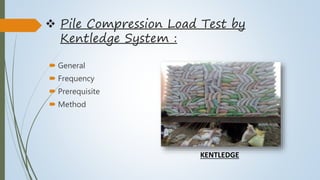
 Pile Compression Load Test by
Kentledge System :
 General
 Frequency
 Prerequisite
 Method
KENTLEDGE
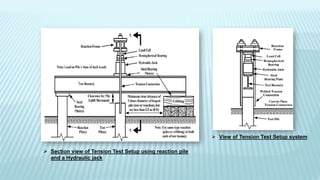
 Section view of Tension Test Setup using reaction pile
and a Hydraulic jack
 View of Tension Test Setup system
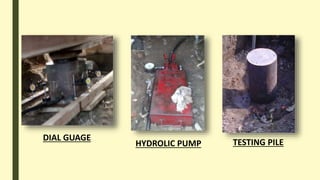
DIAL GUAGE
HYDROLIC PUMP TESTING PILE
Execution of construction
works at site :
 Preliminary Works
 Piling Work
 Steps of Piling
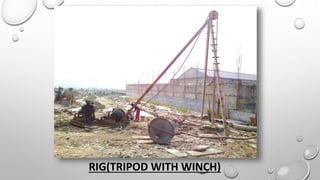
RIG(TRIPOD WITH WINCH)
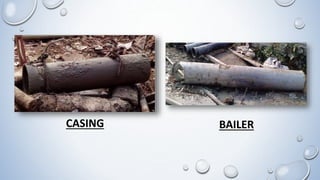
BAILERCASING
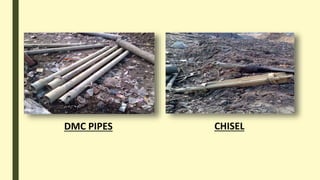
DMC PIPES CHISEL
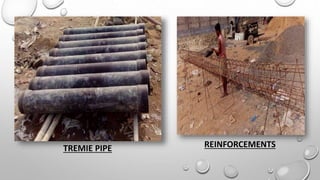
TREMIE PIPE REINFORCEMENTS
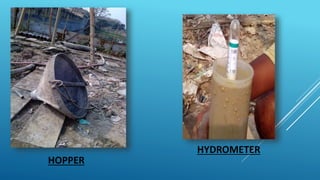
HYDROMETER
HOPPER
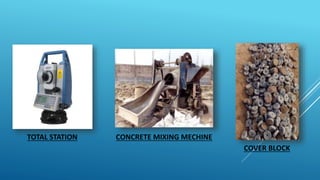
COVER BLOCK
CONCRETE MIXING MECHINETOTAL STATION
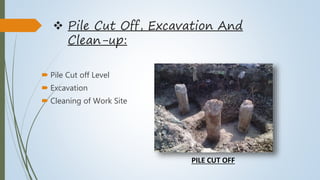
 Pile Cut Off, Excavation And
Clean-up:
 Pile Cut off Level
 Excavation
 Cleaning of Work Site
PILE CUT OFF
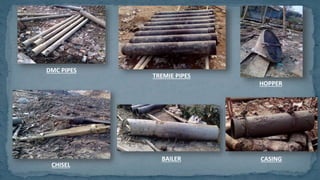
 The Equipments Of Piling :
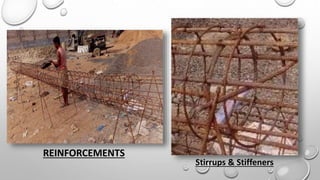
 Reinforcements (Stirrups & Stiffeners)
 DMC Pipes
 Development Length & Lap Length
 Tremie Pipes
 Chisel
 Bailer
 Casing
 Hopper
 Cement & Admixture
REINFORCEMENTS
Stirrups & Stiffeners
DMC PIPES
TREMIE PIPES
HOPPER
CHISEL
BAILER CASING
 Vertical Pile Load Test
(Initial & Routine) :
 Definition
 Process
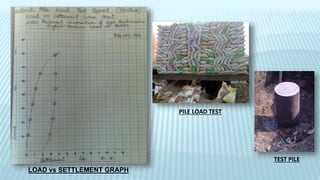
TEST PILE
PILE LOAD TEST
LOAD vs SETTLEMENT GRAPH
 Compression Test Of Concrete
(Cube Test) :
 Aim
 Equipments
 Procedure
 Precaution
 Information
 Results
 Judgments
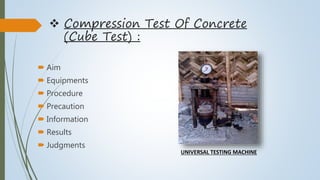
UNIVERSAL TESTING MACHINE
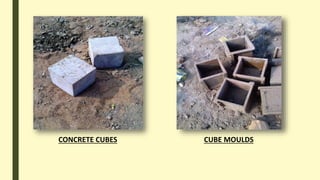
CONCRETE CUBES CUBE MOULDS
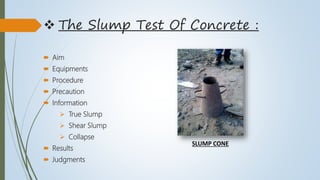
 The Slump Test Of Concrete :
 Aim
 Equipments
 Procedure
 Precaution
 Information
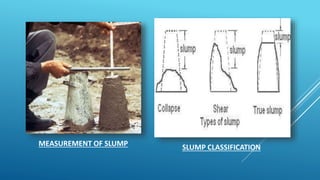
 True Slump
 Shear Slump
 Collapse
 Results
 Judgments
SLUMP CONE
MEASUREMENT OF SLUMP SLUMP CLASSIFICATION
 Fineness Modulus of Coarse
Aggregate :
 Aim
 Equipments
 Procedure
 Precaution
 Information
 Results
 Judgments
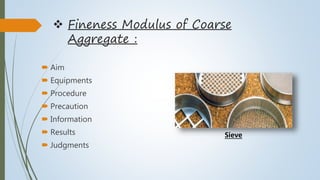
Sieve
 Requirements Of Drilling Mud
(Bentonite):
 Properties
 Functions
 Requirements
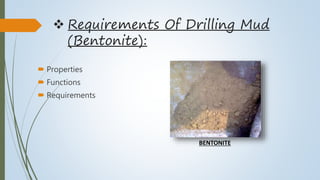
BENTONITE
 Conclusion:
 Bored Cast in situ piling is favourable than other piling processes.
Because there is no waste of time and materials so it is economical and
can be cast into exact length. It can bear heavier load and transfer it to
the ground soil. Also the transportation cost is not high.
 It is not necessary to reinforce the pile in normal cases or in places where
the pile is completely submerged in the soil. But for more stability and
durability of structure we use reinforcement. Over all, Bored cast in situ is
preferable for bearing huge amount of load as it can be cast deep inside
the ground.
References :
 MURTHY V.N.S – SOIL MECHANICS AND FOUNDATION
ENGINEERING
 SHETTY M.S – CONCRETE TECHNOLOGY
 IS 2911 (Part 1/Sec 2) : 2010
Thank You

A Presentation on Bored Cast-in-Situ Piles

  • 1.
  • 2.
    A Seminar onthe Basis of the Construction of Bored Cast-in-Situ Piles  Subham Kundu (CE - 33)  Subhankar Karmakar (CE - 34)  Supriya Chowdhury (CE - 35) IMPS College of Engineering and Technology, Malda.
  • 3.
     Content:  INTRODUCTION TERMINOLOGY  PILE CLASSIFICATION  GENERAL DESCRIPTION OF WORK  WORKMANSHIP  PILE COMPRESSION LOAD TEST BY KENTLEDGE SYSTEM  EXECUTION OF CONSTRUCTION WORKS AT SITE  PICTURES  PILE CUT OFF, EXCAVATION AND CLEAN-UP
  • 4.
     THE EQUIPMENTSOF PILING  VERTICAL PILE LOAD TEST (INITAIL AND ROUTINE)  (COMPRESSION TEST OF CONCRETE) CUBE TEST  THE SLUMP TEST OF CONCRETE  FINENESS MODULUS TEST FOR COARSE AGGREGATE  REQUIREMENTS OF DRILLING MUD (BENTONITE)  CONCLUTION  REFERENCES  Content:
  • 5.
    Introduction: Classification based onthe function Classification based on material and composition
  • 6.
    Terminology:  Bored CastIn-situ Pile  Cut-off Level  Diameter of Piles  Factor of Safety  Initial Load Test  Initial Test Pile  Load Bearing Pile  Pile Spacing  Routine Test Pile  Safe Load  Ultimate Load Capacity  Working Load  Working Pile  Negative Skin Friction or Drag down Force
  • 7.
    Pile Classification:  MainFunctions of Piles – End Bearing (left) and Friction (right)
  • 8.
    General Description OfWork:  Location  Piling Work  Materials  Dewatering  Back Filling  Power and Water  Period of Completion
  • 9.
    Workmanship:  Control ofPiling Installation  Use of Drilling Mud  Cleaning of Borehole  Tremie Concreting  Defective Pile  Recording of Data
  • 10.
     Pile CompressionLoad Test by Kentledge System :  General  Frequency  Prerequisite  Method KENTLEDGE
  • 11.
     Section viewof Tension Test Setup using reaction pile and a Hydraulic jack  View of Tension Test Setup system
  • 12.
  • 13.
    Execution of construction worksat site :  Preliminary Works  Piling Work  Steps of Piling
  • 14.
  • 15.
  • 16.
  • 17.
  • 18.
  • 19.
    COVER BLOCK CONCRETE MIXINGMECHINETOTAL STATION
  • 20.
     Pile CutOff, Excavation And Clean-up:  Pile Cut off Level  Excavation  Cleaning of Work Site PILE CUT OFF
  • 21.
     The EquipmentsOf Piling :  Reinforcements (Stirrups & Stiffeners)  DMC Pipes  Development Length & Lap Length  Tremie Pipes  Chisel  Bailer  Casing  Hopper  Cement & Admixture
  • 22.
  • 23.
  • 24.
     Vertical PileLoad Test (Initial & Routine) :  Definition  Process
  • 25.
    TEST PILE PILE LOADTEST LOAD vs SETTLEMENT GRAPH
  • 26.
     Compression TestOf Concrete (Cube Test) :  Aim  Equipments  Procedure  Precaution  Information  Results  Judgments UNIVERSAL TESTING MACHINE
  • 27.
  • 28.
     The SlumpTest Of Concrete :  Aim  Equipments  Procedure  Precaution  Information  True Slump  Shear Slump  Collapse  Results  Judgments SLUMP CONE
  • 29.
    MEASUREMENT OF SLUMPSLUMP CLASSIFICATION
  • 30.
     Fineness Modulusof Coarse Aggregate :  Aim  Equipments  Procedure  Precaution  Information  Results  Judgments Sieve
  • 31.
     Requirements OfDrilling Mud (Bentonite):  Properties  Functions  Requirements BENTONITE
  • 32.
     Conclusion:  BoredCast in situ piling is favourable than other piling processes. Because there is no waste of time and materials so it is economical and can be cast into exact length. It can bear heavier load and transfer it to the ground soil. Also the transportation cost is not high.  It is not necessary to reinforce the pile in normal cases or in places where the pile is completely submerged in the soil. But for more stability and durability of structure we use reinforcement. Over all, Bored cast in situ is preferable for bearing huge amount of load as it can be cast deep inside the ground.
  • 33.
    References :  MURTHYV.N.S – SOIL MECHANICS AND FOUNDATION ENGINEERING  SHETTY M.S – CONCRETE TECHNOLOGY  IS 2911 (Part 1/Sec 2) : 2010
  • 34.