A BALANCED DIET, ALCOHOL, AND
FATTY FOODS
By Cindy Liao
   Johnelie To
WHAT IS A BALANCED DIET?


 Eating a balanced diet means
 choosing a wide variety of foods and
 drinks from all the food groups. It also
 means eating certain things is
 moderation, like saturated fat, trans
 fat, cholesterol, salt and alcohol. It
 helps you take in nutrients you need
 for health.
A BALANCED DIET MUST HAVE:

   Energy nutrients
      Carbohydrates
      proteins
      fats

   nonenergy nutrients
      vitamins
      mineral salts
      fiber
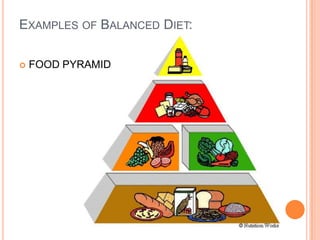
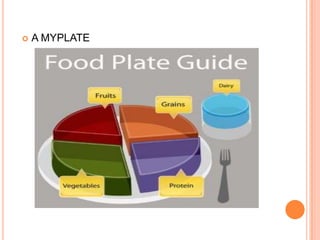
EXAMPLES OF BALANCED DIET:

   FOOD PYRAMID
   A MYPLATE
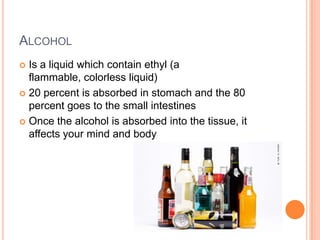
ALCOHOL
 Is a liquid which contain ethyl (a
  flammable, colorless liquid)
 20 percent is absorbed in stomach and the 80
  percent goes to the small intestines
 Once the alcohol is absorbed into the tissue, it
  affects your mind and body
BAD EFFECTS

   High amounts of alcohol may cause breathing to
    stop, then it will cause death

   Inflammation (immune response to injury or
    infection causing pain) and destruction of liver cells
    (hepatitis)

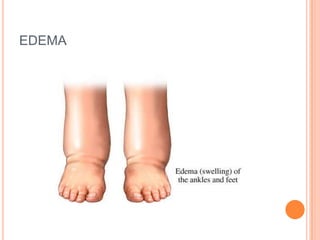
   Edema (is the swelling caused by fluid retention)

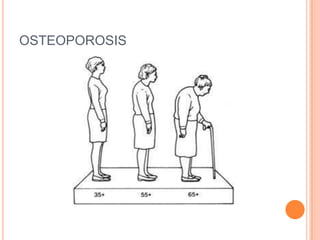
   Osteoporosis (the bones become thin and weak)

   Irregular heartbeat and heart enlargement
EDEMA
OSTEOPOROSIS
FATTY FOODS


 Fatty foods are food nutrients in the
 form of carbohydrates that are not
 utilized at once to sustain your body’s
 energy needs are converted into fats.
 That’s why if you eat too much
 rice, bread, or corn every day, you will
 gain weight.
TYPES:
   Saturated fat (immerse with is hydrogen atoms)

    trans fat (the result of an artificial process
    converting vegetable oil into a more stable form of
    shortening)

   polyunsaturated fat (no hydrogen atoms at every
    available bonding site on the molecule. )

   monounsaturated fat (have one of these bonds
    which lack hydrogen.)
FUNCTIONS:
   Fat furnish your body with energy

   Fats provides more body energy than
    carbohydrates because fats contain more food
    calories per unit of mass

   Fats can be stored in the body so when the body
    needs energy, it uses the stored fats.
   Fats also become a very important structure of your
    cell membrane—phospholipids layer. They are also
    used in the conduction(movement) of nerve
    impulses.
BAD EFFECTS
 saturatedand trans fat are linked to
 high LDL (bad) cholesterol, heart
 disease, and diabetes.

A balanced diet, alcohol, and fatty

  • 1.
    A BALANCED DIET,ALCOHOL, AND FATTY FOODS By Cindy Liao Johnelie To
  • 2.
    WHAT IS ABALANCED DIET?  Eating a balanced diet means choosing a wide variety of foods and drinks from all the food groups. It also means eating certain things is moderation, like saturated fat, trans fat, cholesterol, salt and alcohol. It helps you take in nutrients you need for health.
  • 3.
    A BALANCED DIETMUST HAVE:  Energy nutrients Carbohydrates proteins fats  nonenergy nutrients vitamins mineral salts fiber
  • 4.
    EXAMPLES OF BALANCEDDIET:  FOOD PYRAMID
  • 5.
    A MYPLATE
  • 6.
    ALCOHOL  Is aliquid which contain ethyl (a flammable, colorless liquid)  20 percent is absorbed in stomach and the 80 percent goes to the small intestines  Once the alcohol is absorbed into the tissue, it affects your mind and body
  • 7.
    BAD EFFECTS  High amounts of alcohol may cause breathing to stop, then it will cause death  Inflammation (immune response to injury or infection causing pain) and destruction of liver cells (hepatitis)  Edema (is the swelling caused by fluid retention)  Osteoporosis (the bones become thin and weak)  Irregular heartbeat and heart enlargement
  • 8.
  • 9.
  • 10.
    FATTY FOODS  Fattyfoods are food nutrients in the form of carbohydrates that are not utilized at once to sustain your body’s energy needs are converted into fats. That’s why if you eat too much rice, bread, or corn every day, you will gain weight.
  • 11.
    TYPES:  Saturated fat (immerse with is hydrogen atoms)  trans fat (the result of an artificial process converting vegetable oil into a more stable form of shortening)  polyunsaturated fat (no hydrogen atoms at every available bonding site on the molecule. )  monounsaturated fat (have one of these bonds which lack hydrogen.)
  • 12.
    FUNCTIONS:  Fat furnish your body with energy  Fats provides more body energy than carbohydrates because fats contain more food calories per unit of mass  Fats can be stored in the body so when the body needs energy, it uses the stored fats.
  • 13.
    Fats also become a very important structure of your cell membrane—phospholipids layer. They are also used in the conduction(movement) of nerve impulses.
  • 14.
    BAD EFFECTS  saturatedandtrans fat are linked to high LDL (bad) cholesterol, heart disease, and diabetes.