Deep Learning
1
Topics
Artificial Neural Network
Convolution Neural Network
Recurring Neural Network
Deep Learning
4
Deep Learning
Deep Learning
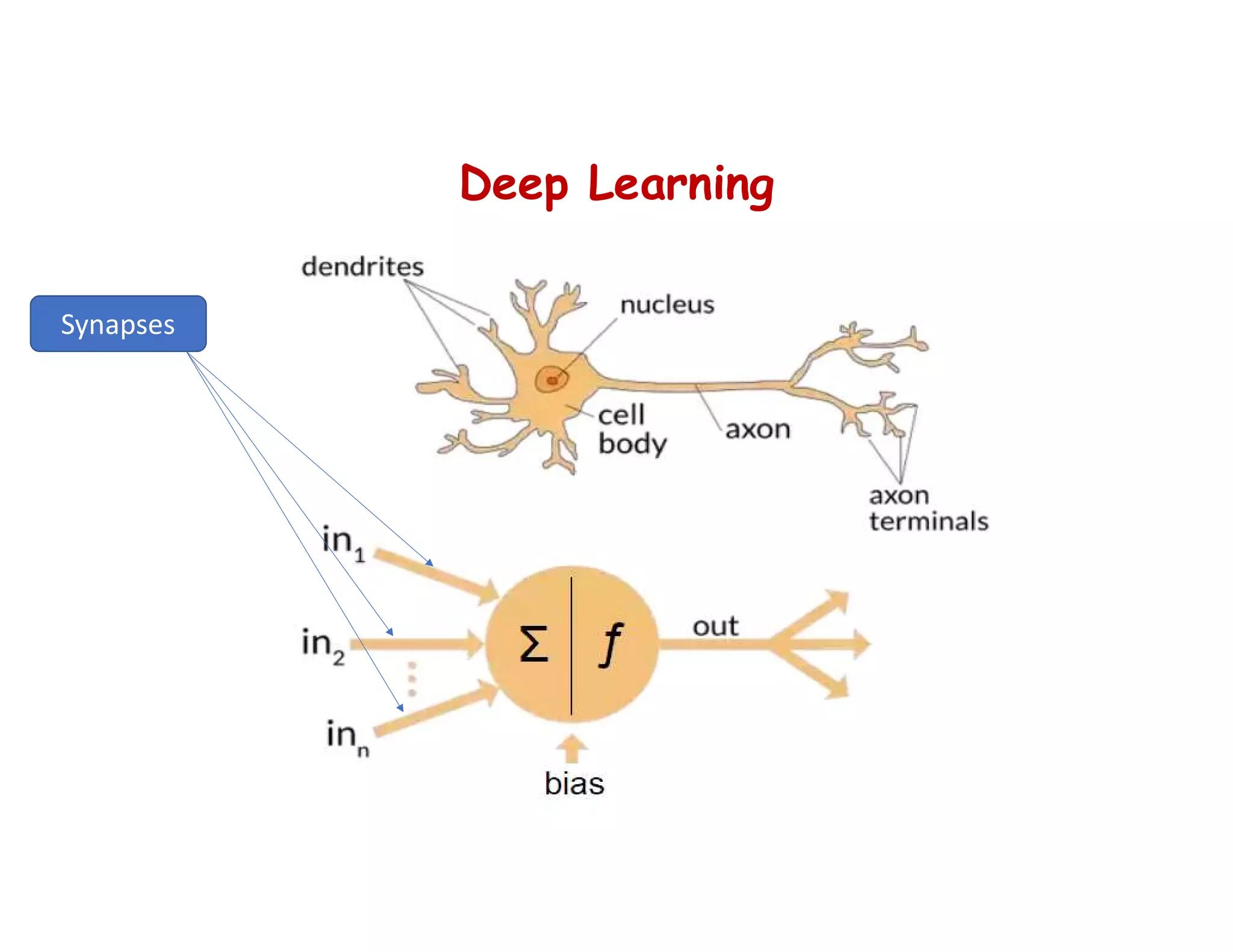
Synapses
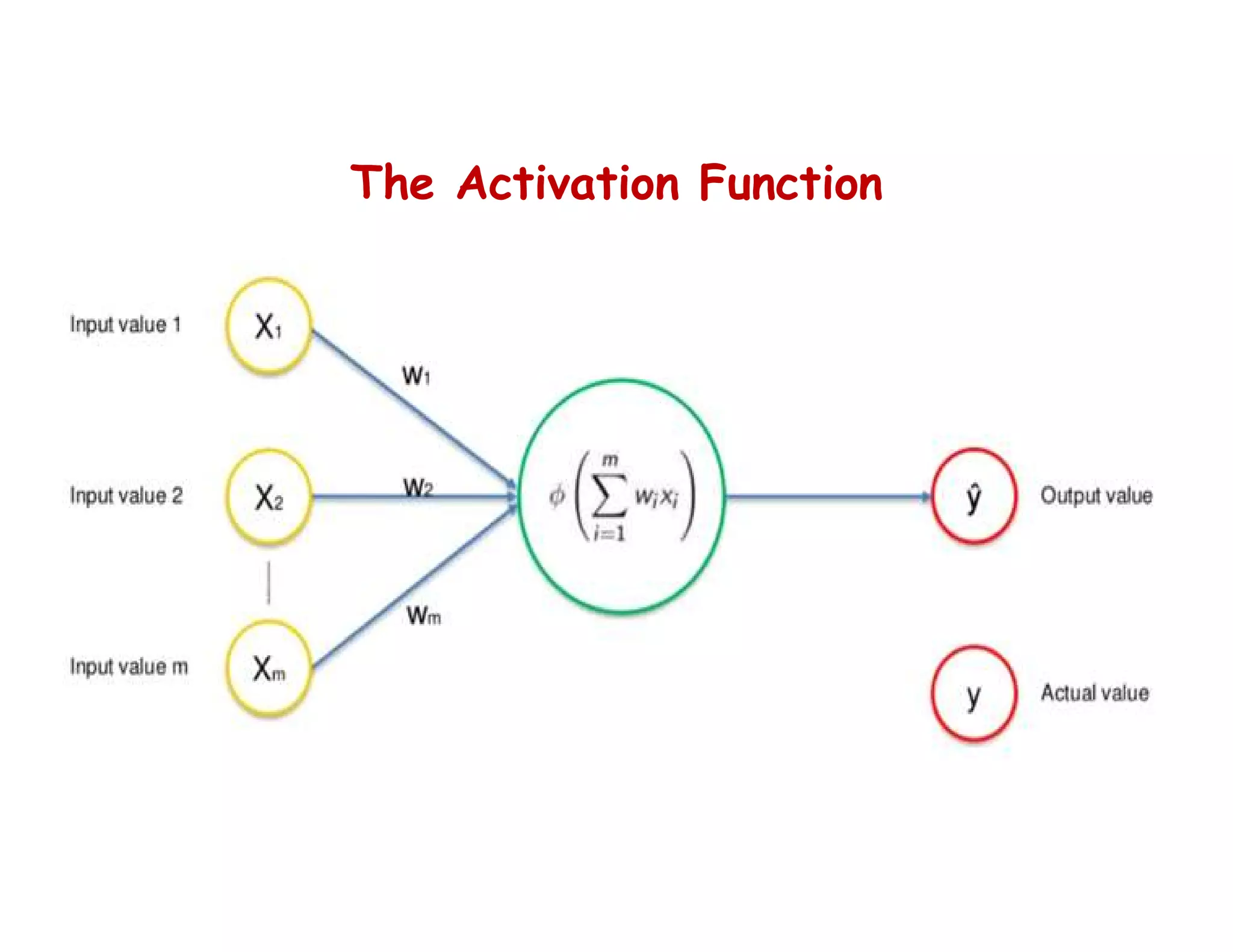
The Activation Function
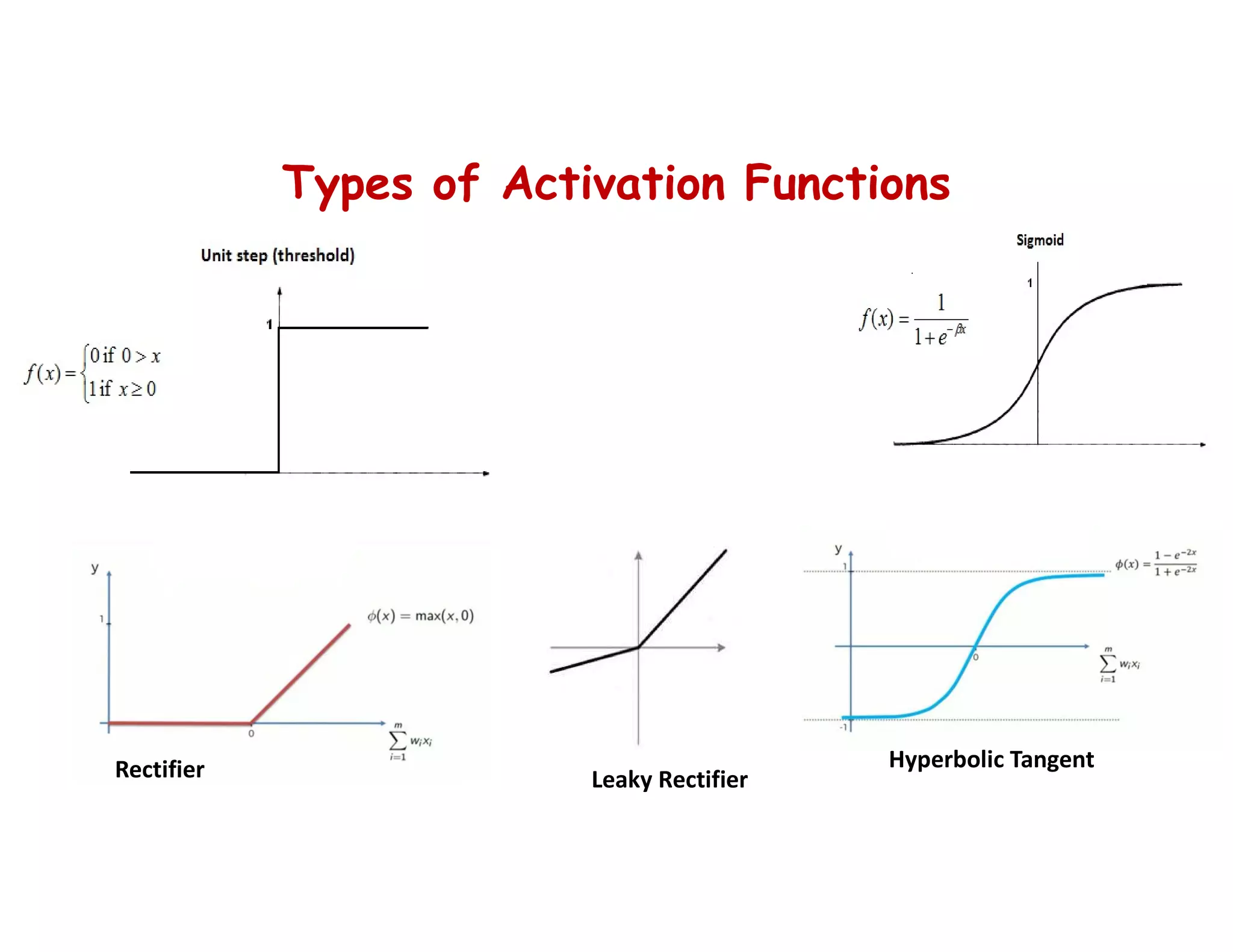
Types of Activation Functions
Rectifier Leaky Rectifier
Hyperbolic Tangent
Types of Activation Functions
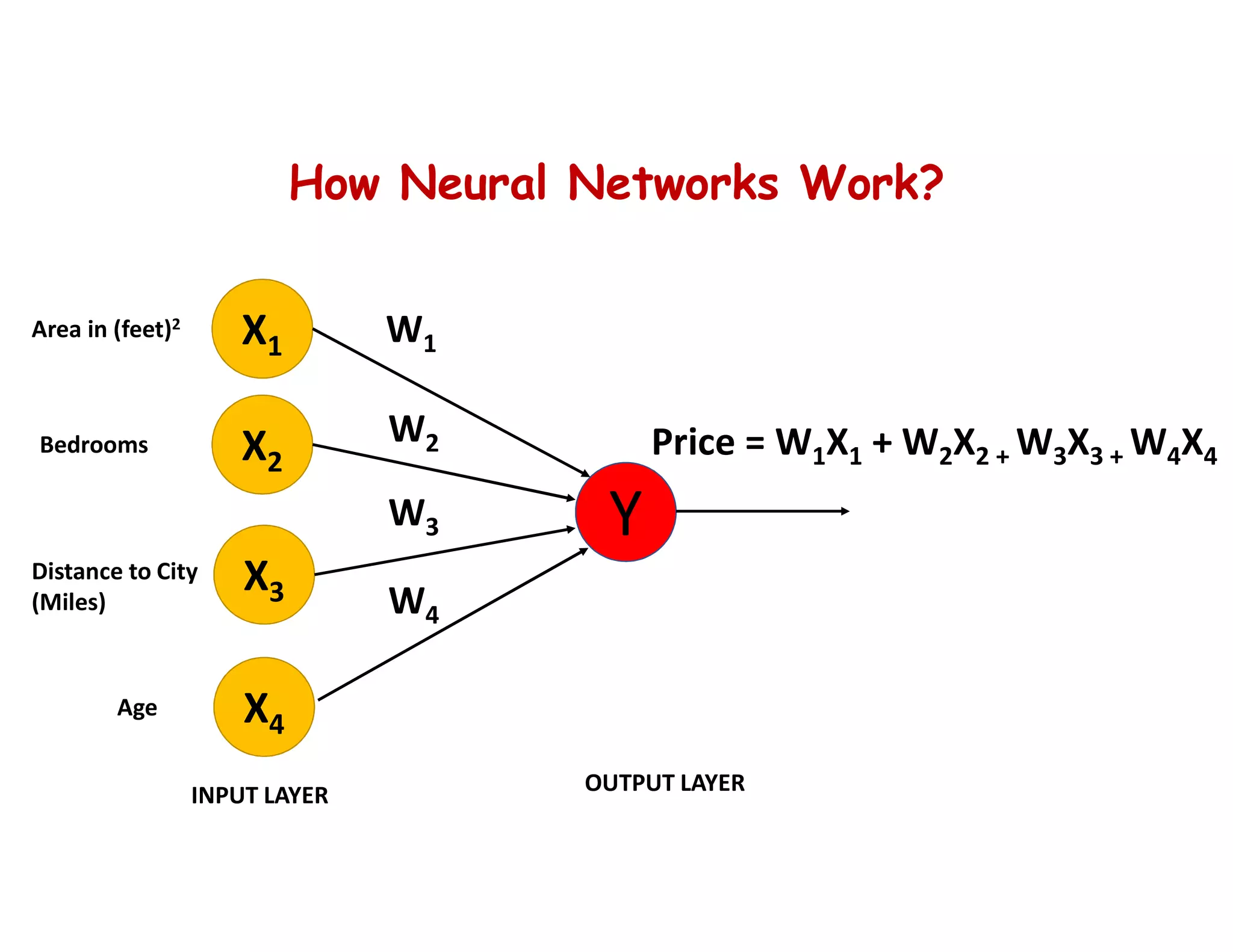
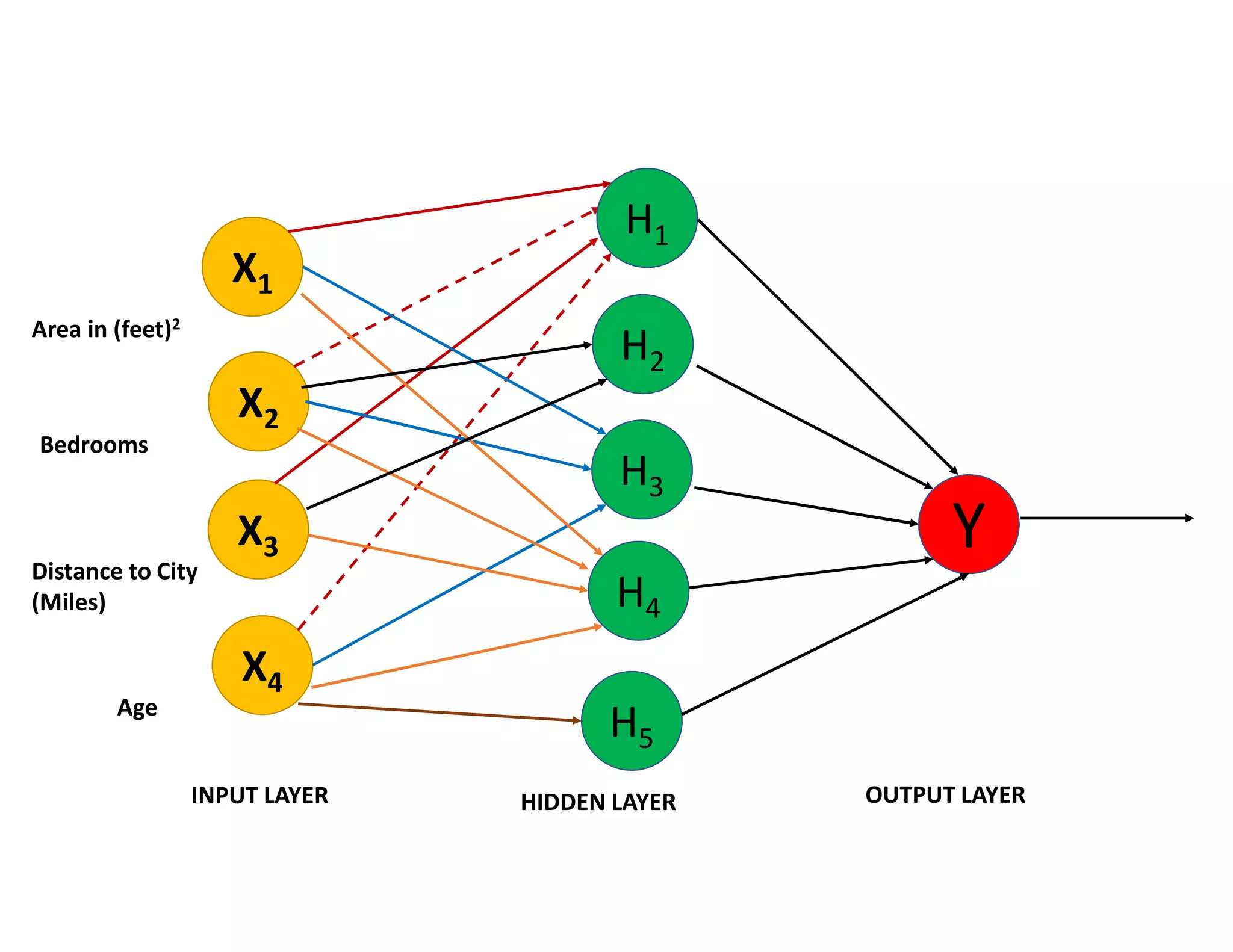
How Neural Networks Work?
X1
X2
X3
X4
Y
Area in (feet)2
Bedrooms
Distance to City
(Miles)
Age
INPUT LAYER OUTPUT LAYER
W2
W1
W3
W4
Price = W1X1 + W2X2 + W3X3 + W4X4
X1
X2
X3
X4
Y
Area in (feet)2
Bedrooms
Distance to City
(Miles)
Age
INPUT LAYER OUTPUT LAYER
H2
H3
H4
H5
H1
HIDDEN LAYER
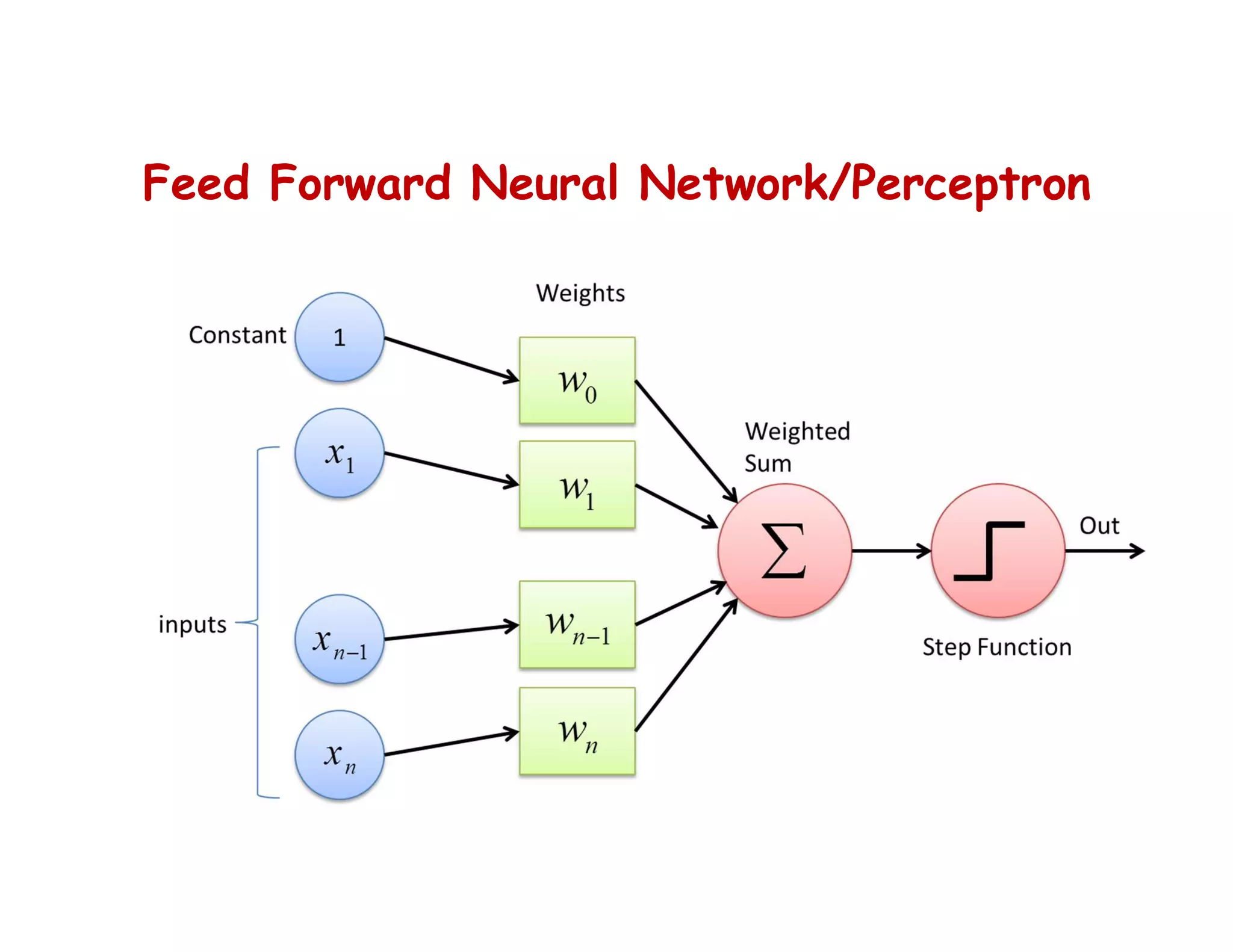
Feed Forward Neural Network/Perceptron
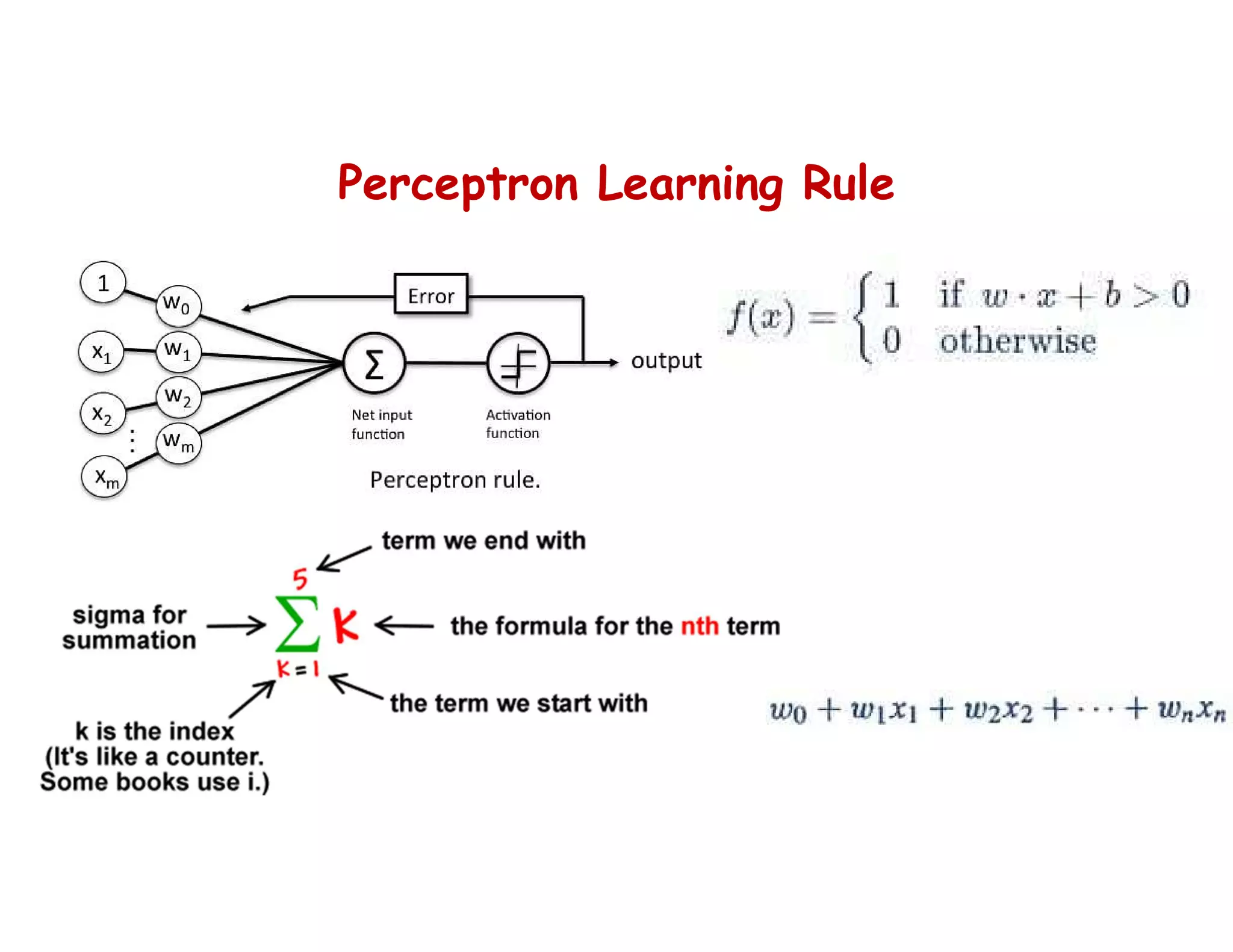
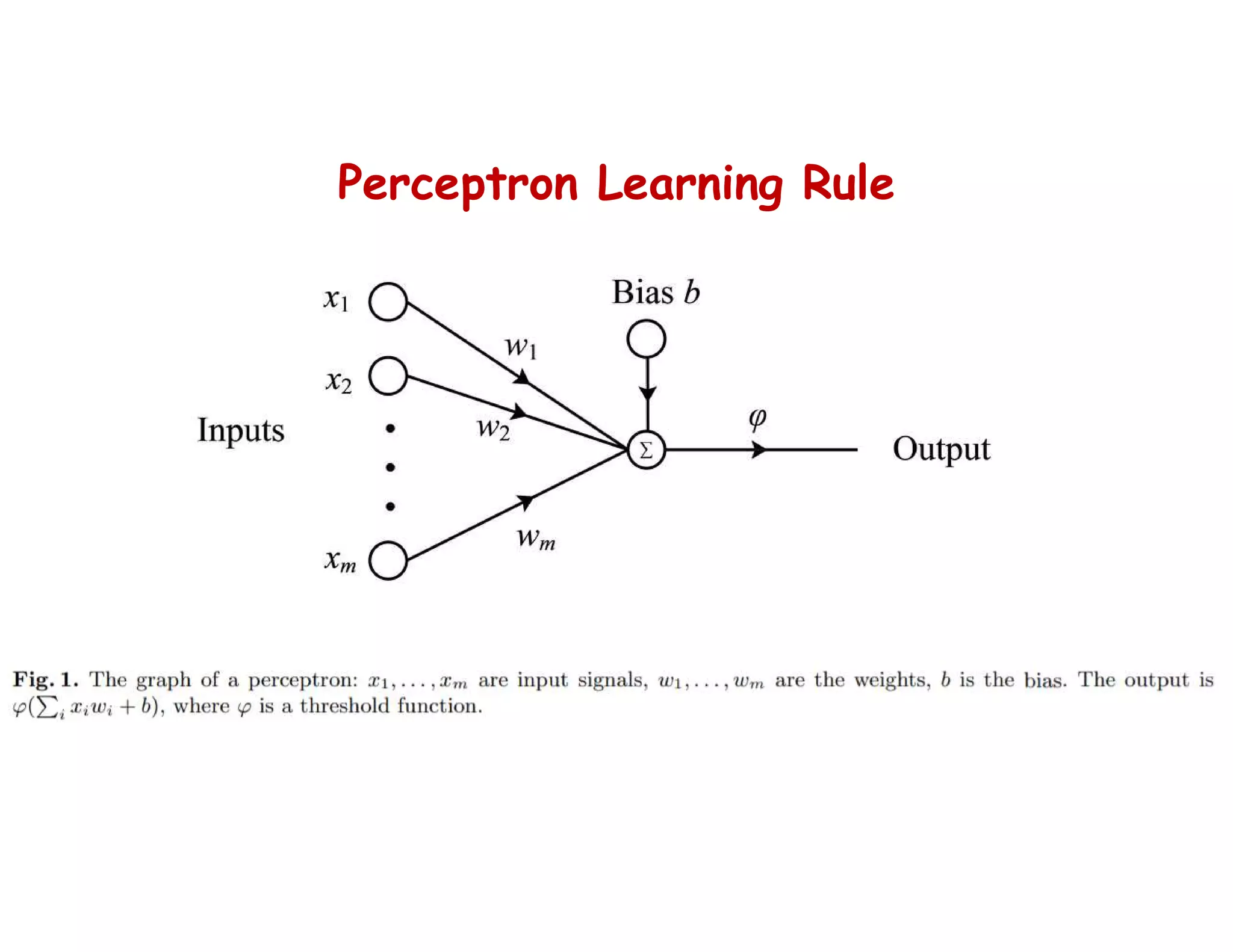
Perceptron Learning Rule
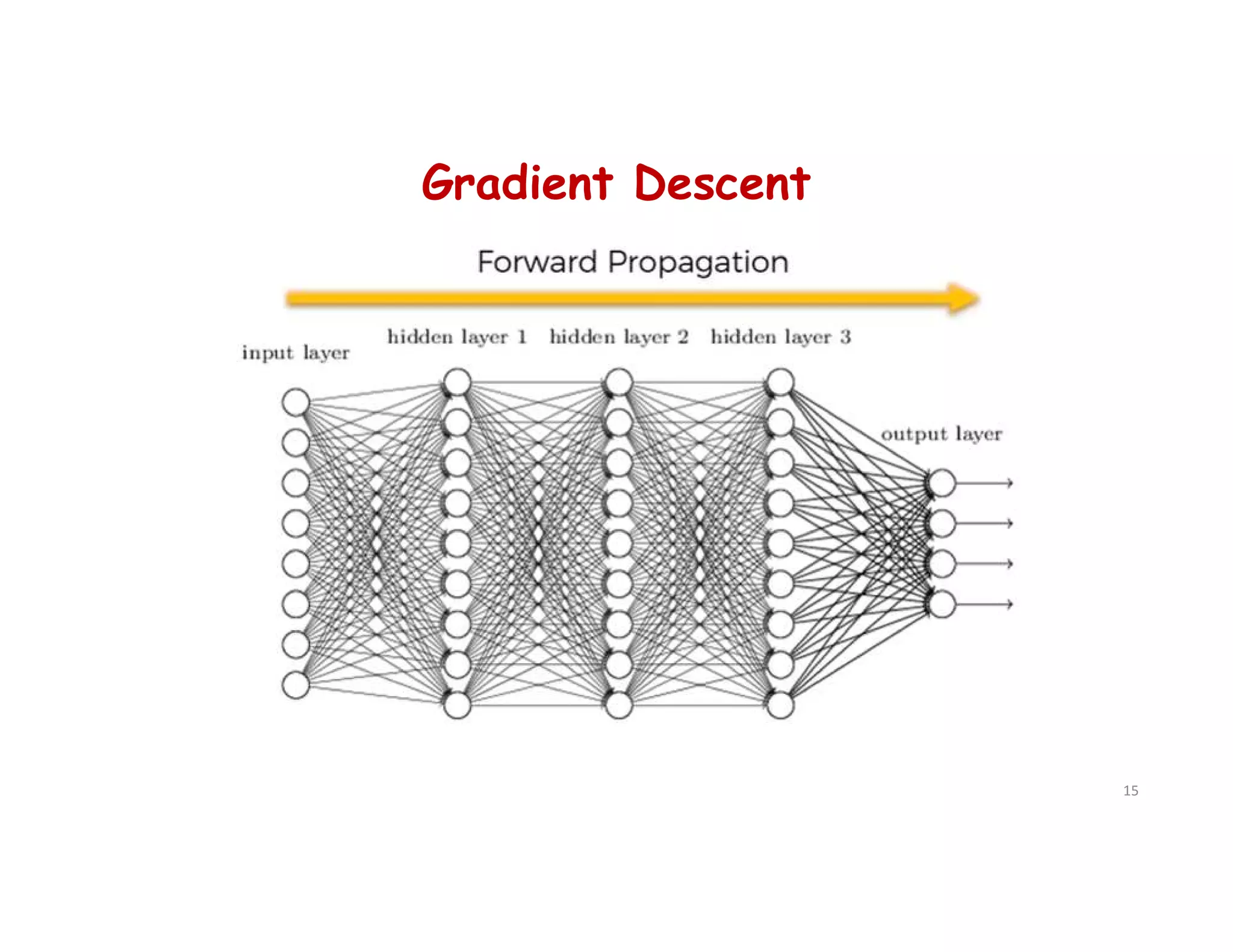
Gradient Descent
15
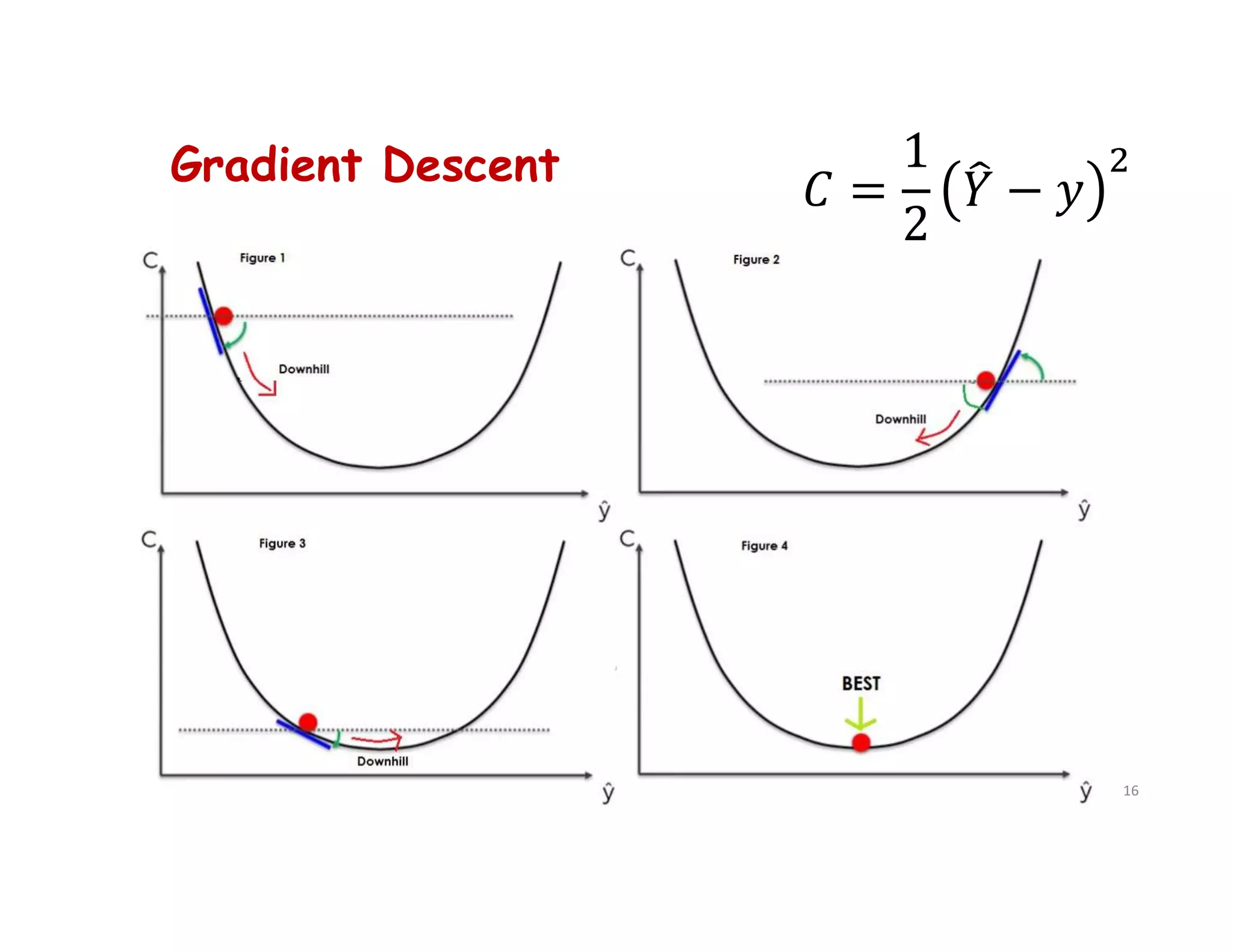
Gradient Descent
16
17
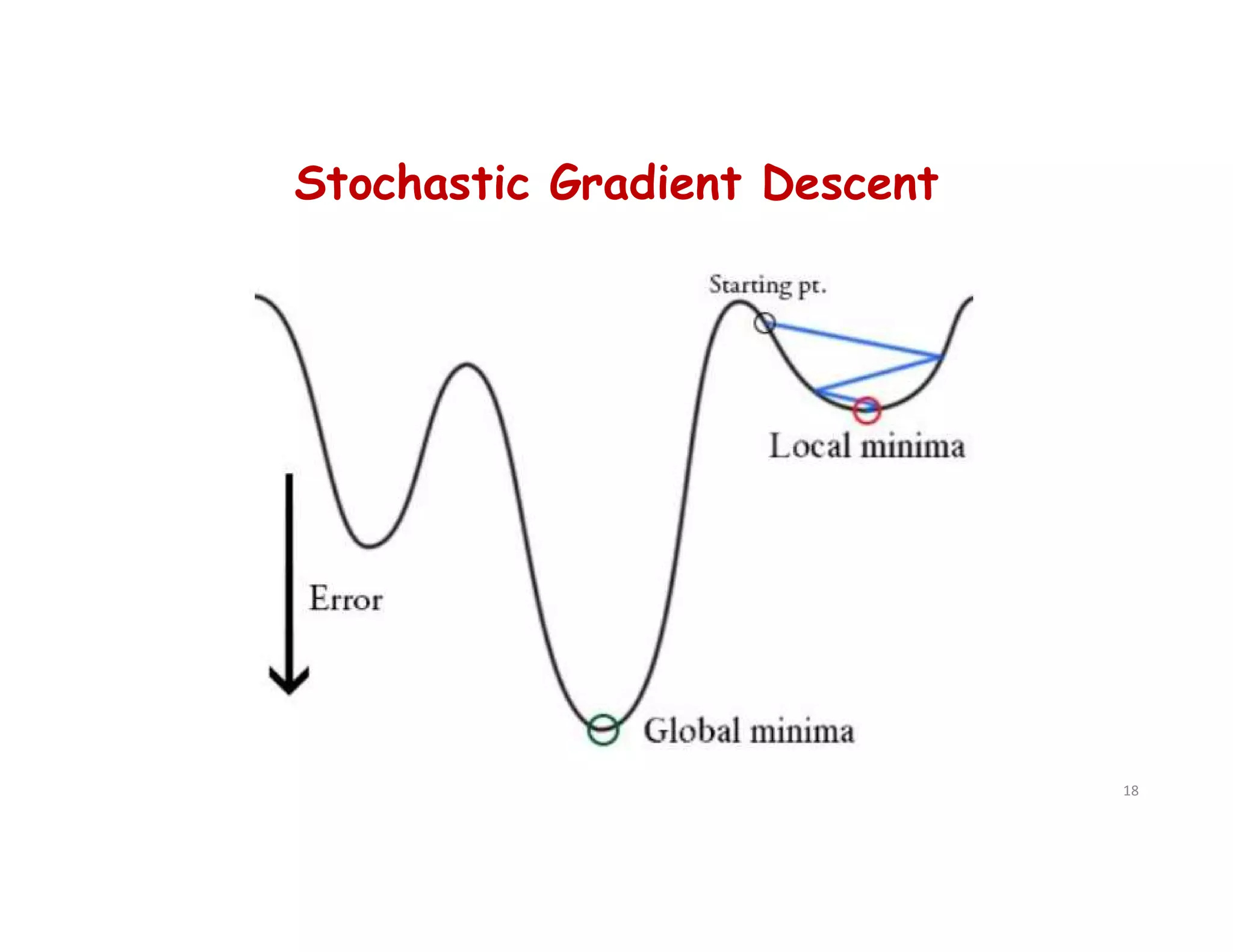
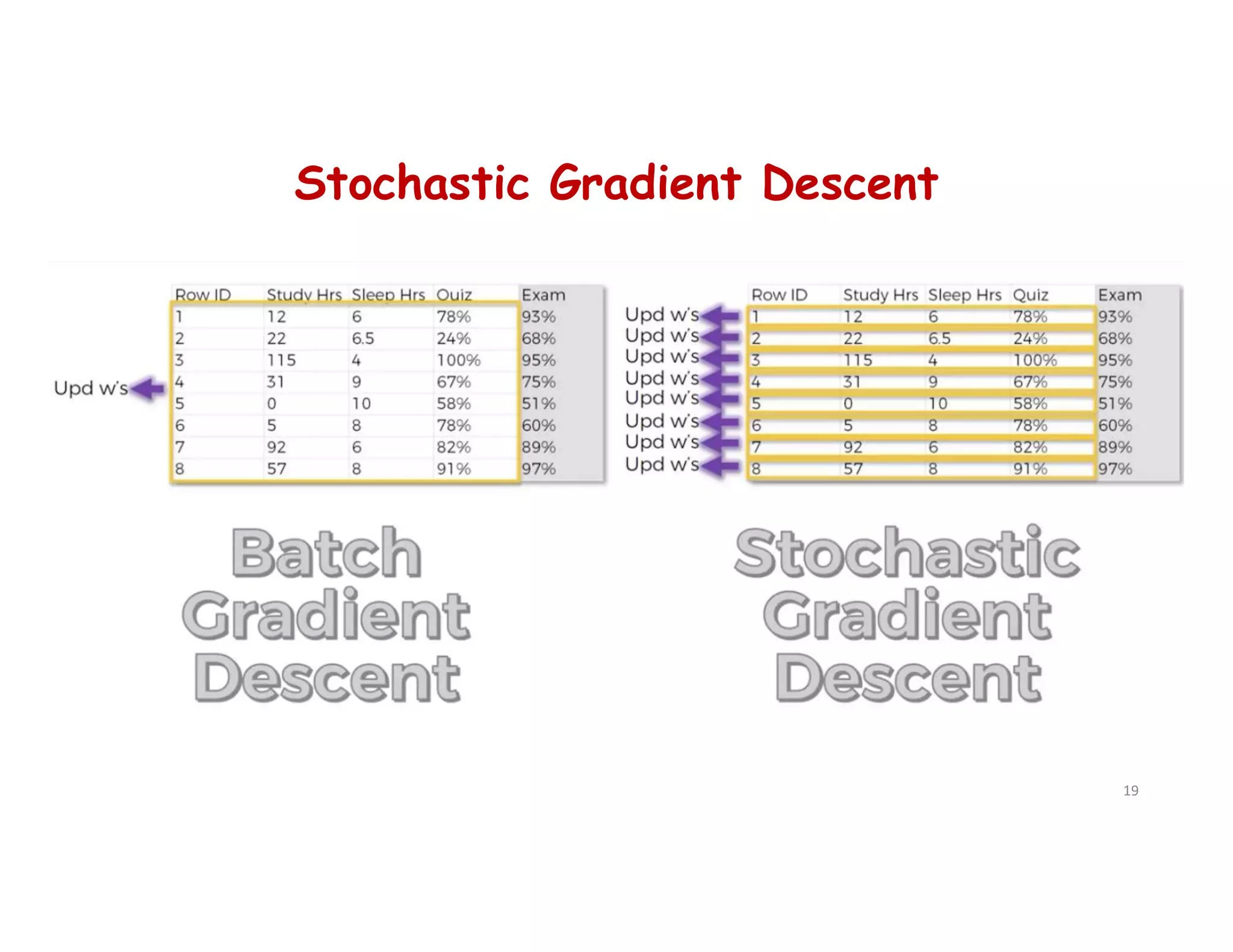
Stochastic Gradient Descent
18
Stochastic Gradient Descent
19
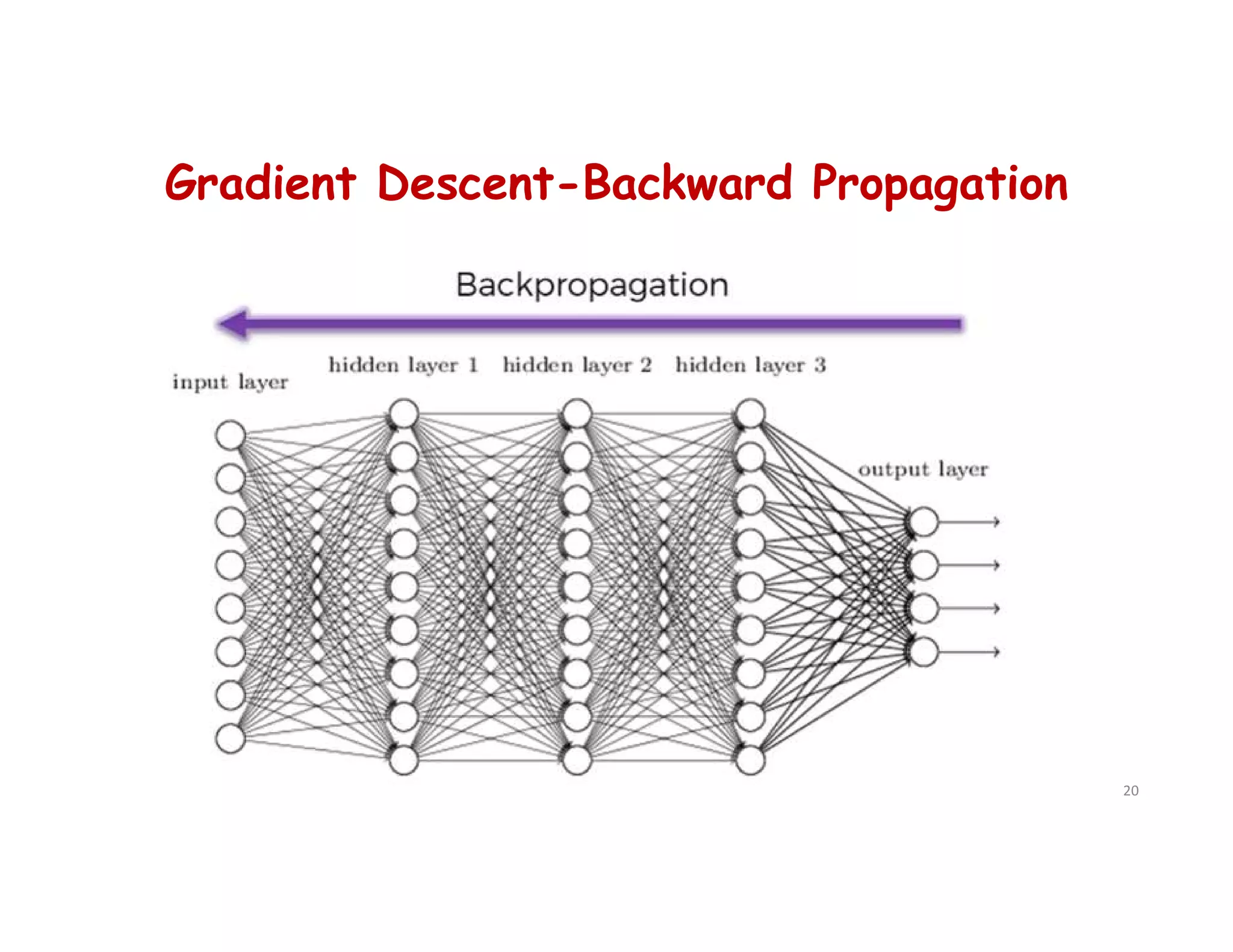
Gradient Descent-Backward Propagation
20
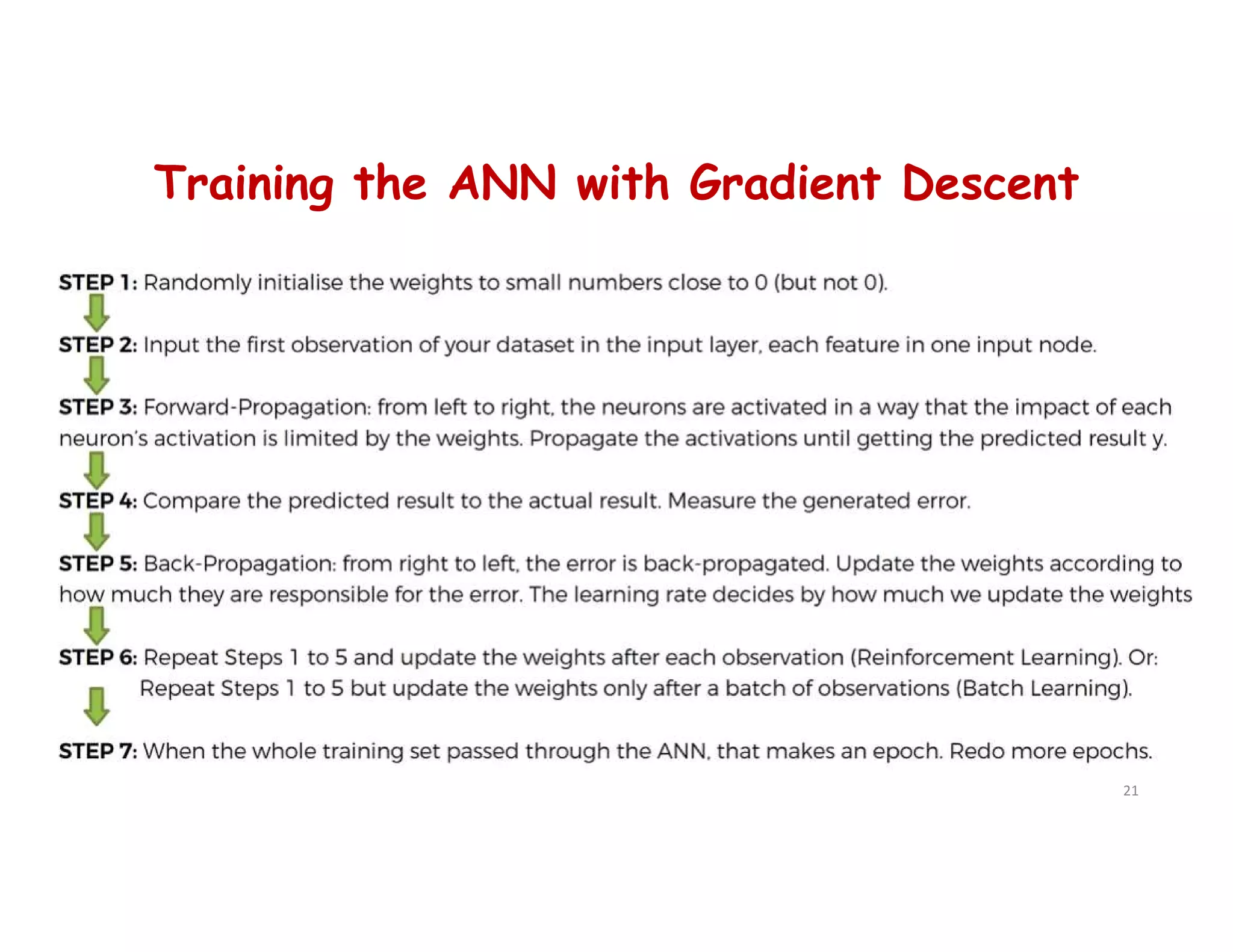
Training the ANN with Gradient Descent
21
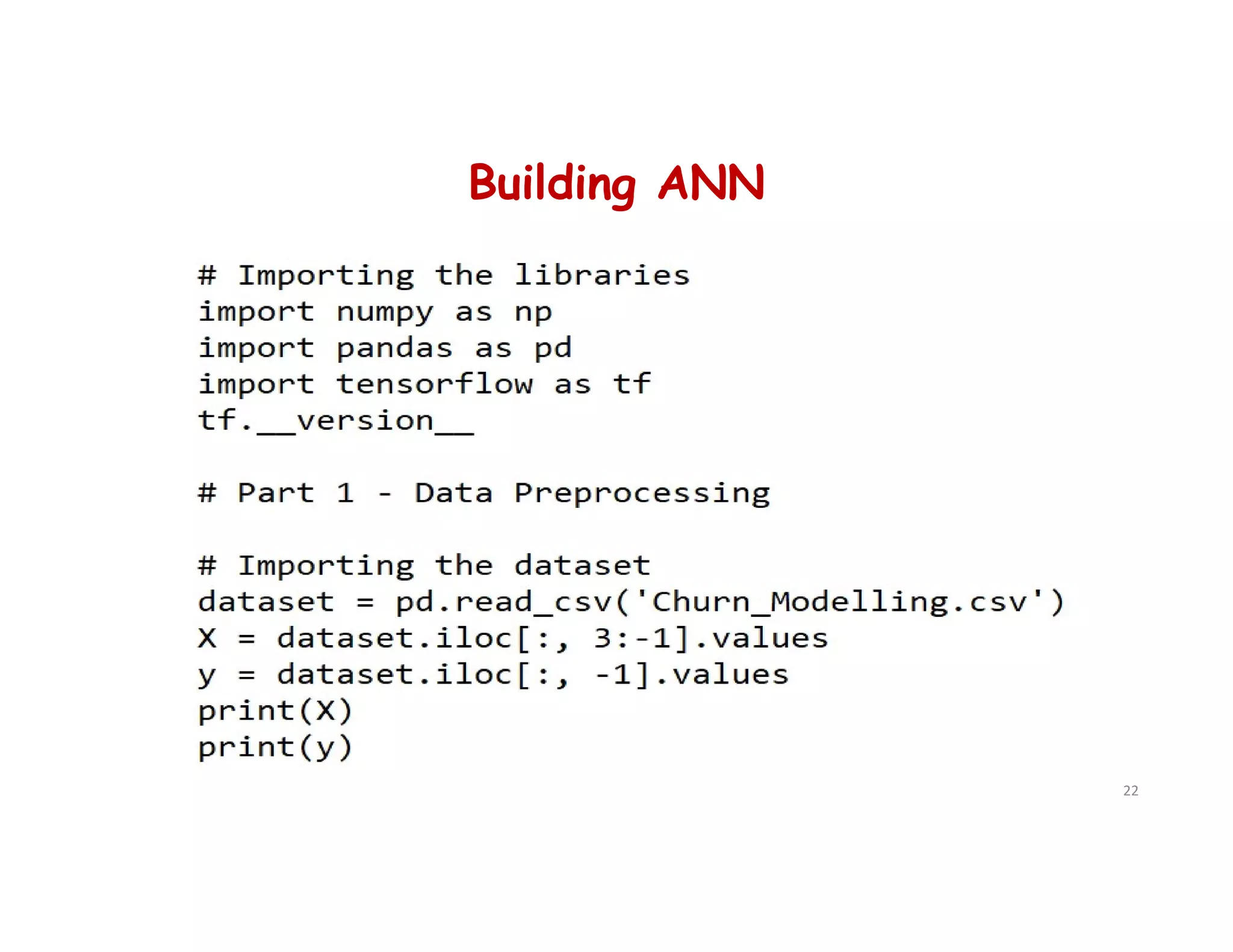
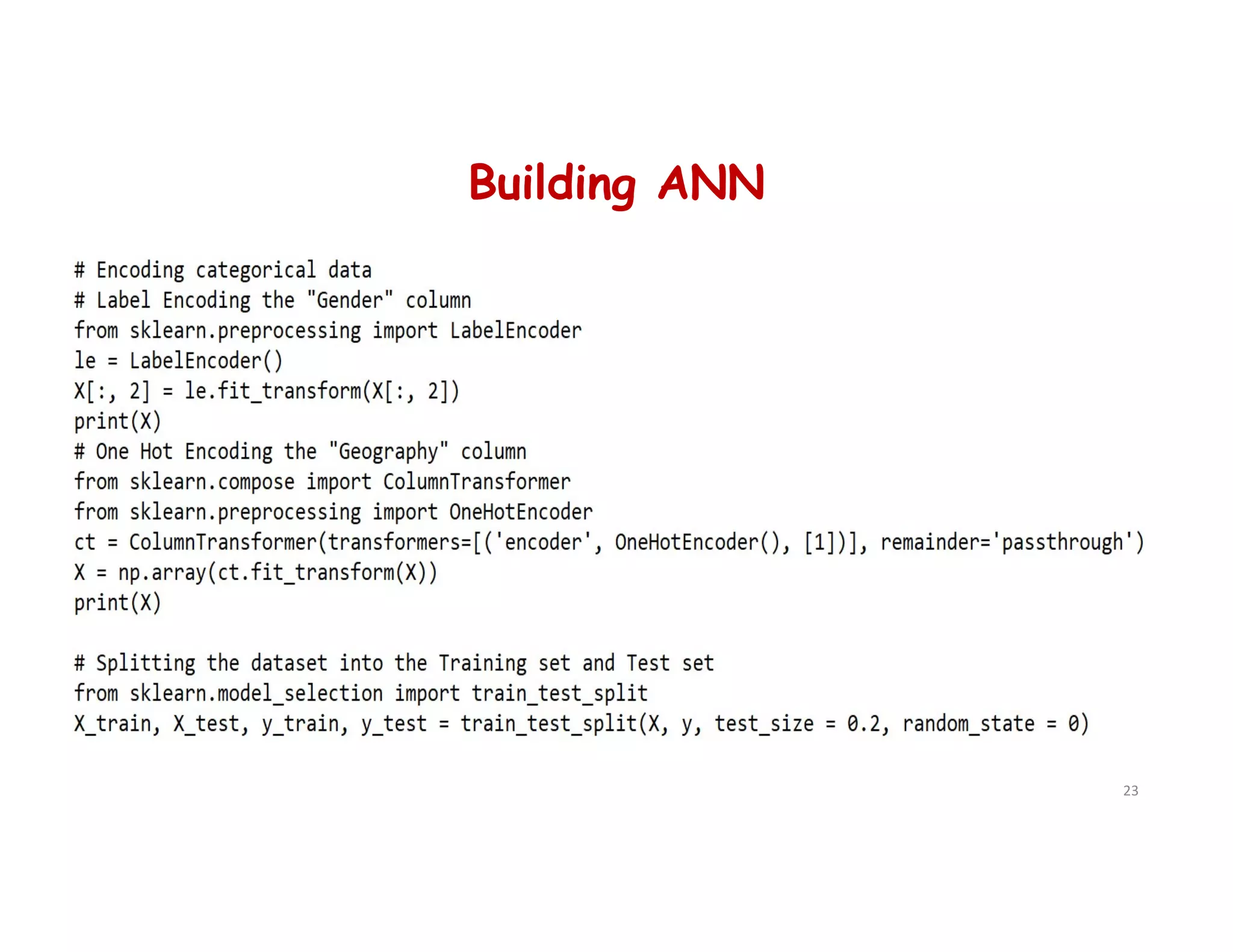
Building ANN
22
Building ANN
23
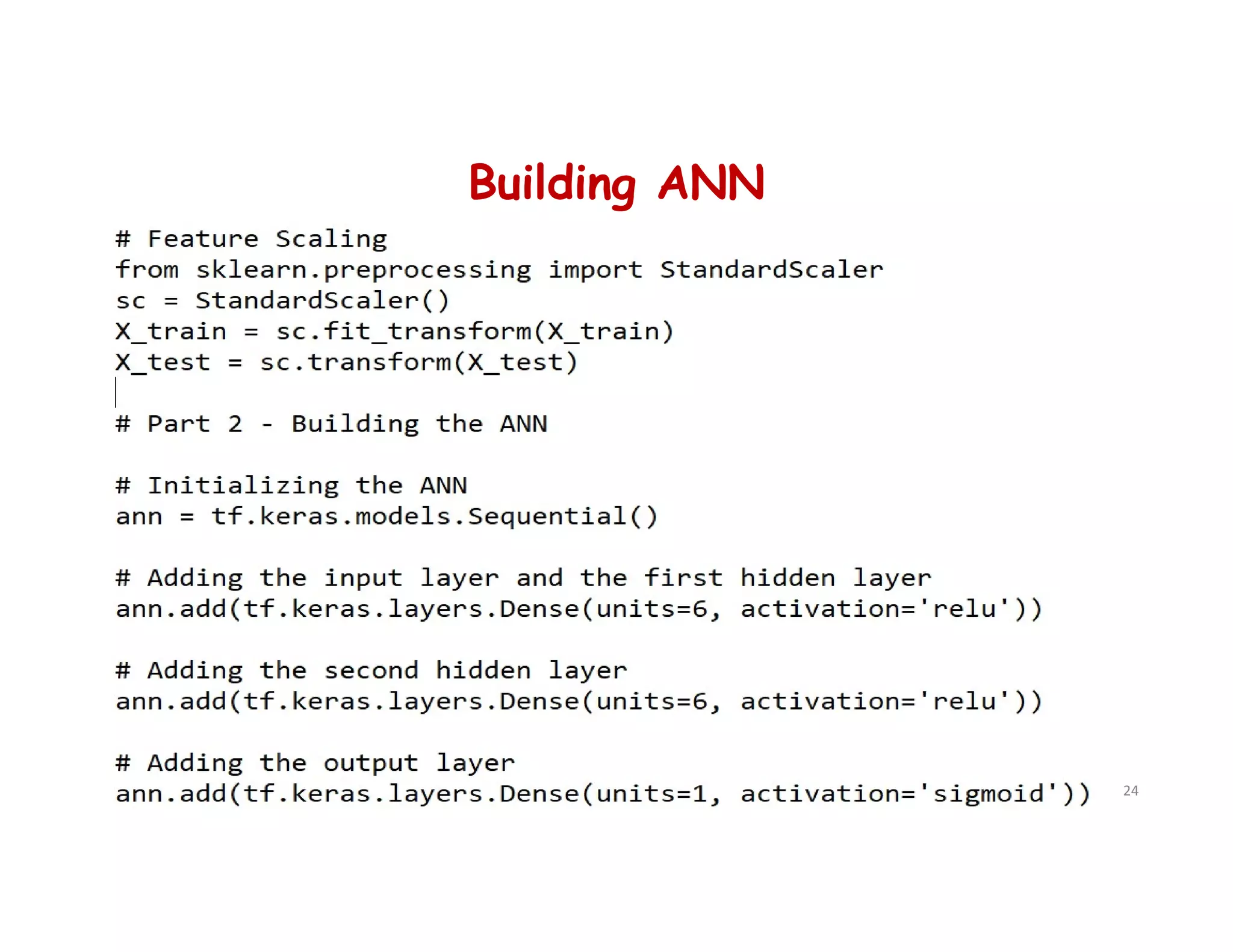
Building ANN
24
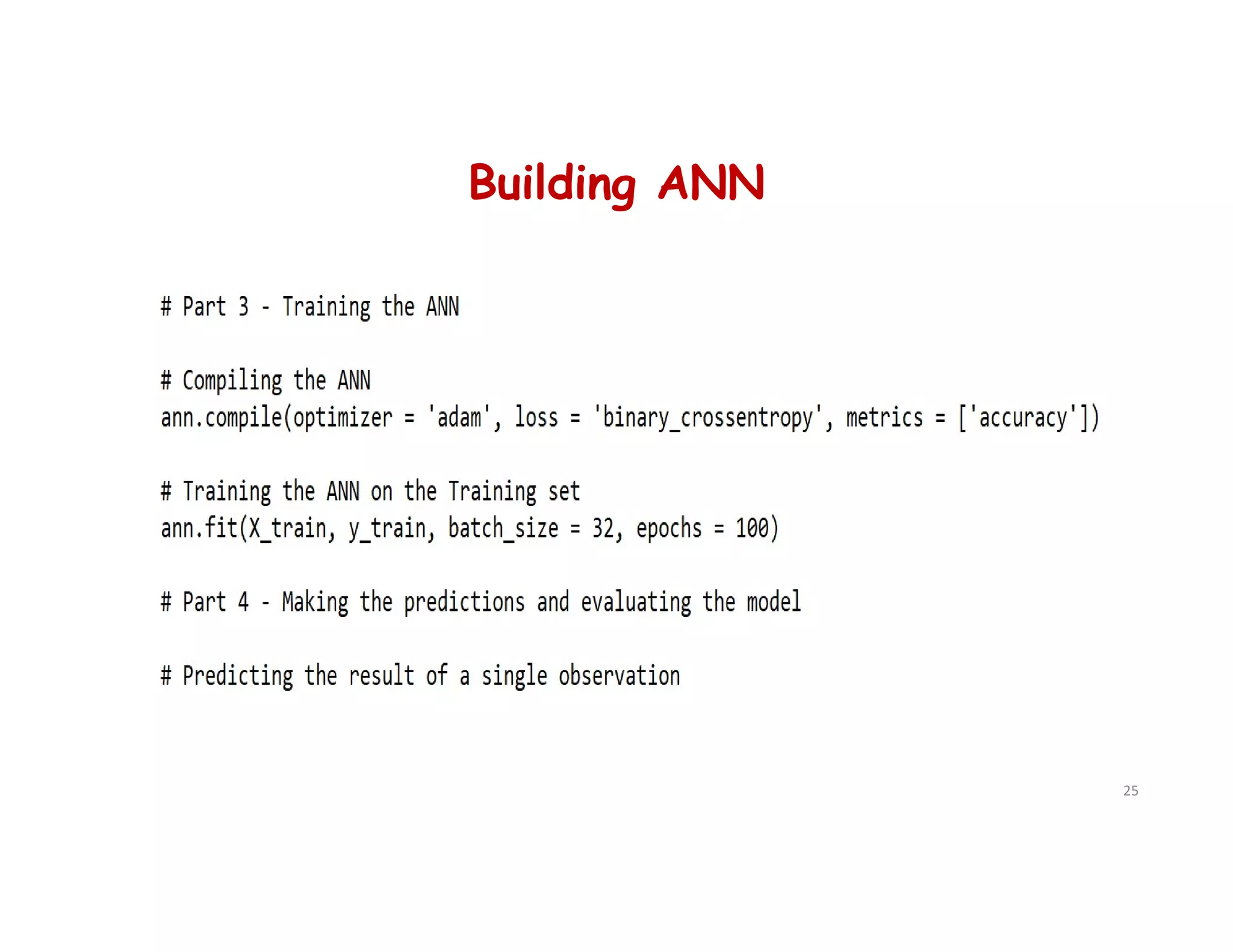
Building ANN
25
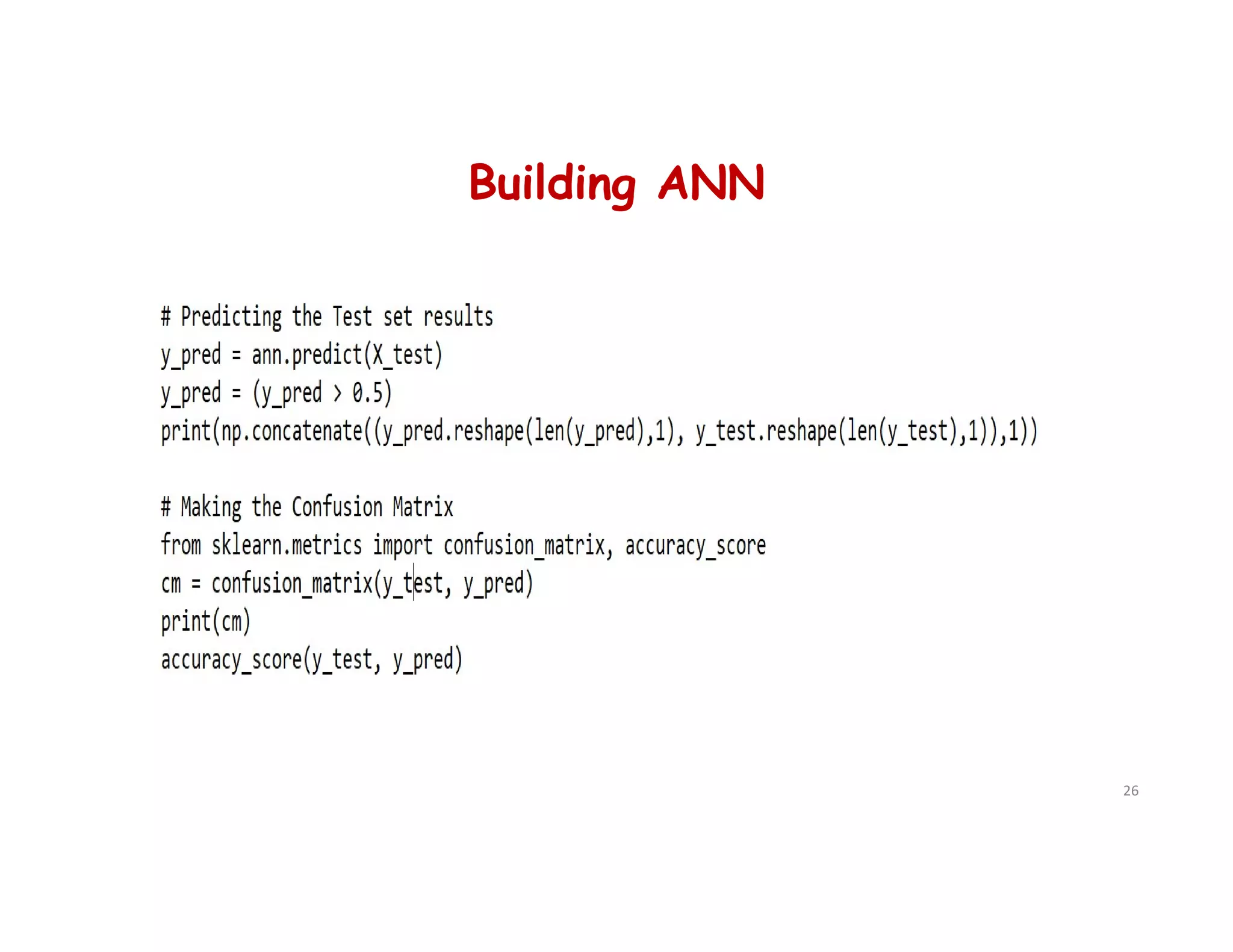
Building ANN
26
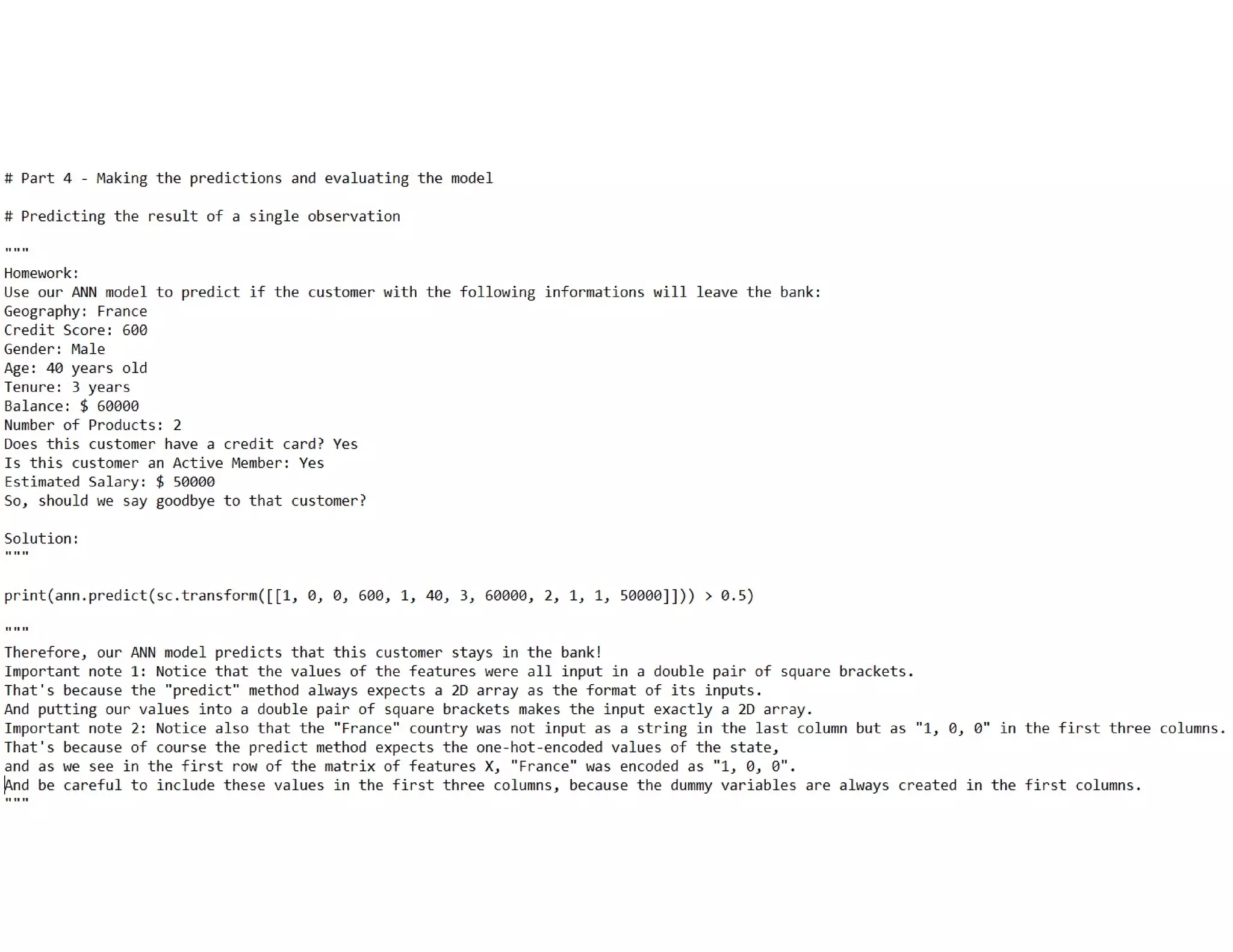
Homework
27
Convolution Neural Network
28
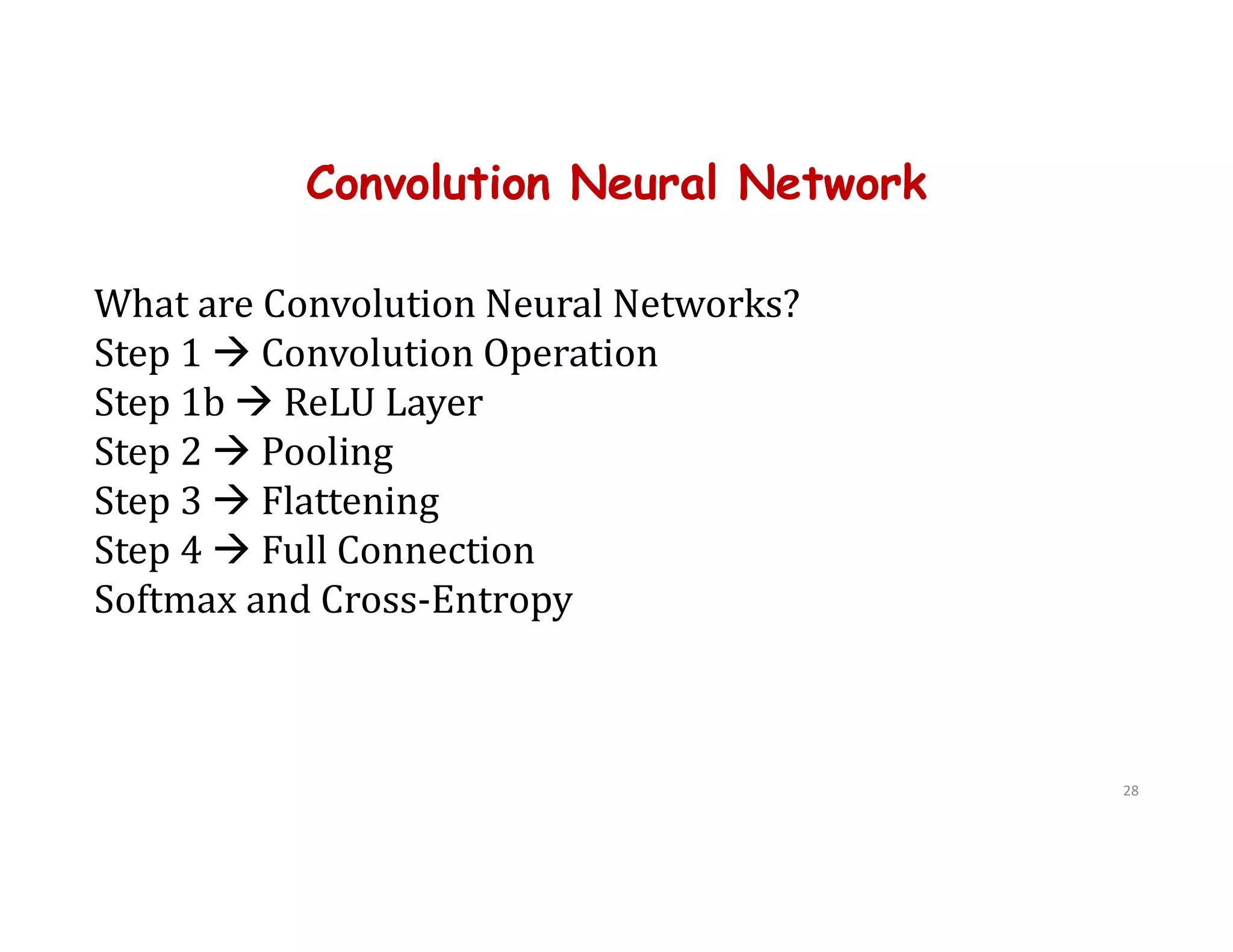
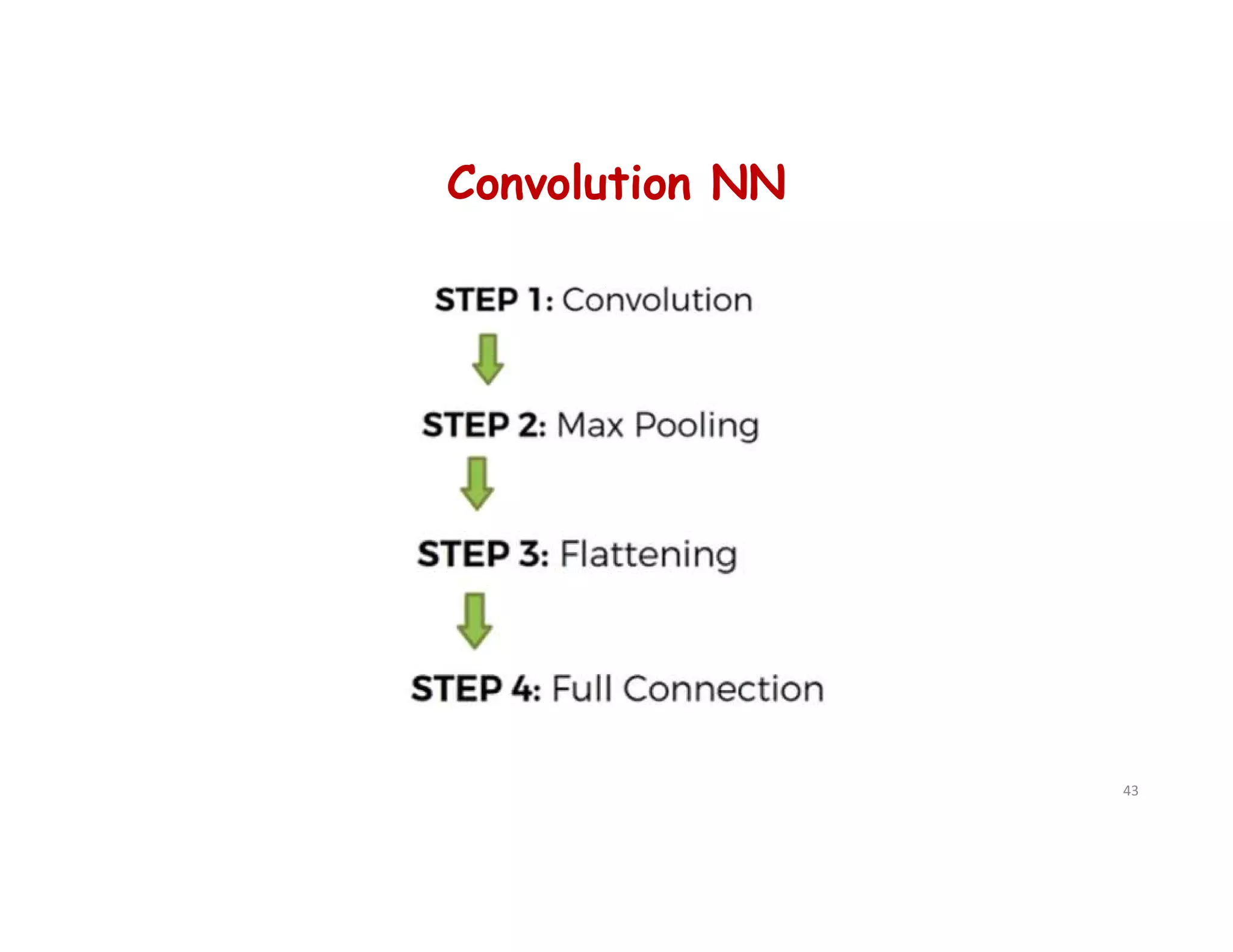
What are Convolution Neural Networks?
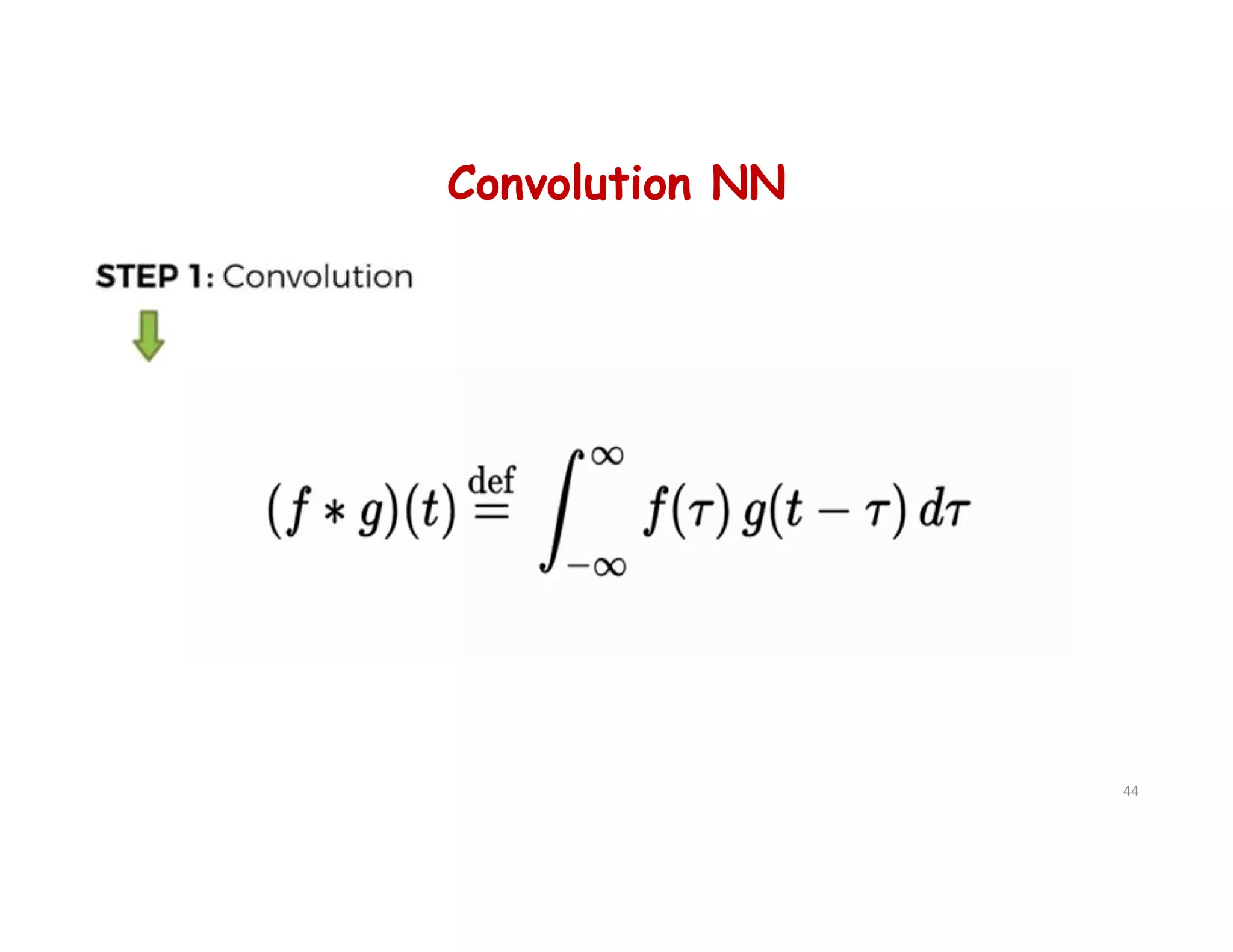
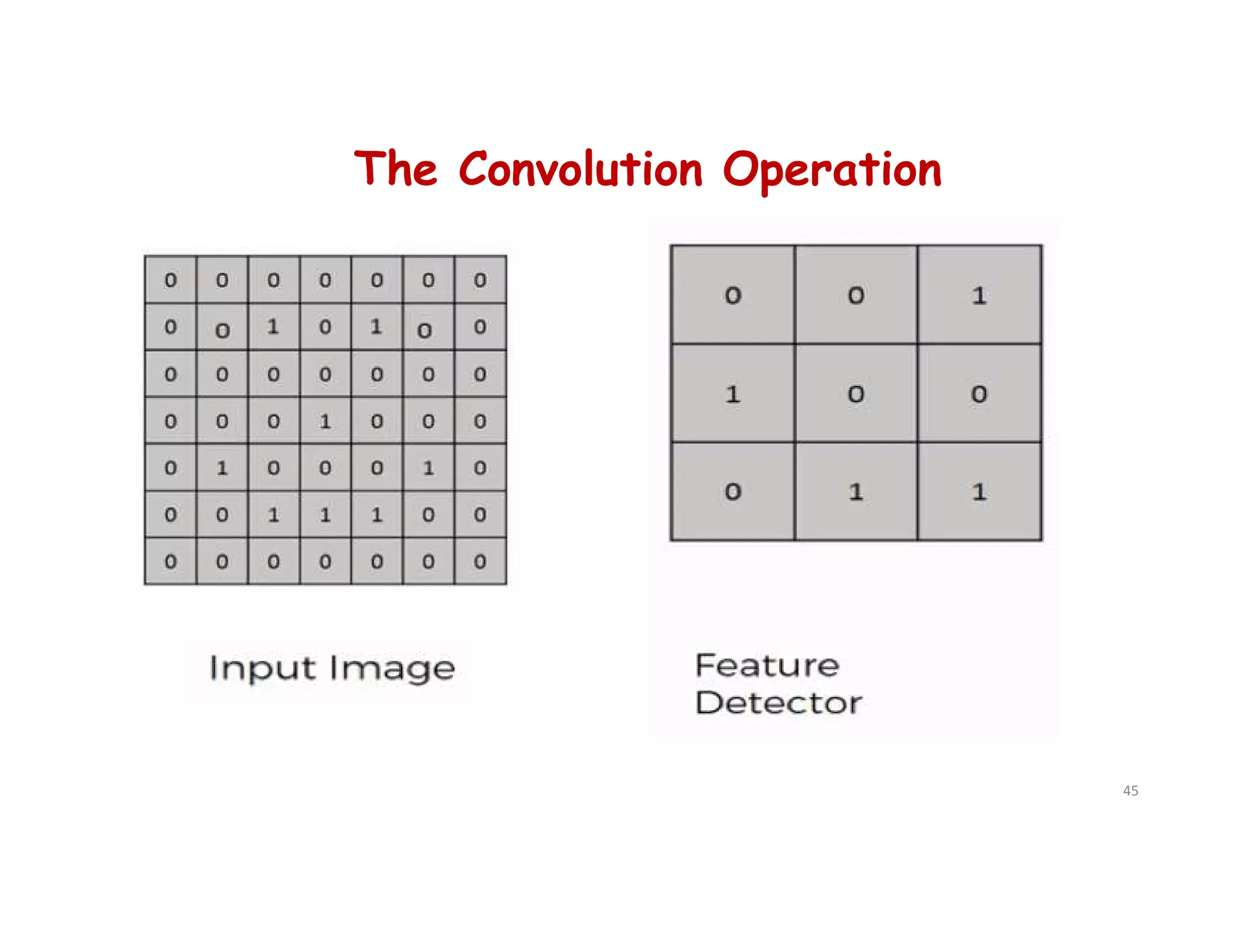
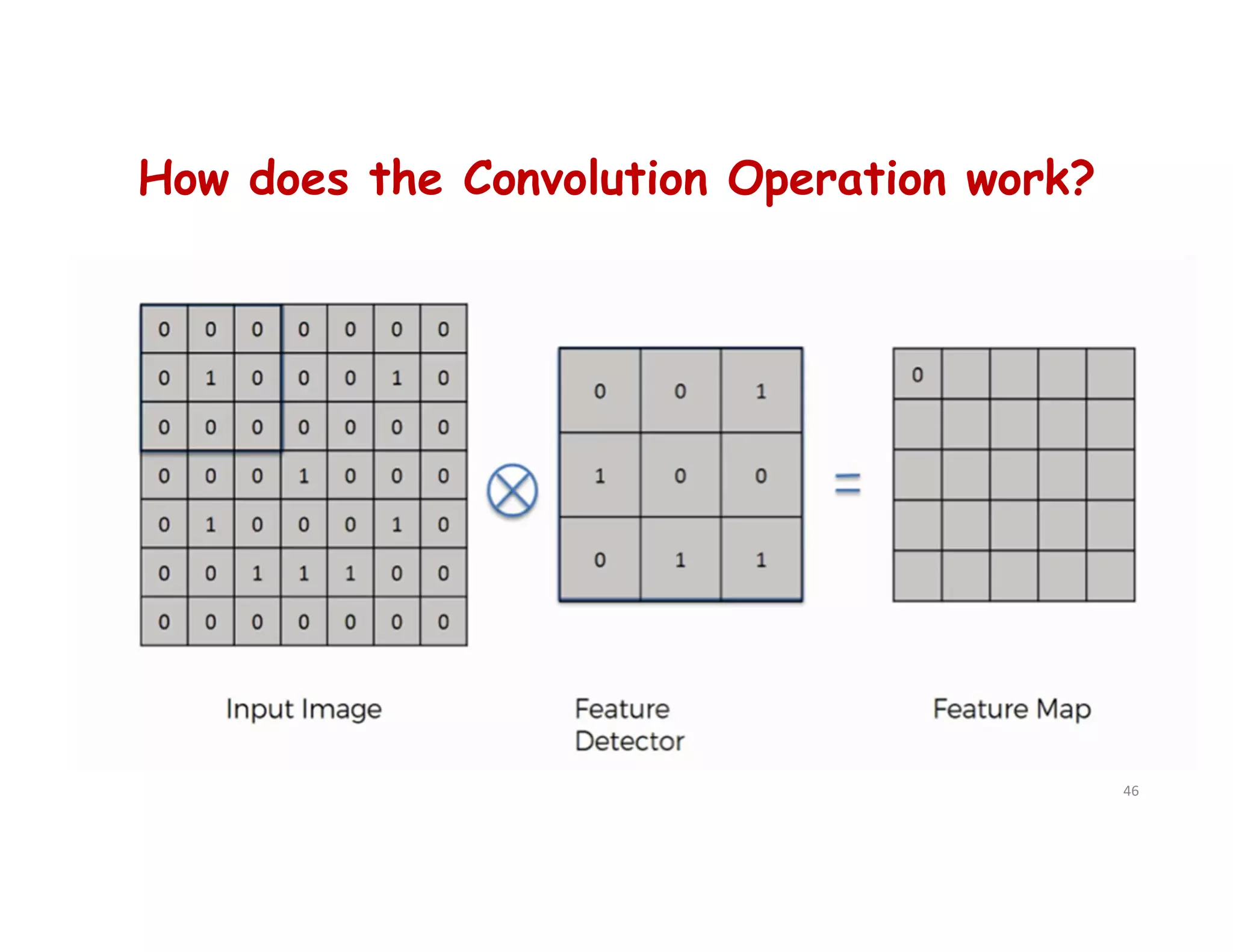
Step 1  Convolution Operation
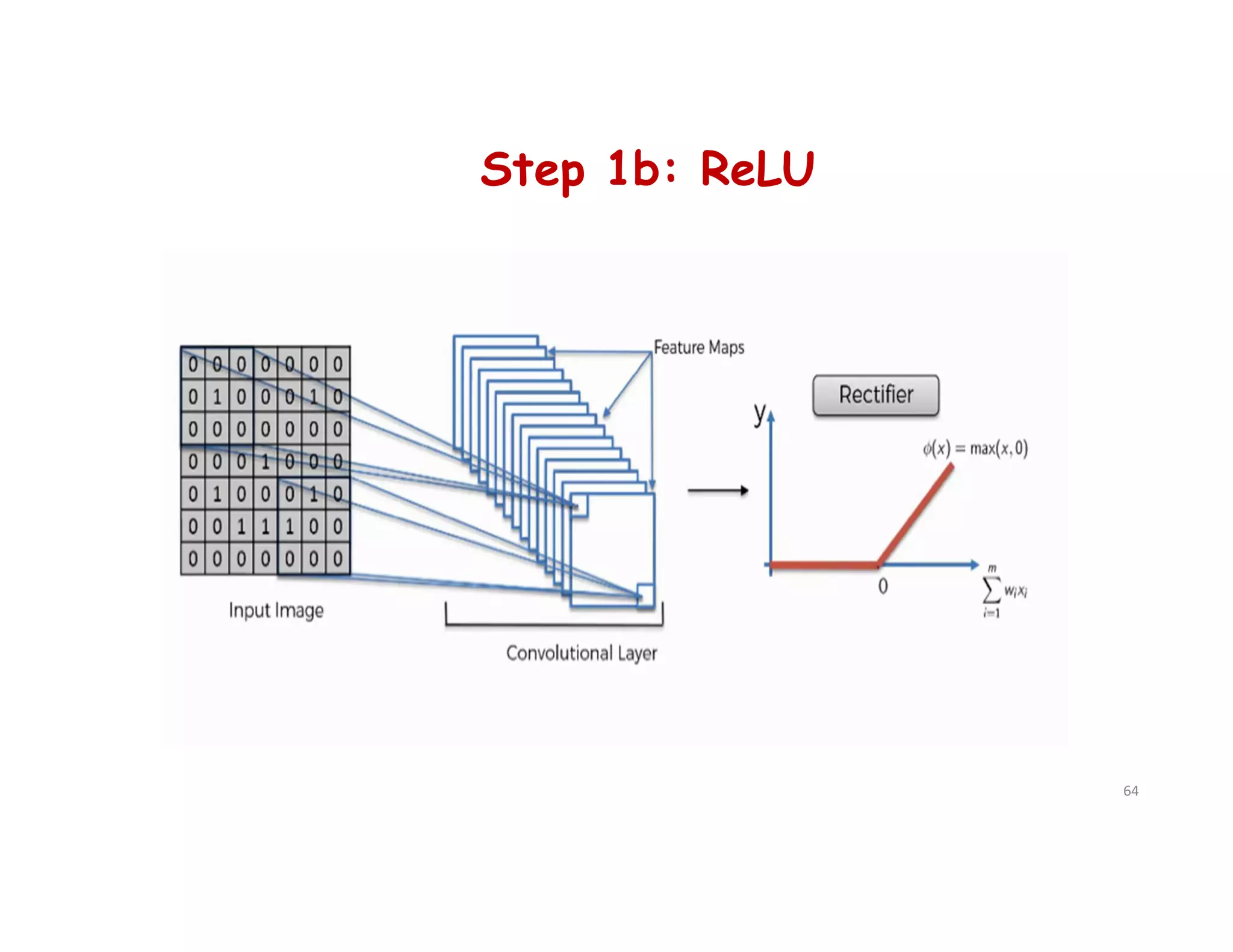
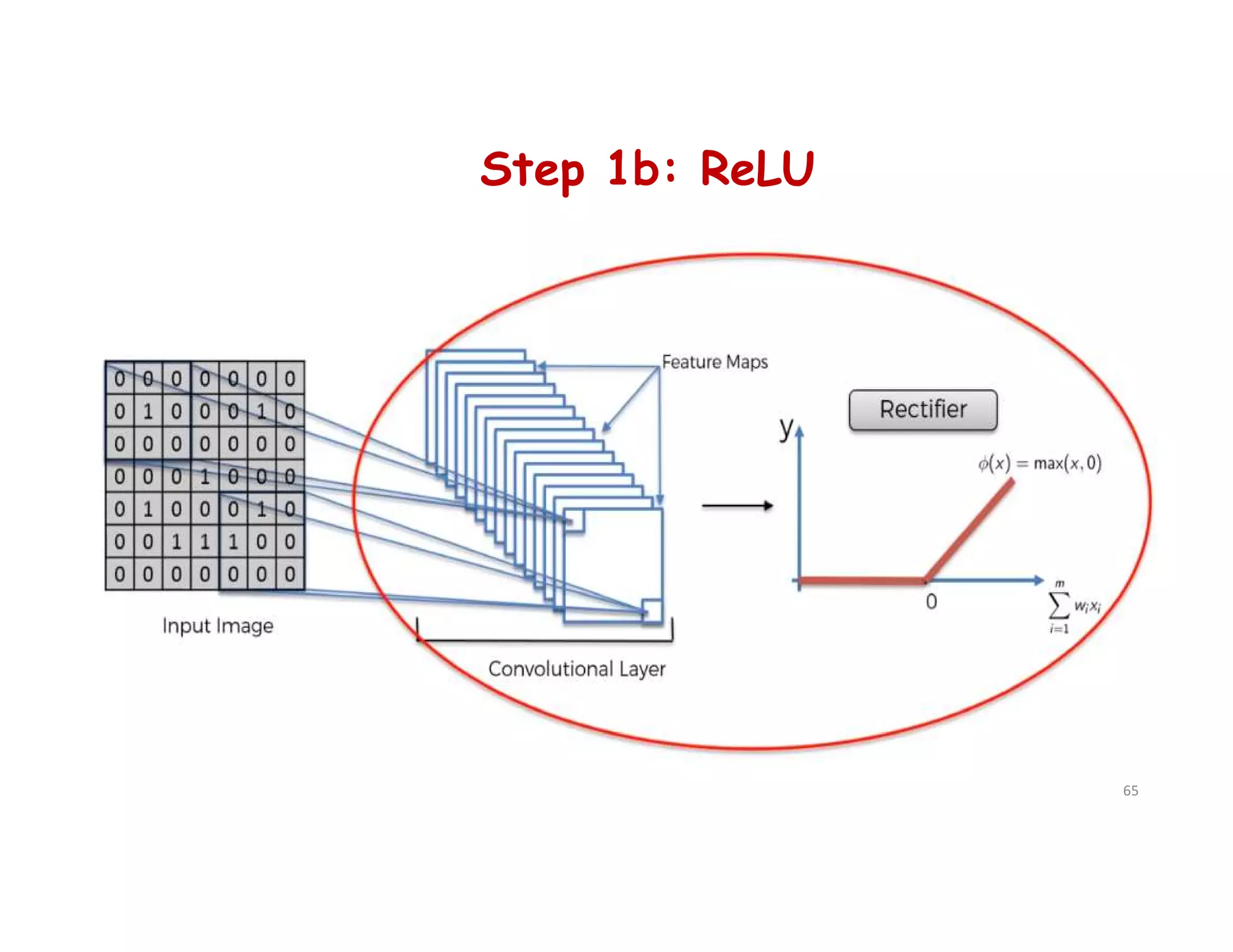
Step 1b  ReLU Layer
Step 2  Pooling
Step 3  Flattening
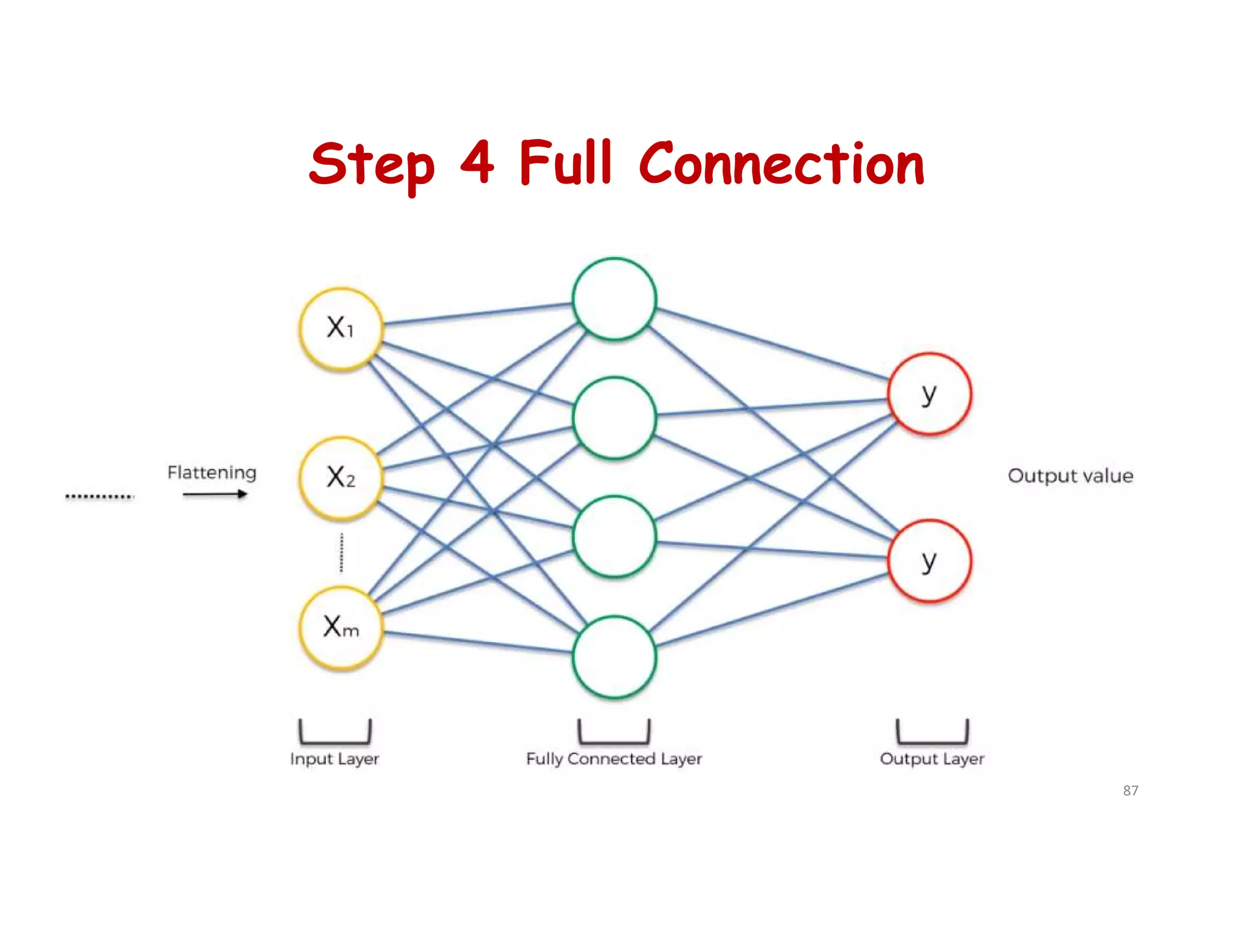
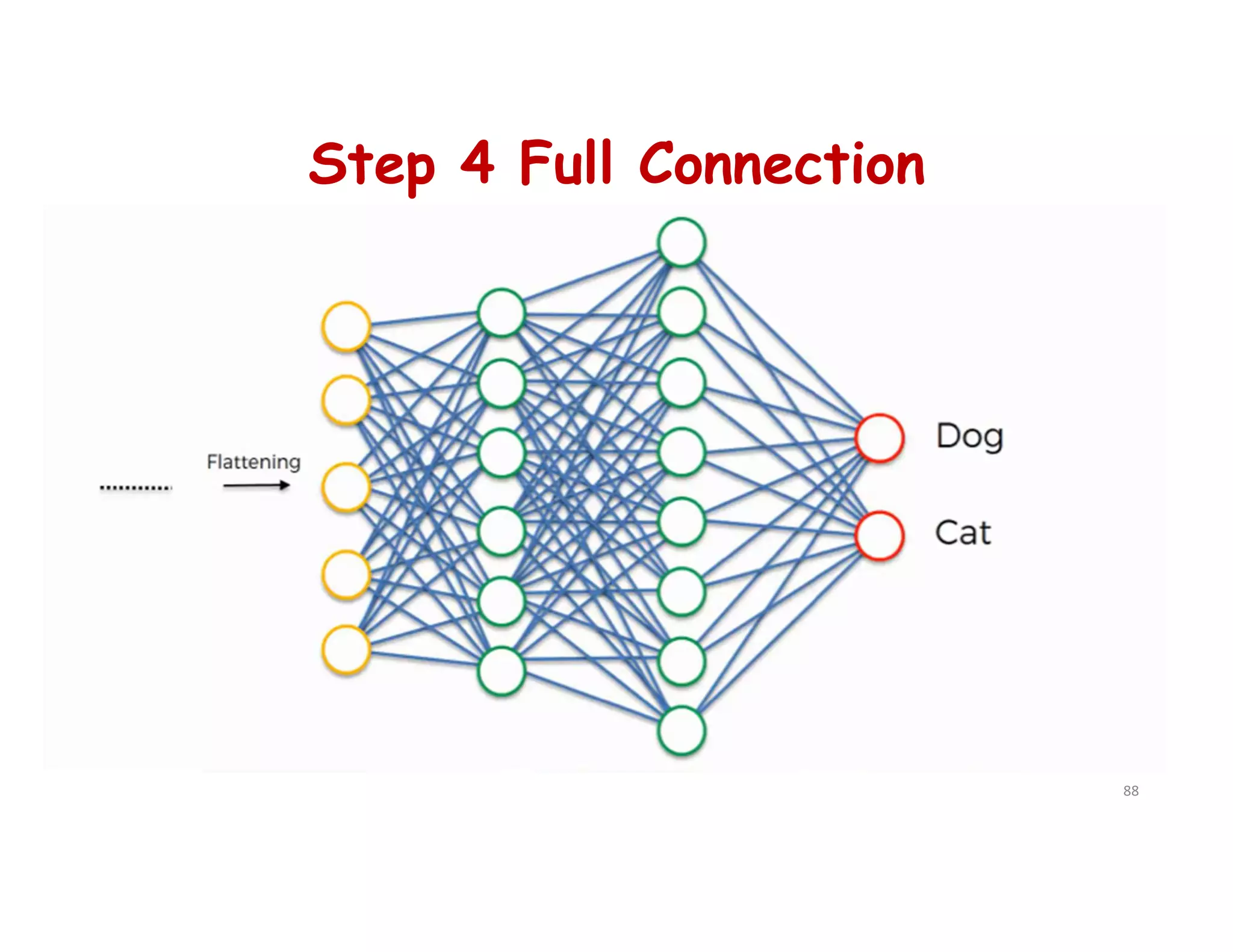
Step 4  Full Connection
Softmax and Cross-Entropy
Convolution Neural Network
29
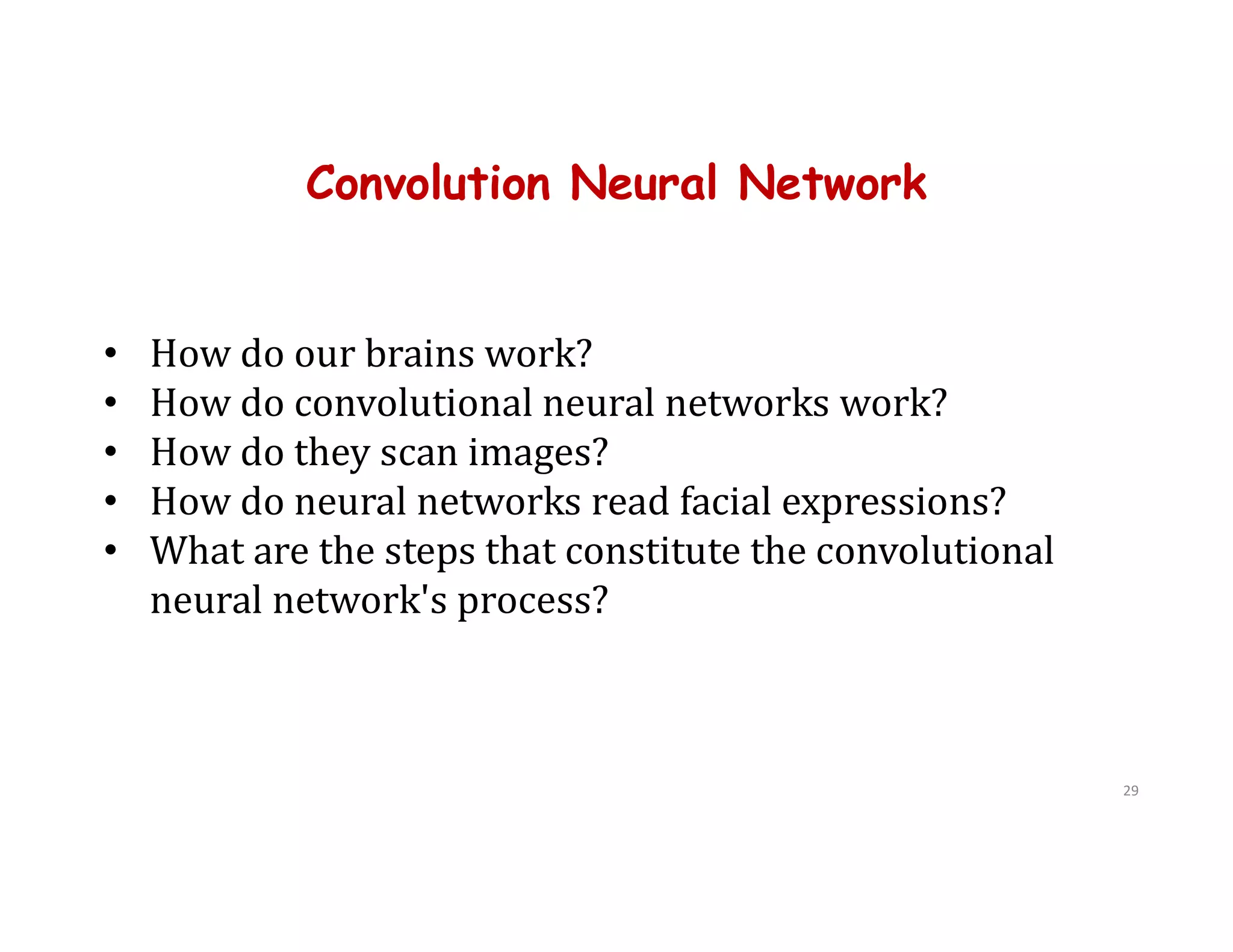
• How do our brains work?
• How do convolutional neural networks work?
• How do they scan images?
• How do neural networks read facial expressions?
• What are the steps that constitute the convolutional
neural network's process?
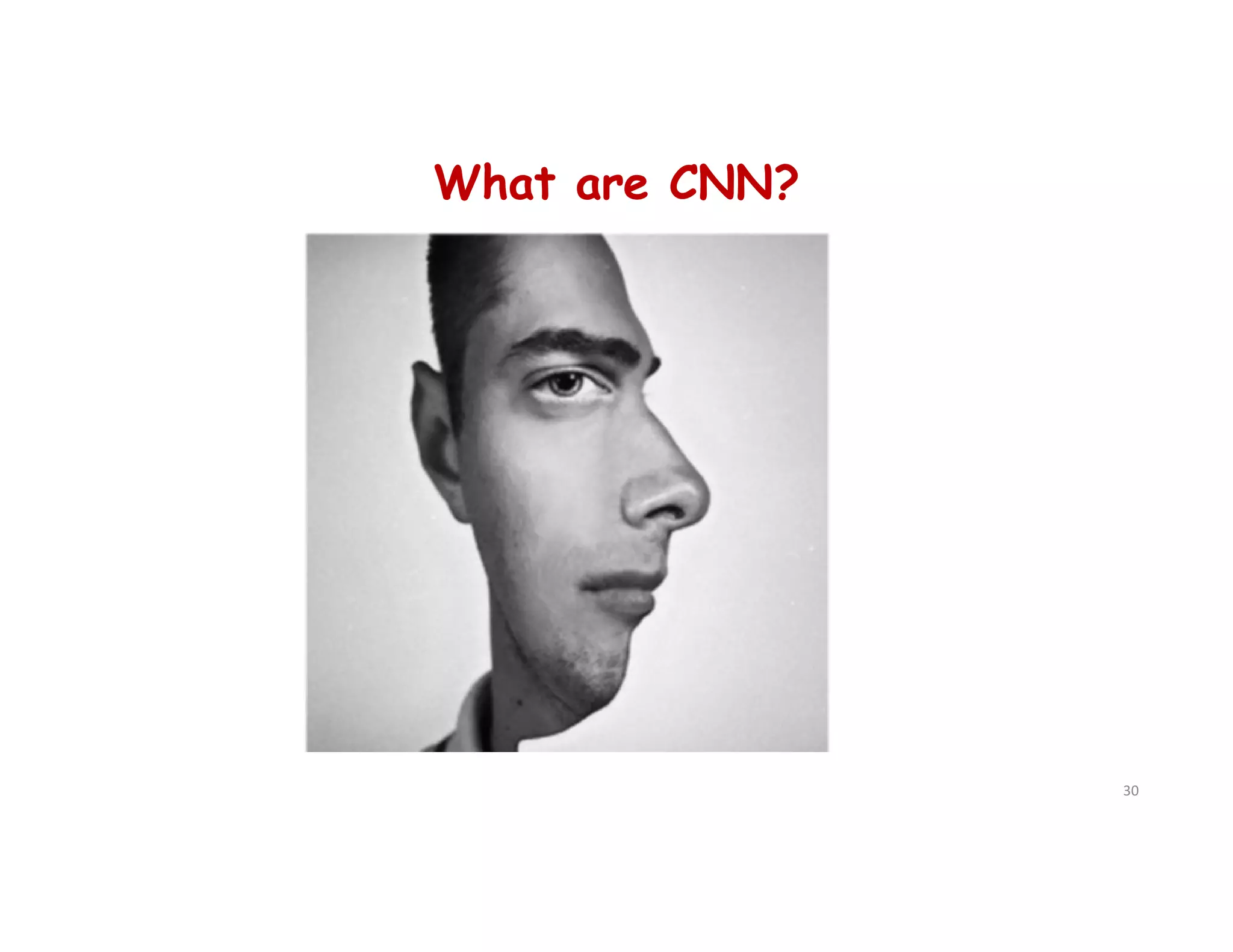
What are CNN?
30
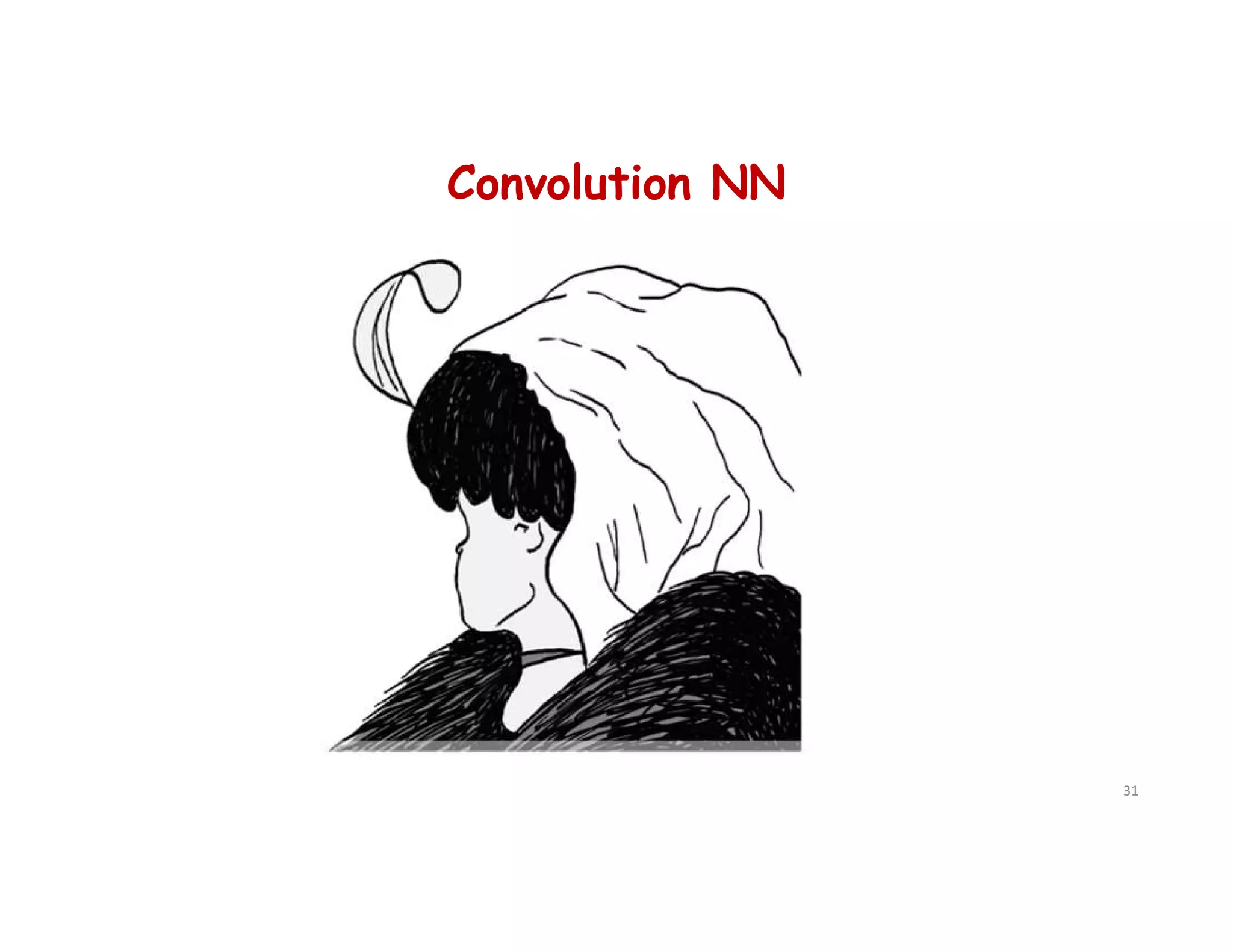
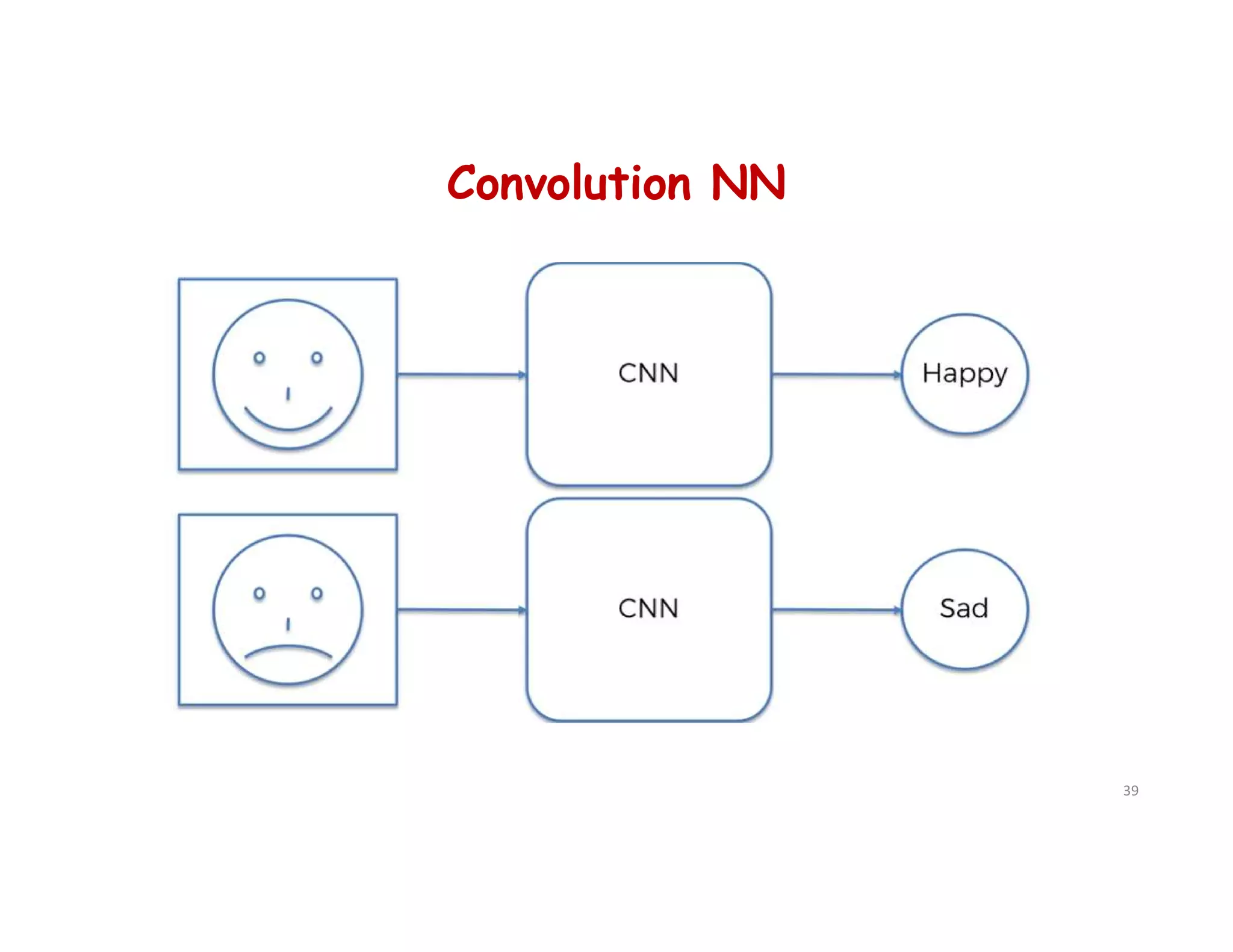
Convolution NN
31
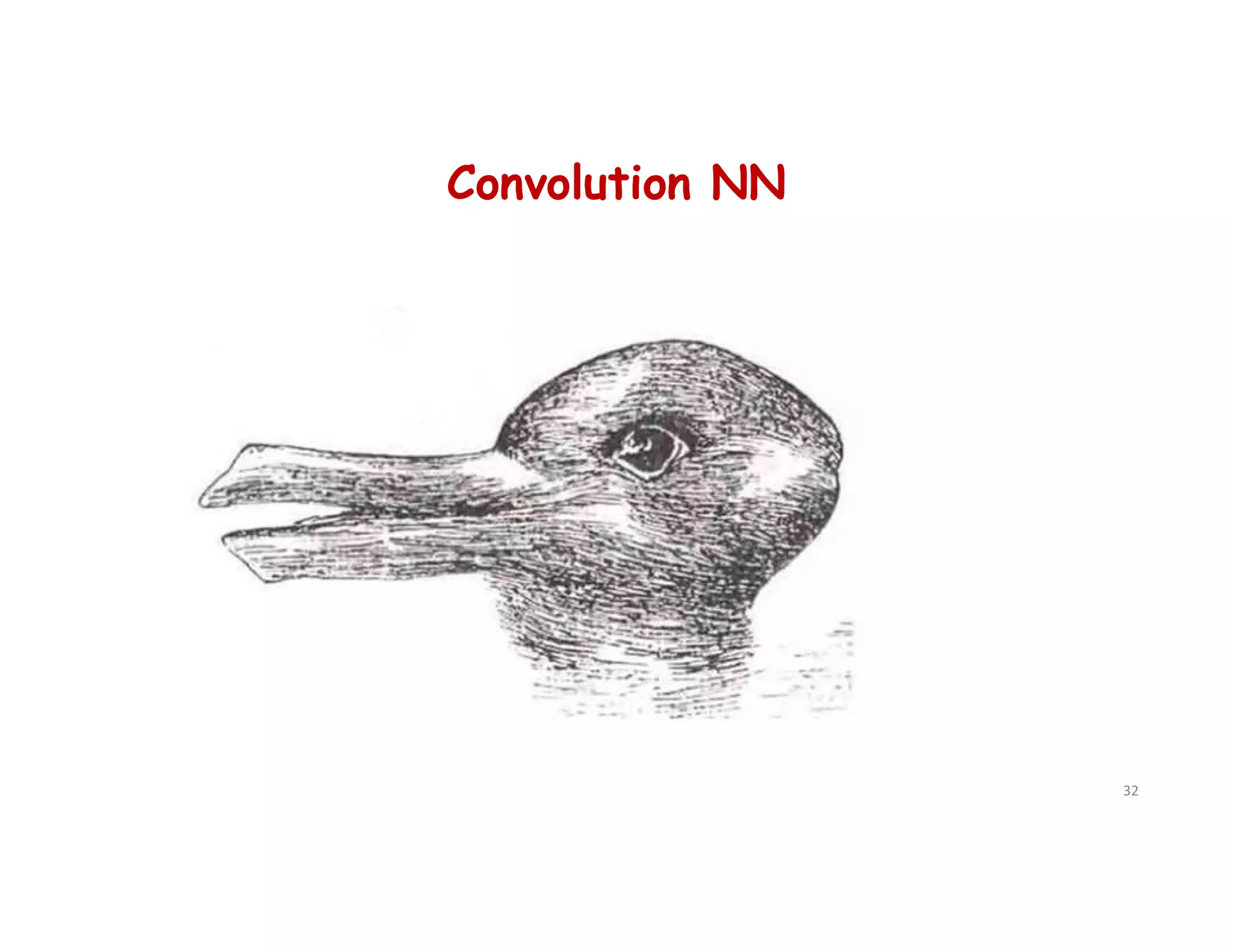
Convolution NN
32
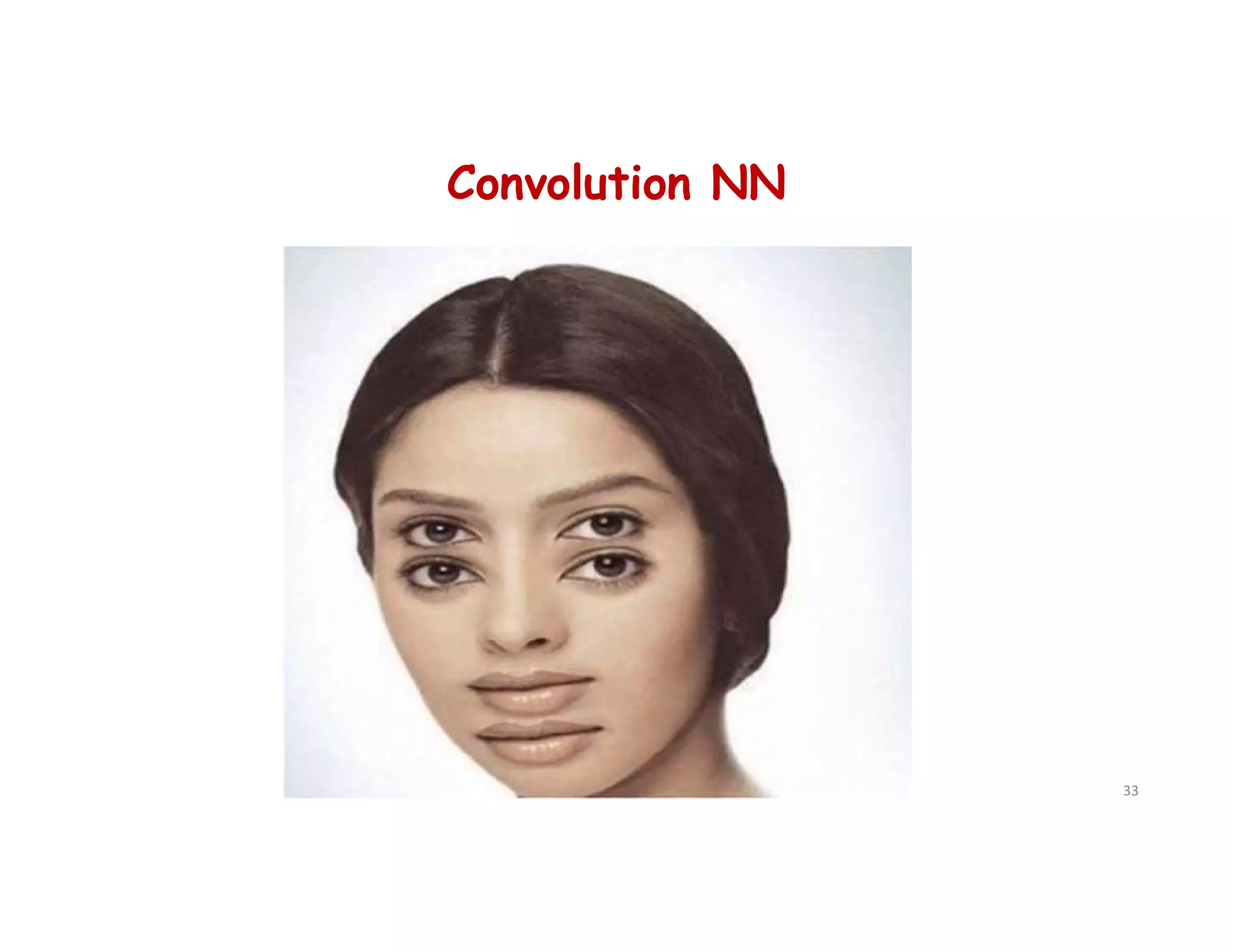
Convolution NN
33
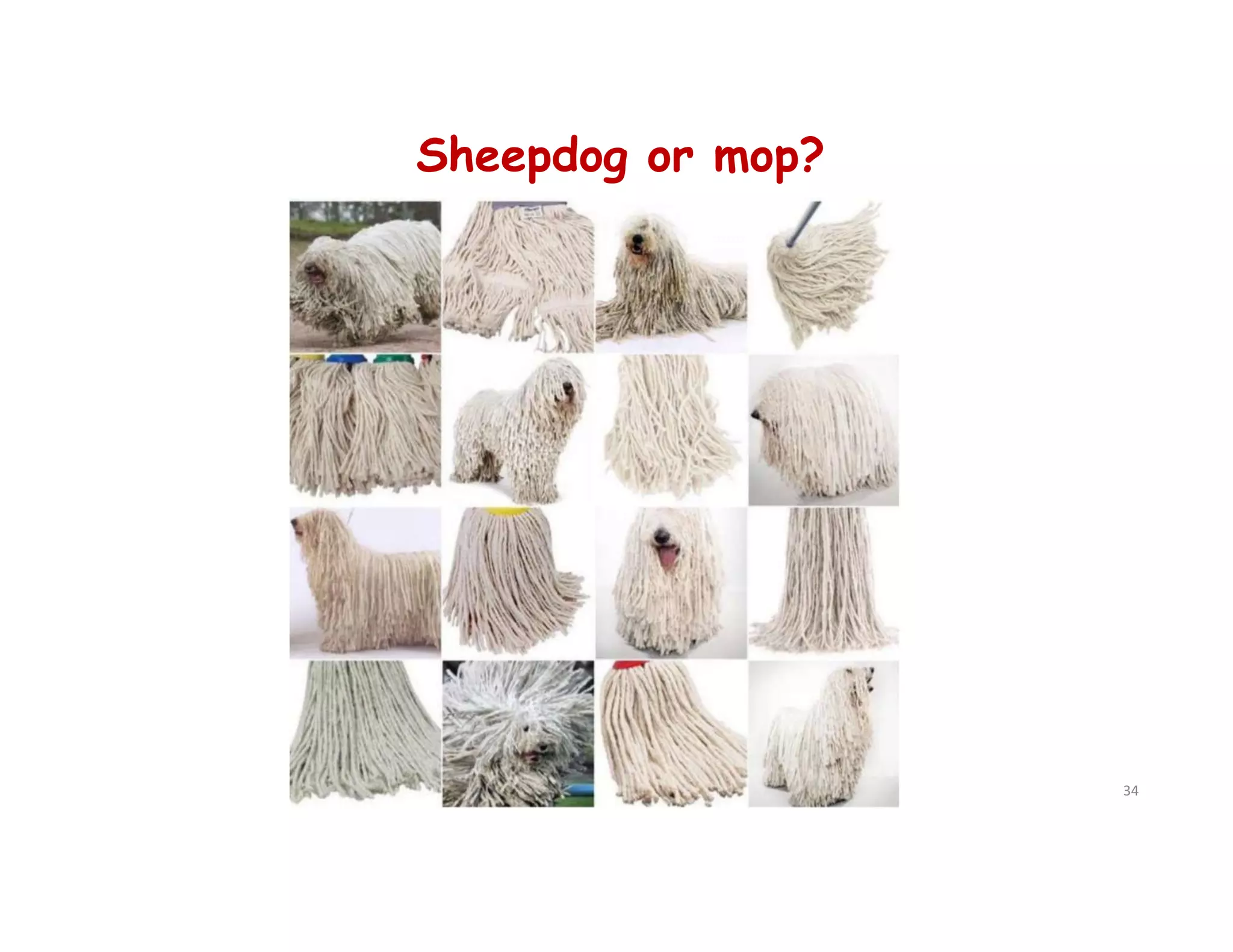
Sheepdog or mop?
34
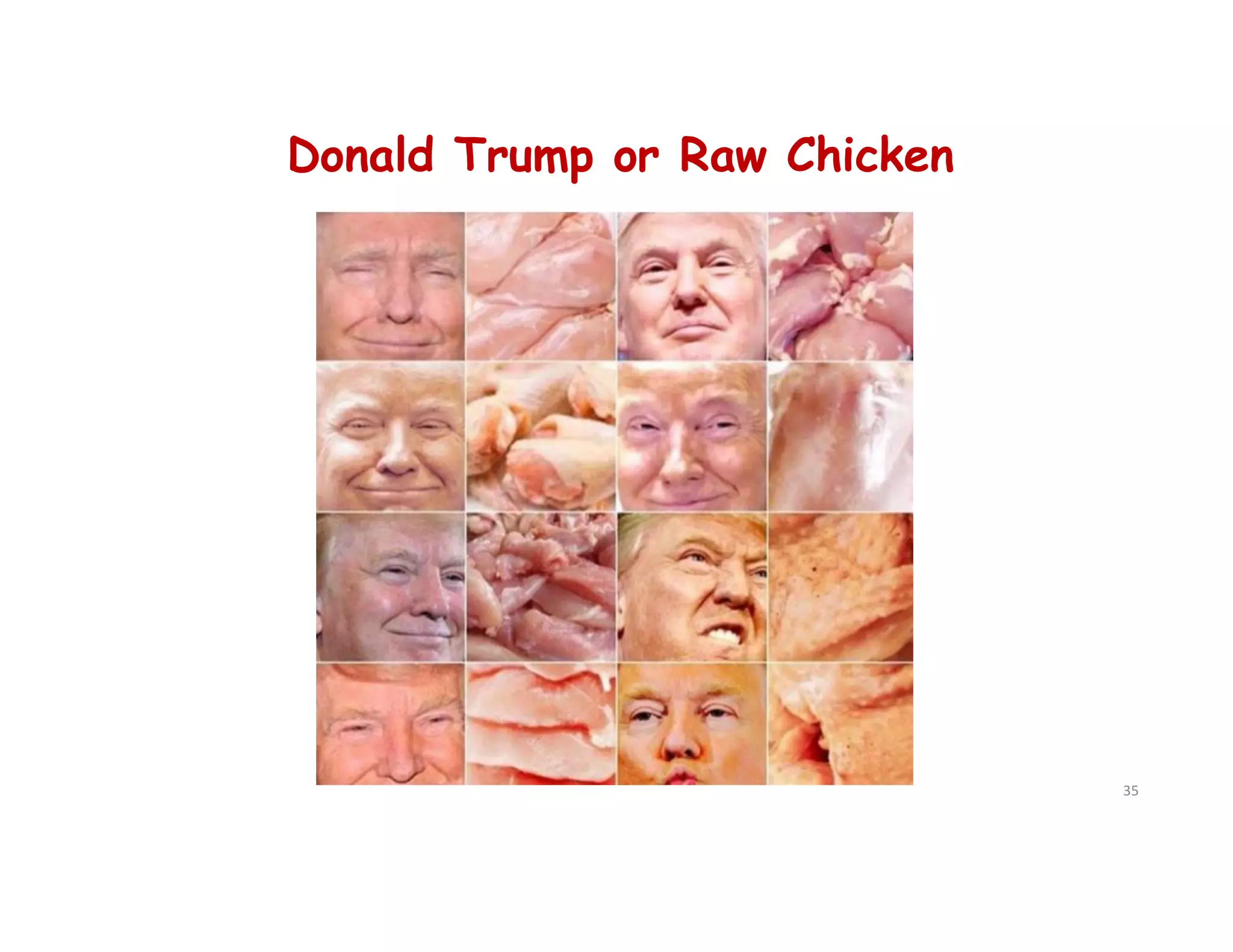
Donald Trump or Raw Chicken
35
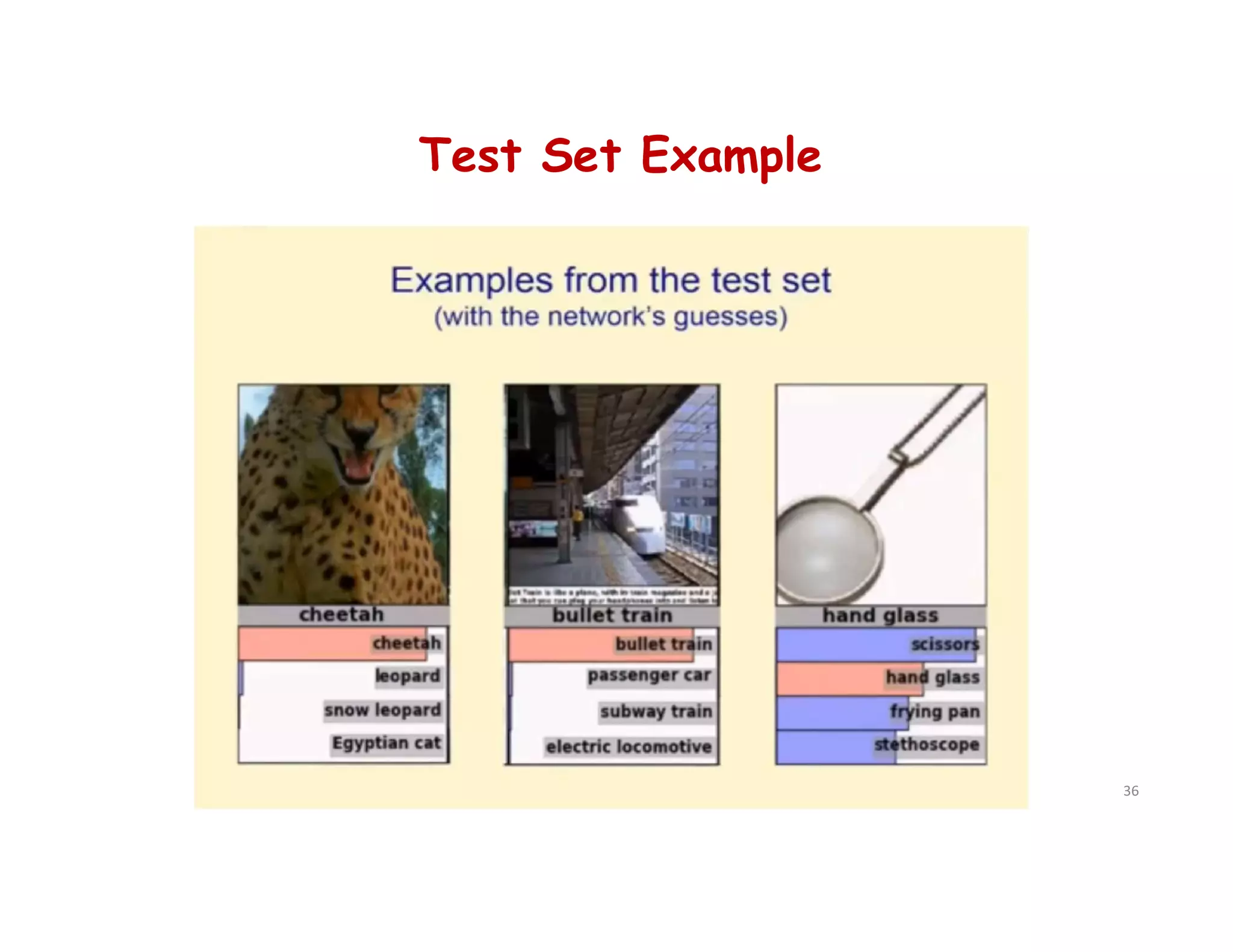
Test Set Example
36
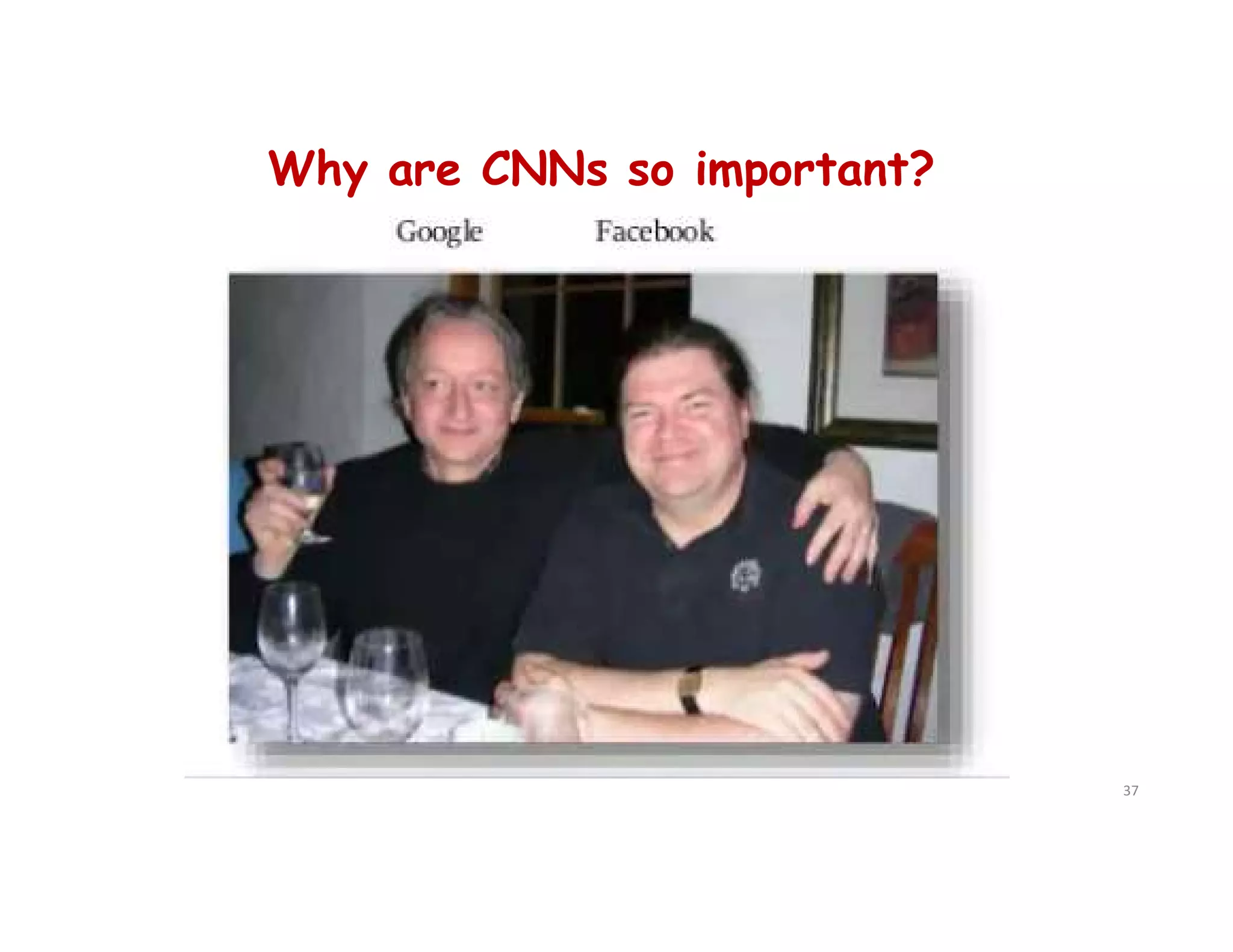
Why are CNNs so important?
37
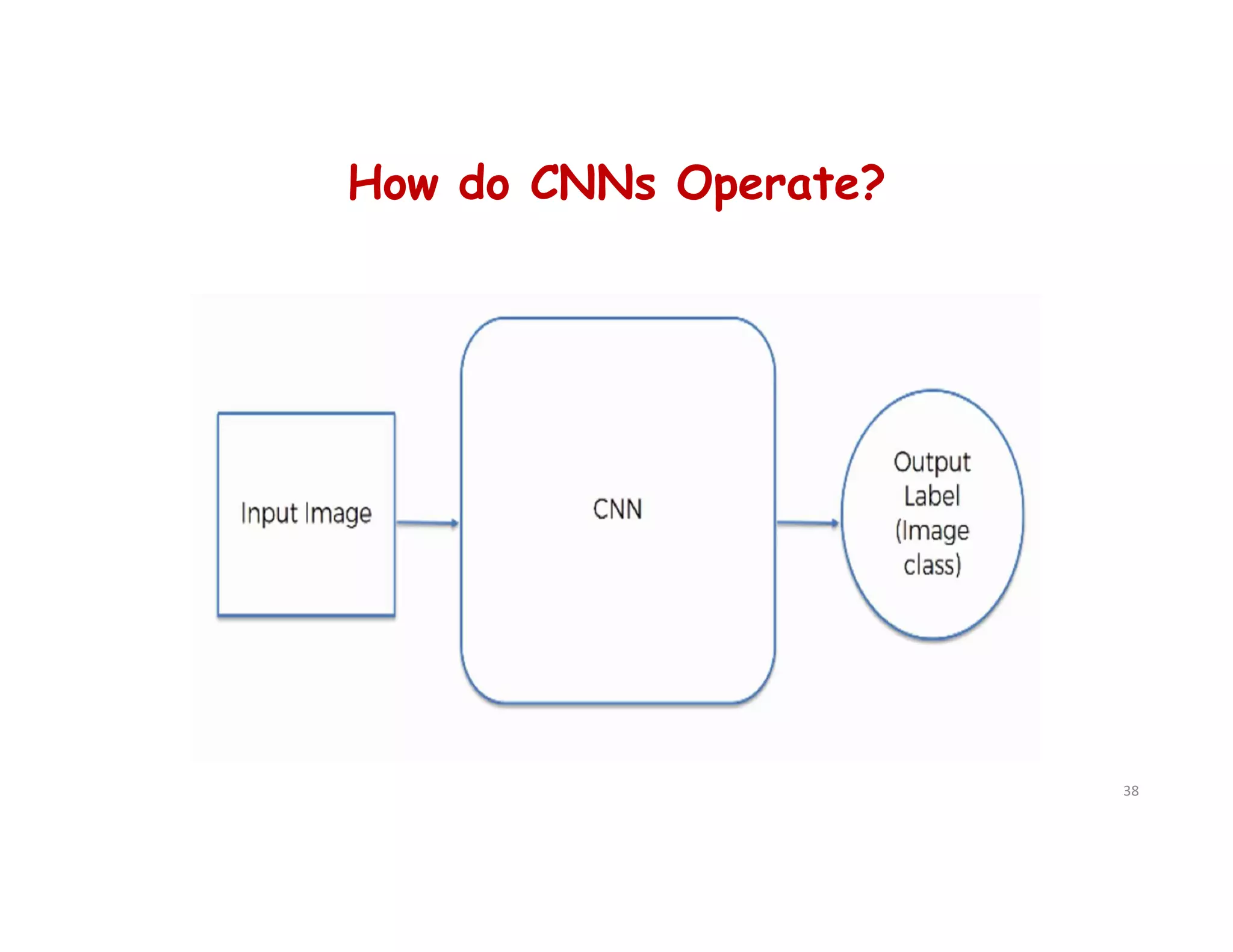
How do CNNs Operate?
38
Convolution NN
39
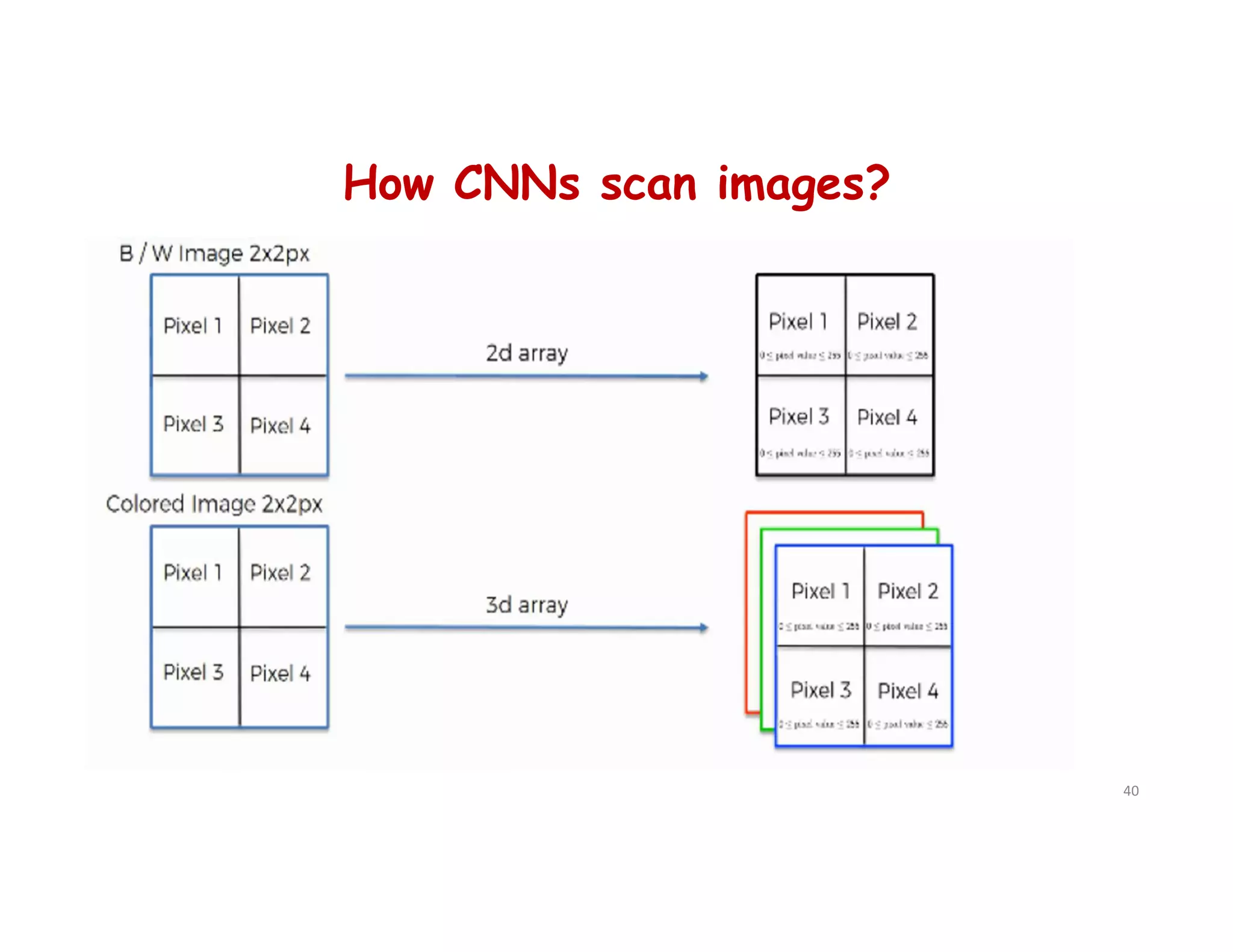
How CNNs scan images?
40
How CNNs scan images?
41
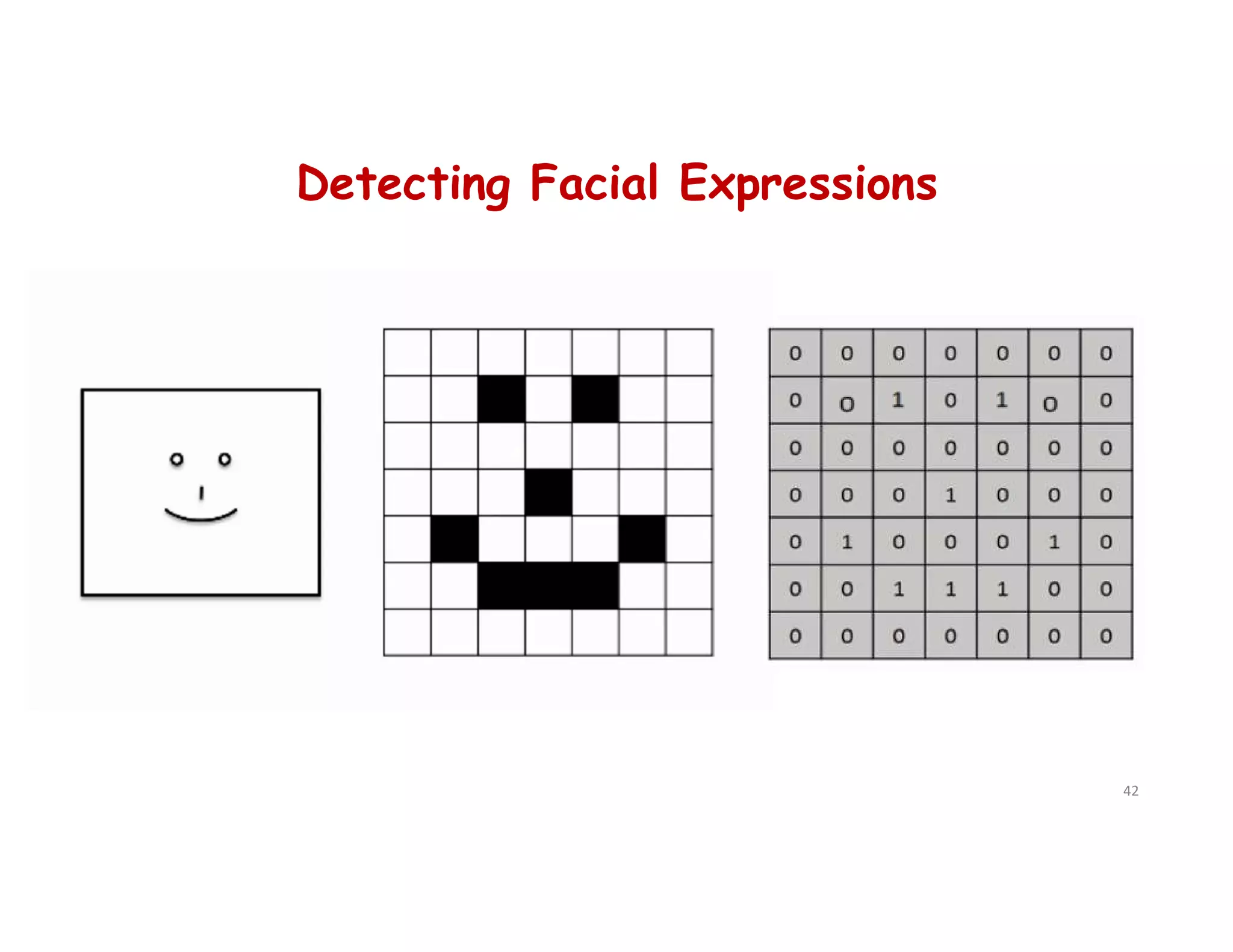
Detecting Facial Expressions
42
Convolution NN
43
Convolution NN
44
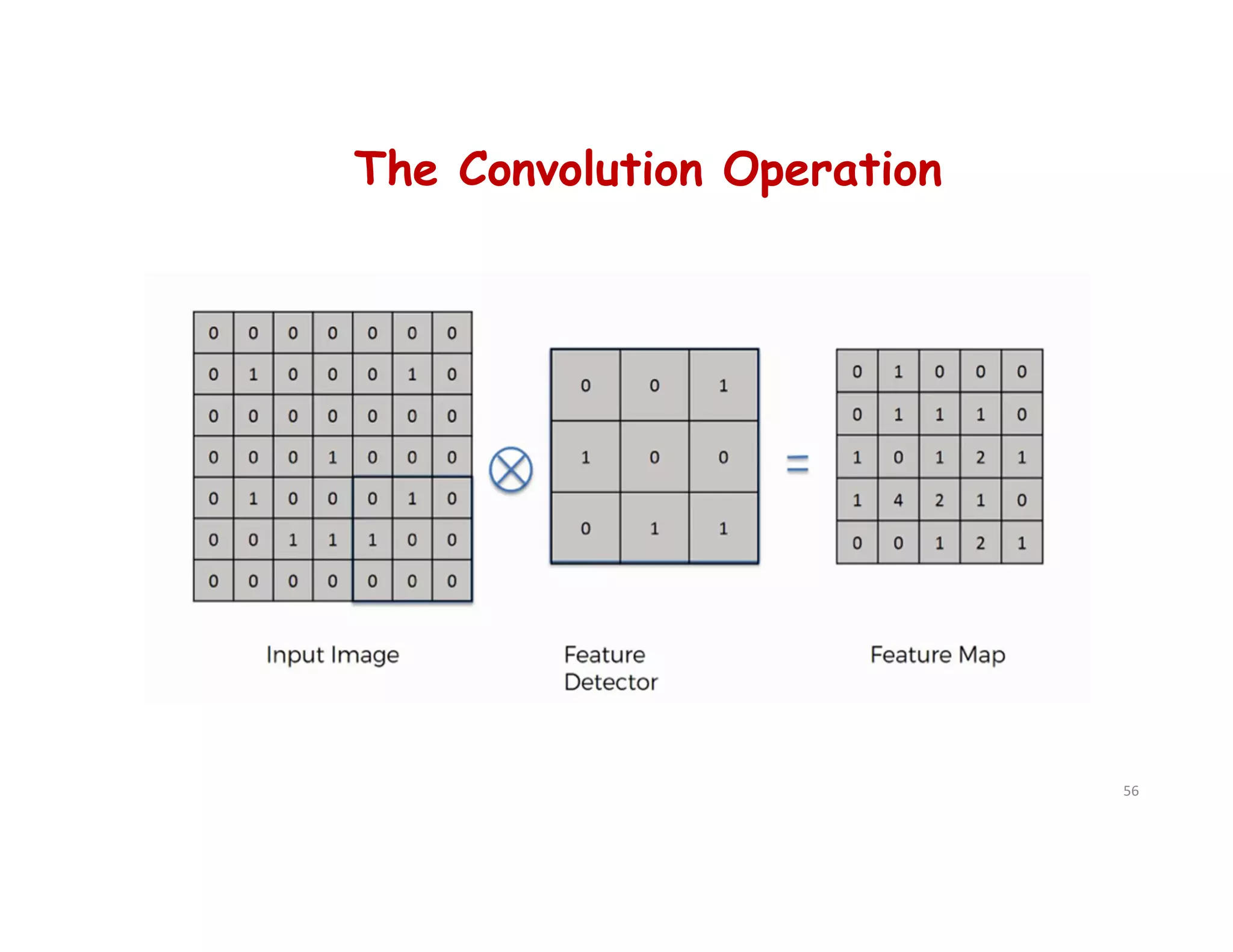
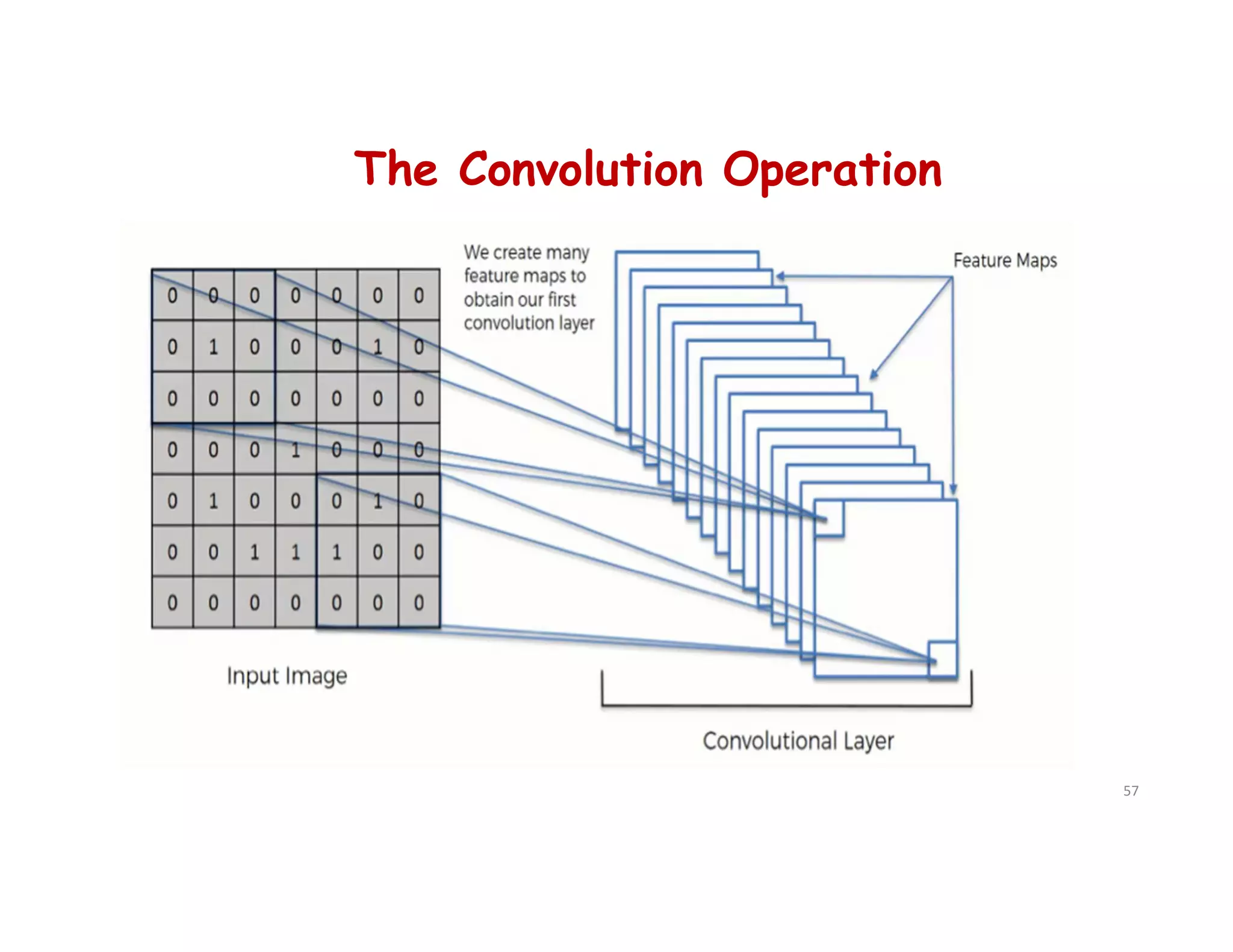
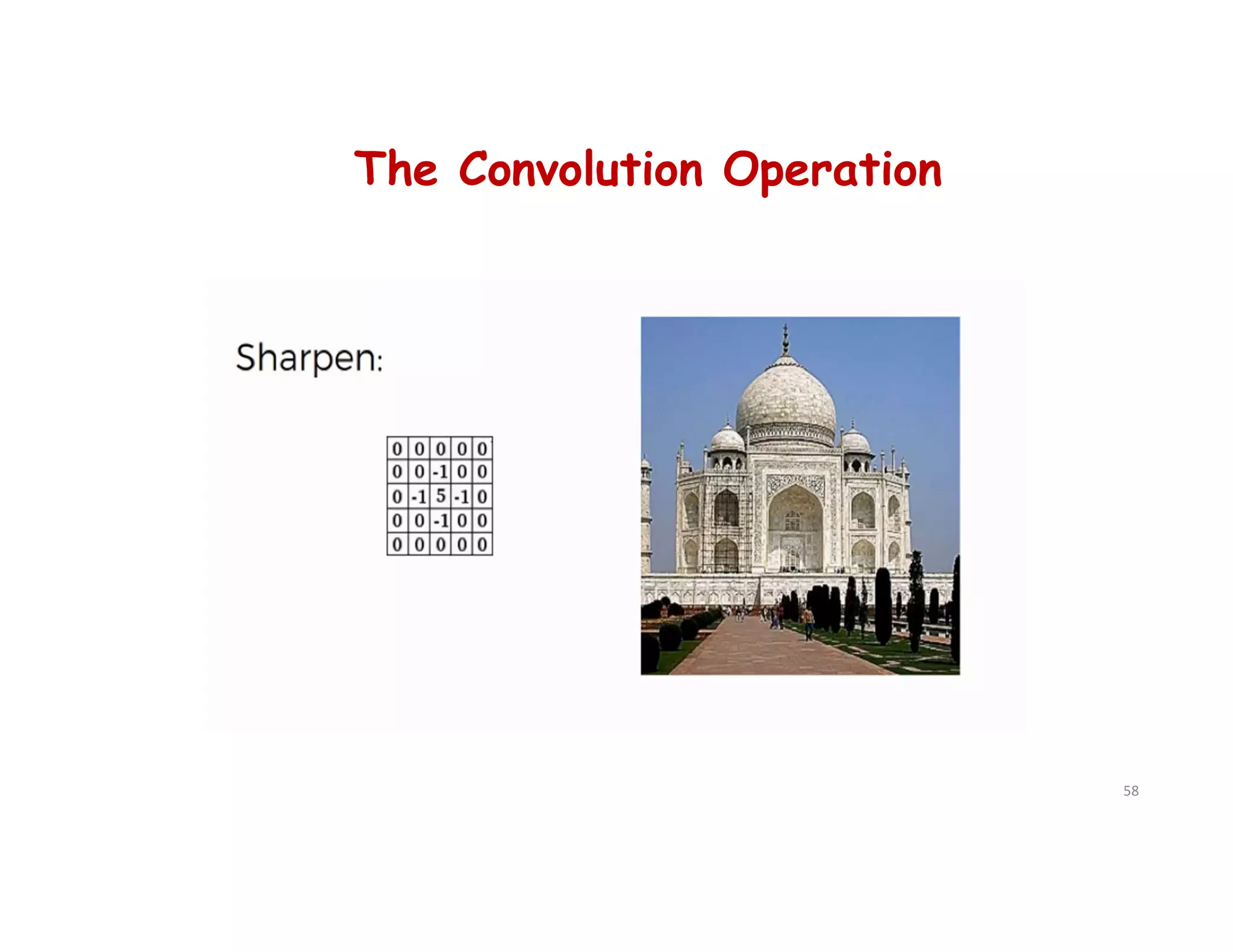
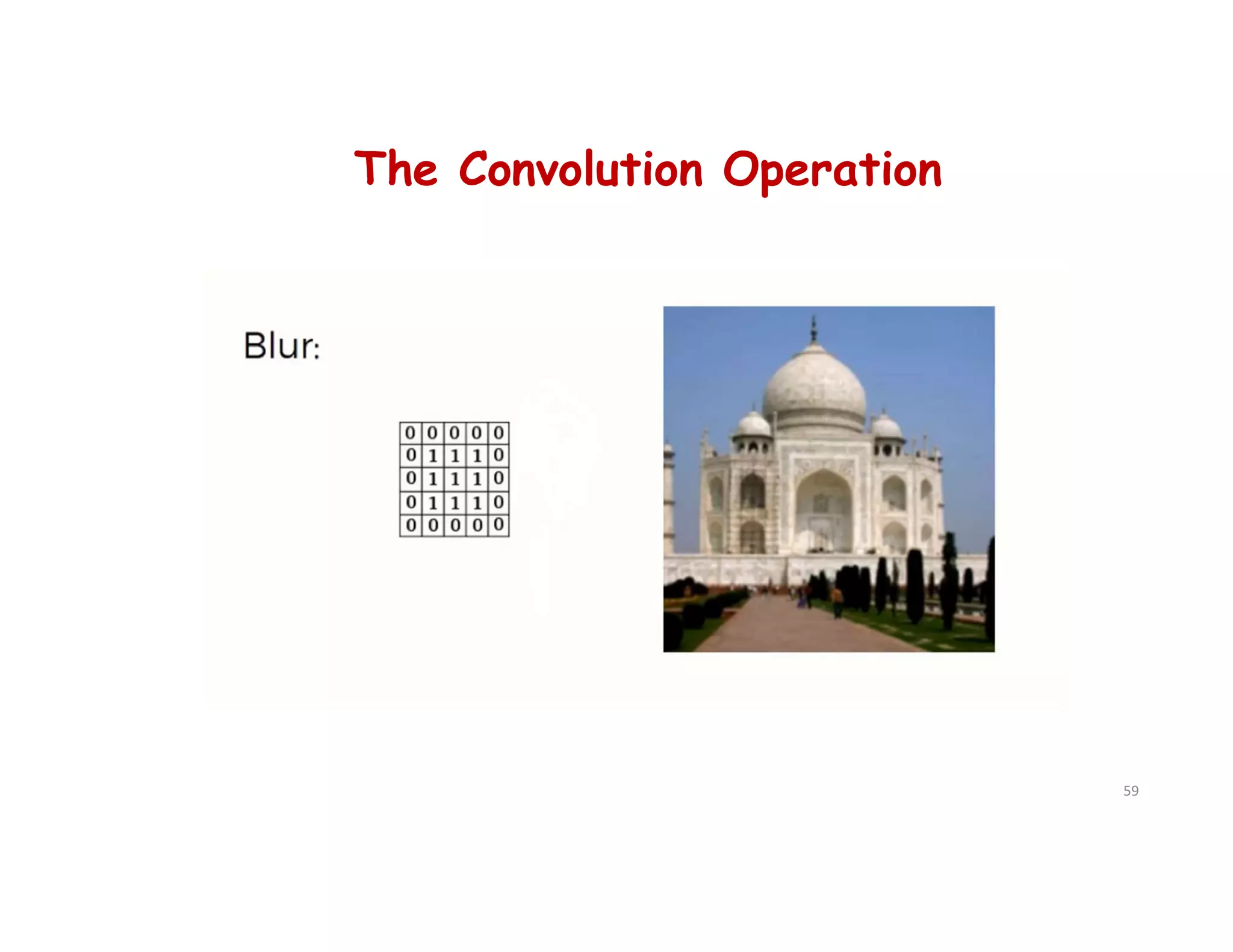
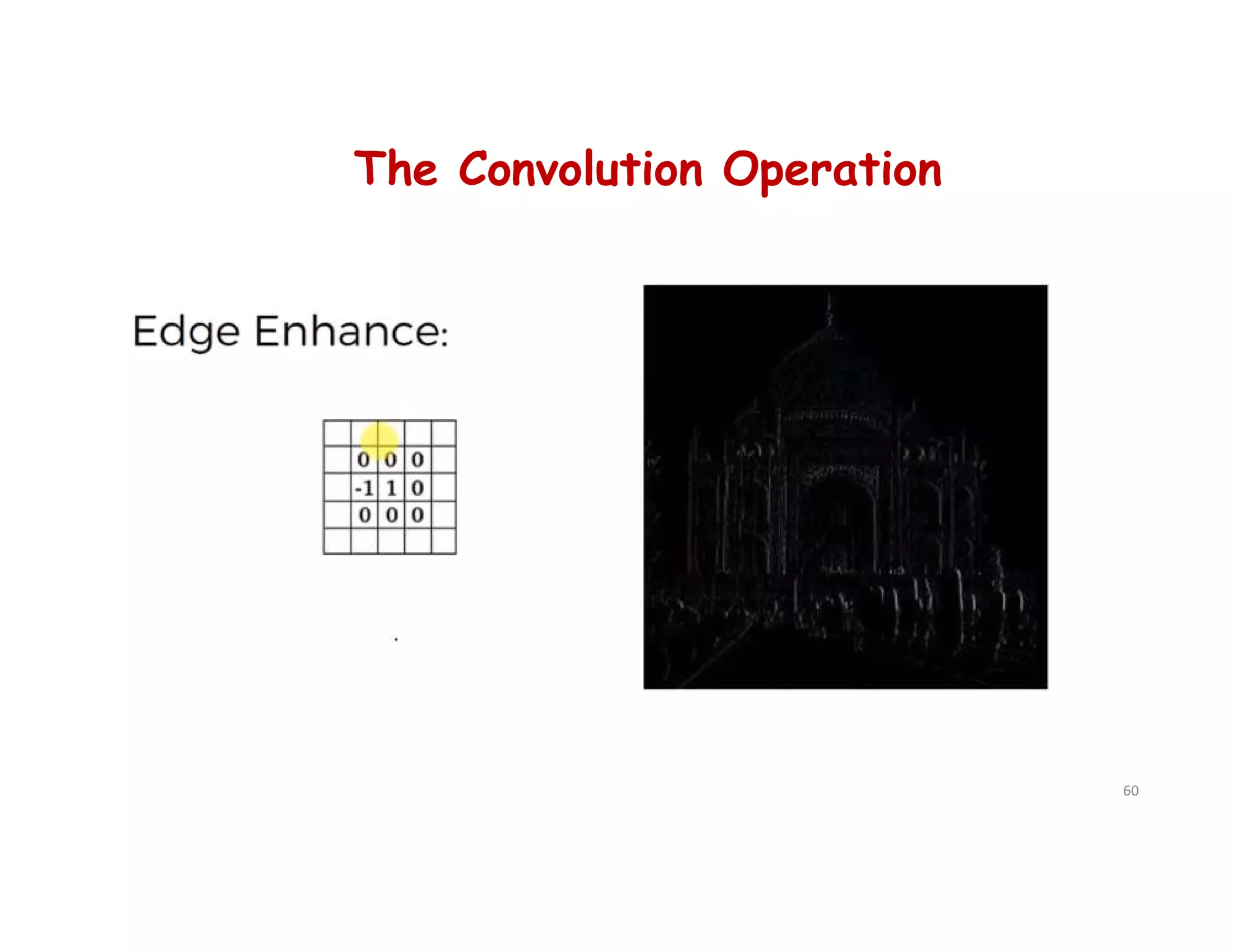
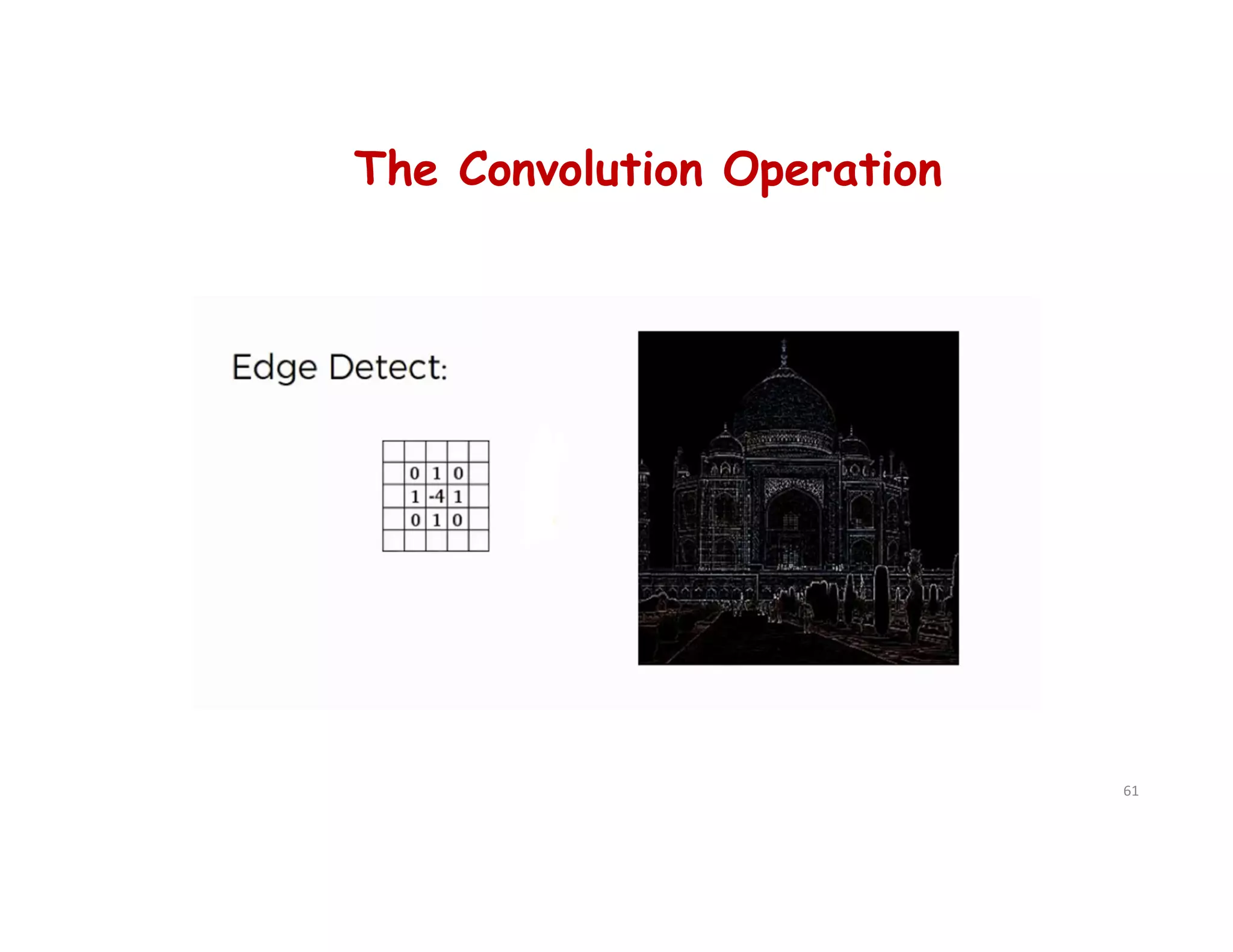
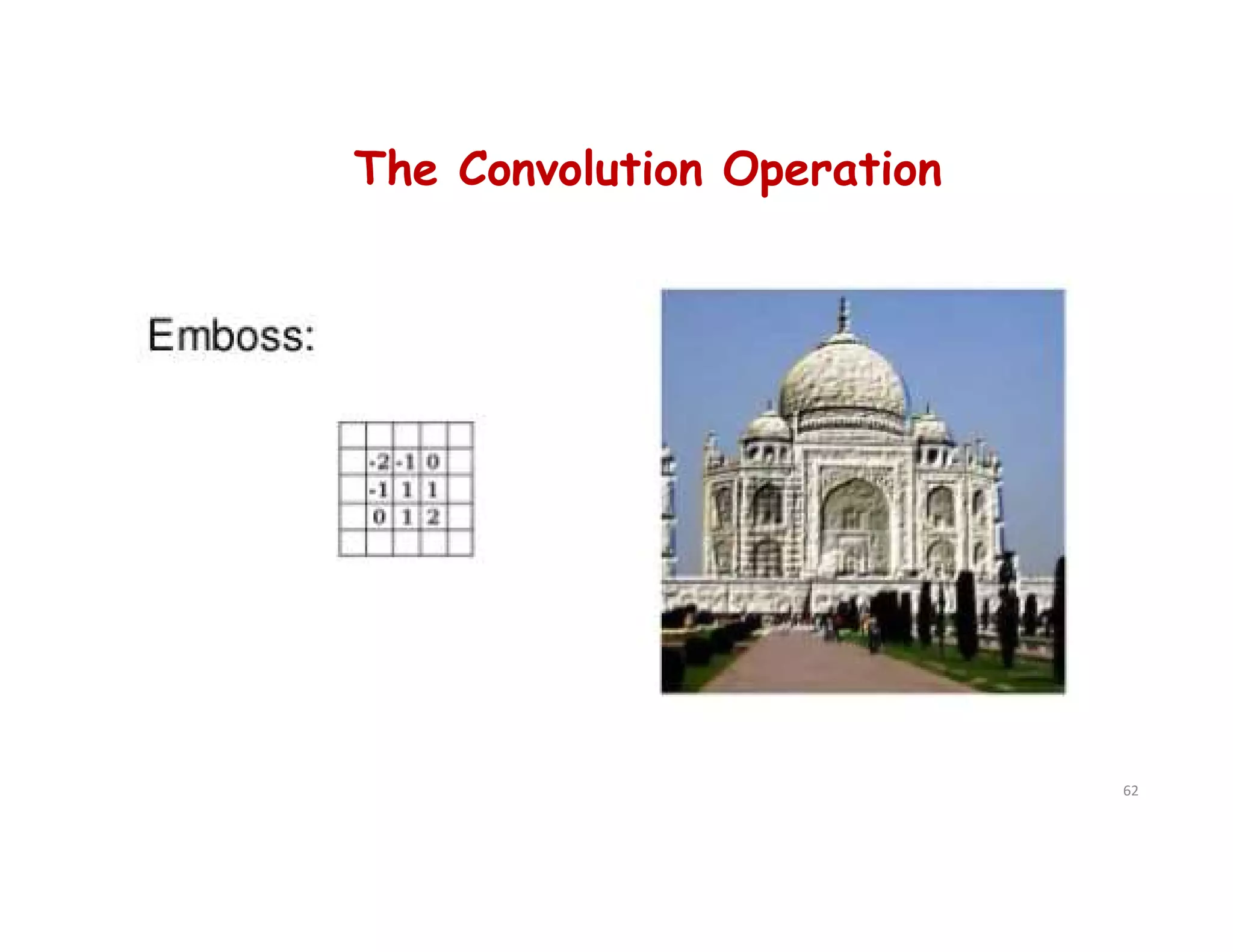
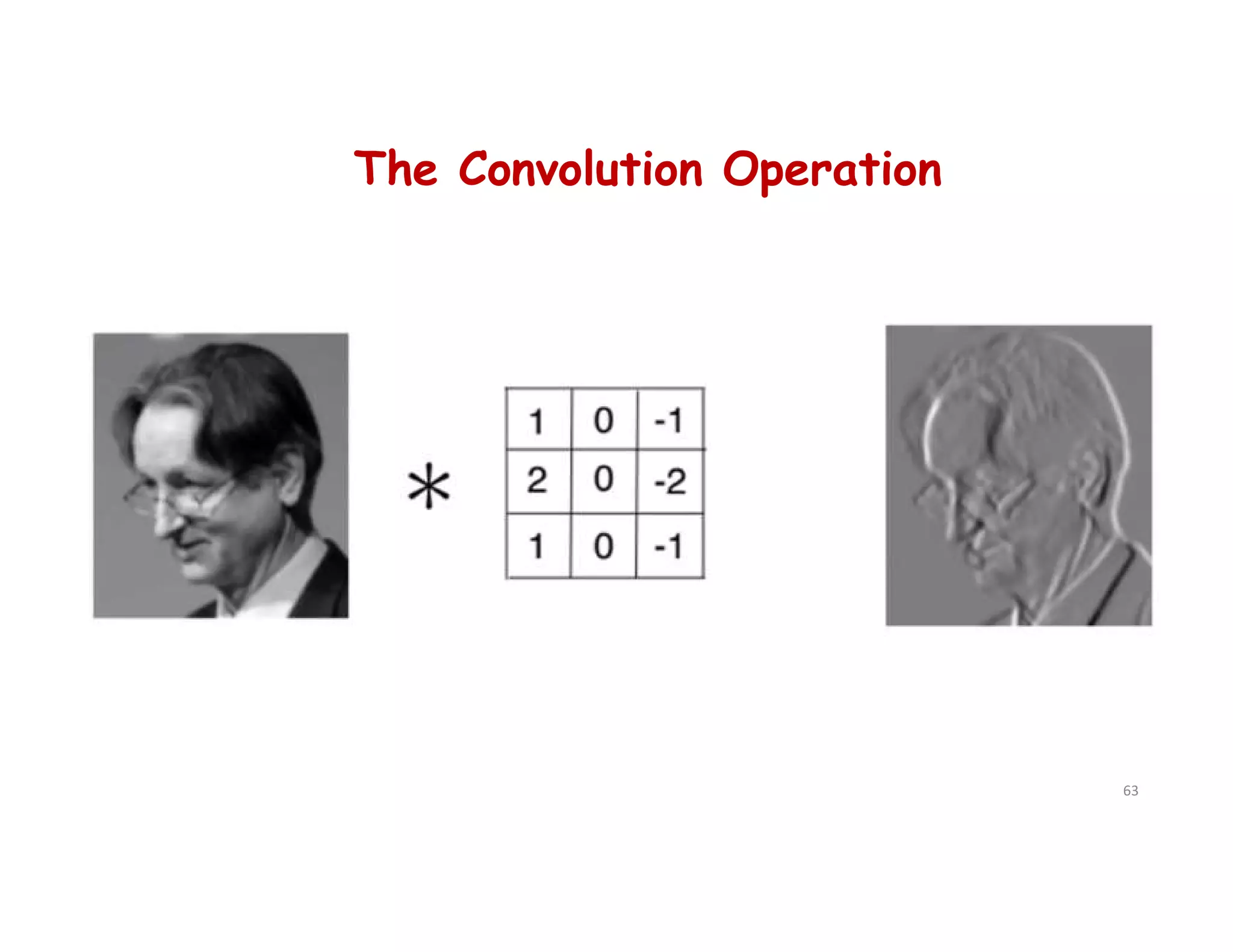
The Convolution Operation
45
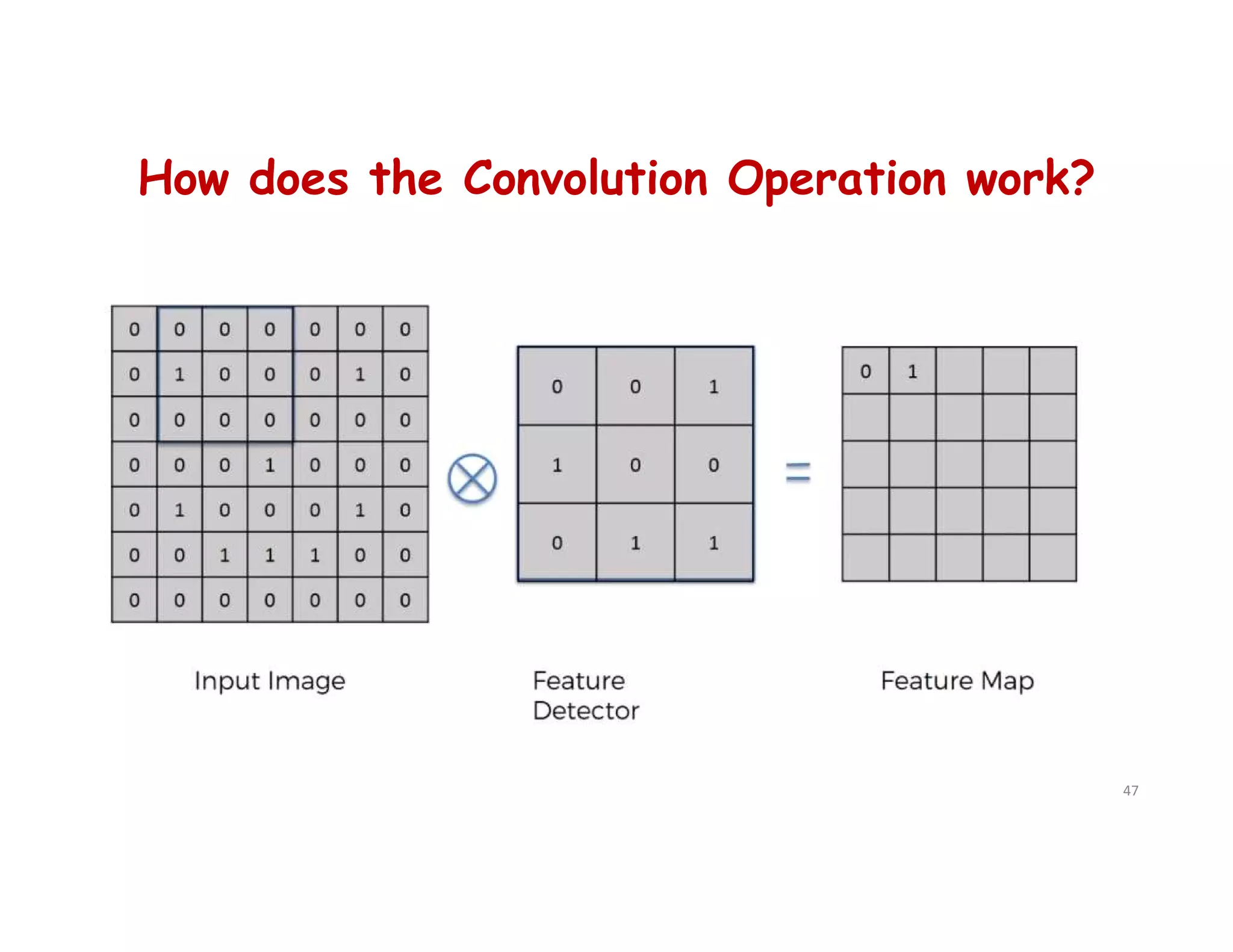
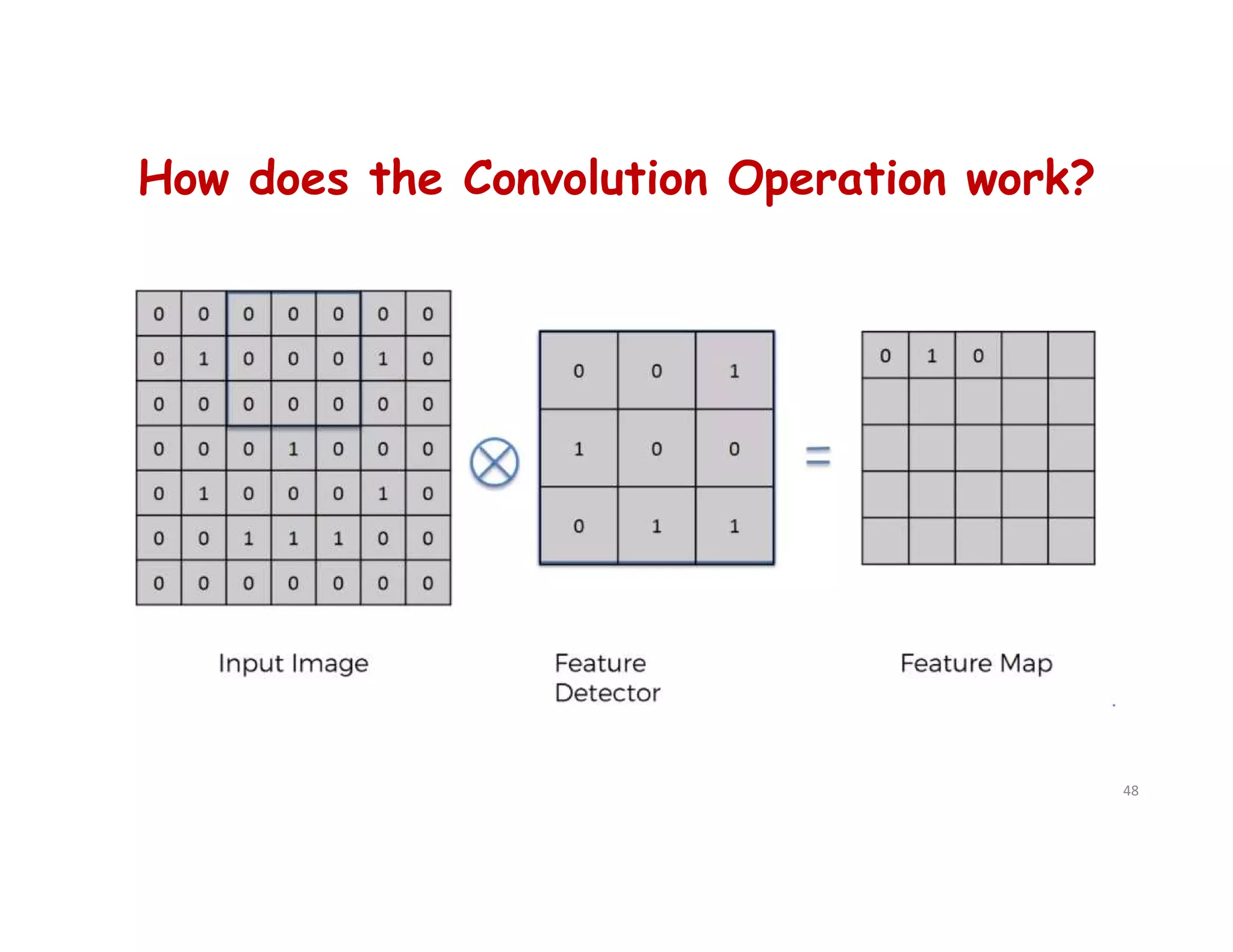
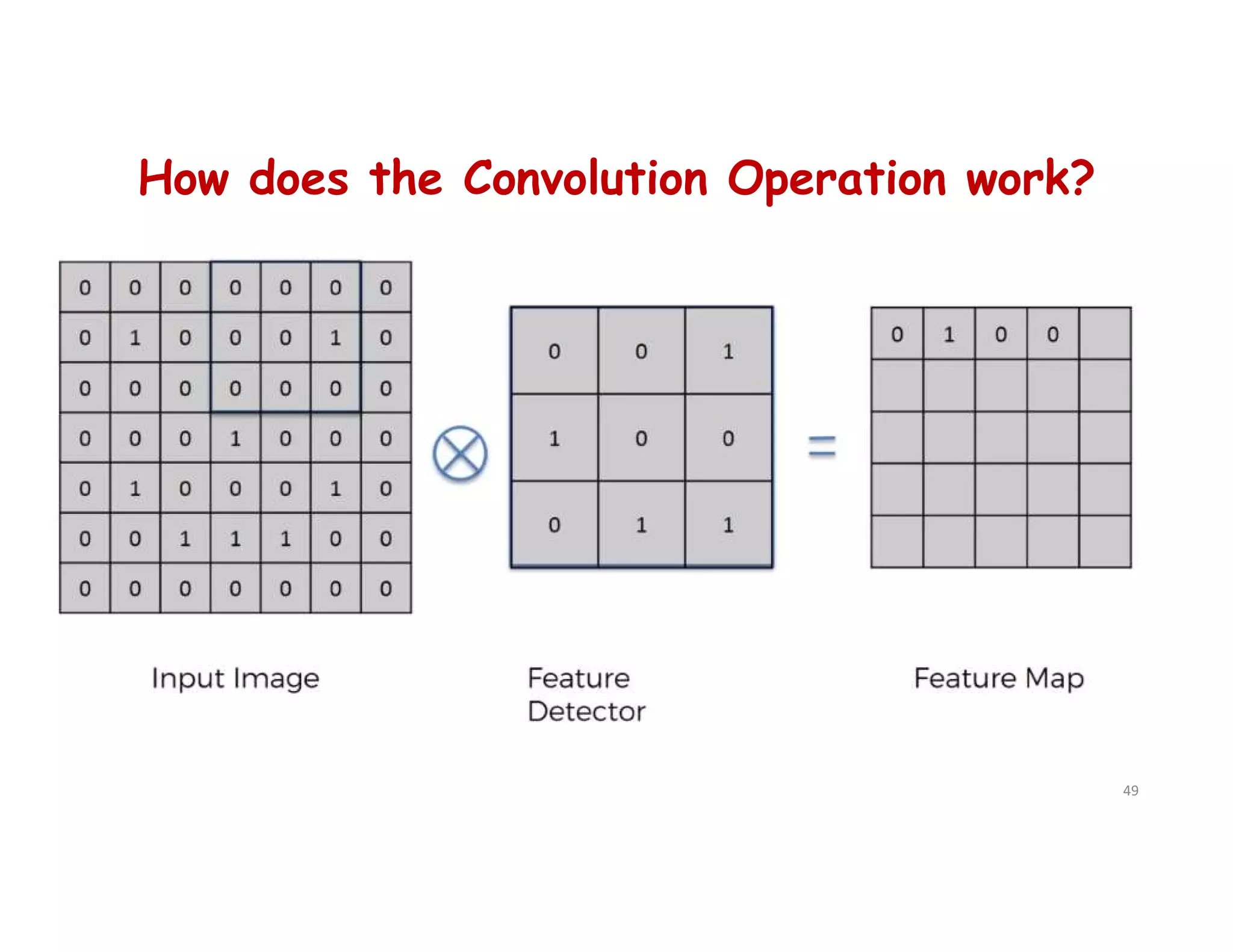
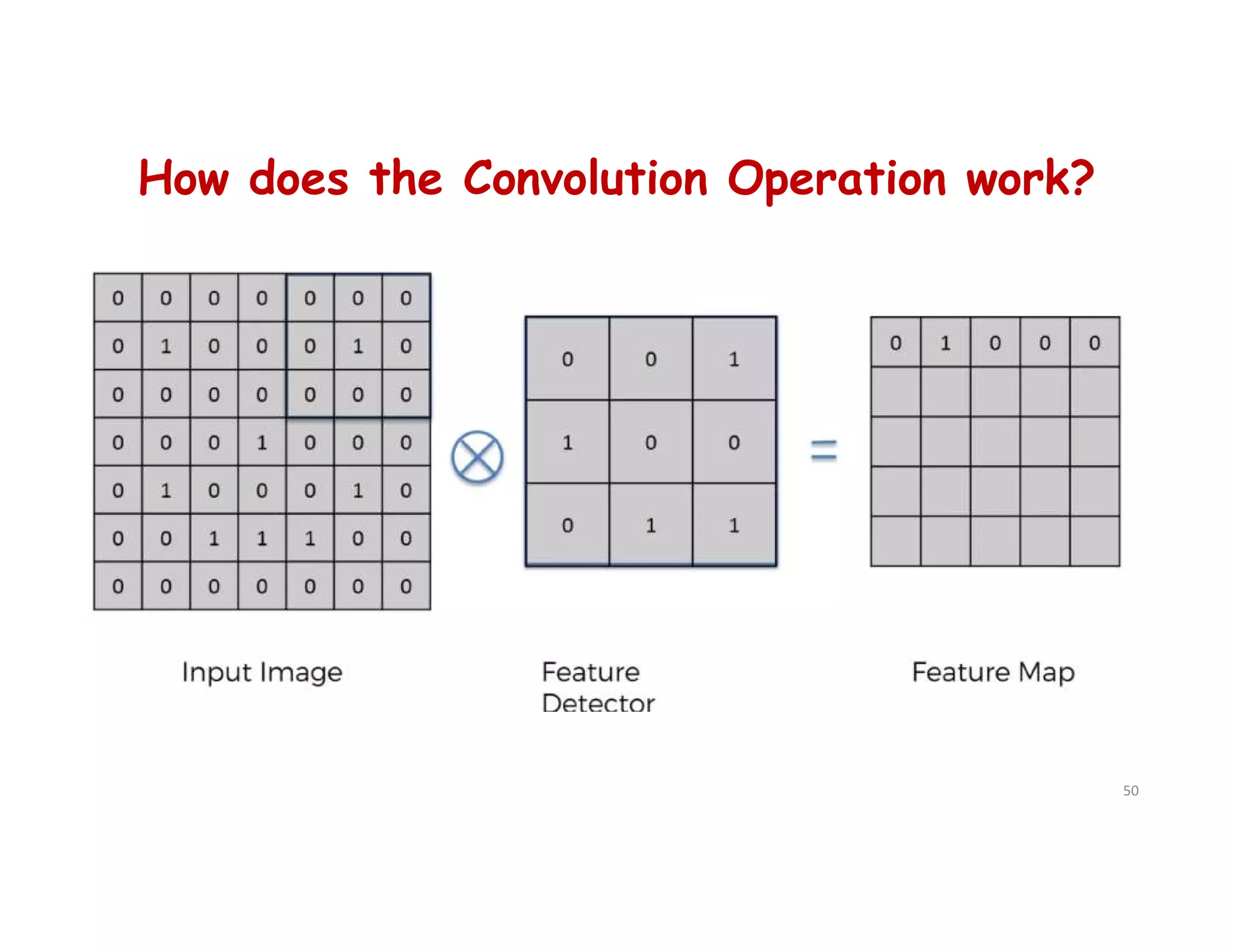
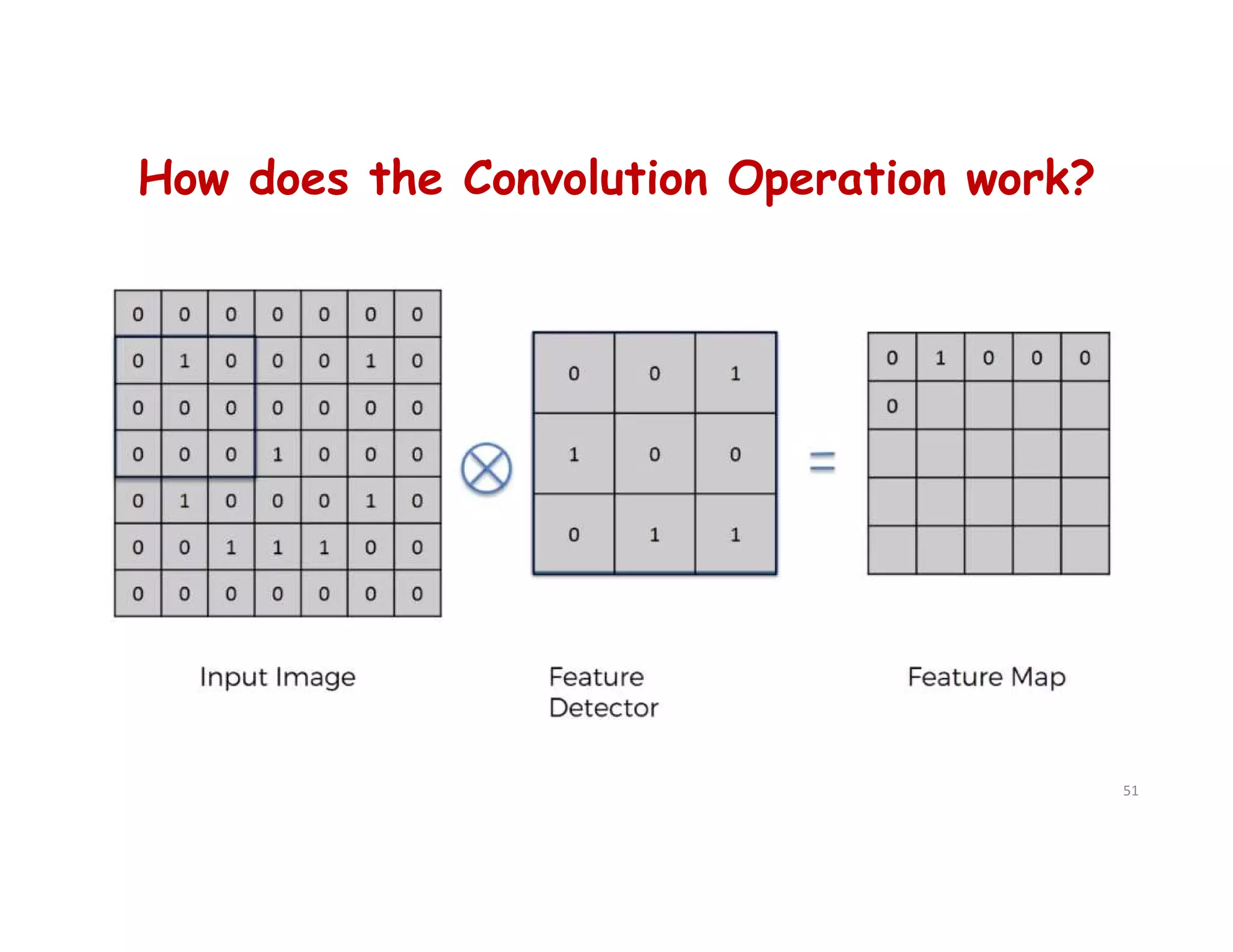
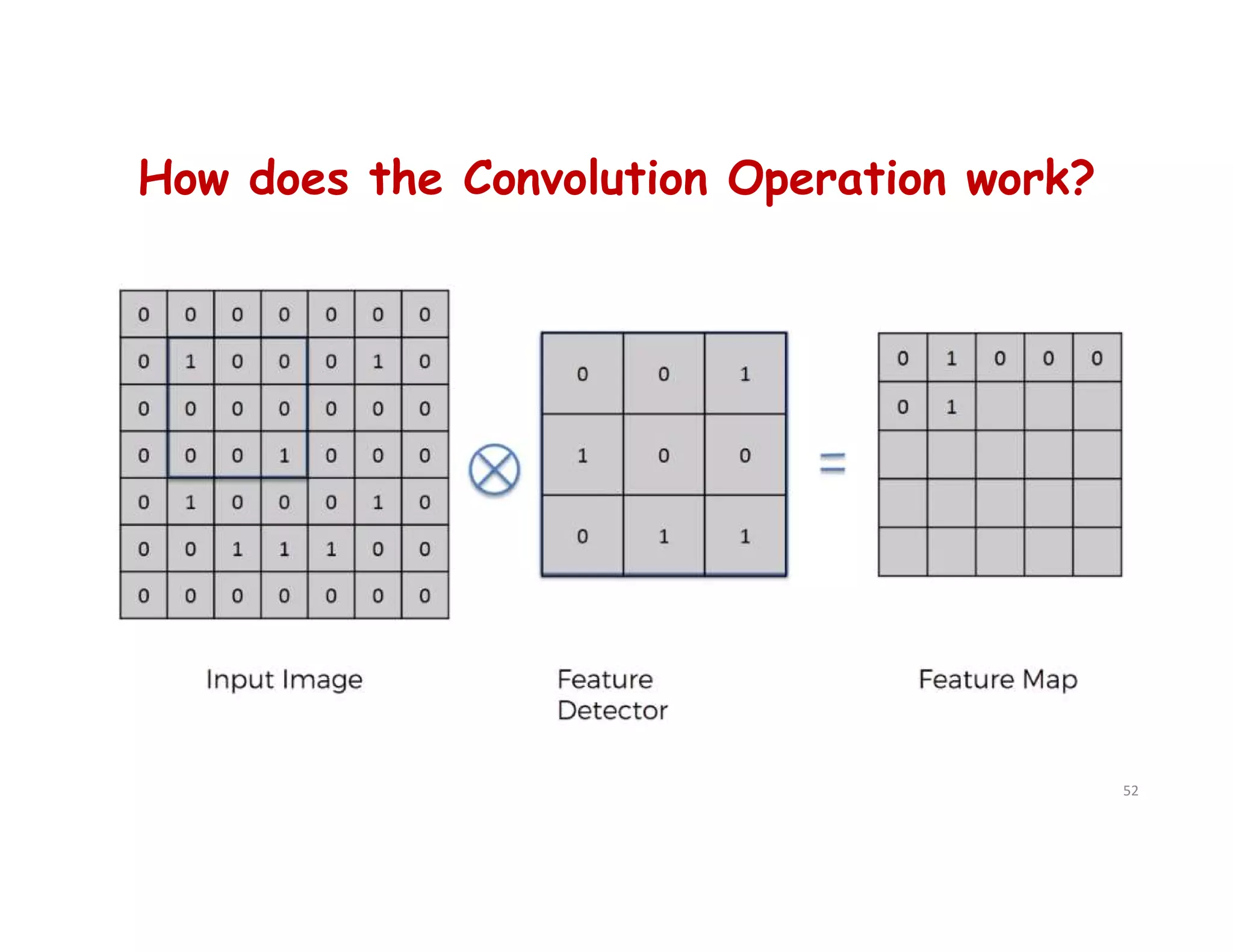
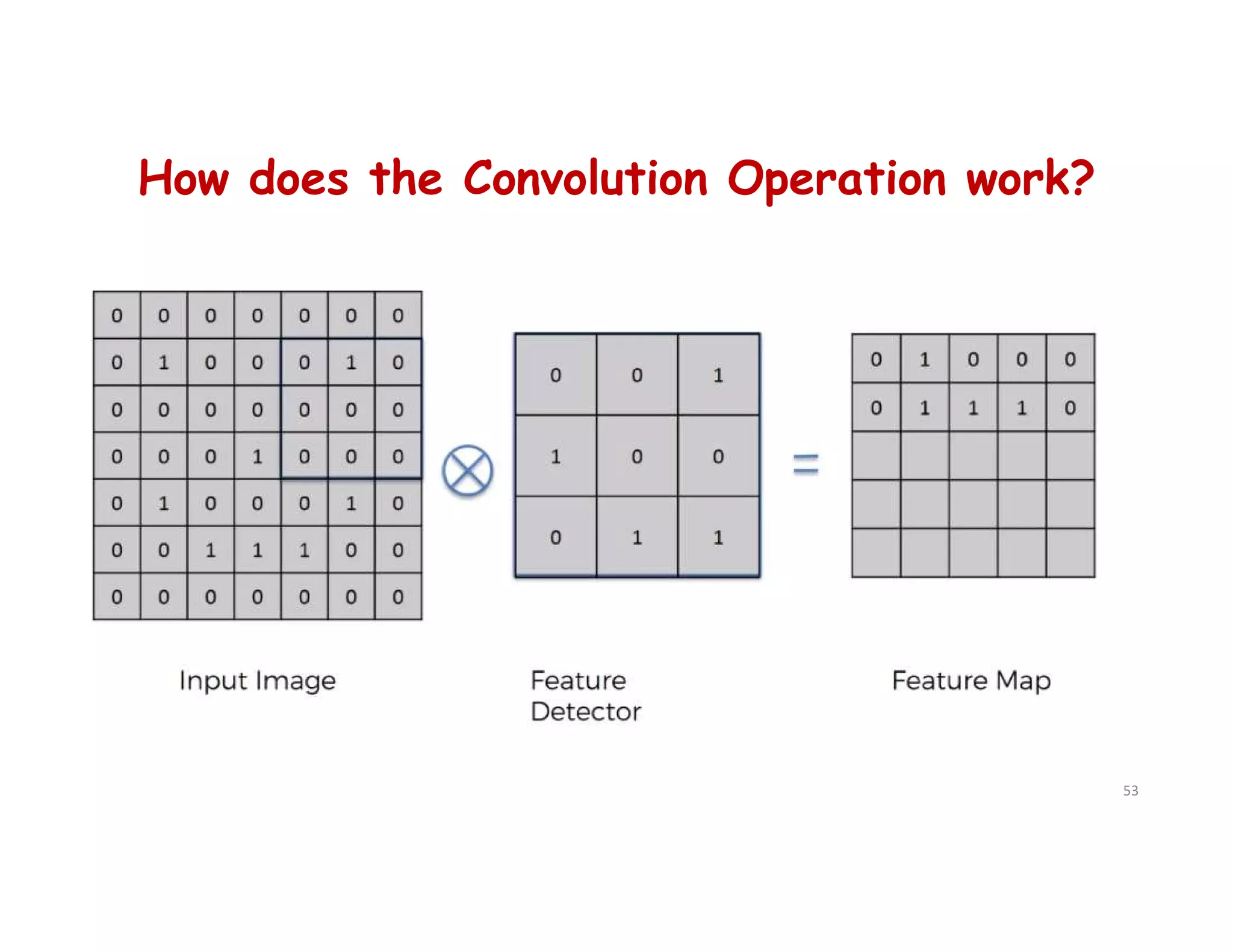
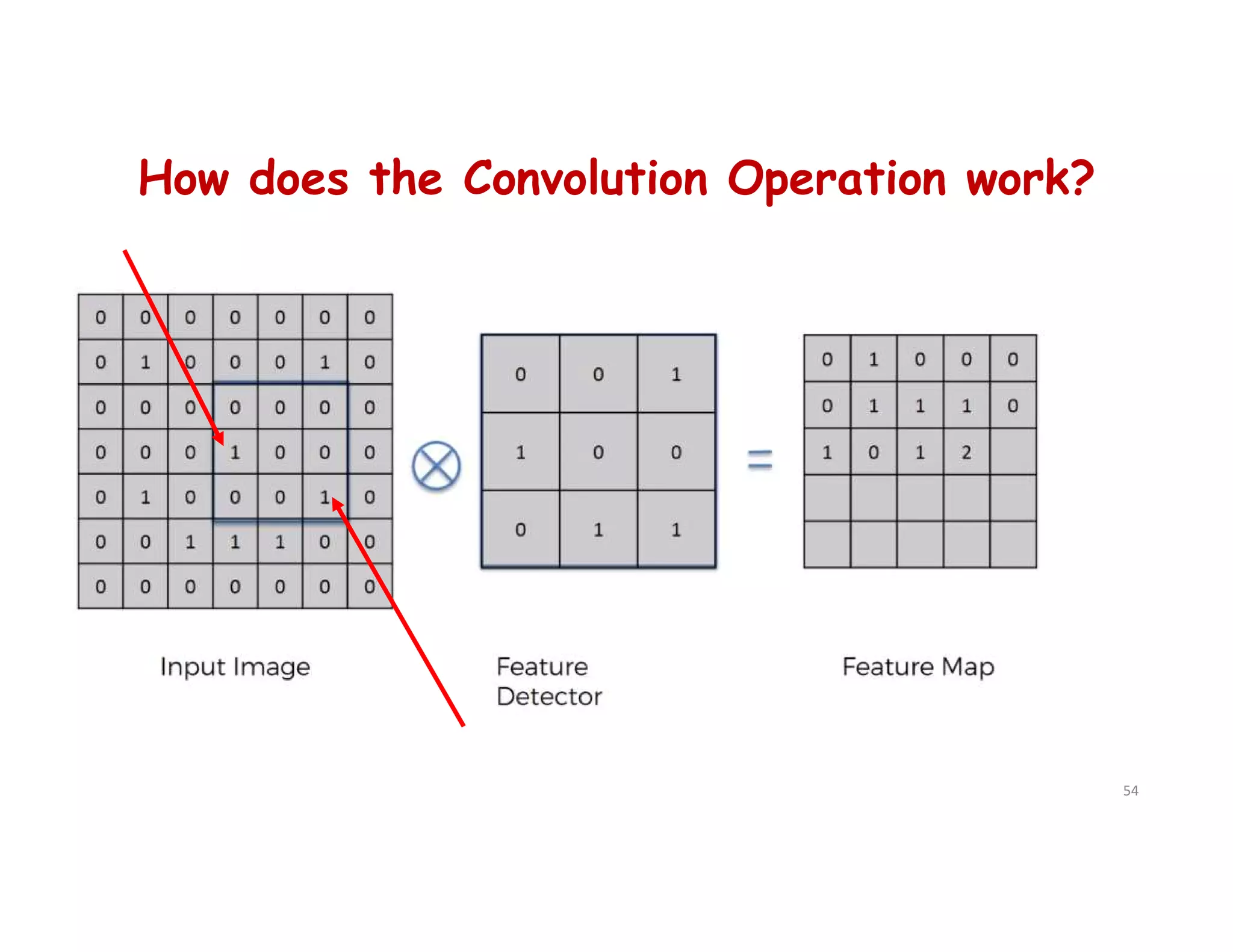
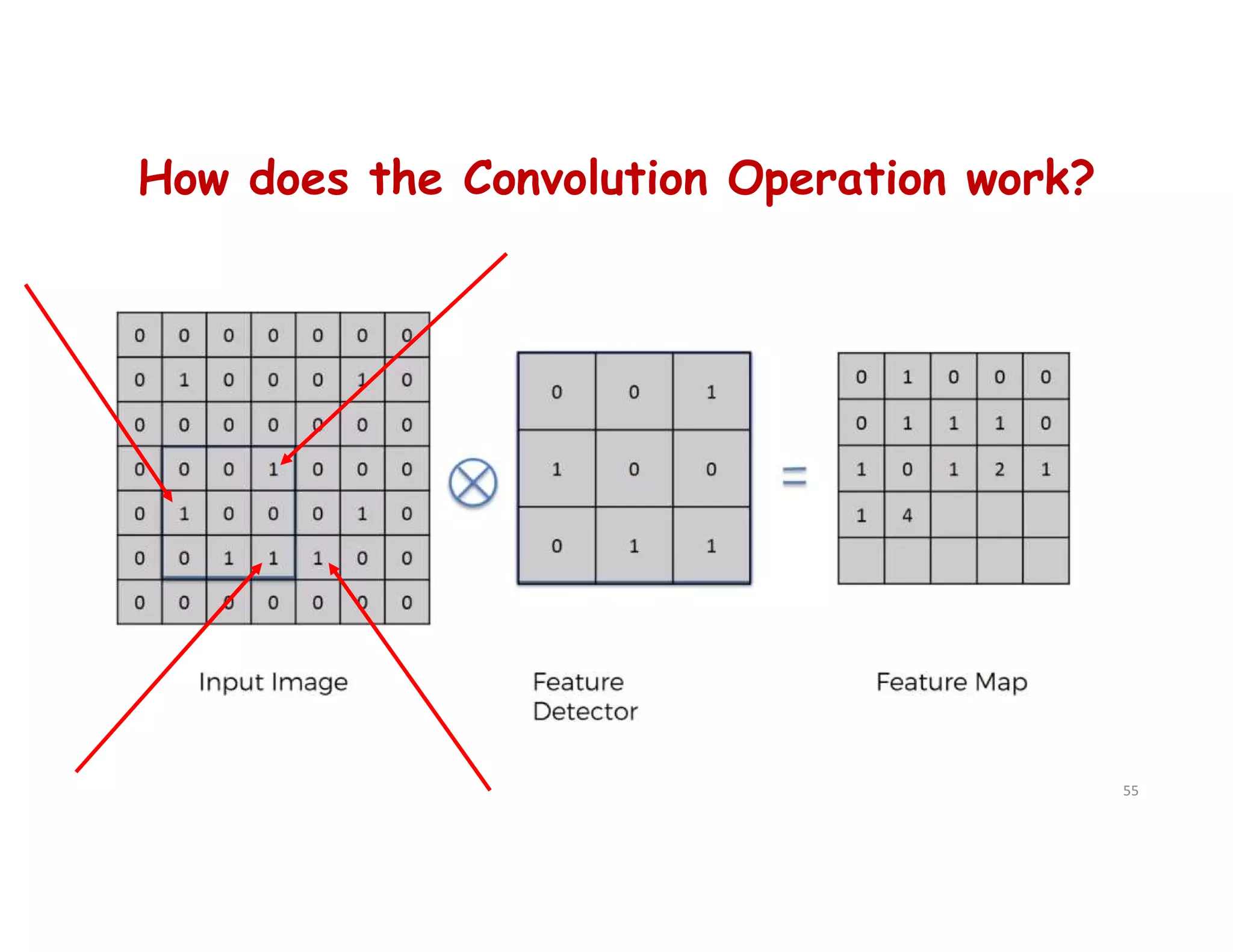
How does the Convolution Operation work?
46
How does the Convolution Operation work?
47
How does the Convolution Operation work?
48
How does the Convolution Operation work?
49
How does the Convolution Operation work?
50
How does the Convolution Operation work?
51
How does the Convolution Operation work?
52
How does the Convolution Operation work?
53
How does the Convolution Operation work?
54
How does the Convolution Operation work?
55
The Convolution Operation
56
The Convolution Operation
57
The Convolution Operation
58
The Convolution Operation
59
The Convolution Operation
60
The Convolution Operation
61
The Convolution Operation
62
The Convolution Operation
63
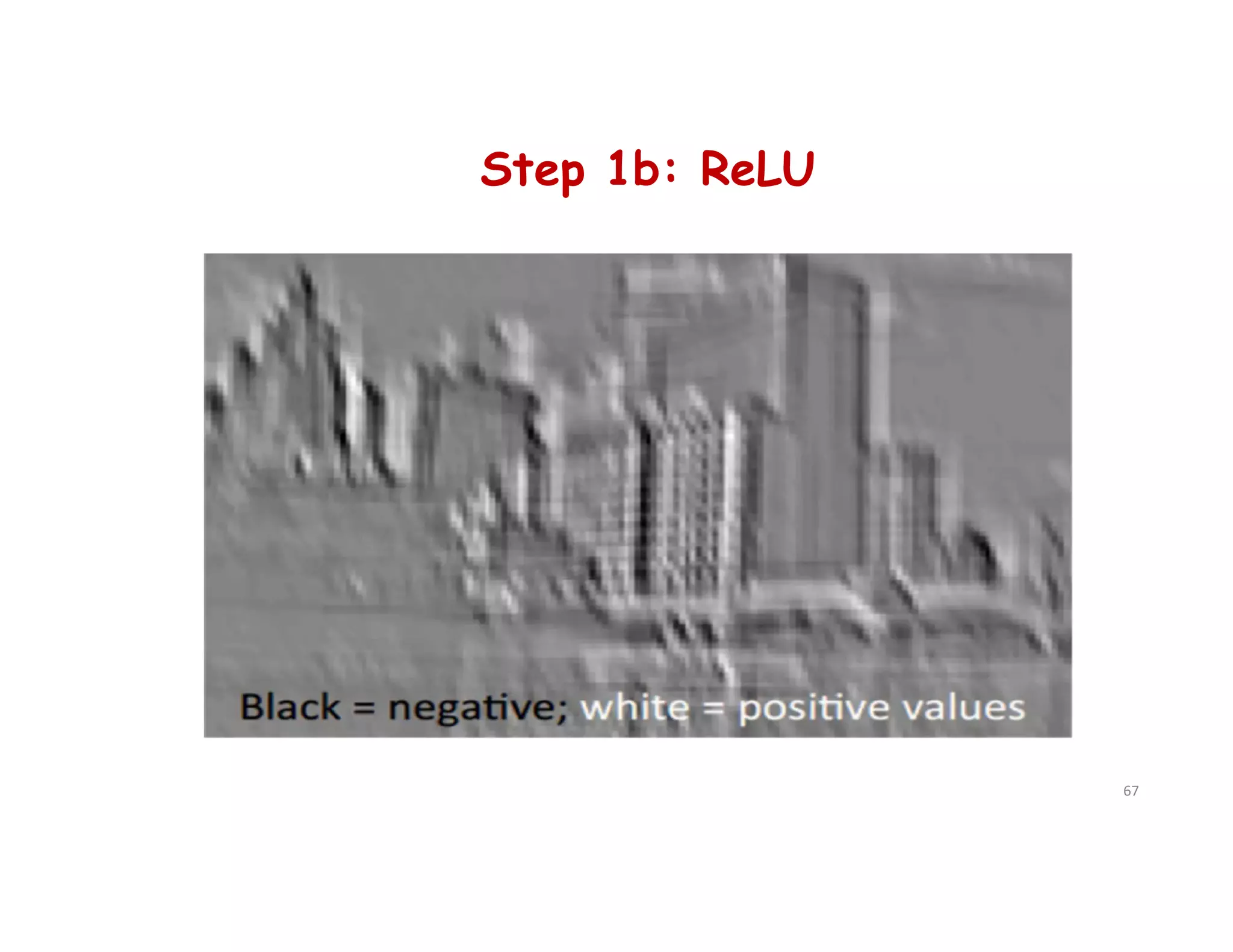
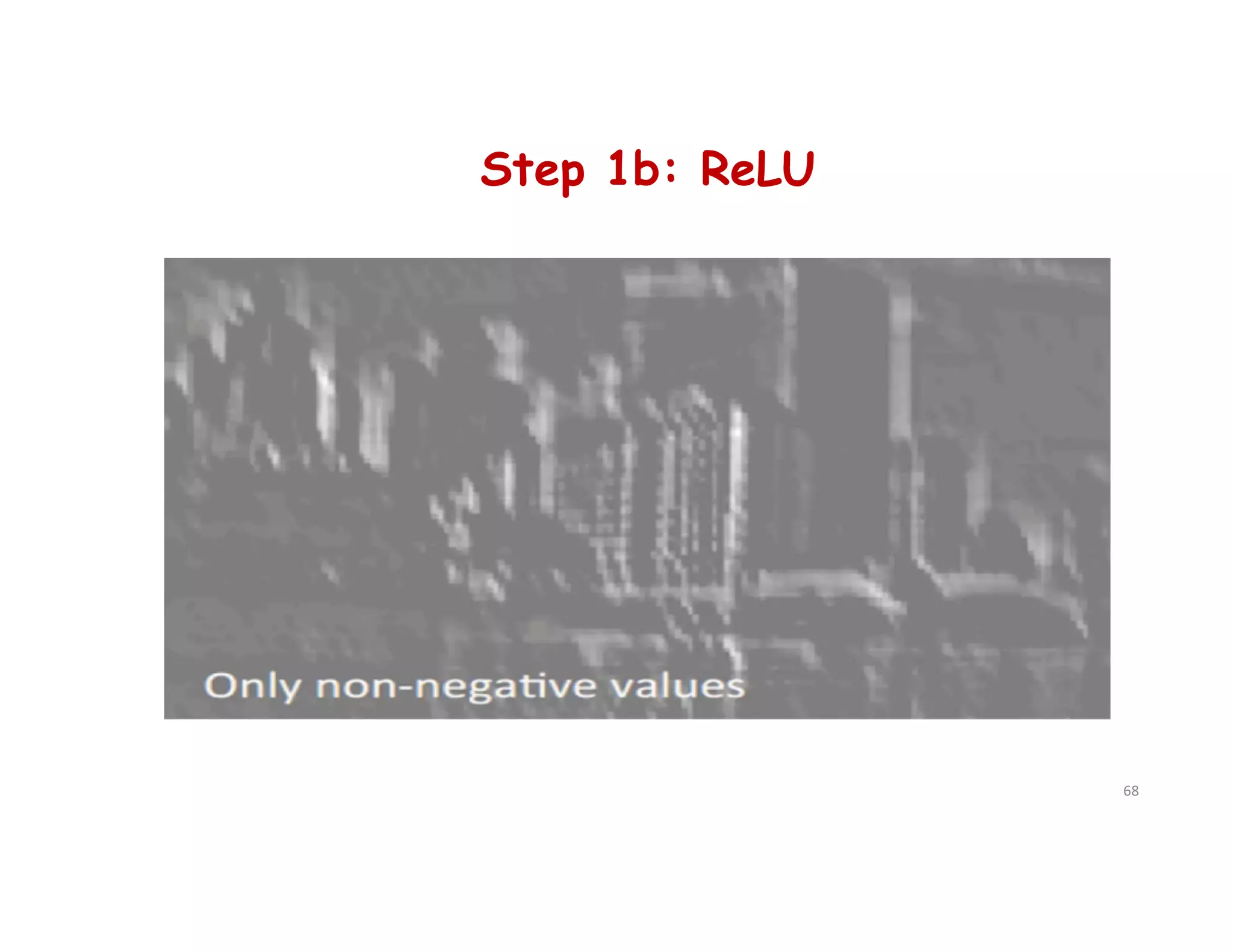
Step 1b: ReLU
64
Step 1b: ReLU
65
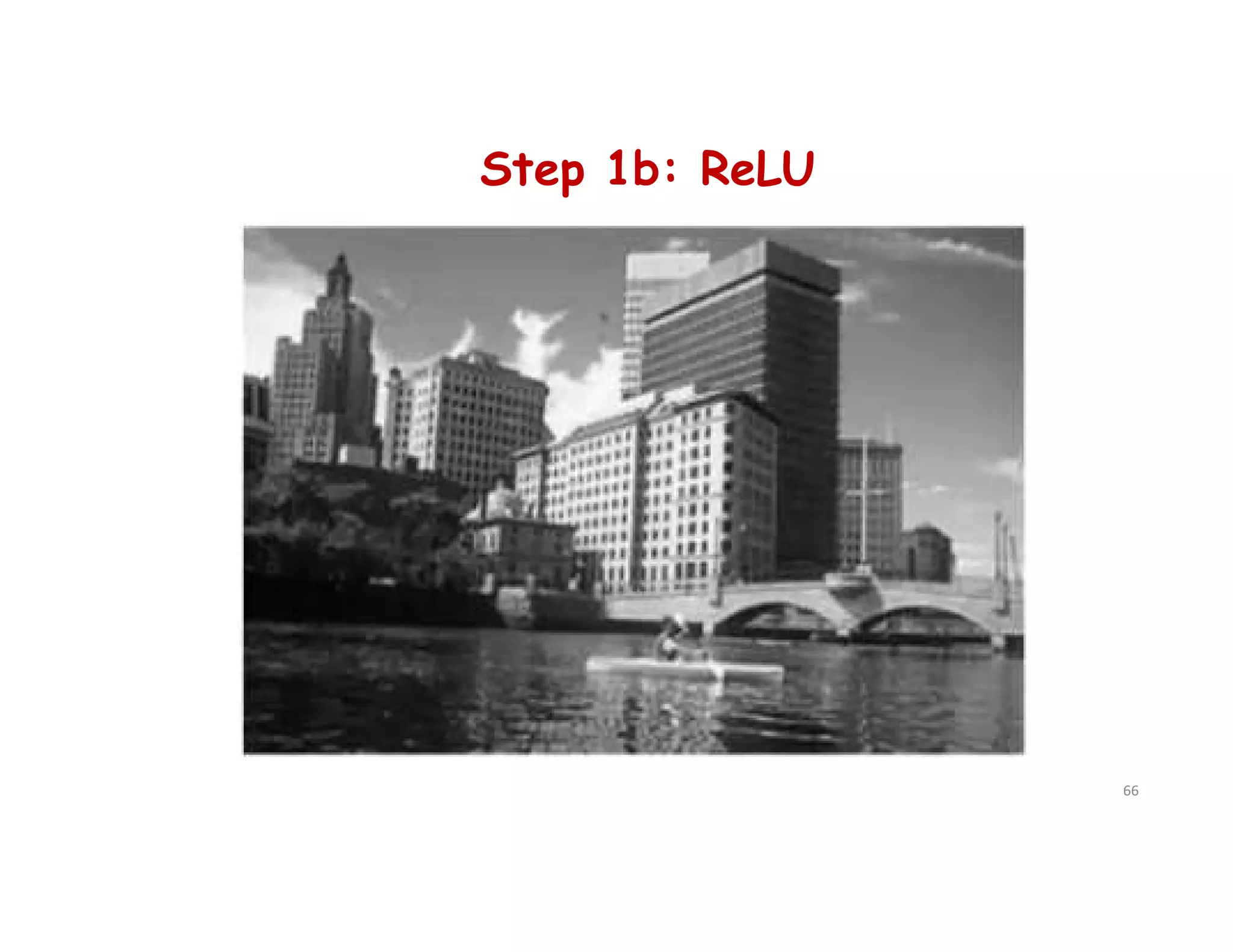
Step 1b: ReLU
66
Step 1b: ReLU
67
Step 1b: ReLU
68
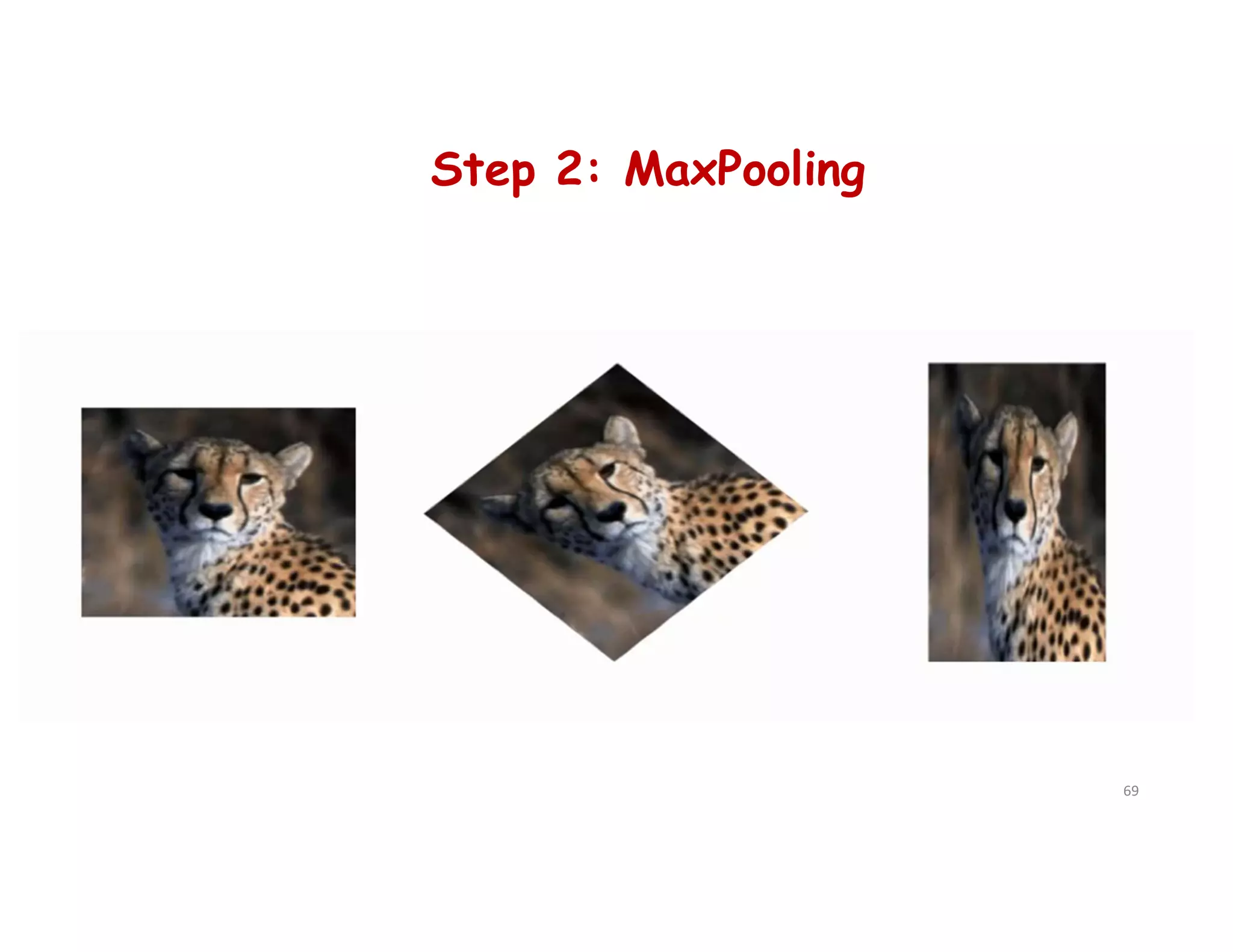
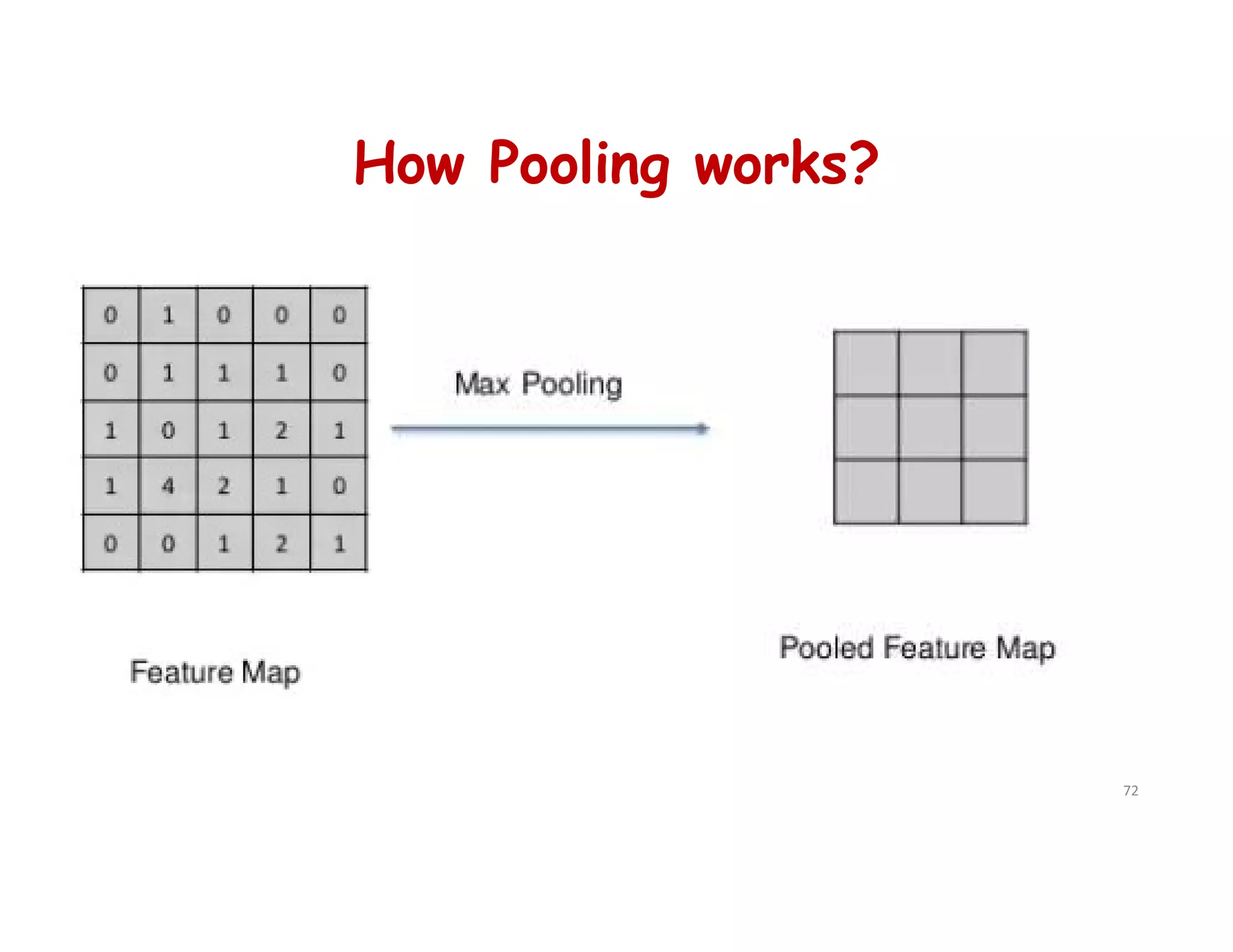
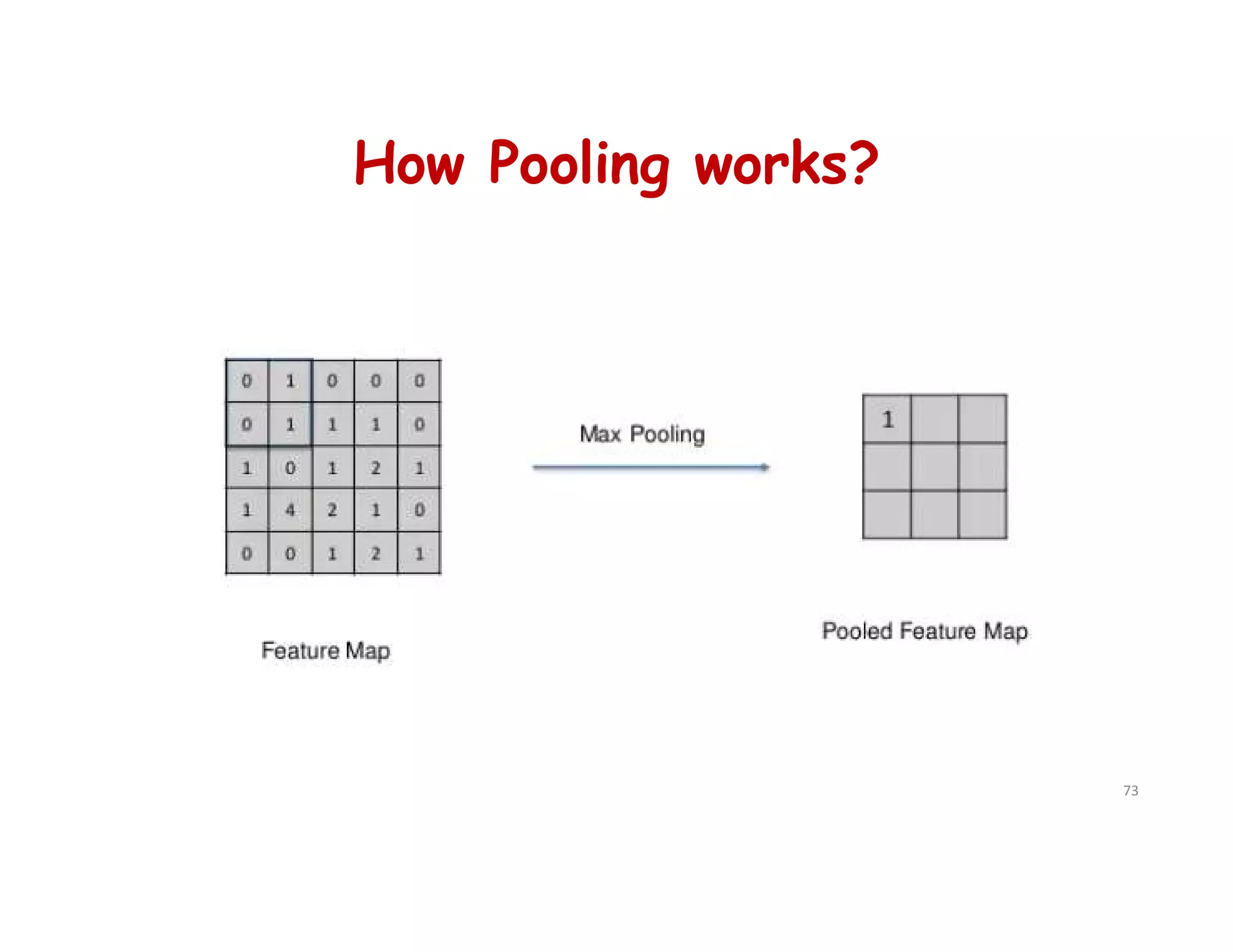
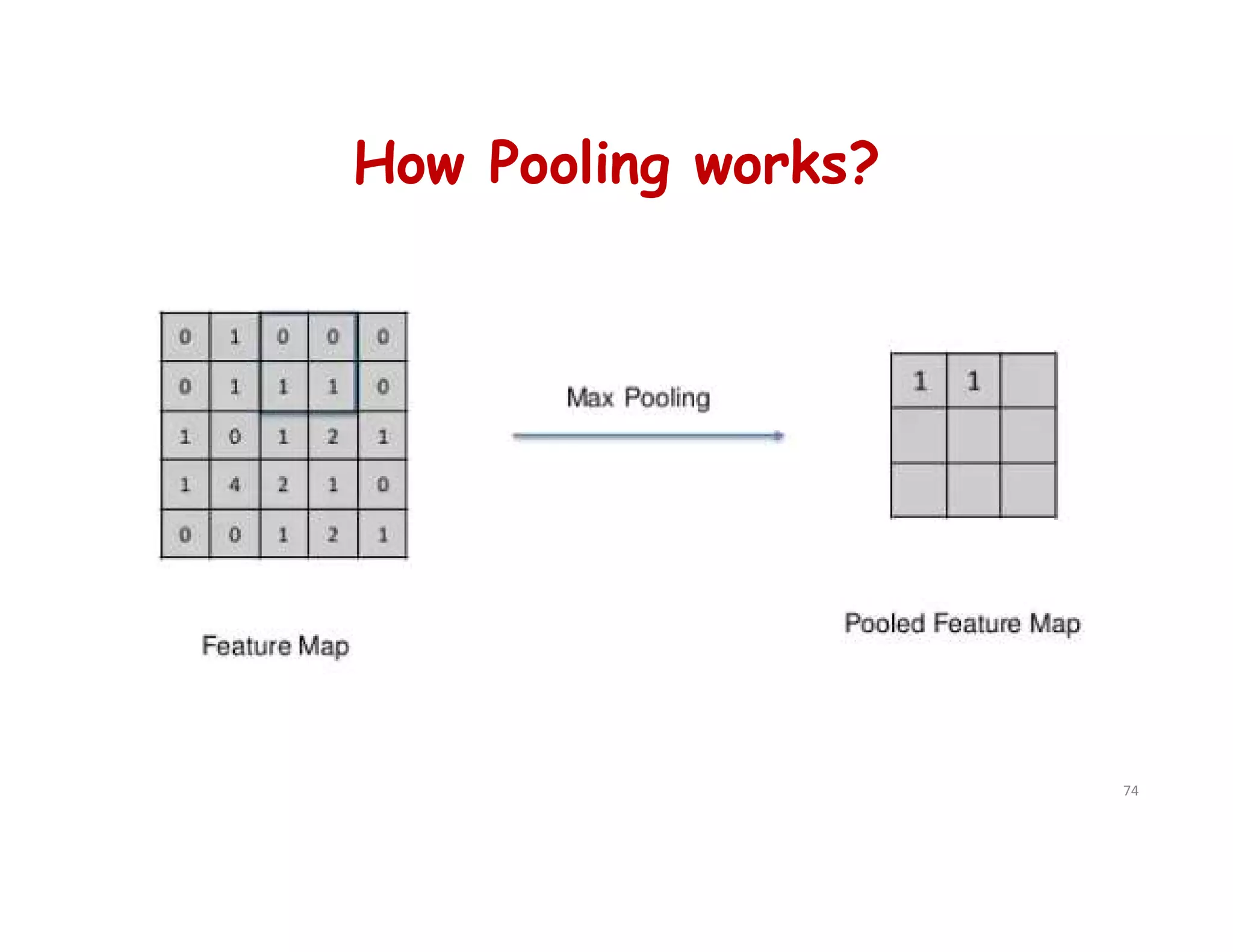
Step 2: MaxPooling
69
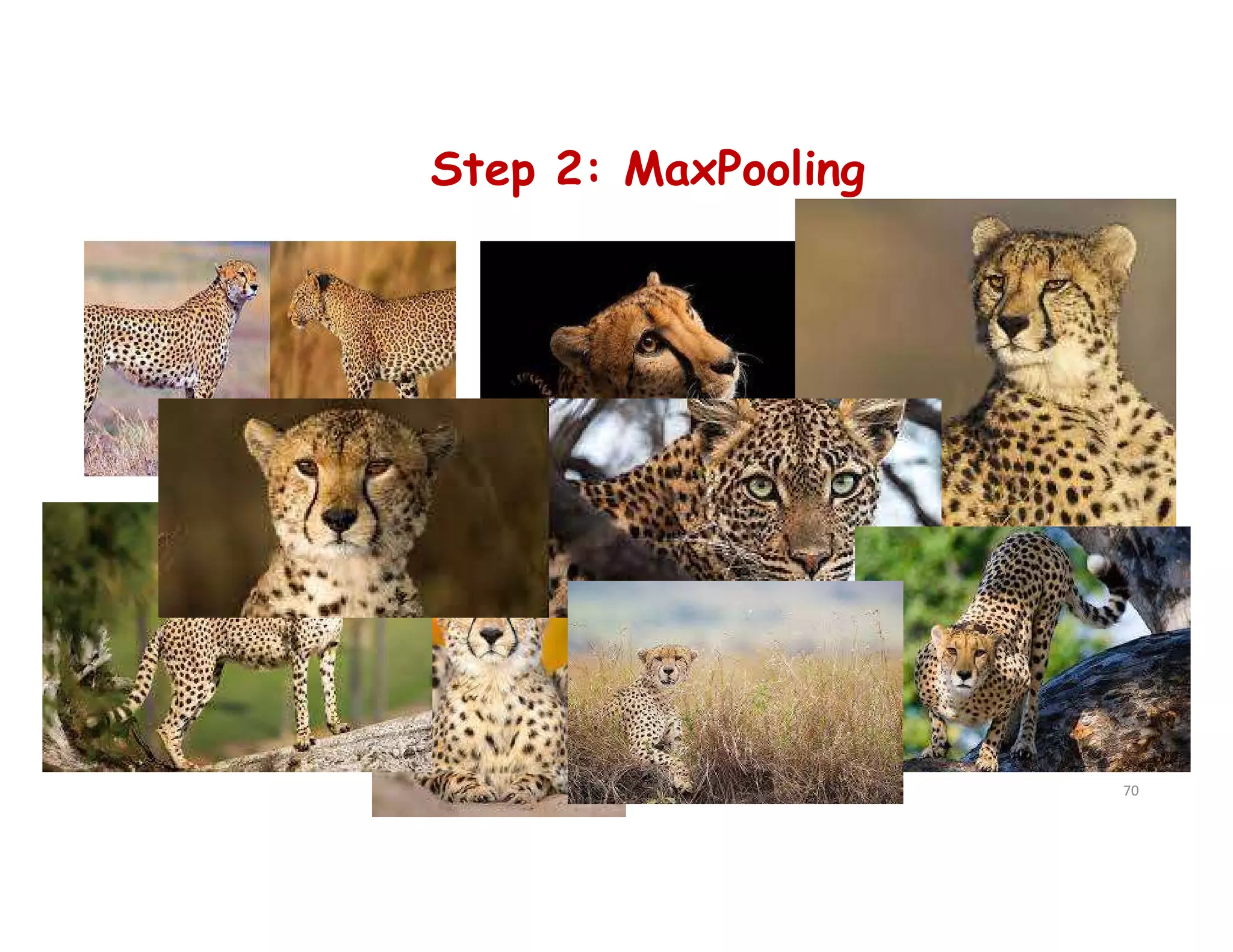
Step 2: MaxPooling
70
Types of Pooling
1. Mean Pooling
2. Max Pooling
3. Sum Pooling
71
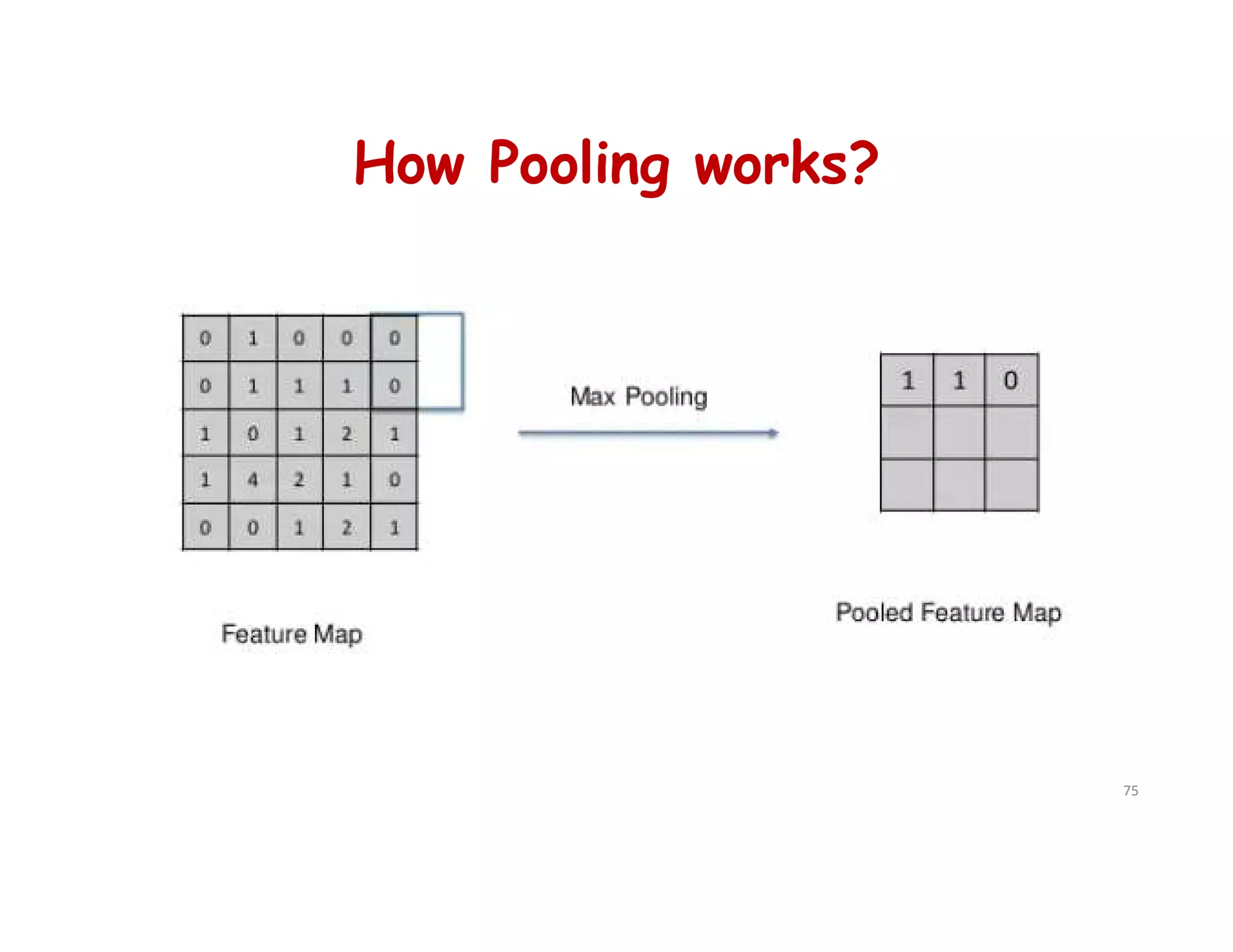
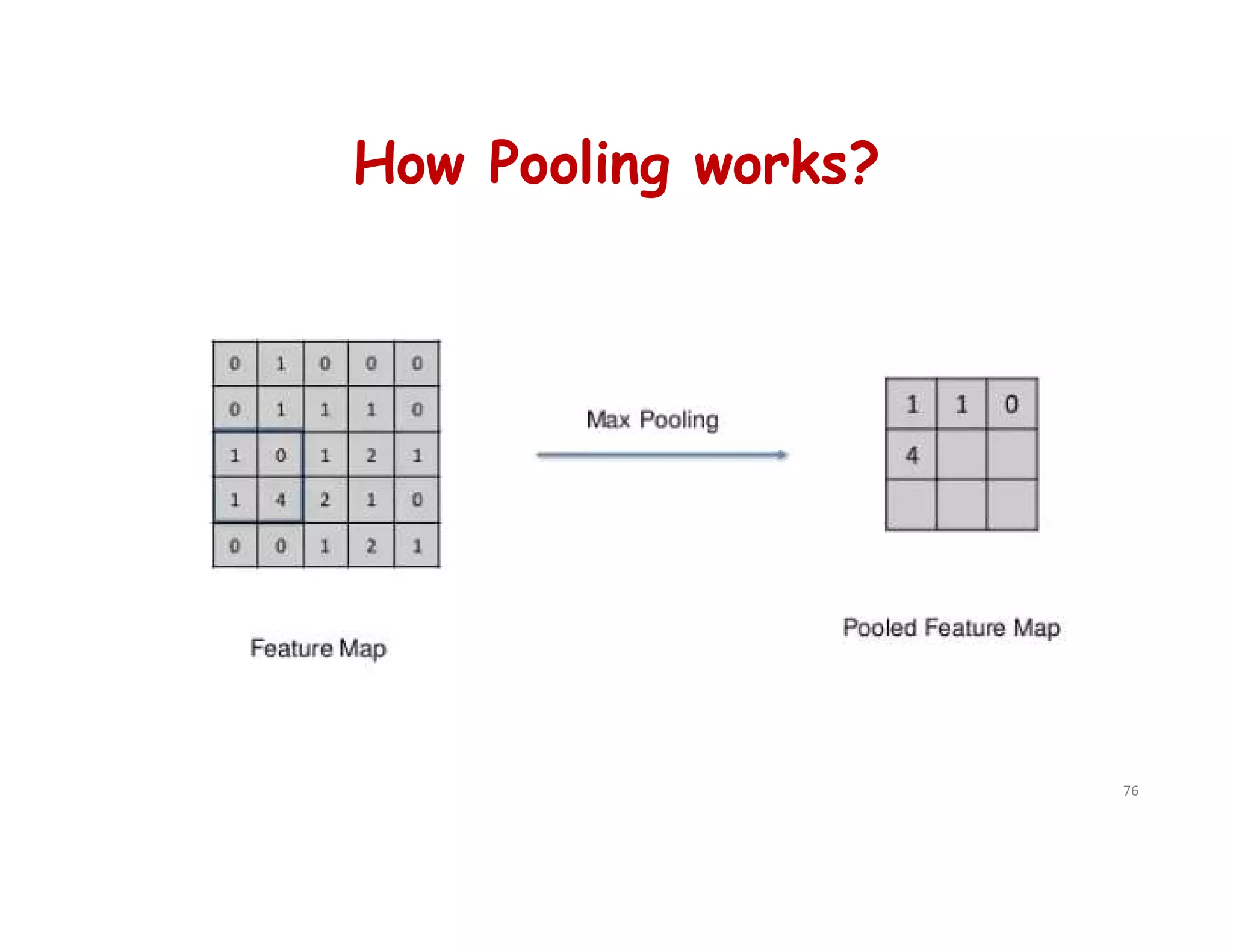
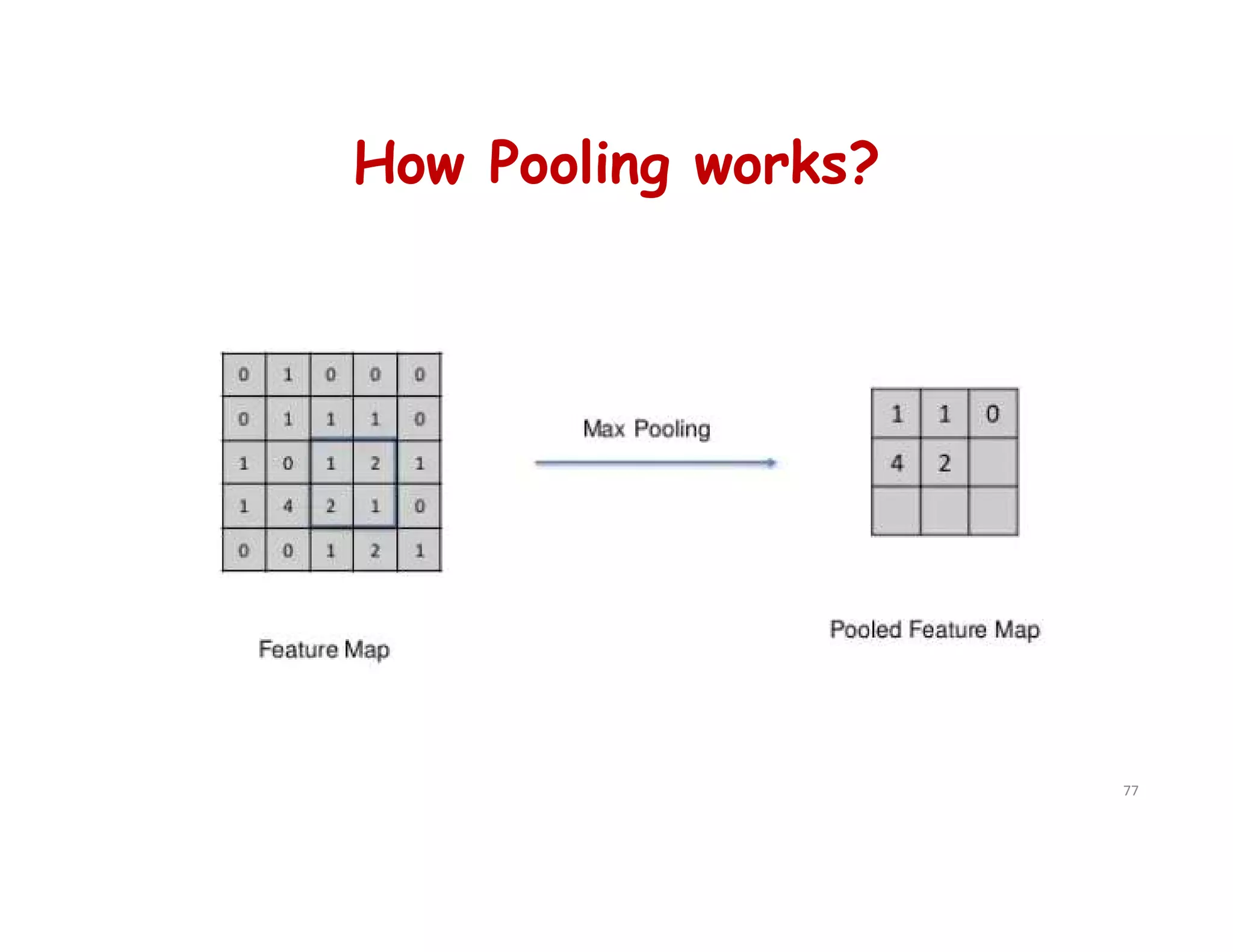
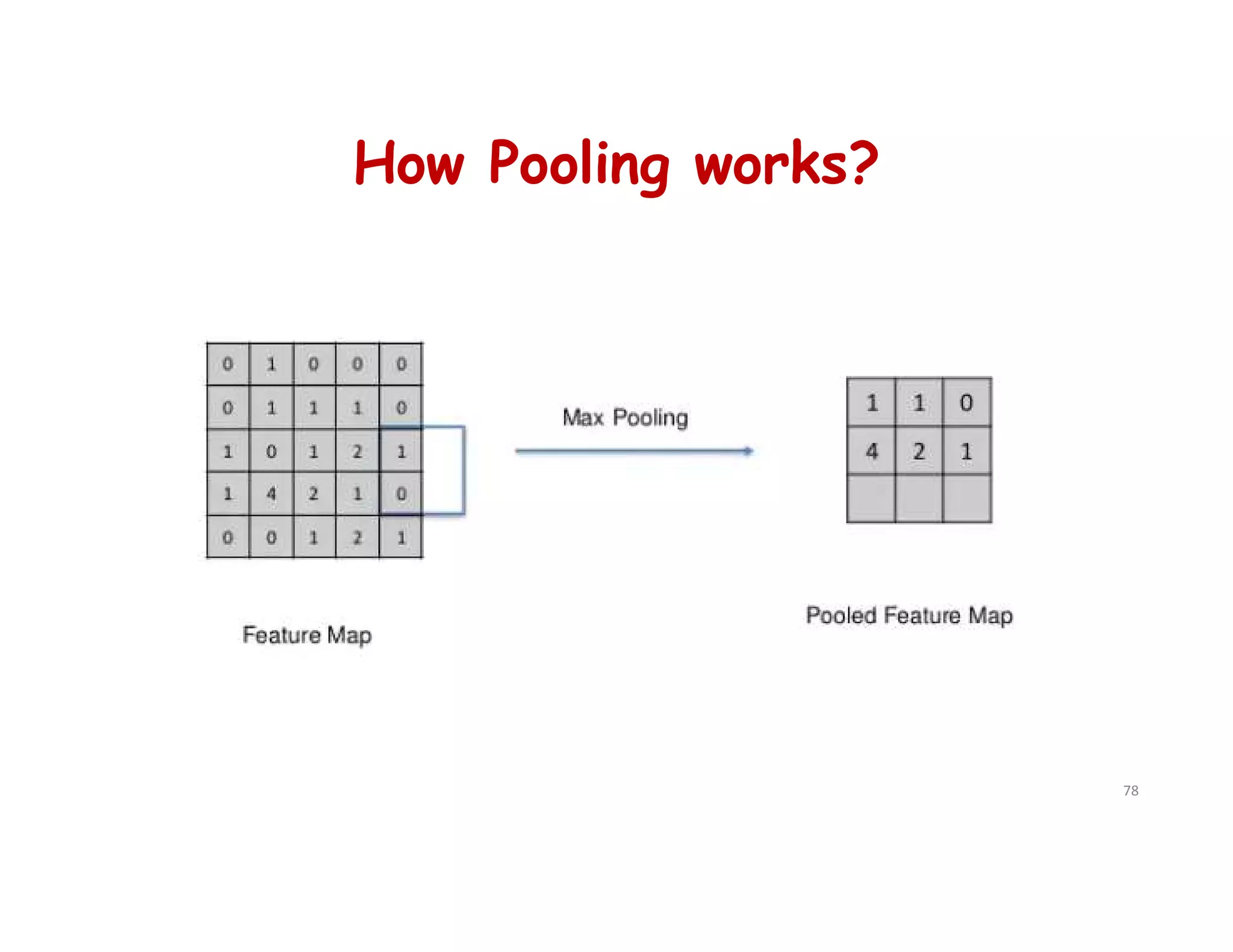
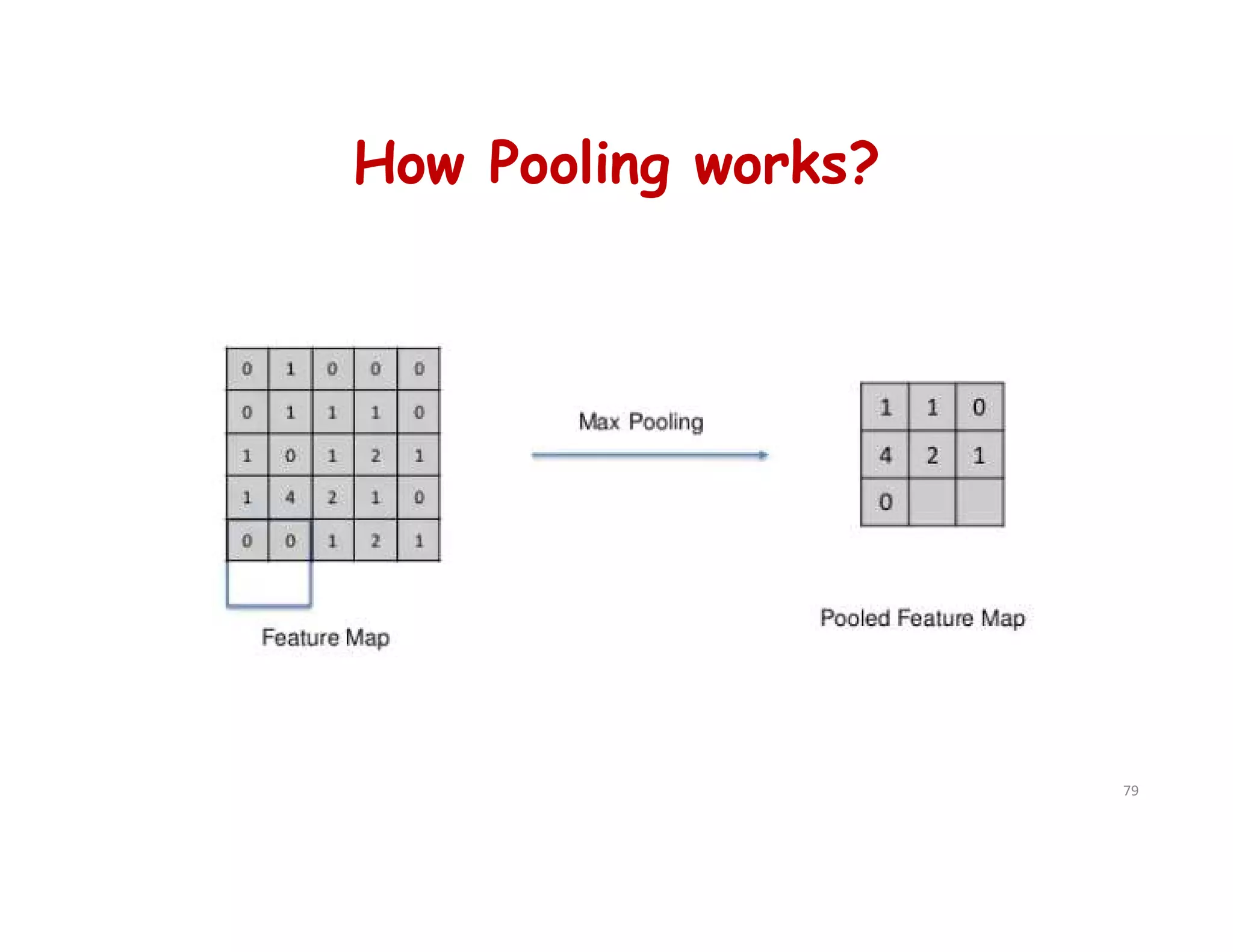
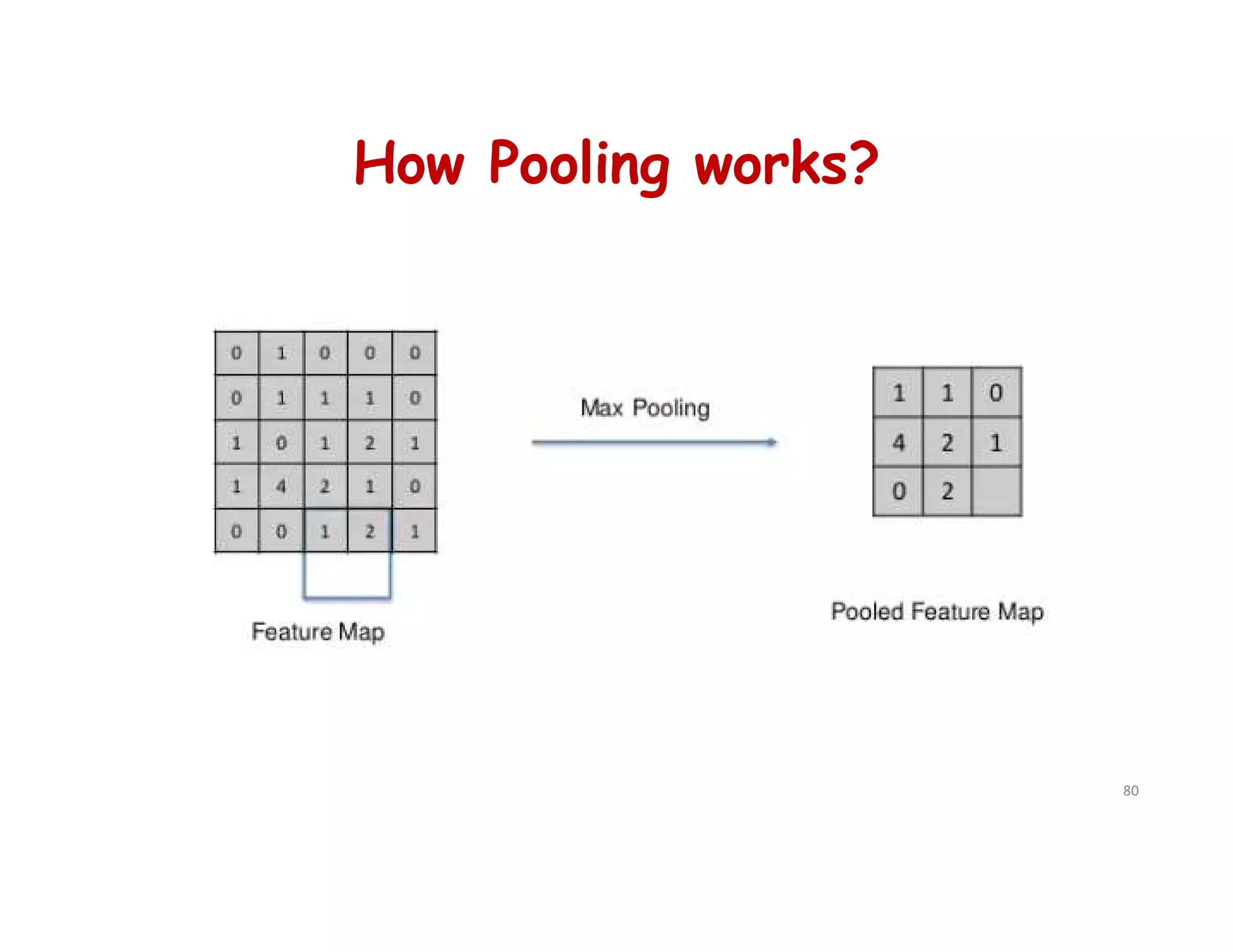
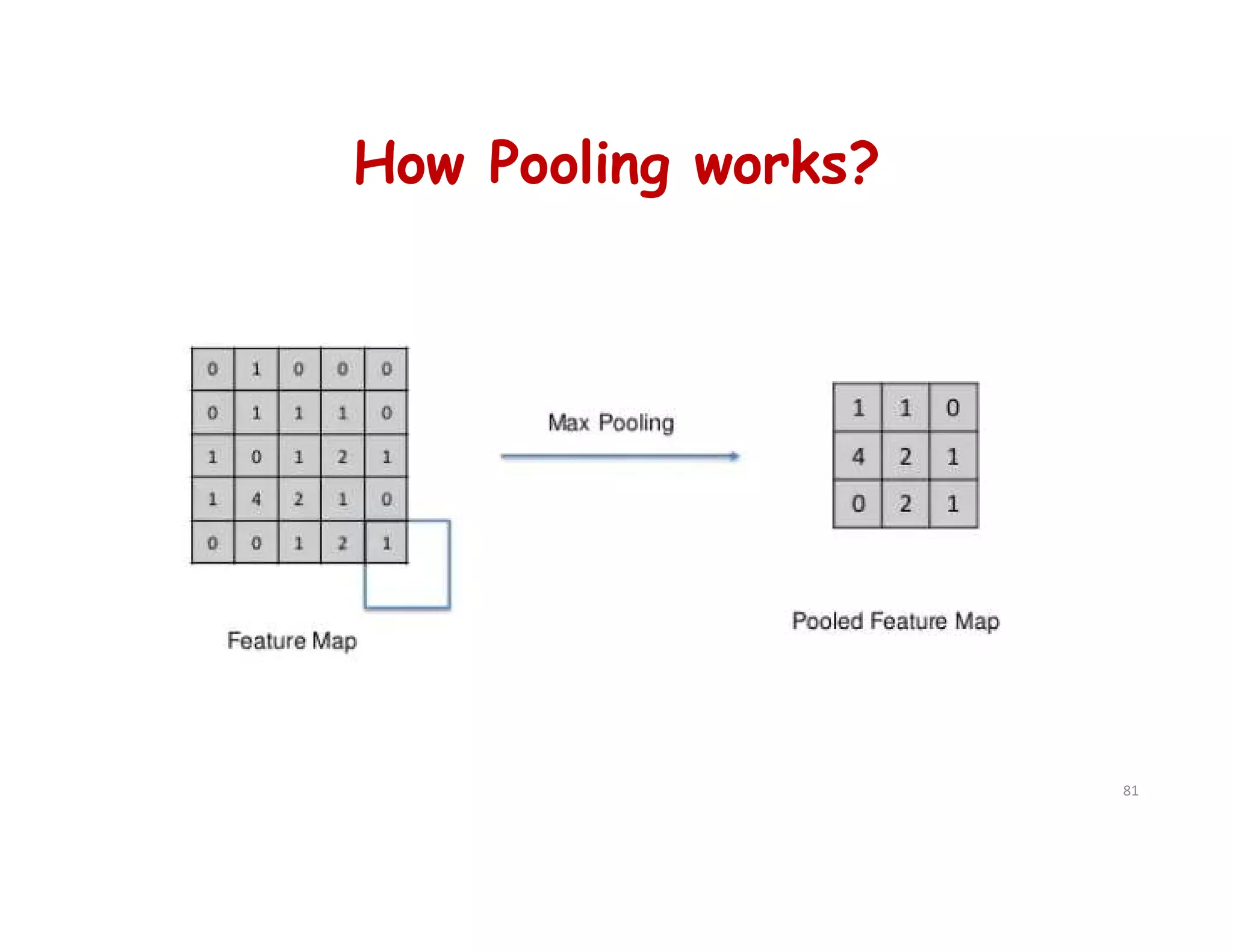
How Pooling works?
72
How Pooling works?
73
How Pooling works?
74
How Pooling works?
75
How Pooling works?
76
How Pooling works?
77
How Pooling works?
78
How Pooling works?
79
How Pooling works?
80
How Pooling works?
81
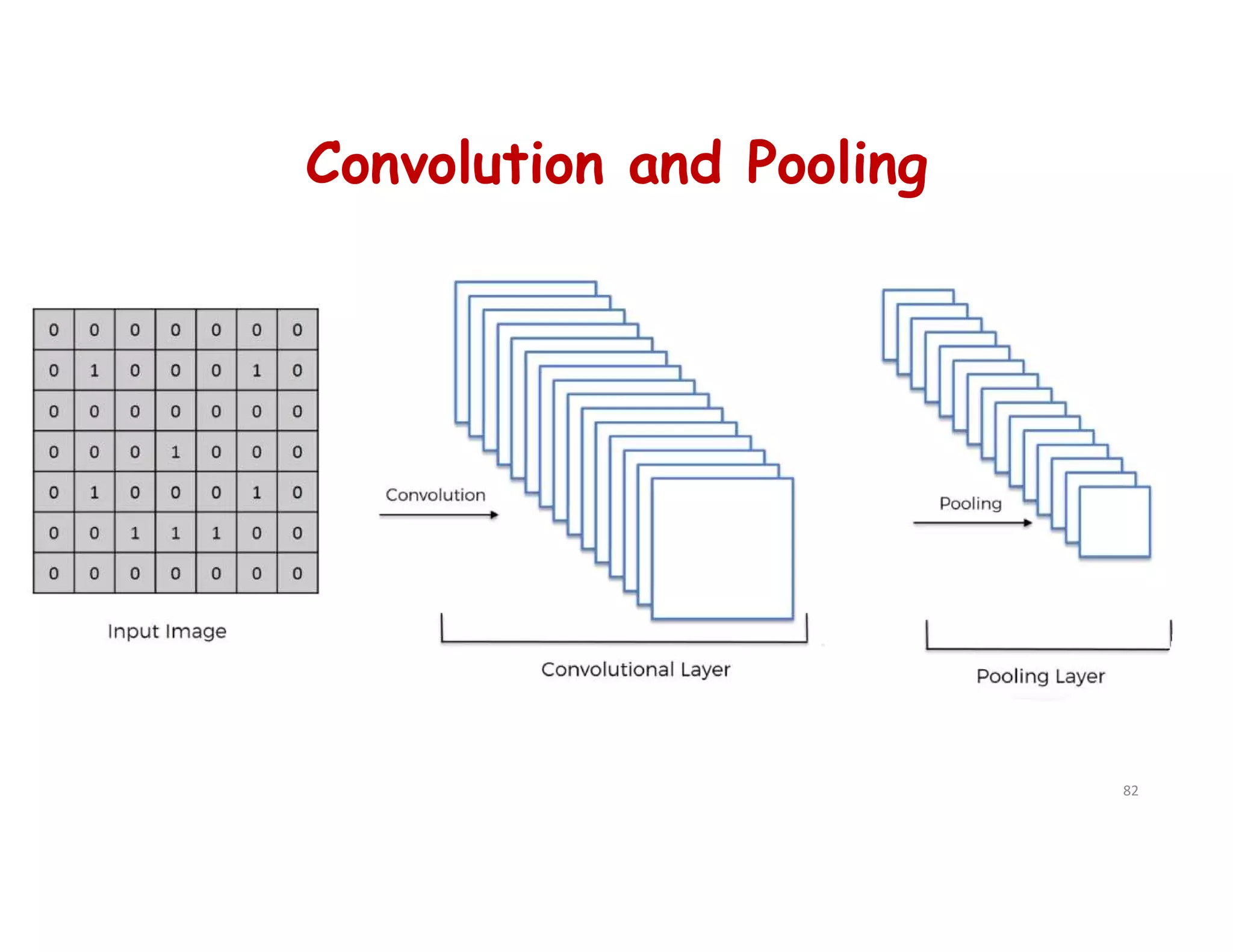
Convolution and Pooling
82
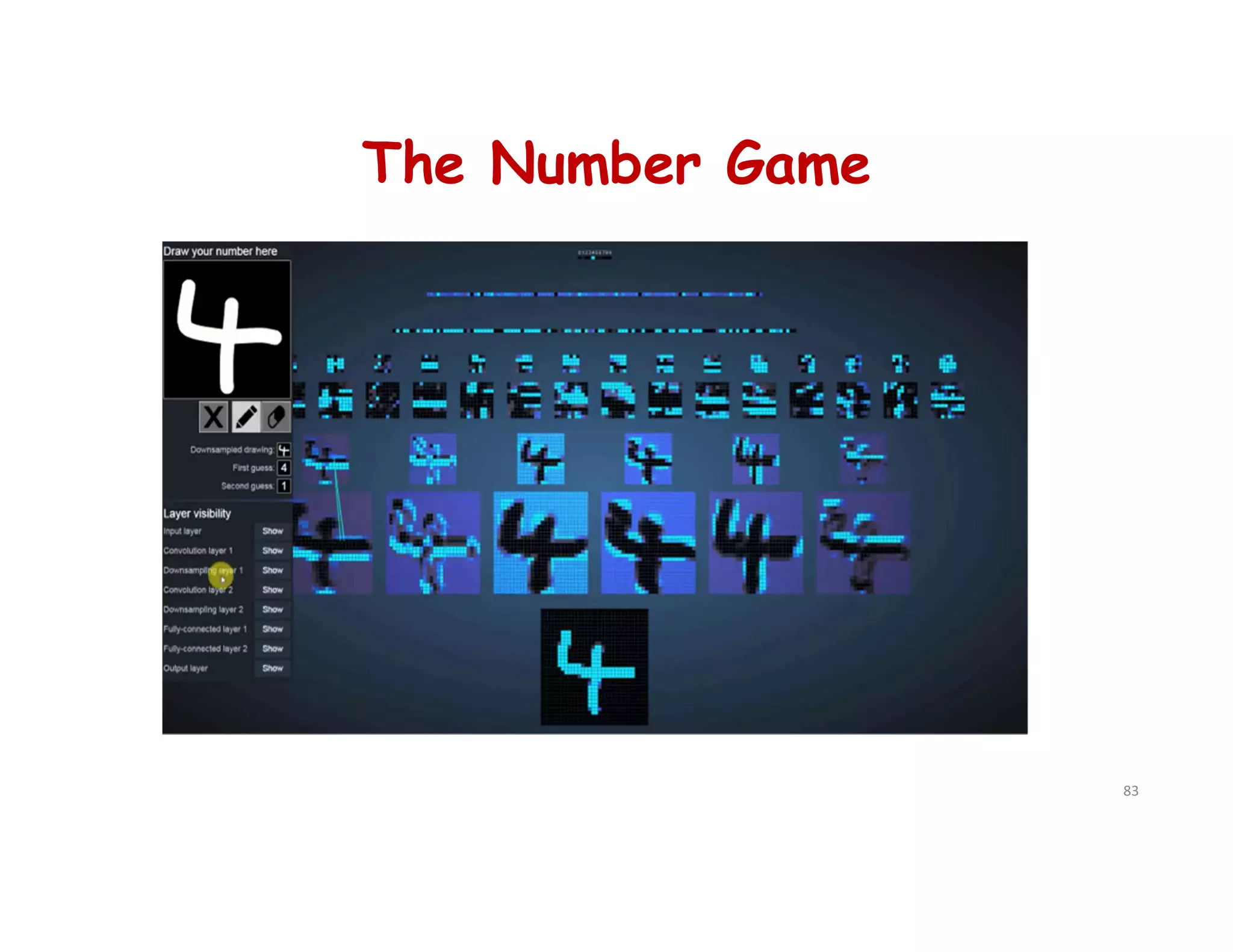
The Number Game
83
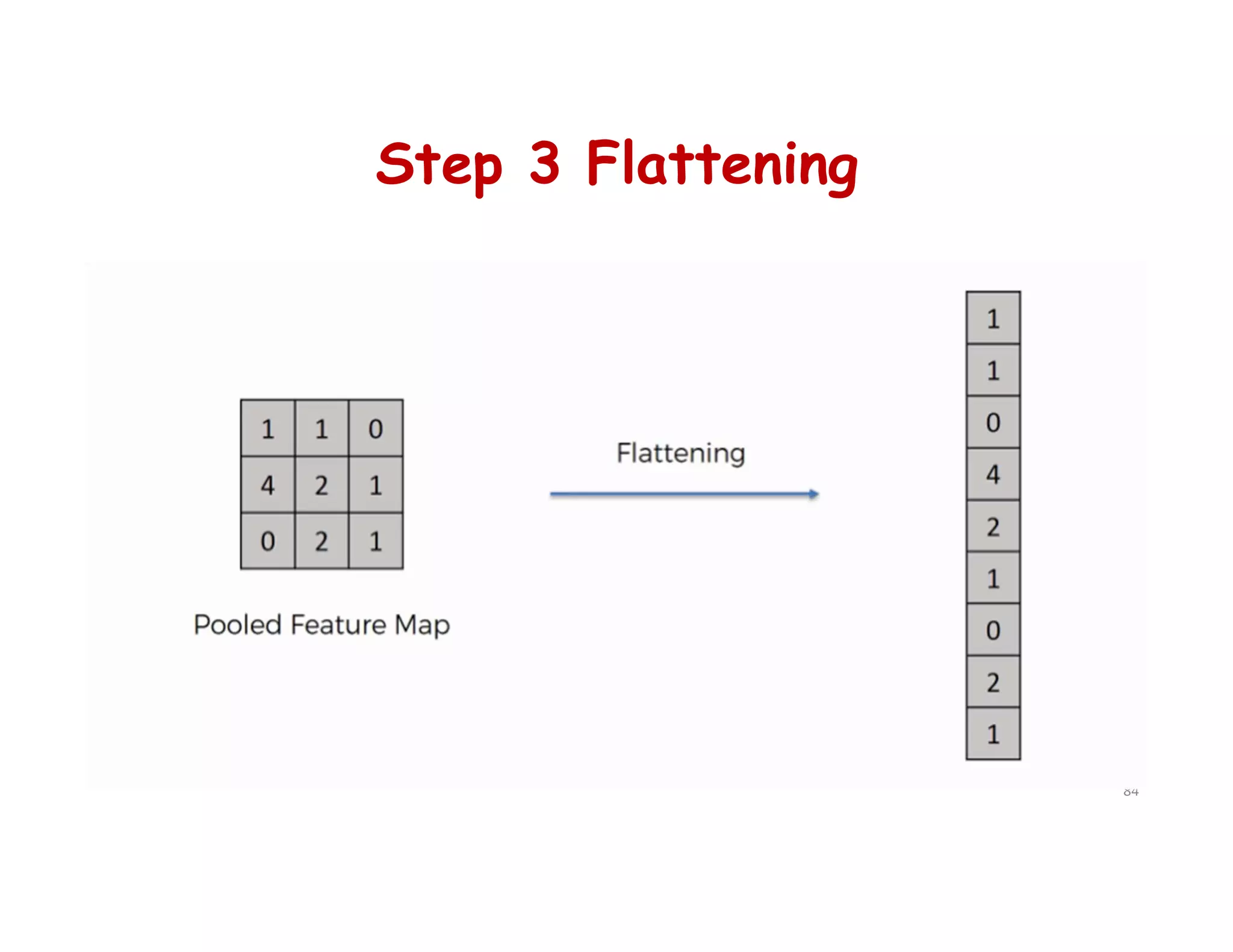
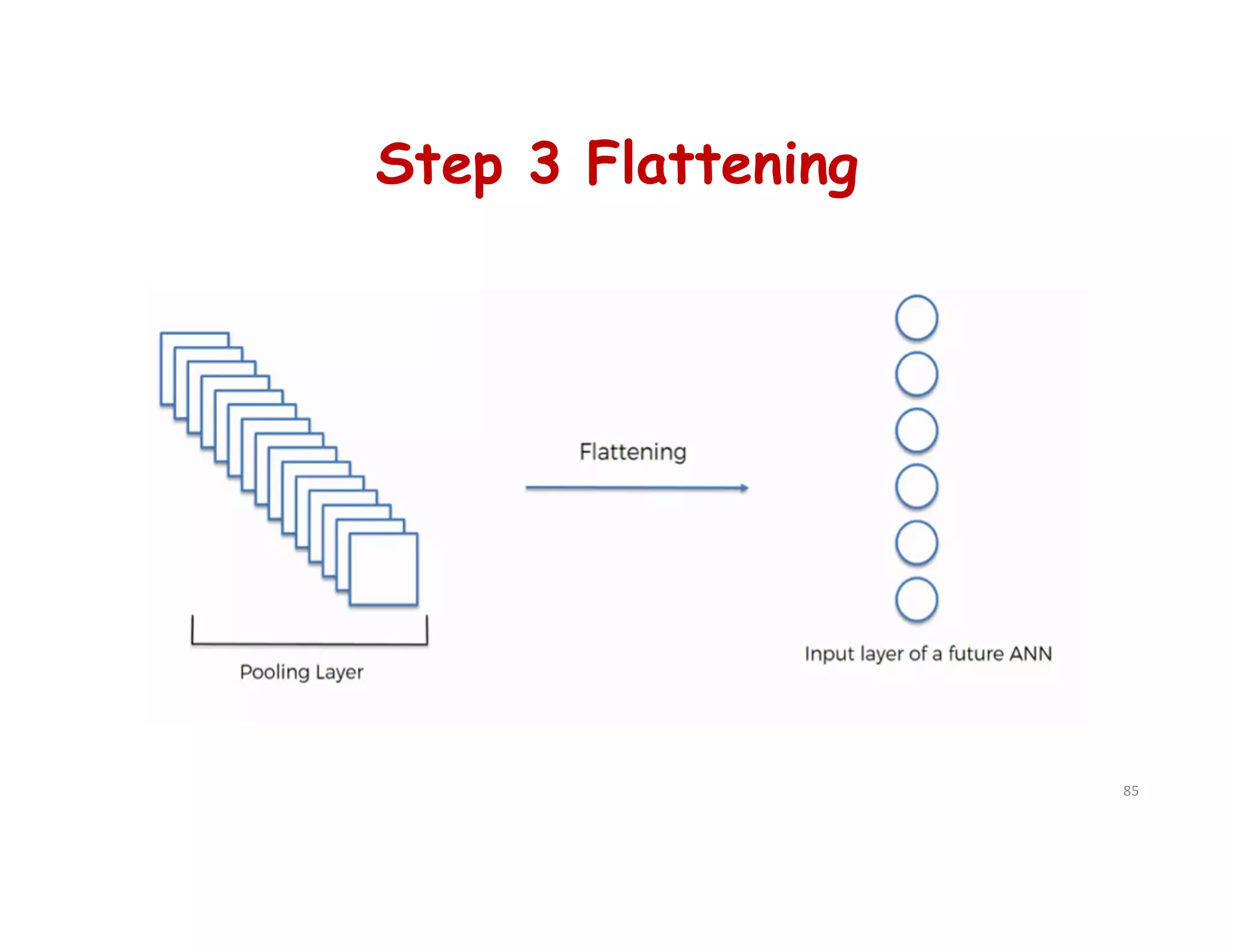
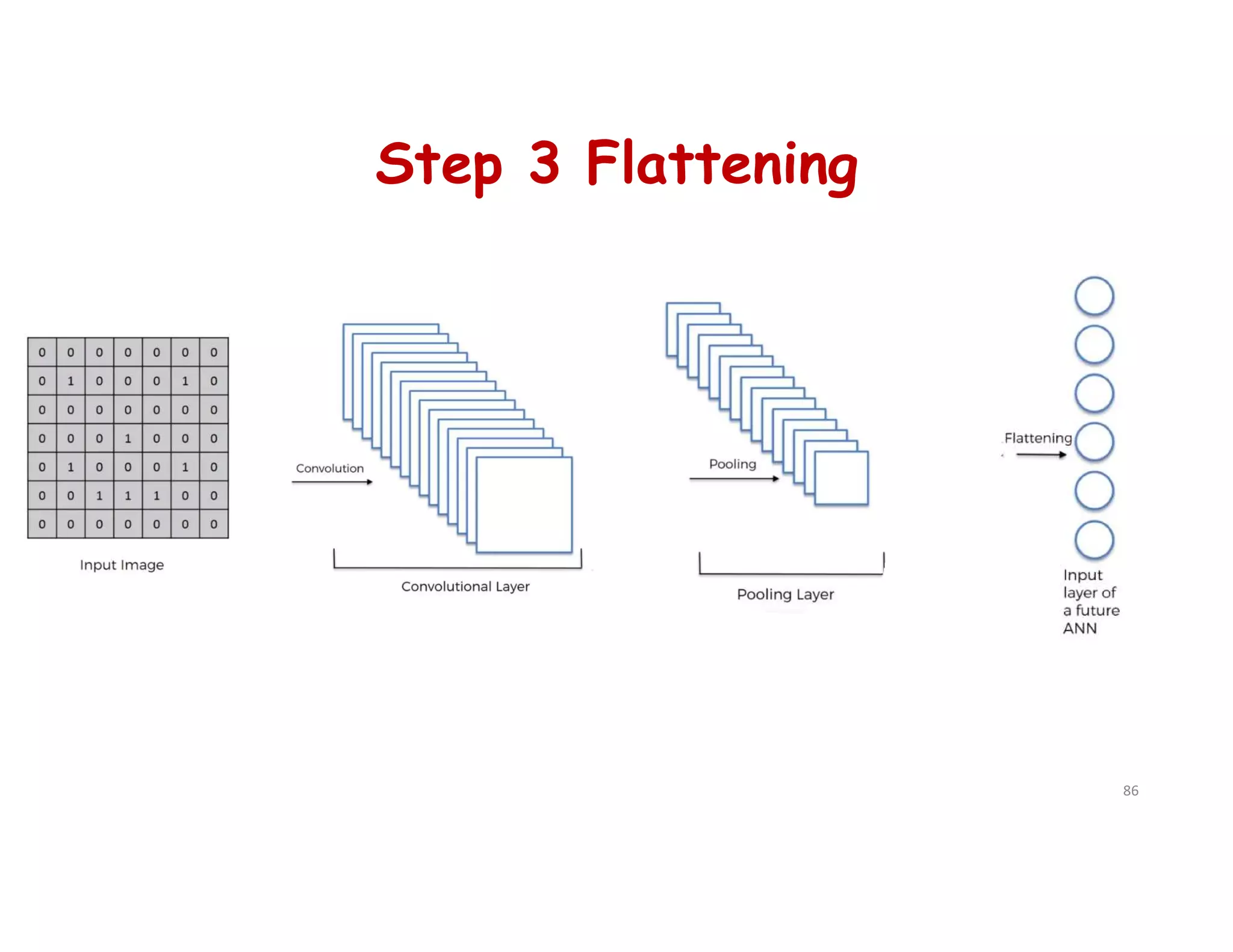
Step 3 Flattening
84
Step 3 Flattening
85
Step 3 Flattening
86
Step 4 Full Connection
87
Step 4 Full Connection
88
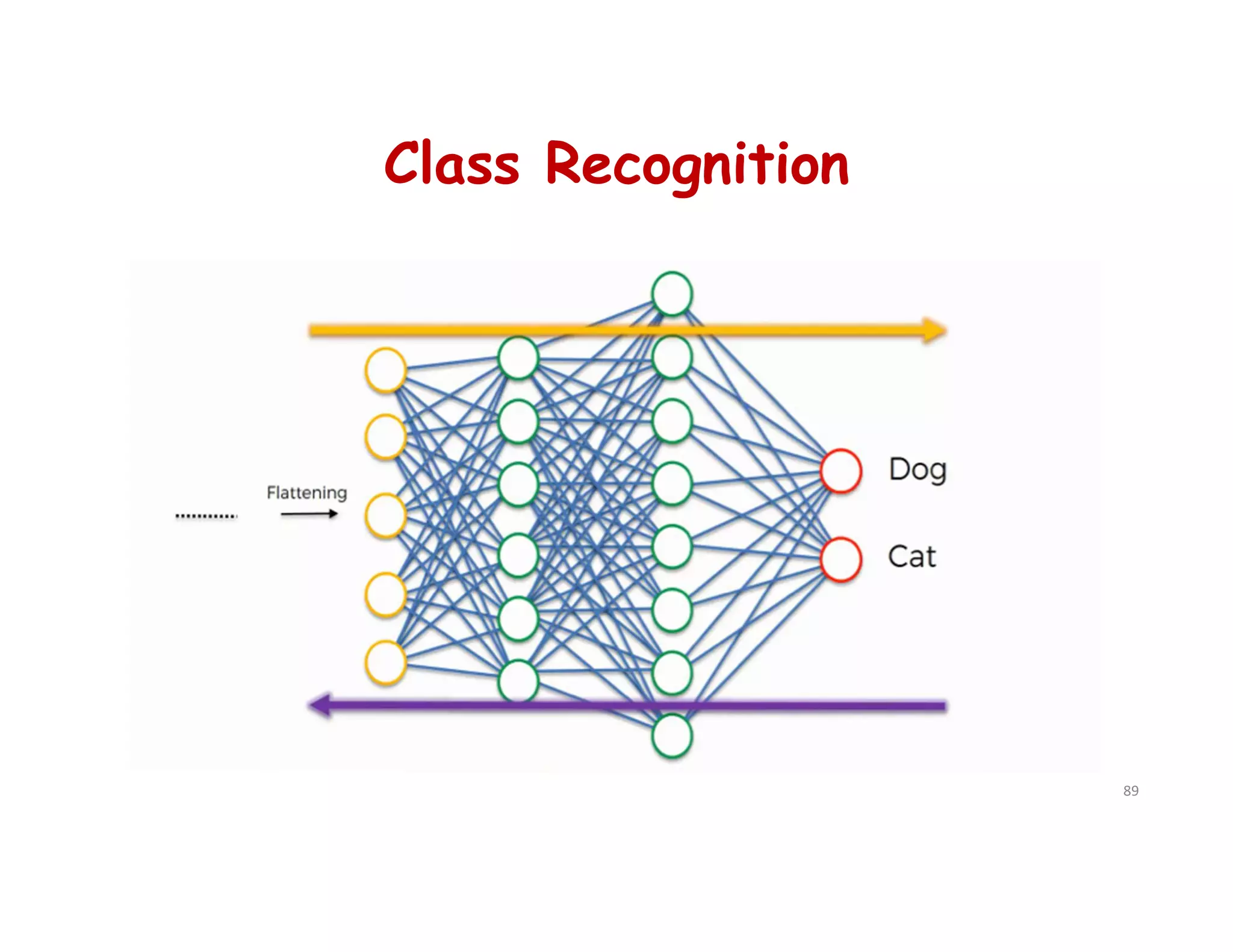
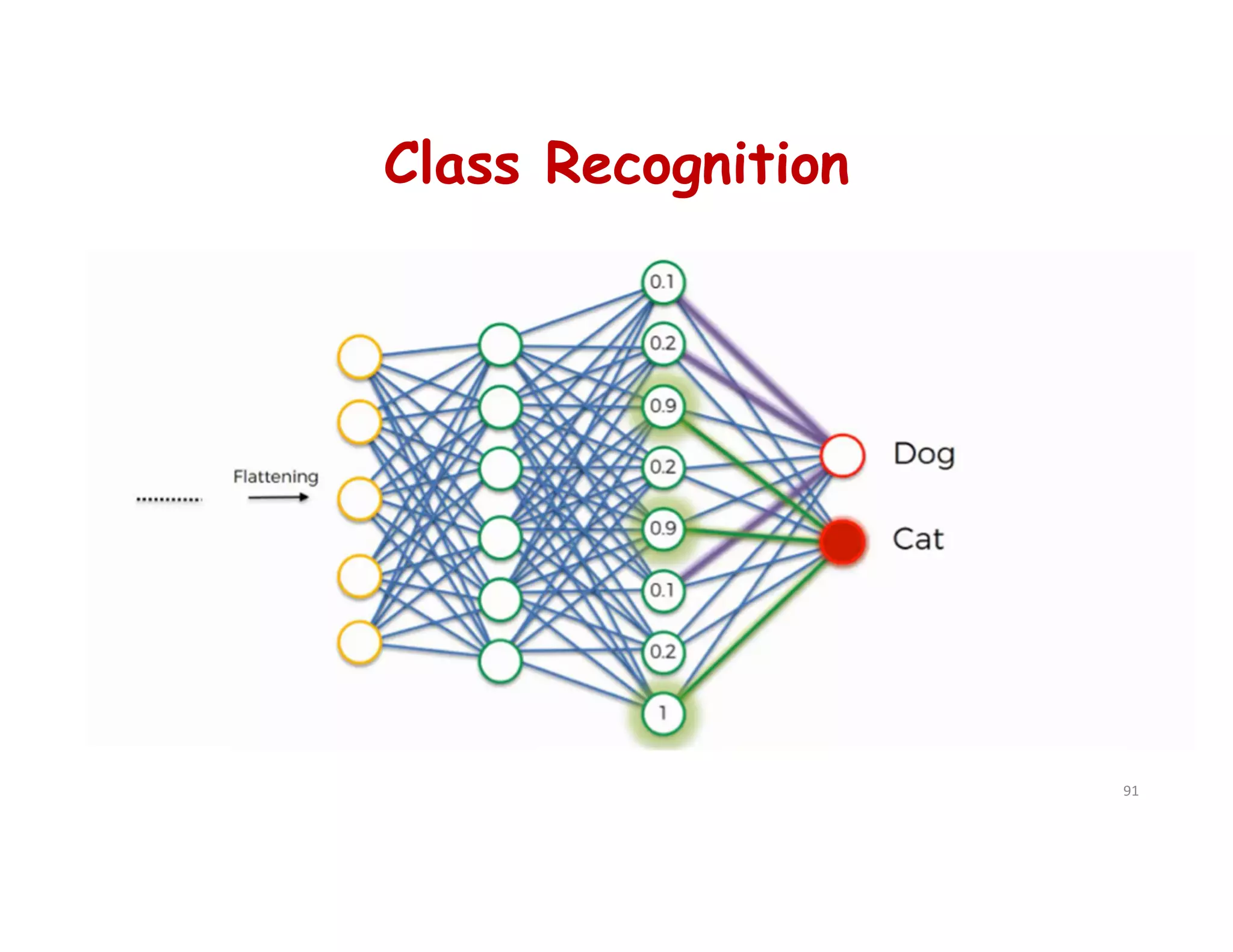
Class Recognition
89
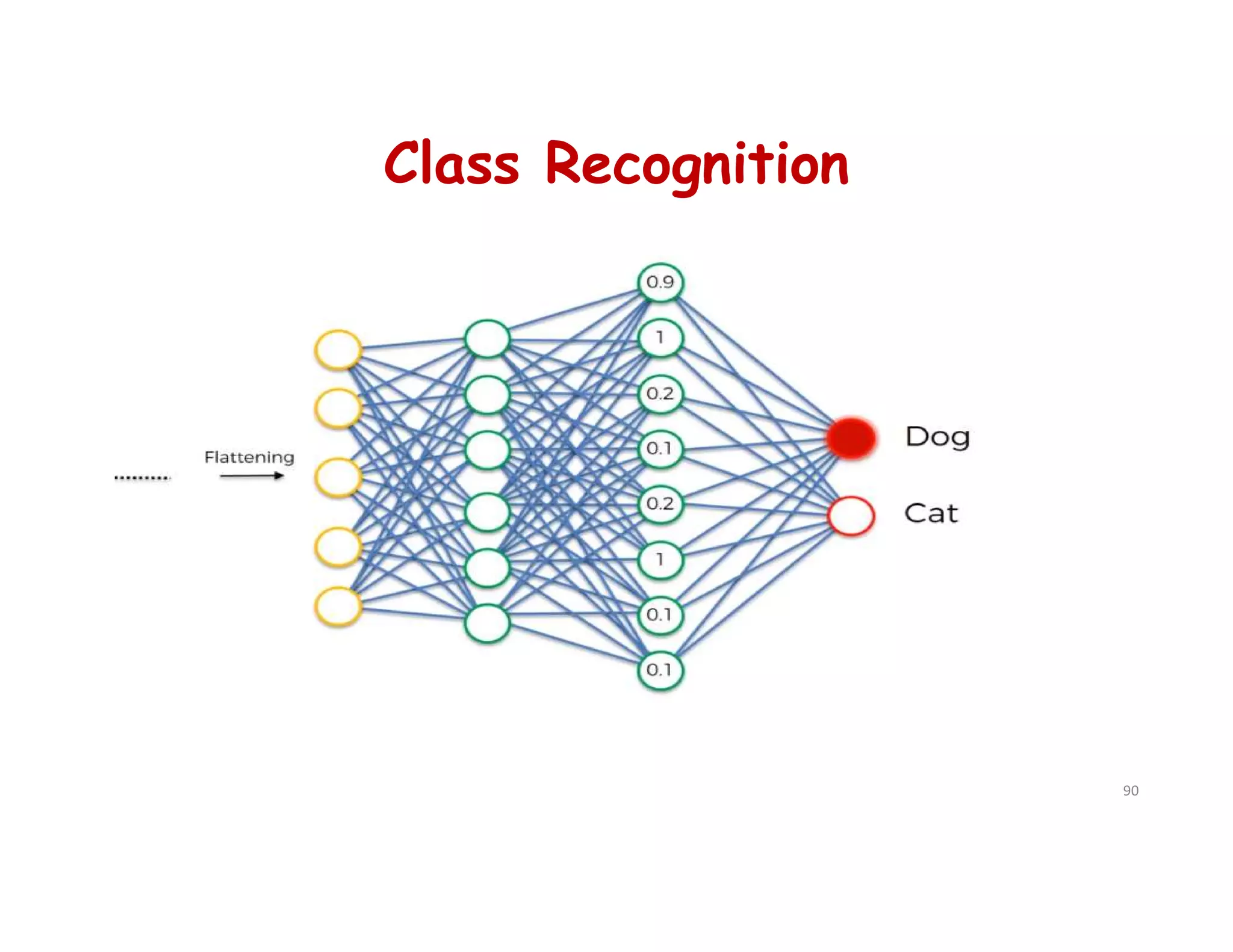
Class Recognition
90
Class Recognition
91
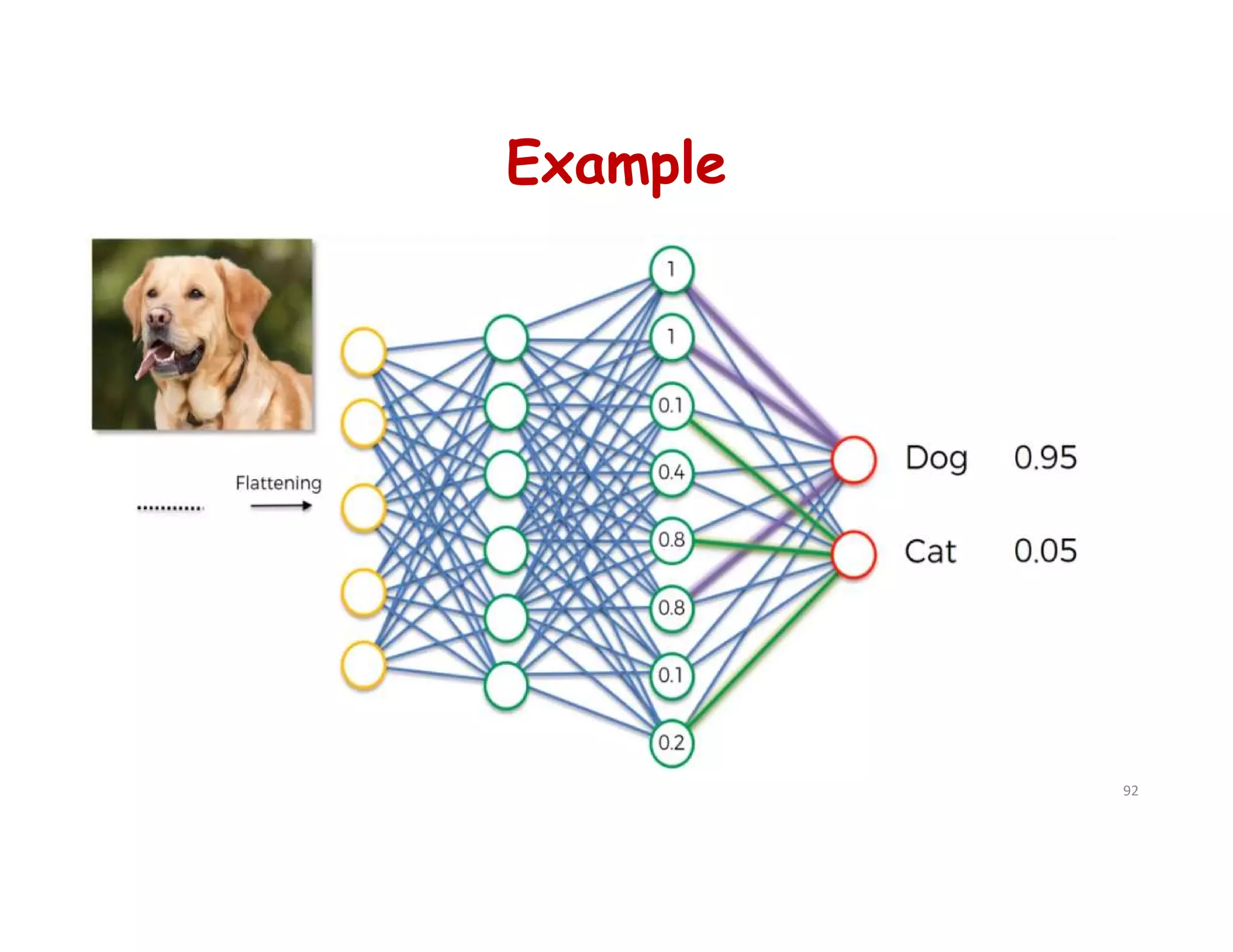
Example
92
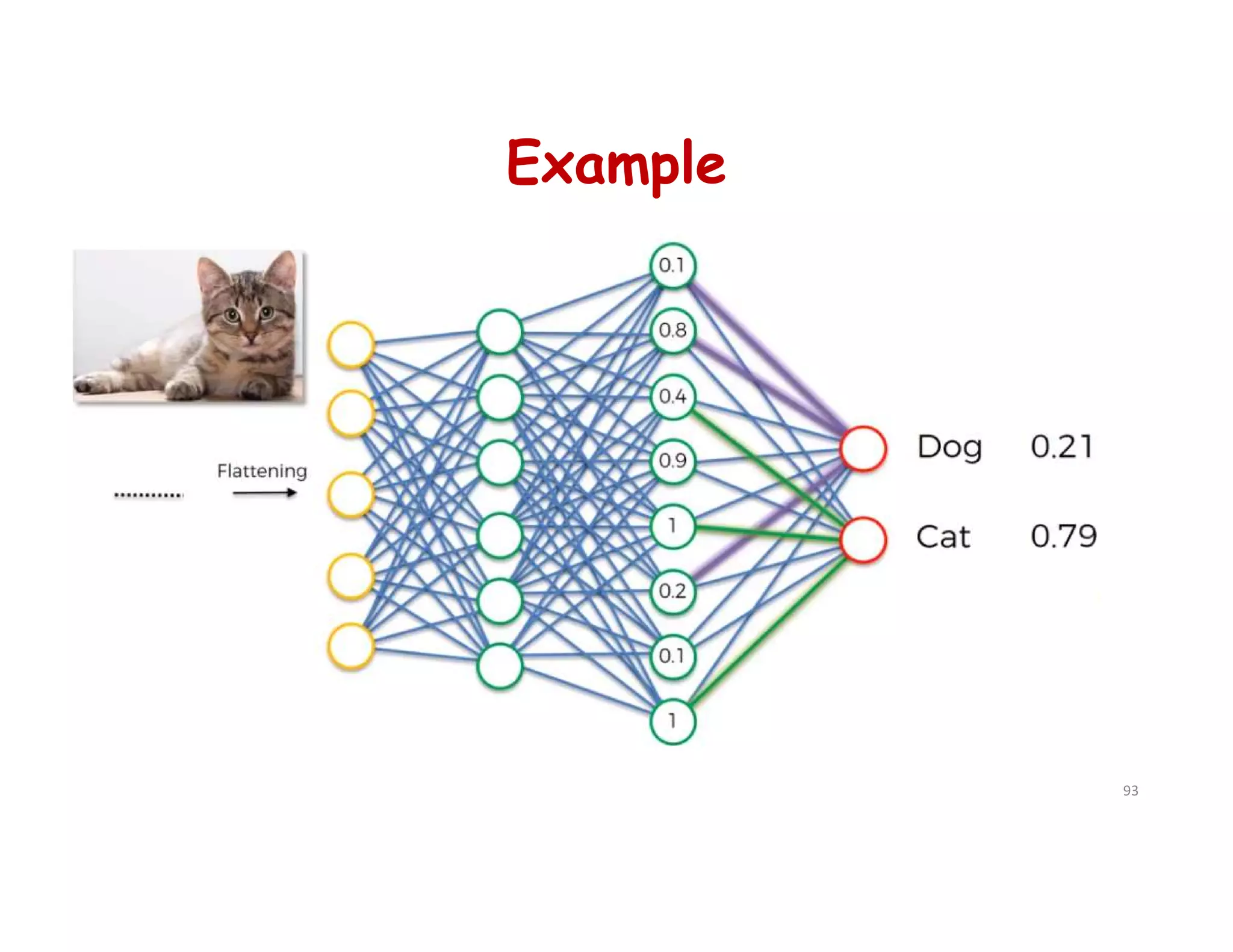
Example
93
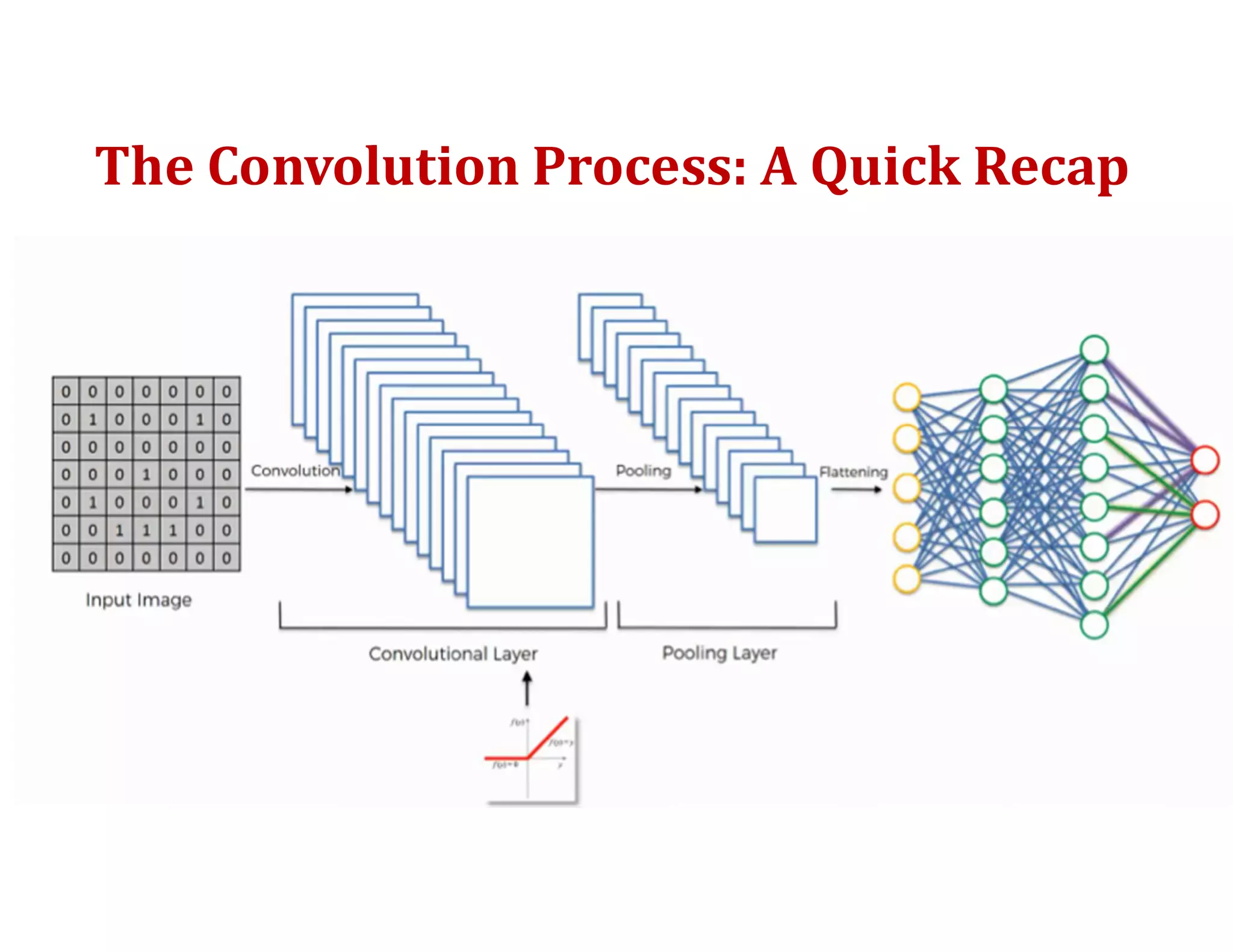
The Convolution Process: A Quick Recap
94
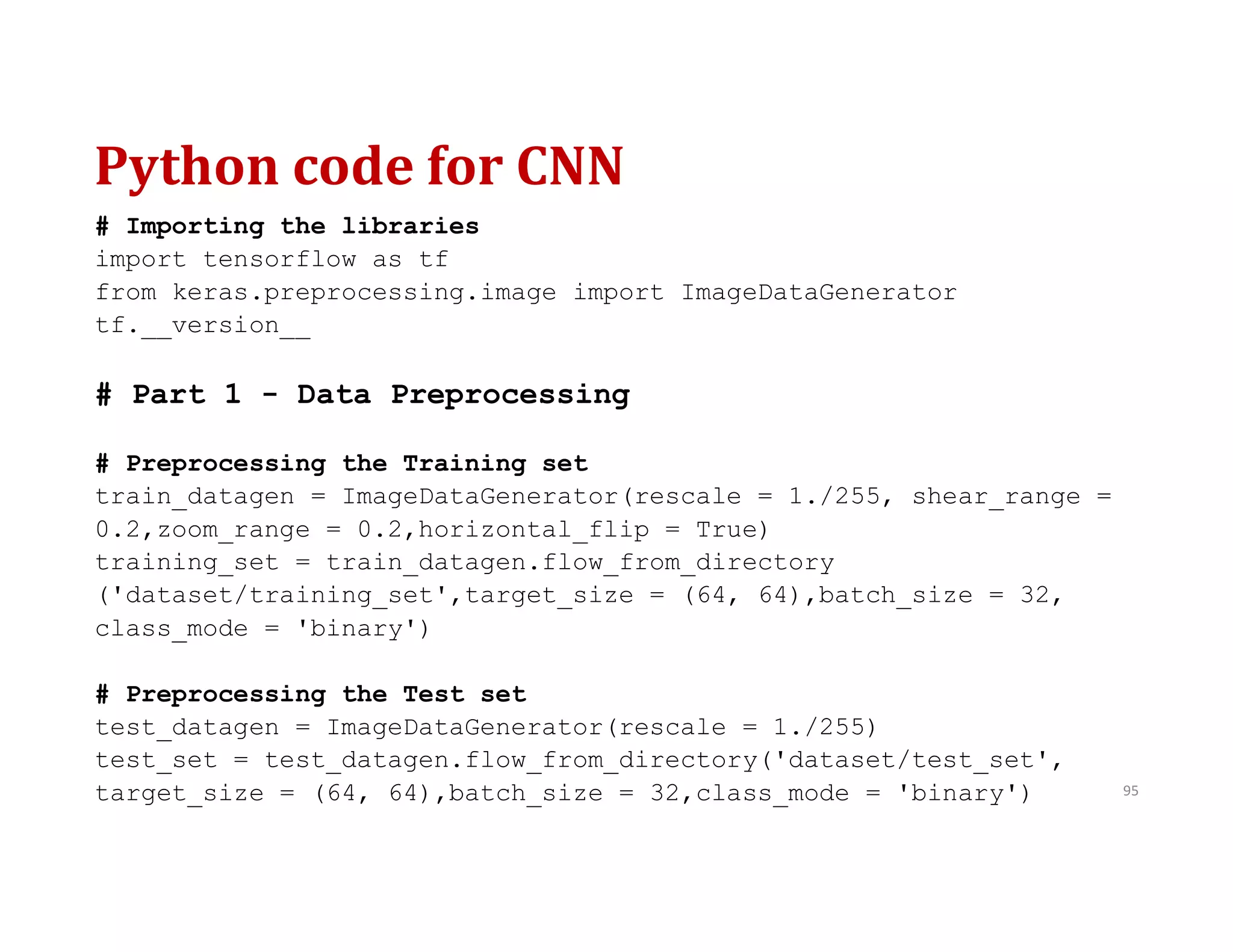
Python code for CNN
95
# Importing the libraries
import tensorflow as tf
from keras.preprocessing.image import ImageDataGenerator
tf.__version__
# Part 1 - Data Preprocessing
# Preprocessing the Training set
train_datagen = ImageDataGenerator(rescale = 1./255, shear_range =
0.2,zoom_range = 0.2,horizontal_flip = True)
training_set = train_datagen.flow_from_directory
('dataset/training_set',target_size = (64, 64),batch_size = 32,
class_mode = 'binary')
# Preprocessing the Test set
test_datagen = ImageDataGenerator(rescale = 1./255)
test_set = test_datagen.flow_from_directory('dataset/test_set',
target_size = (64, 64),batch_size = 32,class_mode = 'binary')
Python code for CNN
96
# Part 2 - Building the CNN
# Initialising the CNN
cnn = tf.keras.models.Sequential()
# Step 1 - Convolution
cnn.add(tf.keras.layers.Conv2D(filters=32, kernel_size=3, activation='relu',
input_shape=[64, 64, 3]))
# Step 2 - Pooling
cnn.add(tf.keras.layers.MaxPool2D(pool_size=2, strides=2))
# Adding a second convolutional layer
cnn.add(tf.keras.layers.Conv2D(filters=32, kernel_size=3, activation='relu'))
cnn.add(tf.keras.layers.MaxPool2D(pool_size=2, strides=2))
# Step 3 - Flattening
cnn.add(tf.keras.layers.Flatten())
# Step 4 - Full Connection
cnn.add(tf.keras.layers.Dense(units=128, activation='relu'))
# Step 5 - Output Layer
cnn.add(tf.keras.layers.Dense(units=1, activation='sigmoid'))
Python code for CNN
97
# Part 3 - Training the CNN
# Compiling the CNN
cnn.compile(optimizer = 'adam', loss = 'binary_crossentropy', metrics = ['accuracy'])
# Training the CNN on the Training set and evaluating it on the Test set
cnn.fit(x = training_set, validation_data = test_set,epochs= 25)
Python code for CNN
98
# Part 4 - Making a single prediction
import numpy as np
from tensorflow.keras.preprocessing import image
test_image = image.load_img('dataset/single_prediction/cat_or_dog_1.jpg', target_size =
(64, 64))
test_image = image.img_to_array(test_image)
test_image = np.expand_dims(test_image, axis = 0)
result = cnn.predict(test_image)
training_set.class_indices
if result[0][0] == 1:
prediction = 'dog'
else:
prediction = 'cat'
print(prediction)
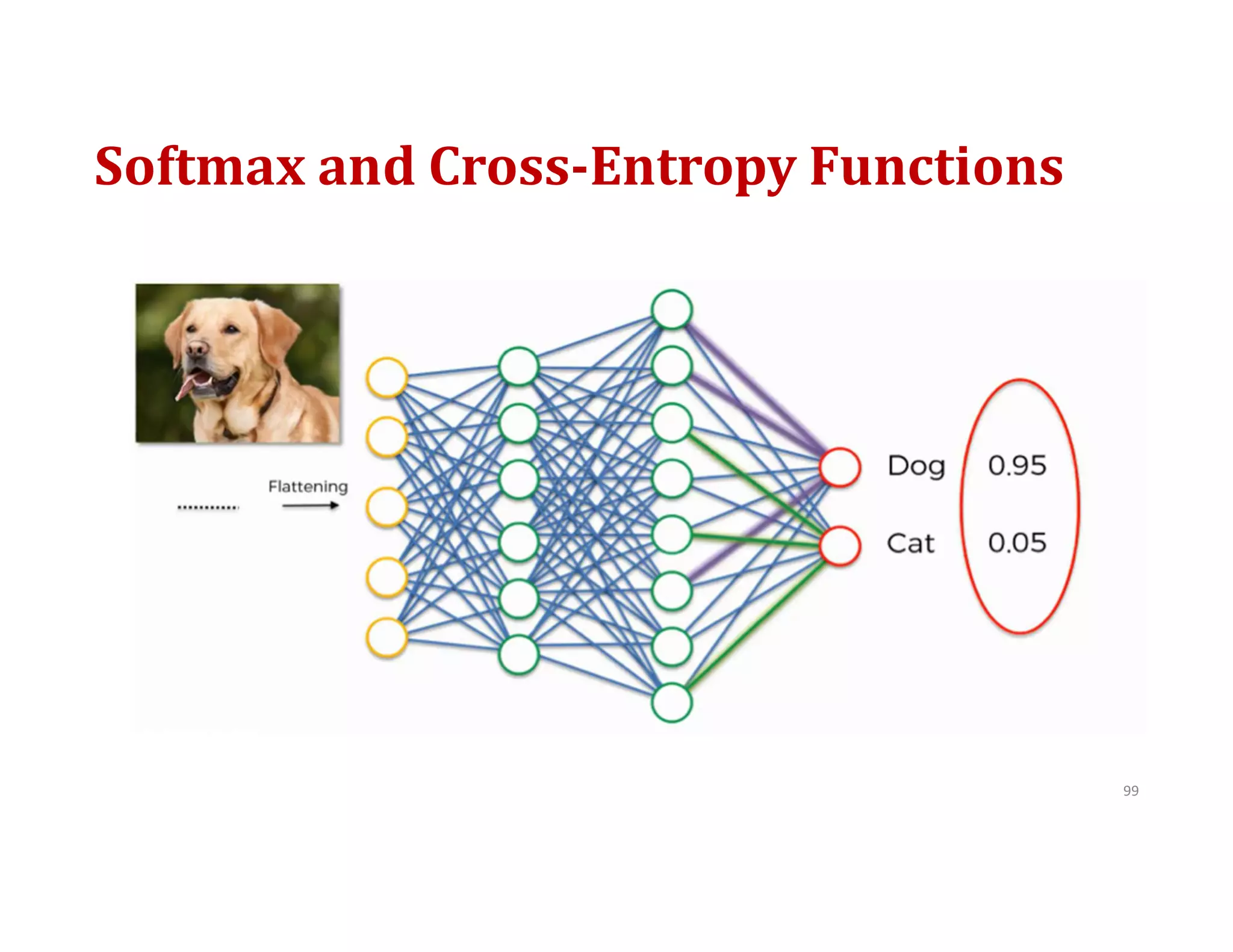
Softmax and Cross-Entropy Functions
99
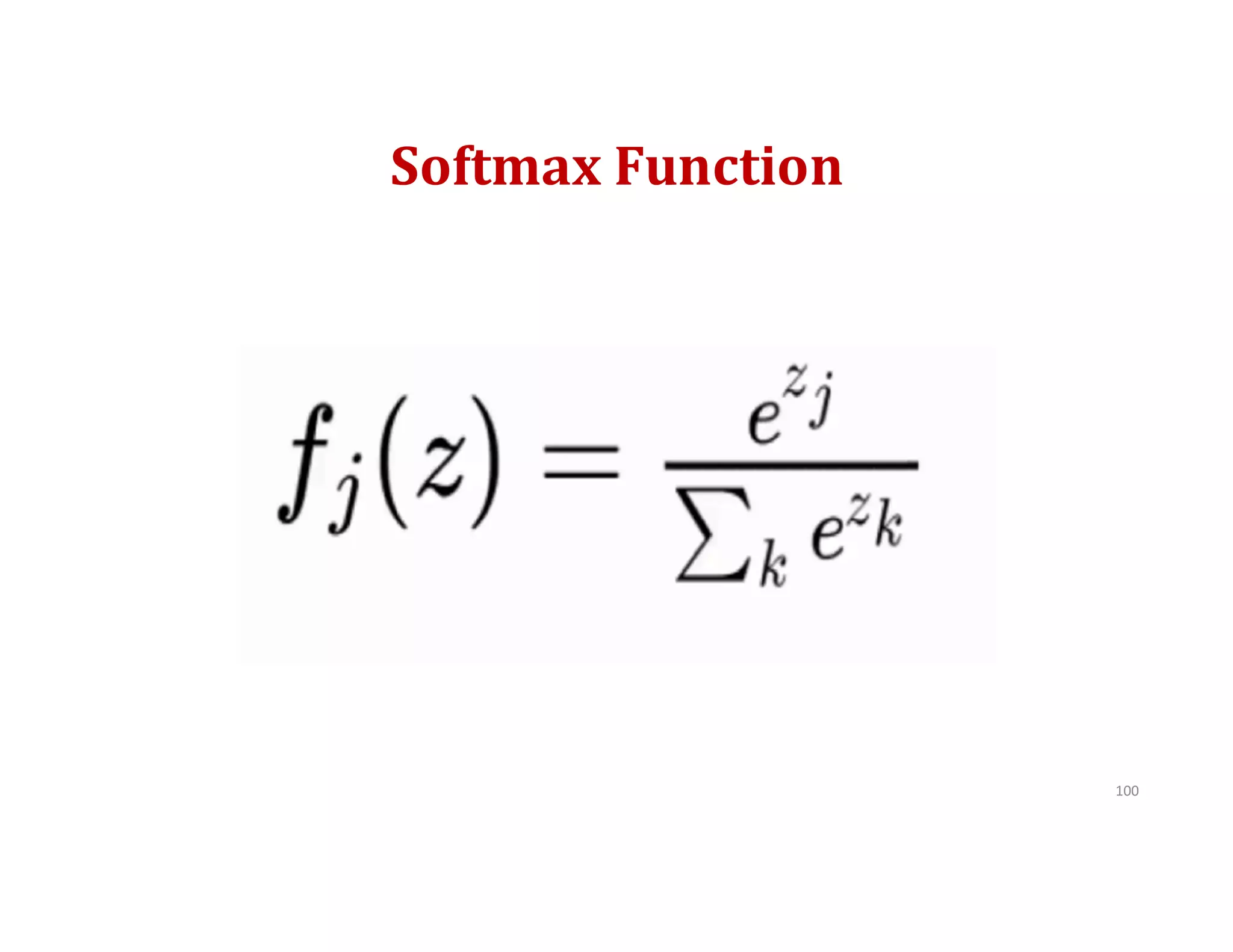
Softmax Function
100
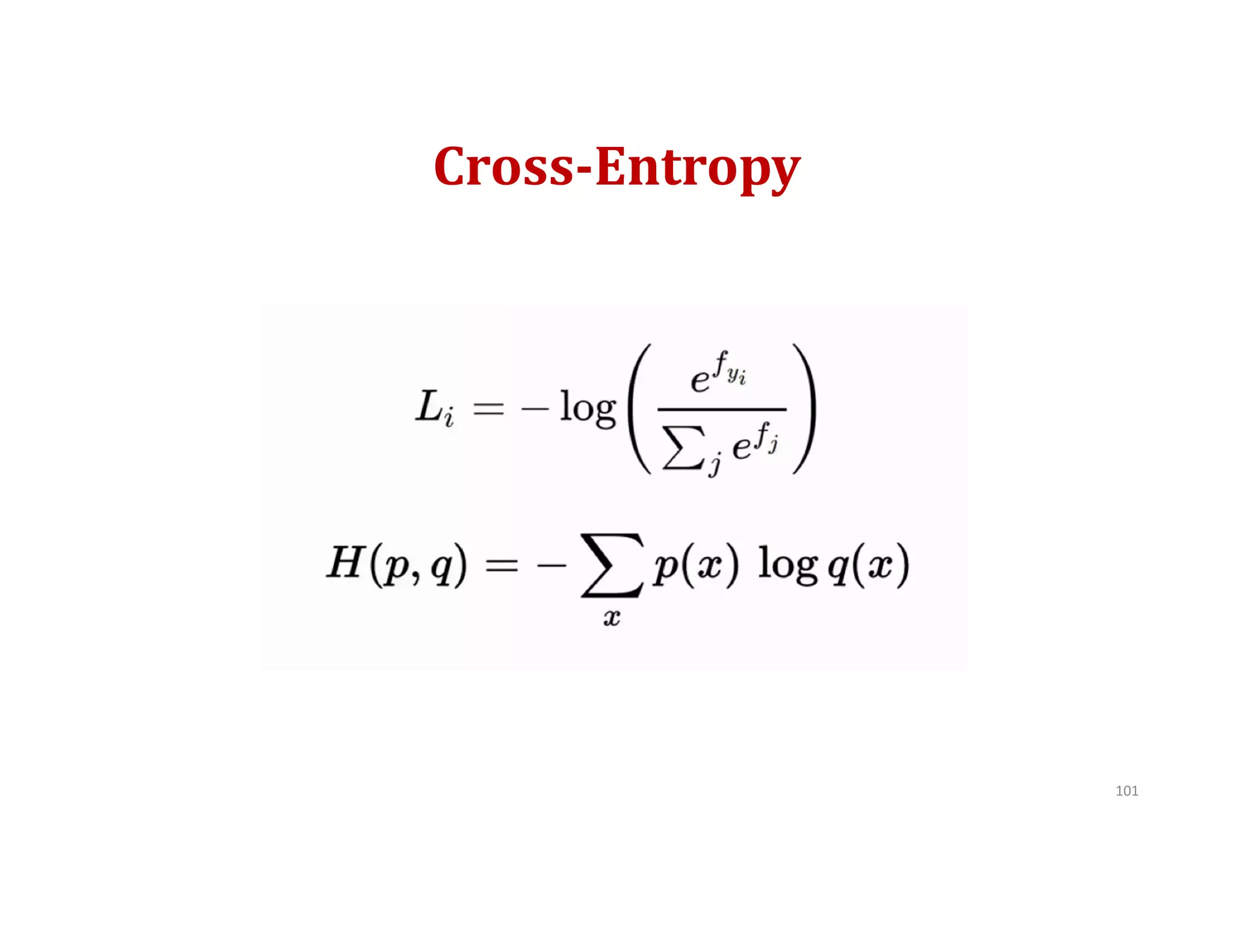
Cross-Entropy
101
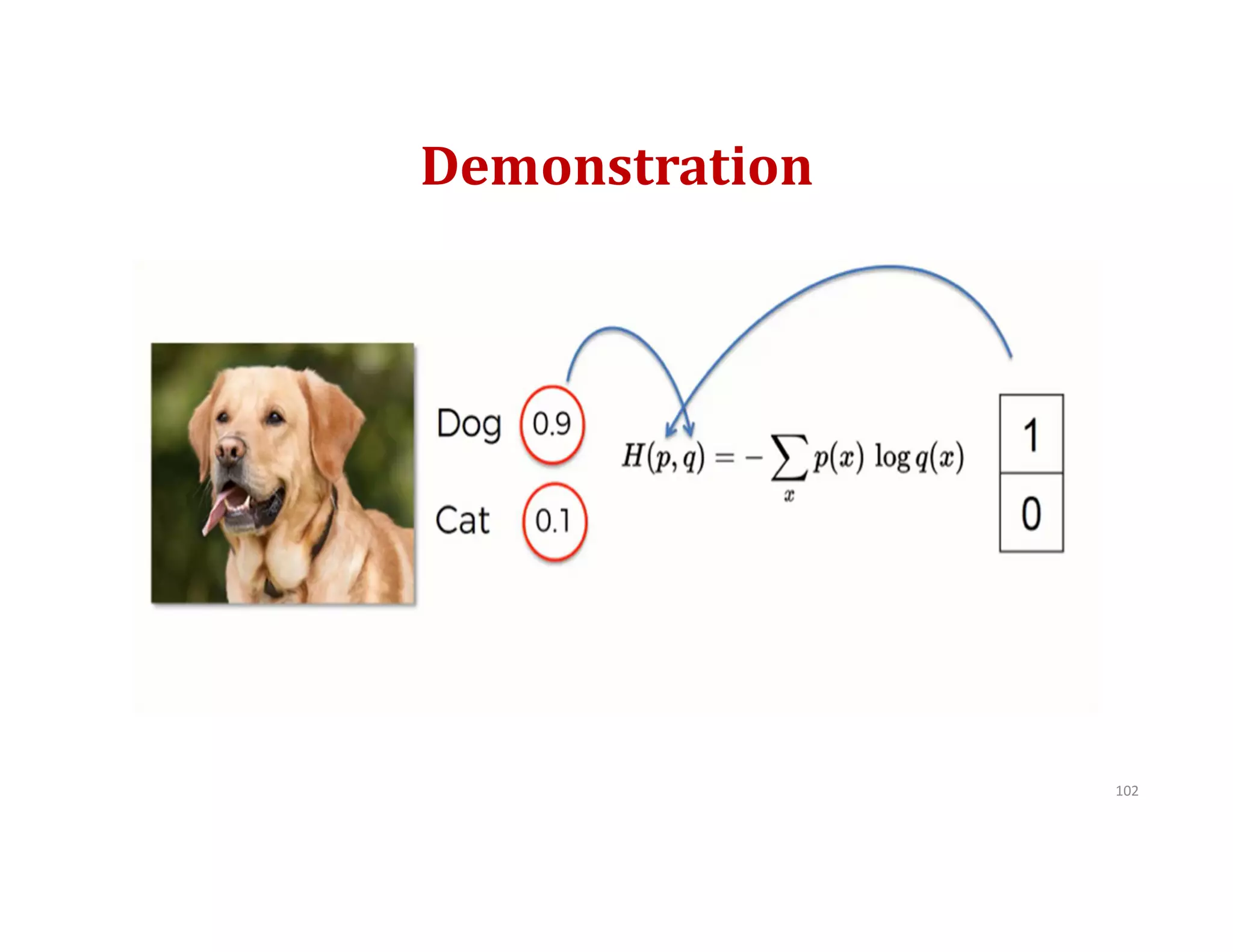
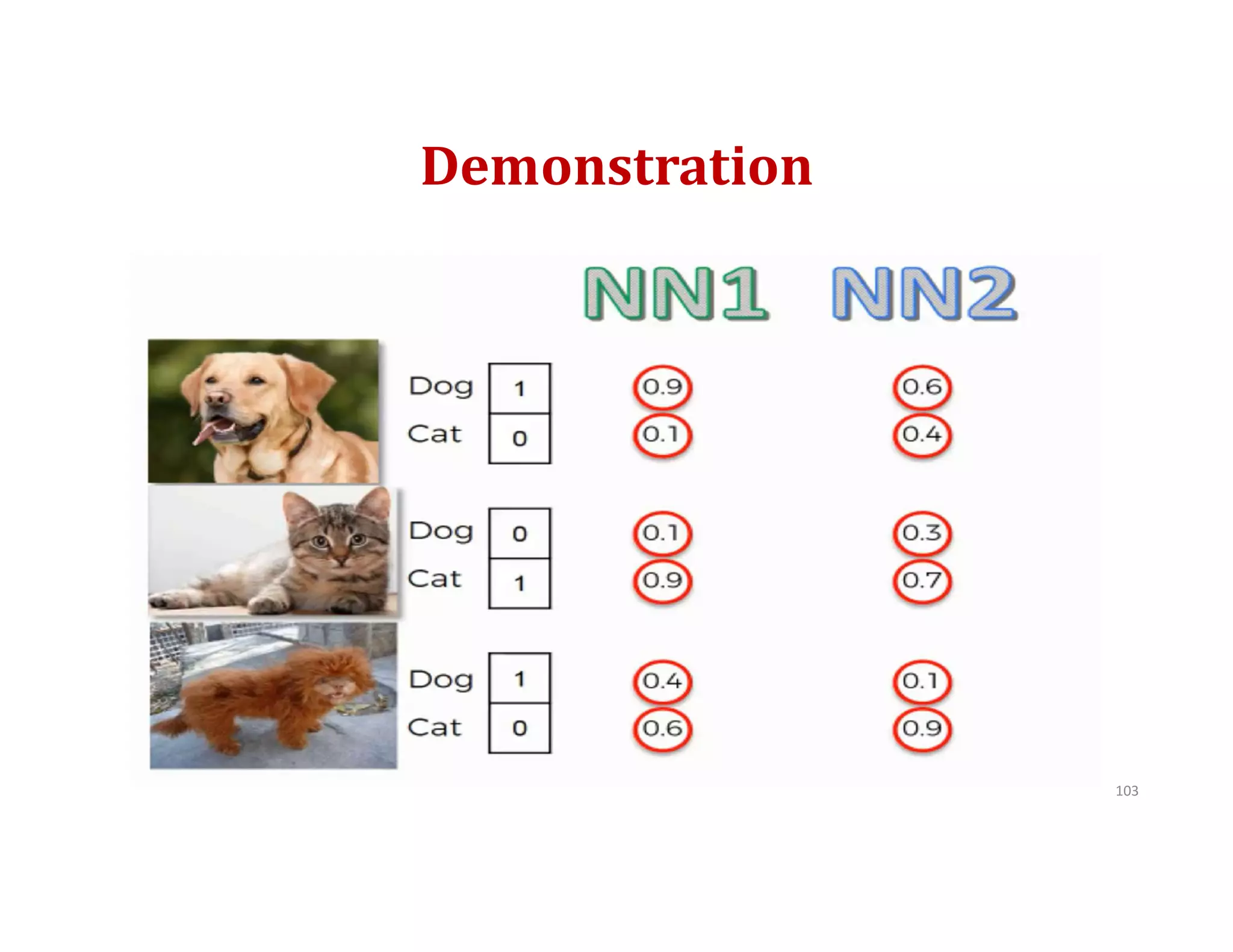
Demonstration
102
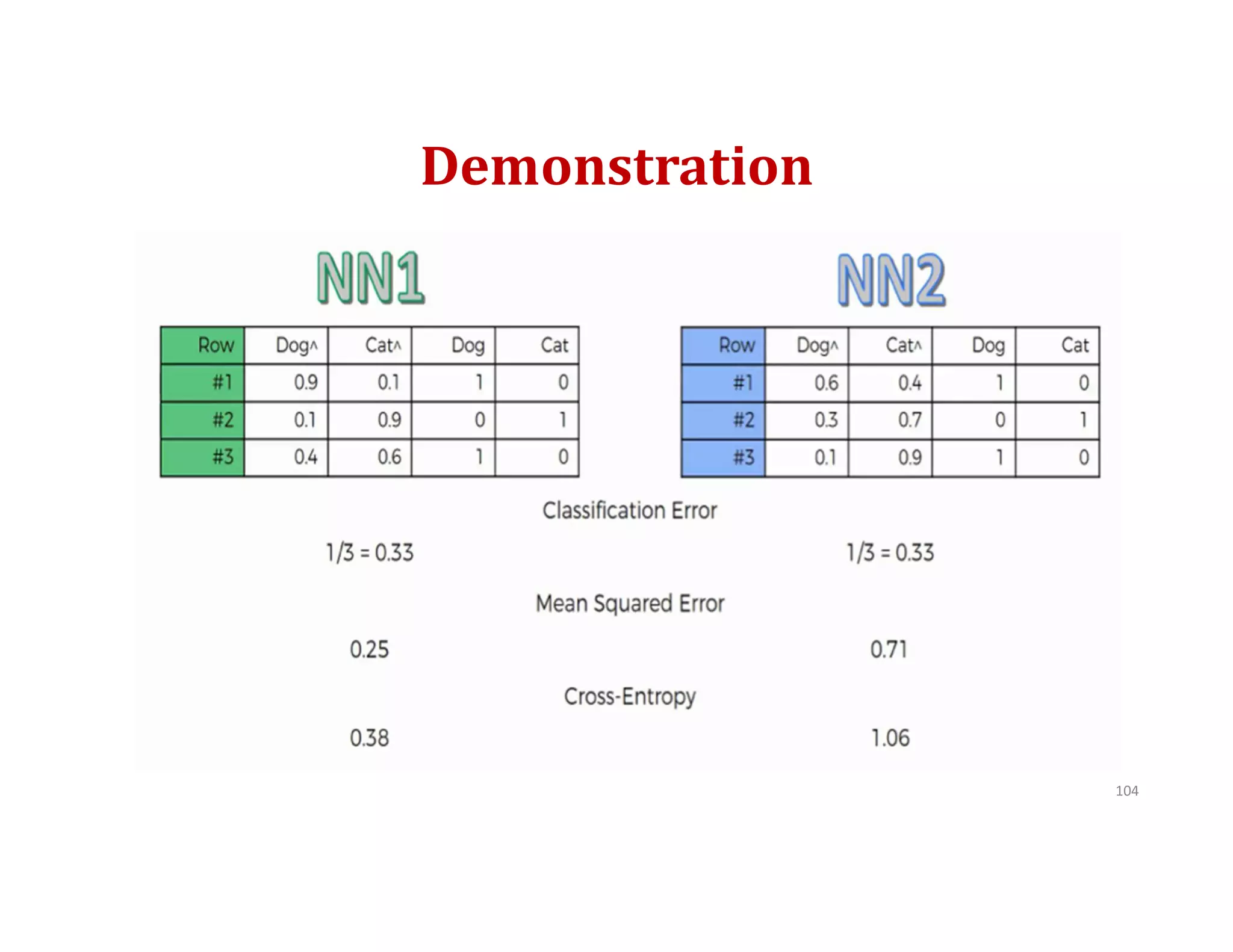
Demonstration
103
Demonstration
104
8. Deep Learning.pdf

8. Deep Learning.pdf