Presenting Today
Lezlie Stephens
Sales Enablement Director
BizLibrary
lstephens@bizlibrary.com
Follow along on Twitter: #BizWebinar @BizLibrary
Erin Boettge
Content Marketing Manager,
BizLibrary
eboettge@bizlibrary.com
www.bizlibrary.com/free-trial
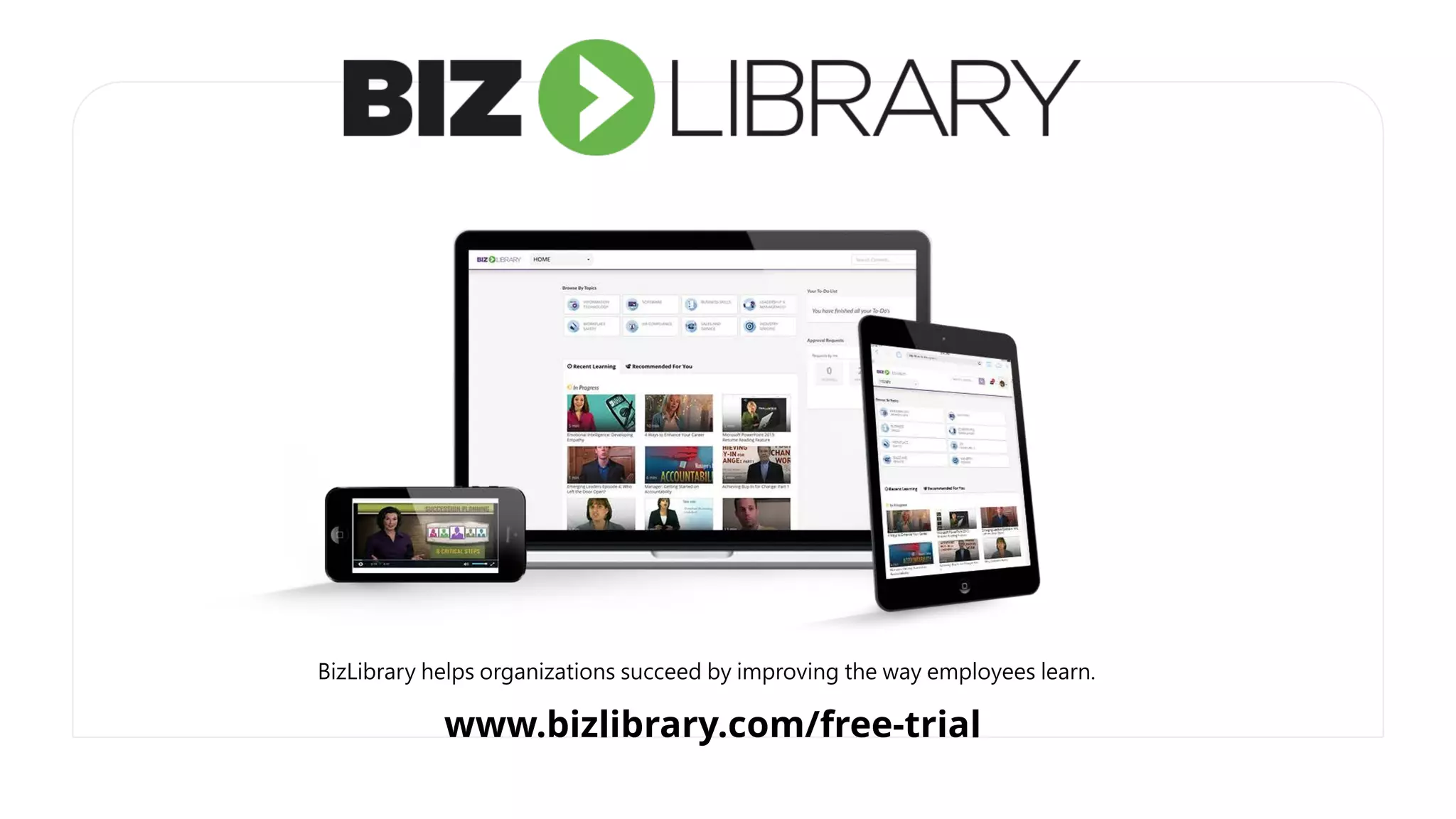
BizLibrary helps organizations succeed by improving the way employees learn.
What is Employee
Engagement?
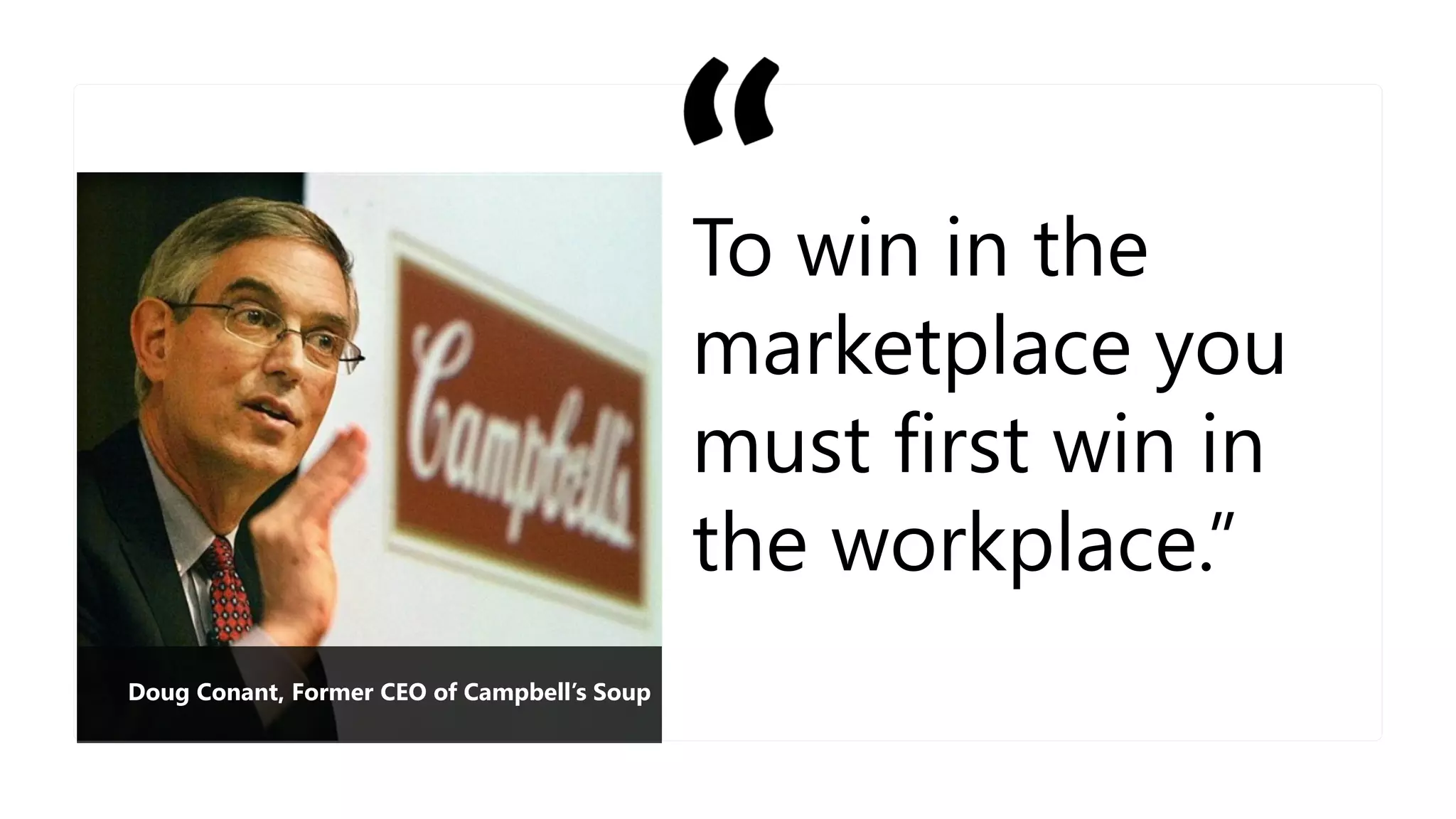
To win in the
marketplace you
must first win in
the workplace.”
Doug Conant, Former CEO of Campbell’s Soup
The Employee
Engagement
Continuum
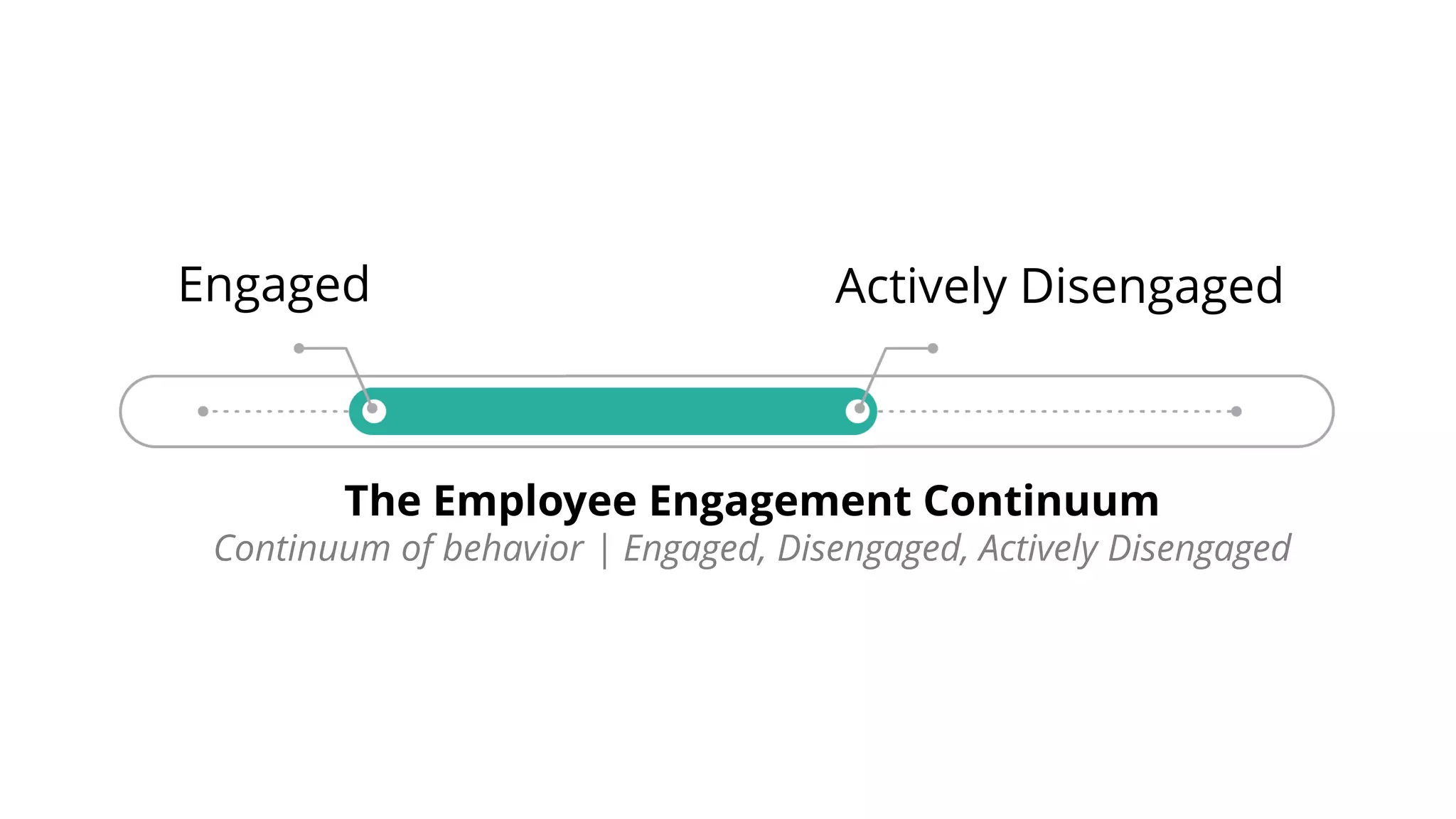
The Employee Engagement Continuum
Continuum of behavior | Engaged, Disengaged, Actively Disengaged
Engaged Actively Disengaged
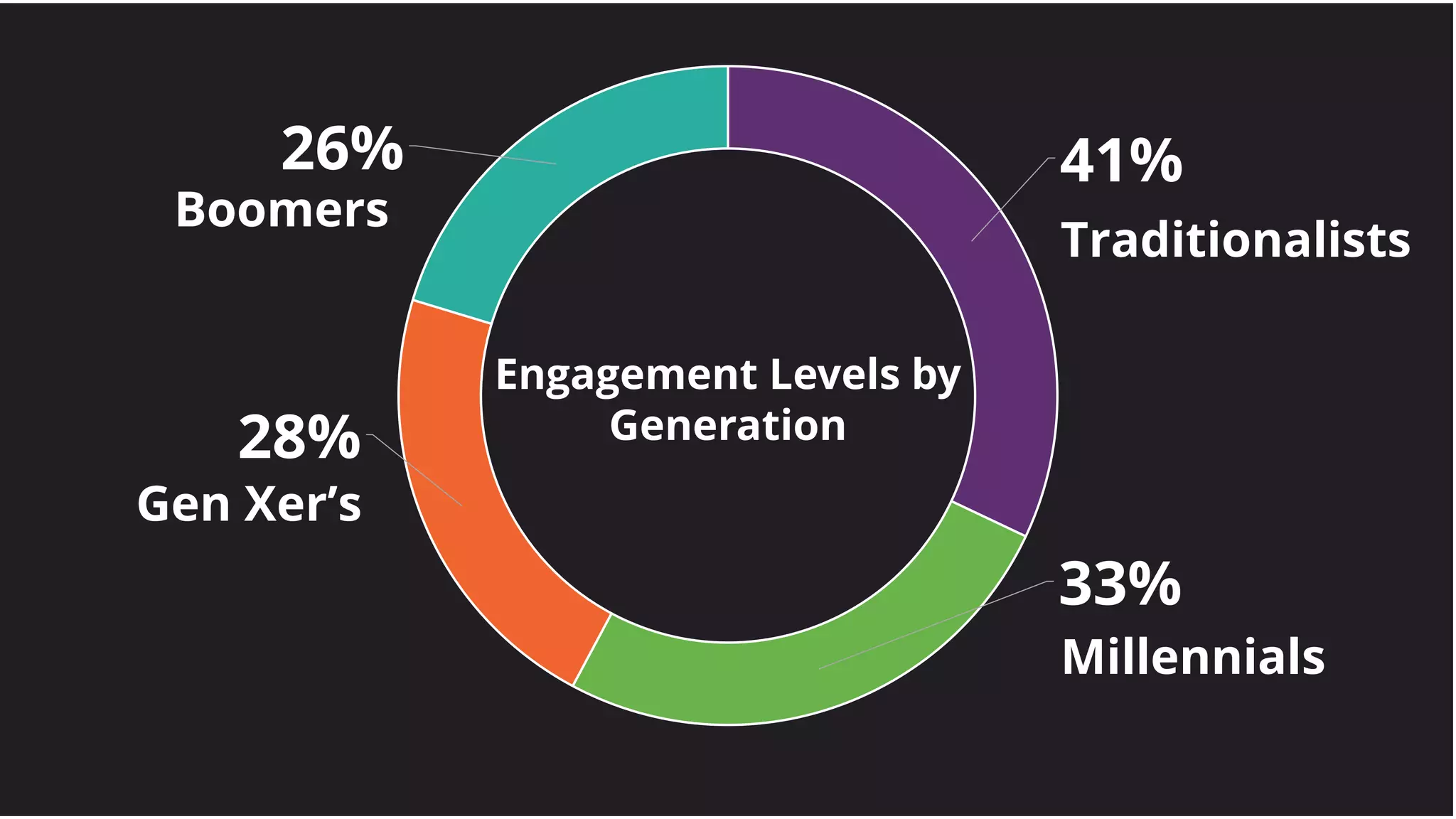
41%
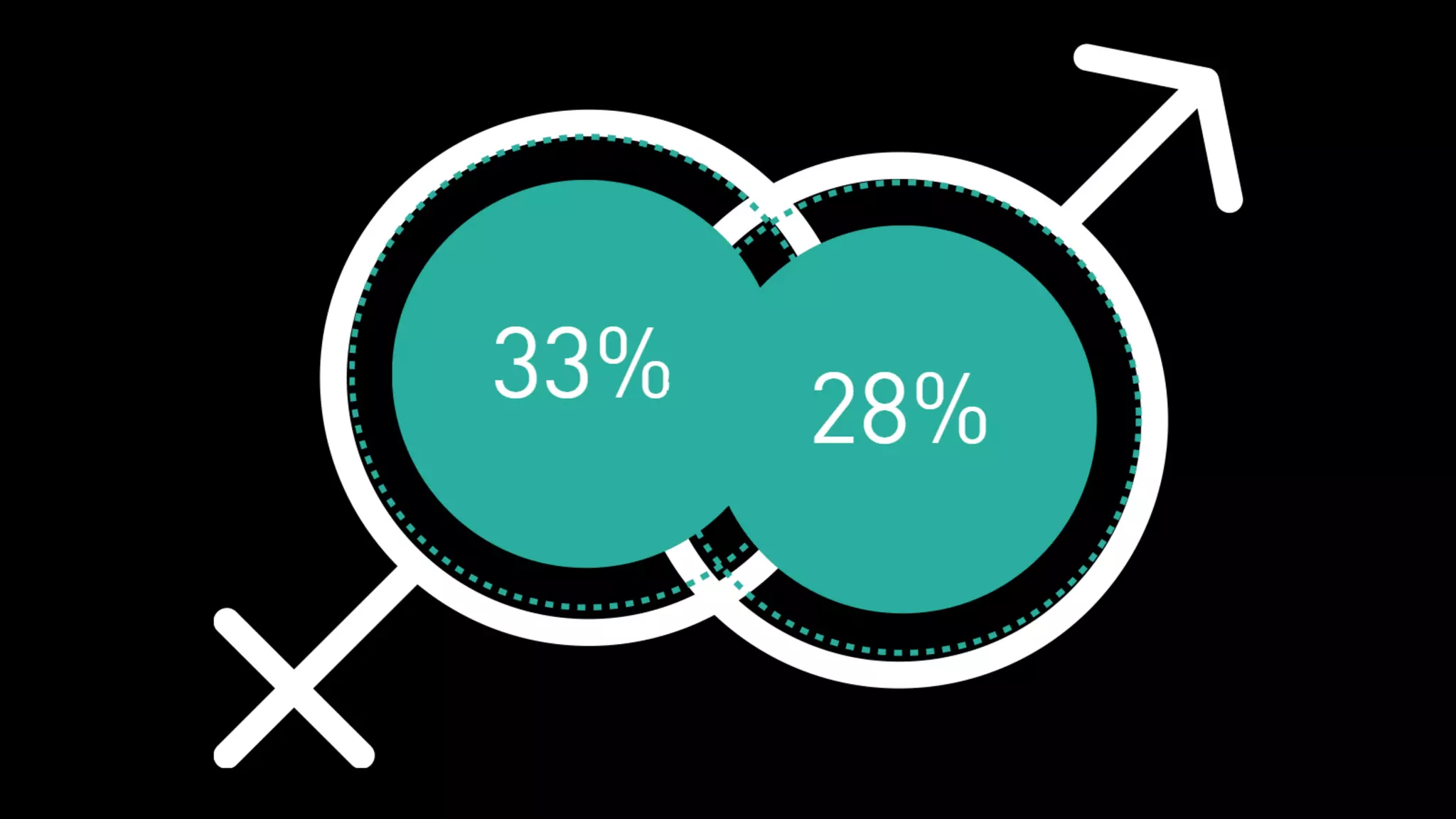
33%
28%
26%
Traditionalists
Millennials
Gen Xer’s
Boomers
Engagement Levels by
Generation
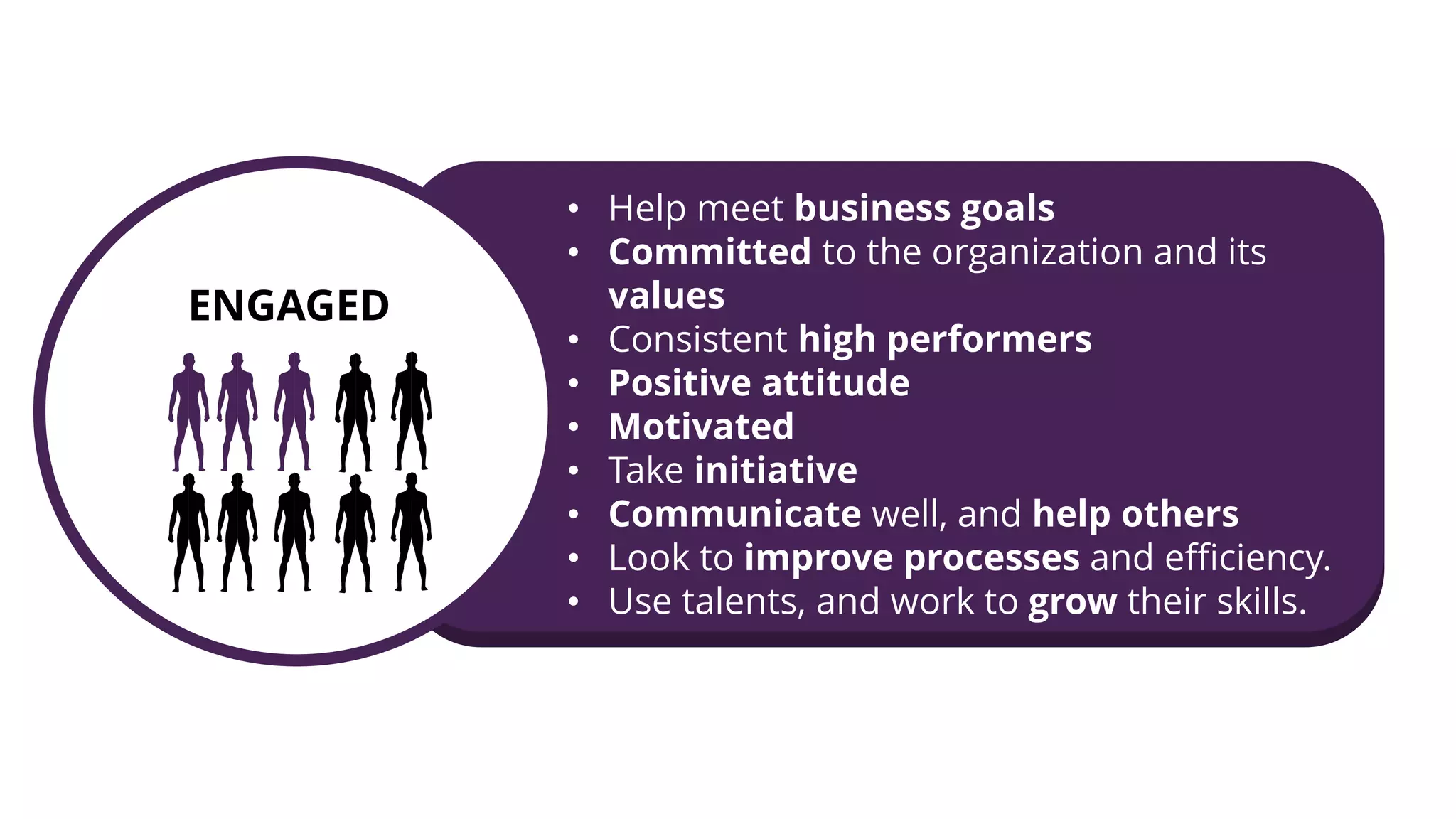
ENGAGED
• Help meet business goals
• Committed to the organization and its
values
• Consistent high performers
• Positive attitude
• Motivated
• Take initiative
• Communicate well, and help others
• Look to improve processes and efficiency.
• Use talents, and work to grow their skills.
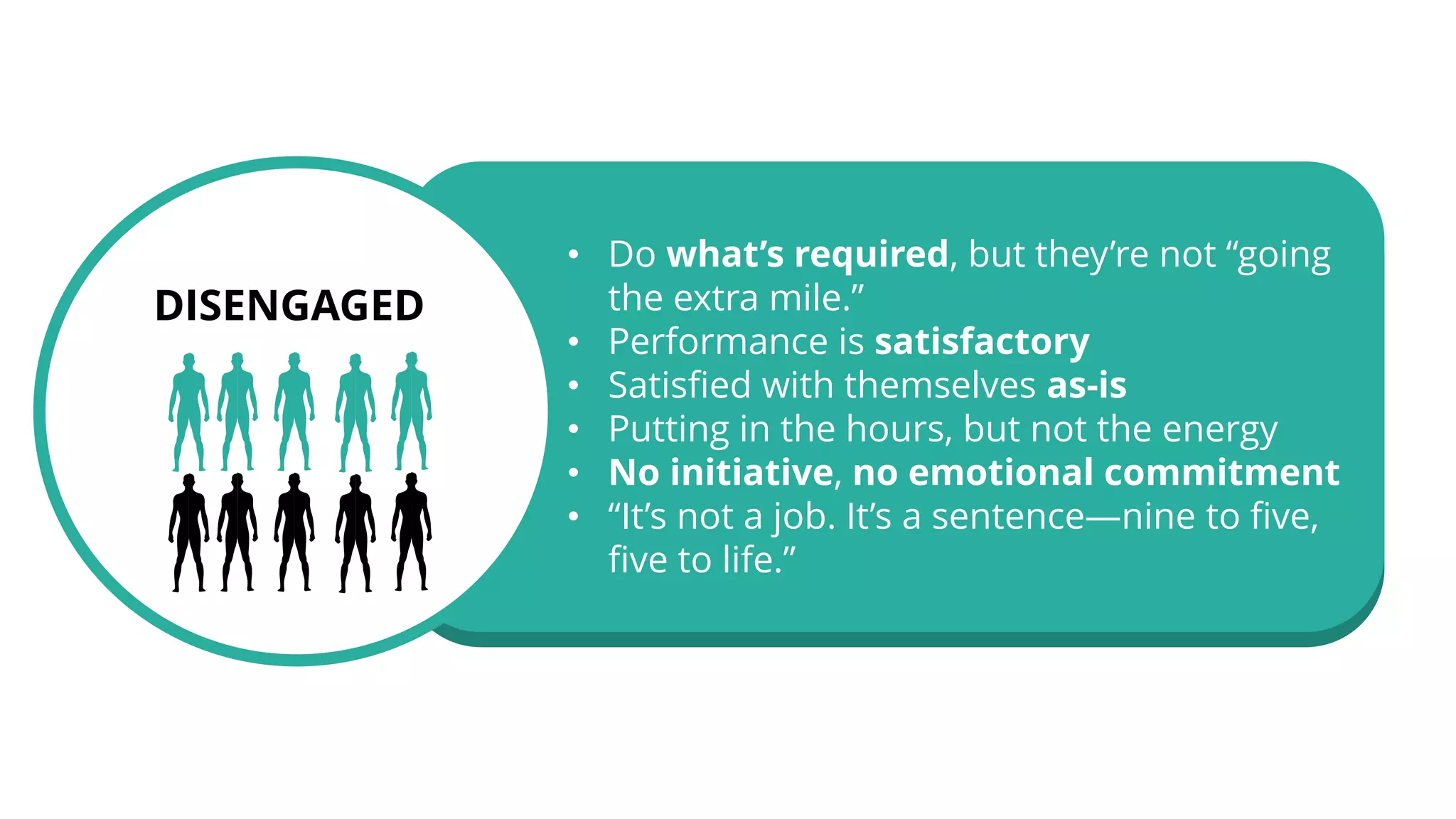
DISENGAGED
• Do what’s required, but they’re not “going
the extra mile.”
• Performance is satisfactory
• Satisfied with themselves as-is
• Putting in the hours, but not the energy
• No initiative, no emotional commitment
• “It’s not a job. It’s a sentence—nine to five,
five to life.”
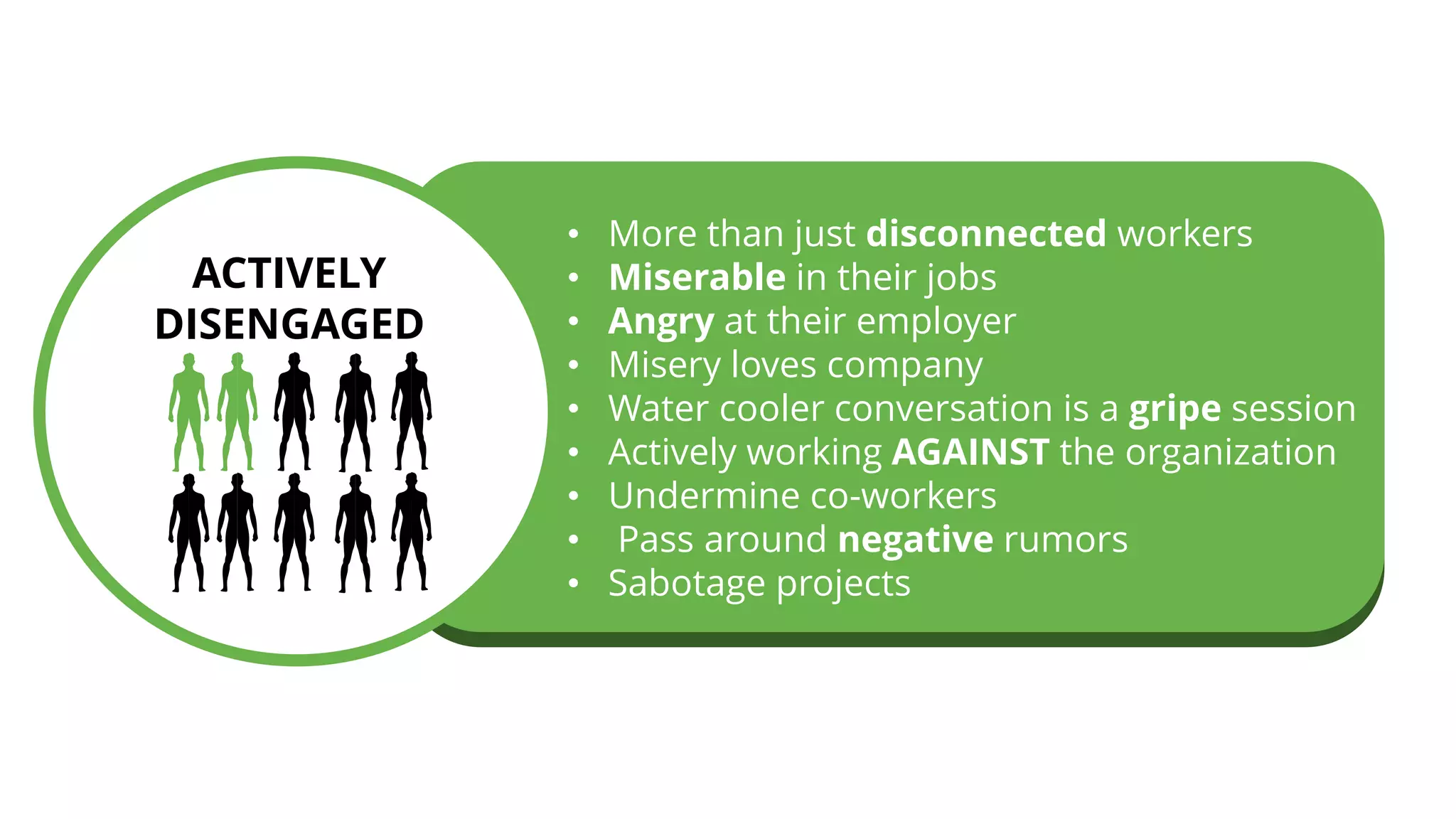
ACTIVELY
DISENGAGED
• More than just disconnected workers
• Miserable in their jobs
• Angry at their employer
• Misery loves company
• Water cooler conversation is a gripe session
• Actively working AGAINST the organization
• Undermine co-workers
• Pass around negative rumors
• Sabotage projects
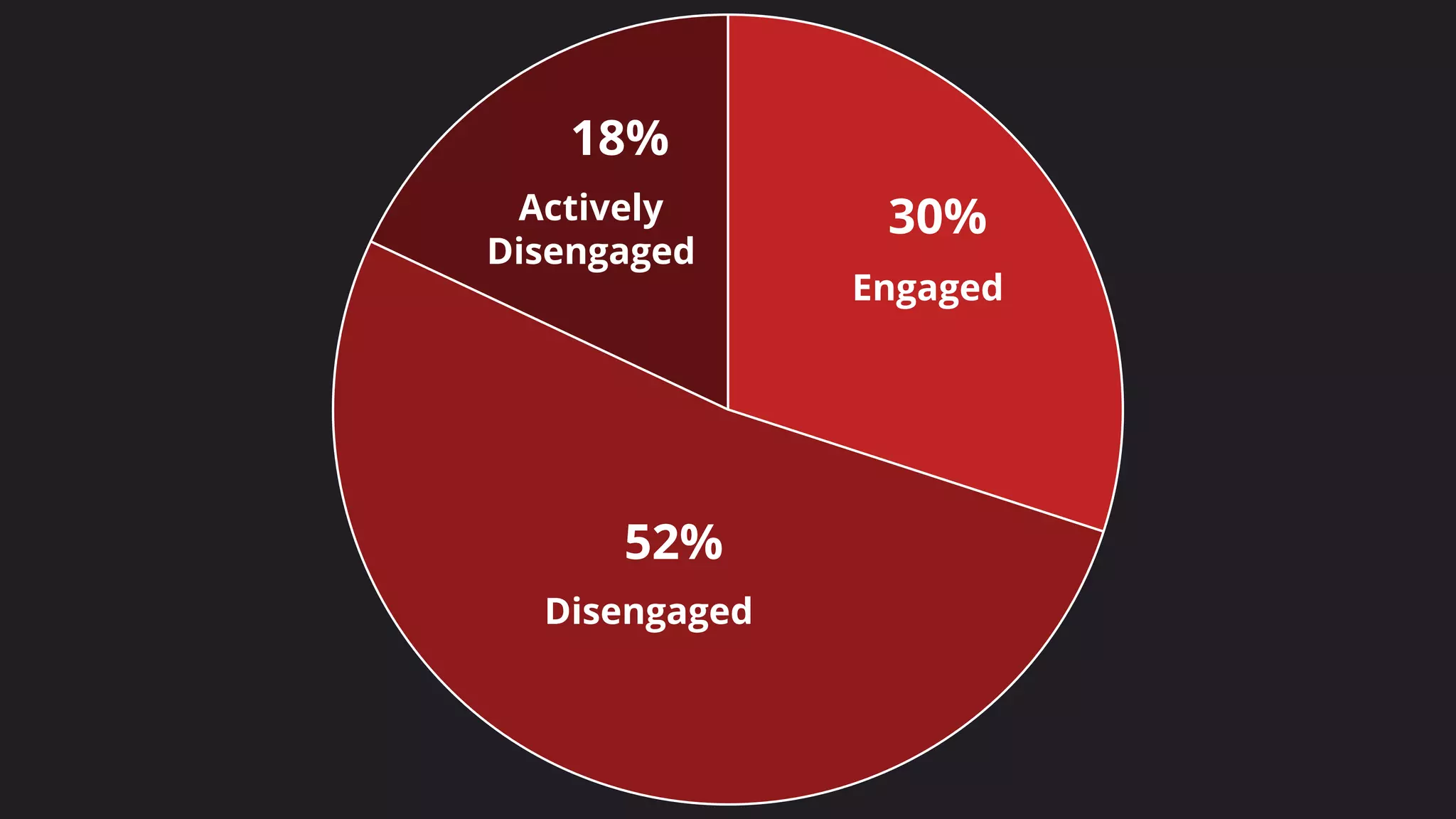
Poll Question:
What percentage of
your workforce is
disengaged?
30%
52%
18%
Engaged
Disengaged
Actively
Disengaged
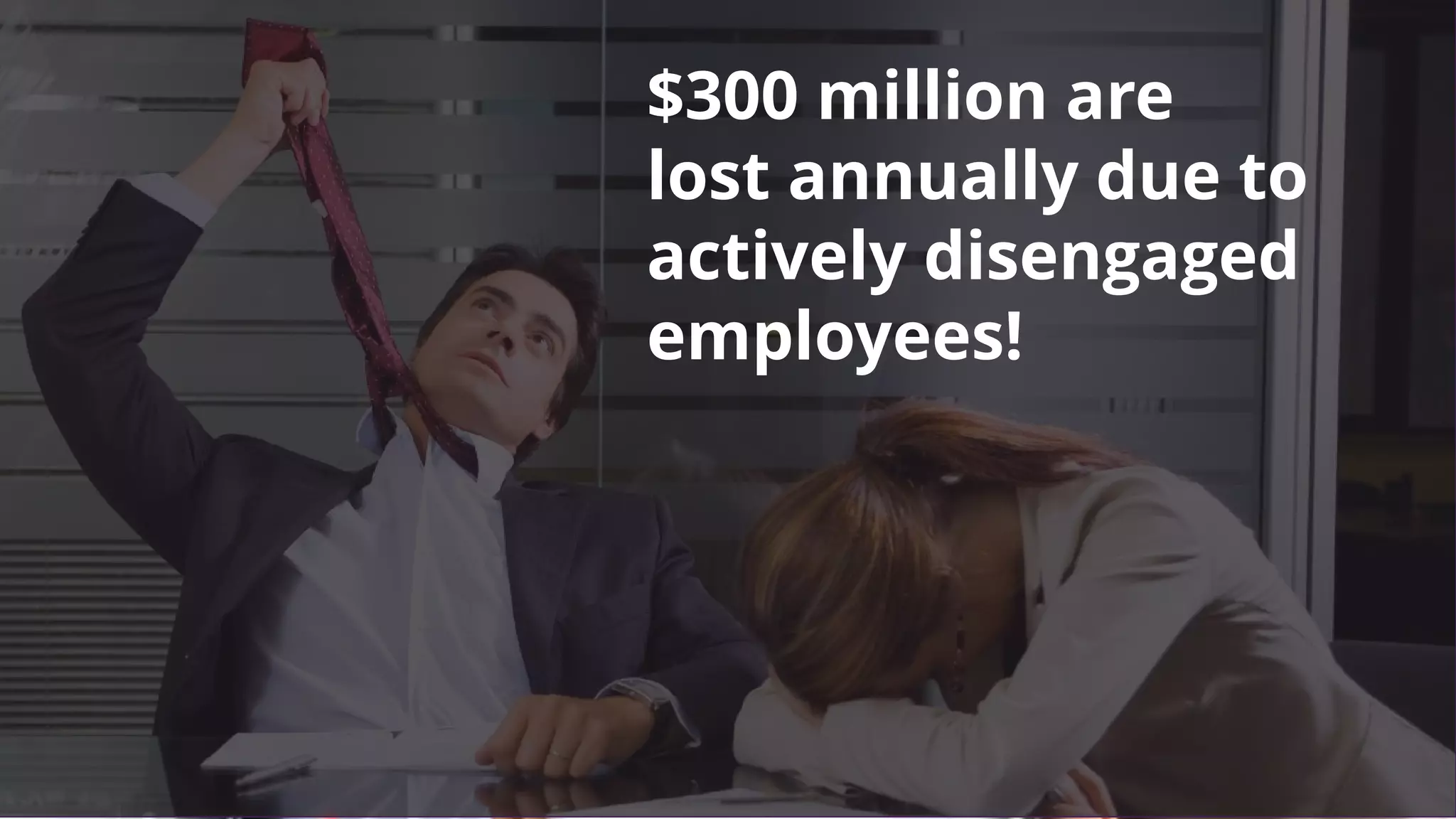
$300 million are
lost annually due to
actively disengaged
employees!
So, where is your team
on this continuum?
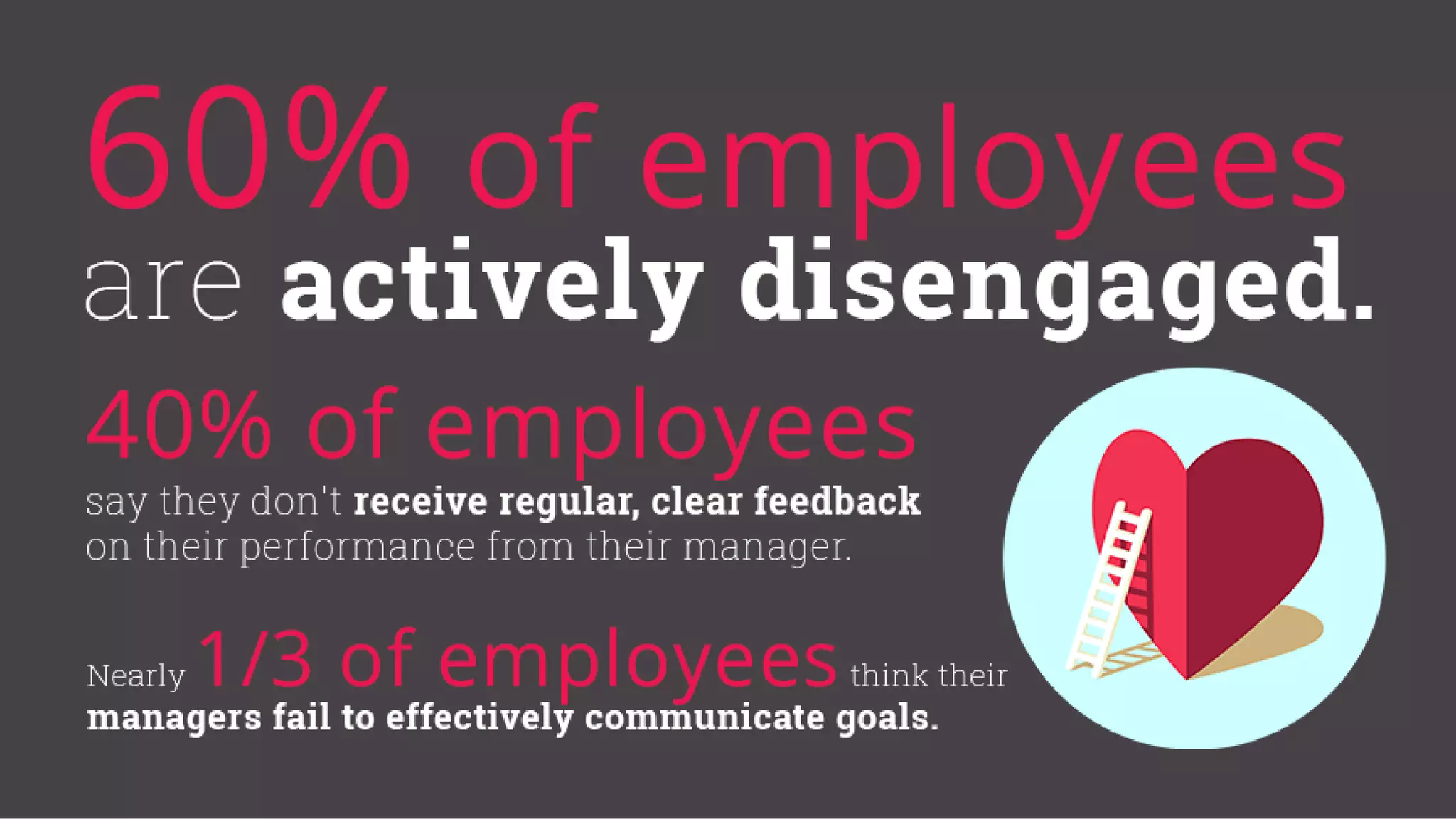
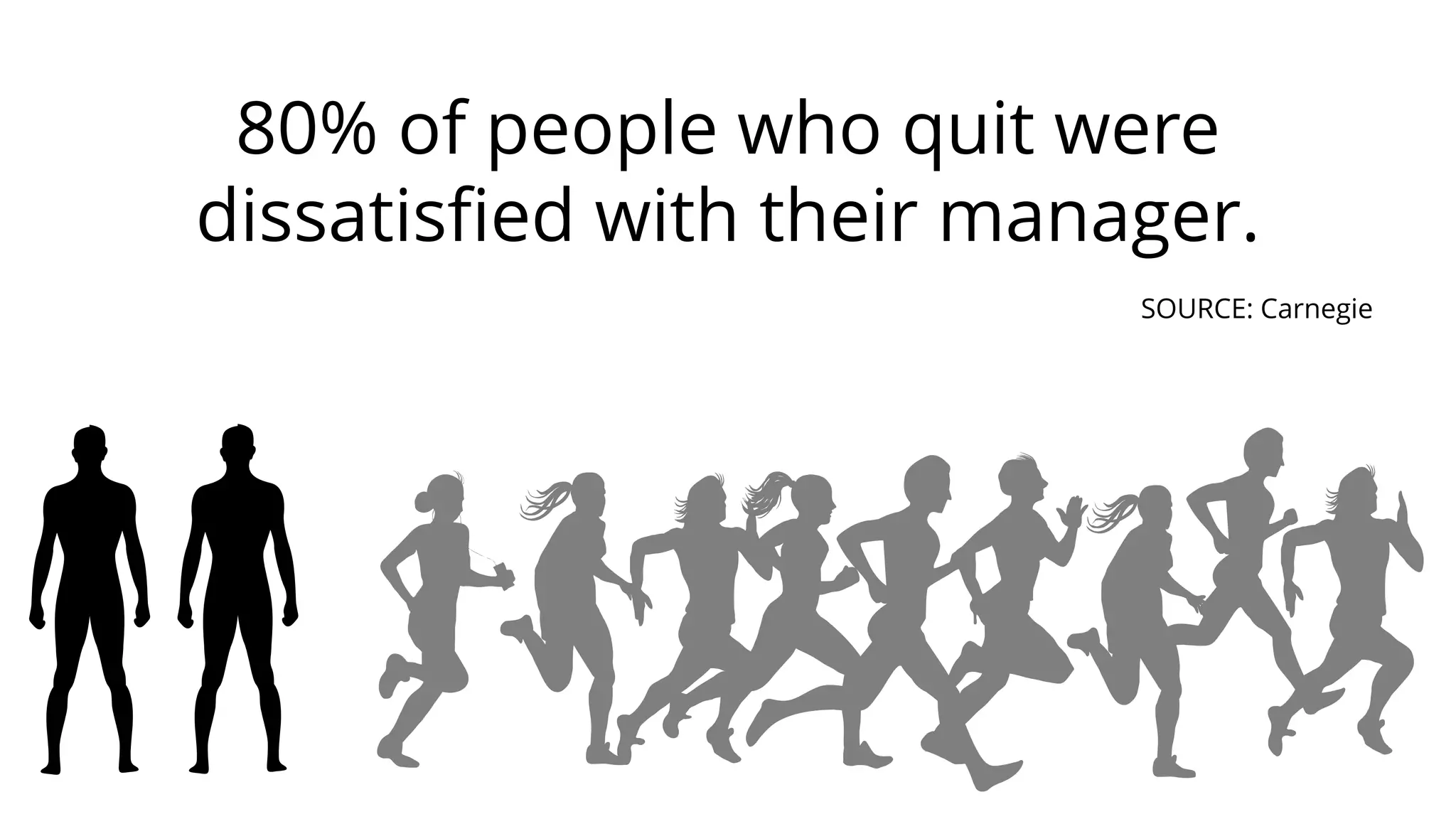
80% of people who quit were
dissatisfied with their manager.
SOURCE: Carnegie
What Can You Do to
Improve Employee
Engagement?
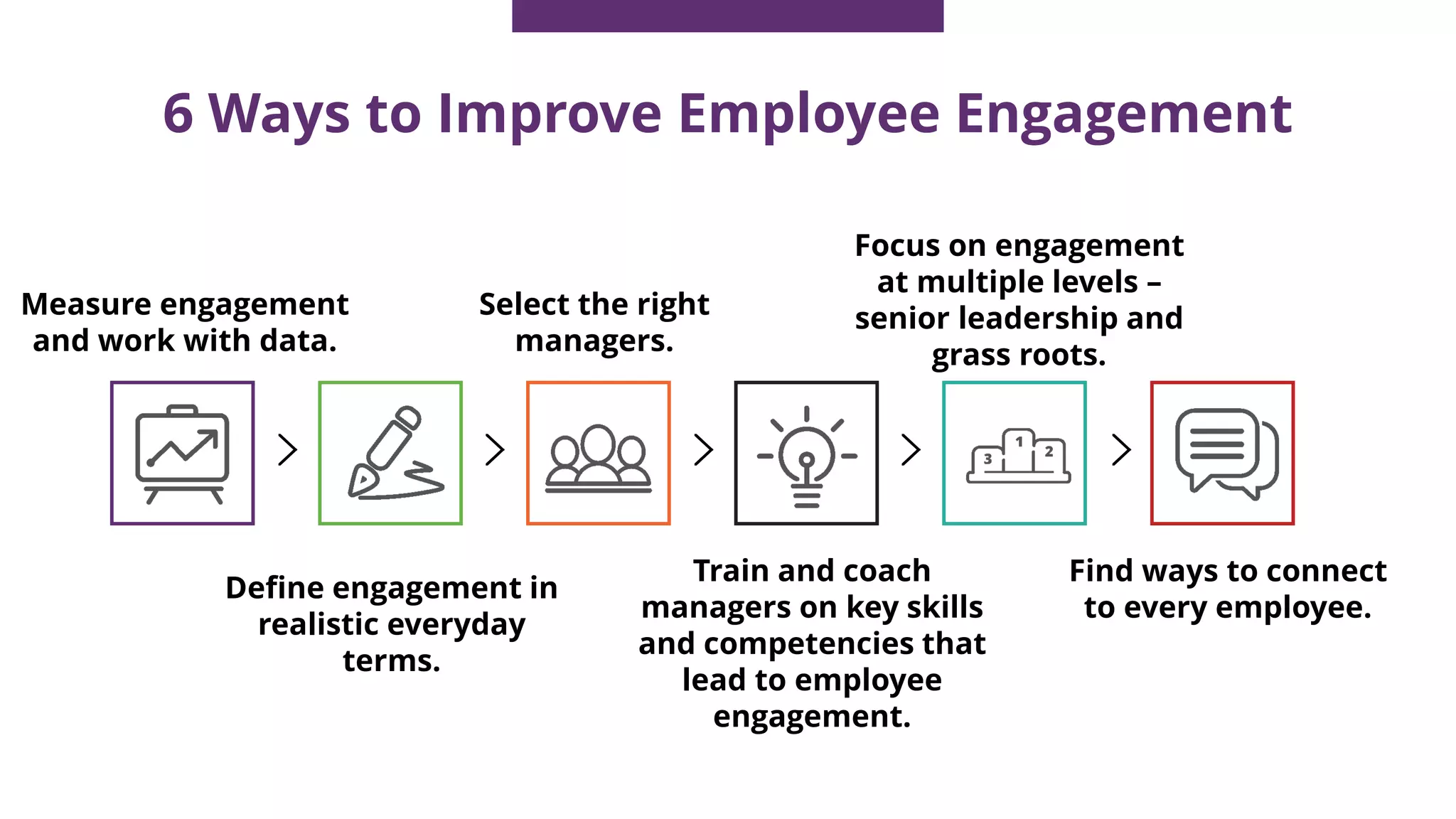
6 Ways to Improve Employee Engagement
Measure engagement
and work with data.
Focus on engagement
at multiple levels –
senior leadership and
grass roots.
Select the right
managers.
Train and coach
managers on key skills
and competencies that
lead to employee
engagement.
Define engagement in
realistic everyday
terms.
Find ways to connect
to every employee.
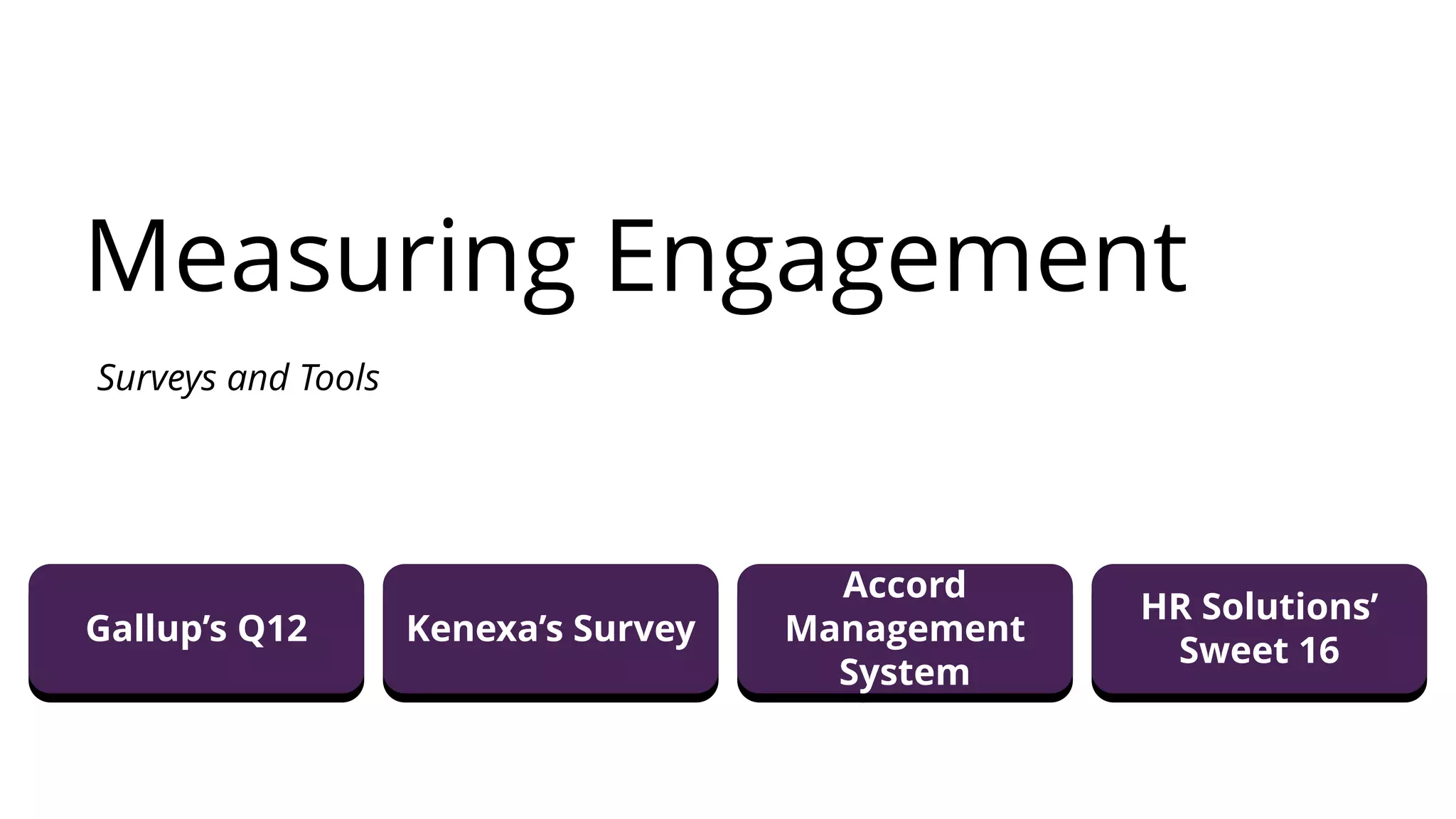
Measuring Engagement
Gallup’s Q12 Kenexa’s Survey
Accord
Management
System
HR Solutions’
Sweet 16
Surveys and Tools
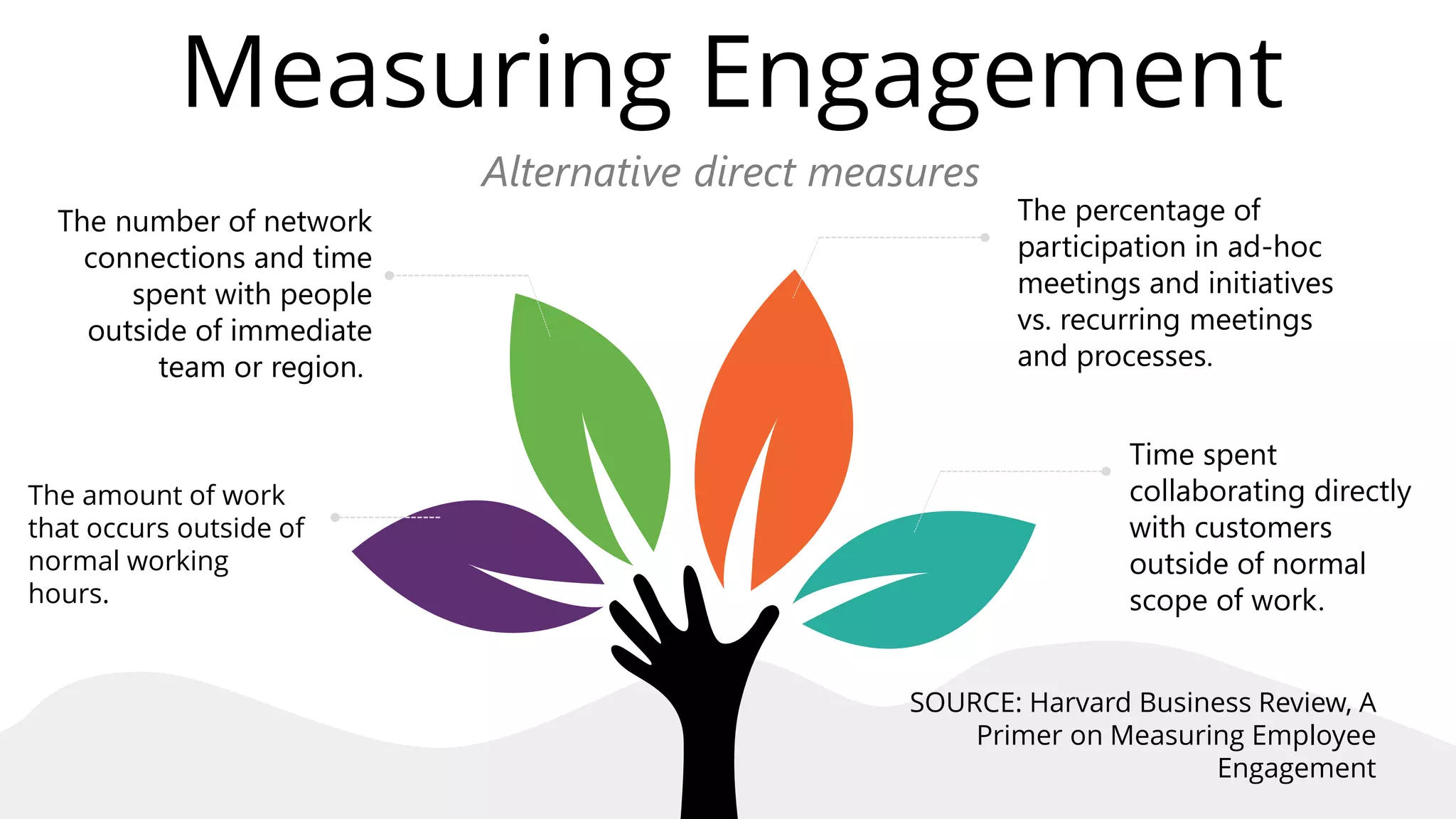
Alternative direct measures
The percentage of
participation in ad-hoc
meetings and initiatives
vs. recurring meetings
and processes.
Time spent
collaborating directly
with customers
outside of normal
scope of work.
The number of network
connections and time
spent with people
outside of immediate
team or region.
The amount of work
that occurs outside of
normal working
hours.
Measuring Engagement
SOURCE: Harvard Business Review, A
Primer on Measuring Employee
Engagement
Define engagement in
realistic and everyday
terms.
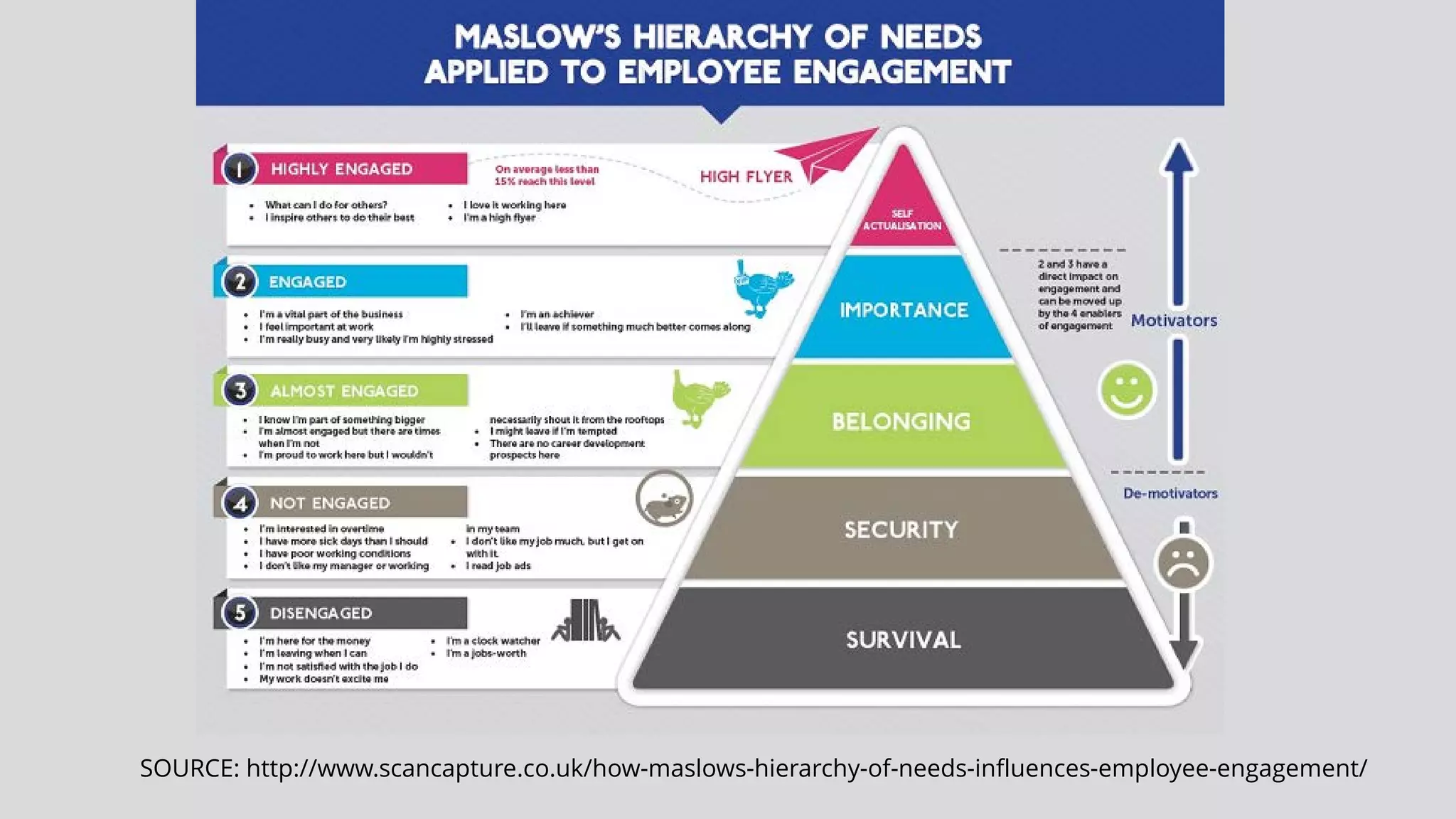
SOURCE: http://www.scancapture.co.uk/how-maslows-hierarchy-of-needs-influences-employee-engagement/
Select the right managers.
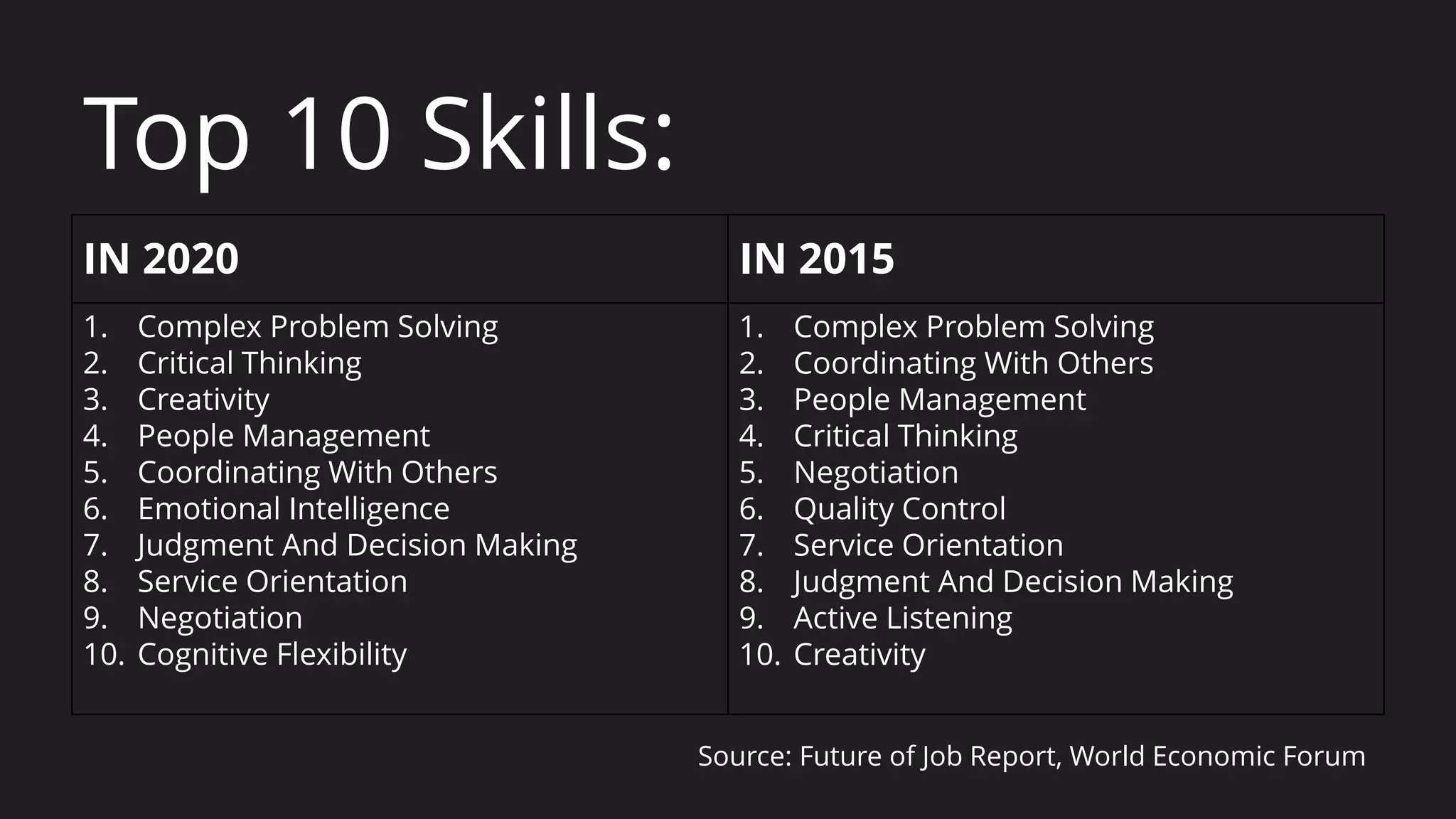
Top 10 Skills:
IN 2020 IN 2015
1. Complex Problem Solving
2. Critical Thinking
3. Creativity
4. People Management
5. Coordinating With Others
6. Emotional Intelligence
7. Judgment And Decision Making
8. Service Orientation
9. Negotiation
10. Cognitive Flexibility
1. Complex Problem Solving
2. Coordinating With Others
3. People Management
4. Critical Thinking
5. Negotiation
6. Quality Control
7. Service Orientation
8. Judgment And Decision Making
9. Active Listening
10. Creativity
Source: Future of Job Report, World Economic Forum
Key Competencies and
Skills for Your
Managers
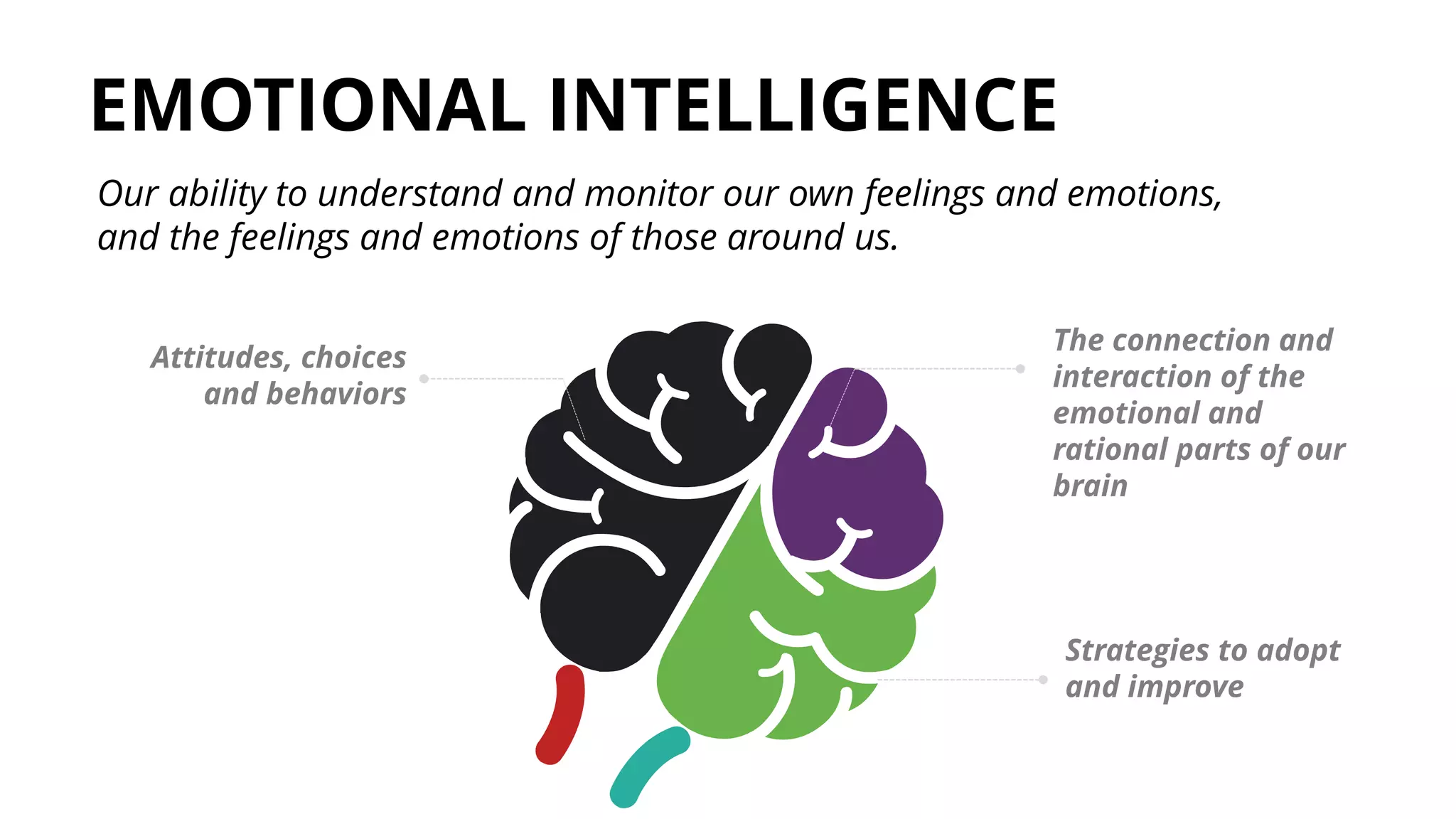
EMOTIONAL INTELLIGENCE
Our ability to understand and monitor our own feelings and emotions,
and the feelings and emotions of those around us.
The connection and
interaction of the
emotional and
rational parts of our
brain
Strategies to adopt
and improve
Attitudes, choices
and behaviors
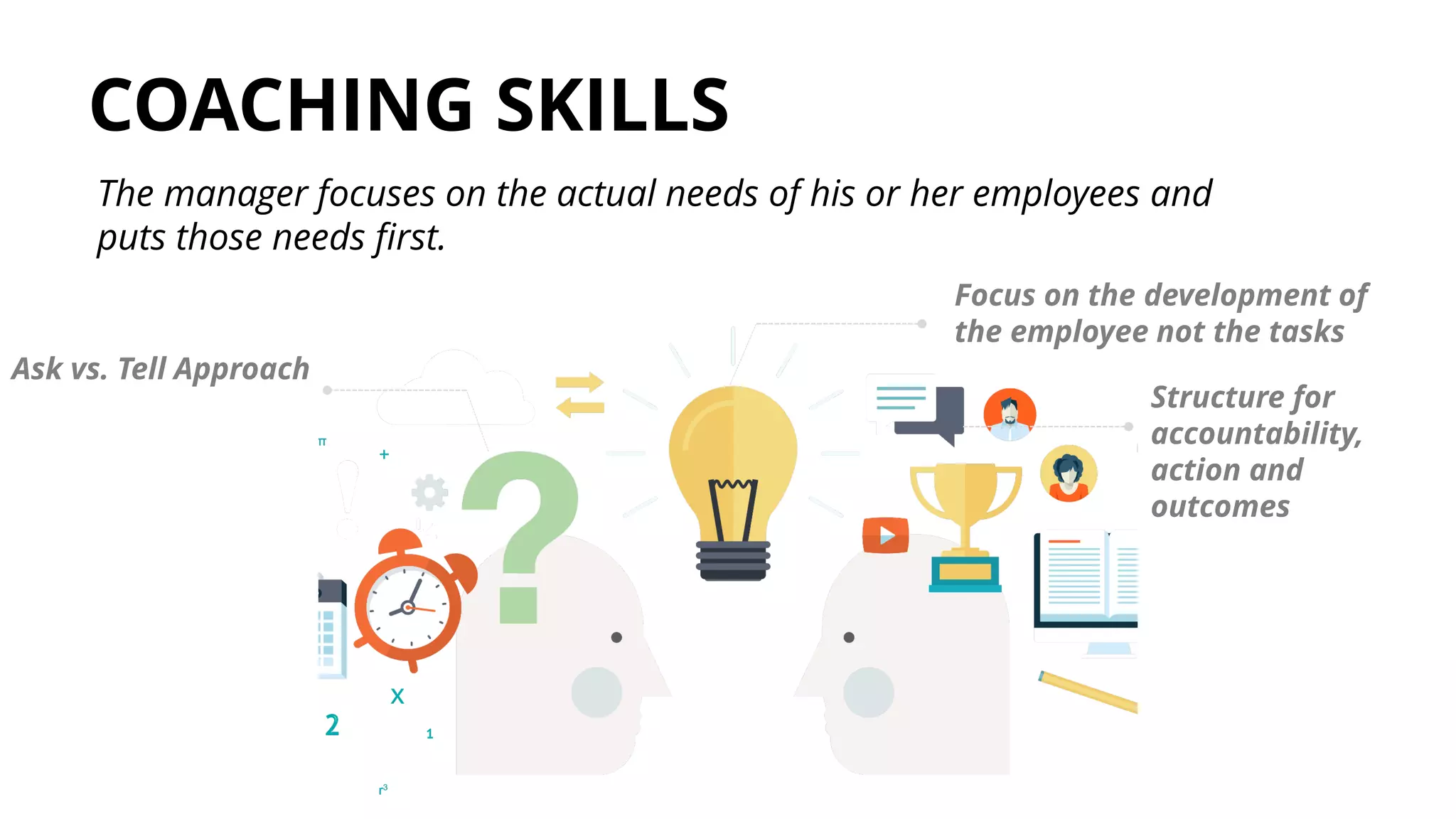
COACHING SKILLS
The manager focuses on the actual needs of his or her employees and
puts those needs first.
Focus on the development of
the employee not the tasks
Structure for
accountability,
action and
outcomes
Ask vs. Tell Approach
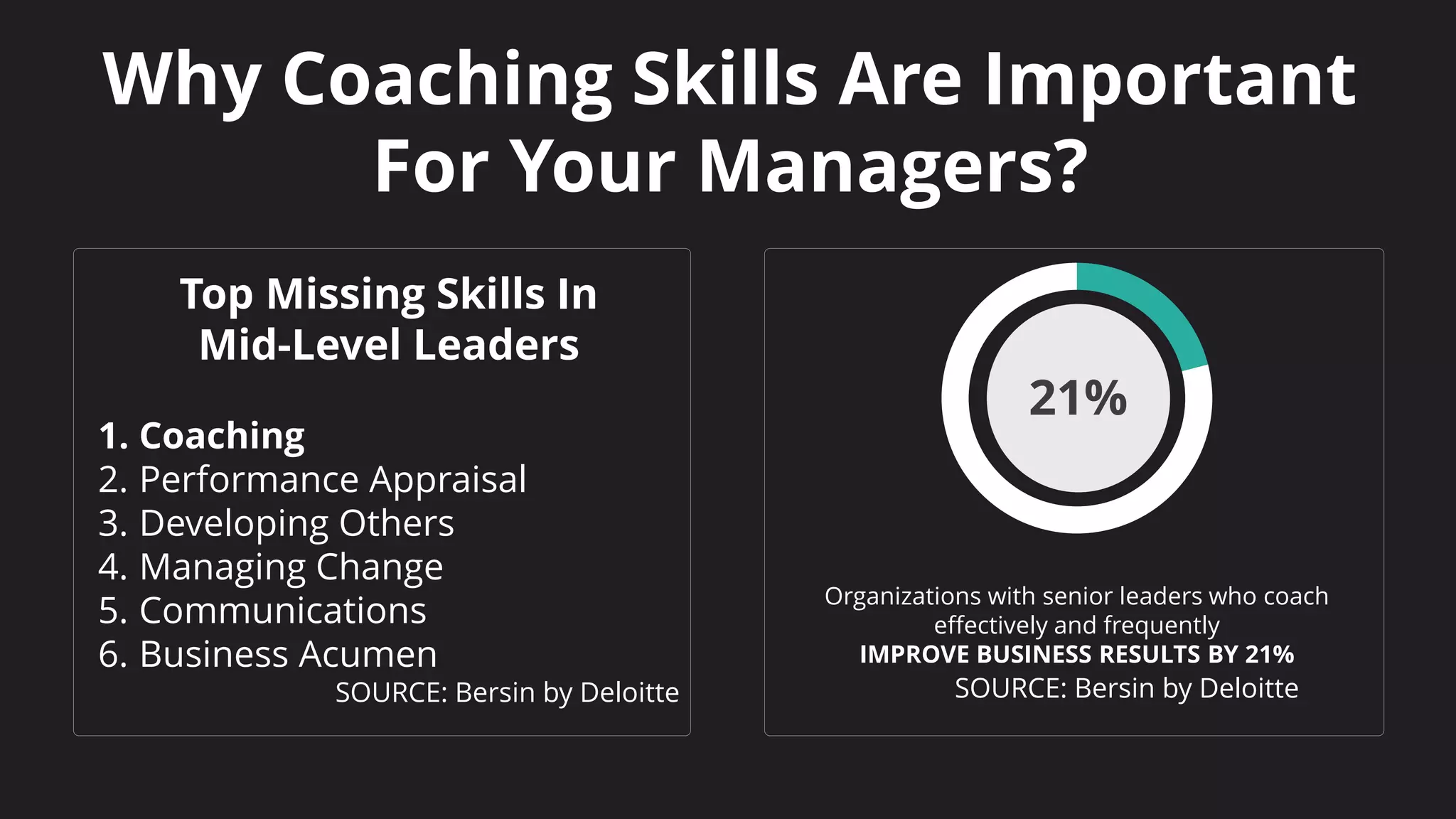
Why Coaching Skills Are Important
For Your Managers?
Top Missing Skills In
Mid-Level Leaders
1. Coaching
2. Performance Appraisal
3. Developing Others
4. Managing Change
5. Communications
6. Business Acumen
SOURCE: Bersin by Deloitte
21%
Organizations with senior leaders who coach
effectively and frequently
IMPROVE BUSINESS RESULTS BY 21%
SOURCE: Bersin by Deloitte
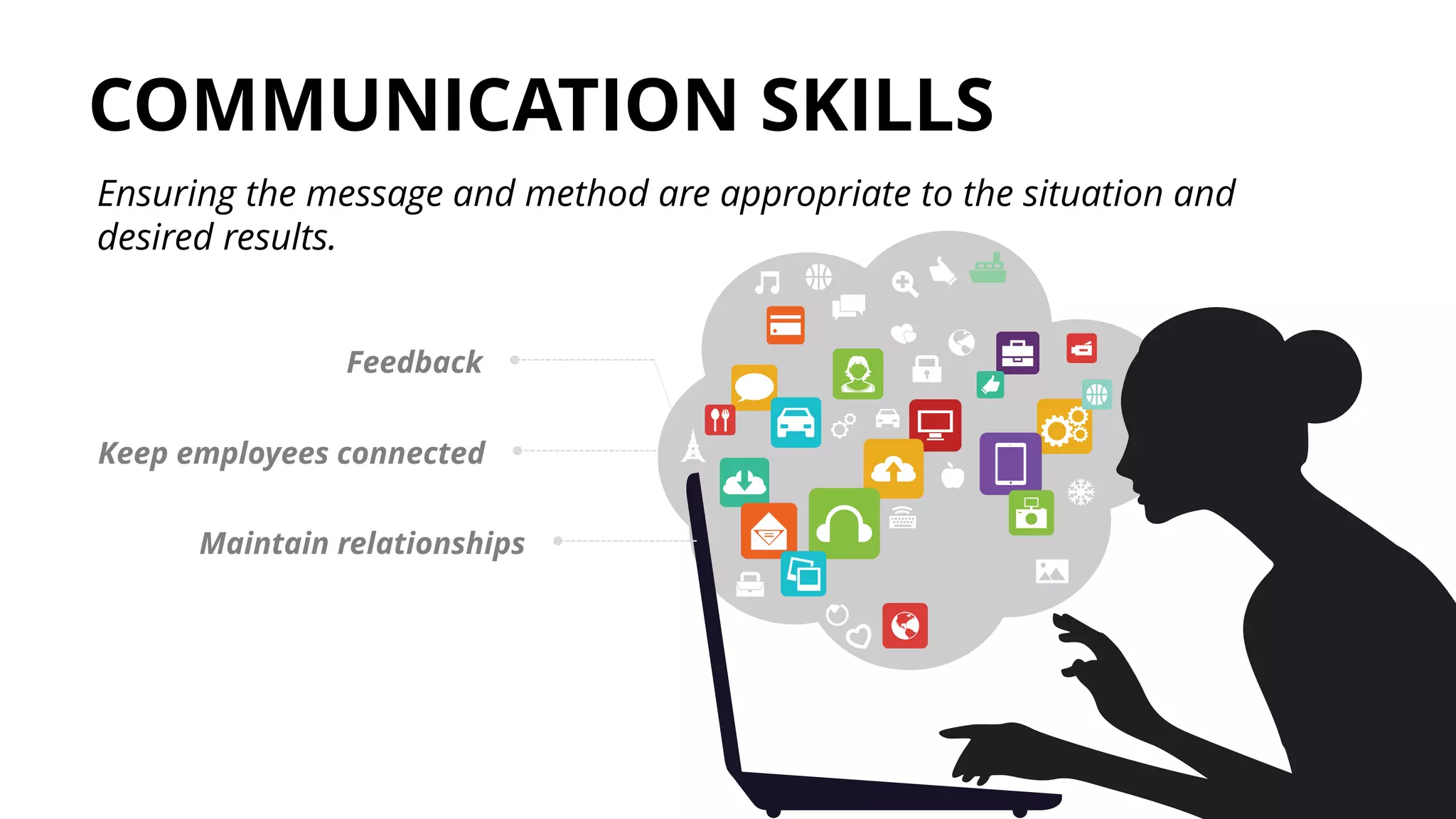
COMMUNICATION SKILLS
Ensuring the message and method are appropriate to the situation and
desired results.
Feedback
Keep employees connected
Maintain relationships
DELEGATION
The right task to the right people.
Focus on engagement at
multiple levels – senior
leadership and grass roots.
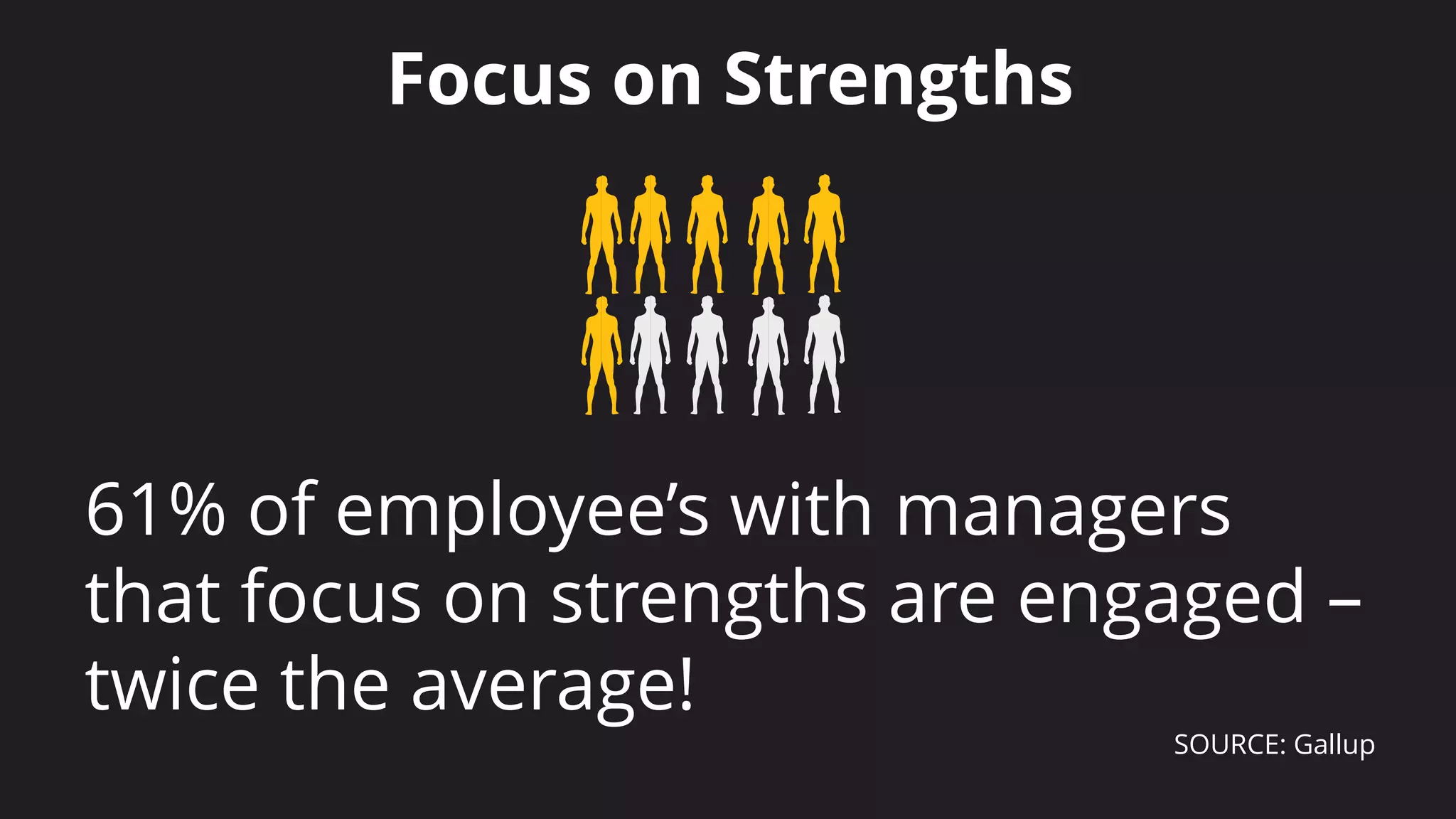
Focus on Strengths
61% of employee’s with managers
that focus on strengths are engaged –
twice the average!
SOURCE: Gallup
Intrinsic vs Extrinsic
Find ways to connect every
employee.
Questions?
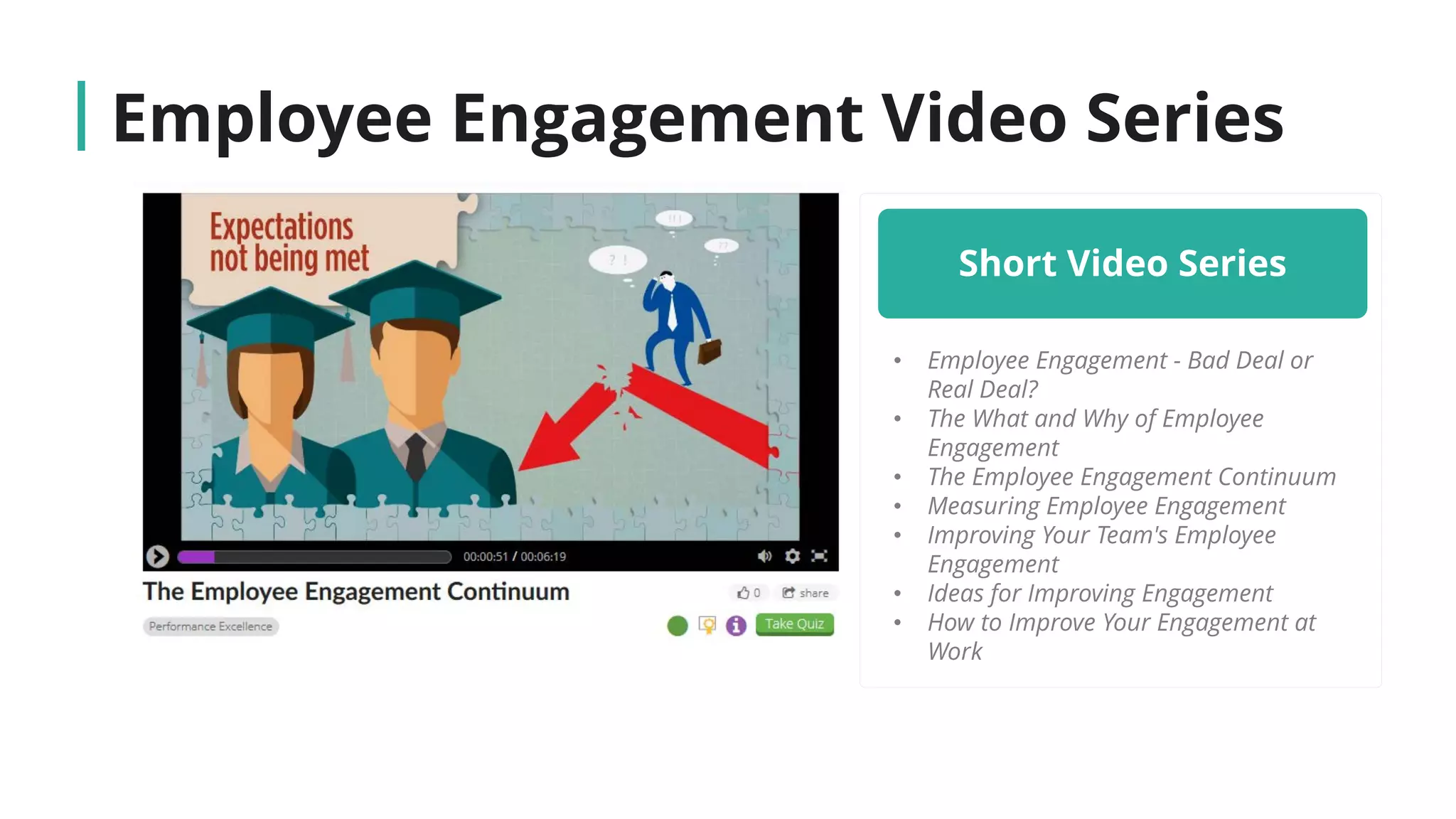
Employee Engagement Video Series
Short Video Series
• Employee Engagement - Bad Deal or
Real Deal?
• The What and Why of Employee
Engagement
• The Employee Engagement Continuum
• Measuring Employee Engagement
• Improving Your Team's Employee
Engagement
• Ideas for Improving Engagement
• How to Improve Your Engagement at
Work
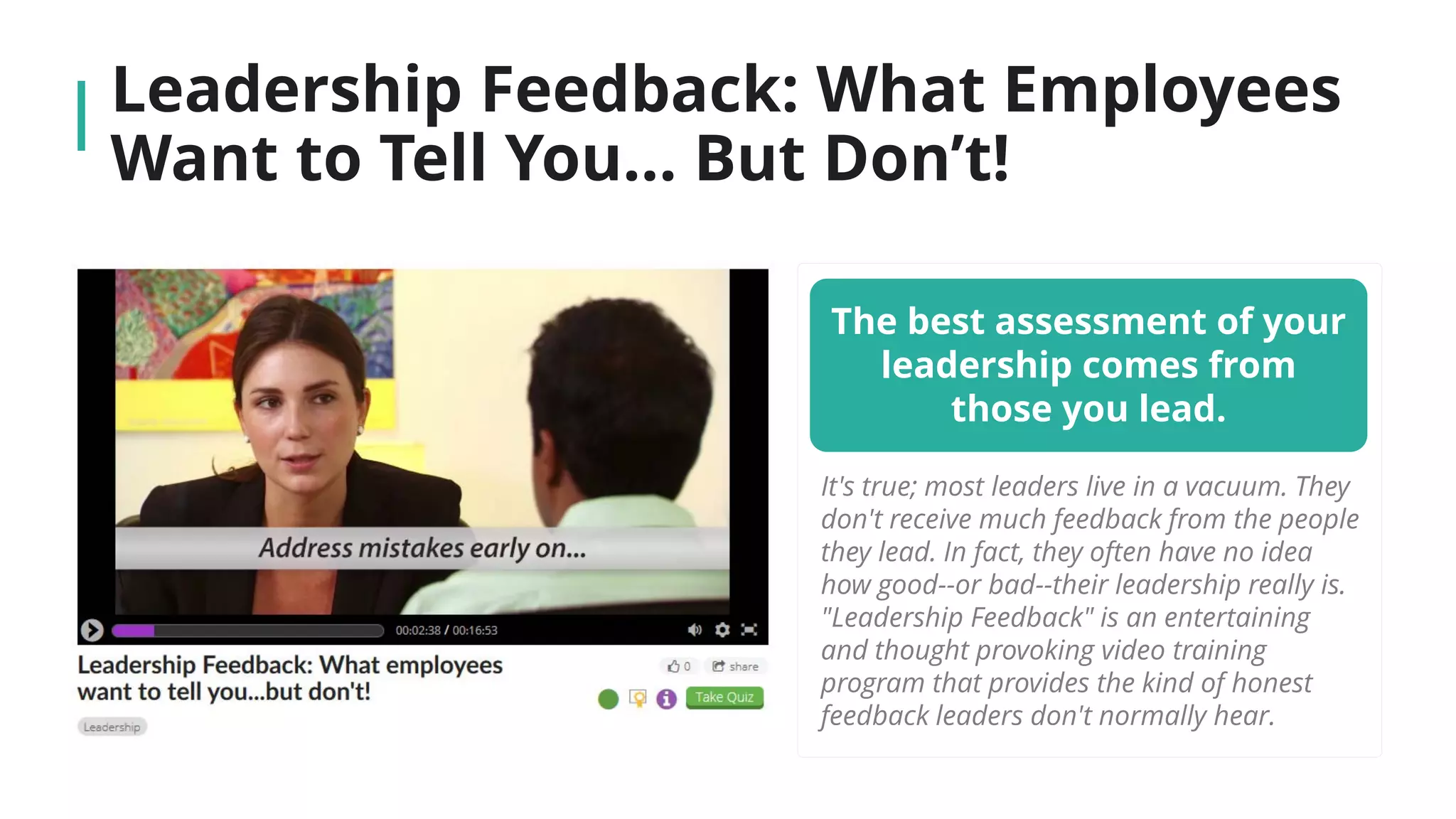
Leadership Feedback: What Employees
Want to Tell You… But Don’t!
The best assessment of your
leadership comes from
those you lead.
It's true; most leaders live in a vacuum. They
don't receive much feedback from the people
they lead. In fact, they often have no idea
how good--or bad--their leadership really is.
"Leadership Feedback" is an entertaining
and thought provoking video training
program that provides the kind of honest
feedback leaders don't normally hear.
Try out these video lessons
and more!
Let us know through the poll if you’d like a free trial of
BizLibrary’s online course collection.
www.bizlibrary.com/free-trial

6 Ways to Improve Employee Engagement and Create a Culture of Learning

  • 2.
    Presenting Today Lezlie Stephens SalesEnablement Director BizLibrary lstephens@bizlibrary.com Follow along on Twitter: #BizWebinar @BizLibrary Erin Boettge Content Marketing Manager, BizLibrary eboettge@bizlibrary.com
  • 3.
    www.bizlibrary.com/free-trial BizLibrary helps organizationssucceed by improving the way employees learn.
  • 4.
  • 7.
    To win inthe marketplace you must first win in the workplace.” Doug Conant, Former CEO of Campbell’s Soup
  • 8.
  • 9.
    The Employee EngagementContinuum Continuum of behavior | Engaged, Disengaged, Actively Disengaged Engaged Actively Disengaged
  • 12.
  • 13.
    ENGAGED • Help meetbusiness goals • Committed to the organization and its values • Consistent high performers • Positive attitude • Motivated • Take initiative • Communicate well, and help others • Look to improve processes and efficiency. • Use talents, and work to grow their skills.
  • 14.
    DISENGAGED • Do what’srequired, but they’re not “going the extra mile.” • Performance is satisfactory • Satisfied with themselves as-is • Putting in the hours, but not the energy • No initiative, no emotional commitment • “It’s not a job. It’s a sentence—nine to five, five to life.”
  • 15.
    ACTIVELY DISENGAGED • More thanjust disconnected workers • Miserable in their jobs • Angry at their employer • Misery loves company • Water cooler conversation is a gripe session • Actively working AGAINST the organization • Undermine co-workers • Pass around negative rumors • Sabotage projects
  • 16.
    Poll Question: What percentageof your workforce is disengaged?
  • 17.
  • 18.
    $300 million are lostannually due to actively disengaged employees!
  • 19.
    So, where isyour team on this continuum?
  • 20.
    80% of peoplewho quit were dissatisfied with their manager. SOURCE: Carnegie
  • 21.
    What Can YouDo to Improve Employee Engagement?
  • 22.
    6 Ways toImprove Employee Engagement Measure engagement and work with data. Focus on engagement at multiple levels – senior leadership and grass roots. Select the right managers. Train and coach managers on key skills and competencies that lead to employee engagement. Define engagement in realistic everyday terms. Find ways to connect to every employee.
  • 23.
    Measuring Engagement Gallup’s Q12Kenexa’s Survey Accord Management System HR Solutions’ Sweet 16 Surveys and Tools
  • 24.
    Alternative direct measures Thepercentage of participation in ad-hoc meetings and initiatives vs. recurring meetings and processes. Time spent collaborating directly with customers outside of normal scope of work. The number of network connections and time spent with people outside of immediate team or region. The amount of work that occurs outside of normal working hours. Measuring Engagement SOURCE: Harvard Business Review, A Primer on Measuring Employee Engagement
  • 25.
    Define engagement in realisticand everyday terms.
  • 26.
  • 27.
  • 28.
    Top 10 Skills: IN2020 IN 2015 1. Complex Problem Solving 2. Critical Thinking 3. Creativity 4. People Management 5. Coordinating With Others 6. Emotional Intelligence 7. Judgment And Decision Making 8. Service Orientation 9. Negotiation 10. Cognitive Flexibility 1. Complex Problem Solving 2. Coordinating With Others 3. People Management 4. Critical Thinking 5. Negotiation 6. Quality Control 7. Service Orientation 8. Judgment And Decision Making 9. Active Listening 10. Creativity Source: Future of Job Report, World Economic Forum
  • 29.
    Key Competencies and Skillsfor Your Managers
  • 30.
    EMOTIONAL INTELLIGENCE Our abilityto understand and monitor our own feelings and emotions, and the feelings and emotions of those around us. The connection and interaction of the emotional and rational parts of our brain Strategies to adopt and improve Attitudes, choices and behaviors
  • 31.
    COACHING SKILLS The managerfocuses on the actual needs of his or her employees and puts those needs first. Focus on the development of the employee not the tasks Structure for accountability, action and outcomes Ask vs. Tell Approach
  • 32.
    Why Coaching SkillsAre Important For Your Managers? Top Missing Skills In Mid-Level Leaders 1. Coaching 2. Performance Appraisal 3. Developing Others 4. Managing Change 5. Communications 6. Business Acumen SOURCE: Bersin by Deloitte 21% Organizations with senior leaders who coach effectively and frequently IMPROVE BUSINESS RESULTS BY 21% SOURCE: Bersin by Deloitte
  • 33.
    COMMUNICATION SKILLS Ensuring themessage and method are appropriate to the situation and desired results. Feedback Keep employees connected Maintain relationships
  • 34.
    DELEGATION The right taskto the right people.
  • 35.
    Focus on engagementat multiple levels – senior leadership and grass roots.
  • 36.
    Focus on Strengths 61%of employee’s with managers that focus on strengths are engaged – twice the average! SOURCE: Gallup
  • 37.
  • 38.
    Find ways toconnect every employee.
  • 39.
  • 40.
    Employee Engagement VideoSeries Short Video Series • Employee Engagement - Bad Deal or Real Deal? • The What and Why of Employee Engagement • The Employee Engagement Continuum • Measuring Employee Engagement • Improving Your Team's Employee Engagement • Ideas for Improving Engagement • How to Improve Your Engagement at Work
  • 41.
    Leadership Feedback: WhatEmployees Want to Tell You… But Don’t! The best assessment of your leadership comes from those you lead. It's true; most leaders live in a vacuum. They don't receive much feedback from the people they lead. In fact, they often have no idea how good--or bad--their leadership really is. "Leadership Feedback" is an entertaining and thought provoking video training program that provides the kind of honest feedback leaders don't normally hear.
  • 42.
    Try out thesevideo lessons and more! Let us know through the poll if you’d like a free trial of BizLibrary’s online course collection. www.bizlibrary.com/free-trial