Athens and Sparta
 
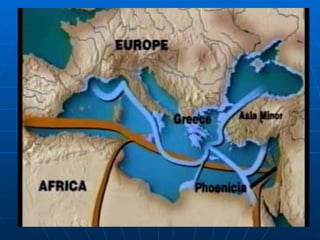
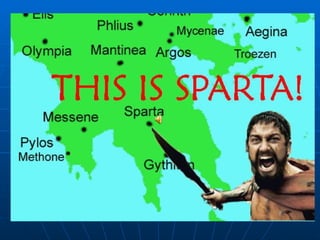
Athens and Sparta were both poleis (that’s the plural of ‘polis.’) These were city-states, each independent with their own sub-culture and form of governance. What kinds of governments were there? There was no “capital city” of Greece While you were Greek, and proud of it, your primary allegiance and loyalty were towards your city-state Squabbling among the Greeks almost did them in on several occasions when they fought the Persians There were a number of city-states both in Greece and elsewhere.  We talk about Athens and Sparta the most because they emerged as the most powerful ones.
What do these mean: Monarchy Rule by a king Oligarchy Rule by a small group of people.  Usually elites bound together by interests and wealth. Aristocracy Rule by a small group of people, but in the classical definition, they’re chosen for their virtue and wise rule (though this wasn’t always the case). Tyranny Rule by a individual with absolute power who took power by force, sometimes with popular support
Acropolis Center and citadel of city-state.  Literally means “high city” or “city at the top.” Usually refers to the one in Athens nowadays Agora An open public area acting as a center of public life and also the marketplace
Helot Land-bound serfs that worked Spartan land  (if all the citizens are going to be soldiers, somebody’s gotta be the farmers). Were from the surrounding land of Laconia and Messenia that they conquered. Owned by the state and not individual masters and the masters couldn’t sell them Sparta got half of the helot’s crops Significantly outnumbered the citizens . The potential threat they presented was another reason why the Spartans had such a potent army (gotta keep ‘em down) and the Spartans were reluctant to fight too far from Sparta lest the helots act up
 
Culture Sparta was a military culture The entire Spartan culture went towards developing and fielding a strong army This was to preserve itself as well as to keep down the helots
Spartan military Children were taught at home until they were seven and they began their training At 13, they were dropped off in the woods in groups with nothing and had to survive (without theft)
Began military service at 20 Soldiers were not allowed to trade or hold non-military occupations. Weren’t free from military service until 60. To help ensure the physical superiority of their people, babies were bathed in wine shortly after birth.  If they survived, they were taken to elders.  If the elders deemed the baby unfit, it was left exposed to die on a hillside  (other city-states practiced exposure).
Women Were more independent than in other city-states . Learned reading and writing and girls were also given similar harsh physical training to the boys (many domestic tasks were left to the helots.) Girls also received same amount and quality of food as boys, which wasn’t the case everywhere. Could own and control property and could overtake husband’s property while he was at war.  Were expected to defend it too and to put down revolts.
Athens is famous for being the primary basis of western civilization. Especially in its democracy, although its democracy wasn’t always constant, and its form is slightly different than what we’re familiar with.
Solon The Athenian lawmaker that first established the basis of civil democracy He had to strike a balance between the concerns of the aristocracy and those of the poor. The poor were unhappy at the possibility of them and their families being sold into slavery if they were in debt to an aristocrat. The aristocrats wanted to prevent a revolution and keep their wealth (and their skin).
Some reforms: Debt-slavery was abolished.  Anybody who had been sold into slavery due to debt was liberated. All outstanding debts at the time were abolished. Death penalty only for murder.
Cleisthenes Previously, there were multiple tribes and there was conflict among the city folk, hill folk, and plain folk. Cleisthenes organized ten entirely new tribes each composed of people from the three regions and of different family tribes. The broke old tribal or class loyalties and reoriented people towards the state.
This assembly became the main governing body of Athens and dealt with day to day affairs. Anybody was eligible to serve for one year and it was expected that all male citizens would serve eventually.
Women Women didn’t have the same rights as in Sparta Expected to  take care of the home Boys were taught reading and writing and  girls were taught domestic skills, like spinning and sewing, by slaves Not allowed out of the house except maybe for the near locality Main purpose was to produce healthy children Odd treatment considering that women played an important role in some religious rites and the city’s patron goddess was Athena

5.2 athens and sparta-my version

  • 1.
  • 2.
  • 3.
    Athens and Spartawere both poleis (that’s the plural of ‘polis.’) These were city-states, each independent with their own sub-culture and form of governance. What kinds of governments were there? There was no “capital city” of Greece While you were Greek, and proud of it, your primary allegiance and loyalty were towards your city-state Squabbling among the Greeks almost did them in on several occasions when they fought the Persians There were a number of city-states both in Greece and elsewhere. We talk about Athens and Sparta the most because they emerged as the most powerful ones.
  • 4.
    What do thesemean: Monarchy Rule by a king Oligarchy Rule by a small group of people. Usually elites bound together by interests and wealth. Aristocracy Rule by a small group of people, but in the classical definition, they’re chosen for their virtue and wise rule (though this wasn’t always the case). Tyranny Rule by a individual with absolute power who took power by force, sometimes with popular support
  • 5.
    Acropolis Center andcitadel of city-state. Literally means “high city” or “city at the top.” Usually refers to the one in Athens nowadays Agora An open public area acting as a center of public life and also the marketplace
  • 6.
    Helot Land-bound serfsthat worked Spartan land (if all the citizens are going to be soldiers, somebody’s gotta be the farmers). Were from the surrounding land of Laconia and Messenia that they conquered. Owned by the state and not individual masters and the masters couldn’t sell them Sparta got half of the helot’s crops Significantly outnumbered the citizens . The potential threat they presented was another reason why the Spartans had such a potent army (gotta keep ‘em down) and the Spartans were reluctant to fight too far from Sparta lest the helots act up
  • 7.
  • 8.
    Culture Sparta wasa military culture The entire Spartan culture went towards developing and fielding a strong army This was to preserve itself as well as to keep down the helots
  • 9.
    Spartan military Childrenwere taught at home until they were seven and they began their training At 13, they were dropped off in the woods in groups with nothing and had to survive (without theft)
  • 10.
    Began military serviceat 20 Soldiers were not allowed to trade or hold non-military occupations. Weren’t free from military service until 60. To help ensure the physical superiority of their people, babies were bathed in wine shortly after birth. If they survived, they were taken to elders. If the elders deemed the baby unfit, it was left exposed to die on a hillside (other city-states practiced exposure).
  • 11.
    Women Were moreindependent than in other city-states . Learned reading and writing and girls were also given similar harsh physical training to the boys (many domestic tasks were left to the helots.) Girls also received same amount and quality of food as boys, which wasn’t the case everywhere. Could own and control property and could overtake husband’s property while he was at war. Were expected to defend it too and to put down revolts.
  • 12.
    Athens is famousfor being the primary basis of western civilization. Especially in its democracy, although its democracy wasn’t always constant, and its form is slightly different than what we’re familiar with.
  • 13.
    Solon The Athenianlawmaker that first established the basis of civil democracy He had to strike a balance between the concerns of the aristocracy and those of the poor. The poor were unhappy at the possibility of them and their families being sold into slavery if they were in debt to an aristocrat. The aristocrats wanted to prevent a revolution and keep their wealth (and their skin).
  • 14.
    Some reforms: Debt-slaverywas abolished. Anybody who had been sold into slavery due to debt was liberated. All outstanding debts at the time were abolished. Death penalty only for murder.
  • 15.
    Cleisthenes Previously, therewere multiple tribes and there was conflict among the city folk, hill folk, and plain folk. Cleisthenes organized ten entirely new tribes each composed of people from the three regions and of different family tribes. The broke old tribal or class loyalties and reoriented people towards the state.
  • 16.
    This assembly becamethe main governing body of Athens and dealt with day to day affairs. Anybody was eligible to serve for one year and it was expected that all male citizens would serve eventually.
  • 17.
    Women Women didn’thave the same rights as in Sparta Expected to take care of the home Boys were taught reading and writing and girls were taught domestic skills, like spinning and sewing, by slaves Not allowed out of the house except maybe for the near locality Main purpose was to produce healthy children Odd treatment considering that women played an important role in some religious rites and the city’s patron goddess was Athena