Sparta By: Luis Ortiz Donald Esposito
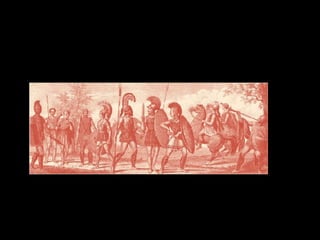
Government Included two kings and a council of elders who advised the monarchs. Major decisions were approved by an assembly made up of all citizens.  Citizens were male, native-born Spartans over the age of 30.  The assembly also elected ephors, which were officials who held the real power and ran day-to-day affairs.
 
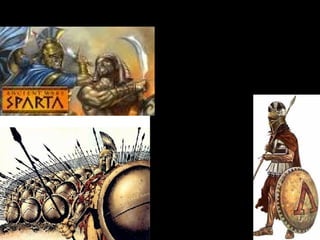
Military Only healthy newborns were accepted in Sparta and the sickly children were abandoned to die. Boys began training for the military at the age of seven and they were placed into barracks. Boys were toughened by a coarse diet, hard exercise, and rigid discipline To develop cunning and supplement their diet, boys were encouraged to steal food, but they were punished if caught.
 
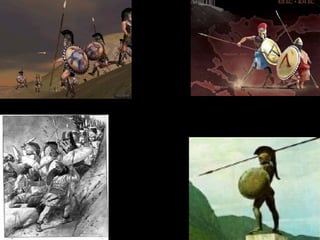
Military Requirements Boys were not suppose to wear shoes because hardened feet were required. Spartans wore only one garment a year, believing they would be better prepared to face changes of heat and cold
 
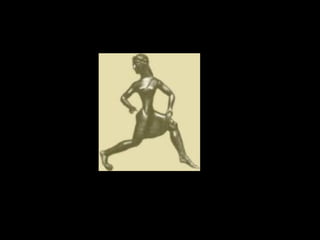
Spartan Women Women were expected to produce healthy sons for the army. Spartan women, unlike other Greek women, were told to exercise and strengthen their bodies. Like other Greek women, Spartan women had to obey their fathers or husbands. They had the right to inherit property. Took on responsibilities, such as running the family’s estates, because men were occupied with war.
 
Sparta’s Way of Life They looked down on trade and wealth. Forbade their own citizens to travel Had little use for new ideas or the arts.  Isolated themselves from other Greek city-states.
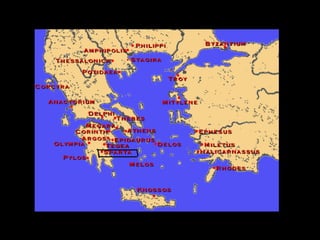
Geography Located on a narrow plain between two mountain ranges in the southeastern Peloponnese area of Greece. The Taygetos Mountains bordered Sparta on the west and the Parnon Mountains bordered Sparta on the east. Sparta also was situated on the right bank of the Eurotas River, a bit south of its largest tributary, the Oenus River.
 

Sparta

  • 1.
    Sparta By: LuisOrtiz Donald Esposito
  • 2.
    Government Included twokings and a council of elders who advised the monarchs. Major decisions were approved by an assembly made up of all citizens. Citizens were male, native-born Spartans over the age of 30. The assembly also elected ephors, which were officials who held the real power and ran day-to-day affairs.
  • 3.
  • 4.
    Military Only healthynewborns were accepted in Sparta and the sickly children were abandoned to die. Boys began training for the military at the age of seven and they were placed into barracks. Boys were toughened by a coarse diet, hard exercise, and rigid discipline To develop cunning and supplement their diet, boys were encouraged to steal food, but they were punished if caught.
  • 5.
  • 6.
    Military Requirements Boyswere not suppose to wear shoes because hardened feet were required. Spartans wore only one garment a year, believing they would be better prepared to face changes of heat and cold
  • 7.
  • 8.
    Spartan Women Womenwere expected to produce healthy sons for the army. Spartan women, unlike other Greek women, were told to exercise and strengthen their bodies. Like other Greek women, Spartan women had to obey their fathers or husbands. They had the right to inherit property. Took on responsibilities, such as running the family’s estates, because men were occupied with war.
  • 9.
  • 10.
    Sparta’s Way ofLife They looked down on trade and wealth. Forbade their own citizens to travel Had little use for new ideas or the arts. Isolated themselves from other Greek city-states.
  • 11.
    Geography Located ona narrow plain between two mountain ranges in the southeastern Peloponnese area of Greece. The Taygetos Mountains bordered Sparta on the west and the Parnon Mountains bordered Sparta on the east. Sparta also was situated on the right bank of the Eurotas River, a bit south of its largest tributary, the Oenus River.
  • 12.