3RD UNIT
COAGULANT AND ANTICOAGULANT
Prepared by
G. Nikitha, M.Pharmacy
Assistant Professor
Department of Pharmaceutical Chemistry
Sree Dattha Institute Of Pharmacy
Hyderabad
1
Subject: Medicinal Chemistry-II
Year: B.Pharmacy 3rd Year
Semister: 1st Semister
CONTENTS
 Introduction.
 Classification .
 Drugs used in Coagulant and Anticoagulant Agents
 Mechanism of action .
 Structure
 Synthesis
 Adverse Drug Reactions .
 Uses.
 Reference
2
COAGULANT AGENTS
3
INTRODUCTION
COAGULANT:
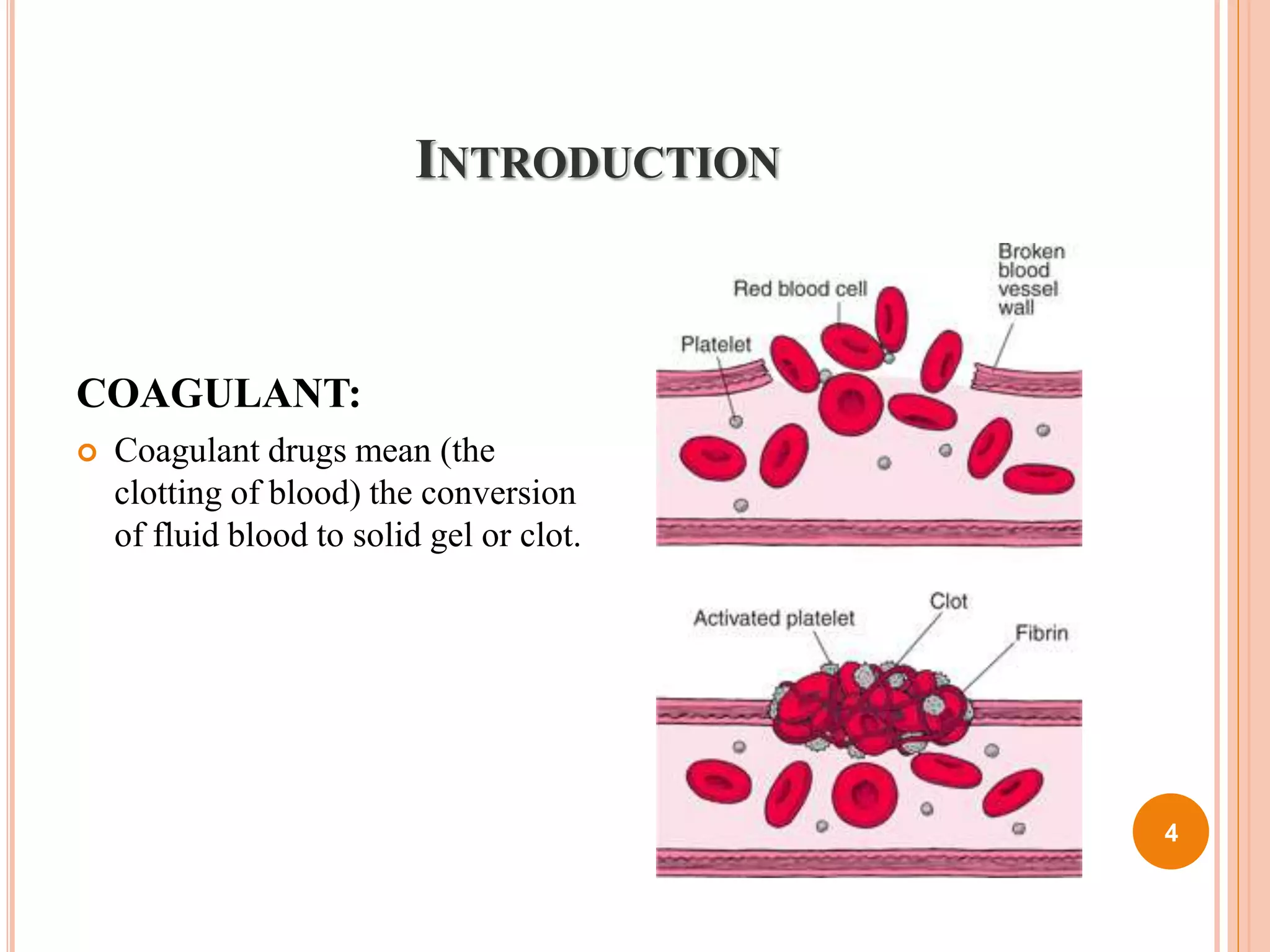
 Coagulant drugs mean (the
clotting of blood) the conversion
of fluid blood to solid gel or clot.
4
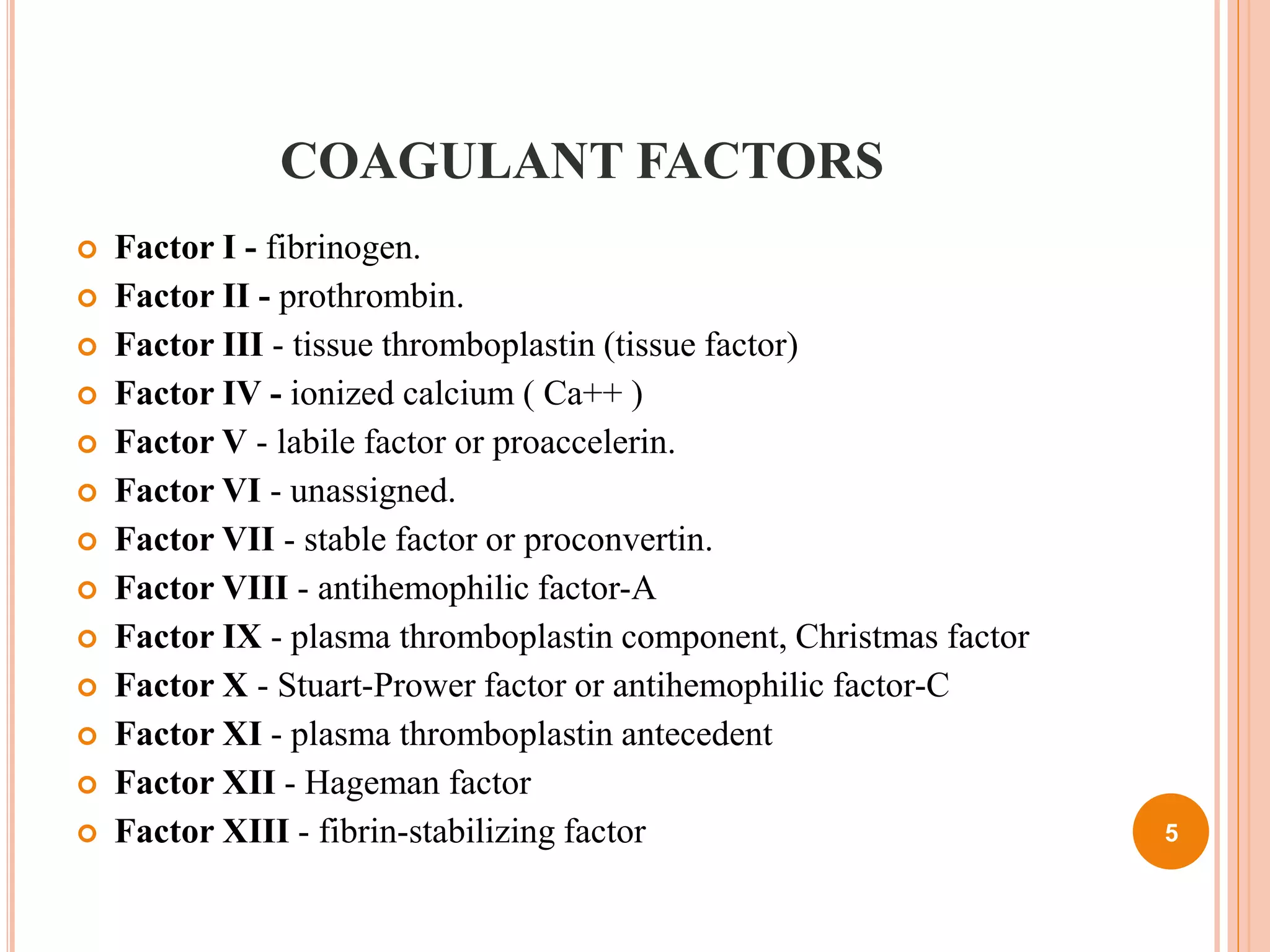
COAGULANT FACTORS
 Factor I - fibrinogen.
 Factor II - prothrombin.
 Factor III - tissue thromboplastin (tissue factor)
 Factor IV - ionized calcium ( Ca++ )
 Factor V - labile factor or proaccelerin.
 Factor VI - unassigned.
 Factor VII - stable factor or proconvertin.
 Factor VIII - antihemophilic factor-A
 Factor IX - plasma thromboplastin component, Christmas factor
 Factor X - Stuart-Prower factor or antihemophilic factor-C
 Factor XI - plasma thromboplastin antecedent
 Factor XII - Hageman factor
 Factor XIII - fibrin-stabilizing factor 5
MECHANISM OF BLOOD CLOTTING
6
CLASSIFICATION
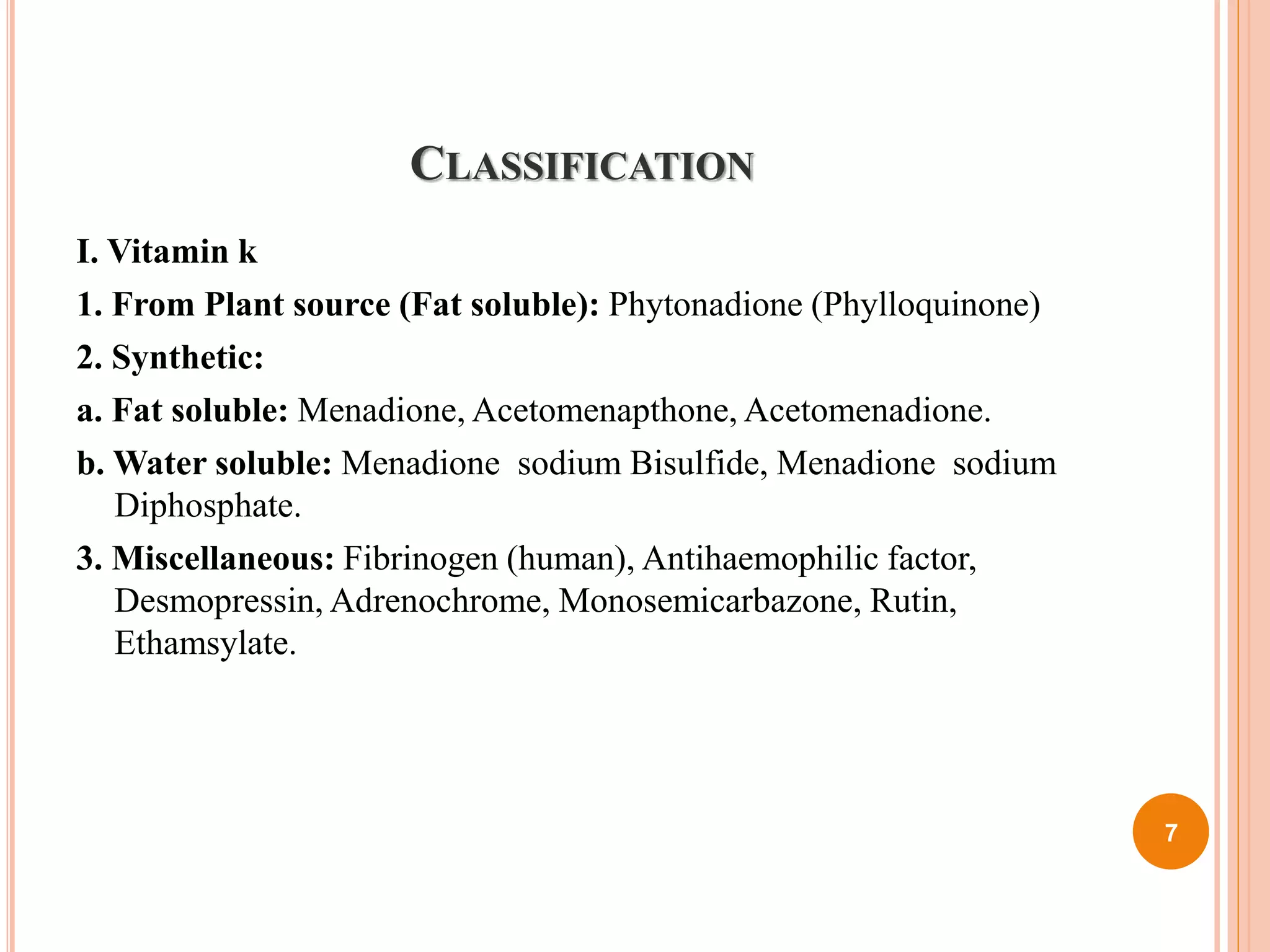
I. Vitamin k
1. From Plant source (Fat soluble): Phytonadione (Phylloquinone)
2. Synthetic:
a. Fat soluble: Menadione, Acetomenapthone, Acetomenadione.
b. Water soluble: Menadione sodium Bisulfide, Menadione sodium
Diphosphate.
3. Miscellaneous: Fibrinogen (human), Antihaemophilic factor,
Desmopressin, Adrenochrome, Monosemicarbazone, Rutin,
Ethamsylate.
7
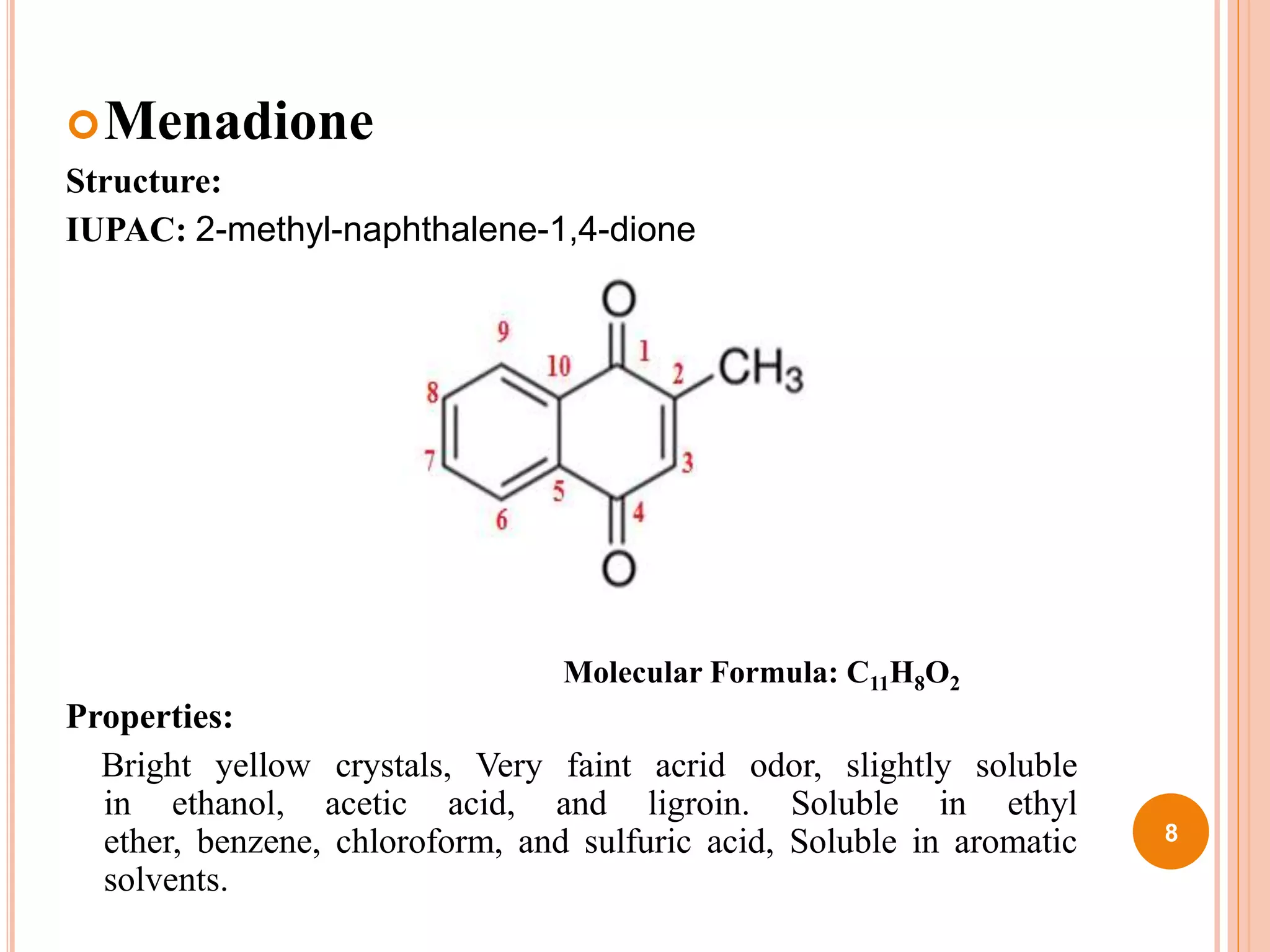
Menadione
Structure:
IUPAC: 2-methyl-naphthalene-1,4-dione
Properties:
Bright yellow crystals, Very faint acrid odor, slightly soluble
in ethanol, acetic acid, and ligroin. Soluble in ethyl
ether, benzene, chloroform, and sulfuric acid, Soluble in aromatic
solvents.
8
Molecular Formula: C11H8O2
Pharmacokinetics:
 After administration, Menadione is moderately absorbed in the GIT
via the biliary route. Menadione accumulates in the liver. Menadione
does not cross the placental barrier.
Adverse Drug Reactions:
 Liver damage
 Brain damage
 Death occurs in rare cases
 This drug is banned by US FDA because of toxic effects
 Hemolytic anemia
Therapeutic Uses:
 Used as nutritional supplements in animal feed.
 In research, it is used in combination with vitamin-C for the
treatment of prostate cancer. 9
Dose:
 Intramuscular route:
Severe hypoprothrombinaemia
Adult: 2.5-10 mg daily.
 Intravenous route:
Vitamin K deficiency
Adult: 0.03 mcg/kg/day.
Child: Infants: 1-5 mcg/kg/day.
 Oral
Severe hypoprothrombinaemia
Adult: 10 mg 3-4 times daily.
 Oral
Vitamin K deficiency
Adult: 10 mg every 6 hr 10
Acetomenadione
Structure:
IUPAC: 2-Methyl-1,4-naphthalenediol Diacetate
Properties:
White to pale yellow solid, odorless or with a slight odor of acetic
acid insoluble in water slightly soluble in cool alcohol
11
Molecular Formula: C15H14O4
Pharmacokinetics:
 Oral, I.V route of administration, metabolized in liver, undergoes
renal elimination.
Adverse Drug Reactions:
 Dizziness, Flushing
 Irritation of skin, respiratory tract
 Hypersensitivity, Hyperbilirubinemia in premature infants
Therapeutic Uses:
It is used to prevent, control, treat, the coagulant disorder due to
vitamin-K deficiency
12
Dose:
 Adults:
By Mouth:
 For osteoarthritis: A combination product (Wobenzym PS),
providing 600 mg of rutin, 288 mg of trypsin, and 540 mg of
bromelain in divided doses has been used.
13
ANTI- PLATELET AGENTS
14
INTRODUCTION
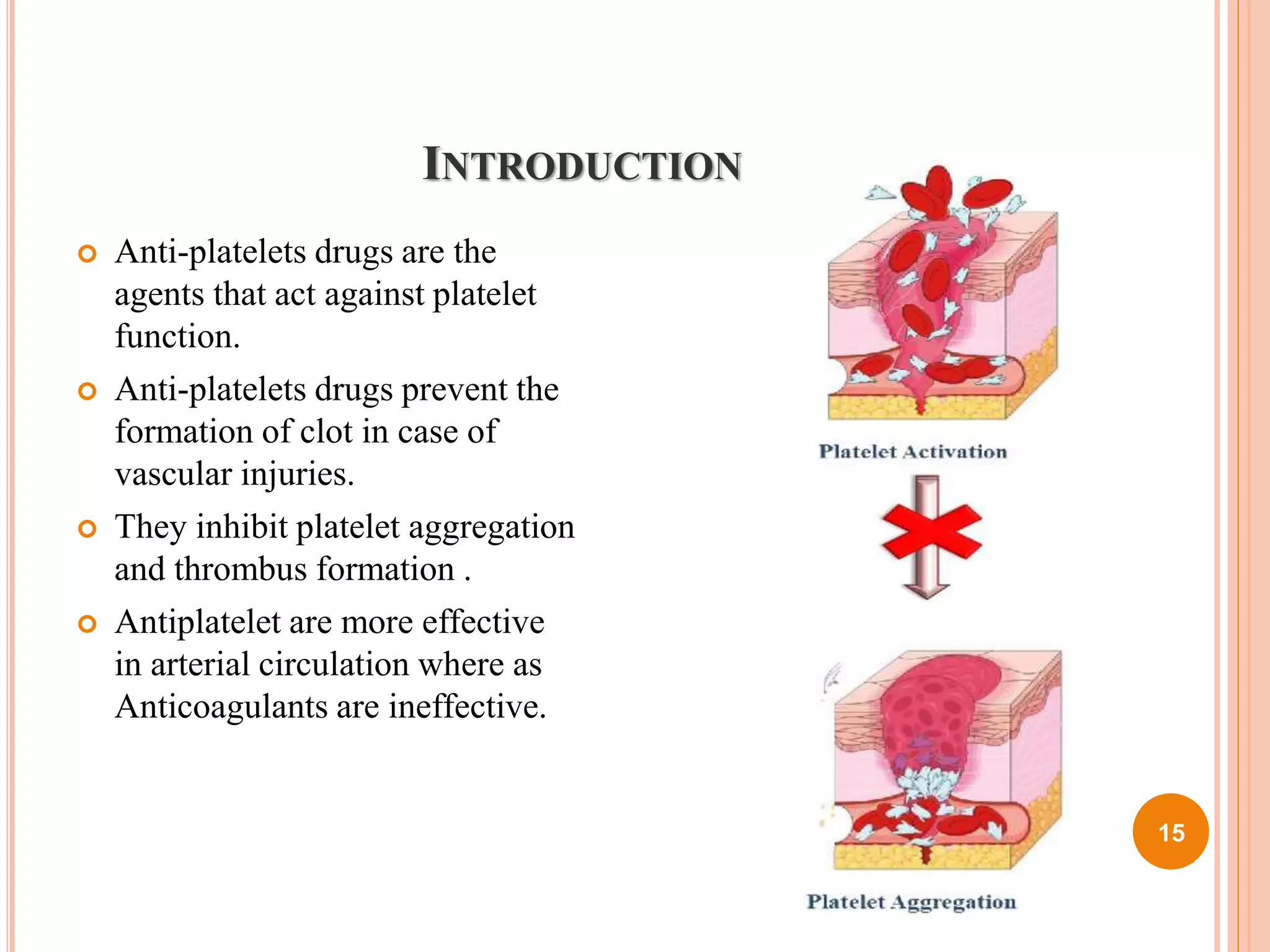
 Anti-platelets drugs are the
agents that act against platelet
function.
 Anti-platelets drugs prevent the
formation of clot in case of
vascular injuries.
 They inhibit platelet aggregation
and thrombus formation .
 Antiplatelet are more effective
in arterial circulation where as
Anticoagulants are ineffective.
15
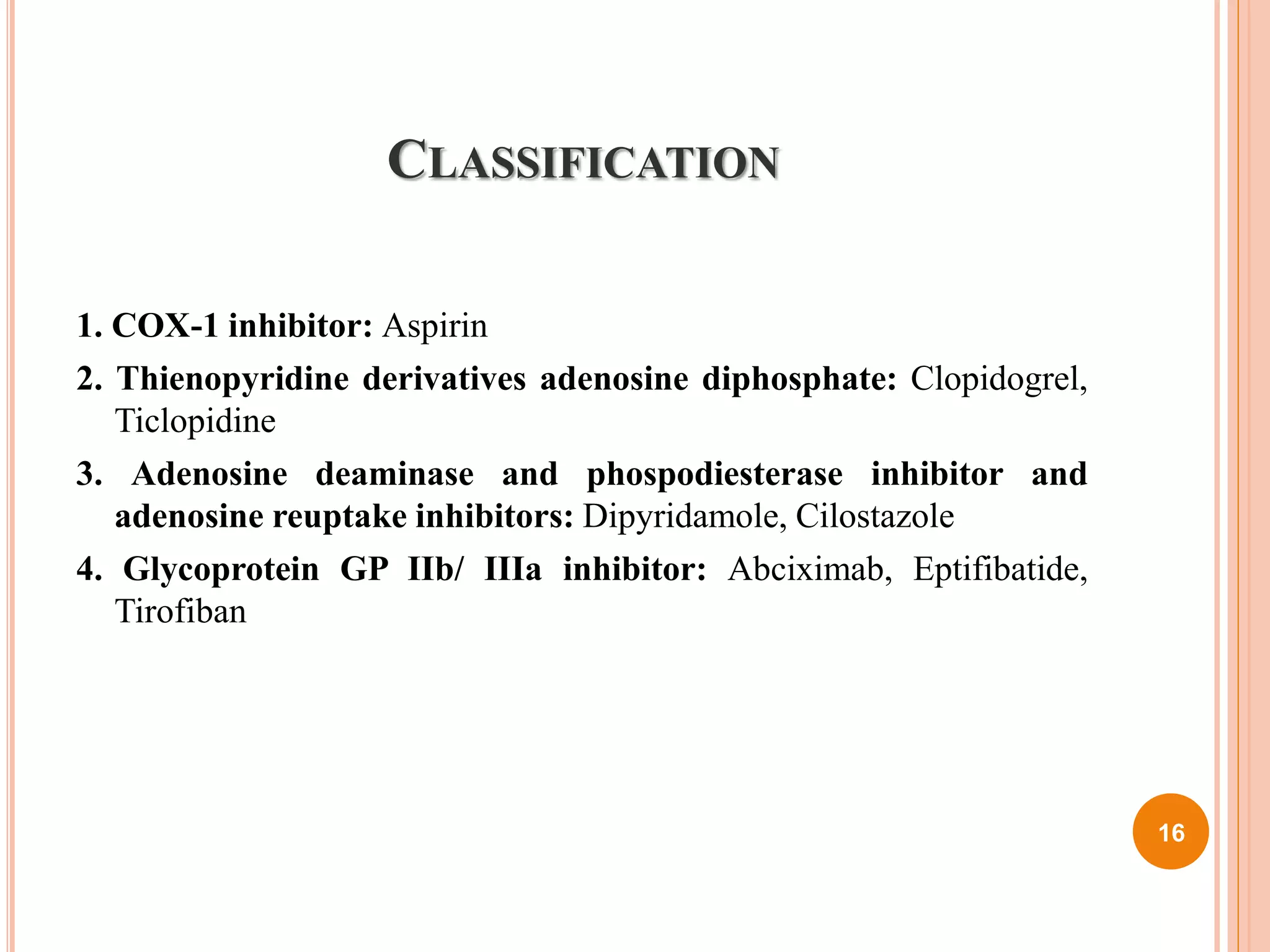
CLASSIFICATION
1. COX-1 inhibitor: Aspirin
2. Thienopyridine derivatives adenosine diphosphate: Clopidogrel,
Ticlopidine
3. Adenosine deaminase and phospodiesterase inhibitor and
adenosine reuptake inhibitors: Dipyridamole, Cilostazole
4. Glycoprotein GP IIb/ IIIa inhibitor: Abciximab, Eptifibatide,
Tirofiban
16
Clopidogrel
Structure:
IUPAC: methyl-2-(2-chlorophenyl)-2-{thieno-pyridine-5-yl}acetate
Properties:
 White crystals, soluble in water, methanol, Clopidogrel hydrogen
sulfate 17
Molecular Formula: C16H16ClNO2S
Pharmacokinetics:
 More than 50% 0f drug gets absorbed upon oral administration. It is
a Prodrug which is metabolized by cytochrome enzyme P450 to give
an active metabolite that is responsible for antiplatelet activity. Oral
dose is excreted in urine, faeces.
Adverse Drug Reactions:
 Headaches or dizziness.
 Nausea.
 Diarrhea or constipation.
 Indigestion (dyspepsia)
 Stomach ache or abdominal pain.
 Nosebleeds.
 Increased bleeding (your blood taking longer to clot – for example,
when you cut yourself), or easy bruising.
18
Therapeutic Uses:
 It is prescribed for the prevention of heart attack, stroke or transient
ischaemic attack (TIA)
 Clopidogrel when combined with aspirin is beneficial for acute
coronary syndrome (minor heart attack or unstable angina), a
coronary stent (a device to open up a blocked artery to the heart)
 It is used in an open heart operation
 It is used in the treatment of peripheral arterial disease
 It is used in a vascular operation.
Dose:
75mg/day without taking food.
19
ANTI-COAGULANT AGENTS
20
ANTI-COAGULANT:
 Anti- Coagulants are the drugs
which extend or prolong the
coagulation time of blood.
Anticoagulants are indicated
for the patients which acute
myocardial infarction in the
long term therapy and in
treatment of pulmonary and
venous thrombosis. When
prevention or extension of
thrombus formation is desired
anticoagulant therapy serves
as the best option.
21
ANTI-COAGULANT
Ideal characteristics for anti-coagulants agents:
 It should have rapid Onset of action.
 Wide therapeutic index and long duration of action.
 Minimal adverse drug effects.
 Minimal interaction with drugs and food and should not result into
any life threatening complications.
 Pharmacokinetics, pharmacodynamics aspects of drug should be
reproducible such that monitoring blood coagulation is not essential.
22
CLASSIFICATION
A. Based on action:
1. Directly Acting Anticoagulants:
 High Molecular Weight Heparin (HMWH)
 Low Molecular Weight Heparin (LMWH): Dalteparins,
Enoxaparin
 New Heparin Derivatives: Fondaparinux, Idraparinux
2. In Directly Acting Anticoagulants:
 Coumarin Derivative: Dicumarol, Warfarin
 Indanedione Derivative: Phenindione, Anisindione
23
B. Based on route of administration:
1. Injectable Anticoagulants:
 Heparin
 Low Molecular Weight Heparin
 Heparinoids: Heparin sulphate, Danaparoid, Ancrod, Lepirudin
 Miscellaneous Drugs: Bivalirudin, Hirudin
2. Oral Anticoagulants:
 Coumarin Derivative: Dicumarol, Warfarin sodium, Acenocumarol
 Indanedione Derivative: Phenindione, Anisindione
24
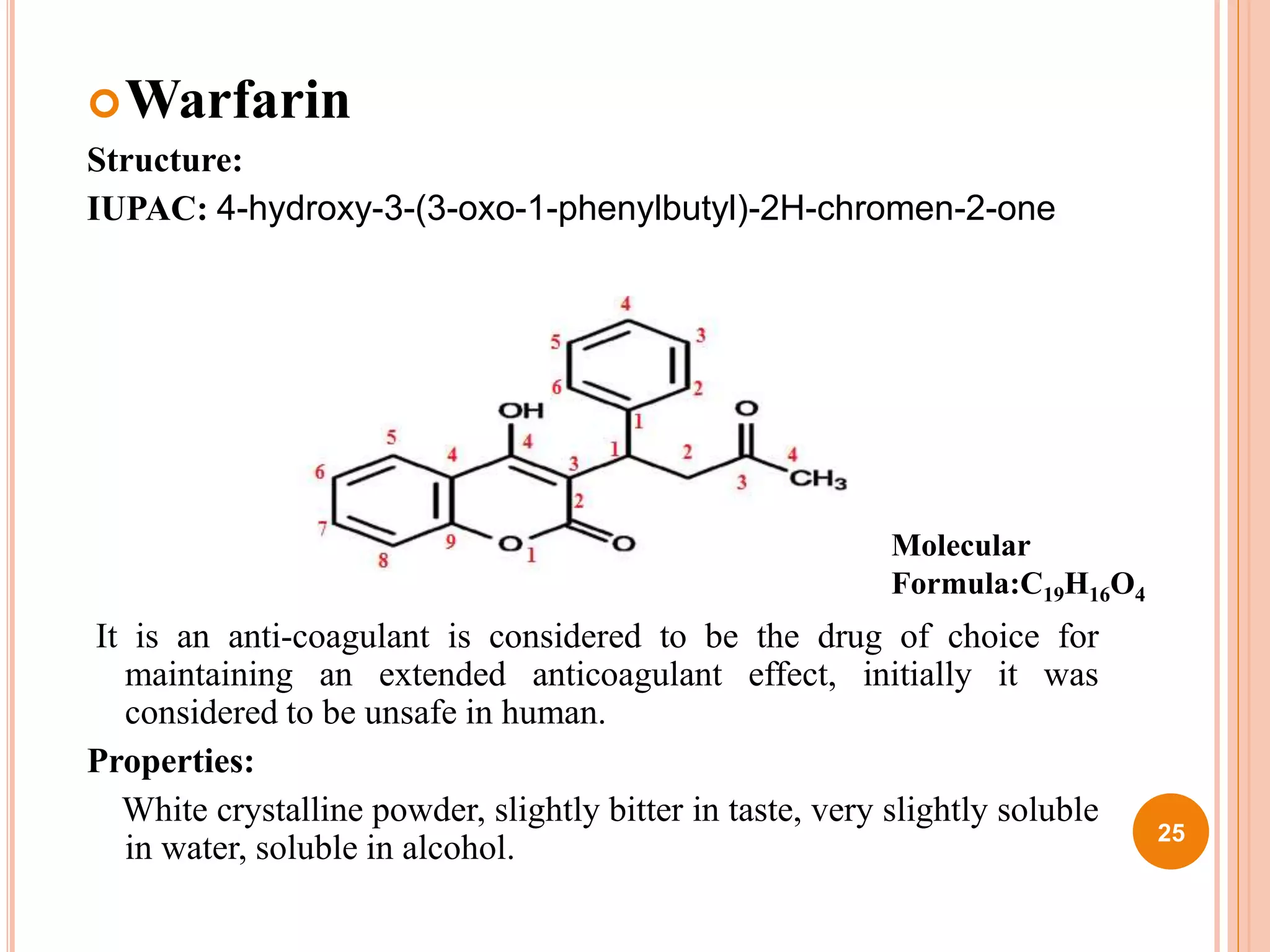
Warfarin
Structure:
IUPAC: 4-hydroxy-3-(3-oxo-1-phenylbutyl)-2H-chromen-2-one
It is an anti-coagulant is considered to be the drug of choice for
maintaining an extended anticoagulant effect, initially it was
considered to be unsafe in human.
Properties:
White crystalline powder, slightly bitter in taste, very slightly soluble
in water, soluble in alcohol. 25
Molecular
Formula:C19H16O4
Synthesis:
Step-I: Synthesis of 4-hydroxy Coumarin from Methyl Salicylate
26
Step-II:
Michael Addition of 4-hydroxy Coumarin with Benzolactone
27
Mechanism of Action:
 The activation of factors II, VII, IX, and X depends upon reduced
form of vitamin K and enzyme carboxylase. Due to structural
similarity of warfarin with vitamin K, competes with the latter for
reductase an enzyme which activates vitamin K is inhibited and
therefore post translational ϒ-carboxylation of glutamic acid
residues of factors II, VII, IX, and X I also inhibited.
28
Pharmacokinetics:
 Upon oral administration the drug gets completely absorbed from
GIT. Pharmacological effects reach maximum level after 2 days of
ingestion of the drug. It is metabolized in the liver mixed function
oxidase P450 system.
Adverse Drug Reactions:
 unusual bruising, such as: unexplainable bruises, bruises that grow
in size
 Nosebleeds, bleeding gums, coughing up blood
 bleeding from cuts that takes a long time to stop
 heavier than normal menstrual or vaginal bleeding
 pink or brown urine, red or black stools
 Purple toes syndrome. Symptoms may include: pain and purple or
dark color in your toe
 Death of skin tissue. This may happen when blood clots form and
block blood flow to an area of your body. Symptoms may include:
pain, color or temperature change to any area of your body,
29
Therapeutic Uses:
 Warfarin is used to treat blood clots and to lower the chance of blood
clots forming in your body. Blood clots can cause a stroke, heart
attack, or other serious conditions if they form in your legs or lungs.
 reduce the risk of risk of heart attack, stroke, or death
 prevent and treat blood clots with atrial fibrillation or heart valve
replacement
 prevent and treat blood clots in parts of the body such as the legs
(deep vein thrombosis) and in the lungs (pulmonary embolism)
Dose:
Warfarin is given in a dose of 10-15mg/day from the 3rd or 4th day of
heparin therapy
30
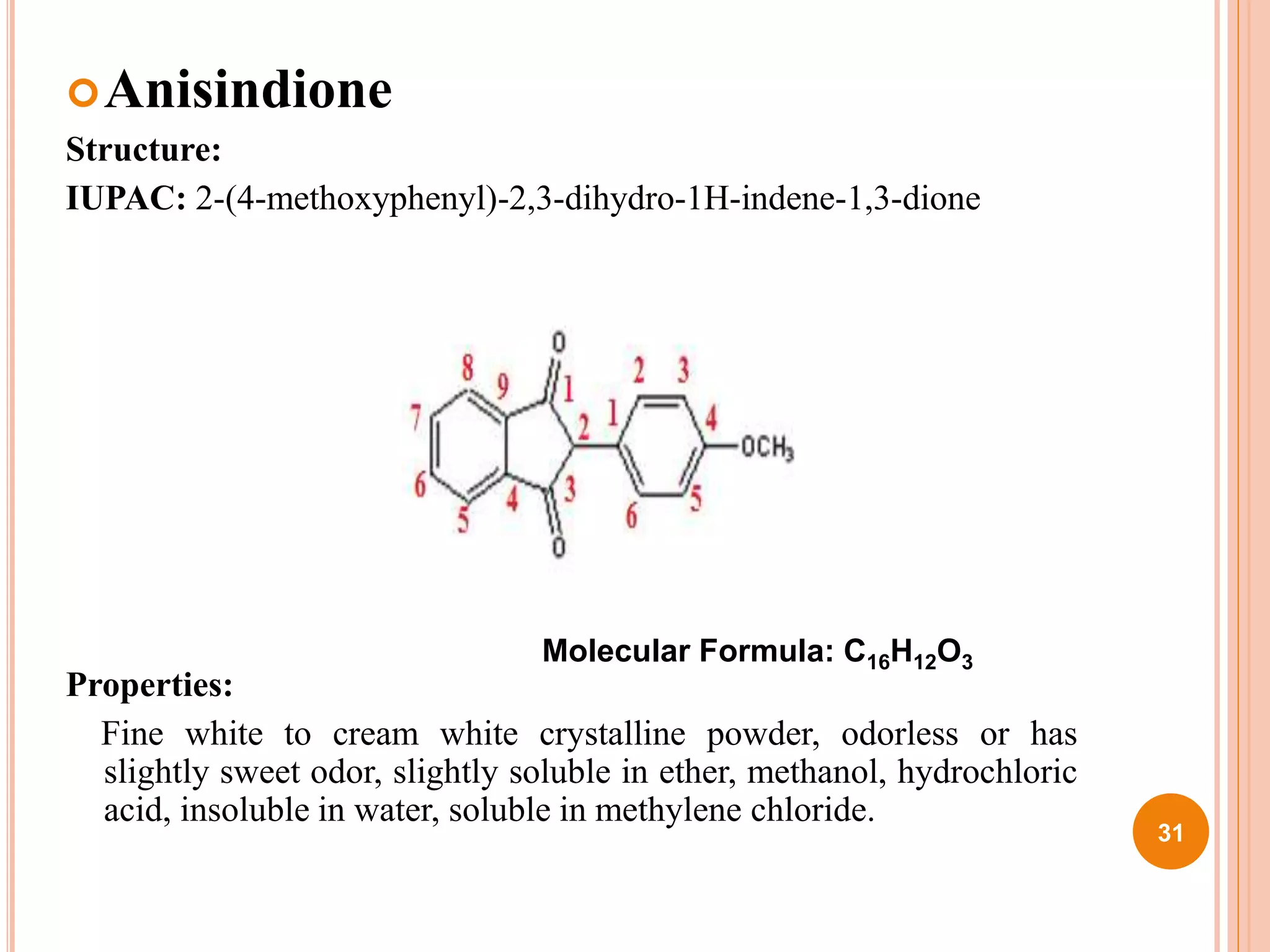
Anisindione
Structure:
IUPAC: 2-(4-methoxyphenyl)-2,3-dihydro-1H-indene-1,3-dione
Properties:
Fine white to cream white crystalline powder, odorless or has
slightly sweet odor, slightly soluble in ether, methanol, hydrochloric
acid, insoluble in water, soluble in methylene chloride.
31
Molecular Formula: C16H12O3
Pharmacokinetics:
 Oral route of administration, metabolized in liver excreted through
urine
Adverse Drug Reactions:
 Pyrexia
 Nausea, vomiting, diarrhea.
 Hemorrhage.
 Dermatitis, urticaria, alopecia.
 Sore mouth, mouth ulcers
 Abnormal bleeding
 Blurred vision
 Hemorrhage
 Thrombocytopenia
32
Therapeutic Uses:
 It prevents the formation of active procoagulation factors II, VII, IX,
X.
Dose:
 Anticoagulation:
 Adult: PO 300mg day1, 200mg day2, and then 100mg q.d. adjust
dose to maintain desired PT level (dose range 25-250 mg)
33
Reference books
 Text book of Medicinal chemistry volume-1-3rd edition by
V.Alagarasamy.
 Text book of Medicinal chemistry volume-2-3rd edition by
V.Alagarasamy.
 Medicinal chemistry by Rama Rao Nadendla.
 Faye’s Principles of Medicinal Chemistry- 7th edition by Thoms
L.Lemke, Victoria F.Roche, S. Willam Zito.
 Medicinal and Pharmaceutical Chemistry by Harkishan Singh, V.K
Kapoor.
34
THANK YOU
35

3rd unit coagulant and anticoagulant ppt

  • 1.
    3RD UNIT COAGULANT ANDANTICOAGULANT Prepared by G. Nikitha, M.Pharmacy Assistant Professor Department of Pharmaceutical Chemistry Sree Dattha Institute Of Pharmacy Hyderabad 1 Subject: Medicinal Chemistry-II Year: B.Pharmacy 3rd Year Semister: 1st Semister
  • 2.
    CONTENTS  Introduction.  Classification.  Drugs used in Coagulant and Anticoagulant Agents  Mechanism of action .  Structure  Synthesis  Adverse Drug Reactions .  Uses.  Reference 2
  • 3.
  • 4.
    INTRODUCTION COAGULANT:  Coagulant drugsmean (the clotting of blood) the conversion of fluid blood to solid gel or clot. 4
  • 5.
    COAGULANT FACTORS  FactorI - fibrinogen.  Factor II - prothrombin.  Factor III - tissue thromboplastin (tissue factor)  Factor IV - ionized calcium ( Ca++ )  Factor V - labile factor or proaccelerin.  Factor VI - unassigned.  Factor VII - stable factor or proconvertin.  Factor VIII - antihemophilic factor-A  Factor IX - plasma thromboplastin component, Christmas factor  Factor X - Stuart-Prower factor or antihemophilic factor-C  Factor XI - plasma thromboplastin antecedent  Factor XII - Hageman factor  Factor XIII - fibrin-stabilizing factor 5
  • 6.
  • 7.
    CLASSIFICATION I. Vitamin k 1.From Plant source (Fat soluble): Phytonadione (Phylloquinone) 2. Synthetic: a. Fat soluble: Menadione, Acetomenapthone, Acetomenadione. b. Water soluble: Menadione sodium Bisulfide, Menadione sodium Diphosphate. 3. Miscellaneous: Fibrinogen (human), Antihaemophilic factor, Desmopressin, Adrenochrome, Monosemicarbazone, Rutin, Ethamsylate. 7
  • 8.
    Menadione Structure: IUPAC: 2-methyl-naphthalene-1,4-dione Properties: Bright yellowcrystals, Very faint acrid odor, slightly soluble in ethanol, acetic acid, and ligroin. Soluble in ethyl ether, benzene, chloroform, and sulfuric acid, Soluble in aromatic solvents. 8 Molecular Formula: C11H8O2
  • 9.
    Pharmacokinetics:  After administration,Menadione is moderately absorbed in the GIT via the biliary route. Menadione accumulates in the liver. Menadione does not cross the placental barrier. Adverse Drug Reactions:  Liver damage  Brain damage  Death occurs in rare cases  This drug is banned by US FDA because of toxic effects  Hemolytic anemia Therapeutic Uses:  Used as nutritional supplements in animal feed.  In research, it is used in combination with vitamin-C for the treatment of prostate cancer. 9
  • 10.
    Dose:  Intramuscular route: Severehypoprothrombinaemia Adult: 2.5-10 mg daily.  Intravenous route: Vitamin K deficiency Adult: 0.03 mcg/kg/day. Child: Infants: 1-5 mcg/kg/day.  Oral Severe hypoprothrombinaemia Adult: 10 mg 3-4 times daily.  Oral Vitamin K deficiency Adult: 10 mg every 6 hr 10
  • 11.
    Acetomenadione Structure: IUPAC: 2-Methyl-1,4-naphthalenediol Diacetate Properties: Whiteto pale yellow solid, odorless or with a slight odor of acetic acid insoluble in water slightly soluble in cool alcohol 11 Molecular Formula: C15H14O4
  • 12.
    Pharmacokinetics:  Oral, I.Vroute of administration, metabolized in liver, undergoes renal elimination. Adverse Drug Reactions:  Dizziness, Flushing  Irritation of skin, respiratory tract  Hypersensitivity, Hyperbilirubinemia in premature infants Therapeutic Uses: It is used to prevent, control, treat, the coagulant disorder due to vitamin-K deficiency 12
  • 13.
    Dose:  Adults: By Mouth: For osteoarthritis: A combination product (Wobenzym PS), providing 600 mg of rutin, 288 mg of trypsin, and 540 mg of bromelain in divided doses has been used. 13
  • 14.
  • 15.
    INTRODUCTION  Anti-platelets drugsare the agents that act against platelet function.  Anti-platelets drugs prevent the formation of clot in case of vascular injuries.  They inhibit platelet aggregation and thrombus formation .  Antiplatelet are more effective in arterial circulation where as Anticoagulants are ineffective. 15
  • 16.
    CLASSIFICATION 1. COX-1 inhibitor:Aspirin 2. Thienopyridine derivatives adenosine diphosphate: Clopidogrel, Ticlopidine 3. Adenosine deaminase and phospodiesterase inhibitor and adenosine reuptake inhibitors: Dipyridamole, Cilostazole 4. Glycoprotein GP IIb/ IIIa inhibitor: Abciximab, Eptifibatide, Tirofiban 16
  • 17.
    Clopidogrel Structure: IUPAC: methyl-2-(2-chlorophenyl)-2-{thieno-pyridine-5-yl}acetate Properties:  Whitecrystals, soluble in water, methanol, Clopidogrel hydrogen sulfate 17 Molecular Formula: C16H16ClNO2S
  • 18.
    Pharmacokinetics:  More than50% 0f drug gets absorbed upon oral administration. It is a Prodrug which is metabolized by cytochrome enzyme P450 to give an active metabolite that is responsible for antiplatelet activity. Oral dose is excreted in urine, faeces. Adverse Drug Reactions:  Headaches or dizziness.  Nausea.  Diarrhea or constipation.  Indigestion (dyspepsia)  Stomach ache or abdominal pain.  Nosebleeds.  Increased bleeding (your blood taking longer to clot – for example, when you cut yourself), or easy bruising. 18
  • 19.
    Therapeutic Uses:  Itis prescribed for the prevention of heart attack, stroke or transient ischaemic attack (TIA)  Clopidogrel when combined with aspirin is beneficial for acute coronary syndrome (minor heart attack or unstable angina), a coronary stent (a device to open up a blocked artery to the heart)  It is used in an open heart operation  It is used in the treatment of peripheral arterial disease  It is used in a vascular operation. Dose: 75mg/day without taking food. 19
  • 20.
  • 21.
    ANTI-COAGULANT:  Anti- Coagulantsare the drugs which extend or prolong the coagulation time of blood. Anticoagulants are indicated for the patients which acute myocardial infarction in the long term therapy and in treatment of pulmonary and venous thrombosis. When prevention or extension of thrombus formation is desired anticoagulant therapy serves as the best option. 21 ANTI-COAGULANT
  • 22.
    Ideal characteristics foranti-coagulants agents:  It should have rapid Onset of action.  Wide therapeutic index and long duration of action.  Minimal adverse drug effects.  Minimal interaction with drugs and food and should not result into any life threatening complications.  Pharmacokinetics, pharmacodynamics aspects of drug should be reproducible such that monitoring blood coagulation is not essential. 22
  • 23.
    CLASSIFICATION A. Based onaction: 1. Directly Acting Anticoagulants:  High Molecular Weight Heparin (HMWH)  Low Molecular Weight Heparin (LMWH): Dalteparins, Enoxaparin  New Heparin Derivatives: Fondaparinux, Idraparinux 2. In Directly Acting Anticoagulants:  Coumarin Derivative: Dicumarol, Warfarin  Indanedione Derivative: Phenindione, Anisindione 23
  • 24.
    B. Based onroute of administration: 1. Injectable Anticoagulants:  Heparin  Low Molecular Weight Heparin  Heparinoids: Heparin sulphate, Danaparoid, Ancrod, Lepirudin  Miscellaneous Drugs: Bivalirudin, Hirudin 2. Oral Anticoagulants:  Coumarin Derivative: Dicumarol, Warfarin sodium, Acenocumarol  Indanedione Derivative: Phenindione, Anisindione 24
  • 25.
    Warfarin Structure: IUPAC: 4-hydroxy-3-(3-oxo-1-phenylbutyl)-2H-chromen-2-one It isan anti-coagulant is considered to be the drug of choice for maintaining an extended anticoagulant effect, initially it was considered to be unsafe in human. Properties: White crystalline powder, slightly bitter in taste, very slightly soluble in water, soluble in alcohol. 25 Molecular Formula:C19H16O4
  • 26.
    Synthesis: Step-I: Synthesis of4-hydroxy Coumarin from Methyl Salicylate 26
  • 27.
    Step-II: Michael Addition of4-hydroxy Coumarin with Benzolactone 27
  • 28.
    Mechanism of Action: The activation of factors II, VII, IX, and X depends upon reduced form of vitamin K and enzyme carboxylase. Due to structural similarity of warfarin with vitamin K, competes with the latter for reductase an enzyme which activates vitamin K is inhibited and therefore post translational ϒ-carboxylation of glutamic acid residues of factors II, VII, IX, and X I also inhibited. 28
  • 29.
    Pharmacokinetics:  Upon oraladministration the drug gets completely absorbed from GIT. Pharmacological effects reach maximum level after 2 days of ingestion of the drug. It is metabolized in the liver mixed function oxidase P450 system. Adverse Drug Reactions:  unusual bruising, such as: unexplainable bruises, bruises that grow in size  Nosebleeds, bleeding gums, coughing up blood  bleeding from cuts that takes a long time to stop  heavier than normal menstrual or vaginal bleeding  pink or brown urine, red or black stools  Purple toes syndrome. Symptoms may include: pain and purple or dark color in your toe  Death of skin tissue. This may happen when blood clots form and block blood flow to an area of your body. Symptoms may include: pain, color or temperature change to any area of your body, 29
  • 30.
    Therapeutic Uses:  Warfarinis used to treat blood clots and to lower the chance of blood clots forming in your body. Blood clots can cause a stroke, heart attack, or other serious conditions if they form in your legs or lungs.  reduce the risk of risk of heart attack, stroke, or death  prevent and treat blood clots with atrial fibrillation or heart valve replacement  prevent and treat blood clots in parts of the body such as the legs (deep vein thrombosis) and in the lungs (pulmonary embolism) Dose: Warfarin is given in a dose of 10-15mg/day from the 3rd or 4th day of heparin therapy 30
  • 31.
    Anisindione Structure: IUPAC: 2-(4-methoxyphenyl)-2,3-dihydro-1H-indene-1,3-dione Properties: Fine whiteto cream white crystalline powder, odorless or has slightly sweet odor, slightly soluble in ether, methanol, hydrochloric acid, insoluble in water, soluble in methylene chloride. 31 Molecular Formula: C16H12O3
  • 32.
    Pharmacokinetics:  Oral routeof administration, metabolized in liver excreted through urine Adverse Drug Reactions:  Pyrexia  Nausea, vomiting, diarrhea.  Hemorrhage.  Dermatitis, urticaria, alopecia.  Sore mouth, mouth ulcers  Abnormal bleeding  Blurred vision  Hemorrhage  Thrombocytopenia 32
  • 33.
    Therapeutic Uses:  Itprevents the formation of active procoagulation factors II, VII, IX, X. Dose:  Anticoagulation:  Adult: PO 300mg day1, 200mg day2, and then 100mg q.d. adjust dose to maintain desired PT level (dose range 25-250 mg) 33
  • 34.
    Reference books  Textbook of Medicinal chemistry volume-1-3rd edition by V.Alagarasamy.  Text book of Medicinal chemistry volume-2-3rd edition by V.Alagarasamy.  Medicinal chemistry by Rama Rao Nadendla.  Faye’s Principles of Medicinal Chemistry- 7th edition by Thoms L.Lemke, Victoria F.Roche, S. Willam Zito.  Medicinal and Pharmaceutical Chemistry by Harkishan Singh, V.K Kapoor. 34
  • 35.