




















The Influence of Technology on
the Future of Learning
By:
Karl M. Kapp, Ed.D.
Professor, Instructional Technology
Bloomsburg University
September 25, 2013
Takeaway Challenge
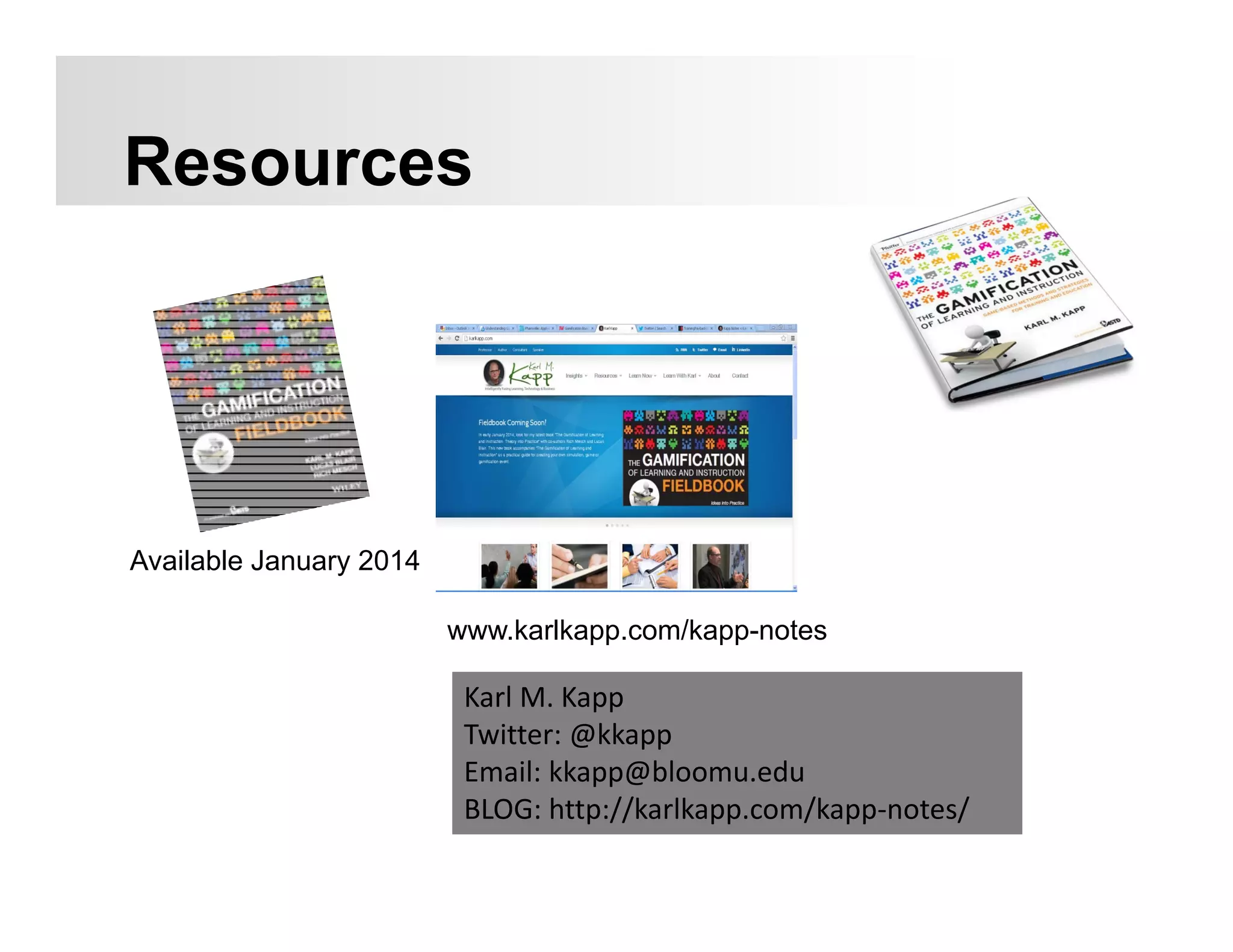
Resources
Available January 2014
www.karlkapp.com/kapp-notes
Karl M. Kapp
Twitter: @kkapp
Email: kkapp@bloomu.edu
BLOG: http://karlkapp.com/kapp‐notes/
Brief history of…
The World
We’ve learned and struggled for a few
years here figuring out how to make a
decent phone. PC guys are not going
to just figure this out.
They’re not going to just walk in.
--Palm CEO Ed Colligan, 16 Nov 2006
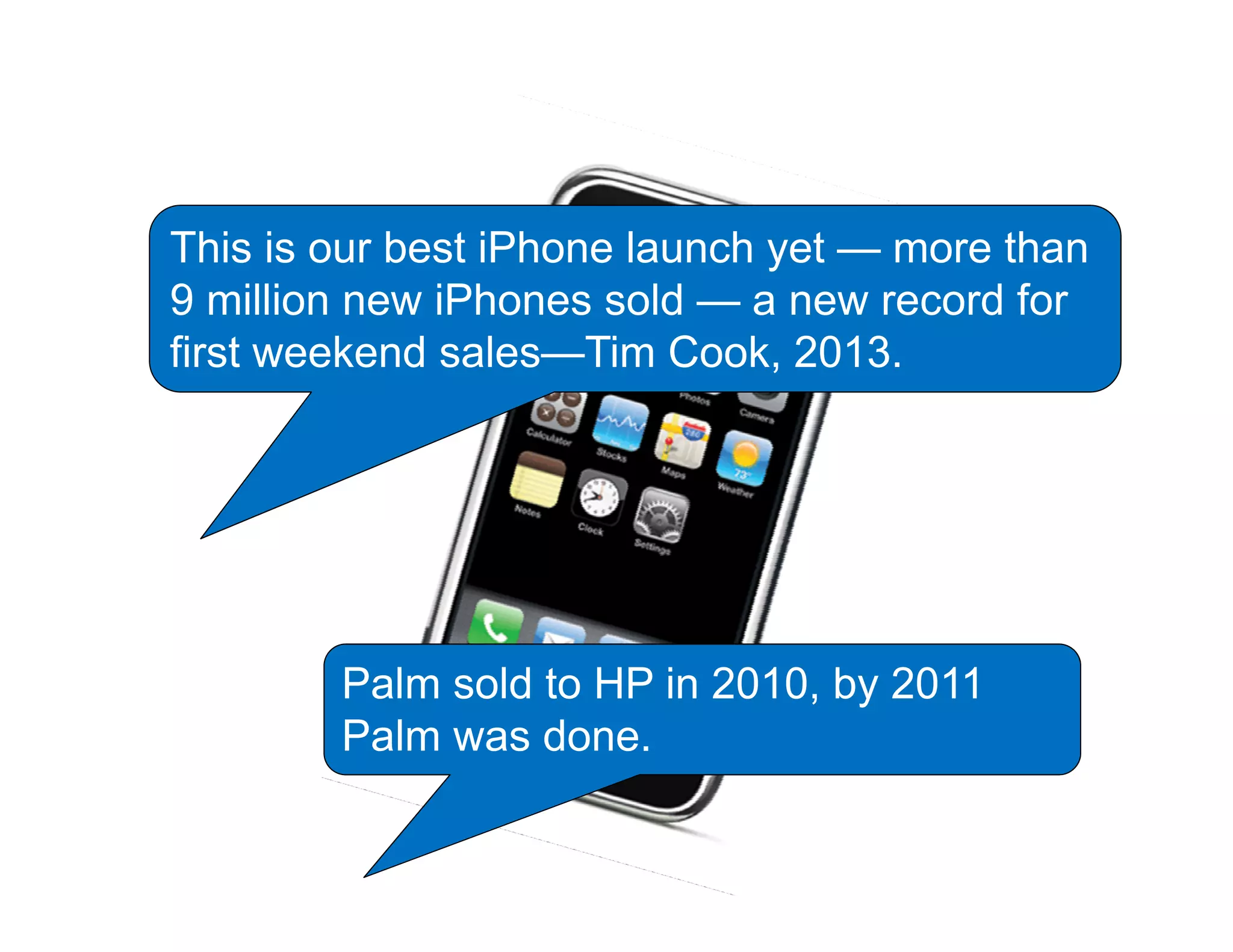
This is our best iPhone launch yet — more than
9 million new iPhones sold — a new record for
first weekend sales—Tim Cook, 2013.
Palm sold to HP in 2010, by 2011
Palm was done.
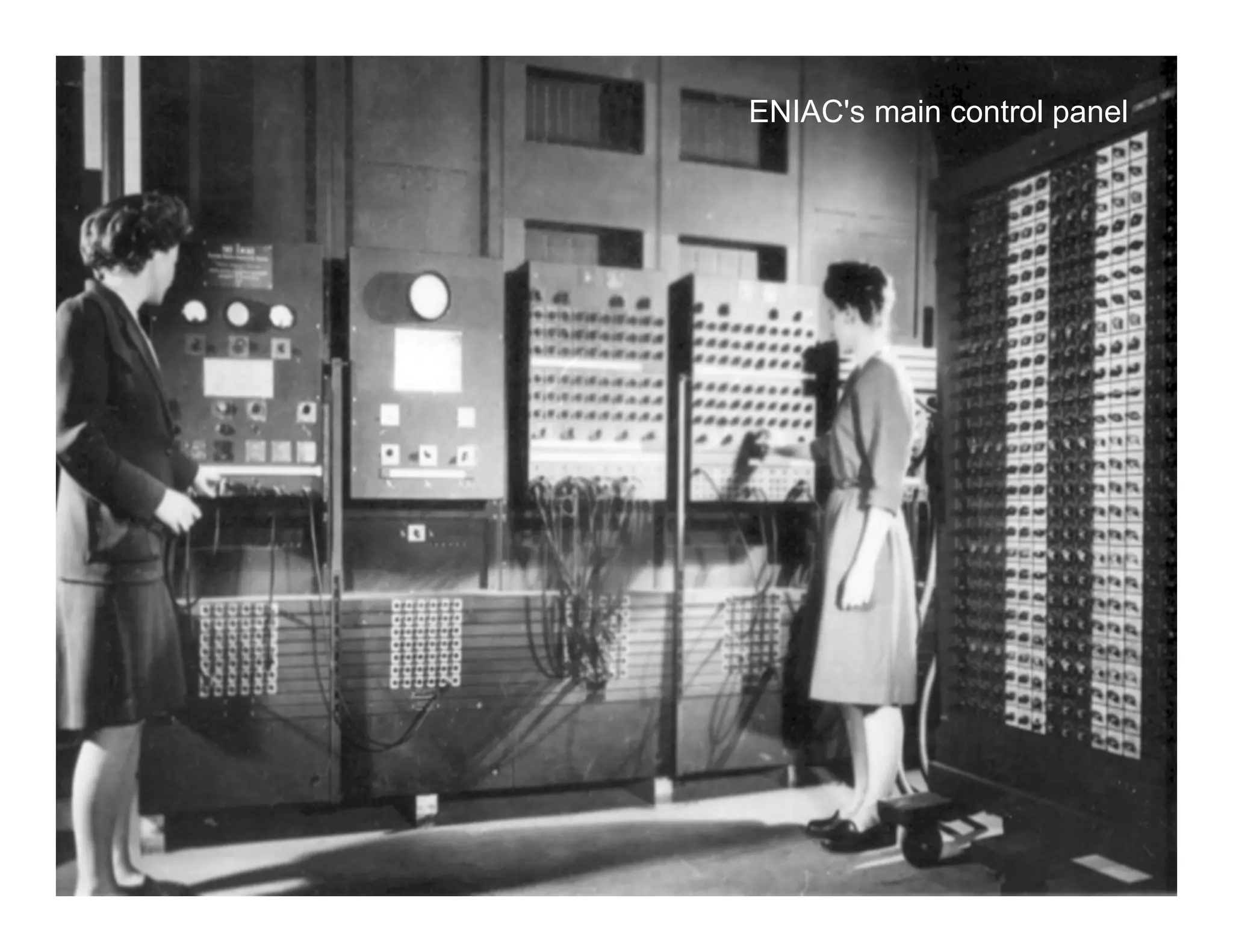
ENIAC's main control panel
4 23
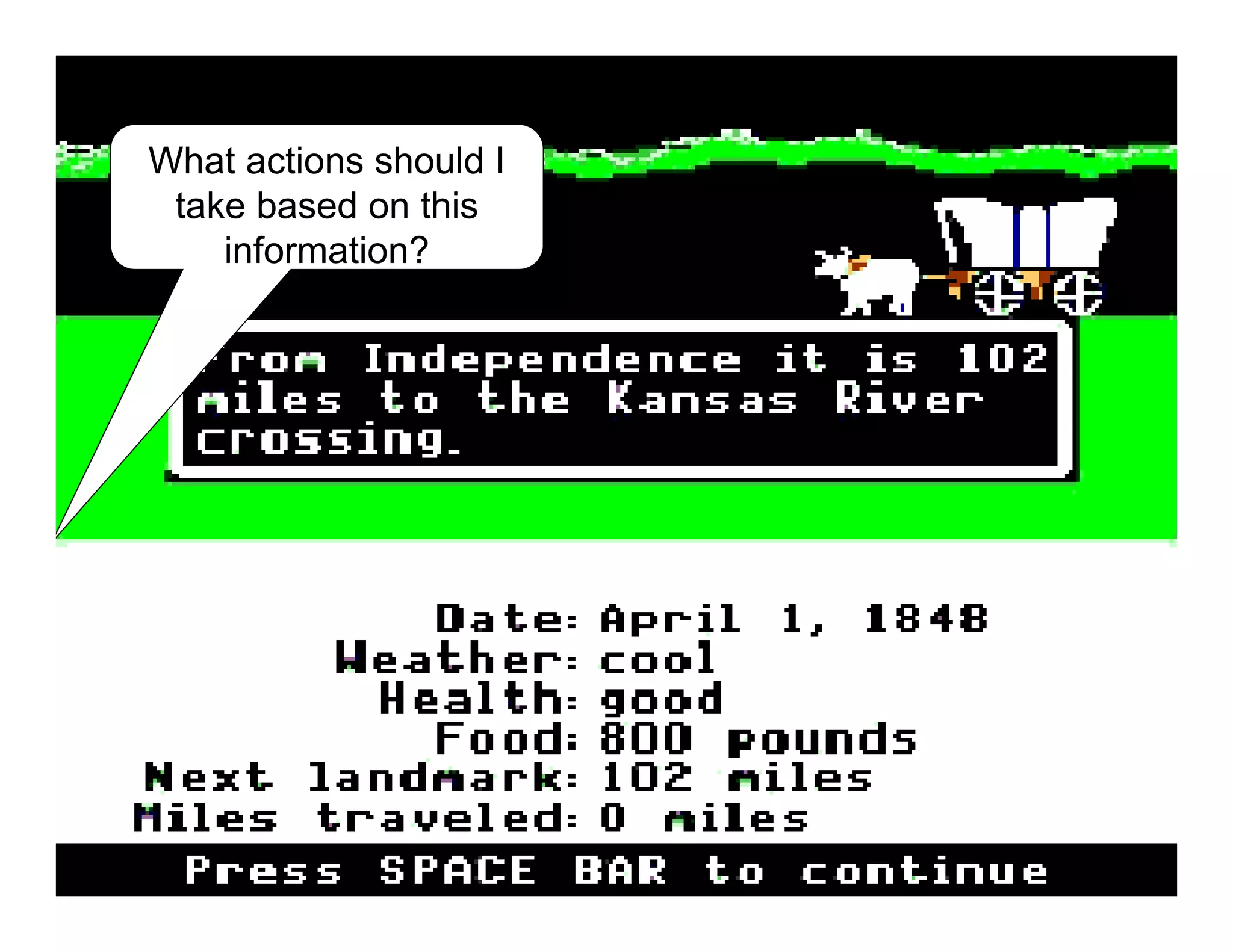
What actions should I
take based on this
information?
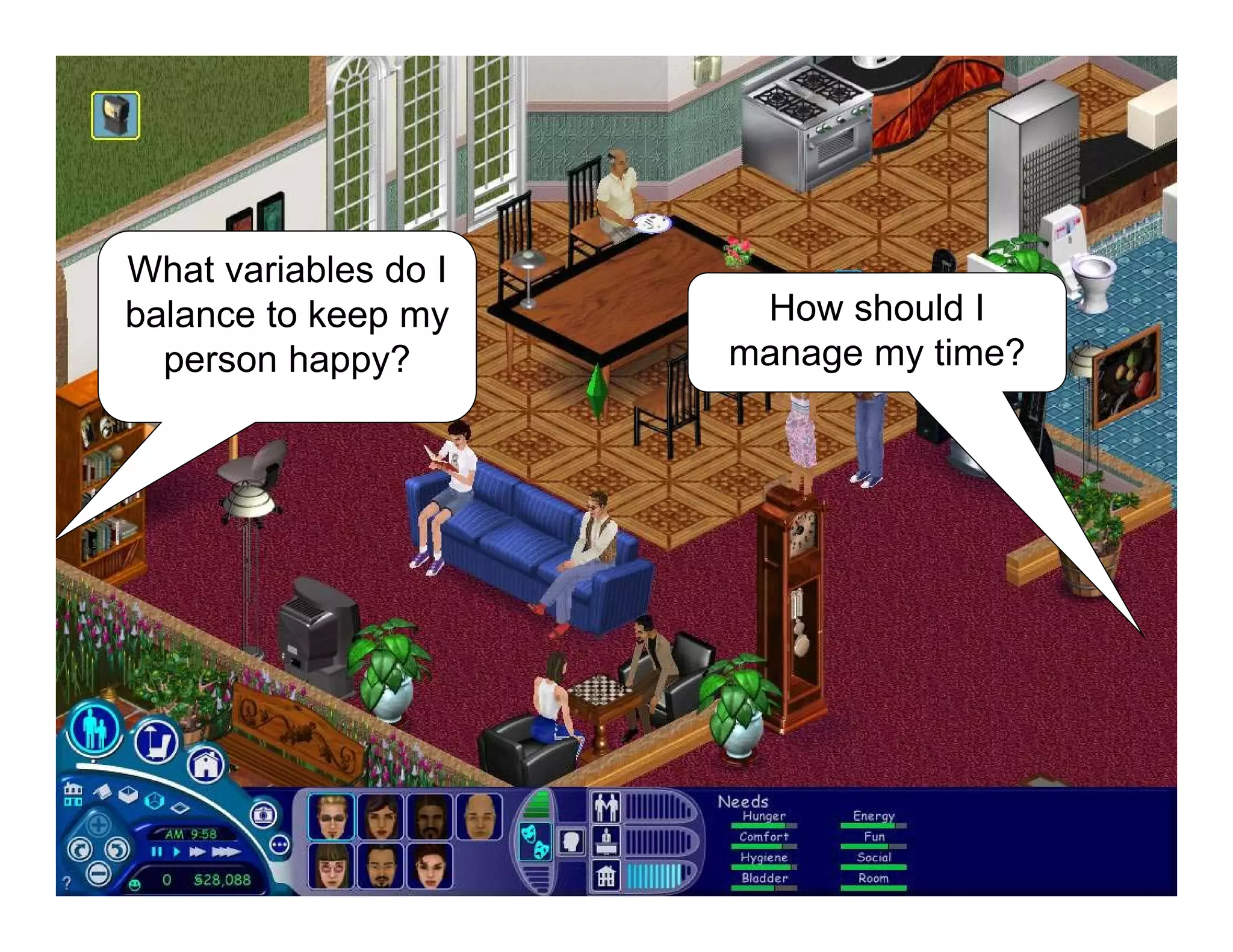
What variables do I
balance to keep my
person happy?
How should I
manage my time?
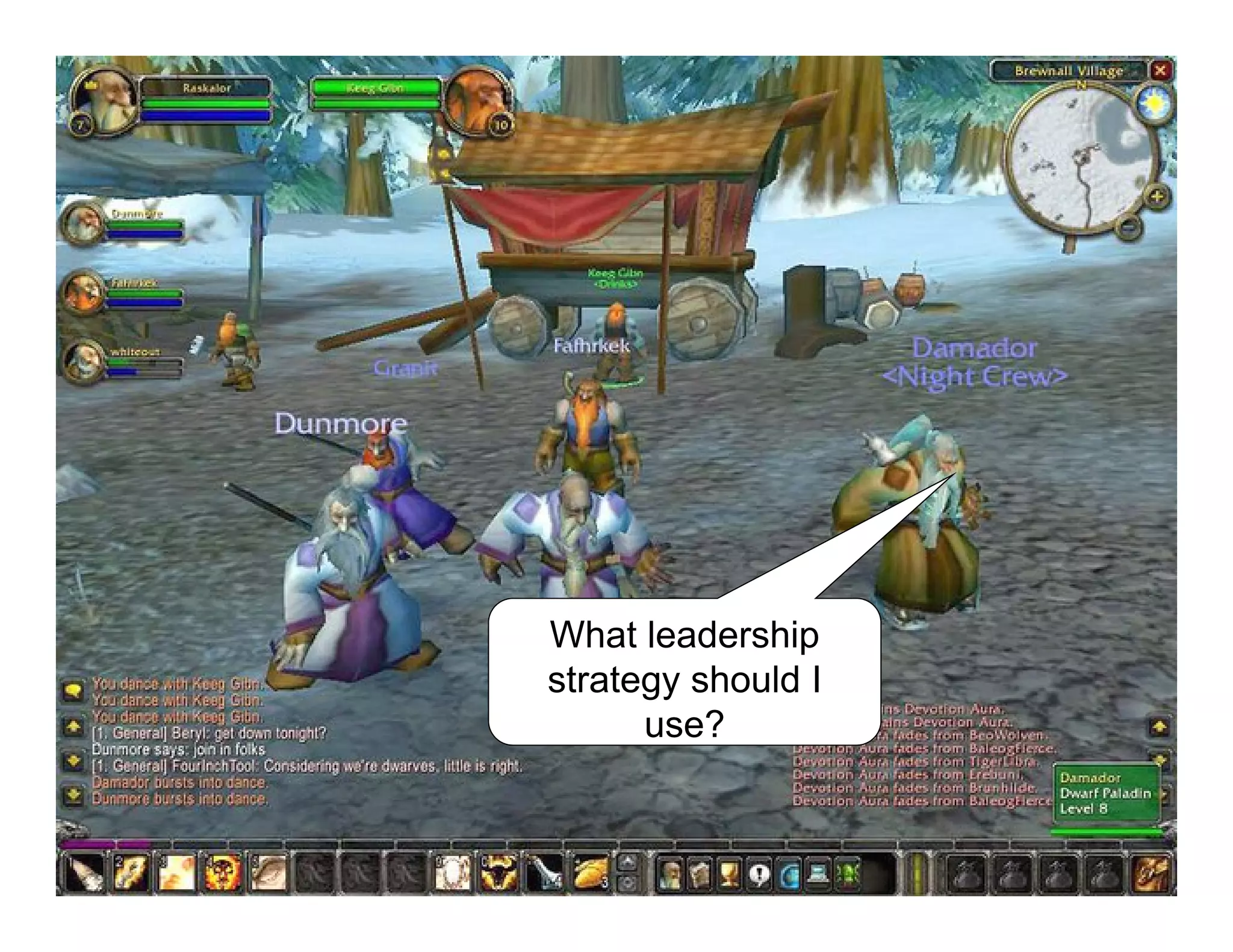
What leadership
strategy should I
use?
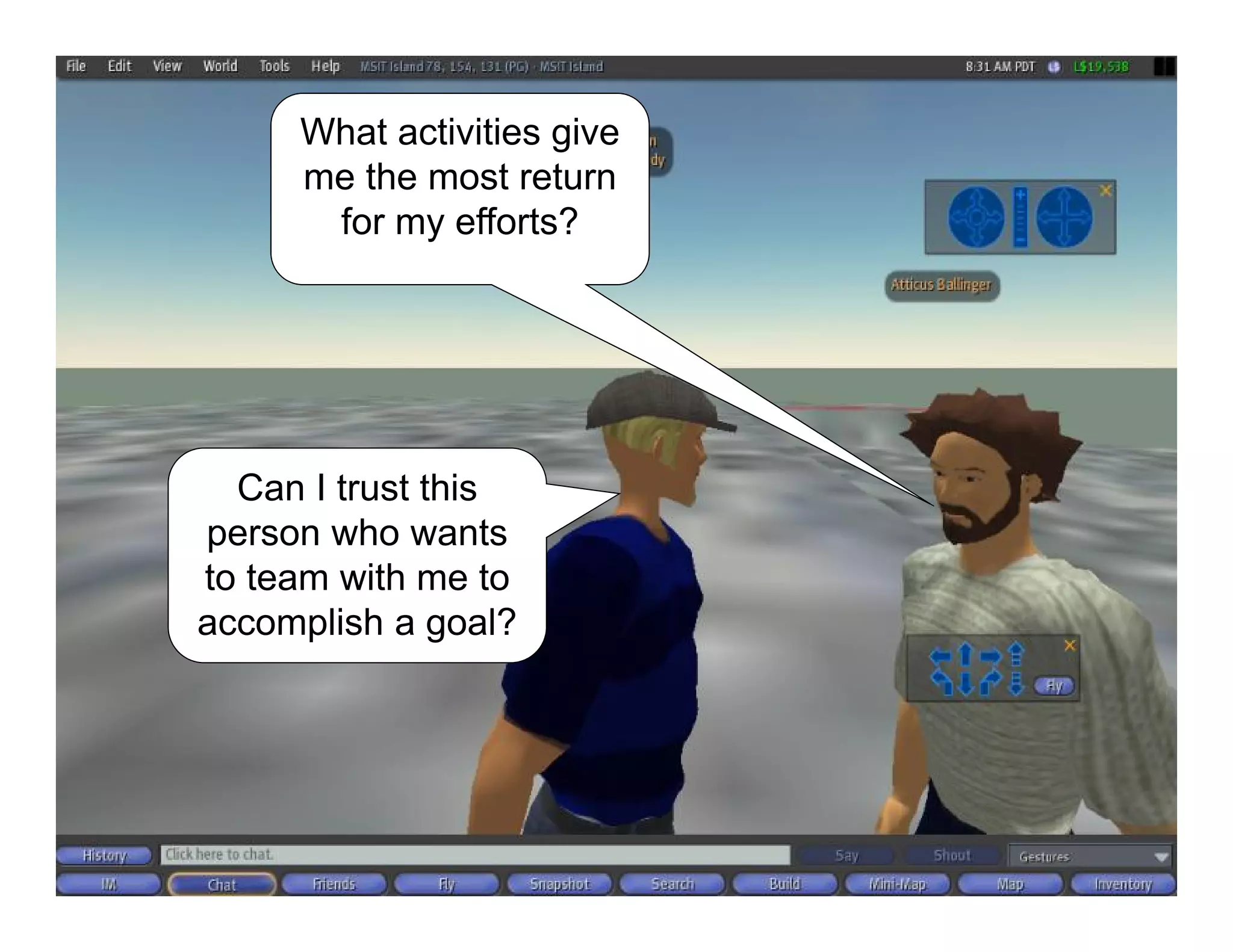
What activities give
me the most return
for my efforts?
Can I trust this
person who wants
to team with me to
accomplish a goal?
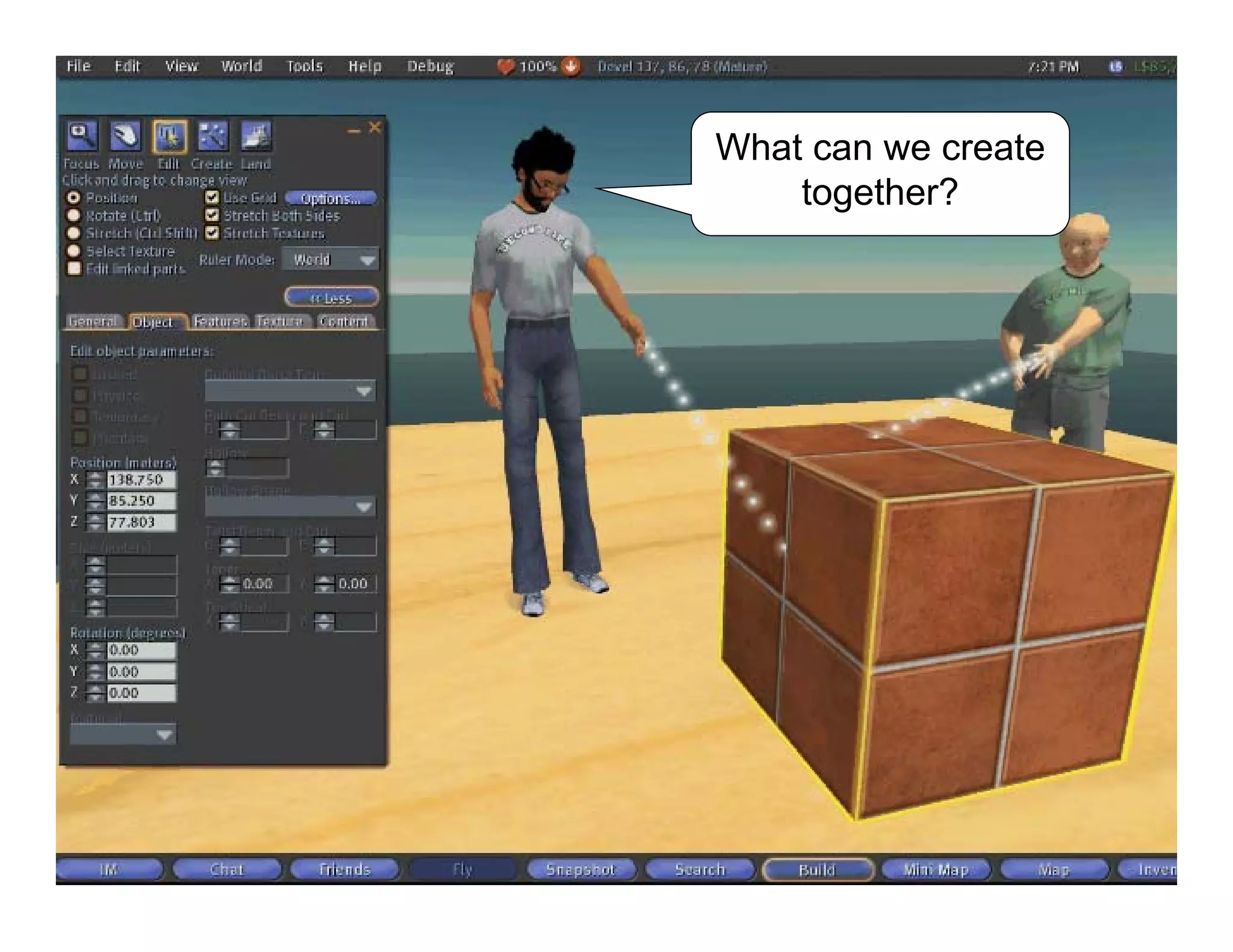
What can we create
together?
New
Approaches
are Needed
Let’s Play
Fact or Fishy…
Rules
• A statement is presented
– If “true” indicate: FactX
– If “false” indicate: FishyX
• Text Response:
Take out 
your text‐
machines
Standard Texting Fees 
Apply!
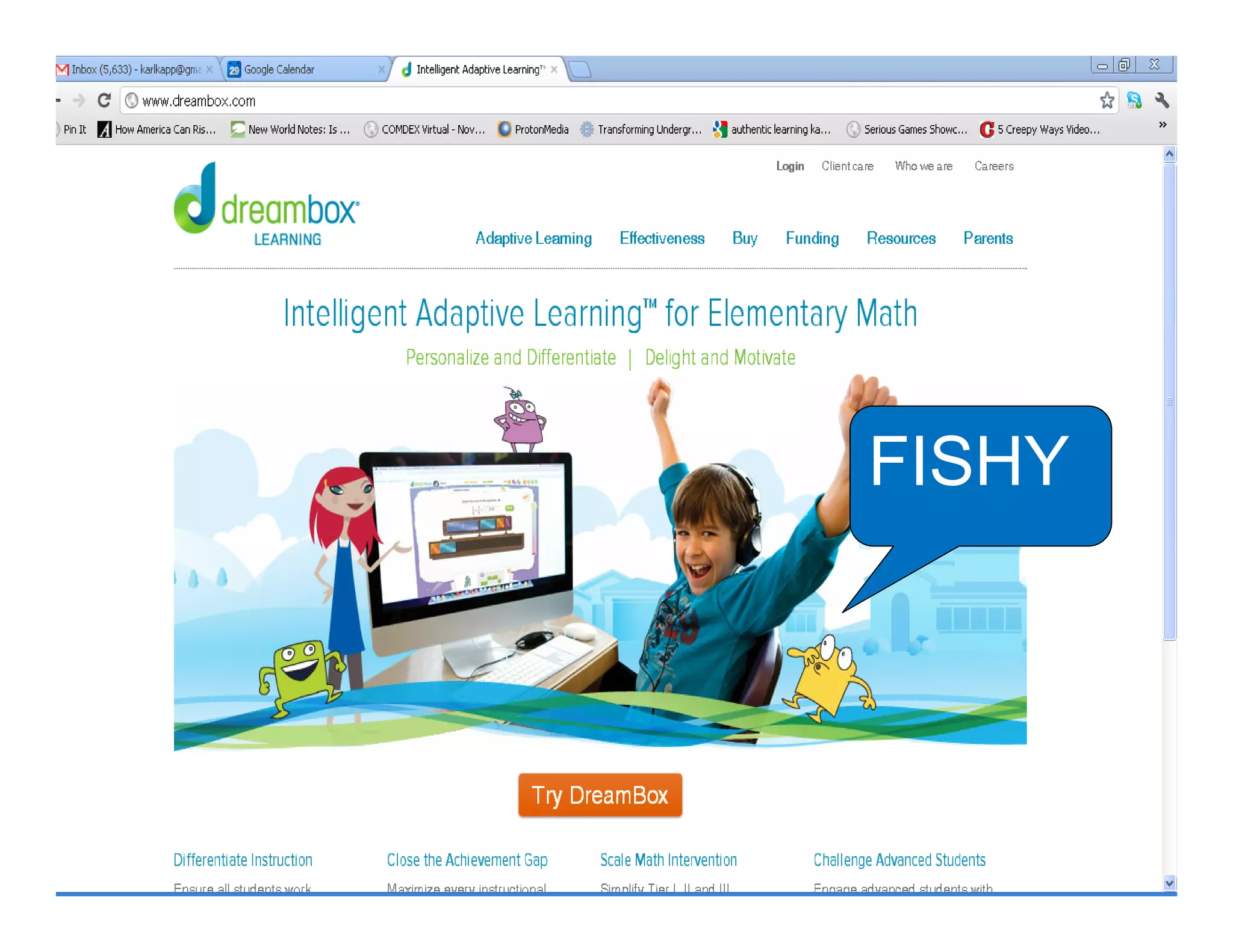
We are five years away
from truly adaptive
learning?
Is that Fact or Fishy?
FISHY
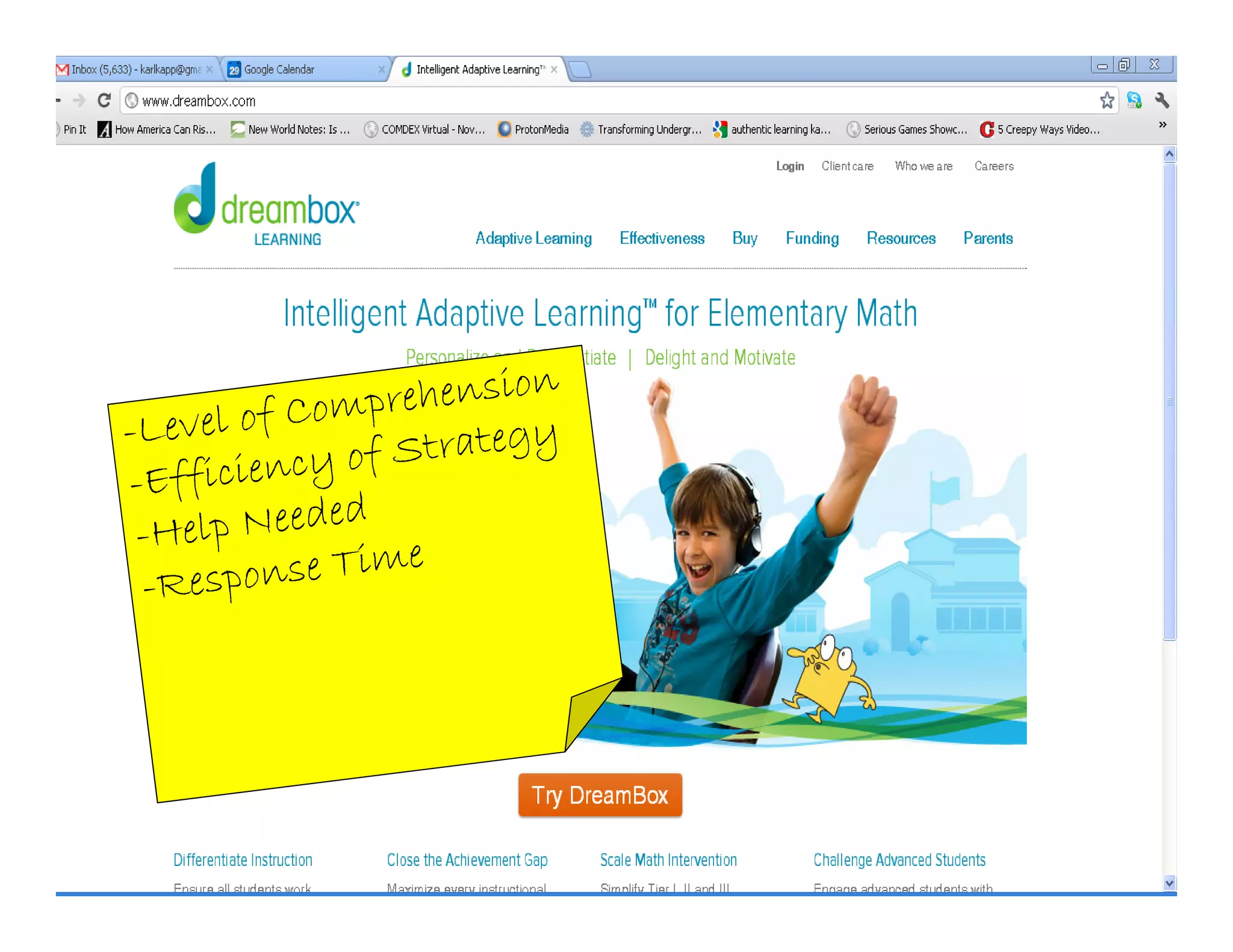
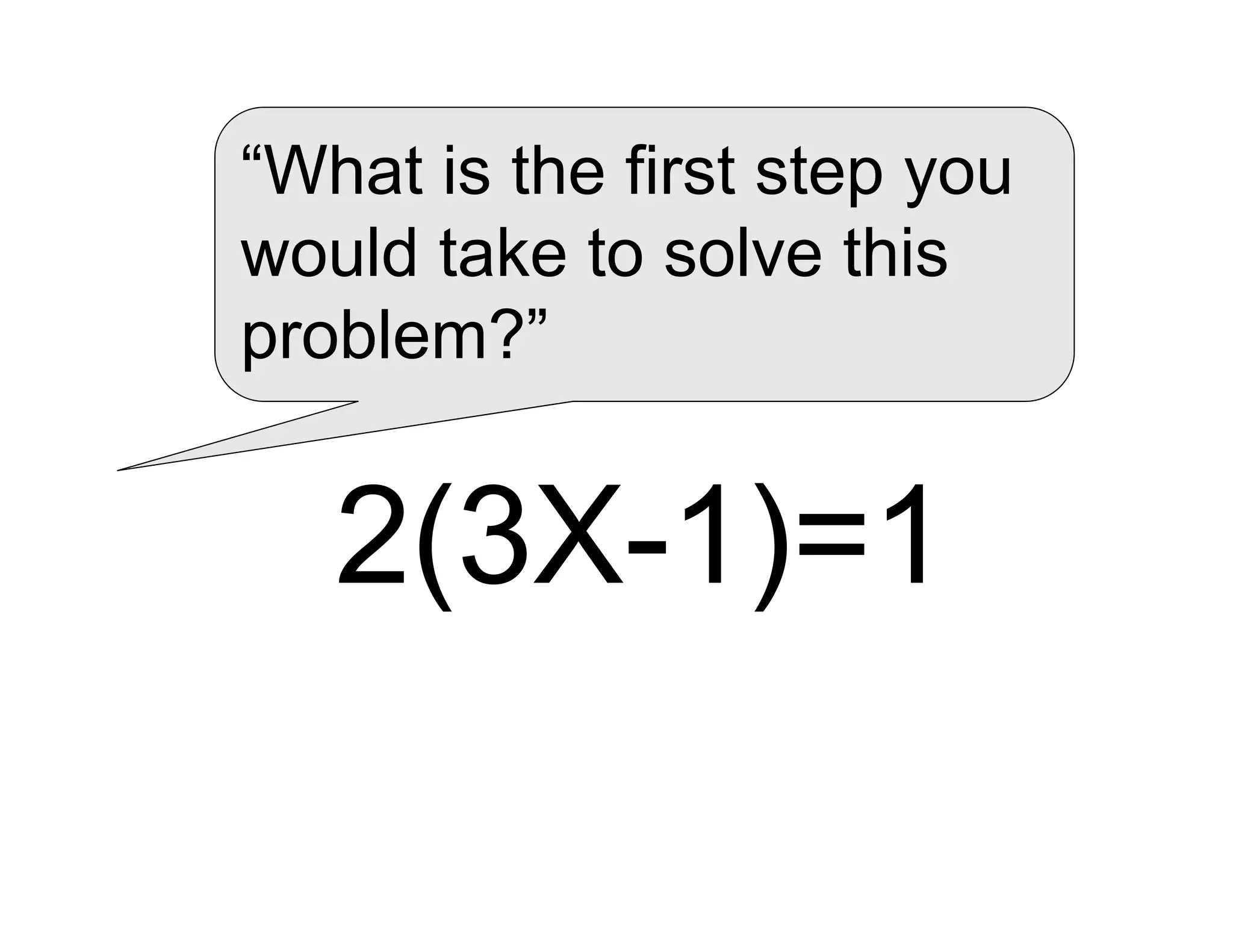
“What is the first step you
would take to solve this
problem?”
2(3X-1)=1
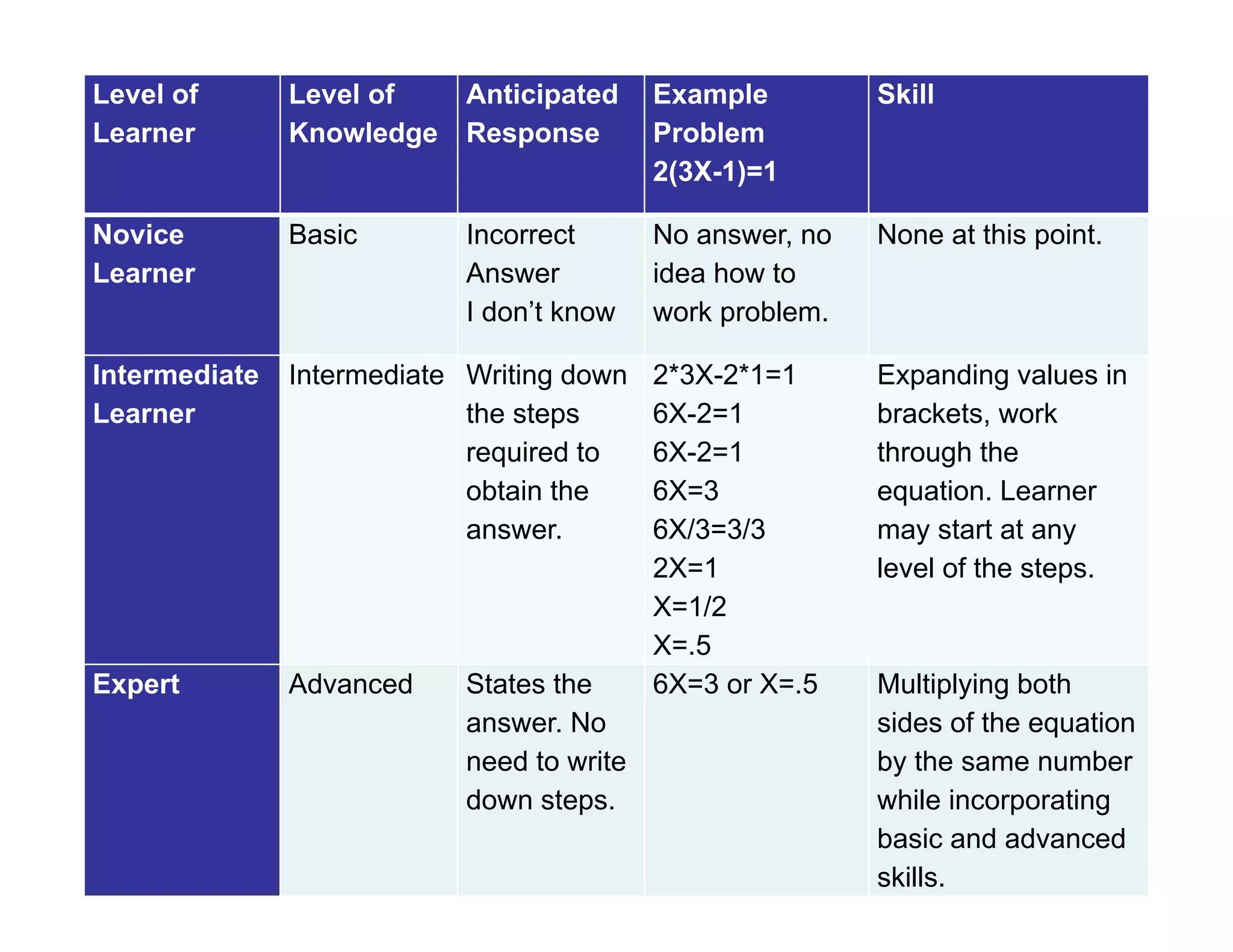
Level of
Learner
Level of
Knowledge
Anticipated
Response
Example
Problem
2(3X-1)=1
Skill
Novice
Learner
Basic Incorrect
Answer
I don’t know
No answer, no
idea how to
work problem.
None at this point.
Intermediate
Learner
Intermediate Writing down
the steps
required to
obtain the
answer.
2*3X-2*1=1
6X-2=1
6X-2=1
6X=3
6X/3=3/3
2X=1
X=1/2
X=.5
Expanding values in
brackets, work
through the
equation. Learner
may start at any
level of the steps.
Expert Advanced States the
answer. No
need to write
down steps.
6X=3 or X=.5 Multiplying both
sides of the equation
by the same number
while incorporating
basic and advanced
skills.
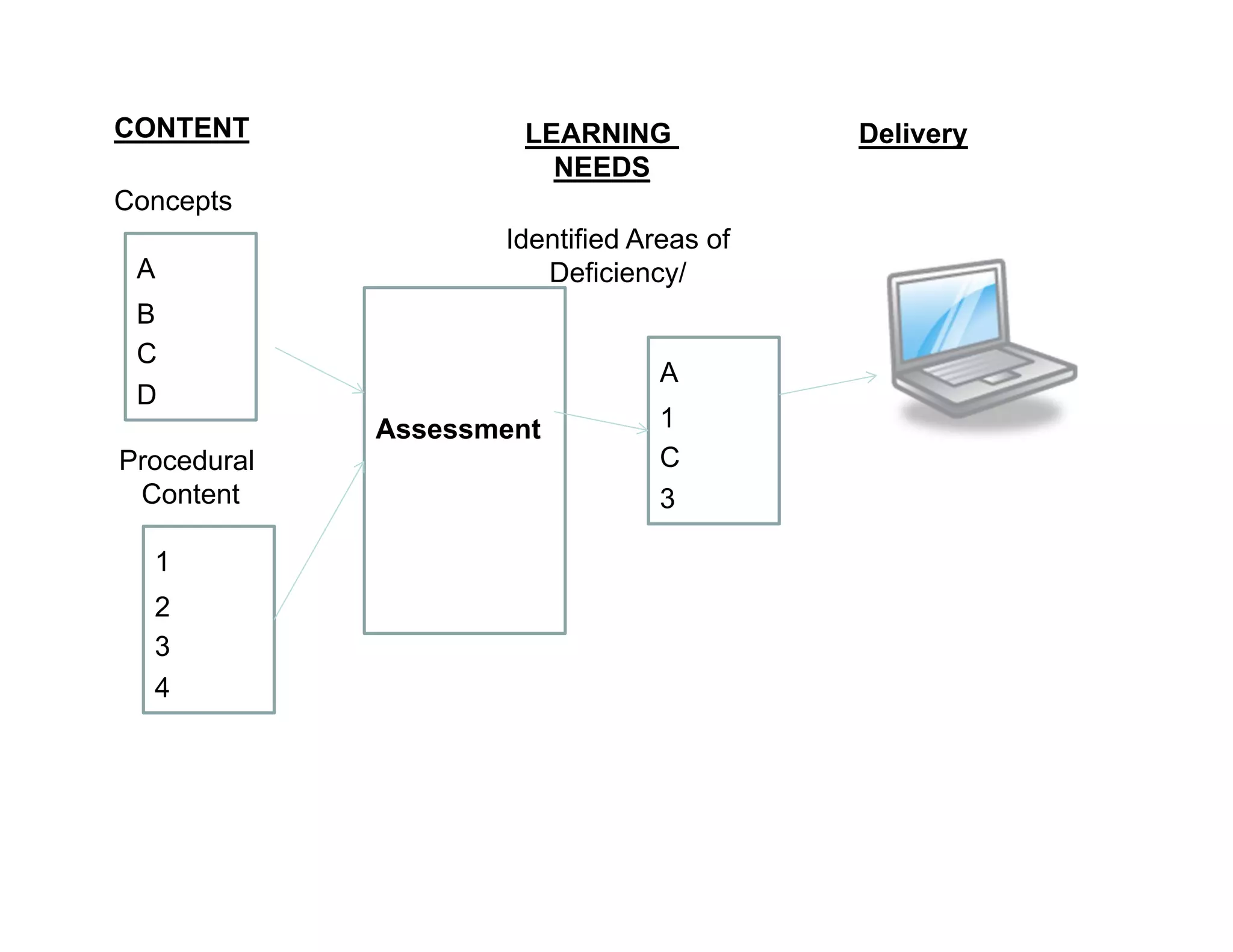
Concepts
A
B
C
D
1
2
3
4
Procedural
Content
Assessment
A
1
C
3
Identified Areas of
Deficiency/
CONTENT LEARNING
NEEDS
Delivery
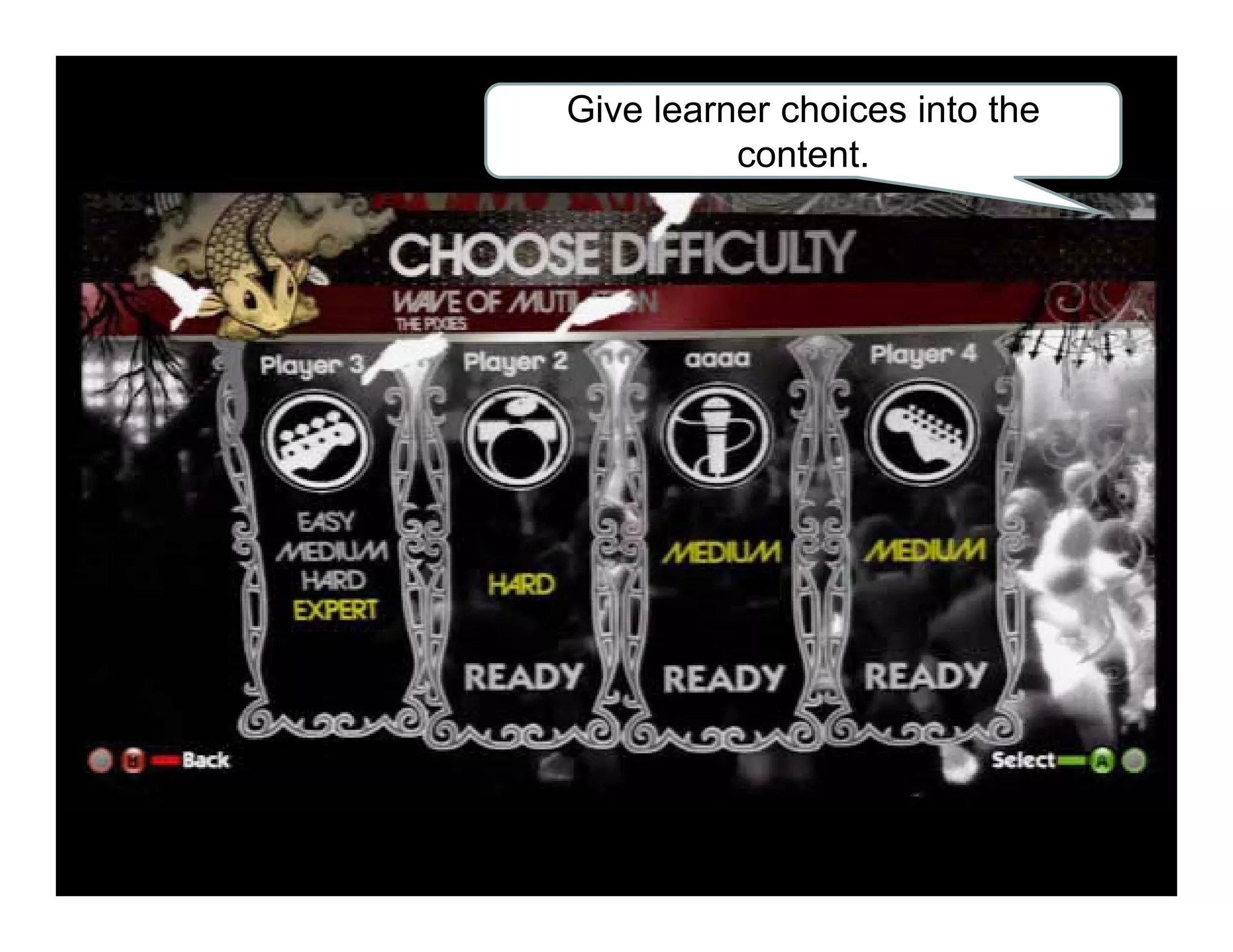
Give learner choices into the
content.
What can you do?
Create choices for the learner when
starting a learning module.
Adding points, badges and
leaderboard to any training
makes it awesome!
Is that Fact or Fishy?
Use game-based mechanics,
aesthetics and game thinking to
engage people, motivate action,
promote learning, and solve
problems.
Gamification
… if it was that easy…this would be the most engaging 
game in the world.
Agenda
• Five Bottom Line Case Studies
– Retail
– Marketing Product
– On Boarding
• Quick Engagement Case Studies
• Lessons Learned
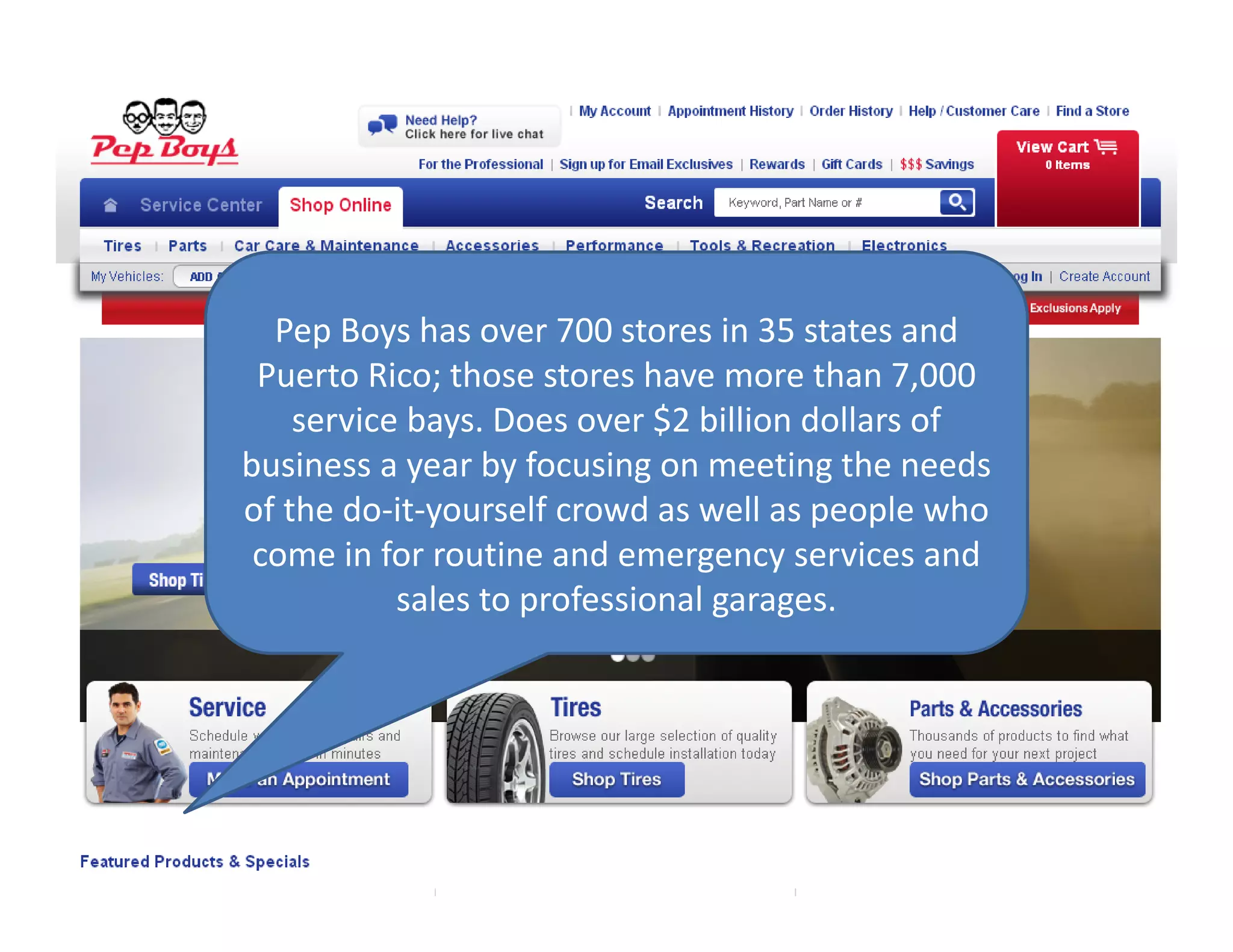
Pep Boys has over 700 stores in 35 states and 
Puerto Rico; those stores have more than 7,000 
service bays. Does over $2 billion dollars of 
business a year by focusing on meeting the needs 
of the do‐it‐yourself crowd as well as people who 
come in for routine and emergency services and 
sales to professional garages. 
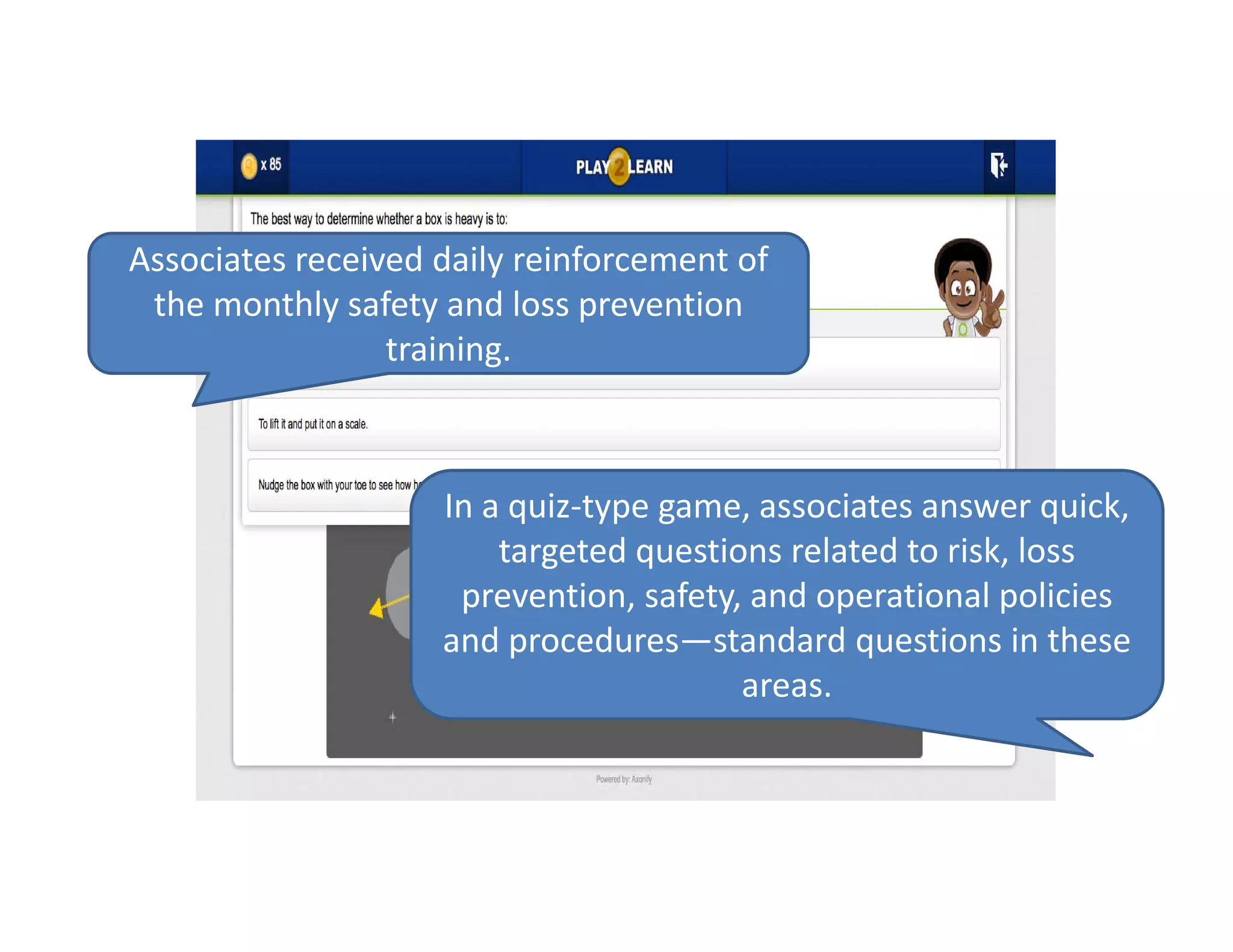
Associates received daily reinforcement of 
the monthly safety and loss prevention 
training.
In a quiz‐type game, associates answer quick, 
targeted questions related to risk, loss 
prevention, safety, and operational policies 
and procedures—standard questions in these 
areas. 
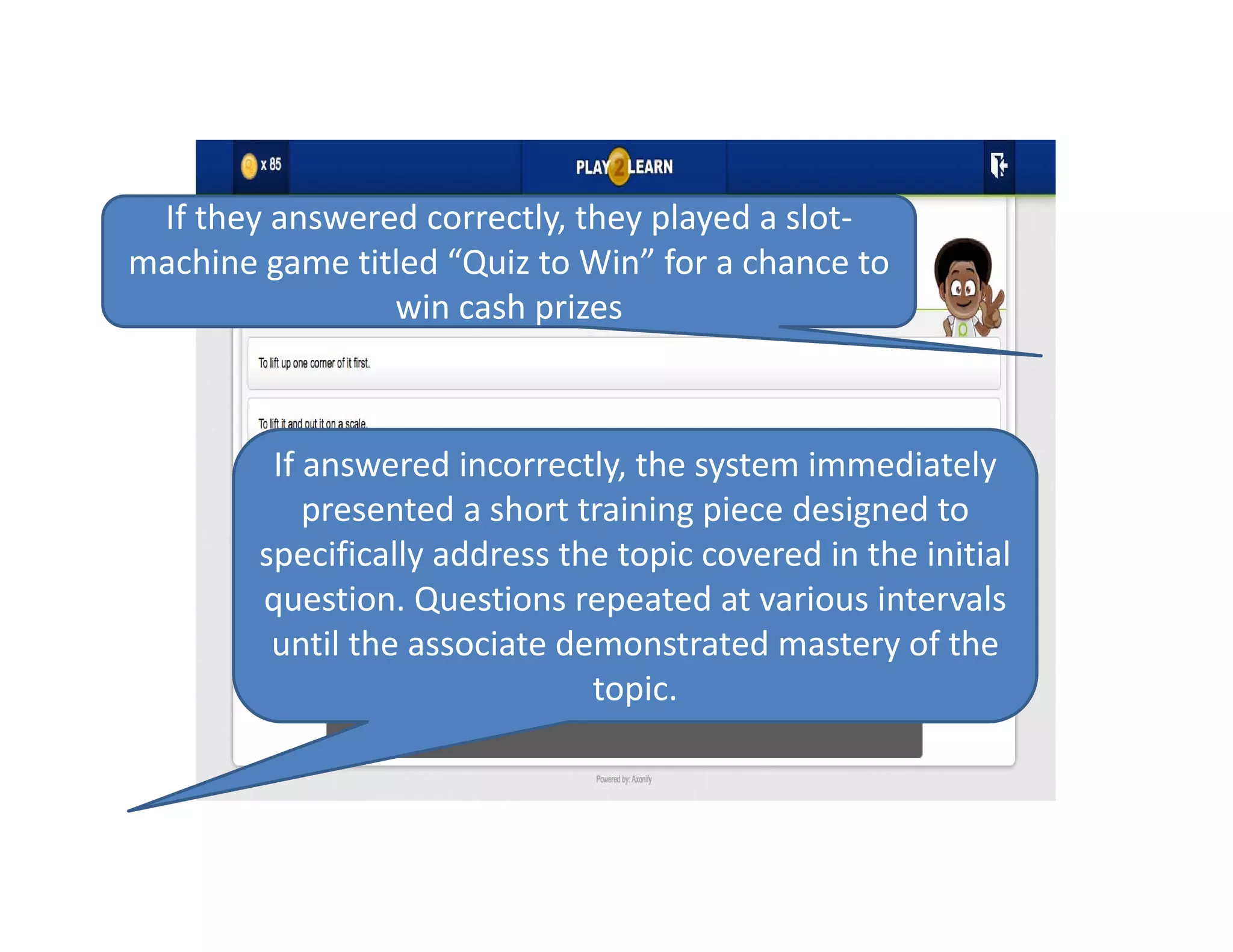
If they answered correctly, they played a slot‐
machine game titled “Quiz to Win” for a chance to 
win cash prizes
If answered incorrectly, the system immediately 
presented a short training piece designed to 
specifically address the topic covered in the initial 
question. Questions repeated at various intervals 
until the associate demonstrated mastery of the 
topic. 
Business Results
• Voluntary participation rate of over 95 %. 
• Safety incidents and claim counts reduced by more than 45% 
with an increase in the number of stores and employees. 
• Reduction in shrinkage has been at a level of 55 %.
• In the case of internal loss, each time a burst of content related 
to employee theft is pushed out, they see at least a 60% 
increase in their “Integrity Pays” hotline calls, resulting in a 
direct reduction in inventory loss.
Business Results
• Voluntary participation rate of over 95 %. 
• Safety incidents and claim counts reduced by more than 45% 
with an increase in the number of stores and employees. 
• Reduction in shrinkage has been at a level of 55 %.
• In the case of internal loss, each time a burst of content related 
to employee theft is pushed out, they see at least a 60% 
increase in their “Integrity Pays” hotline calls, resulting in a 
direct reduction in inventory loss.
Gamification
Elements of
that Aid
Learning
1. Challenge
2. Mystery
3. Avatars
4. Stories & Challenges
5. Levels
6. Feedback
7. Freedom to Fail
What can you do?
Intelligently add game elements to
instruction, create a “drip” approach
to instruction.
In a Meta-Analysis…
Games are more effective
for learning than lectures.
Is that Fact or Fishy?
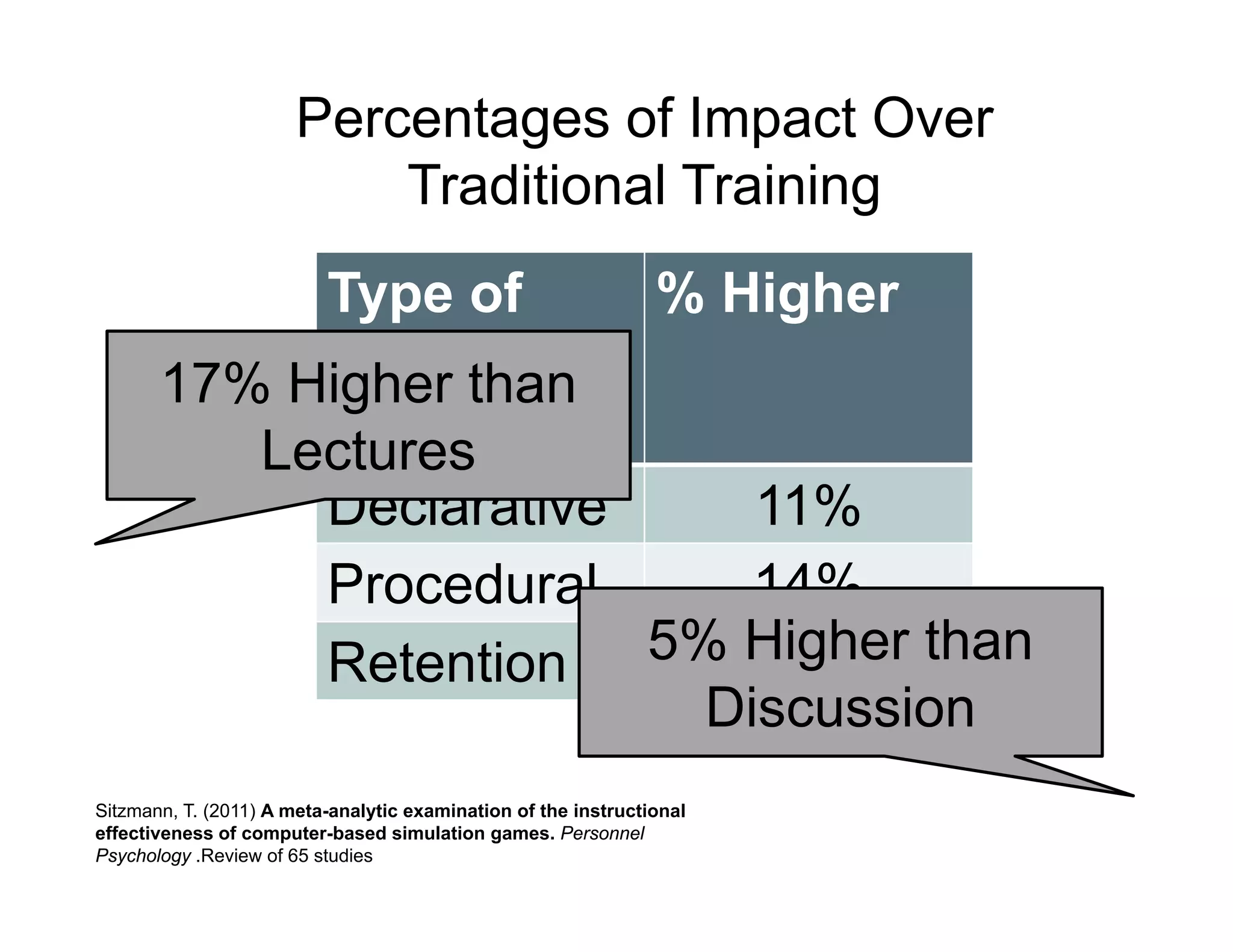
Type of
Knowledge
/Retention
% Higher
Declarative 11%
Procedural 14%
Retention 9%
Percentages of Impact Over
Traditional Training
17% Higher than
Lectures
5% Higher than
Discussion
Sitzmann, T. (2011) A meta-analytic examination of the instructional
effectiveness of computer-based simulation games. Personnel
Psychology .Review of 65 studies
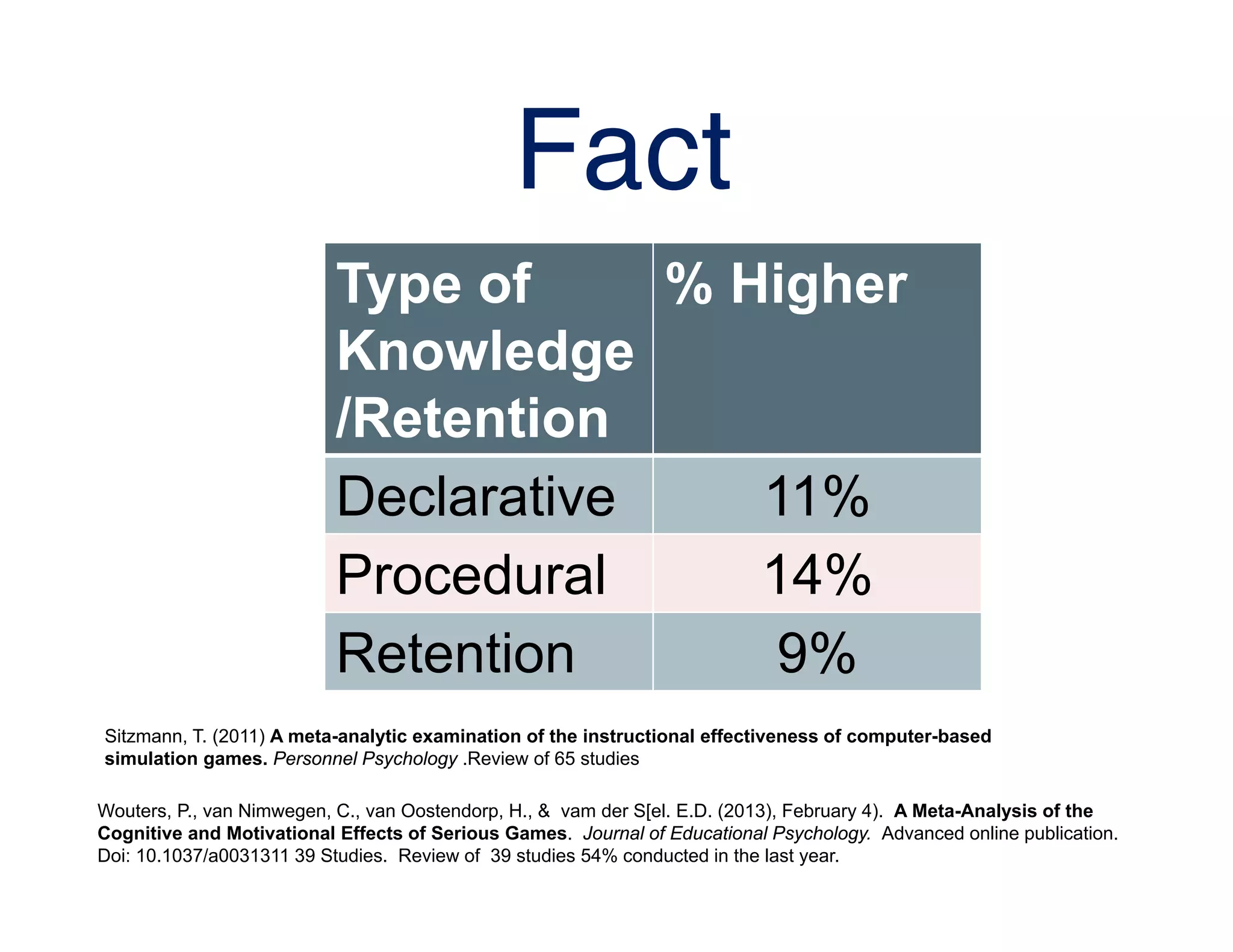
Fact
Type of
Knowledge
/Retention
% Higher
Declarative 11%
Procedural 14%
Retention 9%
Sitzmann, T. (2011) A meta-analytic examination of the instructional effectiveness of computer-based
simulation games. Personnel Psychology .Review of 65 studies
Wouters, P., van Nimwegen, C., van Oostendorp, H., & vam der S[el. E.D. (2013), February 4). A Meta-Analysis of the
Cognitive and Motivational Effects of Serious Games. Journal of Educational Psychology. Advanced online publication.
Doi: 10.1037/a0031311 39 Studies. Review of 39 studies 54% conducted in the last year.
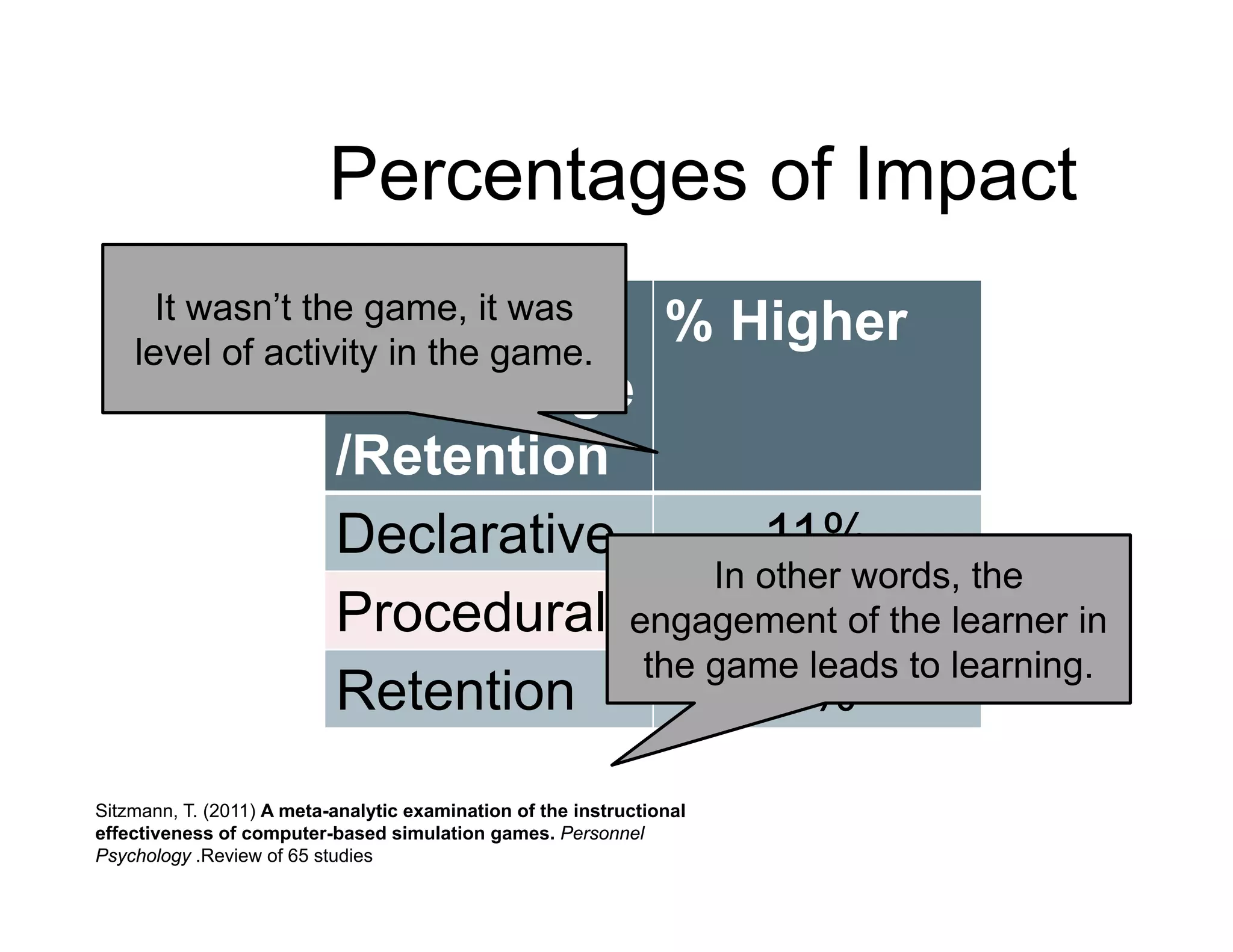
Type of
Knowledge
/Retention
% Higher
Declarative 11%
Procedural 14%
Retention 9%
Percentages of Impact
Sitzmann, T. (2011) A meta-analytic examination of the instructional
effectiveness of computer-based simulation games. Personnel
Psychology .Review of 65 studies
It wasn’t the game, it was
level of activity in the game.
In other words, the
engagement of the learner in
the game leads to learning.
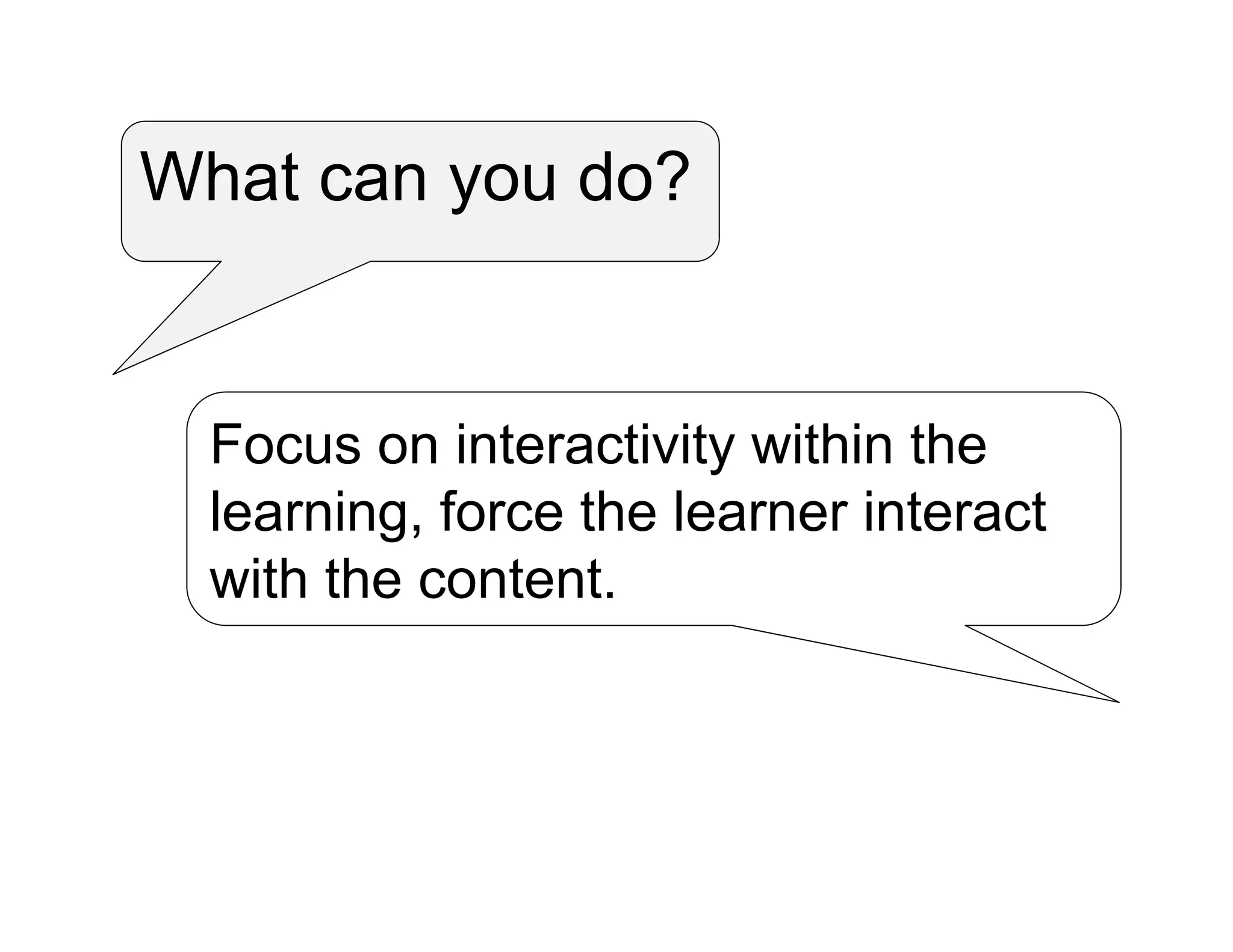
What can you do?
Focus on interactivity within the
learning, force the learner interact
with the content.
MOOCs (Massively Open
Online Courses) have
attrition rates as high as
90%.
Is that Fact or Fishy?
The absence of instructional
design is often cited as a reason
for the huge attrition rate that has
been observed.
The problem-- Faculty are
presented much as they appear in
a classroom, with no interactivity
or visuals.
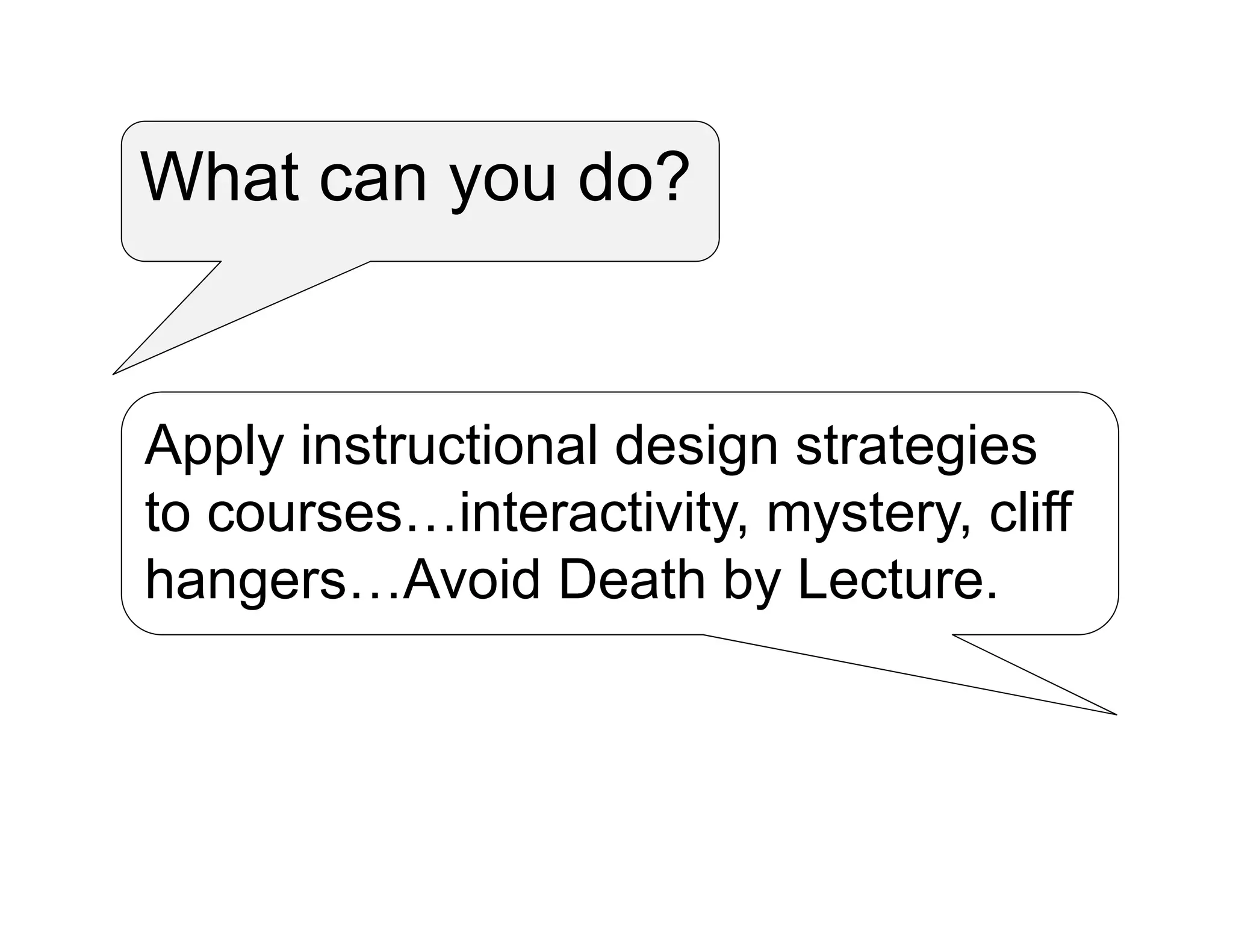
What can you do?
Apply instructional design strategies
to courses…interactivity, mystery, cliff
hangers…Avoid Death by Lecture.
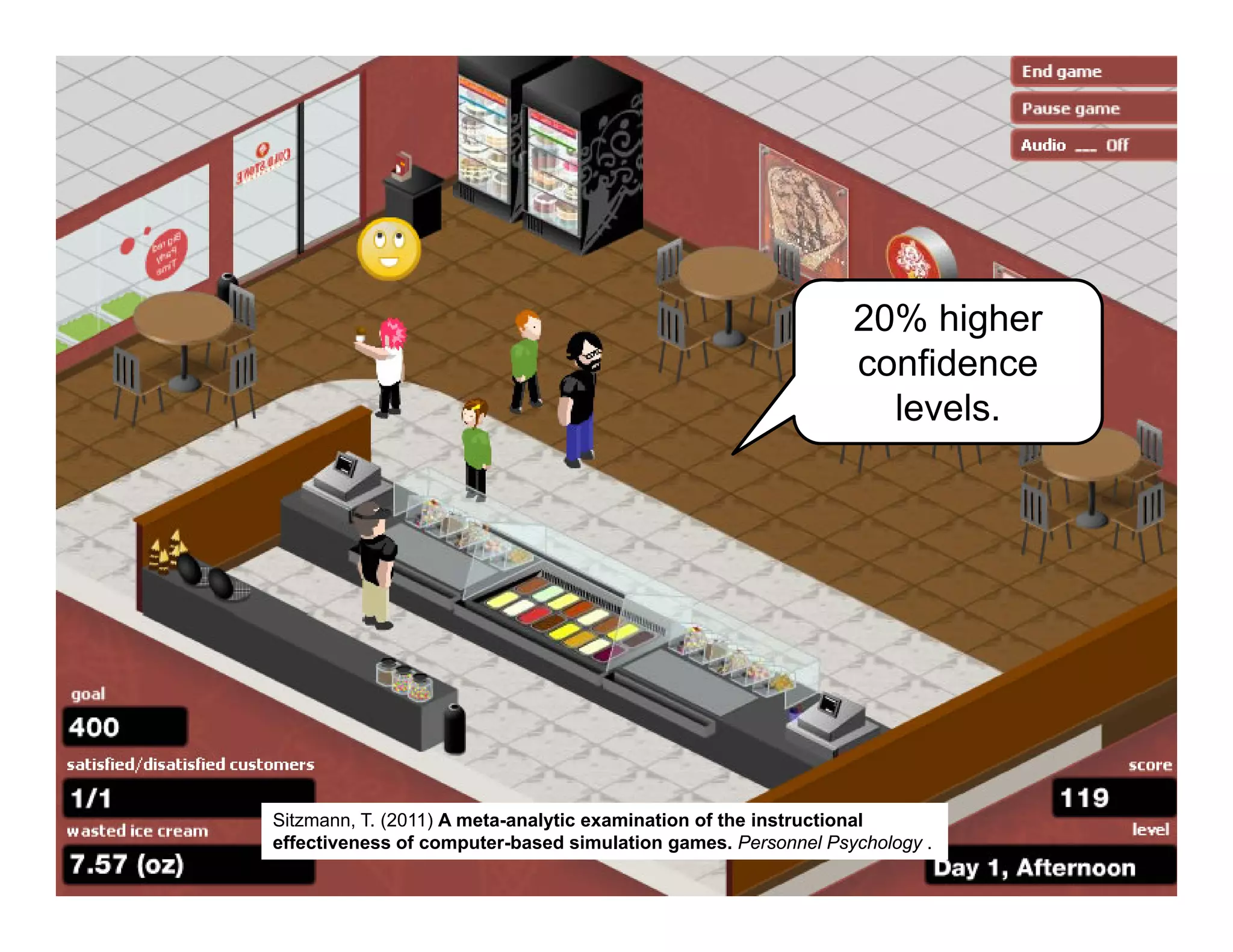
Simulation/games build
more confidence for on the
job application of learned
knowledge than classroom
instruction.
Is that Fact or Fishy?
Sitzmann, T. (2011) A meta-analytic examination of the instructional
effectiveness of computer-based simulation games. Personnel Psychology .
20% higher
confidence
levels.
What can you do?
Simulate what the learner actually has
to do on the job.
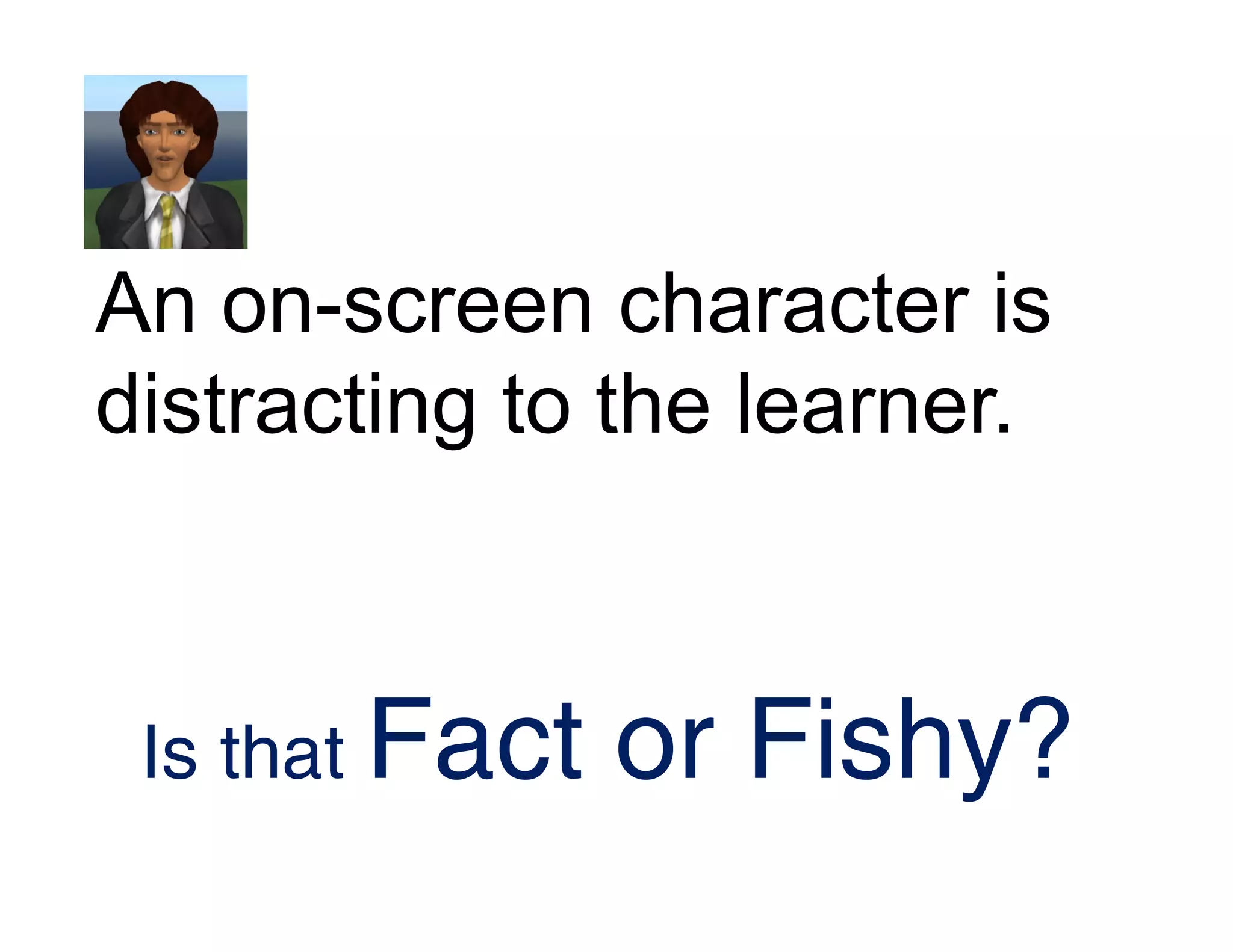
An on-screen character is
distracting to the learner.
Is that Fact or Fishy?
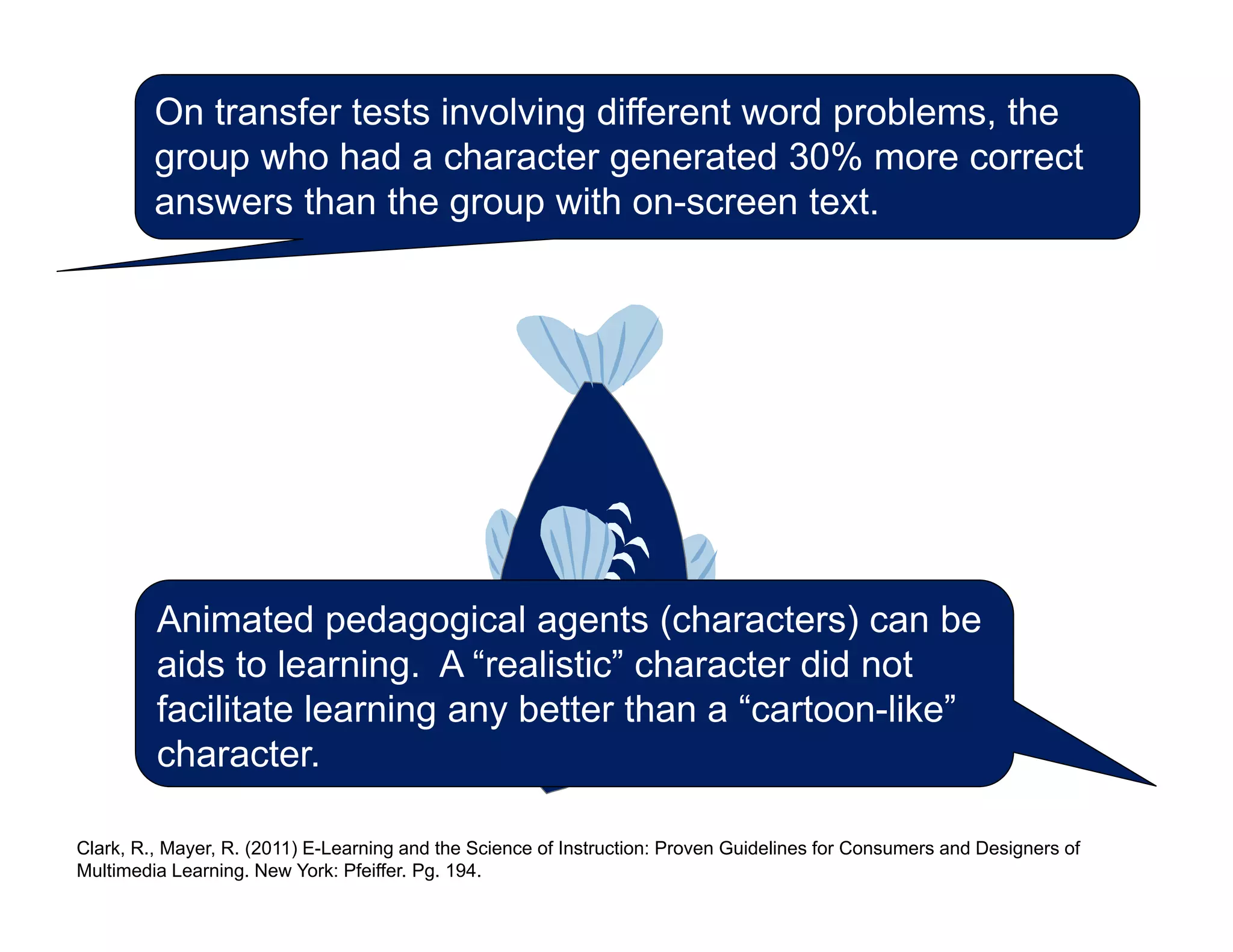
On transfer tests involving different word problems, the
group who had a character generated 30% more correct
answers than the group with on-screen text.
Animated pedagogical agents (characters) can be
aids to learning. A “realistic” character did not
facilitate learning any better than a “cartoon-like”
character.
Clark, R., Mayer, R. (2011) E-Learning and the Science of Instruction: Proven Guidelines for Consumers and Designers of
Multimedia Learning. New York: Pfeiffer. Pg. 194.
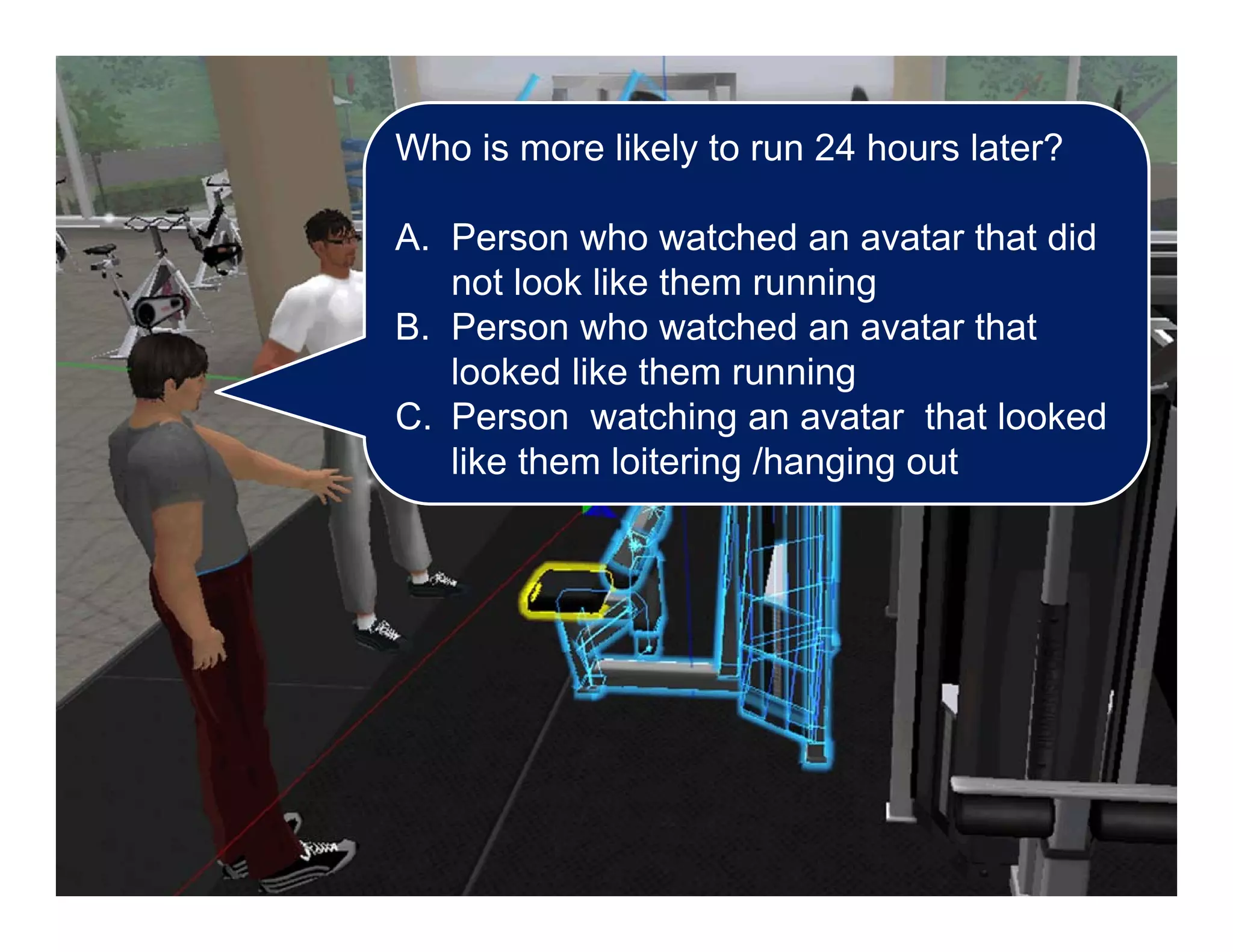
Who is more likely to run 24 hours later?
A. Person who watched an avatar that did
not look like them running
B. Person who watched an avatar that
looked like them running
C. Person watching an avatar that looked
like them loitering /hanging out
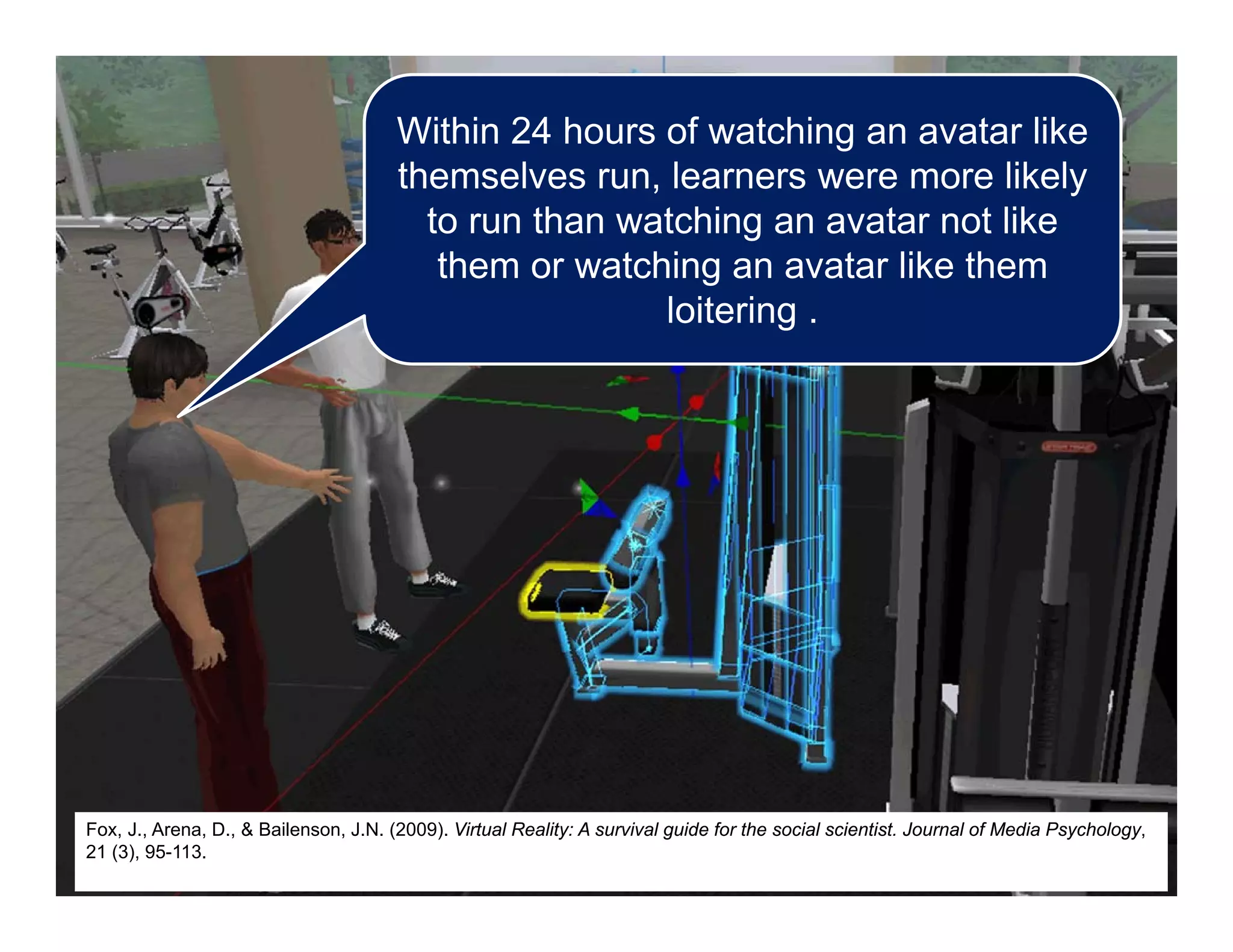
Within 24 hours of watching an avatar like
themselves run, learners were more likely
to run than watching an avatar not like
them or watching an avatar like them
loitering .
Fox, J., Arena, D., & Bailenson, J.N. (2009). Virtual Reality: A survival guide for the social scientist. Journal of Media Psychology,
21 (3), 95-113.
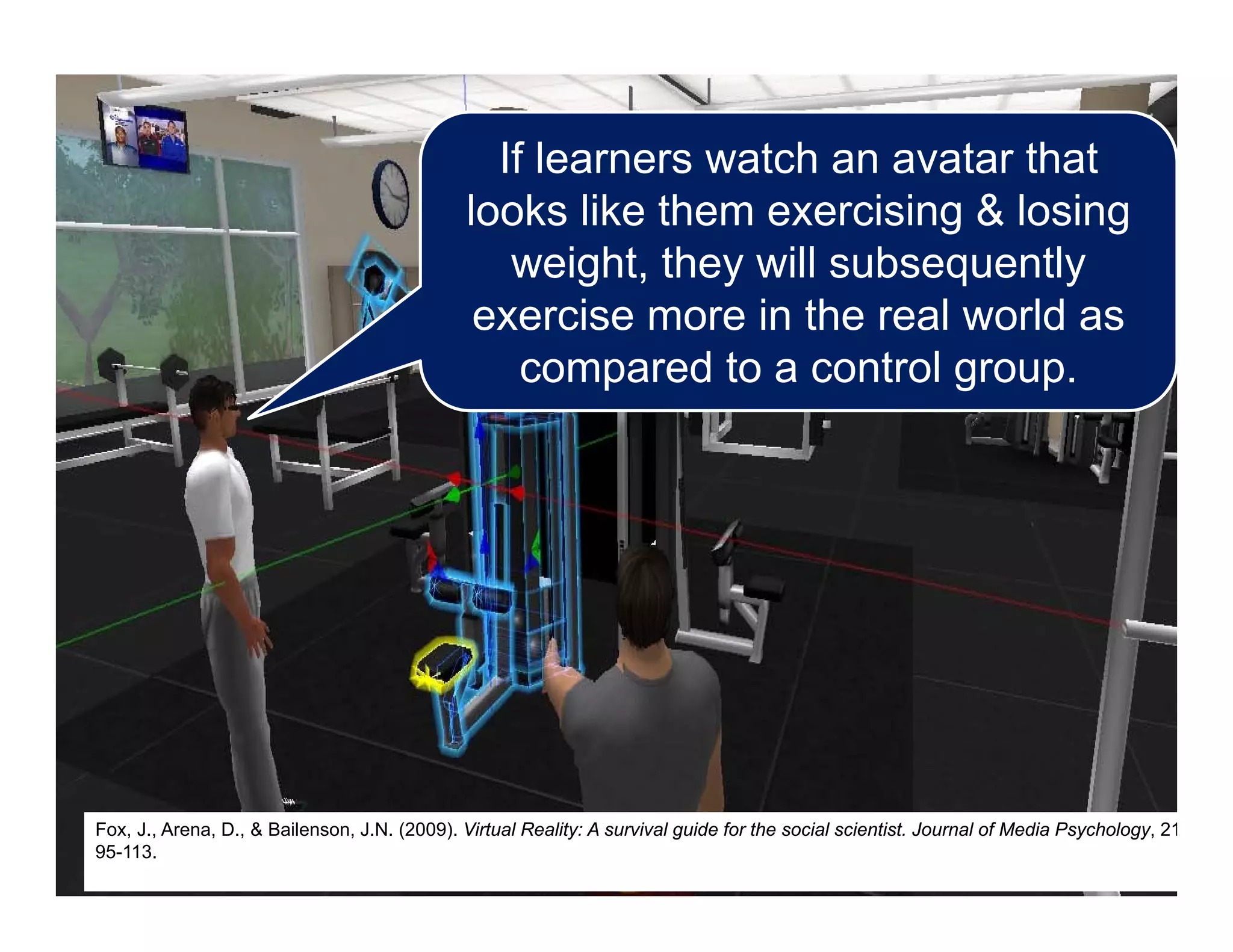
If learners watch an avatar that
looks like them exercising & losing
weight, they will subsequently
exercise more in the real world as
compared to a control group.
Fox, J., Arena, D., & Bailenson, J.N. (2009). Virtual Reality: A survival guide for the social scientist. Journal of Media Psychology, 21
95-113.
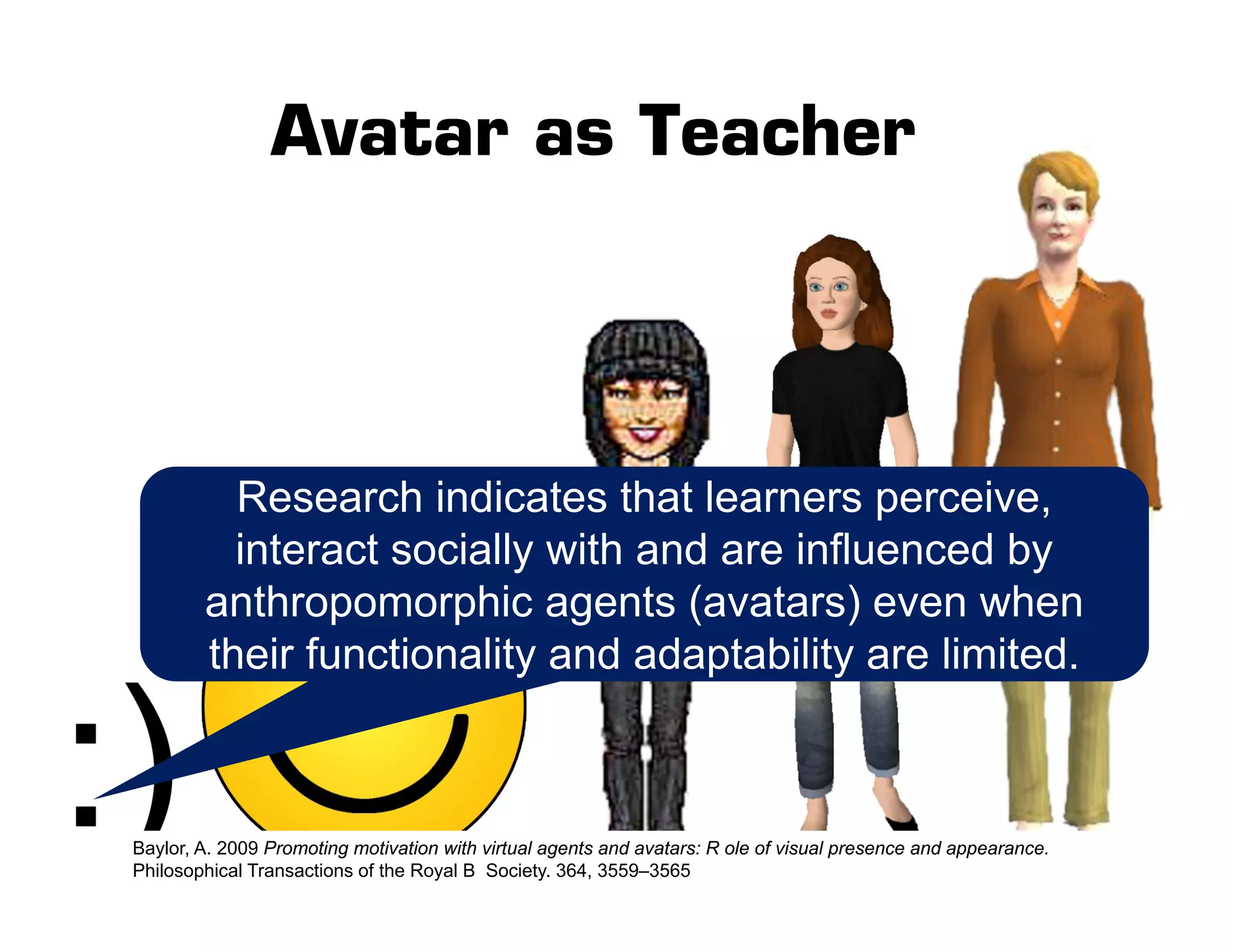
Avatar as Teacher
Research indicates that learners perceive,
interact socially with and are influenced by
anthropomorphic agents (avatars) even when
their functionality and adaptability are limited.
Baylor, A. 2009 Promoting motivation with virtual agents and avatars: R ole of visual presence and appearance.
Philosophical Transactions of the Royal B Society. 364, 3559–3565
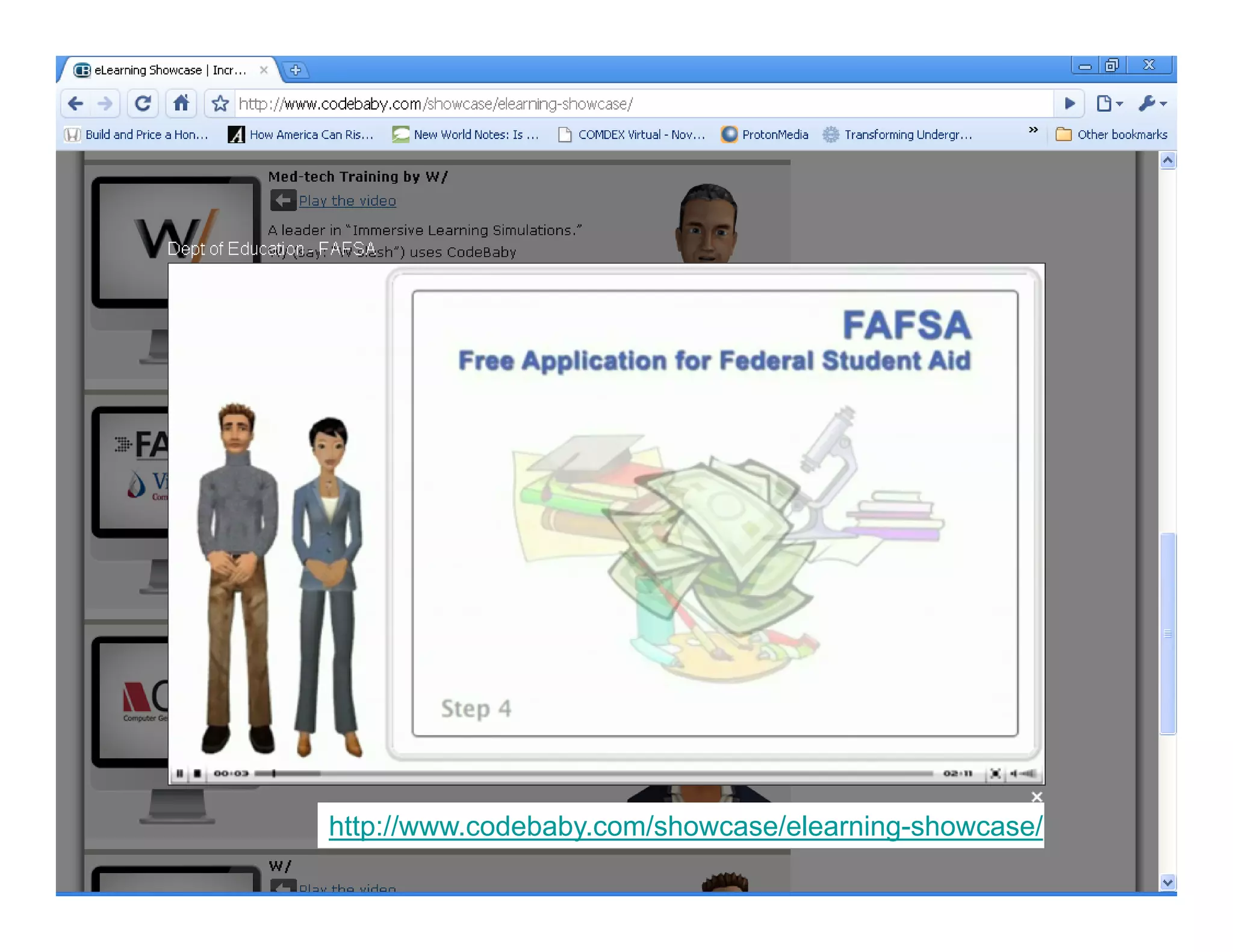
http://www.codebaby.com/showcase/elearning-showcase/
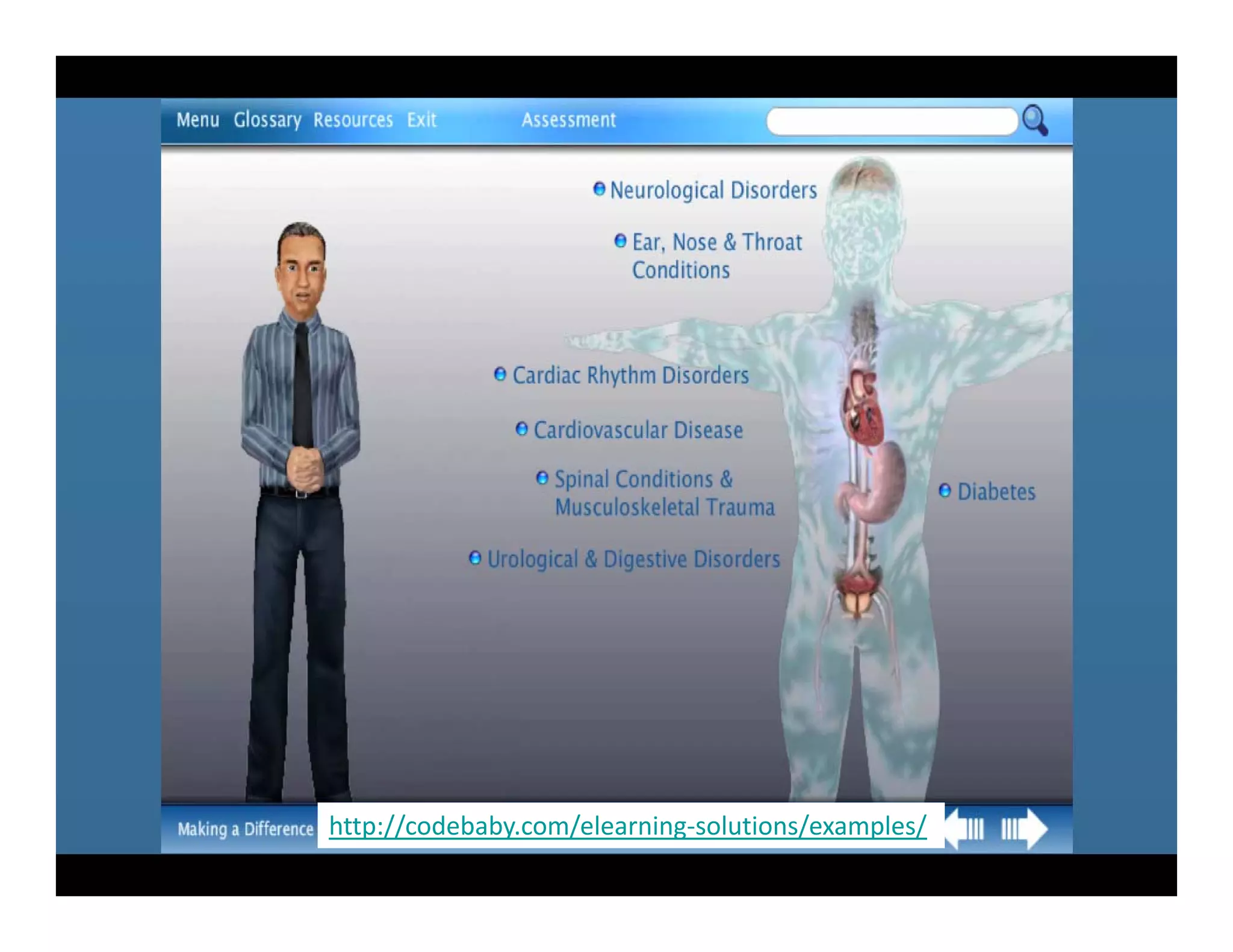
http://codebaby.com/elearning‐solutions/examples/
What can you do?
Use characters in your learning
design.
Learners remember facts better…
When presented as bulleted
list rather than presented as
a story.
Is that Fact or Fishy?
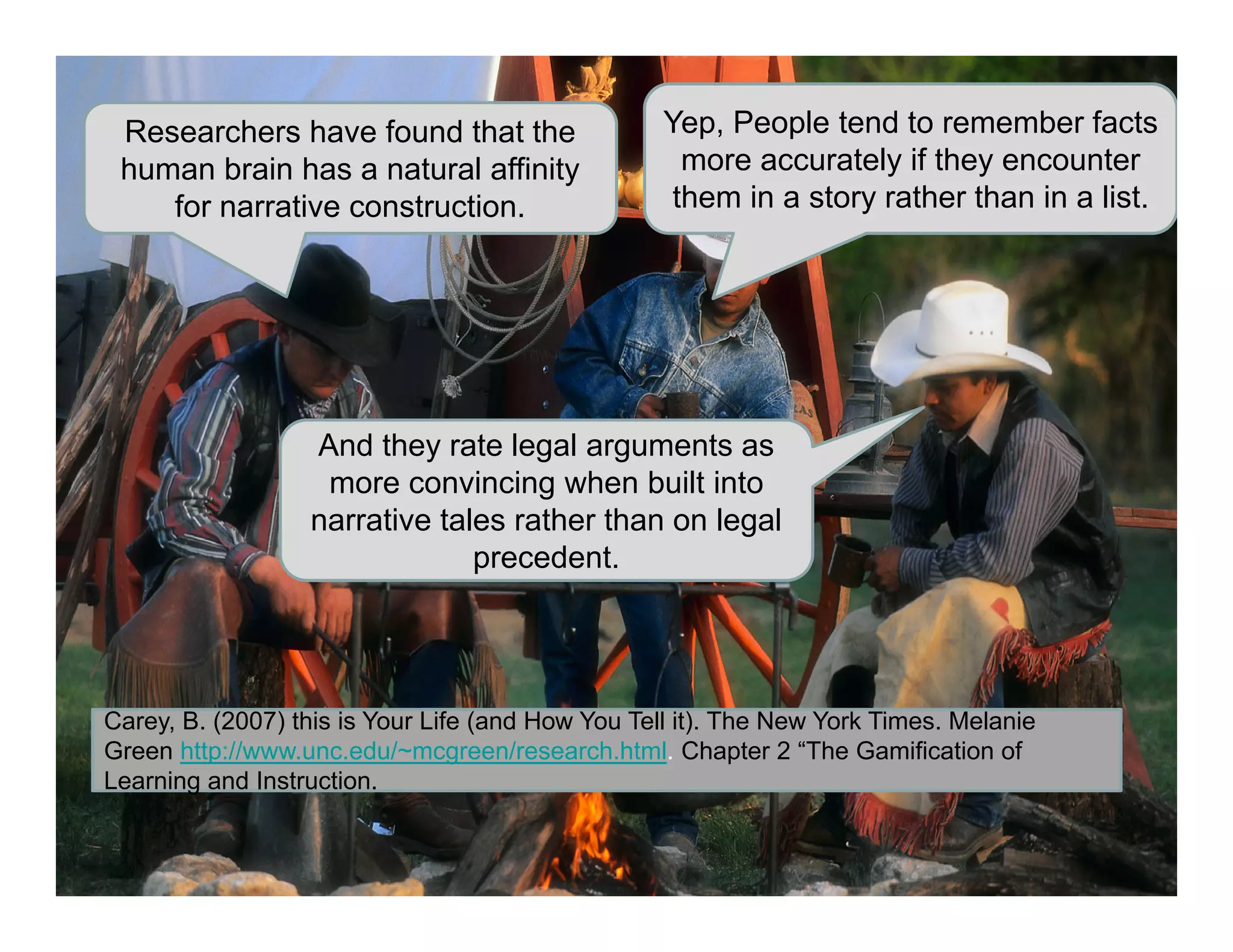
Researchers have found that the
human brain has a natural affinity
for narrative construction.
Yep, People tend to remember facts
more accurately if they encounter
them in a story rather than in a list.
And they rate legal arguments as
more convincing when built into
narrative tales rather than on legal
precedent.
g
Carey, B. (2007) this is Your Life (and How You Tell it). The New York Times. Melanie
Green http://www.unc.edu/~mcgreen/research.html. Chapter 2 “The Gamification of
Learning and Instruction.
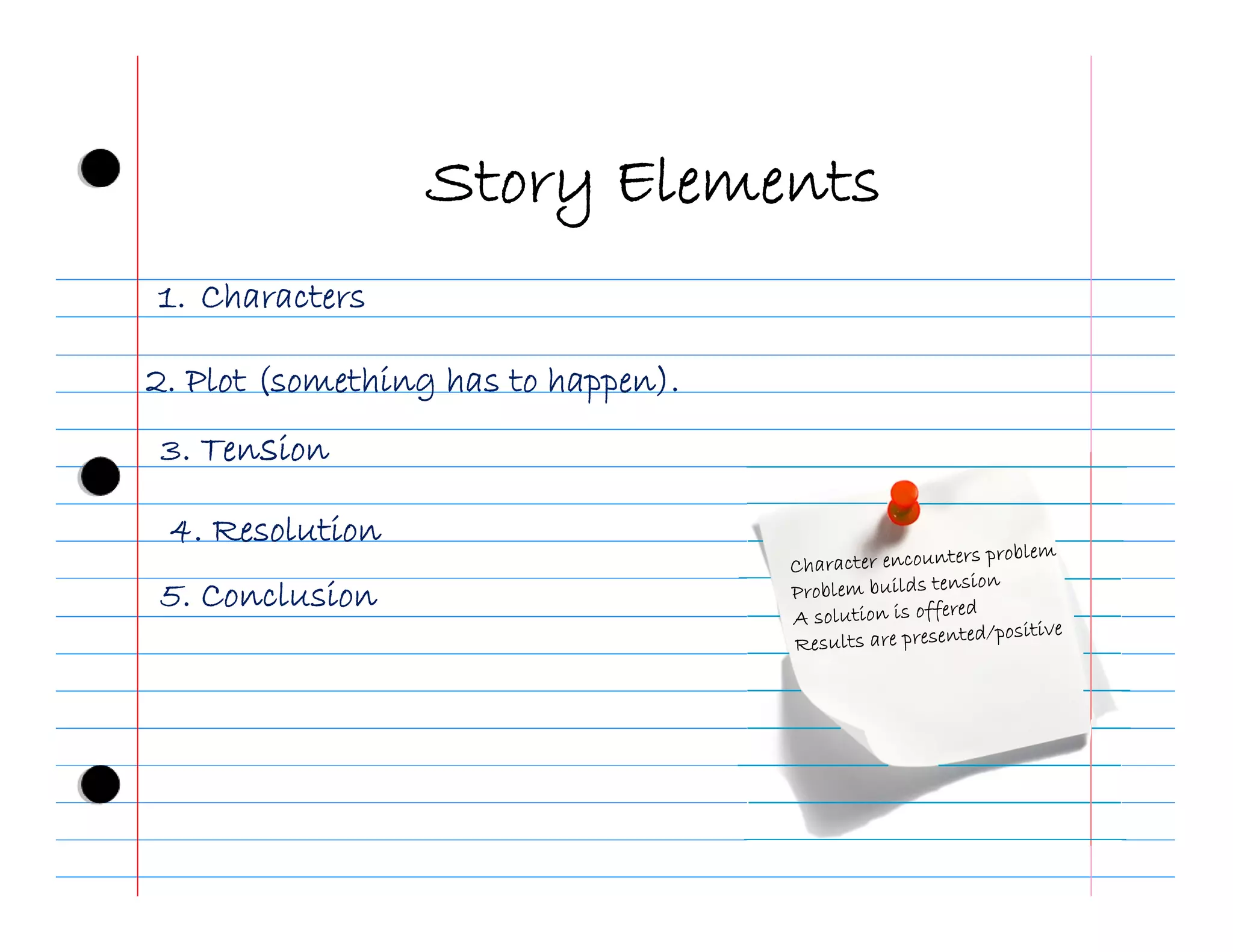
1. Characters
Story Elements
5. Conclusion
2. Plot (something has to happen).
3. Tension
4. Resolution
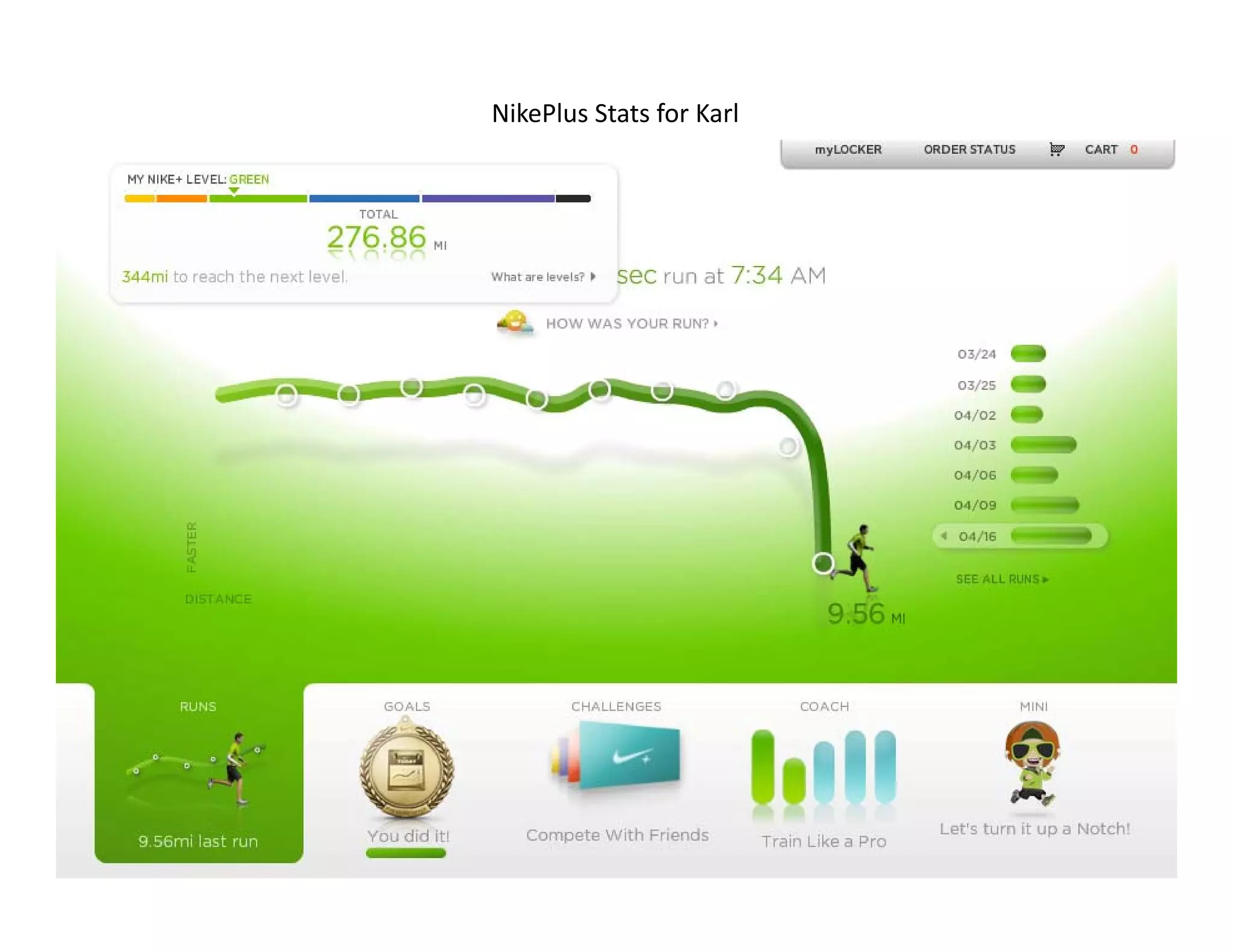
NikePlus Stats for Karl
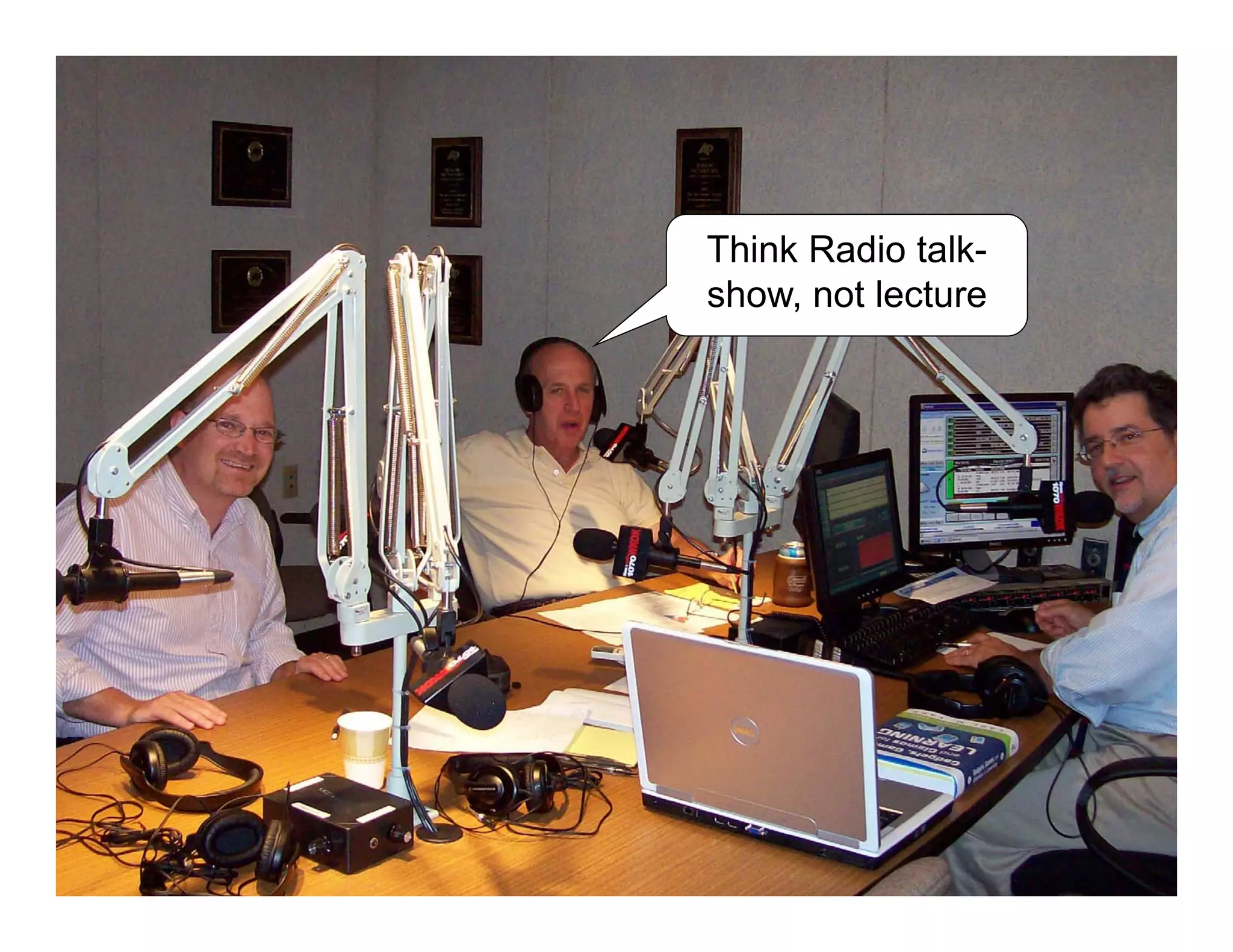
Think Radio talk-
show, not lecture
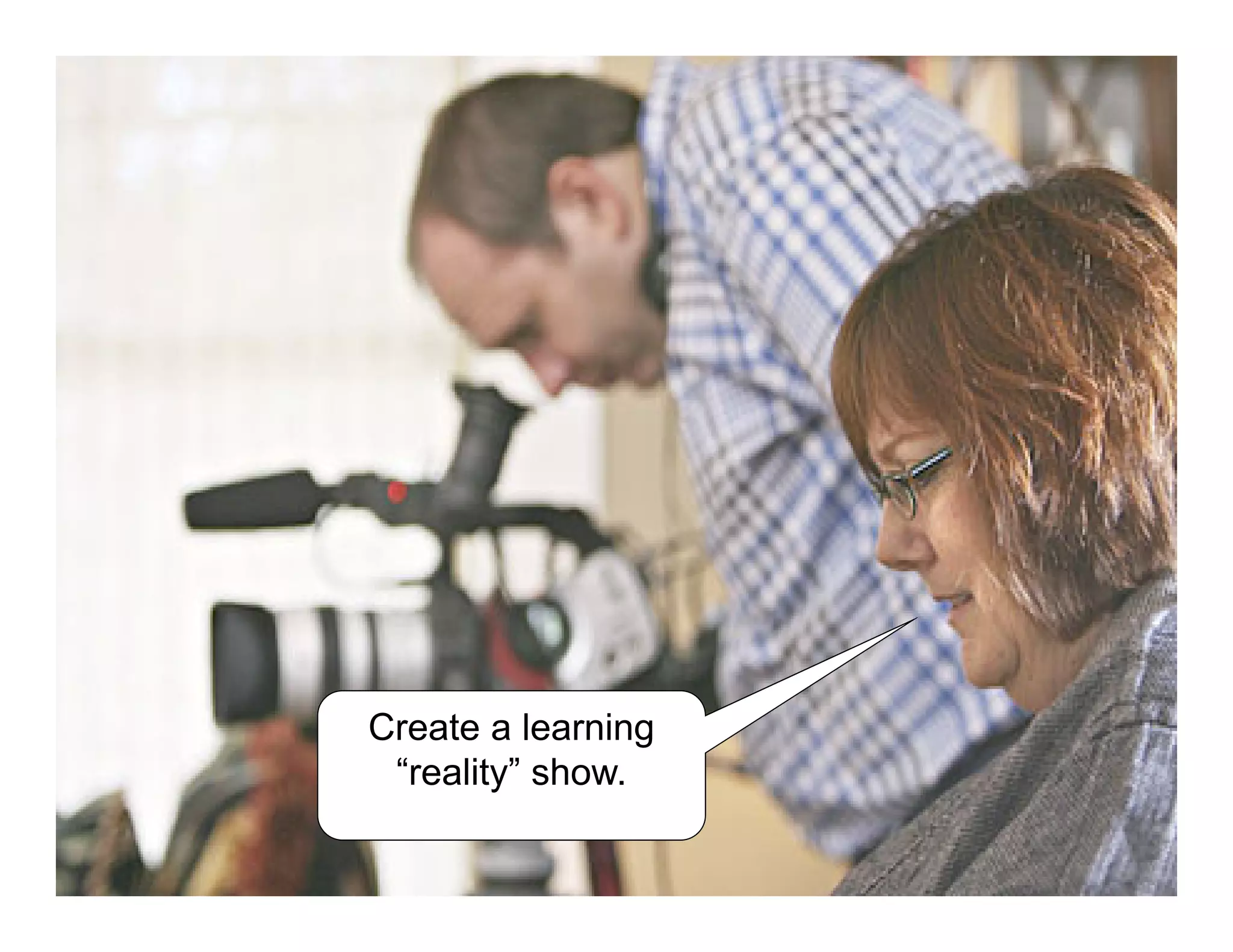
Create a learning
“reality” show.
What can you do?
Use stories. Provide the context for
the learning.
Think NPR instead of “lecture.”
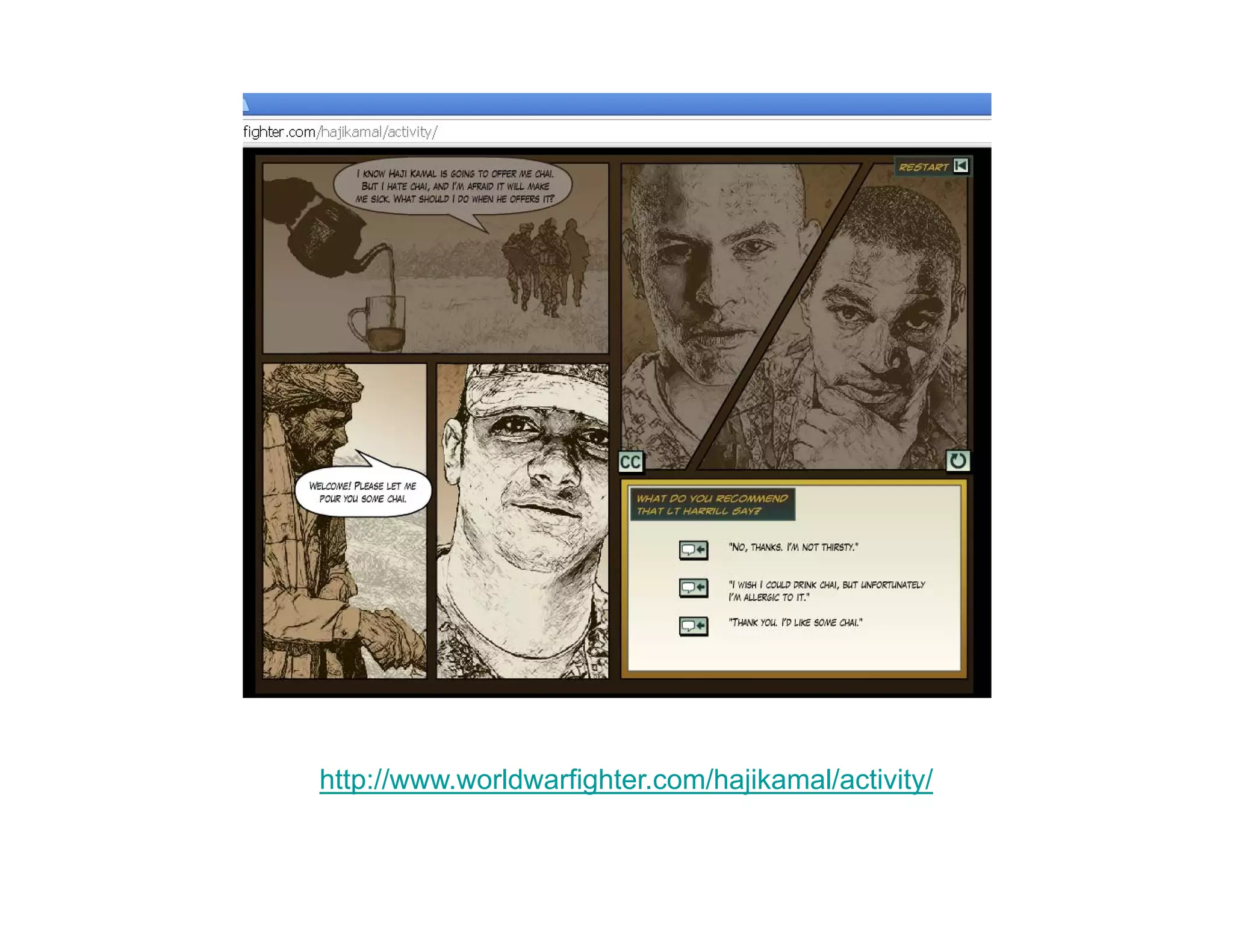
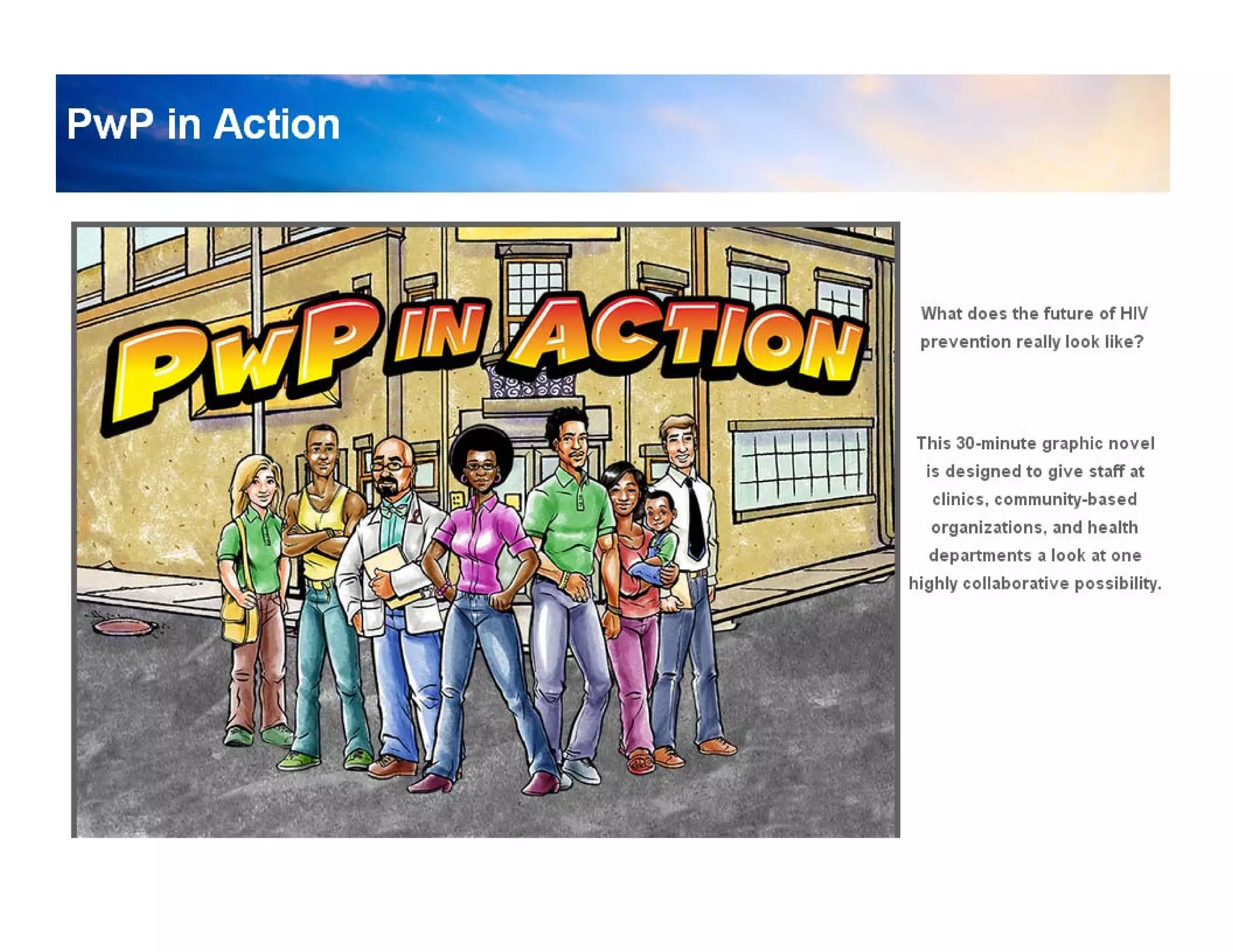
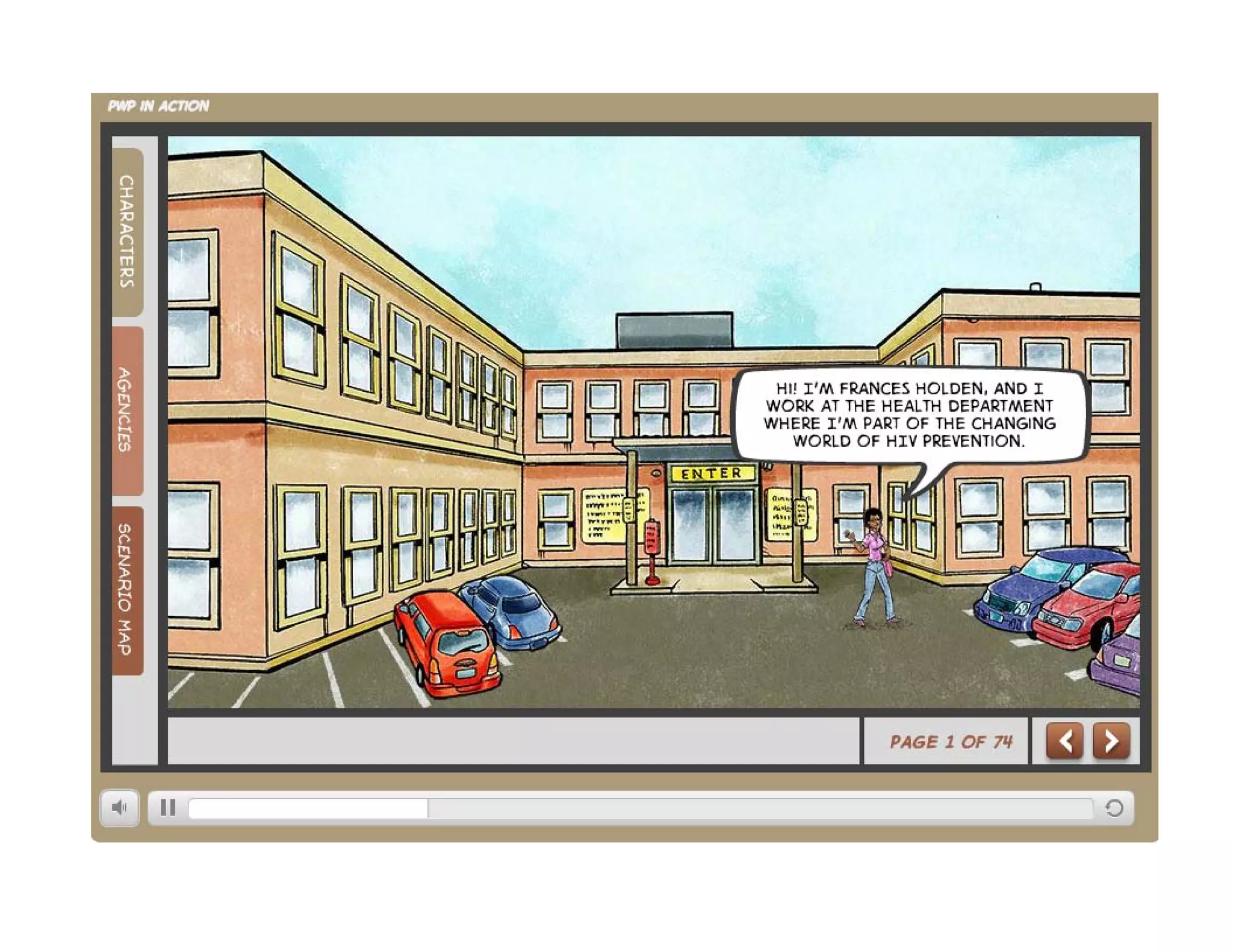
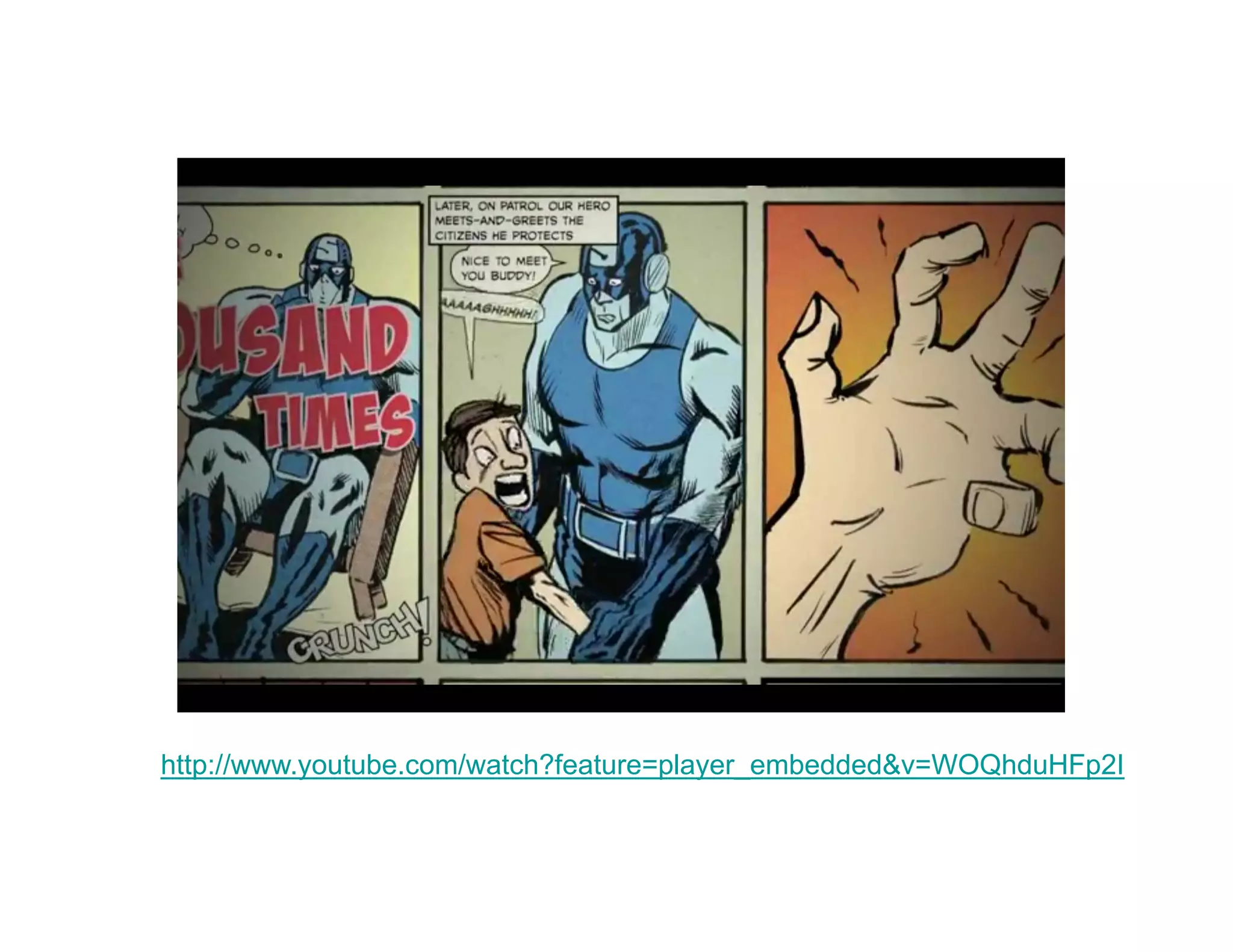
Graphic Novels and eBooks
should not be used for
“Serious Training.”
Is that Fact or Fishy?
http://www.worldwarfighter.com/hajikamal/activity/
http://www.youtube.com/watch?feature=player_embedded&v=WOQhduHFp2I
What can you do?
Create a graphic novel for learning.
Introduce a subject, reinforce
learning.
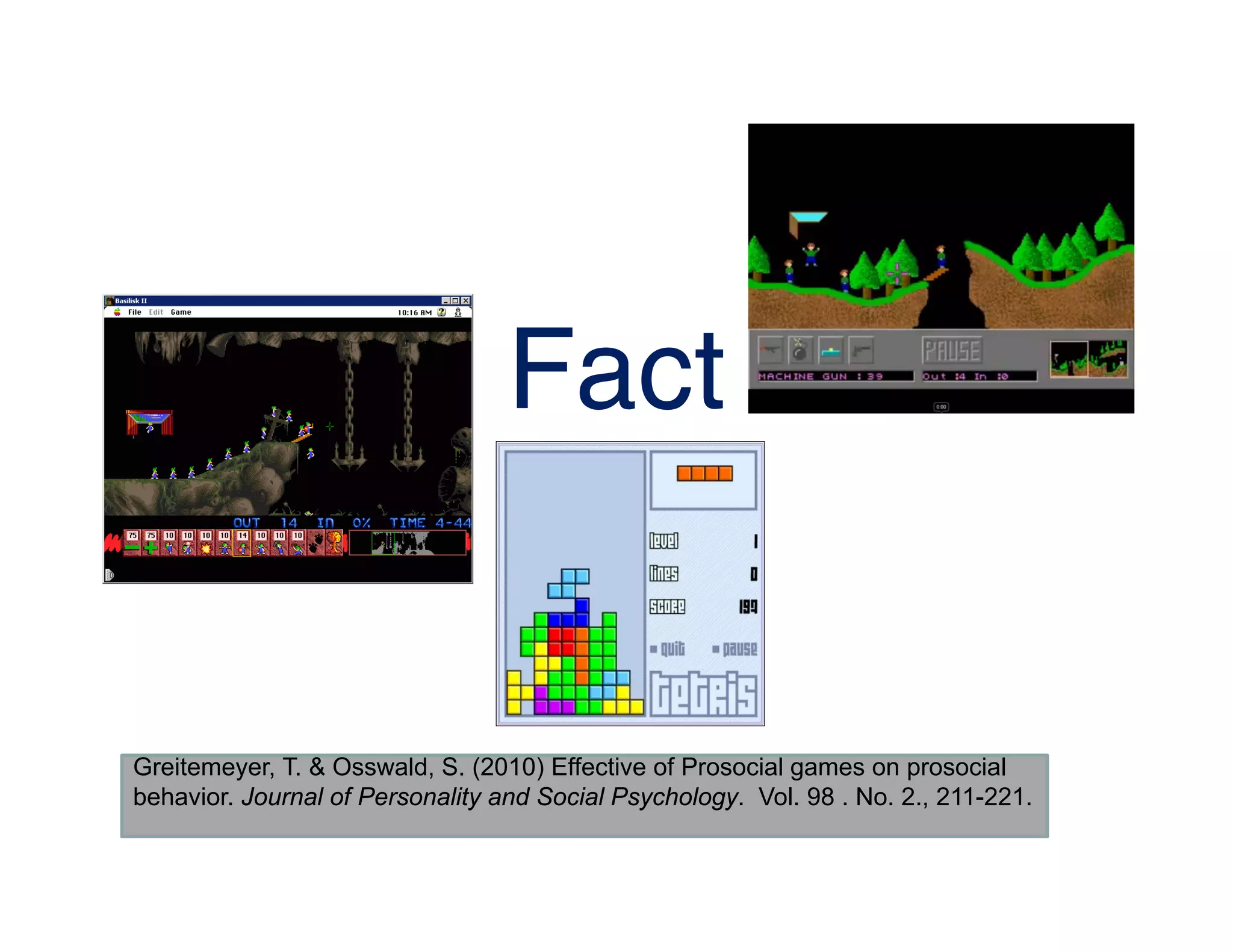
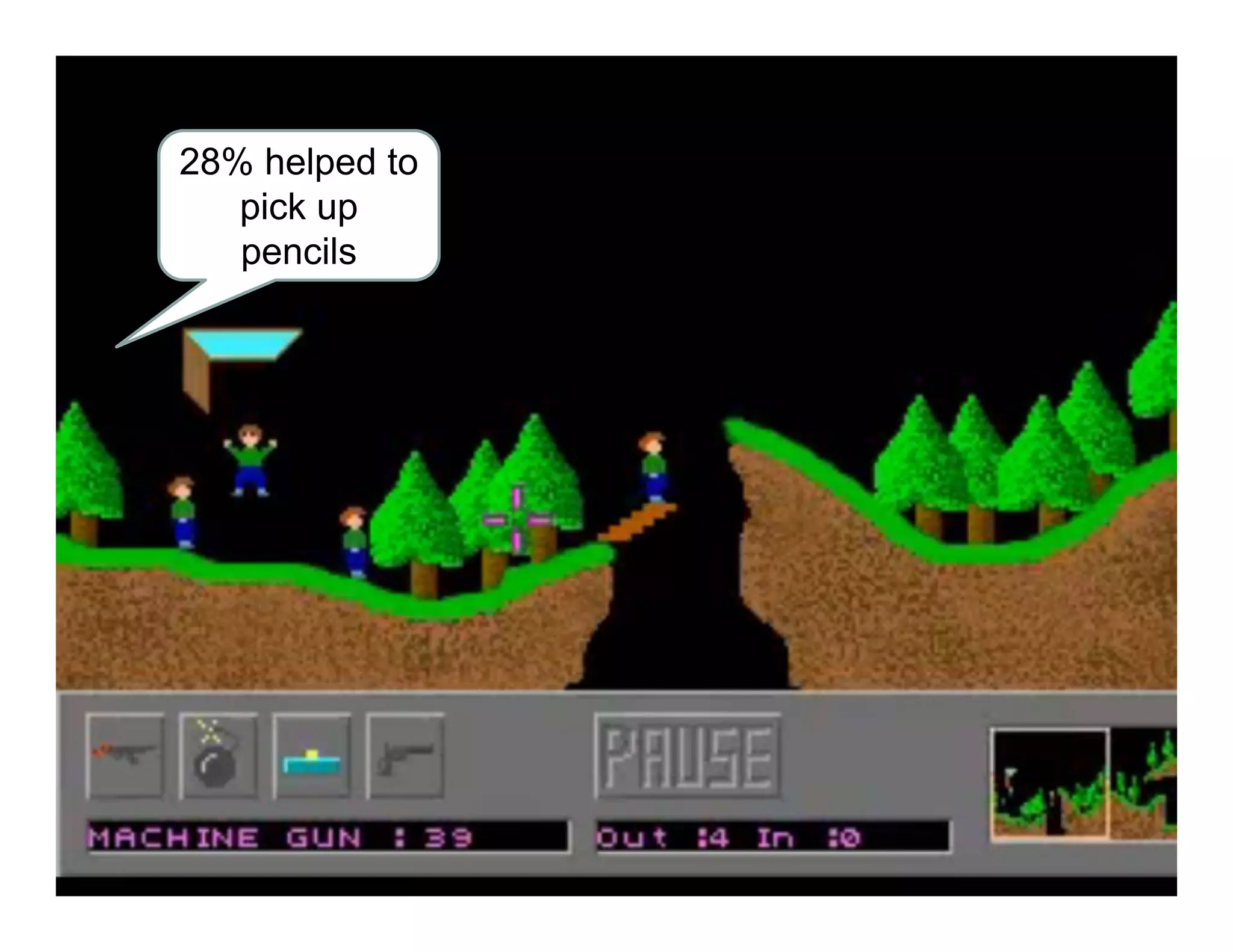
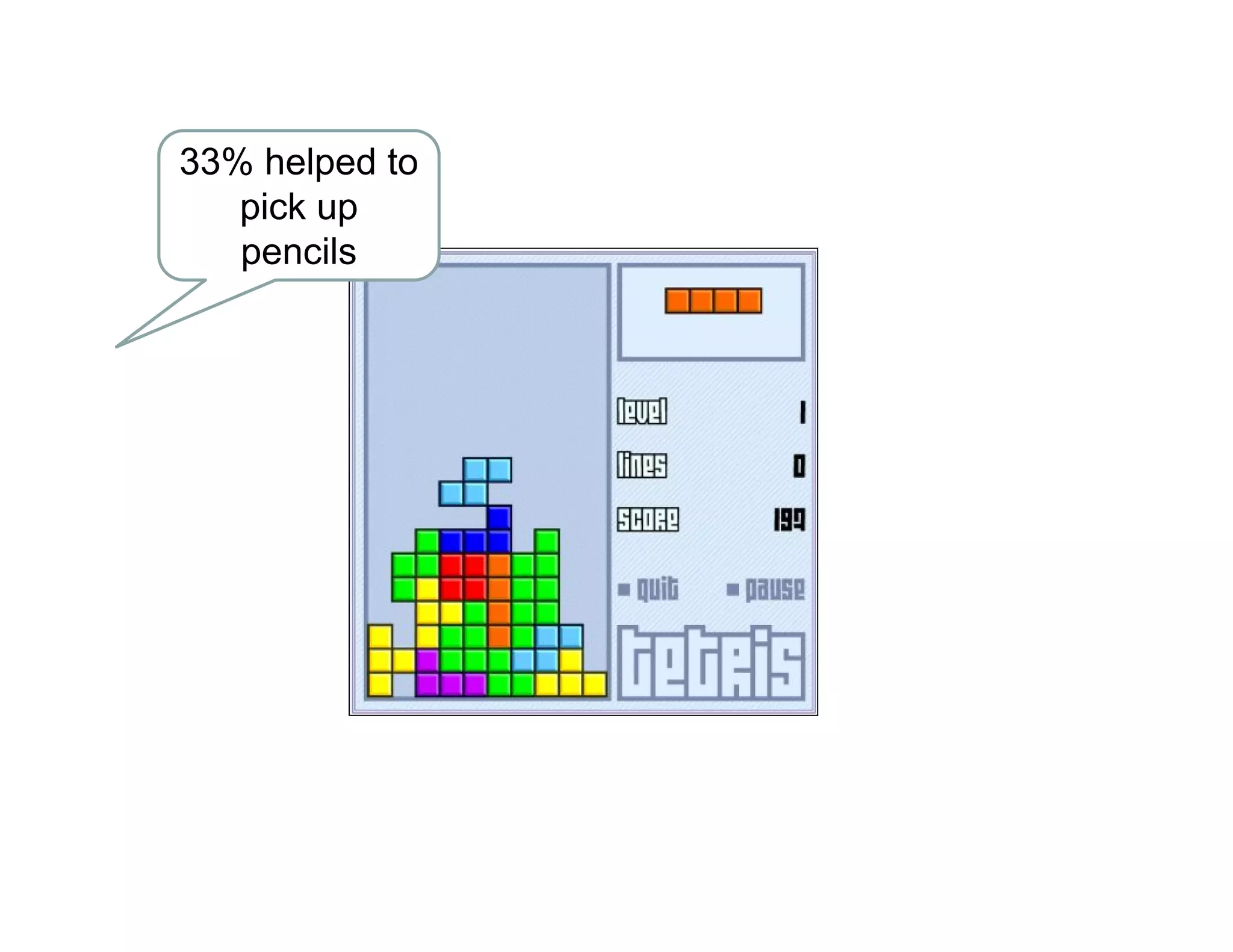
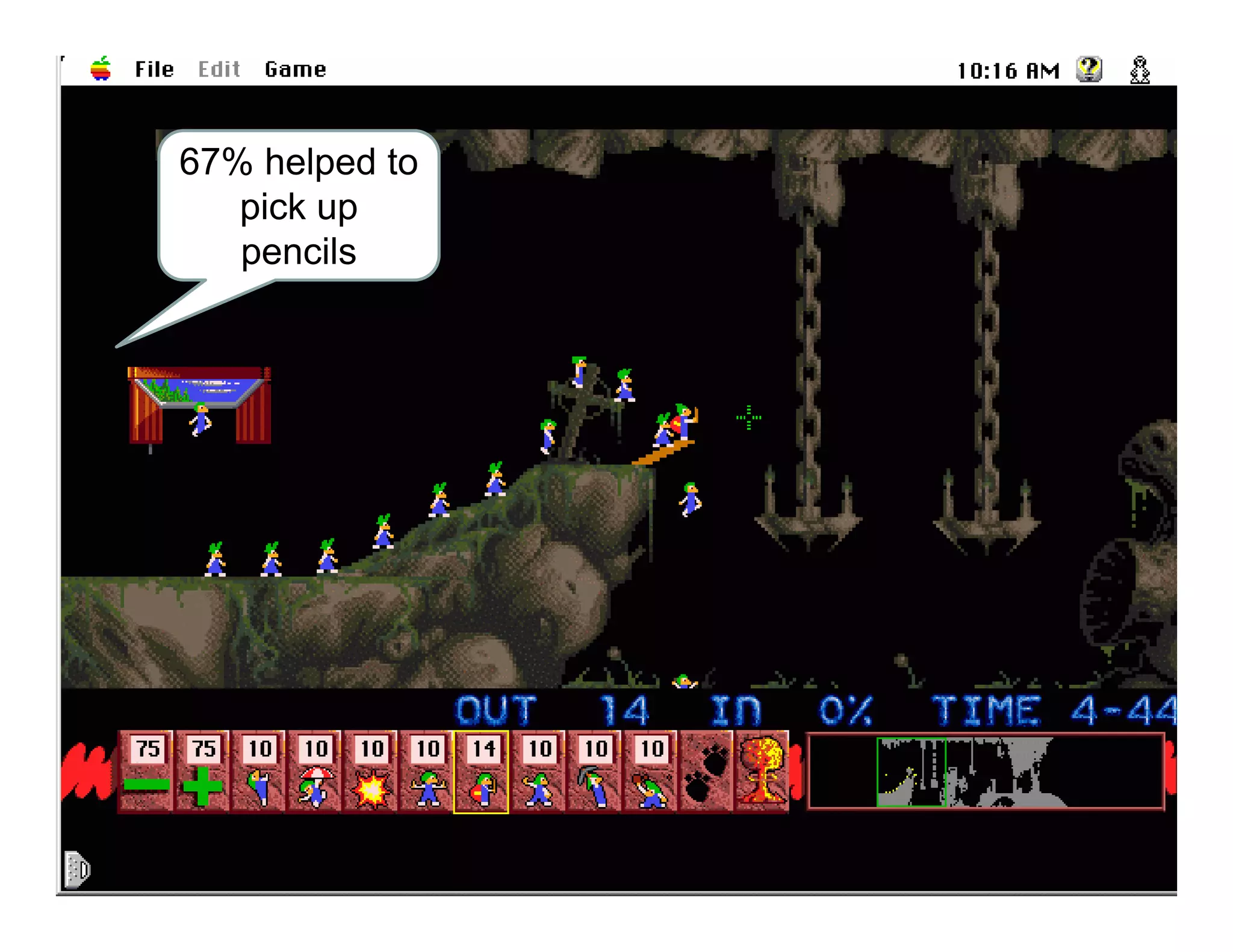
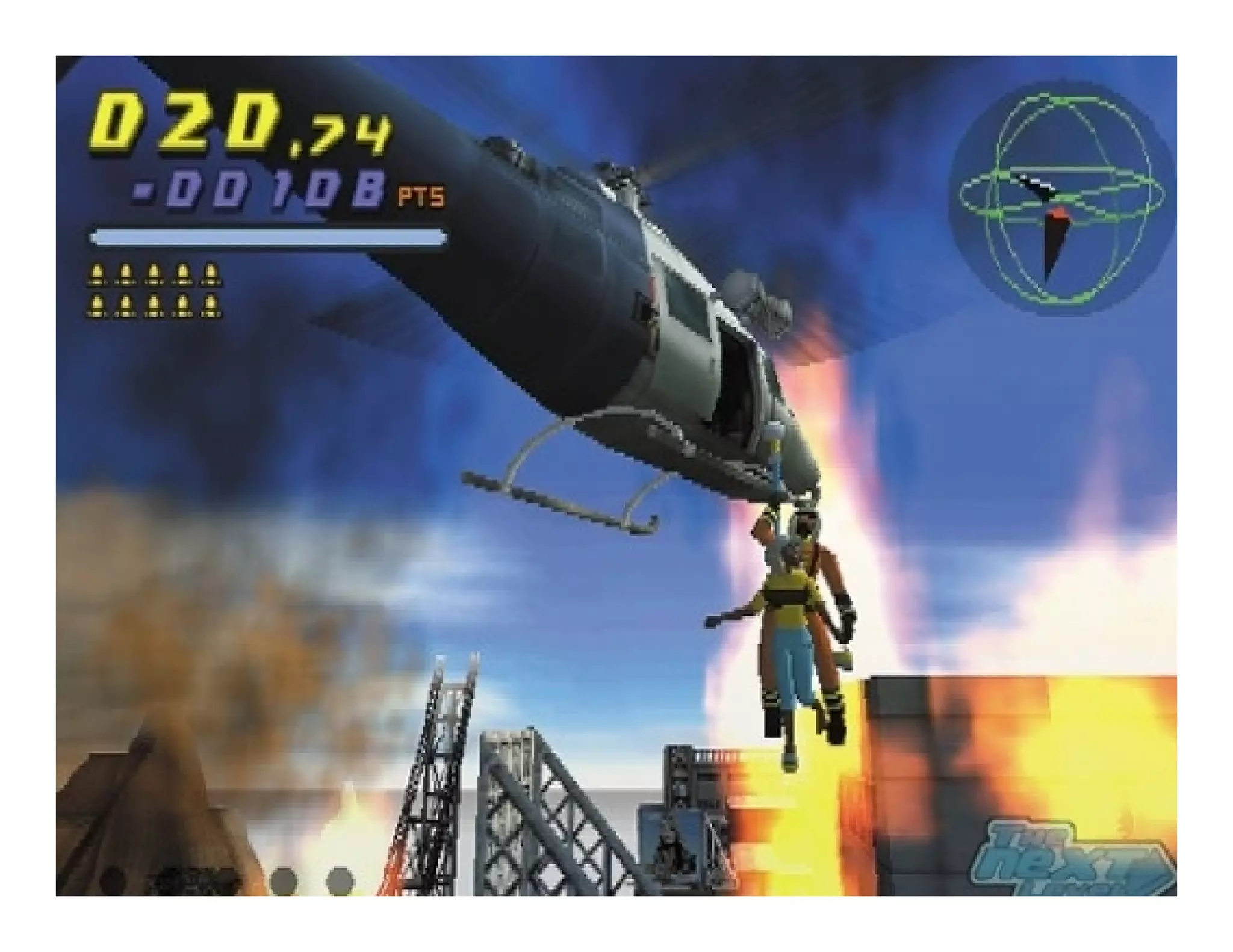
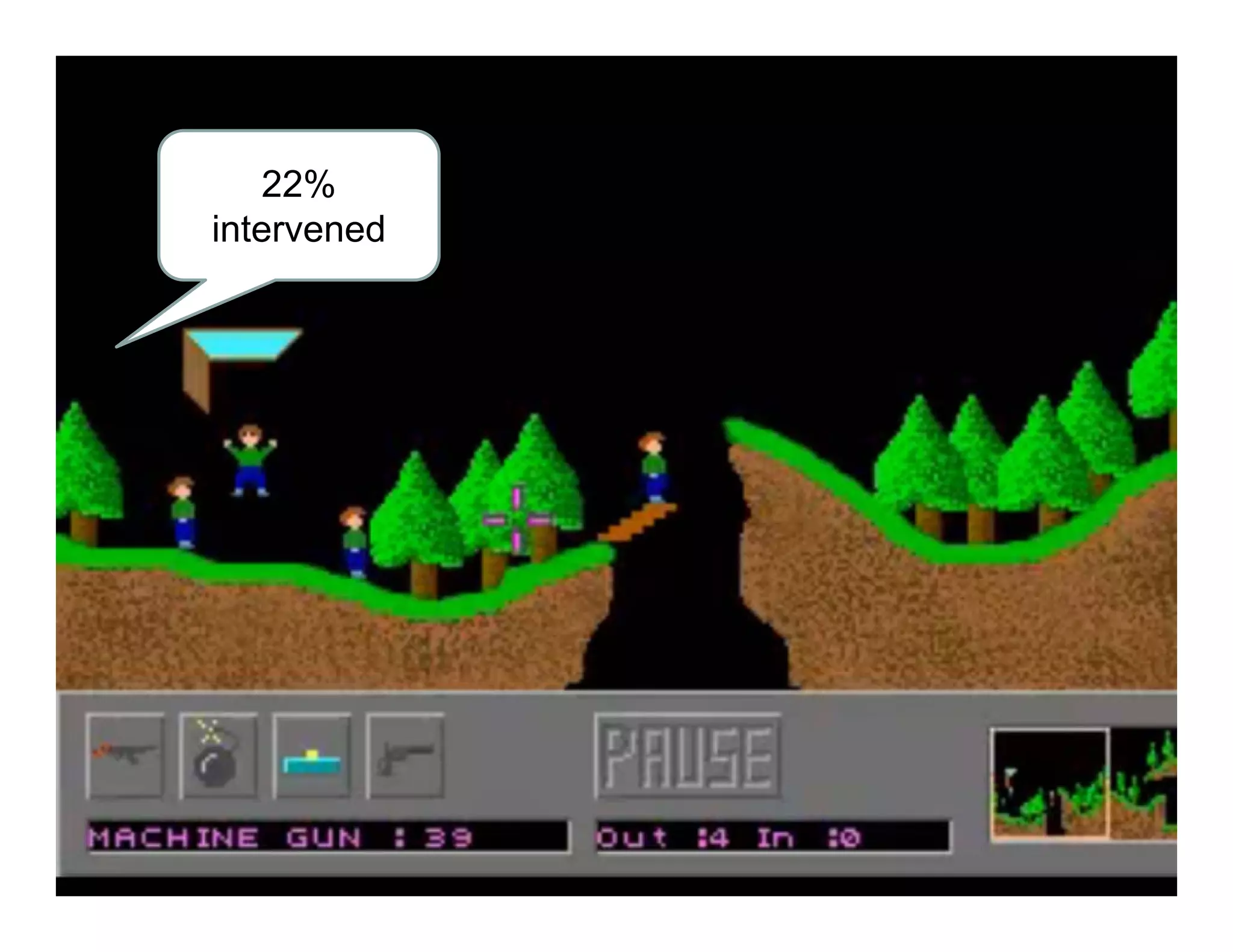
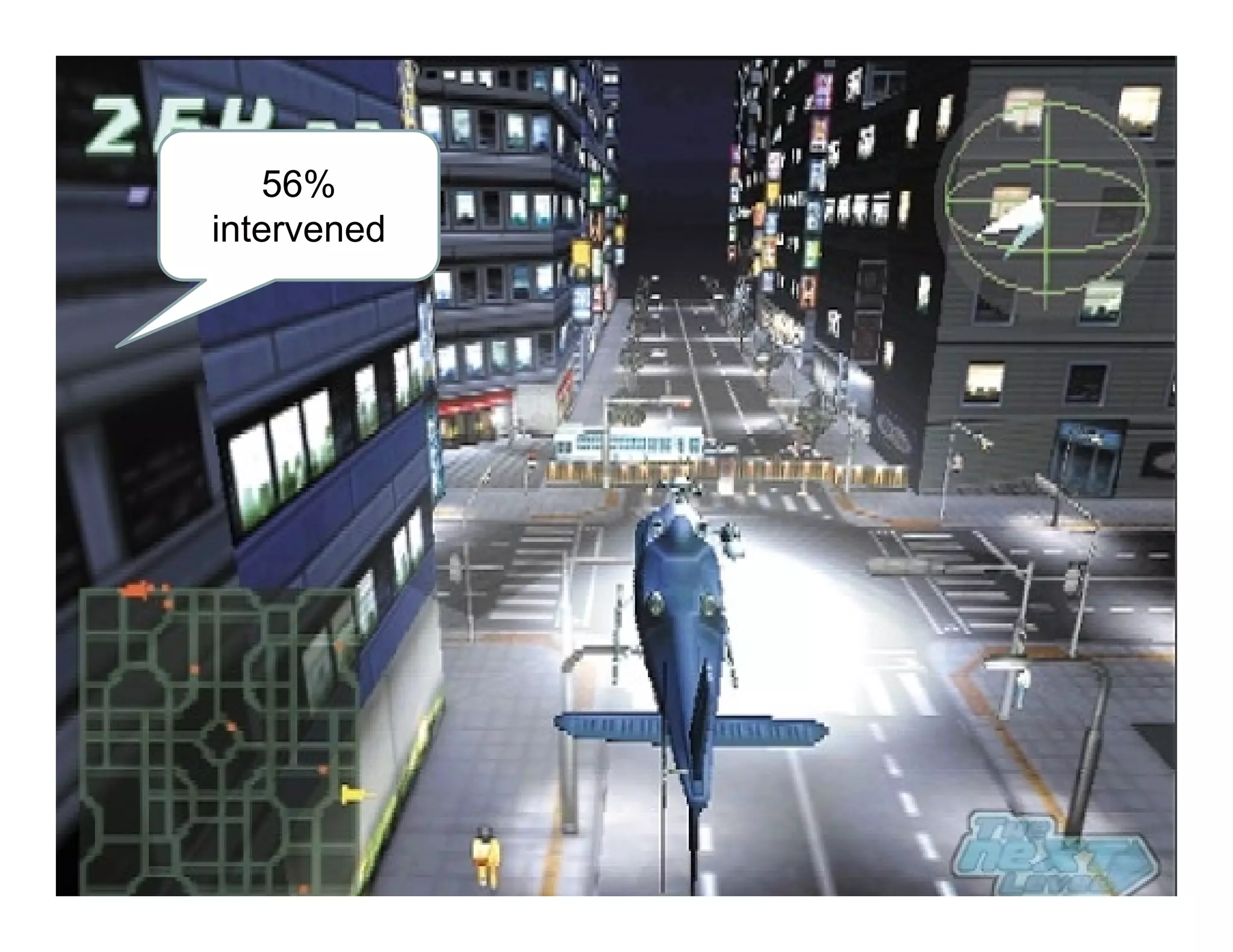
Games can influence
people to behave in a
positive manner.
Is that Fact or Fishy?
Greitemeyer, T. & Osswald, S. (2010) Effective of Prosocial games on prosocial
behavior. Journal of Personality and Social Psychology. Vol. 98 . No. 2., 211-221.
Fact
28% helped to
pick up
pencils
33% helped to
pick up
pencils
67% helped to
pick up
pencils
22%
intervened
56%
intervened
What can you do?
Create a game to influence
learners to interact favorably with
your content.
One way to engage learners is to…
Present them with a difficult
challenge.
Is that Fact or Fishy?
Fact.
Provide a challenge
Jones, B., Valdez, G., Norakowski, J., & Rasmussen, C. (1994). Designing learning and technology for educational
reform. North Central Regional Educational Laboratory. [Online]. Available:
http://www.ncrtec.org/capacity/profile/profwww.htm and Schlechty, P. C. (1997). Inventing better schools: An action plan
for educational reform. San Francisco, CA: Jossey-Bass
Re-design the Instruction to
Start with a Challenge
Investigatory Training
• Course Objectives
– Identify the Forms Required for an
Investigation
– Practice Interview Techniques
– Understand and Follow the Investigation
Model
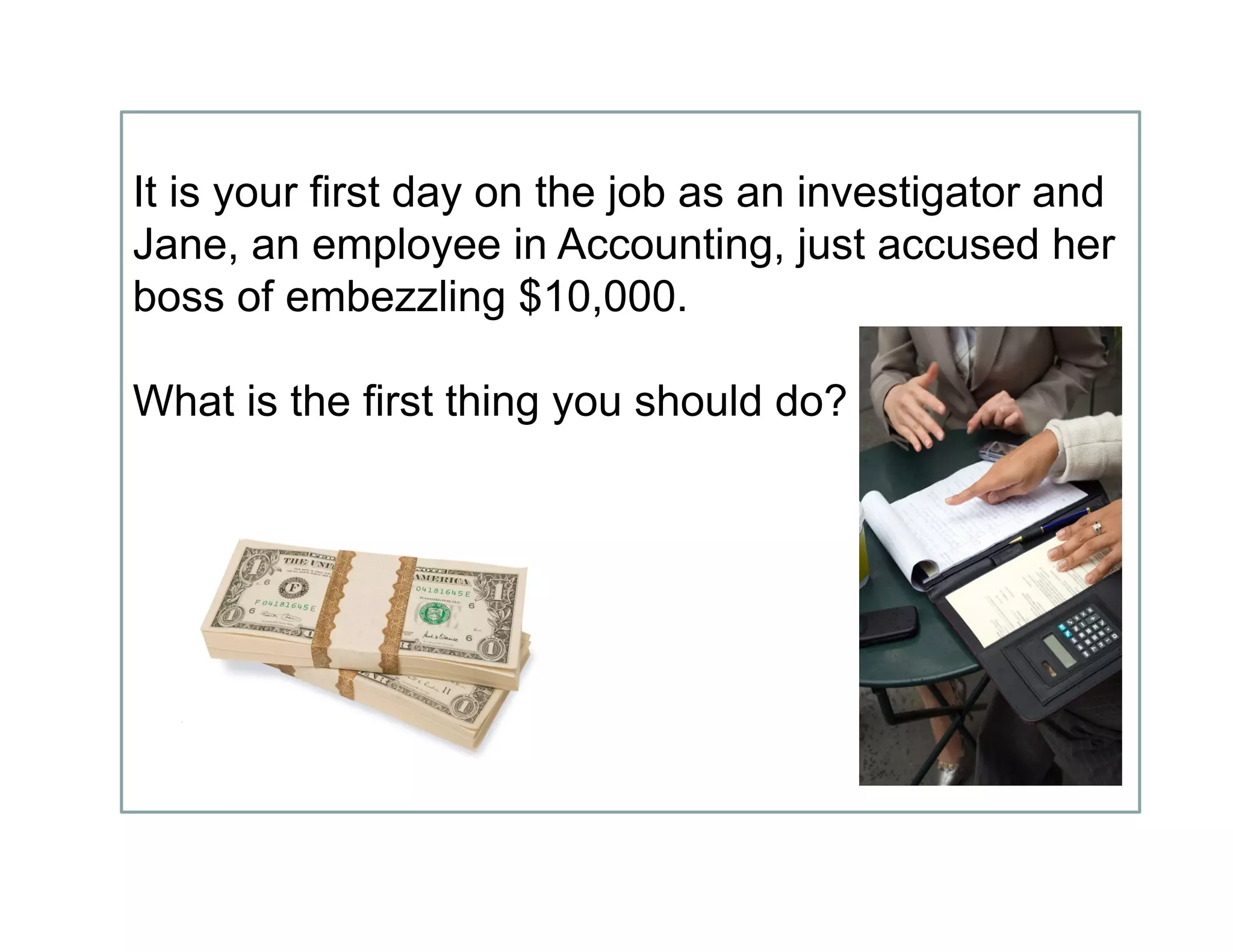
It is your first day on the job as an investigator and
Jane, an employee in Accounting, just accused her
boss of embezzling $10,000.
What is the first thing you should do?
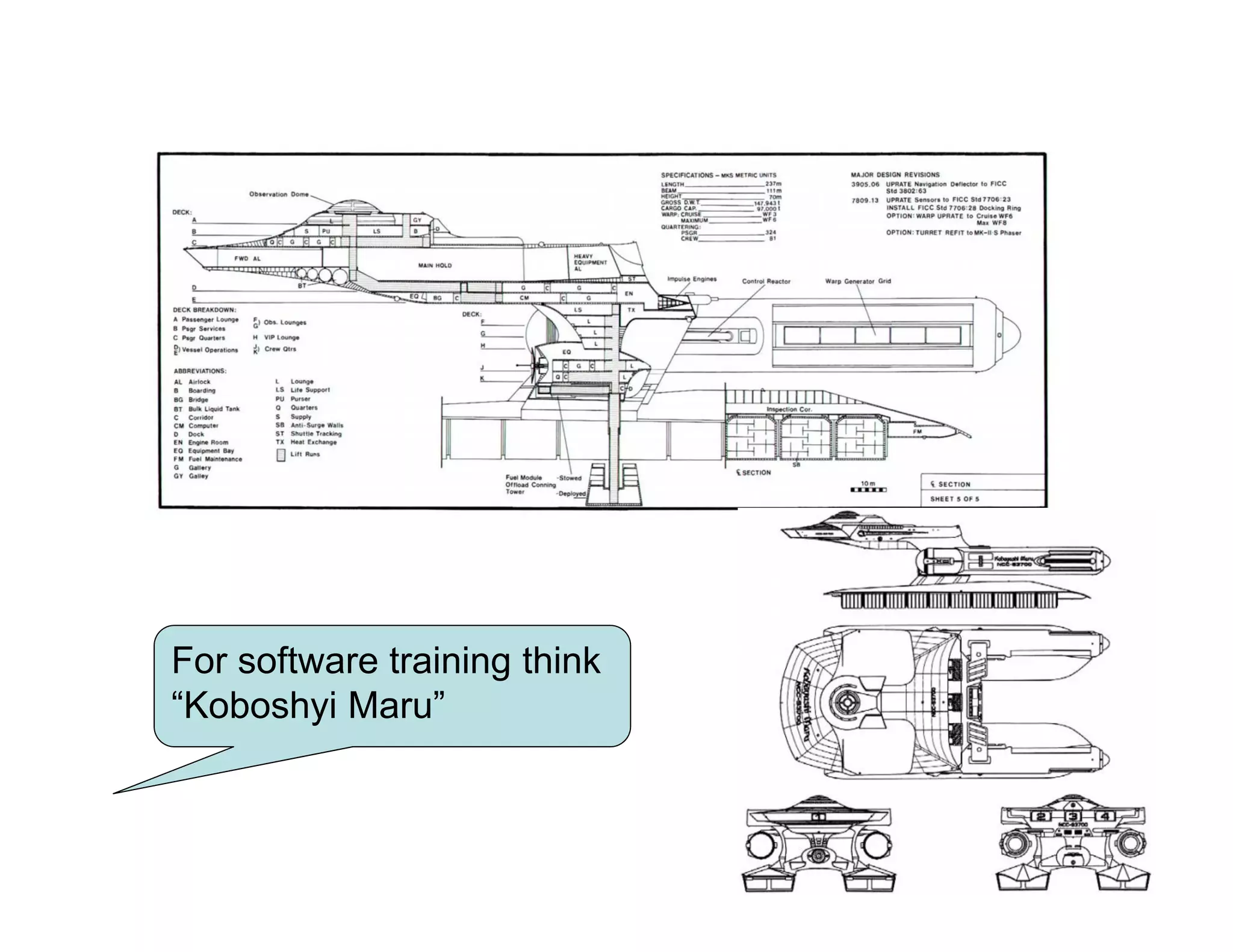
For software training think
“Koboshyi Maru”
What can you do?
Give your learners the “Koboshyi
Maru.”
Let’s look at an example idea…
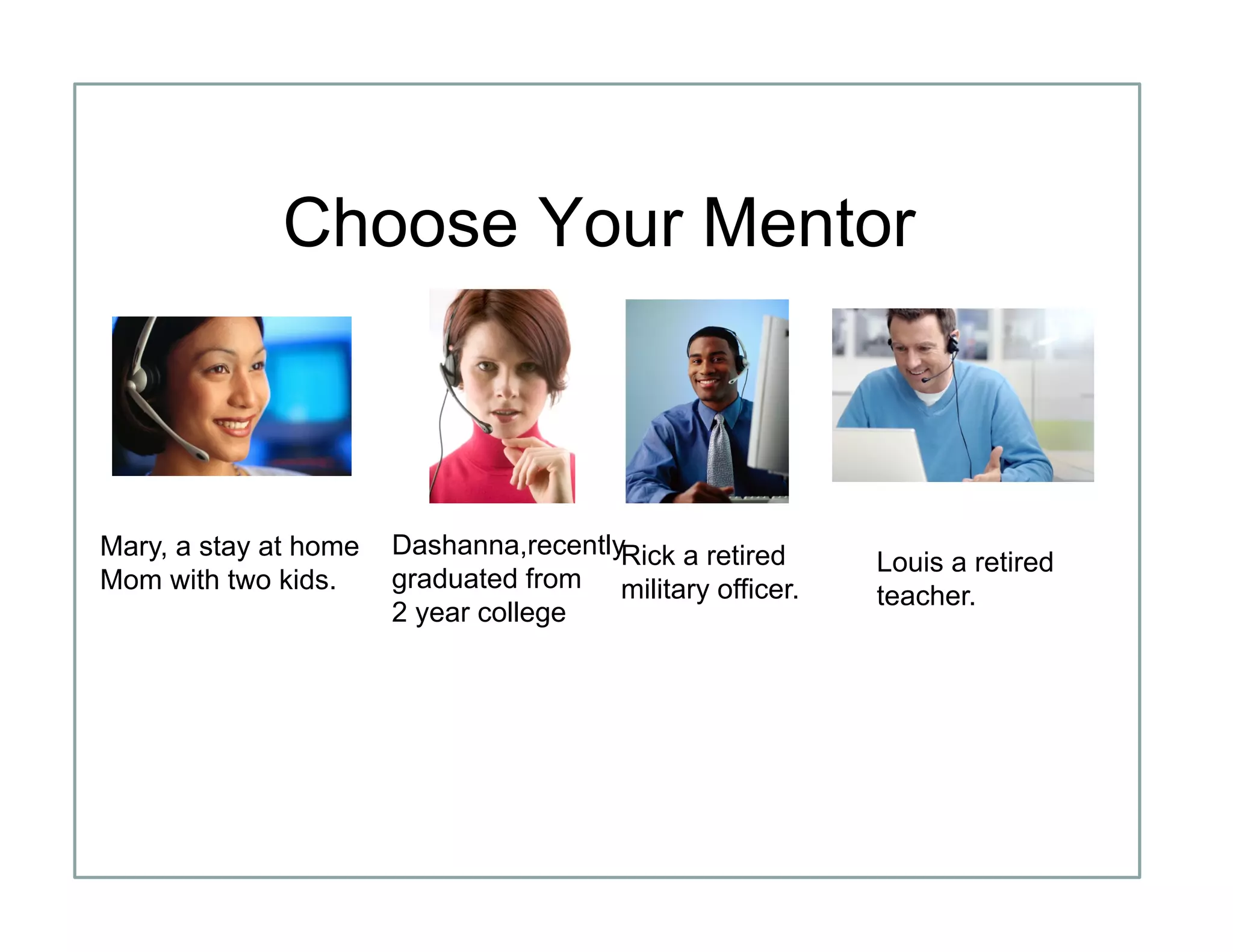
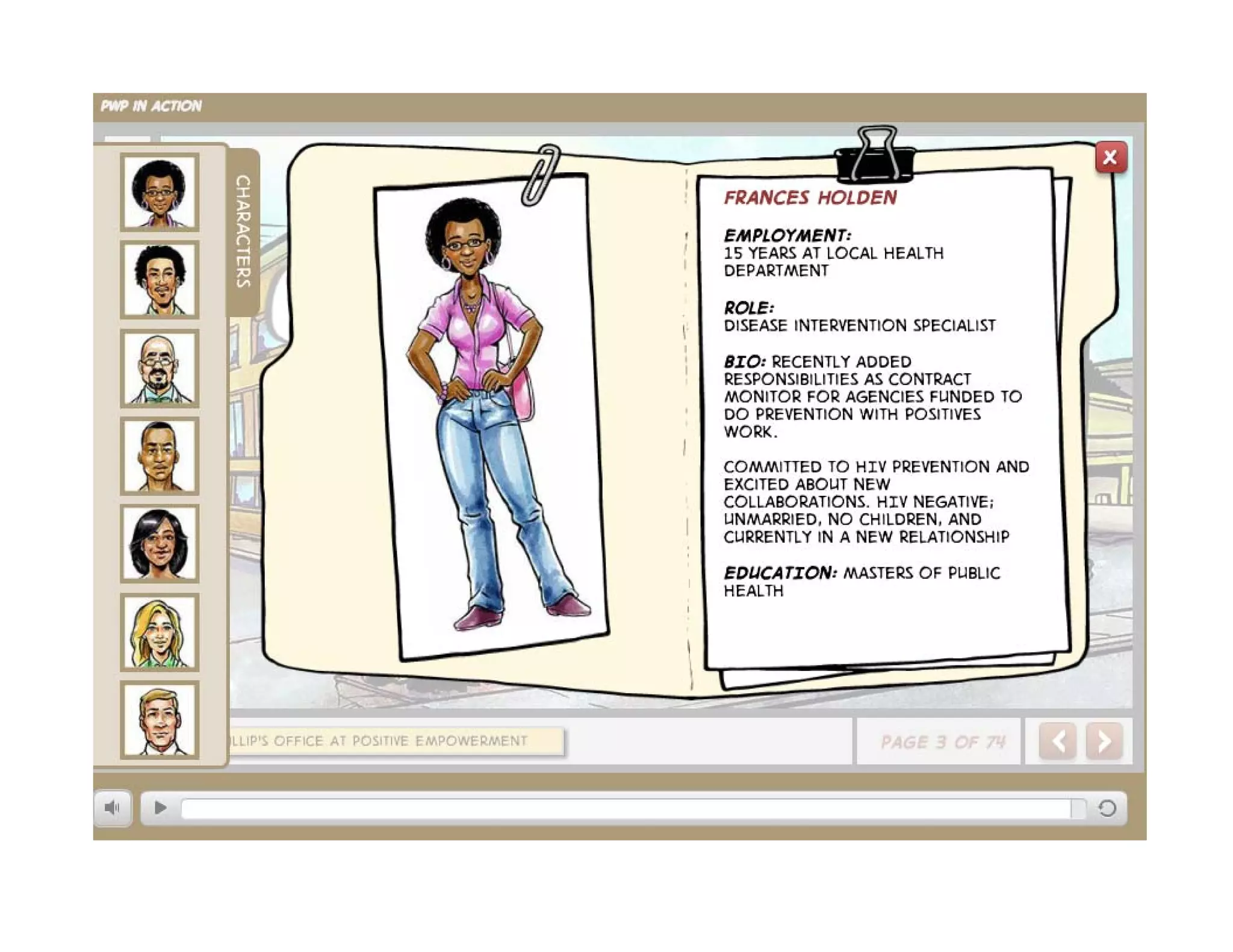
Choose Your Mentor
Mary, a stay at home
Mom with two kids.
Rick a retired
military officer.
Dashanna,recently
graduated from
2 year college
Louis a retired
teacher.
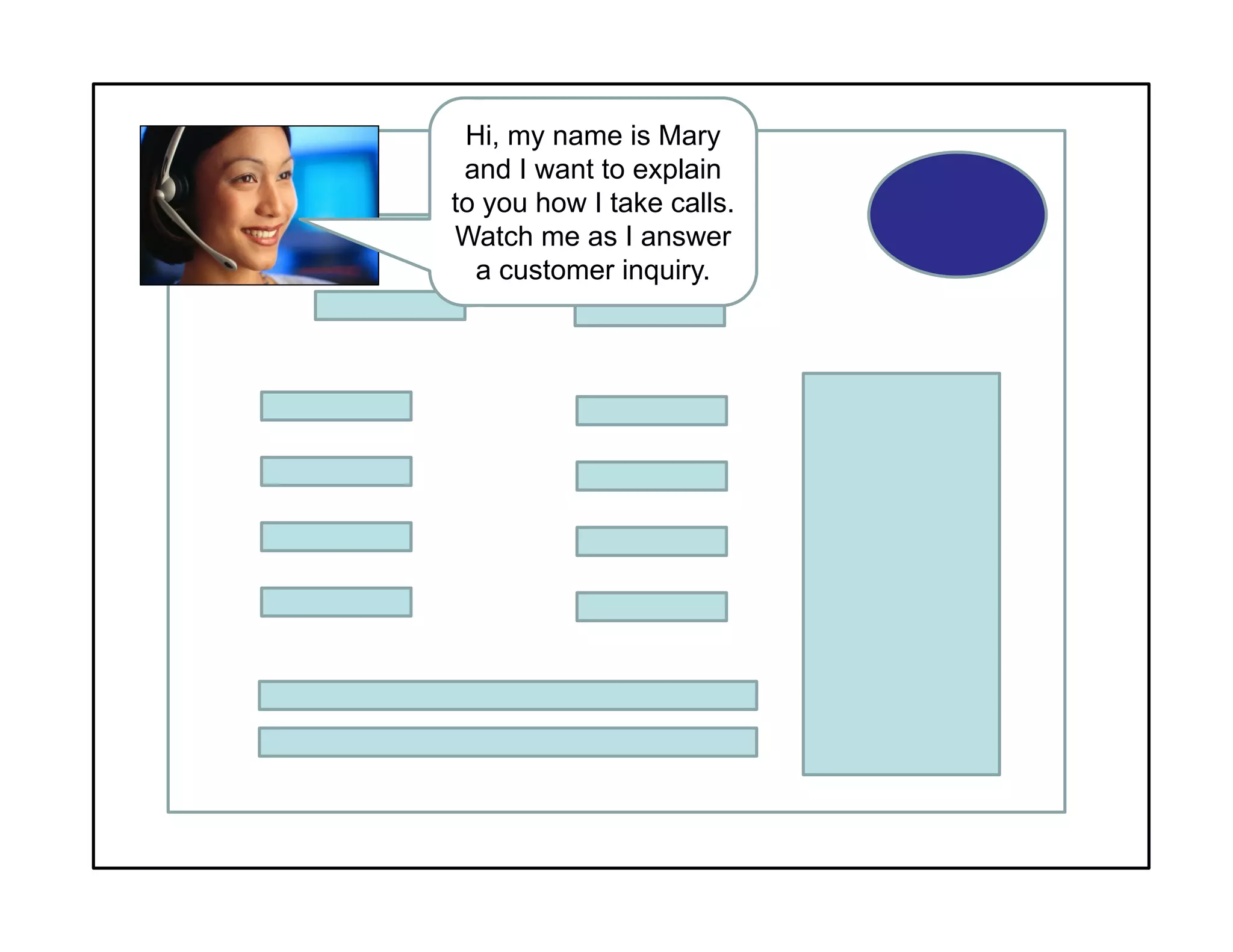
Demonstration of Technique
with Teaching Content
Hi, my name is Mary
and I want to explain
to you how I take calls.
Watch me as I answer
a customer inquiry.
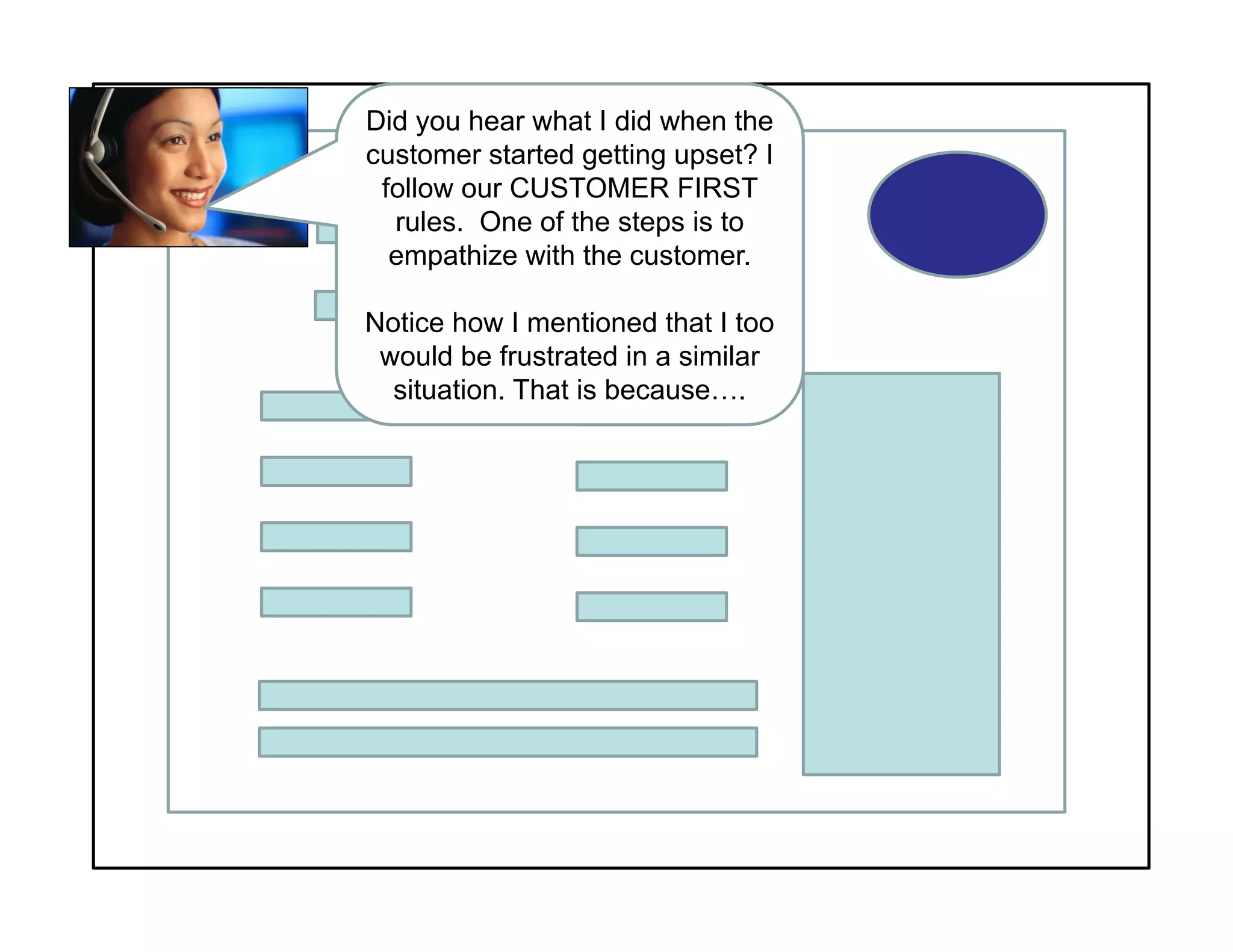
Did you hear what I did when the
customer started getting upset? I
follow our CUSTOMER FIRST
rules. One of the steps is to
empathize with the customer.
Notice how I mentioned that I too
would be frustrated in a similar
situation. That is because….
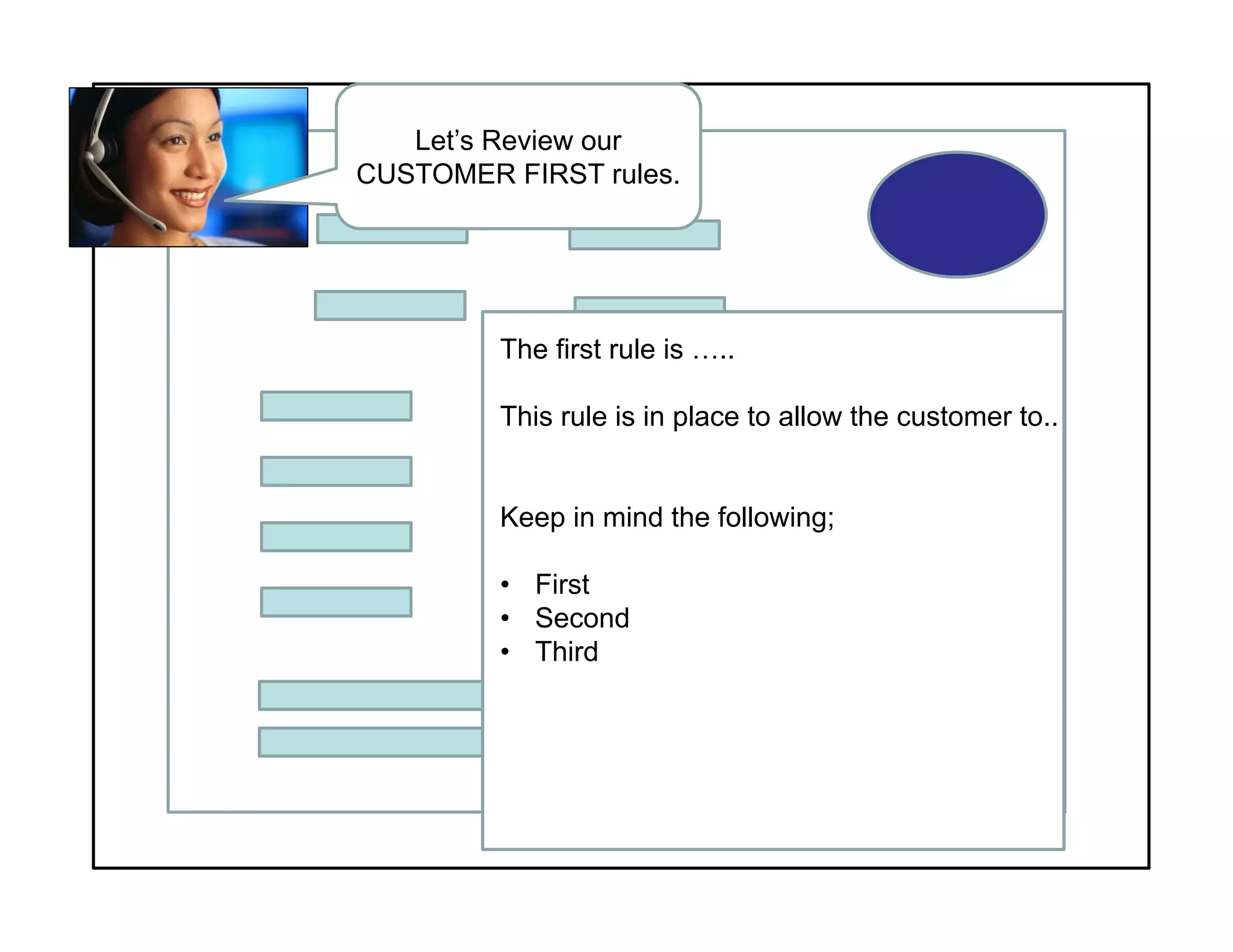
Let’s Review our
CUSTOMER FIRST rules.
The first rule is …..
This rule is in place to allow the customer to..
Keep in mind the following;
• First
• Second
• Third
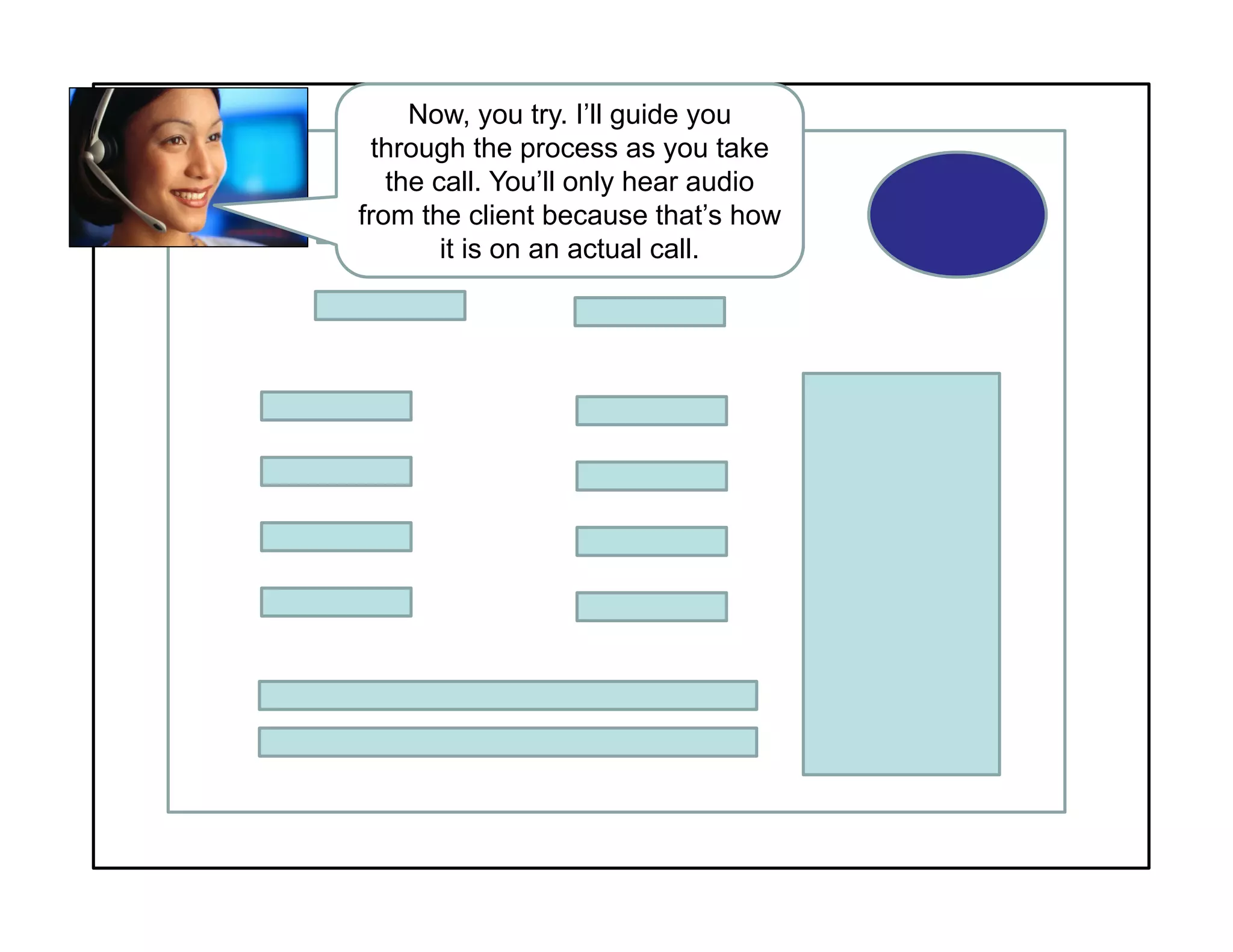
Guided Walk Through of
Process with Content Tips
Now, you try. I’ll guide you
through the process as you take
the call. You’ll only hear audio
from the client because that’s how
it is on an actual call.
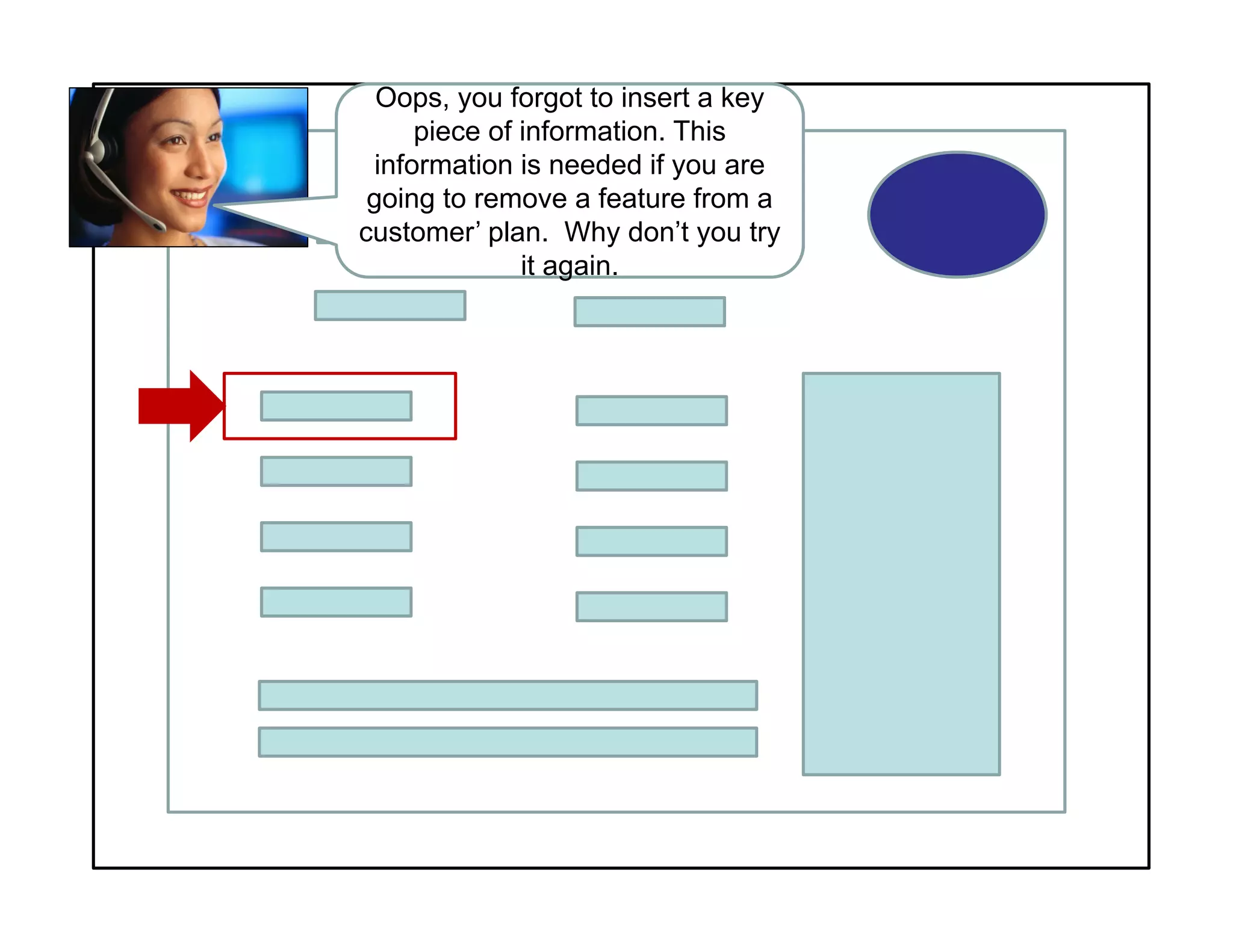
Oops, you forgot to insert a key
piece of information. This
information is needed if you are
going to remove a feature from a
customer’ plan. Why don’t you try
it again.
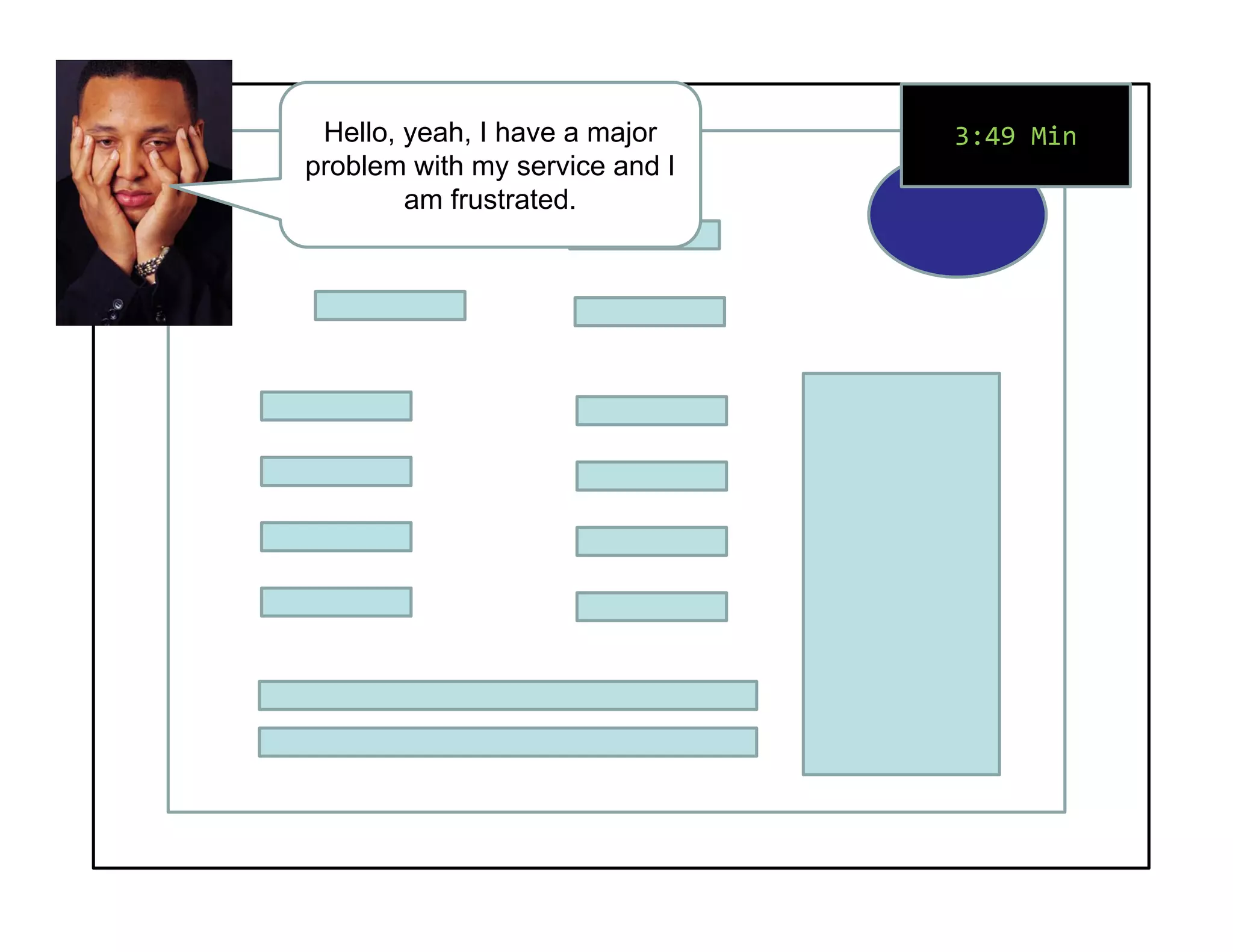
On Your Own
3:49 MinHello, yeah, I have a major
problem with my service and I
am frustrated.
Your Turn….
Activity: Interactive Learning Design
Your Task
• Create an interactive learning activity before lunch.
The Process 
• Team up with others (How many? )
• Pick a topic 
• Decide on an approach (story, game, radio show, etc.)
• Determine a theme and a learning goal.
• Decide what the instruction will look like
• Create a prototype, defining the interactivity as you go!
• Playtest in your group. 
You will then playtest your interactive learning design with 
another group!
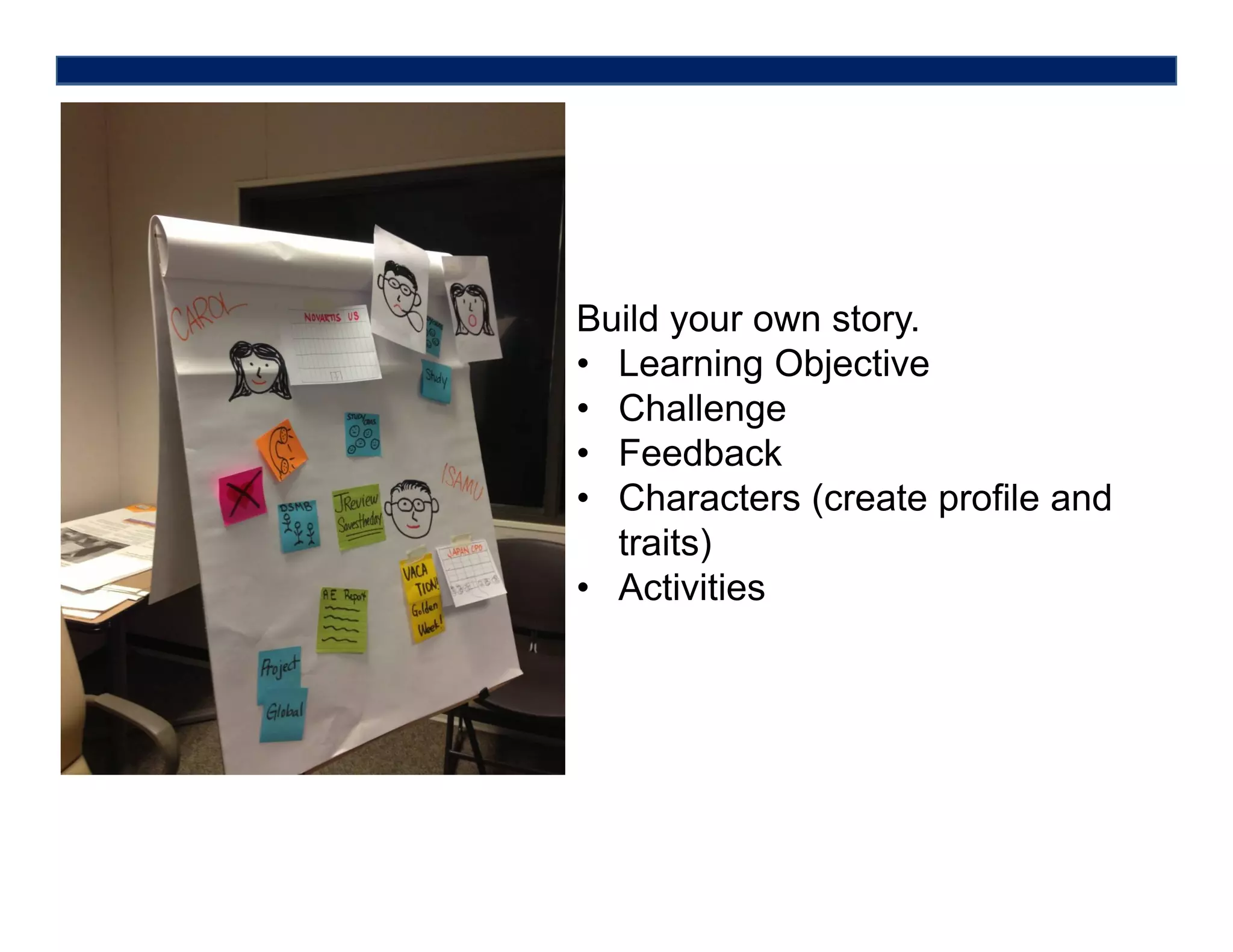
Build your own story.
• Learning Objective
• Challenge
• Feedback
• Characters (create profile and
traits)
• Activities
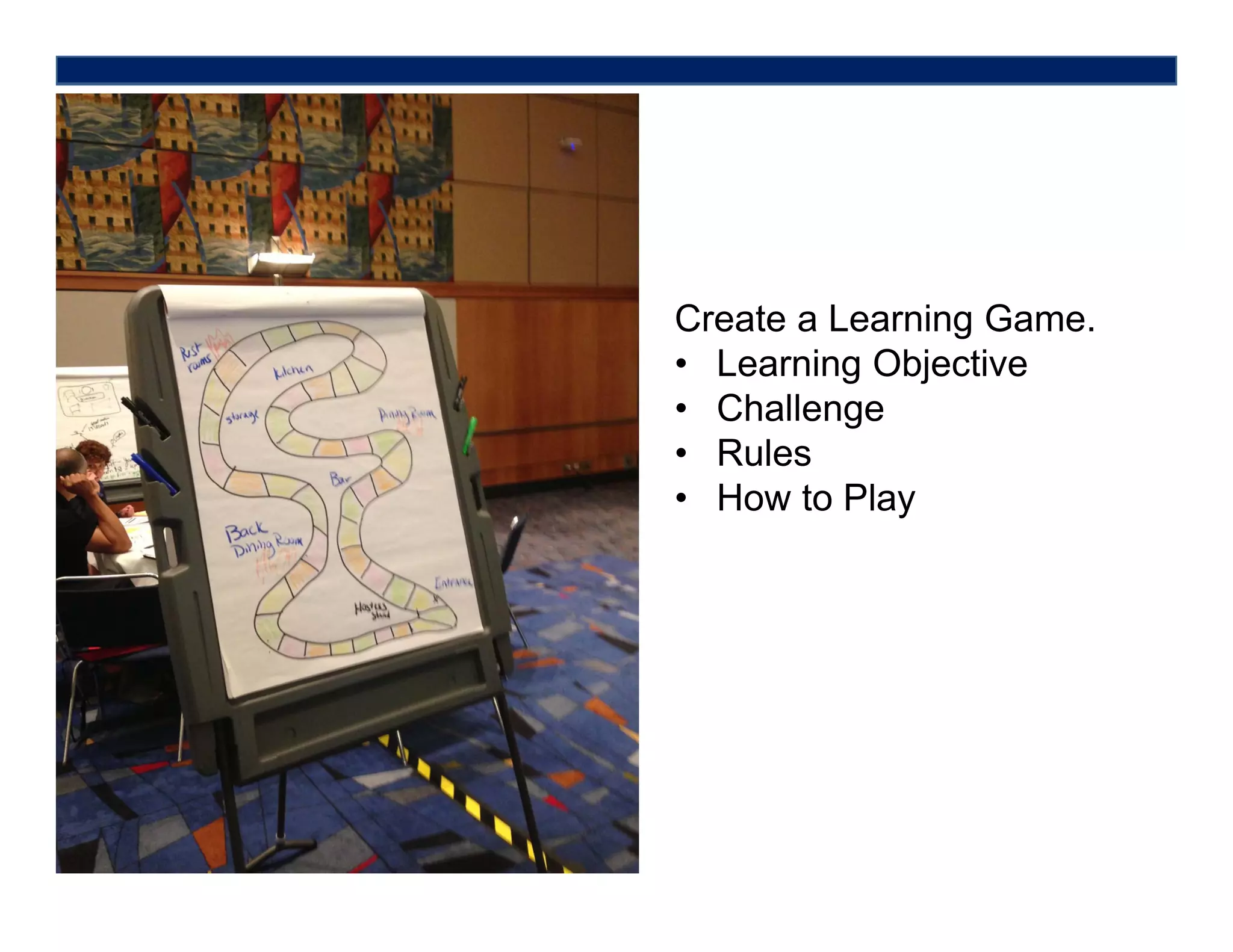
Game Design
Create a Learning Game.
• Learning Objective
• Challenge
• Rules
• How to Play
Covert Takeaways
• Learning should be engaging.
• Stories provide a context for learning.
• It is ok for a learner to struggle.
• Bulleted lists should be avoided. 
• Add multiple levels to your online instruction. 
• Simply adding points, badges and leaderboards does 
not make learning effective. 

The Influence of Technology on the Future of Learning