Downloaded 139 times
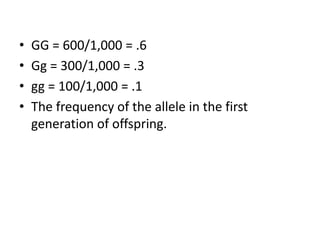
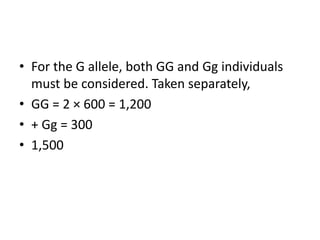
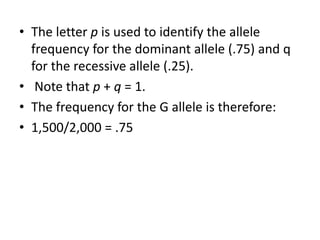
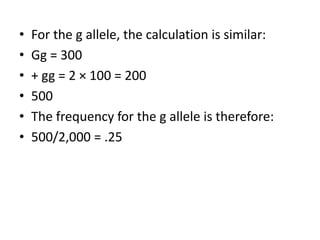
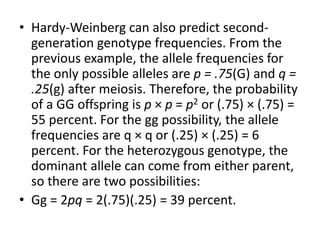
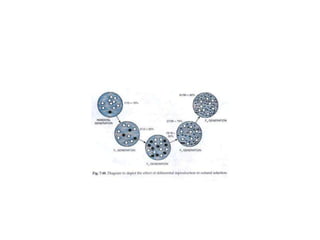

This document discusses the factors that can cause microevolution in a population. It defines microevolution as changes in a species' gene pool over a short period of time due to reproductive individuals. Five factors are described: 1) mutation pressure introduces new alleles, 2) immigration changes gene frequencies, 3) genetic drift impacts small populations, 4) non-random mating disrupts Hardy-Weinberg assumptions, and 5) selection pressure favors better adapted individuals who reproduce more. These factors disrupt genetic equilibrium and cause populations to evolve over multiple generations.


![谷歌留痕技术 [ 𝙩𝙤𝙥 𝟮𝟯𝟯. 𝙘 𝙤𝙢 ]](https://cdn.slidesharecdn.com/ss_thumbnails/top233-260130174328-3833018c-thumbnail.jpg?width=640&height=640&fit=bounds)


