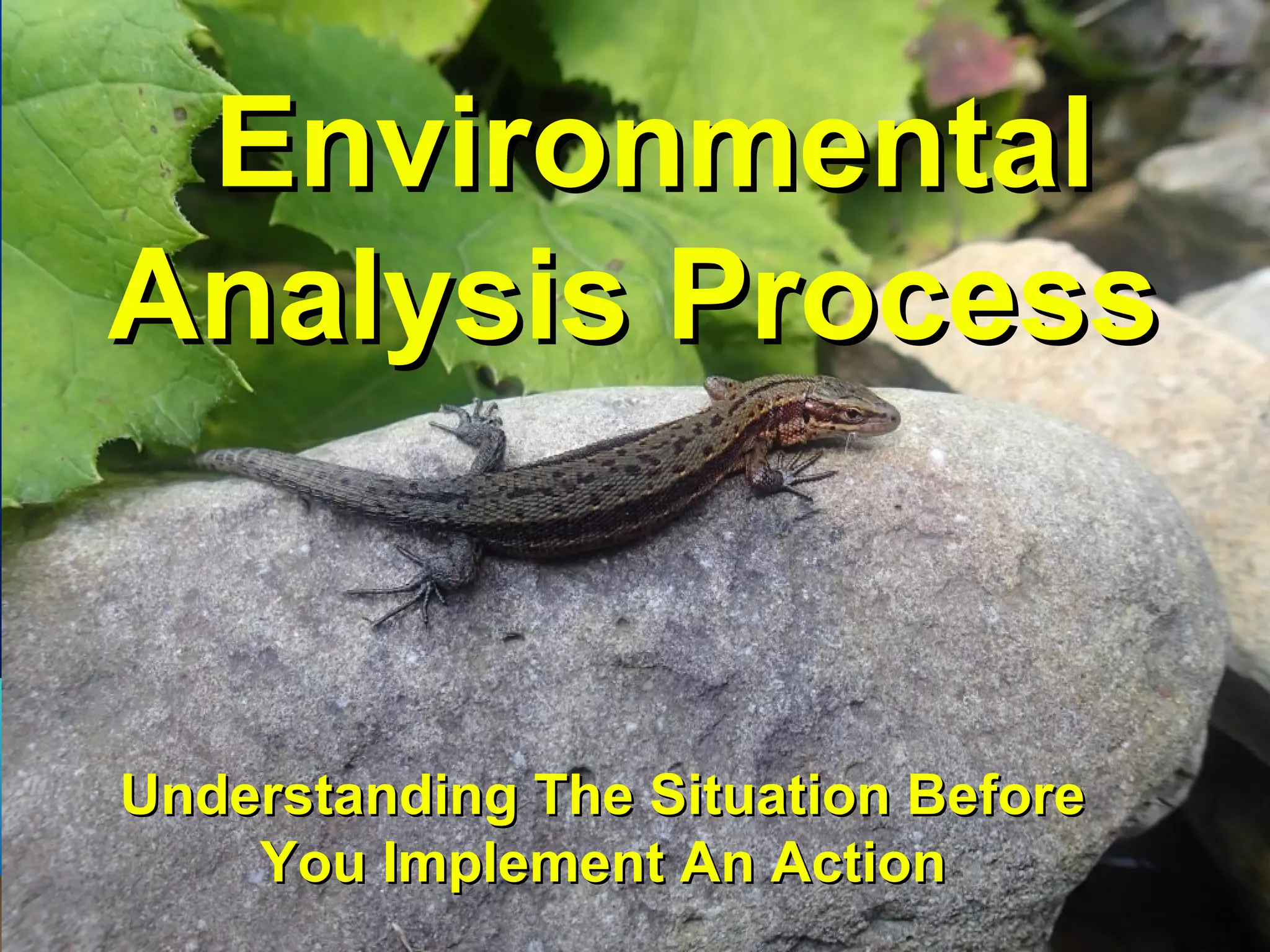
EnvironmentalEnvironmental
AnalysisAnalysis ProcessProcess
Understanding The Situation BeforeUnderstanding The Situation Before
You Implement An ActionYou Implement An Action
Environmentally Sound PlanningEnvironmentally Sound Planning
• Prevents costly repairs
• Sustainable over the long-term
• Ensures the results of the project are not
reduced due to negative environmental
impacts
• Shows professionalism and good
stewardship
Legal FrameworkLegal Framework
The National EnvironmentalThe National Environmental
Policy Act of 1969Policy Act of 1969
National Environmental Policy ActNational Environmental Policy Act
(NEPA)(NEPA)
• NEPANEPA establishes asestablishes as U.S. National Policy:U.S. National Policy:
“…“…harmony between man and hisharmony between man and his
environment…”environment…”
• To implement this national policy,To implement this national policy,
NEPA requiresNEPA requires every federal agencyevery federal agency toto
assess and consider the potentialassess and consider the potential
environmental impacts of their actions.environmental impacts of their actions.
In 1975, USAID CompliesIn 1975, USAID Complies
• USAID developed NEPA complianceUSAID developed NEPA compliance
procedures. These becameprocedures. These became Title 22Title 22
of the Code of Federal Regulations,of the Code of Federal Regulations,
Part 216 (22 CFR 216).Part 216 (22 CFR 216).
REG. 216REG. 216
USAID EnvironmentalUSAID Environmental
ProceduresProcedures
• The Code of Federal RegulationsThe Code of Federal Regulations
(CFR) Part 216 states:(CFR) Part 216 states:
– Identify and consider theIdentify and consider the
environmental consequencesenvironmental consequences
before making decisions andbefore making decisions and
committing fundscommitting funds
– Be sure that appropriateBe sure that appropriate
environmental mitigationenvironmental mitigation
measures aremeasures are identified andidentified and
appliedapplied
Regulation 216 applies to:Regulation 216 applies to:
• All new or supplementaryAll new or supplementary
activities funded by USAIDactivities funded by USAID
• Changes in existingChanges in existing
activities which imply:activities which imply:
– New componentsNew components
– Time ExtensionTime Extension
– Additional financingAdditional financing
– Environmental impacts notEnvironmental impacts not
previously foreseenpreviously foreseen
1 Identification of the project
2 Scoping
3 Data collection & interpretation
4 Design of alt
5 Evaluations of effects
6 Comparison of alt
7 Decision & public review
8 Implementation & monitoring
An Environmental Analysis ProcessAn Environmental Analysis Process
Interdisciplinary Planning Team
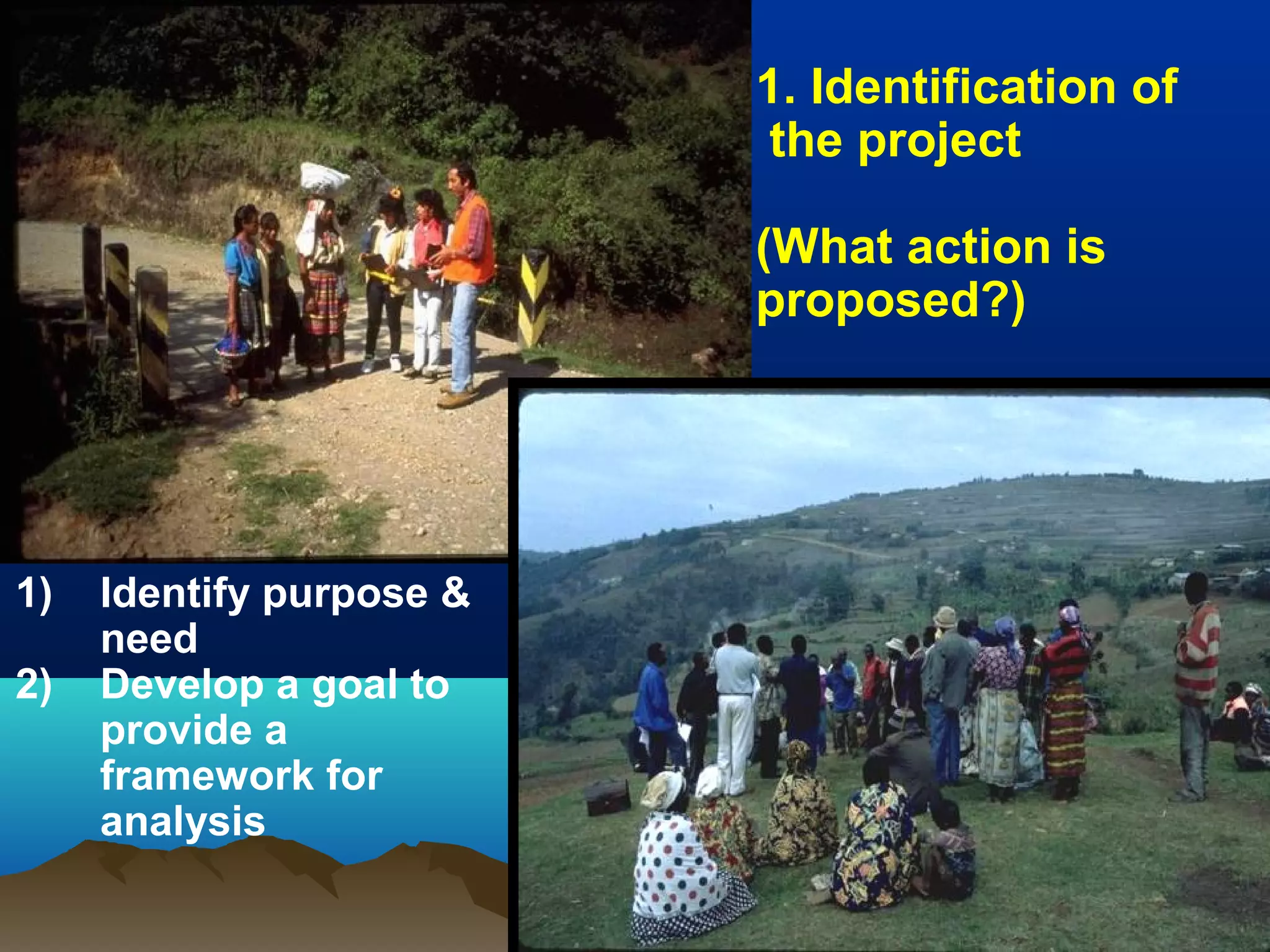
1. Identification of
the project
(What action is
proposed?)
1) Identify purpose &
need
2) Develop a goal to
provide a
framework for
analysis
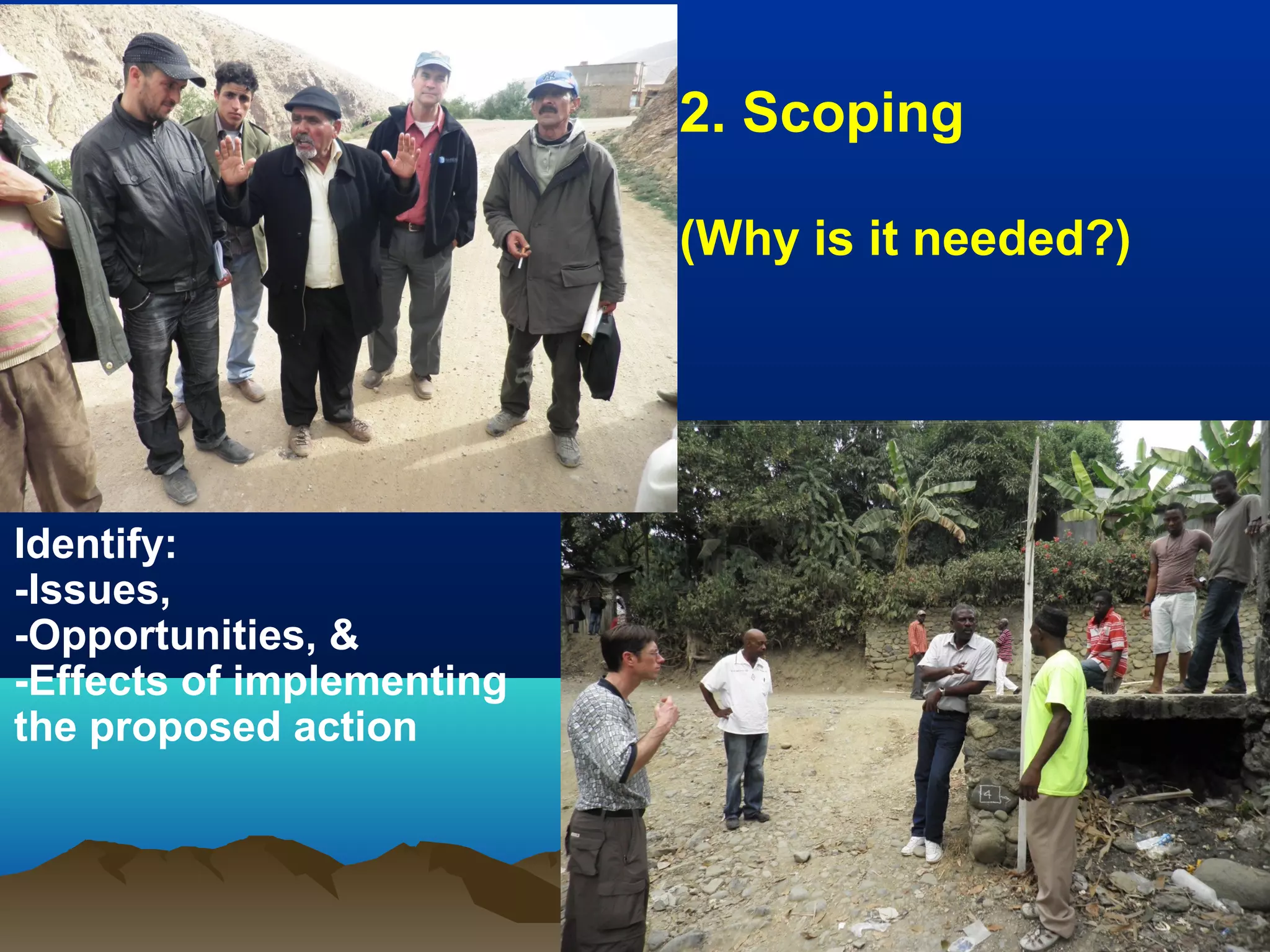
2. Scoping
(Why is it needed?)
Identify:
-Issues,
-Opportunities, &
-Effects of implementing
the proposed action
Collect Data
Identify probable
effects of project
implementation
2003 Lower Stillwell thalweg
70
75
80
85
90
95
100
105
110
0 50 100 150 200 250 300 350 400 450 500
3. Data collection &
interpretation
(What factors will be
used in the to make a
decision?)
Stream profile surveyStream profile survey
Alternatives must clearly address key issues
4. Design of alternatives
(What other actions would
meet the need?)
Understand and
determine the effects
• Direct
• Indirect
• Cumulative
5. Evaluations of effects
(What would it mean to not
meet the need?)
For Each Alternative:
•Physical
•Biological
•Economical
•Social
Relevant environmental
factors:
Stability
Erosivity
Water quality
Biodiversity
6. Comparison of
alternatives
(What are the effects of
each alternative?)
• Select Alternative
• Review & comments of
public
7. Decision & public review
(Are there ways to mitigate any
Adverse affects?)
• Record Results
• Implement alternative
• Develop monitoring plan
• Mitigate issues as planned
8. Implementation &
monitoring
(What is the final
decision and what will
be monitored?)
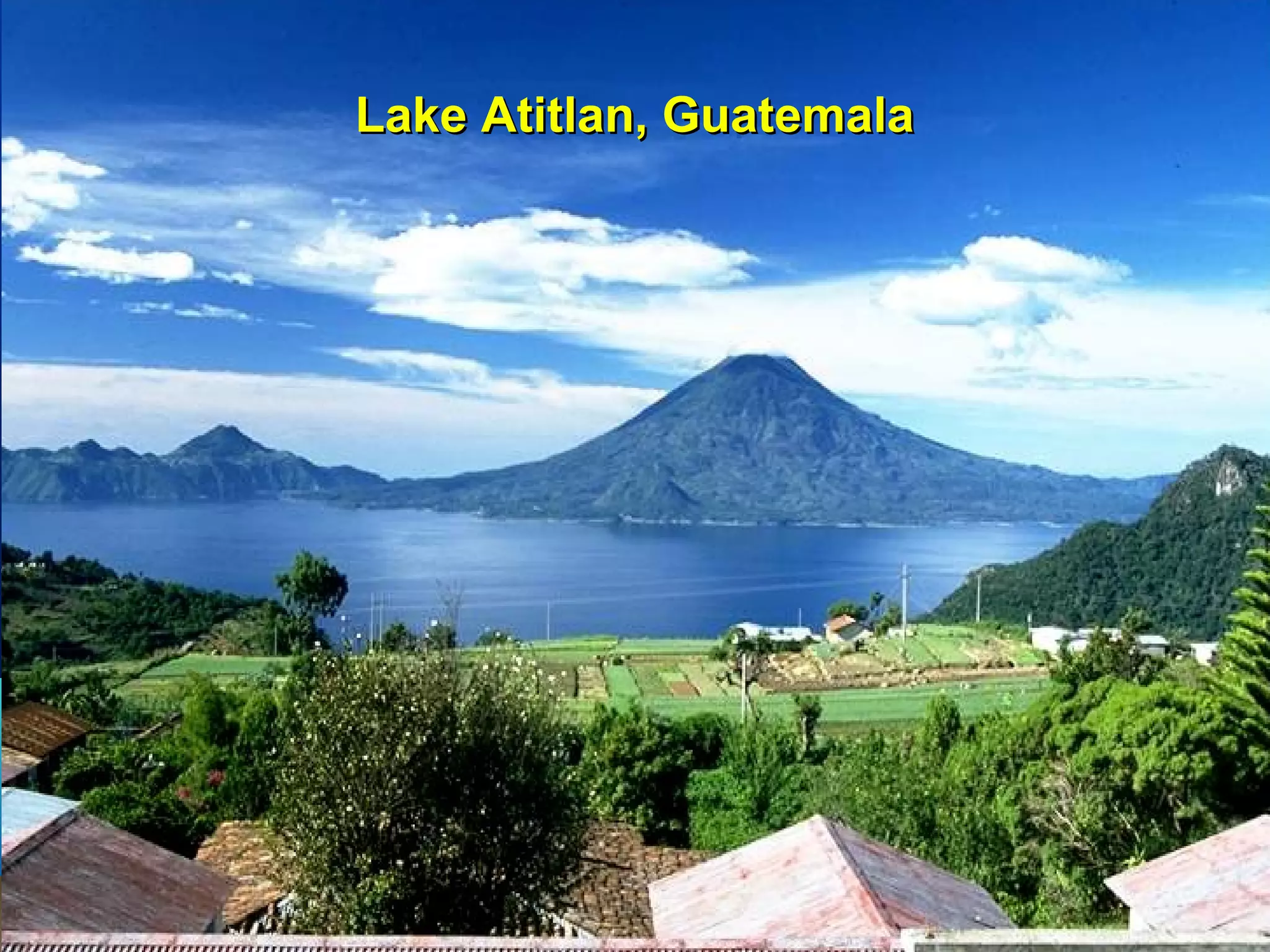
Lake Atitlan, GuatemalaLake Atitlan, Guatemala
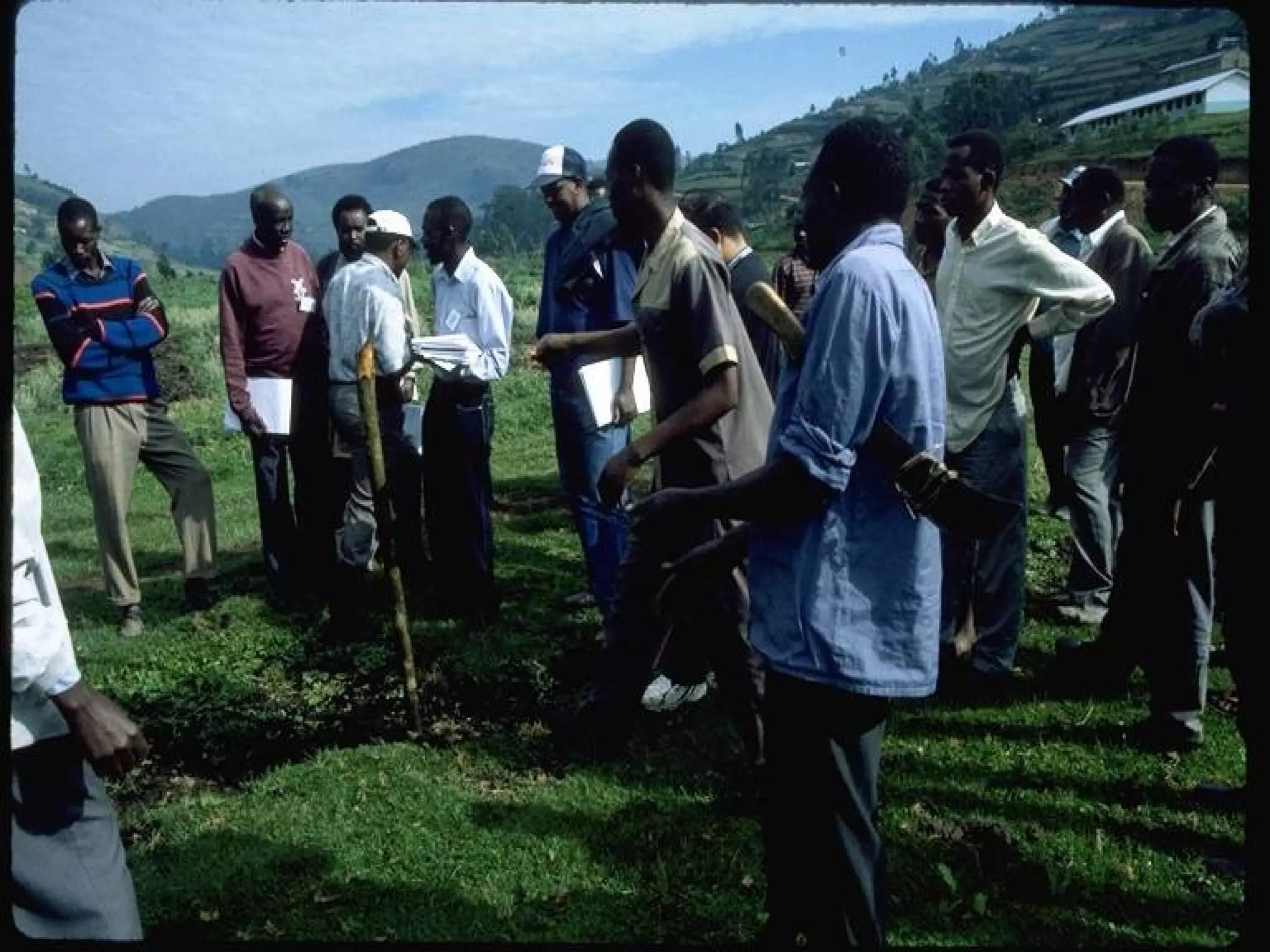
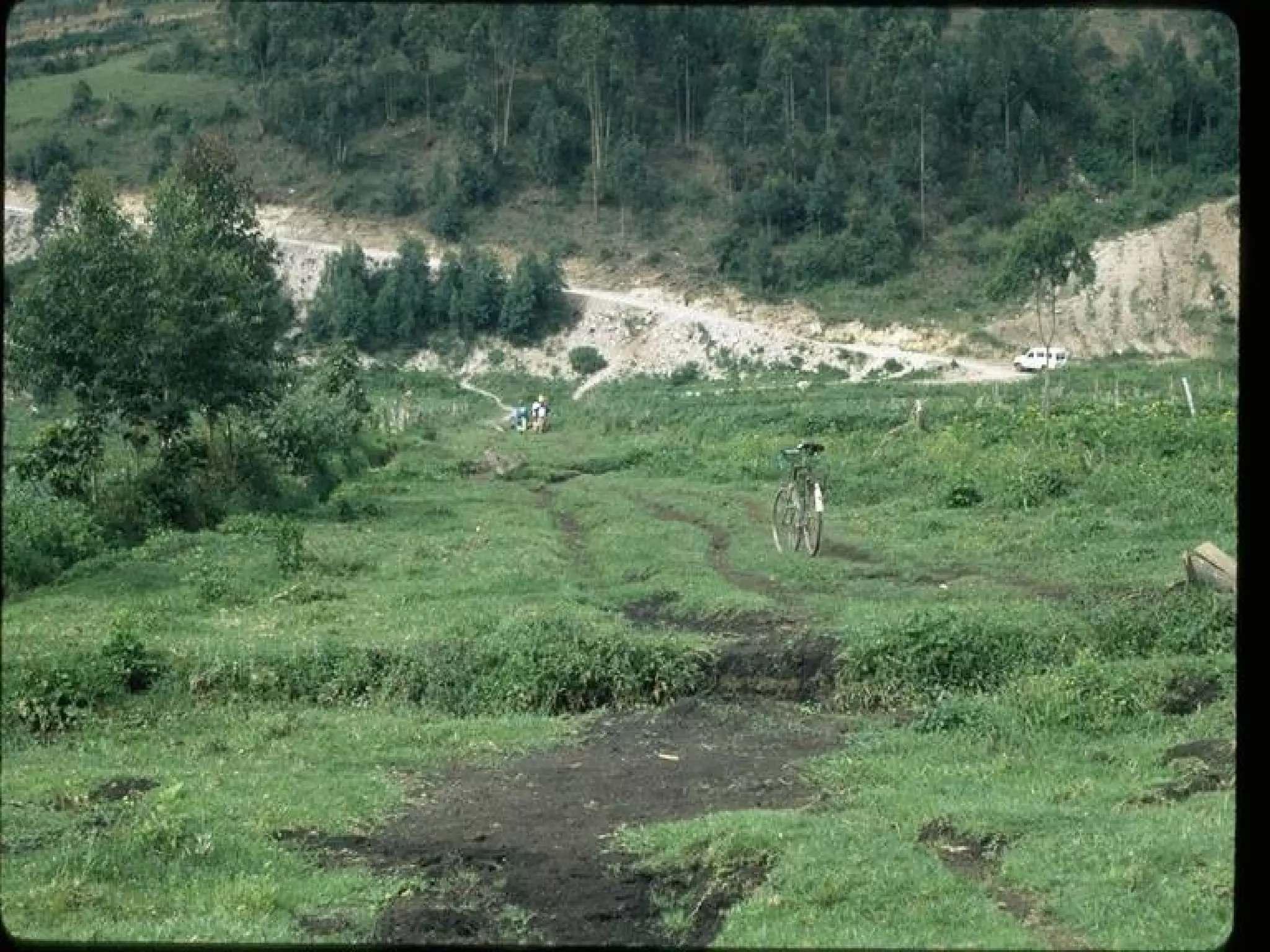
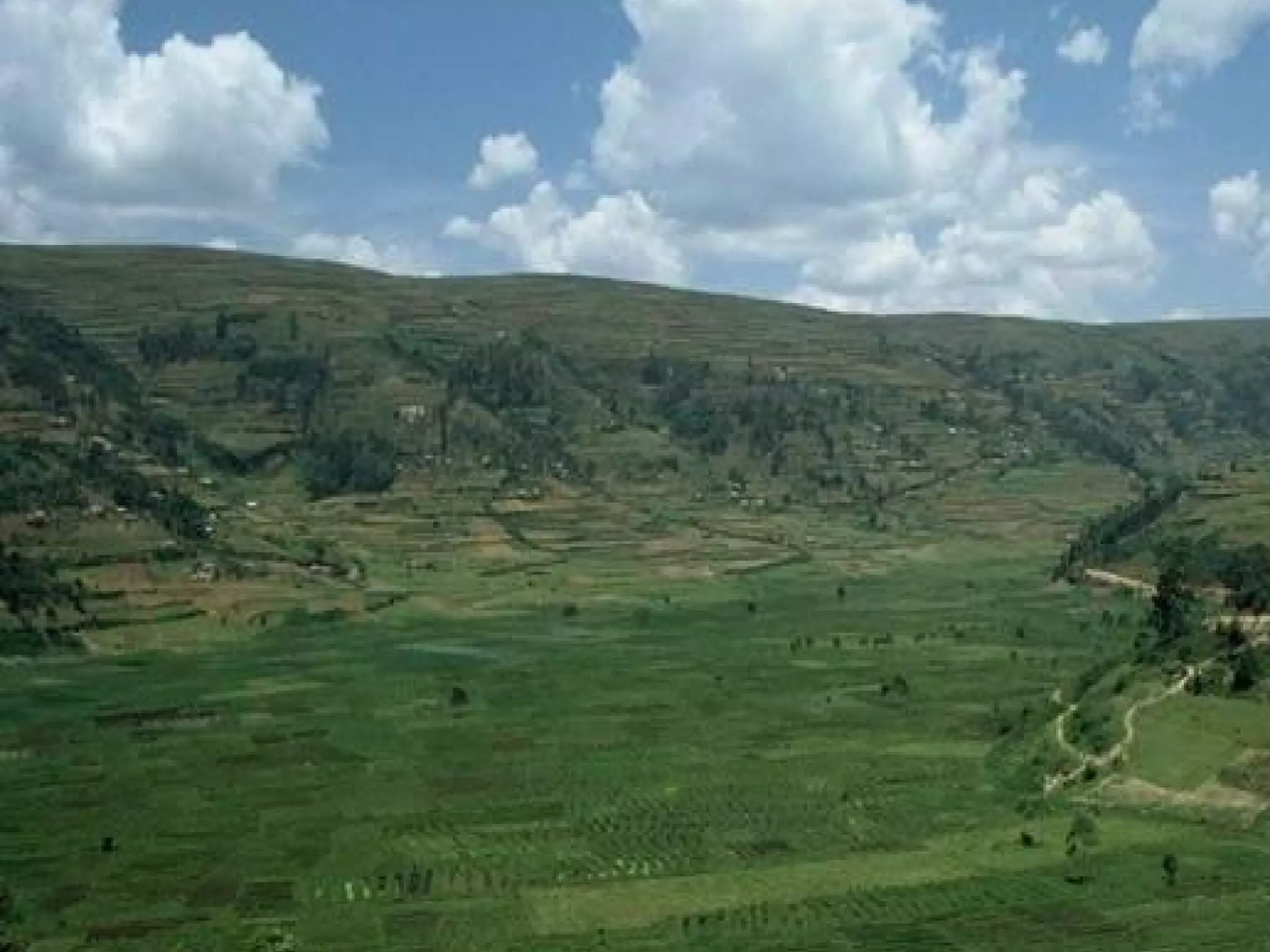
Kabali, UgandaKabali, Uganda
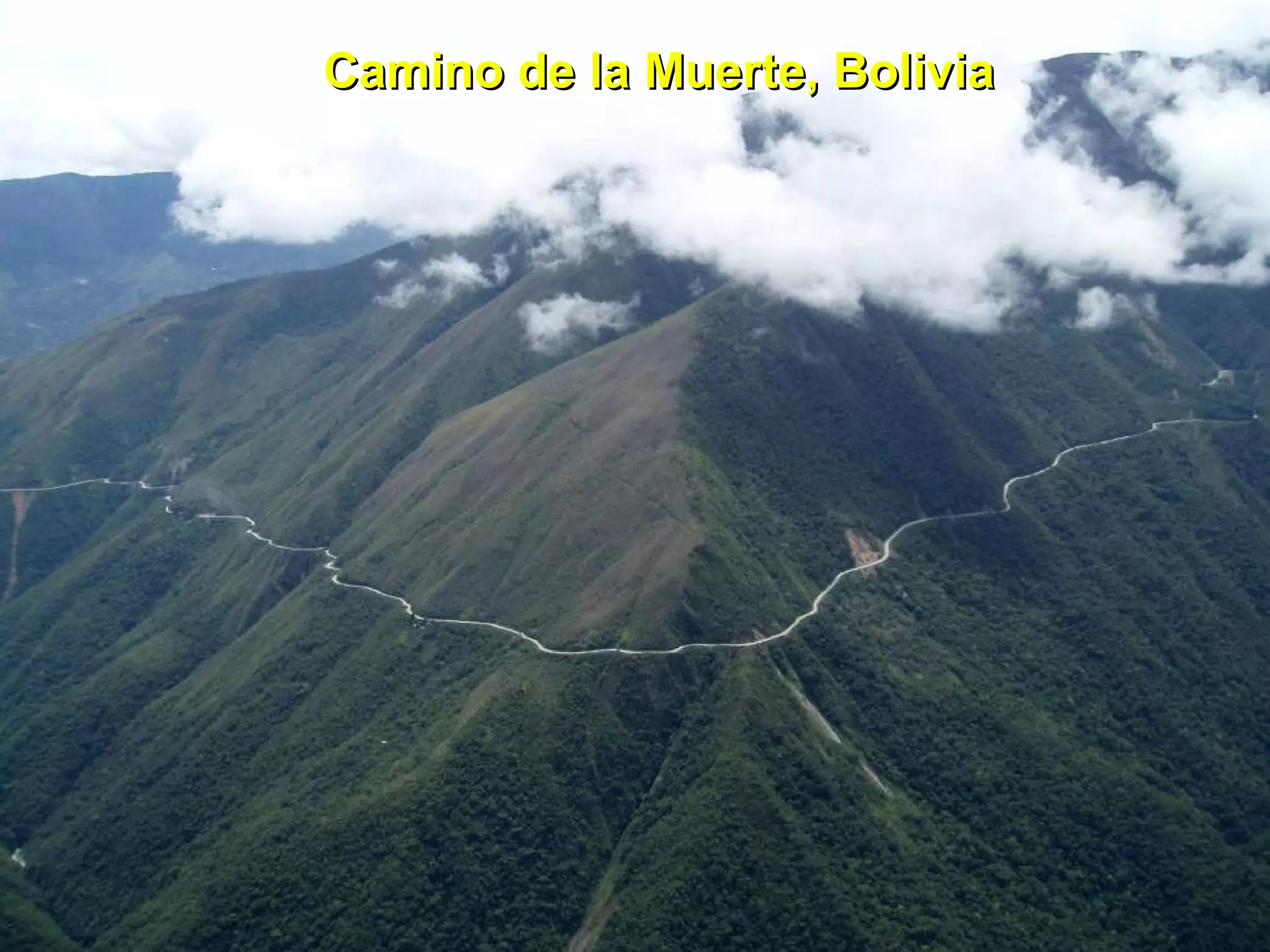
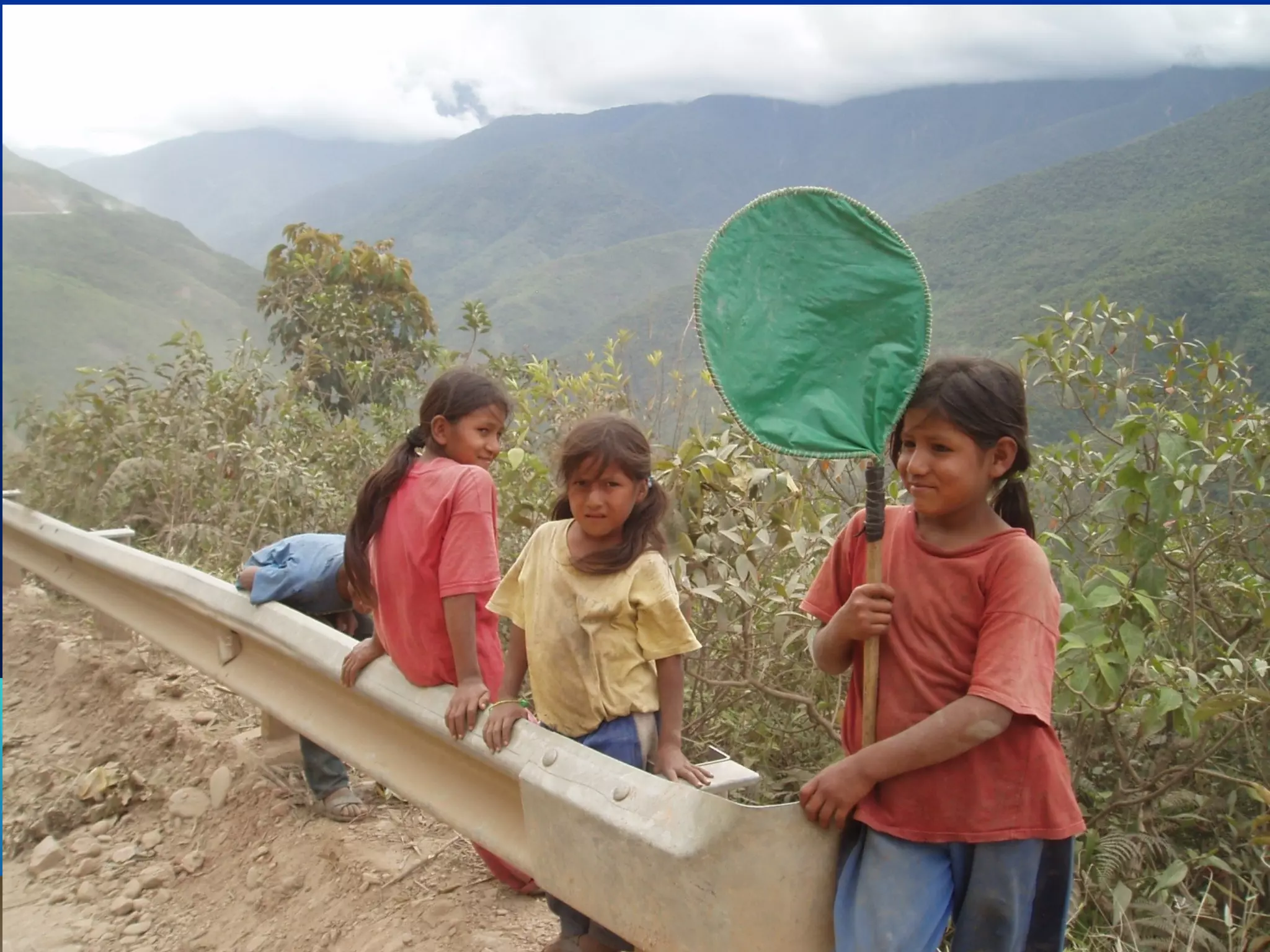
Camino de la Muerte, BoliviaCamino de la Muerte, Bolivia
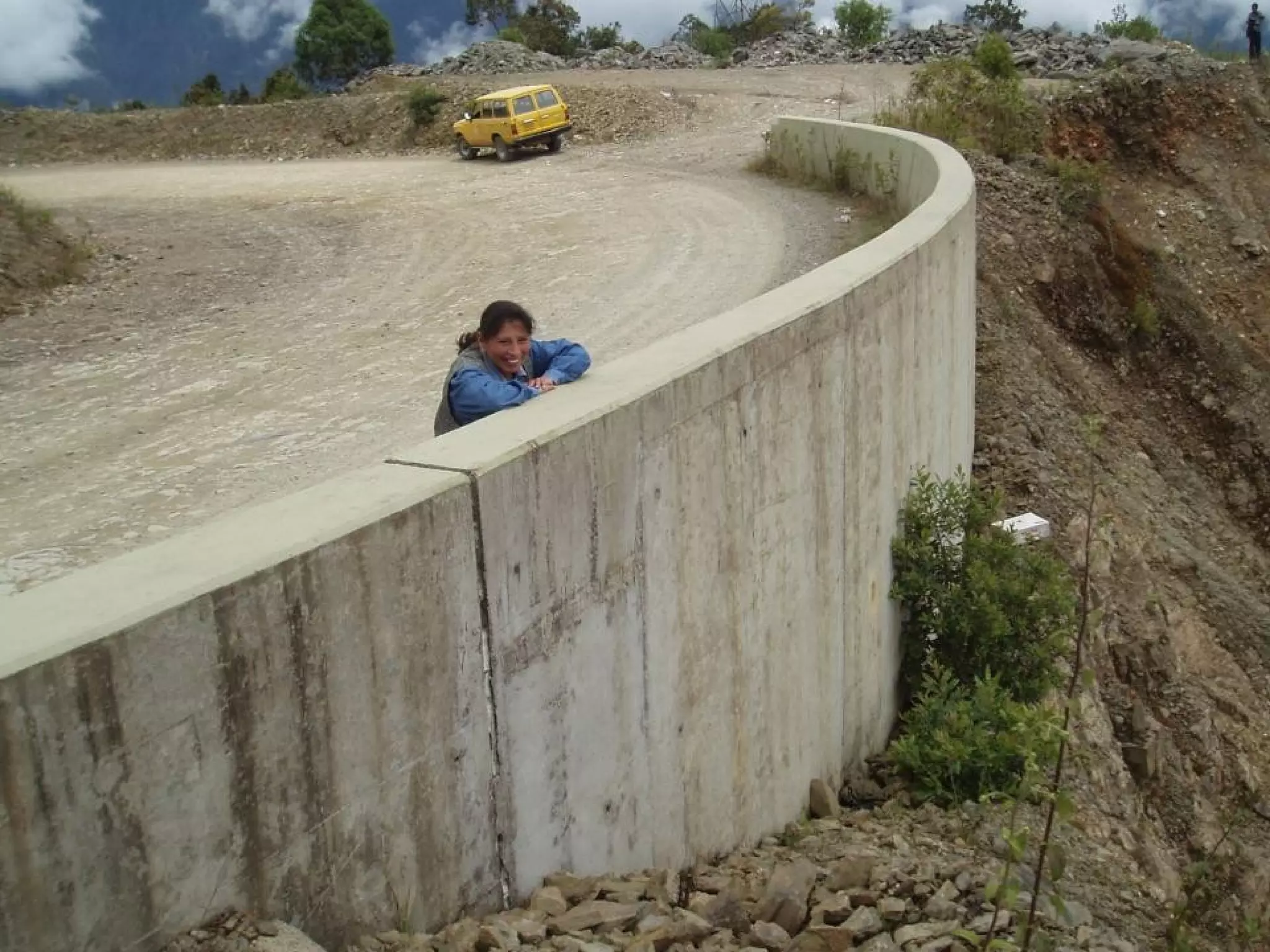
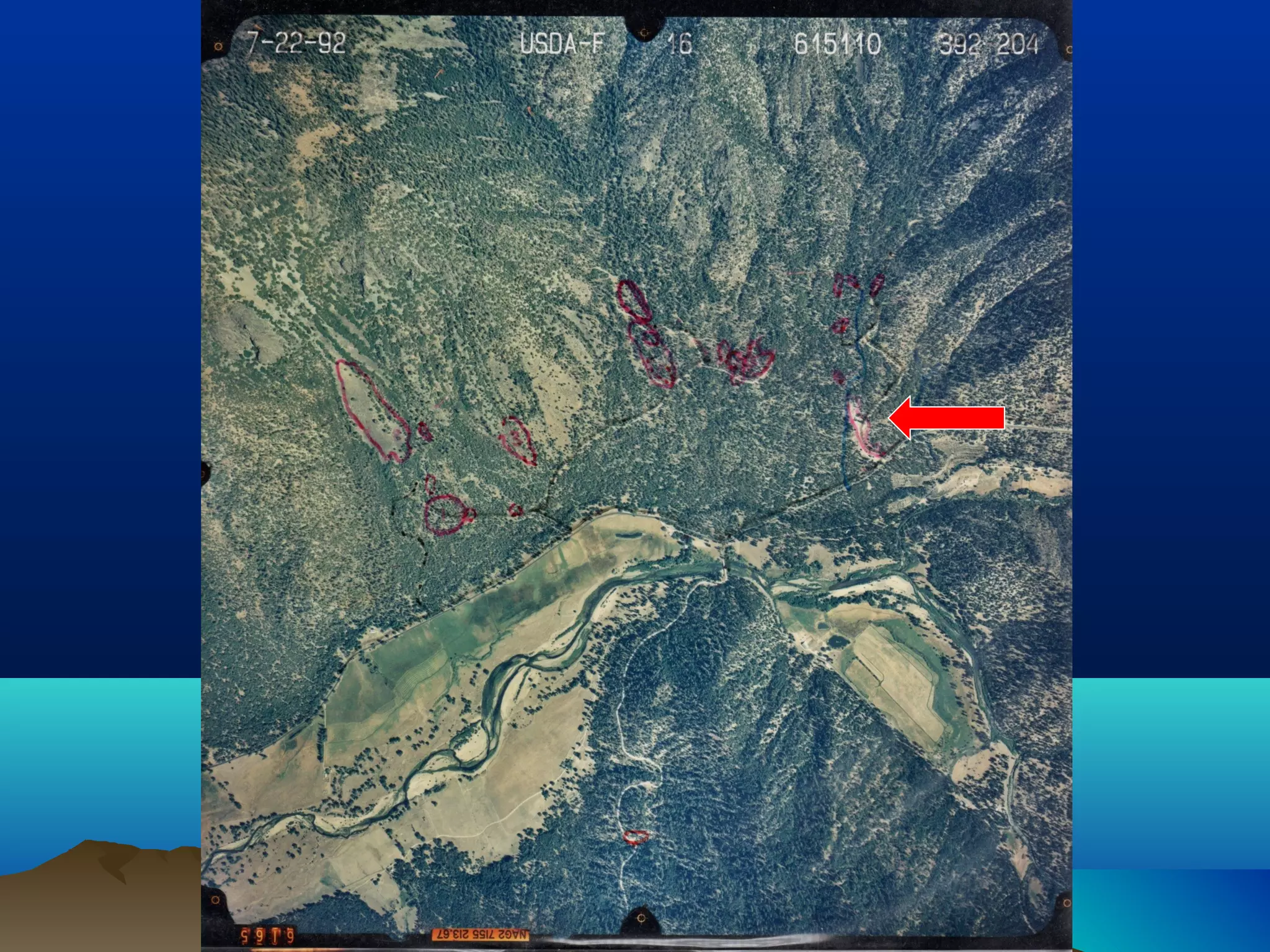
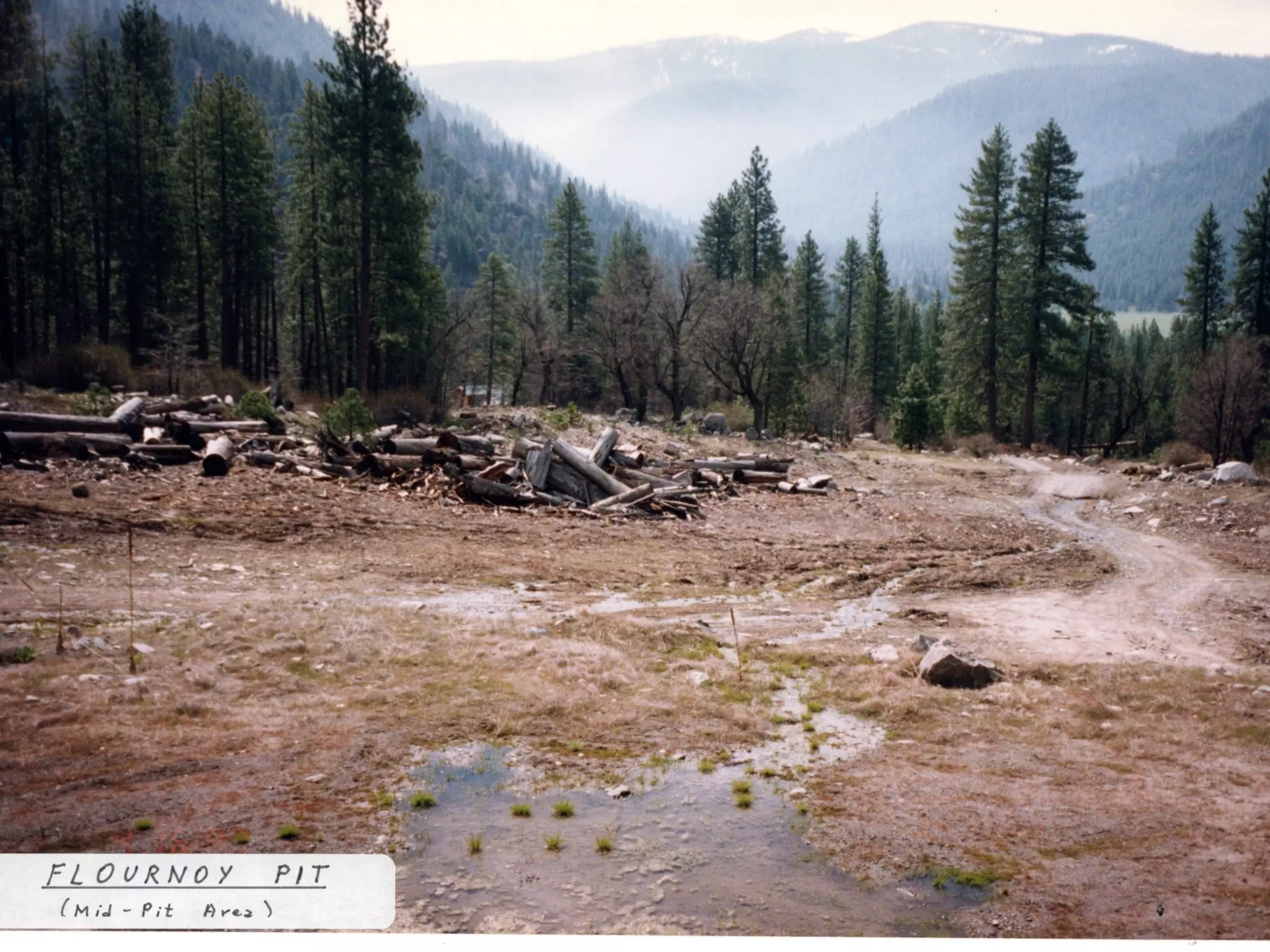
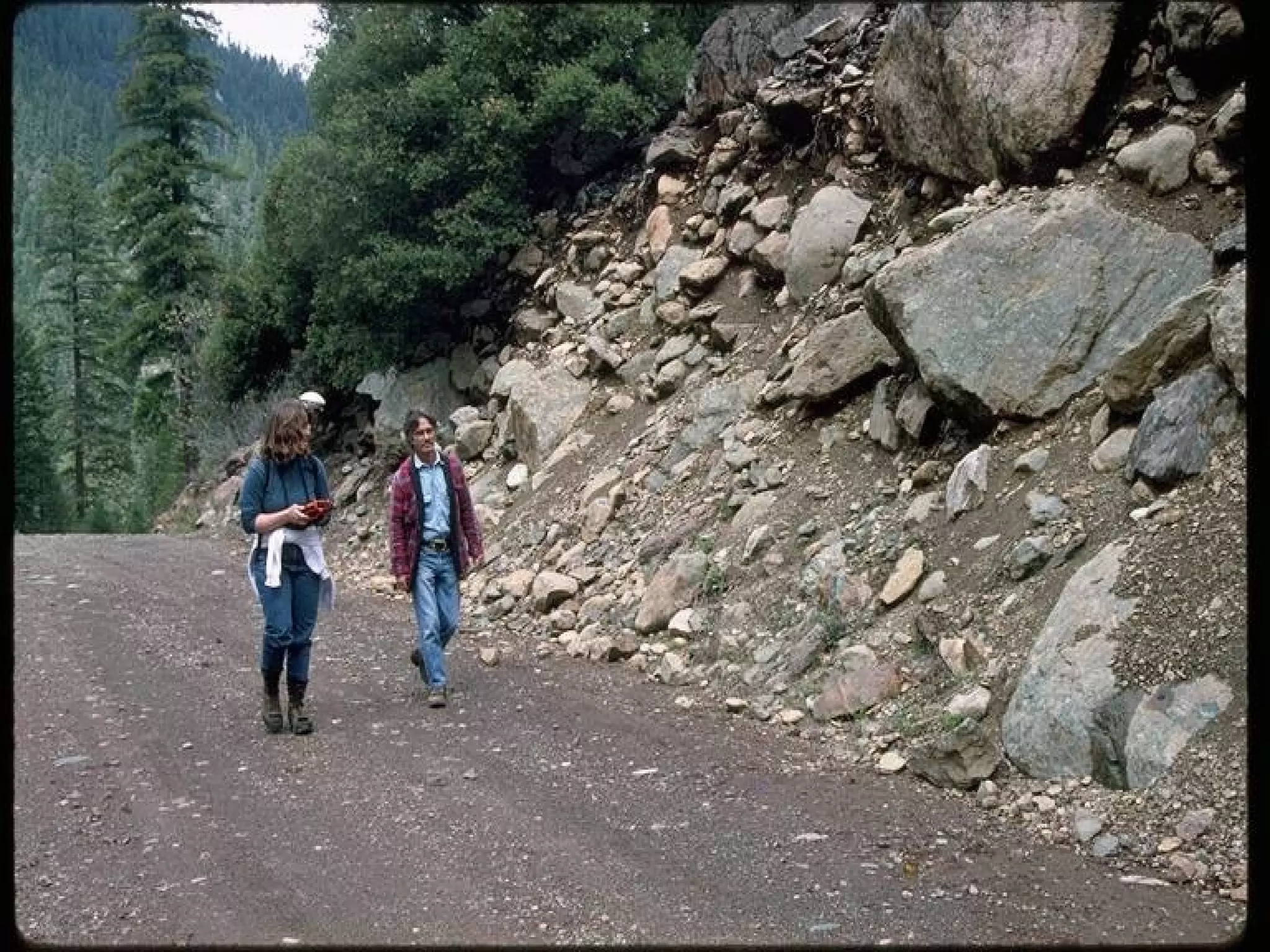
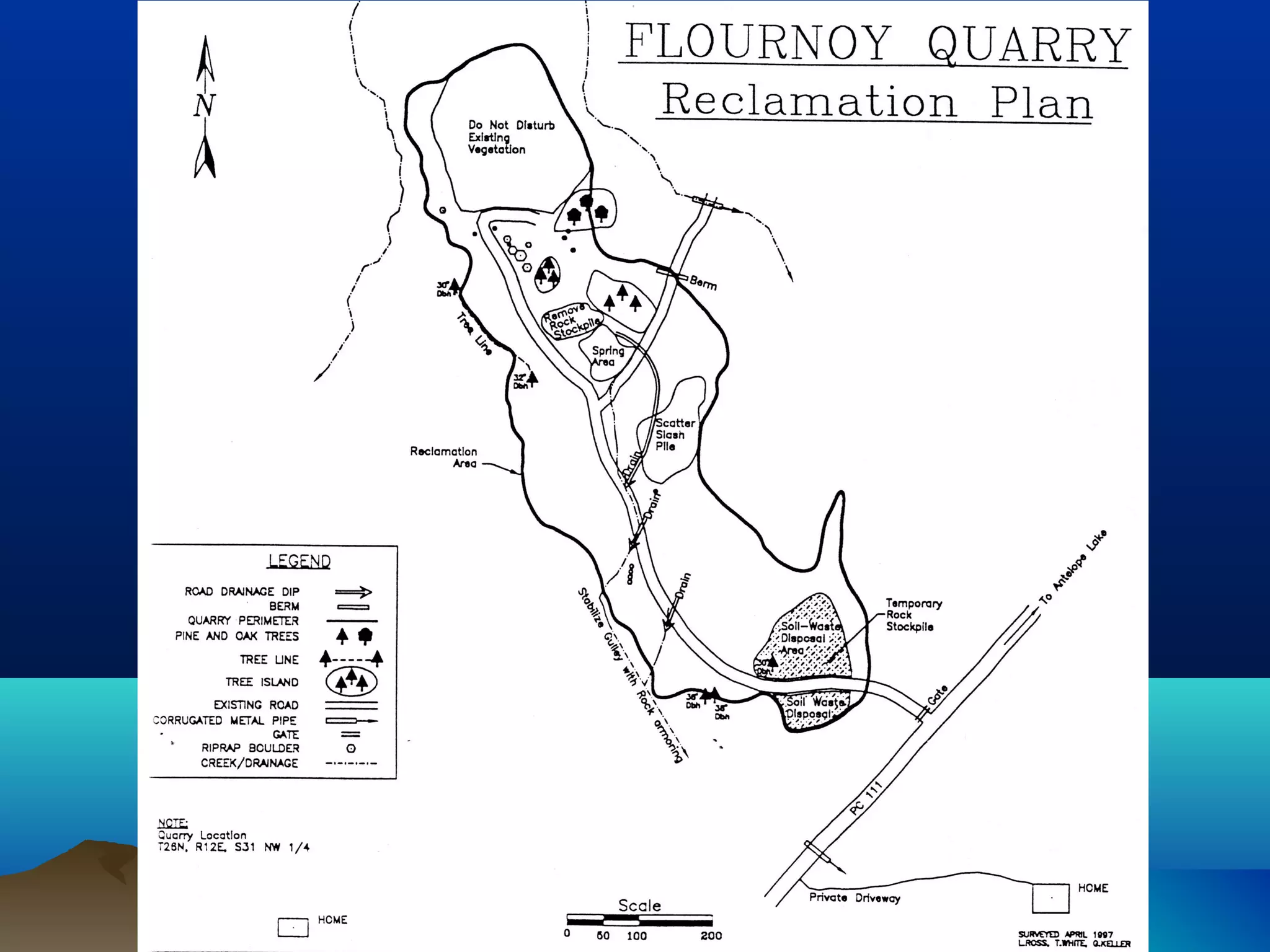
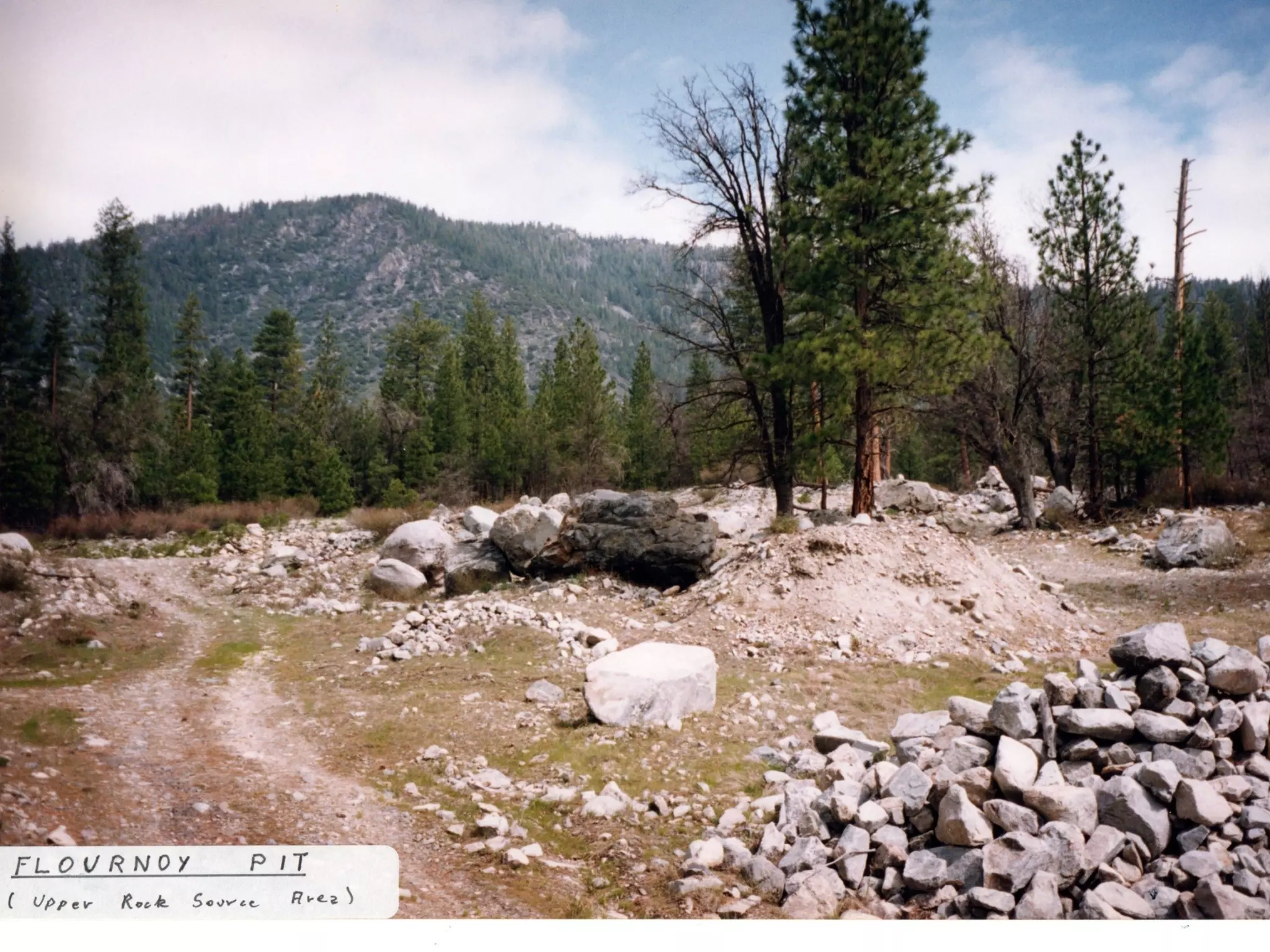
Genesee Valley Quarry, CaliforniaGenesee Valley Quarry, California
2. lvrm ch2  ukraine enviro analysis

2. lvrm ch2 ukraine enviro analysis

  • 1.
    EnvironmentalEnvironmental AnalysisAnalysis ProcessProcess Understanding TheSituation BeforeUnderstanding The Situation Before You Implement An ActionYou Implement An Action
  • 2.
    Environmentally Sound PlanningEnvironmentallySound Planning • Prevents costly repairs • Sustainable over the long-term • Ensures the results of the project are not reduced due to negative environmental impacts • Shows professionalism and good stewardship
  • 3.
    Legal FrameworkLegal Framework TheNational EnvironmentalThe National Environmental Policy Act of 1969Policy Act of 1969
  • 4.
    National Environmental PolicyActNational Environmental Policy Act (NEPA)(NEPA) • NEPANEPA establishes asestablishes as U.S. National Policy:U.S. National Policy: “…“…harmony between man and hisharmony between man and his environment…”environment…” • To implement this national policy,To implement this national policy, NEPA requiresNEPA requires every federal agencyevery federal agency toto assess and consider the potentialassess and consider the potential environmental impacts of their actions.environmental impacts of their actions.
  • 5.
    In 1975, USAIDCompliesIn 1975, USAID Complies • USAID developed NEPA complianceUSAID developed NEPA compliance procedures. These becameprocedures. These became Title 22Title 22 of the Code of Federal Regulations,of the Code of Federal Regulations, Part 216 (22 CFR 216).Part 216 (22 CFR 216). REG. 216REG. 216
  • 6.
    USAID EnvironmentalUSAID Environmental ProceduresProcedures •The Code of Federal RegulationsThe Code of Federal Regulations (CFR) Part 216 states:(CFR) Part 216 states: – Identify and consider theIdentify and consider the environmental consequencesenvironmental consequences before making decisions andbefore making decisions and committing fundscommitting funds – Be sure that appropriateBe sure that appropriate environmental mitigationenvironmental mitigation measures aremeasures are identified andidentified and appliedapplied
  • 7.
    Regulation 216 appliesto:Regulation 216 applies to: • All new or supplementaryAll new or supplementary activities funded by USAIDactivities funded by USAID • Changes in existingChanges in existing activities which imply:activities which imply: – New componentsNew components – Time ExtensionTime Extension – Additional financingAdditional financing – Environmental impacts notEnvironmental impacts not previously foreseenpreviously foreseen
  • 8.
    1 Identification ofthe project 2 Scoping 3 Data collection & interpretation 4 Design of alt 5 Evaluations of effects 6 Comparison of alt 7 Decision & public review 8 Implementation & monitoring An Environmental Analysis ProcessAn Environmental Analysis Process
  • 9.
  • 10.
    1. Identification of theproject (What action is proposed?) 1) Identify purpose & need 2) Develop a goal to provide a framework for analysis
  • 11.
    2. Scoping (Why isit needed?) Identify: -Issues, -Opportunities, & -Effects of implementing the proposed action
  • 12.
    Collect Data Identify probable effectsof project implementation 2003 Lower Stillwell thalweg 70 75 80 85 90 95 100 105 110 0 50 100 150 200 250 300 350 400 450 500 3. Data collection & interpretation (What factors will be used in the to make a decision?) Stream profile surveyStream profile survey
  • 13.
    Alternatives must clearlyaddress key issues 4. Design of alternatives (What other actions would meet the need?)
  • 14.
    Understand and determine theeffects • Direct • Indirect • Cumulative 5. Evaluations of effects (What would it mean to not meet the need?) For Each Alternative: •Physical •Biological •Economical •Social
  • 17.
    Relevant environmental factors: Stability Erosivity Water quality Biodiversity 6.Comparison of alternatives (What are the effects of each alternative?)
  • 18.
    • Select Alternative •Review & comments of public 7. Decision & public review (Are there ways to mitigate any Adverse affects?)
  • 19.
    • Record Results •Implement alternative • Develop monitoring plan • Mitigate issues as planned 8. Implementation & monitoring (What is the final decision and what will be monitored?)
  • 20.
    Lake Atitlan, GuatemalaLakeAtitlan, Guatemala
  • 28.
  • 33.
    Camino de laMuerte, BoliviaCamino de la Muerte, Bolivia
  • 48.
    Genesee Valley Quarry,CaliforniaGenesee Valley Quarry, California

Editor's Notes

  • #5 NEPA “. . . productive and enjoyable harmony between man and his environment; to promote efforts which will prevent or eliminate damage to the environment and biosphere and stimulate the health and welfare of man; to enrich the understanding of the ecological systems and natural resources . . . “ “. . . productive and enjoyable harmony between man and his environment; to promote efforts which will prevent or eliminate damage to the environment and biosphere and stimulate the health and welfare of man; to enrich the understanding of the ecological systems and natural resources . . . “
  • #6 USAID settled out of court to avoid being being closed down. The settlement, which was approved by Judge John Sirica (the Watergate judge), required USAID to issue NEPA compliant procedures.