What are the characteristics ofWhat are the characteristics of
Fungi?Fungi?
Most Multicellular (except yeast)
Eukaryotes – cells contain a nucleus
Heterotrophic – are consumers like
animals (eat food)
Most are decomposers (recycle)
Cell walls composed of chitin
Structures of FungiStructures of Fungi
Body made of mycelium (grows below
ground)
Fruiting body- part that reproduces (grows
above ground)
Mycelium and fruiting body made of
hyphae- string-like structures
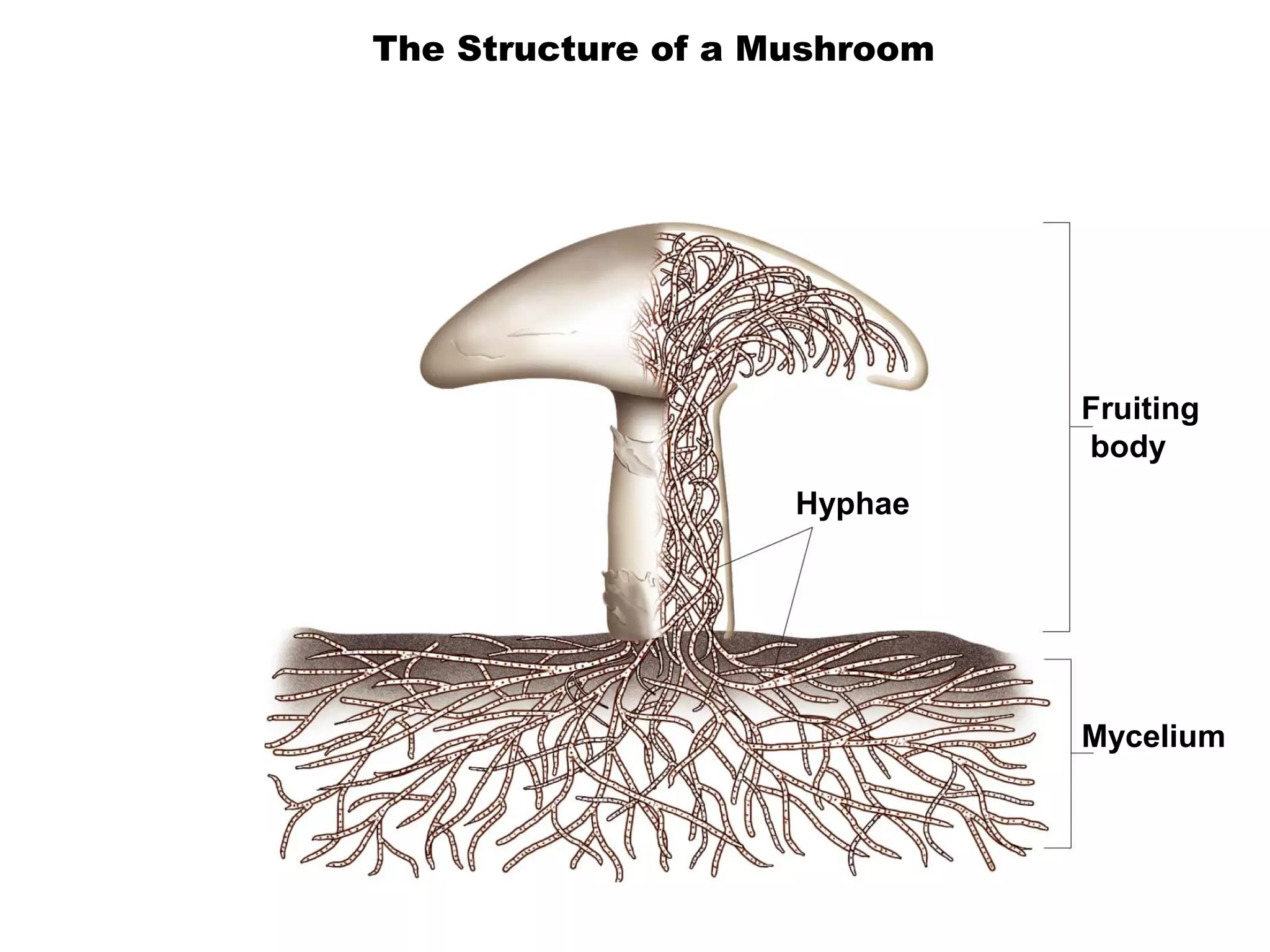
Mycelium
Fruiting
body
Hyphae
The Structure of a Mushroom
III. Growth and ReproductionIII. Growth and Reproduction
Most Fungi develop from a spore into a hyphae,
then a mycelium
Spores are microscopic- they are everywhere!
1. Spores are easily carried by wind or animals
When conditions are favorable a fruiting body
can grow overnight!
1. Fungi like warm, moist environments
Can reproduce sexually or asexually
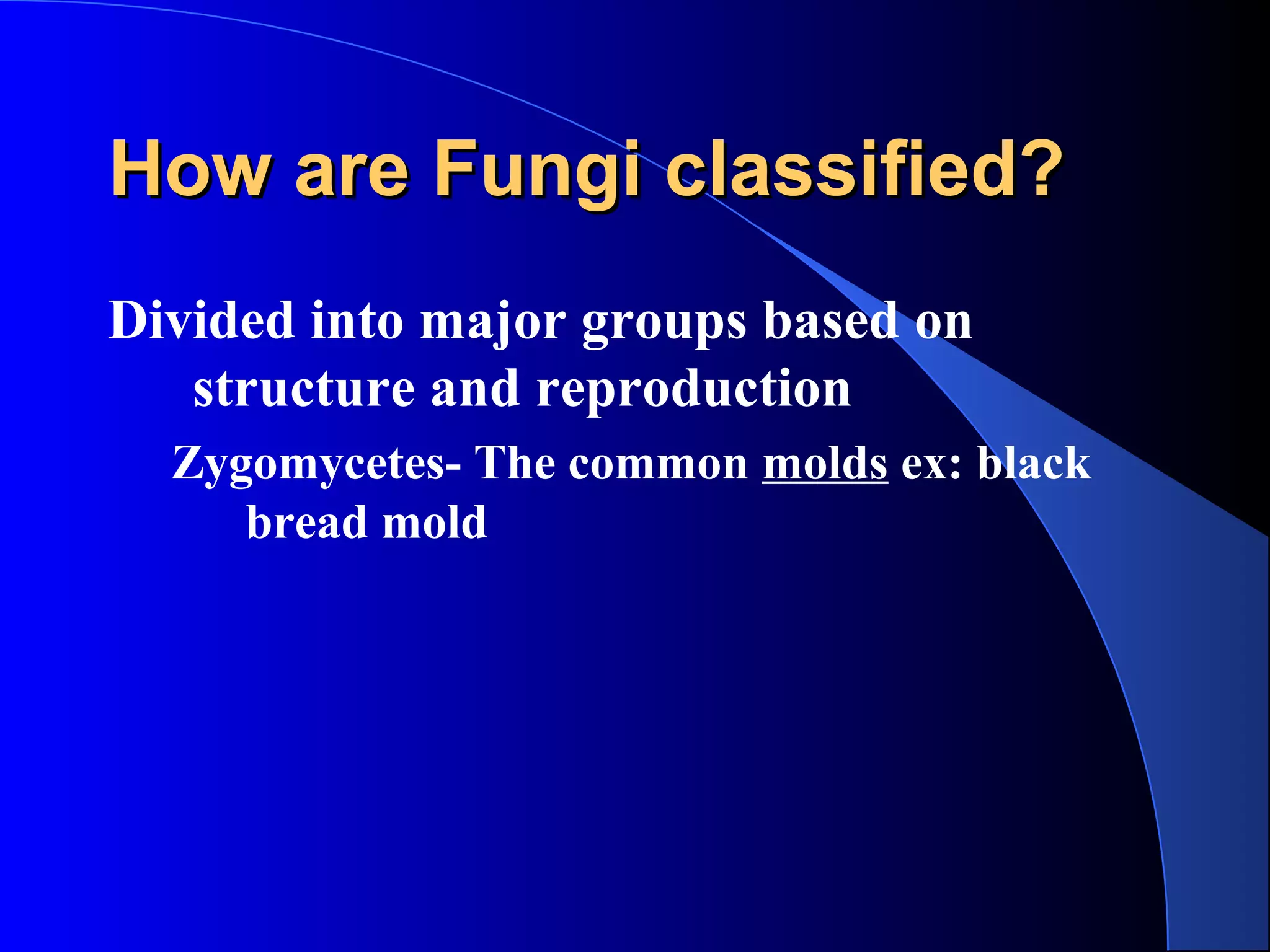
1. Sexually -Involves 2 mating types (+) and (-)
FERTILIZATION
MEIOSIS
HYPHAE FUSE
Fruiting body (N+N)
Button
+ Mating type (N)
- Mating type (N)
Basidiospores
(N)
Zygote
(2N)
Basidia
(N + N)
Gills
lined with
basidia
Gills
Stalk
Base
Cap
Haploid
Diploid
Figure 21-8 The Life Cycle of a
Basidiomycete
Page 534
How are Fungi classified?How are Fungi classified?
Divided into major groups based on
structure and reproduction
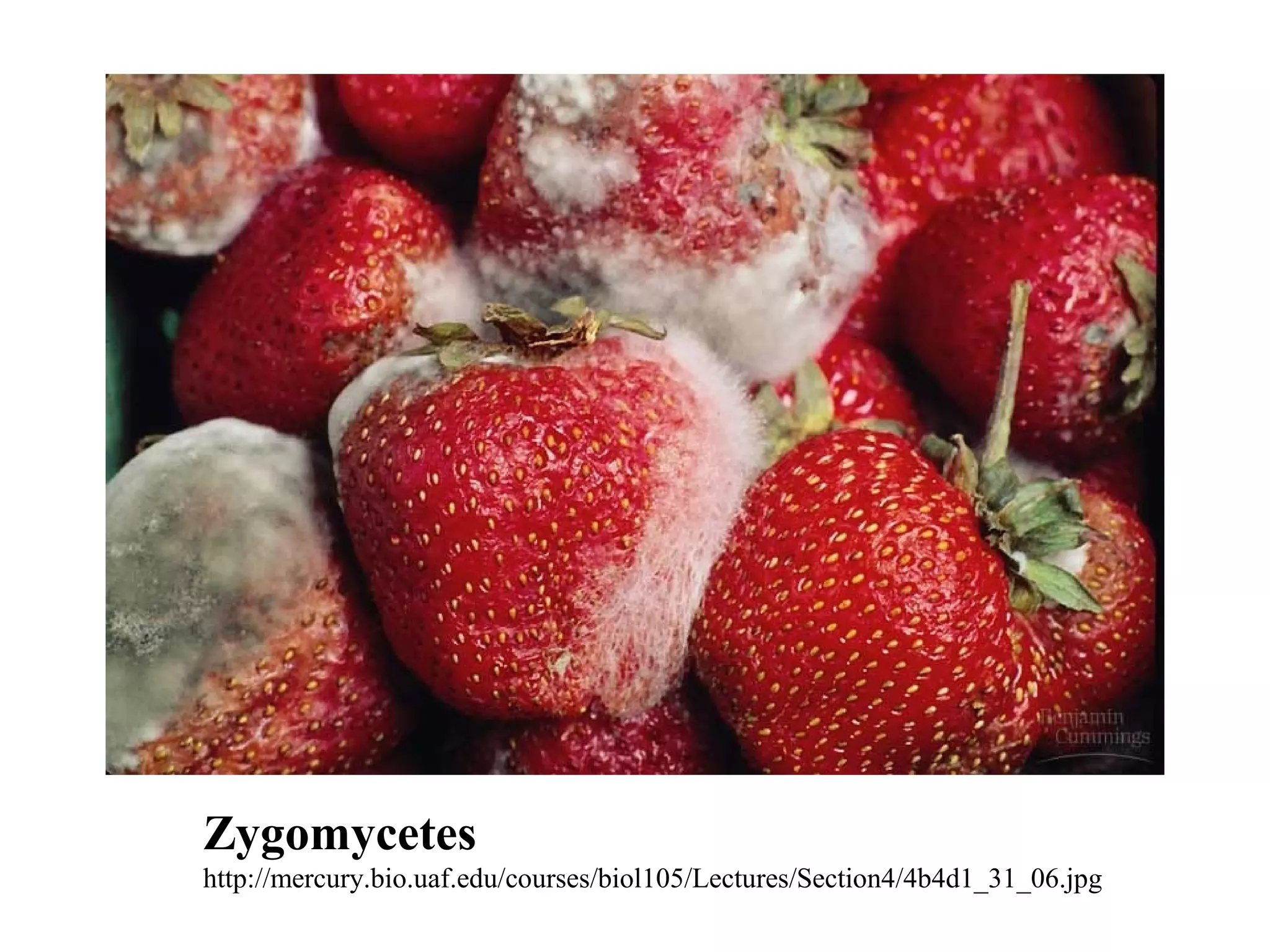
Zygomycetes- The common molds ex: black
bread mold
Zygomycetes
http://mercury.bio.uaf.edu/courses/biol105/Lectures/Section4/4b4d1_31_06.jpg
How are Fungi classified?How are Fungi classified?
Divided into major groups based on
structure and reproduction
Zygomycetes- The common molds ex: black
bread mold
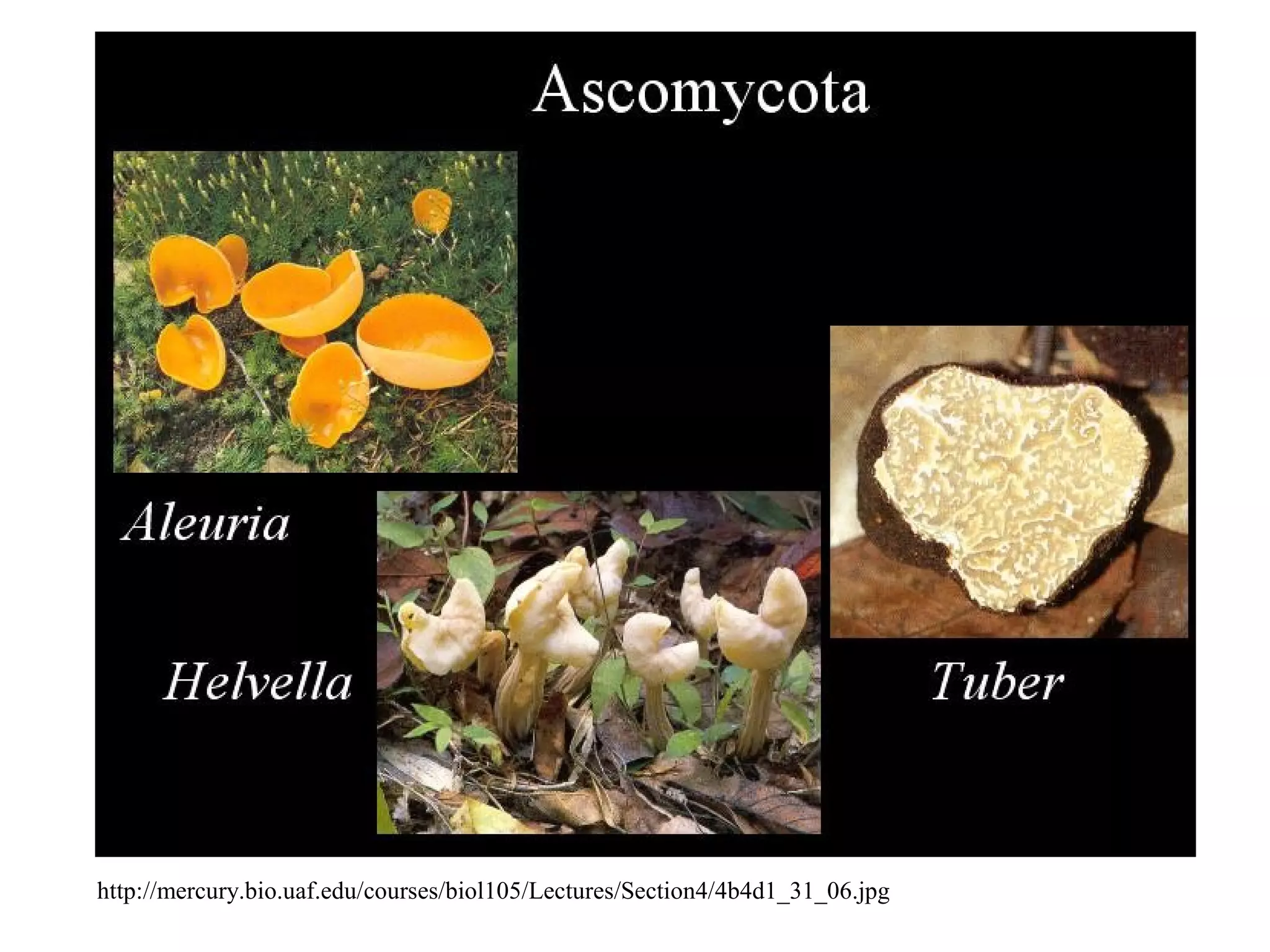
Ascomycota- The sac fungi ex: yeast
http://mercury.bio.uaf.edu/courses/biol105/Lectures/Section4/4b4d1_31_06.jpg
How are Fungi classified?How are Fungi classified?
Divided into major groups based on
structure and reproduction
Zygomycetes- The common molds ex: black
bread mold
Ascomycota- The sac fungi ex: yeast
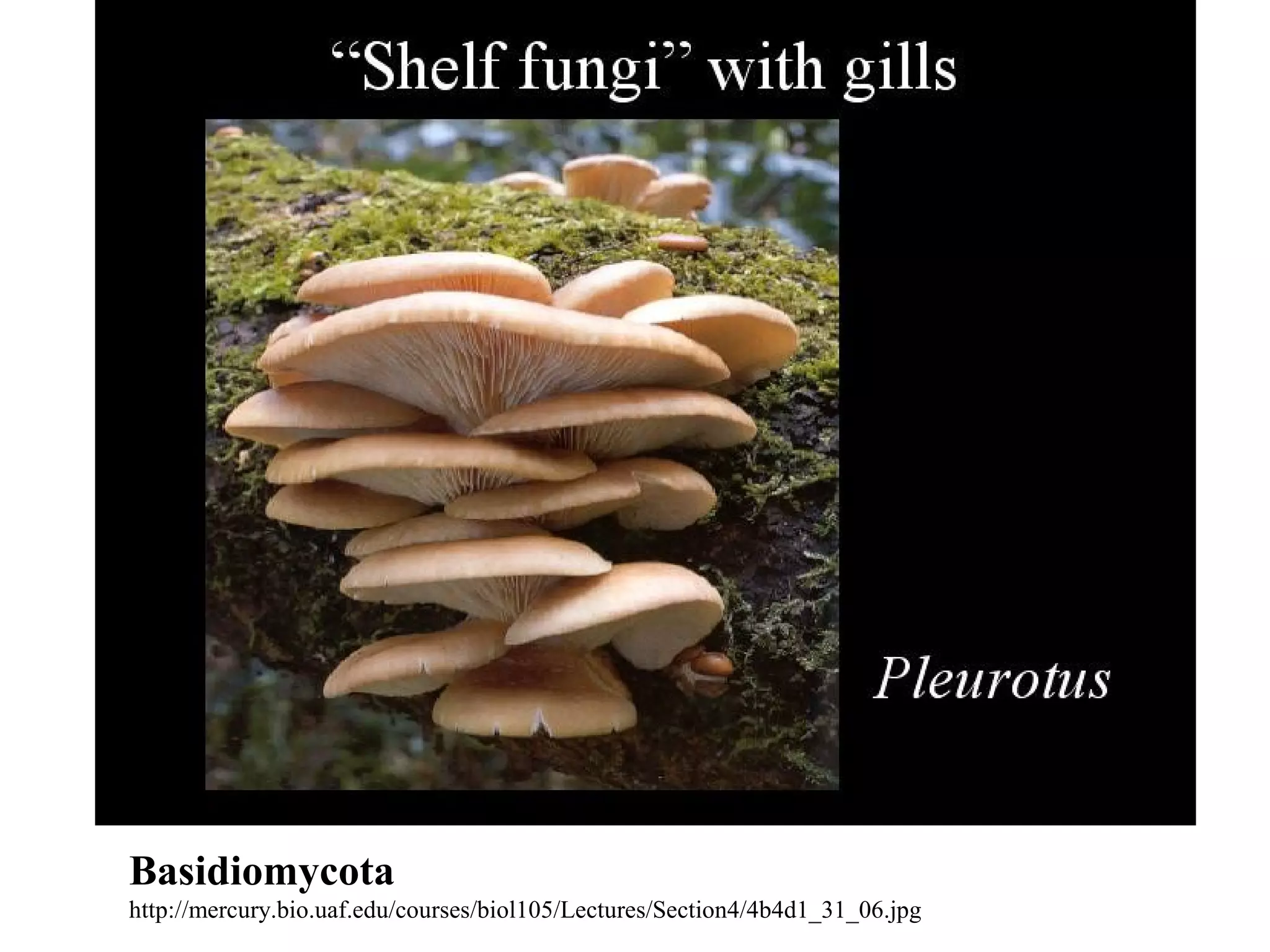
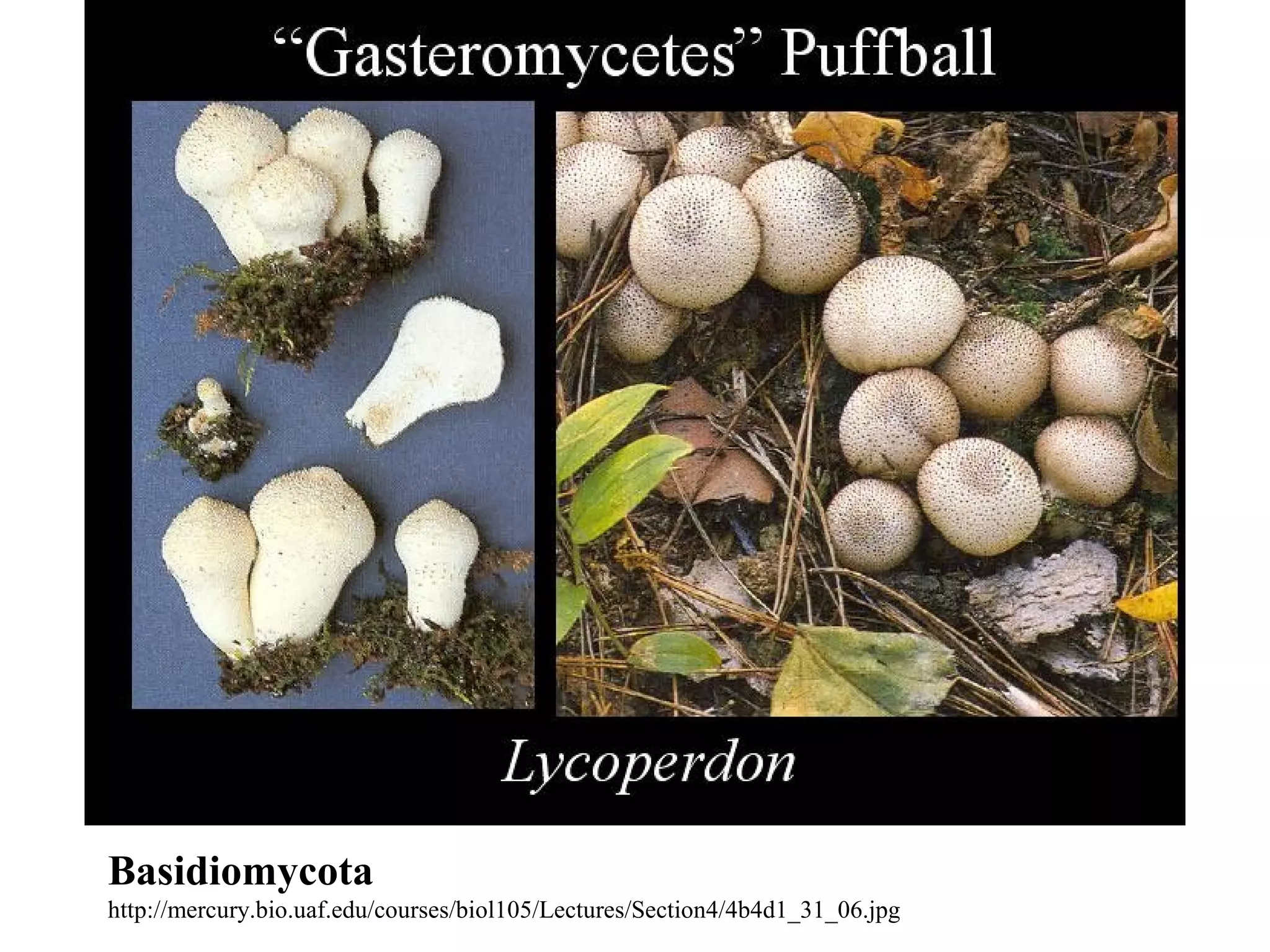
Basidiomycota- The club fungi ex: mushroom
Basidiomycota
http://mercury.bio.uaf.edu/courses/biol105/Lectures/Section4/4b4d1_31_06.jpg
Basidiomycota
http://mercury.bio.uaf.edu/courses/biol105/Lectures/Section4/4b4d1_31_06.jpg
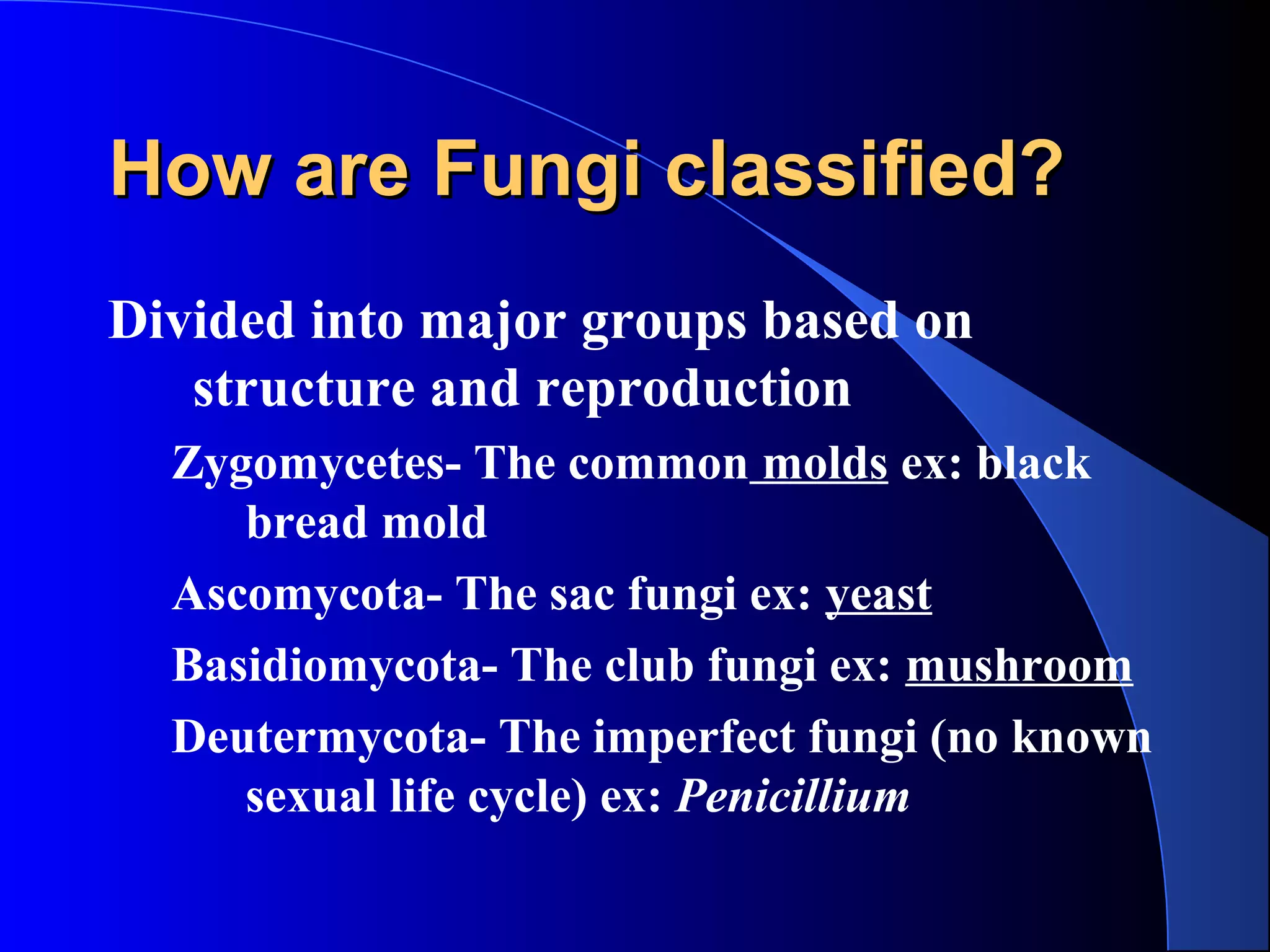
How are Fungi classified?How are Fungi classified?
Divided into major groups based on
structure and reproduction
Zygomycetes- The common molds ex: black
bread mold
Ascomycota- The sac fungi ex: yeast
Basidiomycota- The club fungi ex: mushroom
Deutermycota- The imperfect fungi (no known
sexual life cycle) ex: Penicillium
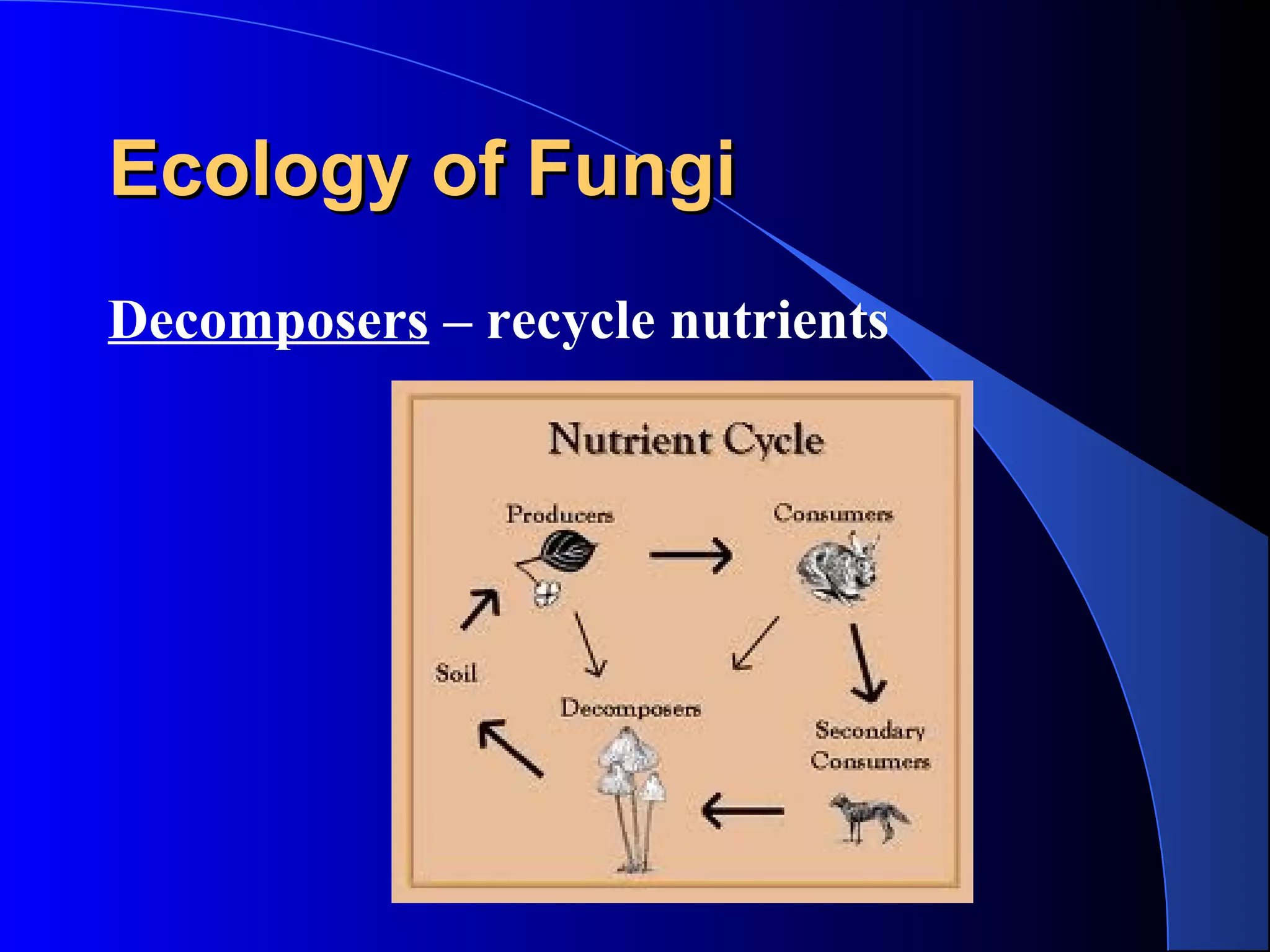
Ecology of FungiEcology of Fungi
Decomposers – recycle nutrients
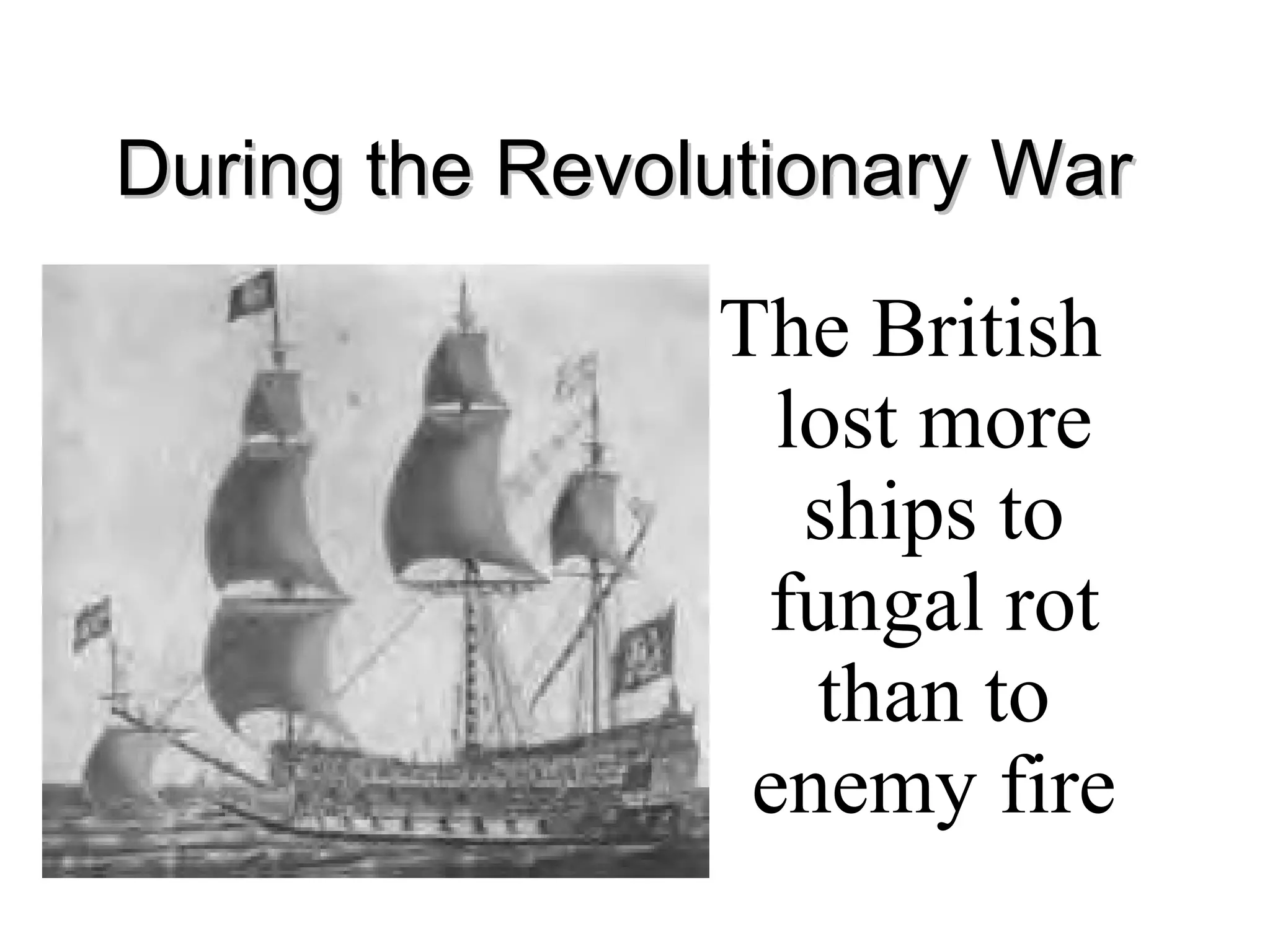
During the Revolutionary WarDuring the Revolutionary War
The British
lost more
ships to
fungal rot
than to
enemy fire
Ecology of FungiEcology of Fungi
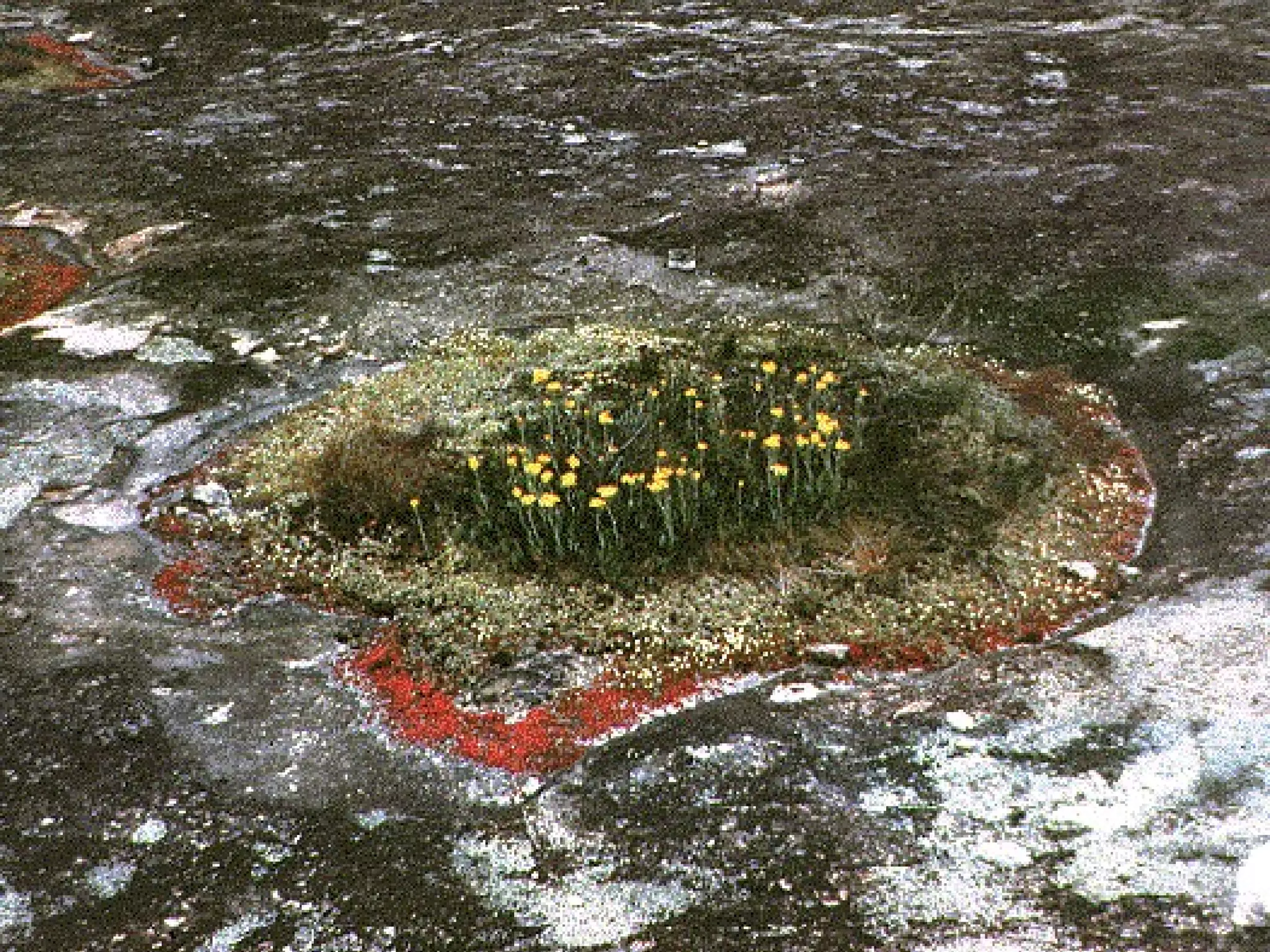
Pioneer species- important for soil
formation
lichen- break down rock into soil; it is
symbiotic relationship between a fungus
and a photosynthetic organism
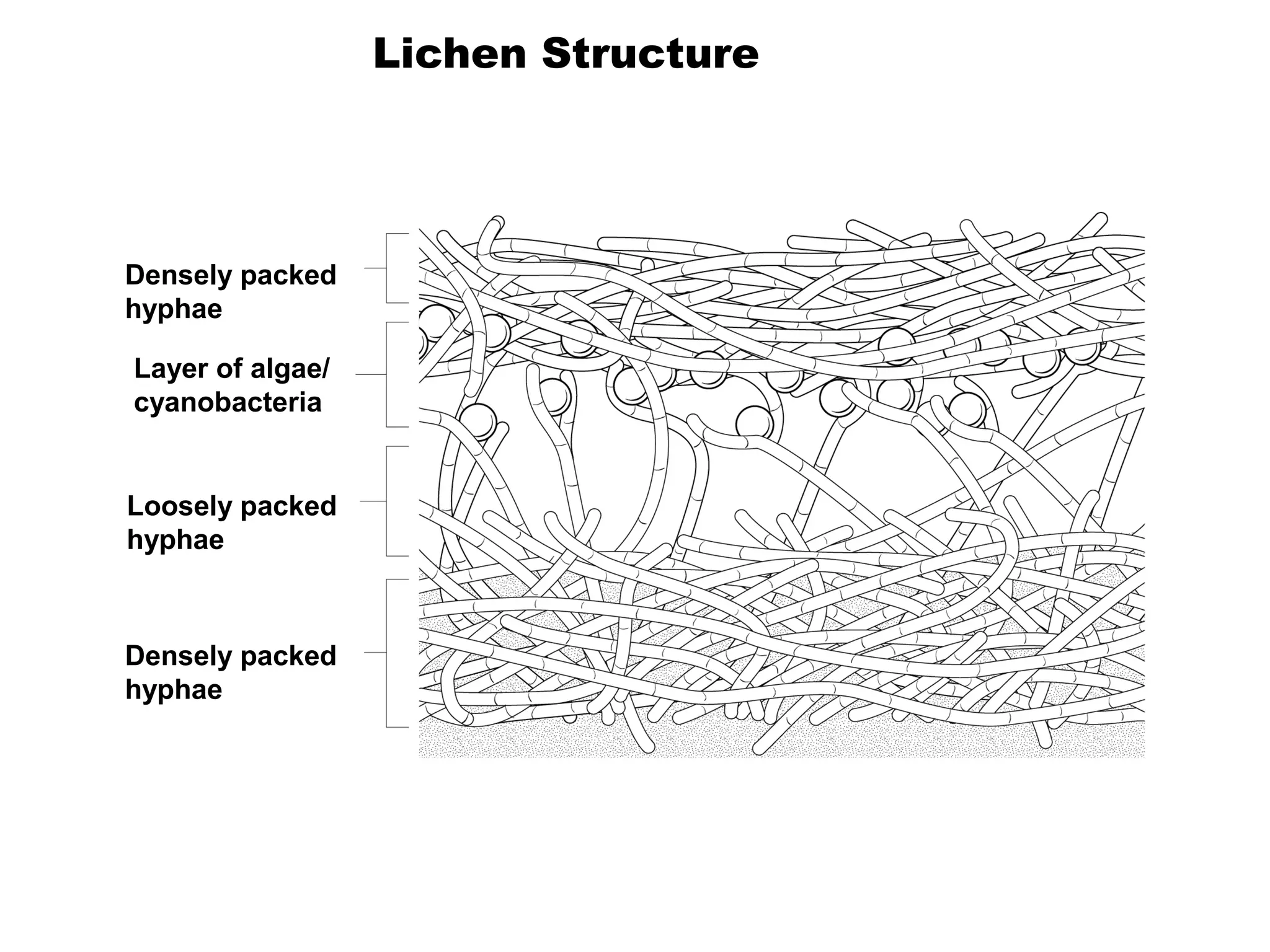
Densely packed
hyphae
Layer of algae/
cyanobacteria
Loosely packed
hyphae
Densely packed
hyphae
Lichen Structure
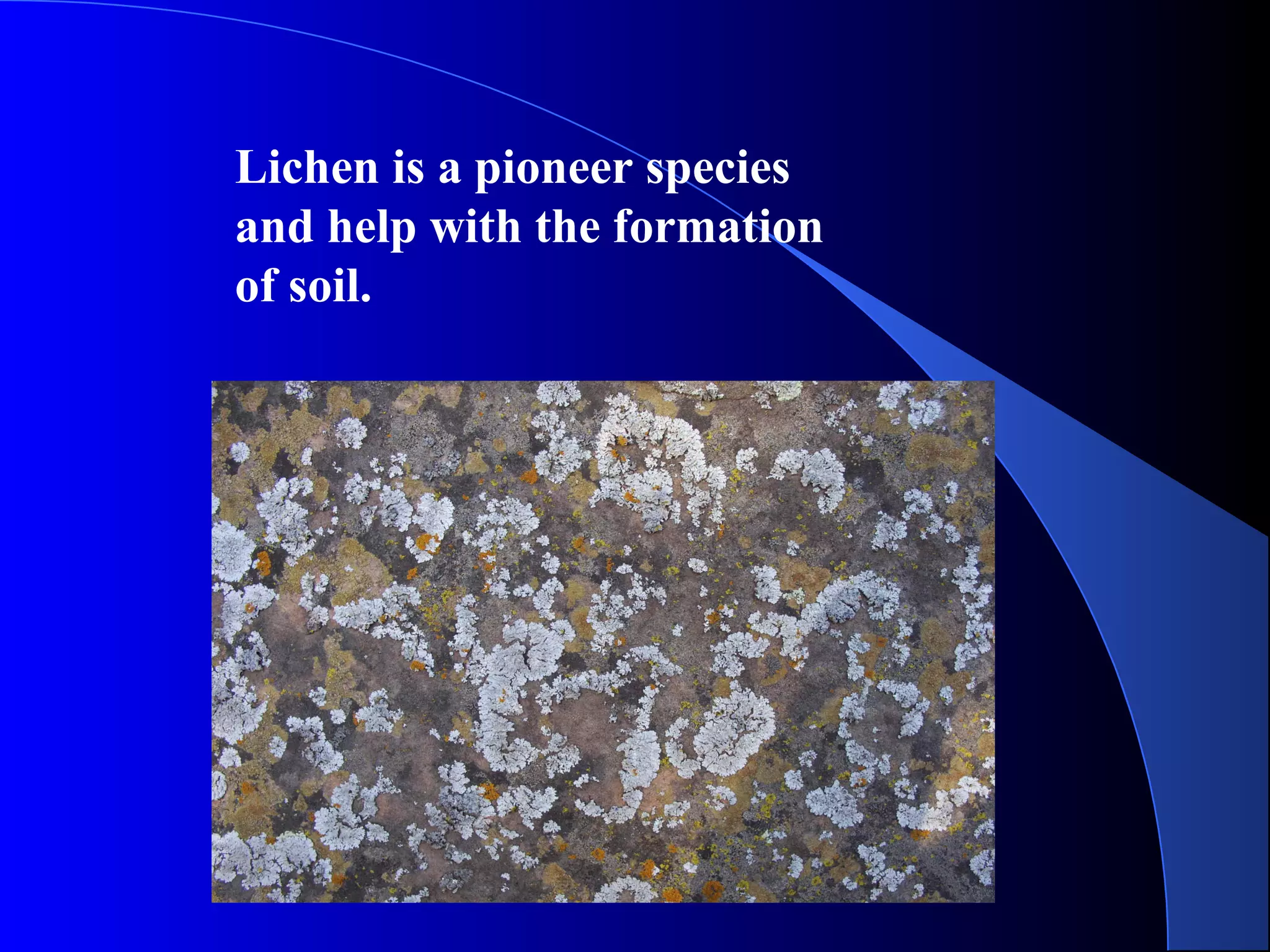
Lichen is a pioneer species
and help with the formation
of soil.
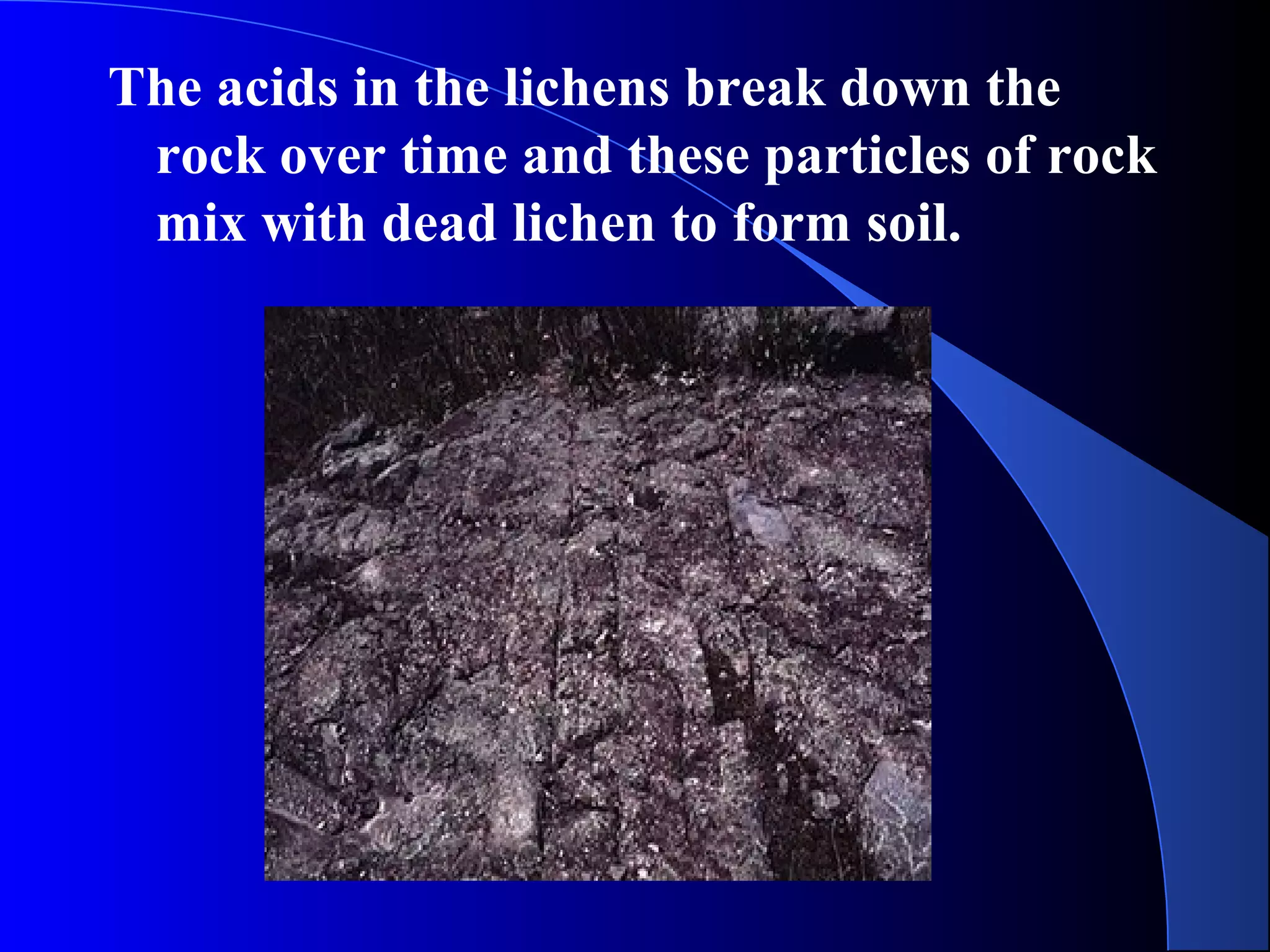
The acids in the lichens break down the
rock over time and these particles of rock
mix with dead lichen to form soil.
Ecology of FungiEcology of Fungi
Pioneer species- important for soil
formation; break down rock into soil
lichen- very important pioneer species; it is
symbiotic relationship between a fungus and
a photosynthetic organism
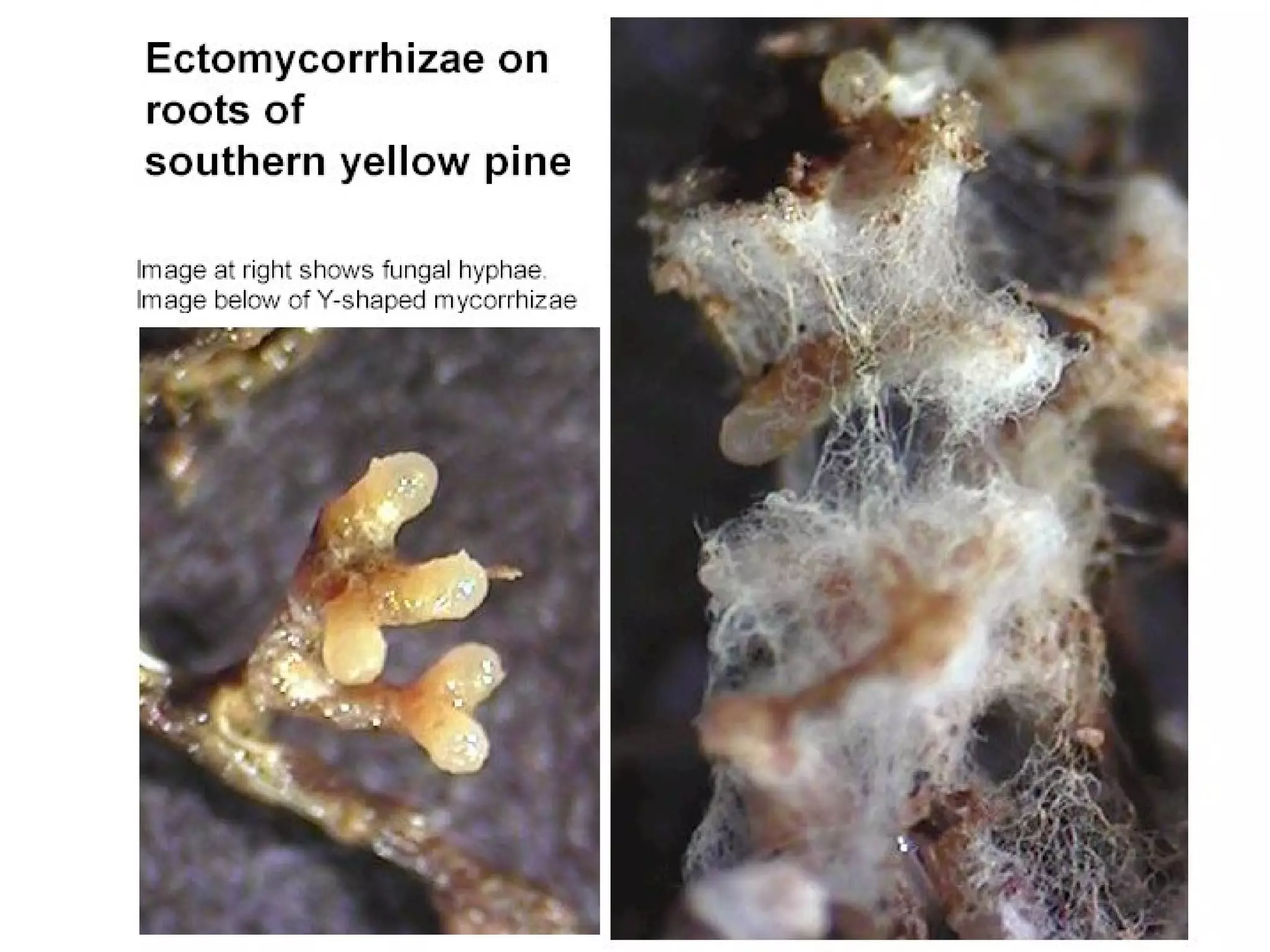
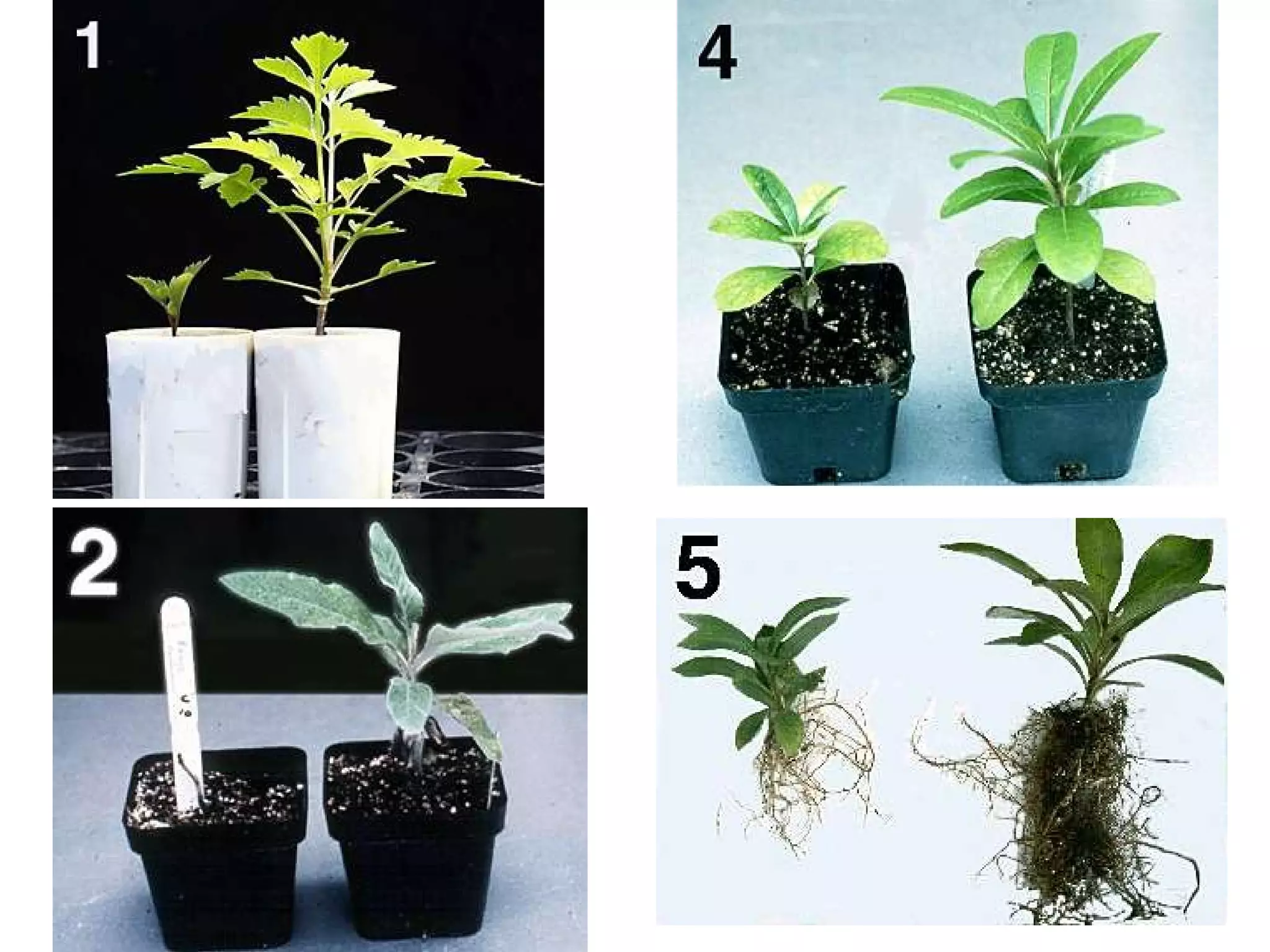
Mycorrhizae- symbiotic relationship
between plants and fungus; plant gets
water and nutrients and fungus gets a
place to live on the roots of the plant
Ecology of FungiEcology of Fungi
Mycorrhizae- symbiotic relationship
between plants and fungus
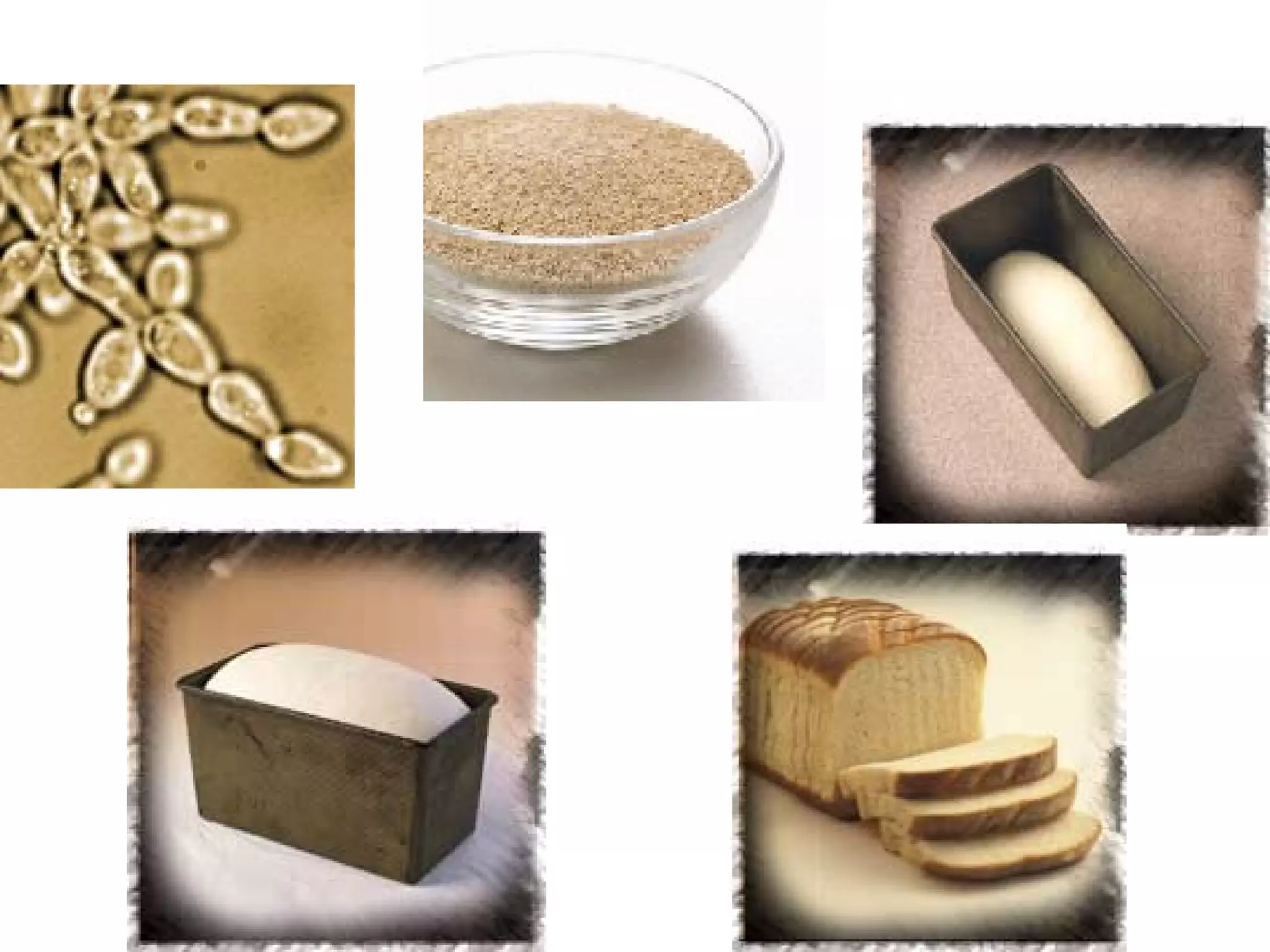
Important in Baking and Brewing -making
bread and other products
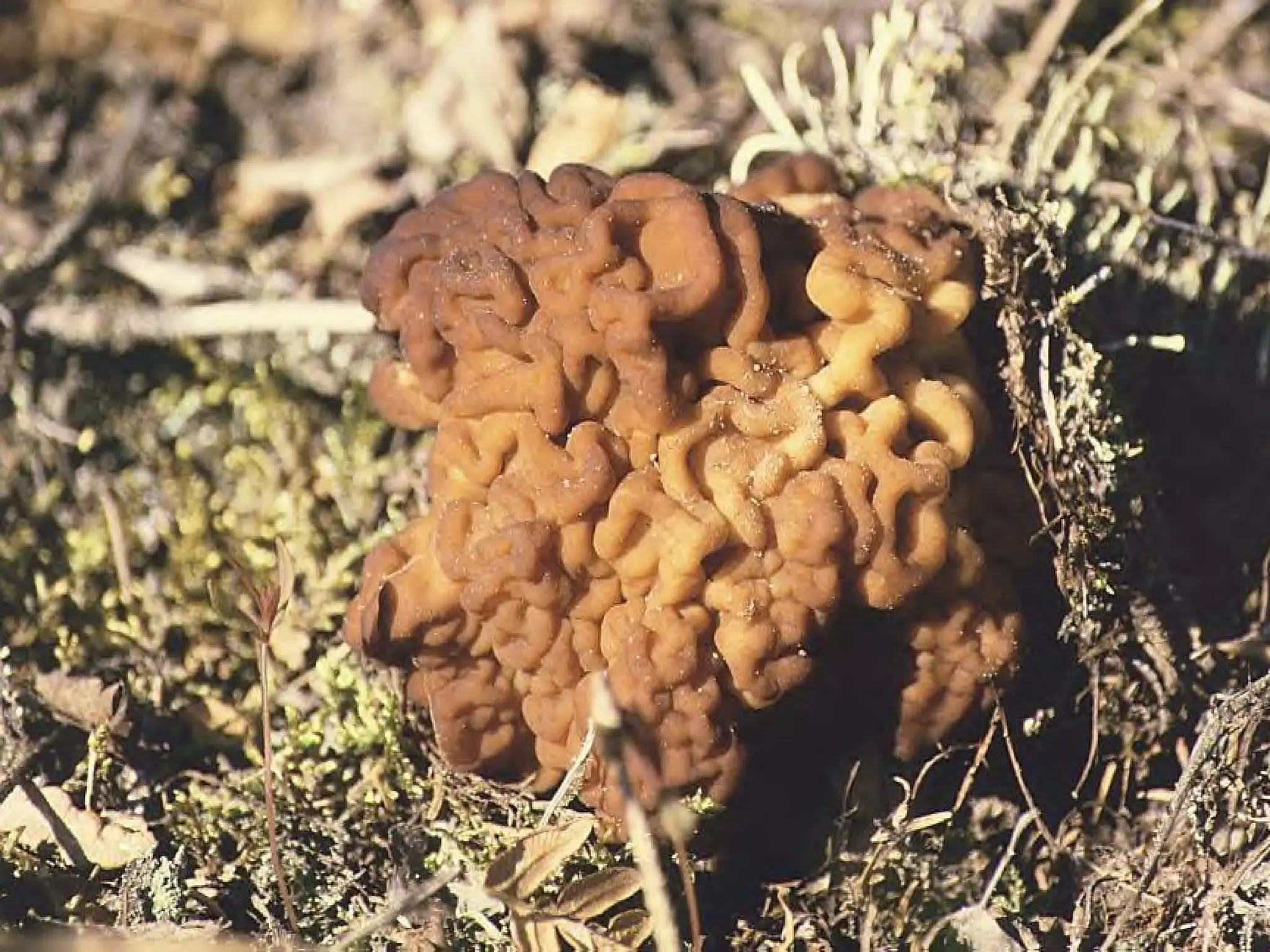
Eaten as foods
Truffle
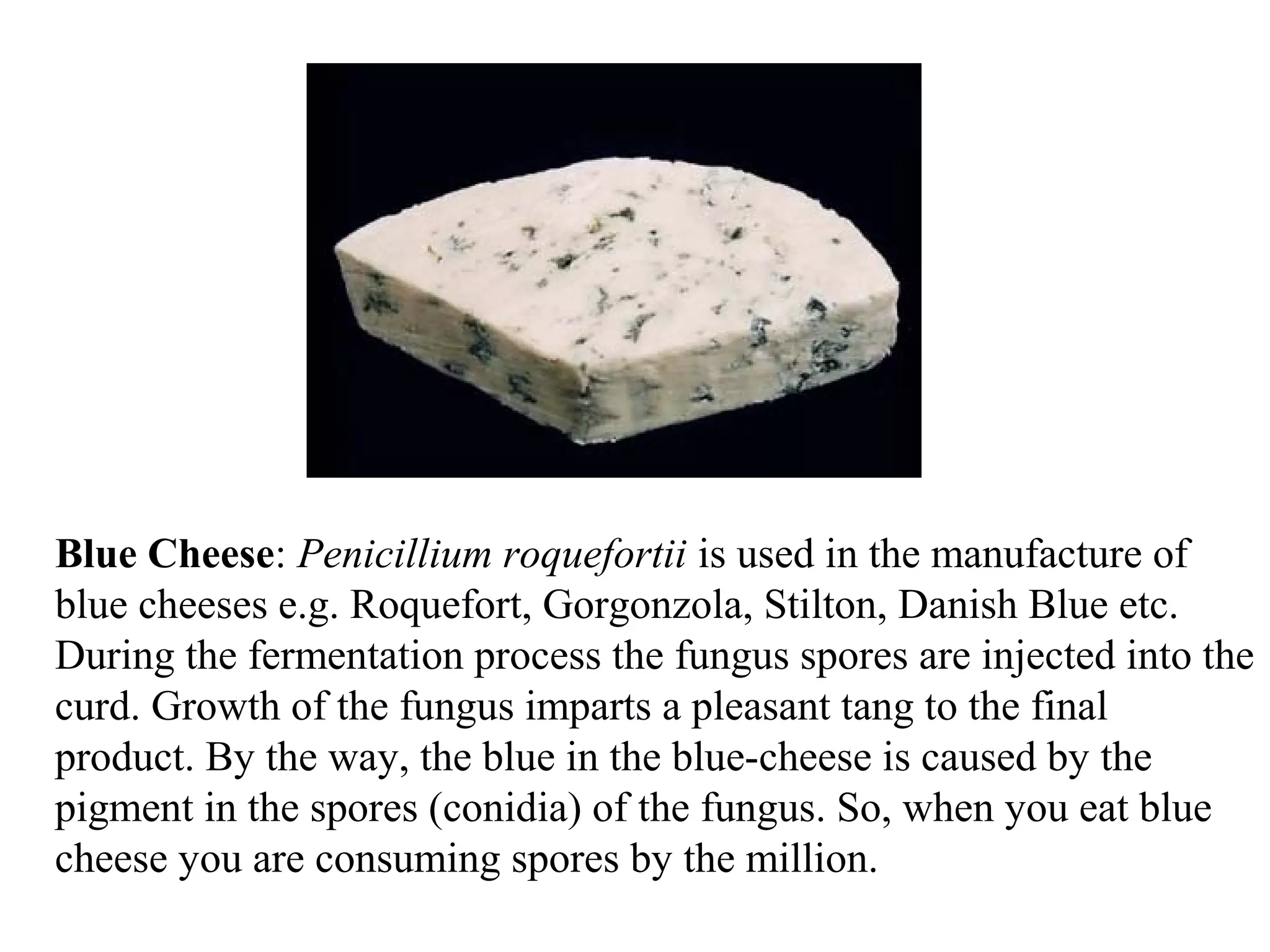
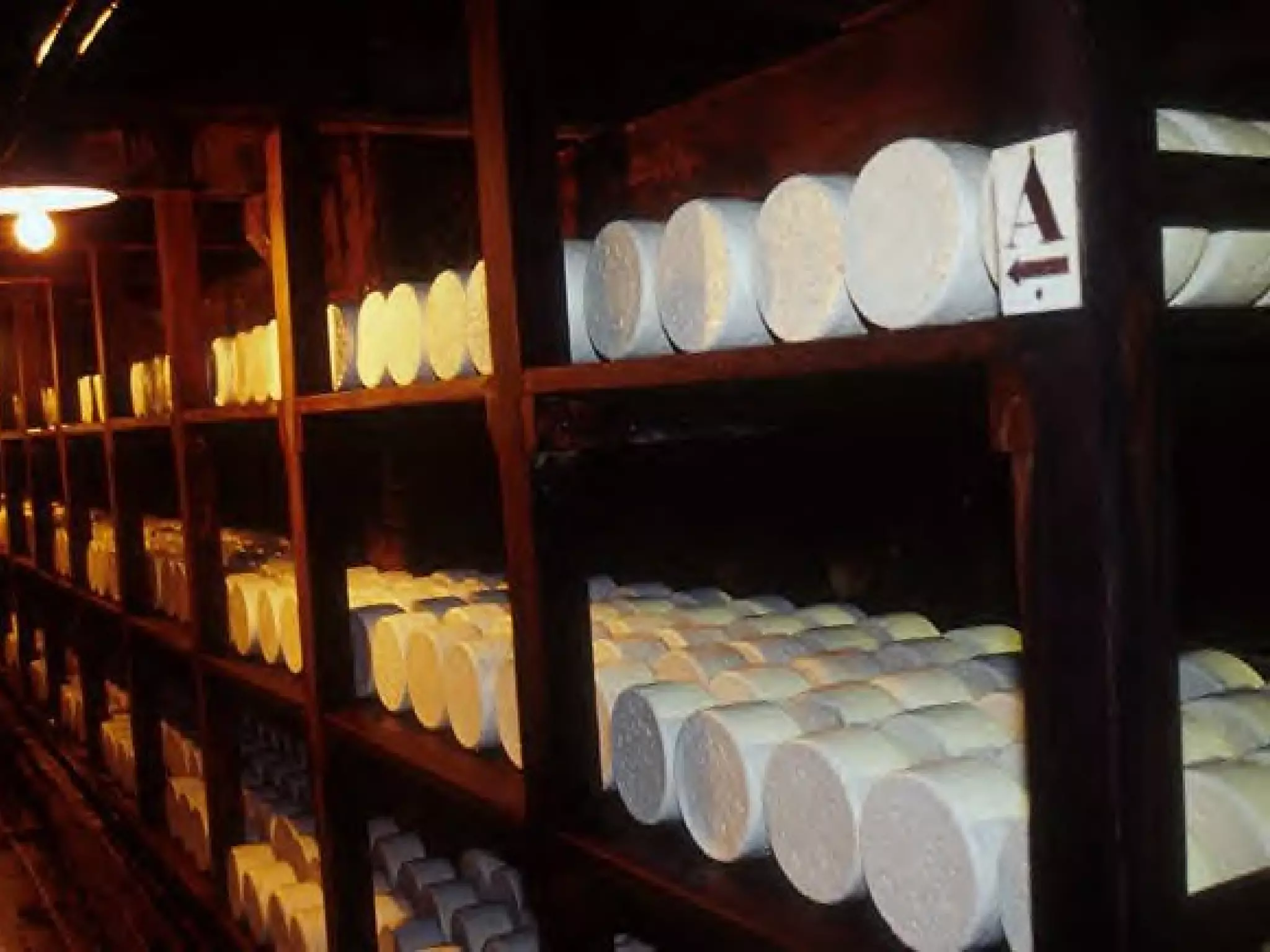
Blue Cheese: Penicillium roquefortii is used in the manufacture of
blue cheeses e.g. Roquefort, Gorgonzola, Stilton, Danish Blue etc.
During the fermentation process the fungus spores are injected into the
curd. Growth of the fungus imparts a pleasant tang to the final
product. By the way, the blue in the blue-cheese is caused by the
pigment in the spores (conidia) of the fungus. So, when you eat blue
cheese you are consuming spores by the million.
Eaten as foods
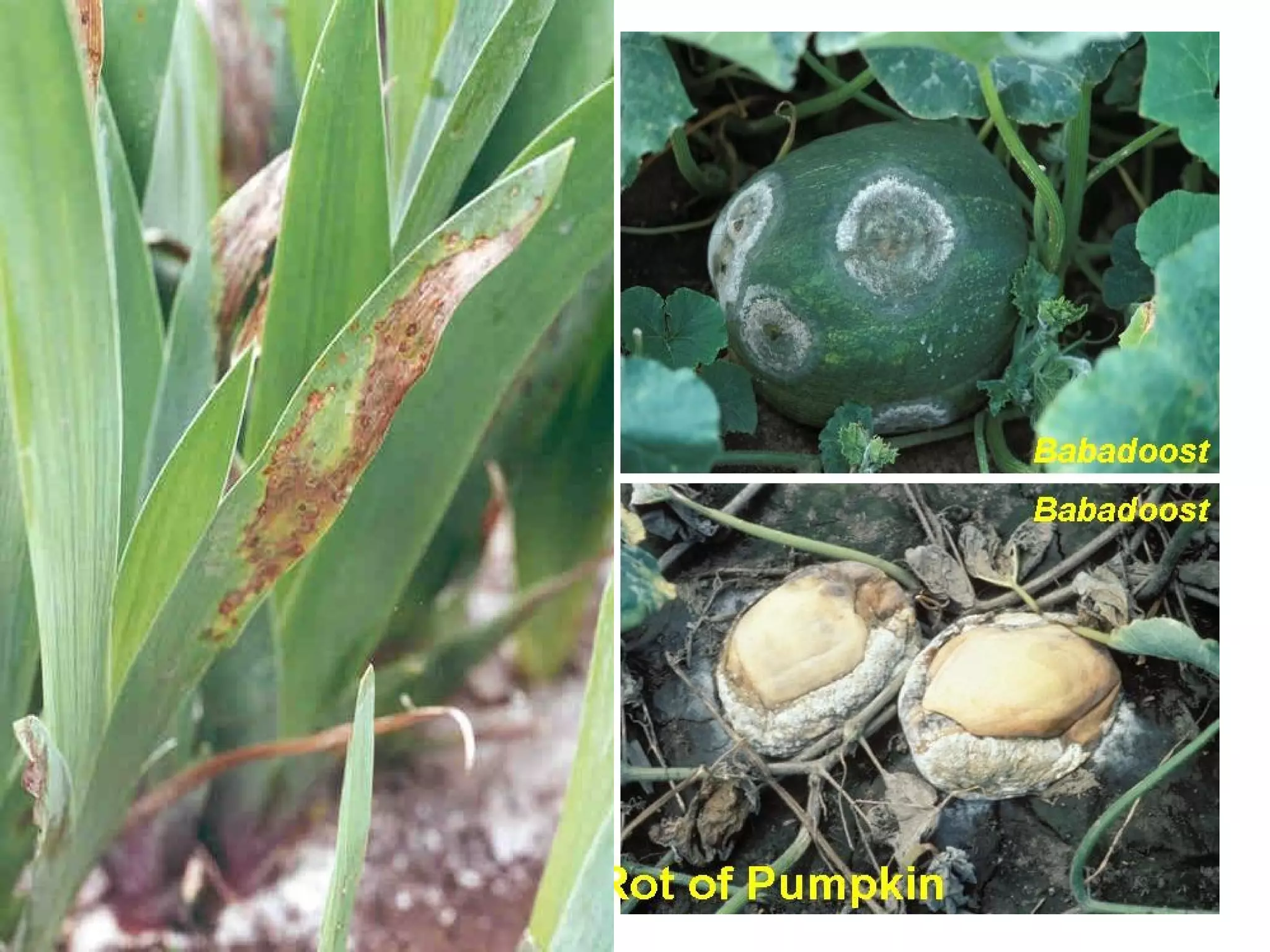
Responsible for crop damage (as much as
50% in tropical areas)
Eaten as foods
Responsible for crop damage (as much as
50% in tropical areas)
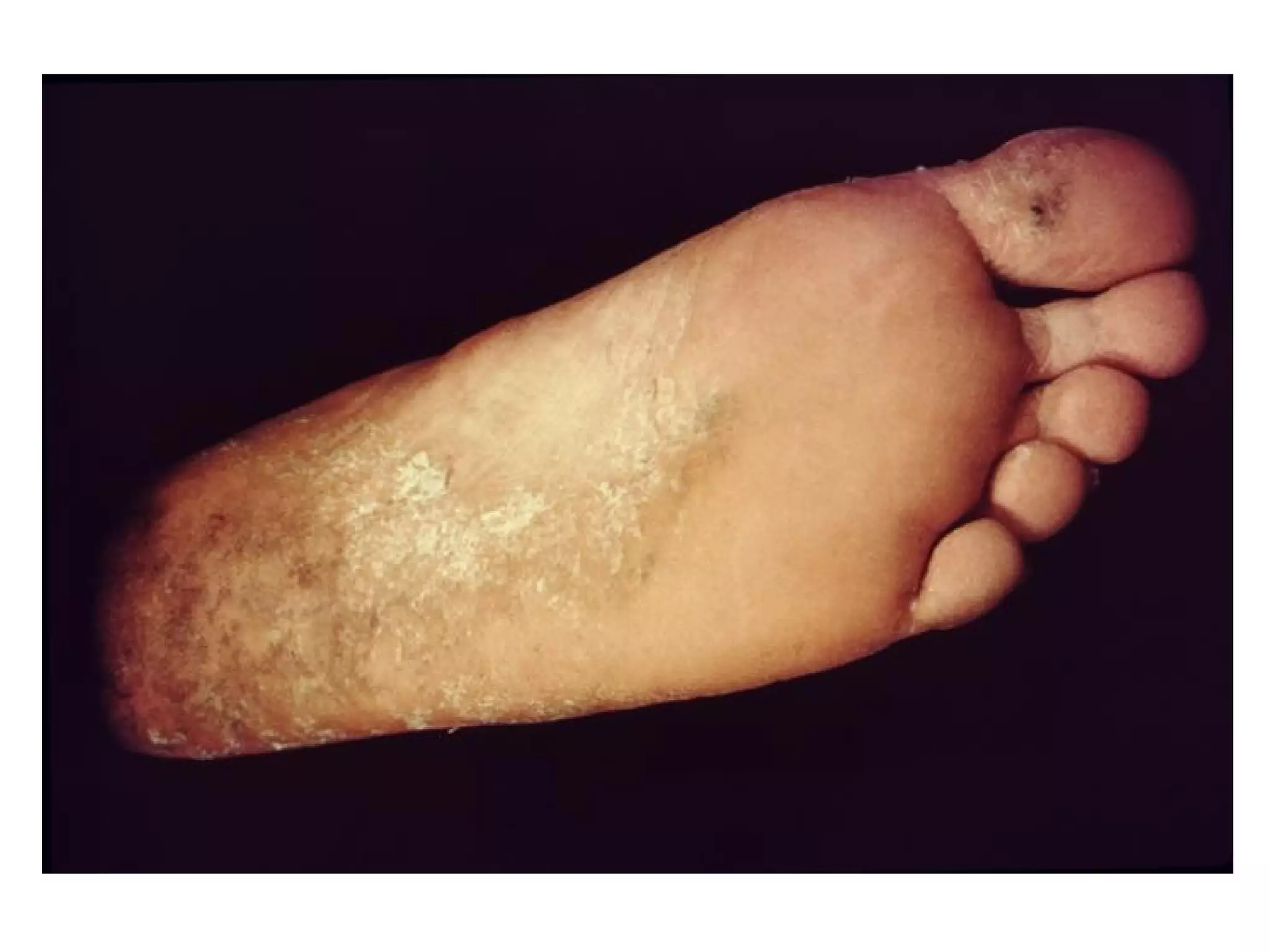
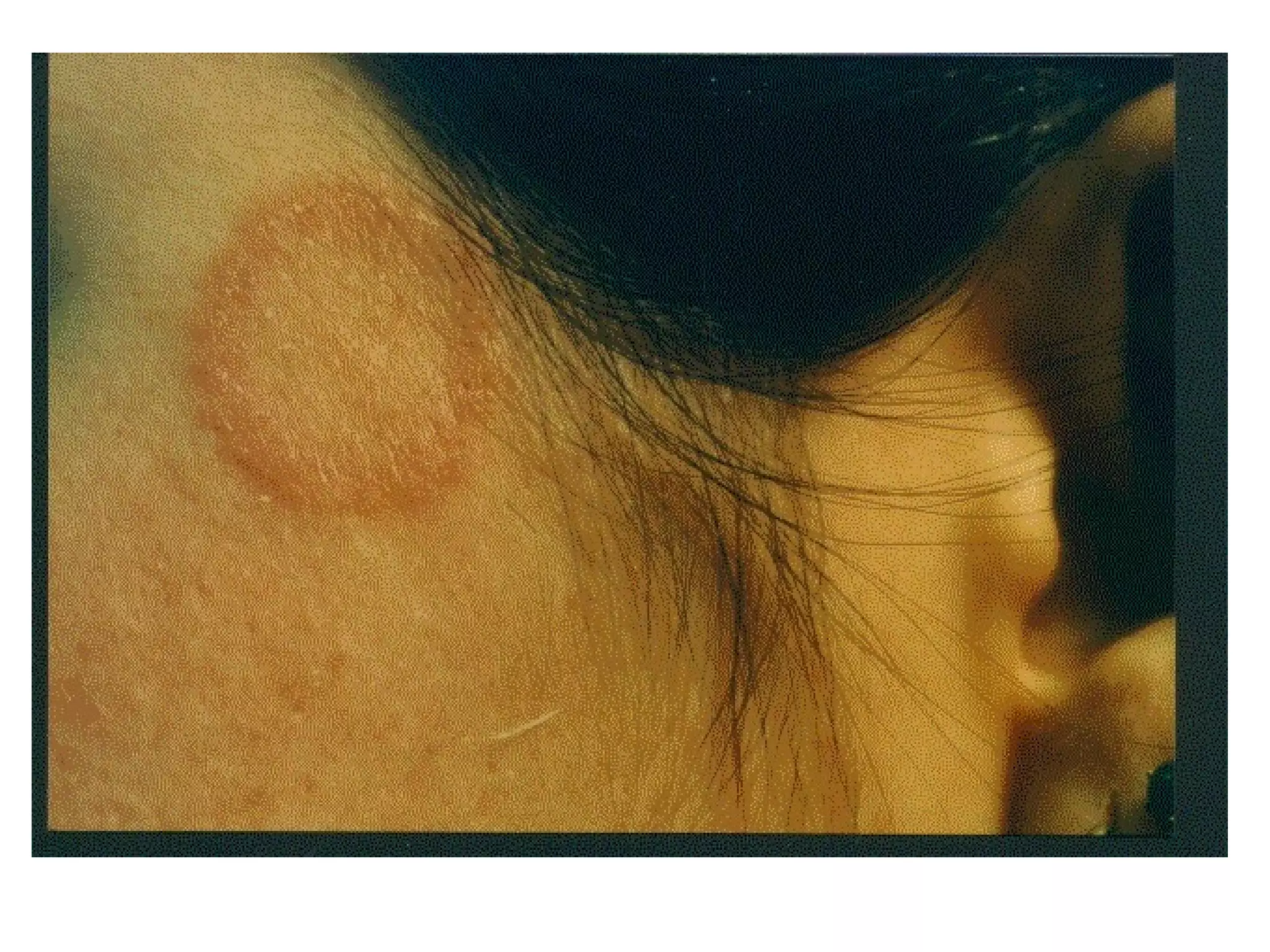
Cause human diseases and illnesses
athletes foot
Eaten as foods
Responsible for crop damage (as much as
50% in tropical areas)
Cause human diseases and illnesses
athletes foot
ringworm
Eaten as foods
Responsible for crop damage (as much as
50% in tropical areas)
Cause human diseases and illnesses
athletes foot
ringworm
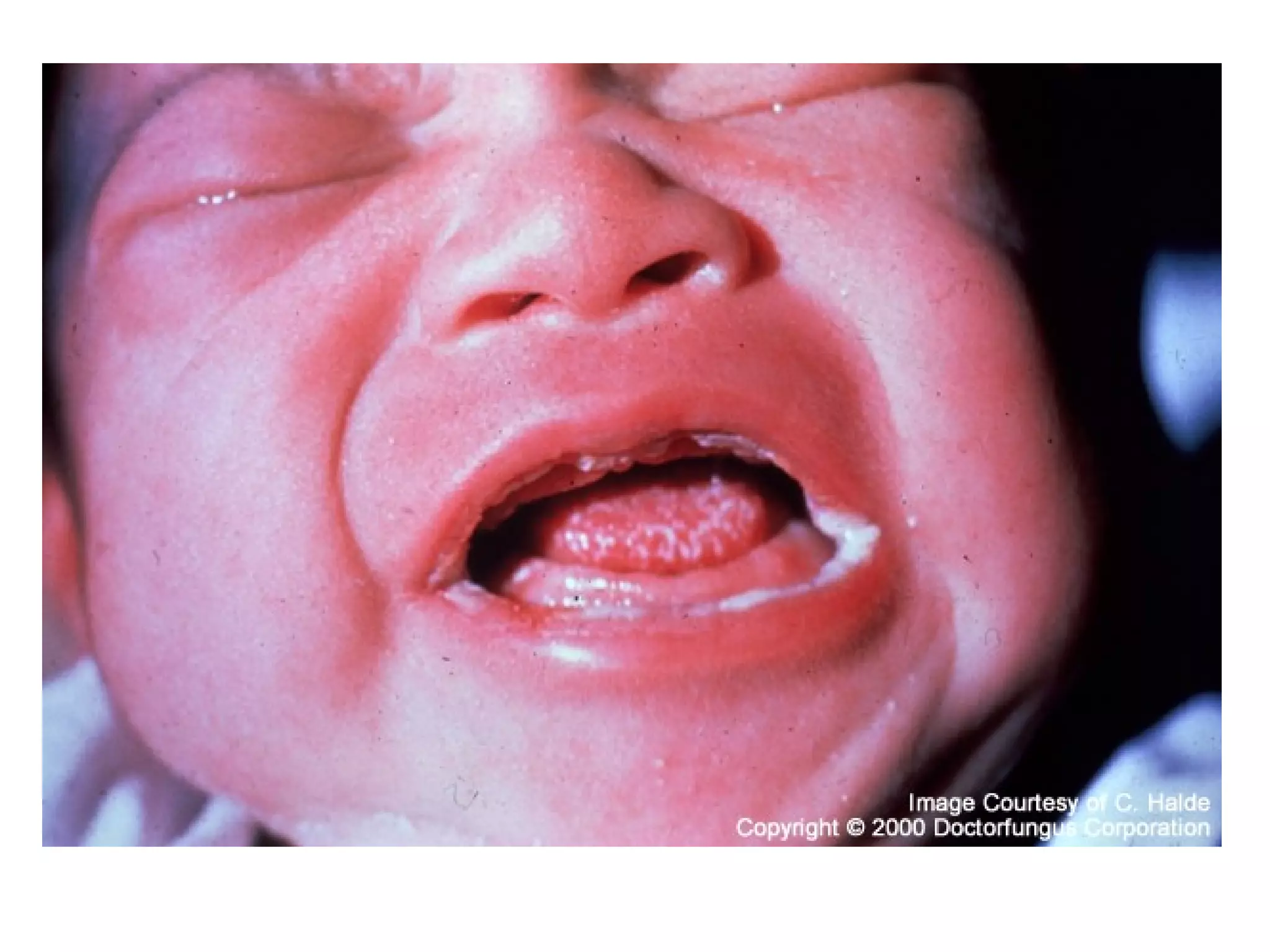
thrush
Used in medicine production: penicillin,
high blood pressure, pain medications
THE END

Fungi notes

  • 2.
    What are thecharacteristics ofWhat are the characteristics of Fungi?Fungi? Most Multicellular (except yeast) Eukaryotes – cells contain a nucleus Heterotrophic – are consumers like animals (eat food) Most are decomposers (recycle) Cell walls composed of chitin
  • 3.
    Structures of FungiStructuresof Fungi Body made of mycelium (grows below ground) Fruiting body- part that reproduces (grows above ground) Mycelium and fruiting body made of hyphae- string-like structures
  • 4.
  • 5.
    III. Growth andReproductionIII. Growth and Reproduction Most Fungi develop from a spore into a hyphae, then a mycelium Spores are microscopic- they are everywhere! 1. Spores are easily carried by wind or animals When conditions are favorable a fruiting body can grow overnight! 1. Fungi like warm, moist environments Can reproduce sexually or asexually 1. Sexually -Involves 2 mating types (+) and (-)
  • 6.
    FERTILIZATION MEIOSIS HYPHAE FUSE Fruiting body(N+N) Button + Mating type (N) - Mating type (N) Basidiospores (N) Zygote (2N) Basidia (N + N) Gills lined with basidia Gills Stalk Base Cap Haploid Diploid Figure 21-8 The Life Cycle of a Basidiomycete Page 534
  • 7.
    How are Fungiclassified?How are Fungi classified? Divided into major groups based on structure and reproduction Zygomycetes- The common molds ex: black bread mold
  • 8.
  • 9.
    How are Fungiclassified?How are Fungi classified? Divided into major groups based on structure and reproduction Zygomycetes- The common molds ex: black bread mold Ascomycota- The sac fungi ex: yeast
  • 10.
  • 11.
    How are Fungiclassified?How are Fungi classified? Divided into major groups based on structure and reproduction Zygomycetes- The common molds ex: black bread mold Ascomycota- The sac fungi ex: yeast Basidiomycota- The club fungi ex: mushroom
  • 12.
  • 13.
  • 14.
    How are Fungiclassified?How are Fungi classified? Divided into major groups based on structure and reproduction Zygomycetes- The common molds ex: black bread mold Ascomycota- The sac fungi ex: yeast Basidiomycota- The club fungi ex: mushroom Deutermycota- The imperfect fungi (no known sexual life cycle) ex: Penicillium
  • 15.
    Ecology of FungiEcologyof Fungi Decomposers – recycle nutrients
  • 16.
    During the RevolutionaryWarDuring the Revolutionary War The British lost more ships to fungal rot than to enemy fire
  • 17.
    Ecology of FungiEcologyof Fungi Pioneer species- important for soil formation lichen- break down rock into soil; it is symbiotic relationship between a fungus and a photosynthetic organism
  • 18.
    Densely packed hyphae Layer ofalgae/ cyanobacteria Loosely packed hyphae Densely packed hyphae Lichen Structure
  • 19.
    Lichen is apioneer species and help with the formation of soil.
  • 20.
    The acids inthe lichens break down the rock over time and these particles of rock mix with dead lichen to form soil.
  • 22.
    Ecology of FungiEcologyof Fungi Pioneer species- important for soil formation; break down rock into soil lichen- very important pioneer species; it is symbiotic relationship between a fungus and a photosynthetic organism Mycorrhizae- symbiotic relationship between plants and fungus; plant gets water and nutrients and fungus gets a place to live on the roots of the plant
  • 25.
    Ecology of FungiEcologyof Fungi Mycorrhizae- symbiotic relationship between plants and fungus Important in Baking and Brewing -making bread and other products
  • 27.
  • 28.
  • 30.
    Blue Cheese: Penicilliumroquefortii is used in the manufacture of blue cheeses e.g. Roquefort, Gorgonzola, Stilton, Danish Blue etc. During the fermentation process the fungus spores are injected into the curd. Growth of the fungus imparts a pleasant tang to the final product. By the way, the blue in the blue-cheese is caused by the pigment in the spores (conidia) of the fungus. So, when you eat blue cheese you are consuming spores by the million.
  • 32.
    Eaten as foods Responsiblefor crop damage (as much as 50% in tropical areas)
  • 34.
    Eaten as foods Responsiblefor crop damage (as much as 50% in tropical areas) Cause human diseases and illnesses athletes foot
  • 36.
    Eaten as foods Responsiblefor crop damage (as much as 50% in tropical areas) Cause human diseases and illnesses athletes foot ringworm
  • 38.
    Eaten as foods Responsiblefor crop damage (as much as 50% in tropical areas) Cause human diseases and illnesses athletes foot ringworm thrush
  • 40.
    Used in medicineproduction: penicillin, high blood pressure, pain medications
  • 41.