Weather, climate  and ecosystems A2: Unit 4 - Global Challenge
Weather and climate - a course outline: 1. Weather forecasting 2. Global atmospheric circulation system 3. Depressions  4. Anticyclones 5. Extreme weather events 6. Seasonal variations in climate 7. El Ni ño and La Nina 8. Climate change
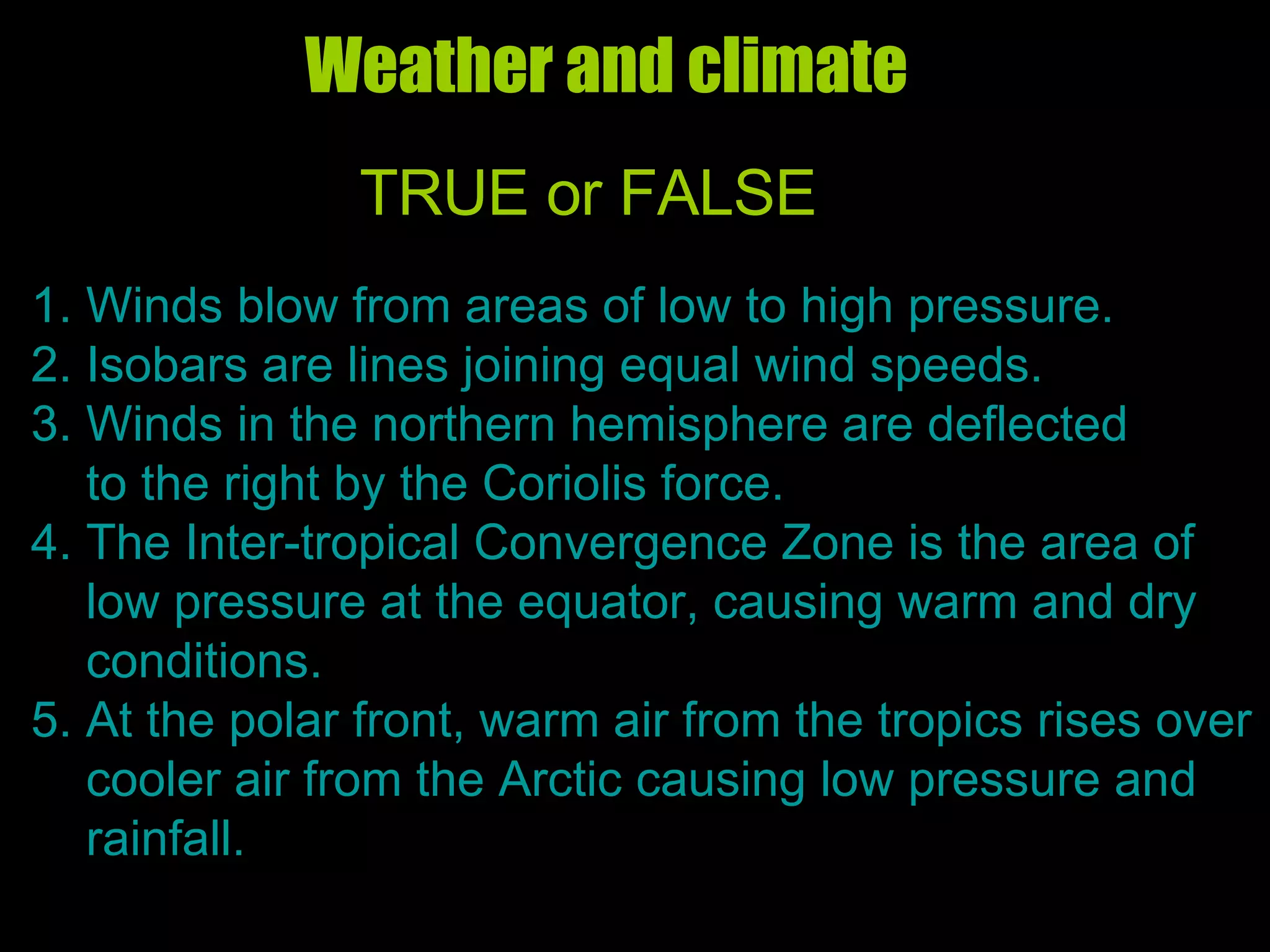
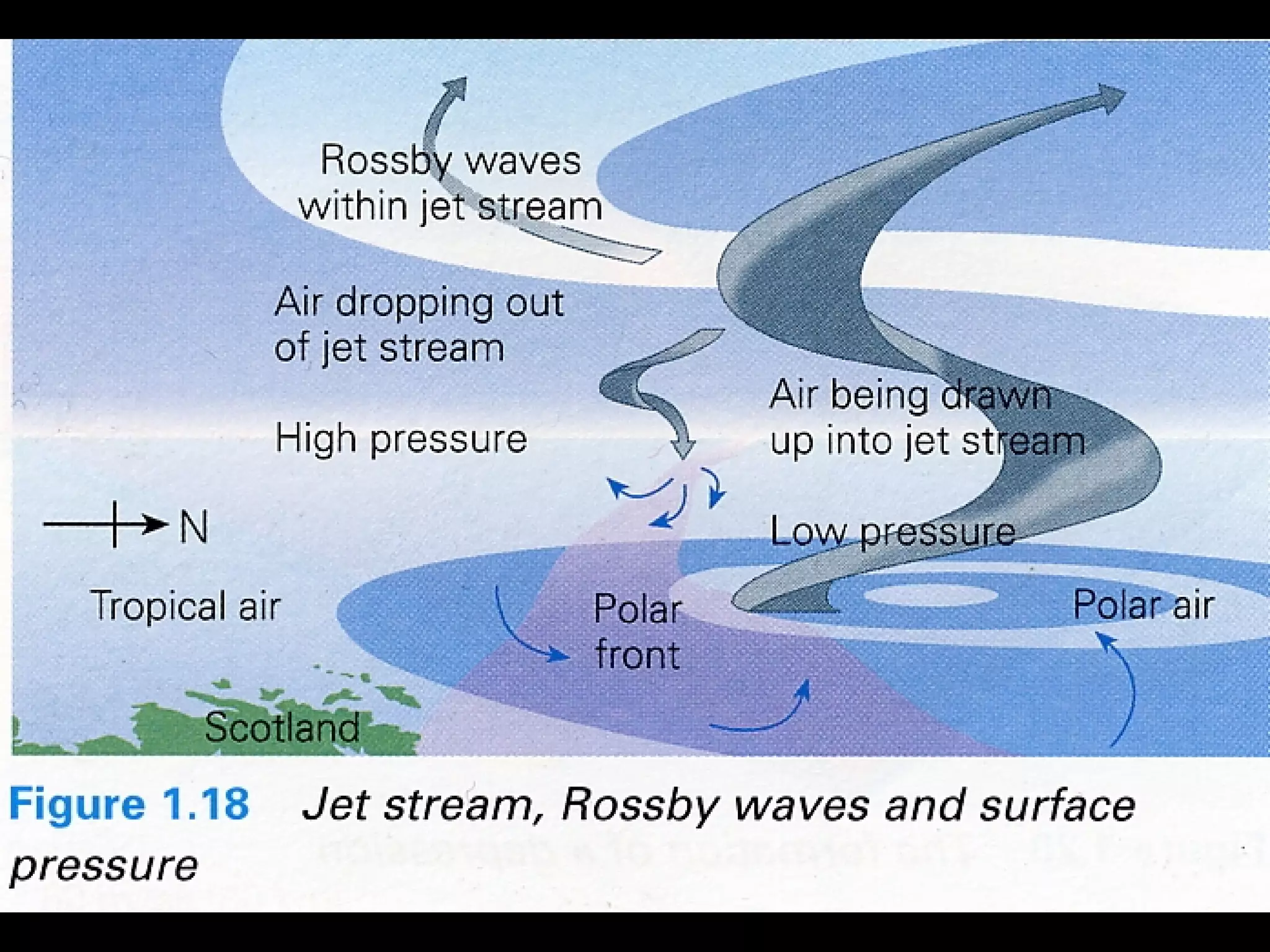
Weather and climate  TRUE or FALSE 1. Winds blow from areas of low to high pressure. 2. Isobars are lines joining equal wind speeds. 3. Winds in the northern hemisphere are deflected to the right by the Coriolis force. 4. The Inter-tropical Convergence Zone is the area of  low pressure at the equator, causing warm and dry conditions. 5. At the polar front, warm air from the tropics rises over cooler air from the Arctic causing low pressure and rainfall.
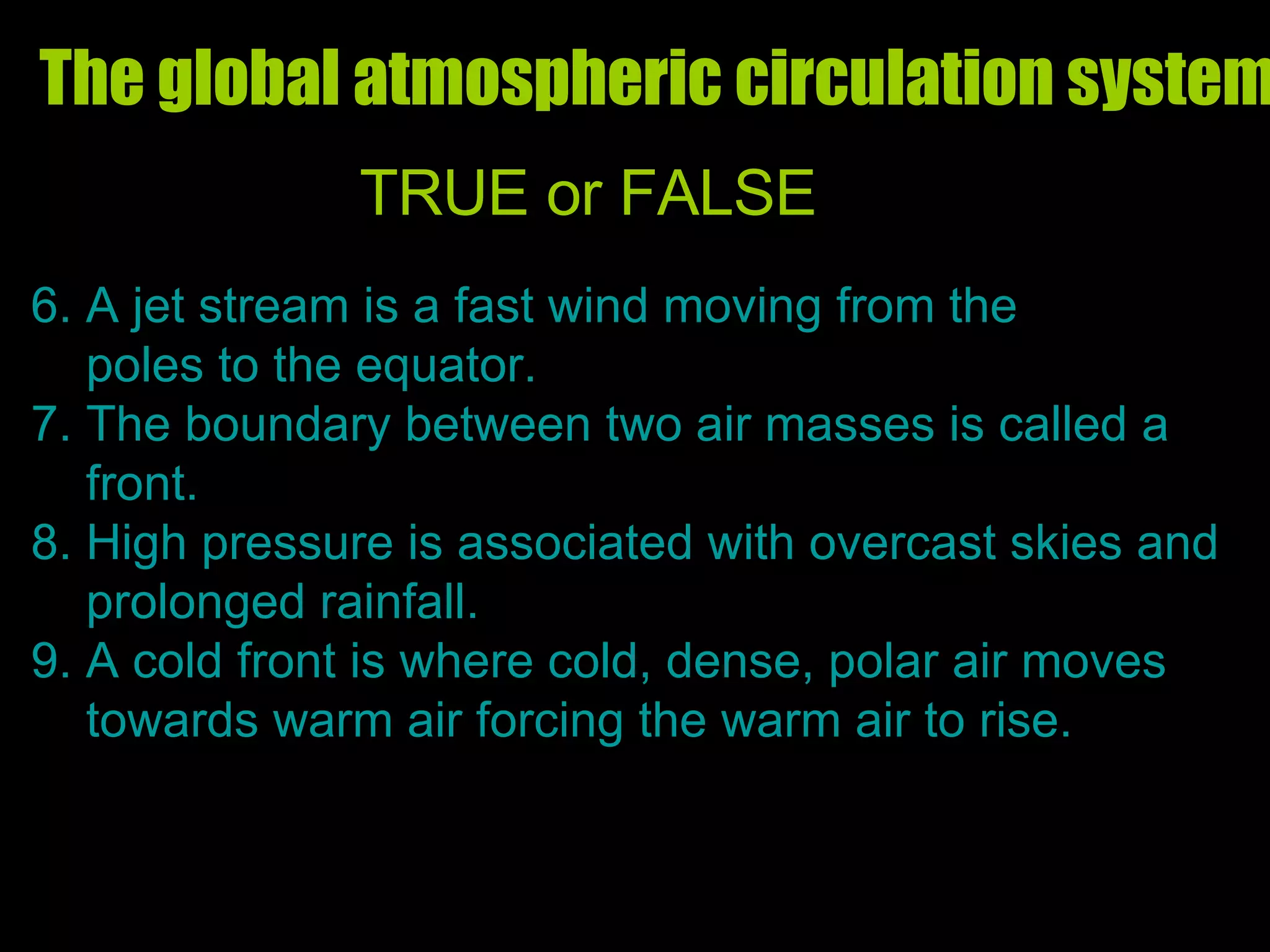
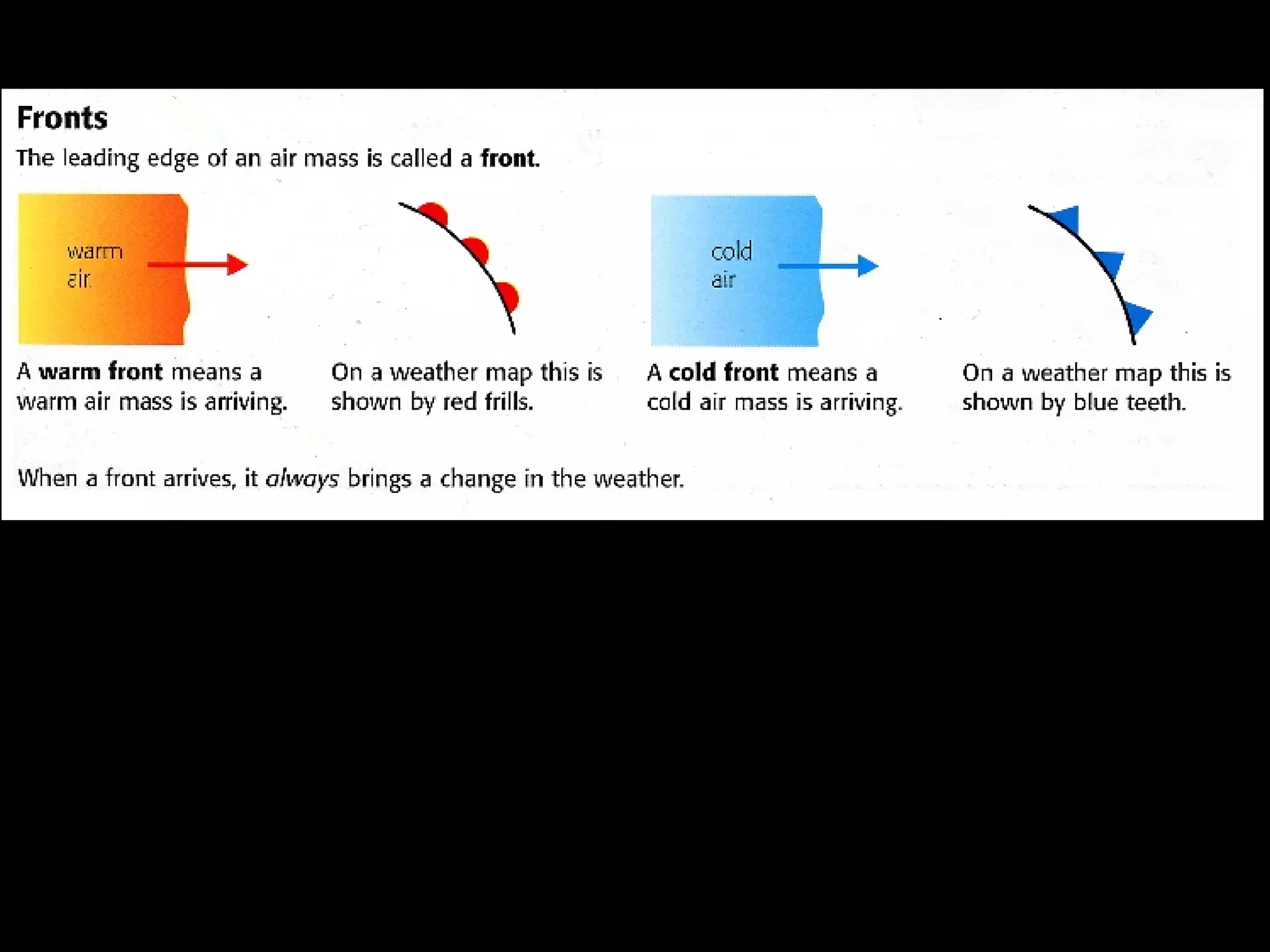
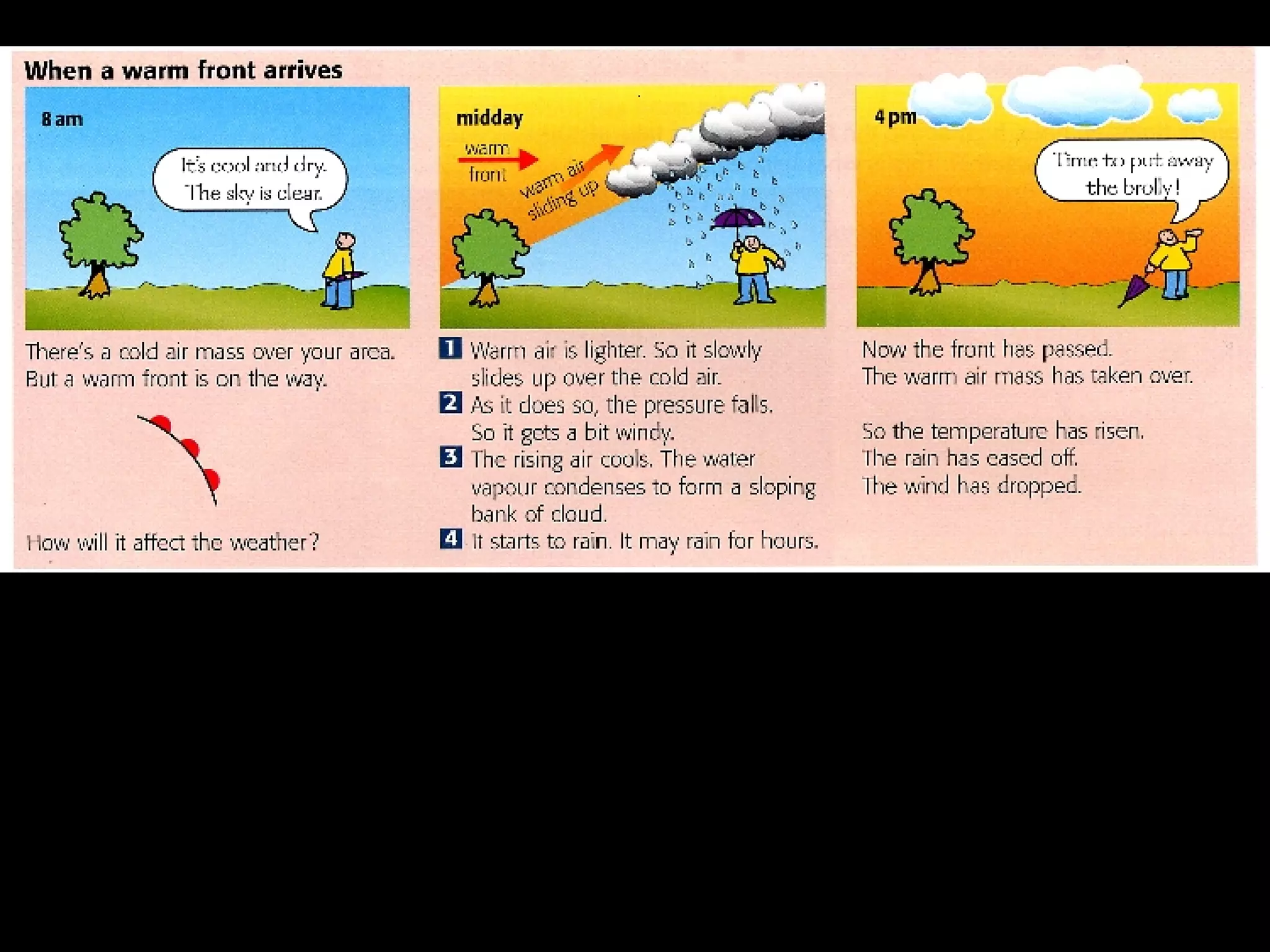
The global atmospheric circulation system  TRUE or FALSE 6. A jet stream is a fast wind moving from the  poles to the equator. 7. The boundary between two air masses is called a  front. 8. High pressure is associated with overcast skies and prolonged rainfall. 9. A cold front is where cold, dense, polar air moves  towards warm air forcing the warm air to rise.
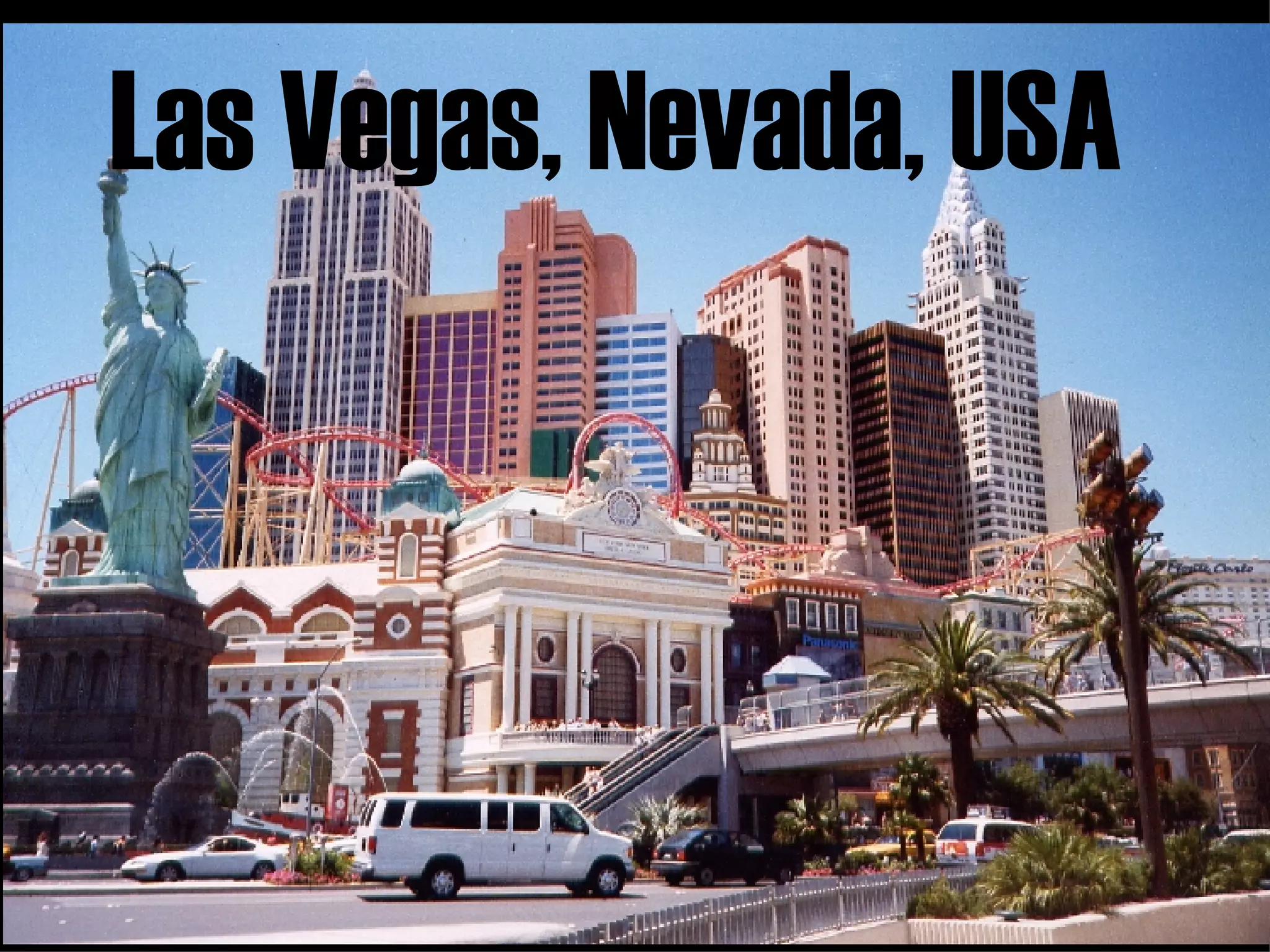
Las Vegas, Nevada, USA
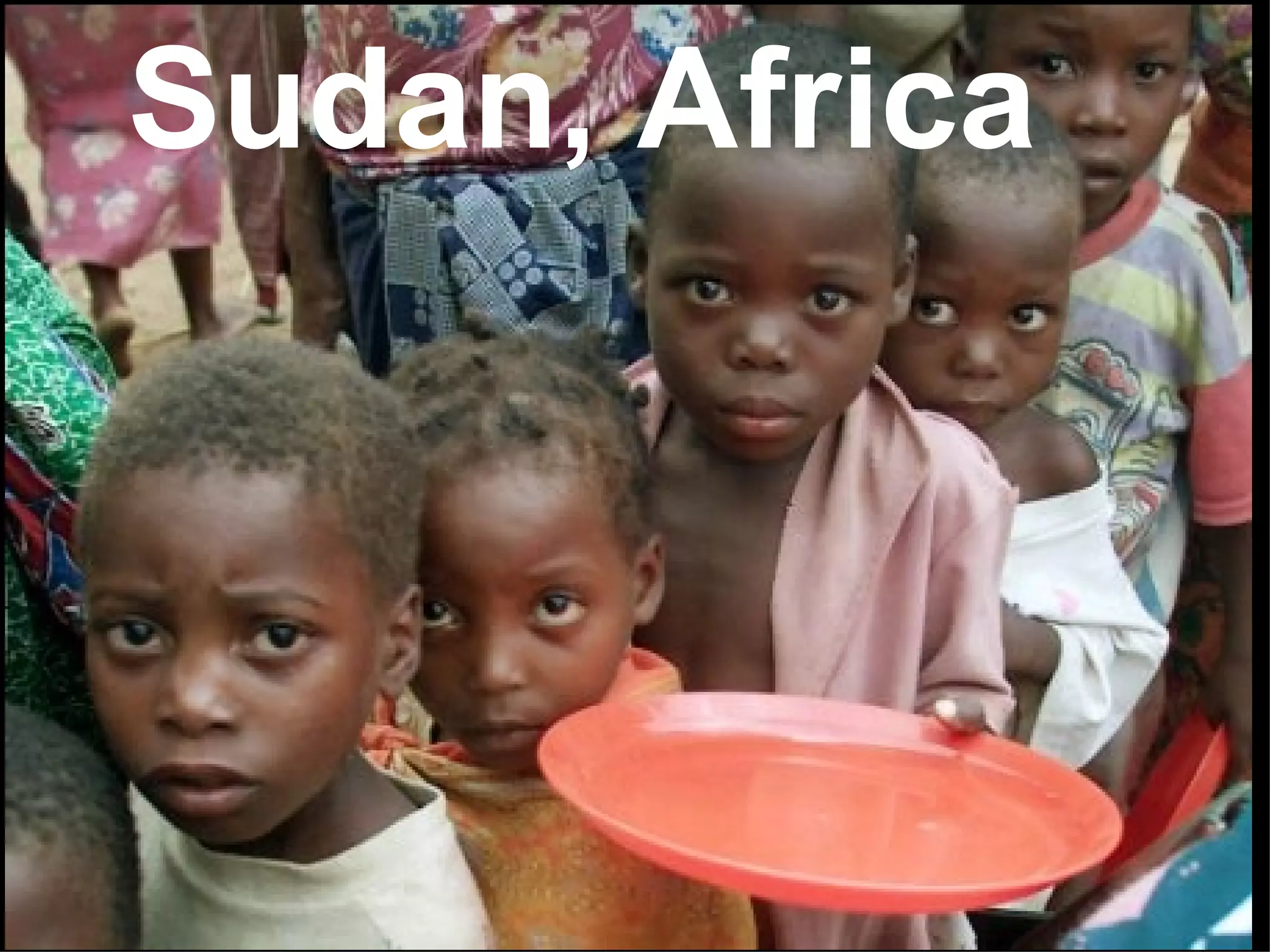
Sudan, Africa
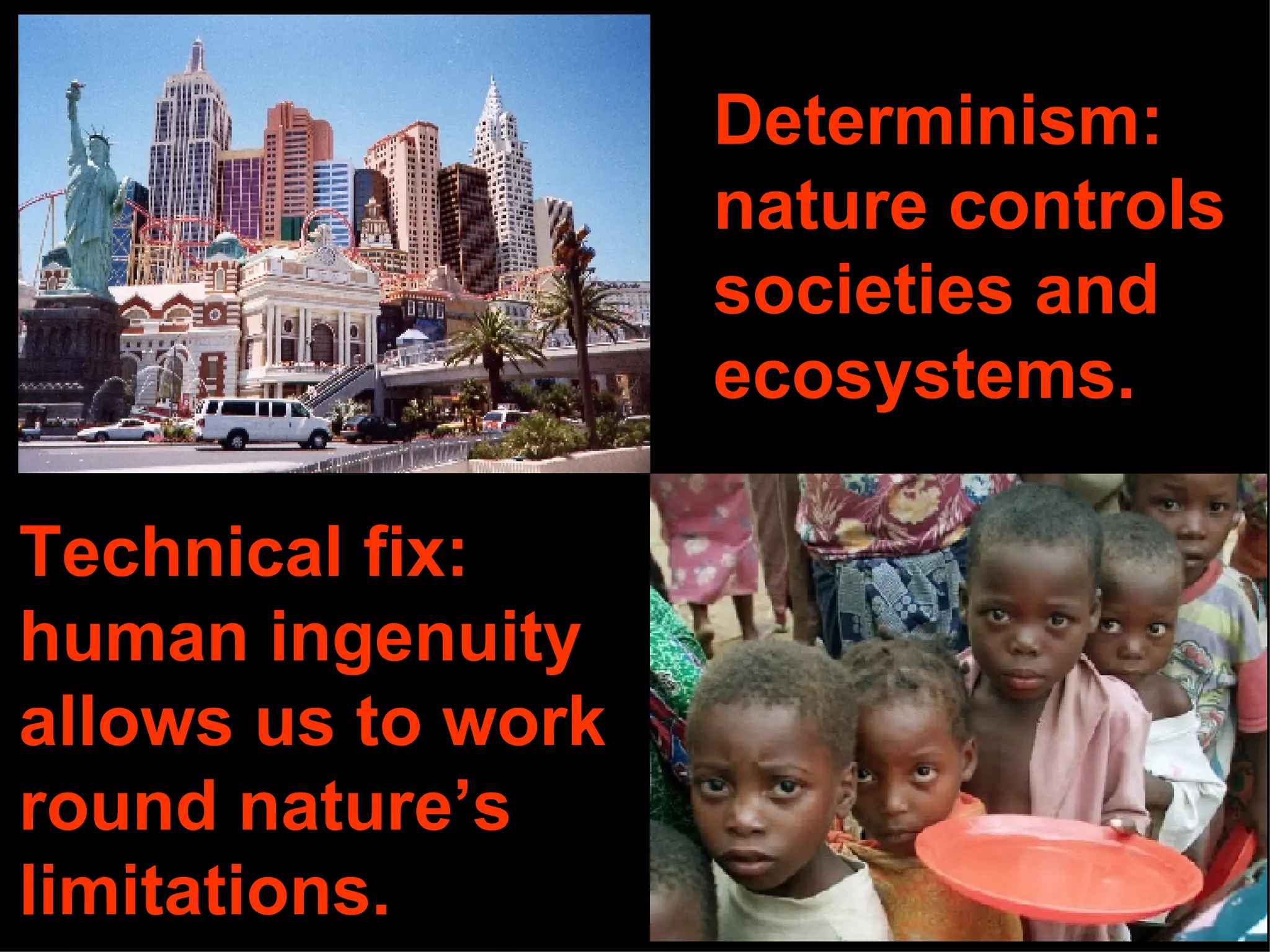
Technical fix: human ingenuity  allows us to work round nature’s limitations. Determinism: nature controls societies and ecosystems.
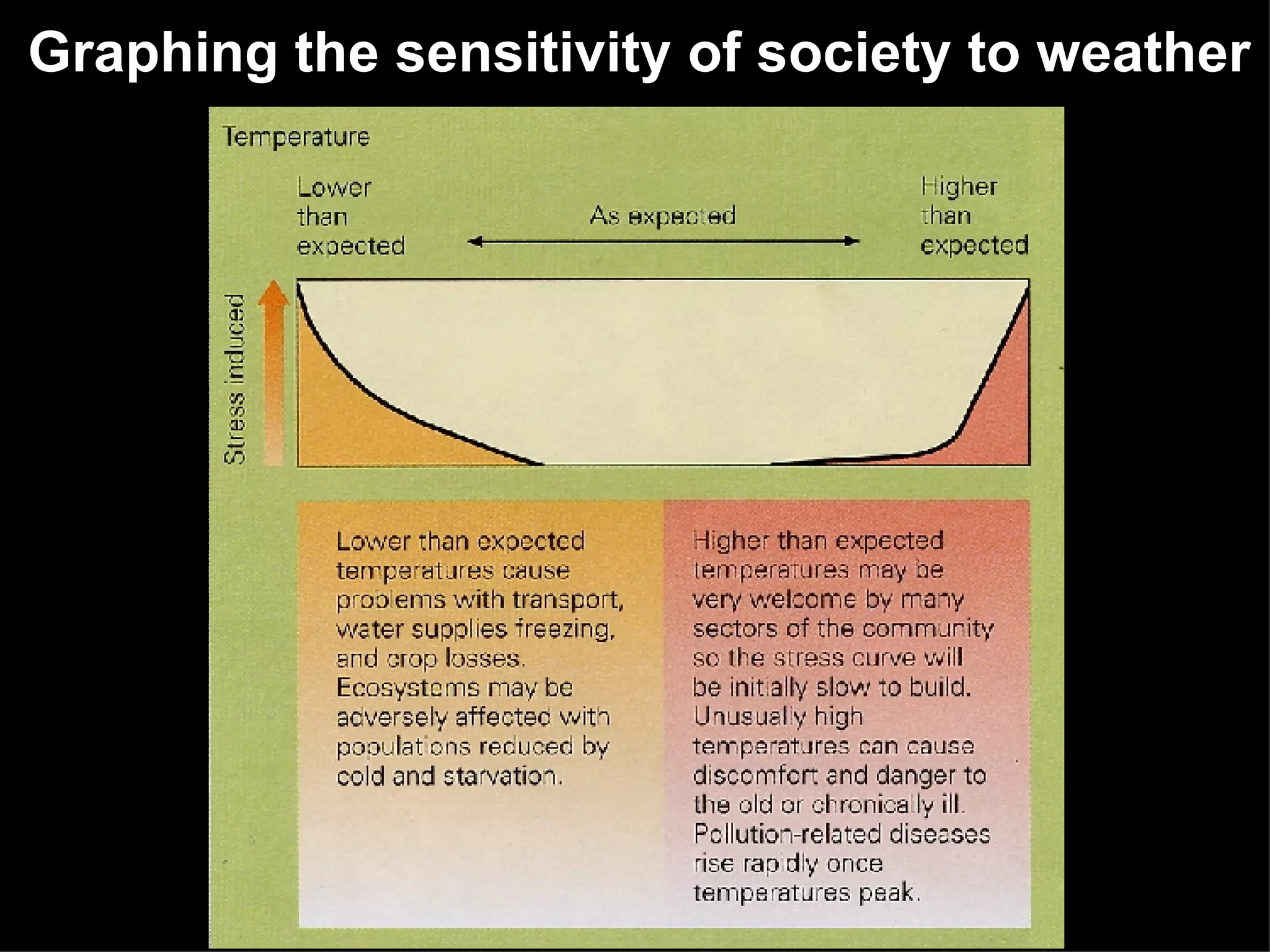
Graphing the sensitivity of society to weather
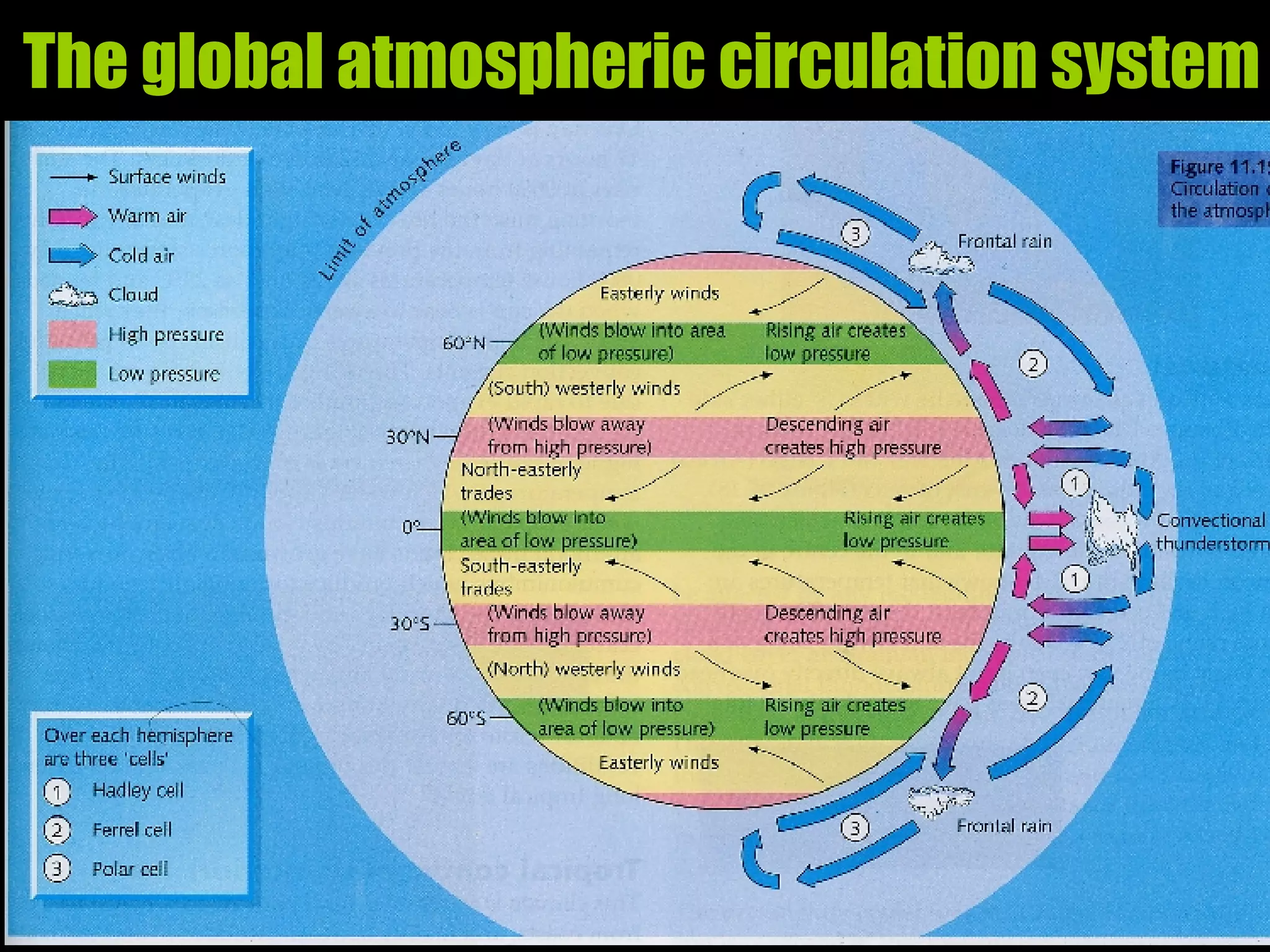
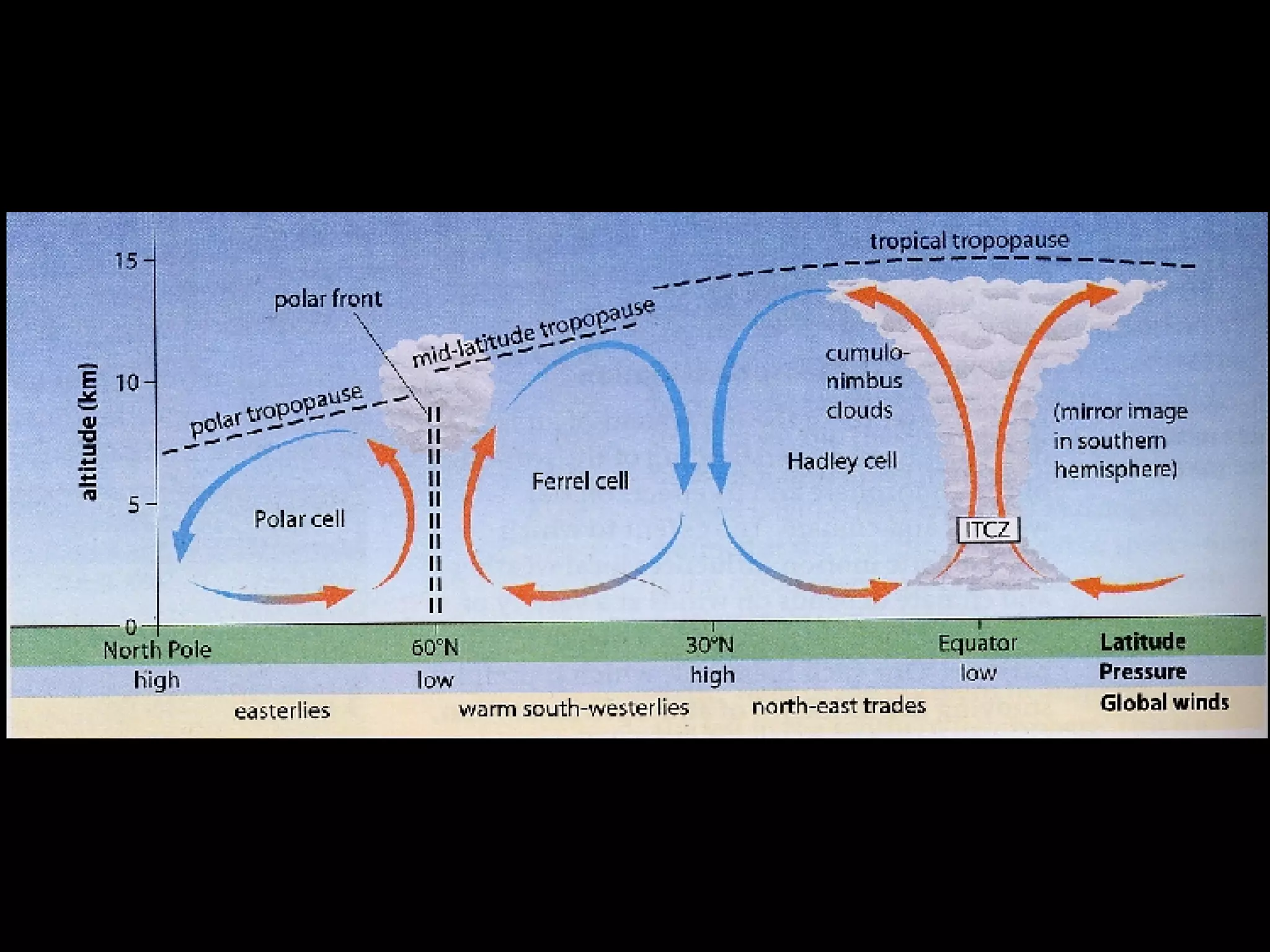
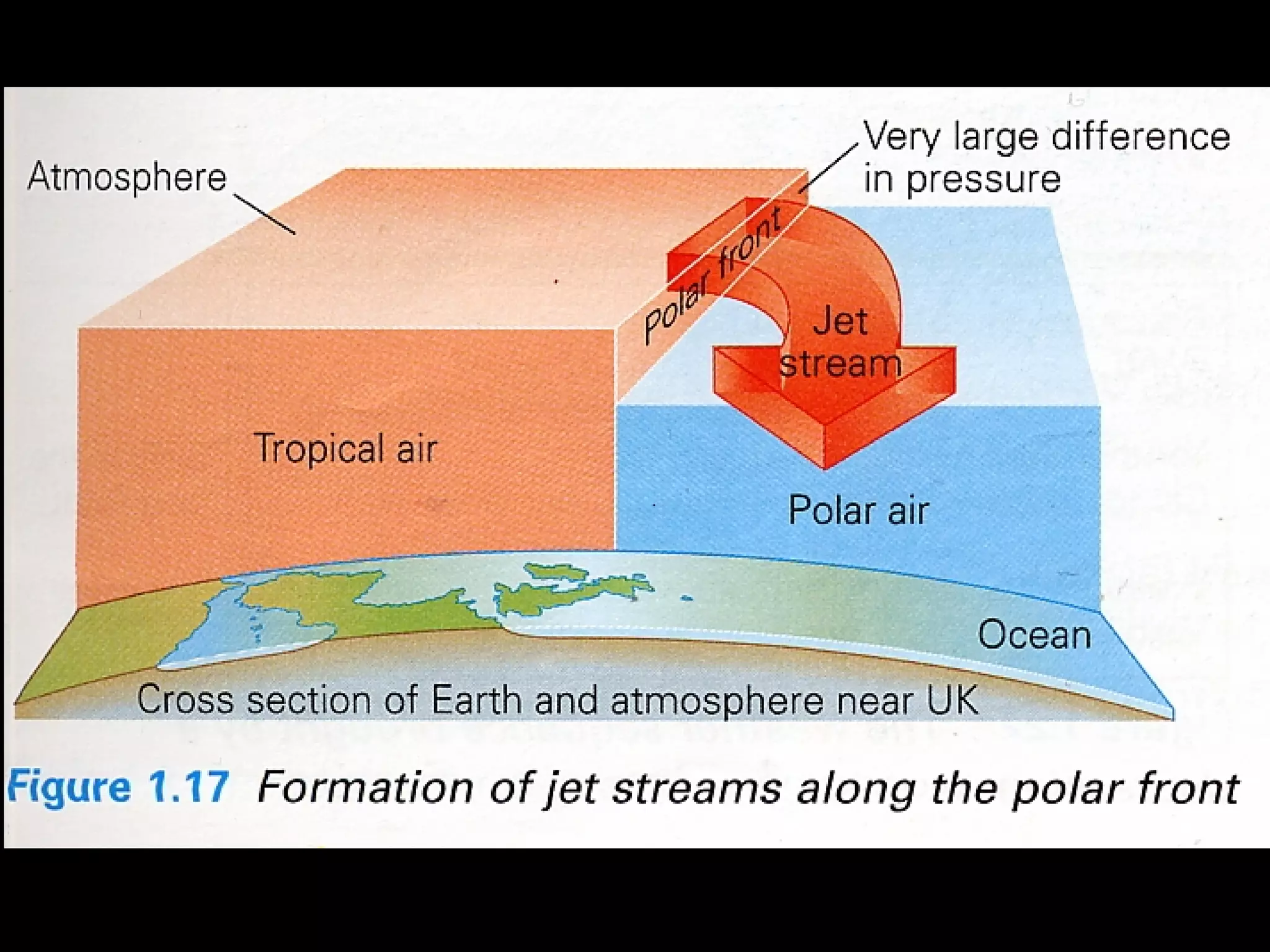
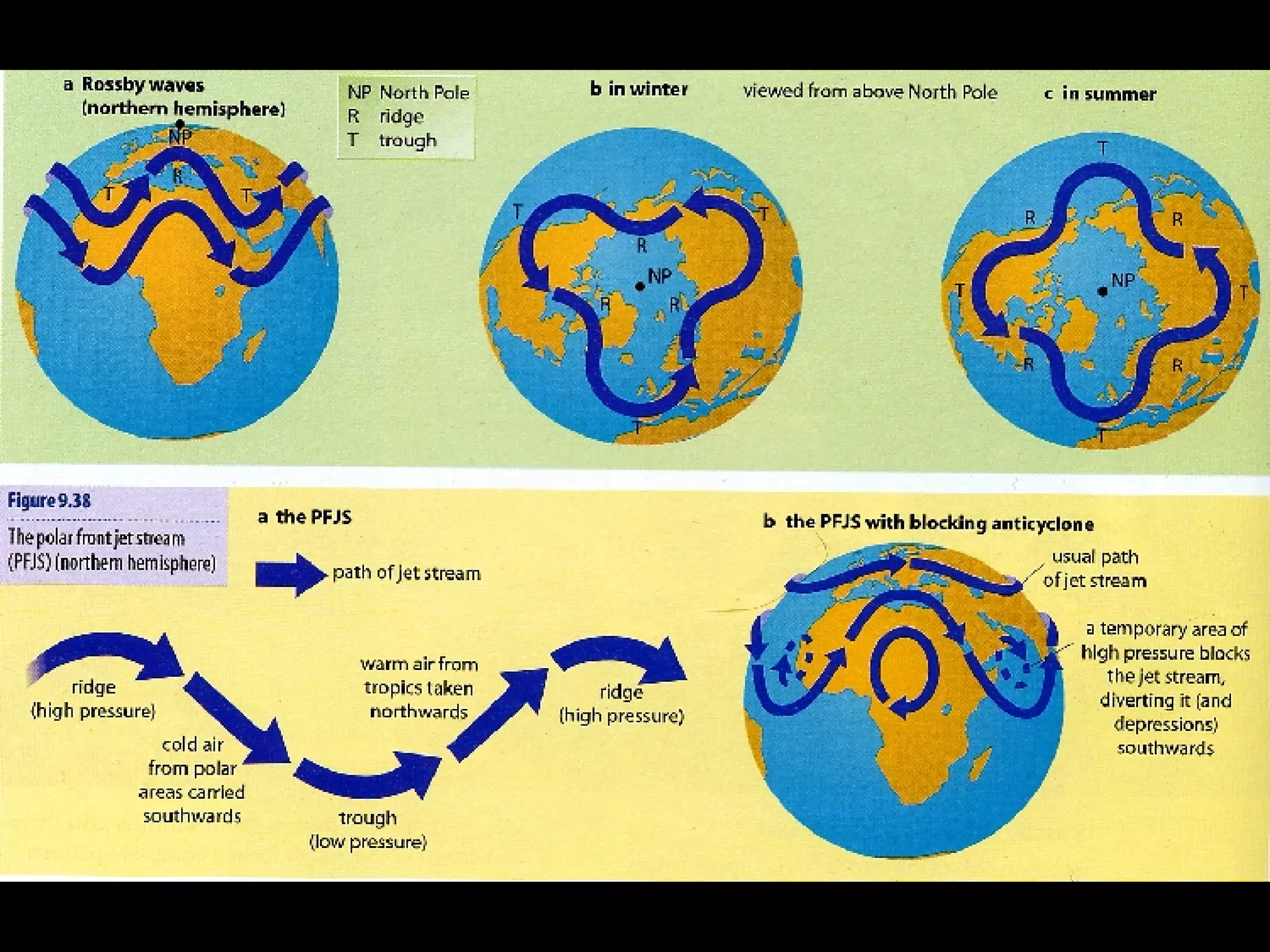
The global atmospheric circulation system


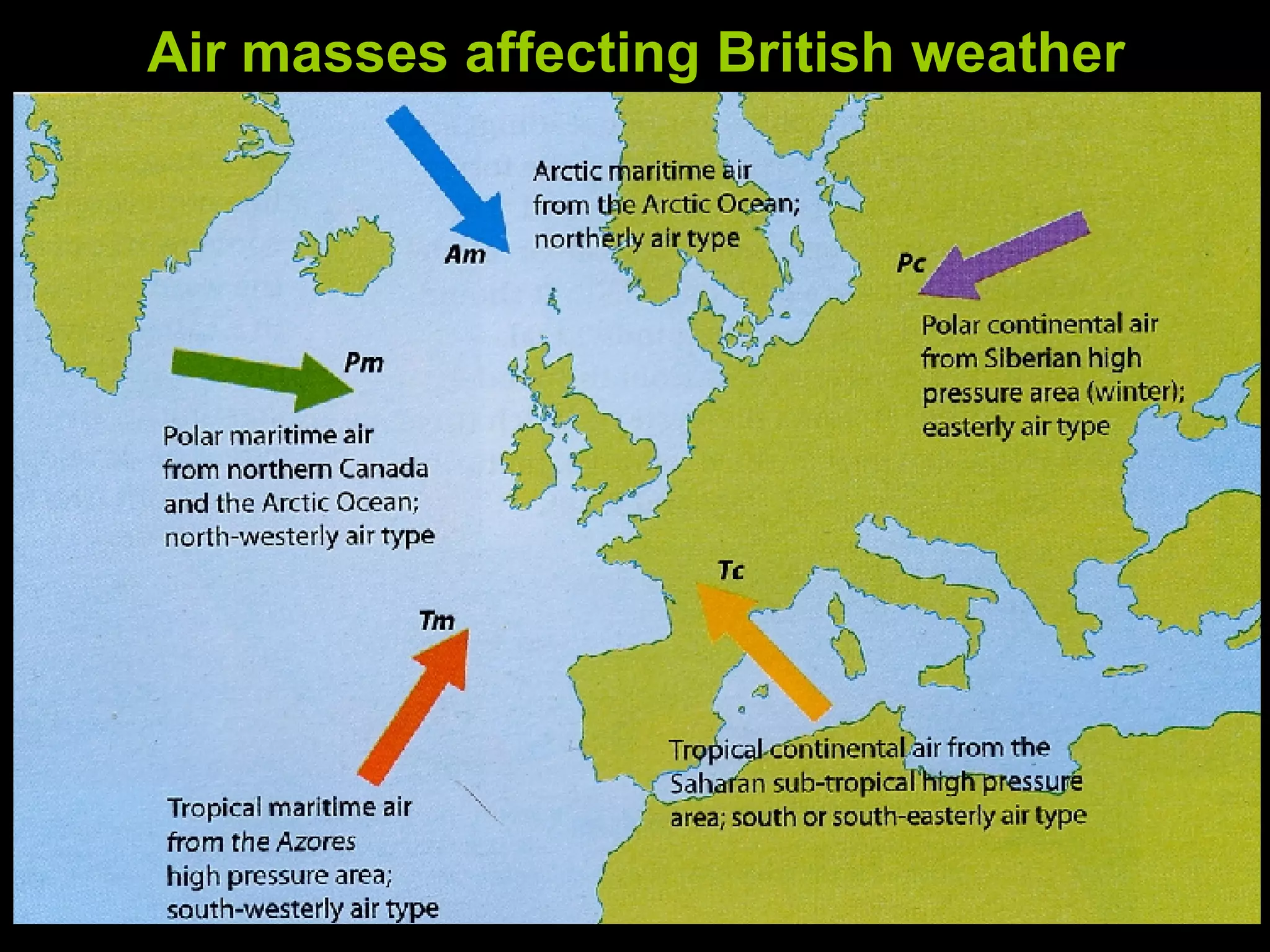
Air masses affecting British weather


ANTICYCLONES An anticyclone is an area of high pressure. The sinking air (causing high pressure) has the effect of suppressing any rising air which might otherwise form clouds.  Anticyclones are therefore associated with fine and dry weather. Anticyclone systems are large scale and stable.

Weather Revision Part 1

  • 1.
    Weather, climate and ecosystems A2: Unit 4 - Global Challenge
  • 2.
    Weather and climate- a course outline: 1. Weather forecasting 2. Global atmospheric circulation system 3. Depressions 4. Anticyclones 5. Extreme weather events 6. Seasonal variations in climate 7. El Ni ño and La Nina 8. Climate change
  • 3.
    Weather and climate TRUE or FALSE 1. Winds blow from areas of low to high pressure. 2. Isobars are lines joining equal wind speeds. 3. Winds in the northern hemisphere are deflected to the right by the Coriolis force. 4. The Inter-tropical Convergence Zone is the area of low pressure at the equator, causing warm and dry conditions. 5. At the polar front, warm air from the tropics rises over cooler air from the Arctic causing low pressure and rainfall.
  • 4.
    The global atmosphericcirculation system TRUE or FALSE 6. A jet stream is a fast wind moving from the poles to the equator. 7. The boundary between two air masses is called a front. 8. High pressure is associated with overcast skies and prolonged rainfall. 9. A cold front is where cold, dense, polar air moves towards warm air forcing the warm air to rise.
  • 5.
  • 6.
  • 7.
    Technical fix: humaningenuity allows us to work round nature’s limitations. Determinism: nature controls societies and ecosystems.
  • 8.
    Graphing the sensitivityof society to weather
  • 9.
    The global atmosphericcirculation system
  • 10.
  • 11.
  • 12.
  • 13.
  • 14.
    Air masses affectingBritish weather
  • 15.
  • 16.
  • 17.
  • 18.
  • 19.
  • 20.
    ANTICYCLONES An anticycloneis an area of high pressure. The sinking air (causing high pressure) has the effect of suppressing any rising air which might otherwise form clouds. Anticyclones are therefore associated with fine and dry weather. Anticyclone systems are large scale and stable.