FACTORS AFFECTING THE
CLIMATE
PREPARED BY : JOHN REY SIGA-AN
LAMECOW
LAMECOW
L IS FOR
Lattitude
LATTITUDE
the angular distance north or south from the
equator of a point on the earth's surface.
HOW DOES LATTITUDE AFFECTS THE CLIMATE?
• The farther the place from the equator, the
colder the climate becomes.
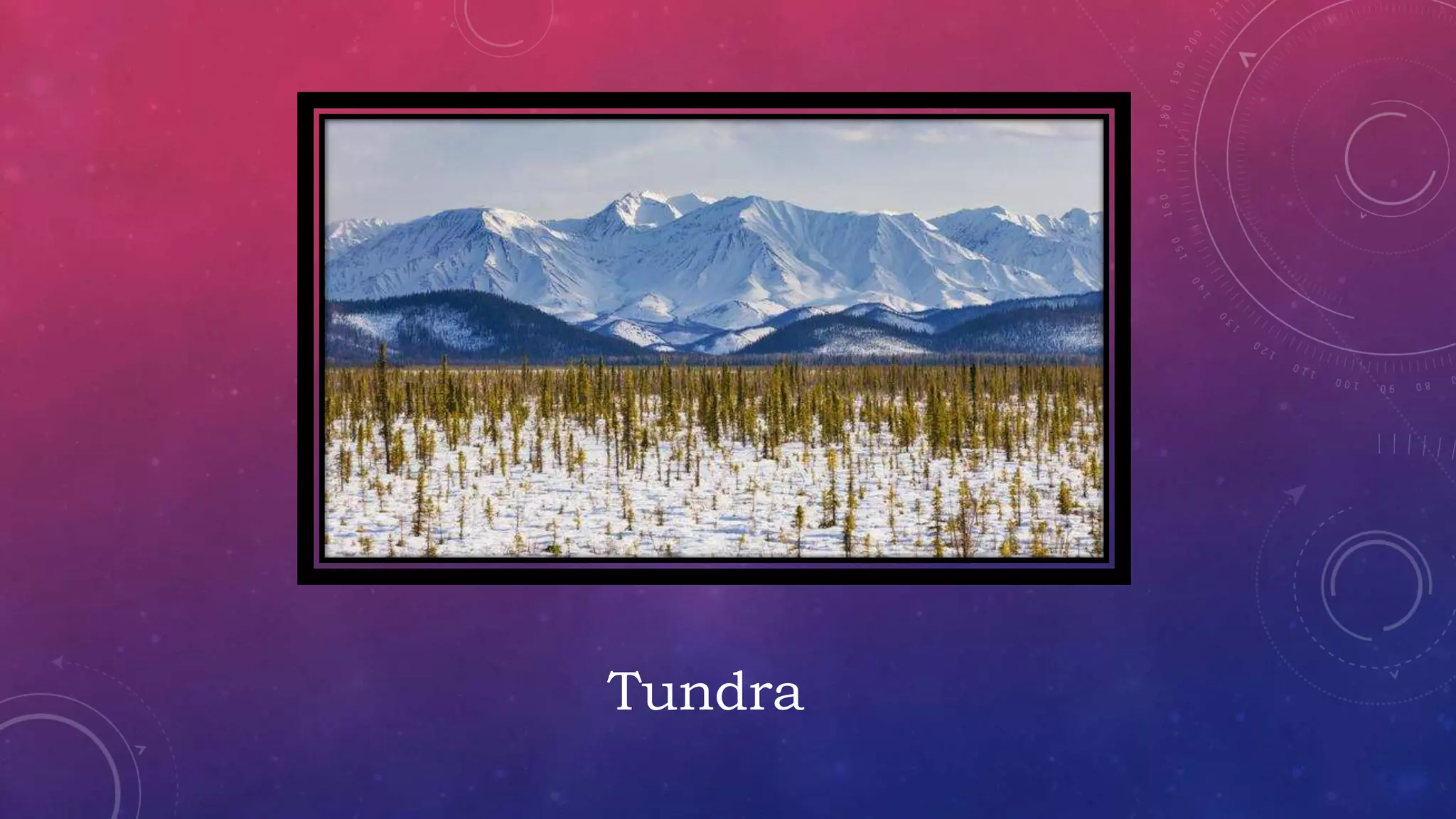
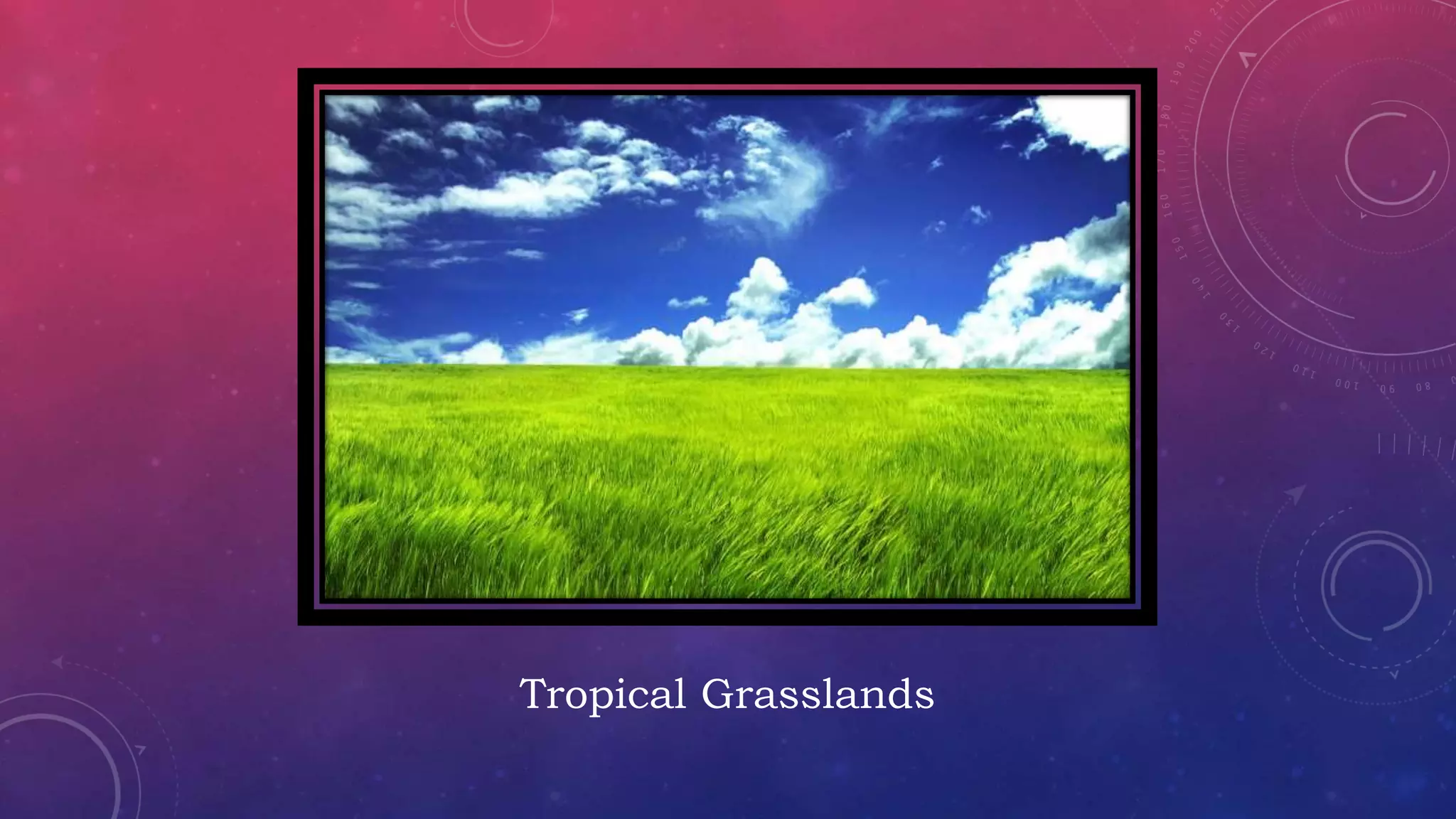
FROM WHICH LATITUDE
ZONE WHERE THIS PICTURES
TAKEN?
Rainforest
Tundra
Tropical Grasslands
LAMECOW
A IS FOR
Air Pressure
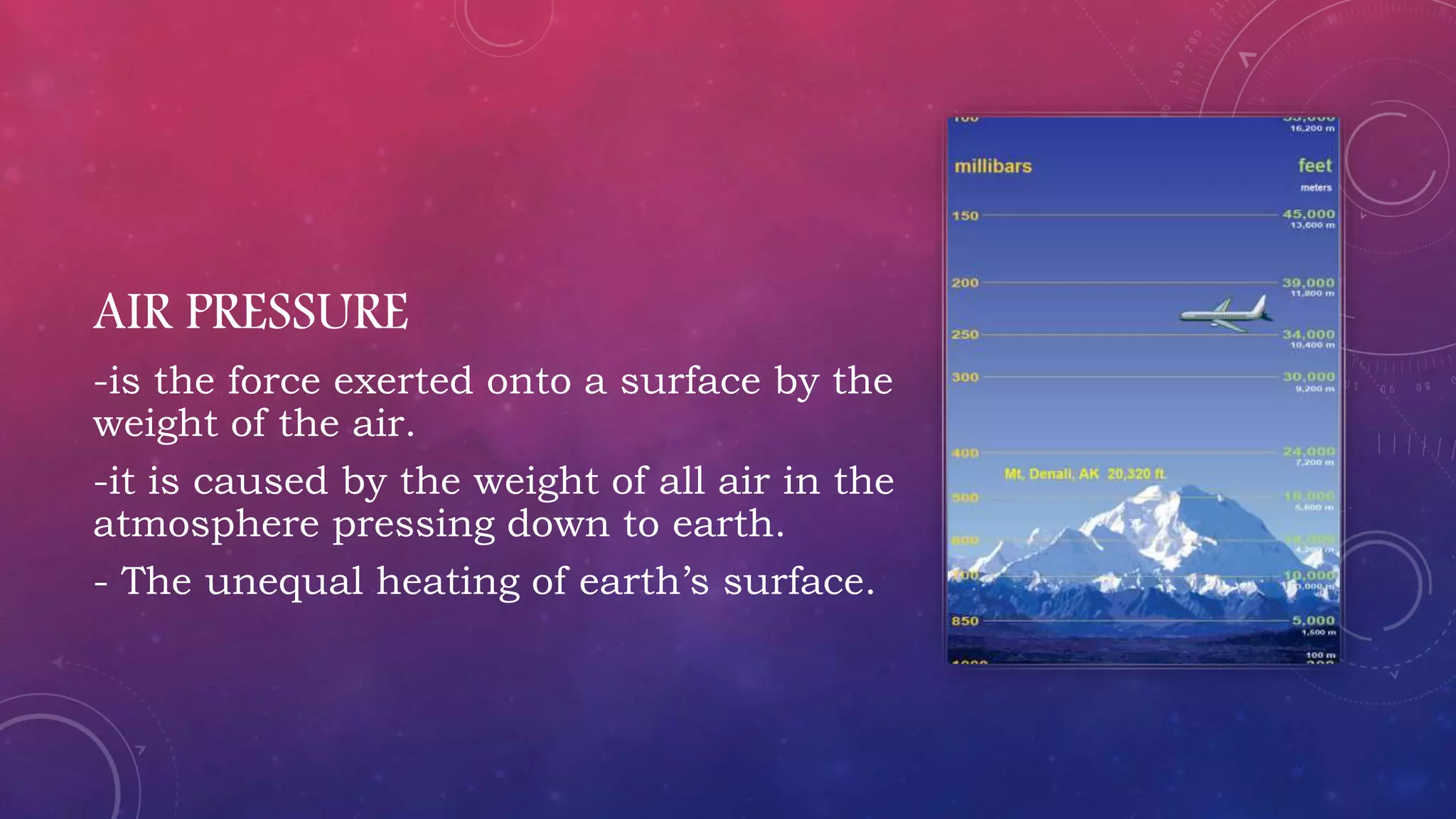
AIR PRESSURE
-is the force exerted onto a surface by the
weight of the air.
-it is caused by the weight of all air in the
atmosphere pressing down to earth.
- The unequal heating of earth’s surface.
HOW DOES THE AIR PRESSURE AFFECTS THE
CLIMATE?
• Air pressure in the weather system reflects the amount of water in
the air, which affects the weather.
•LOW air pressure usually results in BAD weather: Stormy,
cloudy overcast.
•HIGH air pressure tends to result in GOOD weather: CLEAR
skies, no precipitation.
HOW DOES THE AIR PRESSURE AFFECTS THE
CLIMATE?
• Low pressure is warm, moist air. It raises and forms
clouds.
• High pressure is cold, dry air. It sinks and creates clear
skies.
LAMECOW
M IS FOR
Mountain Barriers
MOUNTAIN BARRIERS
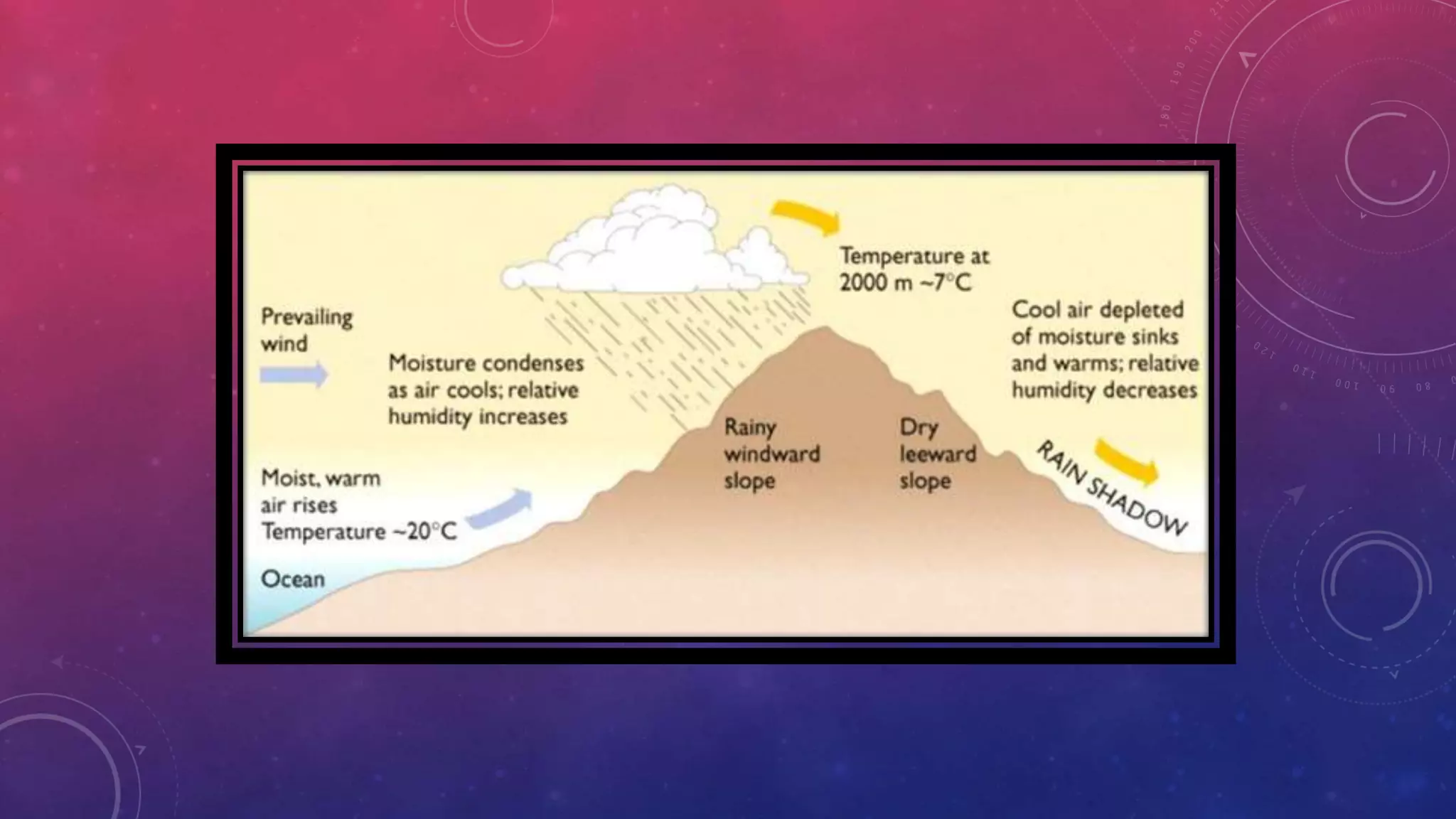
- This creates a phenomenon
called Orographic Effect or
Rainshadow.
OROGRAPHIC EFFECT
• Wind containing the moisture hits the windward side of a
mountain. The moisture full of clouds to make it over the
mountain so precipitation occurs.
• After the rain the clouds have no moisture and are able to rise
over the mountain. The side away from the mountain is the
leeward side. The leeward side of the mountain arid, it’s in the
rainshadowand is usually a desert.
LAMECOW
E IS FOR
Elevation
ELEVATION
-height above a given
level, especially sea level.
-also called the altitude.
EFFECTS OF ELEVATION TO CLIMATE
• As elevation increases, temperature decreases.
• As well as, as the elevation decreases, the temperature increase.
LAMECOW
C IS FOR
Continental
Location
CONTINENTAL
LOCATION
- The position of a location on a
continent relative to the ocean
determine whether it is a marine or
continental climate.
CONTINENTAL LOCATION
• Large bodies of water are slower to heat and cool than land.
• As a result, water temperatures remains stable and land
temperature changes frequently.
• Coastlines have stable temperatures.
• Interior of the continent has extreme temperatures (hotter and
colder).
LAMECOW
O IS FOR
Ocean Currents
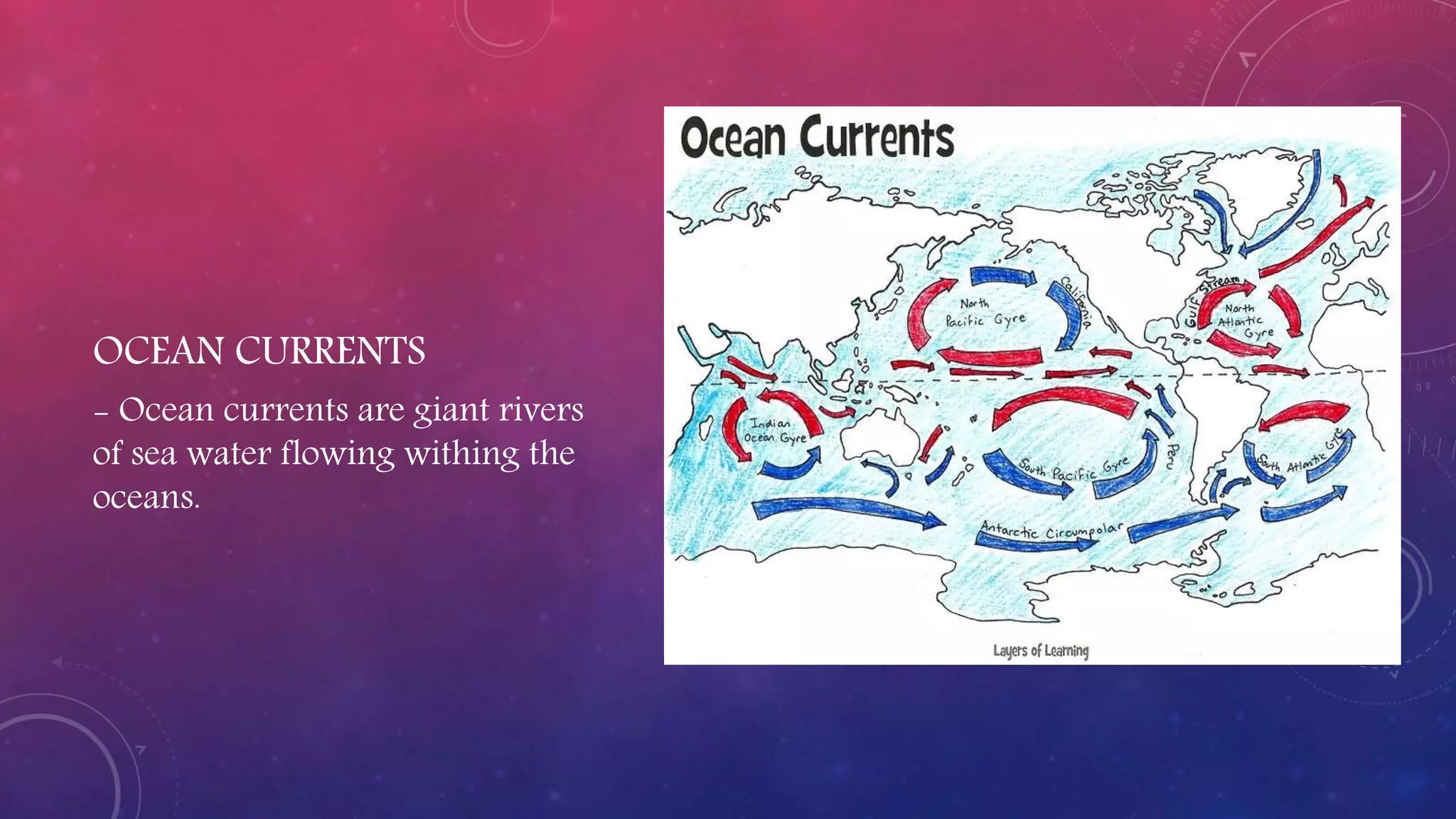
OCEAN CURRENTS
- Ocean currents are giant rivers
of sea water flowing withing the
oceans.
OCEAN CURRENTS
• Ocean currents flow in circular path:
1. Warm currents carry water from low to high altitudes. These
make land nearby warmer.
2. Cool currents carry water from high to low altitudes. These make
land nearby cooler.
LAMECOW
W IS FOR
Wind Belts
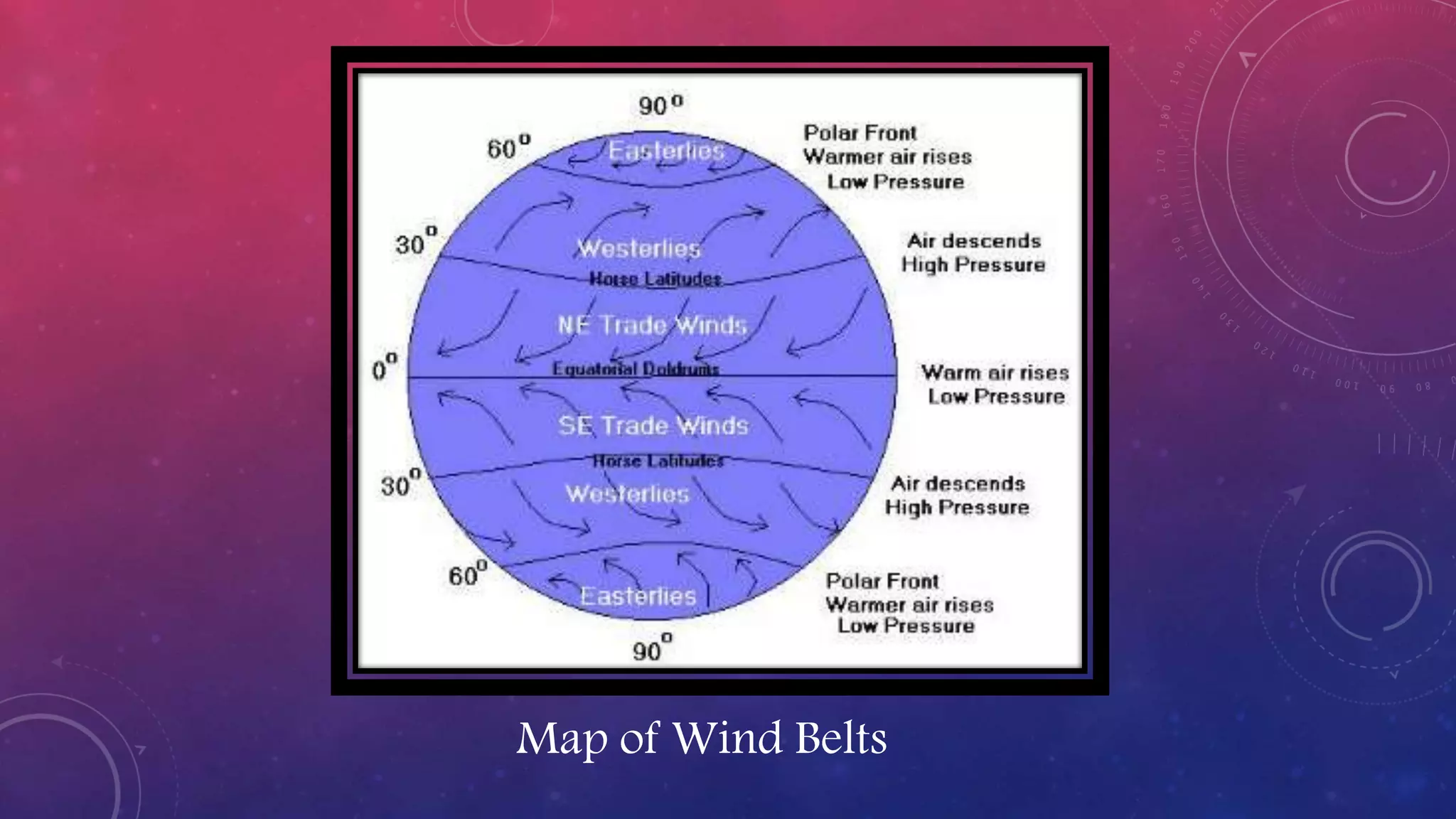
WIND BELTS
- Wind is the movement of the
air from high pressure to low
pressure.
TYPES OF WIND BELTS
• Trade Winds
a wind blowing steadily toward the equator from the northeast in
the northern hemisphere or the southeast in the southern
hemisphere, especially at sea. Two belts of trade winds encircle the
earth, blowing from the tropical high-pressure belts to the low-
pressure zone at the equator.
TYPES OF WIND BELTS
• Westerlies
a wind blowing from the west.
the belt of prevailing westerly winds in the mid-latitudes
of the northern and southern hemispheres.
TYPES OF WIND BELTS
• Polar Easterlies/Winds
are the dry, cold prevailing winds that blow from the high-
pressure areas of the polar highs at the North and South Poles
towards low-pressure areas within the Westerlies at high
latitudes.
Map of Wind Belts

Factors affecting the climate

  • 1.
  • 2.
  • 3.
  • 4.
    LATTITUDE the angular distancenorth or south from the equator of a point on the earth's surface.
  • 5.
    HOW DOES LATTITUDEAFFECTS THE CLIMATE? • The farther the place from the equator, the colder the climate becomes.
  • 8.
    FROM WHICH LATITUDE ZONEWHERE THIS PICTURES TAKEN?
  • 9.
  • 10.
  • 11.
  • 12.
  • 13.
    AIR PRESSURE -is theforce exerted onto a surface by the weight of the air. -it is caused by the weight of all air in the atmosphere pressing down to earth. - The unequal heating of earth’s surface.
  • 14.
    HOW DOES THEAIR PRESSURE AFFECTS THE CLIMATE? • Air pressure in the weather system reflects the amount of water in the air, which affects the weather. •LOW air pressure usually results in BAD weather: Stormy, cloudy overcast. •HIGH air pressure tends to result in GOOD weather: CLEAR skies, no precipitation.
  • 15.
    HOW DOES THEAIR PRESSURE AFFECTS THE CLIMATE? • Low pressure is warm, moist air. It raises and forms clouds. • High pressure is cold, dry air. It sinks and creates clear skies.
  • 17.
  • 18.
    MOUNTAIN BARRIERS - Thiscreates a phenomenon called Orographic Effect or Rainshadow.
  • 19.
    OROGRAPHIC EFFECT • Windcontaining the moisture hits the windward side of a mountain. The moisture full of clouds to make it over the mountain so precipitation occurs. • After the rain the clouds have no moisture and are able to rise over the mountain. The side away from the mountain is the leeward side. The leeward side of the mountain arid, it’s in the rainshadowand is usually a desert.
  • 21.
  • 22.
    ELEVATION -height above agiven level, especially sea level. -also called the altitude.
  • 23.
    EFFECTS OF ELEVATIONTO CLIMATE • As elevation increases, temperature decreases. • As well as, as the elevation decreases, the temperature increase.
  • 24.
  • 25.
    CONTINENTAL LOCATION - The positionof a location on a continent relative to the ocean determine whether it is a marine or continental climate.
  • 26.
    CONTINENTAL LOCATION • Largebodies of water are slower to heat and cool than land. • As a result, water temperatures remains stable and land temperature changes frequently. • Coastlines have stable temperatures. • Interior of the continent has extreme temperatures (hotter and colder).
  • 27.
  • 28.
    OCEAN CURRENTS - Oceancurrents are giant rivers of sea water flowing withing the oceans.
  • 29.
    OCEAN CURRENTS • Oceancurrents flow in circular path: 1. Warm currents carry water from low to high altitudes. These make land nearby warmer. 2. Cool currents carry water from high to low altitudes. These make land nearby cooler.
  • 30.
  • 31.
    WIND BELTS - Windis the movement of the air from high pressure to low pressure.
  • 32.
    TYPES OF WINDBELTS • Trade Winds a wind blowing steadily toward the equator from the northeast in the northern hemisphere or the southeast in the southern hemisphere, especially at sea. Two belts of trade winds encircle the earth, blowing from the tropical high-pressure belts to the low- pressure zone at the equator.
  • 33.
    TYPES OF WINDBELTS • Westerlies a wind blowing from the west. the belt of prevailing westerly winds in the mid-latitudes of the northern and southern hemispheres.
  • 34.
    TYPES OF WINDBELTS • Polar Easterlies/Winds are the dry, cold prevailing winds that blow from the high- pressure areas of the polar highs at the North and South Poles towards low-pressure areas within the Westerlies at high latitudes.
  • 35.