Defeating Content Zombies:
What “The Walking Dead”
(+ a Massive Redevelopment)
Taught Me About Web
Governance
Tim Nekritz
Associate Director of Communications and Marketing
Director of Digital Communications
SUNY Oswego
Disclaimers
• Knowledge of “The Walking Dead” is useful but
not required.
• Graphic violence is not anticipated.
• No humans or animals were harmed in the
making of this presentation.
• Images in this presentation do not represent
endorsement by The Walking Dead or
representative living or undead
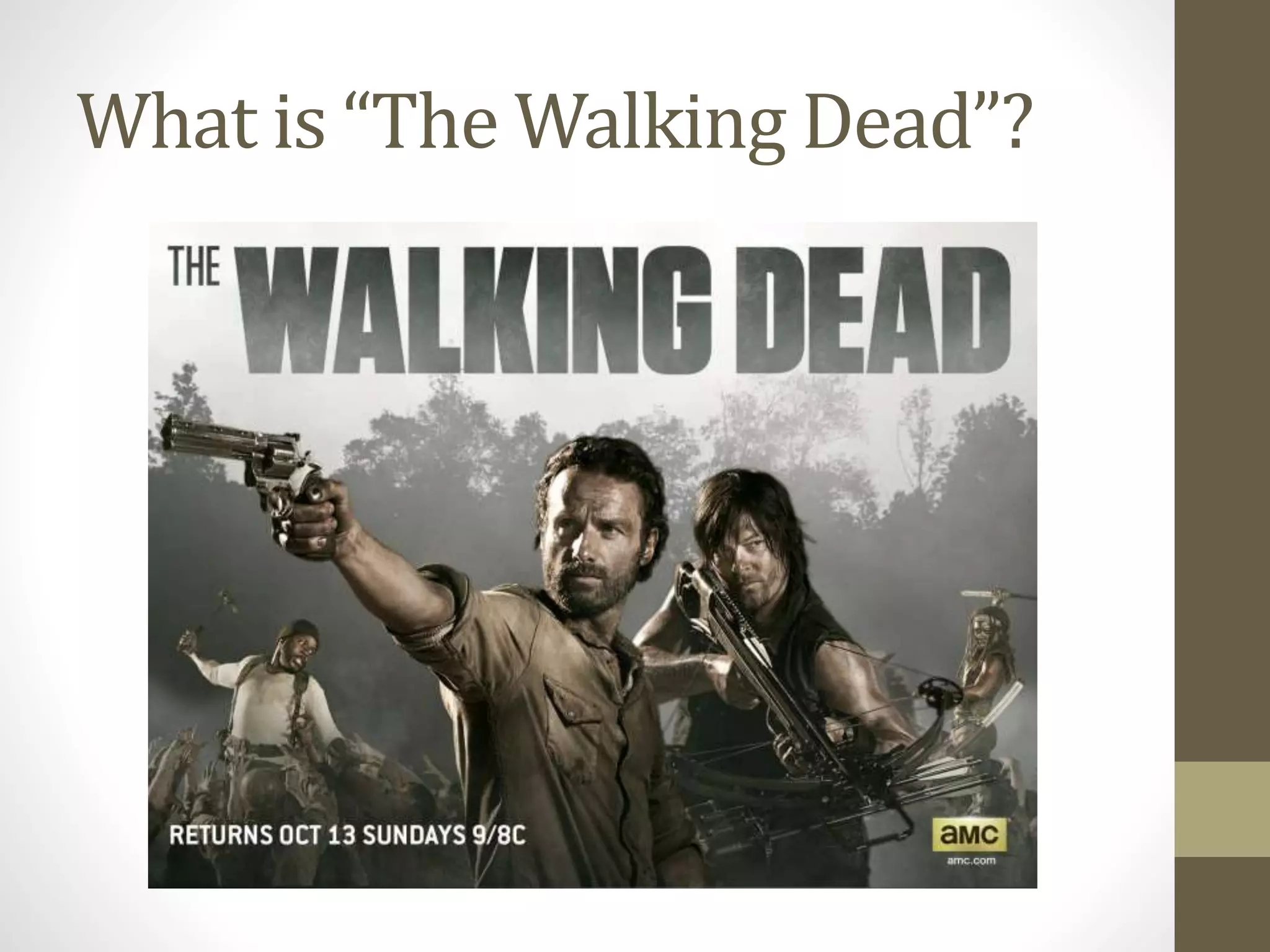
What is “The Walking Dead”?
What’s web (digital) governance?
“Digital governance is a framework for
establishing accountability, roles and decision-
making authority for an organization’s digital
presence – which means its websites, mobile
sites, social channels and any other Internet
and Web-enabled products and services.”
-- Lisa Welchman
“Organizing Chaos”
Parts of governance
•Strategy: who determines direction?
•Policy: who creates/curates to-
do/don’t do lists and how strict are
they?
•Standards: who decides how your
digital portfolio looks and reads?
(Welchman)
Strategy
Produces “a statement on the
organization’s approach to digital and
the development of performance
measures – not a plan.”
But it underpins your plans and tactics.
(Welchman)
Policy
•Who determines what can/can’t go
on web?
•Why?
•How is this disseminated?
•How do you handle requests that
don’t neatly fit in the policy?
(Welchman)
Standards
“… when you have standards in place,
more time can be spent having
conversations about the substance and
purpose of the work that is to be done
instead of arguing about the details of
execution or who has the authority to
make decisions …”
(Welchman)
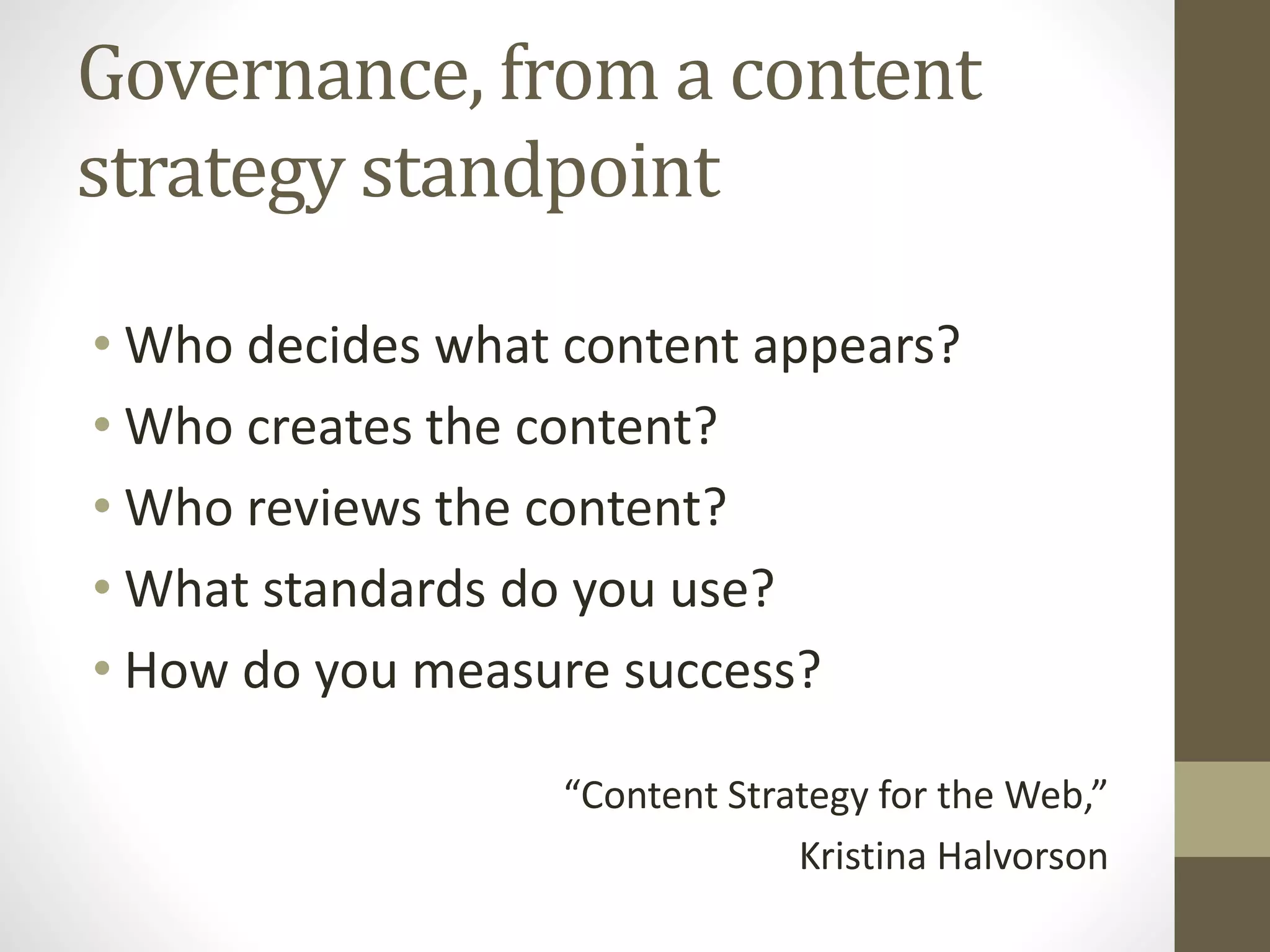
Governance, from a content
strategy standpoint
• Who decides what content appears?
• Who creates the content?
• Who reviews the content?
• What standards do you use?
• How do you measure success?
“Content Strategy for the Web,”
Kristina Halvorson
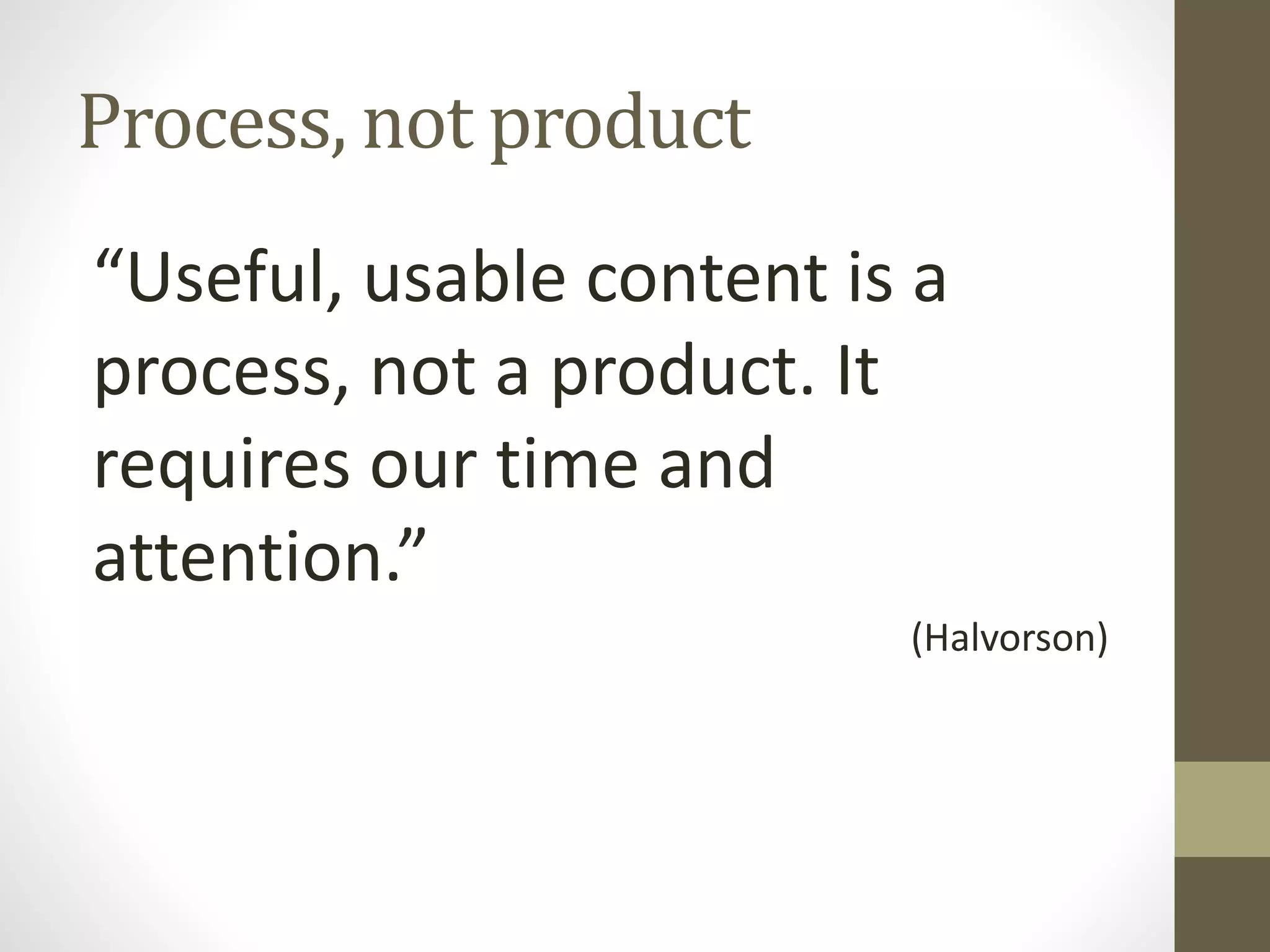
Process, not product
“Useful, usable content is a
process, not a product. It
requires our time and
attention.”
(Halvorson)
Stop! Survey time!
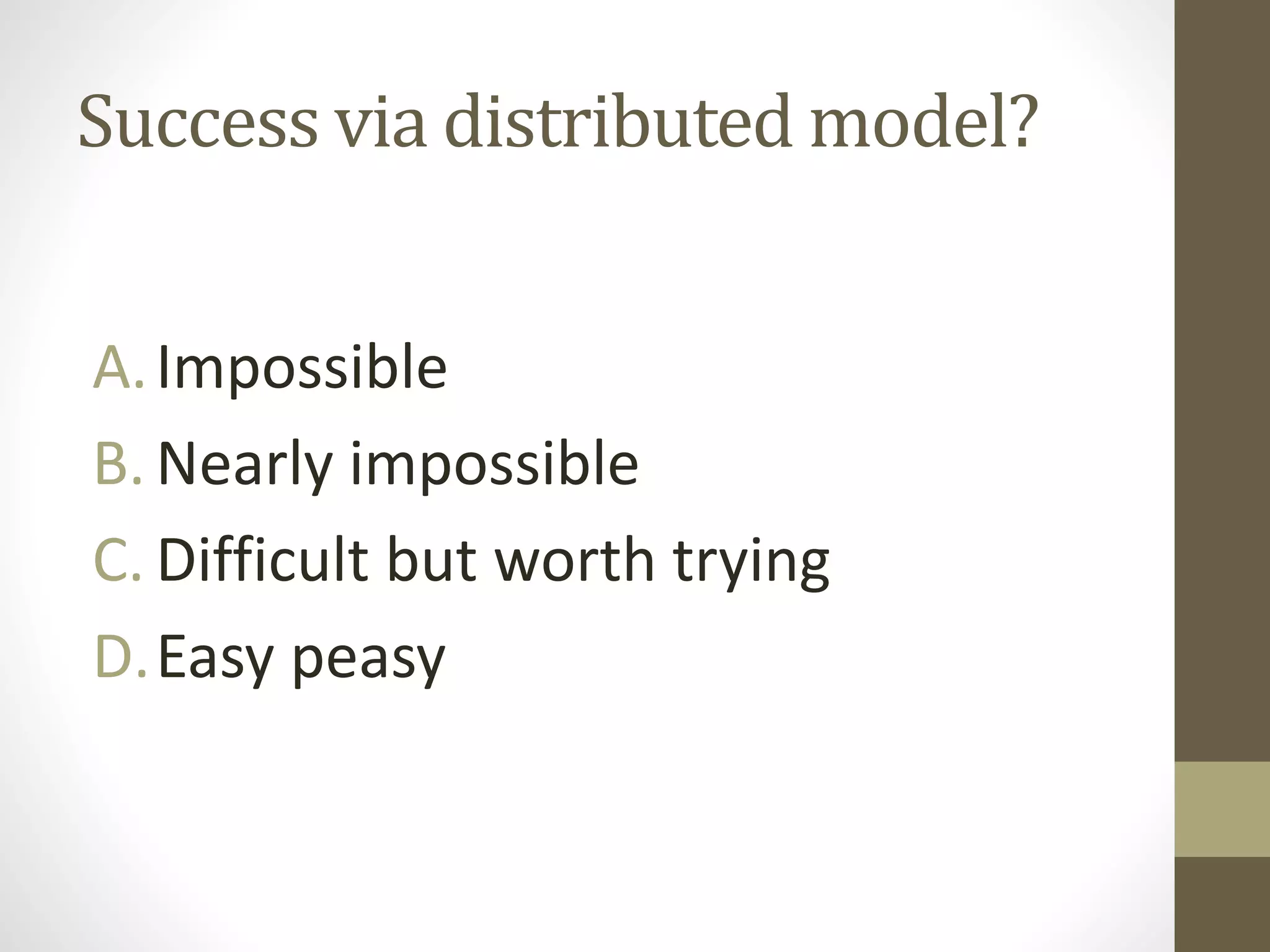
Success via distributed model?
A.Impossible
B. Nearly impossible
C. Difficult but worth trying
D.Easy peasy
Seriously, how are they related?
•Zombie content is the scourge of your
site and web in general
• For several years after a formerly faculty member died, he was
still listed as a key contact in our online faculty and staff
handbook (that people said they kept updated)
•Your audience desires timely, helpful,
accurate information, especially when
you have key calls to action
Two opposing forces
Centralization
vs.
collaboration
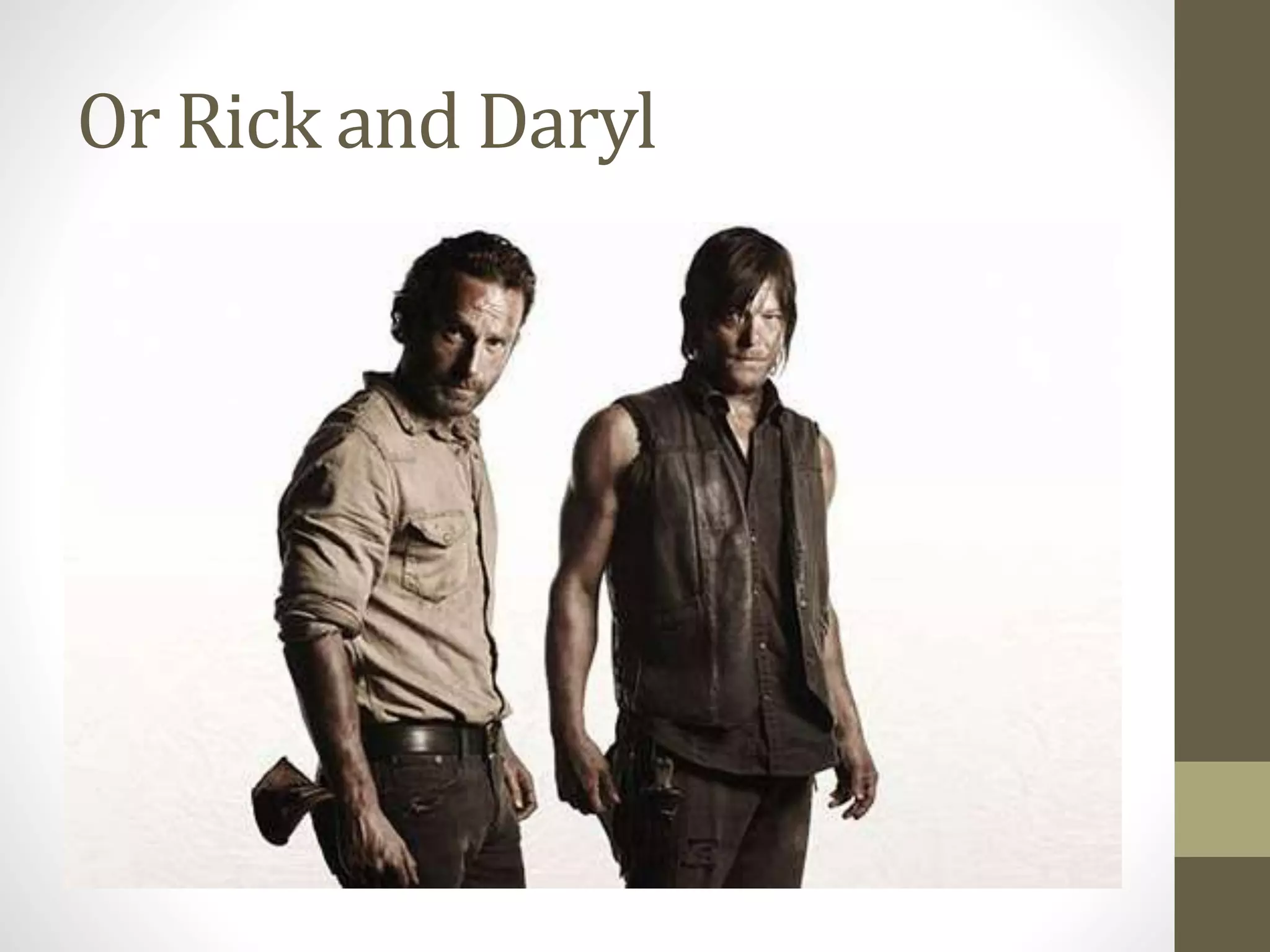
Or Rick and Daryl
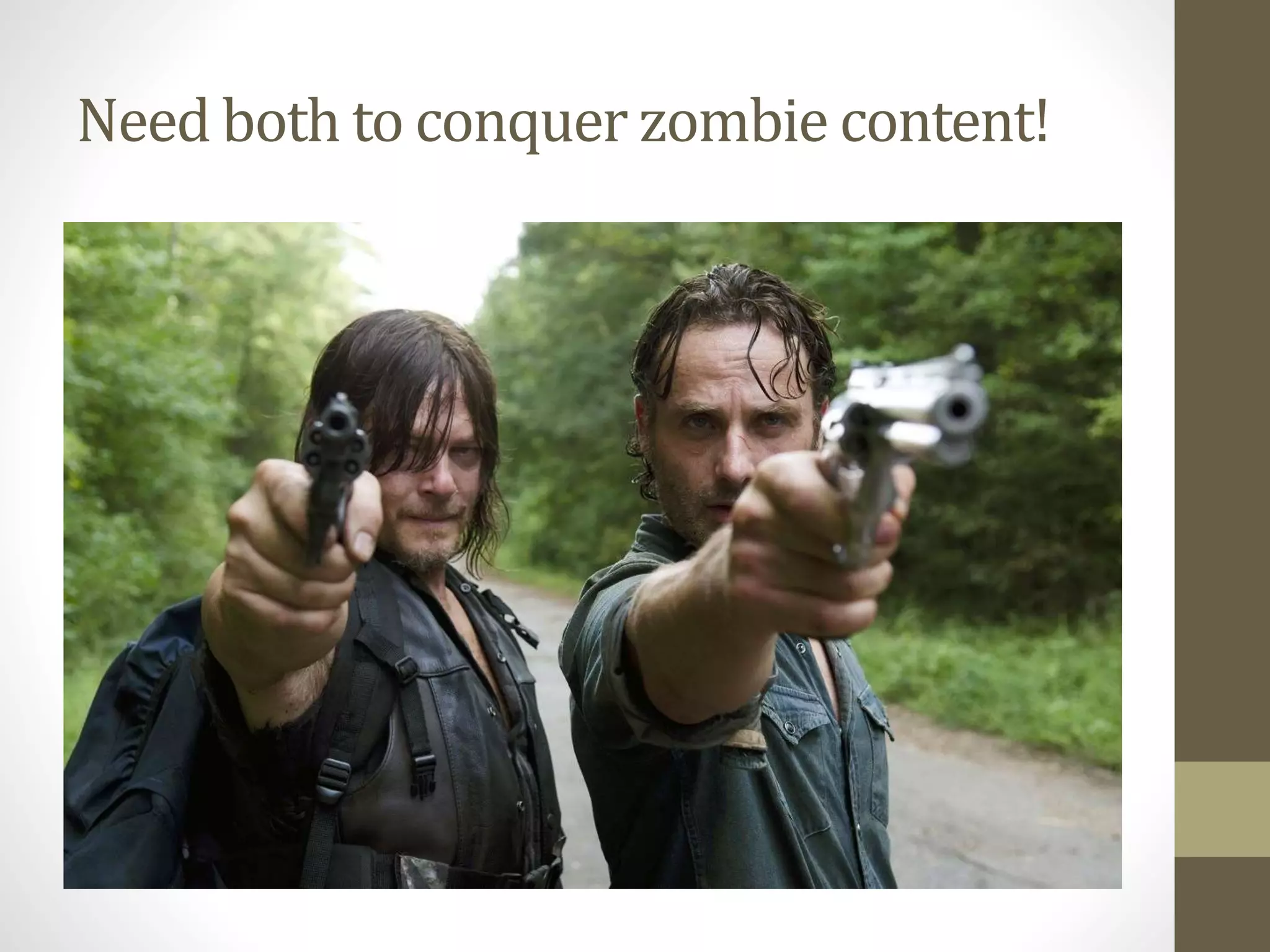
Need both to conquer zombie content!
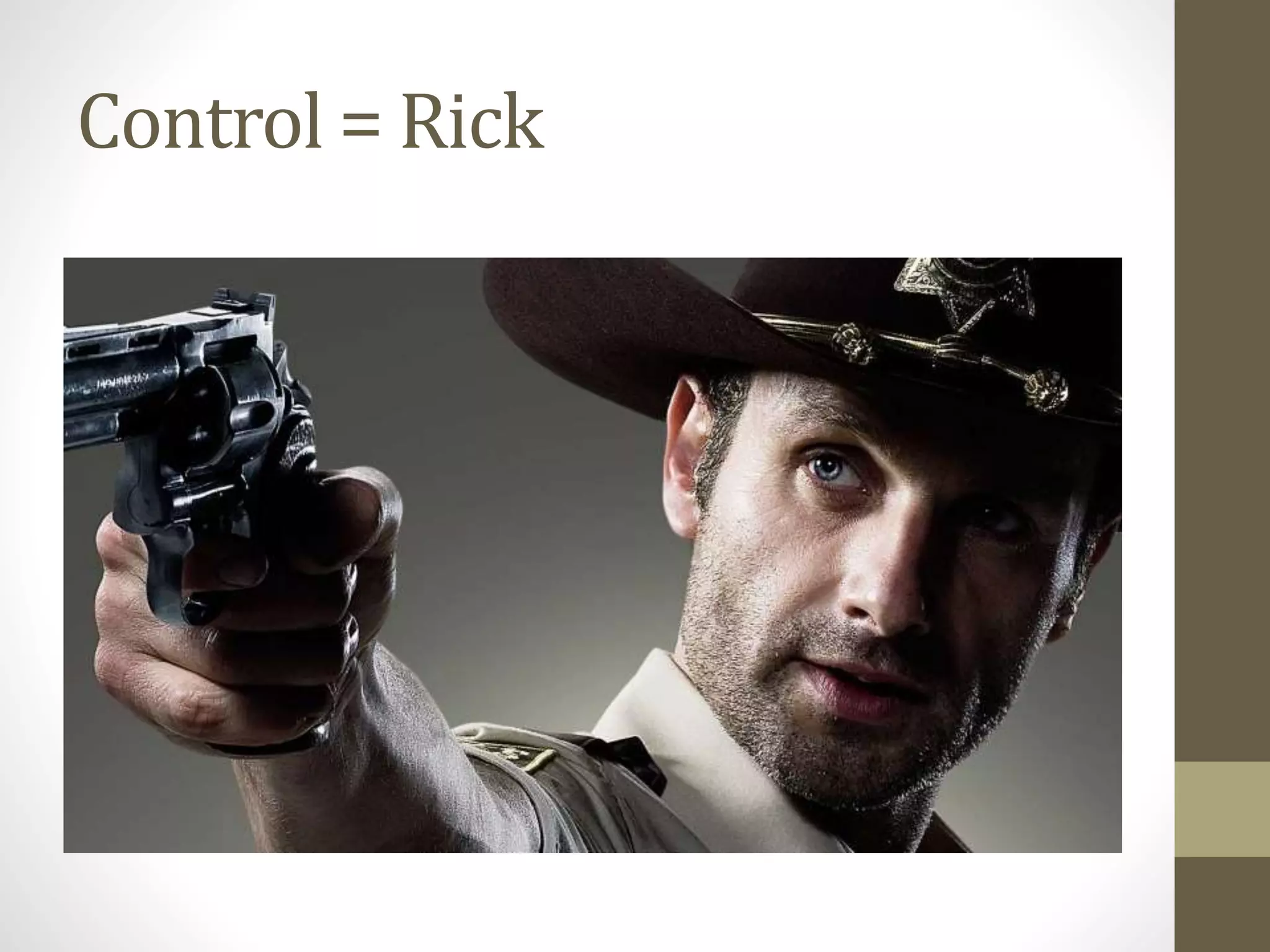
Control = Rick
Control/centralization
[Rick is a law-and-order/moral absolute]
• Dictate terms of web governance
• Sole, centralized decision-making person
or entity
• Lack of trust in others
• Lack of collaboration
“Rick’s greatest fault, perhaps, is his uncanny ability to place
responsibility on himself and set for himself goals that are impossible
to reach.” – WalkingDead.wikia.com
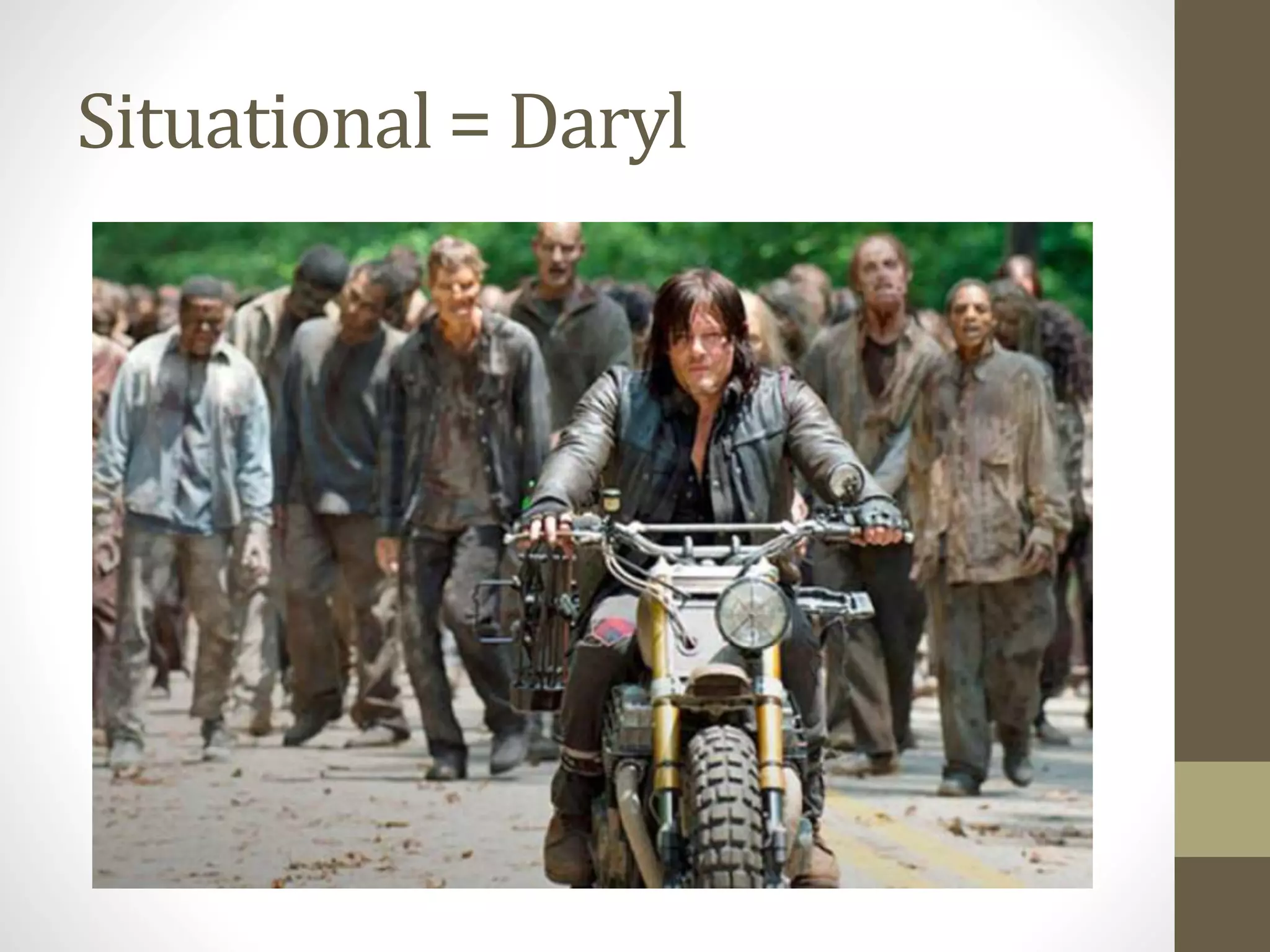
Situational = Daryl
Collaboration/situational
[Daryl works on the fly, resourceful, takes
situational approach]
• You don’t know everything
• Listen and pay attention
• Work with others to achieve solutions
• Can evolve
“Daryl has often shown to be caring and selfless … Daryl has a
keen sense of intuition … he is well-liked and respected by the
entire group.” – WalkingDead.wikia.com
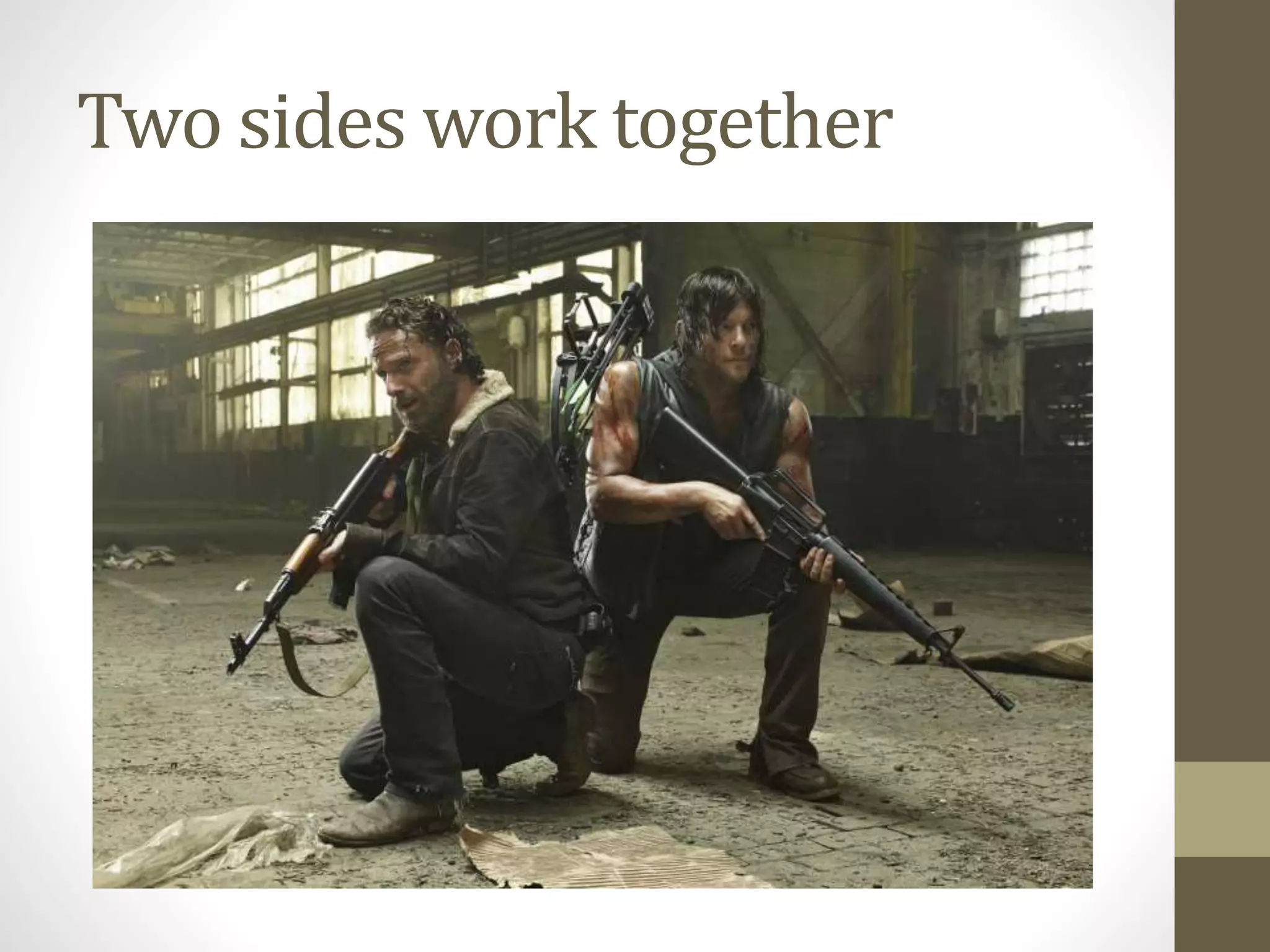
Two sides work together
Teamwork matters
• Control-driven Rick learns to rely on
others and not take everything on by
himself
• Formerly lone wolf Daryl learns how to
work within a structure for group goals
• Central focus is important
• Collaborating with others is important
Views of TWD/governance
•Zombies/chaos
•On the road/moving targets
•Hershel’s farm/your first CMS
•Prison/ultimate control
•The Governor/vendor from hell
•Sanctuary/giving up governance
•Alexandria/collaboration
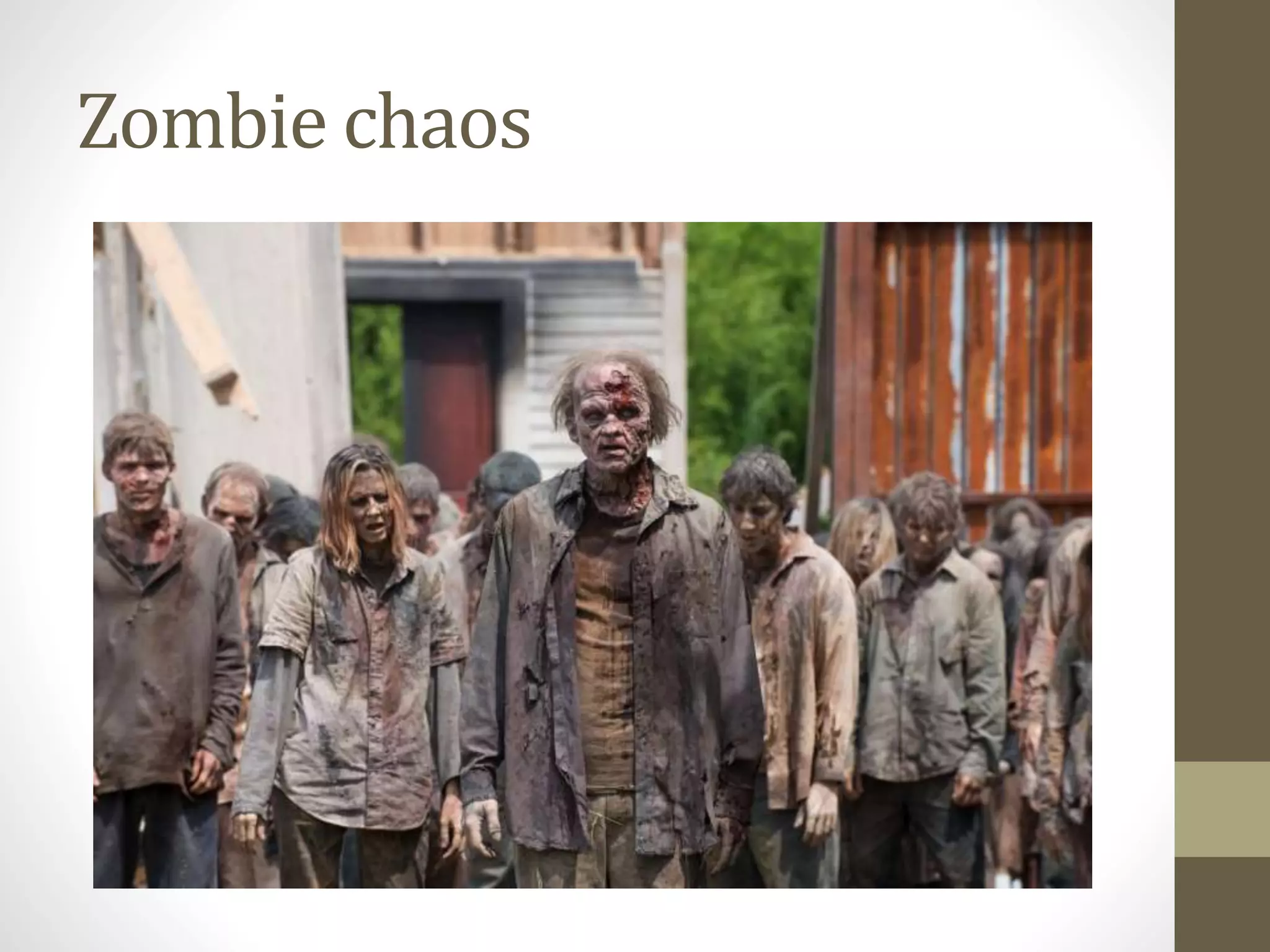
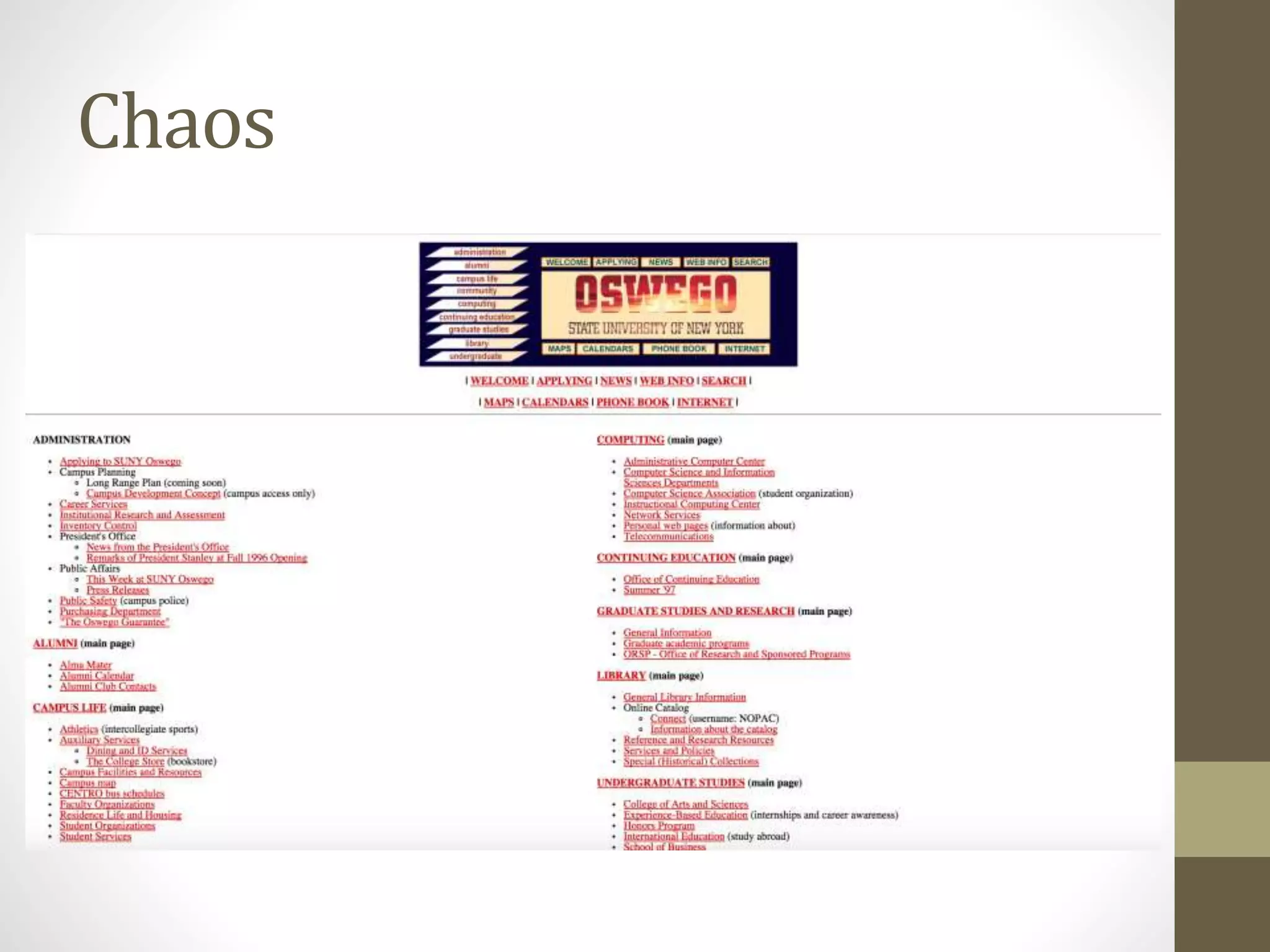
Zombie chaos
Chaos
•No governance
•Zombie pages live on
•Devours site usability
•Branding – whose site are we on?
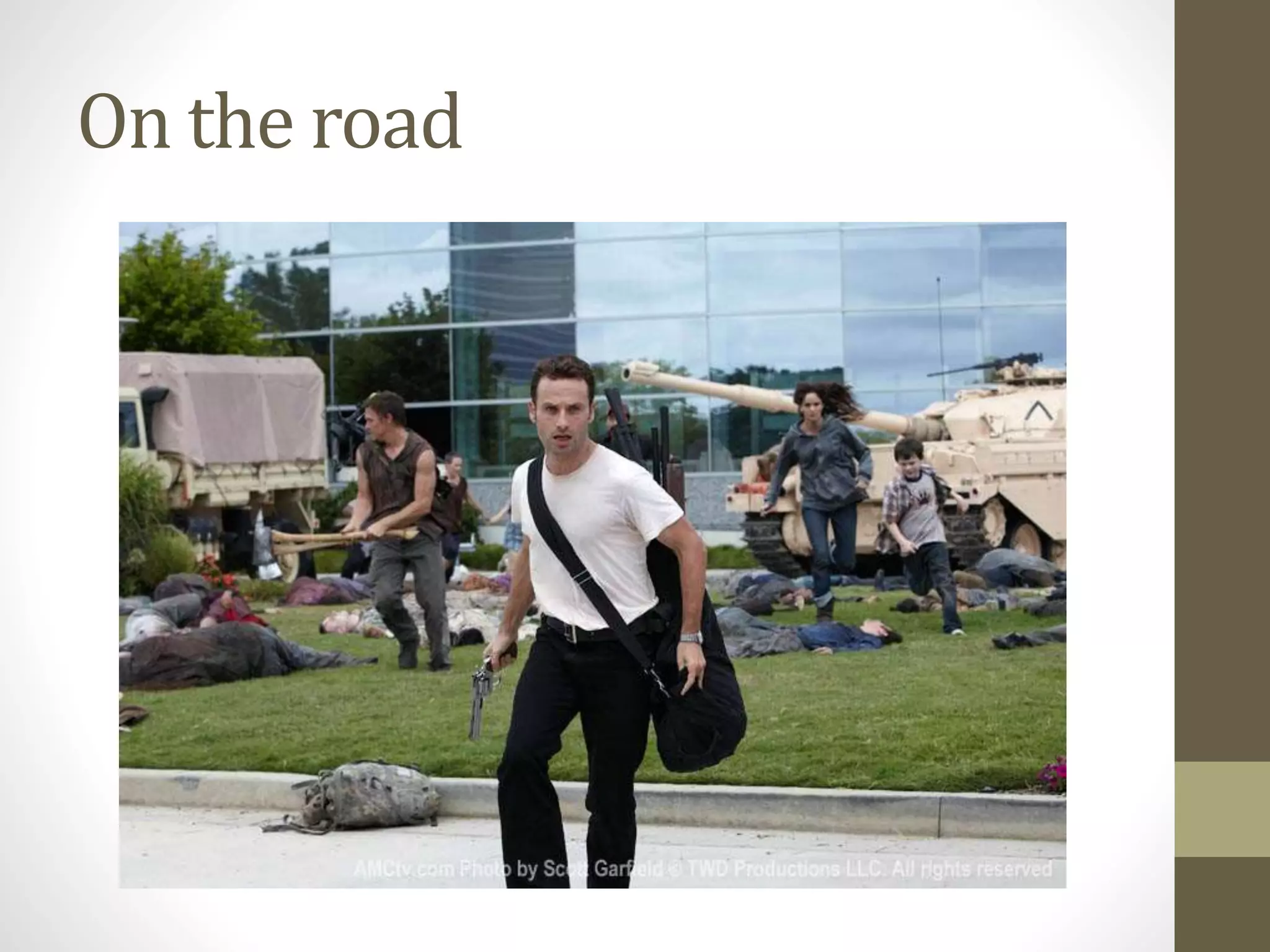
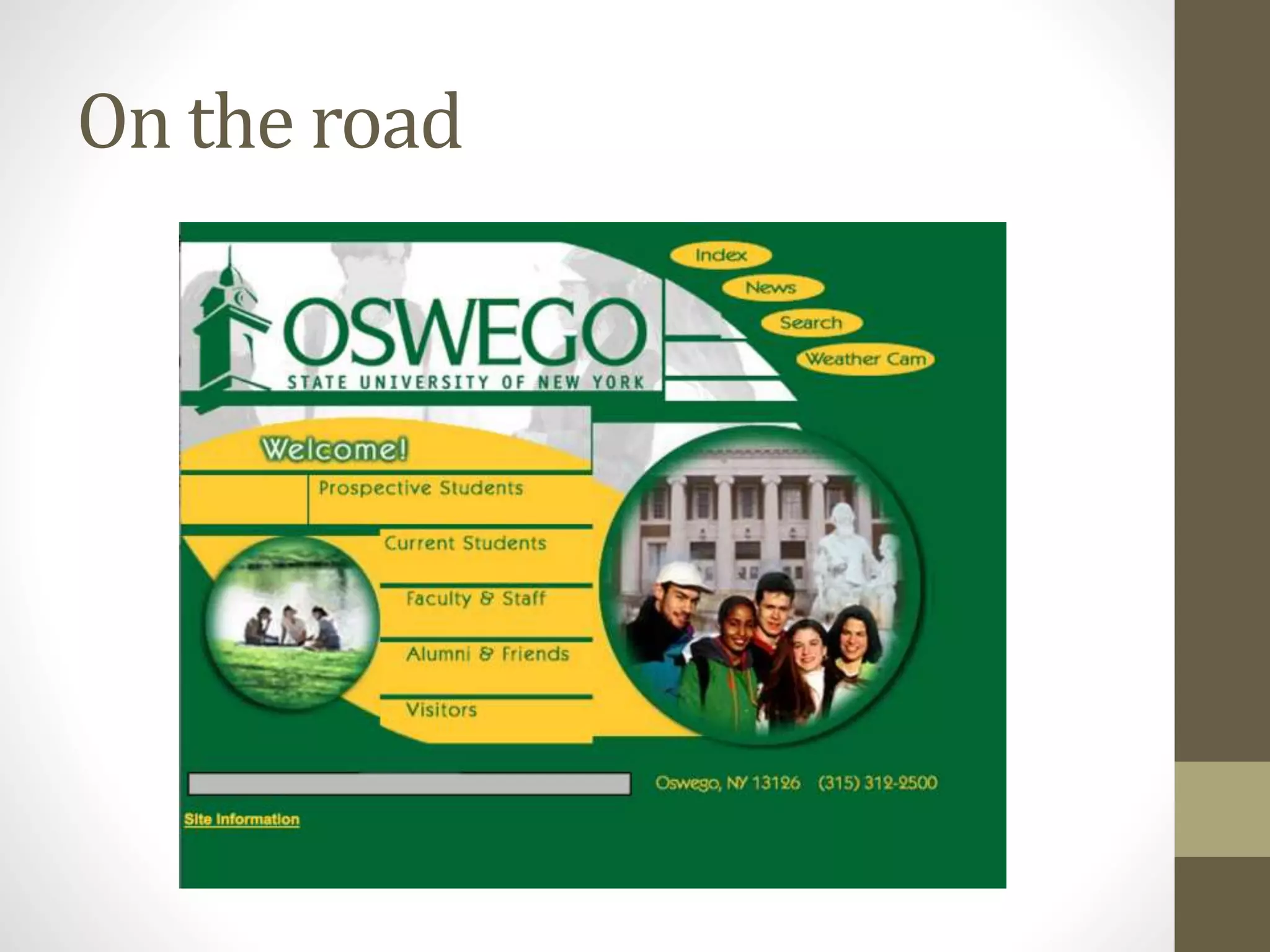
On the road
The road to …
•Structure?
•Sanity?
•Policies?
•A home base?
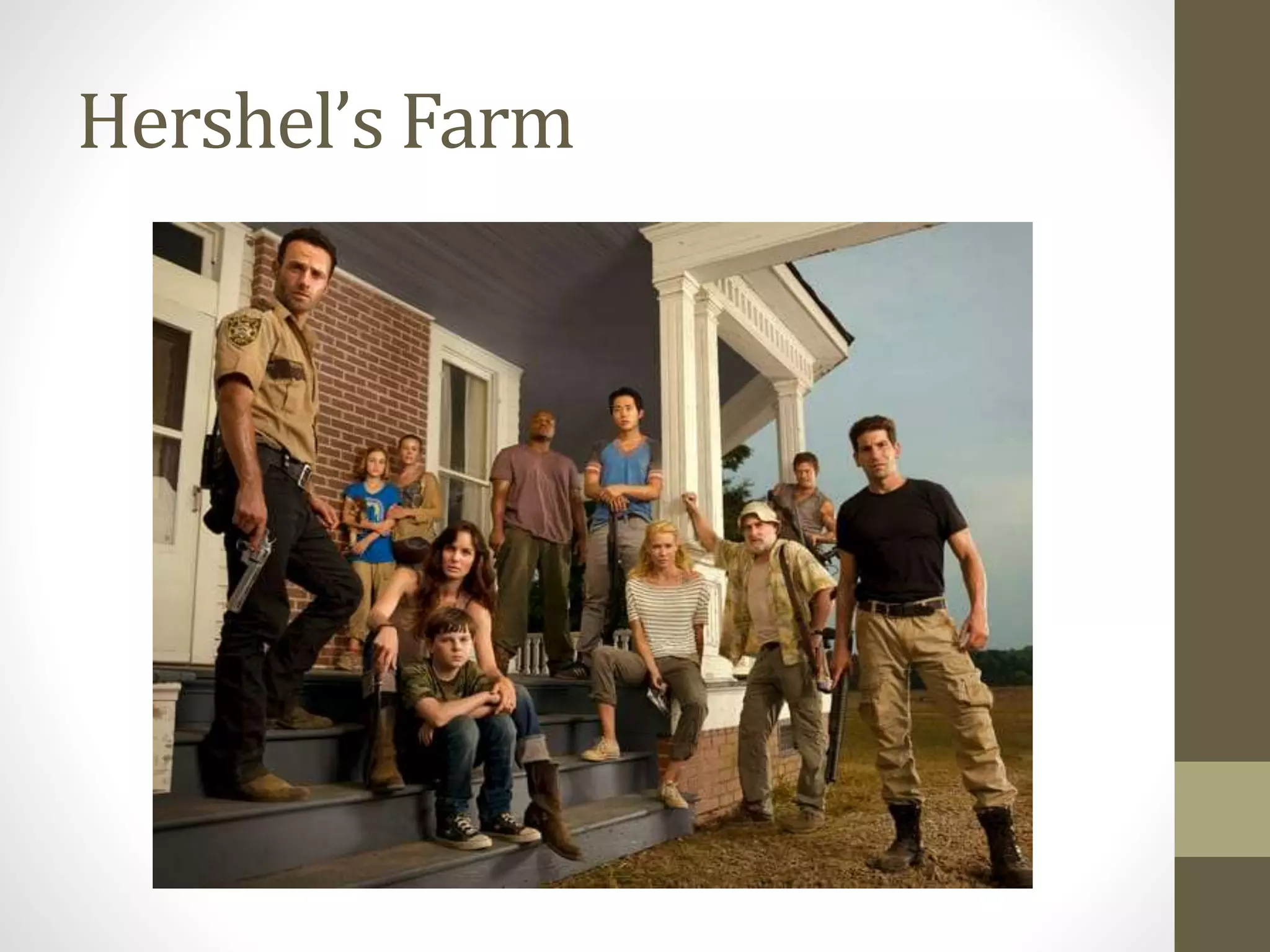
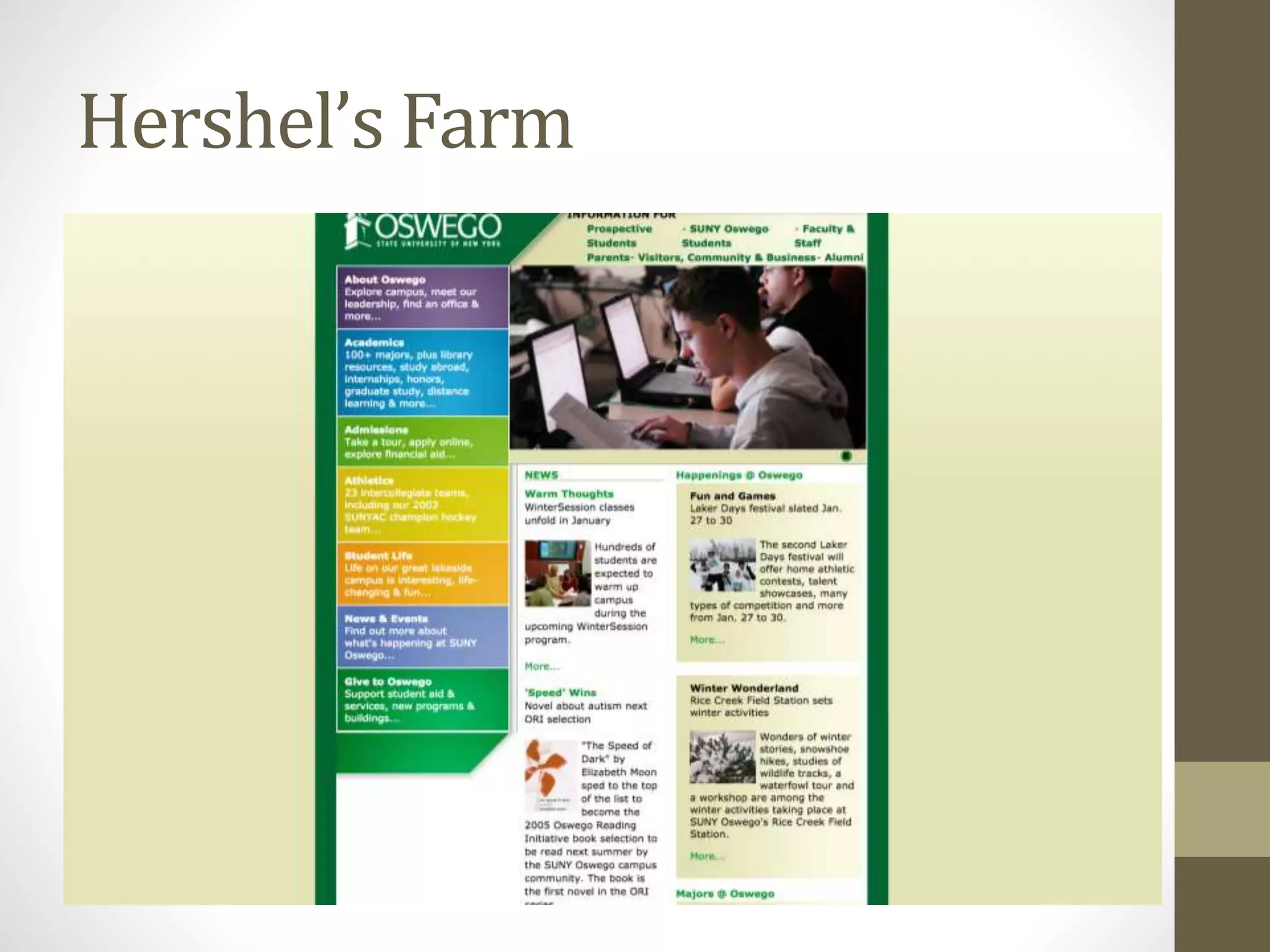
Hershel’s Farm
Hershel’s Farm
•Your first CMS: This will solve things!
•Idyllic
•But not enough hands
•“Carl, get in the house!”
•Skillsets don’t always mesh
•Zombie content can still overrun you.
“A content management system creates neither content, nor
management, nor a system.”
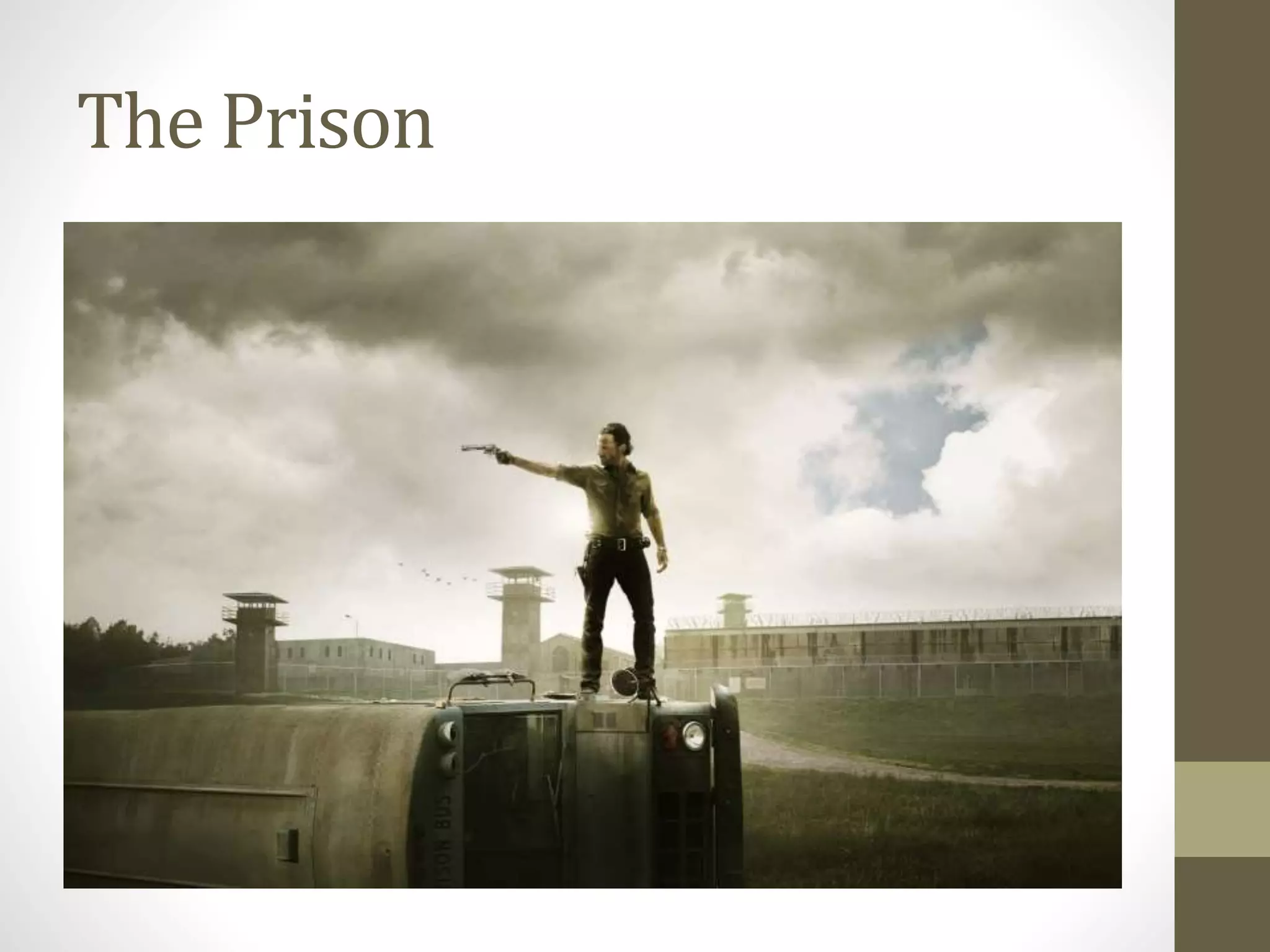
The Prison
The Prison = control
•Locking down creativity
•Locking out collaboration
•Central control and authority (“this
ain’t a democracy!”)
•No mobility or evolution possible
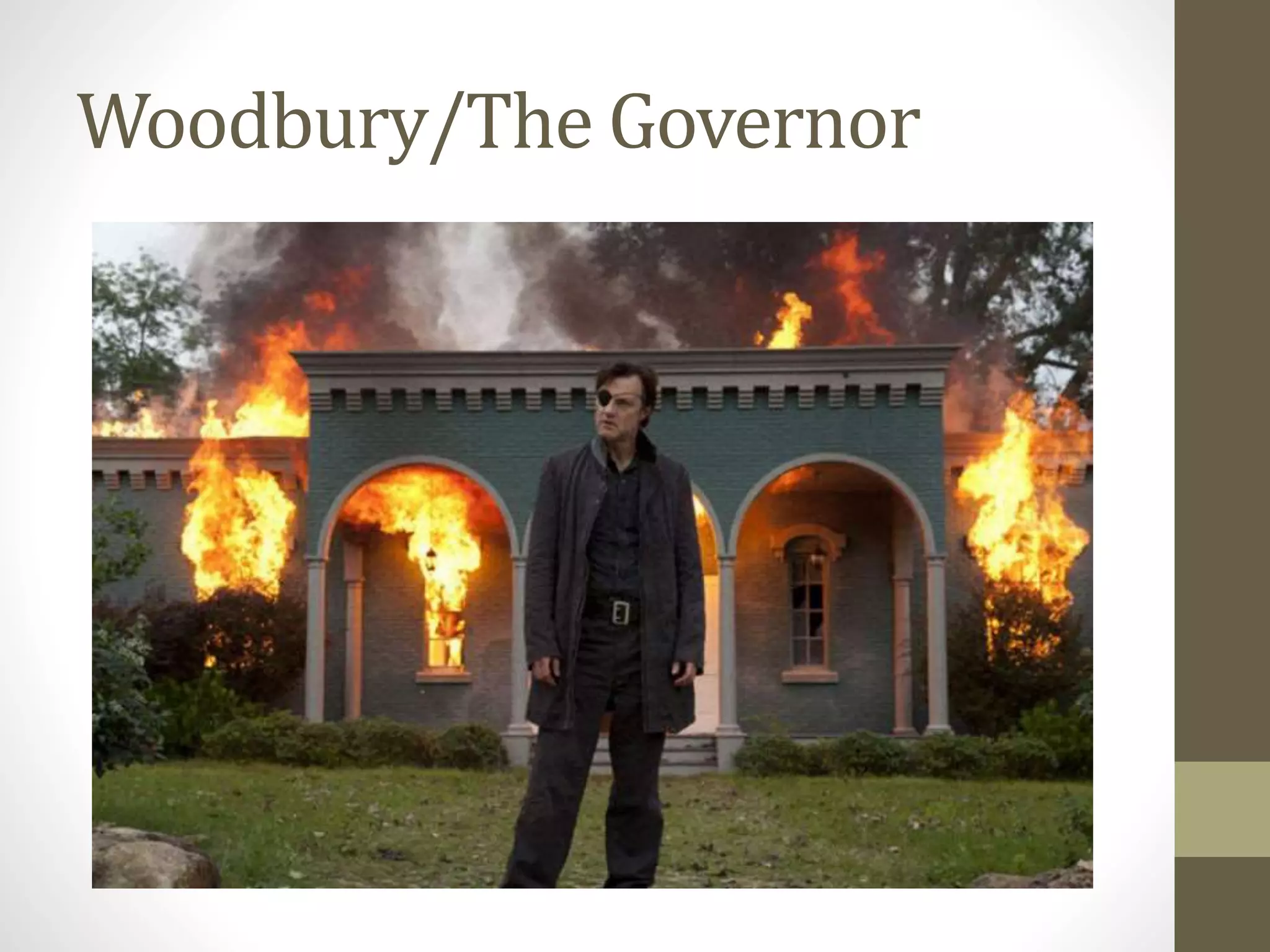
Woodbury/The Governor
Don’t contract it out
•Governor appeared to be kind leader
but had many secrets
•IT vendor: “Please clear your cache of
ammo and reload”
•More selfish than concerned with
stakeholders
•Evasive: “That feature is on the
roadmap”
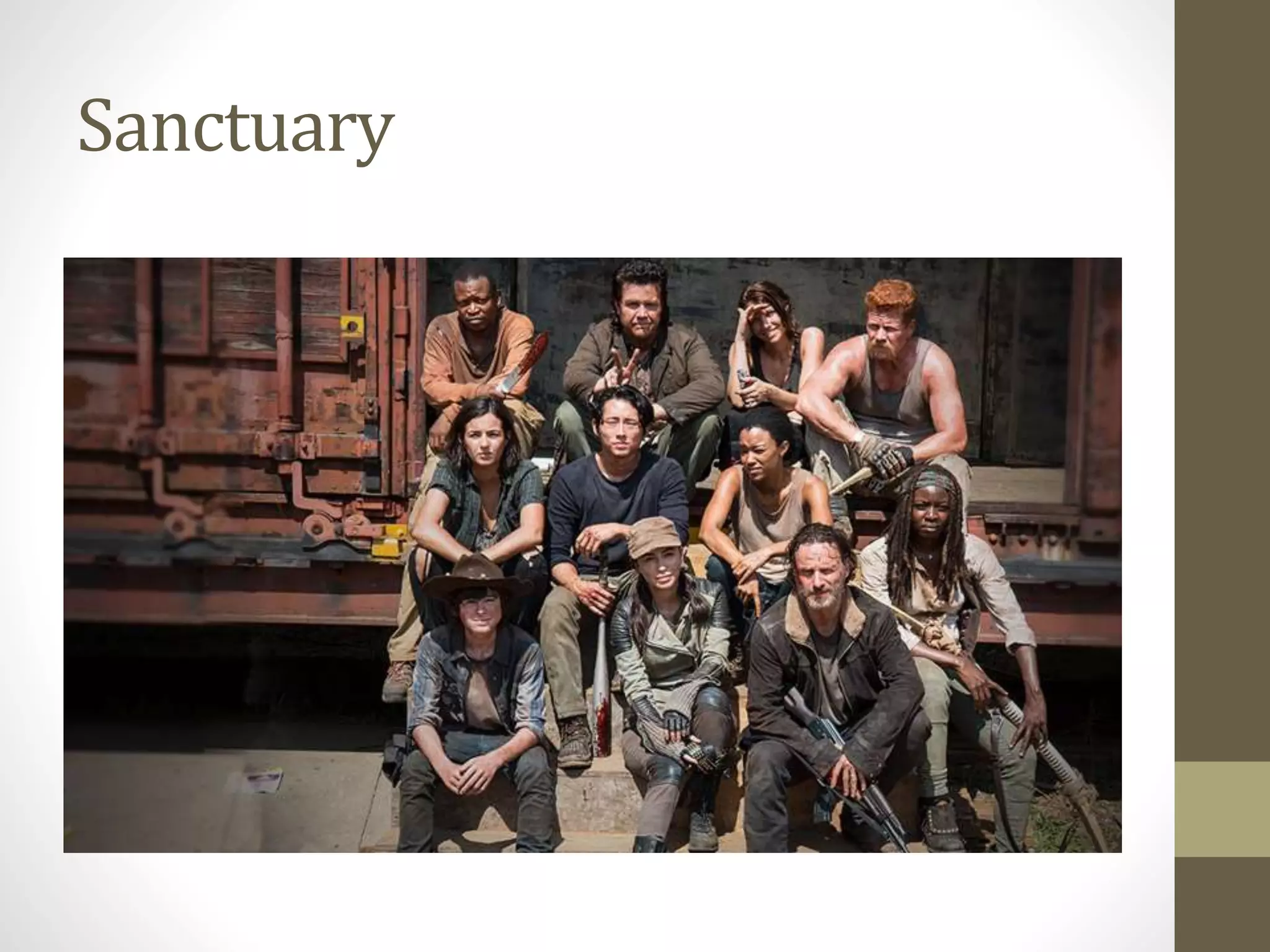
Sanctuary
Sanctuary?
•Yielding all governance leads to
cannibalization
•Disrespect for humans
•If you’re not preparing the meal, you
are the meal
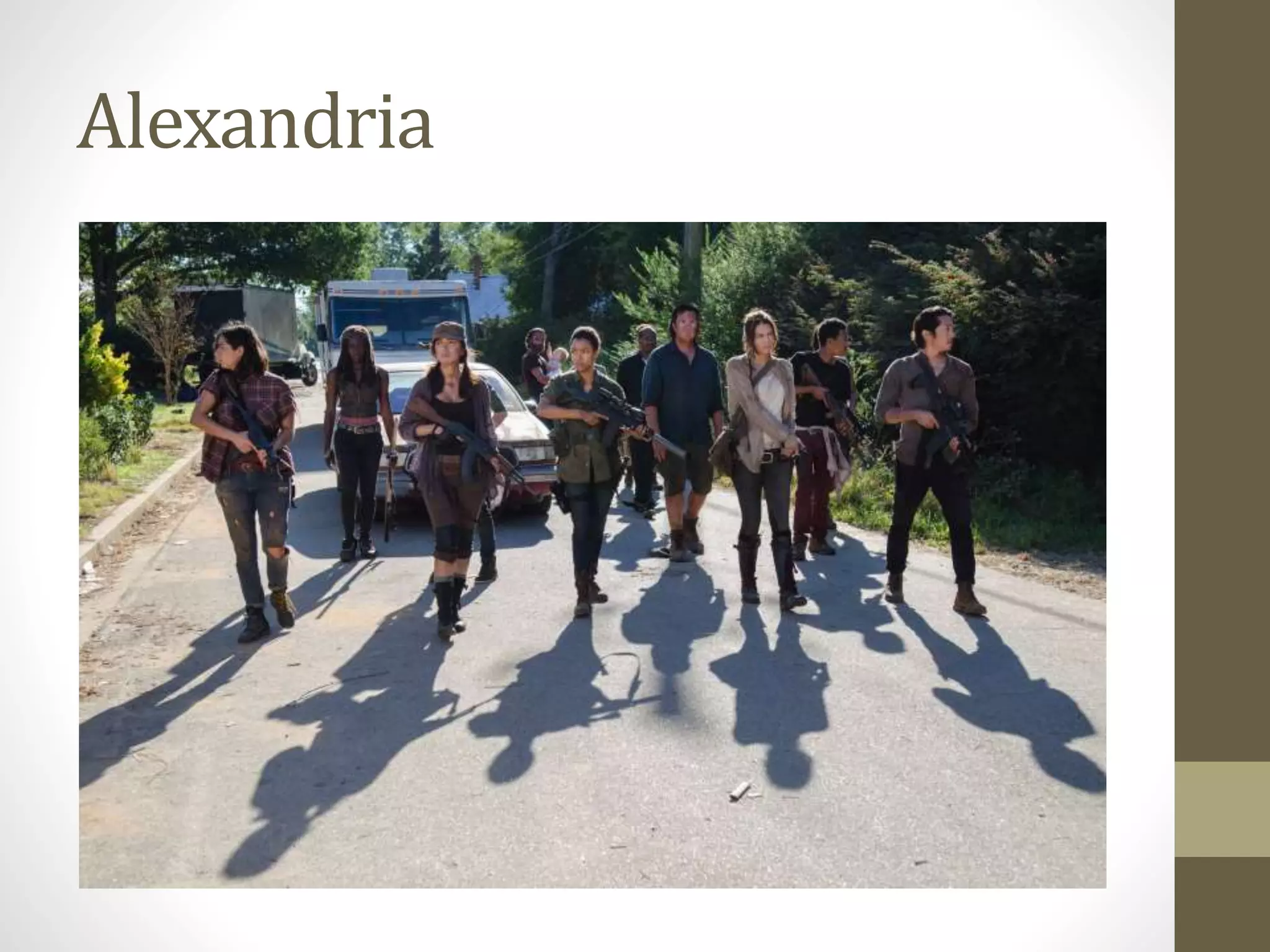
Alexandria
Alexandria = collaboration
•People start well-meaning but green
•Collaborate and build skills
•Experience can teach
•All found common goal
•Learned to fend for themselves, but
first needed leadership, skills-building
and inspiration
Chaos
On the road
Hershel’s Farm
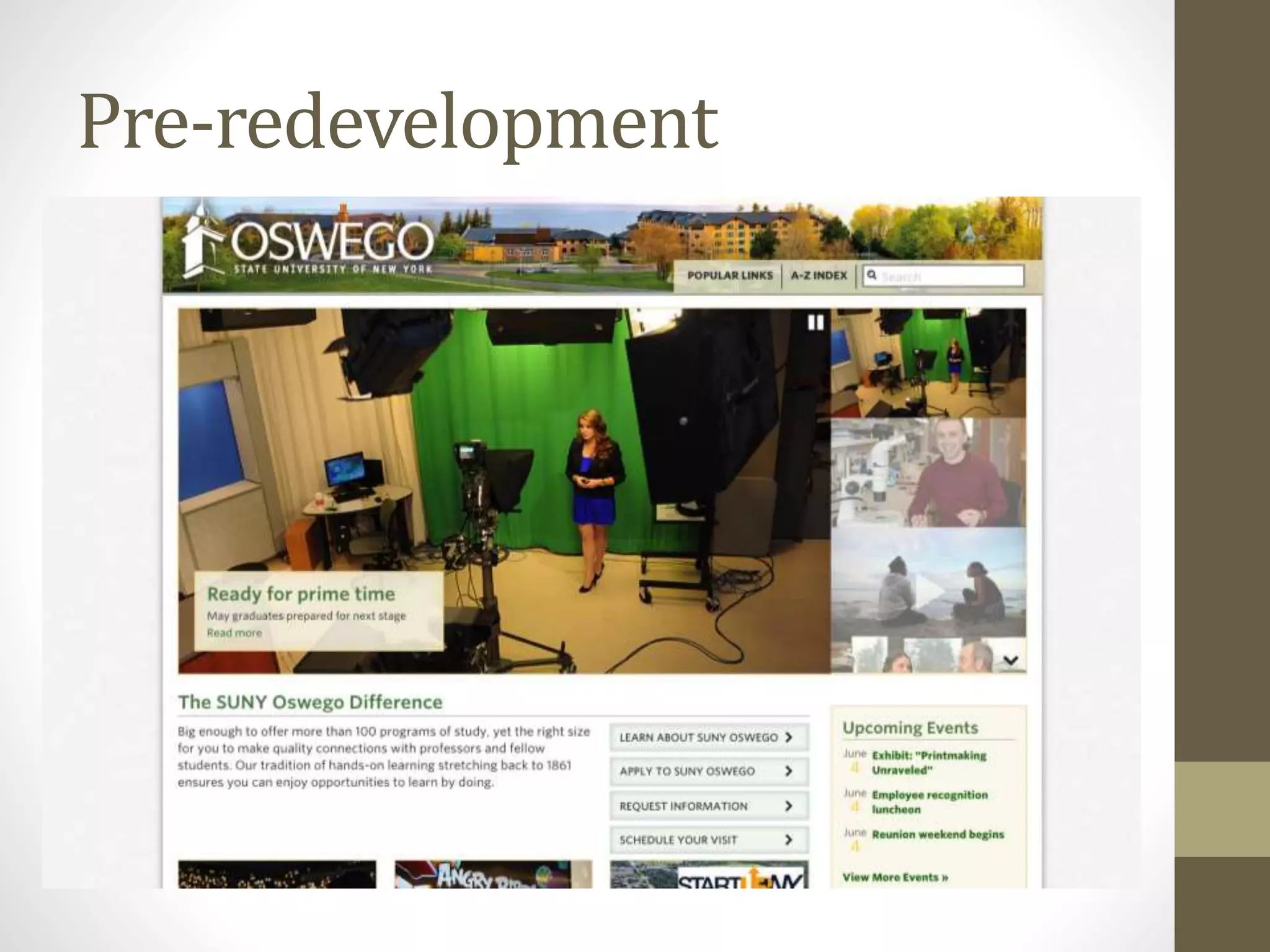
Pre-redevelopment
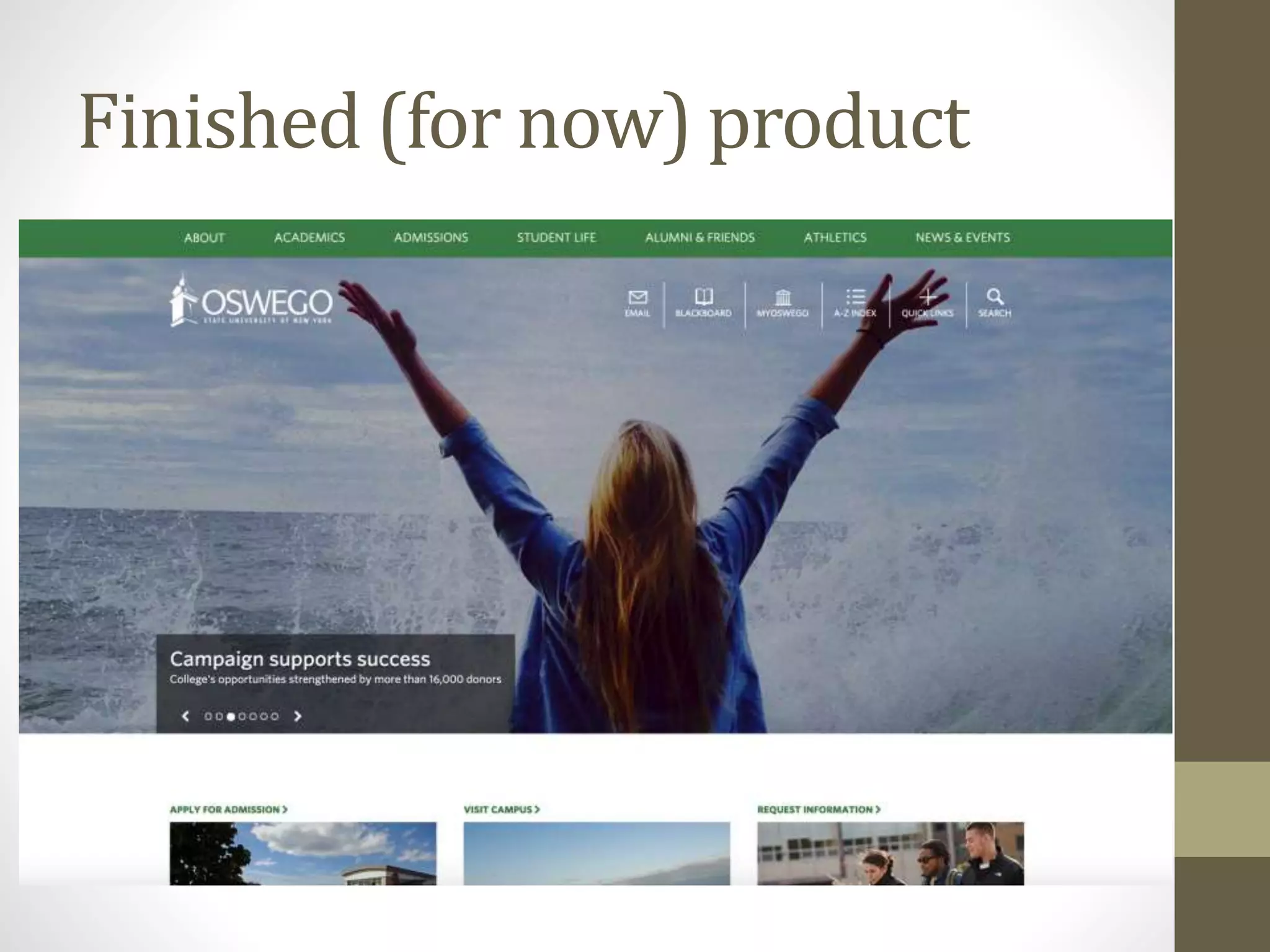
Finished (for now) product
Our project scope
• CMS better fits college needs, scalable to future
• Make web content more user-centered
• Easier access to content editing (including
mobile)
• Implement open-source, more widely used CMS
(Drupal) that also allows for editor skill building
• Change from scheduled publishing (hourly) to
(almost instant) updates
• Simplify templates/calls to action
Not so small
• Rebuild 132 sites (starting with 150+)
• Migrate nearly 13K pages/components
• Restructure navigation architecture
• Train hundreds of editors
• Build custom theme/install
• Create custom page types (program pages,
faculty/staff bios, landing pages) and custom
modules
• OPEN DIALOGUE ON COLLABORATION
Photo of our digital strategy
Tools/tactics for collaboration
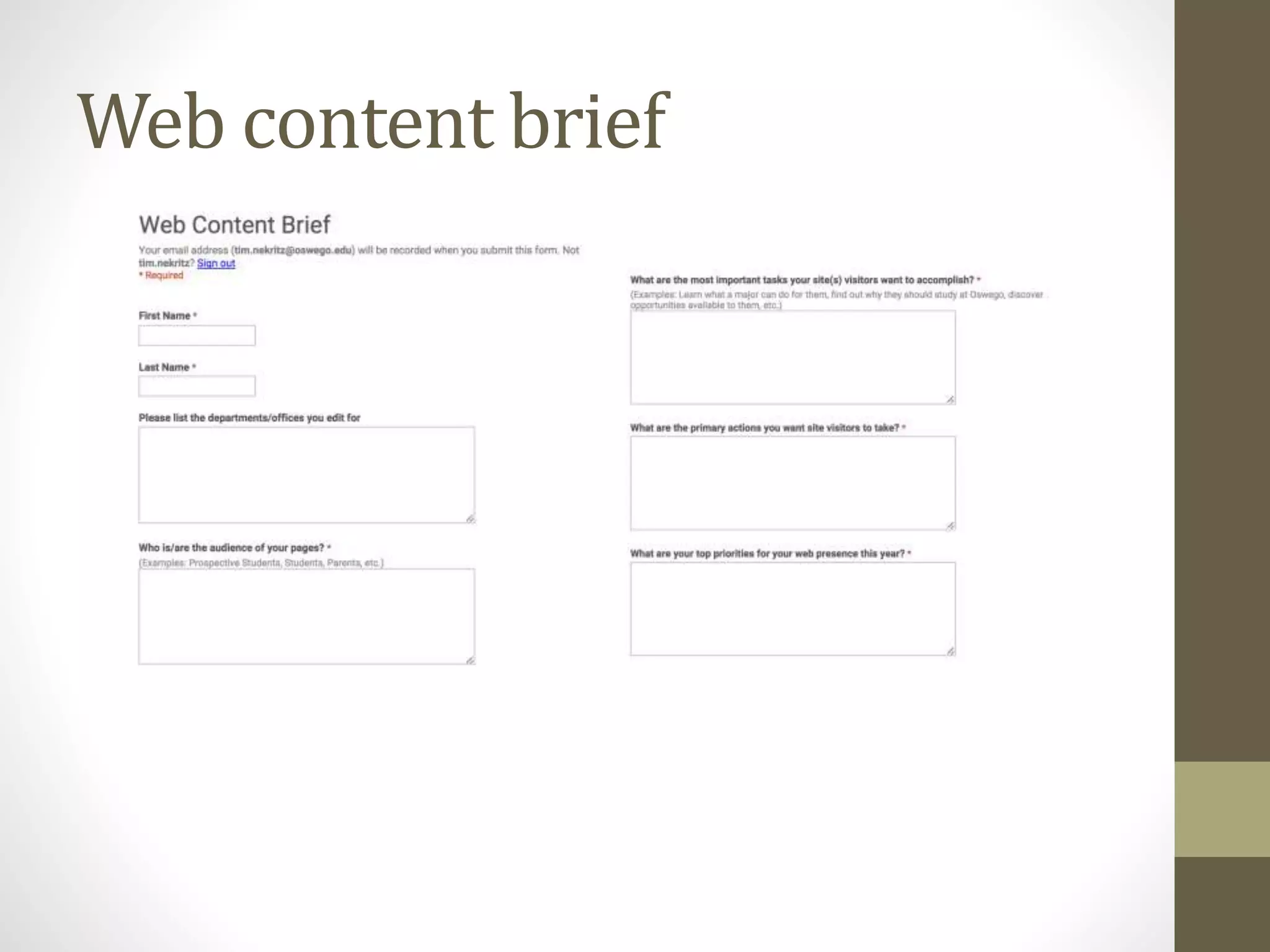
• Web content brief: Who is your audience, what
tasks do they need to accomplish, why should
they take action?
• Meet with department chairs/lead editors
• Link-checker, esp. for zombie link farms
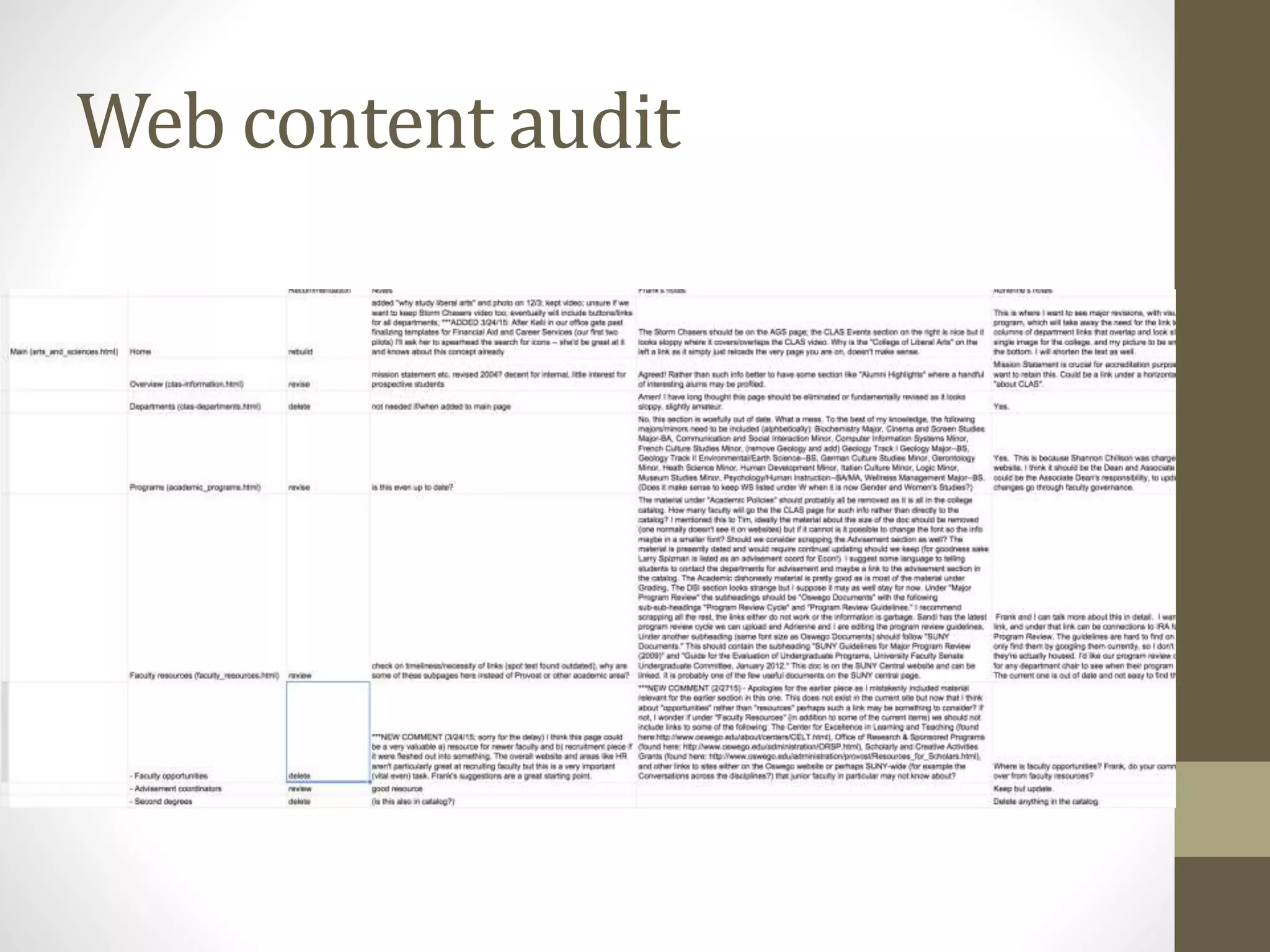
• Web content audit
• Iterative development
• Shared understanding of goals
• Roles/responsibilities for all parties
Web content brief
Web content audit
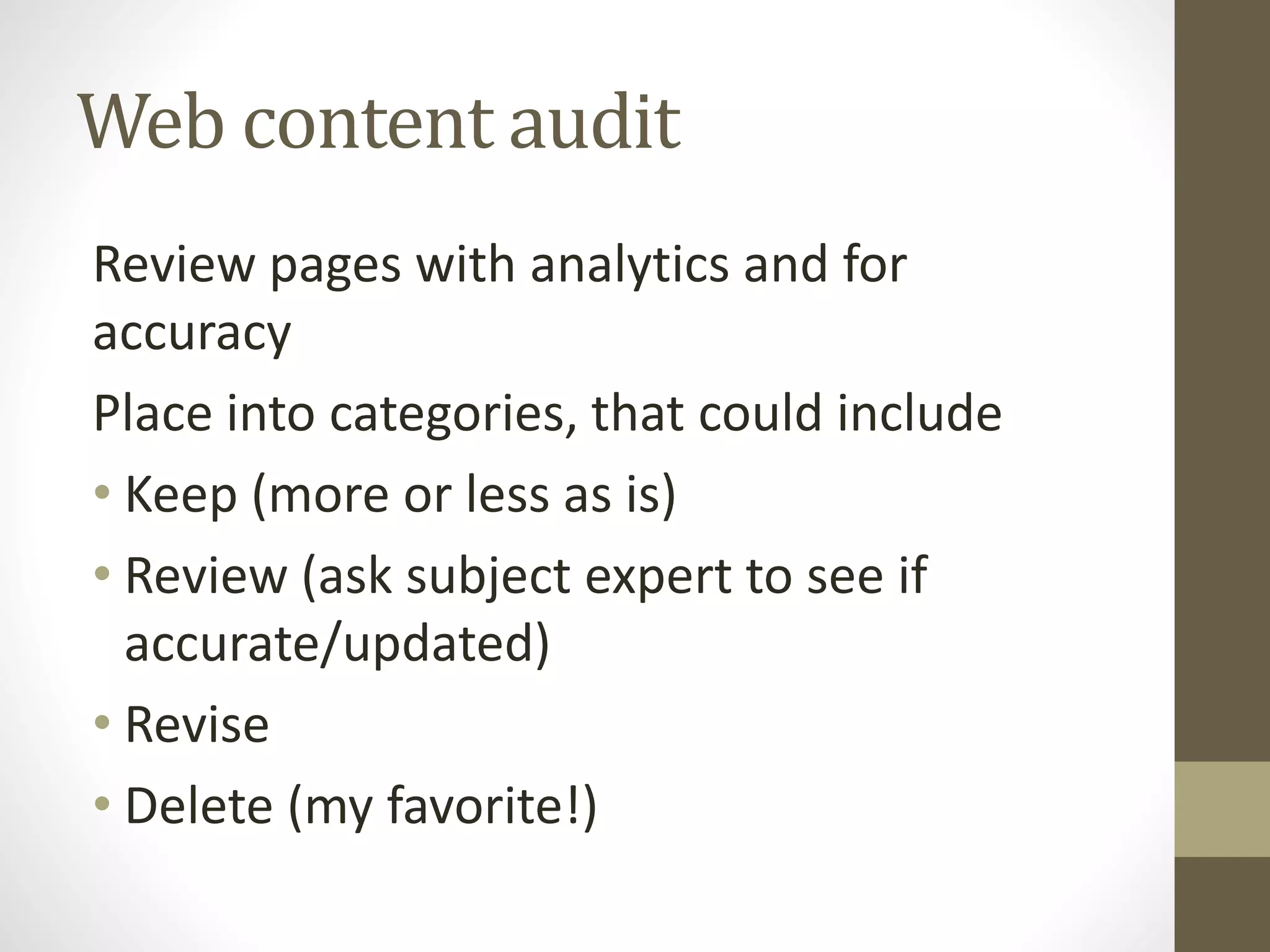
Review pages with analytics and for
accuracy
Place into categories, that could include
• Keep (more or less as is)
• Review (ask subject expert to see if
accurate/updated)
• Revise
• Delete (my favorite!)
Web content audit
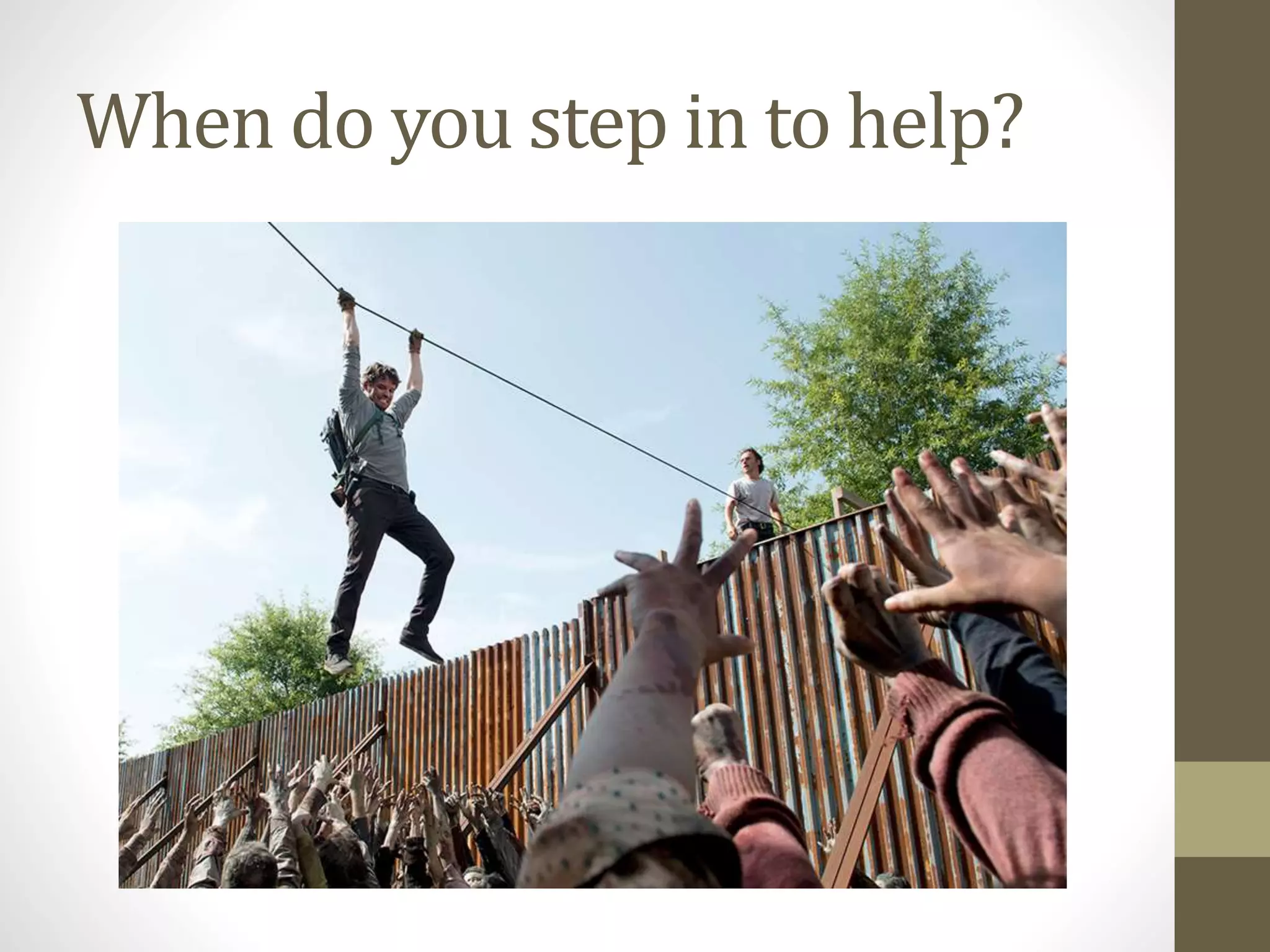
When do you step in to help?
Continuous learning
• Now offer service-level model: People can submit
updates to us (might be easier than if they use CMS
once a year)
• Rolling audits and follow-ups
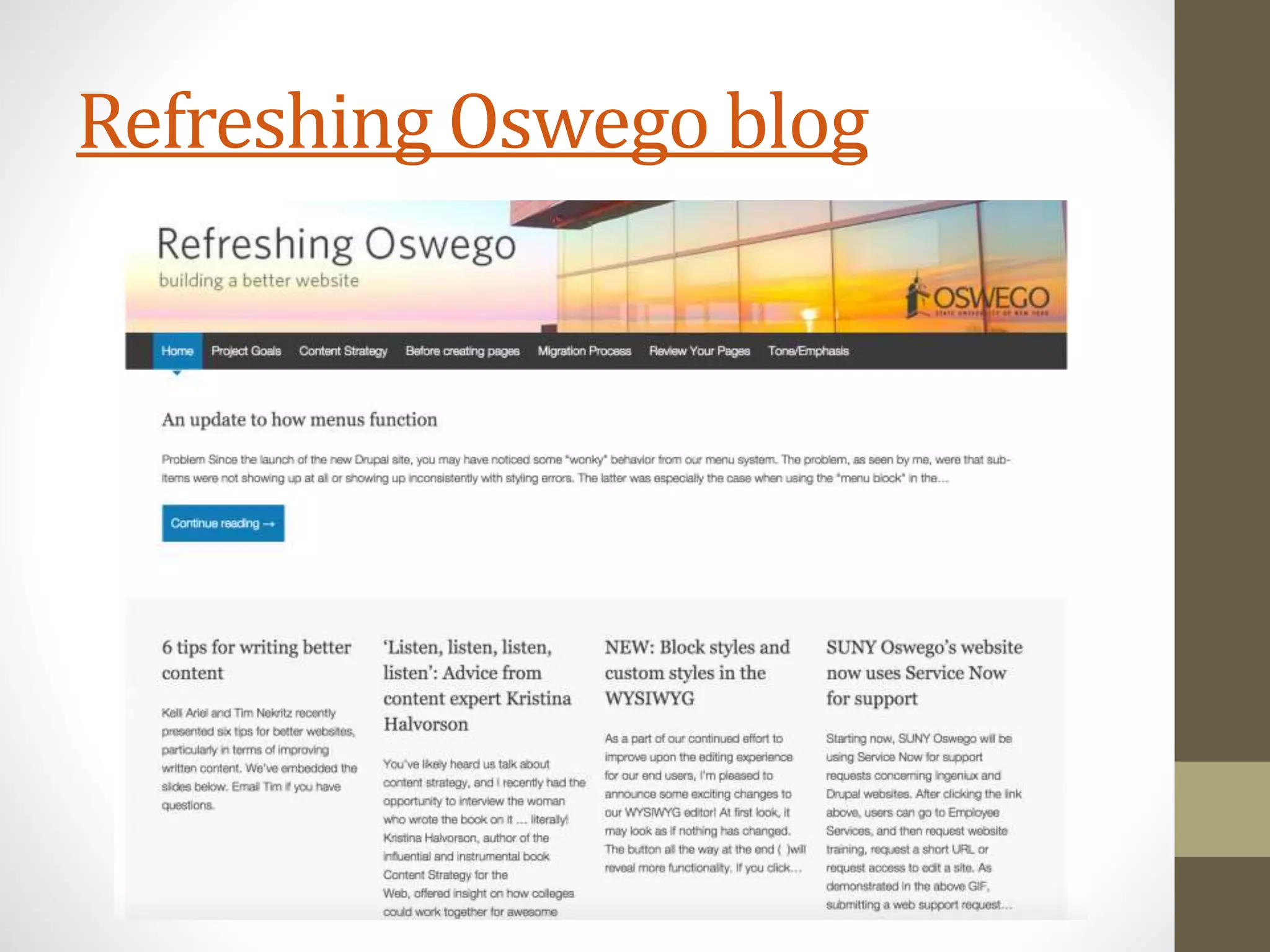
• Blog and touchpoints when we create new modules
• Online documentation
• Factor what our editors want or suggest in future
build priorities
• Less about technology, more about content
Refreshing Oswego blog
Road ahead
• Establish digital strategy
• Governance Bill of Rights --
@ShelleyKeith, thank you
• Extreme makeover of more sites, which
partners welcome
• Continue rolling out/communicating new
features
• More regular review/feedback of sites
Success via distributed model?
A.Impossible
B. Nearly impossible
C.Difficult but worth trying
D.Easy peasy
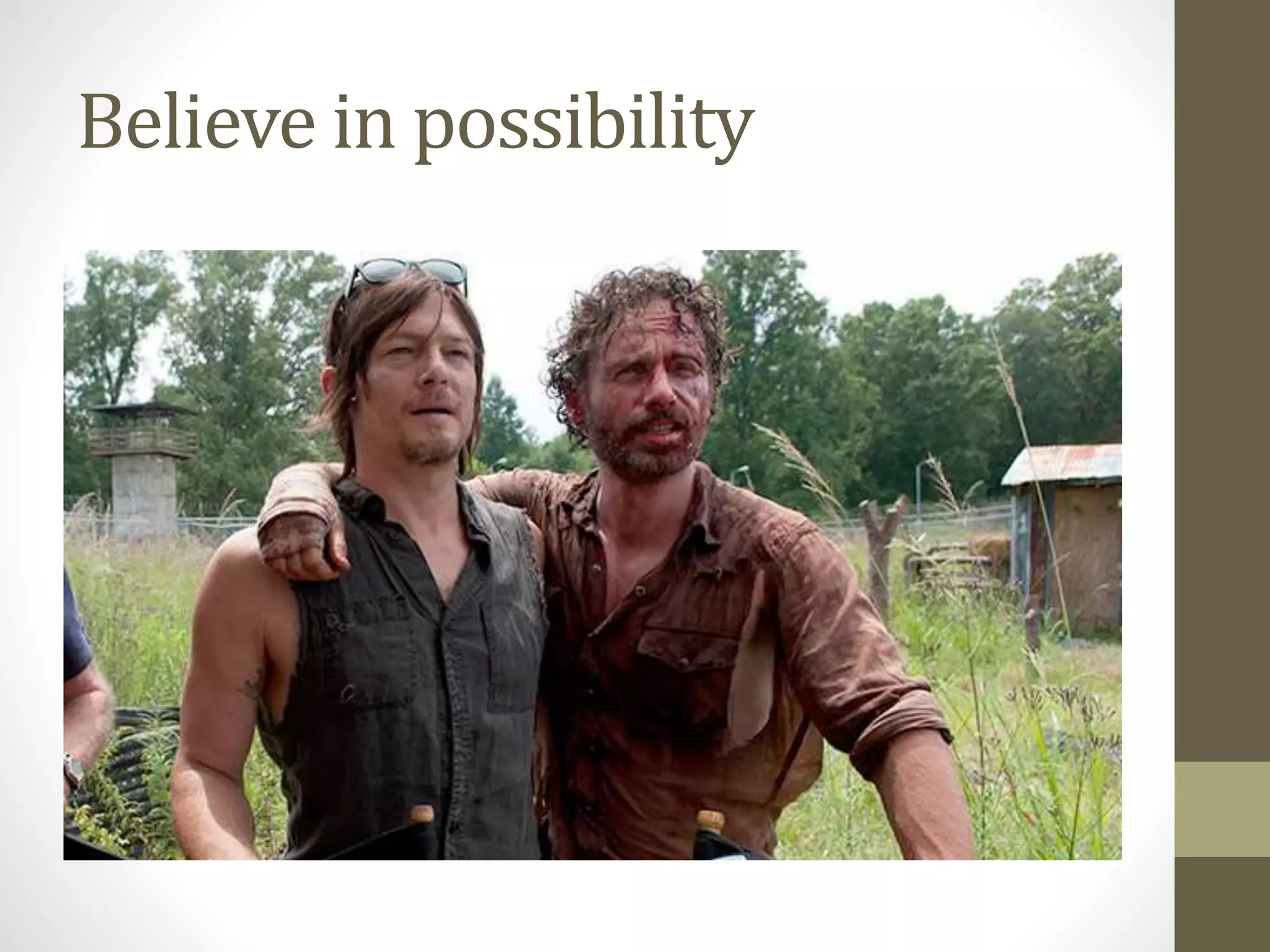
Believe in possibility
Questions?
You can contact me at:
@TimNekritz
tim.nekritz@oswego.edu
Thank you!

What 'The Walking Dead' Taught Me About Web Governance

  • 1.
    Defeating Content Zombies: What“The Walking Dead” (+ a Massive Redevelopment) Taught Me About Web Governance Tim Nekritz Associate Director of Communications and Marketing Director of Digital Communications SUNY Oswego
  • 2.
    Disclaimers • Knowledge of“The Walking Dead” is useful but not required. • Graphic violence is not anticipated. • No humans or animals were harmed in the making of this presentation. • Images in this presentation do not represent endorsement by The Walking Dead or representative living or undead
  • 3.
    What is “TheWalking Dead”?
  • 4.
    What’s web (digital)governance? “Digital governance is a framework for establishing accountability, roles and decision- making authority for an organization’s digital presence – which means its websites, mobile sites, social channels and any other Internet and Web-enabled products and services.” -- Lisa Welchman “Organizing Chaos”
  • 5.
    Parts of governance •Strategy:who determines direction? •Policy: who creates/curates to- do/don’t do lists and how strict are they? •Standards: who decides how your digital portfolio looks and reads? (Welchman)
  • 6.
    Strategy Produces “a statementon the organization’s approach to digital and the development of performance measures – not a plan.” But it underpins your plans and tactics. (Welchman)
  • 7.
    Policy •Who determines whatcan/can’t go on web? •Why? •How is this disseminated? •How do you handle requests that don’t neatly fit in the policy? (Welchman)
  • 8.
    Standards “… when youhave standards in place, more time can be spent having conversations about the substance and purpose of the work that is to be done instead of arguing about the details of execution or who has the authority to make decisions …” (Welchman)
  • 9.
    Governance, from acontent strategy standpoint • Who decides what content appears? • Who creates the content? • Who reviews the content? • What standards do you use? • How do you measure success? “Content Strategy for the Web,” Kristina Halvorson
  • 10.
    Process, not product “Useful,usable content is a process, not a product. It requires our time and attention.” (Halvorson)
  • 11.
  • 12.
    Success via distributedmodel? A.Impossible B. Nearly impossible C. Difficult but worth trying D.Easy peasy
  • 13.
    Seriously, how arethey related? •Zombie content is the scourge of your site and web in general • For several years after a formerly faculty member died, he was still listed as a key contact in our online faculty and staff handbook (that people said they kept updated) •Your audience desires timely, helpful, accurate information, especially when you have key calls to action
  • 14.
  • 15.
  • 16.
    Need both toconquer zombie content!
  • 17.
  • 18.
    Control/centralization [Rick is alaw-and-order/moral absolute] • Dictate terms of web governance • Sole, centralized decision-making person or entity • Lack of trust in others • Lack of collaboration “Rick’s greatest fault, perhaps, is his uncanny ability to place responsibility on himself and set for himself goals that are impossible to reach.” – WalkingDead.wikia.com
  • 19.
  • 20.
    Collaboration/situational [Daryl works onthe fly, resourceful, takes situational approach] • You don’t know everything • Listen and pay attention • Work with others to achieve solutions • Can evolve “Daryl has often shown to be caring and selfless … Daryl has a keen sense of intuition … he is well-liked and respected by the entire group.” – WalkingDead.wikia.com
  • 21.
  • 22.
    Teamwork matters • Control-drivenRick learns to rely on others and not take everything on by himself • Formerly lone wolf Daryl learns how to work within a structure for group goals • Central focus is important • Collaborating with others is important
  • 23.
    Views of TWD/governance •Zombies/chaos •Onthe road/moving targets •Hershel’s farm/your first CMS •Prison/ultimate control •The Governor/vendor from hell •Sanctuary/giving up governance •Alexandria/collaboration
  • 24.
  • 25.
    Chaos •No governance •Zombie pageslive on •Devours site usability •Branding – whose site are we on?
  • 26.
  • 27.
    The road to… •Structure? •Sanity? •Policies? •A home base?
  • 28.
  • 29.
    Hershel’s Farm •Your firstCMS: This will solve things! •Idyllic •But not enough hands •“Carl, get in the house!” •Skillsets don’t always mesh •Zombie content can still overrun you. “A content management system creates neither content, nor management, nor a system.”
  • 30.
  • 31.
    The Prison =control •Locking down creativity •Locking out collaboration •Central control and authority (“this ain’t a democracy!”) •No mobility or evolution possible
  • 32.
  • 33.
    Don’t contract itout •Governor appeared to be kind leader but had many secrets •IT vendor: “Please clear your cache of ammo and reload” •More selfish than concerned with stakeholders •Evasive: “That feature is on the roadmap”
  • 34.
  • 35.
    Sanctuary? •Yielding all governanceleads to cannibalization •Disrespect for humans •If you’re not preparing the meal, you are the meal
  • 36.
  • 37.
    Alexandria = collaboration •Peoplestart well-meaning but green •Collaborate and build skills •Experience can teach •All found common goal •Learned to fend for themselves, but first needed leadership, skills-building and inspiration
  • 38.
  • 39.
  • 40.
  • 41.
  • 42.
  • 43.
    Our project scope •CMS better fits college needs, scalable to future • Make web content more user-centered • Easier access to content editing (including mobile) • Implement open-source, more widely used CMS (Drupal) that also allows for editor skill building • Change from scheduled publishing (hourly) to (almost instant) updates • Simplify templates/calls to action
  • 44.
    Not so small •Rebuild 132 sites (starting with 150+) • Migrate nearly 13K pages/components • Restructure navigation architecture • Train hundreds of editors • Build custom theme/install • Create custom page types (program pages, faculty/staff bios, landing pages) and custom modules • OPEN DIALOGUE ON COLLABORATION
  • 45.
    Photo of ourdigital strategy
  • 46.
    Tools/tactics for collaboration •Web content brief: Who is your audience, what tasks do they need to accomplish, why should they take action? • Meet with department chairs/lead editors • Link-checker, esp. for zombie link farms • Web content audit • Iterative development • Shared understanding of goals • Roles/responsibilities for all parties
  • 47.
  • 48.
    Web content audit Reviewpages with analytics and for accuracy Place into categories, that could include • Keep (more or less as is) • Review (ask subject expert to see if accurate/updated) • Revise • Delete (my favorite!)
  • 49.
  • 50.
    When do youstep in to help?
  • 51.
    Continuous learning • Nowoffer service-level model: People can submit updates to us (might be easier than if they use CMS once a year) • Rolling audits and follow-ups • Blog and touchpoints when we create new modules • Online documentation • Factor what our editors want or suggest in future build priorities • Less about technology, more about content
  • 52.
  • 53.
    Road ahead • Establishdigital strategy • Governance Bill of Rights -- @ShelleyKeith, thank you • Extreme makeover of more sites, which partners welcome • Continue rolling out/communicating new features • More regular review/feedback of sites
  • 54.
    Success via distributedmodel? A.Impossible B. Nearly impossible C.Difficult but worth trying D.Easy peasy
  • 55.
  • 56.
    Questions? You can contactme at: @TimNekritz tim.nekritz@oswego.edu Thank you!