What Makes
  Up an
Organism?
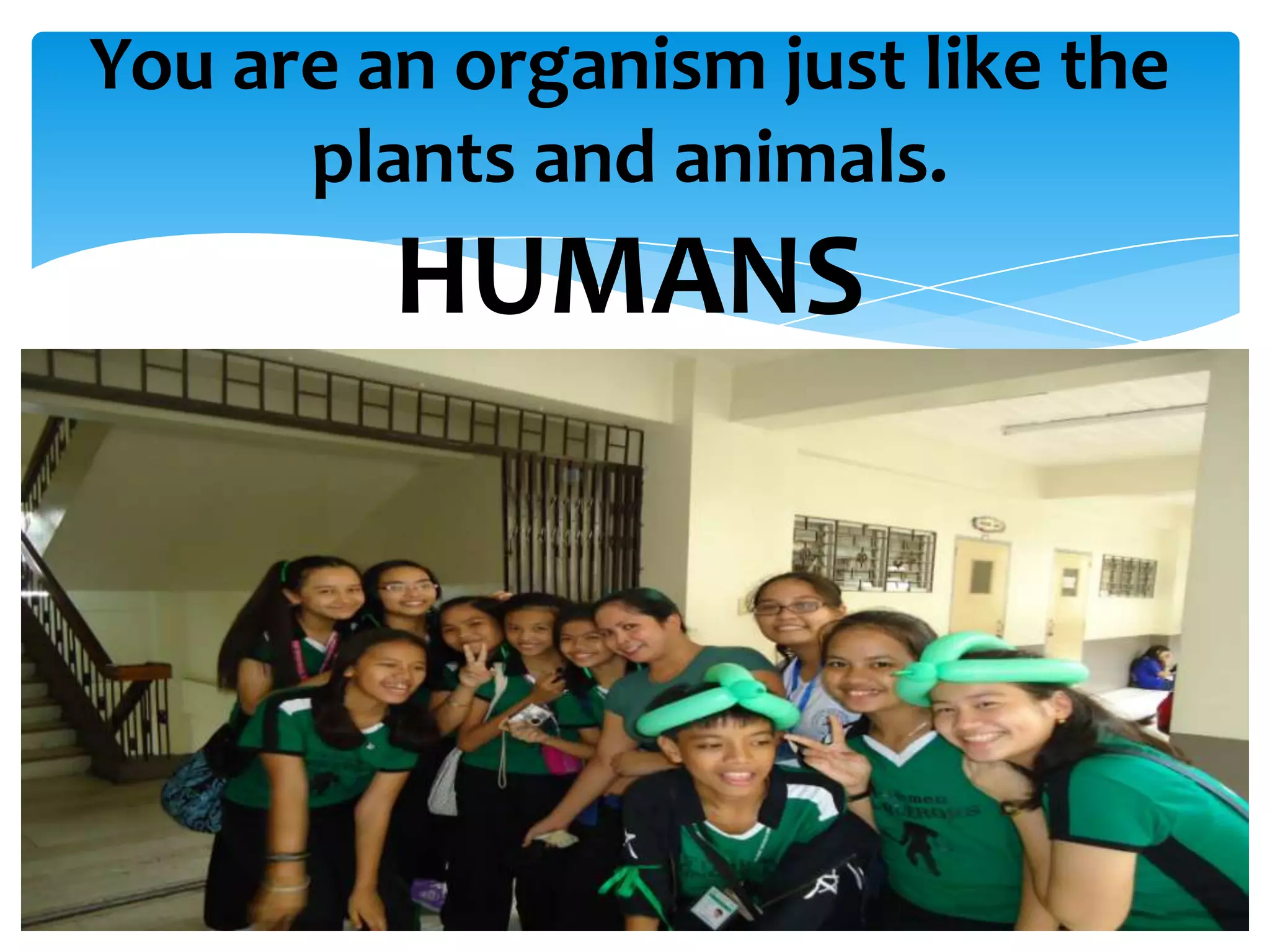
You are an organism just like the
      plants and animals.
         HUMANS
PLANTS
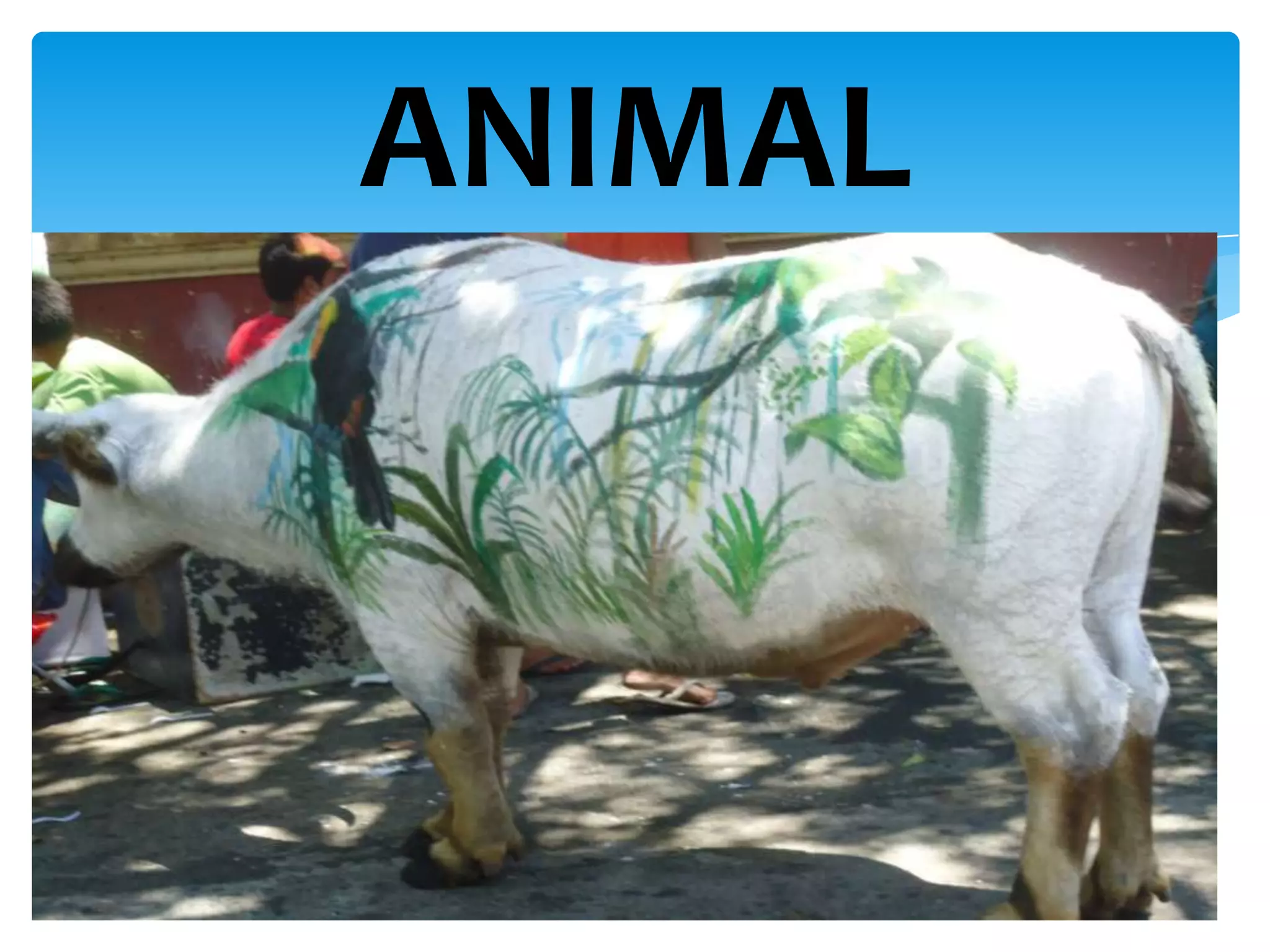
ANIMAL
Have you ever asked
yourself what makes
you up and the other
organisms around you?
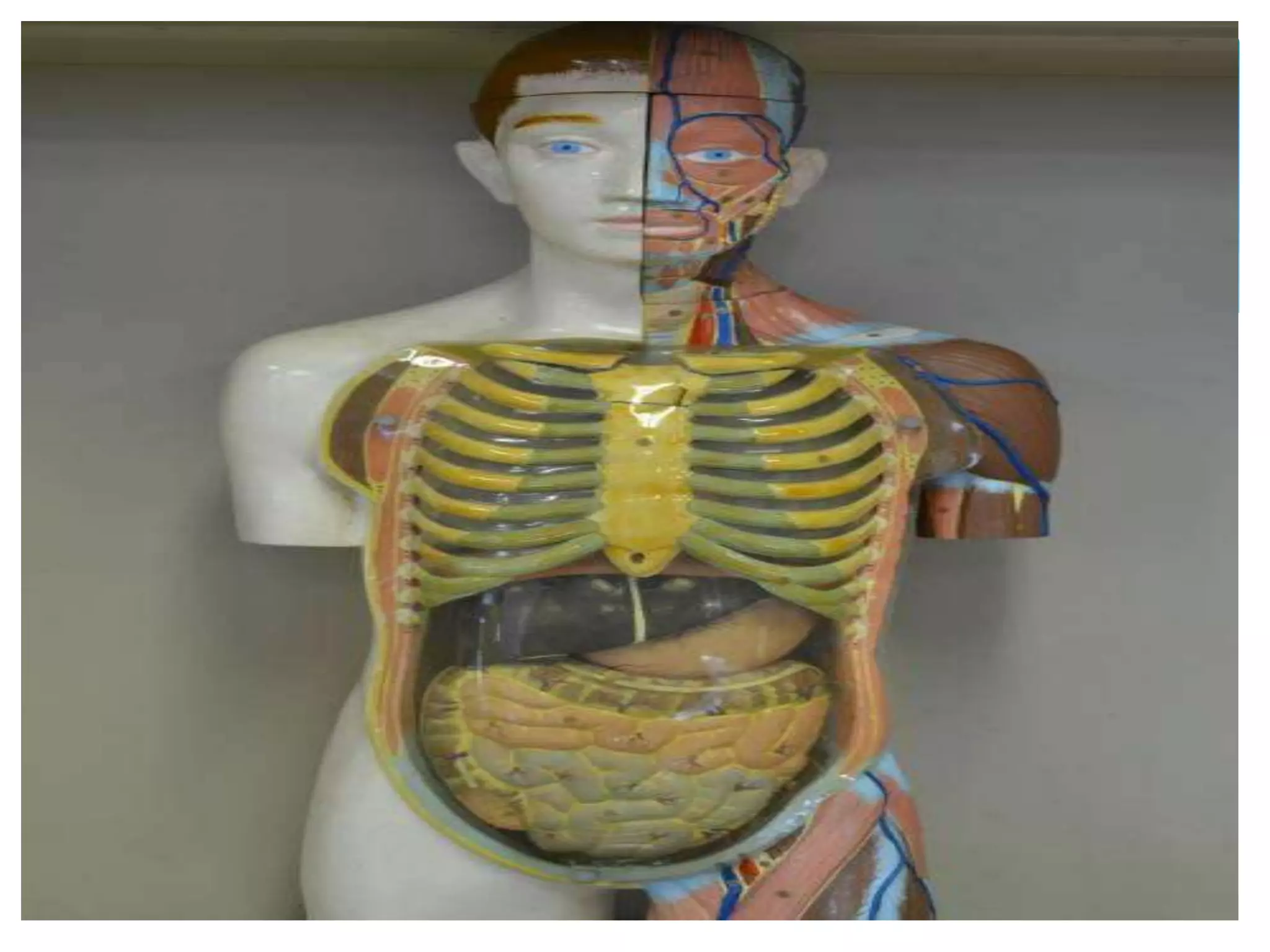
 Look at the model of a
human torso?
Q1. What do you see?
Describe the model of
a human torso.
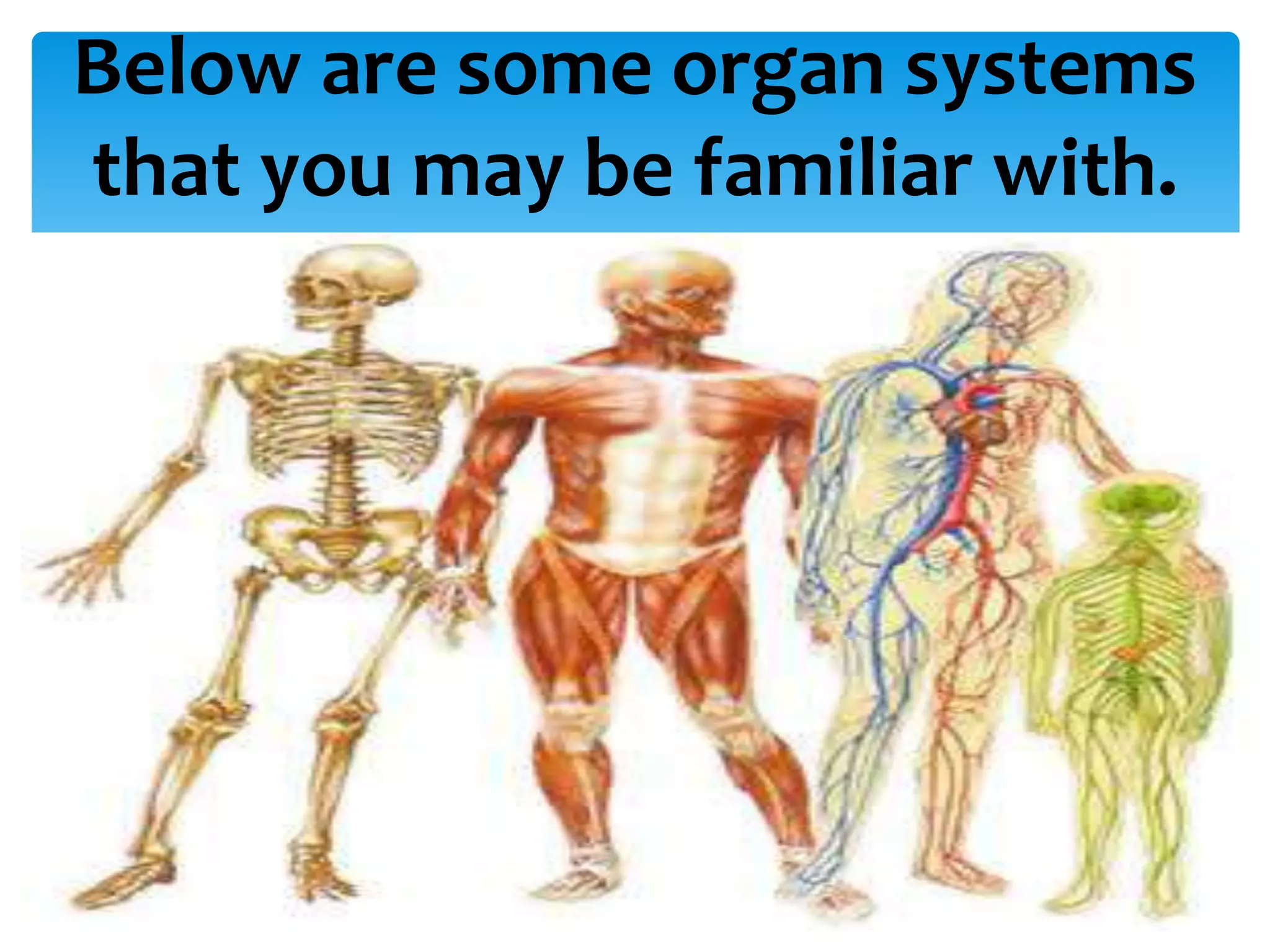
Below are some organ systems
that you may be familiar with.
Q2. Can you identify
these organ systems?
  Q3. How do these
 organ systems work
      together?
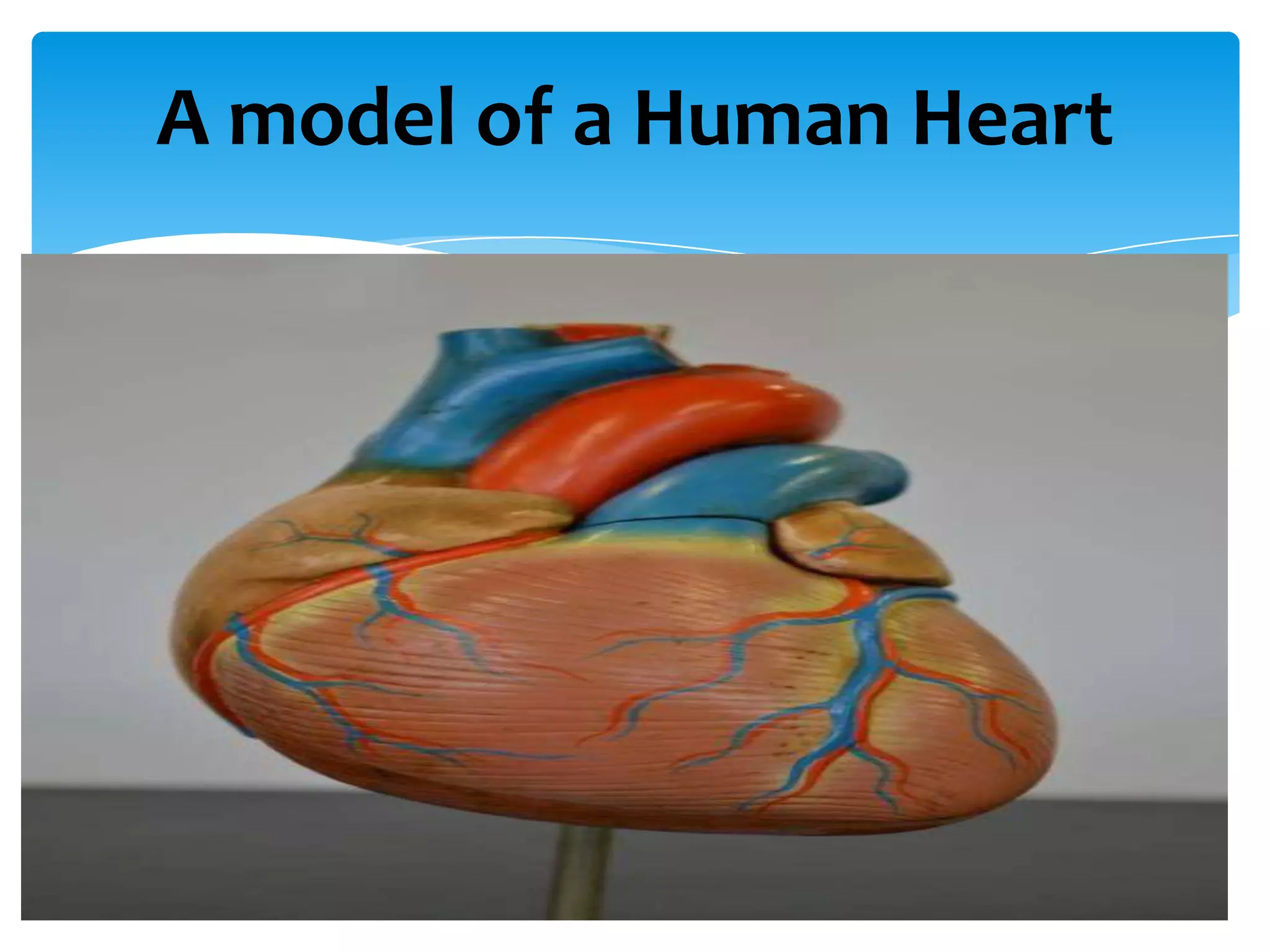
A model of a Human Heart
The circulatory system is one of the
organ systems that make up an
organism. It is made up of the
heart, blood vessels, and blood.
Your heart is about the size of your
fist. It pumps and circulates blood
to the different parts of the body
through the blood vessels.
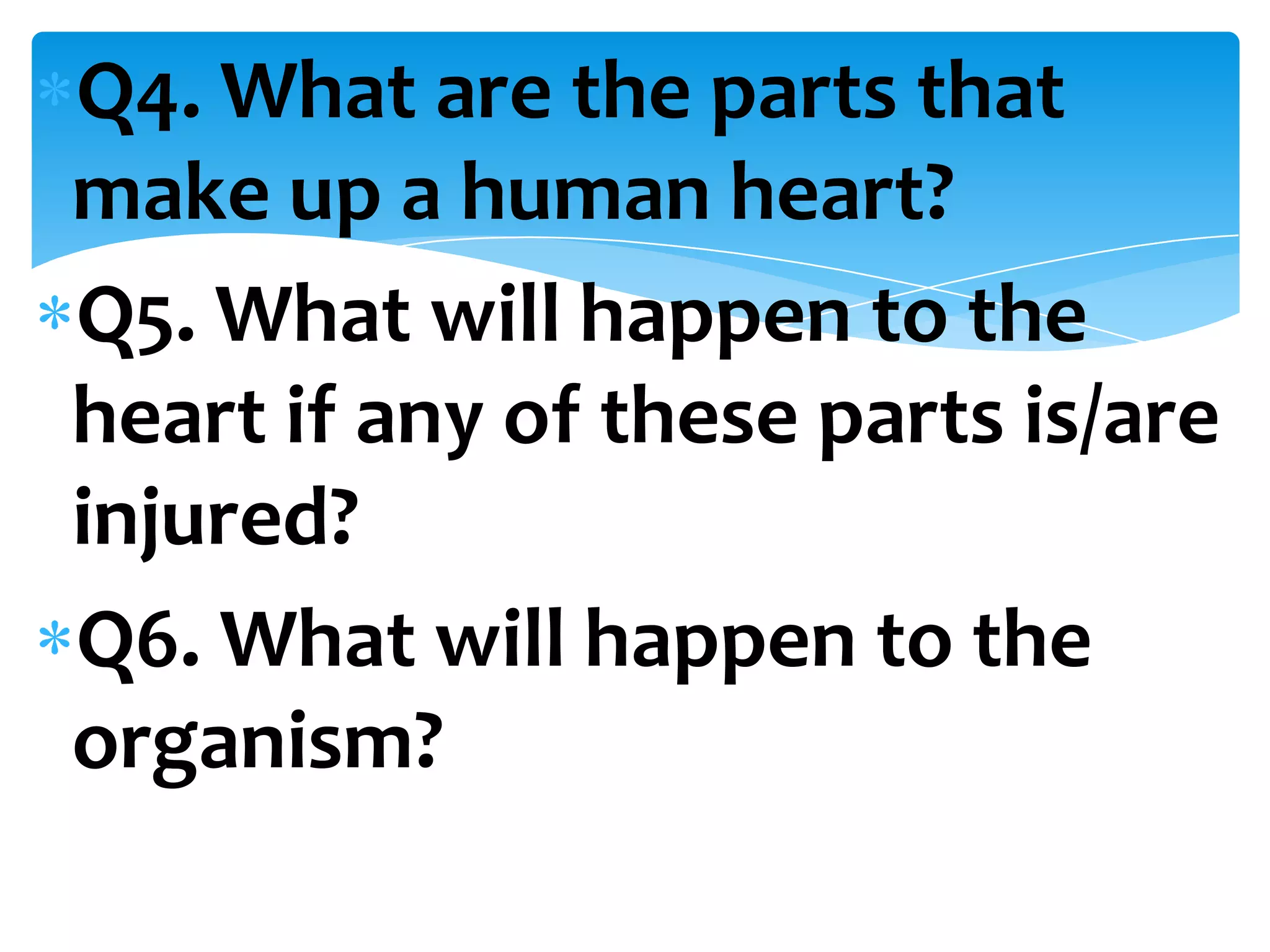
Q4. What are the parts that
make up a human heart?
Q5. What will happen to the
heart if any of these parts is/are
injured?
Q6. What will happen to the
organism?
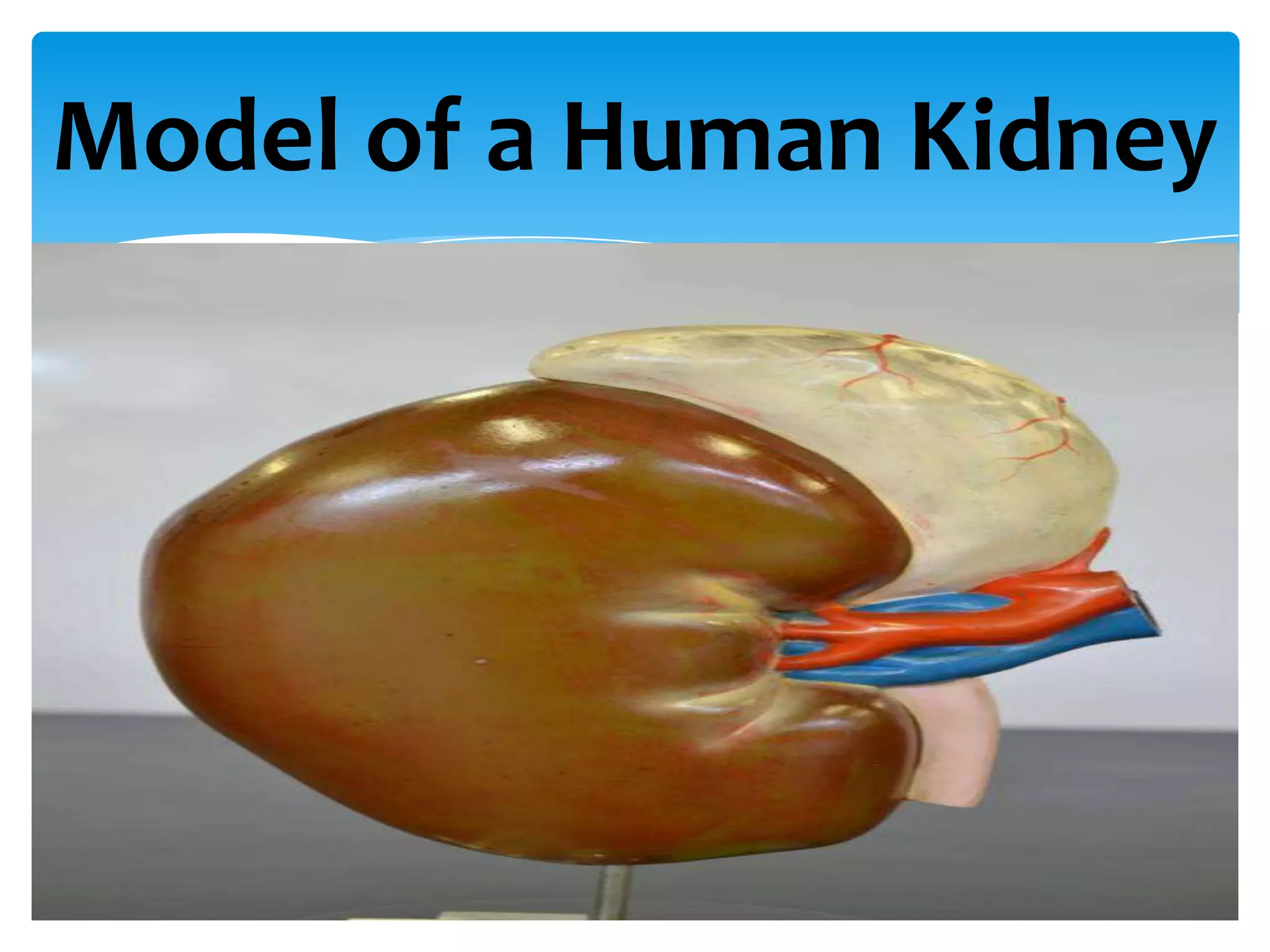
Model of a Human Kidney
The excretory system is
another organ system that
makes up an organism. It is
made up of different organs
that help the body eliminate
metabolic wastes and
maintain internal balance.
These organs
include a pair of
kidneys. What
shape do they look
like?
The kidneys are made up of
even smaller parts. Some
parts eliminate wastes that
are no longer needed by the
body; other parts function in
the reabsorption of water
and nutrients.
Q7. What parts make up
the kidneys?
Q8. What will happen to
the kidneys if any of these
parts is/are injured?
Q9. What will happen to
the organism?
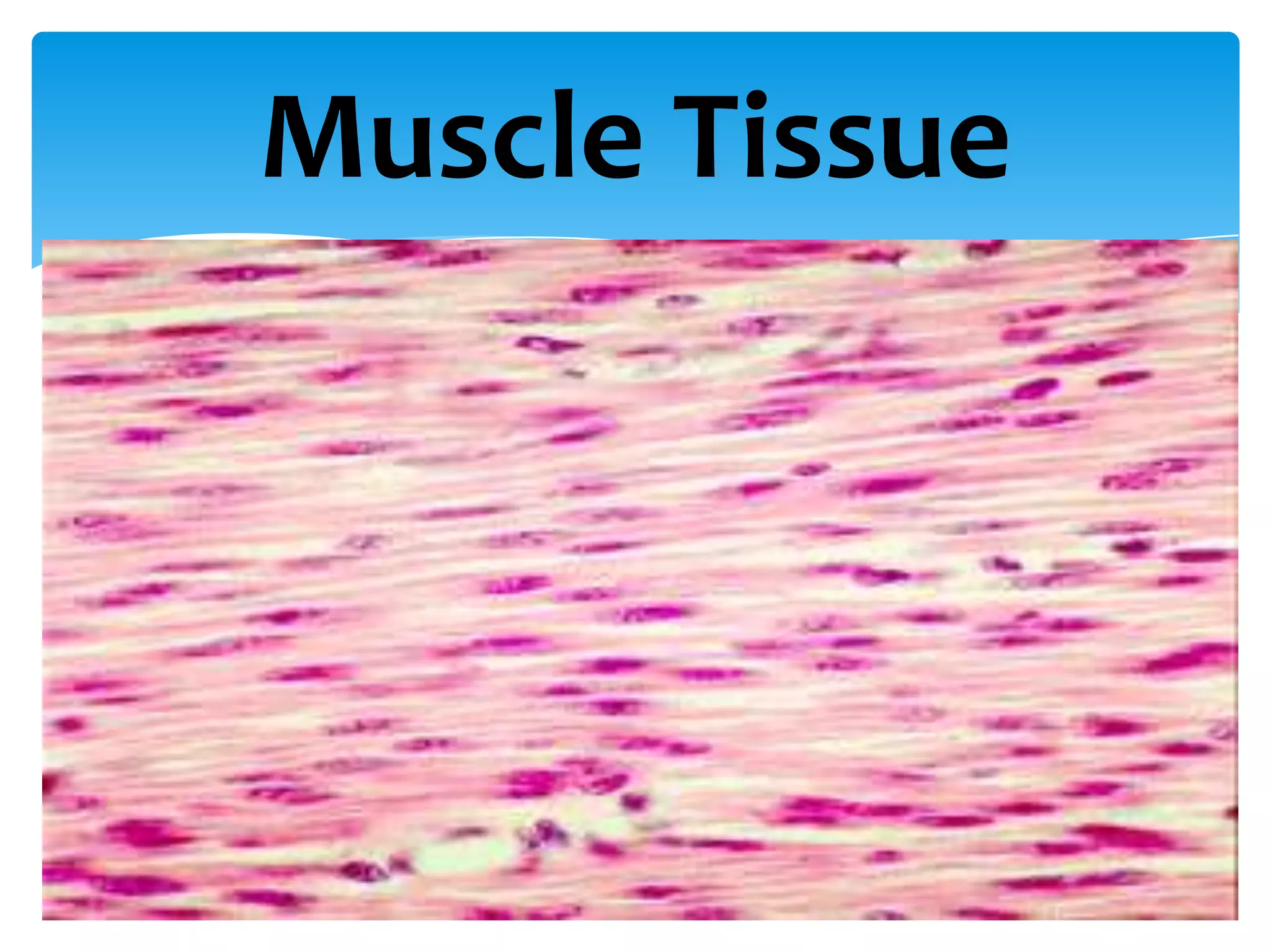
Muscle Tissue
Organs are made up of tissues.
The heart, kidneys, and the
parts that make them up are
made up of tissues. Tissue is
made up of cells - the basic
units of structure and function
in organisms.
Q10. What will happen to the
organs if these tissues are
injured?
Q11. What will happen to the
organ systems?
Q12. What will happen to the
organism?
Homework:

Write a summary of your
favorite movie about the
environment or the earth.
(At least 2 paragraphs)
(At least 20 sentences)

What makes up an organism

  • 1.
    What Makes Up an Organism?
  • 2.
    You are anorganism just like the plants and animals. HUMANS
  • 3.
  • 4.
  • 5.
    Have you everasked yourself what makes you up and the other organisms around you? Look at the model of a human torso?
  • 7.
    Q1. What doyou see? Describe the model of a human torso.
  • 8.
    Below are someorgan systems that you may be familiar with.
  • 9.
    Q2. Can youidentify these organ systems? Q3. How do these organ systems work together?
  • 10.
    A model ofa Human Heart
  • 11.
    The circulatory systemis one of the organ systems that make up an organism. It is made up of the heart, blood vessels, and blood. Your heart is about the size of your fist. It pumps and circulates blood to the different parts of the body through the blood vessels.
  • 12.
    Q4. What arethe parts that make up a human heart? Q5. What will happen to the heart if any of these parts is/are injured? Q6. What will happen to the organism?
  • 13.
    Model of aHuman Kidney
  • 14.
    The excretory systemis another organ system that makes up an organism. It is made up of different organs that help the body eliminate metabolic wastes and maintain internal balance.
  • 15.
    These organs include apair of kidneys. What shape do they look like?
  • 16.
    The kidneys aremade up of even smaller parts. Some parts eliminate wastes that are no longer needed by the body; other parts function in the reabsorption of water and nutrients.
  • 17.
    Q7. What partsmake up the kidneys? Q8. What will happen to the kidneys if any of these parts is/are injured? Q9. What will happen to the organism?
  • 18.
  • 19.
    Organs are madeup of tissues. The heart, kidneys, and the parts that make them up are made up of tissues. Tissue is made up of cells - the basic units of structure and function in organisms.
  • 20.
    Q10. What willhappen to the organs if these tissues are injured? Q11. What will happen to the organ systems? Q12. What will happen to the organism?
  • 21.
    Homework: Write a summaryof your favorite movie about the environment or the earth. (At least 2 paragraphs) (At least 20 sentences)