Vitiligo
Management
Preven
tion
An
d
Prepared BY :
Riya yadav
Roll no : 13
B.sc. Nursing
3rd year ,9th batch
Sinha Health
foundation ,pvt.
Introduction :
Vitiligo
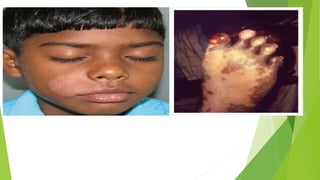
Vitiligo is a skin disorder in which white
patches occurs on the skin may be in the
form of lesions or on the whole body.
Vitiligo can be triggered by stress to the
melanin pigment – producing cells of the
skin, the melanocytes.
Definition
Vitiligo is a long lasting skin disease that
causes the losing of color from the skin. It
occurs when the melanocytes , cells that gives
skin their color, die or do not work.
Leukoderma is the term applied only to
depigmented patches of known causes e.g
following burns , chemicals , inflammatory
disorder.
Incidence : 1 % of population of world is
suffering.
Race : affects all races
No sex predisposition
Age – peak – 10 -30 years
cause
Exact mechanism not known ;
1 . Genetic – Genetic factors definitely
important , since 20 % of patients have a
positive family history .
Inheritance may be polygenic
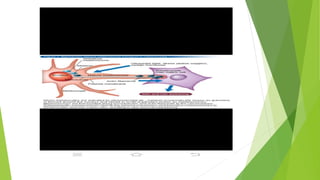
2 . Autoimmune hypothesis – evidence
pointing to autoimmune etiology includes ;
 frequent association with
other autoimmune disorders
like alopecia and thyroid
disorders .
 presence of antibodies to
melanocytes .
 presence of lymphocytes in
early lesions.
Clinical features of vitiligo
 initially the disease is limited ,but the
lesions tend to become more extensive over
the years.
Physical examination
Hypopigmented and depigmented lesions
favor sun exposed regions ,intertriginous
areas ,genitalia and sites over bony
prominences ( type A Vitiligo )
Areas around body orifices are also commonly
involved
 The lesions tend to be symmetric .
 occasionally , the lesions are linear
pseudodermatomal ( type B vitiligo )
 vitiligo lesions may occur at trauma
sites ( koebner `s phenomenon ).
 The hairs in affected areas may be
white .
 The term marginal inflammatory
vitiligo is used to describe lesions with
raised borders .
Diagnostic tests
 physical examination
 wood`s light examination may enhance
lesions in light – skinned individuals .
 Dermatopathology – skin biopsy – show
normal skin except for absent melanocyte
 Electron microscopy – absence of melanocytes
and melaosome in keratinocytes
 Lab studies – TSH ,fasting blood glucose , CBC
with indices ( pernicious anemia ) .
Management
.
 Age of patient .
 Extent of disease .
 pattern of disease .
 cosmetic disability.
 Effect on quality of life
Physical modalities of treatment
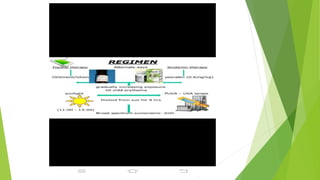
1. Photochemotherapy
photo – chemotherapy is use of psoralens
in combination with UVA exposure ( PUVA ) . It
forms the mainstay of therapy in vitiligo .
Repigmetation is slow .
Most frequently used psoralens is 8 –
methoxypsoralen ( 8 – MOP ) . Depending on the
extent of disease , either topical ( for localized
disease ) or systemic ( for localized disease ) or
systemic ( for extensive disease ) therapy is used.
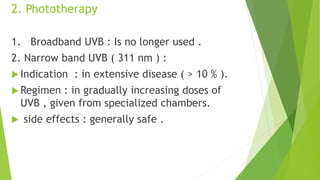
2. Phototherapy
1. Broadband UVB : Is no longer used .
2. Narrow band UVB ( 311 nm ) :
 Indication : in extensive disease ( > 10 % ).
 Regimen : in gradually increasing doses of
UVB , given from specialized chambers.
 side effects : generally safe .
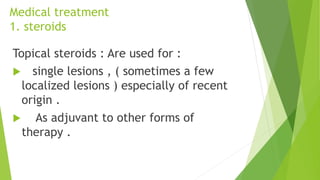
Medical treatment
1. steroids
Topical steroids : Are used for :
 single lesions , ( sometimes a few
localized lesions ) especially of recent
origin .
 As adjuvant to other forms of
therapy .
Systemic steroids : Are used :
 when the patient can not be given photo
therapy  photochemotherapy .
 In vitiligo , unresponsive to psoralens .
 side effects to steroids limit their use ,
thought the recently devised weekly
schedule ( oral mini pulse6 ) probably
causes fewer side effect than daily
doses.
Surgical measures
1. Indications :
At sites poorly responsive to
conventional therapy ,in a patient
with stable disease ( for at least 6
months.
Techniques :
Melanocyte transfer .
Blister grafting .
Punch grafting .
Split thickness skin
grafting.
Vitiligo prevention
Despite any evidence , some people
prevented vitiligo by following some tips.
 Drinking a lot of water can boost body
immune system that can prevent vitiligo .
 Having green leafy vegetables, fruits like
banana , apple can prevent vitiligo
 To prevent the formation of white patches
avoid consuming alcohol , coffee , fish , red
meat .
Consuming food which contains vitamin B ,
C, Amino acids and folic acids can prevent
these white patches .
 Adding minerals like copper, zinc , iron to
your food will also help .
 The skin pigment cells are destroyed
when the skin is affected by wounds ,
burns , sunburns . That can cause vitiligo
. Avoiding deep skin woods and burns will
prevent vitiligo.s
Vitiligo  or white patch or leucoderma

Vitiligo or white patch or leucoderma

  • 1.
  • 2.
    Prepared BY : Riyayadav Roll no : 13 B.sc. Nursing 3rd year ,9th batch Sinha Health foundation ,pvt.
  • 5.
    Introduction : Vitiligo Vitiligo isa skin disorder in which white patches occurs on the skin may be in the form of lesions or on the whole body. Vitiligo can be triggered by stress to the melanin pigment – producing cells of the skin, the melanocytes.
  • 6.
    Definition Vitiligo is along lasting skin disease that causes the losing of color from the skin. It occurs when the melanocytes , cells that gives skin their color, die or do not work. Leukoderma is the term applied only to depigmented patches of known causes e.g following burns , chemicals , inflammatory disorder.
  • 7.
    Incidence : 1% of population of world is suffering. Race : affects all races No sex predisposition Age – peak – 10 -30 years
  • 8.
    cause Exact mechanism notknown ; 1 . Genetic – Genetic factors definitely important , since 20 % of patients have a positive family history . Inheritance may be polygenic 2 . Autoimmune hypothesis – evidence pointing to autoimmune etiology includes ;
  • 9.
     frequent associationwith other autoimmune disorders like alopecia and thyroid disorders .  presence of antibodies to melanocytes .  presence of lymphocytes in early lesions.
  • 10.
    Clinical features ofvitiligo  initially the disease is limited ,but the lesions tend to become more extensive over the years. Physical examination Hypopigmented and depigmented lesions favor sun exposed regions ,intertriginous areas ,genitalia and sites over bony prominences ( type A Vitiligo ) Areas around body orifices are also commonly involved
  • 11.
     The lesionstend to be symmetric .  occasionally , the lesions are linear pseudodermatomal ( type B vitiligo )  vitiligo lesions may occur at trauma sites ( koebner `s phenomenon ).  The hairs in affected areas may be white .  The term marginal inflammatory vitiligo is used to describe lesions with raised borders .
  • 12.
    Diagnostic tests  physicalexamination  wood`s light examination may enhance lesions in light – skinned individuals .  Dermatopathology – skin biopsy – show normal skin except for absent melanocyte  Electron microscopy – absence of melanocytes and melaosome in keratinocytes  Lab studies – TSH ,fasting blood glucose , CBC with indices ( pernicious anemia ) .
  • 13.
    Management .  Age ofpatient .  Extent of disease .  pattern of disease .  cosmetic disability.  Effect on quality of life
  • 14.
    Physical modalities oftreatment 1. Photochemotherapy photo – chemotherapy is use of psoralens in combination with UVA exposure ( PUVA ) . It forms the mainstay of therapy in vitiligo . Repigmetation is slow . Most frequently used psoralens is 8 – methoxypsoralen ( 8 – MOP ) . Depending on the extent of disease , either topical ( for localized disease ) or systemic ( for localized disease ) or systemic ( for extensive disease ) therapy is used.
  • 17.
    2. Phototherapy 1. BroadbandUVB : Is no longer used . 2. Narrow band UVB ( 311 nm ) :  Indication : in extensive disease ( > 10 % ).  Regimen : in gradually increasing doses of UVB , given from specialized chambers.  side effects : generally safe .
  • 18.
    Medical treatment 1. steroids Topicalsteroids : Are used for :  single lesions , ( sometimes a few localized lesions ) especially of recent origin .  As adjuvant to other forms of therapy .
  • 19.
    Systemic steroids :Are used :  when the patient can not be given photo therapy photochemotherapy .  In vitiligo , unresponsive to psoralens .  side effects to steroids limit their use , thought the recently devised weekly schedule ( oral mini pulse6 ) probably causes fewer side effect than daily doses.
  • 20.
    Surgical measures 1. Indications: At sites poorly responsive to conventional therapy ,in a patient with stable disease ( for at least 6 months.
  • 22.
    Techniques : Melanocyte transfer. Blister grafting . Punch grafting . Split thickness skin grafting.
  • 23.
    Vitiligo prevention Despite anyevidence , some people prevented vitiligo by following some tips.  Drinking a lot of water can boost body immune system that can prevent vitiligo .  Having green leafy vegetables, fruits like banana , apple can prevent vitiligo  To prevent the formation of white patches avoid consuming alcohol , coffee , fish , red meat .
  • 24.
    Consuming food whichcontains vitamin B , C, Amino acids and folic acids can prevent these white patches .  Adding minerals like copper, zinc , iron to your food will also help .  The skin pigment cells are destroyed when the skin is affected by wounds , burns , sunburns . That can cause vitiligo . Avoiding deep skin woods and burns will prevent vitiligo.s