USER ย EXPERIENCE ย & ย 
PROTOTYPING

Integra(ng ย Design ย & ย Product ย Development ย 
Pune, ย September ย 24th, ย 2014


KshiBz ย Anand
Professor ย (Design), ย InsBtute ย of ย Product ย Leadership ย 
Hello, ย I ย am ย @kshiBz
Presently
Dean ย & ย Director ย -ยญโ€ ย India ย OperaBons ย at ย L'ร‰cole ย de ย Design ย Nantes ย Atlan(que ย 
Professor ย (Design) ย -ยญโ€ ย Ins(tute ย of ย Product ย Leadership ย 
Founder ย & ย Principal ย Designer ย -ยญโ€ ย Happy ย Horizons ย Consul(ng ย 

Previous 

Design ย Head, ย Kuliza ย Technologies ย 
Founder ย & ย Director, ย Deskala ย Research ย and ย Design ย & ย Consul(ng ย 
Designer ย @Motorola, ย Infosys ย 

EducaBon 

MS ย in ย HCI ย Design ย , ย Indiana ย University ย Bloomington, ย USA ย 
BDes ย in ย CommunicaBon ย Design, ย IIT ย Guwaha(, ย India ย 

Contact
kshiBz@happyhorizons.in
Twi[er: ย @kshiBz
LinkedIn: ย in.linkedin.com/in/kshiBzanand/
Website: ย www.kshiBzanand.com
Are ย you ย a ย designer?
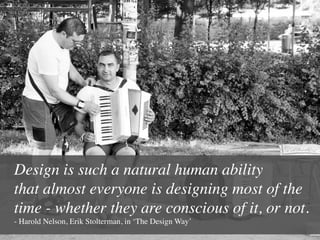
Design is such a natural human ability 
that almost everyone is designing most of the
time - whether they are conscious of it, or not.
- Harold Nelson, Erik Stolterman, in โ€˜The Design Wayโ€™
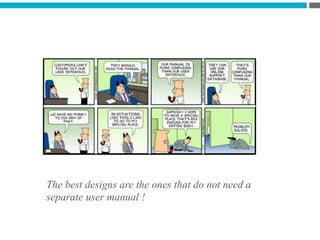
The best designs are the ones that do not need a
separate user manual !
We ย live ย in ย interesBng ย Bmes!
According ย to ย the ย 2011 ย Census, ย 46.9% ย Indians ย do ย not ย have ย 
toilets ย at ย home, ย while ย 63.2% ย have ย landlines ย or ย mobiles. ย 
53.2% ย own ย mobile ย phones. ย 
ย Show ย ConnecBng ย Film ย (18 ย mins) ย hZp://youtu.be/lciYKwVLTuk ย  ย 
Mobile ย has ย made ย us ย โ€ฆโ€ฆ ย ?
How ย many ย of ย you ย have ย a ย 
smartphone?
Does ย it ย delight ย you?
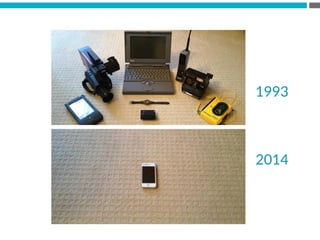
1993 ย 
 ย 
 ย 

2014 ย 
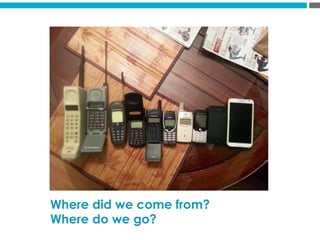
Where did we come from?
Where do we go?
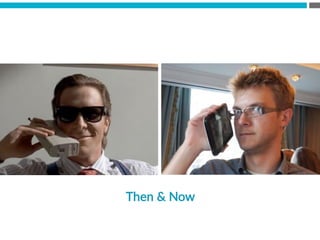
Then ย  ย Now ย 
To ย have ย a ย good ย 
User ย experience ย 
is ย to ย Delight!
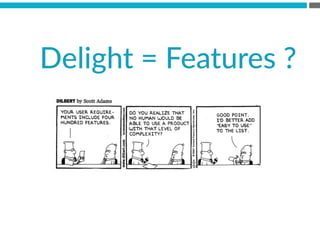
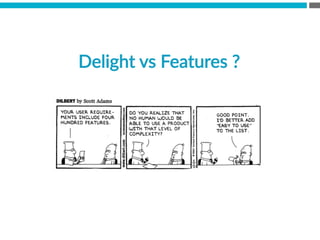
Delight ย = ย Features ย ?
Design ย should ย solve ย problems ย 
for ย your ย business ย by ย solving ย 
problems ย for ย your ย user

-ยญโ€ ย โ€ŠLaura ย Klein ย  ย 
 ย  ย 
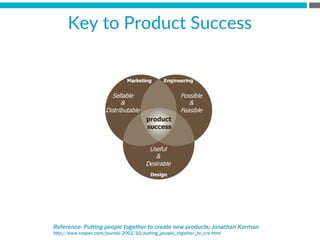
Reference: Putting people together to create new products; Jonathan Korman
http://www.cooper.com/journal/2001/10/putting_people_together_to_cre.html
Key ย to ย Product ย Success
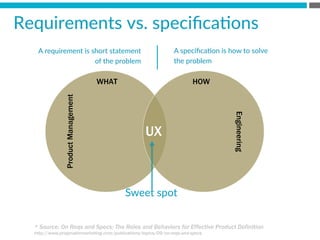
A ย requirement ย is ย short ย statement ย 
of ย the ย problem

A ย speci๏ฌcaBon ย is ย how ย to ย solve ย 
the ย problem
* Source: On Reqs and Specs: The Roles and Behaviors for Effective Product Definition
http://www.pragmaticmarketing.com/publications/topics/09/on-reqs-and-specs
ProductManagement
Engineering
UX
WHAT HOW
Sweet ย spot
Requirements ย vs. ย speci๏ฌcaBons
How ย much ย of ย UX ย should ย a ย Product ย 
Manager ย know? ย 
Reference:	
 ย 	
 ย 
h*p://boxesandarrows.com/transi8oning-ยญโ€from-ยญโ€user-ยญโ€experience-ยญโ€to-ยญโ€product-ยญโ€management/	
 ย 
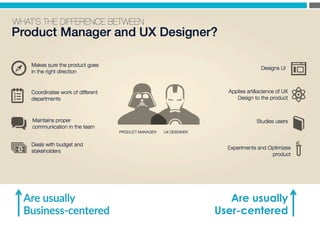
Are ย usually ย  ย 
Business-ยญโ€centered
Are usually
User-centered
Design ย for ย  ย 
people, ย  ย 
emoBons, ย behaviors. ย  ย 
 ย 
Do ย not ย  ย 
design ย for ย  ย 
technology.
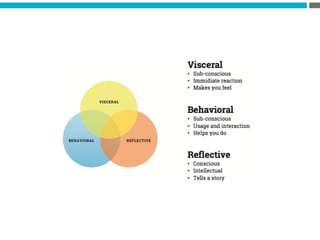
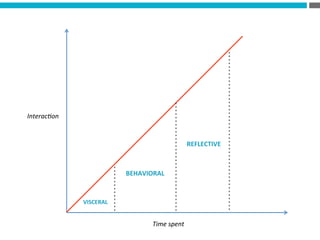
VISCERAL ย 
 ย  ย 

BEHAVIORAL ย 
 ย 
 ย 
REFLECTIVE ย 

A more detailed look and feel and function that is got by interactions
i.e. the total experience of using a product
Refers primarily to that initial impact, to its appearance
Appearance is rooted in form, aesthetics
Ones thoughts afterwards, how it makes one feel, the image it
portrays, the message it tells others about the owner's taste
Time	
 ย spent	
 ย 
Interac8on	
 ย 
VISCERAL	
 ย 
BEHAVIORAL	
 ย 
REFLECTIVE	
 ย 
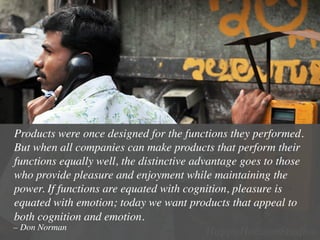
Products were once designed for the functions they performed.
But when all companies can make products that perform their
functions equally well, the distinctive advantage goes to those
who provide pleasure and enjoyment while maintaining the
power. If functions are equated with cognition, pleasure is
equated with emotion; today we want products that appeal to
both cognition and emotion.	

โ€“ Don Norman
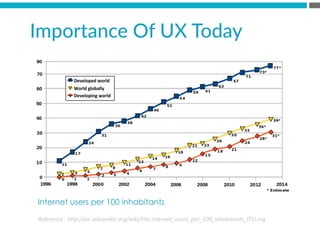
Internet users per 100 inhabitants
Reference	
 ย :	
 ย h*p://en.wikipedia.org/wiki/File:Internet_users_per_100_inhabitants_ITU.svg	
 ย 
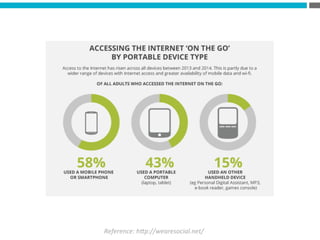
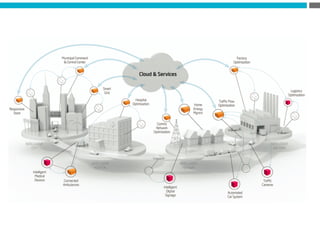
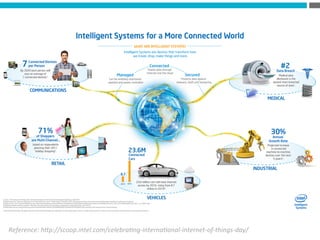
Importance ย Of ย UX ย Today ย 
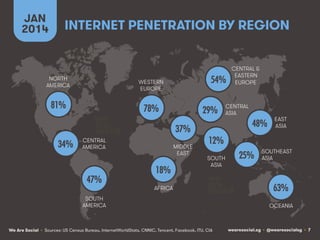
Reference:	
 ย h*p://wearesocial.net/	
 ย 
Reference:	
 ย h*p://scoop.intel.com/celebra8ng-ยญโ€interna8onal-ยญโ€internet-ยญโ€of-ยญโ€things-ยญโ€day/	
 ย 
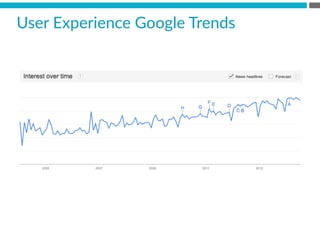
User ย Experience ย Google ย Trends
USER EXPERIENCE
DELIVERING
DELIGHT
SINCE MID 90s	
 ย 
CUSTOMER
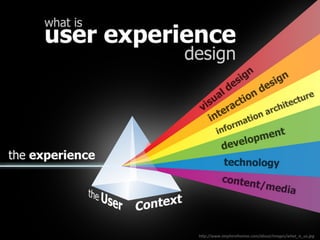
h*p://www.stephenthomas.com/about/images/what_is_ux.jpg	
 ย 
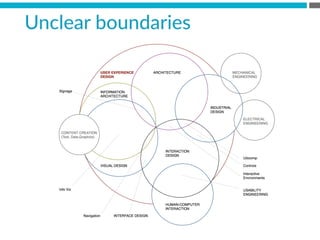
Unclear ย boundaries ย 
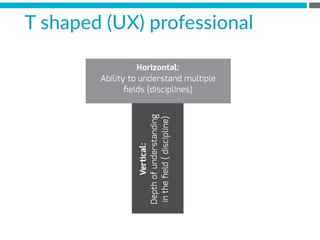
T ย shaped ย (UX) ย professional ย 
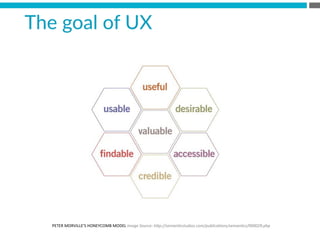
PETER	
 ย MORVILLEโ€™S	
 ย HONEYCOMB	
 ย MODEL	
 ย Image	
 ย Source:	
 ย h*p://seman8cstudios.com/publica8ons/seman8cs/000029.php	
 ย 
The ย goal ย of ย UX ย 
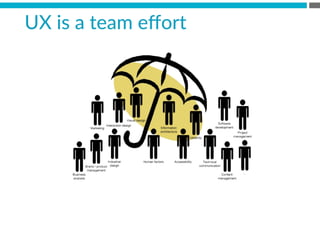
UX ย is ย a ย team ย e๏ฌ€ort ย 
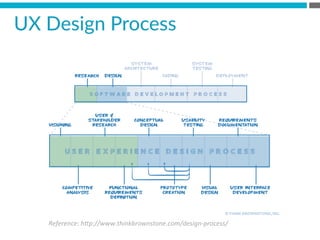
UX ย Process
Reference:	
 ย h*p://www.thinkbrownstone.com/design-ยญโ€process/	
 ย 
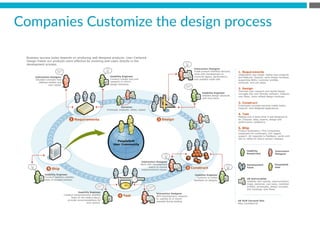
UX ย Design ย Process ย 
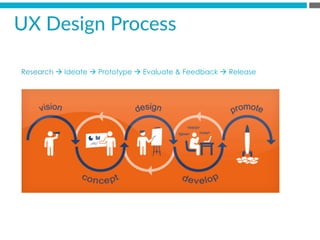
Research ร ๏ƒ  Ideate ร ๏ƒ  Prototype ร ๏ƒ  Evaluate  Feedback ร ๏ƒ  Release
UX ย Design ย Process ย 
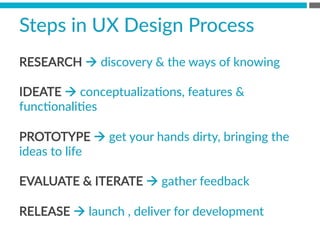
RESEARCH ย ร ๏ƒ  ย discovery ย  ย the ย ways ย of ย knowing

IDEATE ย ร ๏ƒ  ย conceptualizaBons, ย features ย  ย 
funcBonaliBes

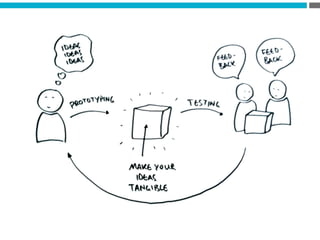
PROTOTYPE ย ร ๏ƒ  ย get ย your ย hands ย dirty, ย bringing ย the ย 
ideas ย to ย life

EVALUATE ย  ย ITERATE ย ร ๏ƒ  ย gather ย feedback

RELEASE ย ร ๏ƒ  ย launch ย , ย deliver ย for ย development
Steps ย in ย UX ย Design ย Process ย 
Companies ย Customize ย the ย design ย process ย 
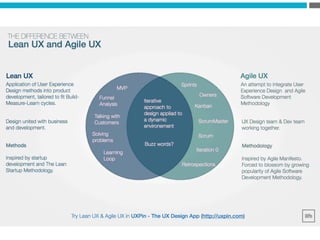
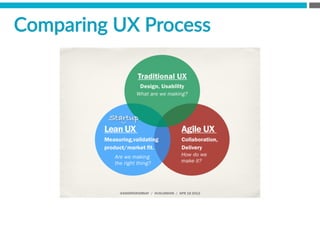
Comparing ย UX ย Process ย 
HOW ย DO ย YOU ย FIT ย UX ย 
INTO ย YOUR ย 
ORGANISATION?
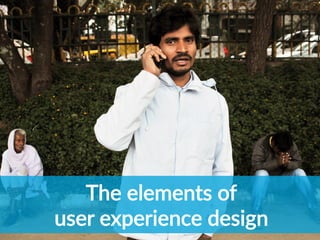
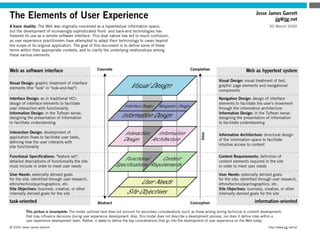
The ย elements ย of ย 
user ย experience ย design ย 
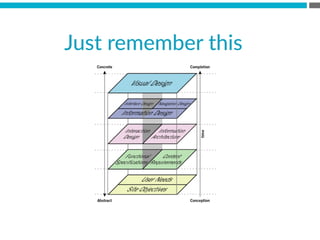
Just ย remember ย this
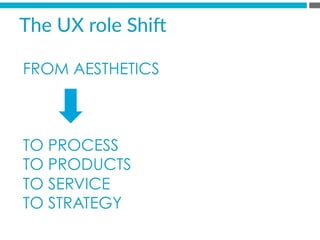
The ย UX ย role ย Shim ย 
FROM AESTHETICS
TO PROCESS
TO PRODUCTS
TO SERVICE
TO STRATEGY
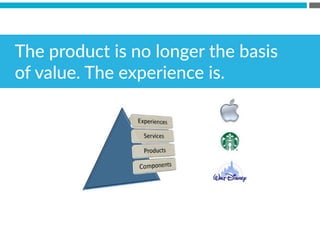
The ย product ย is ย no ย longer ย the ย basis ย 
of ย value. ย The ย experience ย is.
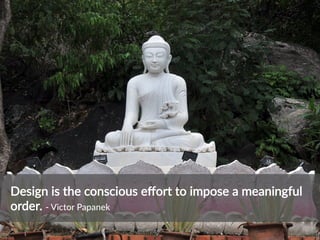
Design ย is ย the ย conscious ย e๏ฌ€ort ย to ย impose ย a ย meaningful ย 
order. ย -ยญโ€ ย Victor ย Papanek ย 
ACTIVITY ย : ย 
Deconstruc*ng ย the ย UX
Exercise ย 
(10 ย mins) ย 
The ย UX ย of ย Angry ย Birds ย โ€“ ย  ย 
what ย makes ย it ย successful ย ? ย 
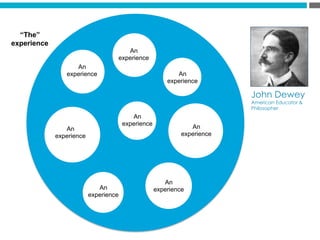
โ€œTheโ€
experience
An
experience
An
experience
An
experience
An
experience
An
experience
An
experienceAn
experience
An
experience
John Dewey
American Educator 
Philosopher
The ย mistakes ย we ย make! ย 
ยฒ๏‚ฒโ€ฏ Most ย experiences ย are ย inchoate ย and ย not ย 
thought ย through
ยฒ๏‚ฒโ€ฏ They ย are ย unful๏ฌlled ย as ย they ย get ย interrupted
ยฒ๏‚ฒโ€ฏ FrustraBng ย and ย not ย signi๏ฌcant ย and ย leads ย to ย 
an ย unpleasant ย experience
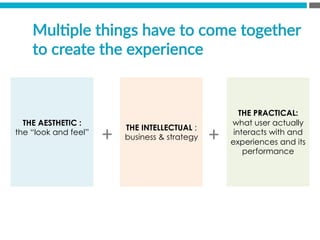
THE AESTHETIC :
the โ€œlook and feelโ€
THE INTELLECTUAL :
business  strategy
THE PRACTICAL:
what user actually
interacts with and
experiences and its
performance
+	
 ย +	
 ย 
MulBple ย things ย have ย to ย come ย together ย 
to ย create ย the ย experience
Take ย a ย break!
Somware ย (products) ย should ย 
behave ย like ย a ย considerate ย 
human ย being!

What ย does ย being ย considerate ย 
mean? ย 
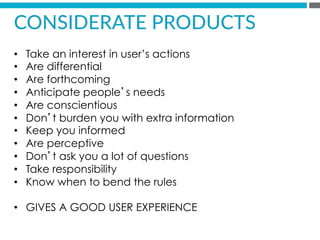
โ€ขโ€ฏ Take an interest in userโ€™s actions
โ€ขโ€ฏ Are differential
โ€ขโ€ฏ Are forthcoming
โ€ขโ€ฏ Anticipate peopleโ€™s needs
โ€ขโ€ฏ Are conscientious
โ€ขโ€ฏ Donโ€™t burden you with extra information
โ€ขโ€ฏ Keep you informed
โ€ขโ€ฏ Are perceptive
โ€ขโ€ฏ Donโ€™t ask you a lot of questions
โ€ขโ€ฏ Take responsibility
โ€ขโ€ฏ Know when to bend the rules
โ€ขโ€ฏ GIVES A GOOD USER EXPERIENCE
CONSIDERATE ย PRODUCTS ย 
Show	
 ย Pomegranate	
 ย Phone	
 ย video	
 ย 
UX ย could ย be ย 
di๏ฌ€erent ย across ย 
plaoorms.
How ย ?
Mac ย OS ย vs ย Windows
Desktops ย vs ย Tablet ย vs ย mobile
iOS ย vs ย Android ย vs ย Windows
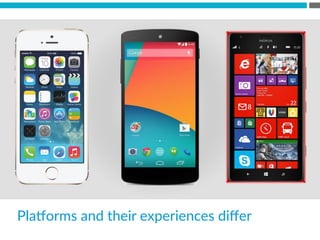
Plaoorms ย and ย their ย experiences ย di๏ฌ€er
Think ย of ย a ย product ย that ย 
delighted ย you ย (or ย did ย 
not) ย ? ย  ย 
 ย 
Why ย so? ย 
(THAT YOU USE REGULARLY) 	
 ย 
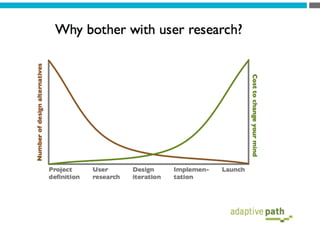
USER ย RESEARCH
Why ย is ย it ย important ย ? ย 
How ย do ย we ย do ย it ย ? ย 
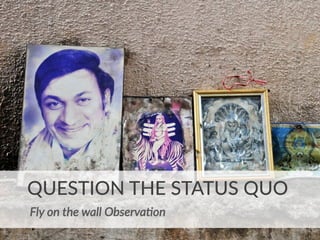
QUESTION ย THE ย STATUS ย QUO
Fly ย on ย the ย wall ย Observa(on ย 
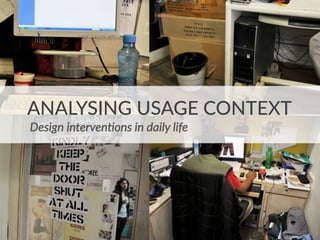
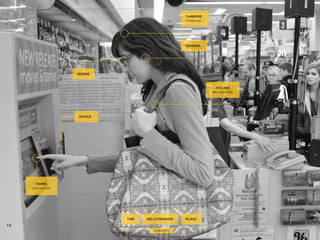
What ย does ย this ย image ย say ย ? ย 
Design ย interven(ons ย in ย daily ย life ย  ย 
ANALYSING ย USAGE ย CONTEXT
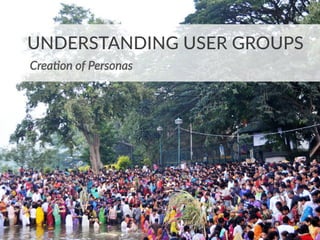
UNDERSTANDING ย USER ย GROUPS
Crea(on ย of ย Personas ย 
WHAT ย IS ย A ย PERSONA? ย  ย 
 ย 
WHY ย PERSONAS ย ARE ย 
IMPORTANT? ย 
PERSONAS ย 
โ€ขโ€ฏ A representation of the goals and behavior of
a real user group.
โ€ขโ€ฏ They are captured in a range of formats
(depending on the requirements of the client)
that typically include behavior patterns, goals,
skills, attitudes, and environment; with a few
fictional personal details to bring the persona
to life.
โ€ขโ€ฏ Giving a face to your users
โ€ขโ€ฏ Helps in generating Use Cases
โ€ขโ€ฏ Helpful for Scenario Generation
โ€ขโ€ฏ Scenarios gives insights
WHY ย PERSONAS ย ARE ย 
IMPORTANT? ย 
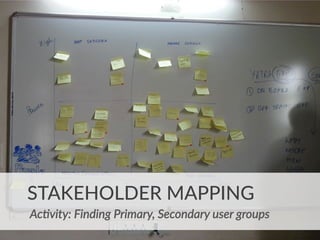
Ac(vity: ย Finding ย Primary, ย Secondary ย user ย groups ย 
STAKEHOLDER ย MAPPING
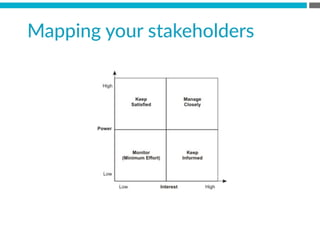
Mapping ย your ย stakeholders
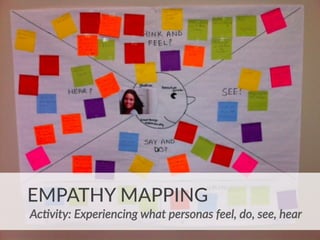
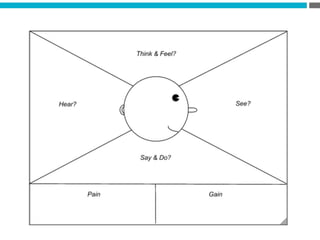
Ac(vity: ย Experiencing ย what ย personas ย feel, ย do, ย see, ย hear ย 
EMPATHY ย MAPPING
Research ย is ย 
important ย for ย the ย 
success ย of ย any ย 
design ย 
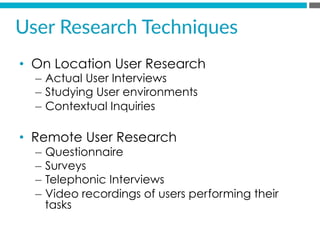
โ€ขโ€ฏ On Location User Research
โ€“โ€ฏ Actual User Interviews
โ€“โ€ฏ Studying User environments
โ€“โ€ฏ Contextual Inquiries
โ€ขโ€ฏ Remote User Research
โ€“โ€ฏ Questionnaire
โ€“โ€ฏ Surveys
โ€“โ€ฏ Telephonic Interviews
โ€“โ€ฏ Video recordings of users performing their
tasks
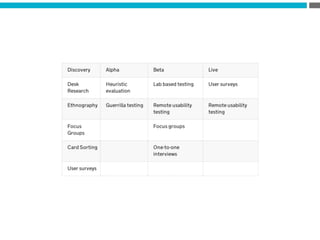
User ย Research ย Techniques ย 
When ย do ย you ย use ย 
what ย kind ย of ย User ย 
Research ย Method ย ? ย 
Discussion
ACTIVITY
Wallet ย Mapping ย Exercise ย 
(20 ย mins) ย 
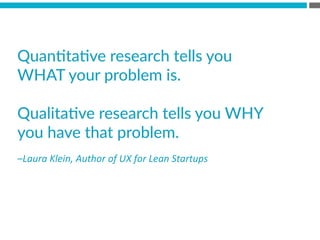
โ€“Laura	
 ย Klein,	
 ย Author	
 ย of	
 ย UX	
 ย for	
 ย Lean	
 ย Startups	
 ย 
QuanBtaBve ย research ย tells ย you ย 
WHAT ย your ย problem ย is. ย 

QualitaBve ย research ย tells ย you ย WHY ย 
you ย have ย that ย problem.
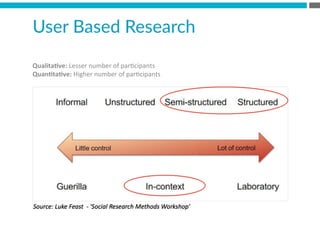
User ย Based ย Research
Qualita5ve:	
 ย Lesser	
 ย number	
 ย of	
 ย par?cipants	
 ย 
Quan5ta5ve:	
 ย Higher	
 ย number	
 ย of	
 ย par?cipants	
 ย 
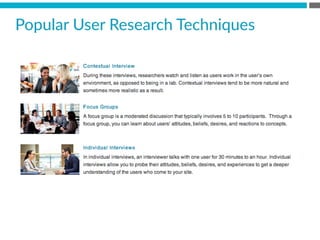
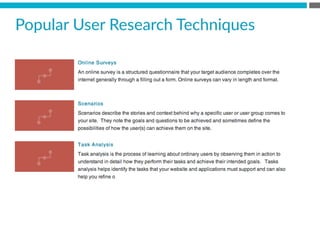
Popular ย User ย Research ย Techniques ย 
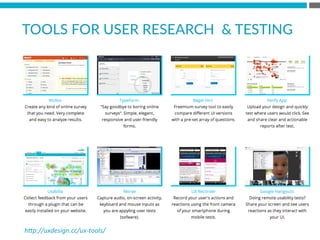
TOOLS ย FOR ย USER ย RESEARCH ย  ย  ย TESTING ย 
h*p://uxdesign.cc/ux-ยญโ€tools/	
 ย 
It would get people ๏ฌnally noticing design - because when design's working properly, 	

you don't notice it.
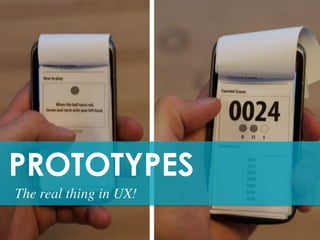
PROTOTYPES	
 ย 
The real thing in UX!
The 4 dimensions
of Prototyping	
 ย 
1. Representation
ร ๏ƒ  Describes the form of the
prototype, e.g., sets of paper
sketches or computer
simulations	
 ย 
2. Precision
ร ๏ƒ  Describes the level of detail
at which the prototype is to be
evaluated; e.g., informal and
rough or highly polished
3. Interactivity
ร ๏ƒ  Describes the extent to
which the user can actually
interact with the prototype;
e.g., watch-only or fully
interactive
4. Evolution
ร ๏ƒ  Describes the expected life-
cycle of the prototype
WHY PROTOTYPE?	
 ย 
Reference:	
 ย h*p://designinstruct.com/web-ยญโ€design/prototyping-ยญโ€is-ยญโ€essen8al/	
 ย 
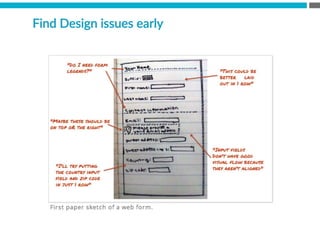
Find ย Design ย issues ย early
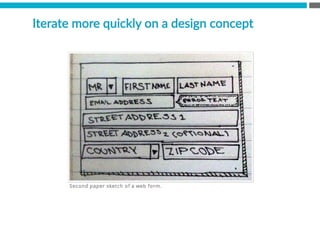
Iterate ย more ย quickly ย on ย a ย design ย concept ย 
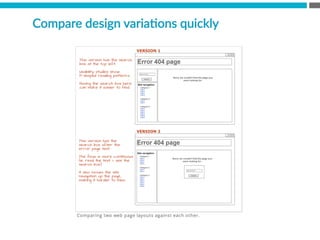
Compare ย design ย variaBons ย quickly
Reference:	
 ย h*p://refereemindset.com/give-ยญโ€feedback	
 ย 
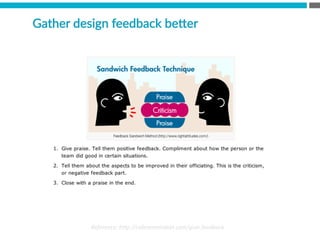
Gather ย design ย feedback ย be[er
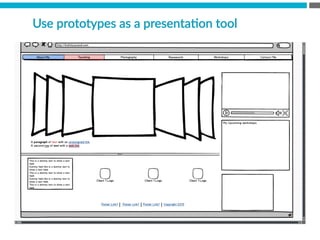
Use ย prototypes ย as ย a ย presentaBon ย tool
ร ๏ƒ  FAST
ร ๏ƒ  EASY
ร ๏ƒ  GETS STAKEHOLDERS INVOLVED SOONER
ร ๏ƒ  SAVES MONEY	
 ย 
If a picture is worth 1000 words,
a prototype is worth 1000 meetings!
WHAT ARE THE DIFFERENT
WAYS TO PROTOTYPE?	
 ย 
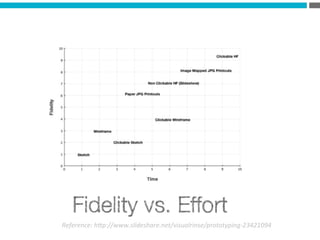
Reference:	
 ย h*p://www.slideshare.net/visualrinse/prototyping-ยญโ€23421094	
 ย 
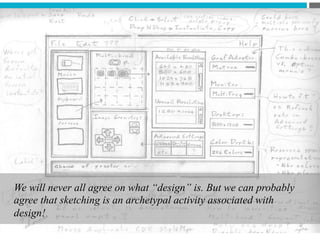
We will never all agree on what โ€œdesignโ€ is. But we can probably
agree that sketching is an archetypal activity associated with
design!
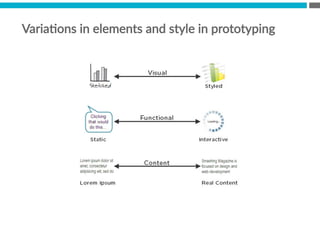
VariaBons ย in ย elements ย and ย style ย in ย prototyping
ย Reference:	
 ย h*p://www.usability.gov/how-ยญโ€to-ยญโ€and-ยญโ€tools/methods/prototyping.html	
 ย 
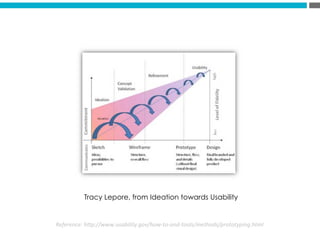
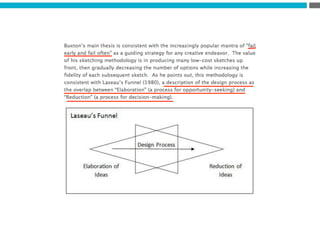
Tracy Lepore, from Ideation towards Usability
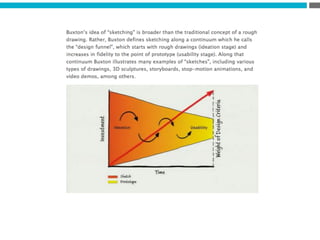
ยฉ	
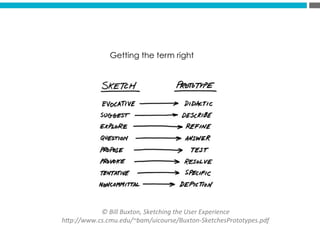
 ย Bill	
 ย Buxton,	
 ย Sketching	
 ย the	
 ย User	
 ย Experience	
 ย 
h*p://www.cs.cmu.edu/~bam/uicourse/Buxton-ยญโ€SketchesPrototypes.pdf	
 ย 
Getting the term right
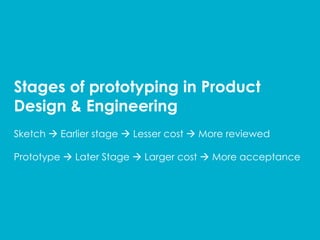
Stages of prototyping in Product
Design  Engineering
Sketch ร ๏ƒ  Earlier stage ร ๏ƒ  Lesser cost ร ๏ƒ  More reviewed
Prototype ร ๏ƒ  Later Stage ร ๏ƒ  Larger cost ร ๏ƒ  More acceptance
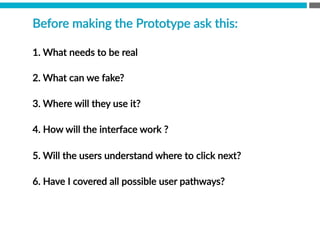
Before ย making ย the ย Prototype ย ask ย this: ย 
1. ย What ย needs ย to ย be ย real
2. ย What ย can ย we ย fake? ย 
3. ย Where ย will ย they ย use ย it? ย 
4. ย How ย will ย the ย interface ย work ย ?
5. ย Will ย the ย users ย understand ย where ย to ย click ย next?

6. ย Have ย I ย covered ย all ย possible ย user ย pathways?
 ย  ย 
Watch	
 ย Google	
 ย Glass	
 ย Prototyping	
 ย VIDEO	
 ย :	
 ย h*ps://www.youtube.com/watch?v=d5_h1VuwD6g	
 ย 
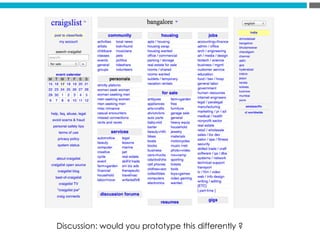
Discussion: would you prototype this differently ?
GESTALTโ€™S ย THEORY ย : ย  ย 
How ย the ย mind ย  ย 
organizes ย and ย perceives ย  ย 
Visual ย InformaBon ย 
โ€ขโ€ฏ Gestalt theory focuses on the mindโ€™s
perceptive processes
โ€ขโ€ฏ The word Gestalt has no direct translation
in English
โ€ขโ€ฏ
โ€ขโ€ฏ It refers to a way a thing has been gestellt ;
i.e., โ€˜placed,โ€™ or โ€˜put togetherโ€
โ€ขโ€ฏ Common translations include form and
shape
Gestalt psychologists are interested in the way
that, within a world of ongoing change and
endless variety, people can make sense of so
much visual stimuli
(Schamber, 1986)
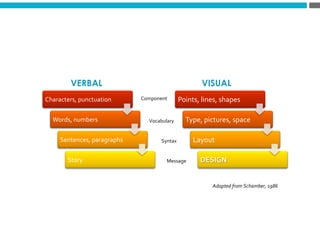
Characters,	
 ย punctuation	
 ย 
Words,	
 ย numbers	
 ย 
Sentences,	
 ย paragraphs	
 ย 
Story	
 ย 
Points,	
 ย lines,	
 ย shapes	
 ย 
Type,	
 ย pictures,	
 ย space	
 ย 
Layout	
 ย 
DESIGN	
 ย 
Component	
 ย 
Vocabulary	
 ย 
Syntax	
 ย 
Message	
 ย 
VERBAL VISUAL
Adapted	
 ย from	
 ย Schamber,	
 ย 1986	
 ย 
The ย whole ย is ย greater ย than ย the ย sum ย of ย itโ€™s ย parts
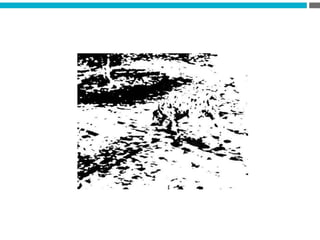
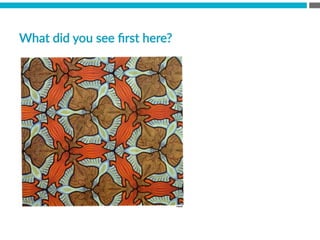
What ย did ย you ย see ย ๏ฌrst ย here? ย 
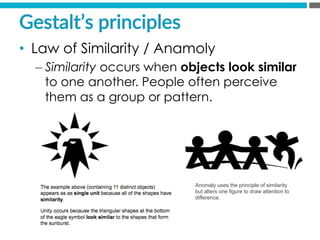
โ€ขโ€ฏ Law of Similarity / Anamoly
โ€“โ€ฏSimilarity occurs when objects look similar
to one another. People often perceive
them as a group or pattern.
Gestaltโ€™s ย principles ย 
Anomaly uses the principle of similarity
but alters one figure to draw attention to
difference.
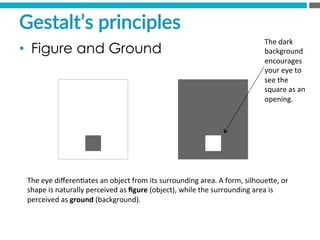
The	
 ย eye	
 ย di๏ฌ€eren?ates	
 ย an	
 ย object	
 ย from	
 ย its	
 ย surrounding	
 ย area.	
 ย A	
 ย form,	
 ย silhoueMe,	
 ย or	
 ย 
shape	
 ย is	
 ย naturally	
 ย perceived	
 ย as	
 ย ๏ฌgure	
 ย (object),	
 ย while	
 ย the	
 ย surrounding	
 ย area	
 ย is	
 ย 
perceived	
 ย as	
 ย ground	
 ย (background).	
 ย 
The	
 ย dark	
 ย 
background	
 ย 
encourages	
 ย 
your	
 ย eye	
 ย to	
 ย 
see	
 ย the	
 ย 
square	
 ย as	
 ย an	
 ย 
opening.	
 ย 
Gestaltโ€™s ย principles ย 
โ€ขโ€ฏ Figure and Ground
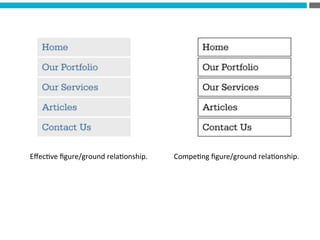
E๏ฌ€ec?ve	
 ย ๏ฌgure/ground	
 ย rela?onship.	
 ย  Compe?ng	
 ย ๏ฌgure/ground	
 ย rela?onship.	
 ย 
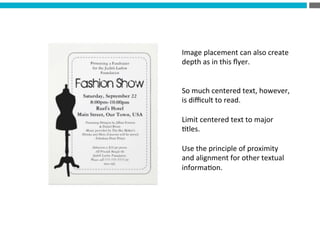
Image	
 ย placement	
 ย can	
 ย also	
 ย create	
 ย 
depth	
 ย as	
 ย in	
 ย this	
 ย ๏ฌ‚yer.	
 ย 
	
 ย 
	
 ย 
So	
 ย much	
 ย centered	
 ย text,	
 ย however,	
 ย 
is	
 ย di๏ฌƒcult	
 ย to	
 ย read.	
 ย 	
 ย 	
 ย 
	
 ย 
Limit	
 ย centered	
 ย text	
 ย to	
 ย major	
 ย 
?tles.	
 ย 	
 ย 	
 ย 
	
 ย 
Use	
 ย the	
 ย principle	
 ย of	
 ย proximity	
 ย 
and	
 ย alignment	
 ย for	
 ย other	
 ย textual	
 ย 
informa?on.	
 ย 
	
 ย 
Gestaltโ€™s ย principles ย 
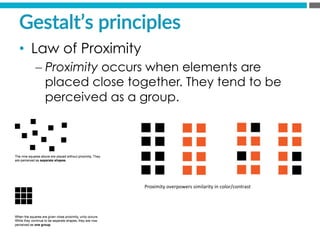
โ€ขโ€ฏ Law of Proximity
โ€“โ€ฏProximity occurs when elements are
placed close together. They tend to be
perceived as a group.
Proximity	
 ย overpowers	
 ย similarity	
 ย in	
 ย color/contrast	
 ย 
Gestaltโ€™s ย principles ย 
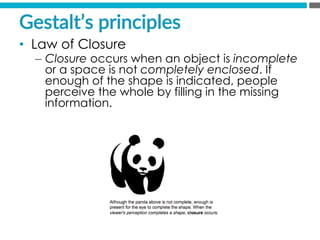
โ€ขโ€ฏ Law of Closure
โ€“โ€ฏ Closure occurs when an object is incomplete
or a space is not completely enclosed. If
enough of the shape is indicated, people
perceive the whole by filling in the missing
information.
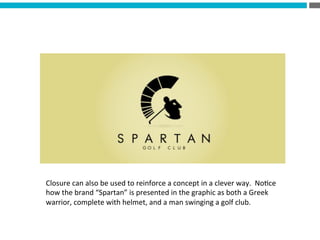
Closure	
 ย can	
 ย also	
 ย be	
 ย used	
 ย to	
 ย reinforce	
 ย a	
 ย concept	
 ย in	
 ย a	
 ย clever	
 ย way.	
 ย 	
 ย No?ce	
 ย 
how	
 ย the	
 ย brand	
 ย โ€œSpartanโ€	
 ย is	
 ย presented	
 ย in	
 ย the	
 ย graphic	
 ย as	
 ย both	
 ย a	
 ย Greek	
 ย 
warrior,	
 ย complete	
 ย with	
 ย helmet,	
 ย and	
 ย a	
 ย man	
 ย swinging	
 ย a	
 ย golf	
 ย club.	
 ย 
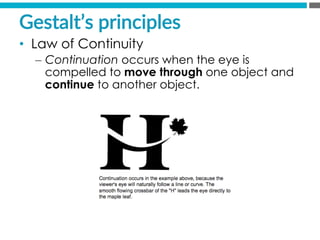
Gestaltโ€™s ย principles ย 
โ€ขโ€ฏ Law of Continuity
โ€“โ€ฏ Continuation occurs when the eye is
compelled to move through one object and
continue to another object.
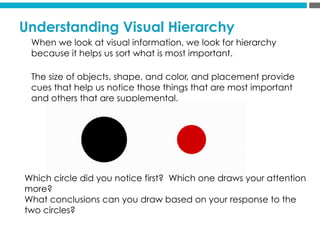
Understanding Visual Hierarchy
When we look at visual information, we look for hierarchy
because it helps us sort what is most important.
The size of objects, shape, and color, and placement provide
cues that help us notice those things that are most important
and others that are supplemental.
Which circle did you notice first? Which one draws your attention
more?
What conclusions can you draw based on your response to the
two circles?
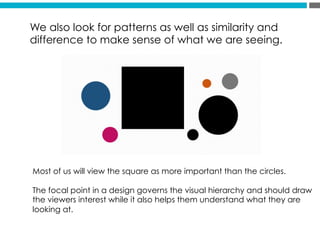
We also look for patterns as well as similarity and
difference to make sense of what we are seeing.
Most of us will view the square as more important than the circles.
The focal point in a design governs the visual hierarchy and should draw
the viewers interest while it also helps them understand what they are
looking at.
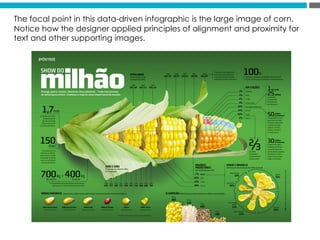
The focal point in this data-driven infographic is the large image of corn.
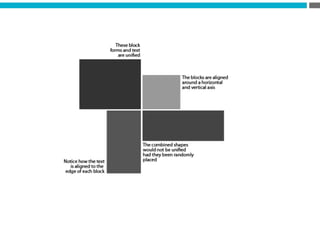
Notice how the designer applied principles of alignment and proximity for
text and other supporting images.
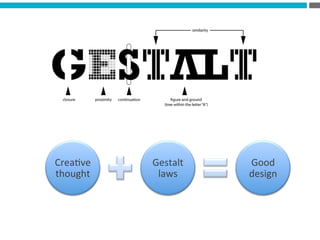
Crea?ve	
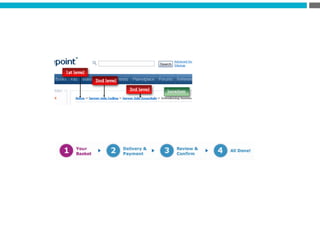
 ย 
thought	
 ย 
Gestalt	
 ย 
laws	
 ย 
Good	
 ย 
design	
 ย 
What ย are ย some ย ways ย you ย can ย 
create ย Visual ย Hierarchy ย in ย 
interfaces? ย 
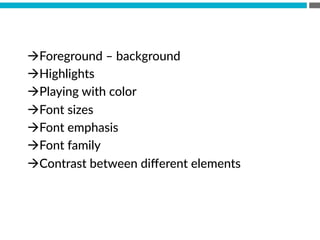
ร ๏ƒ โ€ฏForeground ย โ€“ ย background
ร ๏ƒ โ€ฏHighlights
ร ๏ƒ โ€ฏPlaying ย with ย color
ร ๏ƒ โ€ฏFont ย sizes
ร ๏ƒ โ€ฏFont ย emphasis
ร ๏ƒ โ€ฏFont ย family
ร ๏ƒ โ€ฏContrast ย between ย di๏ฌ€erent ย elements
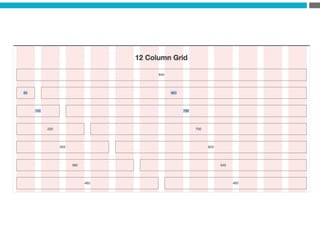
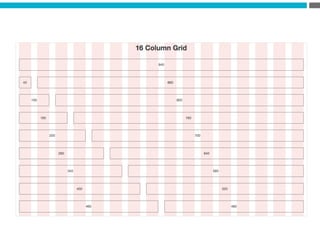
GRIDS ย  ย 
-ยญโ€ ย soul ย and ย skeleton ย of ย 
good ย design ย  ย 
More ย about ย GRIDS ย 
โ€ขโ€ฏ Optimum โ€“ Designing with the 960 Grid
System for the most commonly used
1024x768 screen resolution
โ€ขโ€ฏ Grids divide the screen into areas
โ€ขโ€ฏ All spacing becomes multiple of the
smallest spacing between elements
โ€ขโ€ฏ Enhances Consistency of screens
โ€ขโ€ฏ Standardizations reduces design time
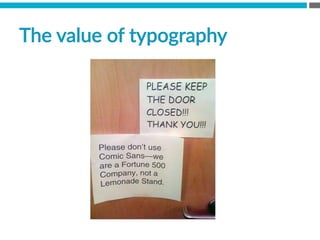
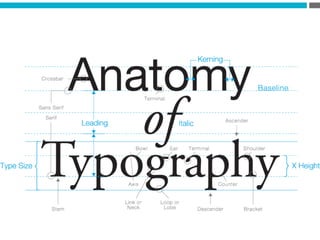
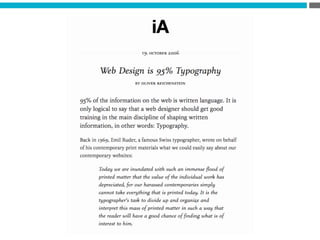
The ย value ย of ย typography ย 
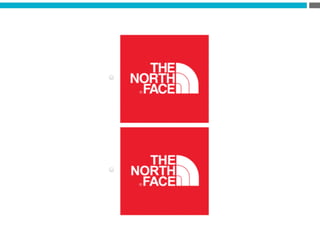
Can ย you ย tell ย Arial ย from ย HelveBca? ย  ย 
ย 
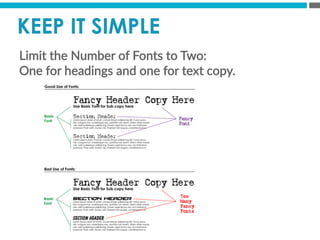
Limit ย the ย Number ย of ย Fonts ย to ย Two: ย 
One ย for ย headings ย and ย one ย for ย text ย copy. ย 

KEEP IT SIMPLE
What are the popular UI
mistakes that people make ?
Discussion
The ย Basics ย to ย remember
โ€ขโ€ฏ Building ย Prototypes ย should ย be ย Easy
โ€ขโ€ฏ Prototypes ย should ย not ย need ย to ย be ย pixel ย perfect
โ€ขโ€ฏ The ย goals ย need ย to ย be ย clearly ย spelled ย out ย prior ย to ย 
creaBon
โ€ขโ€ฏ Build ย prototypes ย that ย have ย an ย output ย that ย everyone ย 
can ย see
โ€ขโ€ฏ Do ย not ย complicate ย things
โ€ขโ€ฏ Create ย ๏ฌ‚ows ย / ย sketches ย on ย paper ย ๏ฌrst
7 Easy to remember
User Interface rules
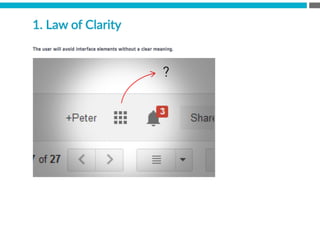
1. ย Law ย of ย Clarity
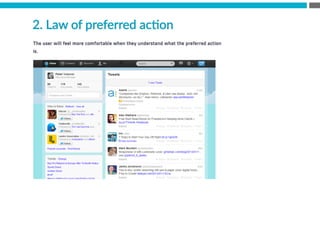
2. ย Law ย of ย preferred ย acBon
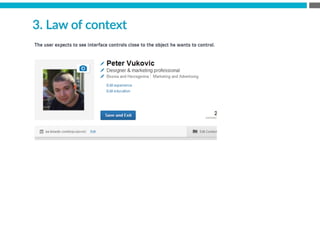
3. ย Law ย of ย context
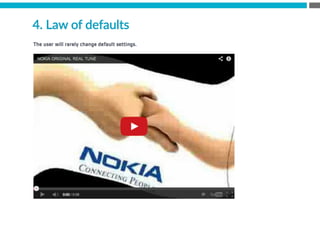
4. ย Law ย of ย defaults
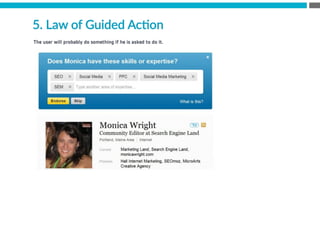
5. ย Law ย of ย Guided ย AcBon
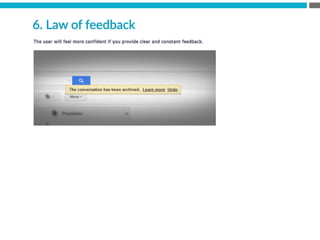
6. ย Law ย of ย feedback
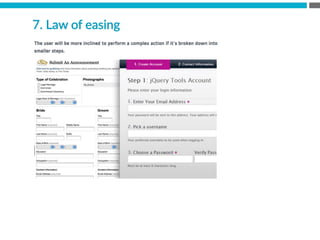
7. ย Law ย of ย easing
REMEMBER
ร ๏ƒ  Place users in control of the interface
ร ๏ƒ  Reduce usersโ€™ memory load
ร ๏ƒ  Make the user interface consistent.
5 Prevalent Pitfalls
when Prototyping
Prototypes are a fabulous way to explore ideas with a team.
They shorten the time between โ€œThis is what weโ€™re thinking...โ€ and โ€œOh, I get it.โ€
#1: ย Focus ย on ย the ย Deliverable, ย not ย on ย the ย Learning ย 
 ย 
#2: ย Too ย Much ย Converging; ย Not ย Enough ย Diverging ย 

#3: ย Working ย in ย the ย Wrong ย Fidelity
#4: ย Too ย Li[le ย EvaluaBng
#5: ย FixaBng ย On ย A ย Single ย Prototyping ย Tool
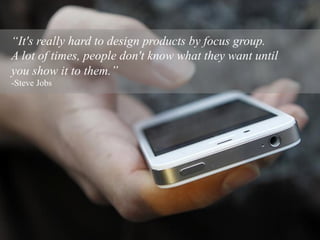
โ€œIt's really hard to design products by focus group.
A lot of times, people don't know what they want until
you show it to them.โ€
-Steve Jobs
VISUAL ย DESIGN ย 
What ย most ย people ย 
think ย  ย 
(UX) ย Design ย is ย ! ย  ย 
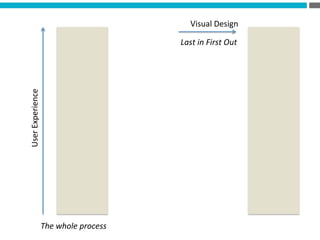
Visual	
 ย Design	
 ย 
Last	
 ย in	
 ย First	
 ย Out	
 ย 
User	
 ย Experience	
 ย 
The	
 ย whole	
 ย process	
 ย 
People ย want ย 
Visual ย Design ย 
but ย ask ย for ย UX
But ย by ย then ย its ย 
too ย late ย ! ย 
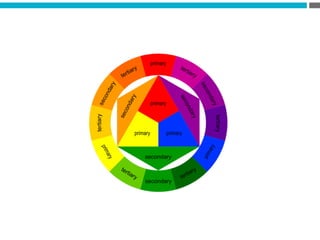
The basics of Color
KEEP IT SIMPLE
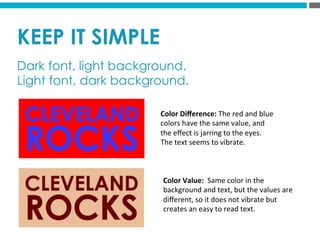
Dark font, light background.
Light font, dark background.
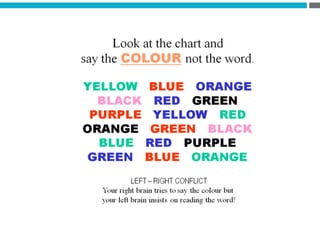
Color	
 ย Di๏ฌ€erence:	
 ย The	
 ย red	
 ย and	
 ย blue	
 ย 
colors	
 ย have	
 ย the	
 ย same	
 ย value,	
 ย and	
 ย 
the	
 ย e๏ฌ€ect	
 ย is	
 ย jarring	
 ย to	
 ย the	
 ย eyes.	
 ย 	
 ย 
The	
 ย text	
 ย seems	
 ย to	
 ย vibrate.	
 ย 
Color	
 ย Value:	
 ย 	
 ย Same	
 ย color	
 ย in	
 ย the	
 ย 
background	
 ย and	
 ย text,	
 ย but	
 ย the	
 ย values	
 ย are	
 ย 
di๏ฌ€erent,	
 ย so	
 ย it	
 ย does	
 ย not	
 ย vibrate	
 ย but	
 ย 
creates	
 ย an	
 ย easy	
 ย to	
 ย read	
 ย text.	
 ย 	
 ย 
POPULAR DESIGN TRENDS	
 ย 
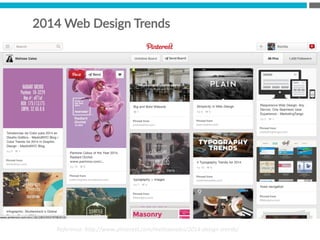
2014 ย Web ย Design ย Trends
Reference:	
 ย h*p://www.pinterest.com/melissacales/2014-ยญโ€design-ยญโ€trends/	
 ย 
Reference:	
 ย h*ps://econsultancy.com/blog/64096-ยญโ€18-ยญโ€pivotal-ยญโ€web-ยญโ€design-ยญโ€trends-ยญโ€for-ยญโ€2014	
 ย 
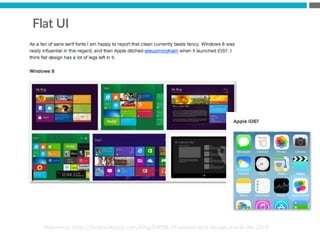
Flat ย UI
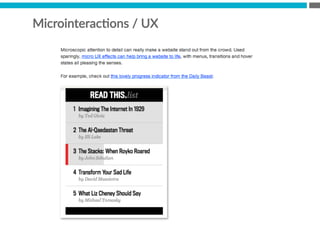
MicrointeracBons ย / ย UX
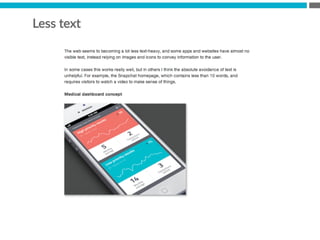
Less ย text
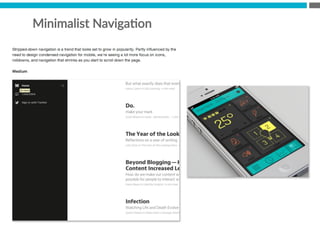
Minimalist ย NavigaBon
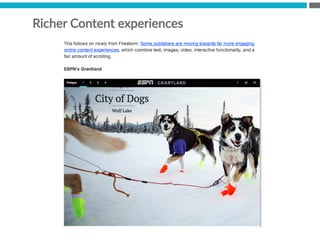
Richer ย Content ย experiences
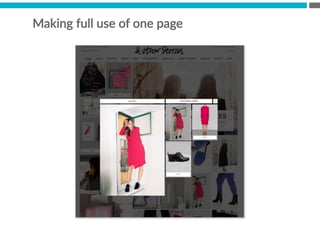
Making ย full ย use ย of ย one ย page
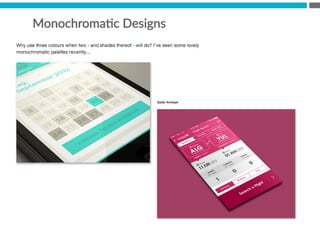
MonochromaBc ย Designs
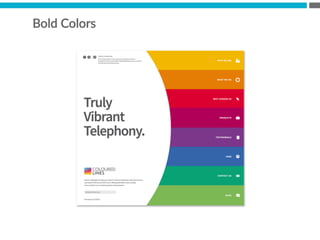
Bold ย Colors
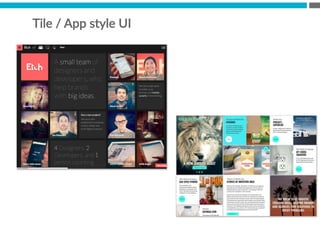
Tile ย / ย App ย style ย UI
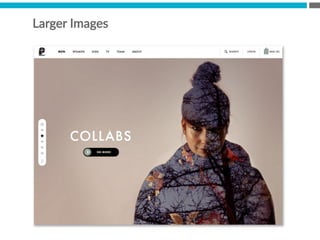
Larger ย Images
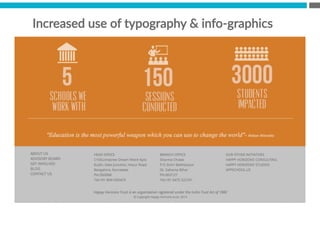
Increased ย use ย of ย typography ย  ย info-ยญโ€graphics
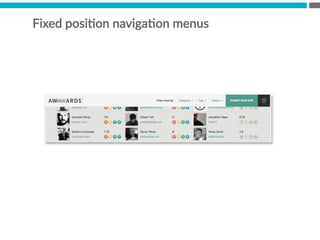
Fixed ย posiBon ย navigaBon ย menus
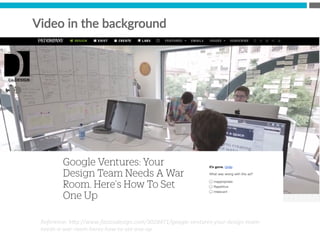
Video ย in ย the ย background
Reference:	
 ย h*p://www.fastcodesign.com/3028471/google-ยญโ€ventures-ยญโ€your-ยญโ€design-ยญโ€team-ยญโ€
needs-ยญโ€a-ยญโ€war-ยญโ€room-ยญโ€heres-ยญโ€how-ยญโ€to-ยญโ€set-ยญโ€one-ยญโ€up	
 ย 
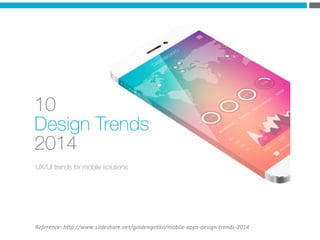
Reference:	
 ย h*p://www.slideshare.net/goldengekko/mobile-ยญโ€apps-ยญโ€design-ยญโ€trends-ยญโ€2014	
 ย 
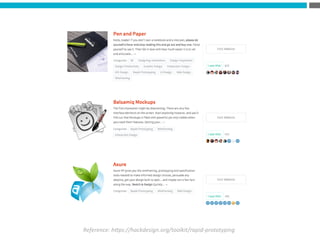
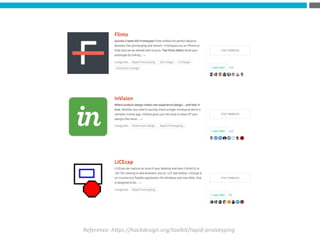
Prototyping tools	
 ย 
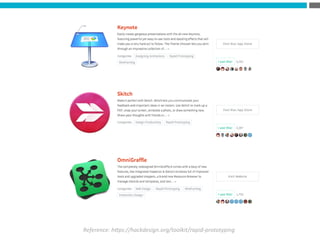
Reference:	
 ย h*ps://hackdesign.org/toolkit/rapid-ยญโ€prototyping	
 ย 
Reference:	
 ย h*ps://hackdesign.org/toolkit/rapid-ยญโ€prototyping	
 ย 
Reference:	
 ย h*ps://hackdesign.org/toolkit/rapid-ยญโ€prototyping	
 ย 
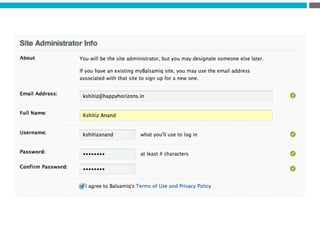
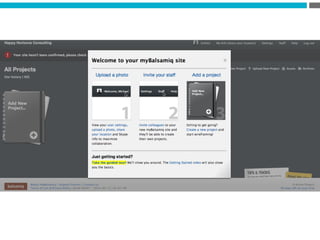
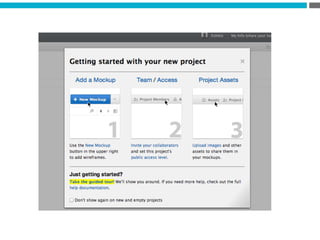
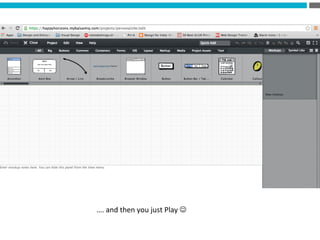
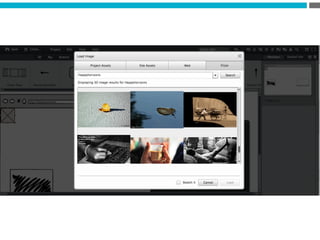
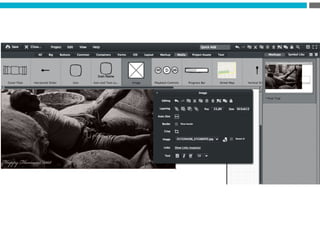
BALSAMIQ	
 ย 
โ€ขโ€ฏ Good repository of UI elements
โ€ขโ€ฏ Almost all popular UI elements used
โ€ขโ€ฏ Highly collaborative
โ€ขโ€ฏ Make it interactive
โ€ฆ.	
 ย and	
 ย then	
 ย you	
 ย just	
 ย Play	
 ย J๏Š	
 ย 	
 ย 
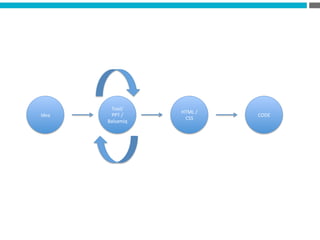
Idea	
 ย 
Tool/	
 ย 
PPT	
 ย /	
 ย 
Balsamiq	
 ย 
HTML	
 ย /	
 ย 
CSS	
 ย 
CODE	
 ย 
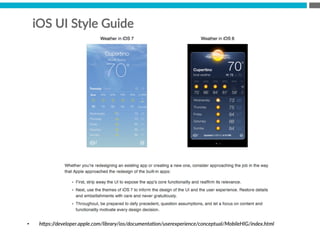
iOS ย UI ย Style ย Guide
โ€ขโ€ฏ hZps://developer.apple.com/library/ios/documenta(on/userexperience/conceptual/MobileHIG/index.html ย 
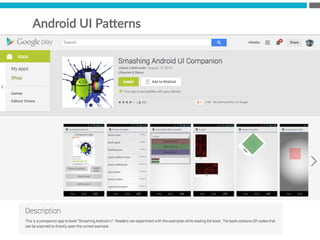
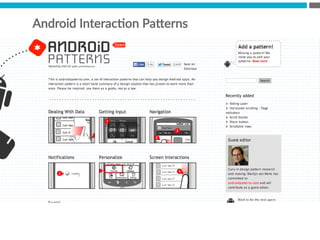
Android ย UI ย Pa[erns
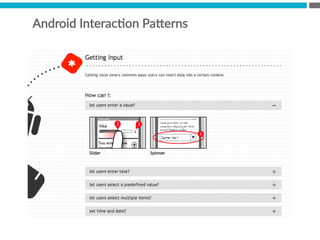
Android ย InteracBon ย Pa[erns
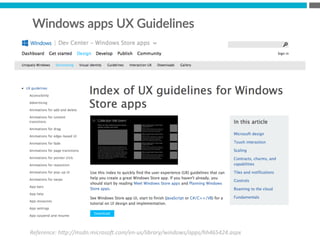
Windows ย apps ย UX ย Guidelines
Reference:	
 ย h*p://msdn.microsoe.com/en-ยญโ€us/library/windows/apps/hh465424.aspx	
 ย 
Take ย a ย break
Afternoon working session	
 ย 
Reference:	
 ย h*p://www.ndtv.com/ar8cle/india/india-ยญโ€is-ยญโ€world-ยญโ€s-ยญโ€coronary-ยญโ€diabe8c-ยญโ€capital-ยญโ€says-ยญโ€expert-ยญโ€447189	
 ย 
The ย problem ย at ย hand ย 
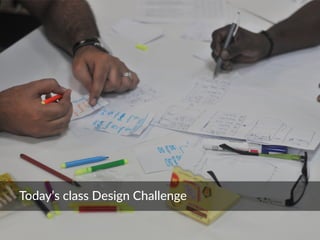
Todayโ€™s ย class ย Design ย Challenge
โ€ขโ€ฏ With ย the ย Internet ย of ย Things ย gexng ย larger ย day ย by ย day, ย our ย lives ย 
are ย more ย connected ย than ย ever. ย It ย is ย not ย just ย about ย people, ย but ย 
also ย our ย devices ย that ย are ย connected. ย This ย has ย resulted ย in ย 
change ย in ย user ย behavior ย and ย with ย changing ย lifestyles ย comes ย 
diseases ย and ย health ย problems ย that ย were ย not ย heard ย of ย before. ย 
โ€ขโ€ฏ The ย consumers ย on ย the ย other ย side ย are ย more ย aware ย about ย 
healthcare ย and ย are ย doing ย various ย things ย in ย di๏ฌ€erent ย capaciBes ย 
to ย keep ย track ย of ย their ย health ย and ย wellbeing. ย 
โ€ขโ€ฏ Healthcare ย professionals ย and ย informaBon ย is ย more ย accessible ย 
today. ย 
โ€ขโ€ฏ Insurance ย companies ย are ย cashing ย onto ย this ย phenomenon ย as ย 
well.
โ€ขโ€ฏ With ย the ย advent ย of ย smart ย devices, ย healthcare ย is ย ๏ฌnally ย 
becoming ย a ย buzzword, ย but ย something ย that ย needs ย our ย most ย 
a[enBon.
Your ย role ย as ย a ย product ย designer ย is ย to ย help ย consumers ย use ย a ย tablet ย or ย 
phone ย app ย that ย helps ย in ย beZer ย healthcare ย management. ย  ย 
Design ย of ย Healthcare ย App
TODAYโ€™s ย UX ย DESIGN ย CHALLENGE ย 
Design ย of ย naBve ย app ย for ย managing ย healthcare ย 
for ย Indians

Things ย to ย do ย 
โ€ขโ€ฏ Map ย out ย your ย system, ย de๏ฌne ย your ย focus ย area
โ€ขโ€ฏ De๏ฌne ย your ย User ย Group
โ€ขโ€ฏ Do ย Interviews ย of ย Actual ย Users
โ€ขโ€ฏ Create ย InformaBon ย Architecture
โ€ขโ€ฏ Create ย Wireframes ย 
โ€ขโ€ฏ Make ย paper ย prototypes ย 
โ€ขโ€ฏ Re๏ฌne ย design ย concept
โ€ขโ€ฏ Present ย before ย class ย 
How ย is ย MOBILE ย UX ย 
di๏ฌ€erent? ย 
Would there be a difference in the
approach to UX on the Mobile
websites and Mobile apps ?
Your Opinion?
MOBILE ย FIRST
What ย are ย the ย advantages ย and ย 
disadvantages ย of ย it ย ?

DISCUSSION
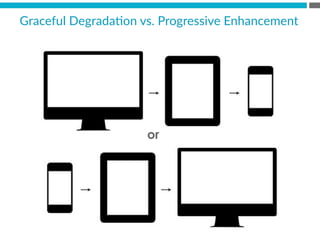
Graceful ย DegradaBon ย vs. ย Progressive ย Enhancement
or
What ย does ย Mobile ย Device ย mean?

A ย mobile ย device ย is ย a ย handheld ย tablet ย or ย other ย device ย 
that ย is ย made ย for ย portability, ย and ย is ย therefore ย both ย 
compact ย and ย lightweight. ย New ย data ย storage, ย 
processing ย and ย display ย technologies ย have ย allowed ย 
these ย small ย devices ย to ย do ย nearly ย anything ย that ย had ย 
previously ย been ย tradi(onally ย done ย with ย larger ย 
personal ย computers. ย 
MOBILE ย FIRST ย 
PRINCIPLES
Towards ย beHer ย User ย Experience
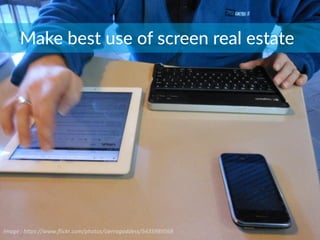
Make ย best ย use ย of ย screen ย real ย estate
Image	
 ย :	
 ย h*ps://www.๏ฌ‚ickr.com/photos/sierragoddess/5435989568	
 ย 
PrioriBze ย your ย informaBon ย and ย acBons
Image	
 ย :	
 ย h*ps://www.๏ฌ‚ickr.com/photos/johanl/5547851770	
 ย 
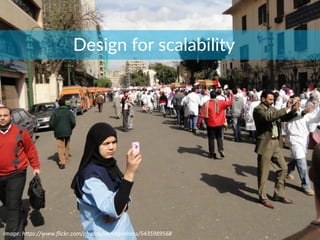
Design ย for ย scalability
Image:	
 ย h*ps://www.๏ฌ‚ickr.com/photos/sierragoddess/5435989568	
 ย 
Image:	
 ย h*ps://www.๏ฌ‚ickr.com/photos/koalazymonkey/2626094585	
 ย 
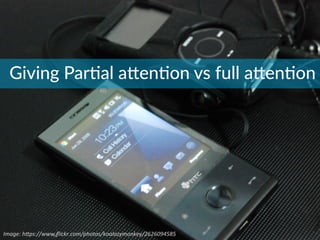
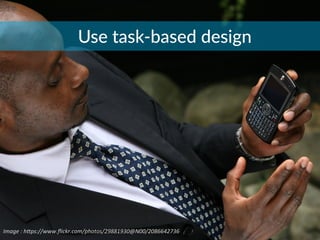
Giving ย ParBal ย a[enBon ย vs ย full ย a[enBon
Image	
 ย :	
 ย h*ps://www.๏ฌ‚ickr.com/photos/29881930@N00/2086642736	
 ย 
Use ย task-ยญโ€based ย design
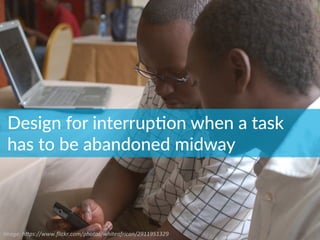
Design ย for ย interrupBon ย when ย a ย task ย 
has ย to ย be ย abandoned ย midway
Image:	
 ย h*ps://www.๏ฌ‚ickr.com/photos/whiteafrican/2911951329	
 ย 
Image:	
 ย h*ps://www.๏ฌ‚ickr.com/photos/epsos/3842690051	
 ย 
Design ย by ย understanding ย hardware ย 
and ย plaoorms ย capability
Image:	
 ย h*ps://www.๏ฌ‚ickr.com/photos/osde-ยญโ€info/763025492	
 ย 
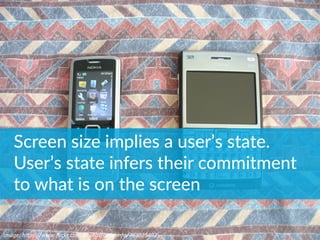
Screen ย size ย implies ย a ย userโ€™s ย state. ย 
Userโ€™s ย state ย infers ย their ย commitment ย 
to ย what ย is ย on ย the ย screen
Image:	
 ย h*ps://www.๏ฌ‚ickr.com/photos/skohlmann/14772342171	
 ย 
IdenBfy ย your ย users ย well. ย Users ย have ย a ย 
personal ย relaBonship ย with ย mobile!
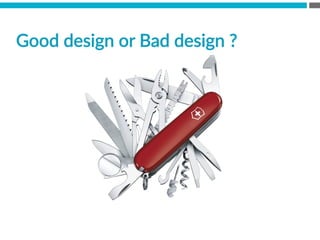
Good ย design ย or ย Bad ย design ย ? ย 
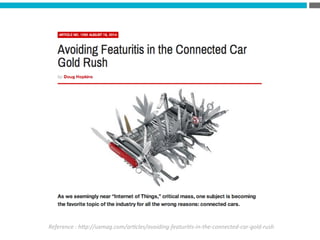
Reference	
 ย :	
 ย h*p://uxmag.com/ar8cles/avoiding-ยญโ€featuri8s-ยญโ€in-ยญโ€the-ยญโ€connected-ยญโ€car-ยญโ€gold-ยญโ€rush	
 ย 
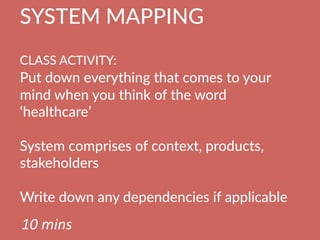
SYSTEM ย MAPPING ย 
 ย 
CLASS ย ACTIVITY: ย  ย  ย 
Put ย down ย everything ย that ย comes ย to ย your ย 
mind ย when ย you ย think ย of ย the ย word ย 
โ€˜healthcareโ€™

System ย comprises ย of ย context, ย products, ย 
stakeholders

Write ย down ย any ย dependencies ย if ย applicable
10	
 ย mins	
 ย 
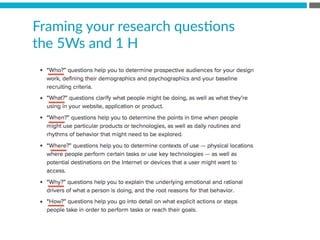
Framing ย your ย research ย quesBons ย 
the ย 5Ws ย and ย 1 ย H
Digital ย NaBves ย 
Vs
Digital ย Immigrants
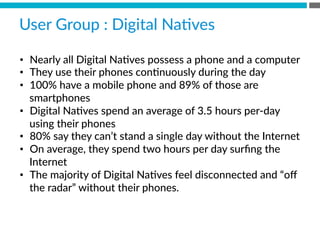
โ€ขโ€ฏ Nearly ย all ย Digital ย NaBves ย possess ย a ย phone ย and ย a ย computer
โ€ขโ€ฏ They ย use ย their ย phones ย conBnuously ย during ย the ย day
โ€ขโ€ฏ 100% ย have ย a ย mobile ย phone ย and ย 89% ย of ย those ย are ย 
smartphones
โ€ขโ€ฏ Digital ย NaBves ย spend ย an ย average ย of ย 3.5 ย hours ย per-ยญโ€day ย 
using ย their ย phones
โ€ขโ€ฏ 80% ย say ย they ย canโ€™t ย stand ย a ย single ย day ย without ย the ย Internet
โ€ขโ€ฏ On ย average, ย they ย spend ย two ย hours ย per ย day ย sur๏ฌng ย the ย 
Internet
โ€ขโ€ฏ The ย majority ย of ย Digital ย NaBves ย feel ย disconnected ย and ย โ€œo๏ฌ€ ย 
the ย radarโ€ ย without ย their ย phones.
User ย Group ย : ย Digital ย NaBves ย 
ร ๏ƒ โ€ฏA ย Highly ย Social ย GeneraBon
ร ๏ƒ โ€ฏAn ย ImpaBent ย GeneraBon
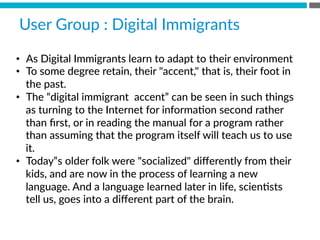
โ€ขโ€ฏ As ย Digital ย Immigrants ย learn ย to ย adapt ย to ย their ย environment
โ€ขโ€ฏ To ย some ย degree ย retain, ย their ย accent, ย that ย is, ย their ย foot ย in ย 
the ย past. ย 
โ€ขโ€ฏ The ย โ€œdigital ย immigrant ย  ย accentโ€ ย can ย be ย seen ย in ย such ย things ย 
as ย turning ย to ย the ย Internet ย for ย informaBon ย second ย rather ย 
than ย ๏ฌrst, ย or ย in ย reading ย the ย manual ย for ย a ย program ย rather ย 
than ย assuming ย that ย the ย program ย itself ย will ย teach ย us ย to ย use ย 
it. ย 
โ€ขโ€ฏ Todayโ€Ÿs ย older ย folk ย were ย socialized ย di๏ฌ€erently ย from ย their ย 
kids, ย and ย are ย now ย in ย the ย process ย of ย learning ย a ย new ย 
language. ย And ย a ย language ย learned ย later ย in ย life, ย scienBsts ย 
tell ย us, ย goes ย into ย a ย di๏ฌ€erent ย part ย of ย the ย brain.
User ย Group ย : ย Digital ย Immigrants ย 
How ย to ย Provide ย an ย Outstanding ย User ย 
Experience ย for ย Digital ย NaBves

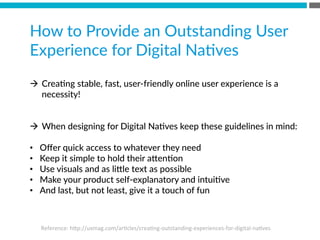
ร ๏ƒ โ€ฏ CreaBng ย stable, ย fast, ย user-ยญโ€friendly ย online ย user ย experience ย is ย a ย 
necessity! ย 
ร ๏ƒ โ€ฏ When ย designing ย for ย Digital ย NaBves ย keep ย these ย guidelines ย in ย mind:
โ€ขโ€ฏ O๏ฌ€er ย quick ย access ย to ย whatever ย they ย need
โ€ขโ€ฏ Keep ย it ย simple ย to ย hold ย their ย a[enBon
โ€ขโ€ฏ Use ย visuals ย and ย as ย li[le ย text ย as ย possible
โ€ขโ€ฏ Make ย your ย product ย self-ยญโ€explanatory ย and ย intuiBve
โ€ขโ€ฏ And ย last, ย but ย not ย least, ย give ย it ย a ย touch ย of ย fun
Reference:	
 ย hMp://uxmag.com/ar?cles/crea?ng-ยญโ€outstanding-ยญโ€experiences-ยญโ€for-ยญโ€digital-ยญโ€na?ves	
 ย 
USER ย INTERVIEWS

CLASS ย ACTIVITY:
Personal ย Interviews ย and ย Focus ย group ย 
discussion ย of ย people ย within ย your ย group
 ย 
Understand ย the ย users ย ac(ons, ย needs, ย 
aspira(ons ย and ย what ย they ย want ย out ย of ย the ย 
app ย 
 ย 
20 ย minutes ย 
InformaBon ย 
Architecture
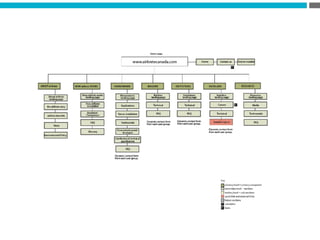
INFORMATION ย ARCHITECTURE ย 
The ย categorizaBon ย of ย informaBon ย into ย 
a ย coherent ย structure, ย preferably ย one ย 
that ย the ย most ย people ย can ย understand ย 
quickly, ย if ย not ย inherently. ย 

It's ย usually ย hierarchical, ย but ย can ย have ย 
other ย structures, ย such ย as ย concentric ย or ย 
even ย chaoBc.
INFORMATION ย ARCHITECTURE ย 
is ย not ย the ย same ย as ย 
TECHNICAL ย ARCHITECTURE ย 
Organizing ย InformaBon ย based ย on
โ€ขโ€ฏ Date/Bme
โ€ขโ€ฏ AlphabeBcal
โ€ขโ€ฏ Geography/locaBon
โ€ขโ€ฏ Topic
โ€ขโ€ฏ Target ย audience
โ€ขโ€ฏ Task/process
โ€ขโ€ฏ A[ributes/facets
โ€ขโ€ฏ CombinaBons
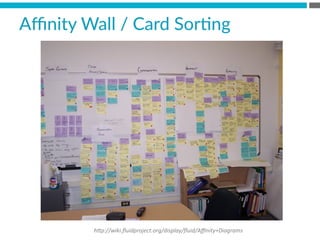
h*p://wiki.๏ฌ‚uidproject.org/display/๏ฌ‚uid/A๏ฌƒnity+Diagrams	
 ย 
A๏ฌƒnity ย Wall ย / ย Card ย SorBng ย 
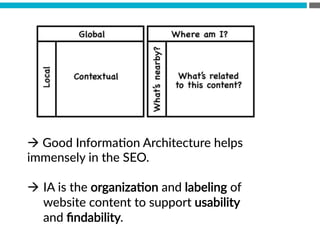
ร ๏ƒ  ย Good ย InformaBon ย Architecture ย helps ย 
immensely ย in ย the ย SEO.

ร ๏ƒ โ€ฏ IA ย is ย the ย organizaBon ย and ย labeling ย of ย 
website ย content ย to ย support ย usability ย 
and ย ๏ฌndability.
UX ย is ย built ย step ย by ย step ย with ย 
INFORMATION ย bits ย 
 ย 
Too ย much ย informaBon ย to ย 
process, ย leads ย to ย CHAOS ย 
 ย 
Each ย informaBon ย processed ย 
gives ย AN ย EXPERIENCE ย 
Create ย InformaBon ย Architecture ย 
for ย your ย Mobile ย app ย using ย Card ย 
SorBng ย / ย A๏ฌƒnity ย Wall
 ย 
Class ย AcBvity ย : ย  ย 
 ย 
HOW ย TO ย DO
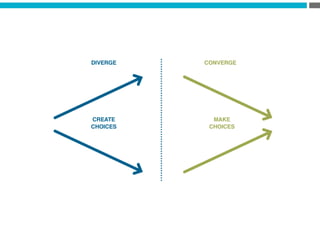
Step ย 1: ย DIVERGE ย (15 ย mins) ย 
Record ย each ย idea ย on ย cards ย or ย post ย it ย notes.
Look ย for ย ideas ย that ย seem ย to ย be ย related

Step ย 2: ย CONVERGE ย (10 ย mins) ย 
Sort ย cards ย into ย groups ย unBl ย all ย cards ย have ย been ย used.

25 ย mins
Task ย ๏ฌ‚ow ย  ย Conceptual ย models ย  ย 
 ย 
Class ย AcBvity ย : ย  ย 
Ask ย what ย are ย the ย key ย things ย your ย app ย wants ย to ย do
create ย task ย ๏ฌ‚ows ย for ย atleast ย 3 ย major ย tasks ย 

20 ย mins
 ย 
Wireframing ย  ย Layouts
 ย 
Wireframe: ย an ย image ย or ย set ย of ย images ย which ย displays ย 
the ย func(onal ย elements ย of ย a ย website ย or ย page, ย 
typically ย used ย for ย planning ย a ย site's ย structure ย and ย 
func(onality. ย 
Types ย of ย Prototypes ย 
โ€ขโ€ฏLow Fidelity
โ€ขโ€ฏHigh Fidelity
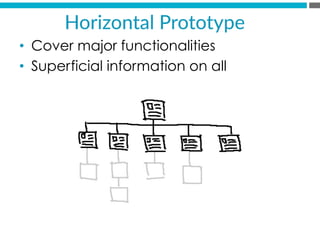
โ€ขโ€ฏHorizontal Prototype
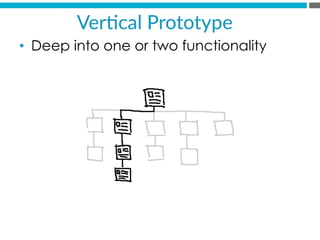
โ€ขโ€ฏVertical Prototype
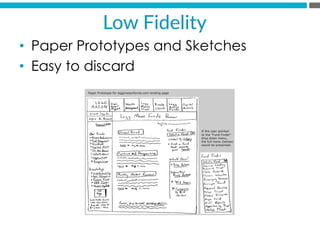
โ€ขโ€ฏ Paper Prototypes and Sketches
โ€ขโ€ฏ Easy to discard
Low ย Fidelity ย 
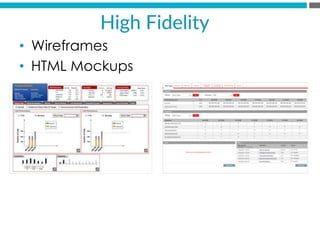
High ย Fidelity ย 
โ€ขโ€ฏ Wireframes
โ€ขโ€ฏ HTML Mockups
Horizontal ย Prototype ย 
โ€ขโ€ฏ Cover major functionalities
โ€ขโ€ฏ Superficial information on all
VerBcal ย Prototype ย 
โ€ขโ€ฏ Deep into one or two functionality
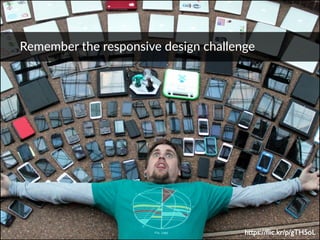
Remember ย the ย responsive ย design ย challenge
Responsive ย Design: ย Things ย to ย consider
โ€ขโ€ฏ Content ย : ย Show ย only ย what ย is ย important
โ€ขโ€ฏ Layout ย : ย Importance ย to ย Screen ย Real ย estate
โ€ขโ€ฏ White ย space ย : ย Give ย ample ย breathing ย space
โ€ขโ€ฏ NavigaBon ย : ย easy ย to ย go ย across ย screens
โ€ขโ€ฏ InteracBons ย : ย Easy ย to ย complete ย tasks
โ€ขโ€ฏ Touch ย vs ย Mouse ย : ย Finger ย friendly
โ€ขโ€ฏ Visual ย Design ย : ย AestheBcally ย pleasing ย 
โ€ขโ€ฏ Typography: ย Easy ย to ย read
โ€ขโ€ฏ Color ย : ย Device ย screen ย competency ย 
WIREFRAMING: ย 
CREATE ย SKETCHES ย  ย 
PAPER ย PROTOTYPES
 ย 
Class ย AcBvity ย : ย  ย 
Visualize ย your ย task ย ๏ฌ‚ow ย in ย terms ย of ย layouts, ย 
features ย and ย funcBonaliBes. ย 
Iterate ย based ย on ย feedback

Use ย near ย to ย scale ย screen ย size ย on ย paper ย to ย layout ย 
your ย designs

30 ย mins
 ย 
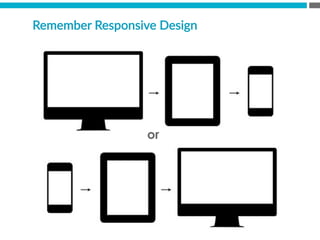
Remember ย Responsive ย Design
or
โ€œMake everything as simple as possible, but not simpler.โ€
โ€”Albert Einstein
Delight ย vs ย Features ย ?
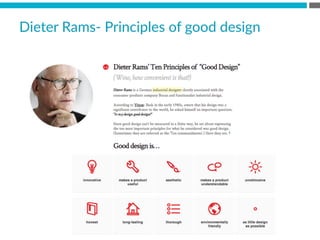
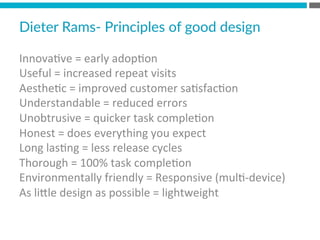
Dieter ย Rams-ยญโ€ ย Principles ย of ย good ย design ย 
Innova?ve	
 ย =	
 ย early	
 ย adop?on	
 ย 
Useful	
 ย =	
 ย increased	
 ย repeat	
 ย visits	
 ย 
Aesthe?c	
 ย =	
 ย improved	
 ย customer	
 ย sa?sfac?on	
 ย 
Understandable	
 ย =	
 ย reduced	
 ย errors	
 ย 
Unobtrusive	
 ย =	
 ย quicker	
 ย task	
 ย comple?on	
 ย 
Honest	
 ย =	
 ย does	
 ย everything	
 ย you	
 ย expect	
 ย 
Long	
 ย las?ng	
 ย =	
 ย less	
 ย release	
 ย cycles	
 ย 
Thorough	
 ย =	
 ย 100%	
 ย task	
 ย comple?on	
 ย 
Environmentally	
 ย friendly	
 ย =	
 ย Responsive	
 ย (mul?-ยญโ€device)	
 ย 
As	
 ย liMle	
 ย design	
 ย as	
 ย possible	
 ย =	
 ย lightweight	
 ย 	
 ย 
	
 ย 
Dieter ย Rams-ยญโ€ ย Principles ย of ย good ย design ย 
h*p://www.slideshare.net/whitneyhess/10-ยญโ€most-ยญโ€common-ยญโ€misconcep8ons-ยญโ€about-ยญโ€user-ยญโ€experience-ยญโ€design?from=ss_embed	
 ย 
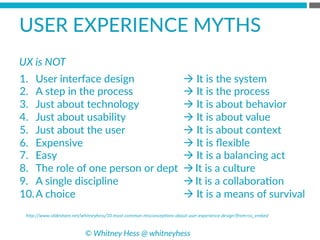
USER ย EXPERIENCE ย MYTHS ย 
1.โ€ฏ User ย interface ย design
2.โ€ฏ A ย step ย in ย the ย process
3.โ€ฏ Just ย about ย technology
4.โ€ฏ Just ย about ย usability
5.โ€ฏ Just ย about ย the ย user
6.โ€ฏ Expensive
7.โ€ฏ Easy
8.โ€ฏ The ย role ย of ย one ย person ย or ย dept
9.โ€ฏ A ย single ย discipline
10.โ€ฏA ย choice
ร ๏ƒ  ย It ย is ย the ย system
ร ๏ƒ  ย It ย is ย the ย process
ร ๏ƒ  ย It ย is ย about ย behavior
ร ๏ƒ  ย It ย is ย about ย value
ร ๏ƒ  ย It ย is ย about ย context
ร ๏ƒ  ย It ย is ย ๏ฌ‚exible
ร ๏ƒ  ย It ย is ย a ย balancing ย act
ร ๏ƒ โ€ฏIt ย is ย a ย culture
ร ๏ƒ โ€ฏIt ย is ย a ย collaboraBon
ร ๏ƒ  ย It ย is ย a ย means ย of ย survival
ยฉ ย Whitney ย Hess ย @ ย whitneyhess ย 
UX ย is ย NOT ย 
THANK YOU
Email:	
 ย kshi?z@happyhorizons.in	
 ย |TwiMer:	
 ย @kshi?z	
 ย 	
 ย 
LinkedIn:	
 ย in.linkedin.com/in/kshi?zanand/	
 ย 

User Experience and Prototyping

  • 1.
    USER ย EXPERIENCE ย &ย  PROTOTYPING Integra(ng ย Design ย & ย Product ย Development ย  Pune, ย September ย 24th, ย 2014 KshiBz ย Anand Professor ย (Design), ย InsBtute ย of ย Product ย Leadership ย 
  • 2.
    Hello, ย I ย amย @kshiBz Presently Dean ย & ย Director ย -ยญโ€ ย India ย OperaBons ย at ย L'ร‰cole ย de ย Design ย Nantes ย Atlan(que ย  Professor ย (Design) ย -ยญโ€ ย Ins(tute ย of ย Product ย Leadership ย  Founder ย & ย Principal ย Designer ย -ยญโ€ ย Happy ย Horizons ย Consul(ng ย  Previous Design ย Head, ย Kuliza ย Technologies ย  Founder ย & ย Director, ย Deskala ย Research ย and ย Design ย & ย Consul(ng ย  Designer ย @Motorola, ย Infosys ย  EducaBon MS ย in ย HCI ย Design ย , ย Indiana ย University ย Bloomington, ย USA ย  BDes ย in ย CommunicaBon ย Design, ย IIT ย Guwaha(, ย India ย  Contact kshiBz@happyhorizons.in Twi[er: ย @kshiBz LinkedIn: ย in.linkedin.com/in/kshiBzanand/ Website: ย www.kshiBzanand.com
  • 3.
    Are ย you ย aย designer?
  • 4.
    Design is sucha natural human ability that almost everyone is designing most of the time - whether they are conscious of it, or not. - Harold Nelson, Erik Stolterman, in โ€˜The Design Wayโ€™
  • 5.
    The best designsare the ones that do not need a separate user manual !
  • 6.
    We ย live ย inย interesBng ย Bmes! According ย to ย the ย 2011 ย Census, ย 46.9% ย Indians ย do ย not ย have ย  toilets ย at ย home, ย while ย 63.2% ย have ย landlines ย or ย mobiles. ย  53.2% ย own ย mobile ย phones. ย 
  • 7.
    ย Show ย ConnecBng ย Filmย (18 ย mins) ย hZp://youtu.be/lciYKwVLTuk ย  ย 
  • 8.
    Mobile ย has ย madeย us ย โ€ฆโ€ฆ ย ?
  • 9.
    How ย many ย ofย you ย have ย a ย  smartphone?
  • 10.
  • 11.
    1993 ย  ย  ย  2014 ย 
  • 12.
    Where did wecome from? Where do we go?
  • 13.
  • 14.
    To ย have ย aย good ย  User ย experience ย  is ย to ย Delight!
  • 15.
  • 16.
    Design ย should ย solveย problems ย  for ย your ย business ย by ย solving ย  problems ย for ย your ย user -ยญโ€ ย โ€ŠLaura ย Klein ย  ย  ย  ย 
  • 18.
    Reference: Putting peopletogether to create new products; Jonathan Korman http://www.cooper.com/journal/2001/10/putting_people_together_to_cre.html Key ย to ย Product ย Success
  • 19.
    A ย requirement ย isย short ย statement ย  of ย the ย problem A ย speci๏ฌcaBon ย is ย how ย to ย solve ย  the ย problem * Source: On Reqs and Specs: The Roles and Behaviors for Effective Product Definition http://www.pragmaticmarketing.com/publications/topics/09/on-reqs-and-specs ProductManagement Engineering UX WHAT HOW Sweet ย spot Requirements ย vs. ย speci๏ฌcaBons
  • 20.
    How ย much ย ofย UX ย should ย a ย Product ย  Manager ย know? ย  Reference: ย  ย  h*p://boxesandarrows.com/transi8oning-ยญโ€from-ยญโ€user-ยญโ€experience-ยญโ€to-ยญโ€product-ยญโ€management/ ย 
  • 21.
    Are ย usually ย ย  Business-ยญโ€centered Are usually User-centered
  • 22.
    Design ย for ย ย  people, ย  ย  emoBons, ย behaviors. ย  ย  ย  Do ย not ย  ย  design ย for ย  ย  technology.
  • 25.
    VISCERAL ย  ย ย  BEHAVIORAL ย  ย  ย  REFLECTIVE ย  A more detailed look and feel and function that is got by interactions i.e. the total experience of using a product Refers primarily to that initial impact, to its appearance Appearance is rooted in form, aesthetics Ones thoughts afterwards, how it makes one feel, the image it portrays, the message it tells others about the owner's taste
  • 26.
    Time ย spent ย  Interac8on ย  VISCERAL ย  BEHAVIORAL ย  REFLECTIVE ย 
  • 27.
    Products were oncedesigned for the functions they performed. But when all companies can make products that perform their functions equally well, the distinctive advantage goes to those who provide pleasure and enjoyment while maintaining the power. If functions are equated with cognition, pleasure is equated with emotion; today we want products that appeal to both cognition and emotion. โ€“ Don Norman
  • 28.
    Internet users per100 inhabitants Reference ย : ย h*p://en.wikipedia.org/wiki/File:Internet_users_per_100_inhabitants_ITU.svg ย  Importance ย Of ย UX ย Today ย 
  • 30.
  • 32.
  • 33.
  • 34.
  • 35.
  • 36.
  • 37.
    T ย shaped ย (UX)ย professional ย 
  • 38.
    PETER ย MORVILLEโ€™S ย HONEYCOMB ย MODEL ย Image ย Source: ย h*p://seman8cstudios.com/publica8ons/seman8cs/000029.php ย  The ย goal ย of ย UX ย 
  • 39.
    UX ย is ย aย team ย e๏ฌ€ort ย 
  • 41.
  • 42.
  • 43.
    Research ร ๏ƒ  Ideateร ๏ƒ  Prototype ร ๏ƒ  Evaluate Feedback ร ๏ƒ  Release UX ย Design ย Process ย 
  • 44.
    RESEARCH ย ร ๏ƒ  ย discoveryย  ย the ย ways ย of ย knowing IDEATE ย ร ๏ƒ  ย conceptualizaBons, ย features ย  ย  funcBonaliBes PROTOTYPE ย ร ๏ƒ  ย get ย your ย hands ย dirty, ย bringing ย the ย  ideas ย to ย life EVALUATE ย  ย ITERATE ย ร ๏ƒ  ย gather ย feedback RELEASE ย ร ๏ƒ  ย launch ย , ย deliver ย for ย development Steps ย in ย UX ย Design ย Process ย 
  • 45.
    Companies ย Customize ย theย design ย process ย 
  • 47.
  • 48.
    HOW ย DO ย YOUย FIT ย UX ย  INTO ย YOUR ย  ORGANISATION?
  • 49.
    The ย elements ย ofย  user ย experience ย design ย 
  • 51.
  • 52.
    The ย UX ย roleย Shim ย  FROM AESTHETICS TO PROCESS TO PRODUCTS TO SERVICE TO STRATEGY
  • 53.
    The ย product ย isย no ย longer ย the ย basis ย  of ย value. ย The ย experience ย is.
  • 54.
    Design ย is ย theย conscious ย e๏ฌ€ort ย to ย impose ย a ย meaningful ย  order. ย -ยญโ€ ย Victor ย Papanek ย 
  • 55.
    ACTIVITY ย : ย  Deconstruc*ngย the ย UX Exercise ย  (10 ย mins) ย 
  • 56.
    The ย UX ย ofย Angry ย Birds ย โ€“ ย  ย  what ย makes ย it ย successful ย ? ย 
  • 57.
  • 58.
    The ย mistakes ย weย make! ย  ยฒ๏‚ฒโ€ฏ Most ย experiences ย are ย inchoate ย and ย not ย  thought ย through ยฒ๏‚ฒโ€ฏ They ย are ย unful๏ฌlled ย as ย they ย get ย interrupted ยฒ๏‚ฒโ€ฏ FrustraBng ย and ย not ย signi๏ฌcant ย and ย leads ย to ย  an ย unpleasant ย experience
  • 59.
    THE AESTHETIC : theโ€œlook and feelโ€ THE INTELLECTUAL : business strategy THE PRACTICAL: what user actually interacts with and experiences and its performance + ย + ย  MulBple ย things ย have ย to ย come ย together ย  to ย create ย the ย experience
  • 61.
  • 63.
    Somware ย (products) ย shouldย  behave ย like ย a ย considerate ย  human ย being! What ย does ย being ย considerate ย  mean? ย 
  • 64.
    โ€ขโ€ฏ Take aninterest in userโ€™s actions โ€ขโ€ฏ Are differential โ€ขโ€ฏ Are forthcoming โ€ขโ€ฏ Anticipate peopleโ€™s needs โ€ขโ€ฏ Are conscientious โ€ขโ€ฏ Donโ€™t burden you with extra information โ€ขโ€ฏ Keep you informed โ€ขโ€ฏ Are perceptive โ€ขโ€ฏ Donโ€™t ask you a lot of questions โ€ขโ€ฏ Take responsibility โ€ขโ€ฏ Know when to bend the rules โ€ขโ€ฏ GIVES A GOOD USER EXPERIENCE CONSIDERATE ย PRODUCTS ย 
  • 65.
  • 66.
    UX ย could ย beย  di๏ฌ€erent ย across ย  plaoorms. How ย ? Mac ย OS ย vs ย Windows Desktops ย vs ย Tablet ย vs ย mobile iOS ย vs ย Android ย vs ย Windows
  • 67.
    Plaoorms ย and ย theirย experiences ย di๏ฌ€er
  • 68.
    Think ย of ย aย product ย that ย  delighted ย you ย (or ย did ย  not) ย ? ย  ย  ย  Why ย so? ย  (THAT YOU USE REGULARLY) ย 
  • 69.
    USER ย RESEARCH Why ย isย it ย important ย ? ย  How ย do ย we ย do ย it ย ? ย 
  • 71.
    QUESTION ย THE ย STATUSย QUO Fly ย on ย the ย wall ย Observa(on ย 
  • 72.
    What ย does ย thisย image ย say ย ? ย 
  • 73.
    Design ย interven(ons ย inย daily ย life ย  ย  ANALYSING ย USAGE ย CONTEXT
  • 74.
  • 75.
    WHAT ย IS ย Aย PERSONA? ย  ย  ย  WHY ย PERSONAS ย ARE ย  IMPORTANT? ย 
  • 76.
    PERSONAS ย  โ€ขโ€ฏ Arepresentation of the goals and behavior of a real user group. โ€ขโ€ฏ They are captured in a range of formats (depending on the requirements of the client) that typically include behavior patterns, goals, skills, attitudes, and environment; with a few fictional personal details to bring the persona to life.
  • 77.
    โ€ขโ€ฏ Giving aface to your users โ€ขโ€ฏ Helps in generating Use Cases โ€ขโ€ฏ Helpful for Scenario Generation โ€ขโ€ฏ Scenarios gives insights WHY ย PERSONAS ย ARE ย  IMPORTANT? ย 
  • 79.
    Ac(vity: ย Finding ย Primary,ย Secondary ย user ย groups ย  STAKEHOLDER ย MAPPING
  • 80.
  • 81.
    Ac(vity: ย Experiencing ย whatย personas ย feel, ย do, ย see, ย hear ย  EMPATHY ย MAPPING
  • 83.
    Research ย is ย  importantย for ย the ย  success ย of ย any ย  design ย 
  • 85.
    โ€ขโ€ฏ On LocationUser Research โ€“โ€ฏ Actual User Interviews โ€“โ€ฏ Studying User environments โ€“โ€ฏ Contextual Inquiries โ€ขโ€ฏ Remote User Research โ€“โ€ฏ Questionnaire โ€“โ€ฏ Surveys โ€“โ€ฏ Telephonic Interviews โ€“โ€ฏ Video recordings of users performing their tasks User ย Research ย Techniques ย 
  • 86.
    When ย do ย youย use ย  what ย kind ย of ย User ย  Research ย Method ย ? ย  Discussion
  • 87.
  • 89.
    โ€“Laura ย Klein, ย Author ย of ย UX ย for ย Lean ย Startups ย  QuanBtaBve ย research ย tells ย you ย  WHAT ย your ย problem ย is. ย  QualitaBve ย research ย tells ย you ย WHY ย  you ย have ย that ย problem.
  • 90.
    User ย Based ย Research Qualita5ve: ย Lesser ย number ย of ย par?cipants ย  Quan5ta5ve: ย Higher ย number ย of ย par?cipants ย 
  • 91.
    Popular ย User ย Researchย Techniques ย 
  • 92.
    Popular ย User ย Researchย Techniques ย 
  • 93.
    TOOLS ย FOR ย USERย RESEARCH ย  ย  ย TESTING ย  h*p://uxdesign.cc/ux-ยญโ€tools/ ย 
  • 94.
    It would getpeople ๏ฌnally noticing design - because when design's working properly, you don't notice it.
  • 95.
  • 97.
    The 4 dimensions ofPrototyping ย 
  • 98.
    1. Representation ร ๏ƒ  Describesthe form of the prototype, e.g., sets of paper sketches or computer simulations ย 
  • 99.
    2. Precision ร ๏ƒ  Describesthe level of detail at which the prototype is to be evaluated; e.g., informal and rough or highly polished
  • 100.
    3. Interactivity ร ๏ƒ  Describesthe extent to which the user can actually interact with the prototype; e.g., watch-only or fully interactive
  • 101.
    4. Evolution ร ๏ƒ  Describesthe expected life- cycle of the prototype
  • 102.
    WHY PROTOTYPE? ย  Reference: ย h*p://designinstruct.com/web-ยญโ€design/prototyping-ยญโ€is-ยญโ€essen8al/ ย 
  • 103.
  • 104.
    Iterate ย more ย quicklyย on ย a ย design ย concept ย 
  • 105.
  • 106.
  • 107.
    Use ย prototypes ย asย a ย presentaBon ย tool
  • 108.
    ร ๏ƒ  FAST ร ๏ƒ  EASY ร ๏ƒ GETS STAKEHOLDERS INVOLVED SOONER ร ๏ƒ  SAVES MONEY ย 
  • 109.
    If a pictureis worth 1000 words, a prototype is worth 1000 meetings!
  • 110.
    WHAT ARE THEDIFFERENT WAYS TO PROTOTYPE? ย 
  • 111.
  • 112.
    We will neverall agree on what โ€œdesignโ€ is. But we can probably agree that sketching is an archetypal activity associated with design!
  • 113.
    VariaBons ย in ย elementsย and ย style ย in ย prototyping
  • 114.
  • 117.
    ยฉ ย Bill ย Buxton, ย Sketching ย the ย User ย Experience ย  h*p://www.cs.cmu.edu/~bam/uicourse/Buxton-ยญโ€SketchesPrototypes.pdf ย  Getting the term right
  • 119.
    Stages of prototypingin Product Design Engineering Sketch ร ๏ƒ  Earlier stage ร ๏ƒ  Lesser cost ร ๏ƒ  More reviewed Prototype ร ๏ƒ  Later Stage ร ๏ƒ  Larger cost ร ๏ƒ  More acceptance
  • 120.
    Before ย making ย theย Prototype ย ask ย this: ย  1. ย What ย needs ย to ย be ย real 2. ย What ย can ย we ย fake? ย  3. ย Where ย will ย they ย use ย it? ย  4. ย How ย will ย the ย interface ย work ย ? 5. ย Will ย the ย users ย understand ย where ย to ย click ย next? 6. ย Have ย I ย covered ย all ย possible ย user ย pathways? ย  ย 
  • 121.
    Watch ย Google ย Glass ย Prototyping ย VIDEO ย : ย h*ps://www.youtube.com/watch?v=d5_h1VuwD6g ย 
  • 122.
    Discussion: would youprototype this differently ?
  • 123.
    GESTALTโ€™S ย THEORY ย :ย  ย  How ย the ย mind ย  ย  organizes ย and ย perceives ย  ย  Visual ย InformaBon ย 
  • 125.
    โ€ขโ€ฏ Gestalt theoryfocuses on the mindโ€™s perceptive processes โ€ขโ€ฏ The word Gestalt has no direct translation in English โ€ขโ€ฏ โ€ขโ€ฏ It refers to a way a thing has been gestellt ; i.e., โ€˜placed,โ€™ or โ€˜put togetherโ€ โ€ขโ€ฏ Common translations include form and shape
  • 126.
    Gestalt psychologists areinterested in the way that, within a world of ongoing change and endless variety, people can make sense of so much visual stimuli (Schamber, 1986)
  • 127.
    Characters, ย punctuation ย  Words, ย numbers ย  Sentences, ย paragraphs ย  Story ย  Points, ย lines, ย shapes ย  Type, ย pictures, ย space ย  Layout ย  DESIGN ย  Component ย  Vocabulary ย  Syntax ย  Message ย  VERBAL VISUAL Adapted ย from ย Schamber, ย 1986 ย 
  • 128.
    The ย whole ย isย greater ย than ย the ย sum ย of ย itโ€™s ย parts
  • 130.
    What ย did ย youย see ย ๏ฌrst ย here? ย 
  • 131.
    โ€ขโ€ฏ Law ofSimilarity / Anamoly โ€“โ€ฏSimilarity occurs when objects look similar to one another. People often perceive them as a group or pattern. Gestaltโ€™s ย principles ย  Anomaly uses the principle of similarity but alters one figure to draw attention to difference.
  • 132.
    The ย eye ย di๏ฌ€eren?ates ย an ย object ย from ย its ย surrounding ย area. ย A ย form, ย silhoueMe, ย or ย  shape ย is ย naturally ย perceived ย as ย ๏ฌgure ย (object), ย while ย the ย surrounding ย area ย is ย  perceived ย as ย ground ย (background). ย  The ย dark ย  background ย  encourages ย  your ย eye ย to ย  see ย the ย  square ย as ย an ย  opening. ย  Gestaltโ€™s ย principles ย  โ€ขโ€ฏ Figure and Ground
  • 133.
    E๏ฌ€ec?ve ย ๏ฌgure/ground ย rela?onship. ย  Compe?ng ย ๏ฌgure/ground ย rela?onship. ย 
  • 134.
    Image ย placement ย can ย also ย create ย  depth ย as ย in ย this ย ๏ฌ‚yer. ย  ย  ย  So ย much ย centered ย text, ย however, ย  is ย di๏ฌƒcult ย to ย read. ย  ย  ย  ย  Limit ย centered ย text ย to ย major ย  ?tles. ย  ย  ย  ย  Use ย the ย principle ย of ย proximity ย  and ย alignment ย for ย other ย textual ย  informa?on. ย  ย 
  • 135.
    Gestaltโ€™s ย principles ย  โ€ขโ€ฏLaw of Proximity โ€“โ€ฏProximity occurs when elements are placed close together. They tend to be perceived as a group. Proximity ย overpowers ย similarity ย in ย color/contrast ย 
  • 139.
    Gestaltโ€™s ย principles ย  โ€ขโ€ฏLaw of Closure โ€“โ€ฏ Closure occurs when an object is incomplete or a space is not completely enclosed. If enough of the shape is indicated, people perceive the whole by filling in the missing information.
  • 140.
    Closure ย can ย also ย be ย used ย to ย reinforce ย a ย concept ย in ย a ย clever ย way. ย  ย No?ce ย  how ย the ย brand ย โ€œSpartanโ€ ย is ย presented ย in ย the ย graphic ย as ย both ย a ย Greek ย  warrior, ย complete ย with ย helmet, ย and ย a ย man ย swinging ย a ย golf ย club. ย 
  • 141.
    Gestaltโ€™s ย principles ย  โ€ขโ€ฏLaw of Continuity โ€“โ€ฏ Continuation occurs when the eye is compelled to move through one object and continue to another object.
  • 144.
    Understanding Visual Hierarchy Whenwe look at visual information, we look for hierarchy because it helps us sort what is most important. The size of objects, shape, and color, and placement provide cues that help us notice those things that are most important and others that are supplemental. Which circle did you notice first? Which one draws your attention more? What conclusions can you draw based on your response to the two circles?
  • 145.
    We also lookfor patterns as well as similarity and difference to make sense of what we are seeing. Most of us will view the square as more important than the circles. The focal point in a design governs the visual hierarchy and should draw the viewers interest while it also helps them understand what they are looking at.
  • 146.
    The focal pointin this data-driven infographic is the large image of corn. Notice how the designer applied principles of alignment and proximity for text and other supporting images.
  • 147.
    Crea?ve ย  thought ย  Gestalt ย  laws ย  Good ย  design ย 
  • 148.
    What ย are ย someย ways ย you ย can ย  create ย Visual ย Hierarchy ย in ย  interfaces? ย 
  • 149.
    ร ๏ƒ โ€ฏForeground ย โ€“ ย background ร ๏ƒ โ€ฏHighlights ร ๏ƒ โ€ฏPlayingย with ย color ร ๏ƒ โ€ฏFont ย sizes ร ๏ƒ โ€ฏFont ย emphasis ร ๏ƒ โ€ฏFont ย family ร ๏ƒ โ€ฏContrast ย between ย di๏ฌ€erent ย elements
  • 150.
    GRIDS ย  ย  -ยญโ€ย soul ย and ย skeleton ย of ย  good ย design ย  ย 
  • 151.
    More ย about ย GRIDSย  โ€ขโ€ฏ Optimum โ€“ Designing with the 960 Grid System for the most commonly used 1024x768 screen resolution โ€ขโ€ฏ Grids divide the screen into areas โ€ขโ€ฏ All spacing becomes multiple of the smallest spacing between elements โ€ขโ€ฏ Enhances Consistency of screens โ€ขโ€ฏ Standardizations reduces design time
  • 154.
    The ย value ย ofย typography ย 
  • 156.
    Can ย you ย tellย Arial ย from ย HelveBca? ย  ย 
  • 166.
    ย  Limit ย the ย Numberย of ย Fonts ย to ย Two: ย  One ย for ย headings ย and ย one ย for ย text ย copy. ย  KEEP IT SIMPLE
  • 167.
    What are thepopular UI mistakes that people make ? Discussion
  • 168.
    The ย Basics ย toย remember โ€ขโ€ฏ Building ย Prototypes ย should ย be ย Easy โ€ขโ€ฏ Prototypes ย should ย not ย need ย to ย be ย pixel ย perfect โ€ขโ€ฏ The ย goals ย need ย to ย be ย clearly ย spelled ย out ย prior ย to ย  creaBon โ€ขโ€ฏ Build ย prototypes ย that ย have ย an ย output ย that ย everyone ย  can ย see โ€ขโ€ฏ Do ย not ย complicate ย things โ€ขโ€ฏ Create ย ๏ฌ‚ows ย / ย sketches ย on ย paper ย ๏ฌrst
  • 169.
    7 Easy toremember User Interface rules
  • 170.
    1. ย Law ย ofย Clarity
  • 171.
    2. ย Law ย ofย preferred ย acBon
  • 172.
    3. ย Law ย ofย context
  • 173.
    4. ย Law ย ofย defaults
  • 174.
    5. ย Law ย ofย Guided ย AcBon
  • 175.
    6. ย Law ย ofย feedback
  • 176.
  • 177.
    REMEMBER ร ๏ƒ  Place usersin control of the interface ร ๏ƒ  Reduce usersโ€™ memory load ร ๏ƒ  Make the user interface consistent.
  • 178.
    5 Prevalent Pitfalls whenPrototyping Prototypes are a fabulous way to explore ideas with a team. They shorten the time between โ€œThis is what weโ€™re thinking...โ€ and โ€œOh, I get it.โ€
  • 179.
    #1: ย Focus ย onย the ย Deliverable, ย not ย on ย the ย Learning ย  ย  #2: ย Too ย Much ย Converging; ย Not ย Enough ย Diverging ย  #3: ย Working ย in ย the ย Wrong ย Fidelity #4: ย Too ย Li[le ย EvaluaBng #5: ย FixaBng ย On ย A ย Single ย Prototyping ย Tool
  • 180.
    โ€œIt's really hardto design products by focus group. A lot of times, people don't know what they want until you show it to them.โ€ -Steve Jobs
  • 181.
    VISUAL ย DESIGN ย  Whatย most ย people ย  think ย  ย  (UX) ย Design ย is ย ! ย  ย 
  • 182.
    Visual ย Design ย  Last ย in ย First ย Out ย  User ย Experience ย  The ย whole ย process ย 
  • 183.
    People ย want ย  Visualย Design ย  but ย ask ย for ย UX
  • 184.
    But ย by ย thenย its ย  too ย late ย ! ย 
  • 185.
  • 188.
    KEEP IT SIMPLE Darkfont, light background. Light font, dark background. Color ย Di๏ฌ€erence: ย The ย red ย and ย blue ย  colors ย have ย the ย same ย value, ย and ย  the ย e๏ฌ€ect ย is ย jarring ย to ย the ย eyes. ย  ย  The ย text ย seems ย to ย vibrate. ย  Color ย Value: ย  ย Same ย color ย in ย the ย  background ย and ย text, ย but ย the ย values ย are ย  di๏ฌ€erent, ย so ย it ย does ย not ย vibrate ย but ย  creates ย an ย easy ย to ย read ย text. ย  ย 
  • 189.
  • 190.
    2014 ย Web ย Designย Trends Reference: ย h*p://www.pinterest.com/melissacales/2014-ยญโ€design-ยญโ€trends/ ย 
  • 191.
  • 192.
  • 193.
  • 194.
  • 195.
  • 196.
    Making ย full ย useย of ย one ย page
  • 197.
  • 198.
  • 199.
    Tile ย / ย Appย style ย UI
  • 200.
  • 201.
    Increased ย use ย ofย typography ย  ย info-ยญโ€graphics
  • 202.
  • 203.
    Video ย in ย theย background Reference: ย h*p://www.fastcodesign.com/3028471/google-ยญโ€ventures-ยญโ€your-ยญโ€design-ยญโ€team-ยญโ€ needs-ยญโ€a-ยญโ€war-ยญโ€room-ยญโ€heres-ยญโ€how-ยญโ€to-ยญโ€set-ยญโ€one-ยญโ€up ย 
  • 204.
  • 215.
  • 216.
  • 217.
  • 218.
  • 219.
    BALSAMIQ ย  โ€ขโ€ฏ Goodrepository of UI elements โ€ขโ€ฏ Almost all popular UI elements used โ€ขโ€ฏ Highly collaborative โ€ขโ€ฏ Make it interactive
  • 223.
    โ€ฆ. ย and ย then ย you ย just ย Play ย J๏Š ย  ย 
  • 226.
    Idea ย  Tool/ ย  PPT ย / ย  Balsamiq ย  HTML ย / ย  CSS ย  CODE ย 
  • 227.
    iOS ย UI ย Styleย Guide โ€ขโ€ฏ hZps://developer.apple.com/library/ios/documenta(on/userexperience/conceptual/MobileHIG/index.html ย 
  • 228.
  • 229.
  • 230.
  • 231.
    Windows ย apps ย UXย Guidelines Reference: ย h*p://msdn.microsoe.com/en-ยญโ€us/library/windows/apps/hh465424.aspx ย 
  • 232.
  • 233.
  • 234.
  • 235.
  • 236.
    โ€ขโ€ฏ With ย theย Internet ย of ย Things ย gexng ย larger ย day ย by ย day, ย our ย lives ย  are ย more ย connected ย than ย ever. ย It ย is ย not ย just ย about ย people, ย but ย  also ย our ย devices ย that ย are ย connected. ย This ย has ย resulted ย in ย  change ย in ย user ย behavior ย and ย with ย changing ย lifestyles ย comes ย  diseases ย and ย health ย problems ย that ย were ย not ย heard ย of ย before. ย  โ€ขโ€ฏ The ย consumers ย on ย the ย other ย side ย are ย more ย aware ย about ย  healthcare ย and ย are ย doing ย various ย things ย in ย di๏ฌ€erent ย capaciBes ย  to ย keep ย track ย of ย their ย health ย and ย wellbeing. ย  โ€ขโ€ฏ Healthcare ย professionals ย and ย informaBon ย is ย more ย accessible ย  today. ย  โ€ขโ€ฏ Insurance ย companies ย are ย cashing ย onto ย this ย phenomenon ย as ย  well. โ€ขโ€ฏ With ย the ย advent ย of ย smart ย devices, ย healthcare ย is ย ๏ฌnally ย  becoming ย a ย buzzword, ย but ย something ย that ย needs ย our ย most ย  a[enBon. Your ย role ย as ย a ย product ย designer ย is ย to ย help ย consumers ย use ย a ย tablet ย or ย  phone ย app ย that ย helps ย in ย beZer ย healthcare ย management. ย  ย  Design ย of ย Healthcare ย App
  • 237.
    TODAYโ€™s ย UX ย DESIGNย CHALLENGE ย  Design ย of ย naBve ย app ย for ย managing ย healthcare ย  for ย Indians Things ย to ย do ย  โ€ขโ€ฏ Map ย out ย your ย system, ย de๏ฌne ย your ย focus ย area โ€ขโ€ฏ De๏ฌne ย your ย User ย Group โ€ขโ€ฏ Do ย Interviews ย of ย Actual ย Users โ€ขโ€ฏ Create ย InformaBon ย Architecture โ€ขโ€ฏ Create ย Wireframes ย  โ€ขโ€ฏ Make ย paper ย prototypes ย  โ€ขโ€ฏ Re๏ฌne ย design ย concept โ€ขโ€ฏ Present ย before ย class ย 
  • 238.
    How ย is ย MOBILEย UX ย  di๏ฌ€erent? ย  Would there be a difference in the approach to UX on the Mobile websites and Mobile apps ? Your Opinion?
  • 239.
    MOBILE ย FIRST What ย areย the ย advantages ย and ย  disadvantages ย of ย it ย ? DISCUSSION
  • 240.
    Graceful ย DegradaBon ย vs.ย Progressive ย Enhancement or
  • 241.
    What ย does ย Mobileย Device ย mean? A ย mobile ย device ย is ย a ย handheld ย tablet ย or ย other ย device ย  that ย is ย made ย for ย portability, ย and ย is ย therefore ย both ย  compact ย and ย lightweight. ย New ย data ย storage, ย  processing ย and ย display ย technologies ย have ย allowed ย  these ย small ย devices ย to ย do ย nearly ย anything ย that ย had ย  previously ย been ย tradi(onally ย done ย with ย larger ย  personal ย computers. ย 
  • 242.
    MOBILE ย FIRST ย  PRINCIPLES Towardsย beHer ย User ย Experience
  • 243.
    Make ย best ย useย of ย screen ย real ย estate Image ย : ย h*ps://www.๏ฌ‚ickr.com/photos/sierragoddess/5435989568 ย 
  • 244.
    PrioriBze ย your ย informaBonย and ย acBons Image ย : ย h*ps://www.๏ฌ‚ickr.com/photos/johanl/5547851770 ย 
  • 245.
    Design ย for ย scalability Image: ย h*ps://www.๏ฌ‚ickr.com/photos/sierragoddess/5435989568 ย 
  • 246.
    Image: ย h*ps://www.๏ฌ‚ickr.com/photos/koalazymonkey/2626094585 ย  Givingย ParBal ย a[enBon ย vs ย full ย a[enBon
  • 247.
  • 248.
    Design ย for ย interrupBonย when ย a ย task ย  has ย to ย be ย abandoned ย midway Image: ย h*ps://www.๏ฌ‚ickr.com/photos/whiteafrican/2911951329 ย 
  • 249.
    Image: ย h*ps://www.๏ฌ‚ickr.com/photos/epsos/3842690051 ย  Designย by ย understanding ย hardware ย  and ย plaoorms ย capability
  • 250.
    Image: ย h*ps://www.๏ฌ‚ickr.com/photos/osde-ยญโ€info/763025492 ย  Screenย size ย implies ย a ย userโ€™s ย state. ย  Userโ€™s ย state ย infers ย their ย commitment ย  to ย what ย is ย on ย the ย screen
  • 251.
    Image: ย h*ps://www.๏ฌ‚ickr.com/photos/skohlmann/14772342171 ย  IdenBfyย your ย users ย well. ย Users ย have ย a ย  personal ย relaBonship ย with ย mobile!
  • 254.
    Good ย design ย orย Bad ย design ย ? ย 
  • 255.
  • 257.
    SYSTEM ย MAPPING ย  ย  CLASS ย ACTIVITY: ย  ย  ย  Put ย down ย everything ย that ย comes ย to ย your ย  mind ย when ย you ย think ย of ย the ย word ย  โ€˜healthcareโ€™ System ย comprises ย of ย context, ย products, ย  stakeholders Write ย down ย any ย dependencies ย if ย applicable 10 ย mins ย 
  • 258.
    Framing ย your ย researchย quesBons ย  the ย 5Ws ย and ย 1 ย H
  • 259.
  • 260.
    โ€ขโ€ฏ Nearly ย allย Digital ย NaBves ย possess ย a ย phone ย and ย a ย computer โ€ขโ€ฏ They ย use ย their ย phones ย conBnuously ย during ย the ย day โ€ขโ€ฏ 100% ย have ย a ย mobile ย phone ย and ย 89% ย of ย those ย are ย  smartphones โ€ขโ€ฏ Digital ย NaBves ย spend ย an ย average ย of ย 3.5 ย hours ย per-ยญโ€day ย  using ย their ย phones โ€ขโ€ฏ 80% ย say ย they ย canโ€™t ย stand ย a ย single ย day ย without ย the ย Internet โ€ขโ€ฏ On ย average, ย they ย spend ย two ย hours ย per ย day ย sur๏ฌng ย the ย  Internet โ€ขโ€ฏ The ย majority ย of ย Digital ย NaBves ย feel ย disconnected ย and ย โ€œo๏ฌ€ ย  the ย radarโ€ ย without ย their ย phones. User ย Group ย : ย Digital ย NaBves ย 
  • 261.
    ร ๏ƒ โ€ฏA ย Highly ย Socialย GeneraBon ร ๏ƒ โ€ฏAn ย ImpaBent ย GeneraBon
  • 262.
    โ€ขโ€ฏ As ย Digitalย Immigrants ย learn ย to ย adapt ย to ย their ย environment โ€ขโ€ฏ To ย some ย degree ย retain, ย their ย accent, ย that ย is, ย their ย foot ย in ย  the ย past. ย  โ€ขโ€ฏ The ย โ€œdigital ย immigrant ย  ย accentโ€ ย can ย be ย seen ย in ย such ย things ย  as ย turning ย to ย the ย Internet ย for ย informaBon ย second ย rather ย  than ย ๏ฌrst, ย or ย in ย reading ย the ย manual ย for ย a ย program ย rather ย  than ย assuming ย that ย the ย program ย itself ย will ย teach ย us ย to ย use ย  it. ย  โ€ขโ€ฏ Todayโ€Ÿs ย older ย folk ย were ย socialized ย di๏ฌ€erently ย from ย their ย  kids, ย and ย are ย now ย in ย the ย process ย of ย learning ย a ย new ย  language. ย And ย a ย language ย learned ย later ย in ย life, ย scienBsts ย  tell ย us, ย goes ย into ย a ย di๏ฌ€erent ย part ย of ย the ย brain. User ย Group ย : ย Digital ย Immigrants ย 
  • 263.
    How ย to ย Provideย an ย Outstanding ย User ย  Experience ย for ย Digital ย NaBves ร ๏ƒ โ€ฏ CreaBng ย stable, ย fast, ย user-ยญโ€friendly ย online ย user ย experience ย is ย a ย  necessity! ย  ร ๏ƒ โ€ฏ When ย designing ย for ย Digital ย NaBves ย keep ย these ย guidelines ย in ย mind: โ€ขโ€ฏ O๏ฌ€er ย quick ย access ย to ย whatever ย they ย need โ€ขโ€ฏ Keep ย it ย simple ย to ย hold ย their ย a[enBon โ€ขโ€ฏ Use ย visuals ย and ย as ย li[le ย text ย as ย possible โ€ขโ€ฏ Make ย your ย product ย self-ยญโ€explanatory ย and ย intuiBve โ€ขโ€ฏ And ย last, ย but ย not ย least, ย give ย it ย a ย touch ย of ย fun Reference: ย hMp://uxmag.com/ar?cles/crea?ng-ยญโ€outstanding-ยญโ€experiences-ยญโ€for-ยญโ€digital-ยญโ€na?ves ย 
  • 264.
    USER ย INTERVIEWS CLASS ย ACTIVITY: Personalย Interviews ย and ย Focus ย group ย  discussion ย of ย people ย within ย your ย group ย  Understand ย the ย users ย ac(ons, ย needs, ย  aspira(ons ย and ย what ย they ย want ย out ย of ย the ย  app ย  ย  20 ย minutes ย 
  • 265.
  • 266.
    INFORMATION ย ARCHITECTURE ย  Theย categorizaBon ย of ย informaBon ย into ย  a ย coherent ย structure, ย preferably ย one ย  that ย the ย most ย people ย can ย understand ย  quickly, ย if ย not ย inherently. ย  It's ย usually ย hierarchical, ย but ย can ย have ย  other ย structures, ย such ย as ย concentric ย or ย  even ย chaoBc.
  • 267.
    INFORMATION ย ARCHITECTURE ย  isย not ย the ย same ย as ย  TECHNICAL ย ARCHITECTURE ย 
  • 268.
    Organizing ย InformaBon ย basedย on โ€ขโ€ฏ Date/Bme โ€ขโ€ฏ AlphabeBcal โ€ขโ€ฏ Geography/locaBon โ€ขโ€ฏ Topic โ€ขโ€ฏ Target ย audience โ€ขโ€ฏ Task/process โ€ขโ€ฏ A[ributes/facets โ€ขโ€ฏ CombinaBons
  • 270.
  • 272.
    ร ๏ƒ  ย Good ย InformaBonย Architecture ย helps ย  immensely ย in ย the ย SEO. ร ๏ƒ โ€ฏ IA ย is ย the ย organizaBon ย and ย labeling ย of ย  website ย content ย to ย support ย usability ย  and ย ๏ฌndability.
  • 273.
    UX ย is ย builtย step ย by ย step ย with ย  INFORMATION ย bits ย  ย  Too ย much ย informaBon ย to ย  process, ย leads ย to ย CHAOS ย  ย  Each ย informaBon ย processed ย  gives ย AN ย EXPERIENCE ย 
  • 274.
    Create ย InformaBon ย Architectureย  for ย your ย Mobile ย app ย using ย Card ย  SorBng ย / ย A๏ฌƒnity ย Wall ย  Class ย AcBvity ย : ย  ย  ย  HOW ย TO ย DO Step ย 1: ย DIVERGE ย (15 ย mins) ย  Record ย each ย idea ย on ย cards ย or ย post ย it ย notes. Look ย for ย ideas ย that ย seem ย to ย be ย related Step ย 2: ย CONVERGE ย (10 ย mins) ย  Sort ย cards ย into ย groups ย unBl ย all ย cards ย have ย been ย used. 25 ย mins
  • 275.
    Task ย ๏ฌ‚ow ย ย Conceptual ย models ย  ย  ย  Class ย AcBvity ย : ย  ย  Ask ย what ย are ย the ย key ย things ย your ย app ย wants ย to ย do create ย task ย ๏ฌ‚ows ย for ย atleast ย 3 ย major ย tasks ย  20 ย mins ย 
  • 276.
    Wireframing ย  ย Layouts ย  Wireframe: ย an ย image ย or ย set ย of ย images ย which ย displays ย  the ย func(onal ย elements ย of ย a ย website ย or ย page, ย  typically ย used ย for ย planning ย a ย site's ย structure ย and ย  func(onality. ย 
  • 277.
    Types ย of ย Prototypesย  โ€ขโ€ฏLow Fidelity โ€ขโ€ฏHigh Fidelity โ€ขโ€ฏHorizontal Prototype โ€ขโ€ฏVertical Prototype
  • 278.
    โ€ขโ€ฏ Paper Prototypesand Sketches โ€ขโ€ฏ Easy to discard Low ย Fidelity ย 
  • 279.
    High ย Fidelity ย  โ€ขโ€ฏWireframes โ€ขโ€ฏ HTML Mockups
  • 280.
    Horizontal ย Prototype ย  โ€ขโ€ฏCover major functionalities โ€ขโ€ฏ Superficial information on all
  • 281.
    VerBcal ย Prototype ย  โ€ขโ€ฏDeep into one or two functionality
  • 282.
    Remember ย the ย responsiveย design ย challenge
  • 285.
    Responsive ย Design: ย Thingsย to ย consider โ€ขโ€ฏ Content ย : ย Show ย only ย what ย is ย important โ€ขโ€ฏ Layout ย : ย Importance ย to ย Screen ย Real ย estate โ€ขโ€ฏ White ย space ย : ย Give ย ample ย breathing ย space โ€ขโ€ฏ NavigaBon ย : ย easy ย to ย go ย across ย screens โ€ขโ€ฏ InteracBons ย : ย Easy ย to ย complete ย tasks โ€ขโ€ฏ Touch ย vs ย Mouse ย : ย Finger ย friendly โ€ขโ€ฏ Visual ย Design ย : ย AestheBcally ย pleasing ย  โ€ขโ€ฏ Typography: ย Easy ย to ย read โ€ขโ€ฏ Color ย : ย Device ย screen ย competency ย 
  • 286.
    WIREFRAMING: ย  CREATE ย SKETCHESย  ย  PAPER ย PROTOTYPES ย  Class ย AcBvity ย : ย  ย  Visualize ย your ย task ย ๏ฌ‚ow ย in ย terms ย of ย layouts, ย  features ย and ย funcBonaliBes. ย  Iterate ย based ย on ย feedback Use ย near ย to ย scale ย screen ย size ย on ย paper ย to ย layout ย  your ย designs 30 ย mins ย 
  • 287.
  • 288.
    โ€œMake everything assimple as possible, but not simpler.โ€ โ€”Albert Einstein
  • 289.
  • 290.
    Dieter ย Rams-ยญโ€ ย Principlesย of ย good ย design ย 
  • 291.
    Innova?ve ย = ย early ย adop?on ย  Useful ย = ย increased ย repeat ย visits ย  Aesthe?c ย = ย improved ย customer ย sa?sfac?on ย  Understandable ย = ย reduced ย errors ย  Unobtrusive ย = ย quicker ย task ย comple?on ย  Honest ย = ย does ย everything ย you ย expect ย  Long ย las?ng ย = ย less ย release ย cycles ย  Thorough ย = ย 100% ย task ย comple?on ย  Environmentally ย friendly ย = ย Responsive ย (mul?-ยญโ€device) ย  As ย liMle ย design ย as ย possible ย = ย lightweight ย  ย  ย  Dieter ย Rams-ยญโ€ ย Principles ย of ย good ย design ย 
  • 292.
    h*p://www.slideshare.net/whitneyhess/10-ยญโ€most-ยญโ€common-ยญโ€misconcep8ons-ยญโ€about-ยญโ€user-ยญโ€experience-ยญโ€design?from=ss_embed ย  USER ย EXPERIENCEย MYTHS ย  1.โ€ฏ User ย interface ย design 2.โ€ฏ A ย step ย in ย the ย process 3.โ€ฏ Just ย about ย technology 4.โ€ฏ Just ย about ย usability 5.โ€ฏ Just ย about ย the ย user 6.โ€ฏ Expensive 7.โ€ฏ Easy 8.โ€ฏ The ย role ย of ย one ย person ย or ย dept 9.โ€ฏ A ย single ย discipline 10.โ€ฏA ย choice ร ๏ƒ  ย It ย is ย the ย system ร ๏ƒ  ย It ย is ย the ย process ร ๏ƒ  ย It ย is ย about ย behavior ร ๏ƒ  ย It ย is ย about ย value ร ๏ƒ  ย It ย is ย about ย context ร ๏ƒ  ย It ย is ย ๏ฌ‚exible ร ๏ƒ  ย It ย is ย a ย balancing ย act ร ๏ƒ โ€ฏIt ย is ย a ย culture ร ๏ƒ โ€ฏIt ย is ย a ย collaboraBon ร ๏ƒ  ย It ย is ย a ย means ย of ย survival ยฉ ย Whitney ย Hess ย @ ย whitneyhess ย  UX ย is ย NOT ย 
  • 293.
    THANK YOU Email: ย kshi?z@happyhorizons.in ย |TwiMer: ย @kshi?z ย  ย  LinkedIn: ย in.linkedin.com/in/kshi?zanand/ ย