Colton-Redlands-Yucaipa ROP
Presented by:
Becky Sharp, Teacher on Assignment
Kit Alvarez, Director of Education Services
Stephanie Houston, Superintendent
TIP
Teacher Induction Program
Wake-up Call
 Employment trends
 Retention rate
 Reasons why teachers left
 Impact on resources
 Reality check 
 Organizational priorities
Research
 Current literature
 Staff development
 Teacher retention
 The field
 Are we alone?
 What practices exist?
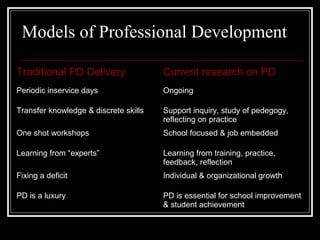
Models of Professional Development
Traditional PD Delivery Current research on PD
Periodic inservice days Ongoing
Transfer knowledge & discrete skills Support inquiry, study of pedegogy,
reflecting on practice
One shot workshops School focused & job embedded
Learning from “experts” Learning from training, practice,
feedback, reflection
Fixing a deficit Individual & organizational growth
PD is a luxury PD is essential for school improvement
& student achievement
There is a need for:
 Structured
 Systemic
 Sustained
Professional Development
What is TIP?
 Ongoing training
 Ideally, begins before the first day of class
 Induction to ROP
 2 year process
Why TIP?
 Eases the transition into teaching
 Improves teacher effectiveness
 Lets teachers know they are valued
 Student success!
Mentors
“So-called “mentors” are everywhere these
days, but they aren’t often given release time
or a clear compelling charge.”
Mike Schmoker
Teacher on Assignment-Peer Coach Leader
 Conducts classroom walkthroughs and informal
observations.
 Provides non-evaluative feedback, tips and suggestions
 Provides instructional information, resources and
guidance
 Conducts ongoing training workshops
Orientation – 2 days
 Teacher duties and responsibilities
 Introduction to organizational culture, mission, and vision
 Classroom management
 Attendance, registration and purchase procedures
 Advisory Committee Meetings
 Curriculum Planning
 Plan for the First Days of School
Culture
If you do not convey a school’s culture,
mission and beliefs when teachers join your
organization, then when do you?
TIP Workshop Content
 Model classroom visits
 Lesson plan design
 Technology
 Cooperative learning
 Rubrics and graphic organizers
 Special needs students
 Classroom management
 Assessment
Brain Based Education
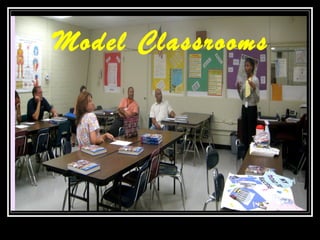
Model Classrooms
Campus Coaches
 Successful classroom teachers
 Knowledgeable of specific campus
policies and procedures
 Accessible
Pay me now…or pay me later…
 New teacher recruitment, orientation and typical
training costs approximately $7,000 each
 CRY-ROP averages 6-10 new teachers annually
 Teachers leave without support
 Impact on student learning
Costs
 Total cost of the TIP program is
approximately $60,000 per year
 TOA
 Peer Coach stipends
 Teacher workshops
 Toolkits & resources
Impact
 Better teaching and learning in the
classroom
 Increased retention of new teachers
 Stronger relationships with site
administration and ROP administration
“Training is one of the best ways to
send a message to your teachers that
you value them and want them to
succeed and stay. It is much worse
to not train teachers and keep them
than to train them and lose them!”
~ Harry Wong

TIP: A Teacher Support Program for Beginning CTE Teachers

  • 1.
    Colton-Redlands-Yucaipa ROP Presented by: BeckySharp, Teacher on Assignment Kit Alvarez, Director of Education Services Stephanie Houston, Superintendent TIP Teacher Induction Program
  • 2.
    Wake-up Call  Employmenttrends  Retention rate  Reasons why teachers left  Impact on resources  Reality check   Organizational priorities
  • 3.
    Research  Current literature Staff development  Teacher retention  The field  Are we alone?  What practices exist?
  • 4.
    Models of ProfessionalDevelopment Traditional PD Delivery Current research on PD Periodic inservice days Ongoing Transfer knowledge & discrete skills Support inquiry, study of pedegogy, reflecting on practice One shot workshops School focused & job embedded Learning from “experts” Learning from training, practice, feedback, reflection Fixing a deficit Individual & organizational growth PD is a luxury PD is essential for school improvement & student achievement
  • 5.
    There is aneed for:  Structured  Systemic  Sustained Professional Development
  • 6.
    What is TIP? Ongoing training  Ideally, begins before the first day of class  Induction to ROP  2 year process
  • 7.
    Why TIP?  Easesthe transition into teaching  Improves teacher effectiveness  Lets teachers know they are valued  Student success!
  • 8.
    Mentors “So-called “mentors” areeverywhere these days, but they aren’t often given release time or a clear compelling charge.” Mike Schmoker
  • 9.
    Teacher on Assignment-PeerCoach Leader  Conducts classroom walkthroughs and informal observations.  Provides non-evaluative feedback, tips and suggestions  Provides instructional information, resources and guidance  Conducts ongoing training workshops
  • 10.
    Orientation – 2days  Teacher duties and responsibilities  Introduction to organizational culture, mission, and vision  Classroom management  Attendance, registration and purchase procedures  Advisory Committee Meetings  Curriculum Planning  Plan for the First Days of School
  • 11.
    Culture If you donot convey a school’s culture, mission and beliefs when teachers join your organization, then when do you?
  • 12.
    TIP Workshop Content Model classroom visits  Lesson plan design  Technology  Cooperative learning  Rubrics and graphic organizers  Special needs students  Classroom management  Assessment
  • 13.
  • 14.
  • 16.
    Campus Coaches  Successfulclassroom teachers  Knowledgeable of specific campus policies and procedures  Accessible
  • 17.
    Pay me now…orpay me later…  New teacher recruitment, orientation and typical training costs approximately $7,000 each  CRY-ROP averages 6-10 new teachers annually  Teachers leave without support  Impact on student learning
  • 18.
    Costs  Total costof the TIP program is approximately $60,000 per year  TOA  Peer Coach stipends  Teacher workshops  Toolkits & resources
  • 19.
    Impact  Better teachingand learning in the classroom  Increased retention of new teachers  Stronger relationships with site administration and ROP administration
  • 21.
    “Training is oneof the best ways to send a message to your teachers that you value them and want them to succeed and stay. It is much worse to not train teachers and keep them than to train them and lose them!” ~ Harry Wong