Developing a Socially Constructed Self-Paced Learning Environment Jason Rhode, PhD www.niu.edu/~jrhode or
Objectives Discuss rationale for developing a socially constructed self-paced online learning environment Demonstrate implementation of the eLGG open source social networking system Share results of a recent research study exploring learner’s preferences for interaction in a socially constructed self-paced environment.
Introductory Ideas interaction self-paced learning emerging communication approaches social networking
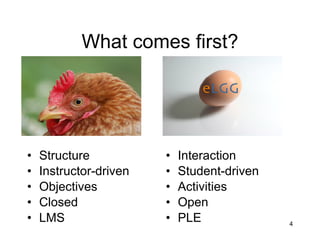
What comes first? Structure Instructor-driven Objectives Closed LMS Interaction Student-driven Activities Open PLE
Assumptions Substance and function of online interactions varies Interaction is essential for a quality learning experience Sole use of traditional learning management systems often results in restrictive, instructivist learning environments
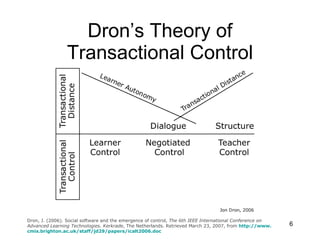
Dron’s Theory of Transactional Control Dron, J. (2006). Social software and the emergence of control,  The 6th IEEE International Conference on Advanced Learning Technologies. Kerkrade , The Netherlands. Retrieved March 23, 2007, from  http://www. cmis . brighton .ac.uk/staff/jd29/papers/icalt2006.doc
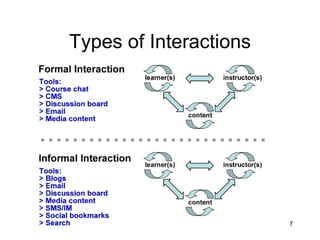
Types of Interactions
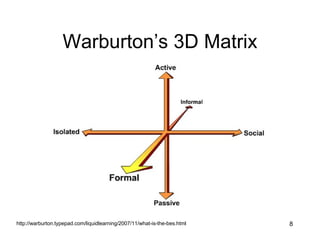
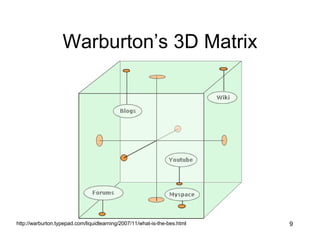
Warburton’s 3D Matrix http://warburton.typepad.com/liquidlearning/2007/11/what-is-the-bes.html
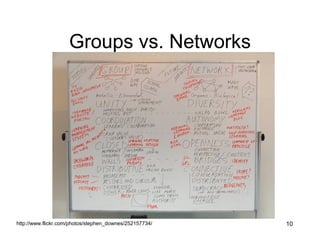
Groups vs. Networks http://www.flickr.com/photos/stephen_downes/252157734/
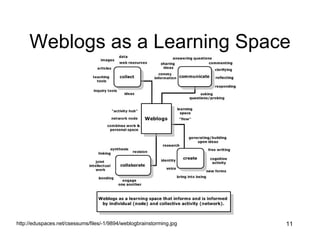
Weblogs as a Learning Space http://eduspaces.net/csessums/files/-1/9894/weblogbrainstorming.jpg
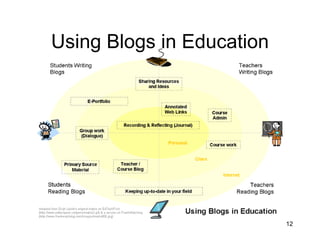
Using Blogs in Education
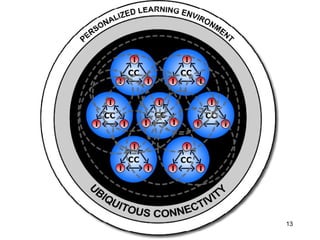
Anatomy of a Socially Constructed Self-Paced Learning Environment
Operational Definitions Socially Constructed Learning Environment Individuals actively participating in learning encounters through organic social networks  Self-Paced Learners retain control over pace in which they engage in learning interactions and activities
VFCC Online Certificate Program Characteristics Adult learners enrolled in fully-online professional development certificate program for children’s ministry professionals and laity New cohort of learners begins a course each month Learners proceed through course activities at an individualized pace with only stipulation being end-of-course deadline Program entitled, “Children’s Ministries University Online” More details at  www.cmuo.com
eLGG Open source Fully customizable Active development for extending the platform Can be configured to use LDAP authentication Public or private networks Blogging, tagging, user controls, RSS, & user profiles Users create own networks Hosted solution - elggspaces.com http://classic.elgg.org/features.php
Sample eLGG Communities http://community.brighton.ac.uk http://me2u.athabascau.ca   http://cmuonet.org http://commun-it.org   http://ubuntero.org   http://vlpc04.tugraz.at
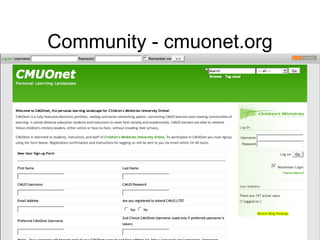
Community - cmuonet.org
Logged-In Access
Posting a New Entry
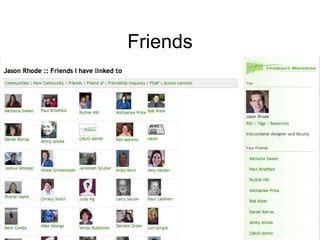
Friends
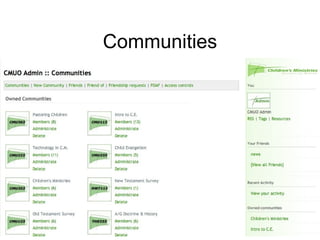
Communities
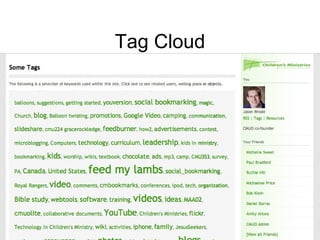
Tag Cloud
Course Blog Integration with Blackboard Course
Research Design Mixed methods approach Semi-structured in-depth interviews conducted near the conclusion of the course
Measures Semi-structured, in-depth interviews conducted over the phone, each approx. 1 hr. in length Questions addressed 3 main types of interaction and formal vs. informal nature of such interactions
Empirical Study Engagement (Activity) Value Equivalency Perceived Impact
Engagement in Interaction Overwhelmingly positive responses to course community, CMUOnet
Reported Involvement Most reported using course blog and social bookmarks Instructors blog was very helpful for most Participants didn’t attempt to contact outside experts In-course discussion was limited
Findings Blogging valued equally, and in some instances higher, than asynchronous discussion via the LMS Email was the preferred mode of interaction with instructor, blogging preferred for interaction with others Feedback from instructor was reported as very important Participants identified a correlation between quality of interaction and quality of learning experience
Conclusions Depending on the specific circumstance, not all forms of interaction may be either equally valued by learners or effective Informal interactions were as important as formal interactions in determining the quality of the online learning experience Blogging was shown to be equivalent to or even superior to instructor-directed asynchronous discussion via the discussion board in a LMS
Further Study Explore perspectives of learners in varying disciplines/institutions/social-cultural backgrounds/online learning environments Differing learner populations Unique aspects of emergent asynchronous communications such as blogging, collaborative authorship, social bookmarking, and social networking  To what extent can a social network system meet the needs of designers, instructors, and learners and therefore be capable of replacing an LMS? What impact does course size have on the self-paced online learning experience?
Q&A Thank you for coming!  This session is archived online at  www.niu.edu/~jrhode   Also, my email address is  [email_address]

The chicken or the Elgg? Developing a socially constructed self-paced learning environment

  • 1.
    Developing a SociallyConstructed Self-Paced Learning Environment Jason Rhode, PhD www.niu.edu/~jrhode or
  • 2.
    Objectives Discuss rationalefor developing a socially constructed self-paced online learning environment Demonstrate implementation of the eLGG open source social networking system Share results of a recent research study exploring learner’s preferences for interaction in a socially constructed self-paced environment.
  • 3.
    Introductory Ideas interactionself-paced learning emerging communication approaches social networking
  • 4.
    What comes first?Structure Instructor-driven Objectives Closed LMS Interaction Student-driven Activities Open PLE
  • 5.
    Assumptions Substance andfunction of online interactions varies Interaction is essential for a quality learning experience Sole use of traditional learning management systems often results in restrictive, instructivist learning environments
  • 6.
    Dron’s Theory ofTransactional Control Dron, J. (2006). Social software and the emergence of control, The 6th IEEE International Conference on Advanced Learning Technologies. Kerkrade , The Netherlands. Retrieved March 23, 2007, from http://www. cmis . brighton .ac.uk/staff/jd29/papers/icalt2006.doc
  • 7.
  • 8.
    Warburton’s 3D Matrixhttp://warburton.typepad.com/liquidlearning/2007/11/what-is-the-bes.html
  • 9.
    Warburton’s 3D Matrixhttp://warburton.typepad.com/liquidlearning/2007/11/what-is-the-bes.html
  • 10.
    Groups vs. Networkshttp://www.flickr.com/photos/stephen_downes/252157734/
  • 11.
    Weblogs as aLearning Space http://eduspaces.net/csessums/files/-1/9894/weblogbrainstorming.jpg
  • 12.
    Using Blogs inEducation
  • 13.
    Anatomy of aSocially Constructed Self-Paced Learning Environment
  • 14.
    Operational Definitions SociallyConstructed Learning Environment Individuals actively participating in learning encounters through organic social networks Self-Paced Learners retain control over pace in which they engage in learning interactions and activities
  • 15.
    VFCC Online CertificateProgram Characteristics Adult learners enrolled in fully-online professional development certificate program for children’s ministry professionals and laity New cohort of learners begins a course each month Learners proceed through course activities at an individualized pace with only stipulation being end-of-course deadline Program entitled, “Children’s Ministries University Online” More details at www.cmuo.com
  • 16.
    eLGG Open sourceFully customizable Active development for extending the platform Can be configured to use LDAP authentication Public or private networks Blogging, tagging, user controls, RSS, & user profiles Users create own networks Hosted solution - elggspaces.com http://classic.elgg.org/features.php
  • 17.
    Sample eLGG Communitieshttp://community.brighton.ac.uk http://me2u.athabascau.ca http://cmuonet.org http://commun-it.org http://ubuntero.org http://vlpc04.tugraz.at
  • 18.
  • 19.
  • 20.
  • 21.
  • 22.
  • 23.
  • 24.
    Course Blog Integrationwith Blackboard Course
  • 25.
    Research Design Mixedmethods approach Semi-structured in-depth interviews conducted near the conclusion of the course
  • 26.
    Measures Semi-structured, in-depthinterviews conducted over the phone, each approx. 1 hr. in length Questions addressed 3 main types of interaction and formal vs. informal nature of such interactions
  • 27.
    Empirical Study Engagement(Activity) Value Equivalency Perceived Impact
  • 28.
    Engagement in InteractionOverwhelmingly positive responses to course community, CMUOnet
  • 29.
    Reported Involvement Mostreported using course blog and social bookmarks Instructors blog was very helpful for most Participants didn’t attempt to contact outside experts In-course discussion was limited
  • 30.
    Findings Blogging valuedequally, and in some instances higher, than asynchronous discussion via the LMS Email was the preferred mode of interaction with instructor, blogging preferred for interaction with others Feedback from instructor was reported as very important Participants identified a correlation between quality of interaction and quality of learning experience
  • 31.
    Conclusions Depending onthe specific circumstance, not all forms of interaction may be either equally valued by learners or effective Informal interactions were as important as formal interactions in determining the quality of the online learning experience Blogging was shown to be equivalent to or even superior to instructor-directed asynchronous discussion via the discussion board in a LMS
  • 32.
    Further Study Exploreperspectives of learners in varying disciplines/institutions/social-cultural backgrounds/online learning environments Differing learner populations Unique aspects of emergent asynchronous communications such as blogging, collaborative authorship, social bookmarking, and social networking To what extent can a social network system meet the needs of designers, instructors, and learners and therefore be capable of replacing an LMS? What impact does course size have on the self-paced online learning experience?
  • 33.
    Q&A Thank youfor coming! This session is archived online at www.niu.edu/~jrhode Also, my email address is [email_address]