Tesseract OCR Engine
Contents 
• Introduction & history of OCR 
• Tesseract architecture & methods 
• Announcing Tesseract 2.00 
• Training Tesseract 
• Future enhancements
A Brief History of OCR 
• What is Optical Character Recognition? 
• A Brief History of OCR 
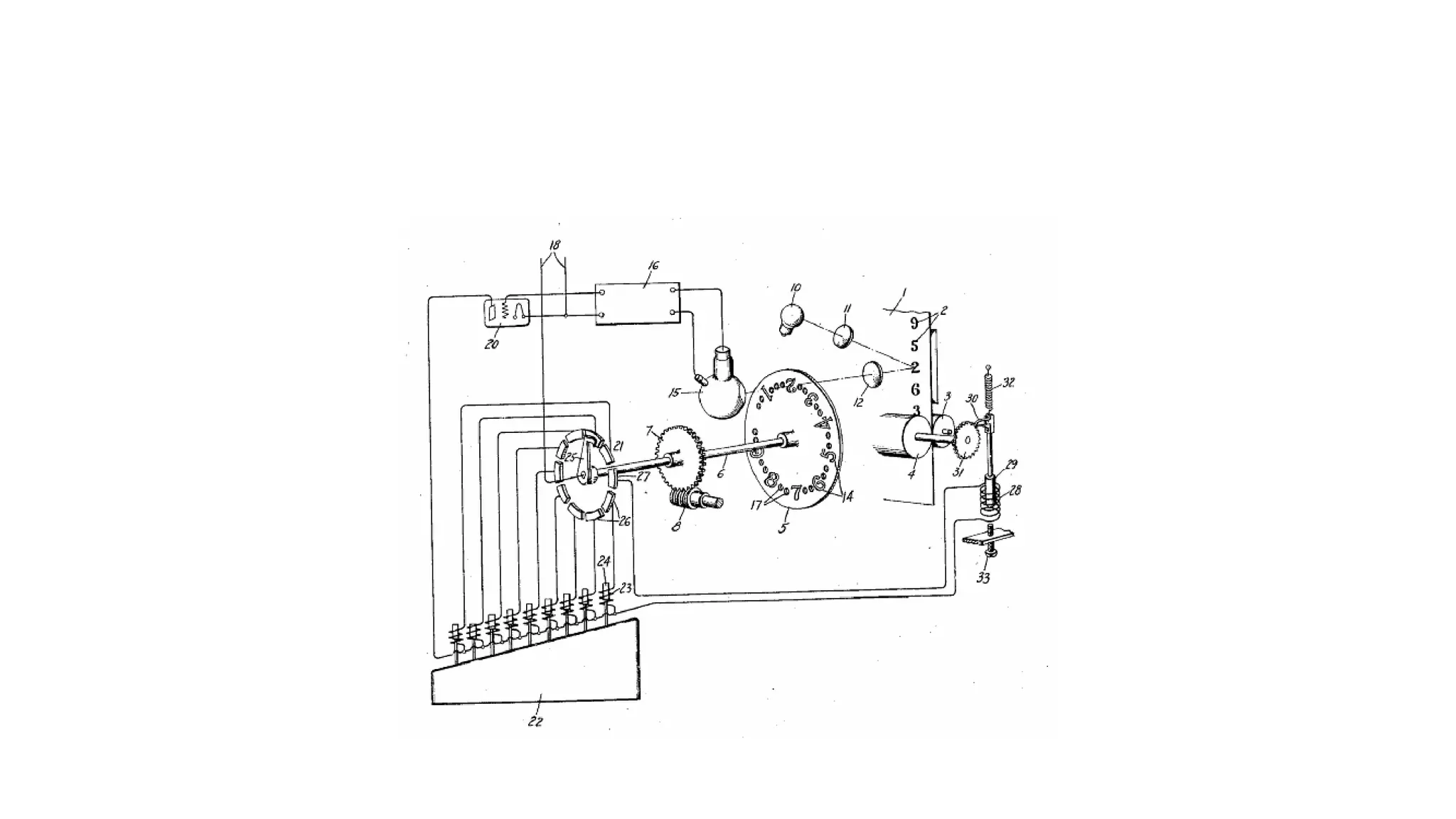
• OCR predates electronic computers!
A Brief History of OCR 
• 1929 – Digit recognition machine 
• 1953 – Alphanumeric recognition machine 
• 1965 – US Mail sorting 
• 1965 – British banking system 
• 1976 – Kurzweil reading machine 
• 1985 – Hardware-assisted PC software 
• 1988 – Software-only PC software 
• 1994-2000 – Industry consolidation
Tesseract Background 
• Developed on HP-UX at HP between 1985 
• and 1994 to run in a desktop scanner. 
• Came neck and neck with Caere and XIS 
• in the 1995 UNLV test. 
• (See http://www.isri.unlv.edu/downloads/AT-1995.pdf ) 
• Never used in an HP product. 
• Open sourced in 2005. Now on: 
• http://code.google.com/p/tesseract-ocr 
• Highly portable.
Tesseract OCR Architecture 
• Baselines are rarely perfectly straight 
• Text Line Finding – skew independent – 
• published at ICDAR’95 Montreal. 
• (http://scholar.google.com/scholar?q=skew+detection+smith) 
• Baselines are approximated by quadratic splines 
• to account for skew and curl. 
• Meanline, ascender and descender lines are a 
• constant displacement from baseline. 
• Critical value is the x-height.
Spaces between words are tricky too 
• Italics, digits, punctuation all create special-case font-dependent 
spacing. 
• • Fully justified text in narrow columns can have vastly varying 
spacing on different lines. 
• Tesseract: Recognize Word 
• Outline Approximation 
• Polygonal approximation is a double-edged sword. 
• Noise and some pertinent information are both lost.
Tesseract: Features and Matching 
• Static classifier uses outline fragments as features. Broken characters 
are easily recognizable by a small->large matching process in classifier. 
(This is slow.) 
• Adaptive classifier uses the same technique! 
• (Apart from normalization method)
Announcing tesseract-2.00 
• Fully Unicode (UTF-8) capable 
• Already trained for 6 Latin-based 
• languages (Eng, Fra, Ita, Deu, Spa, Nld) 
• Code and documented process to train at 
• http://code.google.com/p/tesseract-ocr 
• UNLV regression test framework 
• Other minor fixes
Commercial OCR v Tesseract 
• Page layout analysis. 
• More languages. 
• Improve accuracy. 
• Add a UI.

Tesseract OCR Engine

  • 1.
  • 2.
    Contents • Introduction& history of OCR • Tesseract architecture & methods • Announcing Tesseract 2.00 • Training Tesseract • Future enhancements
  • 3.
    A Brief Historyof OCR • What is Optical Character Recognition? • A Brief History of OCR • OCR predates electronic computers!
  • 5.
    A Brief Historyof OCR • 1929 – Digit recognition machine • 1953 – Alphanumeric recognition machine • 1965 – US Mail sorting • 1965 – British banking system • 1976 – Kurzweil reading machine • 1985 – Hardware-assisted PC software • 1988 – Software-only PC software • 1994-2000 – Industry consolidation
  • 6.
    Tesseract Background •Developed on HP-UX at HP between 1985 • and 1994 to run in a desktop scanner. • Came neck and neck with Caere and XIS • in the 1995 UNLV test. • (See http://www.isri.unlv.edu/downloads/AT-1995.pdf ) • Never used in an HP product. • Open sourced in 2005. Now on: • http://code.google.com/p/tesseract-ocr • Highly portable.
  • 7.
    Tesseract OCR Architecture • Baselines are rarely perfectly straight • Text Line Finding – skew independent – • published at ICDAR’95 Montreal. • (http://scholar.google.com/scholar?q=skew+detection+smith) • Baselines are approximated by quadratic splines • to account for skew and curl. • Meanline, ascender and descender lines are a • constant displacement from baseline. • Critical value is the x-height.
  • 8.
    Spaces between wordsare tricky too • Italics, digits, punctuation all create special-case font-dependent spacing. • • Fully justified text in narrow columns can have vastly varying spacing on different lines. • Tesseract: Recognize Word • Outline Approximation • Polygonal approximation is a double-edged sword. • Noise and some pertinent information are both lost.
  • 9.
    Tesseract: Features andMatching • Static classifier uses outline fragments as features. Broken characters are easily recognizable by a small->large matching process in classifier. (This is slow.) • Adaptive classifier uses the same technique! • (Apart from normalization method)
  • 10.
    Announcing tesseract-2.00 •Fully Unicode (UTF-8) capable • Already trained for 6 Latin-based • languages (Eng, Fra, Ita, Deu, Spa, Nld) • Code and documented process to train at • http://code.google.com/p/tesseract-ocr • UNLV regression test framework • Other minor fixes
  • 11.
    Commercial OCR vTesseract • Page layout analysis. • More languages. • Improve accuracy. • Add a UI.