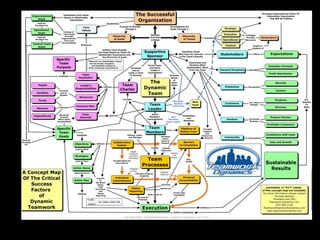
Team Building & Teamwork The Art, Science and Practice Understanding Work Teams A Report by: Maricris C. Martin  February 07, 2009 Professor: Jo B. Bitonio, DPA HBO
Team  versus Groups: What’s the Difference? Work Group A group who interact primarily to  share   information and to make  decisions  to help one another  perform  within each member’s  area  of responsibility. Work Team Generates  positive  synergy through  coordinated effort  that result in a  level of performance  that is  greater than the  sum  of those individual inputs.
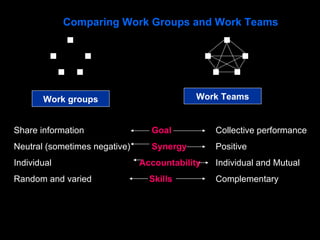
Work groups Work Teams Share information   Goal   Collective performance Neutral (sometimes negative)   Synergy   Positive Individual   Accountability   Individual and Mutual Random and varied   Skills   Complementary Comparing Work Groups and Work Teams


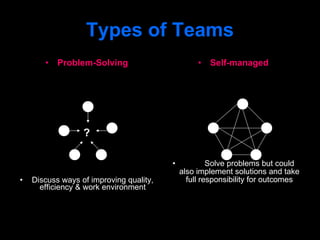
Types of Teams Problem-Solving ? Discuss ways of improving quality, efficiency & work environment Self-managed Solve problems but could also implement solutions and take full responsibility for outcomes
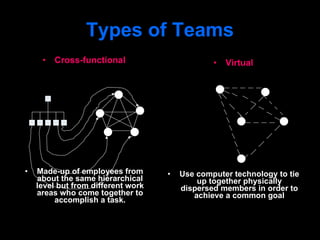
Types of Teams Cross-functional Made-up of employees from about the same hierarchical level but from different work areas who come together to accomplish a task. Virtual Use computer technology to tie up together physically dispersed members in order to achieve a common goal
 
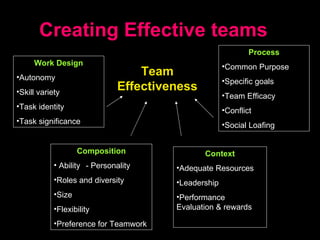
Creating Effective teams Team Effectiveness Work Design Autonomy Skill variety Task identity Task significance Composition Ability  - Personality Roles and diversity Size Flexibility Preference for Teamwork Context Adequate Resources Leadership Performance Evaluation & rewards Process Common Purpose Specific goals Team Efficacy Conflict Social Loafing
 
 
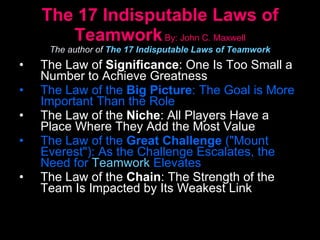
The 17 Indisputable Laws of Teamwork  By: John C. Maxwell The author of  T he 17 Indisputable Laws of Teamwork The Law of  Significance : One Is Too Small a Number to Achieve Greatness     The Law of the  Big Picture : The Goal is More Important Than the Role  The Law of the  Niche : All Players Have a Place Where They Add the Most Value  The Law of the  Great Challenge  ("Mount Everest"): As the Challenge Escalates, the   Need for  Teamwork  Elevates   The Law of the  Chain : The Strength of the Team Is Impacted by Its Weakest Link
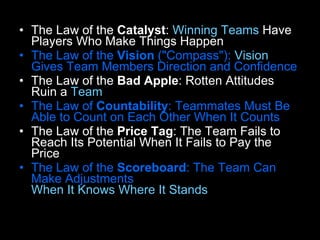
The Law of the  Catalyst :  Winning Teams  Have Players Who Make Things Happen  The Law of the  Vision  ("Compass"):  Vision  Gives Team Members Direction and Confidence  The Law of the  Bad Apple : Rotten Attitudes Ruin a  Team   The Law of  Countability : Teammates Must Be Able to Count on Each Other When It Counts   The Law of the  Price Tag : The Team Fails to Reach Its Potential When It Fails to Pay the Price  The Law of the  Scoreboard : The Team Can Make Adjustments  When It Knows Where It Stands
The Law of the  Bench : Great Teams Have Great Depth  The Law of  Identity :  Shared Values  Define the Team  The Law of  Communication : Interaction Fuels Action  The Law of  High Morale : When You're Winning, Nothing Hurts  The Law of  Dividends : Investing in the Team Compounds Over Time  The Law of the  Edge : The Difference Between Two Equally Talented Teams Is  Leadership  ***
The purpose of assembling a  team  is to accomplish bigger goals than any that would be possible for the individual working alone. The aim and purpose of a team is to perform, get results and achieve victory in the workplace and marketplace. 
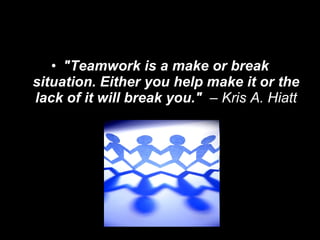
"Teamwork is a make or break situation. Either you help make it or the lack of it will break you."   – Kris A. Hiatt
Why Team Building? Teamwork is essential for competing in today's global arena, where individual perfection is not as desirable as a high level of collective performance. In  knowledge based enterprises , teams are the norm rather than the exception. A critical feature of these team is that they have a significant degree of  empowerment , or decision-making authority.
“ Be The Best Possible.” The Quality Of Your Work  Is a Measure  Of The Quality Of Yourself!
~Thank you~ References: Robbins, Stephen  P., “Essentials of Organization Behavior.” 6 th  Edition 2003, UP NCPAG Katzenbach, John et al., “The Wisdom of Teams.” Mondy, Wayne R. et.al, “Human Resource Management.” 5 th  Edition 1993 Maxwell, John C.,  “ The 17 Indisputable Laws of Teamwork.”  www.1000ventures.com  :Ten3 Business e-Coach, “Ten3  global internet polls”

Teamwork

  • 1.
    Team Building &Teamwork The Art, Science and Practice Understanding Work Teams A Report by: Maricris C. Martin February 07, 2009 Professor: Jo B. Bitonio, DPA HBO
  • 2.
    Team versusGroups: What’s the Difference? Work Group A group who interact primarily to share information and to make decisions to help one another perform within each member’s area of responsibility. Work Team Generates positive synergy through coordinated effort that result in a level of performance that is greater than the sum of those individual inputs.
  • 3.
    Work groups WorkTeams Share information Goal Collective performance Neutral (sometimes negative) Synergy Positive Individual Accountability Individual and Mutual Random and varied Skills Complementary Comparing Work Groups and Work Teams
  • 4.
  • 5.
  • 6.
  • 7.
  • 8.
  • 9.
    Types of TeamsProblem-Solving ? Discuss ways of improving quality, efficiency & work environment Self-managed Solve problems but could also implement solutions and take full responsibility for outcomes
  • 10.
    Types of TeamsCross-functional Made-up of employees from about the same hierarchical level but from different work areas who come together to accomplish a task. Virtual Use computer technology to tie up together physically dispersed members in order to achieve a common goal
  • 11.
  • 12.
    Creating Effective teamsTeam Effectiveness Work Design Autonomy Skill variety Task identity Task significance Composition Ability - Personality Roles and diversity Size Flexibility Preference for Teamwork Context Adequate Resources Leadership Performance Evaluation & rewards Process Common Purpose Specific goals Team Efficacy Conflict Social Loafing
  • 13.
  • 14.
  • 15.
    The 17 IndisputableLaws of Teamwork By: John C. Maxwell The author of T he 17 Indisputable Laws of Teamwork The Law of Significance : One Is Too Small a Number to Achieve Greatness The Law of the Big Picture : The Goal is More Important Than the Role The Law of the Niche : All Players Have a Place Where They Add the Most Value The Law of the Great Challenge ("Mount Everest"): As the Challenge Escalates, the Need for Teamwork Elevates The Law of the Chain : The Strength of the Team Is Impacted by Its Weakest Link
  • 16.
    The Law ofthe Catalyst : Winning Teams Have Players Who Make Things Happen The Law of the Vision ("Compass"): Vision Gives Team Members Direction and Confidence The Law of the Bad Apple : Rotten Attitudes Ruin a Team The Law of Countability : Teammates Must Be Able to Count on Each Other When It Counts The Law of the Price Tag : The Team Fails to Reach Its Potential When It Fails to Pay the Price The Law of the Scoreboard : The Team Can Make Adjustments When It Knows Where It Stands
  • 17.
    The Law ofthe Bench : Great Teams Have Great Depth The Law of Identity : Shared Values Define the Team The Law of Communication : Interaction Fuels Action The Law of High Morale : When You're Winning, Nothing Hurts The Law of Dividends : Investing in the Team Compounds Over Time The Law of the Edge : The Difference Between Two Equally Talented Teams Is Leadership ***
  • 18.
    The purpose ofassembling a team is to accomplish bigger goals than any that would be possible for the individual working alone. The aim and purpose of a team is to perform, get results and achieve victory in the workplace and marketplace. 
  • 19.
    "Teamwork is amake or break situation. Either you help make it or the lack of it will break you."  – Kris A. Hiatt
  • 20.
    Why Team Building?Teamwork is essential for competing in today's global arena, where individual perfection is not as desirable as a high level of collective performance. In knowledge based enterprises , teams are the norm rather than the exception. A critical feature of these team is that they have a significant degree of empowerment , or decision-making authority.
  • 21.
    “ Be TheBest Possible.” The Quality Of Your Work Is a Measure Of The Quality Of Yourself!
  • 22.
    ~Thank you~ References:Robbins, Stephen P., “Essentials of Organization Behavior.” 6 th Edition 2003, UP NCPAG Katzenbach, John et al., “The Wisdom of Teams.” Mondy, Wayne R. et.al, “Human Resource Management.” 5 th Edition 1993 Maxwell, John C., “ The 17 Indisputable Laws of Teamwork.” www.1000ventures.com :Ten3 Business e-Coach, “Ten3 global internet polls”