TEACHING SPEAKING AND WRITING TO
ADULTS AND YOUNG ADULTS
Why is it so hard to teach these
things???
• When you’re teaching speaking and writing the biggest
challenge is getting your students excited or motivated about
the activities.
• A lot of the students we see here in Kazakhstan feel like they
don’t really need to master these skills, or the language as a
whole.
• Activities that focus on these skills can require a lot of
preparation and creativity from the teacher.
• Many teachers don’t know how to assess these Abilities.
Theo Navarro December 2013

2
How can I get my students to be more
involved in the activities?
• Be creative when planning your lessons. Use your knowledge about
the students to adapt activities to what they like.
• Look outside the book. Textbooks are great because they give us
direction and a lot of resources, but it’s okay to find different
activities that you think your students will like more.
• Make sure the activities are realistic. Don’t teach them things that
they cannot use in real life! They don’t need to memorize
conversations, they don’t need to learn how to write letters and they
don’t need to do translation activities!
Do a “Needs Analysis”
• At the beginning of each semester give your students a questionnaire.
Find out WHY they need English. When you know what they need to
do with the language, you can help them practice those things.
• The more you know about your students, the easier it is to plan your
lessons.
• Sometimes students need to be reminded that they actually NEED the
language.
• Ask questions like:
• “Do you need English to go on holiday?”
• “Do you need to apply to a University in English?”
• “Do you want to watch films or TV shows in English?”
WHAT TYPES OF ACTIVITIES CAN I DO TO HELP
THEM PRACTICE WRITING?
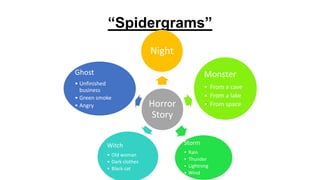
“Spidergrams”
Night
Ghost

Monster

• Unfinished
business
• Green smoke
• Angry

• From a cave
• From a lake
• From space

Horror
Story

Witch

Storm

• Old woman
• Dark clothes
• Black cat

•
•
•
•

Rain
Thunder
Lightning
Wind
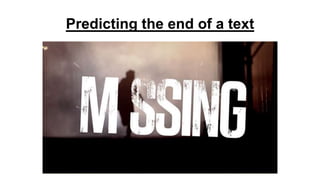
Predicting the end of a text
“Idea confetti” and sentence building.
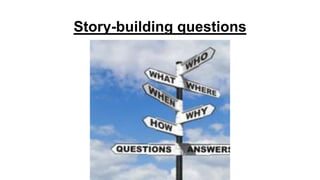
Story-building questions
Realistic Writing
• Teach students to do things that they NEED to do
• E.g.
•
•
•
•
•

Cover Letters
Formal and informal E-mails
Text Messages
Social Media
CV Writing

• Don’t teach students ANYTHING that is useless!
AND WHAT ABOUT SPEAKING?
Use your students’ emotions
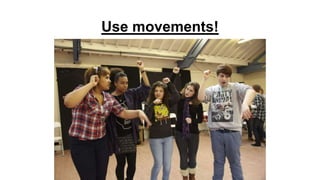
Use movements!
Use topics they WANT to talk about
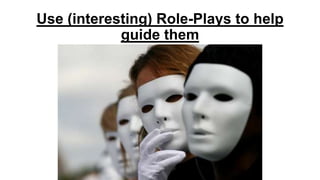
Use (interesting) Role-Plays to help
guide them
Use your students’ personal
experiences
Thank You for your attention !
Do you have any questions?

Teaching productive skills

  • 1.
    TEACHING SPEAKING ANDWRITING TO ADULTS AND YOUNG ADULTS
  • 2.
    Why is itso hard to teach these things??? • When you’re teaching speaking and writing the biggest challenge is getting your students excited or motivated about the activities. • A lot of the students we see here in Kazakhstan feel like they don’t really need to master these skills, or the language as a whole. • Activities that focus on these skills can require a lot of preparation and creativity from the teacher. • Many teachers don’t know how to assess these Abilities. Theo Navarro December 2013 2
  • 3.
    How can Iget my students to be more involved in the activities? • Be creative when planning your lessons. Use your knowledge about the students to adapt activities to what they like. • Look outside the book. Textbooks are great because they give us direction and a lot of resources, but it’s okay to find different activities that you think your students will like more. • Make sure the activities are realistic. Don’t teach them things that they cannot use in real life! They don’t need to memorize conversations, they don’t need to learn how to write letters and they don’t need to do translation activities!
  • 4.
    Do a “NeedsAnalysis” • At the beginning of each semester give your students a questionnaire. Find out WHY they need English. When you know what they need to do with the language, you can help them practice those things. • The more you know about your students, the easier it is to plan your lessons. • Sometimes students need to be reminded that they actually NEED the language. • Ask questions like: • “Do you need English to go on holiday?” • “Do you need to apply to a University in English?” • “Do you want to watch films or TV shows in English?”
  • 5.
    WHAT TYPES OFACTIVITIES CAN I DO TO HELP THEM PRACTICE WRITING?
  • 6.
    “Spidergrams” Night Ghost Monster • Unfinished business • Greensmoke • Angry • From a cave • From a lake • From space Horror Story Witch Storm • Old woman • Dark clothes • Black cat • • • • Rain Thunder Lightning Wind
  • 7.
  • 8.
    “Idea confetti” andsentence building.
  • 9.
  • 10.
    Realistic Writing • Teachstudents to do things that they NEED to do • E.g. • • • • • Cover Letters Formal and informal E-mails Text Messages Social Media CV Writing • Don’t teach students ANYTHING that is useless!
  • 11.
    AND WHAT ABOUTSPEAKING?
  • 12.
  • 13.
  • 14.
    Use topics theyWANT to talk about
  • 15.
    Use (interesting) Role-Playsto help guide them
  • 16.
    Use your students’personal experiences
  • 17.
    Thank You foryour attention ! Do you have any questions?

Editor's Notes

  • #8 Print text.
  • #9 Cut up pieces of paper. Print lined paper
  • #10 Print questions
  • #11 Print EiM 3 image
  • #13 Use Jane DeLuzzio’s story techniques
  • #14 Jane DeLuzzio’s Acting techniques
  • #16 Print Blackout roleplay