Teaching-Learning Challenges
in the 21st Century
Technology Integration in a
Learner-Centered Classroon
What does it mean to teach in
the 21st century?
video
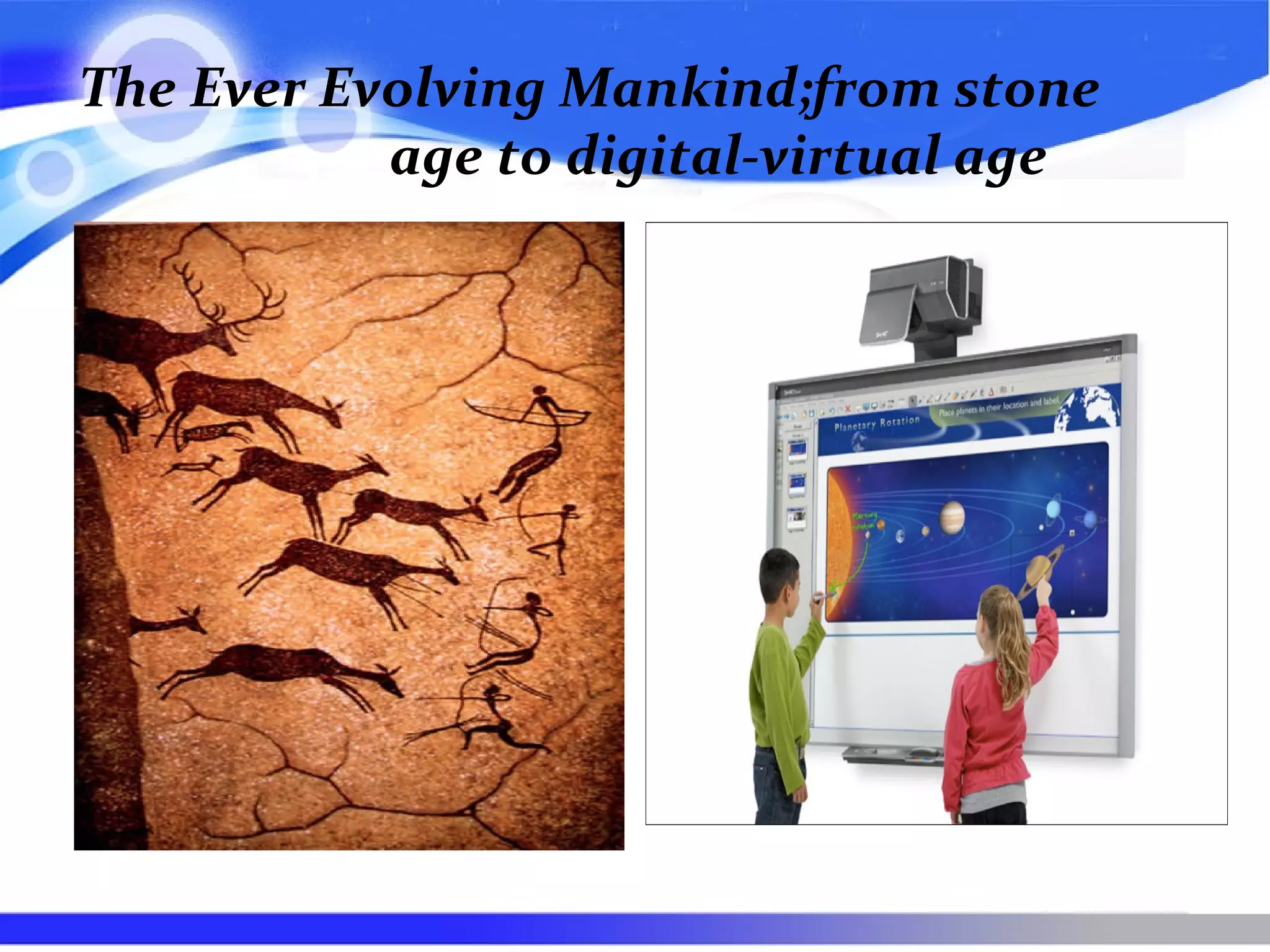
The Ever Evolving Mankind;from stone
age to digital-virtual age
Know these jobs?
• Social media strategist
• user experience specialist
• Telework manager
• Civic engagement activist
• Humanitarian reform manager
Challenges for the Millennial Learners'
With employment on the horizon, Millennial students must be
able to demonstrate a solid foundation of computing skills
and experience.
Employers reviewing job applications and interviewing
candidates expect and require certification of digital
literacy standards. This validation enables employers to
confirm and be assured individuals have core ICT skills to
function productively, efficiently and competently in the
world.
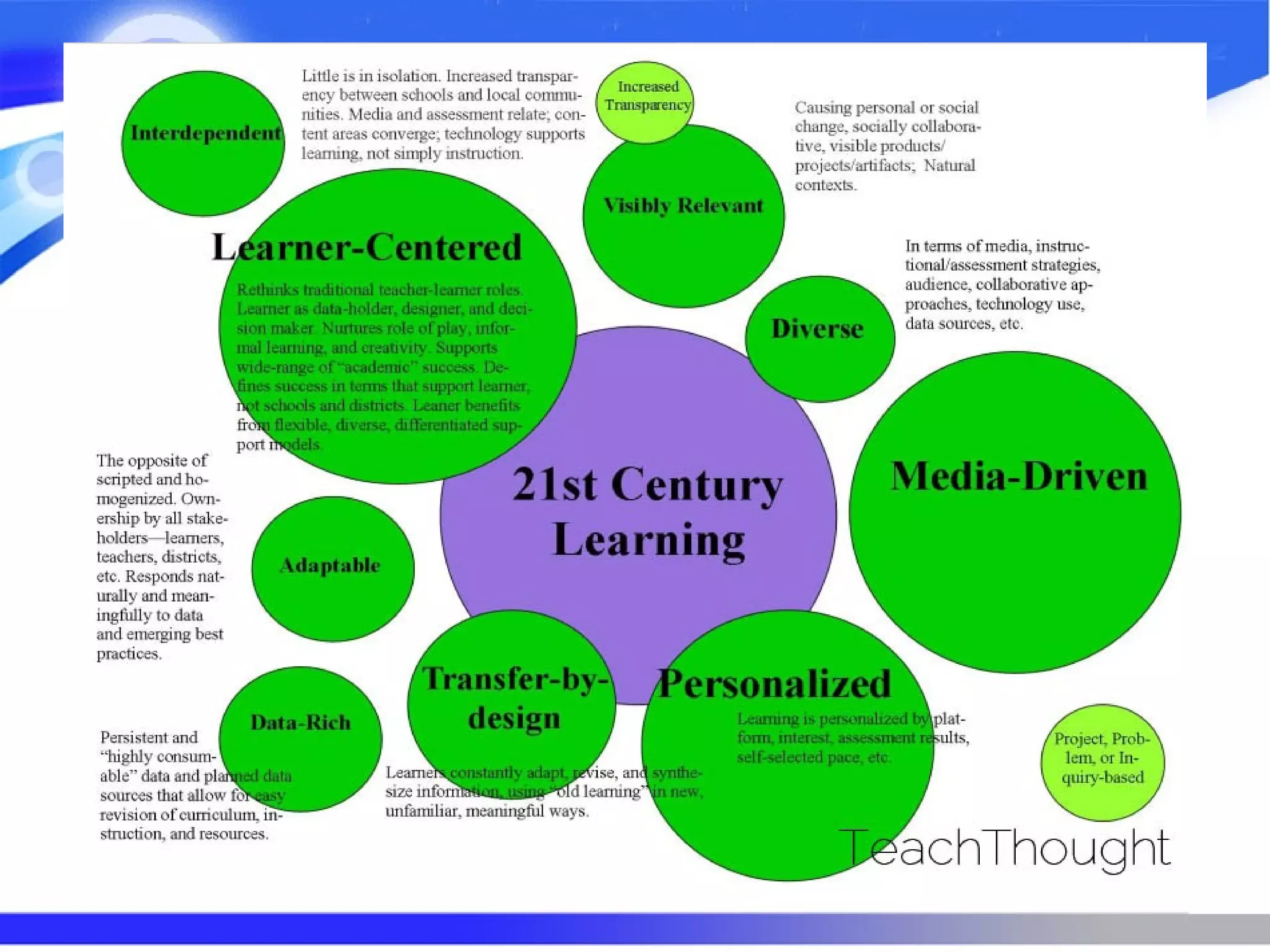
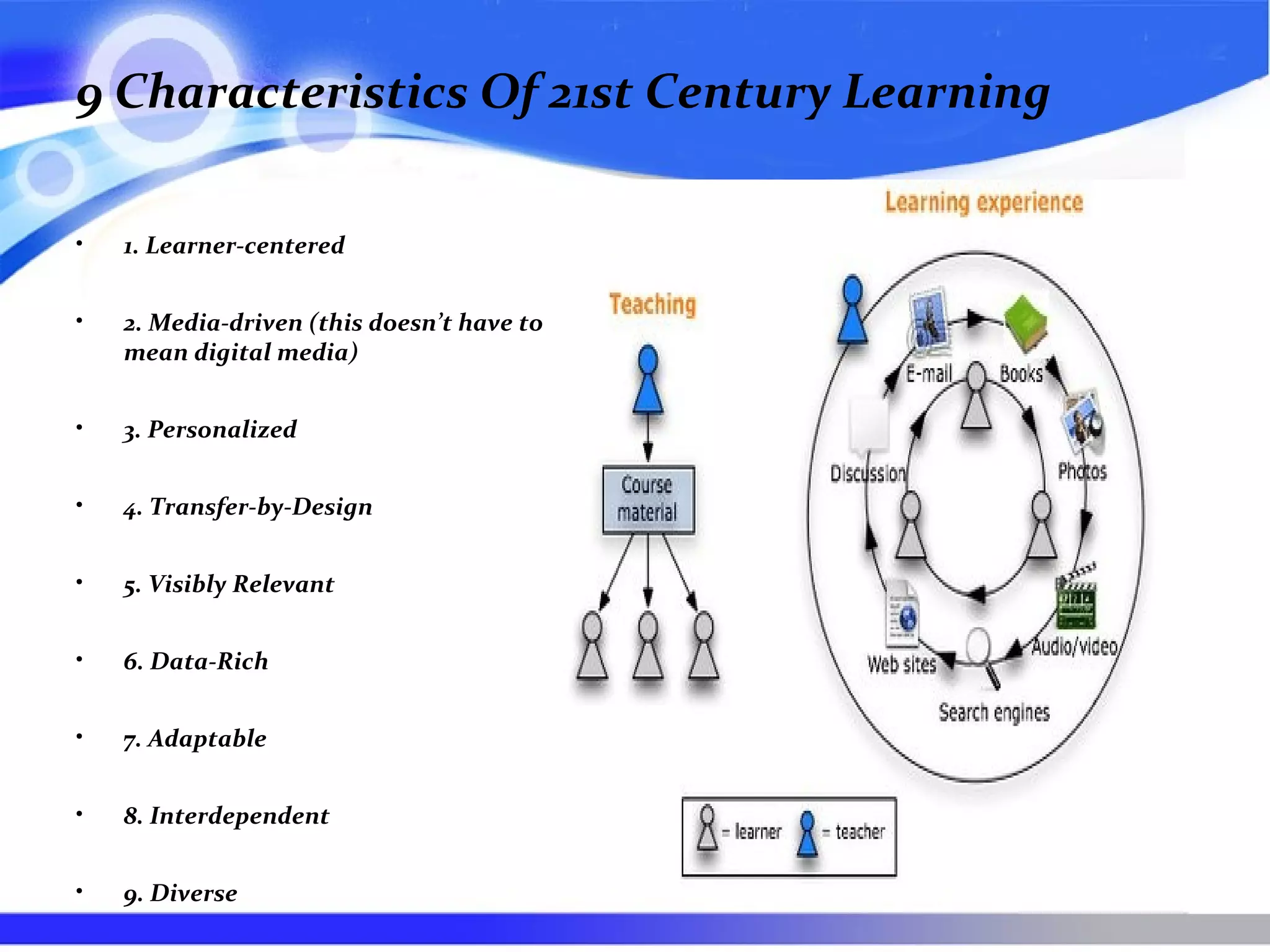
9 Characteristics Of 21st Century Learning
• 1. Learner-centered
• 2. Media-driven (this doesn’t have to
mean digital media)
• 3. Personalized
• 4. Transfer-by-Design
• 5. Visibly Relevant
• 6. Data-Rich
• 7. Adaptable
• 8. Interdependent
• 9. Diverse
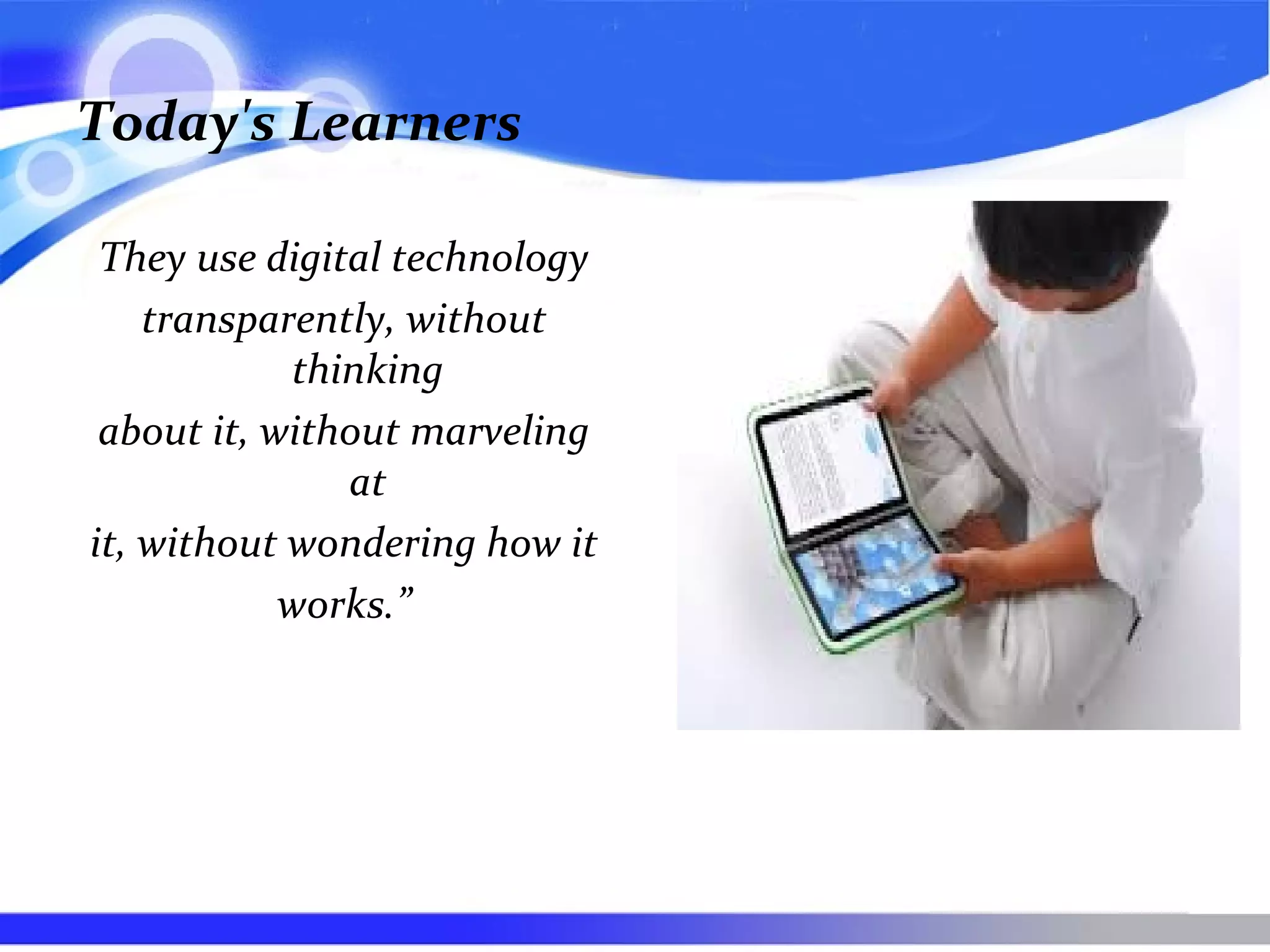
Today's Learners
They use digital technology
transparently, without
thinking
about it, without marveling
at
it, without wondering how it
works.”
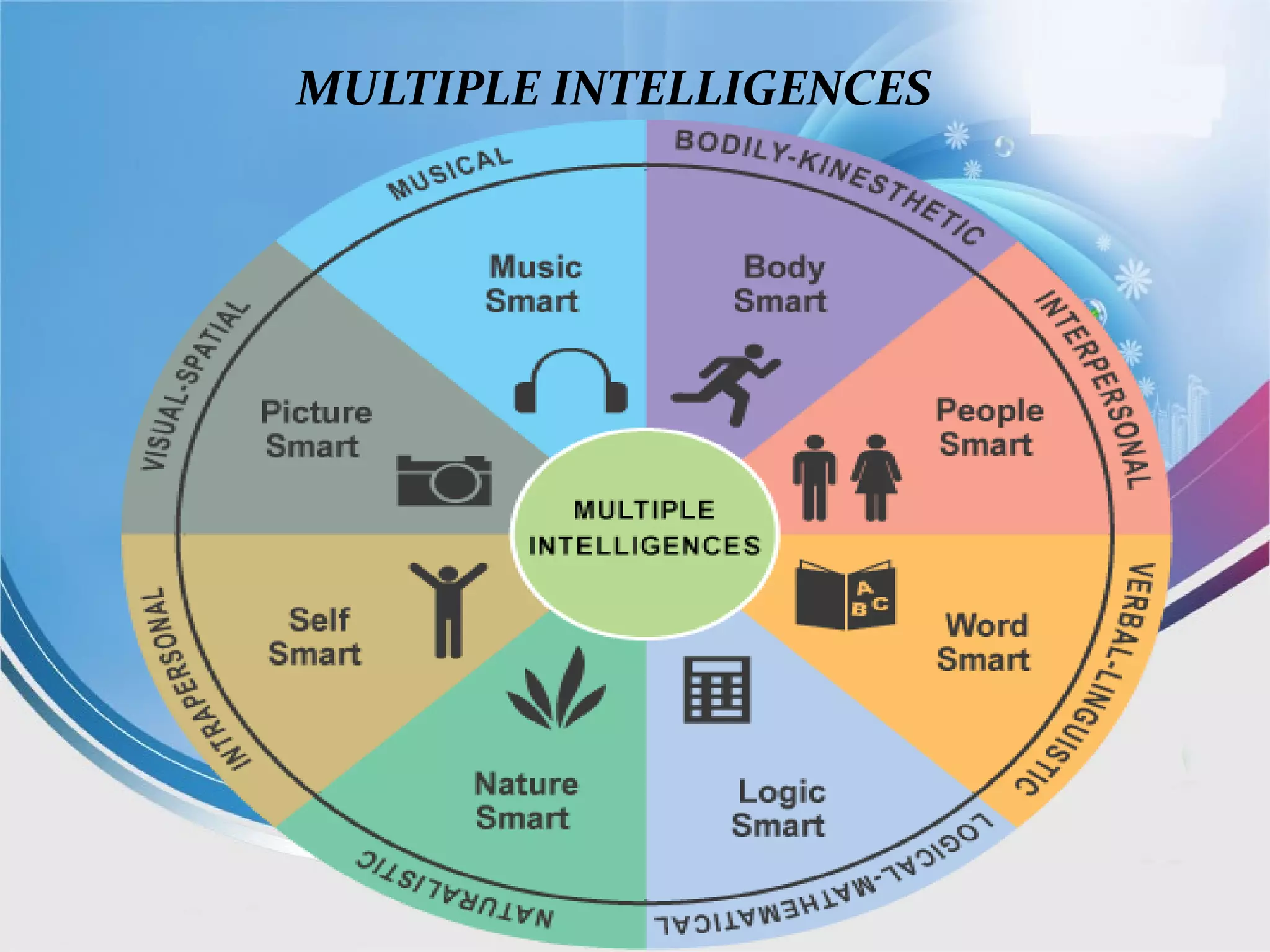
MULTIPLE INTELLIGENCES
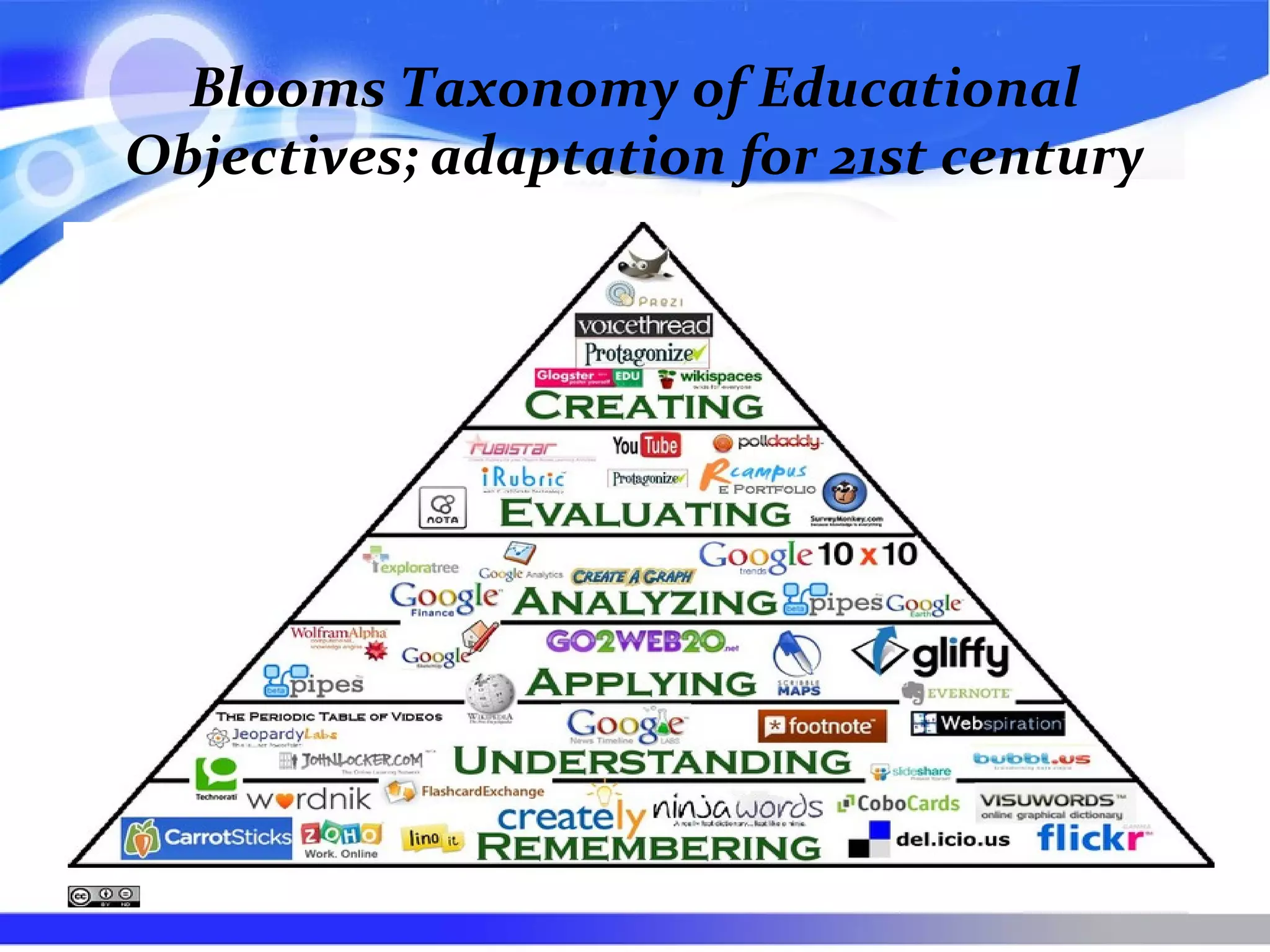
Blooms Taxonomy of Educational
Objectives; adaptation for 21st century
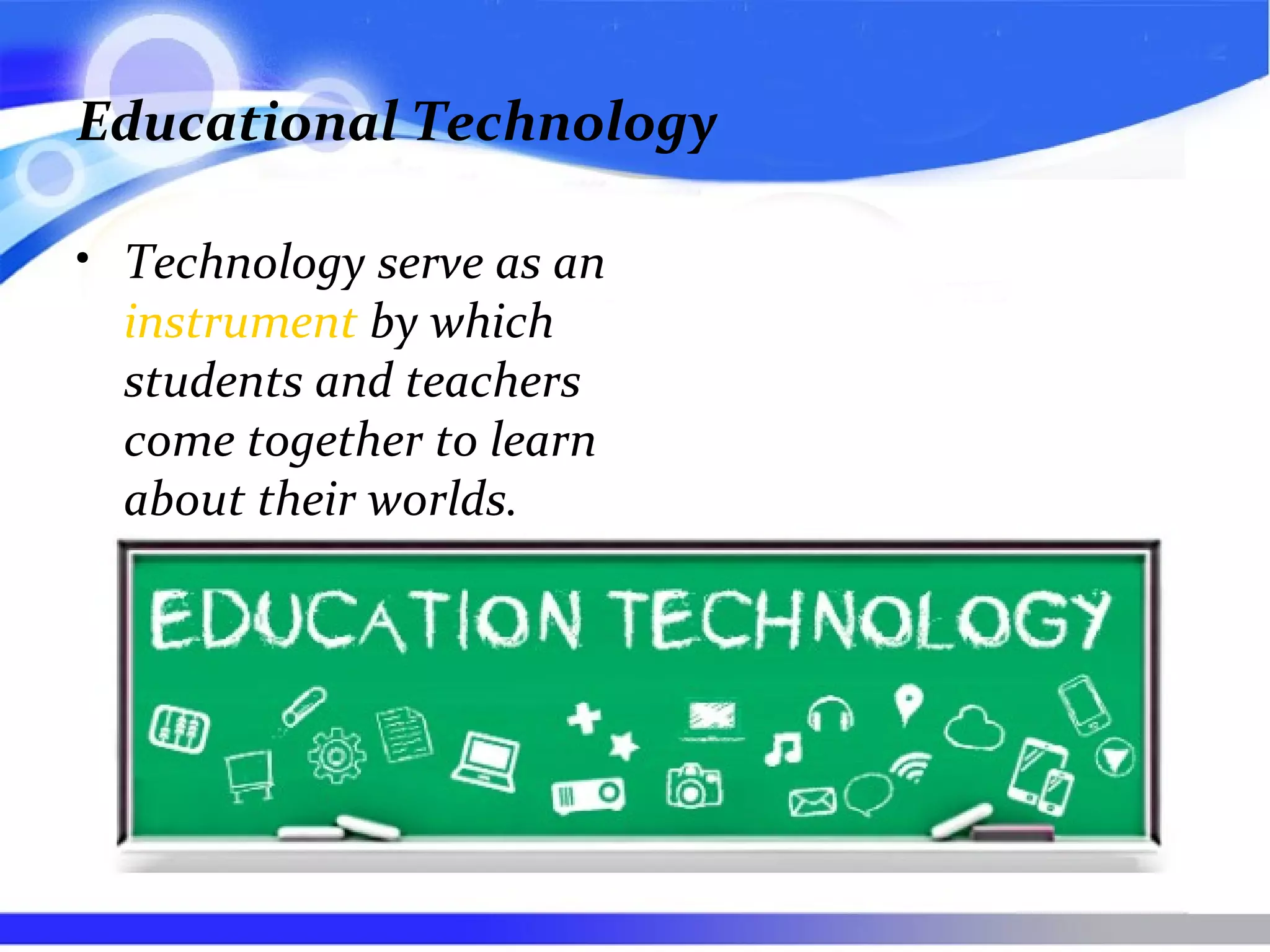
Educational Technology
• Technology serve as an
instrument by which
students and teachers
come together to learn
about their worlds.
Need To Use Technology in Education
• Handout; containing details regarding the significance of
tech based teaching.
• Great teachers using digital technology with
certified computing skills will be the most powerful
educators in the 21st century.
21st Century Teaching- Learning Skills
• Handout;containing the detailed list of skills required in
years to come as the learners of today are going to join
the workforce in a decade or two from now.
Remember the 4 C's
• Critical thinking
• Collaboration
• Creativity
• Communication
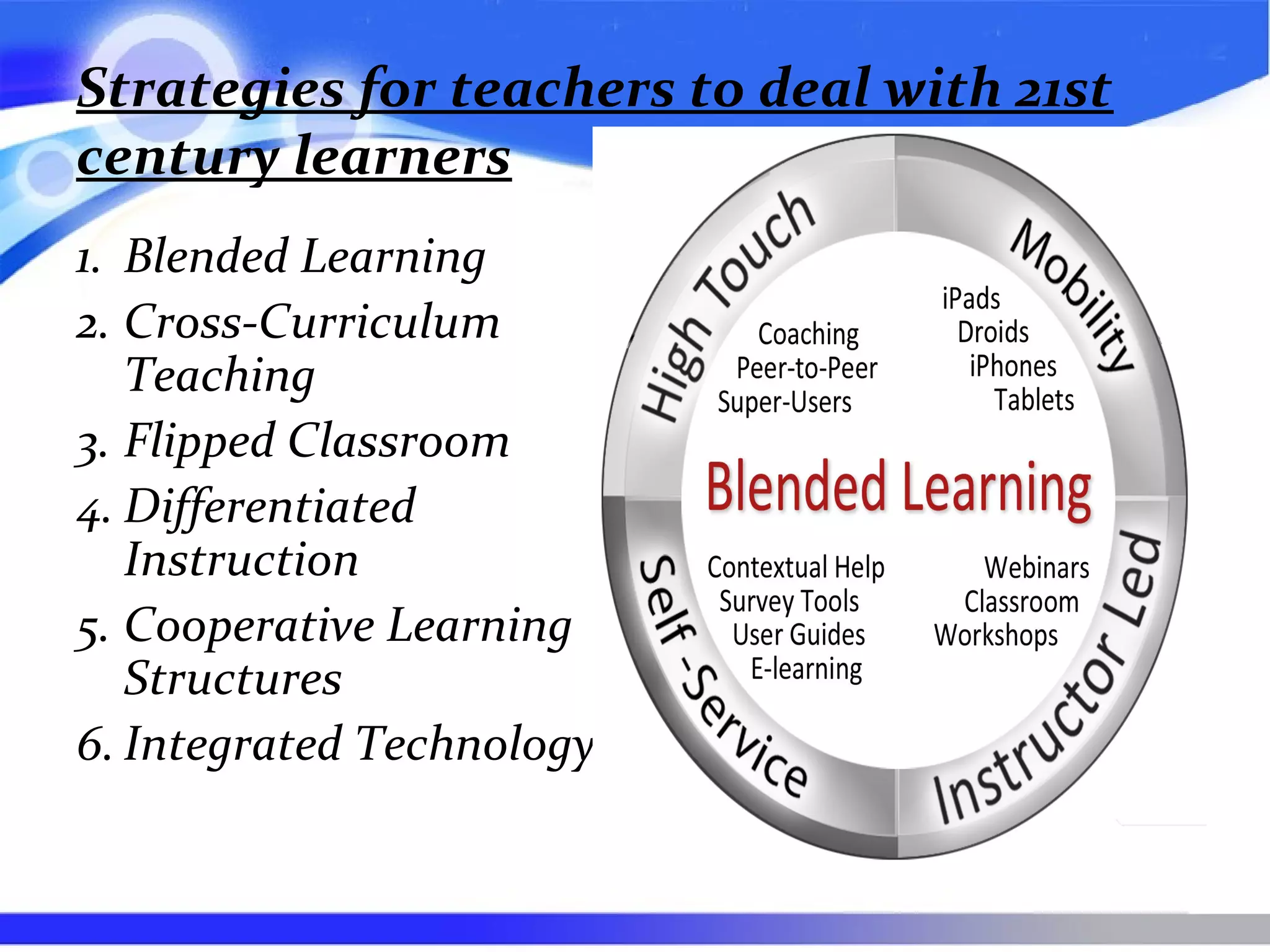
Strategies for teachers to deal with 21st
century learners
1. Blended Learning
2. Cross-Curriculum
Teaching
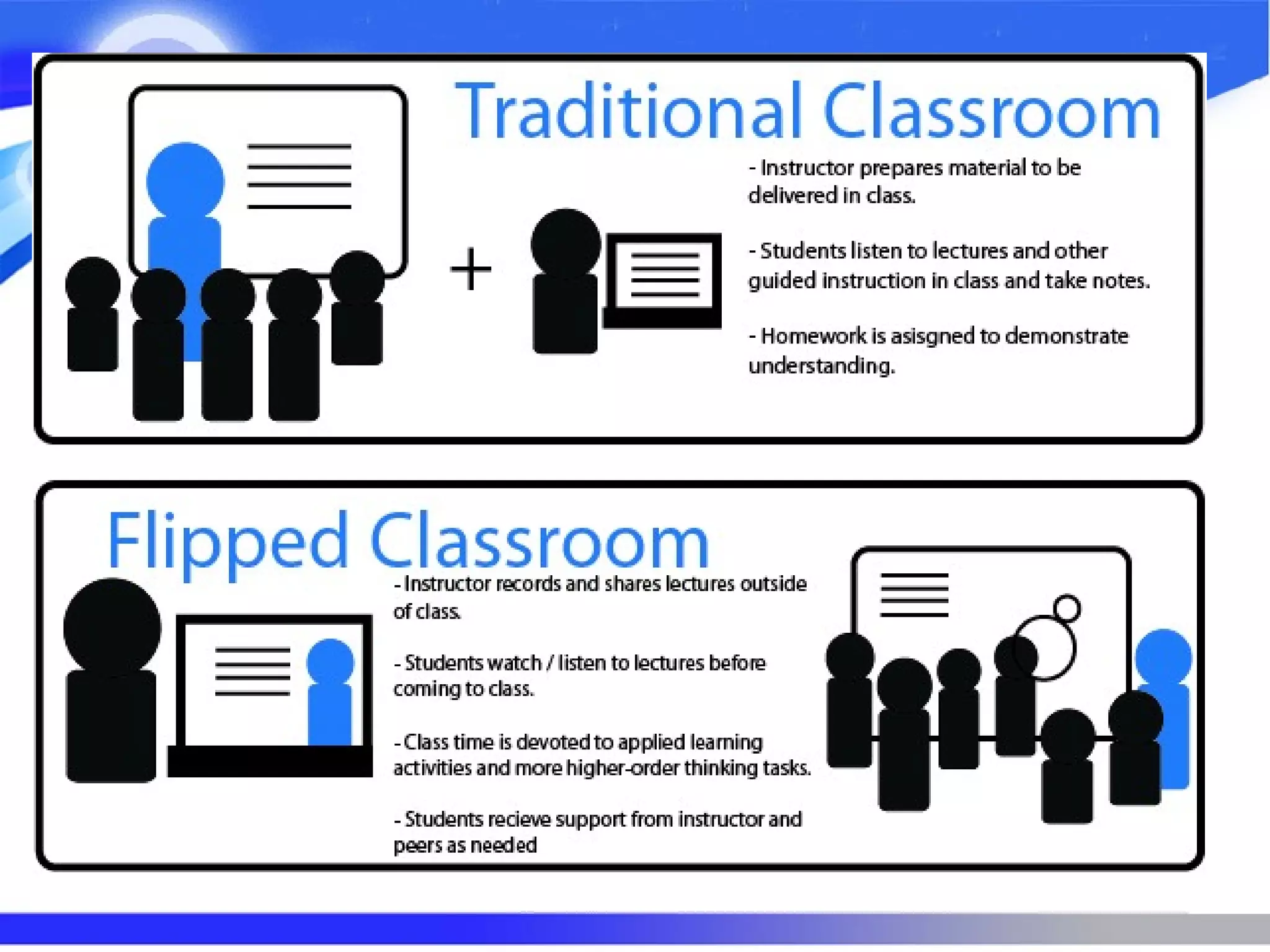
3. Flipped Classroom
4. Differentiated
Instruction
5. Cooperative Learning
Structures
6. Integrated Technology
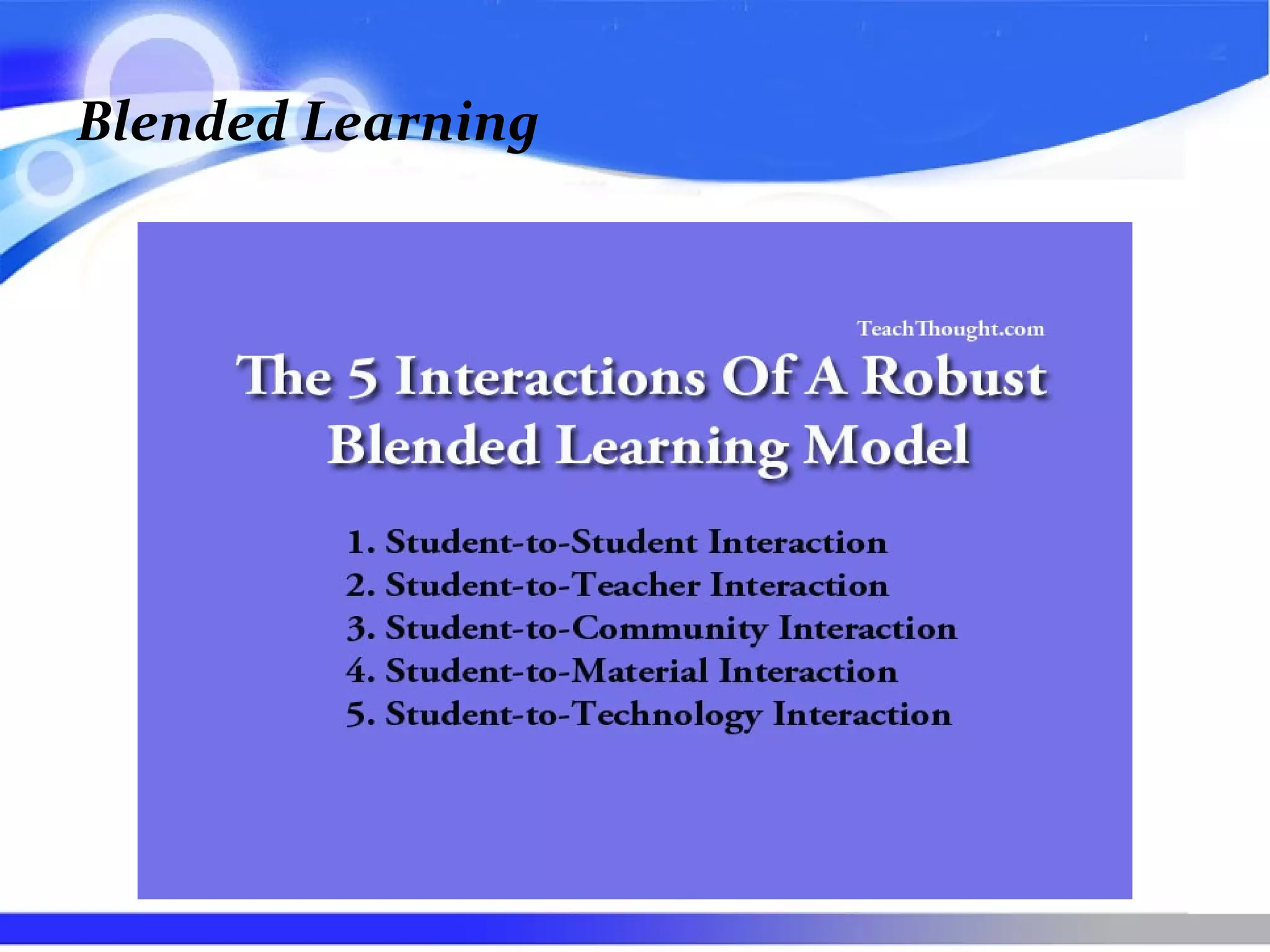
Blended Learning
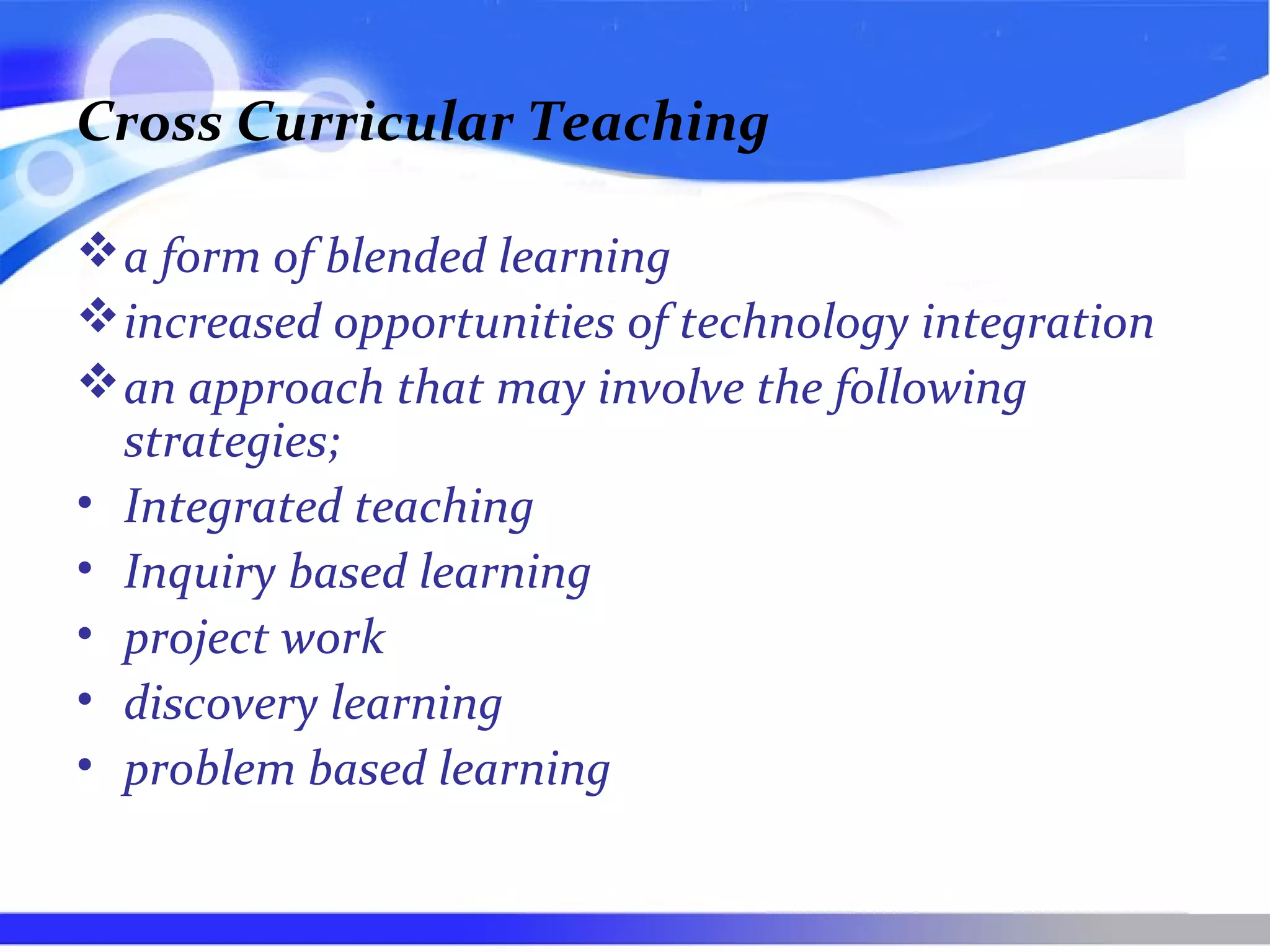
Cross Curricular Teaching
a form of blended learning
increased opportunities of technology integration
an approach that may involve the following
strategies;
• Integrated teaching
• Inquiry based learning
• project work
• discovery learning
• problem based learning
Technology Integration
• Providing enriched learning environment to
the tech savy learners of today.
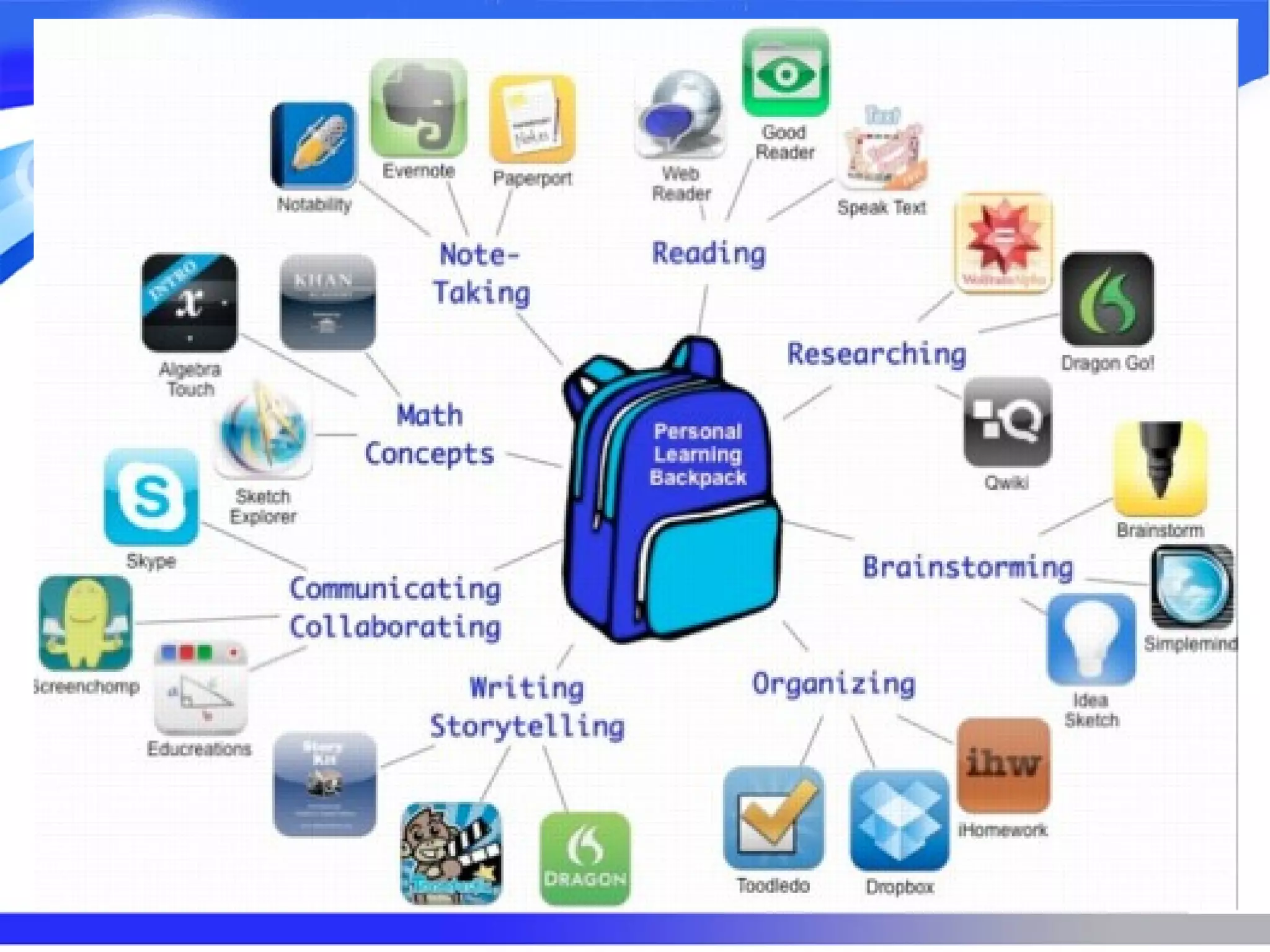
check the handout :
ECE Technology: 10 Trending Tools for
Teachers
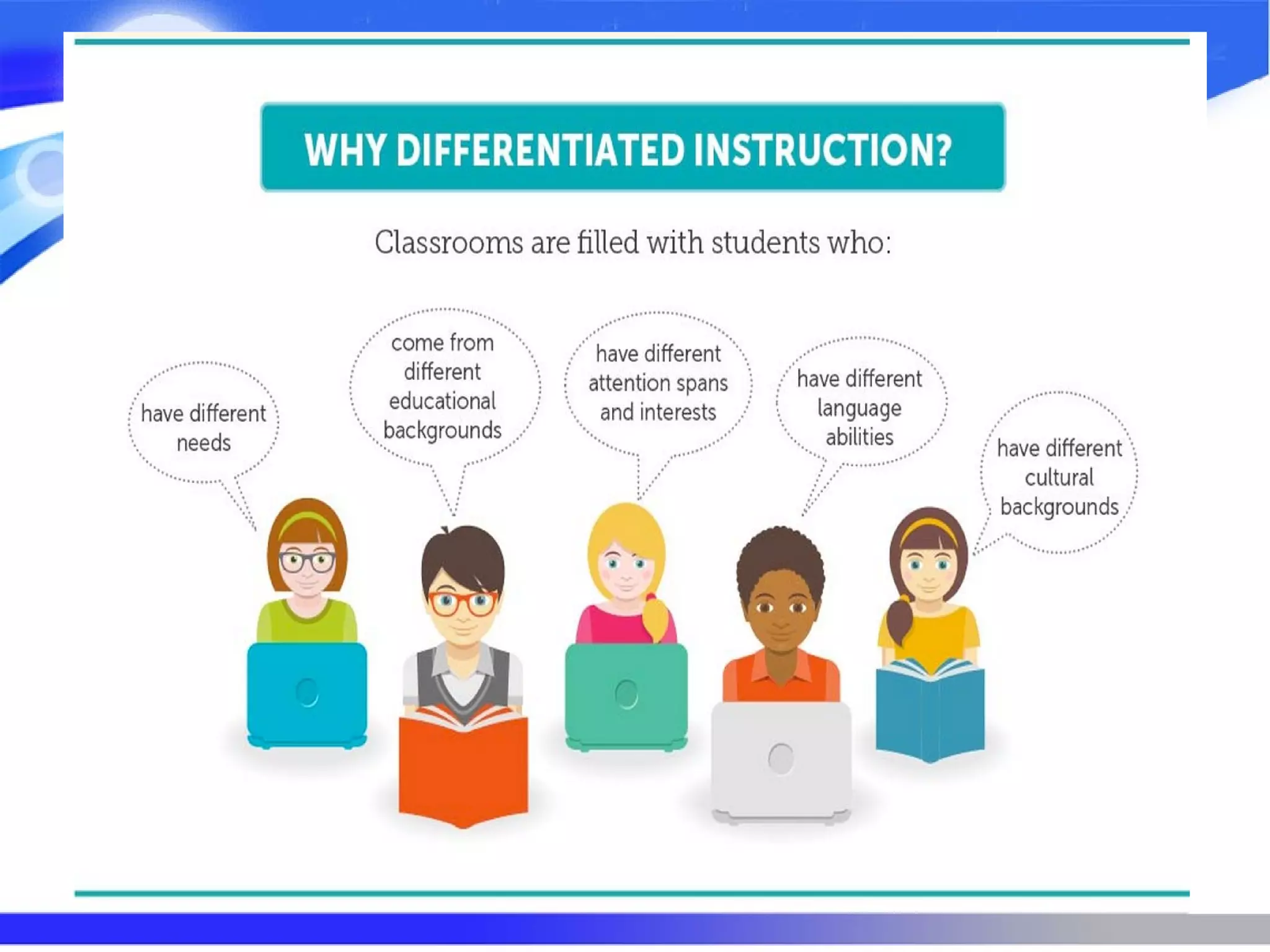
Differentiated Instruction
• Tailoring the teaching style according to the
learning styles of mixed ability learners
• by matching assignments to readiness levels,
offering appropriate intervention or extension
activities as required.
• Allowing children to select activities based on
areas of interest is another great way to
differentiate.
•
Technology Strategic Approach
• Institutional strategy
• Alignment and planning
• Educational technology
strategy
• Staff development
• Continuous improvement
and follow up
• Learner and faculty
support
• Educational technology
support
• operations and
maintenance
• Vision
• Plan
• Implement
• Perform
To develop life-long learners in our
classrooms,
we must be life-long
learners ourselves.
References
• www.teachthought.com
• Understanding Digital Kids:Teaching and Learning in the
New Digital Landscape,Ian Jukes, May 2005
• Google images
• www.youtube.com
• www.earlychildhoodteacher.org/blog
Thank You
Kingsoft Office
Make Presentation much more fun

Teaching and Learning Challenges in the 21st Century

  • 1.
    Teaching-Learning Challenges in the21st Century Technology Integration in a Learner-Centered Classroon
  • 2.
    What does itmean to teach in the 21st century? video
  • 3.
    The Ever EvolvingMankind;from stone age to digital-virtual age
  • 4.
    Know these jobs? •Social media strategist • user experience specialist • Telework manager • Civic engagement activist • Humanitarian reform manager
  • 5.
    Challenges for theMillennial Learners' With employment on the horizon, Millennial students must be able to demonstrate a solid foundation of computing skills and experience. Employers reviewing job applications and interviewing candidates expect and require certification of digital literacy standards. This validation enables employers to confirm and be assured individuals have core ICT skills to function productively, efficiently and competently in the world.
  • 7.
    9 Characteristics Of21st Century Learning • 1. Learner-centered • 2. Media-driven (this doesn’t have to mean digital media) • 3. Personalized • 4. Transfer-by-Design • 5. Visibly Relevant • 6. Data-Rich • 7. Adaptable • 8. Interdependent • 9. Diverse
  • 10.
    Today's Learners They usedigital technology transparently, without thinking about it, without marveling at it, without wondering how it works.”
  • 11.
  • 12.
    Blooms Taxonomy ofEducational Objectives; adaptation for 21st century
  • 13.
    Educational Technology • Technologyserve as an instrument by which students and teachers come together to learn about their worlds.
  • 14.
    Need To UseTechnology in Education • Handout; containing details regarding the significance of tech based teaching. • Great teachers using digital technology with certified computing skills will be the most powerful educators in the 21st century.
  • 15.
    21st Century Teaching-Learning Skills • Handout;containing the detailed list of skills required in years to come as the learners of today are going to join the workforce in a decade or two from now.
  • 16.
    Remember the 4C's • Critical thinking • Collaboration • Creativity • Communication
  • 17.
    Strategies for teachersto deal with 21st century learners 1. Blended Learning 2. Cross-Curriculum Teaching 3. Flipped Classroom 4. Differentiated Instruction 5. Cooperative Learning Structures 6. Integrated Technology
  • 18.
  • 19.
    Cross Curricular Teaching aform of blended learning increased opportunities of technology integration an approach that may involve the following strategies; • Integrated teaching • Inquiry based learning • project work • discovery learning • problem based learning
  • 21.
    Technology Integration • Providingenriched learning environment to the tech savy learners of today. check the handout : ECE Technology: 10 Trending Tools for Teachers
  • 22.
    Differentiated Instruction • Tailoringthe teaching style according to the learning styles of mixed ability learners • by matching assignments to readiness levels, offering appropriate intervention or extension activities as required. • Allowing children to select activities based on areas of interest is another great way to differentiate. •
  • 24.
    Technology Strategic Approach •Institutional strategy • Alignment and planning • Educational technology strategy • Staff development • Continuous improvement and follow up • Learner and faculty support • Educational technology support • operations and maintenance • Vision • Plan • Implement • Perform
  • 25.
    To develop life-longlearners in our classrooms, we must be life-long learners ourselves.
  • 26.
    References • www.teachthought.com • UnderstandingDigital Kids:Teaching and Learning in the New Digital Landscape,Ian Jukes, May 2005 • Google images • www.youtube.com • www.earlychildhoodteacher.org/blog
  • 27.
    Thank You Kingsoft Office MakePresentation much more fun