BY: DR. PREETI SANGWAN
 Mathematics laboratory is a unique room or
place, with relevant and up-to-date
equipment known as instructional materials,
designated for the teaching and learning of
mathematics ,whereby a trained and
professionally qualified person (mathematics
teacher) readily interact with learners
(students) on specified set of instructions.
 “laboratory method” is commonly used
today to refer to an approach for teaching
and learning of mathematics which provides
opportunity to the learners for connecting
abstract mathematical ideas through their
own experiences, that is to relate symbol to
realities.
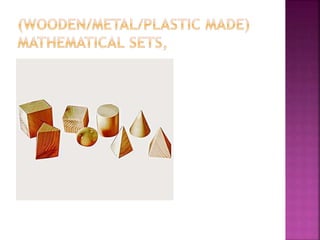
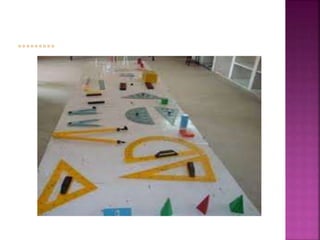
 The materials or equipment that can be found in
the mathematics laboratory include, among
others constructed (wooden/metal/plastic
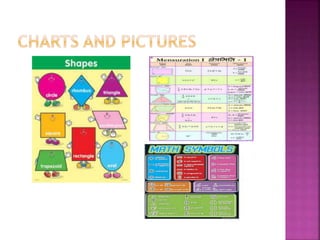
made) mathematical sets, charts and pictures,
computer(s), computer software, audio-visual
instructional materials such as projector,
electronic starboard, radio, television set, tape
recorder, video tape, etc, solid shapes (real or
model), bulletin board, three-dimensional aids,
filmstrips, tape photographs, portable board or
whiteboard, abacus, cardboards, tape measure,
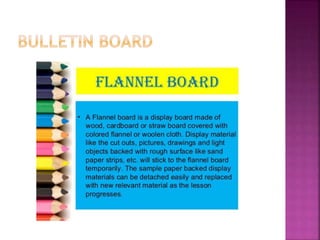
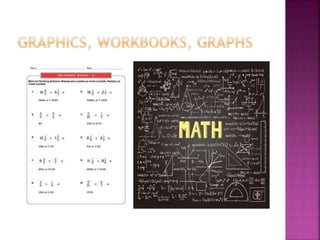
graphics, workbooks, graphs, flannel boards,
flash cards etc.
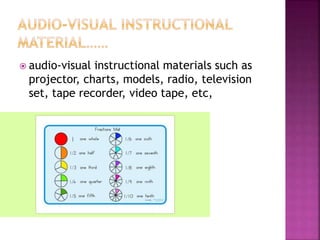
 audio-visual instructional materials such as
projector, charts, models, radio, television
set, tape recorder, video tape, etc,
 Identify the necessary materials required in the laboratory
by labeling them with name tags.
 2 Put or assemble all related equipment or materials on
the same side/place. e.g. geometric objects should not be
placed where audio-visual materials are positioned.
 3 Put the bulletin board close to the entrance door in case
of any information display.
 4 Arrange the benches and tables to allow for free
movement in the laboratory.
 5 Hang relevant pictures and charts on picture rails and
boards.
 6 The starboard or white board must be positioned where
every student can readily see it.
 7 Shelves can be constructed for keeping and demarcating
materials.
 8 Electronic materials such as projector, television, etc,
should be properly displayed.
 9 Electrification of the laboratory should be professionally
done to allow for safety use.
 10 Display materials on tables in an organized manner.
 11 The laboratory should be set in such a way that it must
be well ventilated.
 12 Handy materials that can be easily
destroyed or lost can be kept in a cabinet or
separate shelves.
 13 Arrange the materials in places (on
tables, shelves, board, etc) in a way that
they can be easily accessed when needed
and returned
Permitting students to learn abstract concepts
through concrete experiences and thus increase
their understanding of those ideas.
Enabling students to personally experience the joy
of discovering principles and relationships.
Arousing interest and motivating learning.
Cultivating favorable attitudes towards
mathematics.
Enriching and varying instructions. –
Encouraging and developing creative problems
solving ability. –
Allowing for individual differences in manner and
speed at which students learn. –
Making students to see the origin of mathematical
ideas and participating in “mathematics in the
making” –
Allowing students to actually engage in the doing
rather than being a passive observer or recipient
of knowledge in the learning
 Adenegan, K. E. (2001). Issues and Problems in the
National Mathematics Curriculum of the Senior Secondary
Schools level. Pp.4-5. Unpublished paper.
 Adenegan, K.E. (2003): Relationship Between Educational
Resources And Students Academic Performance in SSCE
Mathematics in Owo Local Government Area. Unpublished
B.Sc.(Ed.) Project, Adeyemi College of Education, Ondo.
 Adenegan, K.E. (2007): Teaching Methodologies: Issues,
Challenges and Implications on the Teaching and Learning
of Mathematics in Primary School, Nigerian Journal of
Research in Primary Education (NJORPED), Ondo.Vol.1
No.1, Pp 29-35.
 Adenegan, K. E, Ipinlaye, A. B. and Lawal, M.O (2010):
Enhancing Quality Control of Mathematics Education
through Improvisation and Utilization of Instructional
Materials

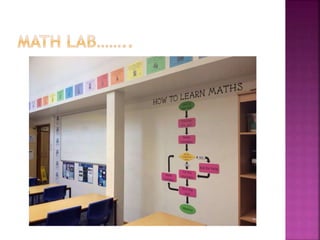
Math laboratory

  • 1.
  • 2.
     Mathematics laboratoryis a unique room or place, with relevant and up-to-date equipment known as instructional materials, designated for the teaching and learning of mathematics ,whereby a trained and professionally qualified person (mathematics teacher) readily interact with learners (students) on specified set of instructions.
  • 3.
     “laboratory method”is commonly used today to refer to an approach for teaching and learning of mathematics which provides opportunity to the learners for connecting abstract mathematical ideas through their own experiences, that is to relate symbol to realities.
  • 4.
     The materialsor equipment that can be found in the mathematics laboratory include, among others constructed (wooden/metal/plastic made) mathematical sets, charts and pictures, computer(s), computer software, audio-visual instructional materials such as projector, electronic starboard, radio, television set, tape recorder, video tape, etc, solid shapes (real or model), bulletin board, three-dimensional aids, filmstrips, tape photographs, portable board or whiteboard, abacus, cardboards, tape measure, graphics, workbooks, graphs, flannel boards, flash cards etc.
  • 9.
     audio-visual instructionalmaterials such as projector, charts, models, radio, television set, tape recorder, video tape, etc,
  • 11.
     Identify thenecessary materials required in the laboratory by labeling them with name tags.  2 Put or assemble all related equipment or materials on the same side/place. e.g. geometric objects should not be placed where audio-visual materials are positioned.  3 Put the bulletin board close to the entrance door in case of any information display.  4 Arrange the benches and tables to allow for free movement in the laboratory.  5 Hang relevant pictures and charts on picture rails and boards.
  • 13.
     6 Thestarboard or white board must be positioned where every student can readily see it.  7 Shelves can be constructed for keeping and demarcating materials.  8 Electronic materials such as projector, television, etc, should be properly displayed.  9 Electrification of the laboratory should be professionally done to allow for safety use.  10 Display materials on tables in an organized manner.  11 The laboratory should be set in such a way that it must be well ventilated.
  • 15.
     12 Handymaterials that can be easily destroyed or lost can be kept in a cabinet or separate shelves.  13 Arrange the materials in places (on tables, shelves, board, etc) in a way that they can be easily accessed when needed and returned
  • 16.
    Permitting students tolearn abstract concepts through concrete experiences and thus increase their understanding of those ideas. Enabling students to personally experience the joy of discovering principles and relationships. Arousing interest and motivating learning. Cultivating favorable attitudes towards mathematics. Enriching and varying instructions. –
  • 17.
    Encouraging and developingcreative problems solving ability. – Allowing for individual differences in manner and speed at which students learn. – Making students to see the origin of mathematical ideas and participating in “mathematics in the making” – Allowing students to actually engage in the doing rather than being a passive observer or recipient of knowledge in the learning
  • 18.
     Adenegan, K.E. (2001). Issues and Problems in the National Mathematics Curriculum of the Senior Secondary Schools level. Pp.4-5. Unpublished paper.  Adenegan, K.E. (2003): Relationship Between Educational Resources And Students Academic Performance in SSCE Mathematics in Owo Local Government Area. Unpublished B.Sc.(Ed.) Project, Adeyemi College of Education, Ondo.  Adenegan, K.E. (2007): Teaching Methodologies: Issues, Challenges and Implications on the Teaching and Learning of Mathematics in Primary School, Nigerian Journal of Research in Primary Education (NJORPED), Ondo.Vol.1 No.1, Pp 29-35.  Adenegan, K. E, Ipinlaye, A. B. and Lawal, M.O (2010): Enhancing Quality Control of Mathematics Education through Improvisation and Utilization of Instructional Materials