Wednesday,
April 12, 2023
1
Extraintestinal Manifestations of
Inflammatory Bowel Disease
DR. HIWA OMER AHMED
PROFESSOR IN GENERAL AND BARIATRIC SURGERY
UNIVERSITY OF SULAIMANI
COLLEGE OF MEDICINE – SULAIMANI CITY-
KURDISTAN
Wednesday,
April 12, 2023
2
Incidence
 Extraintestinal manifestations (EIMs) of inflammatory
bowel disease (IBD) are common in both ulcerative
colitis (UC) and Crohn's disease (CD). These
manifestations can involve nearly any organ system.
 EIMs are seen in 25–40% of IBD patients.
 Twenty-five percent of IBD patients have more than 1
EIM.
 The development of 1 EIM appears to increase the
risk of developing a second EIM.
Wednesday,
April 12, 2023
3
Domino principle
 31.4% of UC patients and 40.4% of CD patients had 1
of the 5 major manifestations; a smaller percentage of
patients had more than 1 major EIM.
 EIMs can occur before or after the diagnosis of IBD.
Wednesday,
April 12, 2023
4
Wednesday,
April 12, 2023
5
Onset
 Up to 26% of cases have their first EIM before IBD
is diagnosed (median time 5 months before IBD
diagnosis) and in 74% of cases, the first EIM
manifested after IBD diagnosis (median, 92
months)1
Wednesday,
April 12, 2023
6
Musculoskeletal Manifestations
 Musculoskeletal pain occurs in 9–53% of IBD patients and is
considered the most common EIM.
1. Arthritis can affect the spine, sacroiliac joint, peripheral joints,
or a combination of these sites.
Classically, inflammatory arthritis is defined by
1. Pain
2. an increase in local temperature
3. joint swelling with or without effusion
4. leading to decreased joint mobility.
Wednesday,
April 12, 2023
7
2. peri-articular incvolvemens features include
1. Tendonitis
2. Clubbing
3. Periostitis
4. Granulomatous lesions of the joint and bone.
Wednesday,
April 12, 2023
8
3. osteoporosis in IBD patients.
1. Age
2. Corticosteroid therapy
3. reduced physical activity
4. inflammatory-mediated bone resorption (increased levels of interleukin [IL]-1, IL-6,
TNF-α)
5. calcium and magnesium dietary malabsorption
6. vitamin D deficiency,
7. decreased serum albumin levels
The overall risk of fracture in IBD patients is 1 per 100 patient-years—40% higher than
in the general population—and this risk increases with age.
Wednesday,
April 12, 2023
9
#
4. Unlike the risk in the general population, male and female patients with
IBD may have similar risks of fracture. Likewise, CD and UC are
associated with similar fracture risks.
Wednesday,
April 12, 2023
10
Dermatologic Manifestations
 Major dermatologic manifestations have been reported in 2–34% of
IBD patients.
 A broad spectrum of skin diseases may occur, and patients may
develop multiple dermatologic manifestations concurrently during
the natural course of their disease.
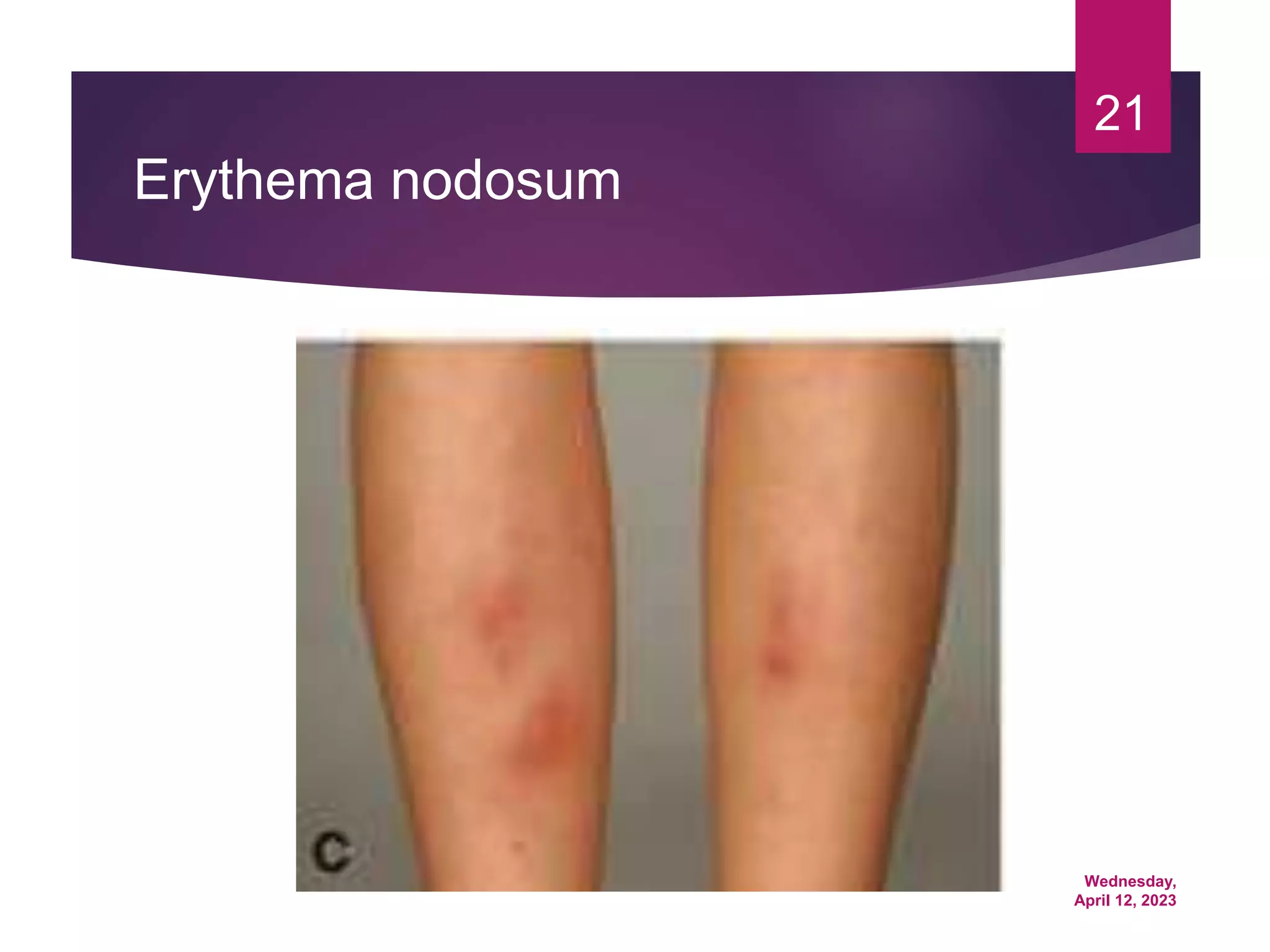
1. Erythema nodosum
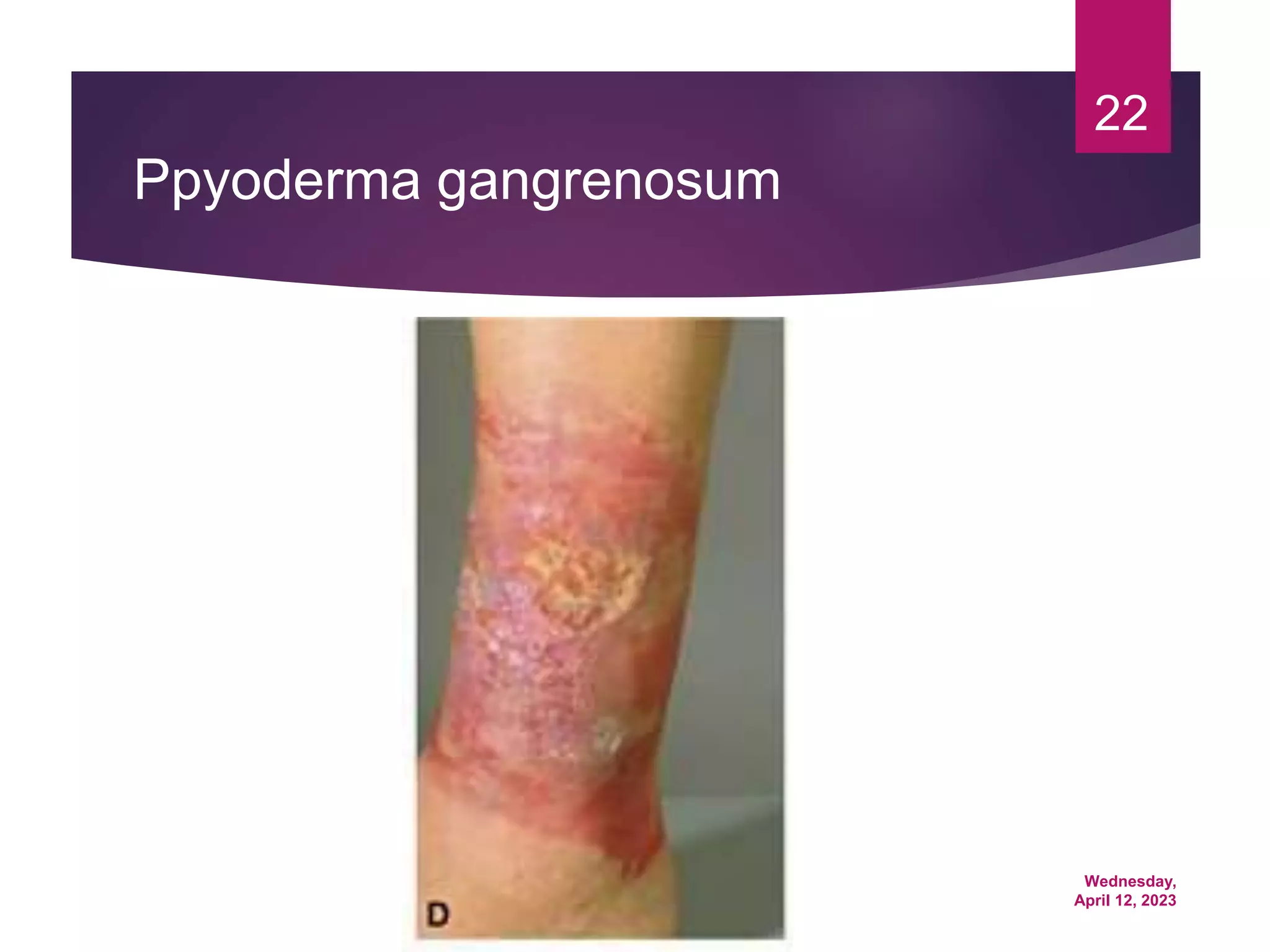
2. pyoderma gangrenosum
3. Psoriasis
4. Oral aphthous stomatitis,
5. Sweet syndrome.
Wednesday,
April 12, 2023
11
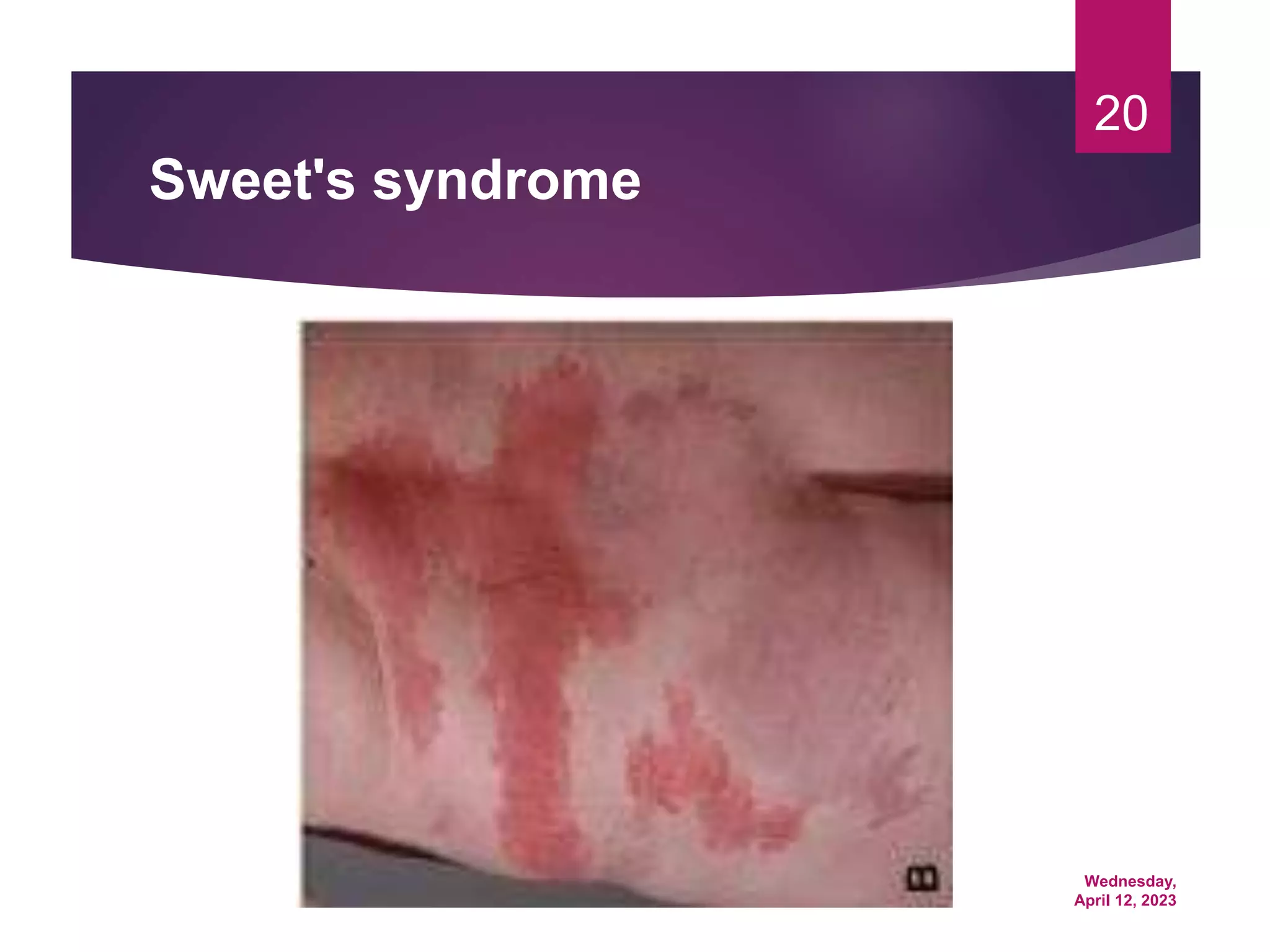
Sweet syndrome
 Sweet syndrome, also
called acute febrile
neutrophilic
dermatosis, is an
uncommon skin
condition. It causes
fever and a painful
skin rash that appears
mostly on the arms,
face and neck.
Wednesday,
April 12, 2023
12
Hepatopancreatobiliary
Manifestations
 Hepatopancreatobiliary manifestations of IBD include
1. cholelithiasis
2. portal vein thrombosis
3. drug-induced hepatotoxicity
4. drug-induced pancreatitis.
5. One of the most serious complications of IBD is PSC, manifests
as inflammation, stricturing, and fibrosis of medium and large
intra- and extrahepatic bile ducts.
Wednesday,
April 12, 2023
13
primary sclerosing cholangitis:
PSC
 IBD, particularly UC.
 At least 75% of PSC patients have coexisting UC.
 Another 5–10% of PSC patients have CD.
 Patients with UC and extensive colonic involvement with or without
backwash ileitis are more likely to develop PSC than patients with only
left colon involvement. PSC is most common in
1. patients 30–59 years of age
2. there is a 2:1 male prevalence for the disorder.
PSC can develop either years before or after the development of bowel
symptoms.
Wednesday,
April 12, 2023
14
Ocular Manifestations
Ocular manifestations occur in 0.3–5% of all IBD
patients. Patients with colitis or ileocolitis are affected
more frequently than patients with isolated small-
bowel disease.
 An immune complex hypersensitivity reaction to a
colonic antigen
 Ocular complications often present concurrently with
other EIMs, particularly peripheral arthritis and EN.
Less commonly, ocular complications can be seen with
axial involvement.
Wednesday,
April 12, 2023
15
Episcleritis
1. The most common ocular manifestation is episcleritis.
Flares characteristically parallel intestinal activity and
resolve with treatment of the intestinal disease.
 acute redness in one or both eyes
 Irritation
 burning
 Tenderness to palpation is common
 No change in vision
Wednesday,
April 12, 2023
16
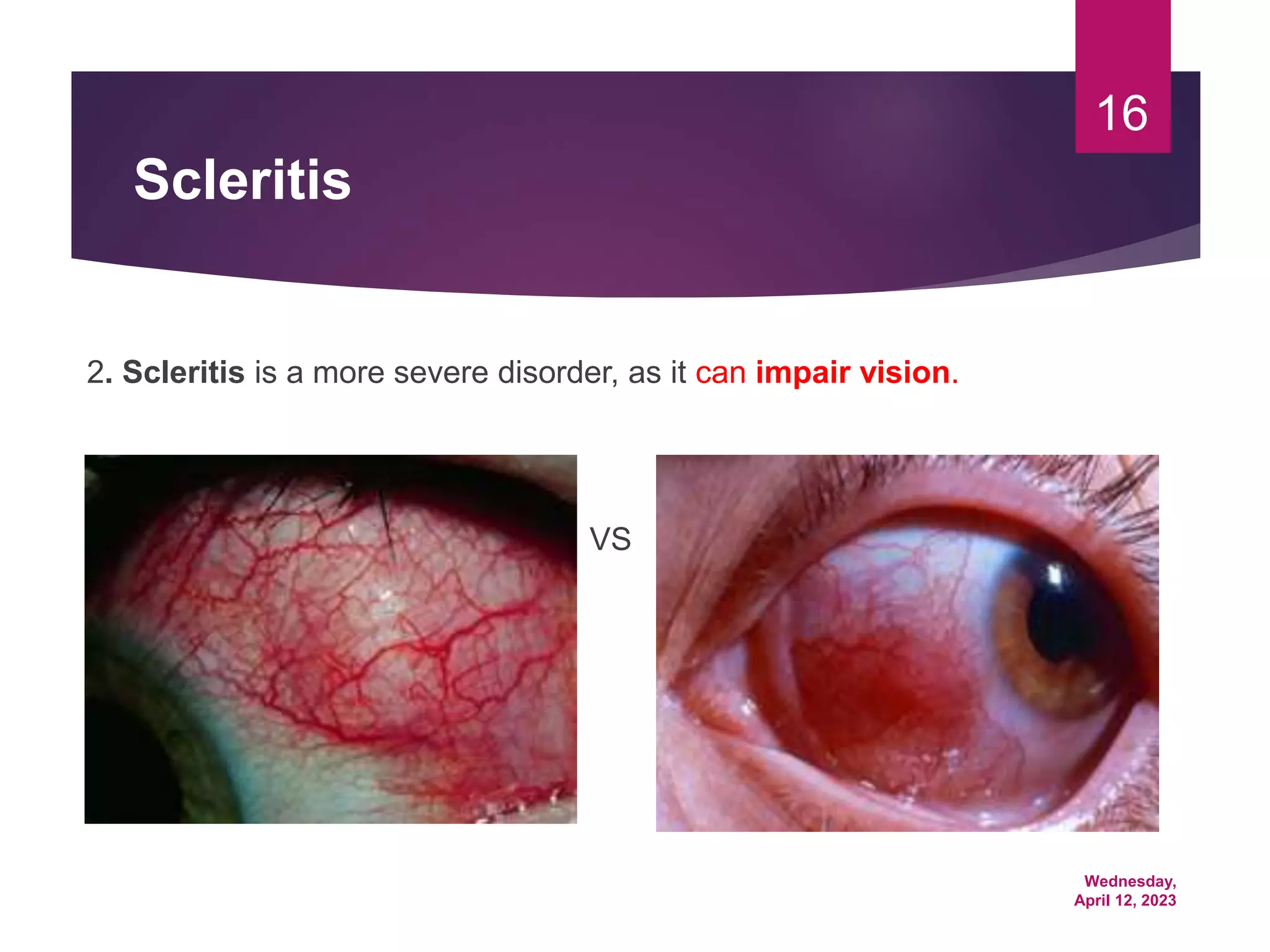
Scleritis
2. Scleritis is a more severe disorder, as it can impair vision.
VS
Wednesday,
April 12, 2023
17
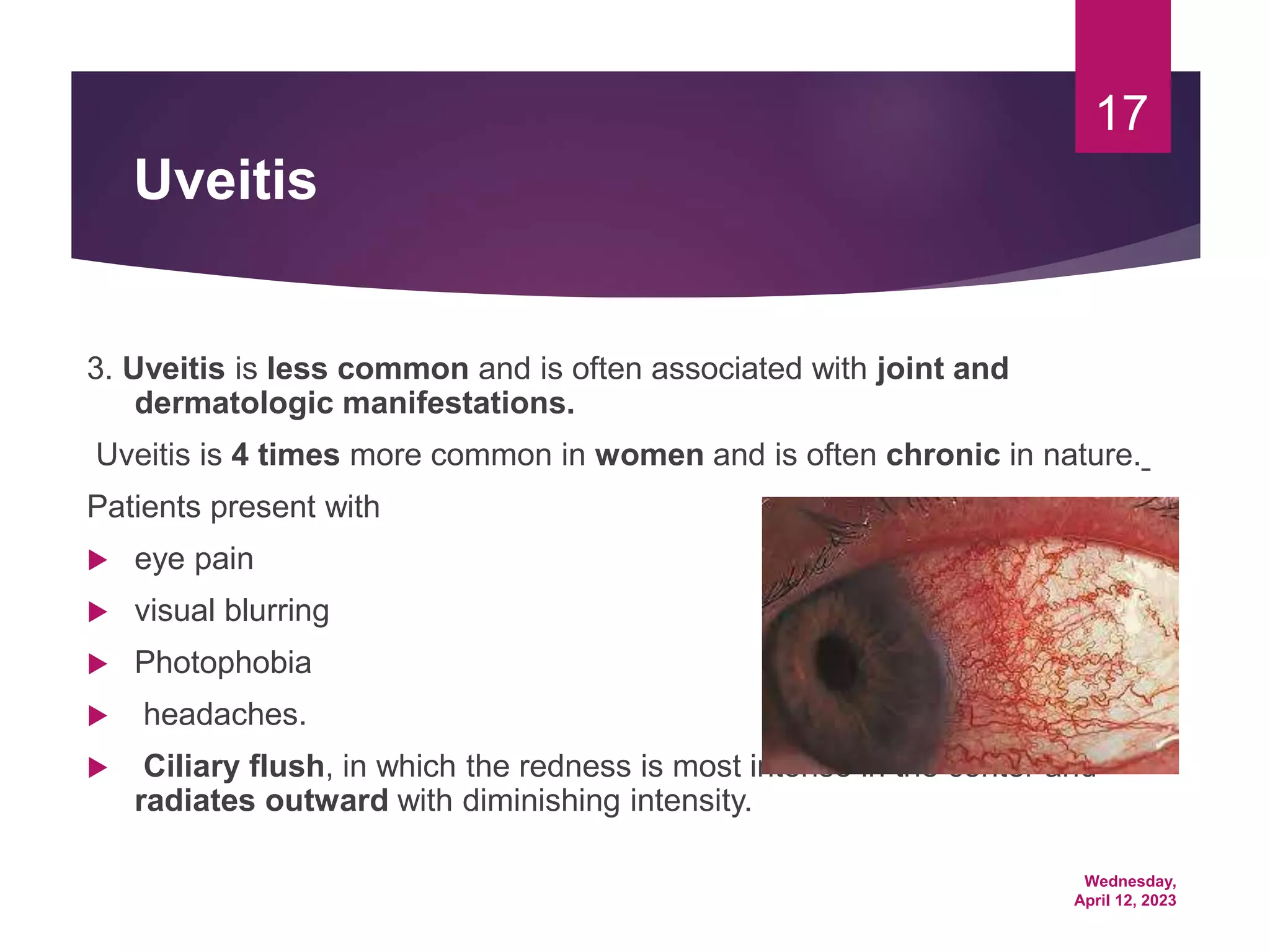
Uveitis
3. Uveitis is less common and is often associated with joint and
dermatologic manifestations.
Uveitis is 4 times more common in women and is often chronic in nature.
Patients present with
 eye pain
 visual blurring
 Photophobia
 headaches.
 Ciliary flush, in which the redness is most intense in the center and
radiates outward with diminishing intensity.
Wednesday,
April 12, 2023
18
Others
 4. others
1. conjunctivitis
2. Several IBD treatments may cause ocular pathology.
 Steroids can lead to cataracts and open-angle
glaucoma.
 Anticholinergics can cause pupil dilatation.
 Cyclosporine has been linked to optic neuropathy,
ophthalmoplegia, and nystagmus.
Wednesday,
April 12, 2023
19
Aphthus ulcer
Wednesday,
April 12, 2023
20
Sweet's syndrome
Wednesday,
April 12, 2023
21
Erythema nodosum
Wednesday,
April 12, 2023
22
Ppyoderma gangrenosum
Wednesday,
April 12, 2023
23
Episcleritis
Wednesday,
April 12, 2023
24
uveitis with hypopyon and dilated
iris vessels
Wednesday,
April 12, 2023
25
Peristomal pyoderma gangrenosum
Wednesday,
April 12, 2023
26
Syndesmophytes (bamboo spine)
Wednesday,
April 12, 2023
27
Bilateral sacroiliitis
Wednesday,
April 12, 2023
28
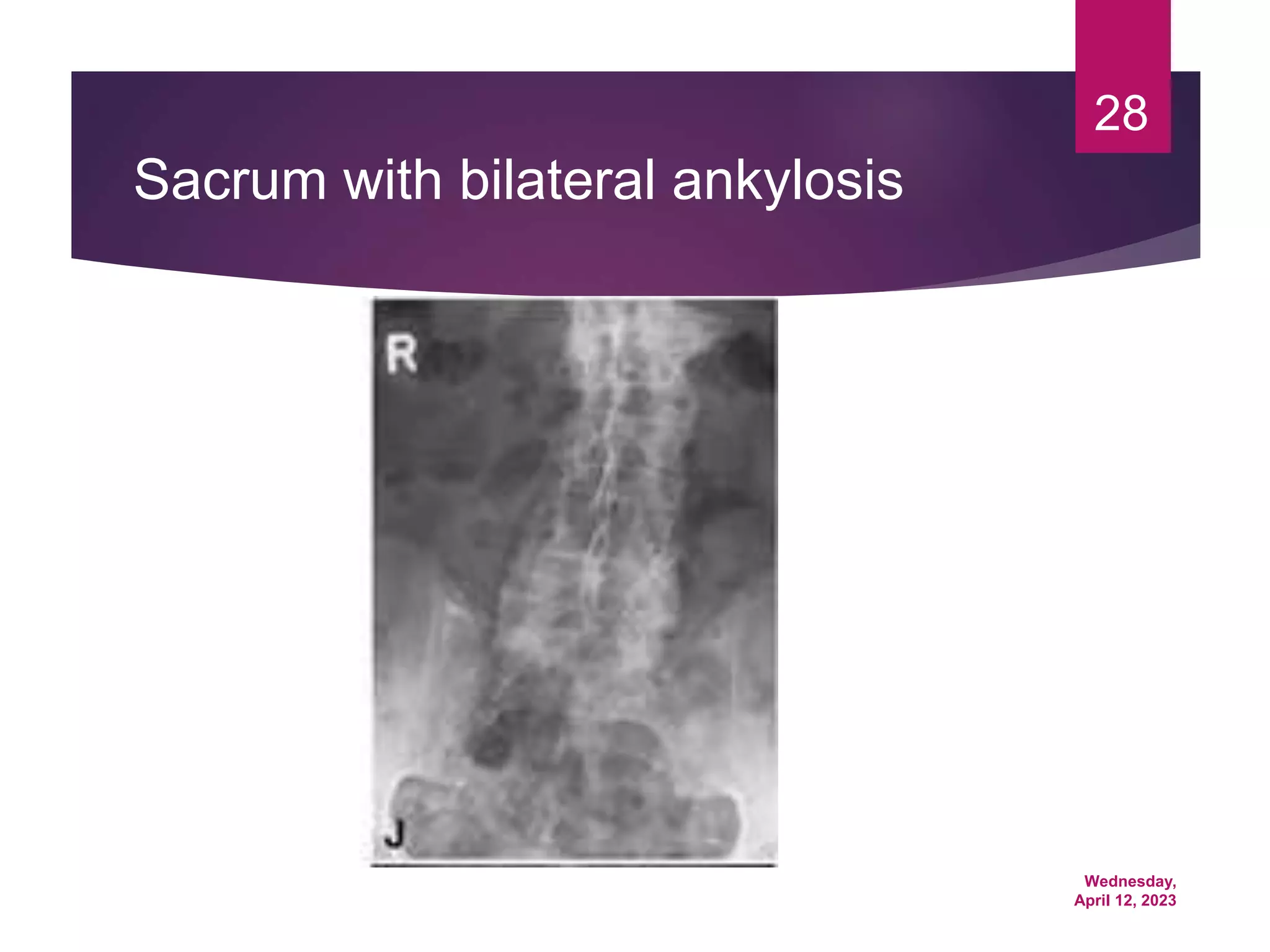
Sacrum with bilateral ankylosis
Wednesday,
April 12, 2023
29
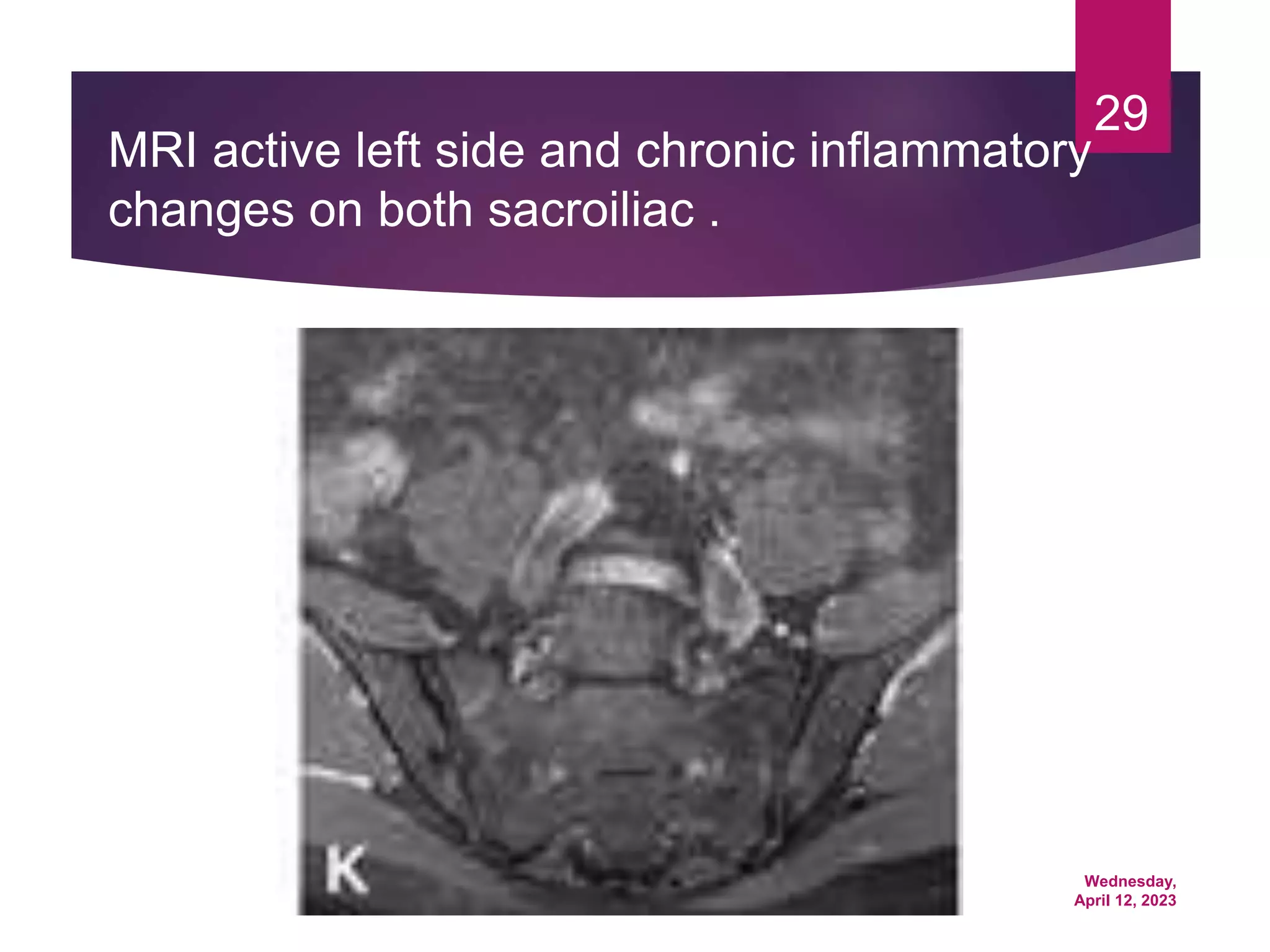
MRI active left side and chronic inflammatory
changes on both sacroiliac .
Wednesday,
April 12, 2023
30
Renal Manifestations
1. Nephrolithiasis
2. obstructive uropathy
3. Fistulization of the urinary tract are relatively common
EIMs, occurring in 6–23% of patients with IBD.
4. Secondary amyloidosis is a rare systemic
complication that involves the kidneys
 3-fold increased risk in males
 10-fold increased risk in CD patients (over UC
patients).
Wednesday,
April 12, 2023
31
Pulmonary
 Subclinical disturbances in lung function are common in IBD patients.
 Clinically significant disease is extremely rare.
1. Chronic bronchitis
2. subglottic stenosis
3. Bronchiectasis
4. Bronchiolitis
5. Sulfasalazine and mesalamine can induce interstitial lung disease on
rare occasions
 These conditions can occur in nonsmokers
 Do not parallel bowel disease.
Wednesday,
April 12, 2023
32
Hematological
 Anemia
 Approximately one in three patients with IBD has
anemia (low red blood cell count). Causes of anemia
include:
 Low iron caused by:
 Inflammation in your intestines interfering with the body's ability to use
or absorb iron
 Blood loss from intestinal bleeding
 Poor absorption of vitamins and minerals, like vitamin B12 or
folic acid)
Wednesday,
April 12, 2023
33
The pathogenesis of EIM in IBD
1. shared epitopes
• It is believed that the diseased gastrointestinal
mucosa may trigger immune responses at the
extraintestinal site due to shared epitopes, e.g., of
intestinal bacteria and the synovia.
 This would mean that bacteria that are
translocated across the leaky intestinal barrier
trigger an adaptive immune response that finally
is unable to discriminate between bacterial
epitopes and epitopes of joints or the skin.
Wednesday,
April 12, 2023
34
2. Genetic Risk Factors
concordance for EIMs in 70% of parent–child pairs and
84% of sibling pairs.
In addition, there is a considerable overlap between
genetic risk loci for EIMs and IBD.
 The first risk variant identified in patients with CD,
NOD2/CARD15, has also been associated with
sacroiliitis and uveitis
Wednesday,
April 12, 2023
35
3. Environmental Factors
Patients with CD who smoke are more likely to present with EIMs
compared with nonsmokers.
 It is important to note that smoking has also been identified as an
important environmental factor in the pathogenesis and severity of
luminal and perianal CD.
 Interestingly, smokers are protected from the onset of
UC and former smoking is a known risk factor for
the development of UC.
Wednesday,
April 12, 2023
36
Erythematous plaque, Crohn’s
disease.
Wednesday,
April 12, 2023
37
Aphthous stomatitis in a patient
with Crohn’s disease
Wednesday,
April 12, 2023
38
Irregular violaceous, ulcerative colitis-
associated pyoderma gangrenosum
Wednesday,
April 12, 2023
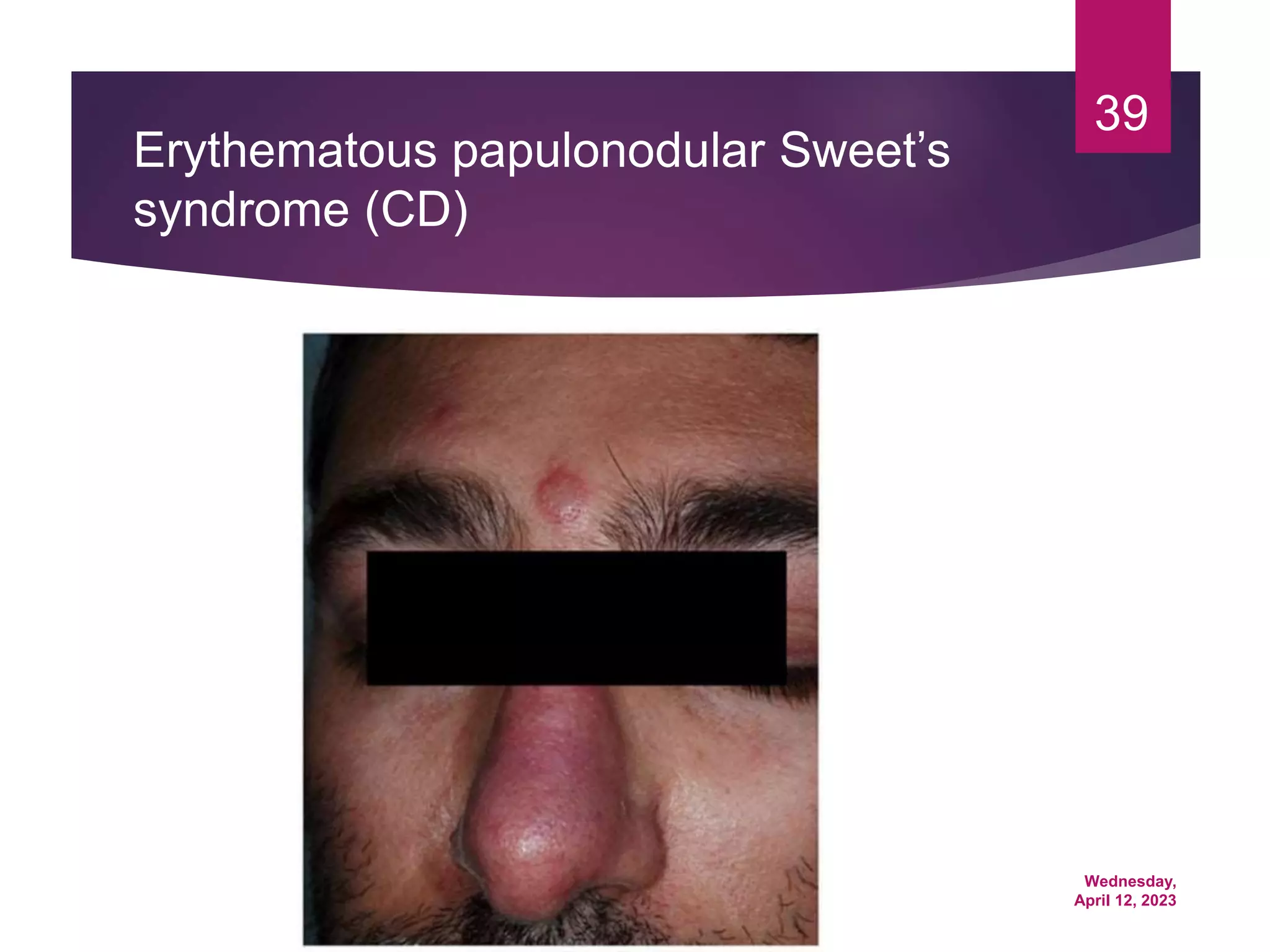
39
Erythematous papulonodular Sweet’s
syndrome (CD)
Wednesday,
April 12, 2023
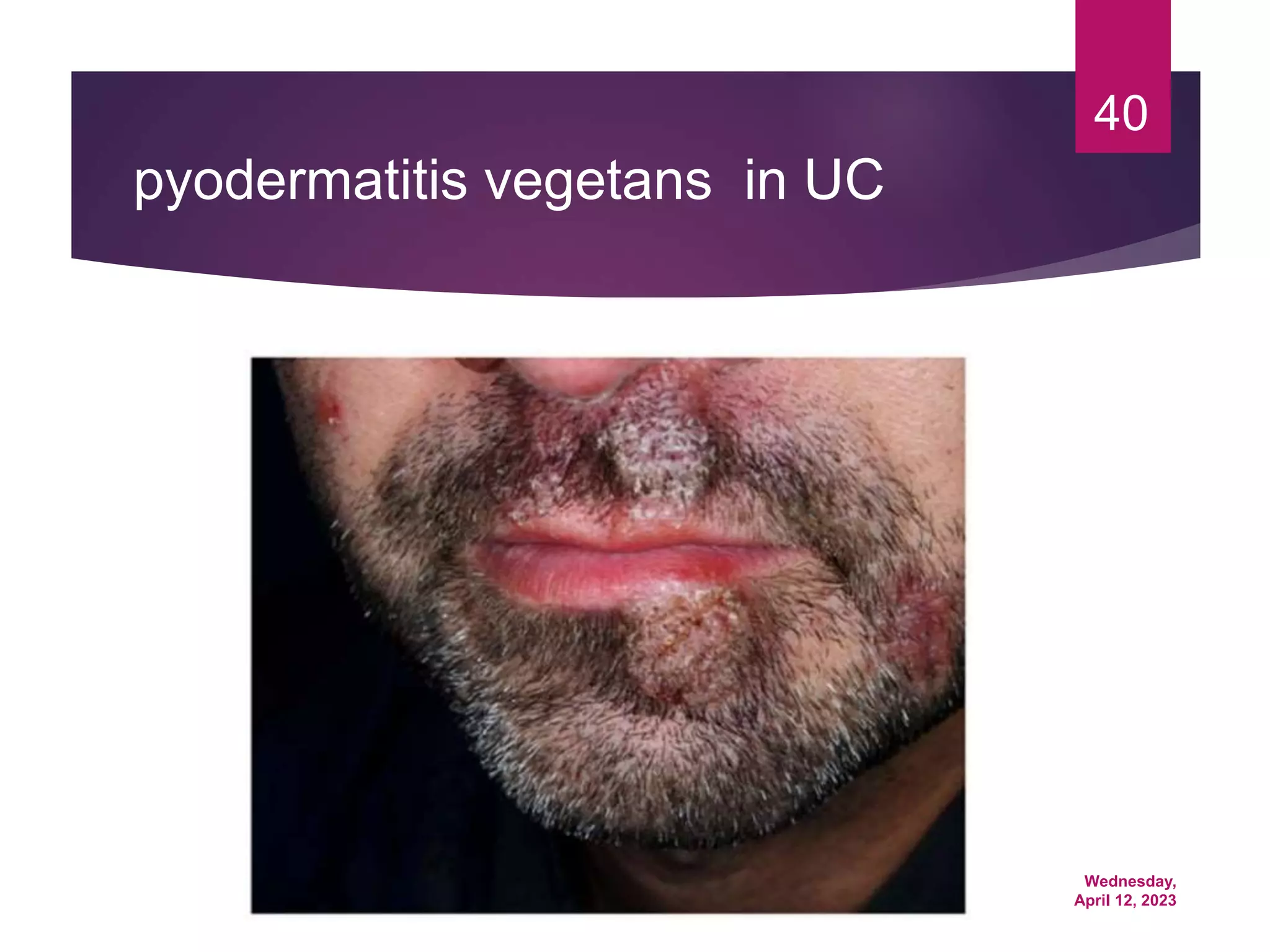
40
pyodermatitis vegetans in UC

systemic manifestations of IBD.ppt

  • 1.
    Wednesday, April 12, 2023 1 ExtraintestinalManifestations of Inflammatory Bowel Disease DR. HIWA OMER AHMED PROFESSOR IN GENERAL AND BARIATRIC SURGERY UNIVERSITY OF SULAIMANI COLLEGE OF MEDICINE – SULAIMANI CITY- KURDISTAN
  • 2.
    Wednesday, April 12, 2023 2 Incidence Extraintestinal manifestations (EIMs) of inflammatory bowel disease (IBD) are common in both ulcerative colitis (UC) and Crohn's disease (CD). These manifestations can involve nearly any organ system.  EIMs are seen in 25–40% of IBD patients.  Twenty-five percent of IBD patients have more than 1 EIM.  The development of 1 EIM appears to increase the risk of developing a second EIM.
  • 3.
    Wednesday, April 12, 2023 3 Dominoprinciple  31.4% of UC patients and 40.4% of CD patients had 1 of the 5 major manifestations; a smaller percentage of patients had more than 1 major EIM.  EIMs can occur before or after the diagnosis of IBD.
  • 4.
  • 5.
    Wednesday, April 12, 2023 5 Onset Up to 26% of cases have their first EIM before IBD is diagnosed (median time 5 months before IBD diagnosis) and in 74% of cases, the first EIM manifested after IBD diagnosis (median, 92 months)1
  • 6.
    Wednesday, April 12, 2023 6 MusculoskeletalManifestations  Musculoskeletal pain occurs in 9–53% of IBD patients and is considered the most common EIM. 1. Arthritis can affect the spine, sacroiliac joint, peripheral joints, or a combination of these sites. Classically, inflammatory arthritis is defined by 1. Pain 2. an increase in local temperature 3. joint swelling with or without effusion 4. leading to decreased joint mobility.
  • 7.
    Wednesday, April 12, 2023 7 2.peri-articular incvolvemens features include 1. Tendonitis 2. Clubbing 3. Periostitis 4. Granulomatous lesions of the joint and bone.
  • 8.
    Wednesday, April 12, 2023 8 3.osteoporosis in IBD patients. 1. Age 2. Corticosteroid therapy 3. reduced physical activity 4. inflammatory-mediated bone resorption (increased levels of interleukin [IL]-1, IL-6, TNF-α) 5. calcium and magnesium dietary malabsorption 6. vitamin D deficiency, 7. decreased serum albumin levels The overall risk of fracture in IBD patients is 1 per 100 patient-years—40% higher than in the general population—and this risk increases with age.
  • 9.
    Wednesday, April 12, 2023 9 # 4.Unlike the risk in the general population, male and female patients with IBD may have similar risks of fracture. Likewise, CD and UC are associated with similar fracture risks.
  • 10.
    Wednesday, April 12, 2023 10 DermatologicManifestations  Major dermatologic manifestations have been reported in 2–34% of IBD patients.  A broad spectrum of skin diseases may occur, and patients may develop multiple dermatologic manifestations concurrently during the natural course of their disease. 1. Erythema nodosum 2. pyoderma gangrenosum 3. Psoriasis 4. Oral aphthous stomatitis, 5. Sweet syndrome.
  • 11.
    Wednesday, April 12, 2023 11 Sweetsyndrome  Sweet syndrome, also called acute febrile neutrophilic dermatosis, is an uncommon skin condition. It causes fever and a painful skin rash that appears mostly on the arms, face and neck.
  • 12.
    Wednesday, April 12, 2023 12 Hepatopancreatobiliary Manifestations Hepatopancreatobiliary manifestations of IBD include 1. cholelithiasis 2. portal vein thrombosis 3. drug-induced hepatotoxicity 4. drug-induced pancreatitis. 5. One of the most serious complications of IBD is PSC, manifests as inflammation, stricturing, and fibrosis of medium and large intra- and extrahepatic bile ducts.
  • 13.
    Wednesday, April 12, 2023 13 primarysclerosing cholangitis: PSC  IBD, particularly UC.  At least 75% of PSC patients have coexisting UC.  Another 5–10% of PSC patients have CD.  Patients with UC and extensive colonic involvement with or without backwash ileitis are more likely to develop PSC than patients with only left colon involvement. PSC is most common in 1. patients 30–59 years of age 2. there is a 2:1 male prevalence for the disorder. PSC can develop either years before or after the development of bowel symptoms.
  • 14.
    Wednesday, April 12, 2023 14 OcularManifestations Ocular manifestations occur in 0.3–5% of all IBD patients. Patients with colitis or ileocolitis are affected more frequently than patients with isolated small- bowel disease.  An immune complex hypersensitivity reaction to a colonic antigen  Ocular complications often present concurrently with other EIMs, particularly peripheral arthritis and EN. Less commonly, ocular complications can be seen with axial involvement.
  • 15.
    Wednesday, April 12, 2023 15 Episcleritis 1.The most common ocular manifestation is episcleritis. Flares characteristically parallel intestinal activity and resolve with treatment of the intestinal disease.  acute redness in one or both eyes  Irritation  burning  Tenderness to palpation is common  No change in vision
  • 16.
    Wednesday, April 12, 2023 16 Scleritis 2.Scleritis is a more severe disorder, as it can impair vision. VS
  • 17.
    Wednesday, April 12, 2023 17 Uveitis 3.Uveitis is less common and is often associated with joint and dermatologic manifestations. Uveitis is 4 times more common in women and is often chronic in nature. Patients present with  eye pain  visual blurring  Photophobia  headaches.  Ciliary flush, in which the redness is most intense in the center and radiates outward with diminishing intensity.
  • 18.
    Wednesday, April 12, 2023 18 Others 4. others 1. conjunctivitis 2. Several IBD treatments may cause ocular pathology.  Steroids can lead to cataracts and open-angle glaucoma.  Anticholinergics can cause pupil dilatation.  Cyclosporine has been linked to optic neuropathy, ophthalmoplegia, and nystagmus.
  • 19.
  • 20.
  • 21.
  • 22.
  • 23.
  • 24.
    Wednesday, April 12, 2023 24 uveitiswith hypopyon and dilated iris vessels
  • 25.
  • 26.
  • 27.
  • 28.
    Wednesday, April 12, 2023 28 Sacrumwith bilateral ankylosis
  • 29.
    Wednesday, April 12, 2023 29 MRIactive left side and chronic inflammatory changes on both sacroiliac .
  • 30.
    Wednesday, April 12, 2023 30 RenalManifestations 1. Nephrolithiasis 2. obstructive uropathy 3. Fistulization of the urinary tract are relatively common EIMs, occurring in 6–23% of patients with IBD. 4. Secondary amyloidosis is a rare systemic complication that involves the kidneys  3-fold increased risk in males  10-fold increased risk in CD patients (over UC patients).
  • 31.
    Wednesday, April 12, 2023 31 Pulmonary Subclinical disturbances in lung function are common in IBD patients.  Clinically significant disease is extremely rare. 1. Chronic bronchitis 2. subglottic stenosis 3. Bronchiectasis 4. Bronchiolitis 5. Sulfasalazine and mesalamine can induce interstitial lung disease on rare occasions  These conditions can occur in nonsmokers  Do not parallel bowel disease.
  • 32.
    Wednesday, April 12, 2023 32 Hematological Anemia  Approximately one in three patients with IBD has anemia (low red blood cell count). Causes of anemia include:  Low iron caused by:  Inflammation in your intestines interfering with the body's ability to use or absorb iron  Blood loss from intestinal bleeding  Poor absorption of vitamins and minerals, like vitamin B12 or folic acid)
  • 33.
    Wednesday, April 12, 2023 33 Thepathogenesis of EIM in IBD 1. shared epitopes • It is believed that the diseased gastrointestinal mucosa may trigger immune responses at the extraintestinal site due to shared epitopes, e.g., of intestinal bacteria and the synovia.  This would mean that bacteria that are translocated across the leaky intestinal barrier trigger an adaptive immune response that finally is unable to discriminate between bacterial epitopes and epitopes of joints or the skin.
  • 34.
    Wednesday, April 12, 2023 34 2.Genetic Risk Factors concordance for EIMs in 70% of parent–child pairs and 84% of sibling pairs. In addition, there is a considerable overlap between genetic risk loci for EIMs and IBD.  The first risk variant identified in patients with CD, NOD2/CARD15, has also been associated with sacroiliitis and uveitis
  • 35.
    Wednesday, April 12, 2023 35 3.Environmental Factors Patients with CD who smoke are more likely to present with EIMs compared with nonsmokers.  It is important to note that smoking has also been identified as an important environmental factor in the pathogenesis and severity of luminal and perianal CD.  Interestingly, smokers are protected from the onset of UC and former smoking is a known risk factor for the development of UC.
  • 36.
  • 37.
    Wednesday, April 12, 2023 37 Aphthousstomatitis in a patient with Crohn’s disease
  • 38.
    Wednesday, April 12, 2023 38 Irregularviolaceous, ulcerative colitis- associated pyoderma gangrenosum
  • 39.
    Wednesday, April 12, 2023 39 Erythematouspapulonodular Sweet’s syndrome (CD)
  • 40.