Dr. Hironmoy Roy
MD, MBA, DHM, MHPE, FAIMER
Principles of
adult-Learning
System
approach in
Medical
Education
Learning
Process
“System”
• A functional entity, which
consists of number of
interdependent & inte-related
components; which runs to
achieve a final goal
• A ‘system’ may has many sub-
systems.
Components of a “system”
Process
Feedback
Input Output
Medical Education, as a “system”
Process
Feedback
Input Output
A competent
IMG
(a motivated
learner)
New Entrant Graduate Medical
Education (GME)
TLA Methods
A Teacher
College
infrastructure
Curriculum &
Syllabus
From
Community
Statistics of
Medical errors/
media-flush
From
University
Result
Teacher_ in Medical Education
Group task
Group A State Pollution board is visiting your institute for biomedical waste
facilities. Apply systems approach and plan for successful outcome.
Group B Medical Council of India has added E-learning on traumatology for
final year MBBS students in 8th semester. Map the components of its
system.
Group C Your Institute is going to apply for the increase in seats for MD-
Anesthesiology. Map the system-components of the PG programme
Group D You, as the MEU team of an Institute, is going to organise the MCI
recognised Revised Basic Course workshop in coming April. Map the
system-components.
PEDAGOGY
Child learning
ANDRAGOGY
Adult learning
Sir Malcom Shepherd Knowles (1913-1997)
In 1980,
Formed the concept.
ANDRAGOGY
Is an art & science of
adult learning.
It differs from child-learning
PEDAGOGY
ADULT LEARNING
Definition
all forms of learning undertaken by adults after
having initial education and training, however
far this process may have gone (e.g. including
tertiary education).
(European Commission of Andragogy 2009, modified on 2012)
PEDAGOGY ANDRAGOGY
Formal Informal
Learners are
DEPENDENT &
directed by the
TEACHERS
Learners are
INDEPENDENT
& Self-directed
PEDAGOGY ANDRAGOGY
Evaluation is external
(Exam, test etc.)
Self assessment
Learners are
motivated externally
(grades, ranks, prizes
etc.)
Learners are
Intrinsically
motivated
(Self- motivation)
PEDAGOGY ANDRAGOGY
Learners are
inexperienced
Pre experienced
Learning is subject
centred
Learning is problem
centred
So adult learning is…………..
Autonomous & Self directed
Goal oriented, relevancy centred
Adults have some life-experiences,
what they shares to solve the problem
Learning styles
Process of
gathering
knowledge and
resolving it in
life
VISUAL
Verbal
VISUAL
Non-Verbal
AUDITORY TACTILE
A learner can be……….
Tips for an effective facilitator……
MOTIVATION TO THE STUDENTS
To set a tone/feeling for the lesson
To set an appropriate level of difficulty
To set an appropriate level of concern
Tips for an effective facilitator……
REINFORCEMENT
Positive & Quasi-positive
But not Negative
Tips for an effective facilitator……
Check the RETENTION
By providing the problem solving power
Tips for an effective facilitator……
Check the TRANSFARENCE
To use the knowledge/skill of previous
session to solve the problems in future
session
Barriers in adult learning
Adults have many added responsibilities in life which they
have to balance with participation in learning
Lack of TIME Lack of MONEYLack of INTEREST
Lack of INFORMATION
Problem with CHILDCARE & TRANSPORTATION
How to overcome?....
Provision of LICENCING
Provision of PROMOTION
Opportunity for better JOB, better SALARY
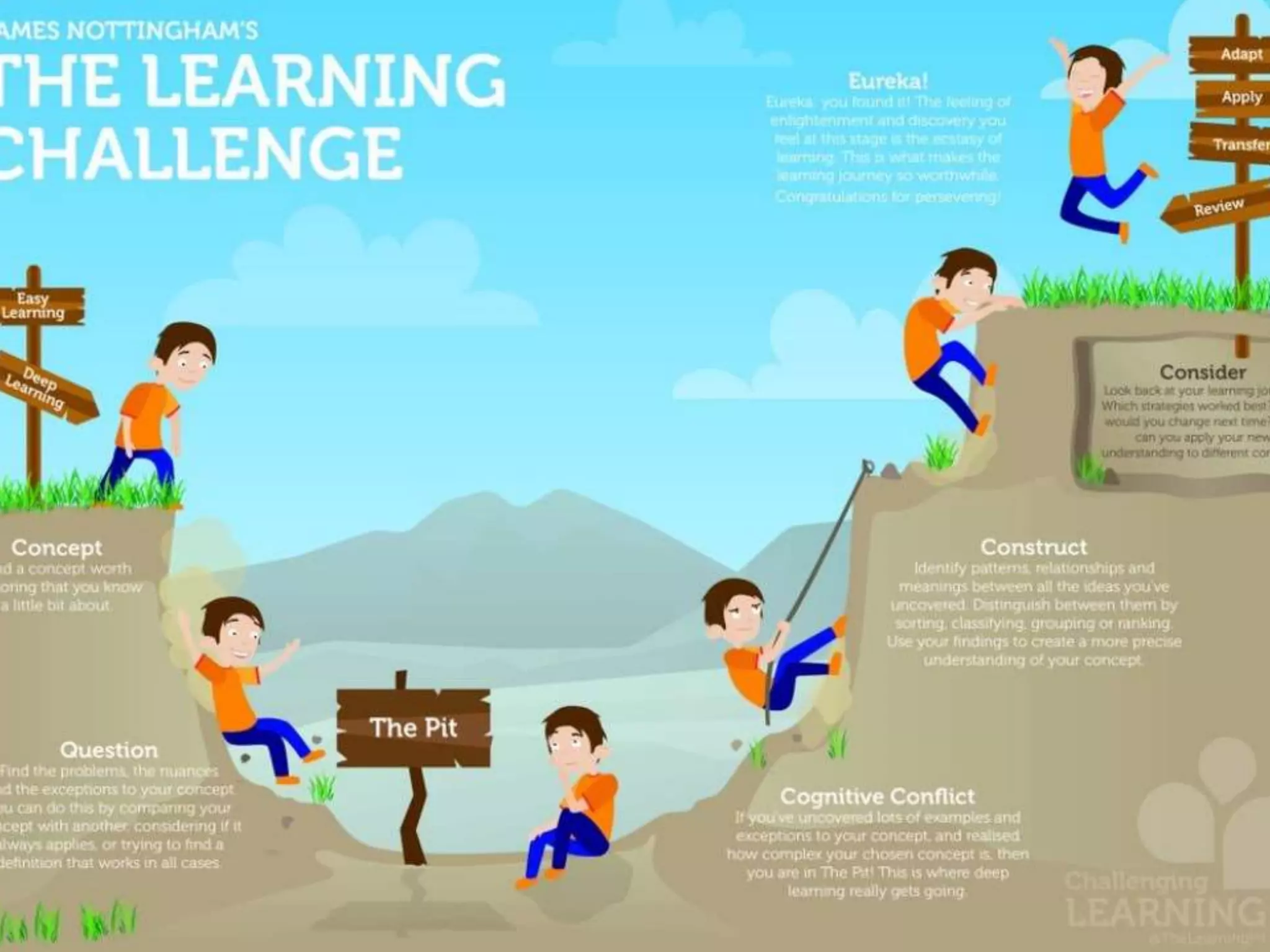
Learning process
• Teaching is an interaction in between teacher and
students under teacher’s guidance to bring out
expected changes in a students’ behaviour.
• Learning is a process to make some modification
relatively or permanent of the way of thinking,
feeling and doing of the learner.
A
Problem gets
generated
The learner tries to solve
with Pre-experience
Not/Partially
solved
Interest is
generated to
solve it
Learner gathers
information
from resources
as he values
Solves the
problem
What happened?
So What ?
What next ?
Seven principles of
Good practices in under-graduate education
• To encourage contacts between students and faculty.
• To develop reciprocity and cooperation among students.
• To use active learning techniques.
• To give prompt feedback.
• To emphasize time on task.
• To communicate high expectations.
• To respect diverse talents and ways of learning.
A Good facilitators will……………
• Make the learning problem centred rather than content
centered.
• Permit and encourage the active participation of the learners.
• Encourage the learner to introduce past experiences into the
learning process in order to reexamine that experience in the
light of new data.: Experience sharing
• Maintain the climate of learning collaborative (instructor-to-
learner and learner-to-learner) as opposed to authority-
oriented.: Collaborative Climate
• Evaluate in light of appraisal of needs and interests and
therefore to the redesign of new learning activities.: Relevant
assessment
At last……………
• Adult learners are all of the people in this room!
• While you are brought here because you are
teachers, PLEASE not to forget that you are also adult
learners.
• We are all learners and we are all educators-equal
power dynamics!!!!!
• A Faculty development programme becomes
successful when the learning of the learners
becomes joyful.
System approach in Medical Education

System approach in Medical Education

  • 1.
    Dr. Hironmoy Roy MD,MBA, DHM, MHPE, FAIMER Principles of adult-Learning System approach in Medical Education Learning Process
  • 3.
    “System” • A functionalentity, which consists of number of interdependent & inte-related components; which runs to achieve a final goal • A ‘system’ may has many sub- systems.
  • 4.
    Components of a“system” Process Feedback Input Output
  • 5.
    Medical Education, asa “system” Process Feedback Input Output A competent IMG (a motivated learner) New Entrant Graduate Medical Education (GME) TLA Methods A Teacher College infrastructure Curriculum & Syllabus From Community Statistics of Medical errors/ media-flush From University Result
  • 6.
  • 8.
    Group task Group AState Pollution board is visiting your institute for biomedical waste facilities. Apply systems approach and plan for successful outcome. Group B Medical Council of India has added E-learning on traumatology for final year MBBS students in 8th semester. Map the components of its system. Group C Your Institute is going to apply for the increase in seats for MD- Anesthesiology. Map the system-components of the PG programme Group D You, as the MEU team of an Institute, is going to organise the MCI recognised Revised Basic Course workshop in coming April. Map the system-components.
  • 10.
  • 11.
    Sir Malcom ShepherdKnowles (1913-1997) In 1980, Formed the concept. ANDRAGOGY Is an art & science of adult learning. It differs from child-learning PEDAGOGY
  • 12.
    ADULT LEARNING Definition all formsof learning undertaken by adults after having initial education and training, however far this process may have gone (e.g. including tertiary education). (European Commission of Andragogy 2009, modified on 2012)
  • 13.
    PEDAGOGY ANDRAGOGY Formal Informal Learnersare DEPENDENT & directed by the TEACHERS Learners are INDEPENDENT & Self-directed
  • 14.
    PEDAGOGY ANDRAGOGY Evaluation isexternal (Exam, test etc.) Self assessment Learners are motivated externally (grades, ranks, prizes etc.) Learners are Intrinsically motivated (Self- motivation)
  • 15.
    PEDAGOGY ANDRAGOGY Learners are inexperienced Preexperienced Learning is subject centred Learning is problem centred
  • 22.
    So adult learningis………….. Autonomous & Self directed Goal oriented, relevancy centred Adults have some life-experiences, what they shares to solve the problem
  • 24.
    Learning styles Process of gathering knowledgeand resolving it in life VISUAL Verbal VISUAL Non-Verbal AUDITORY TACTILE
  • 26.
    A learner canbe……….
  • 29.
    Tips for aneffective facilitator…… MOTIVATION TO THE STUDENTS To set a tone/feeling for the lesson To set an appropriate level of difficulty To set an appropriate level of concern
  • 30.
    Tips for aneffective facilitator…… REINFORCEMENT Positive & Quasi-positive But not Negative
  • 31.
    Tips for aneffective facilitator…… Check the RETENTION By providing the problem solving power
  • 32.
    Tips for aneffective facilitator…… Check the TRANSFARENCE To use the knowledge/skill of previous session to solve the problems in future session
  • 33.
    Barriers in adultlearning Adults have many added responsibilities in life which they have to balance with participation in learning Lack of TIME Lack of MONEYLack of INTEREST Lack of INFORMATION Problem with CHILDCARE & TRANSPORTATION
  • 34.
    How to overcome?.... Provisionof LICENCING Provision of PROMOTION Opportunity for better JOB, better SALARY
  • 36.
    Learning process • Teachingis an interaction in between teacher and students under teacher’s guidance to bring out expected changes in a students’ behaviour. • Learning is a process to make some modification relatively or permanent of the way of thinking, feeling and doing of the learner.
  • 37.
    A Problem gets generated The learnertries to solve with Pre-experience Not/Partially solved Interest is generated to solve it Learner gathers information from resources as he values Solves the problem
  • 40.
  • 41.
    Seven principles of Goodpractices in under-graduate education • To encourage contacts between students and faculty. • To develop reciprocity and cooperation among students. • To use active learning techniques. • To give prompt feedback. • To emphasize time on task. • To communicate high expectations. • To respect diverse talents and ways of learning.
  • 42.
    A Good facilitatorswill…………… • Make the learning problem centred rather than content centered. • Permit and encourage the active participation of the learners. • Encourage the learner to introduce past experiences into the learning process in order to reexamine that experience in the light of new data.: Experience sharing • Maintain the climate of learning collaborative (instructor-to- learner and learner-to-learner) as opposed to authority- oriented.: Collaborative Climate • Evaluate in light of appraisal of needs and interests and therefore to the redesign of new learning activities.: Relevant assessment
  • 43.
    At last…………… • Adultlearners are all of the people in this room! • While you are brought here because you are teachers, PLEASE not to forget that you are also adult learners. • We are all learners and we are all educators-equal power dynamics!!!!! • A Faculty development programme becomes successful when the learning of the learners becomes joyful.