KAMPALA INTERNATIONAL UNIVERSITY
MUBENDE -SITE
Presenter: Kakonge Andrew
2020 - 01 - 00313
Topic: Syphilis
COURSE OUTLINE
DEFINITION
EPIDEMIOLOGY
Pathophysiology
Clinical features
Diagnosis
Treatment
Syphilis
• Pathogen: Treponema pallidum: gram-negative, spiral-
shaped bacteria belonging to the spirochete family
• Transmission
 Sexual contact (via small mucocutaneous lesions)
 Vertical
 Blood transfusion or organ donations (rare)
Syphilis, which is a chronic infectious disease caused by the
bacterium Treponema Pallidum,subspecies pallidum, is usually
acquired by sexual contact with another infected individual.
Syphilis is remarkable among infectious diseases for its large
variety of clinical manifestations. If untreated, it progresses
through primary, secondary, and tertiary stages.
PATHOGENESIS
• T. pallidum may penetrate through normal mucosal membranes and
minor abrasions on epithelial surfaces. The first lesions appear at the
site of direct, primary inoculation. The minimal number of treponemes
needed to establish infection is not known but may be as low as one.
• The primary pathologic lesion of syphilis is a focal endarteritis with an
increase in adventitial cells, endothelial proliferation, and the presence
of an inflammatory cuff around affected vessels.
• Lymphocytes, plasma cells, and monocytes predominate in
the inflammatory lesion, and polymorphonuclear cells are
seen in some cases. The vessel lumen is frequently
obliterated, With healing, there is considerable fibrosis.
Treponemes may be seen in most early lesions of syphilis and
in some of the late lesions, such as the meningoencephalitis
of general paresis.
Clinical stages
Infectious Dose: ~57 organisms
Incubation Period – 21 days (median)
 3 clinical stages of syphilis
1. Primary: Painless sore (chancre) at inoculation site
2. Secondary: Rash, Fever, Lymphadenopathy, Malaise
3. Tertiary/Latent: CNS invasion, organ damage
Primary Syphilis – Clinical Manifestations
 Localized disease
• 90–95%: genital primary syphilis
• 5–10%: extragenital primary syphils (most commonly, the oral cavity, finger,
and anus or perianal region)
 Incubation: 10-90 days (average 3 weeks)
 Chancre
 Early: macule/papule erodes
 Late: clean based, painless, indurated ulcer with smooth firm borders
 Unnoticed in 15-30% of patients
 Resolves in 1-5 weeks
 HIGHLY INFECTIOUS
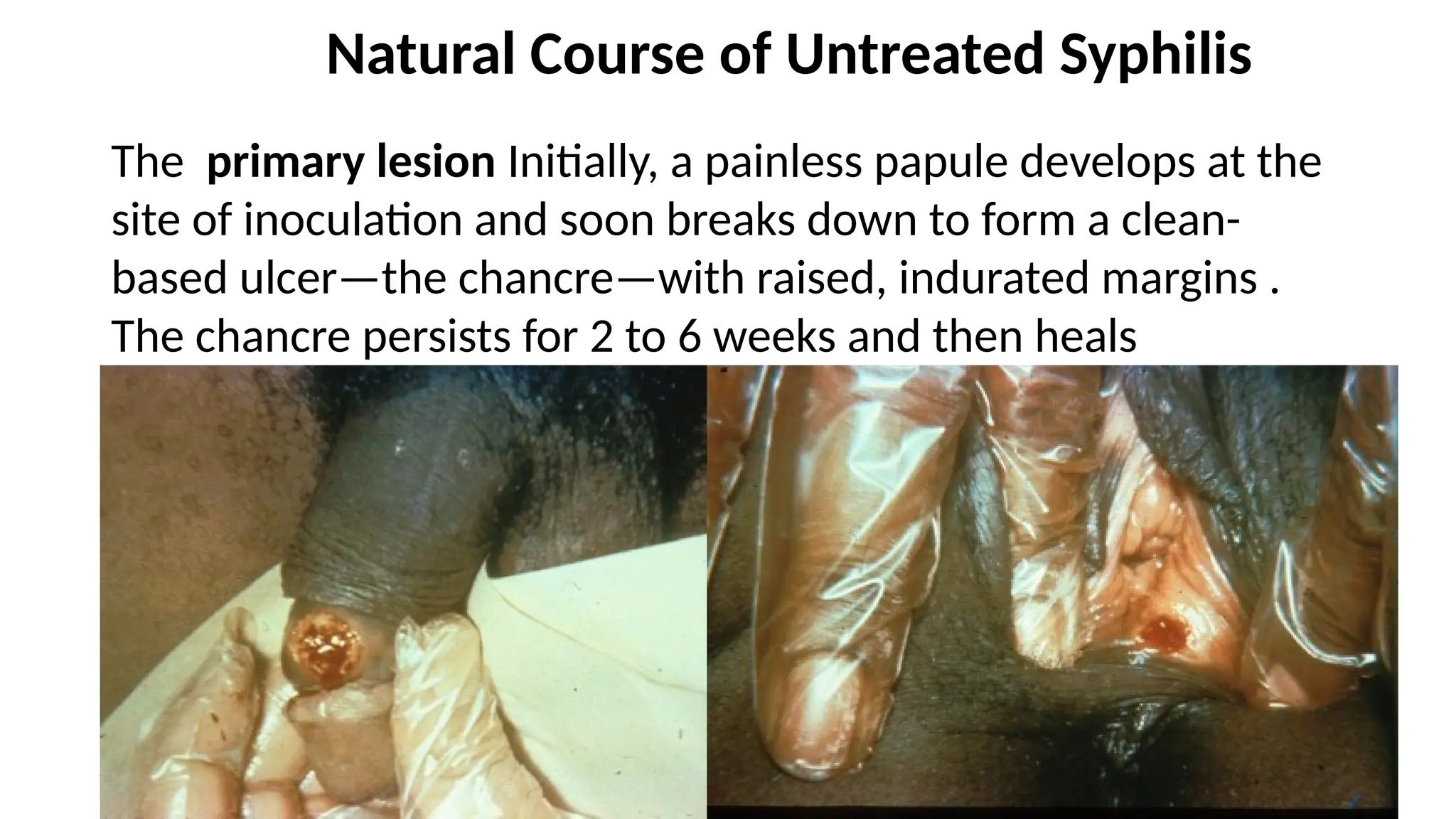
Natural Course of Untreated Syphilis
The primary lesion Initially, a painless papule develops at the
site of inoculation and soon breaks down to form a clean-
based ulcer—the chancre—with raised, indurated margins .
The chancre persists for 2 to 6 weeks and then heals
spontaneously.
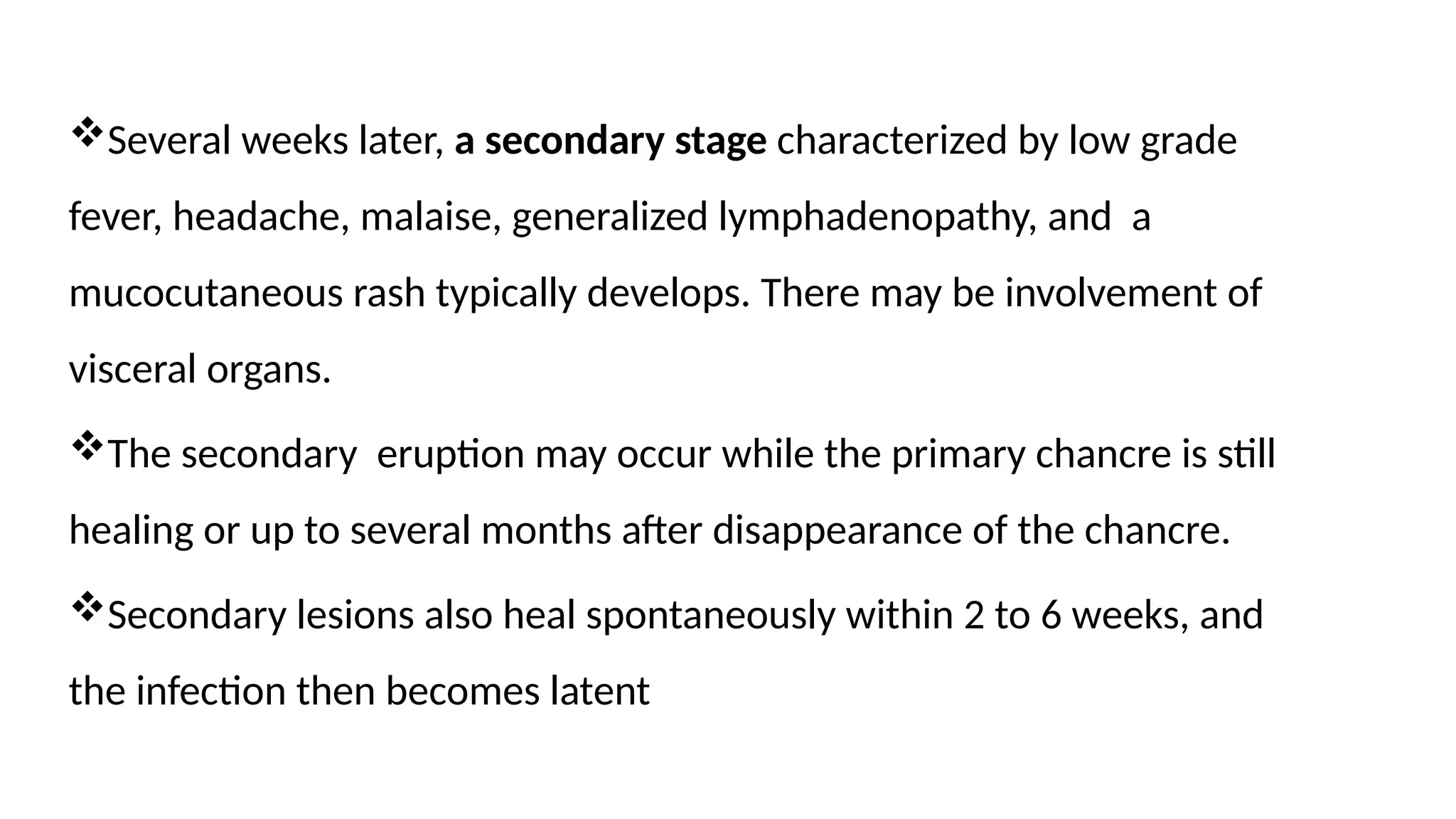
Several weeks later, a secondary stage characterized by low grade
fever, headache, malaise, generalized lymphadenopathy, and a
mucocutaneous rash typically develops. There may be involvement of
visceral organs.
The secondary eruption may occur while the primary chancre is still
healing or up to several months after disappearance of the chancre.
Secondary lesions also heal spontaneously within 2 to 6 weeks, and
the infection then becomes latent
Secondary syphilis
• Disseminated disease due to the systemic spread of the spirochetes, inducing an
immunologic reaction
• Begins approx. 8–12 weeks after primary infection and typically lasts 2–6 weeks
• Constitutional symptoms
 Generalized nontender lymphadenopathy
 Fever, fatigue, myalgia, headache
• Polymorphic rash
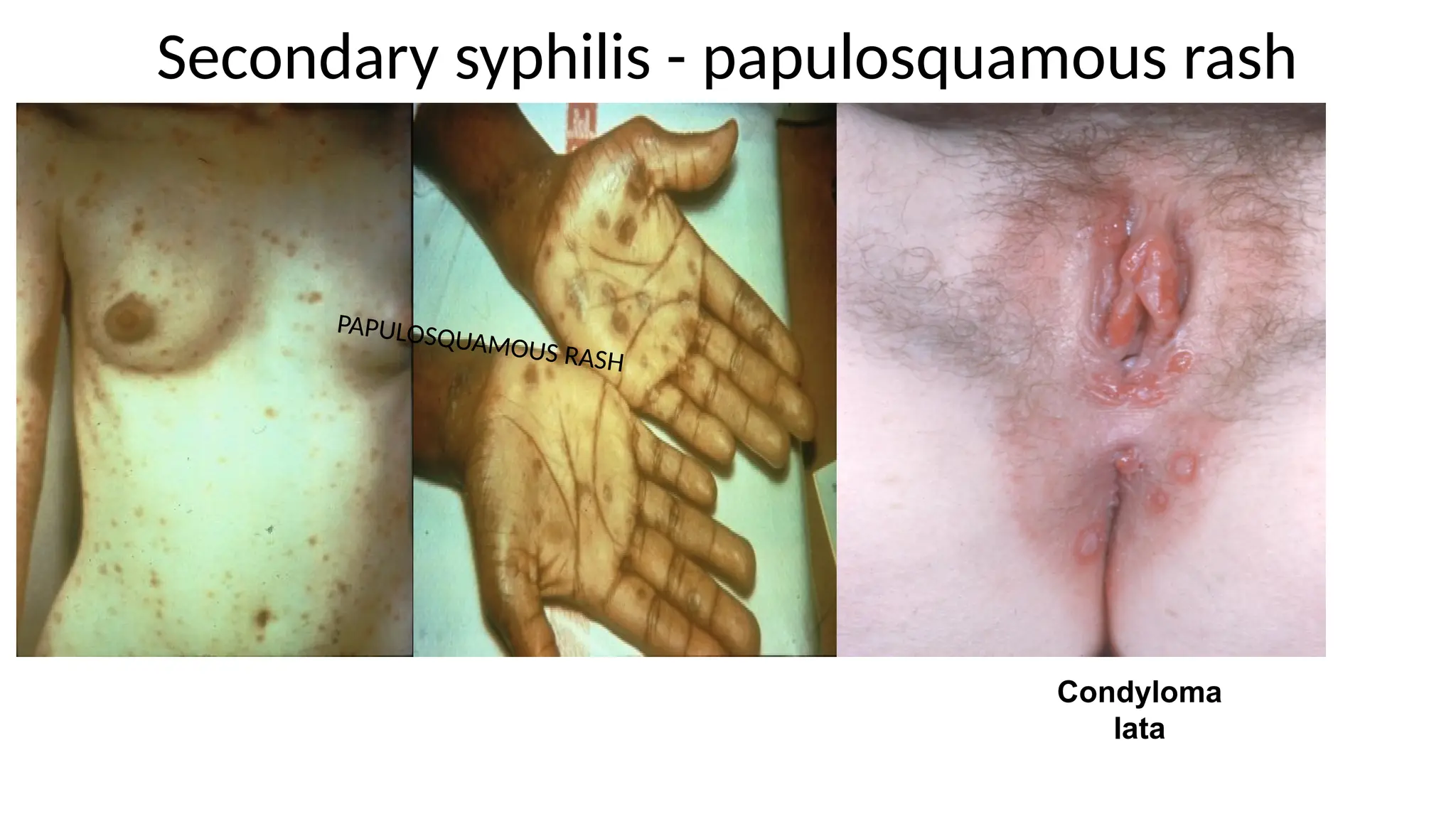
 Typically disseminated, nonpruritic macular or papular rash
 Involves trunk and extremities, also the palms and soles
 Reddish-brown or copper-colored
 Heals within 6 months, but may recur
Cont…
• Condylomata lata
 Broad-based, wart-like, smooth, white papular erosions
 Painless
 Located in the anogenital region, intertriginous folds, and on oral mucosa
• Additional lesions
 Patchy alopecia (moth-eaten alopecia)
 Sore throat (acute syphilitic tonsillitis)
• Special variant of secondary syphilis: malignant syphilis
 Severe clinical course in the setting of underlying immunosuppression (e.g.,
concurrent HIV infection)
 Multiple necrotic ulcerations
Secondary syphilis - papulosquamous rash
Condyloma
lata
PAPULOSQUAMOUS RASH
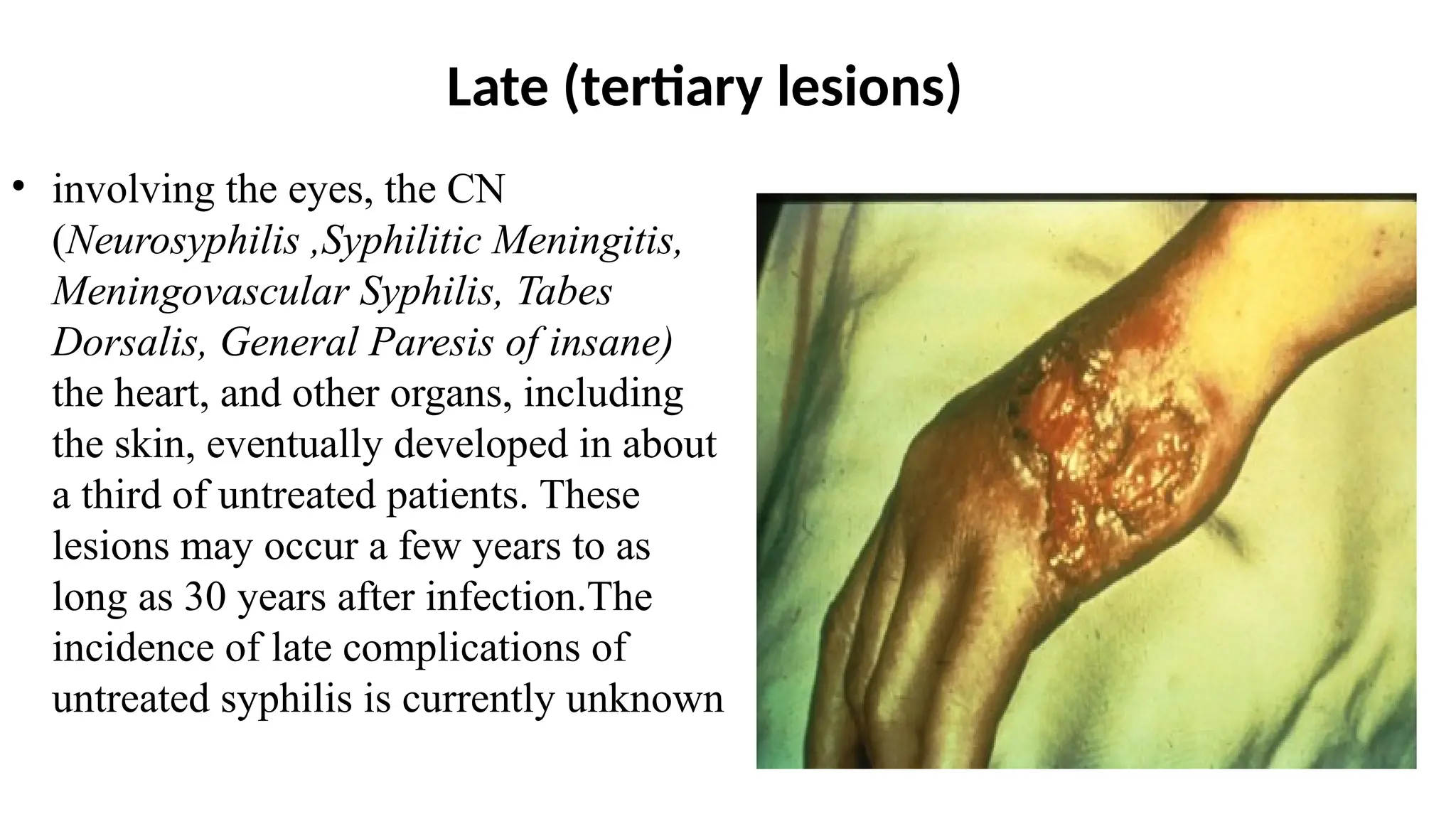
Late (tertiary lesions)
• involving the eyes, the CN
(Neurosyphilis ,Syphilitic Meningitis,
Meningovascular Syphilis, Tabes
Dorsalis, General Paresis of insane)
the heart, and other organs, including
the skin, eventually developed in about
a third of untreated patients. These
lesions may occur a few years to as
long as 30 years after infection.The
incidence of late complications of
untreated syphilis is currently unknown
Tertiary syphilis
 Gumma
 Chronic, destructive granulomatous lesions with a necrotic center that tend to ulcerate
 May affect any organ, e.g., skin, internal organs, bones
 Cardiovascular syphilis
 Aortitis, ascending aortic aneurysm (thoracic aortic aneurysm), syphilitic
mesaortitis, aortic root dilation and insufficiency
 Due to Treponema induced vasculitis of the vasa vasorum of the large vessels (especially
the aorta), resulting in vessel wall atrophy, and thereby, aneurysm formation
 Neurosyphilis
 Invasion of the CNS, causing an inflammatory reaction of the meninges and the
surrounding vessels, as well as the cerebral parenchyma
 Acute meningeal syphilis: symptoms of acute meningitis (e.g., neck stiffness, nausea)
 Meningovascular syphilis : subacute stroke, cranial neuropathies
Cont….
Paretic neurosyphilis: chronic, progressive meningoencephaliti, resulting in
widespread cerebral atrophy and major neurocognitive disorder.
• Early manifestations include personality changes and deficits of memory and judgment.
• Can cause neurologic symptoms, including dysarthria, hypotonia, and tremors
Argyll Robertson pupil
 Bilateral miosis
 Pupils accommodate but do not react to direct or indirect light
Tabes dorsalis (syphilitic myelopathy): demyelination of the dorsal columns and the dorsal
root ganglia
• Impaired proprioception → progressive sensory broad-based ataxia (Romberg test is positive)
• Absent deep tendon reflexes
• Dysesthesia
– Loss of sensation, predominantly in the lower extremities
– Sharp, shooting pain in the legs and the abdomen
• Charcot joint
congenital syphilis
• It is estimated that active syphilis infection in pregnancy causes
adverse outcomes in 50–80% of pregnancies surviving past 12
weeks gestation, primarily as spontaneous abortions in the
second and early third trimester, stillbirths, and congenital
syphilis
• Every year, at least half a million infants are born with
congenital syphilis. In addition, maternal syphilis causes
another half million stillbirths and miscarriages annually
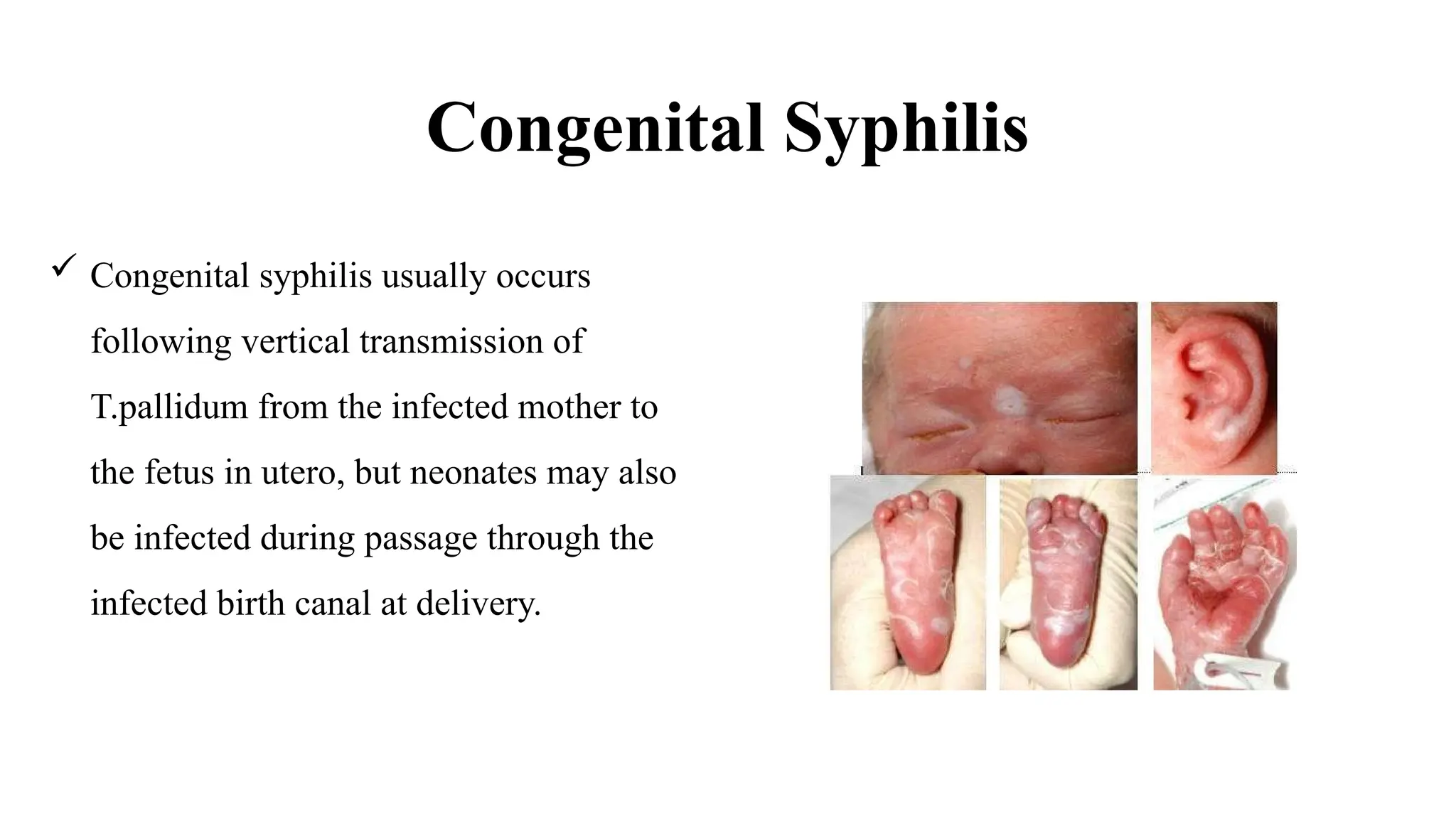
Congenital Syphilis
 Congenital syphilis usually occurs
following vertical transmission of
T.pallidum from the infected mother to
the fetus in utero, but neonates may also
be infected during passage through the
infected birth canal at delivery.
Diagnosis
•Serologic tests
•Non treponemal tests that detect antibodies reactive with
diphosphatidylglycerol (cardiolipin), The standard tests to detect
anticardiolipin antibody are the rapid plasma reagin (RPR) and
Venereal Disease Research Laboratory (VDRL) tests.
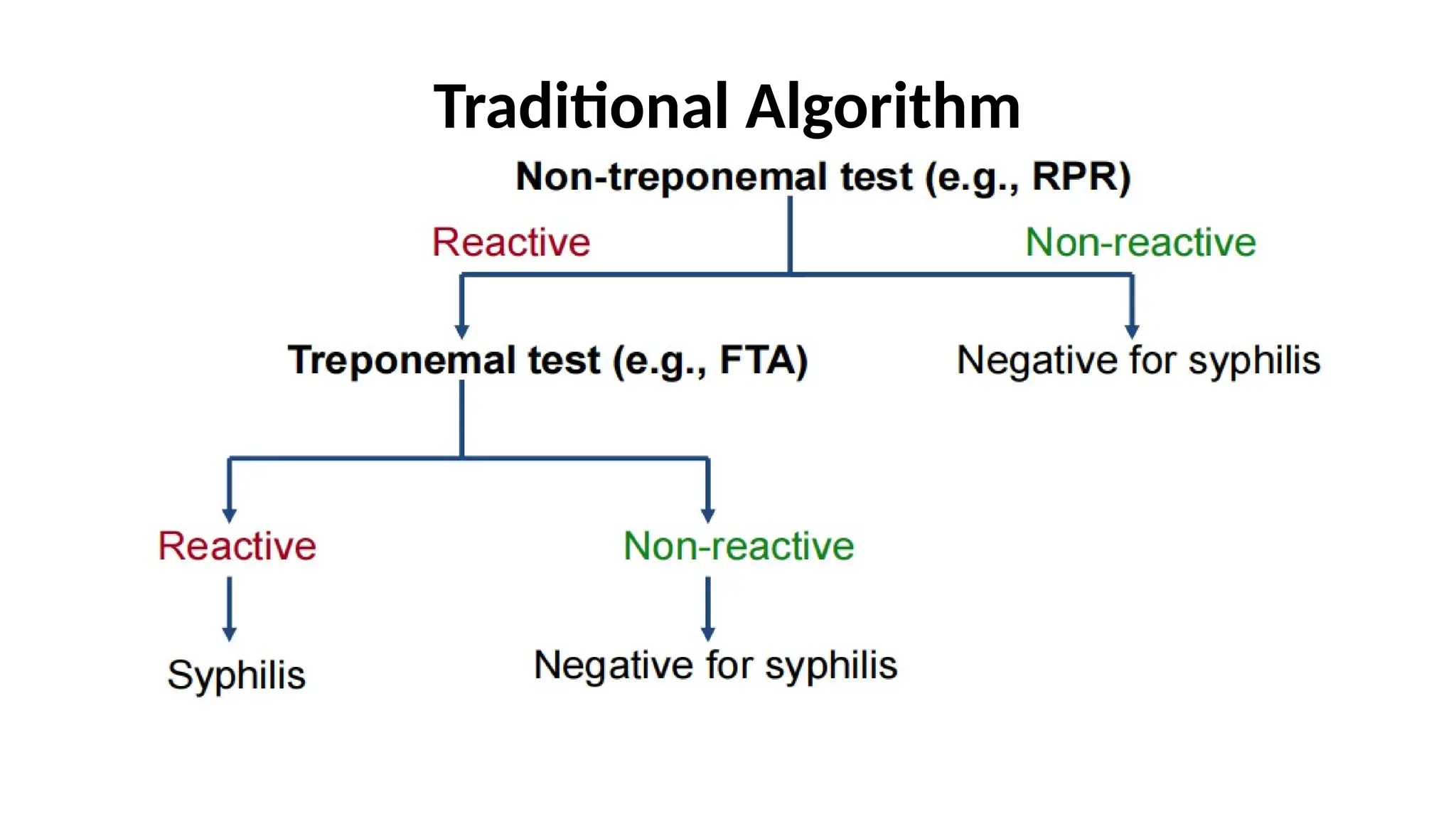
Traditional Algorithm
–The Rapid Plasma Reagin (RPR) test result begins to turn positive less
than 1 week after onset of the chancre; thus, a nonreactive RPR test result
does not exclude primary syphilis, particularly if the lesion is less than 1
week old.
–The RPR test result is positive in 99% of patients with secondary syphilis.
Patients with advanced HIV infection may have negative test results
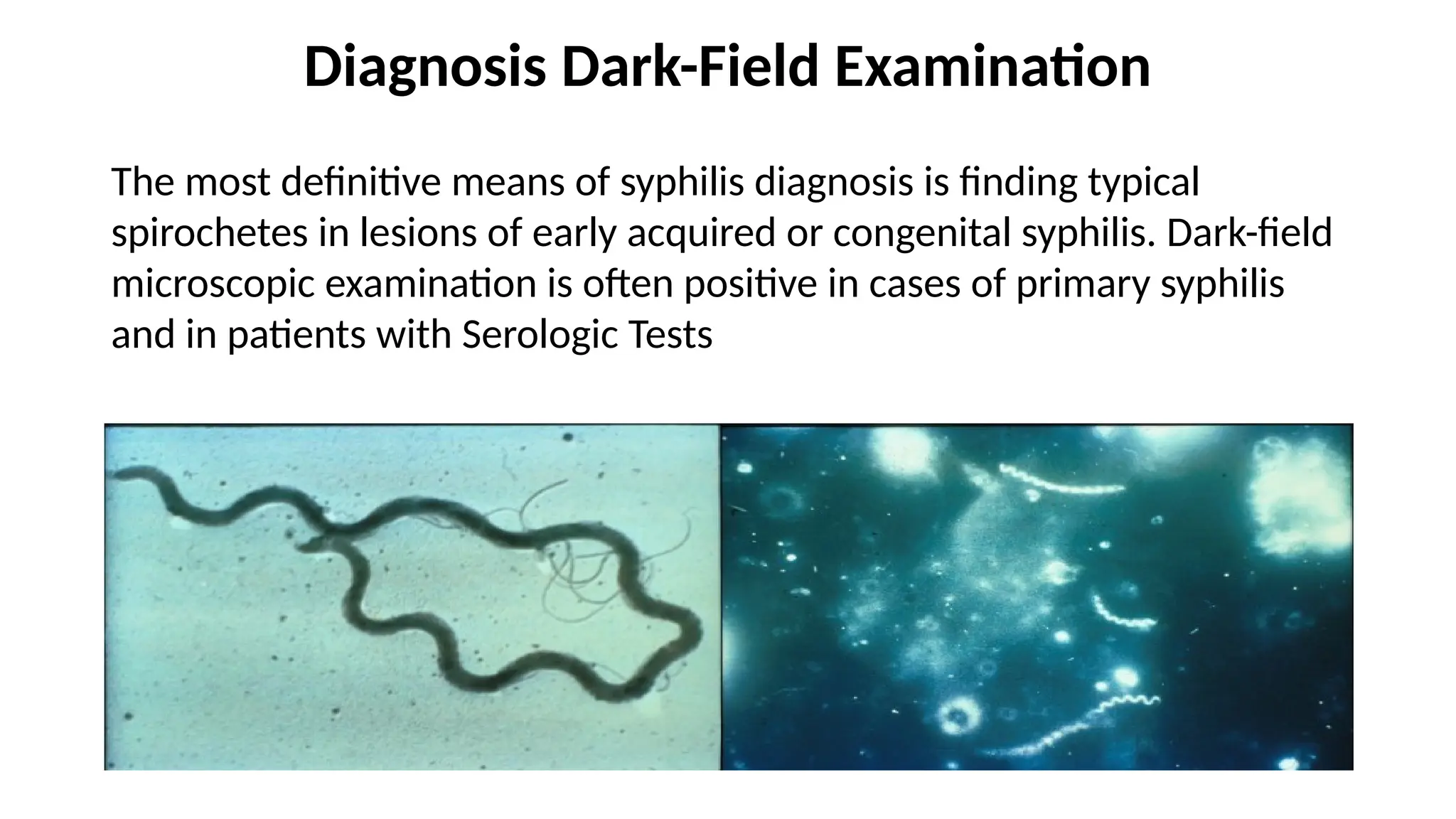
Diagnosis Dark-Field Examination
The most definitive means of syphilis diagnosis is finding typical
spirochetes in lesions of early acquired or congenital syphilis. Dark-field
microscopic examination is often positive in cases of primary syphilis
and in patients with Serologic Tests
SPECIFIC TREPONEMAL ANTIBODIES
FTA-ABS (fluorescent treponemal antibody absorption)
Confirmatory, diagnostic; not for routine screening
TP-PA (microhemagglutination) Similar to FTA-ABS but can be
quantified and automated.
EIA (enzyme immunoassay) Confirmatory and increasingly
used for screening.
Management
EUROPEAN GUIDELINE ON THE MANAGEMENT OF SYPHILIS 2018,
IUSTDS,CDC AND WHO HAVE THE SAME ROCOMENDATION
currently reviewing managent of syphilis,you can contact Raj Patel et
al for more information.
Long acting penicillin G (i.e. benzathine penicillin G-BPG) is the only first line
therapy regimen in early syphilis and in late latent syphilis)
Early syphilis (Primary, Secondary and Early latent, i.e. acquired ≤1 year)
Benzathine penicillin G 2.4 million units IM as single dose (one injection of 2.4
million units or 1.2 million units in each buttock).
Treatment for patients with HIV should be given as for
non-HIV infected patients.
IN PATIENTS ALLERGIC TO PENICILLINS
Doxycycline 200 mg oral daily (either 100 mg twice daily or as a
single 200mg dose) for 14 days OR Azithromycin 2 g oral as single
dose.
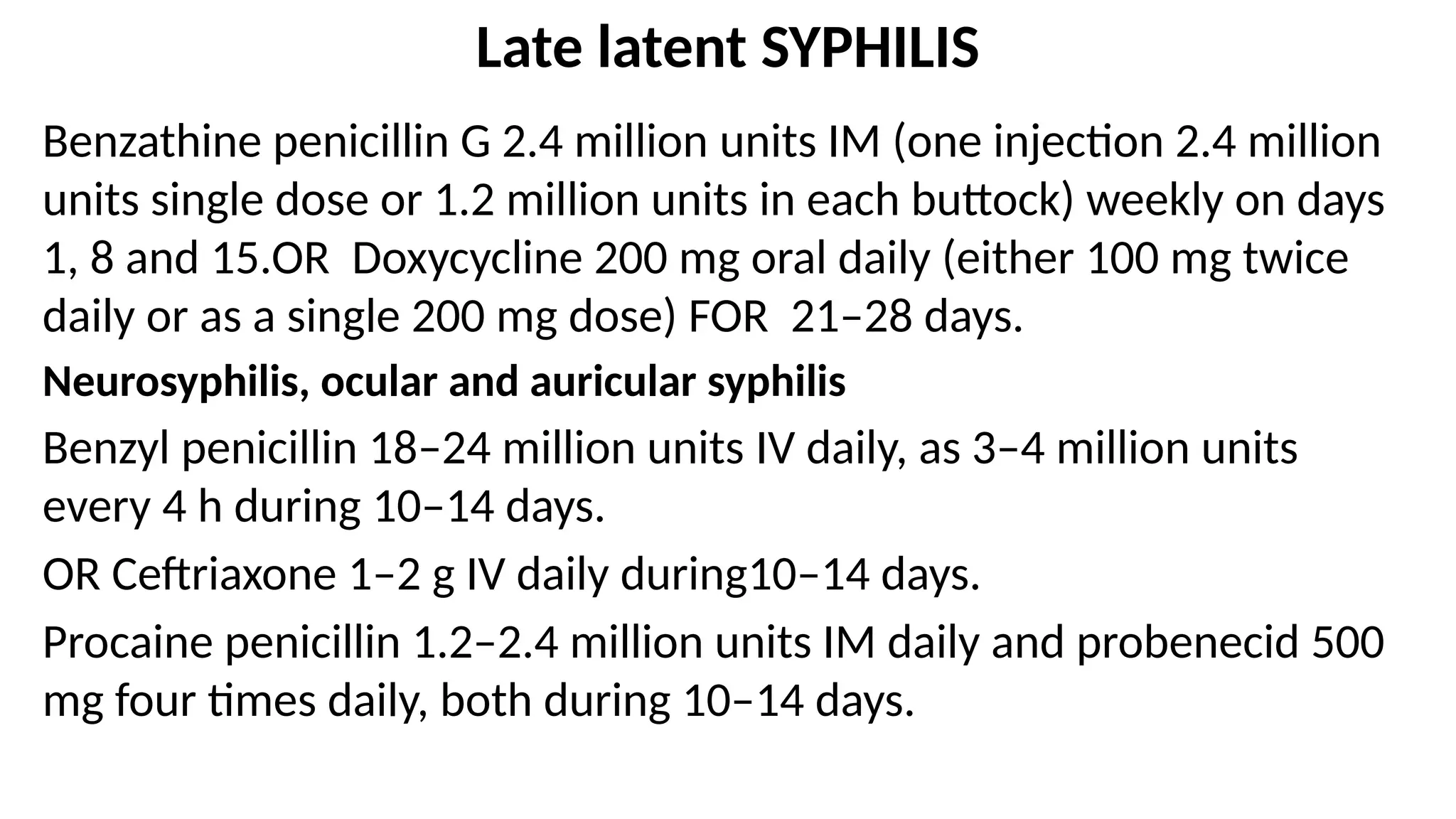
Late latent SYPHILIS
Benzathine penicillin G 2.4 million units IM (one injection 2.4 million
units single dose or 1.2 million units in each buttock) weekly on days
1, 8 and 15.OR Doxycycline 200 mg oral daily (either 100 mg twice
daily or as a single 200 mg dose) FOR 21–28 days.
Neurosyphilis, ocular and auricular syphilis
Benzyl penicillin 18–24 million units IV daily, as 3–4 million units
every 4 h during 10–14 days.
OR Ceftriaxone 1–2 g IV daily during10–14 days.
Procaine penicillin 1.2–2.4 million units IM daily and probenecid 500
mg four times daily, both during 10–14 days.
references
• Davidson's principles and practice of medicine 24th edition
• UPTODATE 2018
• MEDSCAPE

Syphilis BMS internal medicine PowerPoint presentation

  • 1.
    KAMPALA INTERNATIONAL UNIVERSITY MUBENDE-SITE Presenter: Kakonge Andrew 2020 - 01 - 00313 Topic: Syphilis
  • 2.
  • 3.
    Syphilis • Pathogen: Treponemapallidum: gram-negative, spiral- shaped bacteria belonging to the spirochete family • Transmission  Sexual contact (via small mucocutaneous lesions)  Vertical  Blood transfusion or organ donations (rare)
  • 4.
    Syphilis, which isa chronic infectious disease caused by the bacterium Treponema Pallidum,subspecies pallidum, is usually acquired by sexual contact with another infected individual. Syphilis is remarkable among infectious diseases for its large variety of clinical manifestations. If untreated, it progresses through primary, secondary, and tertiary stages.
  • 5.
    PATHOGENESIS • T. pallidummay penetrate through normal mucosal membranes and minor abrasions on epithelial surfaces. The first lesions appear at the site of direct, primary inoculation. The minimal number of treponemes needed to establish infection is not known but may be as low as one. • The primary pathologic lesion of syphilis is a focal endarteritis with an increase in adventitial cells, endothelial proliferation, and the presence of an inflammatory cuff around affected vessels.
  • 6.
    • Lymphocytes, plasmacells, and monocytes predominate in the inflammatory lesion, and polymorphonuclear cells are seen in some cases. The vessel lumen is frequently obliterated, With healing, there is considerable fibrosis. Treponemes may be seen in most early lesions of syphilis and in some of the late lesions, such as the meningoencephalitis of general paresis.
  • 7.
    Clinical stages Infectious Dose:~57 organisms Incubation Period – 21 days (median)  3 clinical stages of syphilis 1. Primary: Painless sore (chancre) at inoculation site 2. Secondary: Rash, Fever, Lymphadenopathy, Malaise 3. Tertiary/Latent: CNS invasion, organ damage
  • 8.
    Primary Syphilis –Clinical Manifestations  Localized disease • 90–95%: genital primary syphilis • 5–10%: extragenital primary syphils (most commonly, the oral cavity, finger, and anus or perianal region)  Incubation: 10-90 days (average 3 weeks)  Chancre  Early: macule/papule erodes  Late: clean based, painless, indurated ulcer with smooth firm borders  Unnoticed in 15-30% of patients  Resolves in 1-5 weeks  HIGHLY INFECTIOUS
  • 9.
    Natural Course ofUntreated Syphilis The primary lesion Initially, a painless papule develops at the site of inoculation and soon breaks down to form a clean- based ulcer—the chancre—with raised, indurated margins . The chancre persists for 2 to 6 weeks and then heals spontaneously.
  • 10.
    Several weeks later,a secondary stage characterized by low grade fever, headache, malaise, generalized lymphadenopathy, and a mucocutaneous rash typically develops. There may be involvement of visceral organs. The secondary eruption may occur while the primary chancre is still healing or up to several months after disappearance of the chancre. Secondary lesions also heal spontaneously within 2 to 6 weeks, and the infection then becomes latent
  • 11.
    Secondary syphilis • Disseminateddisease due to the systemic spread of the spirochetes, inducing an immunologic reaction • Begins approx. 8–12 weeks after primary infection and typically lasts 2–6 weeks • Constitutional symptoms  Generalized nontender lymphadenopathy  Fever, fatigue, myalgia, headache • Polymorphic rash  Typically disseminated, nonpruritic macular or papular rash  Involves trunk and extremities, also the palms and soles  Reddish-brown or copper-colored  Heals within 6 months, but may recur
  • 12.
    Cont… • Condylomata lata Broad-based, wart-like, smooth, white papular erosions  Painless  Located in the anogenital region, intertriginous folds, and on oral mucosa • Additional lesions  Patchy alopecia (moth-eaten alopecia)  Sore throat (acute syphilitic tonsillitis) • Special variant of secondary syphilis: malignant syphilis  Severe clinical course in the setting of underlying immunosuppression (e.g., concurrent HIV infection)  Multiple necrotic ulcerations
  • 13.
    Secondary syphilis -papulosquamous rash Condyloma lata PAPULOSQUAMOUS RASH
  • 14.
    Late (tertiary lesions) •involving the eyes, the CN (Neurosyphilis ,Syphilitic Meningitis, Meningovascular Syphilis, Tabes Dorsalis, General Paresis of insane) the heart, and other organs, including the skin, eventually developed in about a third of untreated patients. These lesions may occur a few years to as long as 30 years after infection.The incidence of late complications of untreated syphilis is currently unknown
  • 15.
    Tertiary syphilis  Gumma Chronic, destructive granulomatous lesions with a necrotic center that tend to ulcerate  May affect any organ, e.g., skin, internal organs, bones  Cardiovascular syphilis  Aortitis, ascending aortic aneurysm (thoracic aortic aneurysm), syphilitic mesaortitis, aortic root dilation and insufficiency  Due to Treponema induced vasculitis of the vasa vasorum of the large vessels (especially the aorta), resulting in vessel wall atrophy, and thereby, aneurysm formation  Neurosyphilis  Invasion of the CNS, causing an inflammatory reaction of the meninges and the surrounding vessels, as well as the cerebral parenchyma  Acute meningeal syphilis: symptoms of acute meningitis (e.g., neck stiffness, nausea)  Meningovascular syphilis : subacute stroke, cranial neuropathies
  • 16.
    Cont…. Paretic neurosyphilis: chronic,progressive meningoencephaliti, resulting in widespread cerebral atrophy and major neurocognitive disorder. • Early manifestations include personality changes and deficits of memory and judgment. • Can cause neurologic symptoms, including dysarthria, hypotonia, and tremors Argyll Robertson pupil  Bilateral miosis  Pupils accommodate but do not react to direct or indirect light Tabes dorsalis (syphilitic myelopathy): demyelination of the dorsal columns and the dorsal root ganglia • Impaired proprioception → progressive sensory broad-based ataxia (Romberg test is positive) • Absent deep tendon reflexes • Dysesthesia – Loss of sensation, predominantly in the lower extremities – Sharp, shooting pain in the legs and the abdomen • Charcot joint
  • 17.
    congenital syphilis • Itis estimated that active syphilis infection in pregnancy causes adverse outcomes in 50–80% of pregnancies surviving past 12 weeks gestation, primarily as spontaneous abortions in the second and early third trimester, stillbirths, and congenital syphilis • Every year, at least half a million infants are born with congenital syphilis. In addition, maternal syphilis causes another half million stillbirths and miscarriages annually
  • 18.
    Congenital Syphilis  Congenitalsyphilis usually occurs following vertical transmission of T.pallidum from the infected mother to the fetus in utero, but neonates may also be infected during passage through the infected birth canal at delivery.
  • 19.
    Diagnosis •Serologic tests •Non treponemaltests that detect antibodies reactive with diphosphatidylglycerol (cardiolipin), The standard tests to detect anticardiolipin antibody are the rapid plasma reagin (RPR) and Venereal Disease Research Laboratory (VDRL) tests.
  • 20.
  • 21.
    –The Rapid PlasmaReagin (RPR) test result begins to turn positive less than 1 week after onset of the chancre; thus, a nonreactive RPR test result does not exclude primary syphilis, particularly if the lesion is less than 1 week old. –The RPR test result is positive in 99% of patients with secondary syphilis. Patients with advanced HIV infection may have negative test results
  • 22.
    Diagnosis Dark-Field Examination Themost definitive means of syphilis diagnosis is finding typical spirochetes in lesions of early acquired or congenital syphilis. Dark-field microscopic examination is often positive in cases of primary syphilis and in patients with Serologic Tests
  • 23.
    SPECIFIC TREPONEMAL ANTIBODIES FTA-ABS(fluorescent treponemal antibody absorption) Confirmatory, diagnostic; not for routine screening TP-PA (microhemagglutination) Similar to FTA-ABS but can be quantified and automated. EIA (enzyme immunoassay) Confirmatory and increasingly used for screening.
  • 24.
    Management EUROPEAN GUIDELINE ONTHE MANAGEMENT OF SYPHILIS 2018, IUSTDS,CDC AND WHO HAVE THE SAME ROCOMENDATION currently reviewing managent of syphilis,you can contact Raj Patel et al for more information. Long acting penicillin G (i.e. benzathine penicillin G-BPG) is the only first line therapy regimen in early syphilis and in late latent syphilis) Early syphilis (Primary, Secondary and Early latent, i.e. acquired ≤1 year) Benzathine penicillin G 2.4 million units IM as single dose (one injection of 2.4 million units or 1.2 million units in each buttock).
  • 25.
    Treatment for patientswith HIV should be given as for non-HIV infected patients. IN PATIENTS ALLERGIC TO PENICILLINS Doxycycline 200 mg oral daily (either 100 mg twice daily or as a single 200mg dose) for 14 days OR Azithromycin 2 g oral as single dose.
  • 26.
    Late latent SYPHILIS Benzathinepenicillin G 2.4 million units IM (one injection 2.4 million units single dose or 1.2 million units in each buttock) weekly on days 1, 8 and 15.OR Doxycycline 200 mg oral daily (either 100 mg twice daily or as a single 200 mg dose) FOR 21–28 days. Neurosyphilis, ocular and auricular syphilis Benzyl penicillin 18–24 million units IV daily, as 3–4 million units every 4 h during 10–14 days. OR Ceftriaxone 1–2 g IV daily during10–14 days. Procaine penicillin 1.2–2.4 million units IM daily and probenecid 500 mg four times daily, both during 10–14 days.
  • 27.
    references • Davidson's principlesand practice of medicine 24th edition • UPTODATE 2018 • MEDSCAPE

Editor's Notes

  • #8 Papule A small, palpable skin lesions < 1 cm in size, macule a small non palpable skin lesion <1cm
  • #16 Charcot joint ; neuropathic arthropathy bone and joint changes that occurs secondary to loss of sensations Most often associated with diabetes , syphilis , syringomyelia, spina bifidam traumatic spinal cord injury and leprosy
  • #20 RPR ; Rapid plasma Reagin FTA ; Fluorescent treponemal antibody test
  • #23 TP-PA ;Treponema Pallidium Particle Agglutination
  • #24 IUSTDS ; international union against sexually transmitted infections