

COMMUNICATION SKILLS 
PRESENTATIONS
COMMUNICATION SKILLS 
PRESENTATIONS 
Presenters:- 
Sanjoy Monterio 33 
Subodh More 34 
Nikhil Mota 35 
Sayali Naik 36
STRESS MANAGEMENT 
HOW TO MANAGE STRESS?
Presentation Outline 
What is stress 
Types of stress 
Cause of stress 
Signs of stress 
Process of stress management 
Benefits of stress management 
Conclusion
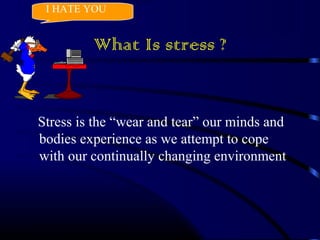
I HATE YOU 
What Is stress ? 
Stress is the “wear and tear” our minds and 
bodies experience as we attempt to cope 
with our continually changing environment
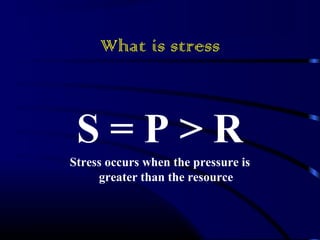
What is stress 
S = P > R 
Stress occurs when the pressure is 
greater than the resource
Types of stress 
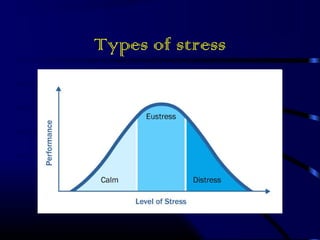
• Positive stress 
• Negative stress 
Let me think….
Types of stress
Causes of stress 
While incarcerated prisoners make 
twenty decisions a day, those of us 
walking the streets make one 
hundred & twenty decisions a day. 
-Prison Fellowship
Causes of stress 
• Physical Environment 
• Emotional 
• Thinking 
• Behavioural 
• Spiritual 
I got it……….
Causes of stress 
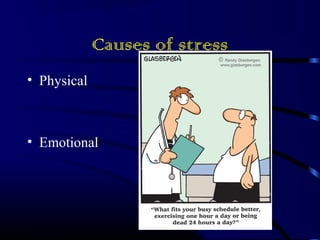
• Physical 
• Emotional
Causes of stress 
• Thinking 
• Behavioural 
• Spiritual 
U r sick
SIGNS OF STRESS 
• Physical symptoms 
• Mental symptoms 
• Behavioural symptoms 
• Emotional symptoms 
Oh!! Good
Stress Management 
Technique 
A B C STRATEGY
ABC STRATEGY 
A = AWARENESS 
What causes you stress? 
How do you react?
ABC STRATEGY 
B = BALANCE 
There is a fine line between positive / 
negative stress 
How much can you cope with before it 
becomes negative ?
ABC STRATEGY 
C = CONTROL 
What can you do to help yourself combat the 
negative effects of stress ?
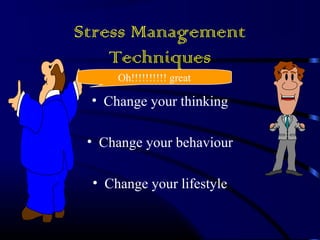
Stress Management 
Techniques 
Oh!!!!!!!!!! great 
• Change your thinking 
• Change your behaviour 
• Change your lifestyle
Change your Thinking 
• Re-framing 
• Positive thinking
Change your Behaviour 
• Be assertive 
• Get organised 
• Ventilation 
• Humour 
• Diversion and distraction 
Oh!!! realy
Change Your Lifestyle 
• Diet 
• Smoking & Alcohol 
• Exercise 
• Sleep 
• Leisure 
• Relaxation
Alternatives 
• Conventional Medicine 
• Counselling & 
psychotherapy 
• Relaxation 
• Meditation 
• Massage 
• Yoga 
• Acupuncture 
• Aromatherapy 
• Floatation 
• Herbalism 
• Biofeedback 
• Homeopathy 
• Hypnotherapy 
• Osteopathy 
• Pet Therapy 
• Reflexology
Benefits of Stress 
Management 
• Physical health gets better 
-more energy and stamina 
• Emotions stabilized 
-positive attitude 
-hopeful/happier 
• Ability to focus improved 
-able to learn and achieve
BIBLOGRAPHY 
• www.google.com 
• www.mindtools.com
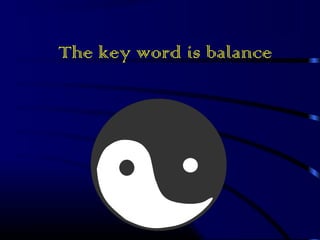
The key word is balance
Questions
Thank You

Stress management final ppt

  • 1.
  • 2.
    COMMUNICATION SKILLS PRESENTATIONS Presenters:- Sanjoy Monterio 33 Subodh More 34 Nikhil Mota 35 Sayali Naik 36
  • 3.
    STRESS MANAGEMENT HOWTO MANAGE STRESS?
  • 4.
    Presentation Outline Whatis stress Types of stress Cause of stress Signs of stress Process of stress management Benefits of stress management Conclusion
  • 5.
    I HATE YOU What Is stress ? Stress is the “wear and tear” our minds and bodies experience as we attempt to cope with our continually changing environment
  • 6.
    What is stress S = P > R Stress occurs when the pressure is greater than the resource
  • 17.
    Types of stress • Positive stress • Negative stress Let me think….
  • 18.
  • 19.
    Causes of stress While incarcerated prisoners make twenty decisions a day, those of us walking the streets make one hundred & twenty decisions a day. -Prison Fellowship
  • 20.
    Causes of stress • Physical Environment • Emotional • Thinking • Behavioural • Spiritual I got it……….
  • 21.
    Causes of stress • Physical • Emotional
  • 22.
    Causes of stress • Thinking • Behavioural • Spiritual U r sick
  • 23.
    SIGNS OF STRESS • Physical symptoms • Mental symptoms • Behavioural symptoms • Emotional symptoms Oh!! Good
  • 24.
  • 25.
    ABC STRATEGY A= AWARENESS What causes you stress? How do you react?
  • 26.
    ABC STRATEGY B= BALANCE There is a fine line between positive / negative stress How much can you cope with before it becomes negative ?
  • 27.
    ABC STRATEGY C= CONTROL What can you do to help yourself combat the negative effects of stress ?
  • 28.
    Stress Management Techniques Oh!!!!!!!!!! great • Change your thinking • Change your behaviour • Change your lifestyle
  • 29.
    Change your Thinking • Re-framing • Positive thinking
  • 30.
    Change your Behaviour • Be assertive • Get organised • Ventilation • Humour • Diversion and distraction Oh!!! realy
  • 31.
    Change Your Lifestyle • Diet • Smoking & Alcohol • Exercise • Sleep • Leisure • Relaxation
  • 32.
    Alternatives • ConventionalMedicine • Counselling & psychotherapy • Relaxation • Meditation • Massage • Yoga • Acupuncture • Aromatherapy • Floatation • Herbalism • Biofeedback • Homeopathy • Hypnotherapy • Osteopathy • Pet Therapy • Reflexology
  • 33.
    Benefits of Stress Management • Physical health gets better -more energy and stamina • Emotions stabilized -positive attitude -hopeful/happier • Ability to focus improved -able to learn and achieve
  • 34.
    BIBLOGRAPHY • www.google.com • www.mindtools.com
  • 35.
    The key wordis balance
  • 36.
  • 37.

Editor's Notes

  • #6 The only person without stress is a dead person………..hans selye (father os stress research)
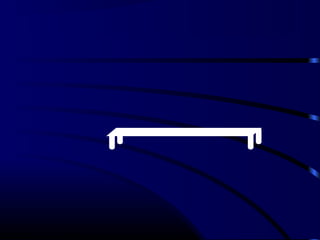
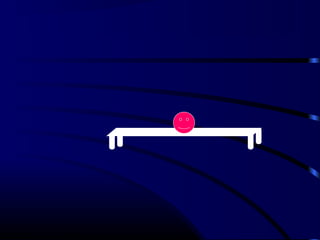
  • #17 Like the weight on the bridge, stress is the pressure in our lives. A small amount of pressure can show us what we are capable of. It can actually help to make us stronger. But when the pressure gets more intense, we can ‘bend’ and ‘strain’ like the bridge. We may start to feel unwell or anxious, or we might become irritable or unable to think clearly. Sometimes the stress is too much and we feel like our lives are going to fall apart If nothing is done, people can fall apart
  • #19 Stress is pressure in our lives. A little pressure can be a good thing – it can help us perform better and make us stronger. Too much pressure, however, can make us feel as if we’re under strain, or even breaking
  • #20 Stress can be caused by anything and it is usually the combination of many little things that determines our stress levels. Causes of stress can include Pressure to perform at work Long working hours Continuous deadlines Arguments Financial difficulties Relationship problems Communication difficulties Physical problems Worries/anxiety
  • #21 Stress affects everyone in different ways. Sometimes you may not notice that stress is affecting you until you notice small changes in your behavior or your health. Stress can affect our physical health; how we feel, think, and act; our spirituality; and how we relate to other people. The ‘damage’ that stress can cause includes: Mistakes and accidents (these are often due to fatigue or to trying to do things too quickly); Making poor decisions; Increased risk of various illnesses; Arguments and relationship problems; and Exhaustion and burnout. No-one is immune from the effects of stress, but different people are affected in different ways. Signs of stress can show up in our bodies, feelings, thoughts, behaviors, and spirituality.
  • #22 Weight gain/loss Unexpected hair loss Heart palpitations High blood pressure 2. Emotional Mood swings Anxiety Can lead to depression Can also lead to unhealthy coping strategies (i.e. alcohol, drugs, etc)
  • #24 These are all normal signs, found among many people who experience stress. They do not mean that you are weak or unable to cope. However, if you feel your stress symptoms are very severe, or significantly interfering with your life, consider getting help. Finally, as stress accumulates and stays at high levels for long periods of time, humanitarian workers are at increased risk of experiencing burnout. Burnout is a type of stress reaction linked to long-term exposure to work-related stressors.
  • #26 Identify the problem as early as possible. Specify the problem accurately. Try to break it down into its different parts. What exactly is causing the problem? ‘Brainstorm’ solutions. This means listing as many ideas as possible, without dismissing any that you think would not work. At this stage don’t consider whether they are good or bad ideas, just list them all. Sometimes listing a silly or impossible idea triggers us to think of one which is possible. List the advantages and disadvantages of each solution. Choose the best solution or combination of solutions. Try out the solution. Review the problem-solving process. How well did the solution work? If it did not work well, consider what you could do differently another time.
  • #27 Many people have a negative view of assertiveness and think that it means demanding that you get your own way. This is especially true in certain cultures and faith groups where people believe that it is good to be modest and deferential and never say ‘no’ to the requests of other people. In fact, assertiveness is related to: Respecting and valuing other people and yourself; Listening to other people; Communicating honestly and clearly about your views and needs; Being able to politely say ‘no’ to requests when you want to. When you are assertive you clearly and honestly communicate your views and needs without anger or aggression, and also listen to and respect other people’s point of view.
  • #29 Identify the problem as early as possible. Specify the problem accurately. Try to break it down into its different parts. What exactly is causing the problem? ‘Brainstorm’ solutions. This means listing as many ideas as possible, without dismissing any that you think would not work. At this stage don’t consider whether they are good or bad ideas, just list them all. Sometimes listing a silly or impossible idea triggers us to think of one which is possible. List the advantages and disadvantages of each solution. Choose the best solution or combination of solutions. Try out the solution. Review the problem-solving process. How well did the solution work? If it did not work well, consider what you could do differently another time.
  • #30 Be self-aware, and spot when you have symptoms of stress. Use this as a warning sign to encourage you to take stock and look after yourself. Physical exercise enhances mood and helps to relieve tension. Find an activity you enjoy (e.g. walking, swimming, running, cycling, playing sport, an aerobic video, gardening, or chopping wood). Eat a balanced diet with plenty of vitamins. Ensure you are eating enough (for energy), but don’t overeat. Drink plenty of water. Relaxation exercises can help your body feel more relaxed and take away aches and pains. Try tensing and relaxing your muscle groups (e.g. your hands, then your eyes, mouth, stomach, toes etc).  Reduce your alcohol and caffeine intake, as these tend to magnify feelings of stress or depression. Get enough sleep. Stress is tiring, so you may need to sleep for longer than usual. Having a banana or cup of milk before bed may help.
  • #31 How can you communicate assertively? Assertiveness can feel difficult to put into practice, but it’s not a complicated concept. It involves: Speaking about your own feelings about a situation, circumstance, or behavior using the formula, “I feel… when… because…”;  Expressing what you would like to see happen instead (e.g., “I would appreciate it if…”); Being polite, clear, and honest; and Giving the other person a chance to speak, and listening to them with respect.