Moving from Technical Writing to Training Development	Holly Harkness, Mirant CorporationJack Massa, Guidance CommunicationsHolly Mullins, Instructive Media1
Our storiesSimilarities and differencesThree roles in trainingRecent trendsOverview of the professionResources 2
Similarities: Things you know, do, and use3
6 things you know Writing to inform and instructUser/student viewpointInformation developmentVisual communicationComputer-user interface designProject team experience4
11 things you do5Interview Analyze needDefine projectsDesign materialsChunk informationUse graphicsWrite scenariosWrite video scriptsWrite questions and answersManage reviewsPut materials online
9 tools you usePowerPointWord AcrobatCamtasiaSnagItCaptivateFlashDreamweaverContent management systems6
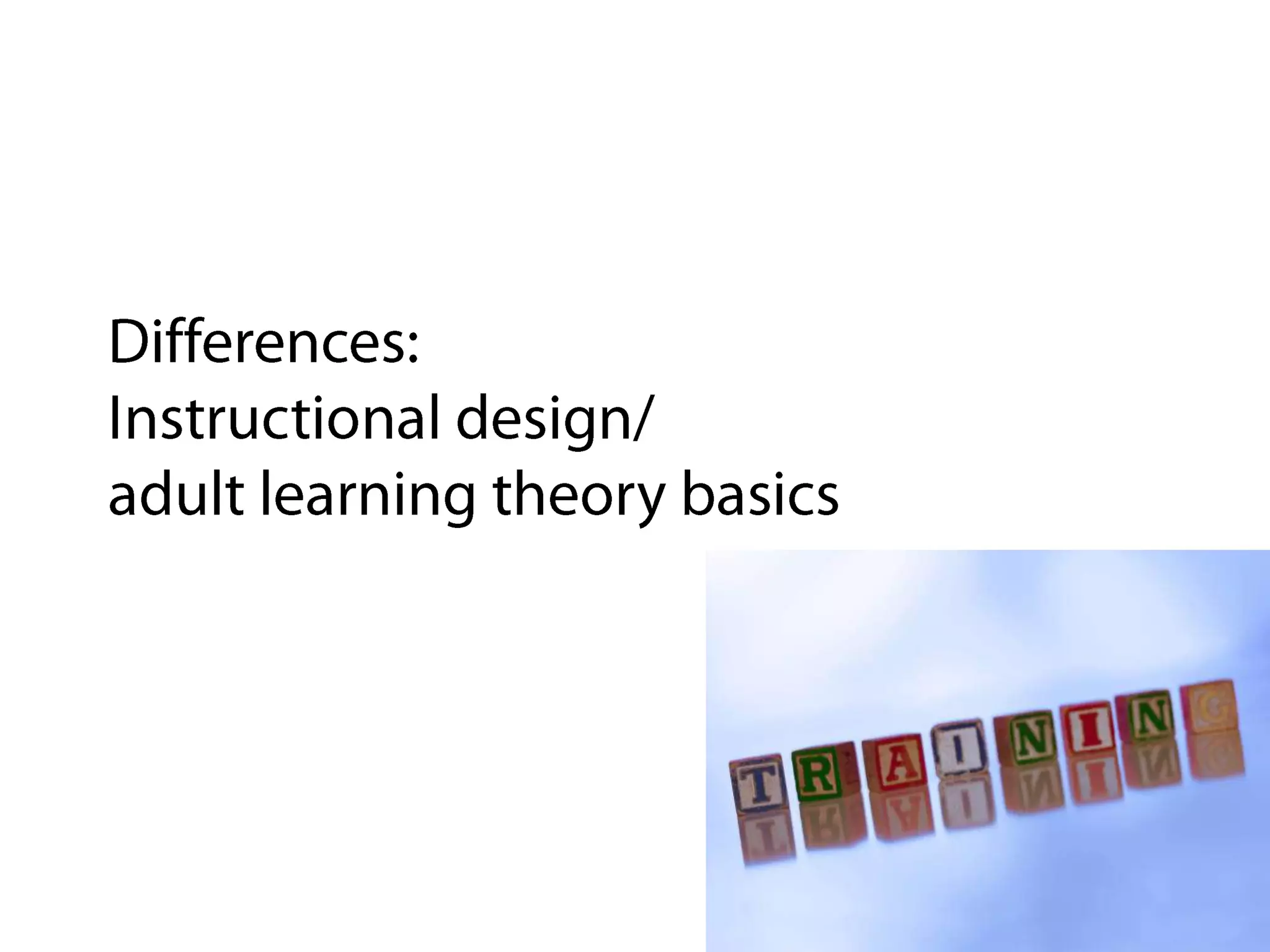
Differences: Instructional design/adult learning theory basics7
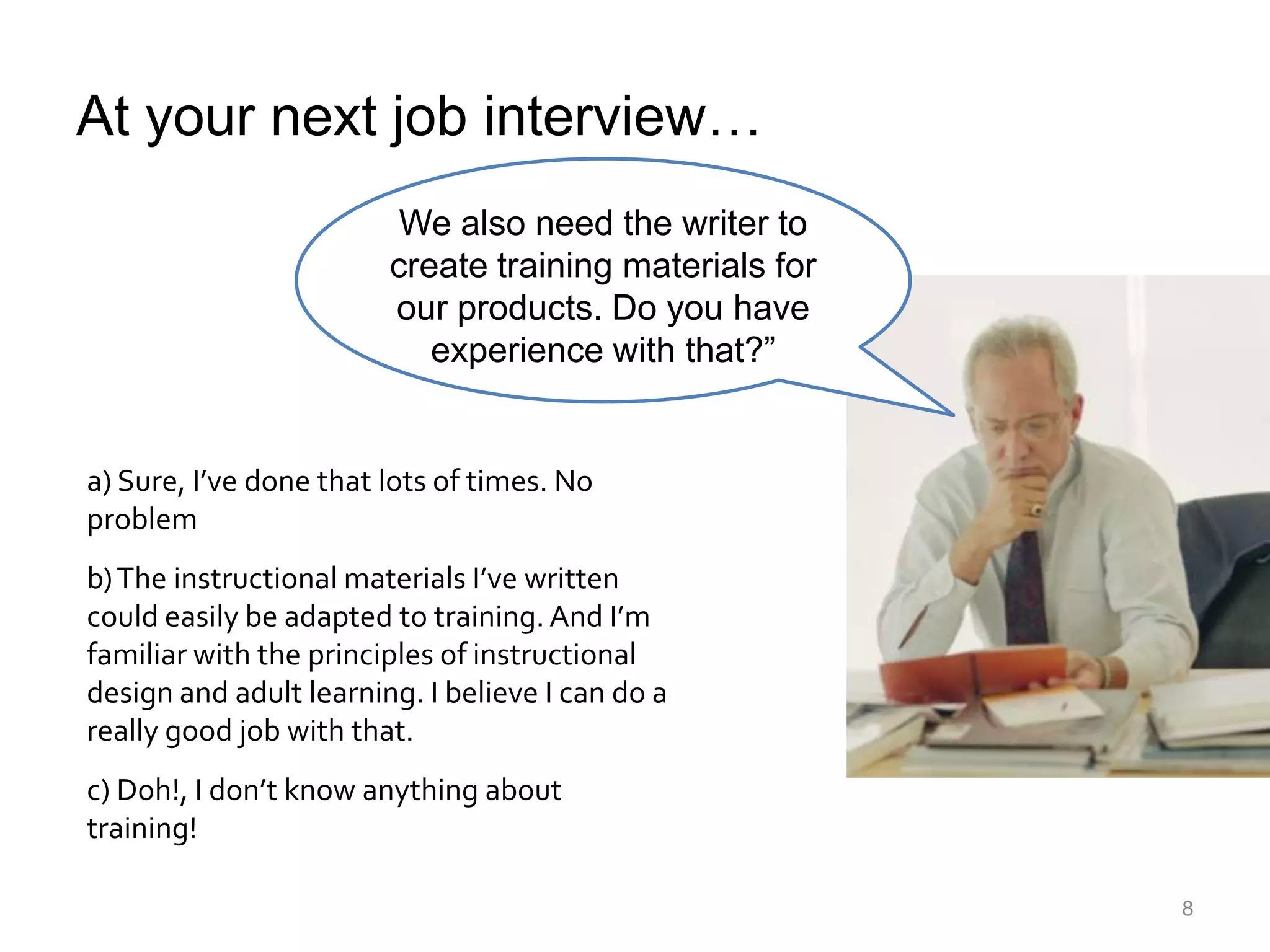
At your next job interview…We also need the writer to create training materials for our products. Do you have experience with that?”a) Sure, I’ve done that lots of times. No problemb) The instructional materials I’ve written could easily be adapted to training. And I’m familiar with the principles of instructional design and adult learning. I believe I can do a really good job with that.c) Doh!, I don’t know anything about training!8

Analysis firstWhen confronted with a  workplace learning challenge, do the analysis first.What problem are you trying to solve?
Is training the right answer?
What kind of training is appropriate?9
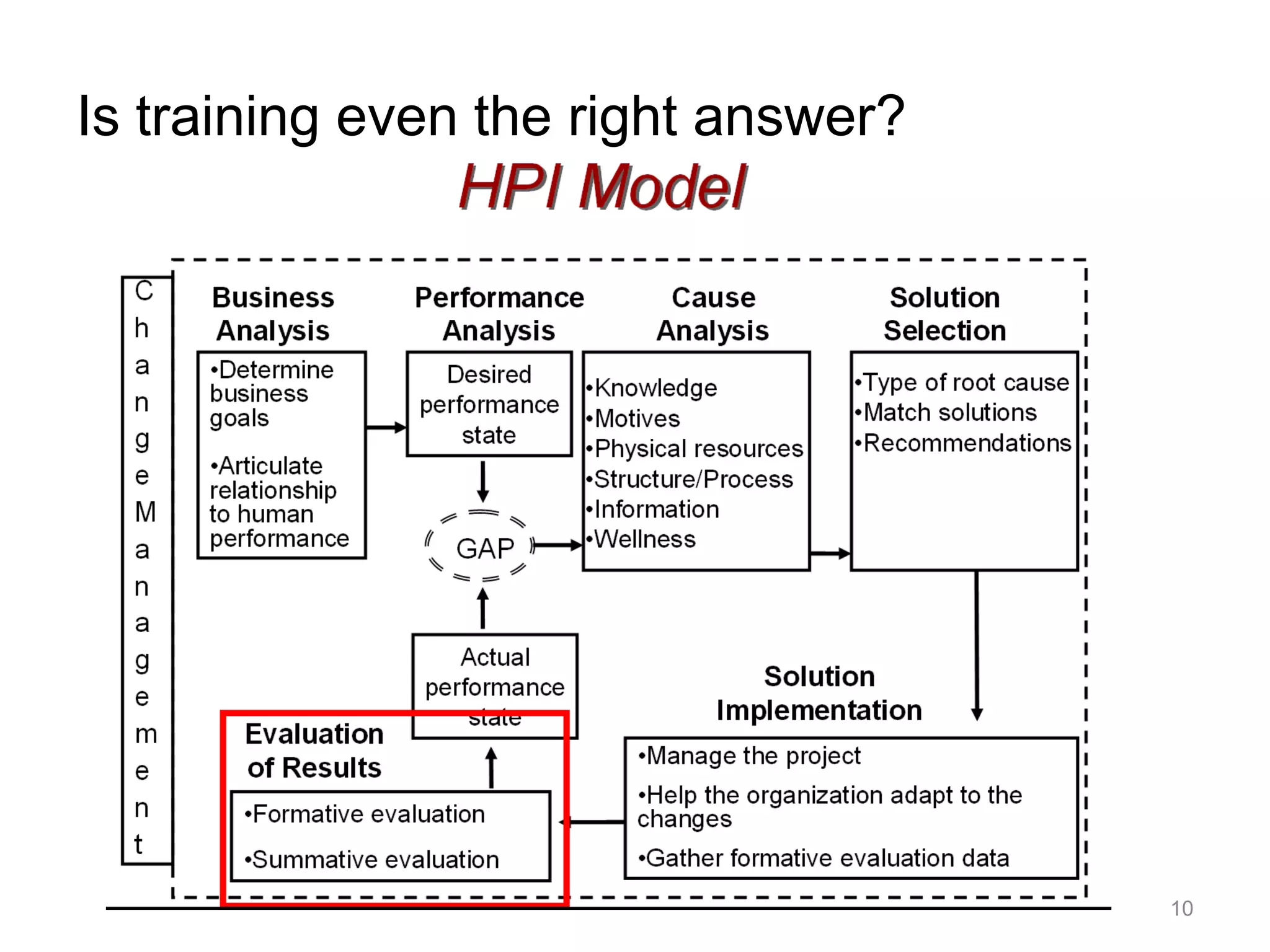
Is training even the right answer?10
Everyone knows ADDIEAnalysis – Problem analysis, audience analysis, task analysisDesign – Selection of delivery methods, outline of learning events.Development – Writing of materials, programming (if e-learning), testingImplementation – Delivery of the learning solutionEvaluation – Assessment of results and improvement11
Jack’s favorite models50,000 Years of  Instructional Design in a nutshellTell them
Show  them
Let them try
RepeatIf this does not work, or if you want to be part of the latest education fad, change the order of the steps until you find a combination that works.            - William Horton,  Designing Web-Based Training, 200012
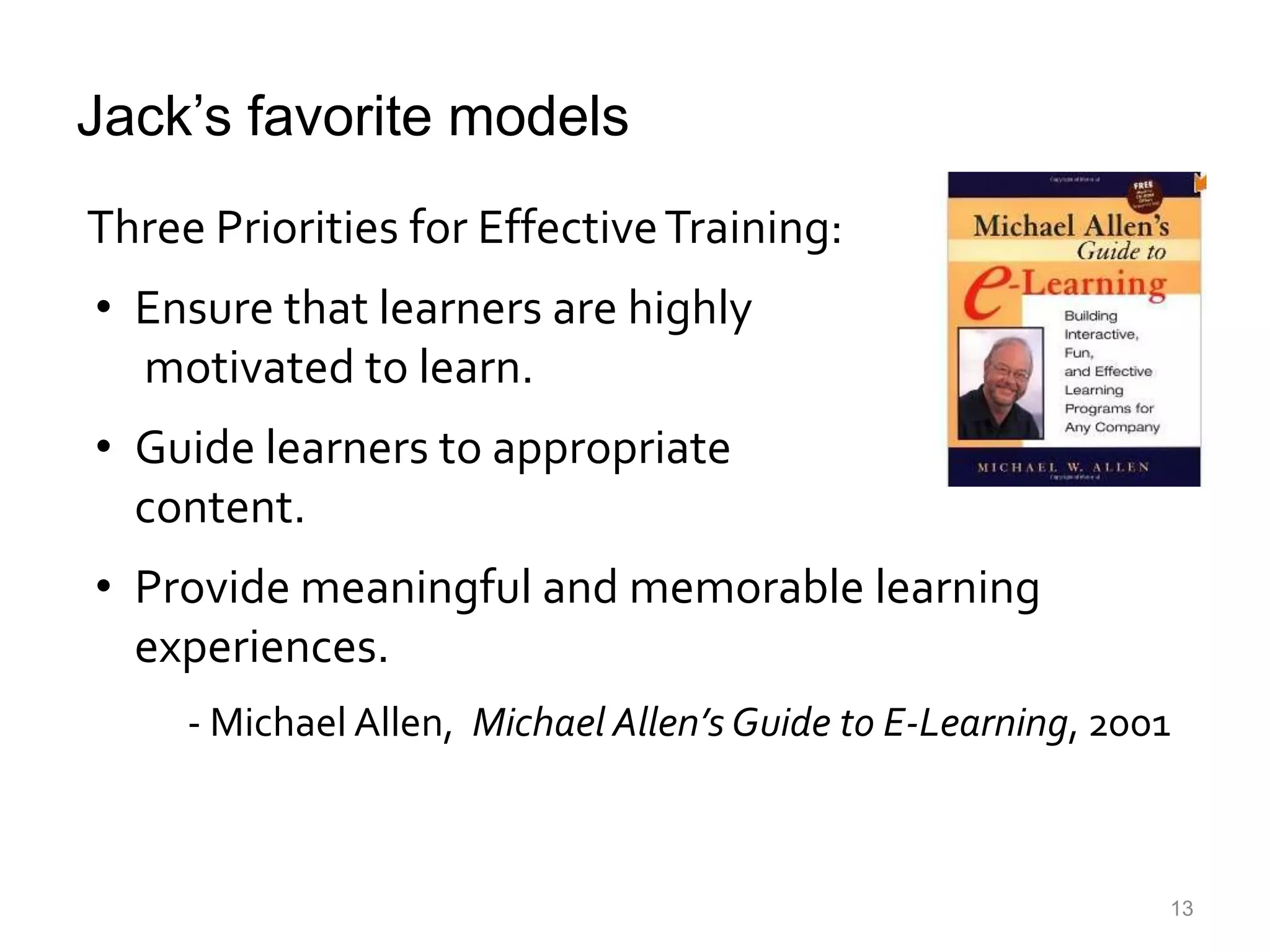
Jack’s favorite modelsThree Priorities for Effective Training:Ensure that learners are highly motivated to learn.
Guide learners to appropriate content.
Provide meaningful and memorable learning experiences.            - Michael Allen,  Michael Allen’s Guide to E-Learning, 200113
Three training roles 14
15Classroom materials
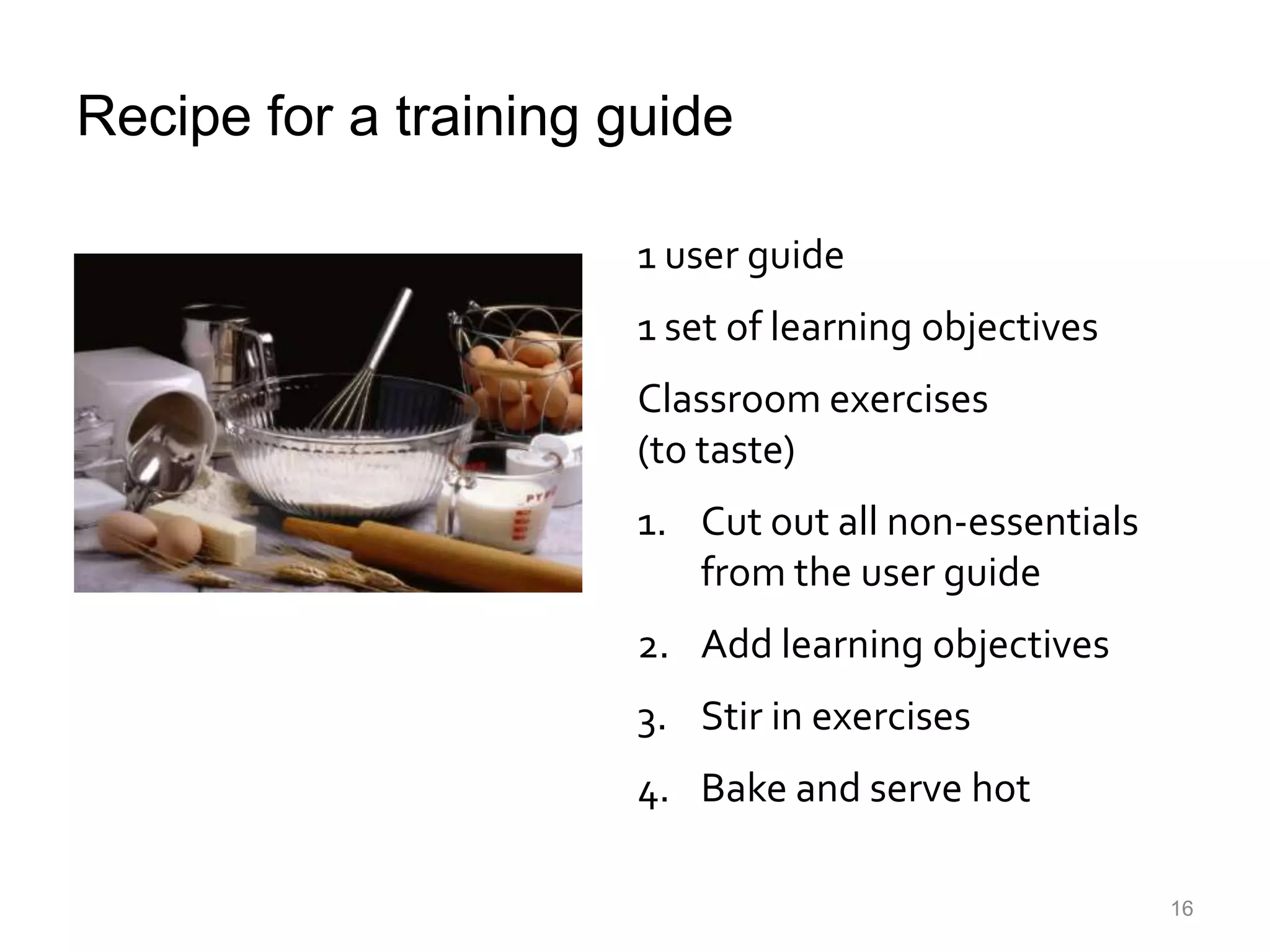
Recipe for a training guide161 user guide1 set of learning objectivesClassroom exercises (to taste)Cut out all non-essentials from the user guideAdd learning objectivesStir in exercisesBake and serve hot
E-learning17
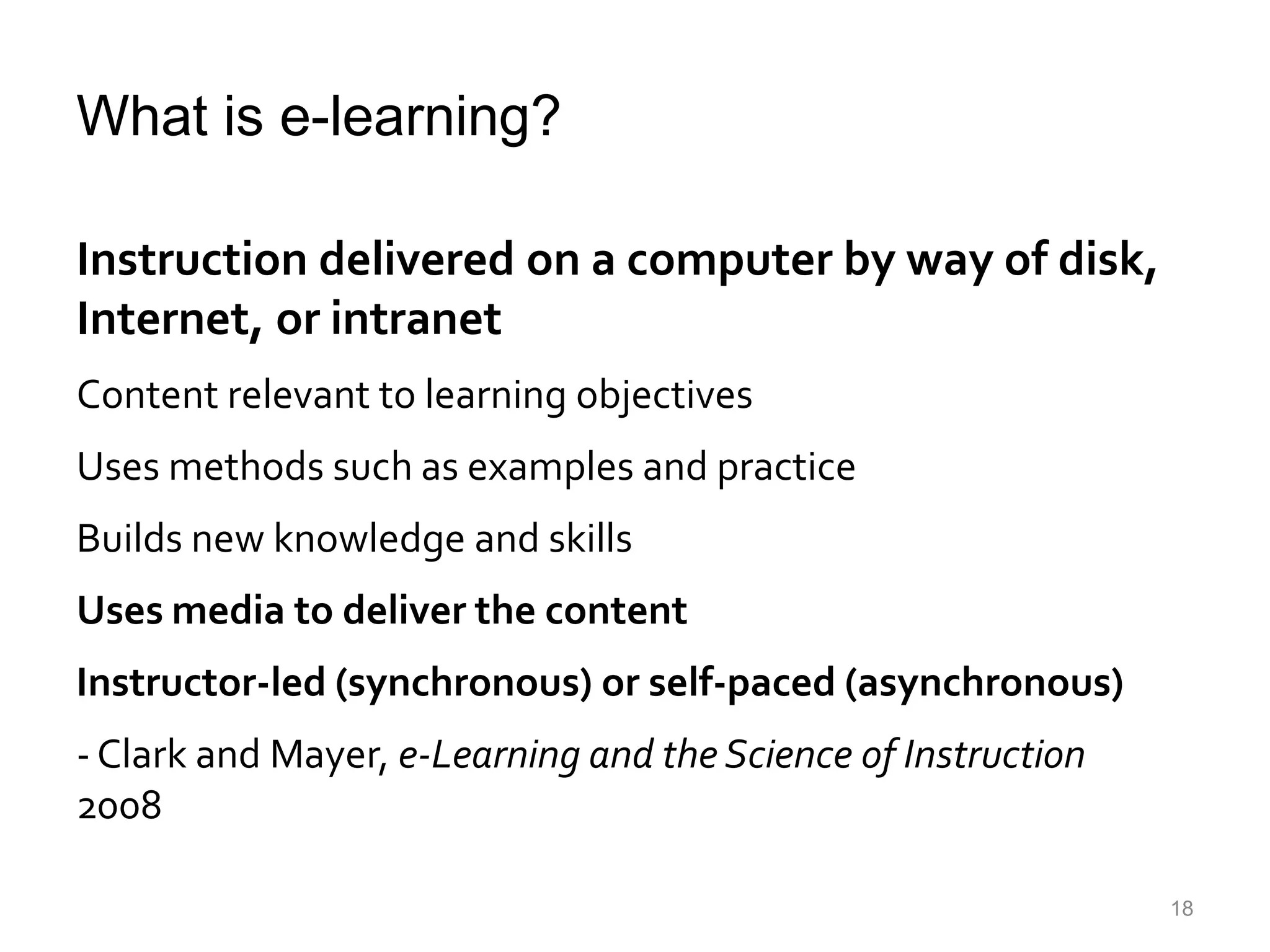
What is e-learning?Instruction delivered on a computer by way of disk, Internet, or intranetContent relevant to learning objectivesUses methods such as examples and practiceBuilds new knowledge and skillsUses media to deliver the contentInstructor-led (synchronous) or self-paced (asynchronous)- Clark and Mayer, e-Learning and the Science of Instruction 200818
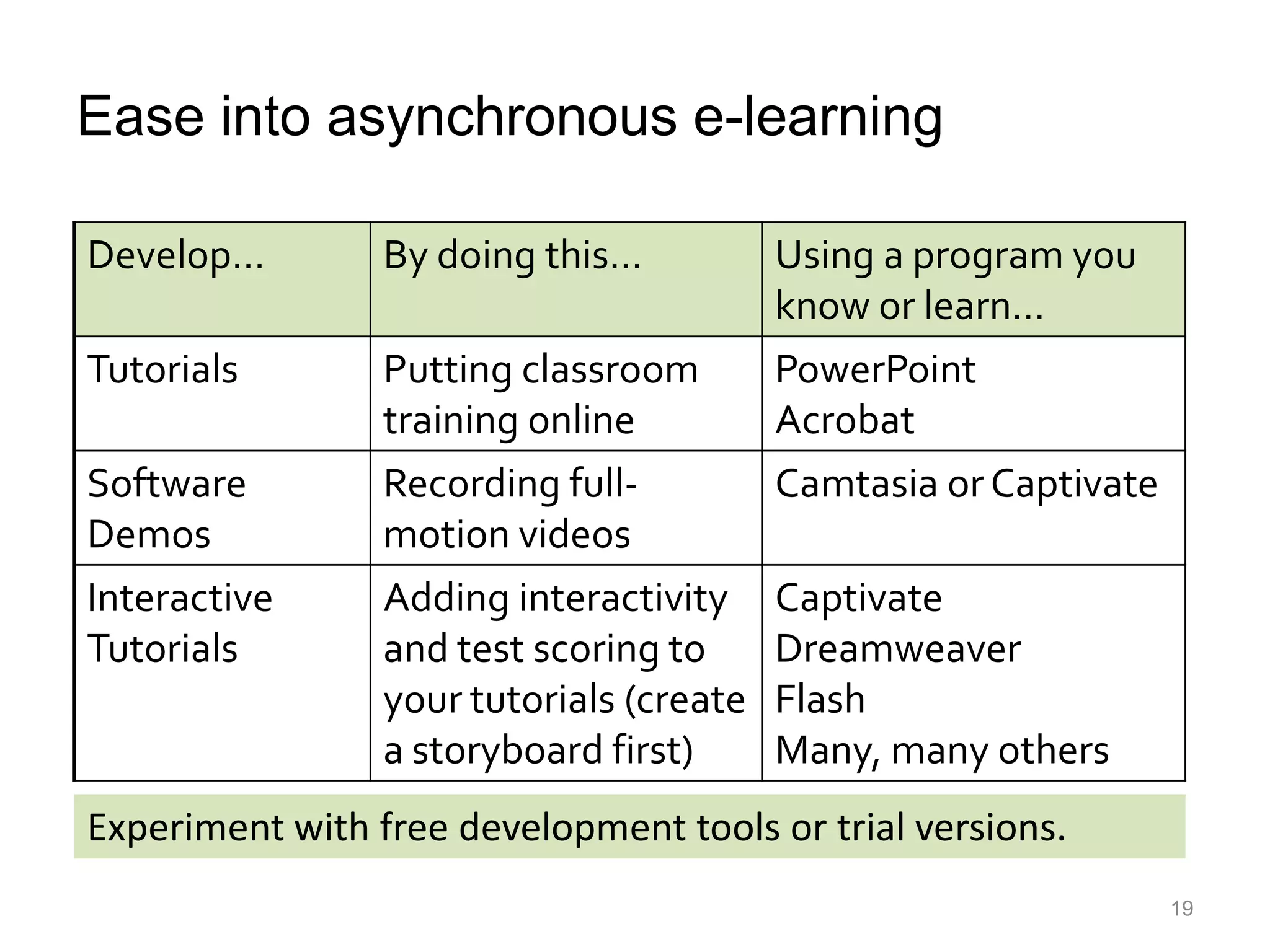
Ease into asynchronous e-learning19Experiment with free development tools or trial versions.
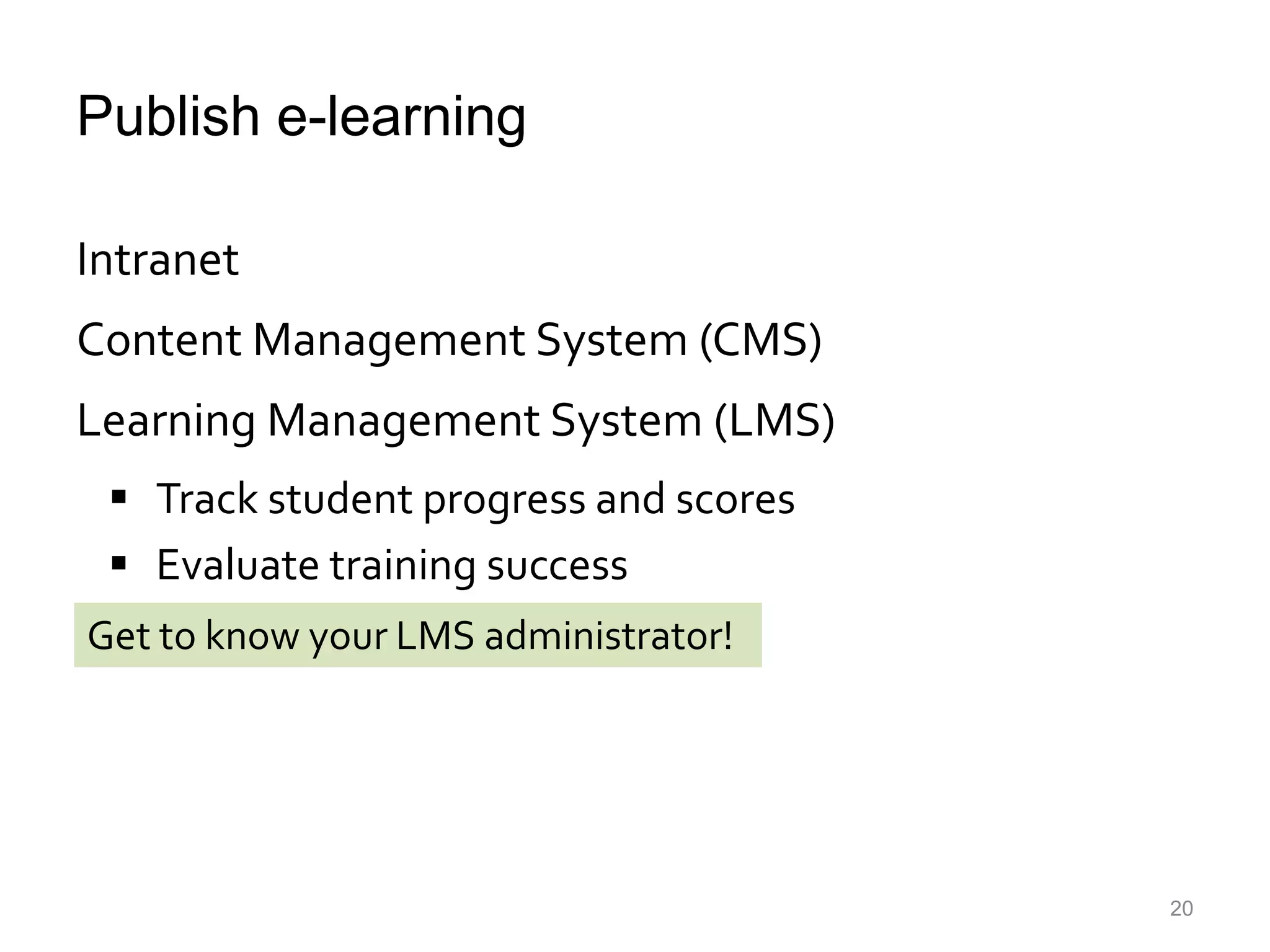
Publish e-learning20IntranetContent Management System (CMS)Learning Management System (LMS)Track student progress and scoresEvaluate training successGet to know your LMS administrator!
Presentation21
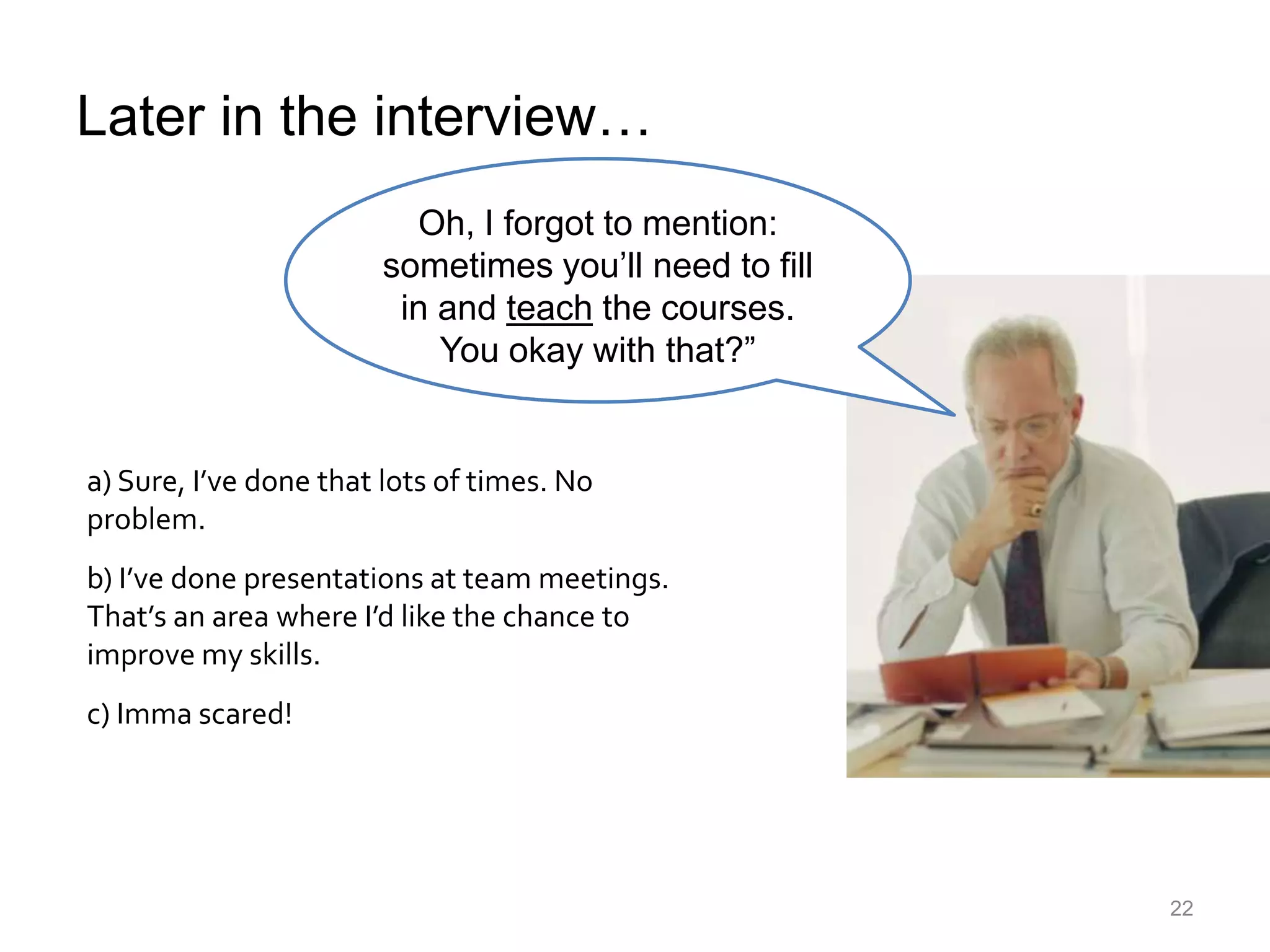
Later in the interview…Oh, I forgot to mention: sometimes you’ll need to fill in and teach the courses. You okay with that?”a) Sure, I’ve done that lots of times. No problem.b) I’ve done presentations at team meetings. That’s an area where I’d like the chance to improve my skills. c) Imma scared!22
Training delivery skillsThese are skills only come with training and – even more so – practicePresentation skills
Facilitation skills
Move from “sage on the stage” to “guide on the side”
Facilitate class interactions, discussions, exercises
Dealing with uncooperative learners
Online session “production” skills23
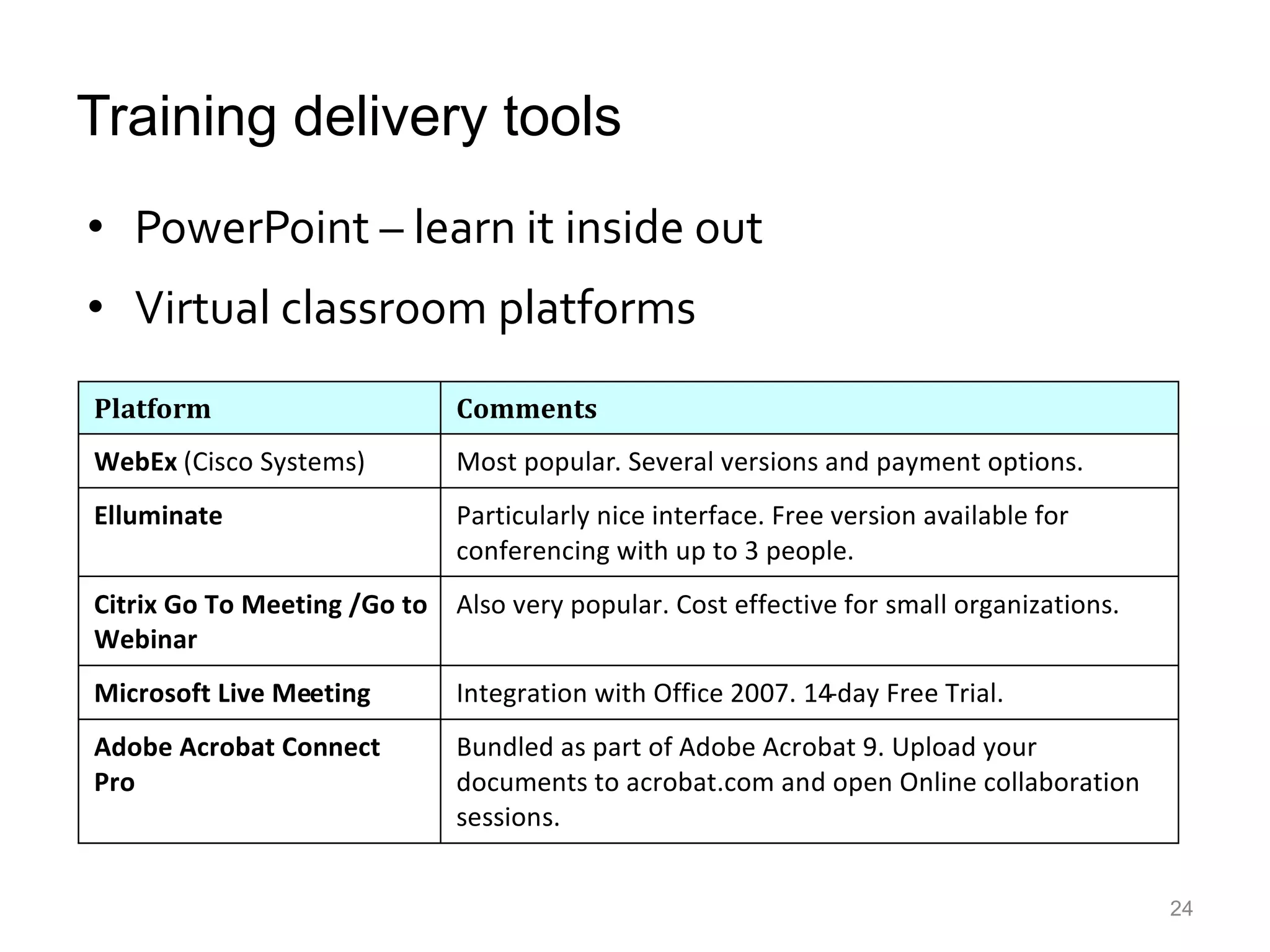
Training delivery toolsPowerPoint – learn it inside out
Virtual classroom platforms24
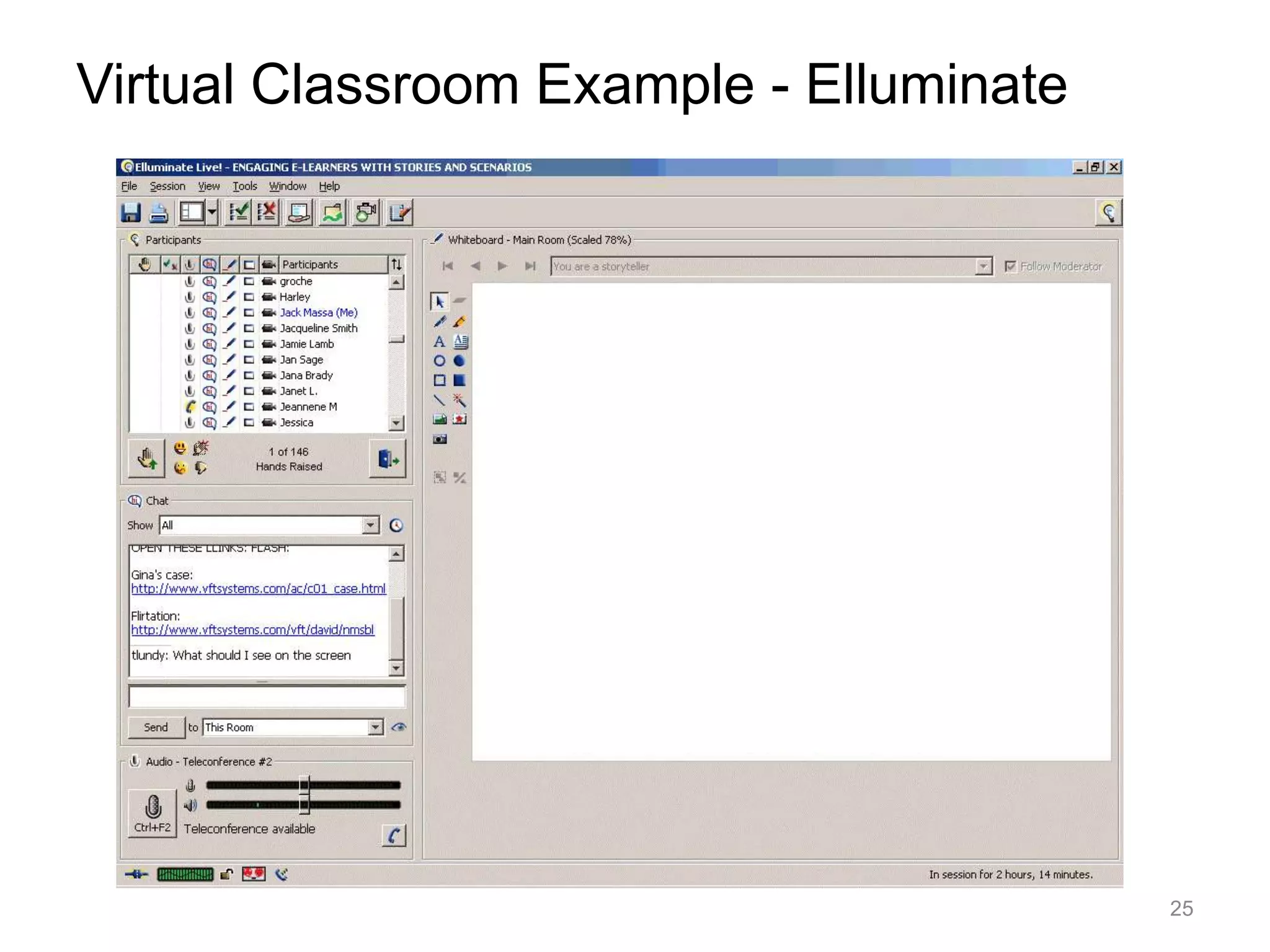
Virtual Classroom Example - Elluminate25
The training profession26
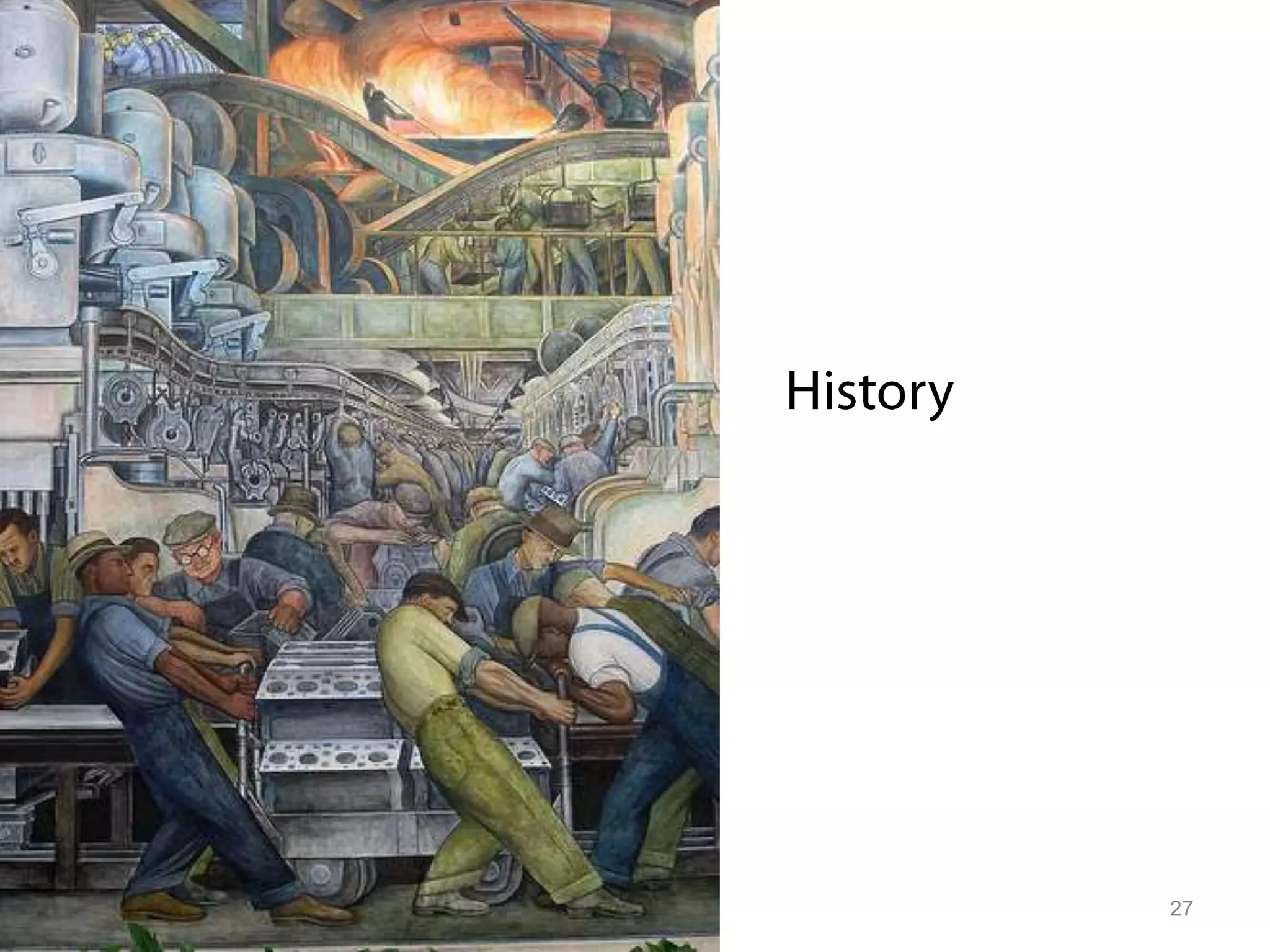
27History
• Ongoing need at most organizations  • New technology  requires training • Baby boomer retirement rate28

Stc presentation 8-24-1