
Status Asthmaticus
    Nenette Dusal, RN
Status asthmaticus
• A severe form of asthma in which
  the airway obstruction is
  unresponsive to usual drug
  therapy.
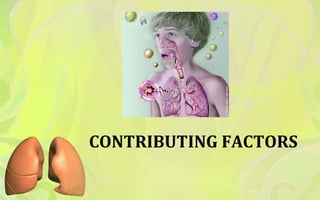
CONTRIBUTING FACTORS
• Infection.
• Inhalation of air pollutants and
  allergens to which sensitized.
• Noncompliance in taking medications,
  including overuse of bronchodilators.
• Ingestion of aspirin or related drugs in
  aspirin-sensitive patient.
• Aspiration of gastric acid.
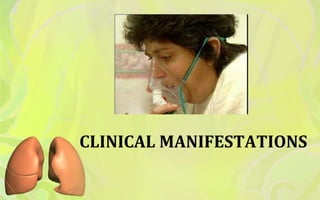
CLINICAL MANIFESTATIONS
• Tachypnea, labored respirations, with
  increased effort on exhalation.
• Suprasternal retractions, use of
  accessory muscles of respiration.
• Diminished breath sounds, decreased
  ability to speak in phrases or sentences.
• Anxiety, irritability, fatigue, headache,
  impaired mental functioning.
• Muscle twitching, somnolence,
  diaphoresis—from continued carbon
  dioxide retention.
• Tachycardia, elevated BP.
• Heart failure and death from
  suffocation.
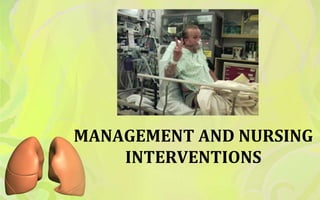
MANAGEMENT AND NURSING
    INTERVENTIONS
• Monitor respiratory rate and oxygen
  saturation continuously;
   • Frequently monitor arterial blood
     gas levels, BP, electrocardiogram.

• Administer repeated aerosol
  treatments with beta2-agonist
  bronchodilators, such as albuterol or
  levalbuterol
• Add anticholinergic ipratropium as
  prescribed
   • Administer with caution until the
     metabolic and respiratory acidosis
     and hypoxemia have been corrected
• Monitor I.V. therapy.
  • Corticosteroids are given to treat
    inflammation of airways; because
    these act slowly, their beneficial
    effects may not be apparent for
    several hours.
• Fluids are given to treat dehydration
     and loosen secretions.

• Provide continuous humidified oxygen
  via nasal cannula as prescribed.

• Patients with associated chronic
  obstructive pulmonary disease or
  emphysema are at risk for depressed
  hypoxemic ventilatory drive, thus
  compounding respiratory insufficiency,
  so use oxygen cautiously
• Initiate mechanical ventilation, if
  necessary.

• Assist with mobilization of obstructing
  bronchial mucus.
   • Perform chest physiotherapy (chest
     wall percussion and vibration).
   • Administer expectorant and
     mucolytic drugs as prescribed.
• Remove secretions by suctioning, or
     prepare for bronchoscopy if needed.

• Provide adequate hydration.

• Obtain portable chest X-ray and
  administer antibiotic, as prescribed, to
  treat any underlying respiratory
  infection.
• Alleviate the patient's anxiety and fear
  by acting calmly and by reassuring the
  patient during an attack

• Stay with the patient until the attack
  subsides.
NURSING ALERT

In status asthmaticus, the return to normal or
increasing partial pressure of carbon dioxide
does not necessarily mean that the patient
with asthma is improving—it may indicate a
fatigue state that develops just before the
patient slips into respiratory failure.
Status asthmaticus

Status asthmaticus

  • 1.
    Status Asthmaticus Nenette Dusal, RN
  • 2.
    Status asthmaticus • Asevere form of asthma in which the airway obstruction is unresponsive to usual drug therapy.
  • 3.
  • 4.
    • Infection. • Inhalationof air pollutants and allergens to which sensitized. • Noncompliance in taking medications, including overuse of bronchodilators. • Ingestion of aspirin or related drugs in aspirin-sensitive patient. • Aspiration of gastric acid.
  • 5.
  • 6.
    • Tachypnea, laboredrespirations, with increased effort on exhalation. • Suprasternal retractions, use of accessory muscles of respiration. • Diminished breath sounds, decreased ability to speak in phrases or sentences. • Anxiety, irritability, fatigue, headache, impaired mental functioning.
  • 7.
    • Muscle twitching,somnolence, diaphoresis—from continued carbon dioxide retention. • Tachycardia, elevated BP. • Heart failure and death from suffocation.
  • 8.
  • 9.
    • Monitor respiratoryrate and oxygen saturation continuously; • Frequently monitor arterial blood gas levels, BP, electrocardiogram. • Administer repeated aerosol treatments with beta2-agonist bronchodilators, such as albuterol or levalbuterol
  • 10.
    • Add anticholinergicipratropium as prescribed • Administer with caution until the metabolic and respiratory acidosis and hypoxemia have been corrected • Monitor I.V. therapy. • Corticosteroids are given to treat inflammation of airways; because these act slowly, their beneficial effects may not be apparent for several hours.
  • 11.
    • Fluids aregiven to treat dehydration and loosen secretions. • Provide continuous humidified oxygen via nasal cannula as prescribed. • Patients with associated chronic obstructive pulmonary disease or emphysema are at risk for depressed hypoxemic ventilatory drive, thus compounding respiratory insufficiency, so use oxygen cautiously
  • 12.
    • Initiate mechanicalventilation, if necessary. • Assist with mobilization of obstructing bronchial mucus. • Perform chest physiotherapy (chest wall percussion and vibration). • Administer expectorant and mucolytic drugs as prescribed.
  • 13.
    • Remove secretionsby suctioning, or prepare for bronchoscopy if needed. • Provide adequate hydration. • Obtain portable chest X-ray and administer antibiotic, as prescribed, to treat any underlying respiratory infection.
  • 14.
    • Alleviate thepatient's anxiety and fear by acting calmly and by reassuring the patient during an attack • Stay with the patient until the attack subsides.
  • 15.
    NURSING ALERT In statusasthmaticus, the return to normal or increasing partial pressure of carbon dioxide does not necessarily mean that the patient with asthma is improving—it may indicate a fatigue state that develops just before the patient slips into respiratory failure.