You’re thinking
about social wrong
(The reason why will shock you)
May, 2015
All info off the record
Pleeeeeeeease.
I will be including some proprietary stats that
are not to be shared. Thanks!
We want to grow audience
More people = better
DUH?
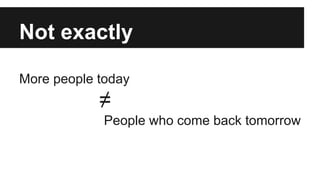
Not exactly
More people today
≠
People who come back tomorrow
Think anyone cares which one they’re clicking?
What is audience growth?
People who see your information
(unique visitors, social media “likes”)
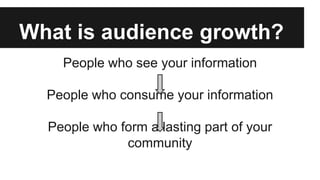
What is audience growth?
People who see your information
People who consume your information
People who form a lasting part of your
community
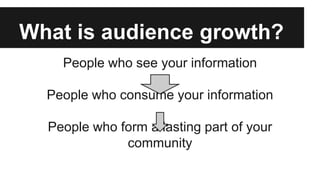
What is audience growth?
People who see your information
People who consume your information
People who form a lasting part of your
community
Wait, is this about social?
Yupppp. It’s ALL about social.
Social is no longer a side project. It is the
primary way people get to our stuff.
Live traffic on washingtonpost.com at 1:45pm Sunday
washingtonpost.com’s top article last week
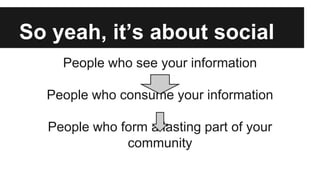
So yeah, it’s about social
People who see your information
People who consume your information
People who form a lasting part of your
community
Let’s go through each step
For each, we’ll discuss:
- The things to think about right now
- Innovations happening in the industry
- What the future could look like (nerd out
time!)
1.Growing the
pie
More people = more opportunity
Much is out of our control
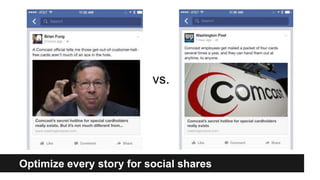
Optimize every story for social shares
vs.
Create for the long tail
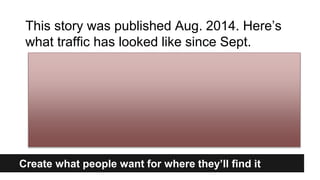
Create what people want for where they’ll find it
This story was published Aug. 2014. Here’s
what traffic has looked like since Sept.
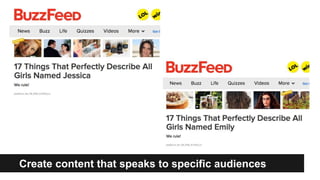
Create content that speaks to specific audiences
Innovation: Native
Even advertising-based orgs are experimenting
with stories meant to be seen only on social.
“They don’t have to click off; there’s no barrier
to engage.” - Chris Thorman, Vox Media
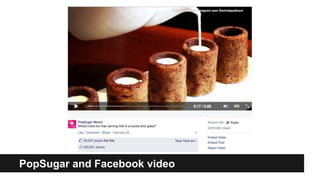
PopSugar and Facebook video
washingtonpost on Snapchat (Nigeria elections)
The future of native
Even more on more platforms.
Snapchat Discover is here
Facebook “Instant Articles” is coming
Kik, WhatsApp, Viber, Periscope, etc.
Imagine if...
Imagine if...
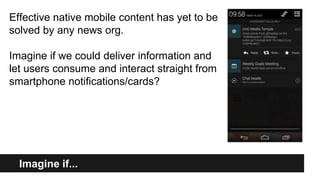
Effective native mobile content has yet to be
solved by any news org.
Imagine if we could deliver information and
let users consume and interact straight from
smartphone notifications/cards?
2.Viewers →
consumers
Getting engagement from clicks
Meet the expectation
When someone clicks your story from social or
encounters native content, it needs to match
what they expect to see/what they want to
consume.
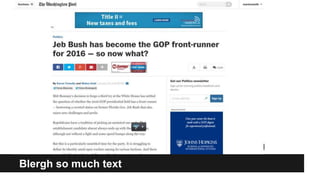
Blergh so much text
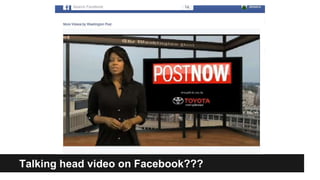
Talking head video on Facebook???
When expectations differ
Desktop visitors read
more and are more
likely to click around.
Innovation: Big data
A/B testing of on-page elements and
personalization, using data to refine our
understanding of what people respond to on
our pages.
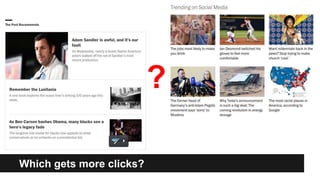
Which gets more clicks?
?
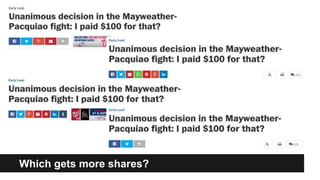
Which gets more shares?
The future of big data
There is tremendous room for growth in our
understanding of what audiences want and how
to serve them.
We’re still tied to the inverted pyramid article as
our main storytelling tool. But why?
Imagine if...
Imagine if you could understand how the
preferences and expectations of different
audiences (or even different people … at
different times of day!) differ and tailor their
experience accordingly?
3.Lasting growth
Long-term, committed community
It’s about conversion
Dumb marketing term, but accurate.
People see your stuff, read it, like it. Then
what?
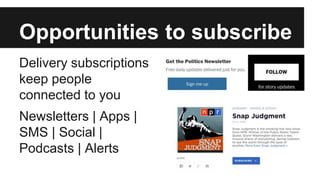
Opportunities to subscribe
Delivery subscriptions
keep people
connected to you
Newsletters | Apps |
SMS | Social |
Podcasts | Alerts
Opportunities to engage
On your site and natively on social, create
opportunities to form relationships with you and
your personalities.
And integrate with the places where this is
already happening.
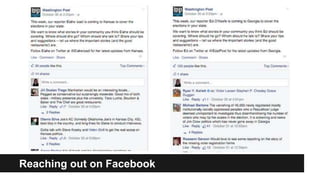
Reaching out on Facebook
Opportunities to engage
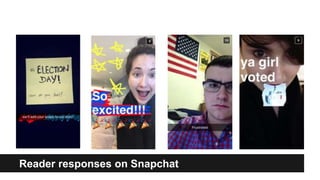
Reader responses on Snapchat
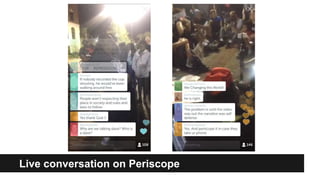
Live conversation on Periscope
Innovation: 1-1 social
As social activity moves to messaging apps,
news orgs have to find ways to integrate in that
more personal space.
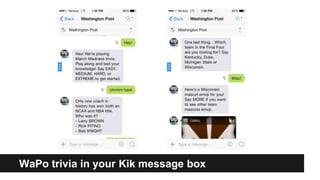
WaPo trivia in your Kik message box
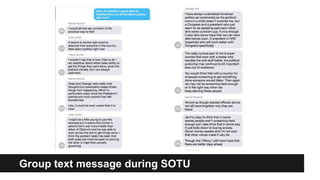
Group text message during SOTU
The future of 1-1
People are only getting savvier at sniffing out
inauthentic attempts to connect. The reporters
who cultivate an authentic voice and place
within the communities they report on will be
the ones who have the most loyal audiences,
get the best scoops and deliver the most
relevant information.
Imagine if...
Imagine if we knew who everyone in our core
audience was, across all platforms. We’d have
a network to amplify our distribution, a core
community to help when we need their eyes or
input, and a set of people who will support us
no matter what we need from them!
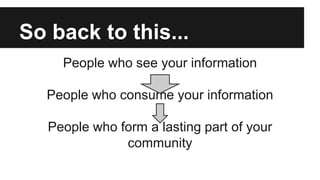
So back to this...
People who see your information
People who consume your information
People who form a lasting part of your
community
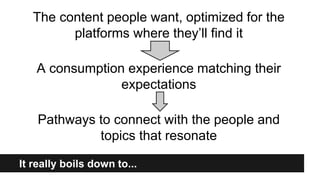
It really boils down to...
The content people want, optimized for the
platforms where they’ll find it
A consumption experience matching their
expectations
Pathways to connect with the people and
topics that resonate
That’s enough of
me jabbering.
Questions?

Social --> Growth + Loyalty

  • 1.
    You’re thinking about socialwrong (The reason why will shock you) May, 2015
  • 2.
    All info offthe record Pleeeeeeeease. I will be including some proprietary stats that are not to be shared. Thanks!
  • 3.
    We want togrow audience More people = better DUH?
  • 4.
    Not exactly More peopletoday ≠ People who come back tomorrow
  • 5.
    Think anyone careswhich one they’re clicking?
  • 6.
    What is audiencegrowth? People who see your information (unique visitors, social media “likes”)
  • 7.
    What is audiencegrowth? People who see your information People who consume your information People who form a lasting part of your community
  • 8.
    What is audiencegrowth? People who see your information People who consume your information People who form a lasting part of your community
  • 9.
    Wait, is thisabout social? Yupppp. It’s ALL about social. Social is no longer a side project. It is the primary way people get to our stuff.
  • 10.
    Live traffic onwashingtonpost.com at 1:45pm Sunday
  • 11.
  • 12.
  • 13.
    So yeah, it’sabout social People who see your information People who consume your information People who form a lasting part of your community
  • 14.
    Let’s go througheach step For each, we’ll discuss: - The things to think about right now - Innovations happening in the industry - What the future could look like (nerd out time!)
  • 15.
  • 16.
    Much is outof our control
  • 17.
    Optimize every storyfor social shares vs.
  • 18.
    Create for thelong tail Create what people want for where they’ll find it This story was published Aug. 2014. Here’s what traffic has looked like since Sept.
  • 19.
    Create content thatspeaks to specific audiences
  • 20.
    Innovation: Native Even advertising-basedorgs are experimenting with stories meant to be seen only on social. “They don’t have to click off; there’s no barrier to engage.” - Chris Thorman, Vox Media
  • 21.
  • 22.
    washingtonpost on Snapchat(Nigeria elections)
  • 23.
    The future ofnative Even more on more platforms. Snapchat Discover is here Facebook “Instant Articles” is coming Kik, WhatsApp, Viber, Periscope, etc.
  • 24.
    Imagine if... Imagine if... Effectivenative mobile content has yet to be solved by any news org. Imagine if we could deliver information and let users consume and interact straight from smartphone notifications/cards?
  • 25.
  • 26.
    Meet the expectation Whensomeone clicks your story from social or encounters native content, it needs to match what they expect to see/what they want to consume.
  • 27.
  • 28.
    Talking head videoon Facebook???
  • 29.
    When expectations differ Desktopvisitors read more and are more likely to click around.
  • 30.
    Innovation: Big data A/Btesting of on-page elements and personalization, using data to refine our understanding of what people respond to on our pages.
  • 31.
    Which gets moreclicks? ?
  • 32.
  • 33.
    The future ofbig data There is tremendous room for growth in our understanding of what audiences want and how to serve them. We’re still tied to the inverted pyramid article as our main storytelling tool. But why?
  • 34.
    Imagine if... Imagine ifyou could understand how the preferences and expectations of different audiences (or even different people … at different times of day!) differ and tailor their experience accordingly?
  • 35.
  • 36.
    It’s about conversion Dumbmarketing term, but accurate. People see your stuff, read it, like it. Then what?
  • 37.
    Opportunities to subscribe Deliverysubscriptions keep people connected to you Newsletters | Apps | SMS | Social | Podcasts | Alerts
  • 38.
    Opportunities to engage Onyour site and natively on social, create opportunities to form relationships with you and your personalities. And integrate with the places where this is already happening.
  • 39.
  • 40.
    Opportunities to engage Readerresponses on Snapchat
  • 41.
  • 42.
    Innovation: 1-1 social Associal activity moves to messaging apps, news orgs have to find ways to integrate in that more personal space.
  • 43.
    WaPo trivia inyour Kik message box
  • 44.
    Group text messageduring SOTU
  • 45.
    The future of1-1 People are only getting savvier at sniffing out inauthentic attempts to connect. The reporters who cultivate an authentic voice and place within the communities they report on will be the ones who have the most loyal audiences, get the best scoops and deliver the most relevant information.
  • 46.
    Imagine if... Imagine ifwe knew who everyone in our core audience was, across all platforms. We’d have a network to amplify our distribution, a core community to help when we need their eyes or input, and a set of people who will support us no matter what we need from them!
  • 47.
    So back tothis... People who see your information People who consume your information People who form a lasting part of your community
  • 48.
    It really boilsdown to... The content people want, optimized for the platforms where they’ll find it A consumption experience matching their expectations Pathways to connect with the people and topics that resonate
  • 49.
    That’s enough of mejabbering. Questions?

Editor's Notes