TERÀPIES AVANÇADES
Dr. Joaquim Vives
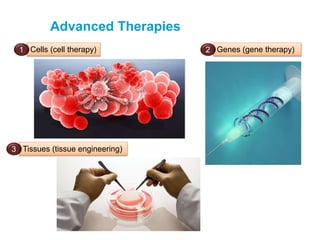
Advanced Therapies
Cells (cell therapy)1
Tissues (tissue engineering)3
Genes (gene therapy)2
Advanced Therapies
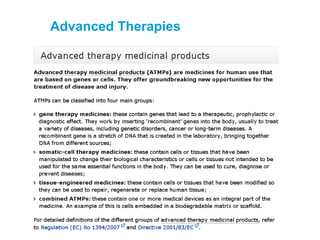
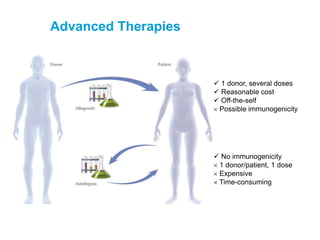
Advanced Therapies
 No immunogenicity
 1 donor/patient, 1 dose
 Expensive
 Time-consuming
 1 donor, several doses
 Reasonable cost
 Off-the-self
 Possible immunogenicity
Regenerative Medicine
Sharpe et al. in: Cell Therapy GxP (2015) [Vives&Carmona eds]
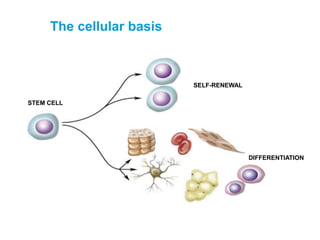
The cellular basis
SELF-RENEWAL
DIFFERENTIATION
STEM CELL
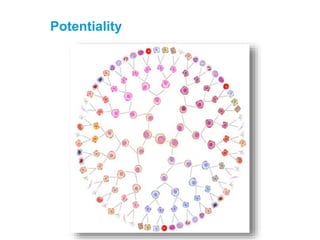
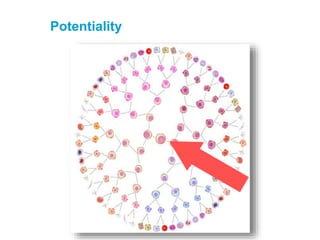
Potentiality
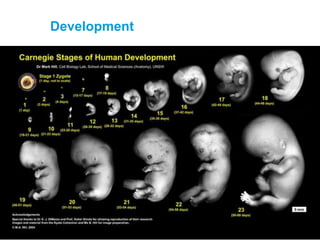
Development
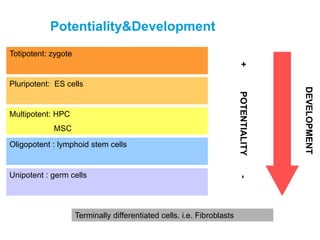
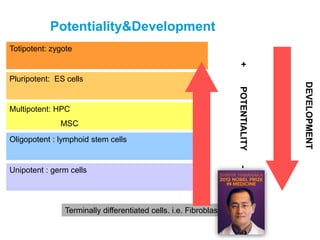
Potentiality&Development
Pluripotent: ES cells
Totipotent: zygote
Multipotent: HPC
MSC
Oligopotent : lymphoid stem cells
Unipotent : germ cells
Terminally differentiated cells. i.e. Fibroblasts
+POTENTIALITY-
DEVELOPMENT
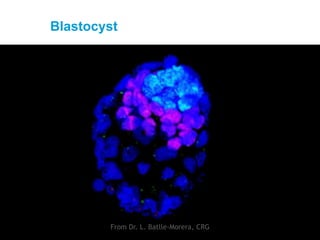
Blastocyst
From Dr. L. Batlle-Morera, CRG
11
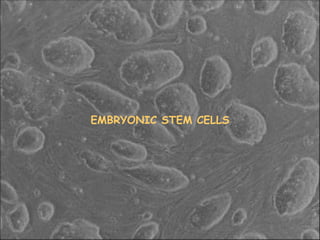
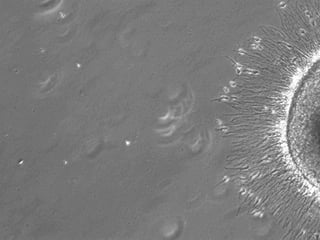
EMBRYONIC STEM CELLS
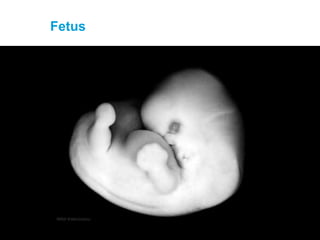
Fetus
17
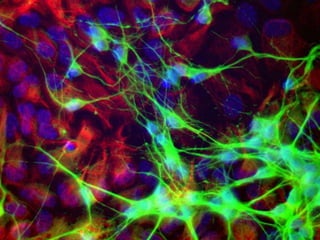
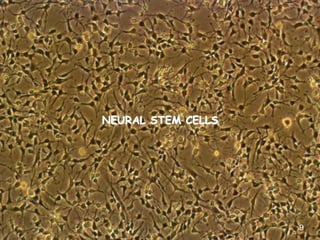
NEURAL STEM CELLS
9
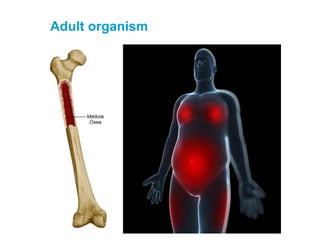
Adult organism
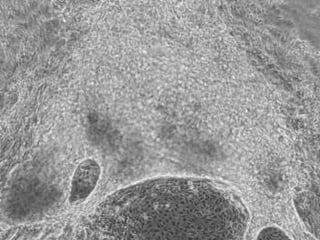
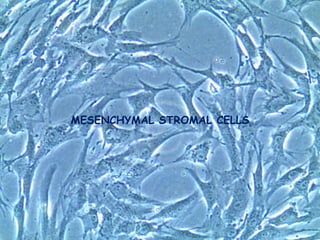
MESENCHYMAL STROMAL CELLS
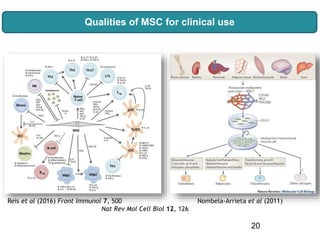
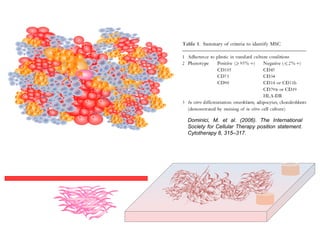
Qualities of MSC for clinical use
20
Reis et al (2016) Front Immunol 7, 500 Nombela-Arrieta et al (2011)
Nat Rev Mol Cell Biol 12, 126
From Dr. L. Rodríguez (BST)
Dominici, M. et al. (2006). The International
Society for Cellular Therapy position statement.
Cytotherapy 8, 315–317.
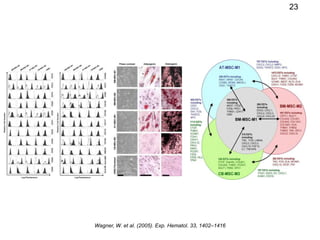
23
Wagner, W. et al. (2005). Exp. Hematol. 33, 1402–1416
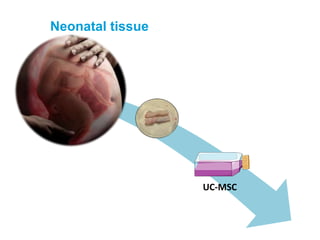
Neonatal tissue
UC
AI: UC-MSC
Mechanical
processing
Neonatal tissue
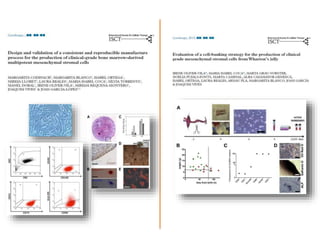
Oliver-Vila & Coca et al (2015) Cytotherapy
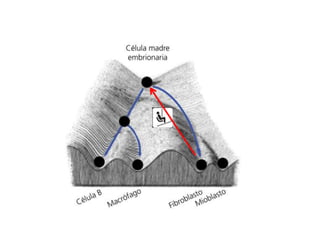
Potentiality
Potentiality&Development
Pluripotent: ES cells
Totipotent: zygote
Multipotent: HPC
MSC
Oligopotent : lymphoid stem cells
Unipotent : germ cells
Terminally differentiated cells. i.e. Fibroblasts
+POTENTIALITY-
DEVELOPMENT
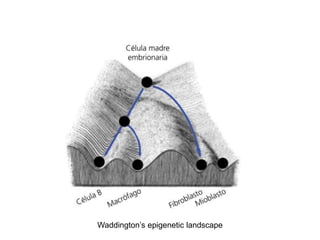
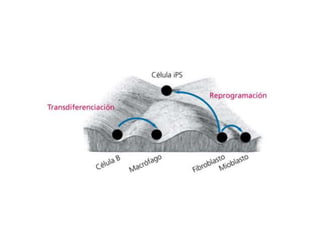
Waddington’s epigenetic landscape
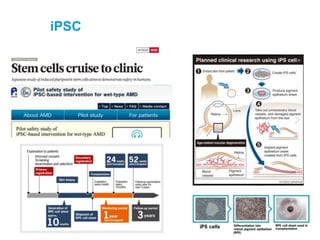
iPSC
32
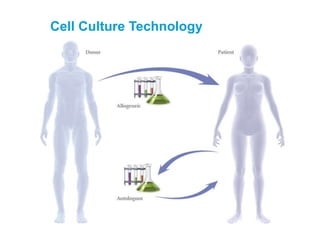
Applications
BASIC RESEARCH
DISEASE MODELLING
DRUG SCREENING
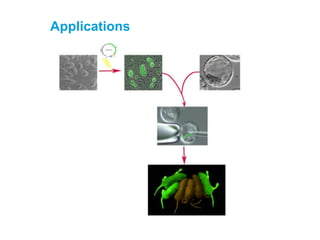
Applications
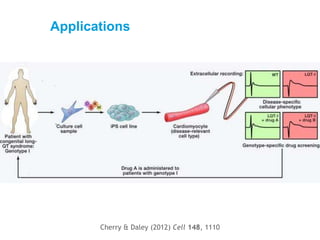
Applications
Cherry & Daley (2012) Cell 148, 1110
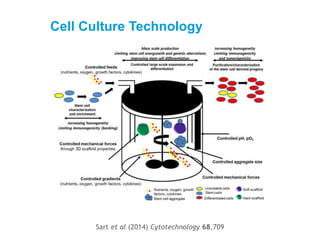
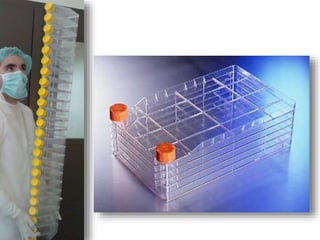
Cell Culture Technology
Sart et al (2014) Cytotechnology 68,709
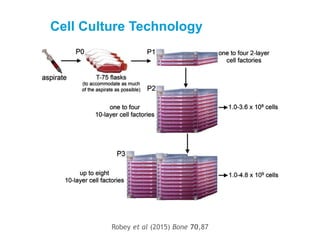
Cell Culture Technology
Robey et al (2015) Bone 70,87
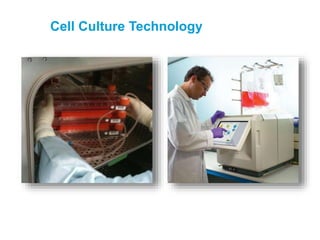
Cell Culture Technology
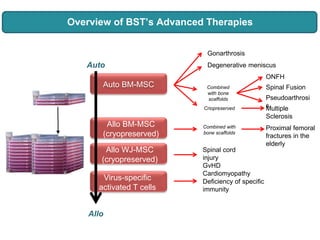
Overview of BST’s Advanced Therapies
Auto BM-MSC
Gonarthrosis
Degenerative meniscus
Combined
with bone
scaffolds
ONFH
Spinal Fusion
Pseudoarthrosi
sCriopreserved Multiple
Sclerosis
Spinal cord
injury
GvHD
Cardiomyopathy
Proximal femoral
fractures in the
elderly
Combined with
bone scaffolds
Deficiency of specific
immunity
Allo BM-MSC
(cryopreserved)
Allo WJ-MSC
(cryopreserved)
Virus-specific
activated T cells
Auto
Allo
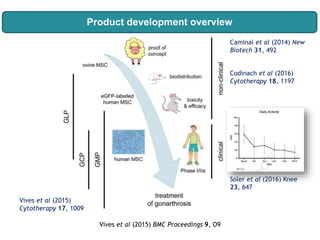
Product development overview
Caminal et al (2014) New
Biotech 31, 492
Codinach et al (2016)
Cytotherapy 18, 1197
Soler et al (2016) Knee
23, 647
Vives et al (2015)
Cytotherapy 17, 1009
Vives et al (2015) BMC Proceedings 9, O9
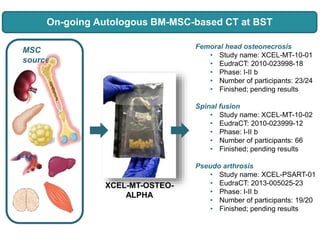
BACKGROUNDOn-going Autologous BM-MSC-based CT at BST
Femoral head osteonecrosis
• Study name: XCEL-MT-10-01
• EudraCT: 2010-023998-18
• Phase: I-II b
• Number of participants: 23/24
• Finished; pending results
Spinal fusion
• Study name: XCEL-MT-10-02
• EudraCT: 2010-023999-12
• Phase: I-II b
• Number of participants: 66
• Finished; pending results
Pseudo arthrosis
• Study name: XCEL-PSART-01
• EudraCT: 2013-005025-23
• Phase: I-II b
• Number of participants: 19/20
• Finished; pending results
MSC
sources
XCEL-MT-OSTEO-
ALPHA
TERÀPIES AVANÇADES
Dr. Joaquim Vives
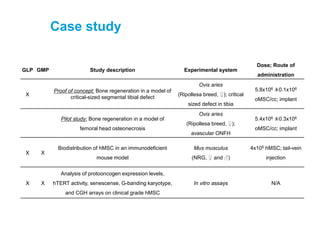
Case study
GLP GMP Study description Experimental system
Dose; Route of
administration
X
Proof of concept: Bone regeneration in a model of
critical-sized segmental tibial defect
Ovis aries
(Ripollesa breed, ♀); critical
sized defect in tibia
5.8x10⁶ ±0.1x10⁶
oMSC/cc; implant
Pilot study: Bone regeneration in a model of
femoral head osteonecrosis
Ovis aries
(Ripollesa breed, ♀);
avascular ONFH
5.4x10⁶ ±0.3x10⁶
oMSC/cc; implant
X X
Biodistribution of hMSC in an immunodeficient
mouse model
Mus musculus
(NRG, ♀ and ♂)
4x10⁵ hMSC; tail-vein
injection
X X
Analysis of protooncogen expression levels,
hTERT activity, senescense, G-banding karyotype,
and CGH arrays on clinical grade hMSC
In vitro assays N/A
Case study
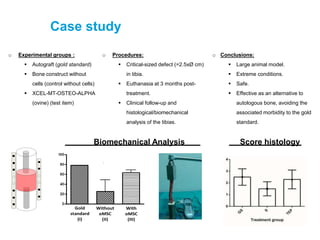
o Experimental groups :
 Autograft (gold standard)
 Bone construct without
cells (control without cells)
 XCEL-MT-OSTEO-ALPHA
(ovine) (test item)
o Procedures:
 Critical-sized defect (=2.5xØ cm)
in tibia.
 Euthanasia at 3 months post-
treatment.
 Clinical follow-up and
histological/biomechanical
analysis of the tibias.
o Conclusions:
 Large animal model.
 Extreme conditions.
 Safe.
 Effective as an alternative to
autologous bone, avoiding the
associated morbidity to the gold
standard.
Score histology
Gold
standard
(I)
Without
oMSC
(II)
With
oMSC
(III)
P < 0,1
Biomechanical Analysis
Case study
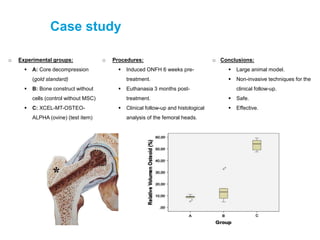
o Experimental groups:
 A: Core decompression
(gold standard)
 B: Bone construct without
cells (control without MSC)
 C: XCEL-MT-OSTEO-
ALPHA (ovine) (test item)
o Procedures:
 Induced ONFH 6 weeks pre-
treatment.
 Euthanasia 3 months post-
treatment.
 Clinical follow-up and histological
analysis of the femoral heads.
o Conclusions:
 Large animal model.
 Non-invasive techniques for the
clinical follow-up.
 Safe.
 Effective.
Case study
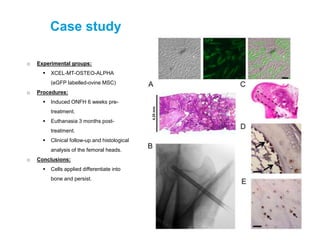
o Experimental groups:
 XCEL-MT-OSTEO-ALPHA
(eGFP labelled-ovine MSC)
o Procedures:
 Induced ONFH 6 weeks pre-
treatment.
 Euthanasia 3 months post-
treatment.
 Clinical follow-up and histological
analysis of the femoral heads.
o Conclusions:
 Cells applied differentiate into
bone and persist.
Case study
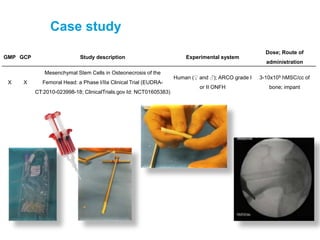
GMP GCP Study description Experimental system
Dose; Route of
administration
X X
Mesenchymal Stem Cells in Osteonecrosis of the
Femoral Head: a Phase I/IIa Clinical Trial (EUDRA-
CT:2010-023998-18; ClinicalTrials.gov Id: NCT01605383)
Human (♀ and ♂); ARCO grade I
or II ONFH
3-10x105 hMSC/cc of
bone; impant
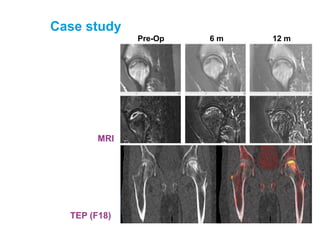
Case study
TEP (F18)
Pre-Op 6 m 12 m
MRI

Sessio formacio bst terapies avancades

  • 1.
  • 2.
    Advanced Therapies Cells (celltherapy)1 Tissues (tissue engineering)3 Genes (gene therapy)2
  • 3.
  • 4.
    Advanced Therapies  Noimmunogenicity  1 donor/patient, 1 dose  Expensive  Time-consuming  1 donor, several doses  Reasonable cost  Off-the-self  Possible immunogenicity
  • 5.
    Regenerative Medicine Sharpe etal. in: Cell Therapy GxP (2015) [Vives&Carmona eds]
  • 6.
  • 7.
  • 8.
  • 9.
    Potentiality&Development Pluripotent: ES cells Totipotent:zygote Multipotent: HPC MSC Oligopotent : lymphoid stem cells Unipotent : germ cells Terminally differentiated cells. i.e. Fibroblasts +POTENTIALITY- DEVELOPMENT
  • 10.
    Blastocyst From Dr. L.Batlle-Morera, CRG
  • 11.
  • 16.
  • 17.
  • 18.
  • 19.
  • 20.
    Qualities of MSCfor clinical use 20 Reis et al (2016) Front Immunol 7, 500 Nombela-Arrieta et al (2011) Nat Rev Mol Cell Biol 12, 126
  • 21.
    From Dr. L.Rodríguez (BST) Dominici, M. et al. (2006). The International Society for Cellular Therapy position statement. Cytotherapy 8, 315–317.
  • 23.
    23 Wagner, W. etal. (2005). Exp. Hematol. 33, 1402–1416
  • 24.
  • 25.
    Neonatal tissue Oliver-Vila &Coca et al (2015) Cytotherapy
  • 26.
  • 27.
    Potentiality&Development Pluripotent: ES cells Totipotent:zygote Multipotent: HPC MSC Oligopotent : lymphoid stem cells Unipotent : germ cells Terminally differentiated cells. i.e. Fibroblasts +POTENTIALITY- DEVELOPMENT
  • 28.
  • 32.
  • 33.
  • 34.
  • 35.
    Applications Cherry & Daley(2012) Cell 148, 1110
  • 36.
    Cell Culture Technology Sartet al (2014) Cytotechnology 68,709
  • 38.
    Cell Culture Technology Robeyet al (2015) Bone 70,87
  • 39.
  • 40.
  • 41.
    Overview of BST’sAdvanced Therapies Auto BM-MSC Gonarthrosis Degenerative meniscus Combined with bone scaffolds ONFH Spinal Fusion Pseudoarthrosi sCriopreserved Multiple Sclerosis Spinal cord injury GvHD Cardiomyopathy Proximal femoral fractures in the elderly Combined with bone scaffolds Deficiency of specific immunity Allo BM-MSC (cryopreserved) Allo WJ-MSC (cryopreserved) Virus-specific activated T cells Auto Allo
  • 42.
    Product development overview Caminalet al (2014) New Biotech 31, 492 Codinach et al (2016) Cytotherapy 18, 1197 Soler et al (2016) Knee 23, 647 Vives et al (2015) Cytotherapy 17, 1009 Vives et al (2015) BMC Proceedings 9, O9
  • 43.
    BACKGROUNDOn-going Autologous BM-MSC-basedCT at BST Femoral head osteonecrosis • Study name: XCEL-MT-10-01 • EudraCT: 2010-023998-18 • Phase: I-II b • Number of participants: 23/24 • Finished; pending results Spinal fusion • Study name: XCEL-MT-10-02 • EudraCT: 2010-023999-12 • Phase: I-II b • Number of participants: 66 • Finished; pending results Pseudo arthrosis • Study name: XCEL-PSART-01 • EudraCT: 2013-005025-23 • Phase: I-II b • Number of participants: 19/20 • Finished; pending results MSC sources XCEL-MT-OSTEO- ALPHA
  • 44.
  • 45.
    Case study GLP GMPStudy description Experimental system Dose; Route of administration X Proof of concept: Bone regeneration in a model of critical-sized segmental tibial defect Ovis aries (Ripollesa breed, ♀); critical sized defect in tibia 5.8x10⁶ ±0.1x10⁶ oMSC/cc; implant Pilot study: Bone regeneration in a model of femoral head osteonecrosis Ovis aries (Ripollesa breed, ♀); avascular ONFH 5.4x10⁶ ±0.3x10⁶ oMSC/cc; implant X X Biodistribution of hMSC in an immunodeficient mouse model Mus musculus (NRG, ♀ and ♂) 4x10⁵ hMSC; tail-vein injection X X Analysis of protooncogen expression levels, hTERT activity, senescense, G-banding karyotype, and CGH arrays on clinical grade hMSC In vitro assays N/A
  • 46.
    Case study o Experimentalgroups :  Autograft (gold standard)  Bone construct without cells (control without cells)  XCEL-MT-OSTEO-ALPHA (ovine) (test item) o Procedures:  Critical-sized defect (=2.5xØ cm) in tibia.  Euthanasia at 3 months post- treatment.  Clinical follow-up and histological/biomechanical analysis of the tibias. o Conclusions:  Large animal model.  Extreme conditions.  Safe.  Effective as an alternative to autologous bone, avoiding the associated morbidity to the gold standard. Score histology Gold standard (I) Without oMSC (II) With oMSC (III) P < 0,1 Biomechanical Analysis
  • 47.
    Case study o Experimentalgroups:  A: Core decompression (gold standard)  B: Bone construct without cells (control without MSC)  C: XCEL-MT-OSTEO- ALPHA (ovine) (test item) o Procedures:  Induced ONFH 6 weeks pre- treatment.  Euthanasia 3 months post- treatment.  Clinical follow-up and histological analysis of the femoral heads. o Conclusions:  Large animal model.  Non-invasive techniques for the clinical follow-up.  Safe.  Effective.
  • 48.
    Case study o Experimentalgroups:  XCEL-MT-OSTEO-ALPHA (eGFP labelled-ovine MSC) o Procedures:  Induced ONFH 6 weeks pre- treatment.  Euthanasia 3 months post- treatment.  Clinical follow-up and histological analysis of the femoral heads. o Conclusions:  Cells applied differentiate into bone and persist.
  • 49.
    Case study GMP GCPStudy description Experimental system Dose; Route of administration X X Mesenchymal Stem Cells in Osteonecrosis of the Femoral Head: a Phase I/IIa Clinical Trial (EUDRA- CT:2010-023998-18; ClinicalTrials.gov Id: NCT01605383) Human (♀ and ♂); ARCO grade I or II ONFH 3-10x105 hMSC/cc of bone; impant
  • 50.

Editor's Notes